

Immune system and intestinal microbiota determine efficacy of androgen deprivation therapy against prostate cancer
Open accessThe DOI matches its Crossref record; 65 of the 65 references it cites were found in a registry or an index.
Abstract
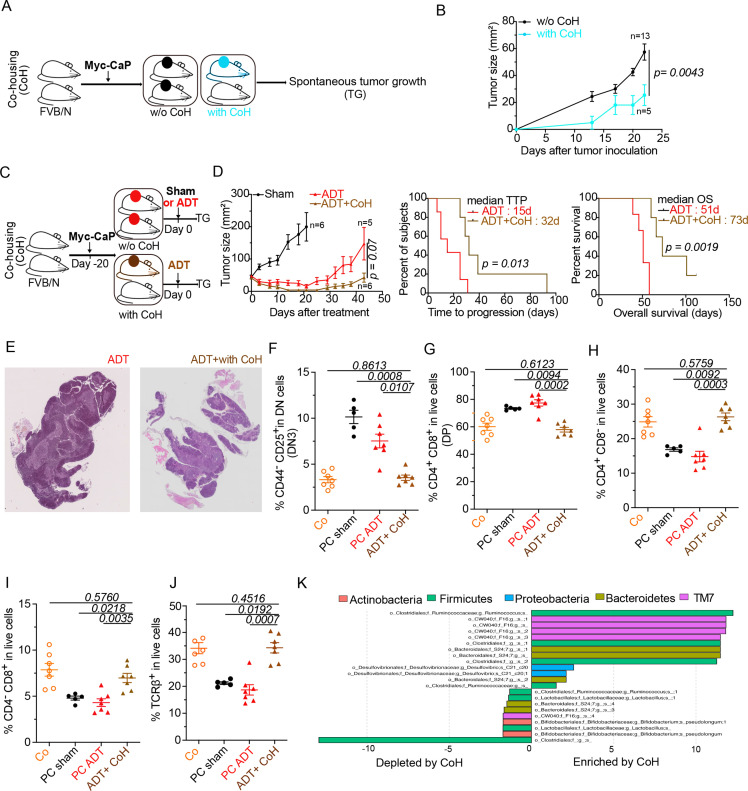
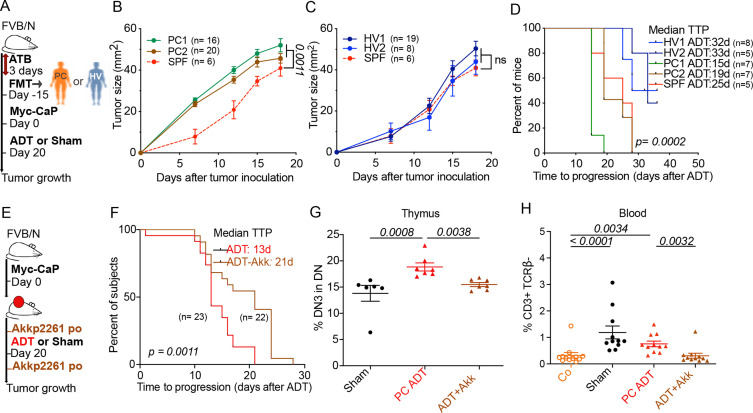
Background: Prostate cancer (PC) responds to androgen deprivation therapy (ADT) usually in a transient fashion, progressing from hormone-sensitive PC (HSPC) to castration-resistant PC (CRPC). We investigated a mouse model of PC as well as specimens from PC patients to unravel an unsuspected contribution of thymus-derived T lymphocytes and the intestinal microbiota in the efficacy of ADT. Methods: Preclinical experiments were performed in PC-bearing mice, immunocompetent or immunodeficient. In parallel, we prospectively included 65 HSPC and CRPC patients (Oncobiotic trial) to analyze their feces and blood specimens. Results: In PC-bearing mice, ADT increased thymic cellularity and output. PC implanted in T lymphocyte-depleted or athymic mice responded less efficiently to ADT than in immunocompetent mice. Moreover, depletion of the intestinal microbiota by oral antibiotics reduced the efficacy of ADT. PC reduced the relative abundance of Akkermansia muciniphila in the gut, and this effect was reversed by ADT. Moreover, cohousing of PC-bearing mice with tumor-free mice or oral gavage with Akkermansia improved the efficacy of ADT. This appears to be applicable to PC patients because long-term ADT resulted in an increase of thymic output, as demonstrated by an increase in circulating recent thymic emigrant cells (sjTRECs). Moreover, as compared with HSPC controls, CRPC patients demonstrated a shift in their intestinal microbiota that significantly correlated with sjTRECs. While feces from healthy volunteers restored ADT efficacy, feces from PC patients failed to do so. Conclusions: These findings suggest the potential clinical utility of reversing intestinal dysbiosis and repairing acquired immune defects in PC patients.
Overview
The claims and statistics of this paper haven’t been checked yet.
Free: it reads the open-access text and checks the first 5 claims that cite a source we can check. Create a free account to check every claim.
Integrity signals
Registry
Cites
Statistics
Figures
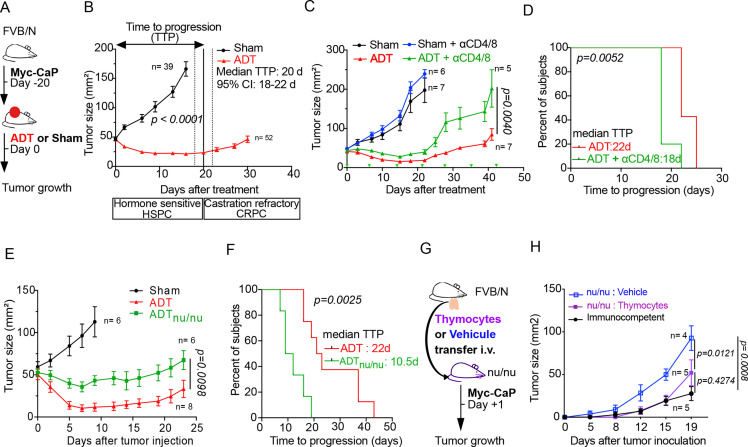
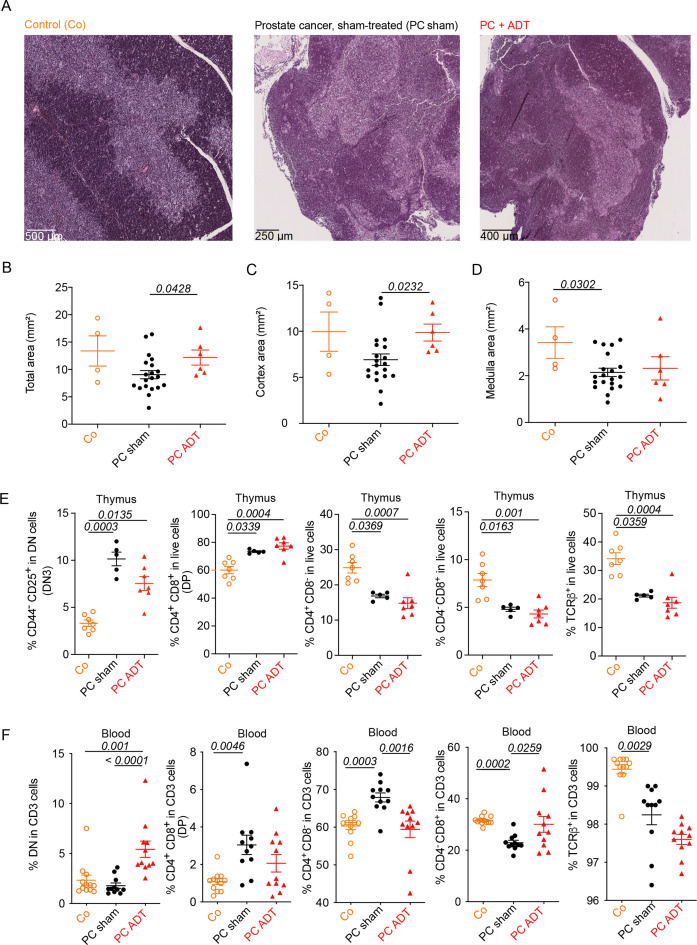
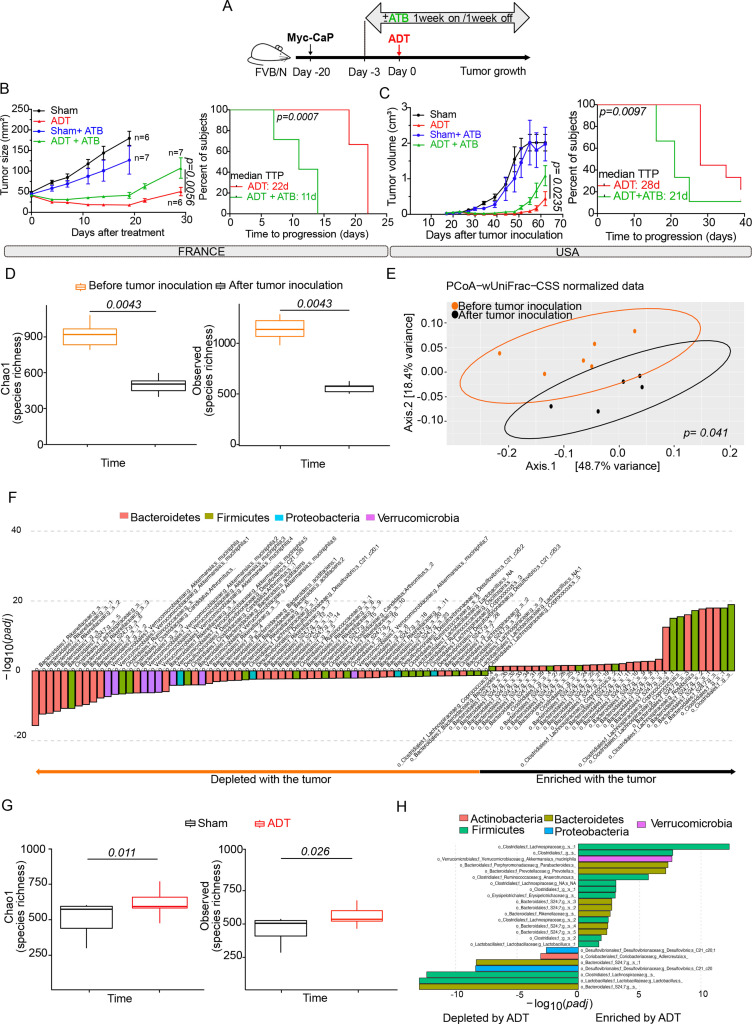
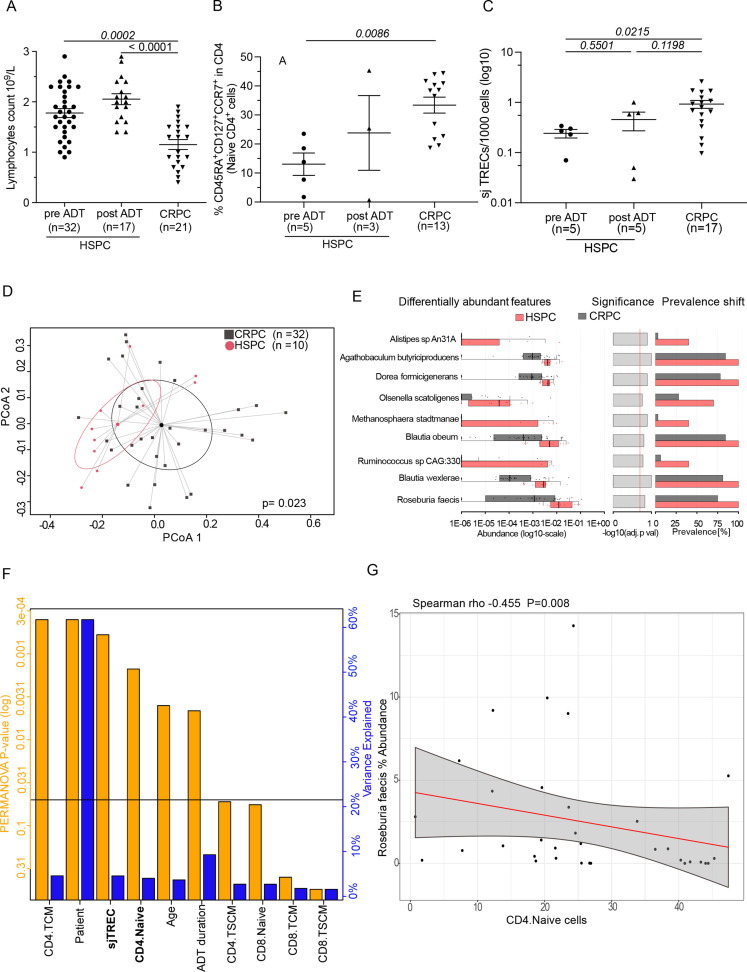
Verification
Claims the paper makes
The claims and statistics of this paper haven’t been checked yet.
Free: it reads the open-access text and checks the first 5 claims that cite a source we can check. Create a free account to check every claim.
Claims other papers make about this one
Each is checked against this paper’s own text: does it say what the citing paper says it does?
The source backs part of the claim, not all of it — or backs it for a different population, condition or comparison.
In the citing paper
“polychemotherapy and endocrine therapy (such as androgen deprivation) can modulate the alpha and beta diversities of the microbiota, which have been proposed to affect treatment-related adverse events27,28 as well as drug metabolism and efficacy29,30.”
From Gut OncoMicrobiome Signatures (GOMS) as next-generation biomarkers for cancer immunotherapy (2023) · cites this paper as [28]
Experimental — accuracy not yet measuredIn the citing paper
“Together, these findings validate those obtained in preclinical avatar models involving the oral transfer of patient-derived stool samples to mice harbouring hepatocarcinomas103, sarcomas, or kidney, lung or prostate tumours28,41.”
From Gut OncoMicrobiome Signatures (GOMS) as next-generation biomarkers for cancer immunotherapy (2023) · cites this paper as [28]
Self-check
Percentages, sums and reported differences re-computed from the paper’s own numbers.
The self-check needs the paper’s full text.
Citations
Cites
Hallmarks of Cancer: The Next Generation
Hanahan, D., & Weinberg, R. A. (2011) · Cell · doi:10.1016/j.cell.2011.02.013 · Cited by 66,590
Hanahan, D., & Weinberg, R. A. (2000) · Cell · doi:10.1016/s0092-8674(00)81683-9 · Cited by 29,219
Gut microbiome modulates response to anti-PD-1 immunotherapy in melanoma patients
Gopalakrishnan, V., Spencer, C. N., Nezi, L., Reuben, A., Andrews, M. C., Karpinets, T. V., Prieto, P. A., Vicente, D., Hoffman, K., Wei, S. C., et al. (2018) · Science · doi:10.1126/science.aan4236 · Cited by 4,812
Self-citationInduction of Intestinal Th17 Cells by Segmented Filamentous Bacteria
Ivanov, I. I., Atarashi, K., Manel, N., Brodie, E. L., Shima, T., Karaoz, U., Wei, D., Goldfarb, K. C., Santee, C. A., Lynch, S. V., et al. (2009) · Cell · doi:10.1016/j.cell.2009.09.033 · Cited by 4,554
Anticancer immunotherapy by CTLA-4 blockade relies on the gut microbiota
Vétizou, M., Pitt, J. M., Daillère, R., Lepage, P., Waldschmitt, N., Flament, C., Rusakiewicz, S., Routy, B., Roberti, M. P., Duong, C. P. M., et al. (2015) · Science · doi:10.1126/science.aad1329 · Cited by 3,488
Self-citationImmunogenic Cell Death in Cancer Therapy
Kroemer, G., Galluzzi, L., Kepp, O., & Zitvogel, L. (2013) · Annual Review of Immunology · doi:10.1146/annurev-immunol-032712-100008 · Cited by 3,303 · cited 1×
“21 22 23 This applies as well to estrogen receptor antagonists, which are used for the treatment of hormone receptor-positive breast cancer.”
Self-citationCommensal Bacteria Control Cancer Response to Therapy by Modulating the Tumor Microenvironment
Iida, N., Dzutsev, A., Stewart, C. A., Smith, L., Bouladoux, N., Weingarten, R. A., Molina, D. A., Salcedo, R., Back, T., Cramer, S., et al. (2013) · Science · doi:10.1126/science.1240527 · Cited by 2,251
Plovier, H., Everard, A., Druart, C., Depommier, C., Van Hul, M., Geurts, L., Chilloux, J., Ottman, N., Duparc, T., Lichtenstein, L., et al. (2017) · Nature Medicine · doi:10.1038/nm.4236 · Cited by 2,204
NLRP6 Inflammasome Regulates Colonic Microbial Ecology and Risk for Colitis
Elinav, E., Strowig, T., Kau, A. L., Henao-Mejia, J., Thaiss, C. A., Booth, C. J., Peaper, D. R., Bertin, J., Eisenbarth, S. C., Gordon, J. I., et al. (2011) · Cell · doi:10.1016/j.cell.2011.04.022 · Cited by 2,024
Caspase-dependent immunogenicity of doxorubicin-induced tumor cell death
Casares, N., Pequignot, M. O., Tesniere, A., Ghiringhelli, F., Roux, S., Chaput, N., Schmitt, E., Hamai, A., Hervas-Stubbs, S., Obeid, M., et al. (2005) · The Journal of Experimental Medicine · doi:10.1084/jem.20050915 · Cited by 1,512
Self-citation
Cited by
Bacteria in cancer initiation, promotion and progression
El Tekle, G., & Garrett, W. S. (2023) · Nature Reviews Cancer · doi:10.1038/s41568-023-00594-2 · Cited by 343
Targeting the gut microbiota for cancer therapy
Fernandes, M. R., Aggarwal, P., Costa, R. G. F., Cole, A. M., & Trinchieri, G. (2022) · Nature Reviews Cancer · doi:10.1038/s41568-022-00513-x · Cited by 290
Drug-microbiota interactions: an emerging priority for precision medicine
Zhao, Q., Chen, Y., Huang, W., Zhou, H., & Zhang, W. (2023) · Signal Transduction and Targeted Therapy · doi:10.1038/s41392-023-01619-w · Cited by 268
“Overall, these studies highlight the importance of DPP4Is on gut microbiota and reveal promising strategies to improve glucose homeostasis and IVDR.”
BackgroundInfluentialGut microbiota shapes cancer immunotherapy responses
Lei, W., Zhou, K., Lei, Y., Li, Q., & Zhu, H. (2025) · npj Biofilms and Microbiomes · doi:10.1038/s41522-025-00786-8 · Cited by 195
Recent findings in Akkermansia muciniphila-regulated metabolism and its role in intestinal diseases
Liu, M.-J., Yang, J.-Y., Yan, Z.-H., Hu, S., Li, J.-Q., Xu, Z.-X., & Jian, Y.-P. (2022) · Clinical Nutrition · doi:10.1016/j.clnu.2022.08.029 · Cited by 166
Gut OncoMicrobiome Signatures (GOMS) as next-generation biomarkers for cancer immunotherapy
Thomas, A. M., Fidelle, M., Routy, B., Kroemer, G., Wargo, J. A., Segata, N., & Zitvogel, L. (2023) · Nature Reviews Clinical Oncology · doi:10.1038/s41571-023-00785-8 · Cited by 141
Self-citationMicrobiome and Prostate Cancer: A Novel Target for Prevention and Treatment
Kuštrimović, N. Z., Bombelli, R., Baci, D., & Mortara, L. (2023) · International Journal of Molecular Sciences · doi:10.3390/ijms24021511 · Cited by 117
Chen, L., Xu, Y.-X., Wang, Y., Ren, Y.-Y., Dong, X.-M., Wu, P., Xie, T., Zhang, Q., & Zhou, J. (2024) · Molecular Cancer · doi:10.1186/s12943-024-02137-1 · Cited by 92
“For example, some research has found that certain gut microbiota can produce androgens by metabolizing precursor substances, thereby affecting the host’s hormone levels and the immune microenvironment of tumors [218, 219].”
BackgroundExperimental in vitro, ex vivo and in vivo models in prostate cancer research
Sailer, V., Amsberg, G. V., Duensing, S. M., Kirfel, J., Lieb, V., Metzger, E., Offermann, A., Pantel, K., Schüle, R., Taubert, H. W., et al. (2022) · Nature Reviews Urology · doi:10.1038/s41585-022-00677-z · Cited by 82
Segers, A., & de Vos, W. M. (2023) · Microbiome Research Reports · doi:10.20517/mrr.2023.05 · Cited by 71
Bodywide ecological interventions on cancer
Kroemer, G., McQuade, J. L., Mérad, M., André, F., & Zitvogel, L. (2023) · Nature Medicine · doi:10.1038/s41591-022-02193-4 · Cited by 57
Self-citationAkkermansia muciniphila: A potential target and pending issues for oncotherapy
Zhao, X., Zhao, J., Li, D., Yang, H., Chen, C., Qin, M., Wen, Z., He, Z., & Xu, L. (2023) · Pharmacological Research · doi:10.1016/j.phrs.2023.106916 · Cited by 53
Xu, W., Li, Y., Liu, L., Xie, J., Hu, Z., Kuang, S., Fu, X., Li, B., Sun, T., Zhu, C., et al. (2024) · Journal of Experimental & Clinical Cancer Research · doi:10.1186/s13046-024-03063-2 · Cited by 53
“Terrisse S et al. demonstrated the potential clinical application value of reversing intestinal ecological disorder and repairing acquired immune deficiency in PCa patients [6].”
BackgroundInfluentialPotential role of gut microbiota in prostate cancer: immunity, metabolites, pathways of action?
Zha, C., Peng, Z., Huang, K., Tang, K., Wang, Q., Zhu, L. J., Che, B., Li, W., Xu, S., Huang, T., et al. (2023) · Frontiers in Oncology · doi:10.3389/fonc.2023.1196217 · Cited by 51
“In addition, compared with the HSPC control group, the intestinal microflora of CRPC patients had a significant correlation with the abundance of thymic transitional cells, indicating a functional relationship between the intestinal ecosystem and the thymus (97).”
ResultRole of the gut microbiota in tumorigenesis and treatment
Liu, Q., Yang, Y., Pan, M., Yang, F., Yu, Y., & Qian, Z. (2024) · Theranostics · doi:10.7150/thno.91700 · Cited by 47
“Although initially effective, this treatment can lead to a transition in patients’ condition from hormone-sensitive prostate cancer to castration-resistant prostate cancer (CRPCa) as therapy progresses [111].”
BackgroundScience-Driven Nutritional Interventions for the Prevention and Treatment of Cancer
Montégut, L., de Cabo, R., Zitvogel, L., & Kroemer, G. (2022) · Cancer Discovery · doi:10.1158/2159-8290.cd-22-0504 · Cited by 38
Self-citationEffects of the intestinal microbiota on prostate cancer treatment by androgen deprivation therapy
Terrisse, S. A., Zitvogel, L., & Kroemer, G. (2022) · Microbial Cell · doi:10.15698/mic2022.12.787 · Cited by 38
“, signal joint T-cell receptor excision circles, abbreviated as sjTRECs) in peripheral blood [17].”
Self-citationAkkermansia muciniphila: The state of the art, 18 years after its first discovery
Iwaza, R., Wasfy, R. M., Dubourg, G., Raoult, D., & Lagier, J. (2022) · Frontiers in Gastroenterology · doi:10.3389/fgstr.2022.1024393 · Cited by 38
Microbiota and urinary tumor immunity: Mechanisms, therapeutic implications, and future perspectives
Li, D., Wu, R., Yu, Q., Tuo, Z., Wang, J., Yoo, K. H., Wei, W., Yang, Y., Ye, L., Guo, Y., et al. (2024) · Chinese Journal of Cancer Research · doi:10.21147/j.issn.1000-9604.2024.06.03 · Cited by 30
New insights into gut microbiota–prostate cancer crosstalk
Laaraj, J., Lachance, G., Bergeron, A., Fradet, Y., Robitaille, K., & Fradet, V. (2025) · Trends in Molecular Medicine · doi:10.1016/j.molmed.2025.03.015 · Cited by 27
Gut microbiome: a novel preventive and therapeutic target for prostatic disease
Cao, H., Zhang, D., Wang, P., Wang, Y., Shi, C., Wu, H., Du, H., Zhang, W., Gou, Z., Zhou, H., et al. (2024) · Frontiers in Cellular and Infection Microbiology · doi:10.3389/fcimb.2024.1431088 · Cited by 26
Impact of the ONCOBIOME network in cancer microbiome research
Zitvogel, L., Derosa, L., Routy, B., Loibl, S., Heinzerling, L., de Vries, I. J. M., Engstrand, L., ONCOBIOME Network, Silva, C. A. C., Barbieri, D., et al. (2025) · Nature Medicine · doi:10.1038/s41591-025-03608-8 · Cited by 23
Self-citationHahn, A. W., Venkatesh, N., Msaouel, P., & McQuade, J. L. (2023) · Cells · doi:10.3390/cells12212551 · Cited by 24
Impact of microbiota on breast cancer hormone therapy
Terrisse, S. A., Zitvogel, L., & Kroemer, G. (2023) · Cell Stress · doi:10.15698/cst2023.03.277 · Cited by 22
“In addition, the gut microbiota strongly influences the therapeutic response of hormone dependent cancers [13, 14].”
BackgroundSelf-citationSurrogate markers of intestinal dysfunction associated with survival in advanced cancers
Birebent, R., Drubay, D., Alves Costa Silva, C., Marmorino, F., Vitali, G., Piccinno, G., Hurtado, Y., Bonato, A., Belluomini, L., Messaoudene, M., et al. (2025) · OncoImmunology · doi:10.1080/2162402x.2025.2484880 · Cited by 21
Self-citationRestored Thymic Output after Androgen Blockade Participates in Antitumor Immunity
Polesso, F., Caruso, B. P., Hammond, S. A., & Moran, A. E. (2022) · The Journal of Immunology · doi:10.4049/jimmunol.2200696 · Cited by 20
Wang, L. (2023) · Prostate Cancer and Prostatic Diseases · doi:10.1038/s41391-023-00723-w · Cited by 20
Reprogramming prostate cancer through the microbiome
Bautista, J., Maya, W. D. C., Gancino-Guevara, K., & López-Cortés, A. (2025) · Frontiers in Medicine · doi:10.3389/fmed.2025.1690498 · Cited by 19
The human microbiome links to prostate cancer risk and treatment (Review)
Xia, B., Wang, J., Zhang, D., & Hu, X. (2023) · Oncology Reports · doi:10.3892/or.2023.8560 · Cited by 19
Prostate Tissue Microbiome in Patients with Prostate Cancer: A Systematic Review
Grados, D. F. W., Ergun, O., Miller, C. D., Gaburak, P., Frimpong, N., Shittu, O., & Warlick, C. A. (2024) · Cancers · doi:10.3390/cancers16081549 · Cited by 12
Ebrahimi, R., Nejad, S. S., Fekri, M., & Nejadghaderi, S. A. (2025) · Current Research in Microbial Sciences · doi:10.1016/j.crmicr.2025.100420 · Cited by 12
Jia, R. F., Xiao, C., Zhang, Y., Hu, L.-Y., Jun-jun, Y., Zuo, R., Hu, Y., Xie, Y.-H., Ma, X., Li, Q., et al. (2025) · Drug Resistance Updates · doi:10.1016/j.drup.2025.101311 · Cited by 11
Li, P., Yuan, W., Wu, R., Zeng, C., Li, K., & Lu, L. (2022) · Frontiers in Oncology · doi:10.3389/fonc.2022.917400 · Cited by 11
“org 6 microbiota determine efficacy of ADT against prostate cancer (39).”
BackgroundDiet and the microbiome as mediators of prostate cancer risk, progression, and therapy response
Cruz-Lebrón, A., Faiez, T. S., Hess, M. M., & Sfanos, K. S. (2025) · Urologic Oncology Seminars and Original Investigations · doi:10.1016/j.urolonc.2024.12.001 · Cited by 10
The role of microbiota in the chronic prostatitis/chronic pelvis pain syndrome: a review
Deng, A.-Q., Yue, S.-Y., Niu, D., Zhang, D.-D., Hou, B., Zhang, L., Liang, C.-Z., & Du, H. (2025) · Frontiers in Microbiology · doi:10.3389/fmicb.2025.1488732 · Cited by 10
Hang, W., Yin, R., Kang, X.-W., He, L., Cao, X., & Chen, J. (2025) · Chinese Medicine · doi:10.1186/s13020-025-01251-6 · Cited by 10
Ding, X., Meng, P., Ma, X., Yue, J.-Y., Li, L., & Xu, L. (2024) · Frontiers in Microbiomes · doi:10.3389/frmbi.2024.1276015 · Cited by 10
Modulating Prostate Cancer Therapy Through the Gut Microbiome: A Comprehensive Review
Ali, M. A. M., & Abdulkadir, S. A. (2025) · Cancers · doi:10.3390/cancers17233842 · Cited by 9
“Restoring A. muciniphila through oral gavage or cohousing with tumor-free mice enhanced the antitumor response to ADT, suggesting a beneficial role for this species in mediating treatment efficacy [46].”
The worldview of Akkermansia muciniphila, a bibliometric analysis
Zhang, Z., Wang, J., Dang, S., Liu, X., Zhang, Y., & Zhang, H. (2025) · Frontiers in Microbiology · doi:10.3389/fmicb.2025.1500893 · Cited by 9
Bacteriophages, Antibiotics and Probiotics: Exploring the Microbial Battlefield of Colorectal Cancer
Volovat, C. C., Cosovanu, M. A., Ostafe, M.-R., Augustin, I. G., Volovat, C., Georgescu, B., & Volovat, S. R. (2025) · International Journal of Molecular Sciences · doi:10.3390/ijms26167837 · Cited by 8
“Its presence has also been linked to improved therapeutic efficacy in prostate cancer via androgen deprivation therapy and in renal cancer by enhancing immune checkpoint blockade effectiveness [108,109].”
Cui, J., Chen, H., Dong, F., Zheng, Q., Wu, J., Feng, B., Guo, D., Jiang, S., Li, M., & Li, J. (2025) · Discover Oncology · doi:10.1007/s12672-025-03296-3 · Cited by 7
“…have confirmed that the immune system and gut microbiota can determine the efficacy of androgen deprivation therapy for prostate cancer, suggesting the potential clinical utility of reversing intestinal dysbiosis and repairing acquired immune deficiencies in patients with prostate cancer [85].”
Thomas, R., Kenfield, S. A., Williams, M. M. A., Newton, R. U., Aldous, J. W. F., Mitra, A., & Fazili, Z. (2025) · European Urology Oncology · doi:10.1016/j.euo.2025.10.003 · Cited by 7
Wu, B., Quan, C., He, Y., Matsika, J., Huang, J., Liu, B., & Chen, J. (2024) · Expert Opinion on Biological Therapy · doi:10.1080/14712598.2024.2371543 · Cited by 7
“Conversely, transplanting gut microbiota from PC individuals or a mouse with PC into a healthy one leads to the progression of PC [74].”
Feng, D., Wang, J., Wu, R., & Li, D. (2024) · European Urology · doi:10.1016/j.eururo.2024.01.025 · Cited by 7
Silva, C. A. C., Almonte, A. A., & Zitvogel, L. (2025) · Biomolecules · doi:10.3390/biom15040504 · Cited by 6
“Gut dysbiosis is associated with worse clinical outcomes and primary treatment resistance across various cancers and treatment types, notably I-O regimens [14,87]; patients are more likely to benefit from I-O treatments if they harbor health-related gut commensals at the baseline [14,37,88].”
Self-citationThe role of the human microbiome in prostate cancer: a systematic review from diagnosis to treatment
Distante, A., Garino, D., Cerrato, C., Pérez‐Ardavín, J., Quereda-Flores, F., Lopetuso, L. R., & Mir, M. C. (2025) · Prostate Cancer and Prostatic Diseases · doi:10.1038/s41391-025-01028-w · Cited by 6
An, Y., Xu, J., Ye, G.-C., Sun, J., Xiang, J.-C., Gong, C., Zhang, S.-H., Miao, L.-T., Ma, S.-Y., Ding, M., et al. (2026) · Journal of Nanobiotechnology · doi:10.1186/s12951-026-04160-4 · Cited by 6
“In prostate cancer, Akkermansia muciniphila can sensitize prostate cancer to androgen deprivation therapy while modulating the TME [27, 28].”
Tram, V. T. N., Ta, H. D. K., Anuraga, G., Dung, P. V. T., Xuan, D. T. M., Dey, S., Wang, C., & Liu, Y. (2023) · International Journal of Molecular Sciences · doi:10.3390/ijms241511930 · Cited by 6
“progress to neuroendocrine PCa (NEPC) [21].”
BackgroundInfluentialChen, J., Gong, L., Cao, S., Song, G., Peng, Y., Wang, Y., Lou, Y., Murtola, T. J., Wu, Y., Yu, G., et al. (2025) · Theranostics · doi:10.7150/thno.114534 · Cited by 5
Unraveling the microbial landscape in prostate cancer: pathogenesis to therapy
Du, X., Wu, J., Xia, S., Zheng, H., & Zhang, B. (2026) · npj Biofilms and Microbiomes · doi:10.1038/s41522-025-00900-w · Cited by 5
The Role of Gut Microbiome in Prostate Cancer: Current Evidence and Emerging Opportunities
Huang, J., Zhu, X.-H., Trotman, L. C., & Tsao, C. (2026) · Cancers · doi:10.3390/cancers18060998 · Cited by 4
Androgens are a Key Factor Affecting Immune Related Diseases
Zou, H., Zhao, J., Xu, H., Chen, W., Cao, R., & Ma, Y. (2025) · The World Journal of Men s Health · doi:10.5534/wjmh.240292 · Cited by 3
“…Guan [28] 2022 Cell lines (PPSM, MCA-205); mice Enzalutamide, anti-PD-1 OS of mice increase Increased cytotoxicity of CD8+ T cells, IFN-γ Terrisse [29] 2022 es tumor cell major histocompatibility complex class I (MHC I) expression and CD8+T cell cytotoxicity, killing tumor cells and inhibiting…”
Tan, M.-S., Clister, D., Chandra, Q. M., Wangsa, C. E., Simone, C. N., Umaya, C., Choi, J., Park, S., Rani, A., Akter, S., et al. (2026) · Clinica Chimica Acta · doi:10.1016/j.cca.2026.121086 · Cited by 3
Hanson, E. D., Sakkal, S., Bates‐Fraser, L. C., Que, S., Cho, E., Spielmann, G., Kadife, E., Violet, J. A., Battaglini, C. L., Stoner, L. R., et al. (2023) · Frontiers in Sports and Active Living · doi:10.3389/fspor.2023.1173377 · Cited by 3
“In contrast, others report decreased mitogenic response to stimulation in CD8 cells (5, 7) or only minimal changes in CD3, CD4 and CD8 populations (4, 5), although naïve CD4 T cell frequency was consistently elevated (5, 9).”
BackgroundDynamics in the Prostate Immune Microenvironment Induced by Androgen Deprivation Therapy
Yanai, Y., Kosaka, T., Mikami, S., Arai, M., Watanabe, K., Takeda, T., Matsumoto, K., Yamashita, M., Kitano, S., & Oya, M. (2024) · The Prostate · doi:10.1002/pros.24828 · Cited by 3
“It can be affected when androgen levels decrease due to hormone therapy [7].”
Tanegashima, T., Shiota, M., Tsukahara, S., Mutaguch, J., Goto, S., Kobayashi, S., Matsumoto, T., & Eto, M. (2024) · The Prostate · doi:10.1002/pros.24769 · Cited by 3
“24 Additionally, A. muciniphila has been identified as a key regulator of microbial community restructuring by abiraterone acetate, which may affect treatment response in CRPC patients.”
Mandl, A., ZAHURAK, M. L., Metri, N. A., Shore, N. D., Mao, S. S., McKay, R. R., Taplin, M., Szmulewitz, R. Z., Maughan, B., Reichert, Z. R., et al. (2025) · The Prostate · doi:10.1002/pros.24903 · Cited by 2
“Additionally, R. faecis , a butyrate ‐ producing bacterium has been linked to improved immune responses and cancer defense [36].”
Tan, Z., Huang, Y., Fu, S., Li, H., Chen, G., Lv, D., Yang, C., Wang, J., Ding, M., & Wang, H. (2025) · Annals of Medicine · doi:10.1080/07853890.2025.2553220 · Cited by 1
“The microbiota modulates host immune responses, not only influencing oncogenesis but also synergizing with existing clinical therapies to improve the management of urothelial malignancies [59–61].”
Hu, J., Liang, Y., Wu, X., Huang, J., & Jiang, H. (2026) · Cancers · doi:10.3390/cancers18050804 · Cited by 1
Xu, X., Fu, J., Wan, Y., Gong, J., Hong, R., Tang, J., Wang, Q., Li, Y., Huang, K., Zhong, Y., et al. (2026) · Chemical Engineering Journal · doi:10.1016/j.cej.2026.175754 · Cited by 1
朱正勤, Yang, Y., Pan, L., Ma, L., & Fang, L. (2026) · Cancers · doi:10.3390/cancers18081218 · Cited by 1
“Moreover, the bidirectional metabolic interaction between endocrine agents and the microbiota can lead to the substantial depletion of essential protective metabolites, such as HDCA, triggering severe gastrointestinal and hepatic toxicities [61] and unpredictable therapeutic fluctuations [115,116].”
Gut microbial metabolism of Flutamide attenuates its therapeutic efficacy against prostate cancer
Li, S., Ding, H., Wang, J., Yuan, L., Zhou, Y., Xu, W., Yin, H., Ye, M., Sha, Y., Li, F., et al. (2026) · Gut Microbes · doi:10.1080/19490976.2026.2682803 · Cited by 1
“18,52,53 While the involvement of gut microbiota in drug metabolism is well-established, the specific metabolic alterations and their consequences for ADT drugs remain unknown.”
Commensal Nakaseomyces glabratus migrates into prostate tumors to accelerate cancer progression
Lai, P., Liu, L., Pernigoni, N., Du, Y., Braga, D., Troiani, M., Attanasio, G., Li, Y., Song, P., Pasquini, E., et al. (2026) · Nature Cancer · doi:10.1038/s43018-026-01229-9 · Cited by 1
“Previous studies from different teams, including ours, showed that ADT promotes the expansion of intestinal Article https://doi.org/10.1038/s43018-026-01229-9 bacteria, which can produce androgens, leading to CRPC 41–43 .”
InfluentialThe effect of choline supplement and miR-29b-3p in porcine ovarian follicular development
Zhan, X. (2023) · The Atrium (University of Guelph) · doi:10.3389/fnut.2023.1101519 · Cited by 1
The gut microbiota—as an endocrine organ
Kumar, P., & McEwan, I. J. (2024) · Elsevier eBooks · doi:10.1016/b978-0-323-91141-2.00009-x
Gapeyev, A. B., Kulagina, T. P., Zhukova, E. S., Aripovsky, A. V., & Pozdnyakova, M. A. (2024) · Биофизика · doi:10.31857/s0006302924060208
Okafor, M. T., & Nwagha, T. U. (2025) · International Journal of Medicine and Health Development · doi:10.4103/ijmh.ijmh_43_24
Gapeyev, A. B., Kulagina, T. P., Zhukova, E. S., Aripovsky, A. V., & Pozdnyakova, M. A. (2024) · BIOPHYSICS · doi:10.1134/s0006350924701252
“…the acid molecule; * p < 0.015 relative to the control and EHF EMR according to the multiple Student–Newman–Keils criterion. tionship between the intestinal microbiota, tumor, and thymus function, as well as the relationship between thymus-dependent T lymphocytes and the intestinal microbiota [29].”
InfluentialGut microbiota and prostate cancer: mechanisms, effects and future perspectives
Wang, R., Chen, M., Liu, Y., Zhang, W., & Shi, T. (2025) · Scientia Sinica Vitae · doi:10.1360/ssv-2024-0368
Xie, F., Zhou, B., Hao, Y., Pan, S., Han, Z., Song, X., Luo, W., Zhao, Y., Shen, J., Ruo, X., et al. (2025) · International Journal of Surgery · doi:10.1097/js9.0000000000004449 · Cited by 1
Xu, W., Li, Y., Liu, L., Xie, J., Hu, Z., Kuang, S., Fu, X., Li, B., Sun, T., Zhu, C., et al. (2024) · Figshare · doi:10.6084/m9.figshare.26724362
Xu, W., Li, Y., Liu, L., Xie, J., Hu, Z., Kuang, S., Fu, X., Li, B., Sun, T., Zhu, C., et al. (2024) · Figshare · doi:10.6084/m9.figshare.26724359
Xu, W., Li, Y., Liu, L., Xie, J., Hu, Z., Kuang, S., Fu, X., Li, B., Sun, T., Zhu, C., et al. (2024) · Figshare · doi:10.6084/m9.figshare.25885157
Xu, W., Li, Y., Liu, L., Xie, J., Hu, Z., Kuang, S., Fu, X., Li, B., Sun, T., Zhu, C., et al. (2024) · Figshare · doi:10.6084/m9.figshare.25884953
Ai, Z., Dai, P., He, K., Nie, R., Zou, S., & Chen, L. (2026) · Microbiology Research · doi:10.3390/microbiolres17030055
Guo, J., Guo, J., Yang, S. J., Guo, Y., Huang, J., Li, P., Tang, Y., Yang, Y., Zheng, W., & He, H. (2026) · Frontiers in Nutrition · doi:10.3389/fnut.2026.1827331
Liu, Y., Ke, Y., Yu, J., Chai, M., Zheng, L., Yang, C., 刘, D. 栋. L., Cheng, S., Xiong, Z., Feng, J., et al. (2026) · Cell Death and Disease · doi:10.1038/s41419-026-08959-9
Li, Z., Xu, H., Yang, L., Zheng, J., Li, W., Liao, R., Huang, W., Sun, B., Li, Z., Ma, C., et al. (2026) · Cellular & Molecular Biology Letters · doi:10.1186/s11658-026-00951-7
Prostate cancer: evading immunity, inspiring therapy
Calì, B., Brina, D., Moscarda, V., Kohl, A., Cetti, F., Bressan, S., & Alimonti, A. (2026) · Trends in cancer · doi:10.1016/j.trecan.2026.07.006
Alotaibi, B. S. (2026) · Saudi Pharmaceutical Journal · doi:10.1007/s44446-026-00107-w
“It was observed that antibiotic regimens containing vancomycin might improve efficacy of androgen deprivation therapy via eradicating these bacteria (Terrisse et al. 2022).”
Wang, K., Tang, Q., Fan, W., & Su, Q. (2026) · Frontiers in Cellular and Infection Microbiology · doi:10.3389/fcimb.2026.1882172
Research Progress on Mechanisms of Gut Microbiota‑Mediated Regulation of Multiple Tumor Progression
王, 伟. (2026) · Journal of Clinical Personalized Medicine · doi:10.12677/jcpm.2026.55320
Metadata
- Authors
- Terrisse, S., Goubet, A.-G., Ueda, K., Thomas, A. M., Quiniou, V., Thelemaque, C., Dunsmore, G., Clave, E., Gamat-Huber, M., Yonekura, S., Ferrere, G., Rauber, C., Pham, H. P., Fahrner, J.-E., Pizzato, E., Ly, P., Fidelle, M., Mazzenga, M., Costa Silva, C. A., Armanini, F., Pinto, F., Asnicar, F., Daillère, R., Derosa, L., Richard, C., Blanchard, P., Routy, B., Culine, S., Opolon, P., Silvin, A., Ginhoux, F., Toubert, A., Segata, N., McNeel, D. G., Fizazi, K., Kroemer, G., & Zitvogel, L.
- Affiliations
- Inserm (FR)
- INSERM U1015, Gustave Roussy, Villejuif, France
- Kurume University (JP)
- University of Trento (IT)
- Toulouse White Biotechnology (FR)
- UW Carbone Cancer Center, Madison, Wisconsin, USA
- Institut Gustave Roussy (FR)
- Centre Hospitalier de l’Université de Montréal (CA)
- Université Paris Cité (FR)
- University of Wisconsin–Madison (US)
- Université Paris-Saclay (FR)
- Corresponding author
- Kroemer, Guido
- Zitvogel, Laurence
- ORCID
- Terrisse, Safae
- Thomas, Andrew Maltez
- Quiniou, Valentin
- Dunsmore, Garett
- Clave, Emmanuel
- Gamat-Huber, Melissa
- Yonekura, Satoru
- Ferrere, Gladys
- Rauber, Conrad
- Pham, Hang Phuong
- Fahrner, Jean-Eudes
- Ly, Pierre
- Fidelle, Marine
- Mazzenga, Marine
- Armanini, Federica
- Pinto, Federica
- Asnicar, Francesco
- Daillère, Romain
- Derosa, Lisa
- Richard, Corentin
- Blanchard, Pierre
- Routy, Bertrand
- Culine, Stéphane
- Opolon, Paule
- Silvin, Aymeric
- Ginhoux, Florent
- Toubert, Antoine
- Segata, Nicola
- McNeel, Douglas G
- Fizazi, Karim
- Kroemer, Guido
- Zitvogel, Laurence
- Venue
- Journal for ImmunoTherapy of Cancer
- Publisher
- BMJ
- Published
- 2022-03
- Volume
- 10
- Issue
- 3
- Pages
- e004191
- ISSN
- 2051-1426 (ISSN-L)
- PMC
- PMC8928383
- OpenAlex
- W4221060919
- Cited by
- 80
- References
- 65
- Citations by year
- 2026: 16 · 2025: 24 · 2024: 18 · 2023: 14 · 2022: 8
- FWCI
- 10.32
- Type
- journal article
- Language
- en
- Open access
- gold
- doi.org
- Licence
- Locations
- Journal for ImmunoTherapy of Cancer (publishedVersion, cc-by-nc)
- PubMed Central (publishedVersion, cc-by-nc)
- PubMed (publishedVersion)
- Institutional Research Information System (Università degli Studi di Trento) (submittedVersion, cc-by-nc)
- HAL (submittedVersion, other-oa)
- DOAJ (DOAJ: Directory of Open Access Journals) (submittedVersion, cc-by-sa)
- Funders
- H2020 ONCOBIOME (N°825410)
- Germano-French ANR Ileobiome (19-CE15-0029-01)
- NIH (NCI P01 CA250927)
- AMMICa (US23/CNRS UMS3655)
- LabEx Immuno-Oncology (ANR-18-IDEX-0001)
- RHU Torino Lumière (ANR-16-RHUS-0008)
- French Government’s Investissement d’Avenir (ANR-10-LABX-69-01)
- Topics
- Life Sciences › Biochemistry, Genetics and Molecular Biology › Cancer Research › Prostate Cancer Treatment and Research
- Life Sciences › Biochemistry, Genetics and Molecular Biology › Molecular Biology › Gut microbiota and health
- Health Sciences › Medicine › Oncology › Cancer Immunotherapy and Biomarkers
- Keywords
- prostate cancer, androgen deprivation therapy, castration-resistant prostate cancer, gut microbiota, Akkermansia muciniphila, thymic output, immunodeficiency, dysbiosis, oral antibiotics, tumor-bearing mice, fecal microbiota transplantation
- MeSH terms
- Gastrointestinal Microbiome, Androgen Antagonists, Androgens, Animals, Humans, Immune System, Male, Mice, Prostatic Neoplasms, Castration-Resistant
About these checks
Registry, retraction, Cites and statistics results are computed, not judged, with one exception: a printed reference that no index lists is read once by a model before it counts as a citation error. Claims are extracted by a model and kept only when their quote appears verbatim in the text; each cited source is then checked, with a model’s help, for whether it says what the claim relies on. Those verdicts can be wrong — read the claim’s quote and the cited source before relying on one.
Statistics and arithmetic are recomputed, not judged.
Confidence bands are shown only for fields calibrated on our annotated test set. None is calibrated yet, so no band is shown.
What counts as a claim ›How we measure confidence ›How we check this ›
Are you an author, or do you see a problem with this page? Request a review
Data sources
Bibliographic data: Semantic Scholar, OpenAlex, Crossref.
Contains information from the Semantic Scholar Academic Graph Datasets, made available under the ODC Attribution License (ODC-BY 1.0).
Semantic Scholar’s data is described in: Kinney, R., et al. (2023). The Semantic Scholar Open Data Platform. arXiv:2301.10140.
