

Chronic Stress and Glucocorticoids: From Neuronal Plasticity to Neurodegeneration
Open accessThe DOI matches its Crossref record; 176 of the 178 references it cites were found in a registry or an index.
Abstract
Stress and stress hormones, glucocorticoids (GCs), exert widespread actions in central nervous system, ranging from the regulation of gene transcription, cellular signaling, modulation of synaptic structure, and transmission and glial function to behavior. Their actions are mediated by glucocorticoid and mineralocorticoid receptors which are nuclear receptors/transcription factors. While GCs primarily act to maintain homeostasis by inducing physiological and behavioral adaptation, prolonged exposure to stress and elevated GC levels may result in neuro- and psychopathology. There is now ample evidence for cause-effect relationships between prolonged stress, elevated GC levels, and cognitive and mood disorders while the evidence for a link between chronic stress/GC and neurodegenerative disorders such as Alzheimer’s (AD) and Parkinson’s (PD) diseases is growing. This brief review considers some of the cellular mechanisms through which stress and GC may contribute to the pathogenesis of AD and PD.
Overview
The claims and statistics of this paper haven’t been checked yet.
Free: it reads the open-access text and checks the first 5 claims that cite a source we can check. Create a free account to check every claim.
Integrity signals
Registry
Cites
Statistics
Figures
Verification
Claims the paper makes
The claims and statistics of this paper haven’t been checked yet.
Free: it reads the open-access text and checks the first 5 claims that cite a source we can check. Create a free account to check every claim.
Claims other papers make about this one
Each is checked against this paper’s own text: does it say what the citing paper says it does?
The source backs part of the claim, not all of it — or backs it for a different population, condition or comparison.
In the citing paper
“One study found that in mice models of AD, heightened stress and glucocorticoid production aided in the production of beta-amyloid, a key feature of AD, and worsening cognitive and memory deficits [79].”
From The Role of Cortisol in Chronic Stress, Neurodegenerative Diseases, and Psychological Disorders (2023) · cites this paper as [79]
Experimental — accuracy not yet measuredThe source backs part of the claim, not all of it — or backs it for a different population, condition or comparison.
In the citing paper
“In mice research, the administration of glucocorticoid receptor antagonists resulted in improved cognition and reduced AD pathologies, supporting findings that glucocorticoid signaling influences and likely plays a contributing role in the development and progression of AD pathologies.”
From The Role of Cortisol in Chronic Stress, Neurodegenerative Diseases, and Psychological Disorders (2023) · cites this paper as [79]
Experimental — accuracy not yet measuredThe source backs part of the claim, not all of it — or backs it for a different population, condition or comparison.
In the citing paper
“Through an interplay of inflammation due to immune response and subsequent cytokine release and a lack of downregulation normally executed by GCs, neuroinflammation persists, leading to the atrophy of neurons in critical brain areas, such as the hippocampus [79,98].”
From The Role of Cortisol in Chronic Stress, Neurodegenerative Diseases, and Psychological Disorders (2023) · cites this paper as [79]
Experimental — accuracy not yet measuredThe cited source says what the claim attributes to it.
In the citing paper
“supporting findings that glucocorticoid signaling influences and likely plays a contributing role in the development and progression of AD pathologies.”
From The Role of Cortisol in Chronic Stress, Neurodegenerative Diseases, and Psychological Disorders (2023) · cites this paper as [79]
Self-check
Percentages, sums and reported differences re-computed from the paper’s own numbers.
The self-check needs the paper’s full text.
Citations
Cites
Staging of brain pathology related to sporadic Parkinson’s disease
Braak, H., Tredici, K. D., Rüb, U., de Vos, R. A. I., Jansen Steur, E. N. H., & Braak, E. (2003) · Neurobiology of Aging · doi:10.1016/s0197-4580(02)00065-9 · Cited by 10,777 · cited 1×
“[121] as a principle pathological marker to monitor the progression and severity of PD.”
BackgroundAmyloid oligomers exacerbate tau pathology in a mouse model of tauopathy
Selenica, M.-L. B., Brownlow, M., Jimenez, J. P., Lee, D. C., Pena, G., Dickey, C. A., Gordon, M. N., & Morgan, D. (2013) · Neurodegenerative Diseases · doi:10.1159/000337230 · Cited by 10,359
Molecular Mechanisms of Depression: Perspectives on New Treatment Strategies
Lang, U. E., & Borgwardt, S. (2013) · Cellular Physiology and Biochemistry · doi:10.1159/000350094 · Cited by 8,475
From inflammation to sickness and depression: when the immune system subjugates the brain
Dantzer, R., O'Connor, J. C., Freund, G. G., Johnson, R. W., & Kelley, K. W. (2008) · Nature Reviews Neuroscience · doi:10.1038/nrn2297 · Cited by 7,395
Epigenetic programming by maternal behavior
Weaver, I. C. G., Cervoni, N., Champagne, F. A., D'Alessio, A. C., Sharma, S., Seckl, J. R., Dymov, S., Szyf, M., & Meaney, M. J. (2004) · Nature Neuroscience · doi:10.1038/nn1276 · Cited by 6,177 · cited 1×
“The first evidence of epigenetic programing in the brain by early life adversity showed that poor maternal care in rats leads to methylation of exon 1 7 in the GR promoter, being accompanied by aberrant behaviors and altered HPA axis responses during adulthood [32, 33].”
BackgroundPhysiology and neurobiology of stress and adaptation: central role of the brain
McEwen, B. S. (2007) · Physiological Reviews · doi:10.1152/physrev.00041.2006 · Cited by 5,429 · cited 5×
“of well-being or disruption of organism homeostasis [1].”
BackgroundInfluentialStress and the brain: from adaptation to disease
de Kloet, E. R., Joëls, M., & Holsboer, F. (2005) · Nature Reviews Neuroscience · doi:10.1038/nrn1683 · Cited by 4,621
Epigenetic regulation of the glucocorticoid receptor in human brain associates with childhood abuse
McGowan, P. O., Sasaki, A., D'Alessio, A. C., Dymov, S., Labonté, B., Szyf, M., Turecki, G., & Meaney, M. J. (2009) · Nature Neuroscience · doi:10.1038/nn.2270 · Cited by 3,531 · cited 1×
“Subsequently, similar mechanisms were reported in humans who had experienced childhood adversity [34] and in infants born to depressed mothers [35].”
BackgroundBrain corticosteroid receptor balance in health and disease
de Kloet, E. R., Vreugdenhil, E., Oitzl, M. S., & Joëls, M. (1998) · Endocrine Reviews · doi:10.1210/edrv.19.3.0331 · Cited by 2,614
Brain corticosteroid receptor balance in health and disease
de Kloet, E. R. (1998) · Endocrine Reviews · doi:10.1210/er.19.3.269 · Cited by 2,614
Cited by
Items 101–200 of 295
Chang, P.-R., Liou, J.-W., Chen, P., Gao, W.-Y., Wu, C., Wu, M., & Yen, J.-H. (2023) · Pharmaceutics · doi:10.3390/pharmaceutics15102376 · Cited by 24
“Prolonged exposure to stress and elevated corticosteroid levels may lead to neuropathology, cognitive impairment, psychiatric conditions, and neurodegenerative disorders [1].”
BackgroundAllopregnanolone reduces neuroendocrine response to acute stressful stimuli in sheep
Misztal, T., Młotkowska, P., Marciniak, E., & Misztal, A. (2020) · Journal of Endocrinology · doi:10.1530/joe-19-0376 · Cited by 22
Sex Differences in Aging and Associated Biomarkers
Thomas, N., Gurvich, C., & Kulkarni, J. (2019) · Advances in experimental medicine and biology · doi:10.1007/978-3-030-25650-0_4 · Cited by 23
Adiponectin: a potential target for obesity-associated Alzheimer’s disease
Samant, N. P., & Gupta, G. L. (2021) · Metabolic Brain Disease · doi:10.1007/s11011-021-00756-x · Cited by 24
Yang, L., Zhou, H., Huang, L., Su, Y., Kong, L., Ji, P., Sun, R., Wang, C., Li, W., & Li, W. (2022) · International Immunopharmacology · doi:10.1016/j.intimp.2022.108972 · Cited by 26
Rubrofusarin Attenuates Chronic Restraint Stress-Induced Depressive Symptoms
Yi, J. H., Jeon, J., Kwon, H., Cho, E., Yun, J., Lee, Y. C., Ryu, J. H., Park, S. J., Cho, J. H., & Kim, D. H. (2020) · International Journal of Molecular Sciences · doi:10.3390/ijms21103454 · Cited by 18
Neuroplasticity and the microbiome: how microorganisms influence brain change
Noman, A. A., Alhudhaibi, A. M., Mou, M. A., Tonni, S. D., Shehab, H. M., Iba, N. J., Taha, T. H., & Abdallah, E. M. (2025) · Frontiers in Microbiology · doi:10.3389/fmicb.2025.1629349 · Cited by 29
Wulsin, A. C., Kraus, K. L., Gaitonde, K. D., Suru, V., Arafa, S. R., Packard, B. A., Herman, J. P., & Danzer, S. C. (2021) · Experimental Neurology · doi:10.1016/j.expneurol.2021.113703 · Cited by 20
The antidepressant effect of testosterone: An effect of neuroplasticity?
Walther, A., Wasielewska, J. M., & Leiter, O. (2019) · Neurology Psychiatry and Brain Research · doi:10.1016/j.npbr.2019.05.004 · Cited by 23
Autophagy status as a gateway for stress-induced catecholamine interplay in neurodegeneration
Fornai, F., & Puglisi‐Allegra, S. (2021) · Neuroscience & Biobehavioral Reviews · doi:10.1016/j.neubiorev.2021.01.015 · Cited by 20
Zhu, D., Lu, J., Xu, R., Yang, J., Meng, X.-R., Ouyang, X., Yan, Q., Nie, R.-F., Zhao, T., Chen, Y., et al. (2022) · Acta Pharmacologica Sinica · doi:10.1038/s41401-022-00884-9 · Cited by 19
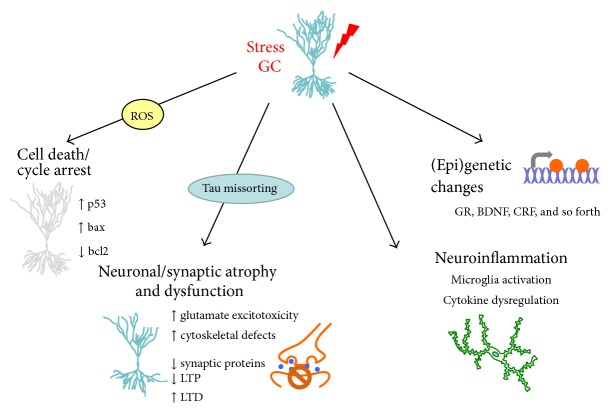
“GCs render deleterious effects on hippocampus [17], including mitochondrial dysfunction [18], cell cycle arrest and cell death [19].”
BackgroundTakaba, R., Ibi, D., Watanabe, K., Hayakawa, K., Nakasai, G., & Hiramatsu, M. (2022) · Physiology & Behavior · doi:10.1016/j.physbeh.2022.113971 · Cited by 19
Monteiro, F., Carvalho, Ó. S. N., Sousa, N., Silva, F. S., & Sotiropoulos, I. (2022) · Alzheimer s & Dementia Translational Research & Clinical Interventions · doi:10.1002/trc2.12249 · Cited by 26
Self-citationLecca, S., Trusel, M., & Mameli, M. (2016) · Synapse · doi:10.1002/syn.21948 · Cited by 20
Stress and corticosterone alter synaptic plasticity in a rat model of Parkinson’s disease
Hao, Y., Shabanpoor, A., & Metz, G. A. S. (2017) · Neuroscience Letters · doi:10.1016/j.neulet.2017.04.063 · Cited by 19
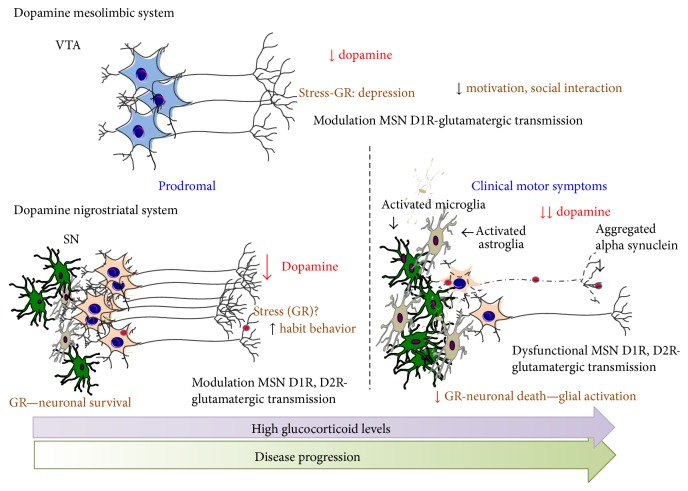
“The present observations agree with the idea that stress and glucocorticoids affect degenerative and neuroplastic adaptive changes in the nigrostriatal motor system (Brunelin, 2008; de Pablos et al., 2014; Vyas et al., 2016).”
BackgroundResultHilliard, A. T., Xie, D., Ma, Z., Snyder, M. P., & Fernald, R. D. (2019) · BMC Genomics · doi:10.1186/s12864-019-6047-9 · Cited by 19
Pentkowski, N. S., Bouquin, S. J., Maestas-Olguin, C. R., Villasenor, Z. M., & Clark, B. J. (2021) · Behavioural Brain Research · doi:10.1016/j.bbr.2021.113661 · Cited by 19
Is the glucocorticoid receptor a key player in prostate cancer?: A literature review
Sakellakis, M., & Flores, L. J. (2022) · Medicine · doi:10.1097/md.0000000000029716 · Cited by 17
Recent insights into viral infections as a trigger and accelerator in alzheimer's disease
Vlieger, L. D., Vandenbroucke, R. E., & Hoecke, L. V. (2022) · Drug Discovery Today · doi:10.1016/j.drudis.2022.103340 · Cited by 17
Meyer, M., Meijer, O. C., Hunt, H., Belanoff, J. K., Lima, A. E., de Kloet, E. R., Deniselle, M. C. G., & Nicola, A. F. D. (2023) · Molecular Neurobiology · doi:10.1007/s12035-023-03554-x · Cited by 19
Foley, T. D. (2019) · Cellular and Molecular Neurobiology · doi:10.1007/s10571-019-00672-w · Cited by 17
Busceti, C. L., Ferese, R., Bucci, D., Ryskalin, L., Gambardella, S., Madonna, M., Nicoletti, F., & Fornai, F. (2019) · International Journal of Molecular Sciences · doi:10.3390/ijms20122901 · Cited by 19
Haleem, D. J., & Gul, S. (2019) · The World Journal of Biological Psychiatry · doi:10.1080/15622975.2019.1648870 · Cited by 18
“Clinical (Pariante and Lightman 2008) as well as preclinical (Haleem et al. 1988; Haque et al. 2013; Vyas et al. 2016) investigations are relevant that sustained and elevated increases of corticosteroids, due to defective feedback control, impair adaptation to stress to lead to depression.”
BackgroundCharnoly body as a novel biomarker of nutritional stress in Alzheimer’s Disease
Sharma, S. K., Choga, J., Doghor, P., N-Kalala, F., Chauhan, A. S., Gupta, V., Wright, C., Foor, A., Theberge, K. E., Mathur, S., et al. (2016) · Functional Foods in Health and Disease · doi:10.31989/ffhd.v6i6.259 · Cited by 15
“Based on two types of MAOs, localized on the outer mitochondrial membranes, two types of CBs were proposed: (a) MAOI-A-Specific CBs and (b) MAOI-B-Specific CBs as novel drug discovery targets for the personalized treatment of PD, AD, chronic drug addiction, post-traumatic stress disorder (PTSD), and multi-drug resista…”
InfluentialAbdulghani, A., Poghosyan, M., Mehren, A., Philipsen, A., & Anderzhanova, E. A. (2023) · Frontiers in Molecular Neuroscience · doi:10.3389/fnmol.2022.997054 · Cited by 19
“In the majority of neuropsychiatric disorders, the decrease in neuroplasticity and synaptogenesis in the forebrain is often observed with no explicit nosological specificity (Goto et al., 2010; Bernardinelli et al., 2014; Vyas et al., 2016).”
BackgroundNeuronal Mechanisms that Drive Organismal Aging Through the Lens of Perception
Gendron, C. M., Chakraborty, T. S., Chung, B. Y., Harvanek, Z. M., Holme, K. J., Johnson, J. C., Lyu, Y., Munneke, A. S., & Pletcher, S. D. (2019) · Annual Review of Physiology · doi:10.1146/annurev-physiol-021119-034440 · Cited by 20
Deleterious Effects of Overfeeding on Brain Homeostasis and Plasticity in Adult Zebrafish
Ghaddar, B., Bringart, M., d’Hellencourt, C. L., Meilhac, O., & Diotel, N. (2021) · Zebrafish · doi:10.1089/zeb.2020.1962 · Cited by 17
Gamberale, R., D’Orlando, C., Brunelli, S., Meneveri, R., Mazzola, P., Foti, G., Bellani, G., Zatti, G., Munegato, D., Volpato, S., et al. (2021) · BMC Geriatrics · doi:10.1186/s12877-021-02584-1 · Cited by 16
“GCs exert widespread actions in the Central Nervous System, including the regulation of gene transcription, cellular signalling, modulation of synaptic structure, regulation of glial functions and effects on behaviour [14].”
BackgroundRodrigo, M. J., García-Herranz, D., Aragón-Navas, A., Subías, M., Martínez, T., Méndez-Martínez, S., Cardiel, M. J., García-Feijoo, J., Ruberte, J., Herrero‐Vanrell, R., et al. (2021) · Drug Delivery · doi:10.1080/10717544.2021.1998245 · Cited by 14
“On the other hand, the greater the exposure to chronic GC, the greater the inflammatory response (Vyas et al., 2016), and greater inflammation has been associated with greater neuronal damage (Gonz alez et al., 2014; Noailles et al., 2014).”
BackgroundDelir beim Intensivpatienten: Eine multiprofessionelle Herausforderung
Zoremba, N., Coburn, M., & Schälte, G. (2018) · Der Anaesthesist · doi:10.1007/s00101-018-0497-3 · Cited by 20
Reddaway, J., & Brydges, N. M. (2020) · Molecular and Cellular Neuroscience · doi:10.1016/j.mcn.2020.103567 · Cited by 17
“GCs bind to glucocorticoid receptors in selected brain regions (especially hippocampus and PFC), terminating the stress response (McKlveen et al., 2013; Sapolsky et al., 1984; Vyas et al., 2016).”
Role of Blood–Brain Barrier Permeability in Delirium Pathophysiology and Treatment
Gruenbaum, B. F., Zlotnik, A. A., Dubilеt, M., Negev, S., Zeldetz, V., Merchant, K. S., & Boyko, M. (2025) · Anesthesiology · doi:10.1097/aln.0000000000005722 · Cited by 14
Stress system and related biomarkers in Parkinson's disease
Bougea, A. M., Stefanis, L., & Chrousos, G. P. (2022) · Advances in clinical chemistry · doi:10.1016/bs.acc.2022.07.004 · Cited by 15
Gutierrez, S., Whitmer, R. A., Soh, Y., Peterson, R. L., George, K. M., Lor, Y., Barnes, L. L., Mayeda, E. R., Allen, I. E., Torres, J. M., et al. (2024) · Alzheimer s & Dementia · doi:10.1002/alz.14112 · Cited by 13
“Racism-related stressors are associated with poorer mental health, neurodegeneration, and cardiovascular disease in later life, 23–25 all risk factors for cognitive impairment.”
Karnia, M. J., Myślińska, D., Dzik, K. P., Flis, D. J., Ciepielewski, Z. M., Podlacha, M., & Kaczor, J. J. (2018) · Oxidative Medicine and Cellular Longevity · doi:10.1155/2018/4671213 · Cited by 15
Deep CANALs: a deep learning approach to refining the canalization theory of psychopathology
Juliani, A., Safron, A., & Kanai, R. (2024) · Neuroscience of Consciousness · doi:10.1093/nc/niae005 · Cited by 15
“In contrast, too much canalization in a Type B landscape corresponds to loss of plasticity, which is characterized most clearly in certain neurodegenerative disorders (Bossy-Wetzel et al., 2004; Vyas et al., 2016), but is practically associated with various psychopathologies as well.”
Poumeaud, F., Mircher, C., Smith, P. J. K., Faye, P.-A., & Sturtz, F. G. (2021) · Neurobiology of Stress · doi:10.1016/j.ynstr.2021.100305 · Cited by 13
Marchetta, P., Eckert, P., Łukowski, R., Ruth, P., Singer, W., Rüttiger, L., & Knipper, M. (2022) · iScience · doi:10.1016/j.isci.2022.103981 · Cited by 14
Nakos‐Bimpos, M., Karali, K., Antoniou, C., Palermos, D., Fouka, M., Delis, A. D., Tzieras, I., Chrousos, G. P., Koutmani, Y., Stefanis, L., et al. (2024) · Acta Neuropathologica Communications · doi:10.1186/s40478-024-01797-w · Cited by 13
“Previous studies in animal models or PD patients, demonstrate that chronically high levels of glucocorticoids compromise immune function and result in GR down-regulation [30, 87].”
BackgroundResultHu, L., Qiu, M., Fan, W., Wang, W.-E., Liu, S., Liu, X.-Q., Liu, S.-W., Shen, Z.-J., Zheng, Y., Liu, G., et al. (2024) · Frontiers in Endocrinology · doi:10.3389/fendo.2024.1433026 · Cited by 13
Rensel, M. A., & Schlinger, B. A. (2020) · Journal of Neuroendocrinology · doi:10.1111/jne.12852 · Cited by 10
Claros, S., Cabrera, P., Valverde, N., Romero‐Zerbo, S., López-González, M. V., Shumilov, K., Rivera, A., Pavía, J., Martín‐Montañez, E., & Garcia‐Fernandez, M. I. (2021) · Antioxidants · doi:10.3390/antiox11010041 · Cited by 13
Sengupta, T., Das, R., & Chattarji, S. (2016) · Neuroscience Letters · doi:10.1016/j.neulet.2016.09.031 · Cited by 13
Anwar, M. M., Pérez‐Martínez, L., & Pedraza‐Alva, G. (2024) · Immunological Investigations · doi:10.1080/08820139.2024.2358446 · Cited by 11
Sirois, C. L., Guo, Y. F., Li, M., Wolkoff, N. E., Korabelnikov, T., Sandoval, S. O., Lee, J., Shen, M., Contractor, A. M., Sousa, A. M. M., et al. (2024) · Cell Reports · doi:10.1016/j.celrep.2024.114330 · Cited by 12
Gamal, N., Bakly, W. M. S. E., Saad, S. S. T., El-Waseef, D. A. E.-D. A., El‐Shal, A. S., Morsy, W. E., & Magdy, Y. (2025) · Naunyn-Schmiedeberg s Archives of Pharmacology · doi:10.1007/s00210-025-04136-5 · Cited by 11
“Exposure to CRS significantly elevated serum CORT levels as it is considered the main glucocorticoid involved in regulation of stress responses in rodents as it activates the hypothalamic–pituitary–adrenal (HPA) axis and increases the release of glucocorticoids (Vyas et al. 2016).”
Targeting Glucocorticoid Receptors: A New Avenue for Alzheimer’s Disease Therapy
Canet, G., Chevallier, N., Perrier, V., Desrumaux, C. M., & Givalois, L. (2018) · Springer eBooks · doi:10.1007/978-981-13-0944-1_15 · Cited by 10
Effects of glucocorticoids in depression: Role of astrocytes
Joshi, P. C., & Benerjee, S. (2018) · AIMS neuroscience · doi:10.3934/neuroscience.2018.3.200 · Cited by 11
Liu, Y., Zhang, C., Liu, Y. F., Zhu, J., Qu, H., Zhou, S., Chen, M., Xu, D., Chen, L., & Wang, H. (2022) · International Journal of Molecular Sciences · doi:10.3390/ijms232315081 · Cited by 13
The effect of candesartan on chronic stress induced imbalance of glucose homeostasis
Chen, M., Wei, Y., Dong, X., Liu, J., Chen, Q.-Y., & Zhang, G. (2020) · Biomedicine & Pharmacotherapy · doi:10.1016/j.biopha.2020.110300 · Cited by 9
Yan, F., Wang, R., Li, S., Zhao, X., Jiang, Y., Liu, L., Fang, J., Zhen, X., Lazarovici, P., & Zheng, W. (2020) · International Journal of Biological Sciences · doi:10.7150/ijbs.45619 · Cited by 9
“While GC mainly act to maintain homeostasis by inducing physiological and behavioral adaptation, prolonged exposure to elevated GC levels may result in neurological and psychiatric disorders [1].”
BackgroundChronic restraint stress alters rat behavior depending on sex and duration of stress
Pansarim, V., Leite‐Panissi, C. R. A., & Schmidt, A. (2023) · Behavioural Processes · doi:10.1016/j.beproc.2023.104856 · Cited by 10
Identification of proteins whose interaction with Na+,K+-ATPase is triggered by ouabain
Akimova, O. A., Капилевич, Л. В., Orlov, S. N., & Lopina, O. D. (2016) · Biochemistry (Moscow) · doi:10.1134/s0006297916090108 · Cited by 9
Mota, C. D. S., Weis, S. N., Almeida, R. F., Dalmaz, C., Guma, F. T. C. R., & Pettenuzzo, L. F. (2017) · Neurochemical Research · doi:10.1007/s11064-017-2375-9 · Cited by 12
“These brain receptors distributions are different, since GRs are ubiquitously expressed while MR distribution is relatively limited to just a few structures [2, 7].”
BackgroundHow do humans impact yellow-bellied marmots? An integrative analysis
Morgan, A., Monclús, R., Nelson, J. L., Foli, E., Li, C., & Blumstein, D. T. (2021) · Applied Animal Behaviour Science · doi:10.1016/j.applanim.2021.105495 · Cited by 9
“2 consequences on several physiological processes such as metabolic, cardiovascular, and immunological system function (Vyas et al., 2016).”
BackgroundAnxiety and Risk of Vascular Dementia in an Elderly Community Sample: The Role of Sex
Santabárbara, J., Villagrasa, B., López‐Antón, R., de la Cámara, C., Gracia‐García, P., & Lobo, A. (2020) · Brain Sciences · doi:10.3390/brainsci10050265 · Cited by 10
Arsenic-Induced Sex Hormone Disruption: An Insight into Male Infertility
Choudhury, B. P., Roychoudhury, S., Sengupta, P., Toman, R., Dutta, S., & Kesari, K. K. (2022) · Advances in experimental medicine and biology · doi:10.1007/978-3-031-12966-7_6 · Cited by 12
Marghmaleki, V. S., Radahmadi, M., Alaei, H., & Khanahmad, H. (2024) · Brain Sciences · doi:10.3390/brainsci14050420 · Cited by 8
“Different mechanisms have induced by stress, including alterations in glucocorticoids; neurotransmitters ; oxidative stress [27,30].”
BackgroundDíez-Solinska, A., Goñi‐Balentziaga, O., Beitia, G., Muñoz‐Culla, M., Vegas, Ó., & Azkona, G. (2024) · Behavioural Brain Research · doi:10.1016/j.bbr.2024.115023 · Cited by 9
“Chronic stress-induced HPA axis hyperactivity has been linked to HPC and PFC degeneration, HPC – PFC pathway dysfunction and depression [16,57,58,64].”
Opsasnick, L. A., Zhao, W., Ratliff, S. M., Du, J., Faul, J. D., Schmitz, L., Zhou, X., Needham, B. L., & Smith, J. A. (2024) · Clinical Epigenetics · doi:10.1186/s13148-024-01799-4 · Cited by 12
Binayi, F., Zardooz, H., Ghasemi, R., Hedayati, M., Askari, S., Pouriran, R., & Sahraei, M. (2021) · Physiology & Behavior · doi:10.1016/j.physbeh.2021.113312 · Cited by 8
Glucocorticoid Induced Leucine Zipper in Lipopolysaccharide Induced Neuroinflammation
Witek, E., Hickman, D. L., Lahiri, D. K., & Srinivasan, M. (2019) · Frontiers in Aging Neuroscience · doi:10.3389/fnagi.2018.00432 · Cited by 9
“Yet, considerable evidence suggest that the LPS induced neuroinflammation is aggravated by higher circulating GC or chronic stress induced GC or exogenous GC due to development of glucocorticoid resistance and impaired feedback (Weidenfeld and Yirmiya, 1996; Pérez-Nievas et al., 2010; Vyas et al., 2016).”
BackgroundGut Microbiota Dysbiosis and Neuroimmune Alterations in a Postmenopausal-Stress Rat Model
Chaudhary, R., Lal, R., Bansal, N., Garg, N., Bishnoi, M., Kondepudi, K. K., Saini, R. V., Gupta, S., Chopra, K., & Bansal, S. (2025) · Journal of Neuroimmune Pharmacology · doi:10.1007/s11481-025-10253-y · Cited by 9
“Stress or homeostatic disturbances, often precipitated by diverse noxious agents, are mediated through the hypo - thalamic-pituitary-adrenal (HPA) axis and may exacer - bate postmenopausal physiological changes, including gut microbiota alterations and brain dysfunction (Vyas et al. 2016).”
Chronic Stress, Depression, and Alzheimer’s Disease: The Triangle of Oblivion
Dioli, C., Papadimitriou, G., Megalokonomou, A., Campos‐Marques, C., Sousa, N., & Sotiropoulos, I. (2023) · Advances in experimental medicine and biology · doi:10.1007/978-3-031-31978-5_31 · Cited by 12
Self-citationToltin, A. C., Belkadi, A., Gamba, L. M., & Hossain, M. M. (2023) · International Journal of Molecular Sciences · doi:10.3390/ijms242115614 · Cited by 7
Gentenaar, M., Meulmeester, F. L., van der Burg, X. R., Hoekstra, A. T., Hunt, H., Kroon, J., van Roon‐Mom, W., & Meijer, O. C. (2024) · Experimental Neurology · doi:10.1016/j.expneurol.2024.114675 · Cited by 9
“High levels of endogenous glucocorticoids have been linked to several HD-related symptoms including neurodegeneration, cognitive decline, muscular atrophy and metabolic dysfunctions (Vyas et al., 2016; Schakman et al., 2013; Vegiopoulos and Herzig, 2007).”
BackgroundSharma, V., Sharma, P. M., Mannan, A., Dhiman, S., Mohan, M., Singh, S., & Singh, T. G. (2025) · Behavioural Brain Research · doi:10.1016/j.bbr.2025.115720 · Cited by 8
Modifiable contributing factors to COVID-19: A comprehensive review
Kostoff, R. N., Briggs, M. B., Kanduc, D., Dewanjee, S., Kandimalla, R. J. L., Shoenfeld, Y., Porter, A. L., & Tsatsakis, A. M. (2022) · Food and Chemical Toxicology · doi:10.1016/j.fct.2022.113511 · Cited by 8
The Role of Cortisol in the Development of Post-Stroke Dementia: A Narrative Review
Edwards, I., Singh, I., & Rose’Meyer, R. B. (2022) · Heart and Mind · doi:10.4103/hm.hm_32_22 · Cited by 7
Motta, G. A., Neto, P. S. M., Nociti, R. P., & Santana, Á. E. (2023) · Animals · doi:10.3390/ani13152398 · Cited by 13
“These point differences, such as in levels of P, Na, Mg, K, Fe, AST, total protein concentration (TP), creatinine, and albumin, can be diluted with a larger number of samples, whereas works with similar objectives to these have larger sample groups, as in [37], with 360 animals, [91], with 235 animals, and [69], with…”
ResultAltered cellular immune reactivity in traumatized women with and without major depressive disorder
Hellmann‐Regen, J., Spitzer, C., Kuehl, L. K., Schultebraucks, K., Otte, C., & Wingenfeld, K. (2018) · Psychoneuroendocrinology · doi:10.1016/j.psyneuen.2018.10.023 · Cited by 9
“This is not surprising as HPA axis signaling has a strong impact on neuronal and immune cells (Vyas et al., 2016).”
Therapeutic potential of the cannabinoid receptor 2 in neuropsychiatry
García‐Gutiérrez, M. S., Navarrete, F., Gasparyan, A., & Manzanares, J. (2021) · Exploration of Neuroprotective Therapy · doi:10.37349/ent.2021.00006 · Cited by 7
Pain and pain-related stress in high-risk neonates at NICU – A narrative review
Siva, N., Nayak, R., & Ghosh, D. (2025) · Journal of Neonatal Nursing · doi:10.1016/j.jnn.2025.101675 · Cited by 7
Jiang, Q., Liu, Y., Wei, Y. Q., Kuan, G., Ma, L., Wang, H., Wang, Y., & Lou, H. (2025) · Frontiers in Psychology · doi:10.3389/fpsyg.2025.1474579 · Cited by 7
Yoga: Impact on sperm genome and epigenome - clinical consequences
Bisht, S., & Dada, R. (2019) · Annals of Neurosciences · doi:10.5214/ans.0972.7531.260202 · Cited by 7
“Cortisol is also neurotoxic and is associated with lower hippocampal volumes and higher levels of inflammatory markers[19].”
BackgroundRadulovic, J., Ivković, S., & Adžić, M. (2022) · Handbook of clinical neurology · doi:10.1016/b978-0-12-819410-2.00025-4 · Cited by 7
Foley, T. D., Koval, K. S., Gallagher, A. G., & Olsen, S. H. (2018) · Metabolic Brain Disease · doi:10.1007/s11011-018-0340-1 · Cited by 7
Chen, Q., Wang, F., Zhang, Y., Liu, Y., Li, A., Ma, Z., Zhang, J., & Yu, S. (2020) · Biochemical and Biophysical Research Communications · doi:10.1016/j.bbrc.2020.04.084 · Cited by 9
Puigoriol‐Illamola, D., Companys‐Alemany, J., McGuire, K., Homer, N. Z. M., Leiva, R., Vázquez, S., Mole, D. J., Griñán‐Ferré, C., & Pallàs, M. (2021) · Pharmaceuticals · doi:10.3390/ph14101040 · Cited by 7
O’Hanlon, S., Baxter, M. A., & Hosie, A. (2022) · PubMed · doi:10.1097/spc.0000000000000588 · Cited by 7
“Repeated or prolonged exposure to glucocorticoids have also been shown to have a negative impact on brain function, leading to neuronal injury [23].”
BackgroundForghani, N., Hosseinian, S., Akhoond-Ali, Z., Gholami, A. A., Darban, R. A., & Vafaee, F. (2024) · Research in Pharmaceutical Sciences · doi:10.4103/rps.rps_24_23 · Cited by 6
“However, the continuous increase of cortisol following chronic stress inhibits the negative feedback function of the hypothalamic-pituitary-adrenal gland and thus raises inflammation and oxidative stress in the body and brain (25).”
BackgroundAitbaba, A., Kabdy, H., Agouram, F., Azraida, H., Ouamnina, A., Aboufatima, R., Yazouli, L. E., Sokar, Z., Garzoli, S., & Chait, A. (2024) · Natural Product Research · doi:10.1080/14786419.2024.2372656 · Cited by 5
“Studies have demonstrated that chronic inflammatory processes can contribute to neurological alterations, notably by inducing neurodegeneration and disrupting synaptic plasticity (Vyas et al. 2016).”
Kaur, P., Sharma, O., Grewal, A. K., Kumar, A., Khan, H., Singh, V., Singh, T., Silakari, P., Singh, T. G., Ahmad, S. F., et al. (2025) · Journal of Neuroimmunology · doi:10.1016/j.jneuroim.2025.578682 · Cited by 7
Ruvalcaba-Delgadillo, Y., Martínez-Fernández, D. E., Luquín, S., Moreno‐Alcázar, A., Redolar-Ripoll, E., Jáuregui-Huerta, F., & Fernández-Quezada, D. (2024) · Frontiers in Psychiatry · doi:10.3389/fpsyt.2024.1396550 · Cited by 4
Pham, N., Miller, M. D., & Marty, M. A. (2021) · Chemical Research in Toxicology · doi:10.1021/acs.chemrestox.1c00205 · Cited by 5
Influence of sex on chronic steroid-induced glaucoma: 24-Weeks follow-up study in rats
Rodrigo, M. J., Martínez, T., Subías, M., Méndez-Martínez, S., García-Herranz, D., Garcia-Feijoo, J., Herrero‐Vanrell, R., Pablo, L. E., Bravo‐Osuna, I., Munuera, I., et al. (2023) · Experimental Eye Research · doi:10.1016/j.exer.2023.109736 · Cited by 5
Dang, W., Hao, T., Li, N., Zhang, H., Li, Z., Yu, H., Wen, Y., Zheng, D., & Liu, L. (2025) · Frontiers in Aging · doi:10.3389/fragi.2025.1488528 · Cited by 7
Ahmadpour, S., & Foghi, K. (2021) · Journal of Medical Histology/Journal of Medical Histology · doi:10.21608/jmh.2021.80629.1090 · Cited by 5
“It has been documented that glucocorticoids like cortisol which are secreted during the stress are the main leading cause of the stress-related pathological consequences[35].”
BackgroundJang, M. A., Song, J. W., Kim, R. H., Kang, D. O., Kang, U., Kim, H. J., Kim, J. H., Park, E. J., Park, Y. H., Lee, B.-H., et al. (2024) · Arteriosclerosis Thrombosis and Vascular Biology · doi:10.1161/atvbaha.124.321566 · Cited by 4
“…contributes in accelerating the development of atherosclerosis through multifaceted effects on inflammation, 8 production of glucocorticoids, 9 endothelial dysfunction, 10 and activation of hematopoietic stem cells, increasing proliferation of immune cells, and the production of downstream…”
Shang, G., Zhou, T., Yan, X., He, K., Liu, B., Feng, Z., Xu, J., Yu, X., & Zhang, Y. (2025) · Biological Psychiatry Cognitive Neuroscience and Neuroimaging · doi:10.1016/j.bpsc.2024.12.015 · Cited by 6
Cory‐Slechta, D. A. (2018) · Advances in neurotoxicology · doi:10.1016/bs.ant.2018.03.007 · Cited by 4
The Underrated Circadian System and Its Contribution to Neurodegeneration in Mood Disorders
Hardeland, R. (2018) · JOURNAL OF MENTAL HEALTH AND CLINICAL PSYCHOLOGY · doi:10.29245/2578-2959/2018/3.1128 · Cited by 4
What Is the Role of Glucocorticoids in the Effects of Stress on the Brain?
Benarroch, E. E. (2025) · Neurology · doi:10.1212/wnl.0000000000213874 · Cited by 4
Prenatal corticosteroid use and offspring neurological outcomes
Yan, Y., Wang, J., & Lei, X. (2025) · Neurotoxicology and Teratology · doi:10.1016/j.ntt.2025.107564 · Cited by 3
Sharma, A., & Singh, T. G. (2026) · Molecular and Cellular Neuroscience · doi:10.1016/j.mcn.2026.104097 · Cited by 7
Lalrinawma, T. S. K., Sangma, J. T., Renthlei, Z., & Trivedi, A. K. (2024) · Molecular Biology Reports · doi:10.1007/s11033-024-09224-y · Cited by 4
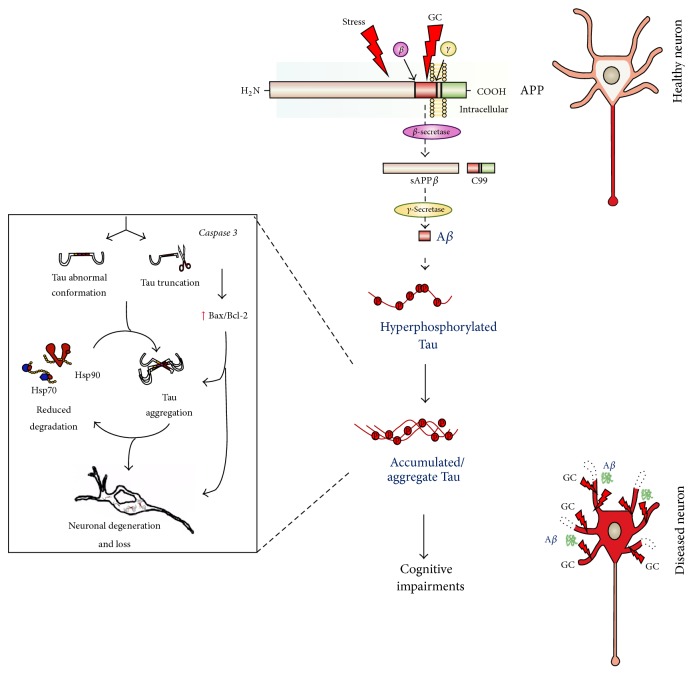
“Stress may result in atrophy of neurons and synaptic dysfunction/loss by stimulating hyperphosphorylation of the cytoskeletal protein Tau; myelination was also found to be reduced in the forebrain in rats exposed to 4 h of chronic immobilization stress over the course of 4 weeks [30].”
Azarfarin, M., Moradikor, N., Salatin, S., Sarailoo, M., & Dadkhah, M. (2025) · Progress in brain research · doi:10.1016/bs.pbr.2025.01.011 · Cited by 3
Delir beim Intensivpatienten: Eine multiprofessionelle Herausforderung
Zoremba, N., Coburn, M., & Schälte, G. (2018) · Der Anaesthesist · Cited by 3
Suwanjang, W., Sirisuwat, C., Srisung, S., Isarankura‐Na‐Ayudhya, C., Pannengpetch, S., & Prachayasittikul, S. (2022) · Rejuvenation Research · doi:10.1089/rej.2021.0002 · Cited by 4
Sprouty4 at the crossroads of Trk neurotrophin receptor signaling suppression by glucocorticoids
Restelli, F. F., Federicci, F., Ledda, F., & Paratcha, G. (2023) · Frontiers in Molecular Neuroscience · doi:10.3389/fnmol.2023.1090824 · Cited by 3
“However, chronic GC exposure has adverse impact on brain development, affecting neuronal connectivity in diverse brain regions and increasing the susceptibility to develop cognitive and mood disorders (Harris and Seckl, 2011; Joels, 2011; Liston and Gan, 2011; Sousa and Almeida, 2012; Vyas et al., 2016).”
Background
Metadata
- Authors
- Vyas, S., Rodrigues, A. J., Silva, J. M., Tronche, F., Almeida, O. F. X., Sousa, N., & Sotiropoulos, I.
- Affiliations
- Centre National de la Recherche Scientifique (FR)
- University of Minho (PT)
- Laboratory of Gene Regulation and Adaptive Behaviors, Department of Neuroscience Paris Seine, INSERM U1130, CNRS UMR 8246, Université Pierre et Marie Curie, Paris Cedex 05, France
- Max Planck Institute of Psychiatry (DE)
- Corresponding author
- Vyas, Sheela
- Sotiropoulos, Ioannis
- ORCID
- Venue
- Neural Plasticity
- Publisher
- Wiley
- Published
- 2016
- Volume
- 2016
- Pages
- 1-15
- ISSN
- 1687-5443 (ISSN-L)
- 2090-5904
- PMC
- PMC4806285
- OpenAlex
- W2300528976
- Semantic Scholar
- 99b9bd510118f9046bb460b580c03984bde62dcd
- Cited by
- 297
- References
- 176
- Citations by year
- 2026: 22 · 2025: 30 · 2024: 37 · 2023: 27 · 2022: 31 · 2021: 36 · 2020: 38 · 2019: 26 · 2018: 29 · 2017: 13 · 2016: 8
- FWCI
- 2.60
- Type
- journal article
- Language
- en
- Open access
- gold
- doi.org
- Locations
- Neural Plasticity (publishedVersion, cc-by)
- Europe PMC (PubMed Central) (publishedVersion, cc-by)
- PubMed Central (publishedVersion, cc-by)
- PubMed (publishedVersion)
- HAL (submittedVersion, cc-by)
- DOAJ (DOAJ: Directory of Open Access Journals) (submittedVersion, cc-by-sa)
- Max Planck Digital Library (submittedVersion, other-oa)
- MPG.PuRe (Max Planck Society) (submittedVersion, other-oa)
- Portuguese National Funding Agency for Science, Research and Technology (RCAAP Project by FCT) (submittedVersion, other-oa)
- Funders
- Fundação para a Ciência e a Tecnologia (PTDC/SAU-NMC/113934/2009, 13853, 13-BSV1-0013-02, DEQ20140329552)
- European Regional Development Fund (PTDC/SAU-NMC/113934/2009, 13853, 13-BSV1-0013-02, DEQ20140329552)
- Agence Nationale de la Recherche (PTDC/SAU-NMC/113934/2009, 13853, 13-BSV1-0013-02, DEQ20140329552)
- Fondation pour la Recherche Médicale (PTDC/SAU-NMC/113934/2009, 13853, 13-BSV1-0013-02, DEQ20140329552)
- Topics
- Life Sciences › Neuroscience › Behavioral Neuroscience › Stress Responses and Cortisol
- Life Sciences › Neuroscience › Cellular and Molecular Neuroscience › Neuroscience and Neuropharmacology Research
- Life Sciences › Neuroscience › Neurology › Neuroinflammation and Neurodegeneration Mechanisms
- Keywords
- chronic stress, glucocorticoids, glucocorticoid receptor, mineralocorticoid receptor, neuroplasticity, neurodegeneration, Alzheimer's disease, Parkinson's disease, stress hormones, cognitive disorders, mood disorders, gene transcription, synaptic transmission, glial function
- MeSH terms
- Alzheimer Disease, Animals, Brain, Glucocorticoids, Humans, Inflammation, Neuronal Plasticity, Parkinson Disease, Risk Factors, Stress, Psychological
About these checks
Registry, retraction, Cites and statistics results are computed, not judged, with one exception: a printed reference that no index lists is read once by a model before it counts as a citation error. Claims are extracted by a model and kept only when their quote appears verbatim in the text; each cited source is then checked, with a model’s help, for whether it says what the claim relies on. Those verdicts can be wrong — read the claim’s quote and the cited source before relying on one.
Statistics and arithmetic are recomputed, not judged.
Confidence bands are shown only for fields calibrated on our annotated test set. None is calibrated yet, so no band is shown.
What counts as a claim ›How we measure confidence ›How we check this ›
Are you an author, or do you see a problem with this page? Request a review
Data sources
Bibliographic data: Semantic Scholar, OpenAlex, Crossref.
Contains information from the Semantic Scholar Academic Graph Datasets, made available under the ODC Attribution License (ODC-BY 1.0).
Semantic Scholar’s data is described in: Kinney, R., et al. (2023). The Semantic Scholar Open Data Platform. arXiv:2301.10140.
