

Bioactive Compounds and Therapeutics from Fish: Revisiting Their Suitability in Functional Foods to Enhance Human Wellbeing
Open accessThe DOI matches its Crossref record; 154 of the 155 references it cites were found in a registry or an index.
Abstract
Global public awareness about fish‐based diet and its health/nutritional benefits is on the rise. Fish nutritional profile projects promising bioactive and other compounds with innumerable health benefits for human wellbeing. As various reported researches involving fish/marine‐derived molecules reveal promising attributes, and as the position of fish‐based nutrients as nutraceuticals continue to strengthen, health challenges still confront communities worldwide, from cardiovascular disease, diabetes, and obesity to hypertension. Thus, further understanding of fish‐based nutrient impact as functional foods remains crucial given the diverse prevailing compositional/nutraceutical merits. In this review, therefore, we provide important information regarding bioactive compounds and therapeutics obtained from fish, specific to the context of their suitability in functional foods to enhance human health. This contribution is hereby constructed as follows: (a) fish nutraceutical/therapeutic components, (b) constituents of fish‐based nutrients and their suitability in functional foods, (c) fish antioxidant/bioactive compounds to help alleviate health conditions, (d) common human ailments alleviated by fish‐based nutrients, and (e) role of fish in mental health and immune system. As increased fish consumption should be encouraged, the potential of the quality proteins, omega‐3 fatty acids, and other compounds inherent in fish should steadily be harnessed.
Overview
The claims and statistics of this paper haven’t been checked yet.
Free: it reads the open-access text and checks the first 5 claims that cite a source we can check. Create a free account to check every claim.
Integrity signals
Registry
Cites
Statistics
Figures
Verification
Claims the paper makes
The claims and statistics of this paper haven’t been checked yet.
Free: it reads the open-access text and checks the first 5 claims that cite a source we can check. Create a free account to check every claim.
Claims other papers make about this one
Each is checked against this paper’s own text: does it say what the citing paper says it does?
The check wasn’t confident either way, so it gives no verdict — never disputed.
In the citing paper
“It also contains minerals like iron, calcium, sodium, phosphorus, magnesium, and good levels of dietary fiber.”
From Bioactive, antioxidant, industrial, and nutraceutical applications of banana peel (2023) · cites this paper as [11]
Experimental — accuracy not yet measuredThe check wasn’t confident either way, so it gives no verdict — never disputed.
In the citing paper
“Banana peel is a rich source of many bioactive compounds like carotenoids, biogenic amines, polyphenols, phytosterols, and antioxidants.”
From Bioactive, antioxidant, industrial, and nutraceutical applications of banana peel (2023) · cites this paper as [11]
Experimental — accuracy not yet measuredThe check wasn’t confident either way, so it gives no verdict — never disputed.
In the citing paper
“Banana peel is a rich source of polyunsaturated fatty acids, like omega 3 and 6, phenolic compounds like tannins, anthocyanins, gallic acid, epicatechin, catechin, and minerals like ca, Fe, Mg, Zn, Na, K, P, and Cu; as per research, these have important benefits.[9][10][11][12][13][14]”
From Bioactive, antioxidant, industrial, and nutraceutical applications of banana peel (2023) · cites this paper as [11]
Experimental — accuracy not yet measuredThe check wasn’t confident either way, so it gives no verdict — never disputed.
In the citing paper
“It has pharmaceutical active compounds with antioxidant, anti-microbial, and anti-cancer properties.”
From Bioactive, antioxidant, industrial, and nutraceutical applications of banana peel (2023) · cites this paper as [11]
Experimental — accuracy not yet measured
Self-check
Percentages, sums and reported differences re-computed from the paper’s own numbers.
The self-check needs the paper’s full text.
Citations
Cites
Fish Consumption, Fish Oil, Omega-3 Fatty Acids, and Cardiovascular Disease
Kris-Etherton, P. M., Harris, W. S., & Appel, L. J. (2002) · Circulation · doi:10.1161/01.cir.0000038493.65177.94 · Cited by 3,707 · cited 3×
“Omega-3 fatty acids abundant in brown flesh of oily fish are very useful, in terms of conferring prevention of cardiovascular diseases [50].”
BackgroundChitin and Chitosan Preparation from Marine Sources. Structure, Properties and Applications
Younes, I., & Rinaudo, M. (2015) · Marine Drugs · doi:10.3390/md13031133 · Cited by 2,562 · cited 1×
“Both chitin and chitosan provide health bene fi ts such as wound healing, immune system stimulant, antiulcer agents, bactericide, antioxidant agent, and antiaging cosmetics [110, 111].”
The State of World Fisheries and Aquaculture 2018: Meeting the Sustainable Development Goals
Food and Agriculture Organization of the United Nations (2018) · The State of World Fisheries and Aquaculture · doi:10.18356/8d6ea4b6-en · Cited by 2,075
Fish Intake, Contaminants, and Human Health: Evaluating the Risks and the Benefits
Mozaffarian, D., & Rimm, E. B. (2006) · JAMA · doi:10.1001/jama.296.15.1885 · Cited by 1,966 · cited 1×
“Ben-e fi cial to humans, the daily intake of 250 mg EPA+DHA can prevent CHD [26] and 150 mg/day for optimal brain development.”
Zinc and its importance for human health: An integrative review.
Roohani, N., Hurrell, R. F., Kelishadi, R., & Schulin, R. (2013) · PubMed Central · Cited by 1,424
Zargar, V., Asghari, M., & Dashti, A. (2015) · ChemBioEng Reviews · doi:10.1002/cben.201400025 · Cited by 957 · cited 2×
“Also, chitin/chitosan is useful for nutra-ceutical applications and can be augmented by stimulating the assimilation of derivatives like fi bers, fi lm, and chitosan-based nanomaterials, being commercially available nontoxic/natural substances [60, 112 – 114].”
Bioactive Compounds and Biological Functions of Garlic (Allium sativum L.)
Shang, A., Cao, S.-Y., Xu, X.-Y., Gan, R.-Y., Tang, G.-Y., Corke, H., Mavumengwana, V., & Li, H.-B. (2019) · Foods · doi:10.3390/foods8070246 · Cited by 896 · cited 2×
“Antioxidant properties of a chemical are demonstrated by its ability to treat degenerative illnesses like cardiovascular disorders, cancer, in fl ammatory disorders, and diabetes [123].”
Dietary Guidelines for Americans: Implications for Primary Care Providers
Mosher, A. L., Piercy, K. L., Webber, B. J., Goodwin, S. K., Casavale, K. O., & Olson, R. D. (2016) · American Journal of Lifestyle Medicine · doi:10.1177/1559827614521755 · Cited by 868
Branched Chain Amino Acids: Beyond Nutrition Metabolism
Nie, C., He, T., Zhang, W., Zhang, G., & Ma, X. (2018) · International Journal of Molecular Sciences · doi:10.3390/ijms19040954 · Cited by 786 · cited 1×
“Disease conditions outlined in this context include diabetes, cancer, cardiovascular diseases, obesity, brain function/ immune system disorders, and oxidative stress-related diseases [58, 96, 125 – 129].”
Functional amino acids in nutrition and health
Wu, G. (2013) · Amino Acids · doi:10.1007/s00726-013-1500-6 · Cited by 778 · cited 1×
“In addition to their support for human growth, development, and body tissue maintenance, proteins regulate key metabolic pathways and act as precursory molecules for the synthesis of substances with biological importance [45].”
Research works printed but not linked: 11
- Khora S. S. Marine fish-derived bioactive peptides and proteins for human therapeutics International Journal of Pharmacy and Pharmaceutical Sciences 2013 5 3 31 37
- Food and Agriculture Organization of the United Nations (FAO) The state of world fisheries and aquaculture 2010 Rome FAO Fisheries and Aquaculture Department
- Gibson R. Lau C. H. Loo R. L. Cross-sectional investigation of the relationship between fish consumption and its urinary biomarkers with blood pressure across Asian and Western populations: results from the INTERMAP study 2019 American Heart Association's Epidemiology and Prevention/Lifestyle and Cardiometabolic Health 2019 Scientific Sessions
- Ashraf S. A. Nutraceutical is the need of hour World Journal of Pharmaceutical Sciences 2013 2 2516 2525
- Gormley R. Fish as a functional food: some issues and outcomes SeaHealth UCD 2013 9A 1 33
- Rahman M. A. Molla M. H. R. Sarker M. K. Chowdhury S. H. Shaikh M. M. Snakehead fish (Channa striata) and its biochemical properties for therapeutics and health benefits SF Journal of Biotechnology and Biomedical Engineering 2018 1 1 p. 1005
- U.S. Department of Agriculture; U.S Dietary Guidelines for Americans 2015 Washington, DC, USA National Academies Press
- Oruch R. Pryme I. F. The biological significance of vitamin A in humans: a review of nutritional aspects and clinical considerations Science Jet 2012 1 19 1 13
- Zelman K. Iodine, a critically important nutrient 2021 Academy of Nutrition and Dietetics https://www.eatright.org/food/vitamins-and-supplements/types-of-vitamins-and-nutrients/iodine-a-critically-important-nutrient
- Takarina N. D. Fanani A. A. Characterization of chitin and chitosan synthesized from red snapper (Lutjanus sp.) scale’s waste 2017 College Park, MD, USA American Institute of Physics Conference Series; American Institute of Physics
- Joseph T. C. Jha A. K. Renuka V. Remya S. FishTech-19: Fishery Waste Management 2019 Challenges and Business Opportunities in Gujarat
Cited by
Health benefits of fish and fish by-products—a nutritional and functional perspective
Noreen, S., Hashmi, B., Aja, P. M., & Atoki, A. V. (2025) · Frontiers in Nutrition · doi:10.3389/fnut.2025.1564315 · Cited by 132
Self-citationAwuchi, C. G., & Okpala, C. O. R. (2022) · Journal of Food Bioactives · doi:10.31665/jfb.2022.18317 · Cited by 70
Self-citationBioactive, antioxidant, industrial, and nutraceutical applications of banana peel
Bhavani, M., Morya, S., Saxena, D., & Awuchi, C. G. (2023) · International Journal of Food Properties · doi:10.1080/10942912.2023.2209701 · Cited by 57
Self-citationGodos, J., Micek, A., Currenti, W., Franchi, C., Poli, A., Battino, M. A., Dolci, A., Ricci, C., Ungvari, Z. I., & Grosso, G. (2024) · Aging Clinical and Experimental Research · doi:10.1007/s40520-024-02823-6 · Cited by 50
Iyiola, A. O., Izah, S. C., Morya, S., Akinsorotan, A. M., & Ogwu, M. C. (2023) · Indonesian Journal of Agricultural Research · doi:10.32734/injar.v6i2.12207 · Cited by 43
Self-citationGeographic Atrophy in Age-Related Macular Degeneration
Keenan, T. D. L. (2023) · Ophthalmology Science · doi:10.1016/j.xops.2023.100306 · Cited by 45
“, tocopherols like vitamin E, and the ubiquinones), as well as omega-3 polyunsaturated fatty acids like docosahexaenoic acid and eicosapentaenoic acid that also have antioxidant capacity.(64,65) Hence, the pairing of high fish intake, with many antioxidants, and a protective CFH genotype, with decreased tendency to co…”
BackgroundKurnianto, M. A., Defri, I., Syahbanu, F., & Aulia, S. S. (2024) · Future Foods · doi:10.1016/j.fufo.2024.100386 · Cited by 42
Valorization of seafood waste: a review of life cycle assessment studies in biorefinery applications
Yusoff, M. A., Mohammadi, P., Ahmad, F., Sanusi, N. A., Hosseinzadeh-Bandbafha, H., Vatanparast, H., Aghbashlo, M., & Tabatabaei, M. (2024) · The Science of The Total Environment · doi:10.1016/j.scitotenv.2024.175810 · Cited by 39
Papadopoulou, S. N. A., Adamantidi, T., Kranas, D., Cholidis, P., Anastasiadou, C., & Τσούπρας, Α. (2025) · Marine Drugs · doi:10.3390/md23080299 · Cited by 38
Hou, C., Chen, Y., Hazeena, S. H., Tain, Y., Hsieh, C., Chen, D., Liu, R., & Shih, M. (2024) · FEBS Open Bio · doi:10.1002/2211-5463.13762 · Cited by 34
“Some fish may include antioxidants, anti-inflammatories, or other bioactive compounds [56] that may reduce TMAO damage.”
BackgroundShahada, C., Morya, S., & Awuchi, C. G. (2024) · Cogent Food & Agriculture · doi:10.1080/23311932.2024.2306017 · Cited by 35
“These characteristics have been linked to numerous health benefits, including reducing inflammation, improving cardiovascular health, and lowering the risk of certain cancers (Figure 1) (Rezaei et al., 2020; Awuchi et al., 2022).”
Self-citationInvestigating the nutritional viability of marine-derived protein for sustainable future development
Kamalesh, R., Suresh, K., Saravanan, A., Ragini, Y. P., & Kadirvel, V. (2024) · Food Chemistry · doi:10.1016/j.foodchem.2024.139087 · Cited by 26
Bioactive peptides as antioxidants and antimicrobials: fundamentals and applications
Kumari, S., & Shahidi, F. (2024) · Journal of Food Bioactives · doi:10.31665/jfb.2024.18367 · Cited by 23
Lamchabbek, N., Elattabi, C., Bour, A., Chimera, B., Boutayeb, S., Belyamani, L., Faure, É., Huybrechts, I., & Khalis, M. (2025) · Nutrients · doi:10.3390/nu17030394 · Cited by 20
“Additionally, fish and seafood are rich in antioxidants, which may neutralize free radicals and reduce oxidative stress, both involved in the development and progression of cancer [81].”
Jo, S., Hwangbo, H., Francis, N., Lee, J., Pei, M., & Kim, G. (2025) · Theranostics · doi:10.7150/thno.109186 · Cited by 20
“Another major challenge is the variability in the bioactive composition of fish-derived biomaterials, which is influenced by species, habitat, diet, and environmental conditions [161].”
Luo, Y., Zhang, M., Yu, Q. J., MUJUMDAR, A. S., & Rui, L. (2025) · Critical Reviews in Food Science and Nutrition · doi:10.1080/10408398.2025.2512221 · Cited by 18
“Some beneficial unsaturated fatty acids contained in these products, such as ω −3 and ω −6 unsaturated fatty acids, can enhance people’s immunity and lower their chance of developing chronic diseases (Awuchi et al. 2022).”
Yadhav, P. M., Morya, S., & Sharma, M. (2024) · Biomass Conversion and Biorefinery · doi:10.1007/s13399-024-06090-3 · Cited by 20
Self-citationConsumption of Fish in Chronic Kidney Disease – A Matter of Depth
Mafra, D., Kemp, J. A., Leal, V. D. O., Cardozo, L., Borges, N. A., Alvarenga, L., Teixeira, K. T. R., & Stenvinkel, P. (2023) · Molecular Nutrition & Food Research · doi:10.1002/mnfr.202200859 · Cited by 17
Dongmo, F. F. D., Fogang, A. R., Ngamga, F. H. N., Asongni, W. D., Zokou, R., Noutsa, B. S., Hagbe, D. N., Tchuenbou-Magaia, F. L., & Etame, R. M. E. (2024) · Journal of Food Composition and Analysis · doi:10.1016/j.jfca.2024.106250 · Cited by 16
Tuna and tuna products: a review of the nutrition, processing, safety, and future prospects
Yi-Li, T., Juhari, N. H., Jambari, N. N., Ashari, R., Nor‐Khaizura, M. A. R., & Ismail‐Fitry, M. R. (2025) · Fisheries Science · doi:10.1007/s12562-025-01878-2 · Cited by 21
“Furthermore, tuna stands out for its higher taurine content compared with fatty fish (Awuchi et al. 2022).”
Sustainable Alternatives to Agrochemicals and Their Socio-Economic and Ecological Values
Iyiola, A. O., Kolawole, A. S., & Oyewole, E. O. (2023) · Sustainable development and biodiversity · doi:10.1007/978-981-99-3439-3_25 · Cited by 17
Self-citationSocioeconomic Values of Herbal Medicine
Odubo, T. C., Iyiola, A. O., Adetola, B. O., Kolawole, A. S., Izah, S. C., Raimi, M. O., & Ogwu, M. C. (2024) · Reference series in phytochemistry · doi:10.1007/978-3-031-43199-9_3 · Cited by 20
Self-citationFish Byproducts as a Protein Source: A Critical Review of Fish Protein Concentrate
Cassol, G. Z., Rezende-de-Souza, J. H., & Savay‐da‐Silva, L. K. (2024) · Food Reviews International · doi:10.1080/87559129.2024.2392154 · Cited by 18
“The main benefits of fish consumption include the prevention of cardiovascular problems [43,45,46] ; prevention of glucose intolerance [47] and obesity-induced muscle insulin resistance, thus aiding in the prevention of type 2 diabetes [48] ; depression [49] and postpartum depression [50] ;…”
Synthesis and Food Applications of Resistant Starch‐Based Nanoparticles
Islam, F., Noman, M., Afzaal, M., Saeed, F., Ahmad, S., Zubair, M. W., Zahra, S. M., Hussain, M., Ateeq, H., & Awuchi, C. G. (2022) · Journal of Nanomaterials · doi:10.1155/2022/8729258 · Cited by 18
“RS has also been used to microencapsulate probiotics in dairy products [31] in an endeavour to boost viability, as well as fish oil to minimize oxidation as well as odour [32].”
MethodSelf-citationThe Therapeutic Anticancer Potential of Marine-Derived Bioactive Peptides: A Highlight on Pardaxin
Wong, Y. H., Wong, S. R., & Lee, S. H. (2023) · International Journal of Peptide Research and Therapeutics · doi:10.1007/s10989-023-10562-x · Cited by 14
“Other than being a popular food source for human consumption, marine fishes’ products have been discovered to have a variety of nutraceutical and medicinal potential against chronic diseases (Awuchi et al. 2022).”
Masood, I., Noreen, S., Raza, K., Khalid, W., Rahim, M. A., & Mohamedahmed, K. A. (2023) · International Journal of Food Properties · doi:10.1080/10942912.2023.2275528 · Cited by 17
“[6,14] The macros of a ketogenic diet are relatively low protein, high fat, and low or no carbs.”
BackgroundSelf-citationAbasubong, K. P., Amin, A. B., Ubong, G., & Desouky, H. E. (2025) · Animal Advances · doi:10.48130/animadv-0025-0027 · Cited by 16
Harlina, P. W., Maritha, V., Geng, F., Nawaz, A., Yuliana, T., Subroto, E., Dahlan, H. J., Lembong, E., & Huda, S. (2024) · Food Chemistry X · doi:10.1016/j.fochx.2024.101710 · Cited by 12
“Gelatin from fish used in food products would have a different profile than gelatin from other animals (Awuchi et al., 2022).”
BackgroundAntioxidants in Inflammatory Diseases
Firdous, S. M., Pal, S., Mandal, S., & Sindhu, R. K. (2024) · Wiley eBooks · doi:10.1002/9781394270576.ch3 · Cited by 13
Areche, F. O., Dominguez, J. A. J., Huamán, J. T., Yapias, R. J. M., Rivera, T. J. C., Perales, L. D. M., Quispe, J. D. D. H. T., Zea, C. Y. H., Galarza, C. R. C., Rodríguez, A. R., et al. (2024) · Current Research in Nutrition and Food Science Journal · doi:10.12944/crnfsj.12.3.7 · Cited by 13
Marine-derived bioactive compounds for neuropathic pain: pharmacology and therapeutic potential
Mishra, S., Mishra, Y., & Kumar, A. (2025) · Naunyn-Schmiedeberg s Archives of Pharmacology · doi:10.1007/s00210-024-03667-7 · Cited by 12
“These fish actively produce secondary metabolites, crucial for self-defense, communication, and adaptation (Awuchi et al. 2022).”
Patwary, M. A., Yasin, M., Azam, M. S., & Hossain, M. A. (2025) · Food and Bioproducts Processing · doi:10.1016/j.fbp.2025.10.004 · Cited by 12
Rahim, M. A., Naeem, M. S., Khalid, K., Imran, M., Khan, M. K., Khan, M. K., Nisa, M. U., Sarwar, M., & Awuchi, C. G. (2023) · Food Science & Nutrition · doi:10.1002/fsn3.3204 · Cited by 12
Self-citationSattanathan, G., Padmapriya, S., Kadaikunnan, S., Khaled, J. M. A., Malafaia, G., & Govindarajan, M. (2024) · Fish & Shellfish Immunology · doi:10.1016/j.fsi.2024.109956 · Cited by 13
Bhati, D., & Hayes, M. (2025) · Applied Sciences · doi:10.3390/app15105769 · Cited by 11
“FPHs, composed of highly digestible and low-allergen peptides, have demonstrated efficacy in reducing gut inflammation and minimising immune activation [71,133,134].”
Annamalai, A., & Sasikumar, R. (2025) · Archives of Microbiology · doi:10.1007/s00203-025-04431-y · Cited by 11
“It also helps stabilize income in sectors often affected by volatile catch volumes and shifting market prices (Awuchi et al. 2022 ).”
Dongmo, F. F. D., Fogang, A. R., Koule, J. C. M., Ngamga, F. H. N., Noutsa, B. S., Hagbe, D. N., Zokou, R., Tamgue, O., Sameza, M. L., Tchoumbougnang, F., et al. (2023) · Journal of Food Quality · doi:10.1155/2023/7847288 · Cited by 10
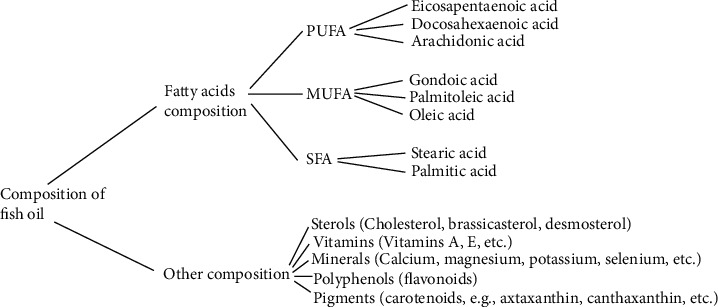
“Other compositions include sterols, vitamins , minerals, poly-phenols poly-phenols, and pigments such as carotenoids [ 2, 3 ].”
BackgroundAlsulami, M. N., Baowidan, S. K., Aljàrari, R. M., Albohiri, H. H., Khan, S. A., & Elkhawass, E. A. (2024) · Animals · doi:10.3390/ani15010039 · Cited by 9
Impacts of Agrochemicals on Fish Composition in Natural Waters: A Sustainable Management Approach
Iyiola, A. O., Akinsorotan, A. M., Asiedu, B., & Ewutanure, J. S. (2023) · Sustainable development and biodiversity · doi:10.1007/978-981-99-3439-3_24 · Cited by 9
Self-citationSingh, P. K., Kasaudhan, J., Tripathi, M., Gupta, M., & Monda, S. (2025) · Functional Food Science · doi:10.31989/ffs.v5i2.1551 · Cited by 7
Murshed, M., Mares, M. M., Aljawdah, H. M. A., & Al‐Quraishy, S. (2023) · Indian Journal of Animal Research · doi:10.18805/ijar.bf-1682 · Cited by 7
Food Safety during Pregnancy: Current Consideration
Acharya, B., Chowdhury, B., Pattnaik, G., Behera, A., & Behera, S. (2023) · International Journal of Pharmaceutical Sciences and Nanotechnology · doi:10.37285/ijpsn.2023.16.1.9 · Cited by 9
Socioeconomic Values of Herbal Medicine
Odubo, T. C., Iyiola, A. O., Adetola, B. O., Kolawole, A. S., Izah, S. C., Raimi, M. O., & Ogwu, M. C. (2023) · Reference series in phytochemistry · doi:10.1007/978-3-031-21973-3_3-1 · Cited by 9
Self-citationSustainable Seafood Processing: Reducing Waste and Environmental Impact in Aquatic Ecosystems
Areche, F. O., Carpio, A. A. S. D., Flores, D. D. C., Rivera, T. J. C., Huamán, J. T., Otivo, J. M. M., Yapias, R. J. M., Ayuque-Rojas, J. C., Rodas-Ccopa, H., Mendoza, P. C., et al. (2024) · Journal of Experimental Biology and Agricultural Sciences · doi:10.18006/2024.12(4).522.536 · Cited by 7
Hagbe, D. N., Dongmo, F. F. D., Fogang, A. R., Ngamga, F. H. N., Noutsa, B. S., Lienou, L. L., Etame, R. M. E., & Gouado, I. (2025) · Applied Food Research · doi:10.1016/j.afres.2025.100783 · Cited by 8
Recent advances in inspection technologies of food safety health hazards for fish and fish products
Gao, P., Shaarani, S. M., & Noor, N. Q. I. M. (2023) · Critical Reviews in Food Science and Nutrition · doi:10.1080/10408398.2023.2289077 · Cited by 6
“For instance, it could help reduce the risk of some common chronic diseases, such as cardiovascular disease and cancer, and enhance immunity to many diseases (Awuchi et al. 2022).”
Wang, L., Wang, S., Song, J. T., & Yu, C. (2025) · New Journal of Chemistry · doi:10.1039/d4nj05528d · Cited by 5
Fish consumption and cognitive function in aging: a systematic review of observational studies
Godos, J., Caruso, G., Micek, A., Dolci, A., Rodríguez, C. L., Frias-Toral, E., Giorgio, J. D., Veronese, N., Lehoczki, A., Siervo, M., et al. (2026) · GeroScience · doi:10.1007/s11357-026-02188-w · Cited by 6
Bulut, S. D., Döndaş, N. Y., Koçhan, S., Arslan, B. N., Tamer, M. A., Osmani, M., Baraketi, S., Khwaldia, K., Zhang, Z., Döndaş, H. A., et al. (2026) · Marine Drugs · doi:10.3390/md24030116 · Cited by 5
“Further in-depth investigations are therefore required [35].”
InfluentialDatta, D., Sarkar, S., Biswas, S., Mandal, E., & Das, B. (2024) · Springer eBooks · doi:10.1007/978-981-97-5057-3_8 · Cited by 7
Recent insight about Biotechnological Applications of Functional Seafoods in Pharmaceutical Industry
Taş, S., Döndaş, N. Y., Bulut, S. D., Arslan, B. N., Tamer, M. A., Abed, N. E., Rathod, N. B., Kudre, T. G., Zhang, Z., Döndaş, H. A., et al. (2025) · Food Reviews International · doi:10.1080/87559129.2025.2526681 · Cited by 5
“[ 6 ]”
Influentialde Freitas, L. V. P., Alponti, A. L. B., Campanharo, S. C., Damaceno, M. A., da Silva, A. F. B., Souza, M. C. O., Assane, I. M., Pilarski, F., Sasanya, J. J., & Paschoal, J. A. R. (2025) · Microchemical Journal · doi:10.1016/j.microc.2025.114524 · Cited by 4
Sustainability and functional foods: challenges and opportunities
Agregán, R., Campagnol, P. C. B., Domínguez, R., Echegaray, N., Gómez‐Salazar, J. A., & Pérez‐Álvarez, J. Á. (2023) · Elsevier eBooks · doi:10.1016/b978-0-443-15346-4.00001-x · Cited by 4
Djeuya, E. D., Koualiagnigni, J. P. M., Dongmo, F. F. D., Tchabong, S. R., Nkepndep, S. D. N., Noutsa, B. S., Tchoupe, A. G. T., Essola, J., Etame, R. M. E., & Sameza, M. L. (2025) · BioMed Research International · doi:10.1155/bmri/3158942 · Cited by 3
Modified Lipids as Functional Ingredients for Chronic Disease Management
Amenyenu, E., Abbah, Q. S., Fawole, A. O., & Onuh, J. O. (2025) · Journal of Food Science · doi:10.1111/1750-3841.70526 · Cited by 3
Thirugnanam, N., Chandran, M., Dattatrya, P. A., & Manickam, L. (2026) · Sustainable Food Technology · doi:10.1039/d5fb00784d · Cited by 3
Flocea, E.-I., Mihalache, G., Anchidin, B.-G., Gucianu, I., Ciobanu, M. M., Stoica, F., Pascon, G., Lipșa, D.-F., & Boişteanu, P. (2026) · Foods · doi:10.3390/foods15101741 · Cited by 3
“These benefits have led several researchers to capitalize on these potentials in terms of incorporating and formulating functional foods and nutraceuticals [6].”
Nutraceuticals Present in Edible Oils
Mukhopadhyay, R., & Kabra, S. (2024) · Wiley eBooks · doi:10.1002/9781394241576.ch14 · Cited by 5
Climate change, wildlife and fisheries: A review of impact on Nigeria’s food security
Wahab, M., & Iyiola, A. O. (2023) · Proceedings of the Nigerian Academy of Science · doi:10.57046/vzhe8024 · Cited by 3
Self-citationSnakehead Fish Extract in Increasing Skin Collagen & Fibroblasts
Setyowiranti, M. F., & Darmaputra, I. G. N. (2023) · Jurnal Penelitian Pendidikan IPA · doi:10.29303/jppipa.v9i11.5496 · Cited by 3
“Fourth, research by Awuchi et al. (2022) highlighted the anti-inflammatory properties of omega-3 fatty acids in extracted snakehead fish which can reduce skin damage due to inflammation (Awuchi et al., 2022).”
BackgroundOkra ( Abelmoschus esculentus )
Pillai, A. T., Kaur, N., & Morya, S. (2024) · Wiley eBooks · doi:10.1002/9781119803980.ch15 · Cited by 3
Self-citationBioactives and Bioactivities from Food Byproducts
Radha, Prakash, S., Kumari, N., Sharma, N., Puri, S., Singh, J., Thakur, M., Pundir, A., & Kumar, M. (2024) · Current Food Science and Technology Reports · doi:10.1007/s43555-024-00039-3 · Cited by 3
“Among the diverse array of bioactive compounds, polyphenols, omega-3 fatty acids, dietary fibers, and pep - tides stand out as notable contributors to cardiovascular health [84, 85].”
Sustainable Extraction and Production of Raw Materials for Bio-based Products in the Global South
Umma, S. B., Agbeja, Y. E., & Iyiola, A. O. (2025) · Springer eBooks · doi:10.1007/978-981-96-0305-3_1 · Cited by 3
Self-citationJayachandran, K. V., Divya, L., & Oommen, O. V. (2024) · Springer eBooks · doi:10.1007/978-3-031-71674-4_6 · Cited by 2
Ewii, U. E., Olorunsola, E. O., Onugwu, A. L., Ameh, O. M., Eke, E. N., Iheme, C. I., Attama, A. A., Anyiam, C. K., & Ogbulie, T. E. (2025) · Tropical Journal of Natural Product Research · doi:10.26538/tjnpr/v9i7.60 · Cited by 3
The potential of marine-derived compounds in geroscience
Giuliani, M. E., Giordani, C., Bertoni, G., Francini, E., Bigossi, G., Lai, G., Marcozzi, S., Alimi, S. S., Perini, D., Piccinini, A., et al. (2025) · Ageing Research Reviews · doi:10.1016/j.arr.2025.102935 · Cited by 3
Nutritional and functional bioactive compounds in fish
Kuley, E., & Ozogul, Y. (2025) · Advances in food and nutrition research · doi:10.1016/bs.afnr.2025.10.003 · Cited by 2
Baik, I. (2025) · Scientific Reports · doi:10.1038/s41598-025-27029-2 · Cited by 2
“Because fish is rich in bioactive nutrients potentially contributing to muscle protein synthesis 24,25 , fish intake was reportedly associated with HS in previous studies 8,12 .”
Zhao, X., Wan, P., Chen, D., Cai, B., Chen, H., Li, J., Li, S., Duan, A., Li, R., Zhang, S., et al. (2025) · Food Chemistry · doi:10.1016/j.foodchem.2025.147497 · Cited by 3
Khan, N., Vishvakarma, R., Sharma, S., Islam, T., Raheja, Y., Gaur, V. K., & Sharma, P. (2025) · Waste and Biomass Valorization · doi:10.1007/s12649-025-03442-6 · Cited by 5
Resti, N., Syauqy, A., Anjani, G., Mexitalia, M., Jaswir, I., & Afifah, D. N. (2025) · Indonesian Food Science and Technology Journal · doi:10.22437/ifstj.v9i1.42978 · Cited by 2
Emerging Technologies in Blue Foods: Production, Processing, and Omics Perspectives
Khan, I. R., Wang, C., Wang, J., Zhang, Q., Wang, K., Zhou, Z., Hussain, M., Phyo, S. H., Nwankwo, J. A., & Xia, Q. (2026) · Foods · doi:10.3390/foods15081390 · Cited by 2
Exploring the Depths of Marine Biotechnology: Discoveries, Diversity, and Future Horizons
Mishra, M. K., Shukla, A. K., Dev, S. K., & Ahmad, R. (2024) · Current Biotechnology · doi:10.2174/0122115501291361240213105224 · Cited by 2
Bozkurt, R., Yüksel, A. Y., Dörtbudak, M. Y., & Parmaksız, A. (2024) · International Journal of Life Sciences and Biotechnology · doi:10.38001/ijlsb.1415281 · Cited by 2
Application of Marine Resources for Production of Cosmetic Products
Abouelkheir, S. S., Elkhouly, H. A., Mahmoud, N. H., Shokrak, N. M., Abozahra, N. A., Mohamed, R. A., & Abdella, B. (2024) · Springer eBooks · doi:10.1007/978-981-97-8557-5_4 · Cited by 5
Advances and Trends in Animal-Based Food Bioactives
Ahmad, M. F., Alsayegh, A. A., Ahmed, A., Ashraf, S. A., Haque, A., Otayf, A. Y., Khairat, M. A., Bajahzer, M., Elbendary, E. Y., Kambal, N., et al. (2025) · Springer eBooks · doi:10.1007/978-981-97-9723-3_5 · Cited by 2
Iqbal, T., & Altaf, S. (2025) · Journal of Marine Studies · doi:10.29103/joms.v2i2.21803 · Cited by 4
Behera, A., Das, R., Mahanta, S., Akhtar, J., & Mohanty, G. (2024) · International Journal of experimental research and review · doi:10.52756/ijerr.2024.v39spl.003 · Cited by 2
“These peptides exhibit diverse bioactivities, making them valuable for developing nutraceuticals and supplements for human and animal consumption (Awuchi et al., 2022).”
BackgroundPerluasan Peluang Usaha Melalui Inovasi Fish Stick Berbahan Dasar Duri Ikan di Pulau Nasi, Aceh
Akhmadi, Aisha, L. N., Faiha, S., & Muthohharoh, D. A. (2025) · Jurnal Pengabdian Riset Kreativitas Inovasi dan Teknologi Tepat Guna · doi:10.22146/parikesit.v3i1.16475 · Cited by 1
Altêmio, A. D. C., Figueiredo, A. A. G., Fakhouri, F. M., & Fonseca, G. G. (2024) · International Food Research Journal · doi:10.47836/ifrj.31.6.18 · Cited by 1
Biological diversity and similarity indices of fish species in Erinle River, Osun State, Nigeria
Iyiola, A. O. (2025) · Proceedings of the Nigerian Academy of Science · doi:10.57046/yhcr6522 · Cited by 1
Self-citationFood as Medicine in Nutrition and Microbiology Perspectives
Kumara, U. I. H., Fernando, W. C. R. S., & Selvarajh, G. (2025) · IGI Global eBooks · doi:10.4018/979-8-3373-1439-6.ch009 · Cited by 1
Life cycle assessment approaches in biorefineries
Gengatharan, A. (2025) · Elsevier eBooks · doi:10.1016/b978-0-443-28810-4.00001-3 · Cited by 2
Garg, S., Gupta, D., & Punetha, H. (2026) · European Food Research and Technology · doi:10.1007/s00217-025-05004-5 · Cited by 1
Consumption of fish in tropical Africa and its role in sustainable agrifood system
Woyessa, F., Diba, D., Teka, T. A., & Bultosa, G. (2026) · Elsevier eBooks · doi:10.1016/b978-0-443-33433-7.00035-6 · Cited by 1
Healthy Diet for Healthy Minds: Insights from Recent Epidemiological Studies
Pothuraju, S., Narayanan, S., Chen, S. J., Hussain, A., Al-Salmay, Y., Eng, M., Vanatta, J. M., Bonnes, S. L. R., Park, S., & Jones, C. M. (2026) · Current Nutrition Reports · doi:10.1007/s13668-026-00789-7 · Cited by 1
“Aside from omega-3 PUFA, recent research has focused on other components of fish that may result in effects on the human brain including oligopeptides [67, 68 ] and vitamins and minerals [69 – 71] which may play a role in brain health.”
Awuchi, C. G., Iyiola, A. O., Noreen, S., Ayogu, P., Abraham, D. T., & Niazi, M. K. (2026) · Food, Nutrition and Health. · doi:10.1007/s44403-026-00063-2 · Cited by 1
“Any presence of toxins such as mycotoxins and other toxic substance, or unwanted substances, can be safely eliminated [60, 61].”
Self-citationTokarczyk, G., Felisiak, K., Bieńkiewicz, G., Adamska, I., Przybylska, S., Hrebień-Filisińska, A. M., Biernacka, P., & Boussioud, H. (2026) · Foods · doi:10.3390/foods15173027 · Cited by 1
“Due to its antibacterial properties, squalene inhibits the growth of pathogenic bacteria, including Staphylococcus aureus , stops food spoilage, and improves food quality [131,132].”
Awuchi, C. G., Atoki, A. V., & Echeta, C. K. (2026) · Cogent Food & Agriculture · doi:10.1080/23311932.2026.2738979 · Cited by 1
Self-citationMarine Fish-Derived Bioactive Compounds: Nutritional Pathways Toward Human Health Benefits
RAHMAN, M. W., & Hossain, M. N. (2026) · Journal of Marine Biotechnology and Immunology · doi:10.61741/jmbi.2026.v4.p82-90 · Cited by 1
Darku, N., Akongyuure, D. N., & Alhassan, E. H. (2023) · International Journal of Fisheries and Aquatic Studies · doi:10.22271/fish.2023.v11.i5b.2859 · Cited by 1
Bioactive Compounds Extraction from Marine Animals by Biotechnology Process
Lizárraga-Velázquez, C. E., Ovando‐Martínez, M., Hernández, C., Benítez-Hernández, A., & Cabanillas-Bojórquez, L. Á. (2025) · Interdisciplinary biotechnological advances · doi:10.1007/978-981-96-1253-6_4 · Cited by 2
Marine-Based Bioactive Compounds in Healthcare and Wellness Industries
Flores, L. F., Flores, B. J., Osorio‐González, C. S., Saini, R., Brar, S. K., & Lahiri, D. (2025) · Springer eBooks · doi:10.1007/978-981-96-3663-1_5 · Cited by 1
Bertalina, B., Indriyani, R., Sudarmi, S., Nugroho, A., & Yunianto, A. E. (2025) · Amerta Nutrition · doi:10.20473/amnt.v9i2.2025.258-265 · Cited by 1
Lin, Y.-K., Lin, Y.-H., Chiang, C., & Jingling, L. (2023) · Nutrients · doi:10.3390/nu15194221
“Fish roe is believed to contain a range of essential nutrients, including deoxyribonucleic acid (DNA), omega-3 fatty acids, vitamins, minerals, and antioxidants, which are considered crucial for brain function and cognitive health [5].”
BackgroundТкаченко, Г. М. (2024) · Agrobiodiversity for Improving Nutrition Health and Life Quality · doi:10.15414/ainhlq.2024.0008
Marine-Based Food as Drug: A Novel Approach to Fight Against Infectious Diseases
Rani, R., Karmakar, P., & Singh, B. (2024) · Springer eBooks · doi:10.1007/978-981-97-5057-3_12
Analysis of the Nutritional Content of Processed "TOKEN" for Pregnant Women with CED and Anemia
Pauzi, I., Jiwantoro, Y. A., Ekayani, N. P. K., & Anggraeni, N. P. D. A. (2024) · Jurnal Penelitian Pendidikan IPA · doi:10.29303/jppipa.v10i8.7939
“Tuna fish is a source of protein and is also recognized as a functional food which is important for health because it contains long chain unsaturated fatty acids (especially those classified as omega 3 fatty acids), vitamins and macro and micro minerals (Awuchi et al., 2022).”
BackgroundHamed, M., Salem, A. M., Zeid, D., & Nabil, M. (2024) · Benha Veterinary Medical Journal · doi:10.21608/bvmj.2024.325496.1877
“Thus, the fish requires proper handling and storage to prevent contamination that affects its shelf life and its compatibility with human consumption (Awuchi et al., 2022).”
Hamid, F. A., Hardinsyah, H., Setiawan, B., & Riyadi, H. (2025) · Media Penelitian dan Pengembangan Kesehatan · doi:10.34011/jmp2k.v35i3.3340
“Furthermore, fish muscle is more easily digested by the body than other animal proteins due to its lower connective tissue content [5].”
Metadata
- Authors
- Awuchi, C. G., Chukwu, C. N., Iyiola, A. O., Noreen, S., Morya, S., Adeleye, A. O., Twinomuhwezi, H., Leicht, K., Mitaki, N. B., & Okpala, C. O. R.
- Affiliations
- Kampala International University (UG)
- Michael Okpara University of Agriculture (NG)
- Osun State University (NG)
- University of Lahore (PK)
- Lovely Professional University (IN)
- Wrocław University of Environmental and Life Sciences (PL)
- Corresponding author
- Awuchi, Chinaza Godswill
- Okpala, Charles Odilichukwu R.
- ORCID
- Venue
- BioMed Research International
- Publisher
- Wiley
- Published
- 2022-01
- Volume
- 2022
- Issue
- 1
- Pages
- 3661866-3661866
- ISSN
- 1110-7243 (ISSN-L)
- 2314-6133
- 2314-6141
- PMC
- PMC9410824
- OpenAlex
- W4290079391
- Cited by
- 102
- References
- 155
- Citations by year
- 2026: 20 · 2025: 31 · 2024: 29 · 2023: 20 · 2022: 2
- FWCI
- 1.88
- Type
- journal article
- Language
- en
- Open access
- hybrid
- doi.org
- Locations
- BioMed Research International (publishedVersion, cc-by)
- PubMed Central (publishedVersion, cc-by)
- PubMed (publishedVersion)
- DOAJ (DOAJ: Directory of Open Access Journals) (submittedVersion)
- Funders
- European Social Fund (POWR.03.05.00-00-Z062/18)
- Topics
- Life Sciences › Agricultural and Biological Sciences › Food Science › Food Industry and Aquatic Biology
- Health Sciences › Nursing › Nutrition and Dietetics › Fatty Acid Research and Health
- Life Sciences › Agricultural and Biological Sciences › Food Science › Protein Hydrolysis and Bioactive Peptides
- Keywords
- functional foods, nutraceuticals, omega-3 fatty acids, cardiovascular disease, diabetes mellitus, obesity, hypertension, mental health, immune system, fish protein, fish consumption
- MeSH terms
- Animals, Antioxidants, Cardiovascular Diseases, Diet, Fishes, Humans, Dietary Supplements, Functional Food
About these checks
Registry, retraction, Cites and statistics results are computed, not judged, with one exception: a printed reference that no index lists is read once by a model before it counts as a citation error. Claims are extracted by a model and kept only when their quote appears verbatim in the text; each cited source is then checked, with a model’s help, for whether it says what the claim relies on. Those verdicts can be wrong — read the claim’s quote and the cited source before relying on one.
Statistics and arithmetic are recomputed, not judged.
Confidence bands are shown only for fields calibrated on our annotated test set. None is calibrated yet, so no band is shown.
What counts as a claim ›How we measure confidence ›How we check this ›
Are you an author, or do you see a problem with this page? Request a review
Data sources
Bibliographic data: Semantic Scholar, OpenAlex, Crossref.
Contains information from the Semantic Scholar Academic Graph Datasets, made available under the ODC Attribution License (ODC-BY 1.0).
Semantic Scholar’s data is described in: Kinney, R., et al. (2023). The Semantic Scholar Open Data Platform. arXiv:2301.10140.
