

NASH and Hepatocellular Carcinoma: Immunology and Immunotherapy
Open accessThe DOI matches its Crossref record; 88 of the 90 references it cites were found in a registry or an index.
Abstract
The last 10 years have revolutionized our basic understanding of nonalcoholic fatty liver disease and consequent liver cancer. It has become clear that several innate and adaptive immune cells play an important role in initiating, maintaining, or exacerbating nonalcoholic steatohepatitis (NASH)—a disease that has been recently defined as autoaggressive. Despite improved disease management aimed at reducing the progression of fibrosis, NASH is set to become a leading cause for hepatocellular carcinoma (HCC). Preliminary data from preclinical studies suggest that immunotherapy efficacy may be reduced in NASH-related HCC compared with viral HCC; however, conclusive evidence supporting clinical translation of these findings is lacking. Comprehensive clinical and immunologic phenotyping of mechanisms linking NASH progression with carcinogenesis and therapeutic resistance is key to prevent progression to cirrhosis, improve monitoring and stratification of NASH according to predicted cancer risk, and ultimately increase survival of patients with NASH-HCC. In this review, we summarize the state of the art in the field of NASH and NASH-HCC with focus on immunobiology. We discuss preclinical and clinical findings underpinning NASH as an immunologically distinct pro-tumorigenic disease entity, and explore areas of potential therapeutic vulnerabilities in NASH-associated HCC.
Overview
The claims and statistics of this paper haven’t been checked yet.
Free: it reads the open-access text and checks the first 5 claims that cite a source we can check. Create a free account to check every claim.
Integrity signals
Registry
Cites
Statistics
Figures
Verification
Claims the paper makes
The claims and statistics of this paper haven’t been checked yet.
Free: it reads the open-access text and checks the first 5 claims that cite a source we can check. Create a free account to check every claim.
Claims other papers make about this one
Each is checked against this paper’s own text: does it say what the citing paper says it does?
The cited source says what the claim attributes to it.
In the citing paper
“Collectively, in the context of inflammation and tumorigenesis, immune cells have been implicated in orchestrating an immunosuppressive and pro-tumorigenic microenvironment that exacerbates the transition from MASH to HCC [21].”
From Single-cell transcriptome reveals the reprogramming of immune microenvironment during the transition from MASH to HCC (2025) · cites this paper as [21]
Self-check
Percentages, sums and reported differences re-computed from the paper’s own numbers.
The self-check needs the paper’s full text.
Citations
Cites
Atezolizumab plus bevacizumab in unresectable hepatocellular carcinoma
Finn, R. S., Qin, S., Ikeda, M., Galle, P. R., Ducreux, M., Kim, T.-Y., Kudo, M., Breder, V., Merle, P., Kaseb, A. O., et al. (2020) · New England Journal of Medicine · doi:10.1056/nejmoa1915745 · Cited by 7,470 · cited 2×
“Notably, even though median OS of patients treated with atezolizumab/bevacizumab was shorter in nonviral-related HCC (17.0 months) compared with HBV- (19.0 months) and HCVrelated HCC (24.6 months) in the IMbrave150 trial, the lack of an OS benefit in the nonviral group was driven by the favorable median OS in the sora…”
InfluentialLlovet, J. M., Kelley, R. K., Villanueva, A., Singal, A. G., Pikarsky, E., Roayaie, S., Lencioni, R., Koike, K., Zucman-Rossi, J., & Finn, R. S. (2021) · Nature Reviews Disease Primers · doi:10.1038/s41572-020-00240-3 · Cited by 7,055
Gut microbiome influences efficacy of PD-1-based immunotherapy against epithelial tumors
Routy, B., Le Chatelier, E., Derosa, L., Duong, C. P. M., Alou, M. T., Daillère, R., Fluckiger, A., Messaoudene, M., Rauber, C., Roberti, M. P., et al. (2018) · Science · doi:10.1126/science.aan3706 · Cited by 5,671 · cited 2×
“Enrichment in certain gut bacterial strains such as Faecalibacterium and Akkermansia (83, 84) have been linked with increased responsiveness to ICI, suggesting that the process of gut dysbiosis that is often seen in NAFLD/NASH may independently precondition responsiveness to ICI.”
BackgroundGlobal burden of NAFLD and NASH: trends, predictions, risk factors and prevention
Younossi, Z., Anstee, Q. M., Marietti, M., Hardy, T., Henry, L., Eslam, M., George, J., & Bugianesi, E. (2018) · Nature Reviews Gastroenterology & Hepatology · doi:10.1038/nrgastro.2017.109 · Cited by 5,249 · cited 2×
“Nonalcoholic fatty liver diseases (NAFLD) and in particular its specific disease stage, nonalcoholic steatohepatitis (NASH), represent an increasingly prevalent global healthcare problem tightly associated with metabolic syndrome, including type 2 diabetes and obesity (1).”
BackgroundVillanueva, A. (2019) · New England Journal of Medicine · doi:10.1056/nejmra1713263 · Cited by 4,508
BCLC strategy for prognosis prediction and treatment recommendation: the 2022 update
Reig, M., Forner, A., Rimola, J., Ferrer-Fàbrega, J., Burrel, M., Garcia-Criado, Á., Kelley, R. K., Galle, P. R., Mazzaferro, V., Salem, R., et al. (2022) · Journal of Hepatology · doi:10.1016/j.jhep.2021.11.018 · Cited by 4,319
Neuschwander-Tetri, B. A., Loomba, R., Sanyal, A. J., Lavine, J. E., Van Natta, M. L., Abdelmalek, M. F., Chalasani, N., Dasarathy, S., Diehl, A. M., Hameed, B., et al. (2015) · The Lancet · doi:10.1016/s0140-6736(14)61933-4 · Cited by 2,237 · cited 1×
“Targeting of altered lipid metabolism, inflammation and fibrogenesis is at the focus of experimental pharmacotherapy of NASH, with some evidence of activity for certain approaches such as farnesoid X receptor targeting (77).”
BackgroundGlobal epidemiology of NAFLD-related HCC: trends, predictions, risk factors and prevention
Huang, D. Q., El-Serag, H. B., & Loomba, R. (2021) · Nature Reviews Gastroenterology & Hepatology · doi:10.1038/s41575-020-00381-6 · Cited by 1,855 · cited 2×
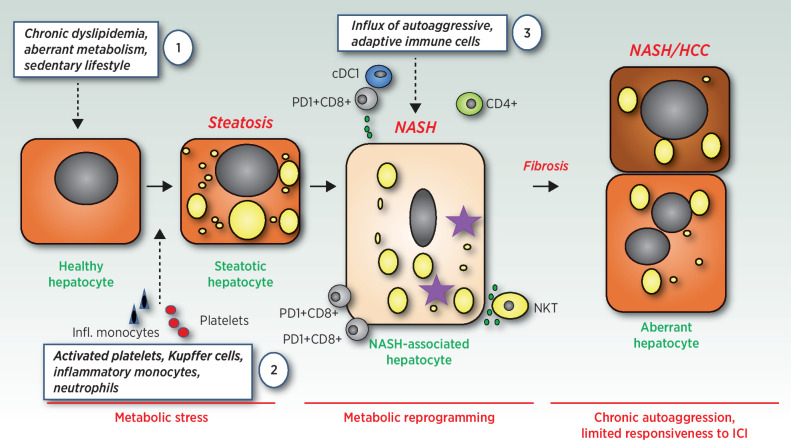
“This over time leads to a metabolic catastrophe in hepatocytes – (2) driving first local inflammation by Kupffer cells; hepatocyte damage; and influx of platelets, neutrophils, and inflammatory monocytes.”
BackgroundImmunotherapies for hepatocellular carcinoma
Llovet, J. M., Castet, F., Heikenwalder, M., Maini, M. K., Mazzaferro, V., Pinato, D. J., Pikarsky, E., Zhu, A. X., & Finn, R. S. (2022) · Nature Reviews Clinical Oncology · doi:10.1038/s41571-021-00573-2 · Cited by 1,843 · cited 1×
“Systemic treatment has profoundly changed over the last decade, particularly with the addition of ICIs to the treatment armamentarium of HCC (47, 48).”
BackgroundSelf-citationFinn, R. S., Ryoo, B.-Y., Merle, P., Kudo, M., Bouattour, M., Lim, H. Y., Breder, V., Edeline, J., Chao, Y., Ogasawara, S., et al. (2020) · Journal of Clinical Oncology · doi:10.1200/jco.19.01307 · Cited by 1,789 · cited 2×
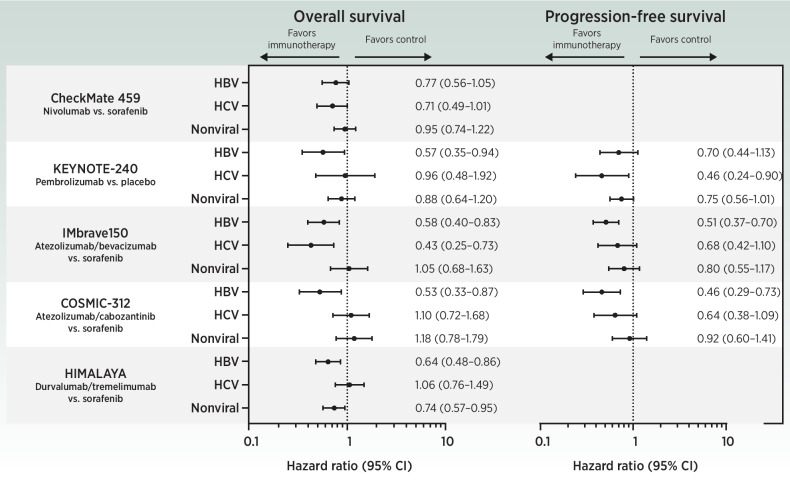
“SECOND-LINE KEYNOTE-240 (49) Pembrolizumab (278) 13.”
Background
Cited by
Qin, S., Chan, S. L., Gu, S., Bai, Y., Ren, Z., Lin, X., Chen, Z., Jia, W., Jin, Y., Guo, Y., et al. (2023) · The Lancet · doi:10.1016/s0140-6736(23)00961-3 · Cited by 746
Breakthroughs in Hepatocellular Carcinoma Therapies
Singal, A. G., Kudo, M., & Bruix, J. (2023) · Clinical Gastroenterology and Hepatology · doi:10.1016/j.cgh.2023.01.039 · Cited by 162
Immune checkpoint inhibitors in hepatocellular carcinoma: emerging challenges in clinical practice
Pinter, M., Scheiner, B., & Pinato, D. J. (2023) · The Lancet. Gastroenterology & hepatology · doi:10.1016/s2468-1253(23)00147-4 · Cited by 155
Self-citationPοlyzos, S. A., Chrysavgis, L., Vachliotis, I. D., Chartampilas, E., & Cholongitas, Ε. (2023) · Seminars in Cancer Biology · doi:10.1016/j.semcancer.2023.04.010 · Cited by 100
Salié, H., Wischer, L., D’Alessio, A., Godbole, I., Suo, Y., Otto-Mora, P., Beck, J., Neumann, O., Stenzinger, A., Schirmacher, P., et al. (2024) · Gut · doi:10.1136/gutjnl-2024-332837 · Cited by 91
“Despite the potential connection of tumour aetiology with specific immune reactions in HCC, in particular, between metabolic liver disease-associated HCC and viral hepatitis-associated HCC, 15 29 30 we did not find a strong correlation of the identified immunotypes with aetiology.”
Self-citationCelsa, C., Cabibbo, G., Fulgenzi, C. A. M., Battaglia, S. L., Enea, M., Scheiner, B., D’Alessio, A., Manfredi, G. F., Stefanini, B., Nishida, N., et al. (2024) · Hepatology · doi:10.1097/hep.0000000000001026 · Cited by 86
Self-citationJost‐Brinkmann, F., Demir, M., Wree, A., Luedde, T., Loosen, S. H., Müller, T., Tacke, F., Roderburg, C., & Mohr, R. U. (2023) · Alimentary Pharmacology & Therapeutics · doi:10.1111/apt.17441 · Cited by 66
“Treated at baseline 38 (21) 25 (25) 13 (17) 0.”
Gu, L., Zhu, Y., Lee, M., Nguyen, A., Ryujin, N. T., Huang, J. Y., Pandit, S. K., Chamseddine, S., Xiao, L., Mohamed, Y. I., et al. (2023) · Proceedings of the National Academy of Sciences · doi:10.1073/pnas.2300706120 · Cited by 58
Rivera‐Esteban, J., Muñoz, S., Higuera, M., Sena, E., Bermúdez-Ramos, M., Bañares, J., Martínez-Gómez, M., Cusidó, M. S., Jiménez-Masip, A., Francque, S., et al. (2024) · Clinical Gastroenterology and Hepatology · doi:10.1016/j.cgh.2024.03.028 · Cited by 52
Huang, Y., Xie, Y., Zhang, Y., Liu, Z., Jiang, W., Ye, Y., Tang, J., Li, Z., Yin, Z., & Lin, X.-J. (2025) · Molecular Cancer · doi:10.1186/s12943-025-02370-2 · Cited by 41
“Collectively, in the context of inflammation and tumorigenesis, immune cells have been implicated in orchestrating an immunosuppressive and pro-tumorigenic microenvironment that exacerbates the transition from MASH to HCC [21].”
Convertini, P., Santarsiero, A., Todisco, S., Gilio, M., Palazzo, D., Pappalardo, I., Iacobazzi, D., Frontuto, M., & Infantino, V. (2023) · Journal of Translational Medicine · doi:10.1186/s12967-023-04431-w · Cited by 43
“As a matter of fact, ACLY has been found overexpressed in HCC [19] and the role suggested in MASH is substantially referred to lipogenesis by directly affecting steatosis, dyslipidemia and hyperinsulinemia [20].”
BackgroundInfluentialKamaraj, R., Ghosh, S., Das, S., Sen, S., Kumar, P. R., Majumdar, M., Dasgupta, R., Mukherjee, S., Das, S., Ghose, I., et al. (2024) · Bioconjugate Chemistry · doi:10.1021/acs.bioconjchem.4c00253 · Cited by 40
Hansen, H. H., Pors, S. E., Andersen, M. W., Vyberg, M., Nøhr-Meldgaard, J., Nielsen, M. H., Oró, D., Madsen, M. R., Lewińska, M., Møllerhøj, M. B., et al. (2023) · Scientific Reports · doi:10.1038/s41598-023-50328-5 · Cited by 42
“Accordingly, preliminary clinical data have indicated better immunotherapy outcomes in HCC with viral compared to nonviral etiology 10 .”
BackgroundXu, J., Xia, Q., Wu, T., Shao, Y., Wang, Y., Jin, N., Tian, P., Wu, L., & Lu, X. (2024) · Gut Microbes · doi:10.1080/19490976.2024.2302065 · Cited by 34
Yang, F., Dai, L., Shi, K., Liu, Q., Pan, M., Mo, D., Deng, H., Yuan, L., Lu, Y., Pan, L., et al. (2023) · Biomaterials · doi:10.1016/j.biomaterials.2023.122435 · Cited by 30
Wang, L., Zhou, J., Wang, J., Wang, X., Dong, H., Zhao, L., Wu, J., & Peng, J. (2024) · Advanced Healthcare Materials · doi:10.1002/adhm.202303710 · Cited by 34
Galasso, L., Cerrito, L., Maccauro, V., Termite, F., Mignini, I., Esposto, G., Borriello, R., Ainora, M. E., Gasbarrini, A., & Zocco, M. A. (2024) · International Journal of Molecular Sciences · doi:10.3390/ijms25137191 · Cited by 35
“Notably, the contribution of MASH to HCC incidence has risen significantly, underscoring the fact that chronic hepatic inflammation serves as a potential catalyst for hepatocarcinogenesis, irrespective of the presence of cirrhosis [80,81].”
BackgroundZhu, L., Huang, Z., Qiu, J., Shi, Y., Zuo, D., Qiu, Z., He, W., Niu, Y., Yuan, Y., & Li, B. (2024) · Journal of Experimental & Clinical Cancer Research · doi:10.1186/s13046-024-03134-4 · Cited by 34
NAFLD-Related HCC: Focus on the Latest Relevant Preclinical Models
Fang, J., Celton‐Morizur, S., & Desdouets, C. (2023) · Cancers · doi:10.3390/cancers15143723 · Cited by 28
Lin, Q., Tang, Z., Qin, Y., Deng, X., Wei, C., Liu, F., Pan, X., Liu, D., Zhan, T., & Fang, M. (2024) · PLoS neglected tropical diseases · doi:10.1371/journal.pntd.0011906 · Cited by 20
“Chronic viral hepatitis, alcohol-associated cirrhosis, and nonalcoholic fatty liver disease have been proven to be the main risk factors for developing HCC [1,4–8].”
BackgroundXie, Y., Huang, Y., Li, Z.-Y., Jiang, W., Shi, N.-X., Lu, Y., Cao, G., Yin, Z., & Lin, X.-J. (2024) · Molecular Cancer · doi:10.1186/s12943-024-02001-2 · Cited by 18
“…prevent the progression from MASH to HCC. Emerging investigations imply that MASH-driven HCC development is accompanied by the accumulation of immune cells within the tumor microenvironment, playing an important role in initiating, maintaining, or exacerbating the transition from MASH to HCC [8].”
BackgroundArvanitakis, K., Mitroulis, I., Chatzigeorgiou, A., Elefsiniotis, I. S., & Germanidis, G. S. (2023) · Cancers · doi:10.3390/cancers15051522 · Cited by 20
“Indeed, cells of innate and adaptive immunity coexist and interact within the liver microenvironment during HCC, especially in the case of NASH, during which chronic hepatic inflammation preexists the emergence of HCC [8].”
BackgroundAhn, J. C., Ng, W. H., Yeo, Y. H., Kim, H.-S., Wang, Y., Trivedi, H. D., Ayoub, W. S., Kuo, A., Rich, N. E., Parikh, N. D., et al. (2025) · Hepatology · doi:10.1097/hep.0000000000001328 · Cited by 21
Du, J., Jin, L., Wang, S., Hu, X., Yu, J., Yu, J., Huo, Q., Wu, N., Liu, X., Yang, Y., et al. (2026) · Nucleic Acids Research · doi:10.1093/nar/gkag171 · Cited by 15
“This progression to NASH can lead to severe and irreversible liver damage, such as cirrhosis and hepatocellular carcinoma [ 3 –9 ].”
Downregulation of 15-PGDH enhances MASH-HCC development via fatty acid-induced T-cell exhaustion
Hu, X., Yasuda, T., Yasuda‐Yoshihara, N., Yonemura, A., Umemoto, T., Nakachi, Y., Yamashita, K., Semba, T., Arima, K., Uchihara, T., et al. (2023) · JHEP Reports · doi:10.1016/j.jhepr.2023.100892 · Cited by 18
“12 Although nivolumab and pembrolizumab have been approved for the treatment of advanced HCC, a recent study revealed that in MASH-HCC, anti-programmed death receptor (PD-1) drugs conversely promote HCC development resulting from an impairment of immune surveillance and induction of MASH-related…”
Identification and validation of INHBE and P4HA1 as hub genes in non-alcoholic fatty liver disease
Cao, J., Zhong, Q., Huang, Y., Zhu, M., Wang, Z., & Xiong, Z. (2023) · Biochemical and Biophysical Research Communications · doi:10.1016/j.bbrc.2023.149180 · Cited by 16
Chen, M., Huang, F., Chen, B., Kang, J., Yao, Y., Liu, M., Li, Y., Li, Y., Zhou, T., Peng, D., et al. (2023) · Biomedicine & Pharmacotherapy · doi:10.1016/j.biopha.2023.115831 · Cited by 15
MASLD-Related Hepatocarcinoma: Special Features and Challenges
Caballero, C. Y., Deza, D. C., Espina, S., Oliver, A. P., Arbonés-Mainar, J. M., & Monterde, V. B. (2024) · Journal of Clinical Medicine · doi:10.3390/jcm13164657 · Cited by 21
“The available evidence suggests that immunotherapy treatments may exhibit reduced efficacy in patients with MASLD-HCC [51].”
BackgroundNanoformulations for the diagnosis and treatment of metabolic dysfunction-associated steatohepatitis
Qin, X., & Liu, J. (2024) · Acta Biomaterialia · doi:10.1016/j.actbio.2024.06.014 · Cited by 13
Xi, J., Lei, S.-Y., Chen, J., Liu, J., Shan, C., Sun, X., Zheng, Q., & Shi, X. (2025) · Cell Death Discovery · doi:10.1038/s41420-025-02558-x · Cited by 16
“…disorders, NASH progresses through chronic in fl amma-tory processes that promote and sustain a pro-oncogenic environment, leading to hepatocyte injury, thereby emerging as a principal etiological factor of terminal liver diseases, including hepatocellular carcinoma (HCC) and liver failure [2, 3].”
Chiu, H., Tsai, S., Tsai, F., Lo, Y., Cheng, C., Liu, T., JHAN, S.-R., Yang, J., & Chiu, Y. (2023) · In Vivo · doi:10.21873/invivo.13178 · Cited by 13
Himmelsbach, V., Koch, C., Trojan, J., & Finkelmeier, F. (2024) · Journal of Hepatocellular Carcinoma · doi:10.2147/jhc.s443218 · Cited by 11
Hsieh, C., Chuang, P.-C., & Liu, Y. (2025) · Cancers · doi:10.3390/cancers17071250 · Cited by 14
“For instance, chronic lipid accumulation in NASH can activate NKT cells to produce cytokines that paradoxically exacerbate fibrosis and oncogenesis rather than mediate tumor rejection (a phenomenon termed “autoaggressive” NASH immunopathology) [31].”
The role of C-reactive protein to lymphocyte ratio in NAFLD and mortality among NAFLD patients
Xi, J., Wang, S., Chen, J., Law, J. C. S., Fan, Z., & Lv, G. (2025) · BMC Gastroenterology · doi:10.1186/s12876-025-03924-w · Cited by 10
“NAFLD is closely associated with complex metabolic disturbances and can progress through chronic inflammatory processes, thereby fostering and sustaining a pro-tumorigenic environment that contributes to the development of hepatocellular carcinoma [2].”
UBXN9 inhibits the RNA exosome function to promote T cell control of liver tumorigenesis
Zhang, L., Jiao, K., Liu, Y., Xu, G., Yang, Z., Xiang, L., Chen, Z., Xu, C., Zuo, Y., Wu, Z., et al. (2023) · Hepatology · doi:10.1097/hep.0000000000000711 · Cited by 9
Guo, Z., Yao, Z., Huang, B., Wu, D., Li, Y., Chen, X., Lu, Y., Wang, L., & Lv, W. (2024) · International Immunopharmacology · doi:10.1016/j.intimp.2024.112821 · Cited by 10
Vachliotis, I. D., Valsamidis, I., & Pοlyzos, S. A. (2023) · Cancers · doi:10.3390/cancers15215306 · Cited by 15
“Over the last decade, ICIs have revolutionized the landscape of systemic therapies for liver cancer [81].”
BackgroundNaserkhaki, R., Shokouhian, B., Tahamtani, Y., Khosravi, A., Iravani, S., Zarrabi, A., & Vosough, M. (2025) · BME Frontiers · doi:10.34133/bmef.0144 · Cited by 12
Papadopoulos, G., Giannousi, E., Avdi, A. P., Velliou, R.-I., Nikolakopoulou, P., & Chatzigeorgiou, A. (2024) · Frontiers in Cell and Developmental Biology · doi:10.3389/fcell.2024.1343806 · Cited by 9
“However, the speci fi c immunomodulatory characteristics directly linked to the transition of MASH into a tumorigenic state and the components of the hepatic immune system playing a decisive role before and during the transformation into HCC are currently unclear (Pinter et al., 2023).”
BackgroundKim, S., Lee, S. Y., Cheon, J., Kim, H., Park, Y. G., Lee, J. J. X., Ryu, M., Ryoo, B., Tai, D. W.-M., & Yoo, C. (2024) · Targeted Oncology · doi:10.1007/s11523-024-01103-7 · Cited by 7
“…conflicting preclinical results concerning the impact of liver steatosis on the immune microenvironment and immuno-therapy efficacy persist, underscoring the need for further preclinical and translational research to identify specific biomarkers for immunotherapy in MASLD-related HCC [6, 12, 13].”
Seydi, H., Nouri, K., Shokouhian, B., Piryaei, A., Hassan, M., Cordani, M., Zarrabi, A., Shekari, F., & Vosough, M. (2024) · European Journal of Pharmaceutics and Biopharmaceutics · doi:10.1016/j.ejpb.2024.114470 · Cited by 7
Gao, B., Chen, Z., Shi, M., Mo, Y., Xiao, H., Xie, Y., Lin, M. V., & Chi, X. (2023) · Frontiers in Pharmacology · doi:10.3389/fphar.2023.1240649 · Cited by 6
Xiao, Y., Xu, S., Hu, W., Huang, J., Jiang, D., Na, R., Yin, Z., Zhang, J., & Chen, H. (2024) · Annals of Hepatology · doi:10.1016/j.aohep.2024.101750 · Cited by 9
Lee, J. J., Yoo, J.-S., Kim, J. H., Lee, D. Y., Yang, K., Kim, B., Choi, J., Jang, J. W., Choi, J. Y., Yoon, Y. C., et al. (2024) · Frontiers in Immunology · doi:10.3389/fimmu.2024.1506355 · Cited by 11
Naringenin attenuates early hepatocarcinogenesis induced by a MASH model
Márquez-Quiroga, L. V., Barboza-López, A., Suárez-Castillo, J. Y., Cardoso-Lezama, I., Fuentes-Figueroa, M. Á., Vargas-Pozada, E. E., Rodríguez-Callejas, J. D., Ramos‐Tovar, E., Piña‐Vázquez, C., Arellanes‐Robledo, J., et al. (2025) · Annals of Hepatology · doi:10.1016/j.aohep.2025.101897 · Cited by 6
Adjuvant therapy in hepatocellular carcinoma: the IMbrave050 trial
Rose, S., Ashraf, M. U., & Premkumar, M. (2024) · The Lancet · doi:10.1016/s0140-6736(24)00800-6 · Cited by 6
Tang, T., Li, Y., Xiyun, N., Wu, H., Fan, L., Zhang, X., Chang, J., Ou, Z., Yang, T., Huiying, C., et al. (2026) · Hepatology Communications · doi:10.1097/hc9.0000000000000907 · Cited by 4
“[1] More than 80%–90% of HCC arises from the context of underlying liver injury that progresses to fibrosis and cirrhosis.”
Zhang, B., Chang, B., Wang, L., & Xu, Y. (2023) · Frontiers in Molecular Biosciences · doi:10.3389/fmolb.2023.1266515 · Cited by 4
Kim, S., Jeong, N., Park, J., Noh, H., Lee, J. O., Yu, S. J., & Ku, J. (2024) · Scientific Reports · doi:10.1038/s41598-024-78963-6 · Cited by 5
Antitumor Effects and Mechanisms of Metabolic Syndrome Medications on Hepatocellular Carcinoma
Oura, K., Morishita, A., Tani, J., & Masaki, T. (2022) · Journal of Hepatocellular Carcinoma · doi:10.2147/jhc.s392051 · Cited by 6
Zhang, Z., Li, Y., Quan, Z., Li, Y., Zhu, L., Sun, S., & Chen, X. (2024) · Frontiers in Immunology · doi:10.3389/fimmu.2024.1397541 · Cited by 6
“LIHC is a malignant tumor characterized by a highly immunosuppressive microenvironment, rendering immunotherapy a promising treatment strategy (5).”
BackgroundShirane, Y., Fujii, Y., Ono, A., Nakahara, H., Hayes, C. N., Miura, R., Murakami, S., Sakamoto, N., Uchikawa, S., Fujino, H., et al. (2024) · Cancers · doi:10.3390/cancers16071328 · Cited by 4
“Baseline CD8+ TCM proportion is a good indicator of the efficacy of Atez/Bev therapy for HCC and might be a promising early predictor of prolonged OS with therapy.”
BackgroundShimanuki, M., Uda, R., Shiozaki, S., & Yoshihara, T. (2025) · ACS Applied Bio Materials · doi:10.1021/acsabm.5c00698 · Cited by 5
Zhang, J., Hu, C., Sun, P.-Q., Shi, L., Wang, J., Pan, S., & Jiang, Y. (2025) · Phytomedicine · doi:10.1016/j.phymed.2025.157271 · Cited by 3
Pioneering precision: The evolution of immunotherapy for hepatocellular carcinoma
Foerster, F., Wiesmann, L., Bark, P., & Galle, P. R. (2025) · Hepatology · doi:10.1097/hep.0000000000001554 · Cited by 5
Wang, C., Bai, Y., Li, T., Liu, J., Wang, Y., Ju, S., Yao, W., Xiong, B., & Zhou, G. (2023) · Frontiers in Pharmacology · doi:10.3389/fphar.2023.1267445 · Cited by 6
“And NASH has a high risk of developing liver fi brosis, which can potentially advance to liver cirrhosis or cancer (Schuppan et al., 2018; Pinter et al., 2023).”
BackgroundRen, J.-L., & Wu, M. (2025) · International Journal of Molecular Sciences · doi:10.3390/ijms26073166 · Cited by 5
“Glucose and lipid metabolism are central to the pathogenesis of MAFLD [25].”
Zhang, C., Sui, Y., Liu, S., & Yang, M. J. (2023) · Exploration of Digestive Diseases · doi:10.37349/edd.2023.00029 · Cited by 4
Systemic treatment of hepatocellular carcinoma secondary to non-alcoholic fatty liver disease
Rzeniewicz, K., & Sharma, R. (2024) · World Journal of Clinical Oncology · doi:10.5306/wjco.v15.i11.1394 · Cited by 3
Yang, L., Li, P., Zhao, J., Bai, Z., Zeng, G., Liu, X., Zou, B., & Li, J. (2025) · Discover Oncology · doi:10.1007/s12672-025-02051-y · Cited by 2
Tang, J., Yang, R., Li, K., Peng, W., He, Z., Gao, W., & Zeng, P. (2025) · Scientific Reports · doi:10.1038/s41598-025-06617-2 · Cited by 5
“MALC is less responsive to conventional immune checkpoint inhibition (ICI) therapy compared to viral liver cancer, possibly due to immune microenvironment and gut microbiota dysregulation 31,32 .”
Lee, K., Kim, S., Zhao, J., & Neo, S. (2025) · Frontiers in Immunology · doi:10.3389/fimmu.2025.1631258 · Cited by 2
“A recent meta-analysis of 3,739 patients shows that non-viral HCC does not seem to bene fi t, or bene fi t less, from ICBs compared to HBV-HCC, yet the heterogeneity of the trials is high (113, 114).”
Gou, X., Zhou, Z., Wang, Y., Yuan, H., Wang, Z., Chen, J., Yan, W., Wang, H., & Yan, J. (2026) · Biochemical Pharmacology · doi:10.1016/j.bcp.2026.117700 · Cited by 2
Jiang, W.-Y., Feng, J.-K., Zhou, B., Ren, S.-S., Yu-chao, H. O. U., Zhang, F.-F., Xiang, Y., Liu, Z., Chen, R.-C., Shan, Y., et al. (2026) · European Journal of Surgical Oncology · doi:10.1016/j.ejso.2026.111407 · Cited by 2
Liu, L., Duan, X., & Ju, B. (2026) · Frontiers in Oncology · doi:10.3389/fonc.2025.1744299 · Cited by 3
“In NASH-HCC, MAIT cells exhibit considerable metabolic plasticity, with altered glycolytic fl ux and mitochondrial function in fl uencing their cytokine secretion pro fi les (35, 36).”
InfluentialPulsed Electrical Field Ablation Plus Intratumoral Immunotherapy for Hepatocellular Carcinoma
Soule, E., Vargas, C., Sanchez, R., Cortes, E., Goodyear, N., Barco, R., & Williams, J. (2026) · Journal of Immunotherapy · doi:10.1097/cji.0000000000000596 · Cited by 2
Castria, T. B. D., & Kim, R. D. (2024) · Pragmatic and Observational Research · doi:10.2147/por.s395974 · Cited by 3
“26 A meta-analysis including 3739 patients with HCC corroborated these data; however, etiology was not associated with worse outcomes among those patients treated with TKIs.”
ResultMacrophage inhibition in the alleviation of nonalcoholic steatohepatitis caused by bariatric surgery
Zheng, Q., Deng, S., Chen, X., Wang, Y., & Yang, Y. (2025) · Genes and Immunity · doi:10.1038/s41435-025-00334-6 · Cited by 2
“NASH may progress to cirrhosis and eventually develop into hepatocellular carcinoma or end-stage liver disease [4].”
The price and value of therapeutic synergy in liver cancer
Pinato, D. J., D’Alessio, A., Celsa, C., Manfredi, G. F., & Fulgenzi, C. A. M. (2023) · The Lancet · doi:10.1016/s0140-6736(23)01297-7 · Cited by 2
Self-citationHuang, Z., Chen, J., Liu, S., Xiang, X., Long, Y., Tan, P., & Fu, W. (2025) · Journal of Inflammation Research · doi:10.2147/jir.s497737 · Cited by 1
“Further investigation revealed that it served as a novel biomarker for the progression of NASH to fibrosis and even NASH-HCC.”
InfluentialGranuloma rich hepatocellular carcinoma (GrHCC): Clinicopathologic and genomic characterization
Vij, M., Raju, L. P., Jothimani, D. K., Simon, E. B., Radhakrishnan, S., Martin, C. A., Gowrishankar, G., Subbiah, K., Rajalingam, R., Kaliamoorthy, I., et al. (2025) · Annals of Diagnostic Pathology · doi:10.1016/j.anndiagpath.2025.152504 · Cited by 1
Orphan drug uttroside B impedes MASH progression and HCC development in experimental models
Rayginia, T. P., Keerthana, C. K., Aiswarya, S. U. D., Shifana, S. C., Jannet, S., Varma, S. S., Maria Joy, P., Swetha, M., James, S., S, A. J., et al. (2025) · JHEP Reports · doi:10.1016/j.jhepr.2025.101626 · Cited by 1
“5 Despite ongoing research efforts, the precise pathogenic mechanisms of MASH remain elusive and, hence, effective pharmaceutic interventions against MASH are minimal, with the exception of the recently FDA-approved small-molecule drug resmetirom.”
Kim, S. H. (2025) · Cancers · doi:10.3390/cancers17223671 · Cited by 3
Immune microenvironment and immunotherapy strategies in MAFLD-related hepatocellular carcinoma
Han, H.-N., Ma, J.-H., Wang, J.-B., & Liu, Y. (2025) · Hepatoma Research · doi:10.20517/2394-5079.2025.54 · Cited by 1
Immune cells in liver injury: from pathogenic mechanisms to immunotherapy
Liao, H., Zhang, J., Zhang, J., 陈亚进, Chen, X., Meng, Y., & Chen, J. (2026) · Frontiers in Immunology · doi:10.3389/fimmu.2026.1770949 · Cited by 1
“The goal of any immunotherapy is to rectify this imbalance in order to restore hepatocytes proliferation and liver functioning (89, 90).”
Liu, H. Q., He, Q., Wang, D., Liu, J. T., Qu, Y., Zhang, D., Sun, P., Li, H., Peng, S., Li, R., et al. (2026) · Journal of Controlled Release · doi:10.1016/j.jconrel.2026.114991 · Cited by 2
Azzam, S. M., Straus, A. J., Senkal, C. E., & Sarkar, D. (2026) · Cancers · doi:10.3390/cancers18142335 · Cited by 1
“…of MASH-driven HCC, where metabolic inflammation, tumor-associated macrophage (TAM) polarization, and T cell exhaustion collectively impair anti-tumor immunity highlighting the need for therapeutic strategies that address the underlying metabolic-inflammatory drivers of immune evasion [30,31].”
Surgical Implications for Nonalcoholic Steatohepatitis-Related Hepatocellular Carcinoma
Anbarasu, C. R., Williams-Perez, S. M., Camp, E. R., & Erstad, D. J. (2024) · Cancers · doi:10.3390/cancers16162773 · Cited by 1
“Accordingly, patients with NASH-HCC frequently present with larger tumors and an advanced tumor stage compared to patients with other underlying etiologies of liver disease [3,4,38].”
BackgroundInfluentialVizioli, G., Nicoletti, A., Daniela, F., Funaro, B., Verme, L. Z. D., Ponziani, F. R., Zocco, M. A., Gasbarrini, A., & Gabrielli, M. (2025) · Applied Sciences · doi:10.3390/app15052279 · Cited by 3
Chen, W., Dai, J., & Wang, H. (2025) · Liver Cancer · doi:10.1159/000544964 · Cited by 1
Zhang, Y., Liu, S., Bai, M., Zhao, Z., Wang, S., Bao, M., Bao, J., Shen, S., Lu, S., Xiong, Y., et al. (2025) · Frontiers in Cell and Developmental Biology · doi:10.3389/fcell.2025.1621705 · Cited by 2
Network meta-analysis: A map to navigate the maze of treatment for advanced hepatocellular carcinoma
D’Alessio, A., Cammarota, A., & Rimassa, L. (2023) · European Journal of Internal Medicine · doi:10.1016/j.ejim.2023.02.015
HUANG, L., HUANG, G., Wang, M., Mao, D., Wang, M., Zheng, J., ZHANG, R., Long, F., YAO, F., & Yao, C. (2023) · Research Square · doi:10.21203/rs.3.rs-3522376/v1
Porta, C., Negri, F., & Cosmai, L. (2024) · Cancer · doi:10.1002/cncr.35218
“In the present issue of Cancer , Piscaglia et al. 3 demonstrated that treatment ‐ emergent hypertension was associated with improved overall survival (OS), but not with progression ‐ free survival (PFS), in lenvatinib ‐ treated patients within the REFLECT trial; furthermore, hypertension did not impair the outcomes of…”
BackgroundInfluentialRayginia, T. P., Keerthana, C. K., Aiswarya, S. U. D., Shifana, S. C., Jannet, S., Varma, S. S., Maria, J. P., Swetha, M., Retnakumari, A. P., Nath, L. R., et al. (2024) · bioRxiv (Cold Spring Harbor Laboratory) · doi:10.1101/2024.11.06.622394
Pathogenesis and Treatment of Hepatocellular Carcinoma Associated with Nonalcoholic Steatohepatitis
梁, 舒. (2025) · Advances in Clinical Medicine · doi:10.12677/acm.2025.1551592
Sun, C., Xu, Y., & Luo, T. (2025) · Materials Today Communications · doi:10.1016/j.mtcomm.2025.114507 · Cited by 2
Xie, Y., Huang, Y., Li, Z.-Y., Jiang, W., Shi, N.-X., Lu, Y., Cao, G., Yin, Z., & Lin, X.-J. (2024) · Figshare · doi:10.6084/m9.figshare.26717691
Xie, Y., Huang, Y., Li, Z.-Y., Jiang, W., Shi, N.-X., Lu, Y., Cao, G., Yin, Z., & Lin, X.-J. (2024) · Figshare · doi:10.6084/m9.figshare.26717694
Xie, Y., Huang, Y., Li, Z.-Y., Jiang, W., Shi, N.-X., Lu, Y., Cao, G., Yin, Z., & Lin, X.-J. (2024) · Figshare · doi:10.6084/m9.figshare.25779361
Xie, Y., Huang, Y., Li, Z.-Y., Jiang, W., Shi, N.-X., Lu, Y., Cao, G., Yin, Z., & Lin, X.-J. (2024) · Figshare · doi:10.6084/m9.figshare.25779485
Construction and Evaluation of a Mouse Model of Nonalcoholic Steatohepatitis in C57BL/6 Mice
高, 丽. (2025) · Advances in Clinical Medicine · doi:10.12677/acm.2025.15123408
Song, S., Xu, L.-S., Wang, L.-Q., Zhou, X., Jiang, X., & Li, C.-P. (2025) · World Journal of Gastrointestinal Oncology · doi:10.4251/wjgo.v17.i12.112936 · Cited by 1
“Pinter et al [94] found that NASH-HCC exhibits distinct immunosuppressive microbial profiles may explain its reduced immunotherapy responsiveness compared to viral-associated HCC. Development of globally applicable biomarkers will require geographically diverse, etiology-stratified studies that…”
Chen, X. Y., & Huang, C. F. (2025) · Pakistan Journal of Pharmaceutical Sciences · doi:10.36721/pjps.2025.38.3.reg.13288.1 · Cited by 1
Shao, Y., Yuan, J., Liu, Y., & Wang, F. (2026) · Frontiers in Oncology · doi:10.3389/fonc.2025.1687449 · Cited by 1
Yu, X., Li, Y., Feng, Y., Cheng, Z., Sun, B., & Cai, X.-R. (2026) · Abdominal Radiology · doi:10.1007/s00261-026-05449-6
“…histologically by the coexistence of active NASH (NAFLD activity score [NAS] ≥ 4) and significant fibrosis (stage ≥ F2), represents a clinically pivotal pheno - type associated with substantially increased risks of cirrhosis progression, hepatic decompensation, and liver-related mortality [5].”
Sonone, P., Goyal, S., Lokeshwar, N., Dharmadhikari, S. K., Puppalwar, G., Khandhedia, C., Mane, A., & Mehta, S. C. (2026) · Cureus · doi:10.7759/cureus.105157
“Although immune checkpoint inhibitor (ICI)-based therapies have been potential treatment options, including atezolizumab-bevacizumab [18], several studies reported reduced ICI-based regimen effectiveness in MASLD/MASH-associated HCC compared with viral etiologies [19-21].”
Yang, P., Li, X., Yang, L., Xiao, N., Ren, L., Ji, M., & Yang, H. (2026) · Translational Oncology · doi:10.1016/j.tranon.2026.102760 · Cited by 4
Zhang, Z., & Chen, X. (2026) · Journal of Gastroenterology and Hepatology · doi:10.1111/jgh.70446
“Existing evidence suggests that liver cancer related to NASH may present different immune microenvironment characteristics and may have different responses to immuno-therapy [2].”
Dupont, C., & Martin, J. (2026) · Asian journal of Current Research in Clinical Cancer · doi:10.51847/1bpbpffdcg
Metadata
- Authors
- Pinter, M., Pinato, D. J., Ramadori, P., & Heikenwalder, M.
- Affiliations
- Medical University of Vienna (AT)
- Università degli Studi del Piemonte Orientale “Amedeo Avogadro” (IT)
- German Cancer Research Center (DE)
- 5Division of Chronic Inflammation and Cancer, German Cancer Research Center, Heidelberg, Germany.
- Corresponding author
- Pinter, Matthias
- Ramadori, Pierluigi
- Venue
- Clinical Cancer Research
- Published
- 2022-09-27
- Volume
- 29
- Issue
- 3
- Pages
- 513-520
- ISSN
- 1078-0432 (ISSN-L)
- 1557-3265
- PMC
- PMC9890137
- OpenAlex
- W4297338588
- Semantic Scholar
- b83b5bb79de3238c6ef159032d7b5510960590c9
- Cited by
- 103
- References
- 90
- Citations by year
- 2026: 19 · 2025: 28 · 2024: 31 · 2023: 24 · 2022: 1
- FWCI
- 3.38
- Type
- journal article
- Language
- en
- Open access
- hybrid
- doi.org
- Licence
- Locations
- Clinical Cancer Research (publishedVersion, cc-by-nc-nd)
- PubMed Central (publishedVersion, cc-by-nc-nd)
- PubMed (publishedVersion)
- Funders
- Associazione Italiana per la Ricerca sul Cancro (25697)
- Deutsche Krebshilfe (70113166, 70113167)
- Horizon 2020 Framework Programme
- NIHR Imperial Biomedical Research Centre
- Wellcome Trust (PS3416)
- Wilhelm Sander-Stiftung
- Topics
- Health Sciences › Medicine › Hepatology › Liver Disease Diagnosis and Treatment
- Health Sciences › Medicine › Hepatology › Hepatocellular Carcinoma Treatment and Prognosis
- Health Sciences › Medicine › Oncology › Cancer Immunotherapy and Biomarkers
- Keywords
- nonalcoholic steatohepatitis, non-alcoholic fatty liver disease, hepatocellular carcinoma, tumor immunology, immunotherapy, innate and adaptive immune cells, liver fibrosis, liver cirrhosis, cancer risk stratification, treatment resistance
- MeSH terms
- Fibrosis, Carcinoma, Hepatocellular, Humans, Immunotherapy, Liver Cirrhosis, Liver Neoplasms, Carcinogenesis, Non-alcoholic Fatty Liver Disease
About these checks
Registry, retraction, Cites and statistics results are computed, not judged, with one exception: a printed reference that no index lists is read once by a model before it counts as a citation error. Claims are extracted by a model and kept only when their quote appears verbatim in the text; each cited source is then checked, with a model’s help, for whether it says what the claim relies on. Those verdicts can be wrong — read the claim’s quote and the cited source before relying on one.
Statistics and arithmetic are recomputed, not judged.
Confidence bands are shown only for fields calibrated on our annotated test set. None is calibrated yet, so no band is shown.
What counts as a claim ›How we measure confidence ›How we check this ›
Are you an author, or do you see a problem with this page? Request a review
Data sources
Bibliographic data: Semantic Scholar, OpenAlex, Crossref.
Contains information from the Semantic Scholar Academic Graph Datasets, made available under the ODC Attribution License (ODC-BY 1.0).
Semantic Scholar’s data is described in: Kinney, R., et al. (2023). The Semantic Scholar Open Data Platform. arXiv:2301.10140.
