

The DOI matches its Crossref record; 38 of the 38 references it cites were found in a registry or an index.
Miss. Diagnosis: A Systematic Review of ADHD in Adult Women
Open accessAbstract
OBJECTIVE: The aim of this review was to explore the impact of living with undiagnosed ADHD and adult diagnosis on women. METHOD: A systematic literature search was completed using three databases. Eight articles were considered relevant based on strict inclusion criteria. Thematic analysis was used to analyze the results of the articles. RESULTS: Four key themes emerged: Impacts on social-emotional wellbeing, Difficult relationships, Lack of control, and Self-acceptance after diagnosis. CONCLUSION: This knowledge can be used to advance the understanding of ADHD in adult women and the implications for late diagnosis in women.
Overview
The claims and statistics of this paper haven’t been checked yet.
Run the check — free, no account needed. It reads the open-access text and checks the sources it cites.
Integrity signals
Registry
Cites
Statistics
Figures
Verification
Claims the paper makes
The claims and statistics of this paper haven’t been checked yet.
Run the check — free, no account needed. It reads the open-access text and checks the sources it cites.
Claims other papers make about this one
Each is checked against this paper’s own text: does it say what the citing paper says it does?
The source backs part of the claim, not all of it — or backs it for a different population, condition or comparison.
In the citing paper
“We developed this female-specific treatment option in response to the dire need expressed by many [1,17,19,23,24,25,26,28,41,55,85], including patients.”
From A Female-Specific Treatment Group for ADHD—Description of the Programme and Qualitative Analysis of First Experiences (2024) · cites this paper as [17]
Experimental — accuracy not yet measuredThe cited source says what the claim attributes to it.
In the citing paper
“We decided on a group programme because of the importance of social difficulties for women with ADHD [10,17].”
From A Female-Specific Treatment Group for ADHD—Description of the Programme and Qualitative Analysis of First Experiences (2024) · cites this paper as [17]
Self-check
Percentages, sums and reported differences re-computed from the paper’s own numbers.
The self-check needs the paper’s full text.
Citations
Cites
Using thematic analysis in psychology
Braun, V., & Clarke, V. (2006) · Qualitative Research in Psychology · doi:10.1191/1478088706qp063oa · Cited by 194,414 · cited 2×
“Using techniques of thematic analysis (Braun & Clarke, 2006), eight articles were reviewed.”
MethodPreferred Reporting Items for Systematic Reviews and Meta-Analyses: the PRISMA statement
Moher, D., Liberati, A., Tetzlaff, J., Altman, D. G., & for the PRISMA Group (2009) · BMJ · doi:10.1136/bmj.b2535 · Cited by 83,823
Preferred Reporting Items for Systematic Reviews and Meta-Analyses: The PRISMA Statement
Moher, D., Liberati, A., Tetzlaff, J., Altman, D. G., & The PRISMA Group (2009) · PLoS Medicine · doi:10.1371/journal.pmed.1000097 · Cited by 64,042 · cited 2×
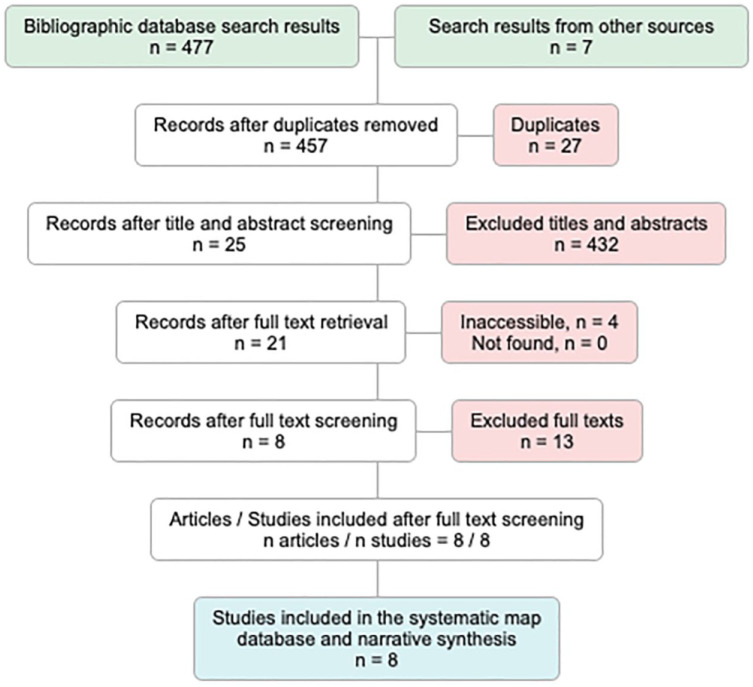
“A flow chart created by Preferred Reporting Items for Systematic Reviews (PRISMA; Moher et al., 2009) was used to visually track the number of articles at each step in the review process (see Figure 1).”
Diagnostic and Statistical Manual of Mental Disorders
American Psychiatric Association (2022) · doi:10.1176/appi.books.9780890425787 · Cited by 23,476
Wang, G., Ma, R., Qiao, G., Wada, K., Aizawa, Y., & Satoh, T. (2015) · Integrative Medicine International · doi:10.1159/000368408 · Cited by 18,762
Advancing social connection as a public health priority in the United States.
Holt-Lunstad, J., Robles, T. F., & Sbarra, D. A. (2017) · American Psychologist · doi:10.1037/amp0000103 · Cited by 978 · cited 1×
“Relationships with others are an important part of life; high quality close relationships and feeling socially connected to those in one’s life have been associated with decreased mortality and disease morbidity (Holt-Lunstad et al., 2017).”
BackgroundSong, P., Zha, M., Yang, Q., Zhang, Y., Li, X., & Rudan, I. (2021) · Journal of Global Health · doi:10.7189/jogh.11.04009 · Cited by 896 · cited 2×
“, 2020), impacting 2% to 6% of the global population (Song et al., 2021).”
BackgroundYoung, S., Adamo, N., Ásgeirsdóttir, B. B., Branney, P., Beckett, M., Colley, W., Cubbin, S., Deeley, Q., Farrag, E., Gudjonsson, G., et al. (2020) · BMC Psychiatry · doi:10.1186/s12888-020-02707-9 · Cited by 610 · cited 5×
“Women with ADHD are also at a higher risk of engaging in risky sexual behavior, unplanned pregnancy, and are more likely to be coerced into having sex than women without ADHD (Young et al., 2020).”
BackgroundInfluentialSex differences in predicting ADHD clinical diagnosis and pharmacological treatment
Mowlem, F. D., Rosenqvist, M. A., Martin, J., Lichtenstein, P., Asherson, P. J., & Larsson, H. (2018) · European Child & Adolescent Psychiatry · doi:10.1007/s00787-018-1211-3 · Cited by 432 · cited 8×
“Mowlem et al. (2018) found that females referred for and diagnosed with ADHD exhibited symptoms that were a significant deviation from their typical behaviors, suggesting that females may have a slightly higher threshold for symptom severity for referral and diagnosis.”
BackgroundInfluentialThe Impact of Illness Identity on Recovery from Severe Mental Illness
Yanos, P. T., Roe, D., & Lysaker, P. H. (2010) · American Journal of Psychiatric Rehabilitation · doi:10.1080/15487761003756860 · Cited by 391 · cited 1×
“Assigning meaning to diagnosis can affect hope and self-esteem (Yanos et al., 2010), while receiving a diagnosis provides an individual with a model in which to compare themselves and can help them to form their identity.”
Background
Research works printed but not linked: 4
- Bartlett L. M., Mackay F., Minichiello V. (2005). The experience of self-esteem in women with attention- deficit/hyperactivity disorder. Research University of New England. https://hdl.handle.net/1959.11/18430
- Burgess E. R. (2000). The effect of attention deficit/hyperactivity disorder (ADHD) on psychosocial development in women [Unpublished doctoral dissertation]. The Union Institute.
- Cohen J., Onunaku N., Clothier S., Poppe J. (2005). Helping young children succeed: strategies to promote early childhood social and emotional development. National Conference of State Legislatures. https://edn.ne.gov/cms/sites/default/files/u1/pdf/se18Helping%20Young%20Children%20Succeed.pdf
- Quinn P. O., 2004, Behavioral Health Management, 24, 30
Cited by
Sorted by citations
Musullulu, H. (2025) · Frontiers in Psychology · doi:10.3389/fpsyg.2025.1466088 · Cited by 89
“In girls, on the other hand, internalized symptoms; more inwardness, shyness, and inattention are observed (Attoe and Climie, 2023).”
Exploring women’s experiences of diagnosis of ADHD in adulthood: a qualitative study
Morgan, J. (2023) · Advances in Mental Health · doi:10.1080/18387357.2023.2268756 · Cited by 78
“Furthermore, girls may be more likely, than males, to be misdiagnosed or have a late diagnosis because of the co-occurrence with mental health conditions such as depression and anxiety which are often treated fi rst (Attoe & Climie, 2023; Young et al., 2020).”
Craddock, E. (2024) · Qualitative Health Research · doi:10.1177/10497323241253412 · Cited by 64
Neurodevelopmental Disorders Associated with Gut Microbiome Dysbiosis in Children
Borrego-Ruiz, A., & Borrego, J. J. (2024) · Children · doi:10.3390/children11070796 · Cited by 42
“Tourette syndrome (TS) is the most severe form of TD. Specifically, TS can be defined as a chronic NDD that typically begins in childhood and is characterized by motor and phonic tics, which can significantly reduce the quality of life of affected individuals [208,209].”
BackgroundWissell, S., Hudson, J., Flower, R. L., & Goh, W. S. H. (2025) · Neurodiversity · doi:10.1177/27546330241308540 · Cited by 35
“…as dyslexia, Attention De fi cit Hyperactivity Disorder (ADHD), and autism, and the application of these classi fi cation labels across varying contexts has shown a marked rise on a global scale, notable within the adult population (Attoe & Climie, 2023; Werkhoven et al., 2022; Wissell et al., 2021).”
Attention-Deficit/Hyperactivity Disorder Diagnoses in Finland During the COVID-19 Pandemic
Auro, K. M., Holopainen, I., Perola, M., Havulinna, A. S., & Raevuori, A. (2024) · JAMA Network Open · doi:10.1001/jamanetworkopen.2024.18204 · Cited by 42
Understanding ADHD-related stigma: A gender analysis of young adult and key stakeholder perspectives
Visser, M. J., Peters, R. M. H., & Luman, M. (2024) · Neurodiversity · doi:10.1177/27546330241274664 · Cited by 28
“A recent systematic review of studies focused on adult women who received an ADHD diagnosis in adulthood supports these fi ndings, reporting women struggle with self-esteem and self-ef fi cacy, and feel different and alienated (Attoe & Climie, 2023).”
Li, D., Miao, C., Wang, D., & Li, C. (2025) · Journal of Affective Disorders · doi:10.1016/j.jad.2025.01.155 · Cited by 28
Gabarrón, E., Denecke, K., & López–Campos, G. (2025) · BMC Psychiatry · doi:10.1186/s12888-025-06825-0 · Cited by 30
Adverse experiences of women with undiagnosed ADHD and the invaluable role of diagnosis
Holden, E., & Kobayashi-Wood, H. E. H. (2025) · Scientific Reports · doi:10.1038/s41598-025-04782-y · Cited by 24
“In both Attoe and Climie 35 and Holthe and Langvik 30 it seems evident that earlier diagnoses would likely have helped participants, but it was unclear what stages of their lives were most impacted, when the earlier diagnosis would have made the most difference, and what aspects of their negative…”
Elliott, J., Buchanan, K., & Bayes, S. (2024) · Women and Birth · doi:10.1016/j.wombi.2024.101825 · Cited by 13
Liu, T.-Y., Ko, W.-T., Griffiths, M. D., Pakpour, A. H., Üztemur, S., Ahorsu, D. K., Huang, P., & Lin, C. (2024) · Acta Psychologica · doi:10.1016/j.actpsy.2024.104338 · Cited by 17
Zaleski, A. L., Craig, K. J. T., Khan, R., Waber, R., Xin, W., Powers, M., Ramey, U., Verbrugge, D. J., & Fernandez-Turner, D. (2025) · BMC Health Services Research · doi:10.1186/s12913-025-13296-2 · Cited by 11
“Furthermore, significant disparities for historically marginalized groups on the basis of age, sex, gender, race, ethnicity, and socioeconomic status exist across the care continuum [16] that are less likely to receive timely diagnosis and appropriate care [17–21].”
Wicherkiewicz, F., & Gambin, M. (2026) · Journal of Autism and Developmental Disorders · doi:10.1007/s10803-024-06410-6 · Cited by 11
“…Disorder (ADHD) research has resulted in a significant gap in understanding this condition’s unique aspects in women, including their specific manifesta - tions, developmental trajectories, and the most effective assessment and treatment strategies (Attoe & Climie, 2023; Chronis-Tuscano, 2022).”
Rates of Depression in Children and Adolescents With ADHD: A Systematic Review and Meta-Analysis
Wang, S., Stewart, T. M., Ozen, I., Mukherjee, A., & Rhodes, S. (2025) · Journal of Attention Disorders · doi:10.1177/10870547251341597 · Cited by 14
“…may stem from sex differences in ADHD symptoms, as females are more likely to show less hyperactivity/impulsive and disruptive behaviors, and more internalizing symptoms or eating disorders, which can lead to missed or delayed ADHD diagnosis in women and girls (Attoe & Climie, 2023; Quinn, 2008).”
de Jong, M., Wynchank, D. S. M. R., Michielsen, M., Beekman, A. T. F., & Kooij, J. J. S. (2024) · Journal of Clinical Medicine · doi:10.3390/jcm13072106 · Cited by 11
“Content: How ADHD symptoms differ in boys and girls [7,50–54], aetiology of ADHD, risk of a missed diagnosis [7,52] or misdiagnosis [55] in girls and women, ADHD in puberty [56,57], ensuing coping strategies such as masking [58] or socialisation [59], and the impact hereof in later life [17,28].”
BackgroundInfluentialBeyond Neurodiversity Lite: Improving the Robustness of Neurodiversity Employment Programs
Ezerins, M. E., Vogus, T. J., Follmer, E. H., & Simon, L. (2025) · Journal of Organizational Behavior · doi:10.1002/job.70039 · Cited by 9
Brown, L. E., Tallon, M. M., Kendall, G. E., Boyes, M. E., & MYERS, B. J. (2025) · Journal of Attention Disorders · doi:10.1177/10870547241309526 · Cited by 8
“These traits include: an understanding of ADHD (Ginapp et al., 2023), self-awareness (Becker et al., 2023; Miller, 2017), self-acceptance (Attoe & Climie, 2023; Beaton et al., 2022; Rasmussen et al., 2022), acceptance of disability (Botha & van der Westhuizen, 2023; Zapata & Worrell, 2023), and…”
Lorenzo, R. D., Latella, E., Gualtieri, F., Adriani, A., Ferri, P., & Filippini, T. (2025) · Healthcare · doi:10.3390/healthcare13030244 · Cited by 8
Barra, S., Machalica, P. K., Retz‐Junginger, P., Merscher, J., Crombach, A., & Retz, W. (2025) · Scientific Reports · doi:10.1038/s41598-025-87861-4 · Cited by 8
Sandra, D. A., Segal, Z. V., Majoo, S., Sistanis, A., Burke, M. J., & Inzlicht, M. (2025) · Psychological Medicine · doi:10.1017/s0033291725101979 · Cited by 11
“…Kazda et al., 2021), and underdiagnosed – due to preferential diagnosis of some (e.g. children, boys) and not other (e.g. adults, women) subsets of the population, thus requiring more awareness efforts (Attoe & Climie, 2023; Faraone et al., 2024; Martin, 2024; Quinn, 2005; Young et al., 2020).”
ADHD in females: Survey findings on symptoms across hormonal life stages
Osianlis, E., Thomas, E. H. X., Li, Q., Bellgrove, M. A., May, T., Chapman, D., Kulkarni, J., & Gurvich, C. (2025) · Journal of Psychiatric Research · doi:10.1016/j.jpsychires.2025.11.035 · Cited by 10
Adult attention-deficit/hyperactivity symptoms and parental cognitions: a meta-analysis
Miklósi, M., Kovács, B., Janovicz, J., Lelki, F., & Kassai, R. (2024) · Frontiers in Psychiatry · doi:10.3389/fpsyt.2023.1321078 · Cited by 6
“In previous studies, gender differences have been reported in symptom presentation, prevalence, comorbid profile, and social perception of ADHD symptoms (121, 122).”
Gelner, H., Bagrowska, P., Jeronimus, B. F., Misiak, B., Samochowiec, J., & Gawęda, Ł. (2024) · Journal of Clinical Medicine · doi:10.3390/jcm13226727 · Cited by 7
“Moreover, the majority of the sample consisted of adult women, and the diagnostic criteria for ADHD are still not particularly effective in detecting ADHD in women [132].”
Solberg, B. S., Posserud, M.-B. R., Høberg, A., Instanes, J. T., Kvalvik, L. G., Austgulen, A., Khan, A. A., Lundervold, A. J., Halmøy, A., Gjestad, R., et al. (2025) · JCPP Advances · doi:10.1002/jcv2.70012 · Cited by 7
“Previous studies of children, youths, and adults have suggested that females face systematic barriers to obtaining an ADHD diagnosis (Attoe & Climie, 2023; Bussing et al., 2003; Meyer et al., 2020; Ohan & Visser, 2009; Young et al., 2020).”
InfluentialLife Gets Better: Important Resilience Factors When Growing Up With ADHD
Dangmann, C. R., Skogli, G. K. W., Holthe, M. E. G., Steffenak, A. K. M., & Andersen, P. N. (2024) · Journal of Attention Disorders · doi:10.1177/10870547241246645 · Cited by 13
“Men and women were equally represented in this study, but previous research has shown that they often have different experiences (Attoe & Climie, 2023), something which may be interesting to explore further.”
BackgroundResultKałdonek‐Crnjaković, A. (2024) · Ampersand · doi:10.1016/j.amper.2024.100190 · Cited by 6
Prevalence of Undiagnosed Attention Deficit Hyperactivity Disorder
Du, C., Zhao, D. Z., & Ganti, L. (2025) · Health Psychology Research · doi:10.52965/001c.128096 · Cited by 11
Smith, S., & McVeigh, J. (2025) · Disabilities · doi:10.3390/disabilities5010024 · Cited by 42
Thorsheim, C., Khan, S. R., Lu, Y., & Kauffman, R. P. (2025) · Frontiers in Psychiatry · doi:10.3389/fpsyt.2025.1577707 · Cited by 7
ADHD and entrepreneurship: the role of perceived team conflict and gender on well-being
Tran, M. H., Wiklund, J., Yu, W., & Pérez‐Luño, A. (2025) · Small Business Economics · doi:10.1007/s11187-025-01111-5 · Cited by 5
“Similarly, women with ADHD experience bias stemming from the disorder’s traditional association with disruptive behaviors common in boys and men (Attoe & Climie, 2023; Faheem et al., 2022; Gaub & Carlson, 1997; Nussbaum, 2012; Walters, 2018).”
InfluentialVajsz, K., Paulina, L. R., Trejo, S., Andaverde-Vega, A. A., Swanson, J. M., & Miklósi, M. (2024) · Frontiers in Psychiatry · doi:10.3389/fpsyt.2024.1330716 · Cited by 6
“Gender differences have been reported in symptom presentation, prevalence, comorbid pro fi le, and social perception of ADHD symptoms (76, 77).”
BackgroundLandínez-Martínez, D., Londoño, D. M. M., Aldana, L. A., Lubert, C. D., Robledo-Castro, C., & Gutierrez, A. P. (2025) · Children · doi:10.3390/children12050561 · Cited by 6
Issues Which Marginalize Females with ADHD - A Mixed Methods Systematic Review
Vincenti, S. C., Galea, M., & Briffa, V. (2023) · Humanities and Social Science Research · doi:10.30560/hssr.v6n2p30 · Cited by 7
Embracing neurodiversity-informed dentistry. Part five: Diverse minds in the dental profession
Murphy, J., Andrews, F., & Morgan, M. Z. (2023) · BDJ Team · doi:10.1038/s41407-023-2026-8 · Cited by 5
Sandland, B. (2025) · Neurodiversity · doi:10.1177/27546330251394516 · Cited by 4
“Being diagnosed late, was an important factor to the experiences all participants shared (Attoe & Climie, 2023), as this led to growing up with an awareness of being different but without an understanding as to why.”
Paying Attention: Female ADHD Students Learning in Graduate School
Devol, T. M., & Sun, Q. (2023) · Adult Education Quarterly · doi:10.1177/07417136231217473 · Cited by 7
“In a systematic literature review, women with ADHD experienced low self-esteem; struggled with social relationships and emotional reactivity; and developed dysfunctional coping strategies (Attoe & Climie, 2023).”
BackgroundAbsent or Hidden? Hyperactivity in Females With ADHD
Wettstein, R., Navarro-Ovando, V., Pirgon, E., Kroesen, J., Wettstein, K., Kroesen, H., Mathôt, R. A. A., & Dumont, G. (2024) · Journal of Attention Disorders · doi:10.1177/10870547241273152 · Cited by 4
“Delaying or even missing an ADHD diagnosis can have long lasting implications in self-perception and well-being that persist into adulthood (Attoe & Climie, 2023) and increase the risk of developing other comorbid psychiatric disorders that are associated with ADHD (Dalsgaard et al., 2015; Quinn &…”
Toole, K. P., & Frank, C. (2024) · Journal of Pediatric Nursing · doi:10.1016/j.pedn.2024.07.013 · Cited by 5
ADHD and Career Success: Barriers, Facilitators, and Future Research Directions
Samosh, D. S., Lilius, J. M., & Atwood, K. (2024) · Palgrave studies in equity, diversity, inclusion, and indigenization in business · doi:10.1007/978-3-031-55072-0_12 · Cited by 4
Loos, E., Sekar, S., Rosin, C., Navarini, A. A., Schwale, C., Schaefert, R., & Mueller, S. M. (2025) · Journal of Clinical Medicine · doi:10.3390/jcm14051774 · Cited by 3
“Women with ADHD may also experience anxiety, low self-esteem [67,68], reduced social– emotional well-being, difficulty in relationships, and feelings of a lack of control [69].”
ADHD Identity: How Age, Race, and Socioeconomic Status Shape Rejection or Acceptance
Pyland, C. P., Zoet, Z., Holmes, M., Davis, H., Rivers, A. S., & Mollen, D. (2025) · Identity · doi:10.1080/15283488.2025.2510266 · Cited by 3
Brown, L. E., Mustajbegovic, L., Boyes, M. E., & MYERS, B. J. (2025) · Neurodiversity · doi:10.1177/27546330251351057 · Cited by 3
“…in the context of ADHD include: an understanding of ADHD (Ginapp et al., 2023), self-awareness (Becker et al., 2023; Miller, 2017), self-acceptance (Attoe & Climie, 2023; Beaton et al., 2022; I. L. Rasmussen et al., 2022), acceptance of disability (Botha & van der Westhuizen, 2023; Zapata &…”
Gender Fairness of Machine Learning Algorithms for Pain Detection
Green, D., Shang, Y., Cheong, J., Liu, Y. M., & Güneş, H. (2025) · International Conference on Automatic Face and Gesture Recognition · doi:10.1109/fg61629.2025.11099137 · Cited by 3
“It is essential to scrutinize the decisions made by automated processes, since biases can exacerbate existing disparities in healthcare systems [2], [45].”
de Melo, I. H., & França, G. (2026) · Frontiers in Psychiatry · doi:10.3389/fpsyt.2026.1813029 · Cited by 3
Women’s brain health and brain capital
Castro‐Aldrete, L., Greenfield, M., Smith, E., Eyre, H. A., Barbato, M., Pérez, L., & Chadha, A. S. (2025) · Nature Mental Health · doi:10.1038/s44220-025-00406-6 · Cited by 3
“Furthermore, while autism spectrum disorders and attention deficit hyperactivity disorder are more prevalent among male individuals, female individuals present with different symptoms, which has historically led to underdiagnosis 18,19 .”
‘ I felt like a broken person ’: the experiences of women navigating a late ADHD diagnosis in the UK
Baig, S. K., & Kahya, H. H. (2025) · Advances in Mental Health · doi:10.1080/18387357.2025.2524513 · Cited by 7
Żełabowski, K., Petrov, W., Ślebioda, D., Rusinek, M., Biedka, K., Błaszczyk, K., Wesołowski, M., Wojtysiak, K., Sroka, M., Ratka, Z., et al. (2025) · Journal of Clinical Medicine · doi:10.3390/jcm14186470 · Cited by 4
“This phenomenon can be attributed to the observation that, in boys, the most prevalent symptoms—namely, motor hyperactivity and impulsivity—are more pronounced, while in girls, the less noticeable attention deficit is predominant [13,15,16].”
Takaesu, Y., Sato, Y., Iwata, S., Takizawa, P., Miyauchi, H., Ishimoto, Y., & Kondo, T. (2024) · Frontiers in Psychiatry · doi:10.3389/fpsyt.2024.1197513 · Cited by 5
Coming to Terms with Our Racecar Brains: Academic Mothers Experiencing Adult Diagnosis of ADHD
Cripe, E. T., LeBlanc, S. S., Eilert, M., & Bernhardt, K. (2024) · Health Communication · doi:10.1080/10410236.2024.2331999 · Cited by 5
Attention Deficit Hyperactivity Disorder and Professional Scepticism
Khaksari, N. S., Hesarzadeh, R., Dashtbayaz, M. L., Bazrafshan, A., & Saeedi, A. (2025) · Australian Accounting Review · doi:10.1111/auar.12446 · Cited by 3
Keys, Z., Kieran, A., & Burns, S. (2025) · Emotional and Behavioural Difficulties · doi:10.1080/13632752.2025.2505829 · Cited by 4
“…stresses that females with Attention-Deficit/Hyperactivity Disorder (ADHD) are underrepresented and understudied, potentially leading to under-or mis-diagnosis, and hindering our understanding of the female-specific presentation (Attoe and Climie 2023; Chronis-Tuscano 2022; Young et al. 2020).”
Baby, M., Priya, V., Pallavi, J., Karthik Chand, B., Srinivasan, L., Rana, S., Tawil, S., Haque, S., Ghosh, P., Bhattacharya, P., et al. (2025) · International Journal of Women's Health · doi:10.2147/ijwh.s511297 · Cited by 2
Wang, S., Stewart, T. M., Murray, A., & Rhodes, S. (2025) · Development and Psychopathology · doi:10.1017/s0954579425100461 · Cited by 2
“Such delays may exacerbate their emotional difficulties due to unmet needs and insufficient support during important developmental periods (Attoe & Climie, 2023; Quinn & Madhoo, 2014).”
Cıvan, H. Y., & Berkol, T. D. (2025) · The International Journal of Psychiatry in Medicine · doi:10.1177/00912174251376111 · Cited by 4
“35,38 By narrowing our focus to women with anxiety and depressive disorders, we aim to clarify how ADHD manifests in this subgroup and explore how gendered expressions of the disorder may in fl uence diagnosis.”
Al‐Beltagi, M., Mani, B. S., Hantash, E. M., Zahrani, A. A. A., & Toema, O. (2025) · World Journal of Clinical Pediatrics · doi:10.5409/wjcp.v14.i4.111684 · Cited by 5
Self-Compassion in University Students With ADHD: A Qualitative Exploration
Farmer, G. M., Bayliss, D. M., Finlay‐jones, A. L., & Ohan, J. L. (2026) · Emerging Adulthood · doi:10.1177/21676968261417727 · Cited by 2
“This study, like others, found that many participants had internalised these views and come to see themselves as being of fundamentally poor character — a bad person, rather than a good person with ADHD (Attoe & Climie, 2023; Young et al., 2008).”
Revealing Gaps: Analysis of Nursing Faculty's Awareness of Neurodiverse Diagnoses
Arbour, M. W., & Milazzo, M. C. (2026) · Journal of Nursing Education · doi:10.3928/01484834-20260112-06 · Cited by 3
How Do We Navigate the Conceptual Tension Between Paradigms of ADHD?
Nicholson, T., & Lee, R. P. (2026) · Neurodiversity · doi:10.1177/27546330261433280 · Cited by 4
Hall, S. V., Pangori, A., Tilea, A. M., Schroeder, A., & Zivin, K. (2024) · Journal of Affective Disorders · doi:10.1016/j.jad.2024.08.073 · Cited by 2
Pavy, C. L., Shaw, J. C., Dyson, R. M., Palliser, H. K., Moloney, R. A., Sixtus, R. P., Berry, M. J., & Hirst, J. J. (2024) · Developmental Psychobiology · doi:10.1002/dev.22554 · Cited by 2
Linguistic dynamics: women versus general population in Reddit ADHD discussions
Rahman, M. M. (2024) · Academia Mental Health and Well-Being · doi:10.20935/mhealthwellb7426 · Cited by 1
A Novel ADHD Parenting Program to Improve Parent-Child Attachment: A Mixed Methods Feasibility Study
Brown, L. E., Tallon, M. M., Kendall, G. E., Boyes, M. E., & MYERS, B. J. (2025) · Neurodiversity · doi:10.1177/27546330251340443 · Cited by 3
“These being: an understanding of ADHD (Ginapp et al., 2023), self-awareness (Becker et al., 2023; Miller, 2017), self-acceptance (Attoe & Climie, 2023; Beaton et al., 2022; Rasmussen et al., 2022), acceptance of disability (Botha & van der Westhuizen, 2023; Zapata & Worrell, 2023), self-compassion…”
Stephenson, P., Durand, M., Humphreys, M., & Stewart, A. (2025) · BJPsych Bulletin · doi:10.1192/bjb.2025.35 · Cited by 2
“28 Alternatively, people without additional disease burden may be better able to contain ADHD symptoms; they may place less value on input from a specialist ADHD service.”
Mentalisation, Self-Compassion, and the Psychosocial Impact of ADHD in Adult Women
Witteveen, K., & O’Hara, D. (2025) · Psychotherapy and Counselling Journal of Australia · doi:10.59158/001c.141060 · Cited by 4
Innovative design and modelling to improve sex and gender analysis in clinical trials
Peters, S. A. E., Graham, B. M., Berwanger, O. B., Harris, K., Woodward, M., & Hirst, J. E. (2025) · BMJ · doi:10.1136/bmj-2025-085681 · Cited by 2
Executive Dysfunction and Anxiety in Adolescent Females with ADHD: A Study of Arab Israeli Students
Ghanamah, R., & Khaldi-Mreh, J. (2025) · Disabilities · doi:10.3390/disabilities5040091 · Cited by 2
“While research has traditionally focused on males, females with ADHD frequently exhibit internalizing symptoms, such as anxiety and emotional dysregulation, rather than hyperactivity or impulsivity [11–13].”
Harvey, A., Moreau, C. A., Kumar, K., Huguet, G., Urchs, S. G. W., Sharmarke, H., Jizi, K., Martin, C.-O., Younis, N., Tamer, P., et al. (2024) · Imaging Neuroscience · doi:10.1162/imag_a_00222 · Cited by 3
“It is well known that certain conditions (particularly ASD, ADHD, and SZ) are underrepresented among females, which reflects differences in understanding and diagnosing as well as prevalence ( Attoe & Climie, 2023; Bierer et al., 2022; X. Li et al., 2022; Loomes et al., 2017; Pedersen et al., 2022).”
BackgroundFemale athletes with ADHD: time to level the playing field
Collins, K. (2024) · British Journal of Sports Medicine · doi:10.1136/bjsports-2024-108068 · Cited by 2
Probability of change in diagnosis among adult patients diagnosed with childhood mental disorders
Gazizullin, T. R., & Mendelevich, В. D. (2023) · Neurology Bulletin · doi:10.17816/nb340868 · Cited by 1
Embracing Neurodivergence: Essential considerations in family law practice
Cottingham, M., & Spear, T. (2024) · Family Court Review · doi:10.1111/fcre.12840 · Cited by 1
Dancing Hands: On Neurodivergent Embodied Knowledge
Püschel, A. (2025) · Social Inclusion · doi:10.17645/si.9089 · Cited by 1
MacLean, B., Buissink, P., Louw, V. J., Chen, W., & Richards, T. (2025) · Nutrients · doi:10.3390/nu17050785 · Cited by 1
“As a systemically underappreciated condition in women [8], we wished to further explore the presentation of ADHD symptoms in women and to explore whether HMB and iron deficiency could play a role in symptom development.”
InfluentialJensen-Fogt, T., & Pedersen, C. L. (2025) · The Journal of Sex Research · doi:10.1080/00224499.2025.2489771 · Cited by 2
The Significance of Labels: From Shy and Lazy to Autistic and ADHD
Bechsgaard, K. K. (2025) · Ought The Journal of Autistic Culture · doi:10.9707/2833-1508.1221 · Cited by 1
“Being in my Own Skin”: Exploring the Experiences of Indian Women with ADHD
Nagar, I., Gupta, K., Batra, S., & Chauhan, D. (2025) · Neurodiversity · doi:10.1177/27546330251355813 · Cited by 4
Ali, D. A., Hale, E. W., Ascencio, A., & Berkowitz, S. J. (2025) · Journal of Psychiatric Research · doi:10.1016/j.jpsychires.2025.08.002 · Cited by 1
Tabibi, Z., Ayoubi, S., & Rabbaniparsa, E. (2025) · Child Psychiatry & Human Development · doi:10.1007/s10578-025-01899-z · Cited by 1
Çankaya, P. K. (2025) · Psikiyatride Guncel Yaklasimlar - Current Approaches in Psychiatry · doi:10.18863/pgy.1719949 · Cited by 1
Winogrodzki, I., Trzciński, B., Kowalczyk, P., Gugała, O., Stryczek-Schlusche, A., Furczyńska, A. M., Bracichowicz, F., Gęsińska, A., Paszkiewicz, H., & Nowak, K. (2025) · International Journal of Innovative Technologies in Social Science · doi:10.31435/ijitss.3(47).2025.3606 · Cited by 1
Carr‐Fanning, K., Lynam, A., Nicholson, T., & Guckin, C. M. (2025) · Brain Sciences · doi:10.3390/brainsci15101045 · Cited by 1
Maternal ADHD Diagnoses Before and After Childbirth: A Danish Population-Based Cohort Study
Madsen, K. B., Winther, M., Jensen, A. T., Marcussen, K., Munk‐Olsen, T., Wesselhoeft, R. T., & Kittel‐Schneider, S. (2025) · Journal of Attention Disorders · doi:10.1177/10870547251372730 · Cited by 2
“Late diagnosis is associated with diminished self-esteem, significant mental health challenges, disruptions in personal identity, and reduced life opportunities (Attoe & Climie, 2023; Skoglund et al., 2024; Young et al., 2020).”
Zhu, H. '., Kumar, A. S., Zhao, S., Wang, R., Tong, X., & Zhao, Y. (2025) · International ACM SIGACCESS Conference on Computers and Accessibility (ASSETS) · doi:10.1145/3663547.3746387 · Cited by 3
“We identified a gap between prior work that qualitatively examined ADHD communities and that quantitatively evaluated ADHD video qualities via a medical lens on VSPs. Qualitative examination of ADHD communities on VSPs has focused on understanding community building and advocacy on VSPs, and didn’t…”
Zaritsky, R., Reed, S. C., & Evans, S. M. (2025) · Journal of Attention Disorders · doi:10.1177/10870547251400038 · Cited by 2
“Nonetheless, it is well-established that females with ADHD have significant impairment in various life domains, including career, home and family life, as well as social problems (Attoe & Climie, 2023; Cortese et al., 2016; Fedele et al., 2012; Young et al., 2020).”
Shim, J. K., Lee, S. I., Kim, S.-G., Ko, Y., Youn, H., & Lee, J. (2026) · Psychiatry Investigation · doi:10.30773/pi.2025.0283 · Cited by 3
“14 Therefore, when evaluating adults who present with depression, anxiety, or interpersonal problems, clinicians should routinely assess for underlying ADHD, as appropriate diagnosis and treatment of ADHD can substantially improve both core symptoms and associated functional or emotional…”
Yeh, T., Hsu, C.-W., Tsai, S., Bai, Y., Su, T., Chen, T.-J., Liang, C., Chen, M., & Hsu, T. (2026) · Journal of Affective Disorders · doi:10.1016/j.jad.2026.121505 · Cited by 1
Alarachi, A., McNeely, H. E., Rowa, K., & McCabe, R. E. (2026) · British Journal of Clinical Psychology · doi:10.1111/bjc.70048 · Cited by 2
“One of these factors included identifying as a woman, which has been repeatedly cited in the literature as being associated with a missed diagnosis of ADHD (e.g., Attoe & Climie, 2023; Huynh et al., 2024).”
Hoare, E., Harrison, M., Timperley, S., Riordan, J., Rowlings, J., Hedley, D., Brown, C. M., Bennett, B., John, T., Upward, K., et al. (2026) · Neurodiversity · doi:10.1177/27546330261464728 · Cited by 1
Absence of funding for pharmacotherapy for adults with ADHD in Poland
Pankowski, D., & Wytrychiewicz‐Pankowska, K. (2024) · The Lancet Psychiatry · doi:10.1016/s2215-0366(24)00110-x · Cited by 1
Binge, Purge, and Wander: Navigating Bulimia and Attention Deficit Hyperactivity Disorder (ADHD)
Jeremias, D., Santana, L., Braga, F., Mesquita, B., & Santos, C. P. (2024) · Cureus · doi:10.7759/cureus.69076 · Cited by 1
Not just a simple diagnosis of attention-deficit/hyperactivity disorder
Joshi, M. M., & Callins, K. R. (2024) · American Journal of Obstetrics and Gynecology · doi:10.1016/j.ajog.2024.11.004 · Cited by 1
Kugler, M. (2025) · Career Development International · doi:10.1108/cdi-04-2025-0165 · Cited by 1
Fried, D. (2025) · Canadian Journal of Art Therapy · doi:10.1080/26907240.2025.2550818 · Cited by 1
ADHD medications: a descriptive study of prescription trends in Tabriz, Iran, 2021-2022Preprint
Fakhari, A., Farahbakhsh, M., Azimian, A., Khameneh, A., Matinkia, M., & Aghajani, E. (2024) · Research Square · doi:10.21203/rs.3.rs-4924259/v1 · Cited by 1
Harvey, A., Moreau, C. A., Kumar, K., Guillaumeaf, Urchs, S. G. W., Sharmarke, H., Jizi, K., Martin, C.-O., Younis, N., Tamer, P., et al. (2023) · doi:10.31234/osf.io/srmx7
Meijs, H. (2024) · Research Publications (Maastricht University) · doi:10.26481/dis.20240618hm
Epidemiology of Mental Health Conditions in Older Adult Women
Webb, F. J., Swagger, P., & Webster-Bass, S. (2024) · Springer eBooks · doi:10.1007/978-3-031-58293-6_4 · Cited by 1
Perspectives on Assessment Tools for Evaluating Students With ADHD During Career Transitioning
(2024) · Advances in higher education and professional development book series · doi:10.4018/979-8-3693-2635-0.ch007
郝, 丽. (2025) · Advances in Psychology · doi:10.12677/ap.2025.154255
The importance of gender and age for symptoms and epidemiology of ADHD
Hoff, A., & Speyer, H. (2025) · Ugeskrift for Læger · doi:10.61409/v11240761
Metadata
- Authors
- Attoe, D. E., & Climie, E. A.
- Affiliations
- University of Calgary (CA)
- Corresponding author
- Climie, Emma A.
- Venue
- Journal of Attention Disorders
- Publisher
- SAGE Publications
- Published
- 2023-03-30
- Volume
- 27
- Issue
- 7
- Pages
- 645-657
- ISSN
- 1087-0547 (ISSN-L)
- 1557-1246
- PMC
- PMC10173330
- OpenAlex
- W4361270904
- Cited by
- 173
- References
- 38
- Citations by year
- 2026: 63 · 2025: 73 · 2024: 31 · 2023: 6
- FWCI
- 7.88
- Type
- journal article
- Language
- en
- Open access
- hybrid
- doi.org
- Licence
- Locations
- Journal of Attention Disorders (publishedVersion, cc-by-nc)
- PubMed Central (publishedVersion, cc-by-nc)
- PubMed (publishedVersion)
- Topics
- Health Sciences › Medicine › Psychiatry and Mental health › Attention Deficit Hyperactivity Disorder
- Life Sciences › Neuroscience › Cognitive Neuroscience › Autism Spectrum Disorder Research
- Social Sciences › Psychology › Clinical Psychology › Psychology and Mental Health
- Keywords
- adult ADHD, women, undiagnosed ADHD, delayed diagnosis, social and emotional wellbeing, interpersonal relationships, self-acceptance, lack of control, quality of life
- MeSH terms
- Adult, Attention Deficit Disorder with Hyperactivity, Emotions, Female, Humans
About these checks
Registry, retraction, Cites and statistics results are computed, not judged, with one exception: a printed reference that no index lists is read once by a model before it counts as a citation error. Claims are extracted by a model and kept only when their quote appears verbatim in the text; each cited source is then checked, with a model’s help, for whether it says what the claim relies on. Those verdicts can be wrong — read the claim’s quote and the cited source before relying on one.
Statistics and arithmetic are recomputed, not judged.
Confidence bands are shown only for fields calibrated on our annotated test set. None is calibrated yet, so no band is shown.
What counts as a claim ›How we measure confidence ›How we check this ›
Are you an author, or do you see a problem with this page? Request a review
