

Diagnosis of autism in adulthood: A scoping review
Open accessThe DOI matches its Crossref record; 98 of the 100 references it cites were found in a registry or an index; 92 of the 320 sources its claims cite were checked for support.
Abstract
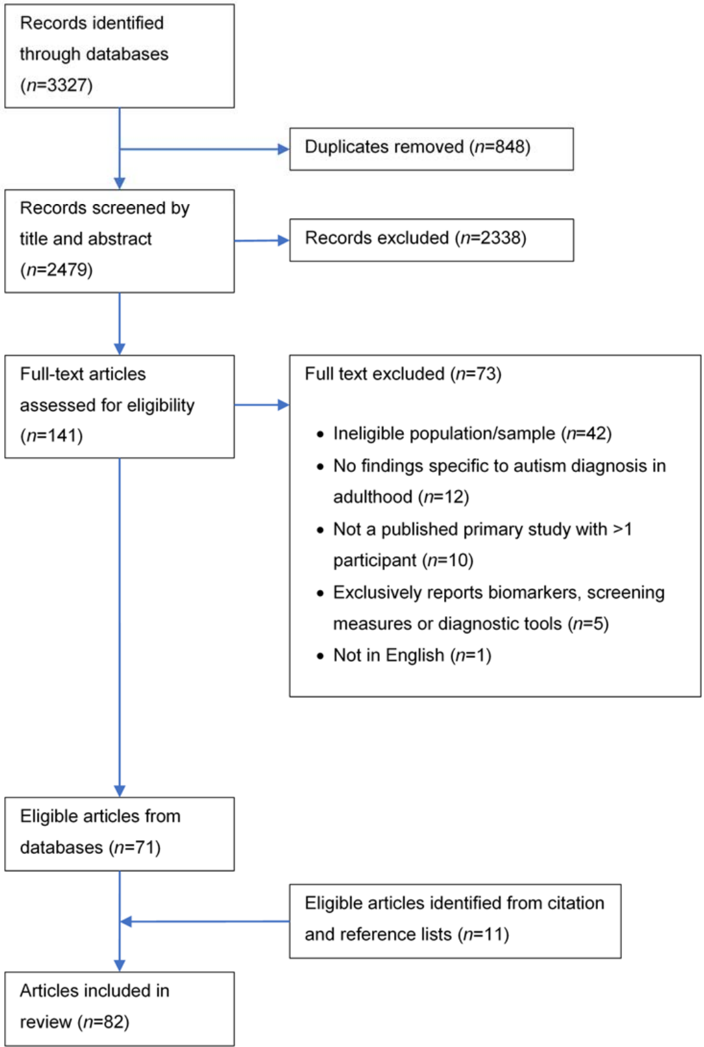
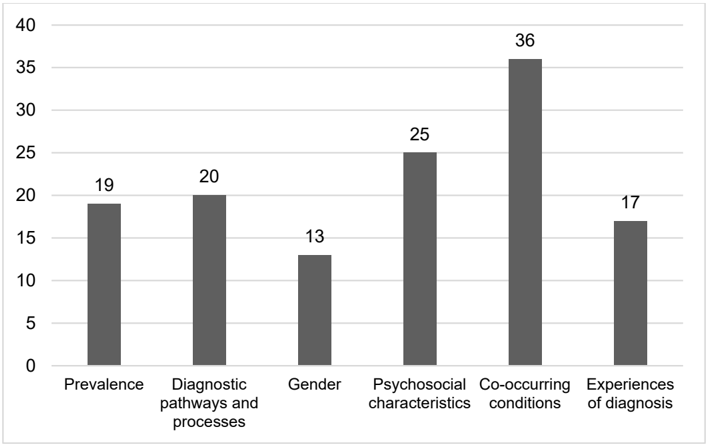
More adults are undergoing autism assessment due to recent changes in awareness, diagnostic criteria and professional practices. This scoping review aimed to summarise research on autism diagnosis in adulthood and identify any gaps for future study. The authors searched for studies involving first-time assessment and diagnosis of autism in adults, which identified 82 studies from 13 countries using various methodologies. Six themes of (1) prevalence, (2) diagnostic pathways and processes, (3) gender, (4) psychosocial characteristics, (5) co-occurring conditions and (6) experiences of diagnosis were identified across the studies. Findings suggest that receiving an autism diagnosis has a significant emotional impact on adults, but accessibility and processes are inconsistent, and formal support services are lacking. More research is needed on autism diagnosis in adults with intellectual disability, consequences of the timing of diagnosis, and support after diagnosis. Lay abstract More adults are getting assessed for possible autism. Here, we give an overview on what is already known about autism diagnosis in adulthood and find areas that need more research. We divided results from the studies we found into six topics of (1) rates of autism in different groups; (2) the process of getting an autism diagnosis in adulthood; (3) gender; (4) personality traits, abilities and behaviours of diagnosed adults; (5) mental and physical health conditions that occur together with autism; and (6) how adults think and feel about being assessed and diagnosed. We found that adults often have strong emotions after being diagnosed, the process of getting a diagnosis can be unclear and different for everyone, and not many support services are available for adults. More research on diagnosing adults with intellectual disability, differences between early and late-diagnosed adults, and support after diagnosis would be useful.
Overview
CoChat Summary
TL;DR
This scoping review synthesises 82 studies from 13 countries on first-time autism diagnosis in adulthood, identifying six themes: prevalence, diagnostic pathways/processes, gender, psychosocial characteristics, co-occurring conditions, and experiences of diagnosis. It concludes that diagnosis has a significant emotional impact but access and processes are inconsistent, and formal post-diagnosis support is lacking.
Key findings
- The review included 82 studies: 62 quantitative, 16 qualitative, and 4 mixed-methods; most were from the UK (39%), USA (12%), and Sweden (10%). Mean quality appraisal score was 1.54 (range 0.89–2.00), with 61% scoring ≥1.5.
- Prevalence estimates varied: a large UK community study estimated autism prevalence in adults at 9.8 per 1000, adjusted to 11 per 1000 after including a sample with intellectual disability; prevalence was elevated in prisoners (3–5%) and in young adults with low birth weight (5%).
- In studies of DSM-5 criteria, between 22% and 62% of adults who met DSM-IV-TR criteria for an autism subtype did not meet DSM-5 ASD criteria. Adults experienced a mean duration of 159.2 days between referral and diagnosis, and a 12-month intervention reduced total duration by a mean of 29.9 days.
- Depression (13–50%) and anxiety (10–50%) were highly prevalent among adults undergoing autism assessment; suicidal ideation was 66% and suicidal behaviour 35% in one sample. Almost half of adults in one study were offered no post-diagnosis support.
Methods
- Scoping review using Arksey and O’Malley’s framework, PRISMA-ScR, and JBI Reviewer’s Manual; protocol registered on Open Science Framework.
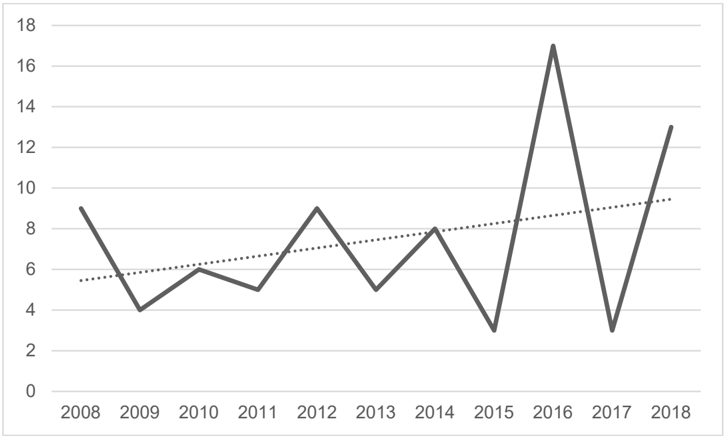
- Searched MEDLINE, Embase, PsycINFO, and CINAHL for English-language primary studies published 2008–2018, with sample size >1, involving first-time autism diagnosis in adulthood; final search 28 November 2018.
- Data were charted, quality-appraised with JBI, CASP, or MMAT tools, and synthesised into six themes; no study was excluded based on quality.
Limitations
- Stated by the authors: grey literature and reviews were excluded; the review did not exclude studies based on methodological rigour and could not discuss each theme in great detail; stakeholder representatives were not consulted as optionally recommended by Arksey and O’Malley.
- Evident from the text: UK studies dominate the literature; samples were predominantly men with average-to-high intellectual ability, and many studies excluded adults with intellectual disability; reporting of demographics and co-occurring conditions was inconsistent across studies, limiting comparison.
Model-written summary. Check it against the paper before relying on it.
Integrity signals
Registry
Cites
Statistics
Figures
Verification
Claims the paper makes
75 Valid · 7 Not valid · 187 Not checked · 55 Own results and interpretations
The sources with a verdict support this claim; the rest weren’t checked yet, have no full text we could read, or their verdicts aren’t rated yet.
In the paper
“Due to these issues, there is often a gap of several years between first concern, professional consultation, and diagnosis (Begeer et al., 2013; Jones et al., 2014).”
What the sources say
- Not checked — no full text of the sourcecites Begeer et al., 2013 matched to “Sex Differences in the Timing of Identification Among Children and Adults with Autism Spectrum Disorders” (2013) source
- Supportedcites Jones et al., 2014 matched to “Experiences of Receiving a Diagnosis of Autism Spectrum Disorder: A Survey of Adults in the United Kingdom” (2014) source
The First consultation section (p. 15) reports that respondents sought professional help an average of 3.3 years after concerns emerged. The Final diagnosis section (p. 16) reports diagnosis an average of 5.2 years after first concerns and 2 years after seeking help, supporting a years-long gap across those stages. (LLM, conf=0.94)
plain- Asserted: passes — The authors put it forward as true.
- Checkable: passes — It can be checked against evidence.
- Load-bearing: unclear — It is unclear whether the paper’s conclusions depend on it.
- Based: passes — The paper gives a reason why it holds.
The cited sources support only part of this claim — read each source’s verdict below.
In the paper
“A 12-month intervention co-developed by Rutherford et al. (2018) and 11 adult diagnostic services (Rutherford, McKenzie, Forsyth, et al., 2016) reduced total duration by a mean of 29.9 days.”
What the sources say
- Supportedcites Rutherford et al., 2018 matched to “Implementation of a Practice Development Model to Reduce the Wait for Autism Spectrum Diagnosis in Adults” (2018) source
The Abstract reports a 12-month change program in 11 adult diagnostic services. The Discussion describes participants and researchers co-creating locally relevant changes, and Results > Multi-level Models reports that mean time from referral to sharing the diagnosis fell from 149.4 to 119.5 days—a reduction of 29.9 days. (LLM, conf=0.91)
- Not matchedcites Rutherford, McKenzie, Forsyth, et al., 2016
More than one paper fits this citation.
plainstates a cause- Asserted: passes — The authors put it forward as true.
- Checkable: passes — It can be checked against evidence.
- Load-bearing: unclear — It is unclear whether the paper’s conclusions depend on it.
- Based: passes — The paper gives a reason why it holds.
- Supported
The cited sources support only part of this claim — read each source’s verdict below.
In the paper
“Diagnostic services tended to report a male-female ratio of 2-3 to 1 (e.g. Happé et al., 2016; Rutherford, McKenzie, Johnson, et al., 2016; Wilson et al., 2016).”
What the sources say
- Supportedcites Happé et al., 2016 matched to “Demographic and Cognitive Profile of Individuals Seeking a Diagnosis of Autism Spectrum Disorder in Adulthood” (2016) source
The Demographic Information section (p. 11) reports that 25% of those receiving an ASD diagnosis were female, equivalent to a male-to-female ratio of 3:1. The Discussion (p. 18) gives the counts as 71 men and 25 women, a ratio of approximately 2.8:1, within the cited range for this diagnostic service. (LLM, conf=0.91)
- Not checked — no full text of the sourcecites Rutherford, McKenzie, Johnson, et al., 2016 matched to “Gender ratio in a clinical population sample, age of diagnosis and duration of assessment in children and adults with autism spectrum disorder” (2016) source
- Partly supportedcites Wilson et al., 2016 matched to “Does sex influence the diagnostic evaluation of autism spectrum disorder in adults?” (2016) sourceExperimental — accuracy not yet measured
The Aim 1 results (p. 6) report a 2.8:1 male-to-female ratio for the partial-ASD subtype, within the claimed range. But the Discussion (p. 9) reports 3.4:1 for the high-functioning ASD group, so this paper does not establish 2–3:1 as the typical ratio for its diagnostic service overall. (LLM, conf=0.85)
plain- Asserted: passes — The authors put it forward as true.
- Checkable: passes — It can be checked against evidence.
- Load-bearing: unclear — It is unclear whether the paper’s conclusions depend on it.
- Based: passes — The paper gives a reason why it holds.
- Supported
The sources with a verdict support this claim; the rest weren’t checked yet, have no full text we could read, or their verdicts aren’t rated yet.
In the paper
“Gender ratio (1.2:1) was close to equal in studies assessing autism in adults with intellectual disability (Brugha et al., 2016; Rutherford, McKenzie, Johnson, et al., 2016).”
What the sources say
- Supportedcites Brugha et al., 2016 matched to “Epidemiology of autism in adults across age groups and ability levels” (2016) source
In “Autism prevalence by age, gender and intellectual ability,” the paper reports autism prevalence of 42.3% in men and 35.2% in women with moderate to profound intellectual disability—a ratio of approximately 1.2:1—and says the difference was not statistically significant. The Discussion likewise describes similar prevalence in men and women in this group. (LLM, conf=0.91)
- Not checked — no full text of the sourcecites Rutherford, McKenzie, Johnson, et al., 2016 matched to “Gender ratio in a clinical population sample, age of diagnosis and duration of assessment in children and adults with autism spectrum disorder” (2016) source
plain- Asserted: passes — The authors put it forward as true.
- Checkable: passes — It can be checked against evidence.
- Load-bearing: unclear — It is unclear whether the paper’s conclusions depend on it.
- Based: passes — The paper gives a reason why it holds.
- Supported
The cited sources support only part of this claim — read each source’s verdict below.
In the paper
“Referral via general practitioners (GP) and mainstream mental health professionals were common pathways to adult autism diagnosis, as shown by data from self-report surveys (Jones et al., 2014) and diagnostic service records (Happé et al., 2016; Hofvander et al., 2009; Nydén et al., 2010; Wilson et al., 2016).”
What the sources say
- Supportedcites Jones et al., 2014 matched to “Experiences of Receiving a Diagnosis of Autism Spectrum Disorder: A Survey of Adults in the United Kingdom” (2014) source
The First consultation section reports that just over half of respondents initially visited a GP, while psychiatrists and psychologists were the next most common professionals visited. The First referral section says that over half of those referred after the initial visit saw a psychiatrist, psychologist, or other mental health worker. Together, these survey findings support the described common pathways. (LLM, conf=0.89)
- Partly supportedcites Happé et al., 2016 matched to “Demographic and Cognitive Profile of Individuals Seeking a Diagnosis of Autism Spectrum Disorder in Adulthood” (2016) sourceExperimental — accuracy not yet measured
The Participants section (p. 7) identifies GP surgeries as a referral route to the adult diagnostic service. It names Autism Oxford as the other route, not mainstream mental health professionals; the paper therefore does not support that part of the attributed claim. (LLM, conf=0.88)
- Partly supportedcites Hofvander et al., 2009 matched to “Psychiatric and psychosocial problems in adults with normal-intelligence autism spectrum disorders” (2009) sourceExperimental — accuracy not yet measured
The Methods (page not provided) say that more than half of the Gothenburg group were referred by specialists in adult psychiatry for further diagnostic work-up. This supports psychiatric specialists as a common referral route in that clinical group, but the paper does not identify general practitioners as a referral route or establish how common either route was across adult autism diagnosis generally. (LLM, conf=0.86)
plainstates an association- Asserted: passes — The authors put it forward as true.
- Checkable: passes — It can be checked against evidence.
- Load-bearing: unclear — It is unclear whether the paper’s conclusions depend on it.
- Based: passes — The paper gives a reason why it holds.
- Supported
90 more claims · 29 with their cited sources checked
Create a free account to see all 324 claims and to verify the 18 references still open.
- Probably not a substantial claim. 173
- It may state two separate claims as one. 94
- The quote only partly states this claim. 7
Self-check
Percentages, sums and reported differences re-computed from the paper’s own numbers.
Each contradiction between two passages listed here was confirmed by an independent check.
Rated major: it would touch a result — a value a result rests on, reported and recomputed p-values on opposite sides of the significance level, two passages that conflict with no sign which is right, or a cited work retracted before this paper was published.
In the paper
§ Attention-deficit hyperactivity disorder (ADHD) · p. 24
“Adults with both conditions did not differ from autism or ADHD-only groups on neurocognitive measures (Nydén et al., 2010).”
§ Appendix C · p. 54
“Combined autism/ADHD adults scored differently from autism-only group on some tasks.”
Rated minor: it would not touch a result — a value no result rests on, a p-value that stays on the same side of the significance level, or a conflict that is clerical, resolved elsewhere in the paper, or outside its own findings.
In the paper
§ Prevalence · p. 13
“A large UK epidemiological study estimated autism prevalence among adults living in the community to be 9.8 per 1000 (Brugha et al., 2011)”
§ Appendix C · p. 47
“Prevalence of ASD estimated to be 9.9 per 1000.”
Rated minor: it would not touch a result — a value no result rests on, a p-value that stays on the same side of the significance level, or a conflict that is clerical, resolved elsewhere in the paper, or outside its own findings.
In the paper
“6 of 41 women with BPD (10.6%) met criteria for ASD diagnosis.”
Reported 10.6 · recomputed 14.634146
Rated minor: it would not touch a result — a value no result rests on, a p-value that stays on the same side of the significance level, or a conflict that is clerical, resolved elsewhere in the paper, or outside its own findings.
In the paper
“Adults receiving autism diagnosis ( n =28, 18 male, age 18-57, mean age 26.5)”
Reported 80 · recomputed 75
Citations
Cites
PRISMA Extension for Scoping Reviews (PRISMA-ScR): Checklist and Explanation
Tricco, A. C., Lillie, E., Zarin, W., O'Brien, K. K., Colquhoun, H., Levac, D., Moher, D., Peters, M. D. J., Horsley, T., Weeks, L., et al. (2018) · Annals of Internal Medicine · doi:10.7326/m18-0850 · Cited by 43,565 · cited 2×
“…in adulthood?’ based on Arksey and O’Malley’s (2005) framework for scoping studies, the Preferred Reporting Items for Systematic Reviews and Meta-Analyses Extension for Scoping Reviews (PRISMA-ScR) (Tricco et al., 2018) and the Joanna Briggs Institute (JBI) Reviewer’s Manual (Peters et al., 2017).”
MethodScoping studies: towards a methodological framework
Arksey, H., & O'Malley, L. (2005) · International Journal of Social Research Methodology · doi:10.1080/1364557032000119616 · Cited by 36,742 · cited 5×
“This heterogeneity lends itself to a scoping review approach to integrate the diversity of research in this emerging area (Arksey & O’Malley, 2005).”
BackgroundInfluentialPeters, M., Godfrey, C., McInerney, P., Munn, Z., Tricco, A., & Khalil, H. (2019) · JBI Reviewer's Manual · doi:10.46658/jbirm-20-01 · Cited by 2,222
Bargiela, S., Steward, R., & Mandy, W. (2016) · Journal of Autism and Developmental Disorders · doi:10.1007/s10803-016-2872-8 · Cited by 1,087 · cited 21×
“Adults generally expressed relief and happiness that their concerns were validated (Jones et al., 2014; Lewis, 2016b, 2017b; Punshon et al., 2009), but also described negative reactions such as shock, anger or confusion (Bargiela et al., 2016; Jones et al., 2014; Lewis, 2016b; Powell & Acker, 2016).”
BackgroundResultInfluentialThe Changing Epidemiology of Autism Spectrum Disorders
Lyall, K., Croen, L., Daniels, J., Fallin, M. D., Ladd-Acosta, C., Lee, B. K., Park, B. Y., Snyder, N. W., Schendel, D., Volk, H., et al. (2017) · Annual Review of Public Health · doi:10.1146/annurev-publhealth-031816-044318 · Cited by 1,011 · cited 1×
“Research in adult autism diagnosis expanded alongside increased autism awareness and prevalence statistics (Lyall et al., 2017; Nylander et al., 2013), with a growing number of studies that encompass diverse methodologies and areas of interest.”
BackgroundA meta-analysis of depression severity and cognitive function
McDermott, L. M., & Ebmeier, K. P. (2009) · Journal of Affective Disorders · doi:10.1016/j.jad.2009.04.022 · Cited by 956 · cited 1×
“As common co-occurring conditions like depression and ADHD are known to negatively affect cognitive function (McDermott & Ebmeier, 2009; Nydén et al., 2010), it is challenging for researchers to disentangle autism’s relationship with cognitive abilities while using samples representative of the…”
BackgroundEpidemiology of Autism Spectrum Disorders in Adults in the Community in England
Brugha, T. S., McManus, S., Bankart, J., Scott, F., Purdon, S., Smith, J., Bebbington, P., Jenkins, R., & Meltzer, H. (2011) · Archives of General Psychiatry · doi:10.1001/archgenpsychiatry.2011.38 · Cited by 903 · cited 5×
“A large UK epidemiological study estimated autism prevalence among adults living in the community to be 9.8 per 1000 (Brugha et al., 2011), adjusted to 11 per 1000 following inclusion of a sample with intellectual disability (Brugha et al., 2016).”
BackgroundInfluentialPsychiatric and psychosocial problems in adults with normal-intelligence autism spectrum disorders
Hofvander, B., Delorme, R., Chaste, P., Nydén, A., Wentz, E., Ståhlberg, O., Herbrecht, E., Stopin, A., Anckarsäter, H., Gillberg, C., et al. (2009) · BMC Psychiatry · doi:10.1186/1471-244x-9-35 · Cited by 812 · cited 26×
“Sixty-two percent of autistic adults met criteria for at least one PD, primarily obsessive-compulsive (32%), avoidant (25%) and schizoid PDs (21%) (Hofvander et al., 2009).”
BackgroundMethodInfluentialIdentifying the lost generation of adults with autism spectrum conditions
Lai, M.-C., & Baron-Cohen, S. (2015) · The Lancet Psychiatry · doi:10.1016/s2215-0366(15)00277-1 · Cited by 756 · cited 3×
“Autism’s conceptual expansion, broadening of diagnostic criteria and increased awareness have resulted in a ‘lost generation’ whose autism remained undetected until adulthood (Lai & Baron-Cohen, 2015, p. 1013).”
BackgroundQuantifying and exploring camouflaging in men and women with autism
Lai, M.-C., Lombardo, M. V., Ruigrok, A. N., Chakrabarti, B., Auyeung, B., Szatmari, P., Happé, F., Baron-Cohen, S., & MRC AIMS Consortium (2017) · Autism · doi:10.1177/1362361316671012 · Cited by 705 · cited 1×
“Furthermore, autistic adults sometimes use learned coping strategies that reduce the impact of autistic traits on everyday functioning, known as ‘camouflaging’ (Lai et al., 2017, p. 690).”
Background
Research works printed but not linked: 7
- Crucitti, M., Muscatello, M. R. A., Bruno, A., Pandolfo, G., Zoccali, R. A., & Mento, C. (2018). The hidden faces of autism and misdiagnosis in the lifespan: Clinical observations in adults with autism spectrum disorders. Life Span and Disability, 21 (1), 31-45.
- Marriage, S., Wolverton, A., & Marriage, K. (2009). Autism spectrum disorder grown up: A chart review of adult functioning. Journal of the Canadian Academy of Child and Adolescent Psychiatry, 18 (4), 322-328.
- National Institute for Health and Care Excellence [NICE]. (2012). Autism: recognition, referral, diagnosis and management of adults on the autism spectrum. Clinical guideline 142 . London: National Institute for Health and Clinical Excellence.
- Noyes, J., & Lewin, S. (2011). Chapter 5: Extracting qualitative evidence. In J. Noyes, A. Booth, K. Hannes, A. Harden, J. Harris, S. Lewin, & C. Lockwood (Eds.), Supplementary Guidance for Inclusion of Qualitative Research in Cochrane Systematic Reviews of Interventions. Version 1 (updated August 2011) . Retrieved from http://cqrmg.cochrane.org/supplemental-handbook-guidance
- Prichard, E., Palucka, A., Reid, M., & Lunsky, Y. (2010). Review of admissions of individuals with autism spectrum disorders to a specialized Dual Diagnosis Program. Journal on Developmental Disabilities, 16 (1), 76-84.
- Rydén, E., & Bejerot, S. (2008). Autism spectrum disorders in an adult psychiatric population: A naturalistic cross-sectional controlled study. Clinical Neuropsychiatry, 5 (1), 13-21.
- Rydén, G., Rydén, E., & Hetta, J. (2008). Borderline personality disorder and autism spectrum disorder in females: A cross-sectional study. Clinical Neuropsychiatry, 5 (1), 22-30.
Cited by
Items 101–200 of 284
Autonomic Disequilibrium at Rest in Autistic Children and Adults
Bufo, M. R., Guidotti, M., Lemaire, M., Malvy, J., Houy‐Durand, E., Bonnet‐Brilhault, F., Briend, F., Aguillon-Hernandez, N., & Wardak, C. (2025) · Applied Psychophysiology and Biofeedback · doi:10.1007/s10484-025-09696-z · Cited by 8
“…and more studies focus on autonomic dysregulation and its possible links with mental disorders, such as major depressive disorder, generalized anxiety disorder, substance use, schizophrenia, etc. (Alvares et al., 2020; Cheng et al., 2020; Huang et al., 2020; Koch et al., 2022; Thapa et al., 2021).”
Steiner‐Hofbauer, V., Pintér, Y. A., & Mittmann, G. (2025) · Wiener Medizinische Wochenschrift · doi:10.1007/s10354-025-01076-w · Cited by 11
Pelizza, L., Federico, A., Leuci, E., Quattrone, E., Palmisano, D., Pupo, S., Paulillo, G., Pellegrini, C., Pellegrini, P., & Menchetti, M. (2025) · Journal of Psychiatric Research · doi:10.1016/j.jpsychires.2025.04.041 · Cited by 6
Comparative Analysis of Autistic Women Across the Lifespan: Childhood vs. Adulthood Diagnosis
Diemer, M. C., Ros‐Demarize, R., Bradley, C. C., Kanne, S. M., Kim, S. H., Parish‐Morris, J., Snyder, L. G., Wodka, E. L., & Carpenter, L. A. (2025) · Autism Research · doi:10.1002/aur.70073 · Cited by 14
“…services available (e.g., speech therapy or community seeking), and influences on medical care (e.g., being seen in a developmental-behavioral pediatrics department or managing increased medical comorbidities; Huang et al. 2020). adulthood, middle age, or older adulthood (Lorenc et al. 2018).”
Anxiety, Insomnia, and Napping Predict Poorer Sleep Quality in an Autistic Adult Population
Sullivan, E. C., Halstead, E. J., Ellis, J. G., & Dimitriou, D. (2021) · International Journal of Environmental Research and Public Health · doi:10.3390/ijerph18189883 · Cited by 7
“All adults that identified as an autistic adult were included in our sample to allow access to a more diverse population and reduce barriers related to accessing an autism diagnoses in adulthood [43,44].”
BackgroundJones, C. R. G., Livingston, L. A., Fretwell, C., Uljarević, M., Carrington, S. J., Shah, P., & Leekam, S. (2024) · Molecular Autism · doi:10.1186/s13229-024-00603-7 · Cited by 10
“Evidence suggests that more needs to be done to make post-diagnostic support effective and meaningful for autistic people and their families [24, 64].”
BackgroundDavies, J., Islaam, L., Carter, S., Redmayne, B. J. M., Cooper, K., Mandy, W., & Crane, L. (2024) · Autism in Adulthood · doi:10.1089/aut.2024.0059 · Cited by 12
“In any case, our participants appeared to have qualitatively similar experiences to those of the general autistic population: the journey to a diagnosis was long and fraught, 28,43 support was lacking, 44 and many had to fi ght — with help from their parents — to access the support that did exist.”
(Cyber)bullying Victimization of Autistic College Students
DiRienzo, F. P., Maher, C. A., Hayes, B. E., & Daigle, L. E. (2025) · Journal of School Violence · doi:10.1080/15388220.2025.2478065 · Cited by 8
Bradbury, K. R., Duvall, S. W., Armstrong, K., & Hall, T. A. (2021) · The Clinical Neuropsychologist · doi:10.1080/13854046.2021.1948610 · Cited by 7
Singh, A., & Seo, H. (2021) · Journal of Sensory Studies · doi:10.1111/joss.12724 · Cited by 10
Paneru, B., Paneru, B., Shah, K. B., Shrestha, A., Poudyal, R., & Poudyal, K. N. (2024) · Journal of Computer Science · doi:10.3844/jcssp.2024.1040.1050 · Cited by 8
“It is vital to emphasize that more adults are being evaluated for suspected autism (Huang et al ., 2020).”
BackgroundMental Health in People with Intellectual and Developmental Disabilities
Halvorsen, M. B., Kildahl, A. N., & Helverschou, S. B. (2024) · Contemporary clinical neuroscience · doi:10.1007/978-3-031-66932-3_11 · Cited by 6
Investigating frank autism: clinician initial impressions and autism characteristics
Canale, R. R., Larson, C., Thomas, R. P., Barton, M. L., FEIN, D. A., & Eigsti, I. (2024) · Molecular Autism · doi:10.1186/s13229-024-00627-z · Cited by 14
“The prevalence of first-time diagnostic evaluations of adolescents and adults has significantly increased in the past decade, in part because of changes in awareness, diagnostic criteria, and professional practice [15, 16].”
Kildahl, A. N., Langjord, T., Pedersen, G., Hove, O., Urnes, Ø., Torgersen, T., Eikenæs, I. U.-M., & Kvarstein, E. H. (2025) · Nordic Journal of Psychiatry · doi:10.1080/08039488.2025.2497820 · Cited by 11
Psychometric Evaluation of Two Adult Autism Screening Tools in Brazil
Marques, L. D. N., Murray, C., Ferreira, L. F. D. A., Landeira-Fernández, J., & Anunciação, L. (2025) · Autism Research · doi:10.1002/aur.70089 · Cited by 9
“…for use with adult populations in Brazil, in part because cross-cultural differences can influence the expression and perception of ASD traits, but also to address the widespread underdiagnosis of adults within Brazil (Backes et al. 2014; Grinker 2007; Huang et al. 2020; Mandell and Novak 2005).”
Pelle, M., Nastro, F. F., Maimone, C., Malara, S., Lazzaro, V. D., Lorenzo, G. D., & Ribolsi, M. (2025) · NeuroSci · doi:10.3390/neurosci6040117 · Cited by 8
“The accurate and timely identification of ASD in adulthood and the provision of appropriate support services have become a critical clinical priority [9,10].”
Access to flexibility I‐deals: The case of autistic individuals
Hennekam, S., Jammaers, E., & Félix, B. (2025) · Journal of Occupational and Organizational Psychology · doi:10.1111/joop.70071 · Cited by 5
Folatti, I., Santangelo, G., Sanguineti, C., İnci, S., Faggioli, R., Bertani, A., Nisticò, V., & Demartini, B. (2024) · Diagnostics · doi:10.3390/diagnostics14212418 · Cited by 9
Boquist, T. A., Ødegård, M., & Pesonen, H. V. (2025) · Education Sciences · doi:10.3390/educsci15010043 · Cited by 7
What autism features in first episode psychosis? Results from a 2-year follow-up study
Pelizza, L., Federico, A., Leuci, E., Quattrone, E., Palmisano, D., Pupo, S., Paulillo, G., Pellegrini, C., Pellegrini, P., & Menchetti, M. (2025) · European Archives of Psychiatry and Clinical Neuroscience · doi:10.1007/s00406-025-01986-1 · Cited by 7
“Autism features are very common in patients with mental illnesses other than Autism Spectrum Disorders (ASD) [1], suggesting the idea of their transdiagnostic dimensionality [2].”
AUTISMO EM ADULTOS: Sentimentos e mudanças após o diagnóstico
Gikovate, C. G., & Féres‐Carneiro, T. (2024) · Psicologia e Saúde em Debate · doi:10.22289/2446-922x.v10a2a6 · Cited by 10
Frigaux, A., Vacant, C., & Évrard, R. (2022) · L Évolution Psychiatrique · doi:10.1016/j.evopsy.2022.06.001 · Cited by 14
Ανδρέου, Μ., & Skrimpa, V. (2022) · Brain Sciences · doi:10.3390/brainsci12081113 · Cited by 5
“Autism prevalence is reported to have expanded since the diagnostic criteria correspond to a much broader definition [60].”
BackgroundWhat are the autism research priorities of autistic adults in Scotland?Preprint
Cage, E., Crompton, C. J., Dantas, S., Strachan, K., Birch, R., Robinson, M., Morgan-Appel, S., MacKenzie-Nash, C., Gallagher, A., & Botha, M. (2022) · doi:10.31234/osf.io/nbq8h · Cited by 5
Jeppesen, A. C. E., Andresen, J., Parvaiz, R., Clemmensen, L., Jepsen, J. R. M., Hansen, D. W., & Glenthøj, L. B. (2025) · PLoS ONE · doi:10.1371/journal.pone.0316502 · Cited by 5
Access to services for autistic people across Europe
Ikhsan, S. N. B. M., Holt, R., Man, J., Parsons, T. A., Schalbroeck, R., Ruigrok, A. N. V., Baranger, A., Allison, C. L., Doherty, M., den Bosch, K. V., et al. (2025) · Molecular Autism · doi:10.1186/s13229-025-00664-2 · Cited by 8
“Indeed, difficulty in acquiring necessary services including appropriate autism diagnostic [27] and mental health services [28] has been previously reported among autistic adults.”
Jones, S. C., Brownlow, C., & Abel, S. (2025) · Autism in Adulthood · doi:10.1177/25739581251385735 · Cited by 5
Downey, M., Nayyar, J. M., Guérin, S., & O’Connor, C. (2025) · Autism · doi:10.1177/13623613251384436 · Cited by 8
“A major limitation of the literature on lived experiences of autism diagnosis is that the vast majority of data are retrospective, that is, provided after the assessment process has completed (Huang et al., 2020; Kiehl et al., 2024; Nayyar et al., 2025).”
InfluentialSandland, B. (2025) · Neurodiversity · doi:10.1177/27546330251394516 · Cited by 8
“For some being diagnosed had a signi fi cant impact ‘ One of the biggest things my diagnosis gave me was self-compassion, it has allowed me to just go, this is who I am ’ (Hannah) mirroring the feedback seen in similar research (Huang et al., 2020).”
Brennan, E., Lampinen, L. A., Paek, H., Wang, X., Romano, H., & Bal, V. H. (2025) · Journal of Autism and Developmental Disorders · doi:10.1007/s10803-025-07123-0 · Cited by 8
Transgender and gender diverse autistic adults’ experiences of (un)belonging
Munday, K., Kapp, S. K., & Morris, C. (2025) · PLoS ONE · doi:10.1371/journal.pone.0338569 · Cited by 7
“Recruiting self-diagnosed participants allowed for a more diverse participant pool, as an autism diagnosis can be unwanted or inaccessible [51].”
Exploring the landscape of adult autism research in psychology: a bibliometric and network analysis
Mota, F. B., Braga, L. A. M., & Cabral, B. P. (2024) · Frontiers in Psychology · doi:10.3389/fpsyg.2024.1427090 · Cited by 4
“…prevalence of ASD worldwide (Zeidan et al., 2022; Talantseva et al., 2023) underscores the need to deepen scientific understanding and public awareness of this complex condition (Huang et al., 2020), which significantly contributes to the global burden of mental disorders (Solmi et al., 2022).”
BackgroundSelf-diagnosis of psychiatric conditions as a threat to personal autonomy
Isufi, I. (2024) · Philosophical Psychology · doi:10.1080/09515089.2024.2411242 · Cited by 7
“Adults with autism commonly “mask” or “camouflage” their autistic traits, concealing their social communicative difficulties, and performing behaviors that are perceived to be more neurotypical (Lai et al., 2017; Huang et al., 2020).”
The human spectrum: a position paper
Hopkins, G. (2023) · Journal of Applied Research in Higher Education · doi:10.1108/jarhe-05-2023-0176 · Cited by 5
Jarvers, I., Döhnel, K., Blaas, L., Ullmann, M., Langguth, B., Rupprecht, R., & Sommer, M. (2022) · Autism Research · doi:10.1002/aur.2871 · Cited by 7
Rhatassi, F. E. E., Ghali, B. E., & Daoudi, N. (2023) · Lecture notes in networks and systems · doi:10.1007/978-3-031-29860-8_14 · Cited by 4
Pan, M. X. (2023) · Language and Health · doi:10.1016/j.laheal.2023.06.006 · Cited by 5
Dangmann, R. (2023) · Medical Hypotheses · doi:10.1016/j.mehy.2023.111136 · Cited by 6
Stafford, A. (2023) · Psychotherapy and Counselling Journal of Australia · doi:10.59158/001c.77496 · Cited by 4
A narrative approach to career identity construction of autistic adults
Goldfarb, Y., Golan, O., & Gal, E. (2025) · Journal of Vocational Behavior · doi:10.1016/j.jvb.2025.104092 · Cited by 3
Birtwell, K., Bramwell, D., Gowen, E., BROWN, L. J. E., Hulme, L., Corsellis, E., & Rowland, C. (2025) · Autism in Adulthood · doi:10.1089/aut.2024.0028 · Cited by 6
“20 There is therefore a need to explore these issues in a wider and more diverse sample of autistic people.”
First Impressions Towards Autistic People: A Systematic Review and Meta‐Analysis
Wanigasekera, L. C., Maybery, M. T., Palermo, R., Whitehouse, A., & Tan, D. W. (2025) · Autism Research · doi:10.1002/aur.70019 · Cited by 7
“Following the approach used by Huang et al. (2020), the quality of each study was quantified based on the mean score for the 11 items in the checklist.”
Bransgrove, K., & Karakas, G. (2025) · Journal of Autism and Developmental Disorders · doi:10.1007/s10803-025-06865-1 · Cited by 11
Pathways to autism diagnosis in adulthood
Dufour, I., Chiu, Y. M., Brodeur, S., Courteau, M., Courteau, J., Dubé, E., LESAGE, A. D., Fombonne, E. J., & Couture, M. M. (2025) · Journal of Neurodevelopmental Disorders · doi:10.1186/s11689-025-09627-3 · Cited by 6
DIAGNÓSTICO DO TRANSTORNO DO ESPECTRO AUTISTA DE ALTA FUNCIONALIDADE: REVISÃO DE ESCOPO1
OLIVEIRA, F. G., Sugita, B. M., Jamus, D. R., KIMURA, E. C., OLIVEIRA, P. N. P., & Mello, R. G. (2025) · Revista Brasileira de Educação Especial · doi:10.1590/1980-54702025v31e0093 · Cited by 11
Rabba, A. S., Lampinen, L. A., Meldrum, P., Dwyer, P. S. R., South, M., Taylor, L. J., Uljarević, M., & Bal, V. H. (2025) · Autism Research · doi:10.1002/aur.70136 · Cited by 3
“Key themes from this SIG reiterate current barriers in the clinical landscape (Huang et al. 2020; Lewis 2017).”
Pelizza, L., Federico, A., Leuci, E., Quattrone, E., Palmisano, D., Pupo, S., Paulillo, G., Pellegrini, C., Pellegrini, P., & Menchetti, M. (2026) · Journal of Autism and Developmental Disorders · doi:10.1007/s10803-025-07197-w · Cited by 5
Building Consensus Around Adult Autism Diagnostic Assessment: A Mixed-Methods Approach
Stewardson, C. I., McEwen, L. P., & Kerns, C. M. (2025) · Autism in Adulthood · doi:10.1177/25739581251376356 · Cited by 3
Self-reported autistic traits and psychosocial outcomes among university students in Malaysia
Low, H. M., Zainal, M. S., Pang, J. C., Ang, Y., & de Vries, M. (2023) · Autism · doi:10.1177/13623613231167501 · Cited by 10
“A systematic review indicated that late-diagnosed autistic adults tend to have limited intellectual issues and exhibit social interaction difficulties rather than restrictive/repetitive behaviours and interests (Huang et al., 2020).”
BackgroundDevelopment of the Impact of Diagnosis Scale–Revised (IODS-R)
Arnold, S. R. C., Huang, Y., Lawson, L. P., Higgins, J. M., Hwang, Y. I., Richdale, A. L., & Trollor, J. N. (2023) · Assessment · doi:10.1177/10731911231196486 · Cited by 6
“; DSM-V ; APA, 2013) definition of autism focuses on deficits, autistic adults report varied but mostly positive emotional reactions to diagnosis as they re-interpreted their past experiences through the lens of autism (Huang et al., 2020; Lewis, 2016; Powell & Acker, 2016).”
BackgroundMethodInfluentialSelf-citationInfrastructuring Neurodiversity Publics: The Co-Design of an App for People with Autism
Moyà-Köhler, J., Barat-Auleda, O., Vallès-Peris, N., & Domènech, M. (2024) · Scandinavian Journal of Disability Research · doi:10.16993/sjdr.1138 · Cited by 3
Effects of Cognition and Age on Assessment of Autism and Pervasive Developmental Disabilities
Thurm, A. E., Bishop, S. L., & Giserman‐Kiss, I. (2022) · Autism and child psychopathology series · doi:10.1007/978-3-030-88538-0_12 · Cited by 3
Well‐being spectrum traits are associated with polygenic scores for autism
Mohammad, S., de Ruijter, M. J. T., Rukh, G., Rask‐Andersen, M., Mwinyi, J., & Schiöth, H. B. (2023) · Autism Research · doi:10.1002/aur.3011 · Cited by 5
“Third, the lack of understanding of the own state of health, the late or absence of diagnosis of ASD (Huang et al., 2020; leading to lack of social support), as well as the difficulties with the workplace (Chan et al., 2018) and surrounding environments may explain the higher risk for depression…”
BackgroundAllman, M. E., Kerr, S., Roldan, C. I., Harris, G. M., & Harris, G. E. (2024) · Advances in Autism · doi:10.1108/aia-02-2024-0013 · Cited by 4
García-Molina, I., Sánchez-Padilla, R., & Díaz, S. R. (2025) · Humanities and Social Sciences Communications · doi:10.1057/s41599-025-05507-2 · Cited by 4
“First introduced by Crenshaw (1989), intersectionality as a theoretical model examines the ways in which different social identities, such as race, gender, or disability contribute to more systemic discrimination (Cho et al., 2013; Huang et al., 2020).”
Jarvers, I., Sommer, M., Ullmann, M., Simmel, V., Blaas, L., Gorski, S., Krüger-Lassen, S., Vogel, M., & Langguth, B. (2025) · Frontiers in Psychiatry · doi:10.3389/fpsyt.2025.1500396 · Cited by 3
Gao, P., Wu, J., Chang, L., Jiang, Z., Cui, Y., Fan, A., Ren, S., Fu, W., Xia, S., Wei, S., et al. (2025) · Journal of Psychiatric Research · doi:10.1016/j.jpsychires.2025.03.017 · Cited by 3
Chow, C. K., & Lam, G. Y. H. (2025) · Qualitative Health Research · doi:10.1177/10497323251343773 · Cited by 3
Poletti, M., Preti, A., & Raballo, A. (2025) · Child and Adolescent Mental Health · doi:10.1111/camh.70013 · Cited by 2
Pelizza, L., Leuci, E., Quattrone, E., Palmisano, D., Pupo, S., Paulillo, G., Pellegrini, C., Pellegrini, P., & Menchetti, M. (2025) · Schizophrenia Research · doi:10.1016/j.schres.2025.07.014 · Cited by 3
Brown, D., Procyshyn, T. L., Allison, C. L., Neyroud, E., & Baron‐Cohen, S. (2025) · Criminal Behaviour and Mental Health · doi:10.1002/cbm.70018 · Cited by 22
“In all of these studies, the prevalence estimates are substantially higher than of 2.5% for ADHD (Song et al. 2021) and 1%–2% for autism (Huang et al. 2020) in the general adult population.”
InfluentialGrief, Relief, and Belief: A Social Media Study on Late Identification of Neurodivergence
Mair, A. P. A., Gonzalez-Figueroa, M., McConachie, D., Goodall, K., & Gillespie‐Smith, K. (2026) · Autism · doi:10.1177/13623613261437916 · Cited by 3
“…self-understanding and relief in the context of late identification have been noted in relation to more positive affective reactions to the diagnosis and its impact on self-understanding and self-iden-tity (Huang et al., 2020; Lupindo et al., 2023; Nayyar et al., 2024; Stagg & Belcher, 2019).”
InfluentialColeman, R., Weitlauf, A. S., Hartnett, H., Castillo-Martinez, G., Stone, C., Swanson, A., Foster, T. E., Hundley, R. J., Kehl, L., Vehorn, A. C., et al. (2026) · Journal of Autism and Developmental Disorders · doi:10.1007/s10803-026-07392-3 · Cited by 2
Németh, V., Gyori, M., Ehmann, B., Völgyesi-Molnár, M., & Stefanik, K. (2024) · Frontiers in Psychiatry · doi:10.3389/fpsyt.2024.1279094 · Cited by 3
Critical Autism Studies: Roots and Branches
Jackson‐Perry, D. (2024) · Springer eBooks · doi:10.1007/978-3-031-66127-3_2 · Cited by 3
Al-Zboon, E. K., & Aljaiuossi, N. A. L. M. (2024) · Perceptual and Motor Skills · doi:10.1177/00315125241308345 · Cited by 2
“Although motor performance is important in a child ’ s overall development and adaptive social interactions, there is less diagnostic emphasis on it among children with ASD, compared to their communicative and social de fi cits (Huang et al., 2020).”
Self-reported strengths and talents of autistic adults
Lampinen, L. A., Singer, J., Wang, X., VanHook, B., Wilkinson, E. H., & Bal, V. H. (2025) · Autism · doi:10.1177/13623613251364361 · Cited by 4
Greydanus, D. E., Patel, D. R., & Rowland, D. C. (2021) · Elsevier eBooks · doi:10.1016/b978-0-12-820472-6.00085-2 · Cited by 4
Taelman, A., Goffart, K., Dijck, A. V., & Lebeer, J. (2023) · Tijdschrift voor Geneeskunde · doi:10.47671/tvg.78.22.145 · Cited by 2
Monahan, J. L., Freedman, B. H., Singh, V., Kalb, L. G., & Edmondson, C. (2023) · Measurement and Evaluation in Counseling and Development · doi:10.1080/07481756.2023.2170246 · Cited by 2
“Many students may go to college counseling centers and identify as autistic without a diagnosis given the barriers that come along with a diagnosis (Bargiela et al., 2016; Huang et al., 2020; Lewis, 2017).”
BackgroundSong, W., Salzer, M. S., Becker, A., Vanness, D. J., Lee, B. K., Cooper, D., Ventimiglia, J. C., & Shea, L. (2023) · Research in Autism · doi:10.1016/j.rasd.2023.102278 · Cited by 5
Cintron, K. D. J., & Yang, X. (2024) · Behavioral Sciences · doi:10.3390/bs14100903 · Cited by 3
“In that regard, neuroticism and ASD seem closely related to each other, which is in line with the previous literature [18].”
BackgroundResultHarumi, B. P. Y., Hartini, N., & Cahyanti, I. Y. (2021) · JURNAL DIVERSITA · doi:10.31289/diversita.v7i2.5158 · Cited by 4
Crowson, S., Poole, D., Scargill, K., & Freeth, M. (2022) · doi:10.31219/osf.io/5hwnr · Cited by 2
Cage, E., Botha, M., McDevitt, L., King, K. N., Biscoe, L., Tucker, K., & Pearson, A. (2022) · doi:10.31234/osf.io/qg9bt · Cited by 2
Cultural Humility, a Path to Equity
Wright, P. I., & Murphy, J. (2022) · Autism and child psychopathology series · doi:10.1007/978-3-030-98507-3_12 · Cited by 2
Inovar, E. (2023) · Editora Inovar eBooks · doi:10.36926/editorainovar-978-65-5388-174-7 · Cited by 1
Living with autism: Quality of life assessment for young adults with autism in Saudi Arabia
Algazlan, A., Alsharidi, T. R., Alqady, B. S., Alghamdi, M. F., Alhazmi, M. I., Babelli, N. I., & AL-Ayadhi, L. Y. (2024) · International Journal of ADVANCED AND APPLIED SCIENCES · doi:10.21833/ijaas.2024.03.011 · Cited by 2
Camouflage in autism: a bibliometric perspective
Hernández, O., Durán, L. R., Fresno, A., & Chamorro, M. F. (2024) · Advances in Autism · doi:10.1108/aia-01-2024-0007 · Cited by 1
Communicating Diversity: (Cognitive) Ableism in Information-Seeking Research
Cowell, R. L. (2025) · Autism in Adulthood · doi:10.1089/aut.2024.0077 · Cited by 5
Analysing Autism and Gender Diversity with an Intersectional Approach: a Scoping Review
Gava, M. M., Mairena, M. Á., Polo-Rangel, D., Coll‐Planas, G., Sanz-Huidobro, E., & Marsà-Sambola, F. (2025) · Review Journal of Autism and Developmental Disorders · doi:10.1007/s40489-025-00503-3 · Cited by 5
Psicodrama bipessoal e autismo feminino: o reconhecimento do eu após diagnóstico tardio
Giraldi, B. M., & Vidal, G. P. (2025) · Revista Brasileira de Psicodrama · doi:10.1590/psicodrama.v33.700 · Cited by 1
Prevalence of autism among adults in Canada: results from a simulation modelling study
Collins, E., Edjoc, R., Farrow, A., Dharma, C., Georgiades, S., Holmes, K., Orchard, C., O’Donnell, S. C., Palmeter, S., Salt, M., et al. (2025) · BMJ Open · doi:10.1136/bmjopen-2024-089414 · Cited by 4
Couture, M. M., Courteau, J., Brodeur, S., Chiu, Y. M., Courteau, M., Dubé, E., Thomas, N., LESAGE, A. D., Fombonne, E. J., & Dufour, I. (2025) · Autism Research · doi:10.1002/aur.70072 · Cited by 2
“Another ex‑ planation may be that many adults face substantial barriers to autism evaluation, including difficulty accessing special‑ ists, long wait times, and the influence of co‑ occurring psy‑ chiatric conditions (Fusar‑ Poli et al. 2022; Huang et al. 2020).”
Developmental and Congenital Disabilities
Lund, E. M., & Trieber, M. A. (2025) · Oxford University Press eBooks · doi:10.1093/oxfordhb/9780197525456.013.0054 · Cited by 1
El‐Bouhali‐Abdellaoui, F., Voltas, N., Morales‐Hidalgo, P., Vigil‐Colet, A., Hernández‐Martínez, C., & Canals, J. (2025) · Journal of Autism and Developmental Disorders · doi:10.1007/s10803-025-07000-w · Cited by 3
Improving Autism Detection with Multimodal Behavioral Analysis
Saakyan, W., Norden, M., Eversmann, L., Kirsch, S., Lin, M., Guendelman, S., Dziobek, I., & Drimalla, H. (2025) · Lecture notes in computer science · doi:10.1007/978-3-032-04965-0_24 · Cited by 1
A Qualitative Study of the Diagnostic Experiences of Young Autistic Adults in China
Li, C., Chang, Y., Zhang, J., & Liao, Y. (2025) · Journal of Autism and Developmental Disorders · doi:10.1007/s10803-025-07073-7 · Cited by 2
Streamlining Adult Autism Diagnosis: High-yield DSM-5-TR Predictors and Sex-Based Considerations
Whaling, K. M., Crehan, E. T., & Loftin, R. L. (2025) · Journal of Autism and Developmental Disorders · doi:10.1007/s10803-025-07101-6 · Cited by 1
A Systematic Review of Autistic Adults’ Experiences of Anxiety From a Qualitative Perspective
Silva, A. B. D., Berry, E., Craig, S., & Doumas, M. (2025) · Journal of Autism and Developmental Disorders · doi:10.1007/s10803-025-07025-1 · Cited by 5
Prosser, R., Rumball, F., King, D. X., & Steel, C. (2025) · Autism · doi:10.1177/13623613251403405 · Cited by 3
“Approximately 0.82% of people in England are diagnosed autistic (O’Nions et al., 2023), although it is likely that autism is underdiagnosed, with an estimated true prevalence of 0.77%–2.12% (Huang et al., 2020; O’Nions et al., 2023).”
InfluentialNarrative systematic review for autism spectrum disorders screening tools in school settings
McCann, L. J., Bakhti, R., Fonseka, N., Nicholls, D., Hargreaves, D. S., Amati, F., Lazzarino, A. I., Mitra, R., Narayan, K., Weston, A., et al. (2026) · BMJ Open · doi:10.1136/bmjopen-2025-105317 · Cited by 1
Autistic and clinician perspectives on the influence of camouflaging in adult autism assessments
Tassone, A. U., Andrzejewski, T. M., Breitenfeldt, K. E., Miller, M., & McDonnell, C. G. (2026) · Research in Autism · doi:10.1016/j.reia.2026.202788 · Cited by 2
Goodwin, J., Wigham, S., Ingham, B., Herrington, R., Couteur, A. S. L., & Parr, J. R. (2026) · Research in Autism · doi:10.1016/j.reia.2026.202804 · Cited by 1
Autistic Adults and Loved Ones’ Experiences of a Later Life Diagnosis
Ward, N., Randle‐Phillips, C., & Aldridge, R. (2026) · Journal of Autism and Developmental Disorders · doi:10.1007/s10803-026-07232-4 · Cited by 2
The relationship between age of autism diagnosis and life satisfaction in adulthood
Cremer, S., Antezana, L., Conner, C. M., Eack, S. M., Mazefsky, C. A., & Northrup, J. B. (2026) · Autism · doi:10.1177/13623613261416672 · Cited by 4
“Furthermore, it is possible that those diagnosed in adulthood are more aware of their autistic traits due to recently going through the diagnostic process (Huang et al., 2020).”
Li, J., Ke, Z., Li, X., Zhang, B., Liao, Y., & Mou, Y. (2026) · Nature Human Behaviour · doi:10.1038/s41562-025-02384-2 · Cited by 4
Khudiakova, V., Sin, J., Suzuki, M., & Barnicot, K. (2026) · Journal of Developmental and Physical Disabilities · doi:10.1007/s10882-026-10055-x · Cited by 7
“Huang et al. (2020) and Nayyar et al. (2025) examined a wider range of experiences of late-diagnosed Autis - tic people; as a result, barriers to diagnosis and support were not explored in detail.”
Nicolaidis, C., Moura, I., Baker-Ericzén, M. J., Scharer, M., Maslak, J., Kripke-Ludwig, R., Horner‐Johnson, W., Love, J. E., Raymaker, D., Joyce, A., et al. (2026) · Autism · doi:10.1177/13623613261476381 · Cited by 6
“…2022), they may also reflect the reality that many older autistic adults have not received formal autism diagnoses due to evolving diagnostic criteria and practices, difficulties that only become apparent later in life, birth cohort effects, and barriers to adult diagnoses (Huang et al., 2020).”
Support services for autistic adults: What helps and why?
Jonkman, K. M., Back, E., Scheeren, A. M., Begeer, S., & Staal, W. (2026) · Research in Autism · doi:10.1016/j.reia.2026.202929 · Cited by 1
Metadata
- Authors
- Huang, Y., Arnold, S. R., Foley, K.-R., & Trollor, J. N.
- Affiliations
- UNSW Sydney (AU)
- Corresponding author
- Arnold, Samuel RC
- Venue
- Autism
- Publisher
- SAGE Publications
- Published
- 2020-02-28
- Volume
- 24
- Issue
- 6
- Pages
- 1311-1327
- ISSN
- 1362-3613 (ISSN-L)
- 1461-7005
- OpenAlex
- W3008810253
- Cited by
- 289
- References
- 100
- Citations by year
- 2026: 47 · 2025: 67 · 2024: 58 · 2023: 58 · 2022: 34 · 2021: 21 · 2020: 4
- FWCI
- 3.94
- Type
- journal article
- Language
- en
- Open access
- green
- hdl.handle.net
- Licence
- cc-by-nc-nd
- journals.sagepub.com/page/policies/text-and-data-mining-license (tdm)
- Locations
- Autism (publishedVersion)
- PubMed (publishedVersion)
- UNSWorks (University of New South Wales, Sydney, Australia) (submittedVersion, cc-by-nc-nd)
- Figshare (submittedVersion, cc-by)
- Minerva Access (University of Melbourne) (submittedVersion)
- OSF Preprints (OSF Preprints) (submittedVersion)
- Funders
- Cooperative Research Centre for Living with Autism
- Australian Government
- Topics
- Life Sciences › Neuroscience › Cognitive Neuroscience › Autism Spectrum Disorder Research
- Social Sciences › Psychology › Clinical Psychology › Family and Disability Support Research
- Social Sciences › Psychology › Clinical Psychology › Psychology and Mental Health
- Keywords
- autism diagnosis, autistic adults, diagnostic pathway, autism prevalence, gender differences, socio-psychological factors, co-occurring conditions, emotional impact of diagnosis, intellectual disability, timing of diagnosis, diagnostic accessibility
- MeSH terms
- Autism Spectrum Disorder, Adult, Autistic Disorder, Humans, Intellectual Disability
About these checks
Registry, retraction, Cites and statistics results are computed, not judged, with one exception: a printed reference that no index lists is read once by a model before it counts as a citation error. Claims are extracted by a model and kept only when their quote appears verbatim in the text; each cited source is then checked, with a model’s help, for whether it says what the claim relies on. Those verdicts can be wrong — read the claim’s quote and the cited source before relying on one.
The claim verdicts this report counts are experimental: their accuracy is not yet measured.
A language model drew the claims from the paper on 2026-10-10, under version 3 of the claim definition (model deepseek-v4.1-flash, prompt extract-v3).
A second model labelled each claim on 2026-10-10 (model jev-1.13-20260917, definition revision gold-guideline-v0.2).
Cited sources are checked with a language model’s help (gpt-6-sol).
Statistics and arithmetic are recomputed, not judged.
Confidence bands are shown only for fields calibrated on our annotated test set. None is calibrated yet, so no band is shown.
What counts as a claim ›How we measure confidence ›How we check this ›
Are you an author, or do you see a problem with this page? Request a review
Data sources
Bibliographic data: Semantic Scholar, OpenAlex, Crossref.
Contains information from the Semantic Scholar Academic Graph Datasets, made available under the ODC Attribution License (ODC-BY 1.0).
Semantic Scholar’s data is described in: Kinney, R., et al. (2023). The Semantic Scholar Open Data Platform. arXiv:2301.10140.
