

Diagnosis of autism in adulthood: A scoping review
Open accessThe DOI matches its Crossref record; 98 of the 100 references it cites were found in a registry or an index; 92 of the 320 sources its claims cite were checked for support.
Abstract
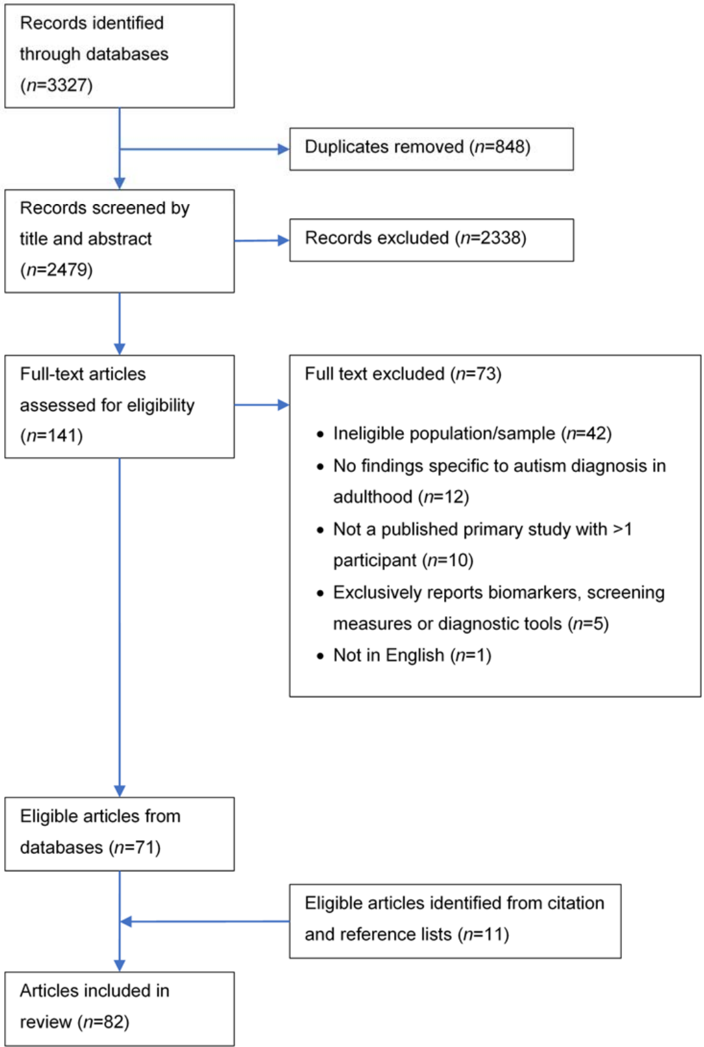
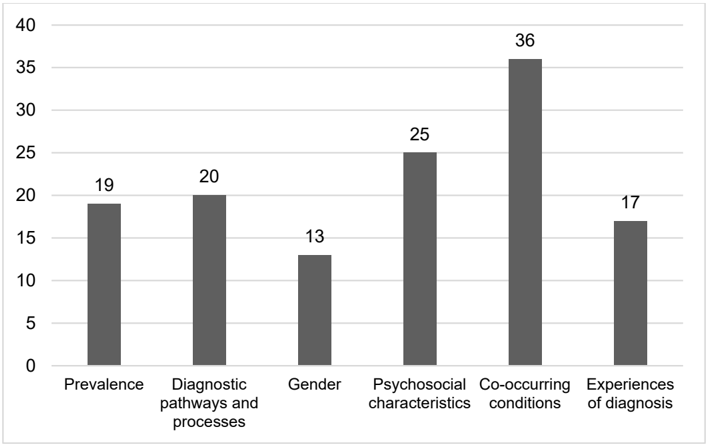
More adults are undergoing autism assessment due to recent changes in awareness, diagnostic criteria and professional practices. This scoping review aimed to summarise research on autism diagnosis in adulthood and identify any gaps for future study. The authors searched for studies involving first-time assessment and diagnosis of autism in adults, which identified 82 studies from 13 countries using various methodologies. Six themes of (1) prevalence, (2) diagnostic pathways and processes, (3) gender, (4) psychosocial characteristics, (5) co-occurring conditions and (6) experiences of diagnosis were identified across the studies. Findings suggest that receiving an autism diagnosis has a significant emotional impact on adults, but accessibility and processes are inconsistent, and formal support services are lacking. More research is needed on autism diagnosis in adults with intellectual disability, consequences of the timing of diagnosis, and support after diagnosis. Lay abstract More adults are getting assessed for possible autism. Here, we give an overview on what is already known about autism diagnosis in adulthood and find areas that need more research. We divided results from the studies we found into six topics of (1) rates of autism in different groups; (2) the process of getting an autism diagnosis in adulthood; (3) gender; (4) personality traits, abilities and behaviours of diagnosed adults; (5) mental and physical health conditions that occur together with autism; and (6) how adults think and feel about being assessed and diagnosed. We found that adults often have strong emotions after being diagnosed, the process of getting a diagnosis can be unclear and different for everyone, and not many support services are available for adults. More research on diagnosing adults with intellectual disability, differences between early and late-diagnosed adults, and support after diagnosis would be useful.
Overview
CoChat Summary
TL;DR
This scoping review synthesises 82 studies from 13 countries on first-time autism diagnosis in adulthood, identifying six themes: prevalence, diagnostic pathways/processes, gender, psychosocial characteristics, co-occurring conditions, and experiences of diagnosis. It concludes that diagnosis has a significant emotional impact but access and processes are inconsistent, and formal post-diagnosis support is lacking.
Key findings
- The review included 82 studies: 62 quantitative, 16 qualitative, and 4 mixed-methods; most were from the UK (39%), USA (12%), and Sweden (10%). Mean quality appraisal score was 1.54 (range 0.89–2.00), with 61% scoring ≥1.5.
- Prevalence estimates varied: a large UK community study estimated autism prevalence in adults at 9.8 per 1000, adjusted to 11 per 1000 after including a sample with intellectual disability; prevalence was elevated in prisoners (3–5%) and in young adults with low birth weight (5%).
- In studies of DSM-5 criteria, between 22% and 62% of adults who met DSM-IV-TR criteria for an autism subtype did not meet DSM-5 ASD criteria. Adults experienced a mean duration of 159.2 days between referral and diagnosis, and a 12-month intervention reduced total duration by a mean of 29.9 days.
- Depression (13–50%) and anxiety (10–50%) were highly prevalent among adults undergoing autism assessment; suicidal ideation was 66% and suicidal behaviour 35% in one sample. Almost half of adults in one study were offered no post-diagnosis support.
Methods
- Scoping review using Arksey and O’Malley’s framework, PRISMA-ScR, and JBI Reviewer’s Manual; protocol registered on Open Science Framework.
- Searched MEDLINE, Embase, PsycINFO, and CINAHL for English-language primary studies published 2008–2018, with sample size >1, involving first-time autism diagnosis in adulthood; final search 28 November 2018.
- Data were charted, quality-appraised with JBI, CASP, or MMAT tools, and synthesised into six themes; no study was excluded based on quality.
Limitations
- Stated by the authors: grey literature and reviews were excluded; the review did not exclude studies based on methodological rigour and could not discuss each theme in great detail; stakeholder representatives were not consulted as optionally recommended by Arksey and O’Malley.
- Evident from the text: UK studies dominate the literature; samples were predominantly men with average-to-high intellectual ability, and many studies excluded adults with intellectual disability; reporting of demographics and co-occurring conditions was inconsistent across studies, limiting comparison.
Model-written summary. Check it against the paper before relying on it.
Integrity signals
Registry
Cites
Statistics
Figures
Verification
Claims the paper makes
75 Valid · 7 Not valid · 187 Not checked · 55 Own results and interpretations
The sources with a verdict support this claim; the rest weren’t checked yet, have no full text we could read, or their verdicts aren’t rated yet.
In the paper
“Due to these issues, there is often a gap of several years between first concern, professional consultation, and diagnosis (Begeer et al., 2013; Jones et al., 2014).”
What the sources say
- Not checked — no full text of the sourcecites Begeer et al., 2013 matched to “Sex Differences in the Timing of Identification Among Children and Adults with Autism Spectrum Disorders” (2013) source
- Supportedcites Jones et al., 2014 matched to “Experiences of Receiving a Diagnosis of Autism Spectrum Disorder: A Survey of Adults in the United Kingdom” (2014) source
The First consultation section (p. 15) reports that respondents sought professional help an average of 3.3 years after concerns emerged. The Final diagnosis section (p. 16) reports diagnosis an average of 5.2 years after first concerns and 2 years after seeking help, supporting a years-long gap across those stages. (LLM, conf=0.94)
plain- Asserted: passes — The authors put it forward as true.
- Checkable: passes — It can be checked against evidence.
- Load-bearing: unclear — It is unclear whether the paper’s conclusions depend on it.
- Based: passes — The paper gives a reason why it holds.
The cited sources support only part of this claim — read each source’s verdict below.
In the paper
“A 12-month intervention co-developed by Rutherford et al. (2018) and 11 adult diagnostic services (Rutherford, McKenzie, Forsyth, et al., 2016) reduced total duration by a mean of 29.9 days.”
What the sources say
- Supportedcites Rutherford et al., 2018 matched to “Implementation of a Practice Development Model to Reduce the Wait for Autism Spectrum Diagnosis in Adults” (2018) source
The Abstract reports a 12-month change program in 11 adult diagnostic services. The Discussion describes participants and researchers co-creating locally relevant changes, and Results > Multi-level Models reports that mean time from referral to sharing the diagnosis fell from 149.4 to 119.5 days—a reduction of 29.9 days. (LLM, conf=0.91)
- Not matchedcites Rutherford, McKenzie, Forsyth, et al., 2016
More than one paper fits this citation.
plainstates a cause- Asserted: passes — The authors put it forward as true.
- Checkable: passes — It can be checked against evidence.
- Load-bearing: unclear — It is unclear whether the paper’s conclusions depend on it.
- Based: passes — The paper gives a reason why it holds.
- Supported
The cited sources support only part of this claim — read each source’s verdict below.
In the paper
“Diagnostic services tended to report a male-female ratio of 2-3 to 1 (e.g. Happé et al., 2016; Rutherford, McKenzie, Johnson, et al., 2016; Wilson et al., 2016).”
What the sources say
- Supportedcites Happé et al., 2016 matched to “Demographic and Cognitive Profile of Individuals Seeking a Diagnosis of Autism Spectrum Disorder in Adulthood” (2016) source
The Demographic Information section (p. 11) reports that 25% of those receiving an ASD diagnosis were female, equivalent to a male-to-female ratio of 3:1. The Discussion (p. 18) gives the counts as 71 men and 25 women, a ratio of approximately 2.8:1, within the cited range for this diagnostic service. (LLM, conf=0.91)
- Not checked — no full text of the sourcecites Rutherford, McKenzie, Johnson, et al., 2016 matched to “Gender ratio in a clinical population sample, age of diagnosis and duration of assessment in children and adults with autism spectrum disorder” (2016) source
- Partly supportedcites Wilson et al., 2016 matched to “Does sex influence the diagnostic evaluation of autism spectrum disorder in adults?” (2016) sourceExperimental — accuracy not yet measured
The Aim 1 results (p. 6) report a 2.8:1 male-to-female ratio for the partial-ASD subtype, within the claimed range. But the Discussion (p. 9) reports 3.4:1 for the high-functioning ASD group, so this paper does not establish 2–3:1 as the typical ratio for its diagnostic service overall. (LLM, conf=0.85)
plain- Asserted: passes — The authors put it forward as true.
- Checkable: passes — It can be checked against evidence.
- Load-bearing: unclear — It is unclear whether the paper’s conclusions depend on it.
- Based: passes — The paper gives a reason why it holds.
- Supported
The sources with a verdict support this claim; the rest weren’t checked yet, have no full text we could read, or their verdicts aren’t rated yet.
In the paper
“Gender ratio (1.2:1) was close to equal in studies assessing autism in adults with intellectual disability (Brugha et al., 2016; Rutherford, McKenzie, Johnson, et al., 2016).”
What the sources say
- Supportedcites Brugha et al., 2016 matched to “Epidemiology of autism in adults across age groups and ability levels” (2016) source
In “Autism prevalence by age, gender and intellectual ability,” the paper reports autism prevalence of 42.3% in men and 35.2% in women with moderate to profound intellectual disability—a ratio of approximately 1.2:1—and says the difference was not statistically significant. The Discussion likewise describes similar prevalence in men and women in this group. (LLM, conf=0.91)
- Not checked — no full text of the sourcecites Rutherford, McKenzie, Johnson, et al., 2016 matched to “Gender ratio in a clinical population sample, age of diagnosis and duration of assessment in children and adults with autism spectrum disorder” (2016) source
plain- Asserted: passes — The authors put it forward as true.
- Checkable: passes — It can be checked against evidence.
- Load-bearing: unclear — It is unclear whether the paper’s conclusions depend on it.
- Based: passes — The paper gives a reason why it holds.
- Supported
The cited sources support only part of this claim — read each source’s verdict below.
In the paper
“Referral via general practitioners (GP) and mainstream mental health professionals were common pathways to adult autism diagnosis, as shown by data from self-report surveys (Jones et al., 2014) and diagnostic service records (Happé et al., 2016; Hofvander et al., 2009; Nydén et al., 2010; Wilson et al., 2016).”
What the sources say
- Supportedcites Jones et al., 2014 matched to “Experiences of Receiving a Diagnosis of Autism Spectrum Disorder: A Survey of Adults in the United Kingdom” (2014) source
The First consultation section reports that just over half of respondents initially visited a GP, while psychiatrists and psychologists were the next most common professionals visited. The First referral section says that over half of those referred after the initial visit saw a psychiatrist, psychologist, or other mental health worker. Together, these survey findings support the described common pathways. (LLM, conf=0.89)
- Partly supportedcites Happé et al., 2016 matched to “Demographic and Cognitive Profile of Individuals Seeking a Diagnosis of Autism Spectrum Disorder in Adulthood” (2016) sourceExperimental — accuracy not yet measured
The Participants section (p. 7) identifies GP surgeries as a referral route to the adult diagnostic service. It names Autism Oxford as the other route, not mainstream mental health professionals; the paper therefore does not support that part of the attributed claim. (LLM, conf=0.88)
- Partly supportedcites Hofvander et al., 2009 matched to “Psychiatric and psychosocial problems in adults with normal-intelligence autism spectrum disorders” (2009) sourceExperimental — accuracy not yet measured
The Methods (page not provided) say that more than half of the Gothenburg group were referred by specialists in adult psychiatry for further diagnostic work-up. This supports psychiatric specialists as a common referral route in that clinical group, but the paper does not identify general practitioners as a referral route or establish how common either route was across adult autism diagnosis generally. (LLM, conf=0.86)
plainstates an association- Asserted: passes — The authors put it forward as true.
- Checkable: passes — It can be checked against evidence.
- Load-bearing: unclear — It is unclear whether the paper’s conclusions depend on it.
- Based: passes — The paper gives a reason why it holds.
- Supported
90 more claims · 29 with their cited sources checked
Create a free account to see all 324 claims and to verify the 18 references still open.
- Probably not a substantial claim. 173
- It may state two separate claims as one. 94
- The quote only partly states this claim. 7
Self-check
Percentages, sums and reported differences re-computed from the paper’s own numbers.
Each contradiction between two passages listed here was confirmed by an independent check.
Rated major: it would touch a result — a value a result rests on, reported and recomputed p-values on opposite sides of the significance level, two passages that conflict with no sign which is right, or a cited work retracted before this paper was published.
In the paper
§ Attention-deficit hyperactivity disorder (ADHD) · p. 24
“Adults with both conditions did not differ from autism or ADHD-only groups on neurocognitive measures (Nydén et al., 2010).”
§ Appendix C · p. 54
“Combined autism/ADHD adults scored differently from autism-only group on some tasks.”
Rated minor: it would not touch a result — a value no result rests on, a p-value that stays on the same side of the significance level, or a conflict that is clerical, resolved elsewhere in the paper, or outside its own findings.
In the paper
§ Prevalence · p. 13
“A large UK epidemiological study estimated autism prevalence among adults living in the community to be 9.8 per 1000 (Brugha et al., 2011)”
§ Appendix C · p. 47
“Prevalence of ASD estimated to be 9.9 per 1000.”
Rated minor: it would not touch a result — a value no result rests on, a p-value that stays on the same side of the significance level, or a conflict that is clerical, resolved elsewhere in the paper, or outside its own findings.
In the paper
“6 of 41 women with BPD (10.6%) met criteria for ASD diagnosis.”
Reported 10.6 · recomputed 14.634146
Rated minor: it would not touch a result — a value no result rests on, a p-value that stays on the same side of the significance level, or a conflict that is clerical, resolved elsewhere in the paper, or outside its own findings.
In the paper
“Adults receiving autism diagnosis ( n =28, 18 male, age 18-57, mean age 26.5)”
Reported 80 · recomputed 75
Citations
Cites
PRISMA Extension for Scoping Reviews (PRISMA-ScR): Checklist and Explanation
Tricco, A. C., Lillie, E., Zarin, W., O'Brien, K. K., Colquhoun, H., Levac, D., Moher, D., Peters, M. D. J., Horsley, T., Weeks, L., et al. (2018) · Annals of Internal Medicine · doi:10.7326/m18-0850 · Cited by 43,565 · cited 2×
“…in adulthood?’ based on Arksey and O’Malley’s (2005) framework for scoping studies, the Preferred Reporting Items for Systematic Reviews and Meta-Analyses Extension for Scoping Reviews (PRISMA-ScR) (Tricco et al., 2018) and the Joanna Briggs Institute (JBI) Reviewer’s Manual (Peters et al., 2017).”
MethodScoping studies: towards a methodological framework
Arksey, H., & O'Malley, L. (2005) · International Journal of Social Research Methodology · doi:10.1080/1364557032000119616 · Cited by 36,742 · cited 5×
“This heterogeneity lends itself to a scoping review approach to integrate the diversity of research in this emerging area (Arksey & O’Malley, 2005).”
BackgroundInfluentialPeters, M., Godfrey, C., McInerney, P., Munn, Z., Tricco, A., & Khalil, H. (2019) · JBI Reviewer's Manual · doi:10.46658/jbirm-20-01 · Cited by 2,222
Bargiela, S., Steward, R., & Mandy, W. (2016) · Journal of Autism and Developmental Disorders · doi:10.1007/s10803-016-2872-8 · Cited by 1,087 · cited 21×
“Adults generally expressed relief and happiness that their concerns were validated (Jones et al., 2014; Lewis, 2016b, 2017b; Punshon et al., 2009), but also described negative reactions such as shock, anger or confusion (Bargiela et al., 2016; Jones et al., 2014; Lewis, 2016b; Powell & Acker, 2016).”
BackgroundResultInfluentialThe Changing Epidemiology of Autism Spectrum Disorders
Lyall, K., Croen, L., Daniels, J., Fallin, M. D., Ladd-Acosta, C., Lee, B. K., Park, B. Y., Snyder, N. W., Schendel, D., Volk, H., et al. (2017) · Annual Review of Public Health · doi:10.1146/annurev-publhealth-031816-044318 · Cited by 1,011 · cited 1×
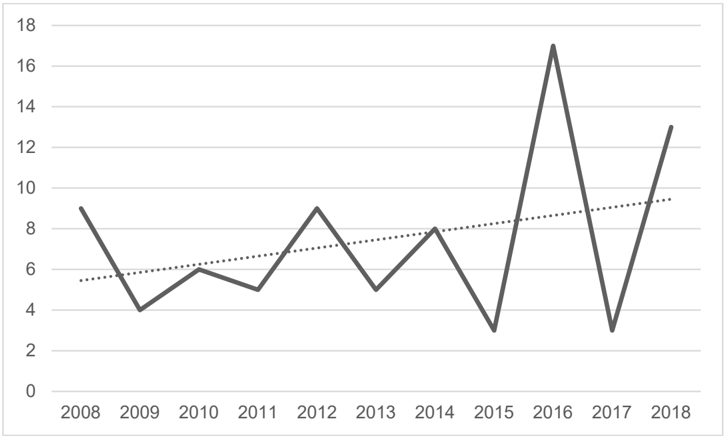
“Research in adult autism diagnosis expanded alongside increased autism awareness and prevalence statistics (Lyall et al., 2017; Nylander et al., 2013), with a growing number of studies that encompass diverse methodologies and areas of interest.”
BackgroundA meta-analysis of depression severity and cognitive function
McDermott, L. M., & Ebmeier, K. P. (2009) · Journal of Affective Disorders · doi:10.1016/j.jad.2009.04.022 · Cited by 956 · cited 1×
“As common co-occurring conditions like depression and ADHD are known to negatively affect cognitive function (McDermott & Ebmeier, 2009; Nydén et al., 2010), it is challenging for researchers to disentangle autism’s relationship with cognitive abilities while using samples representative of the…”
BackgroundEpidemiology of Autism Spectrum Disorders in Adults in the Community in England
Brugha, T. S., McManus, S., Bankart, J., Scott, F., Purdon, S., Smith, J., Bebbington, P., Jenkins, R., & Meltzer, H. (2011) · Archives of General Psychiatry · doi:10.1001/archgenpsychiatry.2011.38 · Cited by 903 · cited 5×
“A large UK epidemiological study estimated autism prevalence among adults living in the community to be 9.8 per 1000 (Brugha et al., 2011), adjusted to 11 per 1000 following inclusion of a sample with intellectual disability (Brugha et al., 2016).”
BackgroundInfluentialPsychiatric and psychosocial problems in adults with normal-intelligence autism spectrum disorders
Hofvander, B., Delorme, R., Chaste, P., Nydén, A., Wentz, E., Ståhlberg, O., Herbrecht, E., Stopin, A., Anckarsäter, H., Gillberg, C., et al. (2009) · BMC Psychiatry · doi:10.1186/1471-244x-9-35 · Cited by 812 · cited 26×
“Sixty-two percent of autistic adults met criteria for at least one PD, primarily obsessive-compulsive (32%), avoidant (25%) and schizoid PDs (21%) (Hofvander et al., 2009).”
BackgroundMethodInfluentialIdentifying the lost generation of adults with autism spectrum conditions
Lai, M.-C., & Baron-Cohen, S. (2015) · The Lancet Psychiatry · doi:10.1016/s2215-0366(15)00277-1 · Cited by 756 · cited 3×
“Autism’s conceptual expansion, broadening of diagnostic criteria and increased awareness have resulted in a ‘lost generation’ whose autism remained undetected until adulthood (Lai & Baron-Cohen, 2015, p. 1013).”
BackgroundQuantifying and exploring camouflaging in men and women with autism
Lai, M.-C., Lombardo, M. V., Ruigrok, A. N., Chakrabarti, B., Auyeung, B., Szatmari, P., Happé, F., Baron-Cohen, S., & MRC AIMS Consortium (2017) · Autism · doi:10.1177/1362361316671012 · Cited by 705 · cited 1×
“Furthermore, autistic adults sometimes use learned coping strategies that reduce the impact of autistic traits on everyday functioning, known as ‘camouflaging’ (Lai et al., 2017, p. 690).”
Background
Research works printed but not linked: 7
- Crucitti, M., Muscatello, M. R. A., Bruno, A., Pandolfo, G., Zoccali, R. A., & Mento, C. (2018). The hidden faces of autism and misdiagnosis in the lifespan: Clinical observations in adults with autism spectrum disorders. Life Span and Disability, 21 (1), 31-45.
- Marriage, S., Wolverton, A., & Marriage, K. (2009). Autism spectrum disorder grown up: A chart review of adult functioning. Journal of the Canadian Academy of Child and Adolescent Psychiatry, 18 (4), 322-328.
- National Institute for Health and Care Excellence [NICE]. (2012). Autism: recognition, referral, diagnosis and management of adults on the autism spectrum. Clinical guideline 142 . London: National Institute for Health and Clinical Excellence.
- Noyes, J., & Lewin, S. (2011). Chapter 5: Extracting qualitative evidence. In J. Noyes, A. Booth, K. Hannes, A. Harden, J. Harris, S. Lewin, & C. Lockwood (Eds.), Supplementary Guidance for Inclusion of Qualitative Research in Cochrane Systematic Reviews of Interventions. Version 1 (updated August 2011) . Retrieved from http://cqrmg.cochrane.org/supplemental-handbook-guidance
- Prichard, E., Palucka, A., Reid, M., & Lunsky, Y. (2010). Review of admissions of individuals with autism spectrum disorders to a specialized Dual Diagnosis Program. Journal on Developmental Disabilities, 16 (1), 76-84.
- Rydén, E., & Bejerot, S. (2008). Autism spectrum disorders in an adult psychiatric population: A naturalistic cross-sectional controlled study. Clinical Neuropsychiatry, 5 (1), 13-21.
- Rydén, G., Rydén, E., & Hetta, J. (2008). Borderline personality disorder and autism spectrum disorder in females: A cross-sectional study. Clinical Neuropsychiatry, 5 (1), 22-30.
Cited by
A capabilities approach to understanding and supporting autistic adulthood
Pellicano, E., Fatima, U., Hall, G., Heyworth, M., Lawson, W., Lilley, R., Mahony, J., & Stears, M. (2022) · Nature Reviews Psychology · doi:10.1038/s44159-022-00099-z · Cited by 237
Sapiets, S. J., Totsika, V., & Hastings, R. P. (2021) · Journal of Applied Research in Intellectual Disabilities · doi:10.1111/jar.12852 · Cited by 141
Autism Spectrum Disorder: Focus on Glutamatergic Neurotransmission
Montanari, M., Martella, G., Bonsi, P., & Meringolo, M. (2022) · International Journal of Molecular Sciences · doi:10.3390/ijms23073861 · Cited by 127
Jadav, N., & Bal, V. H. (2022) · Autism Research · doi:10.1002/aur.2808 · Cited by 95
“More recently, many samples are comprised largely of individuals diagnosed with autism as adults (Huang et al., 2020).”
BackgroundUnderstanding the Self-identification of Autism in Adults: a Scoping Review
Overton, G. L., Marsà-Sambola, F., Martin, R., & Cavenagh, P. (2023) · Review Journal of Autism and Developmental Disorders · doi:10.1007/s40489-023-00361-x · Cited by 139
“However, searching four databases is in line with previous scoping reviews (e.g., Huang et al., 2020).”
Atherton, G., Edisbury, E., Piovesan, A., & Cross, L. (2021) · Journal of Autism and Developmental Disorders · doi:10.1007/s10803-021-05235-x · Cited by 134
“This has been suggested by previous qualitative research in which adults following diagnosis express relief, improved social strategies, self-acceptance, and a formation of an autistic identity helped by connection to autistic peers (for a review, see (Huang et al., 2020).”
BackgroundMethodZhuang, S., Tan, D. W., Reddrop, S., Dean, L., Maybery, M., & Magiati, I. (2023) · Clinical Psychology Review · doi:10.1016/j.cpr.2023.102335 · Cited by 90
Physical workplace adjustments to support neurodivergent workers: A systematic review
Weber, C., Krieger, B., Häne, E., Yarker, J., & McDowall, A. (2024) · Applied Psychology · doi:10.1111/apps.12431 · Cited by 86
“This reflects a current debate in the field, where some recommend the exclusion of self-diagnosed individuals to ensure common diagnostic framing, whereas others point to the necessity of inclusion as the high number of under-diagnosis due to various barriers of receiving a formal diagnosis (e.g. access to clinicians,…”
BackgroundAutistic identity: A systematic review of quantitative research
Davies, J., Cooper, K., Killick, E., Sam, E., Healy, M., Thompson, G. A., Mandy, W., Redmayne, B. J. M., & Crane, L. (2024) · Autism Research · doi:10.1002/aur.3105 · Cited by 124
“…in adulthood can evoke a sense of relief and validation for some Autistic people, others report the diagnostic process as being highly emotional, evoking feelings of confusion, shame, sadness, and anger (Arnold et al., 2020; Huang et al., 2020; Leedham et al., 2020; Lilley et al., 2021, 2022).”
BackgroundExploring the Experience of Seeking an Autism Diagnosis as an Adult
de Broize, M., Evans, K. L., Whitehouse, A., Wray, J. A., Eapen, V., & Urbanowicz, A. (2022) · Autism in Adulthood · doi:10.1089/aut.2021.0028 · Cited by 107
“9,13,15,21 In some cases, individuals experienced negative reactions to their autism diagnosis, including feelings of anxiety, confusion, upset, anger, 9,11,16 and/or regret over not being diagnosed earlier.”
Corden, K., Brewer, R., & Cage, E. (2021) · Frontiers in Psychology · doi:10.3389/fpsyg.2021.699335 · Cited by 140
What are the autism research priorities of autistic adults in Scotland?
Cage, E., Crompton, C. J., Dantas, S., Strachan, K., Birch, R., Robinson, M., Morgan-Appel, S., MacKenzie-Nash, C., Gallagher, A., & Botha, M. (2024) · Autism · doi:10.1177/13623613231222656 · Cited by 79
“We included all responses to avoid gatekeeping based on diagnostic status, given barriers to diagnosis (Huang et al., 2020).”
MethodPerceived misdiagnosis of psychiatric conditions in autistic adults
Kentrou, V., Livingston, L. A., Grove, R., Hoekstra, R. A., & Begeer, S. (2024) · EClinicalMedicine · doi:10.1016/j.eclinm.2024.102586 · Cited by 114
Rubenstein, E., & Furnier, S. (2021) · Autism in Adulthood · doi:10.1089/aut.2020.0031 · Cited by 65
“17 While online surveys have strengths, the ease of implementation and nearly limitless opportunity for participation and recruitment can create bias and lead to misinterpretation in research studies.”
Harmens, M., Sedgewick, F., & Hobson, H. (2022) · Autism in Adulthood · doi:10.1089/aut.2021.0016 · Cited by 82
“Our findings align with those of the Huang et al. 9 scoping review regarding adult experiences of autism diagnosis, further emphasizing the importance of recognizing and countering the stereotypes autistic adults face.”
Oredipe, T., Kofner, B., Riccio, A., Cage, E., Vincent, J., Kapp, S. K., Dwyer, P. S. R., & Gillespie‐Lynch, K. (2022) · Autism · doi:10.1177/13623613221086700 · Cited by 73
A Virtual Reality Based System for the Screening and Classification of Autism
Robles, M., Namdarian, N., Otto, J., Wassiljew, E., Navab, N., Falter, C. M., & Roth, D. (2022) · IEEE Transactions on Visualization and Computer Graphics · doi:10.1109/tvcg.2022.3150489 · Cited by 73
Stability of co-occurring psychiatric diagnoses in autistic men and women
Kentrou, V., Oostervink, M., Scheeren, A. M., & Begeer, S. (2021) · Research in Autism · doi:10.1016/j.rasd.2021.101736 · Cited by 65
“Overall, adult women frequently express the belief that receiving a delayed autism diagnosis was in part due to insufficient knowledge of the unique presentation of autism in adult women (Bargiela et al., 2016; Gould & Ashton-Smith, 2011; Hull & Mandy, 2017).”
BackgroundEmployment profiles of autistic adults in Australia
Harvery, M., Froude, E. H., Foley, K., Trollor, J. N., & Arnold, S. R. C. (2021) · Autism Research · doi:10.1002/aur.2588 · Cited by 54
“…in autism diagnostic criteria, there is likely a “lost generation” (Lai & BaronCohen, 2015) with many autistic adults who meet criteria for autism who have never received a formal diagnosis due to significant barriers, including access to clinicians, cost and potential stigma (Huang et al., 2020).”
BackgroundSelf-citationCrompton, C. J., Hallett, S., McAuliffe, C., Stanfield, A. C., & Fletcher‐Watson, S. (2022) · Frontiers in Psychology · doi:10.3389/fpsyg.2022.831628 · Cited by 69
“The lack of post-diagnostic support has been highlighted by autistic adults, the families of autistic people, clinicians, and service providers (Griffith et al., 2012; Lewis, 2017; Crane et al., 2018; Raymond-Barker et al., 2018; Huang et al., 2020).”
BackgroundInfluentialIs camouflaging unique for autism? A comparison of camouflaging between adults with autism and ADHD
van der Putten, W. J., Mol, A. J. J., Groenman, A. P., Radhoe, T. A., Torenvliet, C., van Rentergem, J. A. A., & Geurts, H. M. (2024) · Autism Research · doi:10.1002/aur.3099 · Cited by 54
“Even though autism and ADHD are both developmental conditions, for which the onset is already present during childhood, late diagnoses do occur in both conditions (Asherson & Agnew-Blais, 2019; Huang et al., 2020).”
BackgroundMittmann, G., Schrank, B., & Steiner‐Hofbauer, V. (2023) · Current Psychology · doi:10.1007/s12144-023-04959-6 · Cited by 77
“A recent systematic review (Huang et al., 2020) summarised that the prevalence of adult autism is around 11 in 1000 people.”
Scheeren, A. M., Buil, J. M., Howlin, P., Bartels, M., & Begeer, S. (2021) · Autism · doi:10.1177/13623613211027673 · Cited by 63
“Post-diagnosis guidance, support and self-understanding (Huang et al., 2020; Leedham et al., 2020) may have helped them deal with everyday life challenges more effectively, explaining the subsequent improvement.”
BackgroundCage, E., & McManemy, E. (2022) · Frontiers in Psychology · doi:10.3389/fpsyg.2021.792945 · Cited by 73
Prevalence of Autism Spectrum Disorders in Adult Outpatient Psychiatry
Nyrenius, J., Eberhard, J., Ghaziuddin, M., Gillberg, C., & Billstedt, E. (2022) · Journal of Autism and Developmental Disorders · doi:10.1007/s10803-021-05411-z · Cited by 62
Factors associated with age at autism diagnosis in a community sample of Australian adults
Huang, Y., Arnold, S. R. C., Foley, K., Lawson, L. P., Richdale, A. L., & Trollor, J. N. (2021) · Autism Research · doi:10.1002/aur.2610 · Cited by 44
Self-citationBundy, R., Mandy, W., Crane, L., Belcher, H., Bourne, L., Brede, J., Hull, L., Brinkert, J., & Cook, J. (2022) · Autism · doi:10.1177/13623613211065543 · Cited by 43
“, 2020; Lewis, 2017) and allowed access to a more diverse population, given barriers to accessing diagnoses in adulthood (Huang et al., 2020).”
BackgroundBruce, H., Munday, K., & Kapp, S. K. (2023) · Autism in Adulthood · doi:10.1089/aut.2023.0003 · Cited by 52
“Participants could have a formal or self-diagnosis as autistic due to the barriers to diagnosis that some marginalized groups of autistic people still face.(62,63) Participants’ ages ranged from 18 to 46.”
BackgroundThe adult experience of being diagnosed with autism spectrum disorder: A qualitative meta-synthesis
Kiehl, I., Pease, R., & Hackmann, C. (2024) · Autism · doi:10.1177/13623613231220419 · Cited by 65
“The rate of autism spectrum disorder (ASD) diagnosis has risen dramatically over the past several decades 1 (Fombonne, 2020; Huang et al., 2020).”
BackgroundMcAuliffe, C., Walsh, R. J., & Cage, E. (2023) · Autism in Adulthood · doi:10.1089/aut.2021.0074 · Cited by 58
“72 We do not subscribe to positivist paradigms where we might claim objectivity or seek data saturation.”
Dropping the mask: It takes two
Cook, J. M., Crane, L., & Mandy, W. (2023) · Autism · doi:10.1177/13623613231183059 · Cited by 65
“Regardless, these insights add to extant literature demonstrating the importance of access to timely diagnosis in improving the lives of autistic people (Bargiela et al., 2016; Crane et al., 2018; Huang et al., 2020; Lilley et al., 2021; Mandy et al., 2022; Zuckerman et al., 2014).”
BackgroundLai, M., Amestoy, A., Bishop, S. L., Brown, H. M., Onaiwu, M. G., Halladay, A. K., Harrop, C., Hotez, E., Huerta, M., Kelly, A. M., et al. (2023) · The Lancet Child & Adolescent Health · doi:10.1016/s2352-4642(23)00221-3 · Cited by 64
Finch, T. L., Mackintosh, J. E., Petrou, A., McConachie, H., Couteur, A. S. L., Garland, D., & Parr, J. R. (2022) · PLoS ONE · doi:10.1371/journal.pone.0264932 · Cited by 67
Autistic women’s diagnostic experiences: Interactions with identity and impacts on well-being
Harmens, M., Sedgewick, F., & Hobson, H. (2022) · Women s Health · doi:10.1177/17455057221137477 · Cited by 60
“The one-way ANOVA also revealed a significant main effect of diagnostic stage group on total WHOQoL score (F(2) = 5.”
BackgroundMethodInfluentialAutism Spectrum Disorder Across the Lifespan
Tafolla, M., Singer, H., & Lord, C. (2025) · Annual Review of Clinical Psychology · doi:10.1146/annurev-clinpsy-081423-031110 · Cited by 71
Wilson, R. B., Thompson, A. R., Rowse, G., & Freeth, M. (2023) · Research in Autism · doi:10.1016/j.rasd.2023.102135 · Cited by 52
“This finding is central to Leedham et al. ’ s (2020) research, where several autistic women suggested their diagnosis in adulthood facilitated a transition from self-criticism to self-compassion and also chimes with themes reported by Arnold et al. (2020) from an Australian sample.”
ResultExploring Lived Experiences of Receiving a Diagnosis of Autism in Adulthood: A Systematic Review
Nayyar, J. M., Stapleton, A., Guérin, S., & O’Connor, C. (2025) · Autism in Adulthood · doi:10.1089/aut.2023.0152 · Cited by 47
“5 In the absence of practical supports, a diagnosis may simply amount to a label, which could represent a double-edged sword: psychiatric labels can improve self-understanding and social relations, but may also damage self-esteem and elicit social stigma.”
InfluentialChoose your Own Adventure: Pathways to Adulthood Autism Diagnosis in Australia
Huang, Y., Arnold, S. R. C., Foley, K., & Trollor, J. N. (2021) · Journal of Autism and Developmental Disorders · doi:10.1007/s10803-021-05169-4 · Cited by 36
Self-citationCase Report: Mechanisms in Misdiagnosis of Autism as Borderline Personality Disorder
Iversen, S., & Kildahl, A. N. (2022) · Frontiers in Psychology · doi:10.3389/fpsyg.2022.735205 · Cited by 51
Dinkler, L., Yasumitsu‐Lovell, K., Eitoku, M., Fujieda, M., Suganuma, N., Hatakenaka, Y., Hadjikhani, N. K., Bryant‐Waugh, R., Råstam, M., & Gillberg, C. (2022) · JCPP Advances · doi:10.1002/jcv2.12094 · Cited by 35
“Due to the suggested significant overlap between ARFID and NDDs, and the fact that children with NDDs are not always diagnosed or often diagnosed very late (Gould & Ashton‐Smith, 2011; Huang et al., 2020), the question arises whether early NDPs can also aid in the early detection of ARFID.”
BackgroundWhat’s in a name? The costs and benefits of a formal autism diagnosis
Fletcher‐Watson, S. (2023) · Autism · doi:10.1177/13623613231213300 · Cited by 51
“Even when a diagnosis is achieved, both parents of autistic children and autistic adults report an exhausting process, stretched over a long period of time and incorporating a series of gruelling steps (de Broize et al., 2022; Huang et al., 2020).”
BackgroundSocial motor synchrony in autism spectrum conditions: A systematic review
Glass, D., & Yuill, N. (2023) · Autism · doi:10.1177/13623613231213295 · Cited by 43
“This may diminish the clinical utility of synchrony as a marker for adult diagnosis, which is becoming increasingly common and may be more complex than diagnosis during childhood (Huang et al., 2020).”
BackgroundGrove, R., Clapham, H., Moodie, T., Gurrin, S., & Hall, G. (2024) · Journal of Autism and Developmental Disorders · doi:10.1007/s10803-024-06330-5 · Cited by 38
“This is due to the reported barriers to accessing a diagnosis, including costs, the complexity of the healthcare system, as well as stigma, and a lack of support from health professionals (Huang et al., 2020 ; Lewis, 2017).”
Wigham, S., Ingham, B., Couteur, A. S. L., Wilson, C., Ensum, I., & Parr, J. R. (2022) · Autism · doi:10.1177/13623613211073020 · Cited by 34
“Given the significant emotional impact of an autism diagnosis (Huang et al., 2020) the uncertainty of a lengthy wait for an assessment is bound to be an additional stress.”
BackgroundBury, S. M., Haschek, A., Wenzel, M., Spoor, J. R., & Hedley, D. (2022) · Journal of Autism and Developmental Disorders · doi:10.1007/s10803-022-05823-5 · Cited by 41
Yau, N., Anderson, S., & Smith, I. (2023) · Research in Autism · doi:10.1016/j.rasd.2022.102101 · Cited by 35
Gellini, H., & Marczak, M. (2023) · Review Journal of Autism and Developmental Disorders · doi:10.1007/s40489-023-00356-8 · Cited by 45
“Furthermore, it is important to note that there have been substantial changes to diagnostic criteria over the past 40 years (Huang et al., 2020).”
InfluentialWhat does receiving autism diagnosis in adulthood look like? Stakeholders’ experiences and inputs
Ghanouni, P., & Seaker, L. (2023) · International Journal of Mental Health Systems · doi:10.1186/s13033-023-00587-6 · Cited by 49
“Aligned with previous literature, the high cost of diagnostic services can be a major barrier [16, 24].”
BackgroundInfluentialPeachey, M., & Crane, L. (2024) · Autism in Adulthood · doi:10.1089/aut.2023.0071 · Cited by 29
“45,46 Participants’ average age was 29 years (standard deviation = 4.60, range: 21–35).”
InfluentialMaciver, D., Roy, A. S., Johnston, L., Boilson, M., Curnow, E., Johnstone‐Cooke, V., & Rutherford, M. (2025) · Autism Research · doi:10.1002/aur.70011 · Cited by 48
Zheng, S., Adams, R. E., Taylor, J. L., Pezzimenti, F., & Bishop, S. L. (2021) · Autism · doi:10.1177/13623613211008276 · Cited by 32
“…depression diagnosis mirrors what has been long observed in the general population (Crick & Zahn-Waxler, 2003; Kessler et al., 1993), it is inconsistent with previous studies in autism where no sex differences in depression symptoms or diagnosis were found (Hudson et al., 2019; Lai et al., 2011).”
BackgroundResultInfluentialA Qualitative Study of Adults’ and Support Persons’ Experiences of Support After Autism Diagnosis
Huang, Y., Arnold, S. R. C., Foley, K., & Trollor, J. N. (2022) · Journal of Autism and Developmental Disorders · doi:10.1007/s10803-022-05828-0 · Cited by 37
“A key issue identified in studies of adulthood autism diagno - sis is inadequate formal support (Arnold et al., 2020 ; Crane et al., 2018 ; Griffith et al., 2012 ).”
Self-citationCrowson, S., Poole, D., Scargill, K., & Freeth, M. (2023) · Autism · doi:10.1177/13623613231196805 · Cited by 44
“…discusses how autistic adults often feel they need to come to terms with the experience of receiving a diagnosis relatively late in life, the result of which can be a range of negative emotions, such as feelings of grief on behalf of their former self (Huang et al., 2020; Leedham et al., 2020).”
BackgroundCage, E., Botha, M., McDevitt, L., King, K. N., Biscoe, L., Tucker, K., & Pearson, A. (2024) · Autism · doi:10.1177/13623613231220418 · Cited by 36
“Harmens et al. (2022) and Arnold et al. (2020) found that diagnosis fostered a sense of belonging within the autistic community.”
InfluentialBertrams, A. (2021) · Experimental Results · doi:10.1017/exp.2020.70 · Cited by 26
“The autism-spectrum quotient (AQ; Baron-Cohen et al., 2001) is a questionnaire used as a screening tool for autism in psychiatric and psychological diagnostics (Huang et al., 2020; Woodbury-Smith et al., 2005).”
Unpacking the overlap between Autism and ADHD in adults: A multi-method approach
Waldren, L. H., Leung, F. Y. N., Hargitai, L. D., Burgoyne, A. P., Liceralde, V. R. T., Livingston, L. A., & Shah, P. (2024) · Cortex · doi:10.1016/j.cortex.2023.12.016 · Cited by 44
“However, with increasing awareness and clinical understanding of neurodiversity, more adults are seeking support for neurodevelopmental conditions later in life (Huang et al., 2020; Russell et al., 2022).”
Wigham, S., Ingham, B., Couteur, A. S. L., Wilson, C., Ensum, I., & Parr, J. R. (2022) · Autism · doi:10.1177/13623613221097502 · Cited by 40
“A person recently diagnosed as autistic may need time to consider implications for their life roles: recent studies describe aspects of the significant emotional impact of receiving an autism diagnosis (Huang et al., 2020; Leedham et al., 2020; Powell & Acker, 2016).”
BackgroundSpain, D., Stewart, G. R., Mason, D., Robinson, J., Simone, J., Gillan, N., Ensum, I., & Happe, F. G. E. (2022) · Frontiers in Psychiatry · doi:10.3389/fpsyt.2022.789449 · Cited by 29
Autism spectrum disorder research: knowledge mapping of progress and focus between 2011 and 2022
Jiang, M., Lu, T., Yang, K., Li, X., Zhao, L., Zhang, D., Li, J., & Wang, L. (2023) · Frontiers in Psychiatry · doi:10.3389/fpsyt.2023.1096769 · Cited by 33
“The present study comprehensively combines Bibliometrix package, CiteSpace, and VOSviewer to (1) dynamically assess quantitative indicators of ASD research publications and use different index indicators to measure the quality of research; (2) further identify the most contributing countries, institutions, journals, a…”
BackgroundMethodNeuroqueer frontiers: Neurodiversity, gender, and the (a)social self
Barnett, J. P. (2024) · Sociology Compass · doi:10.1111/soc4.13234 · Cited by 32
Larkin, F., Ralston, B., Dinsdale, S. J., Kimura, S., & Hayiou‐Thomas, M. E. (2022) · Autism · doi:10.1177/13623613221109717 · Cited by 27
“One potential explanation for this is that the participants in this group may have been less likely to seek formal diagnosis due to the absence of additional mental health conditions, since mental health problems often motivate adults to seek autism assessment (Huang et al., 2020).”
BackgroundMansour, H., Gillions, A., Brown, J. M., Pattenden, A., HARTLEY, S. H., Patel, S., James, S., Styles, M., Mandy, W., Stott, J. C. H., et al. (2024) · Autism · doi:10.1177/13623613241291081 · Cited by 25
“There is currently little guidance on accessing post-diag-nostic support, with most autism-specific services focusing on children (Huang et al., 2020).”
McKenney, E. E., Brunwasser, S. M., Richards, J. K., Day, T. C., Kofner, B., McDonald, R. G., Williams, Z. J., Gillespie‐Lynch, K., Kang, E., Lerner, M. D., et al. (2023) · Autism in Adulthood · doi:10.1089/aut.2022.0078 · Cited by 21
“26,27 Therefore, adult autism research may be more inclusive and beneficial to the full autistic community if there is greater opportunity for understanding the experiences of not only those formally diagnosed in childhood, but also young adults who have self-diagnosed and/or are still exploring…”
A Genetic Bridge Between Medicine and Neurodiversity for Autism
Leblond, C. S., Rolland, T., Barthome, E., Mougin, Z., Fleury, M., Ecker, C., Bonnot-Briey, S., Cliquet, F., Tabet, A., Maruani, A., et al. (2024) · Annual Review of Genetics · doi:10.1146/annurev-genet-111523-102614 · Cited by 24
Examining Rates of Traumatic Events and Posttraumatic Stress Disorder Symptoms Among Autistic Adults
Andrzejewski, T. M., Batista, S. G., Abu-Ramadan, T. M., Breitenfeldt, K. E., Tassone, A. U., Winch, A. T., Rozek, D. C., & McDonnell, C. G. (2023) · Autism in Adulthood · doi:10.1089/aut.2023.0022 · Cited by 22
A qualitative interview study on quality of life and ageing experiences of autistic adults
Viner, H. E., Yuill, N., Costa, A. P., Radford, H., & Kornadt, A. E. (2024) · Communications Psychology · doi:10.1038/s44271-024-00142-0 · Cited by 24
“Themultifacetedemotionalimpactofdiagnosisexpressedbyour intervieweesisconsistentwithpreviousresearchondiagnosisin adulthood 51 – 53 .”
Seeing the forest and the trees: Disentangling autism phenotypes in the age of DSM-5
Volkmar, F. R., Woodbury‐Smith, M., Macari, S. L., & Øien, R. A. (2021) · Development and Psychopathology · doi:10.1017/s0954579420002047 · Cited by 20
Evans, K. L., van der Meer, L. A. J., Eggleston, M. J. F., Taylor, L. J., Thabrew, H., Waddington, H. L., & Whitehouse, A. (2021) · Journal of Autism and Developmental Disorders · doi:10.1007/s10803-021-04983-0 · Cited by 22
Medicare, Medicaid, and dual enrollment for adults with intellectual and developmental disabilities
Rubenstein, E., Tewolde, S., Levine, A. A., Droscha, L., Meyer, R. M., Michals, A. L., & Skotko, B. G. (2024) · Health Services Research · doi:10.1111/1475-6773.14287 · Cited by 16
Vidal, V., Wachholtz, D., Mattie, L. J., & DeThorne, L. S. (2022) · Language Speech and Hearing Services in Schools · doi:10.1044/2022_lshss-22-00028 · Cited by 19
Ramírez, D. Z. M., Barbareschi, G., & Holloway, C. (2024) · ACM Transactions on Computer-Human Interaction · doi:10.1145/3635148 · Cited by 22
“Distinguishing autism from other conditions such as schizophrenia and bipolar and personality disorders is a persistent problem [ 62 ].”
Koehler, J. C., Dong, M. S., Song, D., Bong, G., Koutsouleris, N., Yoo, H., & Falter, C. M. (2024) · Scientific Reports · doi:10.1038/s41598-024-56098-y · Cited by 21
“Nevertheless, this approach is prone to a certain circularity, given the outcome criterion, that is the clinical diagnosis of ASD, is heavily influenced by the features used for prediction 8 .”
French, B., & Cassidy, S. (2024) · Autism in Adulthood · doi:10.1089/aut.2024.0085 · Cited by 25
Pires, J. F., Grattão, C. C., & Gomes, R. M. R. (2024) · Dementia & Neuropsychologia · doi:10.1590/1980-5764-dn-2023-0034 · Cited by 26
McKenney, E. E., Richards, J. K., Day, T. C., Brunwasser, S. M., Cucchiara, C. L., Kofner, B., McDonald, R. G., Gillespie‐Lynch, K., Lamm, J., Kang, E., et al. (2024) · Autism · doi:10.1177/13623613231216879 · Cited by 21
“…were included in order to better represent historically underrepresented groups of autistic adults who have lower access to formal diagnoses (Huang et al., 2020; Wiggins et al., 2020); however, primary analyses of the effects of autistic traits relied on Social Responsiveness Scale, Second…”
Aging Well and Autism: A Narrative Review and Recommendations for Future Research
Klein, C. B., & Klinger, L. G. (2024) · Healthcare · doi:10.3390/healthcare12121207 · Cited by 23
“Autistic adults often receive other diagnoses before getting an autism diagnosis (see [118] for a review of experiences and characteristics of adults receiving an adult diagnosis).”
BackgroundProfessionals’ perspectives on neurodiversity-affirmative autism diagnostic assessment
Pritchard-Rowe, E., & Gibson, J. L. (2024) · Neurodiversity · doi:10.1177/27546330241274674 · Cited by 19
“This is pertinent given that adults are increasingly seeking diagnosis and/or being diagnosed (Huang et al., 2020).”
BackgroundTomas, V., Kingsnorth, S., Kirsh, B. H., Anagnostou, E. A., & Lindsay, S. (2022) · Journal of Autism and Developmental Disorders · doi:10.1007/s10803-022-05766-x · Cited by 17
“The relation to autistic identity might be particularly relevant for youth and young adults, as seen in post-secondary literature (Frost et al., 2019), specifically those with a recent autism diagnosis who are still grappling with their identity (Huang et al., 2020; Romual-dez et al., 2021b).”
BackgroundAutomated Prediction of Infant Cognitive Development Risk by Video: A Pilot Study
Ji, S., Ma, D., Pan, L., Wang, W., Peng, X., Amos, T. J., Ingabire, H. N., Li, M., Wang, Y., Yao, D., et al. (2023) · IEEE Journal of Biomedical and Health Informatics · doi:10.1109/jbhi.2023.3266350 · Cited by 15
“In addition, many CD disorders, such as ASD, Rett syndrome and Cornelia de Lange syndrome, can only be diagnosed when a child is a toddler or older, which is not conducive to early detection and treatment of these diseases [23].”
BackgroundKhorasani, M., Kahani, M., Yazdi, S. A. A., & Hajiaghaei–Keshteli, M. (2023) · Knowledge-Based Systems · doi:10.1016/j.knosys.2023.110724 · Cited by 14
Mittmann, G., Schrank, B., & Steiner-Hofbauer, V. (2023) · Journal of Autism and Developmental Disorders · doi:10.1007/s10803-023-06150-z · Cited by 10
“According to two recent systematic reviews, the prevalence of diagnoses has increased in recent years for both children (Zeidan et al., 2022) and adults (Huang et al., 2020).”
Petty, S., Allen, S., Pickup, H., & Woodier, B. (2023) · Autism in Adulthood · doi:10.1089/aut.2022.0073 · Cited by 18
“26 29 Qualitative explorations of loneliness, so far, have discussed the interplays between societal expectations, social skill differences, and past negative experiences of feeling different.”
Gibbs, V., Gallagher, E., Hudson, J. L., & Pellicano, E. (2024) · Review Journal of Autism and Developmental Disorders · doi:10.1007/s40489-023-00426-x · Cited by 20
Barriers to Accessing Healthcare: Perspectives from Autistic Adults and Carers
Calleja, S., Kingsley, J., Islam, A. F. M., & McDonald, R. L. (2021) · Qualitative Health Research · doi:10.1177/10497323211050362 · Cited by 18
“Previously, many people received their diagnosis prior to the age of 18, however, with refined diagnostic criteria, increasingly people are diagnosed after the age of 18 (Huang et al., 2020; Leedham et al., 2020; Tan, 2018).”
BackgroundHyassat, M., Al-Makahleh, A., Rahahleh, Z., & Al-Zyoud, N. (2023) · Children · doi:10.3390/children10081394 · Cited by 24
“A possible explanation for this is that the process of diagnosing ASD is complicated [27,51,62] as ASD is heterogeneous and involves symptoms that overlap with those of other developmental disorders.”
Background“Living Independently Means Everything to Me”: The Voice of Australian Autistic Adults
Ansari, M. A., Edwards, C., & Gibbs, V. (2024) · Autism in Adulthood · doi:10.1089/aut.2022.0102 · Cited by 14
“37,38 This reflects the voice of participants in our study where following their diagnosis, they better understood what their support needs were and how to manage them in their living situation.”
Rabba, A. S., Smith, J., Hall, G., Alexander, V., Batty, K., Datta, P., Goodall, E., Heyworth, M., Lamb, S., Lawson, W. B., et al. (2024) · Autism · doi:10.1177/13623613241297223 · Cited by 22
“…(American Psychiatric Association, 2013), and increase in the availability of diagnostic services, has led to a rise in adult diagnoses, with more parents of autistic children being diagnosed, sometimes following their child’s diagnosis (Crane et al., 2021; Huang et al., 2020; Lilley et al., 2022).”
Nyrenius, J., Eberhard, J., Ghaziuddin, M., Gillberg, C., & Billstedt, E. (2023) · BJPsych Open · doi:10.1192/bjo.2023.13 · Cited by 18
“21,28,31 Tic disorders are also very common (22 – 50%), as are motor difficulties and speech and language difficulties.”
“Struggling for Years”: An international survey on Autistic experiences of menopause
Jenkins, C. A., Moseley, R. L., Matthews, R. J., van Rensburg, M. J., Turner‐Cobb, J. M., & Brady, M. J. (2024) · Neurodiversity · doi:10.1177/27546330241299366 · Cited by 13
“Late-in-life or undiagnosed Autistic people often have a history of life adversity and poor mental health (Belcher et al., 2022; Dubreucq et al., 2022; Gellini & Marczak, 2023; Huang et al., 2020; Newell et al., 2023; Smith et al., 2024).”
Camouflaging and autism: Conceptualisation and methodological issues
Arnold, W. M., Bitsika, V., & Sharpley, C. F. (2026) · Autism · doi:10.1177/13623613261420085 · Cited by 17
“…theory on the correlates of camouflaging that are informed by qualitative research (Arnold et al., 2023a; Cook et al., 2024; Higgins et al., 2021; Huang et al., 2020; Lai & Baron-Cohen, 2015; Lai et al., 2022; Lockwood Estrin et al., 2021; Mantzalas, Richdale and Dissanayake, 2022; Pearson &…”
Pagán, A. F., Izuno‐Garcia, A. K., Hughes, K. R., Chapman, K. S., & Loveland, K. A. (2023) · Advances in Neurodevelopmental Disorders · doi:10.1007/s41252-023-00371-0 · Cited by 10
“The psychologists who are equipped to provide appropriate evaluations for ASD in adulthood have extremely long waitlists for their services (Huang et al., 2020), a situation that prolongs the isolation of adults who have yet to be diagnosed with ASD.”
Edwards, C., Love, A. M. A., Cai, R. Y., Heyworth, M., Johnston, A., Aldridge, F., & Gibbs, V. (2025) · Autism · doi:10.1177/13623613251335070 · Cited by 20
“…local peer connections, invalidation of their lived experiences, and little assistance in understanding and developing a positive autistic identity (Cage et al., 2024; Crane et al., 2018; Crompton et al., 2022; de Broize et al., 2022; Huang et al., 2020; Nayyar et al., 2025; Norris et al., 2024).”
InfluentialD’Arcy, E., Girdler, S. J., Falkmer, M., Falkmer, T., Whitehouse, A., Wray, J. A., Eapen, V., & Evans, K. L. (2021) · Research in Autism · doi:10.1016/j.rasd.2021.101792 · Cited by 8
Dell’Osso, L., Cremone, I. M., Chiarantini, I., Nardi, B., Pronestì, C., Amatori, G., Massimetti, E., Signorelli, M. S., Rocchetti, M., Castellini, G., et al. (2024) · Journal of Psychiatric Research · doi:10.1016/j.jpsychires.2024.12.006 · Cited by 11
Self-reported Everyday Sources of Happiness and Unhappiness in Autistic Adults
Parenteau, C. I., Lampinen, L. A., Ghods, S. S., Taylor, J. L., Adams, R. E., Bishop, S. L., & Zheng, S. (2023) · Journal of Autism and Developmental Disorders · doi:10.1007/s10803-023-05892-0 · Cited by 11
“…diagnosis of autism: inclusion of individuals who obtained a diagnosis during adulthood, or individuals who have not sought out a professional diagnosis and self-identify as autistic, may yield different responses due to differing life experiences (Huang et al., 2020b; Leedham et al., 2020).”
Vuijk, R., Deen, M. L., Arntz, A. R., & Geurts, H. M. (2021) · Journal of Autism and Developmental Disorders · doi:10.1007/s10803-021-05225-z · Cited by 8
Should We Continue to Tell Autistic People that Their Brains are Different?
Crawshaw, D. (2023) · Psychological Reports · doi:10.1177/00332941231174391 · Cited by 9
“Quite separately, a minority of autistic individuals are diagnosed in adulthood (see Huang et al., 2020 for scoping review).”
InfluentialBureau, R., & Clément, C. (2023) · Autism · doi:10.1177/13623613231183071 · Cited by 14
“Overall, conducting studies on adult diagnosis experiences in non-UK or non-US contexts, as recommended by Huang et al. (2020), can allow the identification of common elements and experiences but also highlight what could be particular to a culture.”
BackgroundInfluentialThe Codesign and Initial Evaluation of a Peer Support Program for Autistic Young Adults
Davies, J., Redmayne, B., Allain, L., Portway, L., Mandy, W., Cooper, K., & Crane, L. (2024) · Autism in Adulthood · doi:10.1089/aut.2023.0153 · Cited by 10
Diagnosing Autism in Adults: Clinically Focused Recommendations
Pagán, A. F., Flint, D. D., & Loveland, K. A. (2024) · Journal of Health Service Psychology · doi:10.1007/s42843-024-00108-0 · Cited by 8
“For example, clinicians have yet to fully understand the gender differences in the presentation of autism, co-occurring conditions, and psychosocial characteristics (e.g., socioeconomic status) of autistic adults (Huang et al., 2020).”
Influential
Metadata
- Authors
- Huang, Y., Arnold, S. R., Foley, K.-R., & Trollor, J. N.
- Affiliations
- UNSW Sydney (AU)
- Corresponding author
- Arnold, Samuel RC
- Venue
- Autism
- Publisher
- SAGE Publications
- Published
- 2020-02-28
- Volume
- 24
- Issue
- 6
- Pages
- 1311-1327
- ISSN
- 1362-3613 (ISSN-L)
- 1461-7005
- OpenAlex
- W3008810253
- Cited by
- 289
- References
- 100
- Citations by year
- 2026: 47 · 2025: 67 · 2024: 58 · 2023: 58 · 2022: 34 · 2021: 21 · 2020: 4
- FWCI
- 3.94
- Type
- journal article
- Language
- en
- Open access
- green
- hdl.handle.net
- Licence
- cc-by-nc-nd
- journals.sagepub.com/page/policies/text-and-data-mining-license (tdm)
- Locations
- Autism (publishedVersion)
- PubMed (publishedVersion)
- UNSWorks (University of New South Wales, Sydney, Australia) (submittedVersion, cc-by-nc-nd)
- Figshare (submittedVersion, cc-by)
- Minerva Access (University of Melbourne) (submittedVersion)
- OSF Preprints (OSF Preprints) (submittedVersion)
- Funders
- Cooperative Research Centre for Living with Autism
- Australian Government
- Topics
- Life Sciences › Neuroscience › Cognitive Neuroscience › Autism Spectrum Disorder Research
- Social Sciences › Psychology › Clinical Psychology › Family and Disability Support Research
- Social Sciences › Psychology › Clinical Psychology › Psychology and Mental Health
- Keywords
- autism diagnosis, autistic adults, diagnostic pathway, autism prevalence, gender differences, socio-psychological factors, co-occurring conditions, emotional impact of diagnosis, intellectual disability, timing of diagnosis, diagnostic accessibility
- MeSH terms
- Autism Spectrum Disorder, Adult, Autistic Disorder, Humans, Intellectual Disability
About these checks
Registry, retraction, Cites and statistics results are computed, not judged, with one exception: a printed reference that no index lists is read once by a model before it counts as a citation error. Claims are extracted by a model and kept only when their quote appears verbatim in the text; each cited source is then checked, with a model’s help, for whether it says what the claim relies on. Those verdicts can be wrong — read the claim’s quote and the cited source before relying on one.
The claim verdicts this report counts are experimental: their accuracy is not yet measured.
A language model drew the claims from the paper on 2026-10-10, under version 3 of the claim definition (model deepseek-v4.1-flash, prompt extract-v3).
A second model labelled each claim on 2026-10-10 (model jev-1.13-20260917, definition revision gold-guideline-v0.2).
Cited sources are checked with a language model’s help (gpt-6-sol).
Statistics and arithmetic are recomputed, not judged.
Confidence bands are shown only for fields calibrated on our annotated test set. None is calibrated yet, so no band is shown.
What counts as a claim ›How we measure confidence ›How we check this ›
Are you an author, or do you see a problem with this page? Request a review
Data sources
Bibliographic data: Semantic Scholar, OpenAlex, Crossref.
Contains information from the Semantic Scholar Academic Graph Datasets, made available under the ODC Attribution License (ODC-BY 1.0).
Semantic Scholar’s data is described in: Kinney, R., et al. (2023). The Semantic Scholar Open Data Platform. arXiv:2301.10140.
