

Best practices for stress measurement: How to measure psychological stress in health research
Open accessThe DOI matches its Crossref record; 88 of the 88 references it cites were found in a registry or an index.
Abstract
Despite the strong evidence linking psychological stress to disease risk, health researchers often fail to include psychological stress in models of health. One reason for this is the incorrect perception that the construct of psychological stress is too vague and broad to accurately measure. This article describes best practices in stress measurement, detailing which dimensions of stressor exposures and stress responses to capture, and how. We describe when to use psychological versus physiological indicators of stress. It is crucial that researchers across disciplines utilize the latest methods for measuring and describing psychological stress in order to build a cumulative science.
Overview
The claims and statistics of this paper haven’t been checked yet.
Free: it reads the open-access text and checks the first 5 claims that cite a source we can check. Create a free account to check every claim.
Integrity signals
Registry
Cites
Statistics
Figures
Verification
Claims the paper makes
The claims and statistics of this paper haven’t been checked yet.
Free: it reads the open-access text and checks the first 5 claims that cite a source we can check. Create a free account to check every claim.
Self-check
Percentages, sums and reported differences re-computed from the paper’s own numbers.
The self-check needs the paper’s full text.
Citations
Cites
A Global Measure of Perceived Stress
Cohen, S., Kamarck, T., & Mermelstein, R. (1983) · Journal of Health and Social Behavior · doi:10.2307/2136404 · Cited by 32,807 · cited 1×
“One of the simplest ways to measure stress responses is through self-reports of perceived stress related to a specific stressor or to one’s life circumstances (Cohen et al., 1983).”
BackgroundFelitti, V. J., Anda, R. F., Nordenberg, D., Williamson, D. F., Spitz, A. M., Edwards, V., Koss, M. P., & Marks, J. S. (1998) · American Journal of Preventive Medicine · doi:10.1016/s0749-3797(98)00017-8 · Cited by 18,943 · cited 2×
“…abuse, living with an alcoholdependent adult, witnessing violence) was positively associated in a graded relationship with the presence of ischemic heart disease, cancer, chronic lung disease, skeletal fractures, and liver disease, after controlling for demographic factors (Felitti et al., 1998).”
BackgroundJob Demands, Job Decision Latitude, and Mental Strain: Implications for Job Redesign
Karasek, R. A. (1979) · Administrative Science Quarterly · doi:10.2307/2392498 · Cited by 12,597 · cited 1×
“One of the most widely studied models of work stress is job strain, which is a combination of high demands (workload and intensity) and low control (Karasek, 1979).”
BackgroundImmunity, Inflammation, and Cancer
Grivennikov, S. I., Greten, F. R., & Karin, M. (2010) · Cell · doi:10.1016/j.cell.2010.01.025 · Cited by 10,755 · cited 1×
“The top three leading causes of death in the United States—cardiovascular disease, cancer, and chronic lower respiratory disease—all share the common thread of being characterized by elevated chronic inflammation (Aghasafari et al., 2019; Golia et al., 2014; Grivennikov et al., 2010).”
BackgroundChild abuse: Adolescent records vs. adult recall
Femina, D. D., Yeager, C. A., & Lewis, D. O. (1990) · Child Abuse & Neglect · doi:10.1016/0145-2134(90)90033-p · Cited by 8,820
Ecological momentary assessment
Shiffman, S., Stone, A. A., & Hufford, M. R. (2008) · Annual Review of Clinical Psychology · doi:10.1146/annurev.clinpsy.3.022806.091415 · Cited by 6,454
Kirschbaum, C., Pirke, K.-M., & Hellhammer, D. H. (2008) · Neuropsychobiology · doi:10.1159/000119004 · Cited by 6,093 · cited 3×
“Cortisol can be used as an example of variability in physiological stress responses Cortisol generally increases in response to laboratory-based acute stress tasks if they are uncontrollable and characterized by social-evaluative threat (Dickerson and Kemeny, 2004), such as the TSST described earlier (Kirschbaum et al…”
BackgroundMethodLoneliness and Social Isolation as Risk Factors for Mortality: A Meta-Analytic Review
Holt-Lunstad, J., Smith, T. B., Baker, M., Harris, T., & Stephenson, D. (2015) · Perspectives on Psychological Science · doi:10.1177/1745691614568352 · Cited by 6,043
Dickerson, S. S., & Kemeny, M. E. (2004) · Psychological Bulletin · doi:10.1037/0033-2909.130.3.355 · Cited by 5,881 · cited 3×
“This is even true for what is often termed the “stress hormone,” cortisol—not all cortisol increases are triggered by increases in psychological stress responses, nor does every experience that people perceive as “stressful” cause cortisol to rise (Dickerson and Kemeny, 2004).”
BackgroundStress, adaptation, and disease. Allostasis and allostatic load
McEWEN, B. S. (1998) · Annals of the New York Academy of Sciences · doi:10.1111/j.1749-6632.1998.tb09546.x · Cited by 5,092 · cited 4×
“In the long term, however, frequent and repeated mobilization of these resources wears down these response systems and maladaptive patterns appear (McEwen, 1998).”
BackgroundInfluential
Research works printed but not linked: 3
- Boyce WT (2015) Epigenomics and the unheralded convergence of the biological and social sciences. In: Kaplan R Spittel M David DH (eds) Population Health: Behavioral and Social Science Insights. Rockville, MD: Agency for Healthcare Research and Quality and Office of Behavioral and Social Sciences Research, National Institutes of Health, pp. 219– 232.
- McEwen BS (2015) The brain on stress: How behavior and the social environment “get under the skin.” In: Kaplan R Spittel M David DH (eds) Population Health: Behavioral and Social Science Insights. Rockville, MD: Agency for Healthcare Research and Quality and Office of Behavioral and Social Sciences Research, National Institutes of Health, pp. 233– 250.
- Selye H (1956) The Stress of Life. New York: McGraw-Hill.
Cited by
Leigh, S., Uhlig, F., Wilmes, L., Sanchez‐Diaz, P., Gheorghe, C. E., Goodson, M. S., Kelley‐Loughnane, N., Hyland, N. P., Cryan, J. F., & Clarke, G. (2023) · The Journal of Physiology · doi:10.1113/jp281951 · Cited by 167
Benítez-Agudelo, J. C., Restrepo, D., Navarro-Jiménez, E., & Clemente‐Suárez, V. J. (2025) · BMC Psychology · doi:10.1186/s40359-025-03041-z · Cited by 139
“It is also possible that while objective markers (e.g., HRV, sleep) and emotional symptoms (e.g., anxiety, depression) fluctuated, students’ subjective appraisal of their stress remained unchanged, highlighting a potential disconnect between perceived and physiological stress responses [7, 26, 54].”
Lazarou, E., & Exarchos, T. P. (2024) · AIMS neuroscience · doi:10.3934/neuroscience.2024006 · Cited by 128
“The identification of stress is a highly researched domain within the range of an individual’s health, and numerous researchers have contributed to this field by presenting various approaches to measuring stress [14,15].”
BackgroundPersonalized Stress Detection Using Biosignals from Wearables: A Scoping Review
Bolpagni, M., Pardini, S., Dianti, M., & Gabrielli, S. (2024) · Sensors · doi:10.3390/s24103221 · Cited by 123
“Considerations in choosing stress measures include stressor timescale, response characteristics, and exposure attributes [13].”
BackgroundDiamond, L. M., Dehlin, A. J., & Alley, J. C. (2021) · Psychoneuroendocrinology · doi:10.1016/j.psyneuen.2021.105215 · Cited by 90
Stress and Learning in Pupils: Neuroscience Evidence and its Relevance for Teachers
Whiting, S. B., Wass, S. V., Green, S., & Thomas, M. S. C. (2021) · Mind Brain and Education · doi:10.1111/mbe.12282 · Cited by 92
“…there are several well-established ways to measure stress levels, including behavioral coding, self-report measures, and using physiological measurements such as cortisol and heart rate variability; the reader is referred to Crosswell and Lockwood (2020) for a review of the different methods.”
Umbrella review and Delphi study on modifiable factors for dementia risk reduction
Rosenau, C., Köhler, S., Soons, L. M., Anstey, K. J., Brayne, C., Brodaty, H., Engedal, K., Farina, F. R., Ganguli, M., Livingston, G., et al. (2024) · Alzheimer's & Dementia · doi:10.1002/alz.13577 · Cited by 74
What makes Gen Y and Z feel stressed, anxious and interested in doing social tourism when pandemic?
Rahmawati, R., Ratnasari, S. L., Hidayati, T., Ramadania, R., & Tjahjono, H. K. (2022) · Cogent Business & Management · doi:10.1080/23311975.2022.2084973 · Cited by 69
“Stress Level (SL) Upset because of something that happened unexpectedly Crosswell and Lockwood (2020), Flint (2003), Iqbal et al. (2021)”
BackgroundImpact of Stress on Epilepsy: Focus on Neuroinflammation—A Mini Review
Espinosa‐García, C., Zeleke, H., & Rojas, A. (2021) · International Journal of Molecular Sciences · doi:10.3390/ijms22084061 · Cited by 69
“Since humans differ in their response to stressful life events depending on duration, intensity, and type of stressor, accurate stress measurements in the clinic are complex [7].”
BackgroundUnveiling stress markers: A systematic review investigating psychological stress biomarkers
Shah, K., Kumari, R., & Jain, M. (2024) · Developmental Psychobiology · doi:10.1002/dev.22490 · Cited by 66
A systematic hybrid machine learning approach for stress prediction
Ding, C., Zhang, Y., & Ding, T. (2023) · PeerJ Computer Science · doi:10.7717/peerj-cs.1154 · Cited by 57
Coping with Emotional Distress via Self-Disclosure to Robots: An Intervention with Caregivers
Laban, G., Morrison, V., Kappas, A., & Cross, E. S. (2025) · International Journal of Social Robotics · doi:10.1007/s12369-024-01207-0 · Cited by 57
Mental health status monitoring for people with autism spectrum disorder using machine learning
Jayanthi, S., Priyadharshini, V., Kirithiga, V., & Premalatha, S. (2023) · International Journal of Information Technology · doi:10.1007/s41870-023-01524-z · Cited by 56
“The general physiological indicators examined are skin resistance, brain activity, heart rate variability, blood flow and breathing patterns [6].”
Wearable Physiological Signals under Acute Stress and Exercise Conditions
Hongn, A., Bosch, F., Prado, L. E., Vicente, J. M. F., & Bonomini, M. P. (2025) · Scientific Data · doi:10.1038/s41597-025-04845-9 · Cited by 54
Swanson, V., & Hannula, L. (2022) · BMC Pregnancy and Childbirth · doi:10.1186/s12884-022-05010-5 · Cited by 54
“Stress is a multidimensional construct and reliable measurement of stress is challenging [38].”
BackgroundThe effects of stress on surgical performance: a systematic review
Tam, A., Bateman, S., Buckingham, G., Wilson, M., Meléndez‐Torres, G. J., Vine, S. J., & Clark, J. (2024) · Surgical Endoscopy · doi:10.1007/s00464-024-11389-3 · Cited by 51
Association between Stress at Work and Temporomandibular Disorders: A Systematic Review
Aranha, R. L. D. B., Martins, R. D. C., de Aguilar, D. R., Moreno-Drada, J. A., Sohn, W., Martins, C. C., & de Abreu, M. H. N. G. (2021) · BioMed Research International · doi:10.1155/2021/2055513 · Cited by 50
“Several instruments are available to assess stress and anxiety in the research environment [58], like the “Perceived Stress Scale” [59], the “State-Trait Anxiety Inventory for Adults” (STAI-AD) [60], and the “Stress and Adversity Inventory for Adults” (Adult STRAIN) [61].”
BackgroundПЕРЕЖИВАННЯ СТРЕСУ В УМОВАХ ВІЙНИ: ДОСВІД УКРАЇНСЬКОГО СТУДЕНТСТВА
Savelyuk, N. (2022) · Психологія реальність і перспективи · doi:10.35619/praprv.v1i18.282 · Cited by 45
A scoping review of emotions and related constructs in simulation-based education research articles
Ahn, B. “., Maurice-Ventouris, M. E. I., Bilgiç, E., Yang, A., Lau, C. H.-H., Peters, H., Li, K., Chang-Ou, D., & Harley, J. M. (2023) · Advances in Simulation · doi:10.1186/s41077-023-00258-z · Cited by 43
“Anxiety is just one of many different stress responses [189], and hence sole reliance on measurement of anxiety may be limited as opposed to relying on multiple measures that also take into account physiological measures or behavioural coding.”
BackgroundStress Severity Detection in College Students Using Emotional Pulse Signals and Deep Learning
Li, M., Li, J., Chen, Y., & Hu, B. (2025) · IEEE Transactions on Affective Computing · doi:10.1109/taffc.2025.3547753 · Cited by 42
“Currently, stress detection, including among college students, primarily relies on self-reporting through health questionnaires or self-rating scales [6], [7].”
Ekman, R., Fletcher, A. K., Giota, J., Eriksson, A., Thomas, B., & Bååthe, F. (2021) · Mind Brain and Education · doi:10.1111/mbe.12305 · Cited by 46
“The ultimate goal is to understand how the relationship between health and well-being interrelates to develop evidence-based ways to help people thrive in our stress-filled world (Crosswell & Lockwood, 2020).”
BackgroundAdeyemi, O. J., Gill, T. L., Paul, R., & Huber, L. R. B. (2021) · PLoS ONE · doi:10.1371/journal.pone.0260481 · Cited by 41
“Our definition of psychological distress differs from other forms of stress from life events, chronic stress, acute stress, daily stress, or traumatic stress although these stress types may be conceptually related [64].”
BackgroundPergantis, P., Bamicha, V., Doulou, A., Christou, A. I., Bardis, N. G., Skianis, C. A., & Drigas, A. S. (2025) · Technologies · doi:10.3390/technologies13040144 · Cited by 41
Explaining Stress during the COVID-19 Pandemic among Chinese Police Officers
Wu, Y., Sun, I. Y., Ivković, S. K., Maskály, J., Shen, S., & Neyroud, P. (2021) · Policing A Journal of Policy and Practice · doi:10.1093/police/paab053 · Cited by 39
“These physiological data can supplement traditional measures of the stress response, tapping into the multiple areas of psychological, behavioural, cognitive, and biological reactions to stressors (Crosswell and Lockwood, 2020).”
BackgroundBourassa, K. J., Caspi, A., Brennan, G. M., Hall, K. S. M., Harrington, H., Houts, R., Kimbrel, N. A., Poulton, R., Ramrakha, S., Taylor, G. A., et al. (2023) · Psychosomatic Medicine · doi:10.1097/psy.0000000000001197 · Cited by 39
“multiple ways (22,25) when studying mechanisms linking stress to health and aging.”
BackgroundFood insecurity, poor diet, and metabolic measures: The roles of stress and cortisol
Chiu, D. T., Parker, J. E., Wiley, C. R., Epel, E. S., Laraia, B. A., Leung, C. W., & Tomiyama, A. J. (2024) · Appetite · doi:10.1016/j.appet.2024.107294 · Cited by 39
“Chronic stressors are those that are ongoing and continually disrupt daily life, (Crosswell & Lockwood, 2020) the effects of which can be captured via aggregated cortisol levels from hair.”
InfluentialBürgin, D., Boonmann, C., Schmeck, K., Schmid, M., Tripp, P., Nishimi, K. M., & O’Donovan, A. (2020) · Journal of Traumatic Stress · doi:10.1002/jts.22617 · Cited by 38
“Future research might benefit from advanced methods of measuring childhood adversity that include more specific characteristics of these experiences, such as the timing, duration, and severity of the exposure (Crosswell & Lockwood, 2020; Slavich & Shields, 2018; Teicher & Parigger, 2015).”
MethodHinwood, M., Ilicic, M., Gyawali, P., Coupland, K., Kluge, M. G., Smith, A., Bowden, S., Nilsson, M., & Walker, F. R. (2022) · Annals of Behavioral Medicine · doi:10.1093/abm/kaac002 · Cited by 36
Worker stress and performance pay: German survey evidence
Baktash, M. B., Heywood, J. S., & Jirjahn, U. (2022) · Journal of Economic Behavior & Organization · doi:10.1016/j.jebo.2022.07.003 · Cited by 35
Cumulative Risk Evaluation of Phthalates Under TSCA
Payne-Sturges, D., Saram, S. D., & Cory‐Slechta, D. A. (2023) · Environmental Science & Technology · doi:10.1021/acs.est.2c08364 · Cited by 33
At the heart of the matter: how mental stress and negative emotions affect atrial fibrillation
Leo, D. G., Ozdemir, H., Lane, D. A., Lip, G. Y. H., Keller, S. S., & Proietti, R. (2023) · Frontiers in Cardiovascular Medicine · doi:10.3389/fcvm.2023.1171647 · Cited by 31
Sikorski, C., Mavromanoli, A. C., Manji, K., Behzad, D., & Kreatsoulas, C. (2023) · Neurology · doi:10.1212/wnl.0000000000207910 · Cited by 31
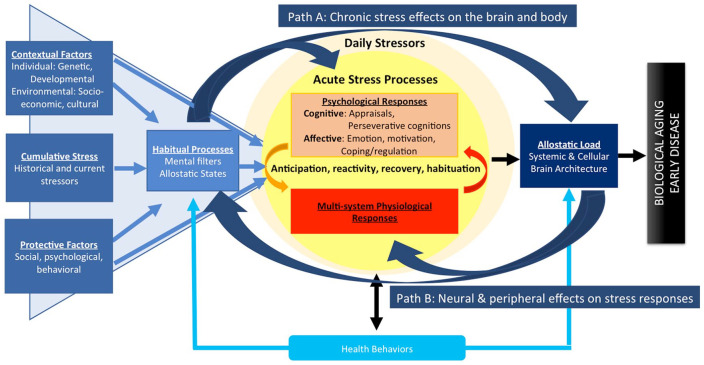
“32 In this study, we propose that stress exposures, such as ACEs that occur during a critical period in human development, may alter down-stream stress-response mechanisms (Figure 5).”
BackgroundElrafie, N. S. S., Hassan, G. F., Fayoumi, M. A. E., & Ismail, A. (2023) · Ain Shams Engineering Journal · doi:10.1016/j.asej.2023.102116 · Cited by 31
Contribution of EEG Signals for Students’ Stress Detection
Fernandez, J., Martínez, R., Innocenti, B., & López, B. (2024) · IEEE Transactions on Affective Computing · doi:10.1109/taffc.2024.3503995 · Cited by 30
“Traditional methods rely on manual examinations by health professionals, which are time-consuming and expensive [4].”
Hearn, J. H., & Stocker, C. J. (2022) · BMC Psychology · doi:10.1186/s40359-022-00754-3 · Cited by 31
“Salivary cortisol Cortisol was identified as the appropriate biomarker of stress in this study using the method described by Crosswell and Lockwood [30].”
MethodBenham, G. (2021) · Stress and Health · doi:10.1002/smi.3055 · Cited by 28
Improving and Expanding Research on Burnout and Stress in the Academy
Pate, A. N., Reed, B. N., Cain, J. J., & Schlesselman, L. S. (2022) · American Journal of Pharmaceutical Education · doi:10.5688/ajpe8907 · Cited by 28
“Stress, even among researchers in the field, is now seen as too nebulous of a term to be used when referring to such a variety of things.(42) To combat this, researchers have defined a stress typology including considerations for timing, life stage, stressor attributes and responses, and the time frame for measurement…”
BackgroundThe Effect of Teachers’ Unions on Teacher Stress: Evidence from District-Teacher Matched Data
Han, E. S., & García, E. (2022) · Labor Studies Journal · doi:10.1177/0160449x221134549 · Cited by 25
“For instance, self-assessment of stress can be done through one survey question about stress by evaluating several situations potentially conducive of stress, or by observing respondents’ reactions to stressful events (Allen & Van Der Velden, 2005; Crosswell & Lockwood, 2020; WHO, 2020).”
BackgroundHuynh, R., Peters, C. I., Zafar, S., & Peters, O. A. (2023) · European Journal Of Oral Sciences · doi:10.1111/eos.12941 · Cited by 25
Kappen, M., Vanhollebeke, G., Donckt, J. V. D., Hoecke, S. V., & Vanderhasselt, M. (2024) · Scientific Reports · doi:10.1038/s41598-024-55550-3 · Cited by 25
Patel, I., & Dev, A. (2023) · Women s Health · doi:10.1177/17455057231191091 · Cited by 24
Conley, C. S., Gonzales, C. H., Huguenel, B. M., Rauch, A. A., Kahrilas, I. J., Duffecy, J. L., & Silton, R. L. (2024) · Mindfulness · doi:10.1007/s12671-024-02398-3 · Cited by 25
“…a primary focus on stress might instead use the longer PSS-14 version (Cohen et al., 1983) and/or evaluate stress in a more theory-driven manner to help advance our understanding of mechanistic pathways that facilitate the reduction of stress and wellbeing outcomes (Crosswell & Lockwood, 2020).”
Zawadzki, M. J., Hussain, M. R., & Kho, C. (2021) · Stress and Health · doi:10.1002/smi.3098 · Cited by 23
The unique contribution of gendered racial stress to depressive symptoms among pregnant Black women
Clarke, L. S., Riley, H. E. M., Corwin, E. J., Dunlop, A. L., & HOGUE, C. J. R. (2022) · Women s Health · doi:10.1177/17455057221104657 · Cited by 24
Fan, X., Ning, K., Ma, T. S. W., Aung, Y., Tun, H. M., Zaw, P. P. T., Flores, F. P., Chow, M. S. C., Leung, C. M. C., Lun, P., et al. (2024) · The Lancet Regional Health - Southeast Asia · doi:10.1016/j.lansea.2024.100396 · Cited by 23
“29 The impact of the con fl ict and COVID-19 were each assessed using a single-item measure asking if participants were stressed by the political environment and risk of SARS-CoV-2 infection, respectively.”
MethodPsychological Stress and Urticaria: Pathophysiologic and Therapeutic Updates
Xiang, Y., Türk, M., Chérrez-Ojeda, I., Komi, D. E. A., Salman, A., & Kocatürk, E. (2024) · Current Treatment Options in Allergy · doi:10.1007/s40521-024-00375-8 · Cited by 23
“The cognitive, emotional, and biological reactions triggered by stressful events are known as stress responses [31].”
Measuring the Stress of Moving Homes: Evidence from the New Zealand Integrated Data Infrastructure
Cheung, K. S., & Wong, D. (2022) · Urban Science · doi:10.3390/urbansci6040075 · Cited by 22
Peek, R., Moore, L. J., & Arnold, R. (2023) · Medical Education · doi:10.1111/medu.15155 · Cited by 22
“65 Future research could also usefully explore whether challenge and threat appraisals in anticipation of clinical emergencies are amenable to intervention (e.g. arousal reappraisal).”
BackgroundManigault, A. W., Kuhlman, K. R., Irwin, M. R., Cole, S. W., Ganz, P. A., Crespi, C. M., & Bower, J. E. (2021) · Brain, Behavior, and Immunity · doi:10.1016/j.bbi.2021.03.004 · Cited by 23
Trudel‐Fitzgerald, C., & Ouellet‐Morin, I. (2022) · Psychoneuroendocrinology · doi:10.1016/j.psyneuen.2022.105874 · Cited by 22
Rubeis, V. D., González, A., Tarride, J., Griffith, L. E., & Anderson, L. N. (2023) · International Journal of Epidemiology · doi:10.1093/ije/dyad054 · Cited by 22
“Future research may consider using other objective or subjective tools to measure indicators of stress, as this may be alleviate measurement error or biases associated with the allostatic load measure used in our study.(50) Assessment of nutrition and allostatic load were taken relatively close to when the obesity mea…”
MethodMessineo, L., & Tosto, C. (2024) · Frontiers in Psychology · doi:10.3389/fpsyg.2023.1330789 · Cited by 21
Christensen, S. M., Varney, C., Gupta, V., Wenz, L., & Bays, H. E. (2022) · Obesity Pillars · doi:10.1016/j.obpill.2022.100041 · Cited by 20
Biochemical Mechanisms of Cellular Stress Adaptation in the Pathogenesis of Chronic Diseases
Lemanowicz, J., Kloska, S. M., Siwik-Ziomek, A., Kołaczyk, P., Lipińska, U. W., & Kłoska, A. (2026) · Molecules · doi:10.3390/molecules31091381 · Cited by 19
“In parallel with therapeutic research, the concept of utilizing cellular stress biomarkers for the diagnosis and monitoring of chronic diseases is rapidly developing [197–199].”
Ortiz, R., Kershaw, K. N., Zhao, S., Kline, D., Brock, G. N., Jaffee, S. R., Golden, S. H., Ogedegbe, G. G., Carroll, J., Seeman, T. E., et al. (2024) · Circulation Cardiovascular Quality and Outcomes · doi:10.1161/circoutcomes.122.009794 · Cited by 19
“Further, the duration of exposure to a stressor can dictate its impact on associated health outcomes, 27 as may especially be the case for exposures to adversity in early life.”
BackgroundValidity of mental and physical stress models
Hendry, E., McCallister, B., Elman, D. J., Freeman, R. L., Borsook, D., & Elman, I. (2024) · Neuroscience & Biobehavioral Reviews · doi:10.1016/j.neubiorev.2024.105566 · Cited by 19
Siepe, B. S., Tutunji, R., Rieble, C., Proppert, R. K. K., & Fried, E. I. (2025) · Journal of Psychopathology and Clinical Science · doi:10.1037/abn0001013 · Cited by 20
Medical students’ crisis-induced stress and the association with social support
Broks, V. M. A., Stegers‐Jager, K. M., van der Waal, J., van den Broek, W. W., & Woltman, A. M. (2022) · PLoS ONE · doi:10.1371/journal.pone.0278577 · Cited by 20
“As recently described, this questionnaire is appropriate to measure stress responses [37], and 152”
BackgroundStoop, J. M., Geensen, R., Adam, S. C., van Dam, K. A. M., Dessel, E. V., Dolmans-Zwartjes, A. C. P., Heijmans, M., Jongen, A. C. H. M., Kaijser, M. A., ten Kate, C. A., et al. (2025) · British journal of surgery · doi:10.1093/bjs/znaf124 · Cited by 18
“With the flash-mob design, the length of the questionnaire had to be brief and thus the PSS-10 was used despite the limitation of lacking validation of the Dutch translated version 29 .”
InfluentialBürgin, D., Clemens, V., Varghese, N., Eckert, A., Huber, M., Bruttin, E., Boonmann, C., Unternäehrer, E., O’Donovan, A., & Schmid, M. (2022) · Brain Behavior & Immunity - Health · doi:10.1016/j.bbih.2022.100524 · Cited by 18
Proeschold‐Bell, R. J., Eagle, D. E., Tice, L. C., Yao, J., Rash, J. A., Choi, J. Y., Stringfield, B., & Labrecque, S. M. (2023) · Journal of Religion and Health · doi:10.1007/s10943-023-01848-x · Cited by 17
“Per best practice recommendations for psychosocial intervention trials (Crosswell & Lockwood, 2020), we included both self-report and biomarker measures, specifically measuring stress and anxiety symptoms and heart rate variability (HRV).”
MethodRadtke, M. D., Steinberg, F. M., & Scherr, R. E. (2023) · Advances in Nutrition · doi:10.1016/j.advnut.2023.10.004 · Cited by 17
“The implementation of the Adverse Childhood Experiences Survey is used as a measure of stress and FI during childhood [121], although this assessment only provides a glimpse into the severity and duration of stress across the lifespan [122].”
MethodDu, Y., Guan, Y., Thome, K., & Dong, J. (2024) · Integrative Cancer Therapies · doi:10.1177/15347354241269898 · Cited by 17
“31,32 Previous studies have shown that music therapy can reduce anxiety, fear, pain, depression, and improve sleep quality.”
BackgroundNielsen, V. L., & Nielsen, H. Ø. (2024) · International Journal of Social Welfare · doi:10.1111/ijsw.12663 · Cited by 17
Kawałek, A. G. (2023) · Liverpool Law Review · doi:10.1007/s10991-023-09329-7 · Cited by 16
Bates, R. A., & Dynia, J. M. (2023) · Psychology in the Schools · doi:10.1002/pits.23118 · Cited by 16
Stress Inoculation in Police Officers Using Virtual Reality: A Controlled Study
Gamito, P. S., Oliveira, J., da Silva, J. V. L., Rosa, J. B., Mendes, M. L., Dias, R., Dias, F., Mansuklal, S. A., Cartaxo, J., António, H., et al. (2024) · Cyberpsychology Behavior and Social Networking · doi:10.1089/cyber.2023.0385 · Cited by 16
“24,25 The use of noninvasive devices for physiological measurements provided valuable insights into acute stress responses during VR exposure, surpassing the limitations of self-report measures and resource-intensive biochemical assessments.”
Measurement of stress-induced sympathetic nervous activity using multi-wavelength PPG
Udhayakumar, R. K., Rahman, S., Buxi, D., Macefield, V. G., Dawood, T., Mellor, N. E., & Karmakar, C. K. (2023) · Royal Society Open Science · doi:10.1098/rsos.221382 · Cited by 16
“Coupled with understanding the person’s exposure and appraisal of stress, evidence-based stress management and psychological interventions can be developed at scale [1,4].”
BackgroundHerttuainen, A., & Nordquist, H. (2023) · INQUIRY The Journal of Health Care Organization Provision and Financing · doi:10.1177/00469580231210706 · Cited by 16
Páscoa, R., Teixeira, A., Monteiro, H. J., Prazeres, F., & Martins, C. (2022) · BMC Public Health · doi:10.1186/s12889-022-14640-5 · Cited by 15
“a) A healthy diet was considered whenever the participant concomitantly ate two to three main meals per day, two to six portions of fruit per day, two or more portions of legumes or salads per day, and had a moderate consumption of alcohol (defined below) [21–23] b) Regular physical activity was defined as walking or…”
Barber, K. E., Zainal, N. H., & Newman, M. G. (2023) · Journal of Affective Disorders · doi:10.1016/j.jad.2023.01.041 · Cited by 15
Active Engagement with Virtual Reality Reduces Stress and Increases Positive Emotions
Kim, I., Azimi, E., Kazanzides, P., & Huang, C. (2023) · Proceedings - International Symposium on Mixed and Augmented Reality, ISMAR · doi:10.1109/ismar59233.2023.00067 · Cited by 15
“However, we note that other, non-negative states, such as feeling excited, experiencing something new, and exercising also lead to biological changes ( e.g., increased heart rate and blood pressure) that are similar to those triggered by negative stressors [19].”
BackgroundAbdalla, T., Singh, G. K., Roudbaneh, S. P., Serwaa, D., & Peate, M. (2025) · JNCI Journal of the National Cancer Institute · doi:10.1093/jnci/djaf153 · Cited by 15
Clay, J. M., Fontana, B. D., Proserpio, C., Fernandez, E. J., Pagliarini, E., Lopes, F. D. C., López‐Moreno, J. A., Canales, J. J., Loyant, L., Doron, R., et al. (2022) · Addiction Research & Theory · doi:10.1080/16066359.2022.2099543 · Cited by 15
“One explanation for this discrepancy may be that the physiological and psychological effects of acute vs. chronic stress differ (Stephens and Wand 2012; Crosswell and Lockwood 2020).”
BackgroundLevinson, A. L., Igonina, T. N., Rozhkova, I. N., Brusentsev, E. Y., & Amstislavsky, S. Y. (2022) · Vavilov Journal of Genetics and Breeding · doi:10.18699/vjgb-22-53 · Cited by 16
Lin, C. Y., Shepley, M. M., & Ong, A. D. (2024) · HERD Health Environments Research & Design Journal · doi:10.1177/19375867241276297 · Cited by 14
“Salivary cortisol testing provides a universal and quanti fi able measurement of stress (Cohen et al., 1983; Crosswell & Lockwood, 2020) and provides a concrete biomarker separate from subjective perception and a method that avoids con fl icts with construct validity and experimenter effects (Rodiek,…”
Jovičić-Bata, J., Sazdanić-Velikić, D., Ševo, M., Milanović, M., Tubić, T., Bijelović, M., Milošević, N., & Milić, N. (2025) · Cancers · doi:10.3390/cancers17050864 · Cited by 14
“Patients who experienced chronic stress, traumatic life events, daily hassles, and/or acute stress [9,30] within the last five years were identified as exposed to stress.”
Jui, S. J. J., Deo, R. C., Acharya, U. R., Barua, P. D., Soar, J., & Devi, A. (2025) · Biomedical Signal Processing and Control · doi:10.1016/j.bspc.2025.109208 · Cited by 14
van Doorn, M., Nijhuis, L. A., Monsanto, A., van Amelsvoort, T., Popma, A., Jaspers, M., Noordzij, M. L., Öry, F. G., Álvarez‐Jiménez, M., & Nieman, D. H. (2022) · Frontiers in Psychiatry · doi:10.3389/fpsyt.2022.871813 · Cited by 14
“It is questionable whether a single survey item, prompted twice a day, can accurately encapsulate a multifaceted concept like stress (68).”
BackgroundDuplessis-Marcotte, F., Lapointe, R., LUPIEN, S. J., & Marin, M. (2023) · Psychoneuroendocrinology · doi:10.1016/j.psyneuen.2023.106051 · Cited by 14
“These operationalization inconsistencies in the current literature overlook the multifactorial nature of stress and hinder proper conclusions about the impact of stress on alcohol use (Crosswell and Lockwood, 2020; Epel et al., 2018).”
BackgroundThe psychological impact of the COVID-19 pandemic on people with multiple sclerosis
Văcăraș, V., Nistor, C., Schiopu, A. M., Văcăraș, C., Marin, G.-E., & Muresanu, D. F. (2023) · Multiple Sclerosis and Related Disorders · doi:10.1016/j.msard.2023.104825 · Cited by 14
Badrasawi, T., Nazzal, Z. A. S., Massad, N., Salameh, E., & Ibdah, A. (2024) · Heliyon · doi:10.1016/j.heliyon.2024.e32034 · Cited by 15
“Several assessment tools for measuring stress are available; the Perceived Stress Scale (PSS) stands out as a commonly employed tool, offering a quick and effective means of screening [12].”
Biocultural Strategies for Measuring Psychosocial Stress Outcomes in Field-based Research
Brewis, A., Piperata, B. A., Dengah, H. J. F., Dressler, W. W., Liebert, M. A., Mattison, S. M., Negrón, R., Nelson, R., Oths, K. S., Snodgrass, J. G., et al. (2021) · Field Methods · doi:10.1177/1525822x211043027 · Cited by 14
“This means they can illuminate biological pathways through which psychosocial stress influences human health (Crosswell and Lockwood 2020; Dressler 2004; Worthman and Costello 2009).”
BackgroundLarsen, F. B., Lasgaard, M., Willert, M. V., & Sørensen, J. B. (2023) · PLoS ONE · doi:10.1371/journal.pone.0290410 · Cited by 13
Guevarra, D. A., Louis, C. C., Gloe, L. M., Block, S. R., Kashy, D. A., Klump, K. L., & Moser, J. S. (2022) · Psychoneuroendocrinology · doi:10.1016/j.psyneuen.2022.105958 · Cited by 13
“Future studies may benefit from using a more comprehensive measure of daily stress that distinguishes stressors that tend to be associated with different affective symptoms (Crosswell and Lockwood, 2020).”
BackgroundOccupational psychosocial exposures and chronic low-back pain: a systematic review and meta-analysis
Jahn, A., Andersen, J. H., Seidler, A., Christiansen, D. H., & Dalbøge, A. (2024) · Scandinavian Journal of Work Environment & Health · doi:10.5271/sjweh.4165 · Cited by 15
“Addressing this complexity of behavior and resilience is essential but imposes high methodological demands (50).”
BackgroundSerial Mediation Model of Social Capital Effects over Academic Stress in University Students
Torres, M. E. C., Vargas-Piérola, P. M., Pinto, C. F., & Alvarado, R. (2022) · European Journal of Investigation in Health Psychology and Education · doi:10.3390/ejihpe12110115 · Cited by 13
Meurs, J., Rossi, A. M., Perrewé, P., & Kolinski, M. (2022) · Health Psychology Report · doi:10.5114/hpr/153968 · Cited by 12
“Acute stressors could arise from a variety of experiences, such as the loss of a job, an automobile accident, or a mis-hap in the workplace, and research has linked acute stress reactivity to poorer physical health (Crosswell & Lockwood, 2020).”
BackgroundMethodHoveling, L. A., Liefbroer, A. C., Bültmann, U., & Smidt, N. (2022) · BMC Public Health · doi:10.1186/s12889-022-12684-1 · Cited by 12
“Some studies have used the presence of each individual domain of perceived stress, others the sum of stress experienced, and yet others have grouped the perceived stress domains into different thematic categories [6].”
BackgroundWearable derived cardiovascular responses to stressors in free-living conditions
Presby, D. M., Jasinski, S. R., & Capodilupo, E. R. (2023) · PLoS ONE · doi:10.1371/journal.pone.0285332 · Cited by 12
“The number of stressful events, the degree to which someone responds to a stressful event, and the time it takes to recover from a stressful event have been found to be associated with mortality and poor mental and physical health [3, 4].”
BackgroundSchmalbach, B., Ernst, M., Brähler, E., & Petrowski, K. (2025) · Frontiers in Psychology · doi:10.3389/fpsyg.2024.1479701 · Cited by 12
Grace, S. C., Mejia, J. M., Rapert, M. I., & Thyroff, A. (2021) · Marketing Education Review · doi:10.1080/10528008.2021.1944812 · Cited by 12
Clay, J. M., Baker, K. A., Mezabrovschi, R., Berti, G., Shields, G. S., Slavich, G. M., Stafford, L. D., & Parker, M. O. (2023) · Journal of Psychiatric Research · doi:10.1016/j.jpsychires.2023.06.020 · Cited by 11
“The STRAIN has excellent concurrent, discriminant, and incremental validity (Cazassa et al., 2020; Slavich and Shields, 2018; Sturmbauer et al., 2019) and is considered as a ‘gold standard’ assessment (Crosswell and Lockwood, 2020).”
BackgroundSocial and psychological factors of marital conflicts in the conditions of war
Vashchenko, O. (2024) · Bulletin of Postgraduate education (Social and Behavioral Sciences Series Psychological economics public administration) · doi:10.58442/2522-9931-2024-28(57)-27-43 · Cited by 11
Lakaev, N. (2022) · SAGE Open · doi:10.1177/21582440221102440 · Cited by 11
“…the development of a robust, valid, and wide-reaching screening tool that targeted academic stress specifically, so that researchers, clinicians, and educators alike, would be able to understand and better support students (Barker et al., 2018; Crosswell & Lockwood, 2020; Pascoe et al., 2019).”
BackgroundMethodInfluentialPike, N. M., & Floyd, R. G. (2024) · Journal of School Psychology · doi:10.1016/j.jsp.2024.101351 · Cited by 11
SONIC: Synergizing Vision Foundation Models for Stress Recognition from ECG Signals
Phukan, O. C., Das, A., Buduru, A. B., & Sharma, R. K. (2024) · European Signal Processing Conference (EUSIPCO) · doi:10.23919/eusipco63174.2024.10715268 · Cited by 11
Keresztes, M., Delaney, C., & Byrd‐Bredbenner, C. (2022) · International Journal of Environmental Research and Public Health · doi:10.3390/ijerph192113855 · Cited by 11
D’Silva, A., Marshall, D. A., Vallance, J. K., Nasser, Y., Rajagopalan, V., MacKean, G., & Raman, M. (2022) · BMJ Open · doi:10.1136/bmjopen-2021-059604 · Cited by 11
Violence and Psychosocial Stress: A 10-Year Time Trend Analysis
dos Santos, A. T., Soares, F. C., Lima, R. A., dos Santos, S. J., Silva, C. R. D. M., Bezerra, J., & de Barros, M. V. G. (2021) · Journal of Affective Disorders · doi:10.1016/j.jad.2021.08.011 · Cited by 10
Metadata
- Authors
- Crosswell, A. D., & Lockwood, K. G.
- Affiliations
- University of California, San Francisco (US)
- Corresponding author
- Crosswell, Alexandra D
- Venue
- Health Psychology Open
- Publisher
- SAGE Publications
- Published
- 2020-07
- Volume
- 7
- Issue
- 2
- Pages
- 2055102920933072-2055102920933072
- ISSN
- 2055-1029 (ISSN-L)
- PMC
- PMC7359652
- OpenAlex
- W3041136889
- Cited by
- 372
- References
- 88
- Citations by year
- 2026: 66 · 2025: 67 · 2024: 81 · 2023: 78 · 2022: 50 · 2021: 28 · 2020: 2
- FWCI
- 22.09
- Type
- journal article
- Language
- en
- Open access
- gold
- doi.org
- Licence
- Locations
- Health Psychology Open (publishedVersion, cc-by-nc)
- PubMed Central (publishedVersion, cc-by-nc)
- PubMed (publishedVersion)
- eScholarship (California Digital Library) (submittedVersion, cc-by-nc)
- DOAJ (DOAJ: Directory of Open Access Journals) (submittedVersion, cc-by-sa)
- Funders
- National Institute on Aging (K01AG057859, R24AG048024)
- Topics
- Life Sciences › Neuroscience › Behavioral Neuroscience › Stress Responses and Cortisol
- Social Sciences › Decision Sciences › Management Science and Operations Research › Psychometric Methodologies and Testing
- Social Sciences › Psychology › Clinical Psychology › Health and Well-being Studies
- Keywords
- psychological stress measurement, stress exposure, stress response, physiological stress indicators, stress dimensions
About these checks
Registry, retraction, Cites and statistics results are computed, not judged, with one exception: a printed reference that no index lists is read once by a model before it counts as a citation error. Claims are extracted by a model and kept only when their quote appears verbatim in the text; each cited source is then checked, with a model’s help, for whether it says what the claim relies on. Those verdicts can be wrong — read the claim’s quote and the cited source before relying on one.
Statistics and arithmetic are recomputed, not judged.
Confidence bands are shown only for fields calibrated on our annotated test set. None is calibrated yet, so no band is shown.
What counts as a claim ›How we measure confidence ›How we check this ›
Are you an author, or do you see a problem with this page? Request a review
Data sources
Bibliographic data: Semantic Scholar, OpenAlex, Crossref.
Contains information from the Semantic Scholar Academic Graph Datasets, made available under the ODC Attribution License (ODC-BY 1.0).
Semantic Scholar’s data is described in: Kinney, R., et al. (2023). The Semantic Scholar Open Data Platform. arXiv:2301.10140.
