

Best practices for stress measurement: How to measure psychological stress in health research
Open accessThe DOI matches its Crossref record; 88 of the 88 references it cites were found in a registry or an index.
Abstract
Despite the strong evidence linking psychological stress to disease risk, health researchers often fail to include psychological stress in models of health. One reason for this is the incorrect perception that the construct of psychological stress is too vague and broad to accurately measure. This article describes best practices in stress measurement, detailing which dimensions of stressor exposures and stress responses to capture, and how. We describe when to use psychological versus physiological indicators of stress. It is crucial that researchers across disciplines utilize the latest methods for measuring and describing psychological stress in order to build a cumulative science.
Overview
The claims and statistics of this paper haven’t been checked yet.
Free: it reads the open-access text and checks the first 5 claims that cite a source we can check. Create a free account to check every claim.
Integrity signals
Registry
Cites
Statistics
Figures
Verification
Claims the paper makes
The claims and statistics of this paper haven’t been checked yet.
Free: it reads the open-access text and checks the first 5 claims that cite a source we can check. Create a free account to check every claim.
Self-check
Percentages, sums and reported differences re-computed from the paper’s own numbers.
The self-check needs the paper’s full text.
Citations
Cites
A Global Measure of Perceived Stress
Cohen, S., Kamarck, T., & Mermelstein, R. (1983) · Journal of Health and Social Behavior · doi:10.2307/2136404 · Cited by 32,807 · cited 1×
“One of the simplest ways to measure stress responses is through self-reports of perceived stress related to a specific stressor or to one’s life circumstances (Cohen et al., 1983).”
BackgroundFelitti, V. J., Anda, R. F., Nordenberg, D., Williamson, D. F., Spitz, A. M., Edwards, V., Koss, M. P., & Marks, J. S. (1998) · American Journal of Preventive Medicine · doi:10.1016/s0749-3797(98)00017-8 · Cited by 18,943 · cited 2×
“…abuse, living with an alcoholdependent adult, witnessing violence) was positively associated in a graded relationship with the presence of ischemic heart disease, cancer, chronic lung disease, skeletal fractures, and liver disease, after controlling for demographic factors (Felitti et al., 1998).”
BackgroundJob Demands, Job Decision Latitude, and Mental Strain: Implications for Job Redesign
Karasek, R. A. (1979) · Administrative Science Quarterly · doi:10.2307/2392498 · Cited by 12,597 · cited 1×
“One of the most widely studied models of work stress is job strain, which is a combination of high demands (workload and intensity) and low control (Karasek, 1979).”
BackgroundImmunity, Inflammation, and Cancer
Grivennikov, S. I., Greten, F. R., & Karin, M. (2010) · Cell · doi:10.1016/j.cell.2010.01.025 · Cited by 10,755 · cited 1×
“The top three leading causes of death in the United States—cardiovascular disease, cancer, and chronic lower respiratory disease—all share the common thread of being characterized by elevated chronic inflammation (Aghasafari et al., 2019; Golia et al., 2014; Grivennikov et al., 2010).”
BackgroundChild abuse: Adolescent records vs. adult recall
Femina, D. D., Yeager, C. A., & Lewis, D. O. (1990) · Child Abuse & Neglect · doi:10.1016/0145-2134(90)90033-p · Cited by 8,820
Ecological momentary assessment
Shiffman, S., Stone, A. A., & Hufford, M. R. (2008) · Annual Review of Clinical Psychology · doi:10.1146/annurev.clinpsy.3.022806.091415 · Cited by 6,454
Kirschbaum, C., Pirke, K.-M., & Hellhammer, D. H. (2008) · Neuropsychobiology · doi:10.1159/000119004 · Cited by 6,093 · cited 3×
“Cortisol can be used as an example of variability in physiological stress responses Cortisol generally increases in response to laboratory-based acute stress tasks if they are uncontrollable and characterized by social-evaluative threat (Dickerson and Kemeny, 2004), such as the TSST described earlier (Kirschbaum et al…”
BackgroundMethodLoneliness and Social Isolation as Risk Factors for Mortality: A Meta-Analytic Review
Holt-Lunstad, J., Smith, T. B., Baker, M., Harris, T., & Stephenson, D. (2015) · Perspectives on Psychological Science · doi:10.1177/1745691614568352 · Cited by 6,043
Dickerson, S. S., & Kemeny, M. E. (2004) · Psychological Bulletin · doi:10.1037/0033-2909.130.3.355 · Cited by 5,881 · cited 3×
“This is even true for what is often termed the “stress hormone,” cortisol—not all cortisol increases are triggered by increases in psychological stress responses, nor does every experience that people perceive as “stressful” cause cortisol to rise (Dickerson and Kemeny, 2004).”
BackgroundStress, adaptation, and disease. Allostasis and allostatic load
McEWEN, B. S. (1998) · Annals of the New York Academy of Sciences · doi:10.1111/j.1749-6632.1998.tb09546.x · Cited by 5,092 · cited 4×
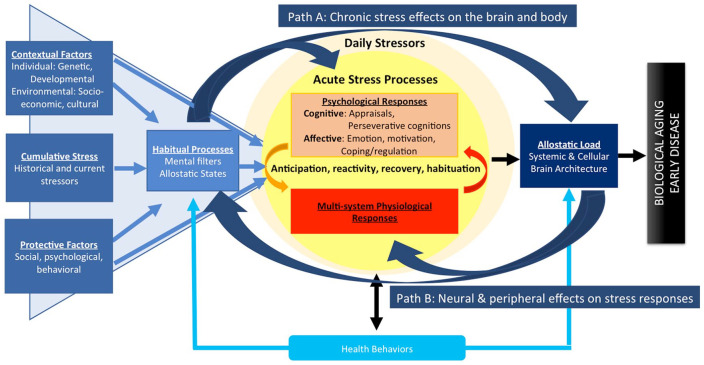
“In the long term, however, frequent and repeated mobilization of these resources wears down these response systems and maladaptive patterns appear (McEwen, 1998).”
BackgroundInfluential
Research works printed but not linked: 3
- Boyce WT (2015) Epigenomics and the unheralded convergence of the biological and social sciences. In: Kaplan R Spittel M David DH (eds) Population Health: Behavioral and Social Science Insights. Rockville, MD: Agency for Healthcare Research and Quality and Office of Behavioral and Social Sciences Research, National Institutes of Health, pp. 219– 232.
- McEwen BS (2015) The brain on stress: How behavior and the social environment “get under the skin.” In: Kaplan R Spittel M David DH (eds) Population Health: Behavioral and Social Science Insights. Rockville, MD: Agency for Healthcare Research and Quality and Office of Behavioral and Social Sciences Research, National Institutes of Health, pp. 233– 250.
- Selye H (1956) The Stress of Life. New York: McGraw-Hill.
Cited by
Items 101–200 of 504
Chronic Fatigue in Cancer Survivorship: Psychiatry Versus Oncology or Psychiatry with Oncology?
Kafetzopoulos, V., Pittaka, M., Ioannidis, G., & Moniem, I. (2025) · Current Oncology Reports · doi:10.1007/s11912-025-01697-9 · Cited by 11
van den Berg, M. K. N., Karahanoğlu, A., Noordzij, M. L., Maeckelberghe, E. L. M., & Ludden, G. (2025) · Interacting with Computers · doi:10.1093/iwc/iwaf036 · Cited by 10
Simic, M. R., Porter, J. E., Peck, B., & Mesagno, C. (2023) · Journal of Emergency Nursing · doi:10.1016/j.jen.2023.11.011 · Cited by 10
Maternal Postpartum Work Resumption Stress: Questionnaire Development and Validation
Okorn, A., van Hooff, M. L. M., Cillessen, A. H. N., & Beijers, R. (2024) · Assessment · doi:10.1177/10731911241246607 · Cited by 10
“…emotions and cognitions instigated by a stressful stimulus (e.g., the transition back to work after maternity leave) are part of a stress response (Crosswell & Lockwood, 2020), experiencing many of above mentioned negative (and few of positive) thoughts and emotions related to returning to work…”
Specific challenges of researching stress in the context of quiet political repression
Marheinecke, R., Winter, A.-C., Strauss, B. M., & Engert, V. (2024) · Comprehensive Psychoneuroendocrinology · doi:10.1016/j.cpnec.2024.100248 · Cited by 10
“In the following sections we shortly outline the most frequently employed measurement methods within each of these response levels, also touching on their limitations specifically in the context of studying the sequelae of quiet repression for a more detailed account, see [25,34].”
MethodEpstein, R., Aceret, J., Giordani, C., Zankich, V. R., & Zhang, L. (2024) · Scientific Reports · doi:10.1038/s41598-024-68328-4 · Cited by 10
“Levels of stress can also be measured 78–83 , and so can stress-management proficiency 17,18,21,24,27,28,30,84–87 .”
BackgroundRyan, N., O’Mahony, S. M., Leahy‐Warren, P., Philpott, L. F., & Mulcahy, H. (2025) · PLoS ONE · doi:10.1371/journal.pone.0318237 · Cited by 10
“Despite these efforts, there is caution, as no specific biomarker for stress exists due to variability within individuals and other factors influencing hormones and cytokines [107].”
InfluentialHealth neuroscience 2.0: integration with social, cognitive and affective neuroscience
Inagaki, T. K. (2020) · Social Cognitive and Affective Neuroscience · doi:10.1093/scan/nsaa123 · Cited by 11
Gordon, J. S., Sbarra, D. A., Armin, J. S., Pace, T. W. W., Gniady, C., & Barraza, Y. (2021) · JMIR Formative Research · doi:10.2196/32353 · Cited by 10
“Cortisol is a hormone commonly measured as a biomarker of stress [8].”
BackgroundImproving the Language Specificity of Stress in Psychological and Population Health Science
Crosswell, A. D., Epel, E. S., Mendes, W. B., & Prather, A. A. (2022) · Psychosomatic Medicine · doi:10.1097/psy.0000000000001090 · Cited by 10
Self-citationDevelopment of stress resistance (on an example of athletes’ training)
Kozhan, A., Yerkinbekova, M., Omarova, S., Turniyazova, Z., & Давлетова, А. А. (2023) · Retos · doi:10.47197/retos.v51.100302 · Cited by 9
“The term "stress" is a generic term referring to experiences in which the environmental requirements of a situation outweigh the supposed psychological and physiological capacity of a person to deal effectively with it (Crosswell & Lockwood, 2020).”
BackgroundDicker‐Oren, S. D., Gelkopf, M., & Greene, T. (2024) · Stress and Health · doi:10.1002/smi.3402 · Cited by 9
“…in retrospective recall, as people tend to remember distinct events more readily than aggregate responses and checklists (Bolger et al., 2003; Crosswell & Lockwood, 2020; Genet & Siemer, 2012; Heron et al., 2022), with some people overestimating or under-estimating the number of stressors…”
Sensorimotor Simulation’s Influence on Stress: EEG and Autonomic Responses in Digital Interviews
Balconi, M., Angioletti, L., & Rovelli, K. (2024) · Brain Sciences · doi:10.3390/brainsci14060608 · Cited by 9
“A possible reason for this lack of effect could be that behavioral measures do not always reflect healthy samples’ performance [58] or the subthreshold stress management mechanisms with the same sensitivity as neuroscientific measures.”
BackgroundChildress, S., Shrestha, N., Russ, S. A., Feinberg, M. E., Berge, J. M., Lewin, A. B., Roy, K. M., Perez‐Brena, N. J., & Halfon, N. (2024) · Families in Society The Journal of Contemporary Social Services · doi:10.1177/10443894241278382 · Cited by 9
“The environmental factors impact the coping resources of the immigrant, leading to either reduced stress levels (given adequate resources and supports) or greater mental health issues such as depression and anxiety (Crosswell & Lockwood, 2020).”
Singh, A., Kumar, A., Singh, K., & Kumar, S. (2025) · Lecture notes in computer science · doi:10.1007/978-3-031-87657-8_4 · Cited by 9
Umm-e-Asma, Shahin, F., Shah, M. A., Abbas, K. J., Ramzan, H., Asif, I., Nija, D. E., Younas, E., & Bilal, A. (2024) · African Journal of Biomedical Research · doi:10.53555/ajbr.v27i1.7551 · Cited by 9
Taouk, L. H., Schulkin, J. A., & Gunthert, K. C. (2021) · Anxiety Stress & Coping · doi:10.1080/10615806.2021.1967937 · Cited by 9
“…stress indices were selected to distinguish perceptual, discrete, and population-relevant dimensions of stress, given that these are key components in stress measurement (Crosswell & Lockwood, 2020) and are found to be differentially associated with pregnancy outcomes (e.g., Roesch et al., 2004).”
BackgroundOrtiz, R., Zhao, S., Kline, D., Brock, G. N., Carroll, J., Seeman, T. E., Jaffee, S. R., Berger, J. S., Golden, S. H., Carnethon, M. R., et al. (2022) · Psychoneuroendocrinology · doi:10.1016/j.psyneuen.2022.106008 · Cited by 10
Multiple sequential mediation model of the effect of Social Capital Investment on Academic Stress
Torres, M. E. C., Vargas-Piérola, P. M., Pinto, C. F., & Alvarado, R. (2023) · International Journal of Educational Research Open · doi:10.1016/j.ijedro.2023.100259 · Cited by 9
Sim, A., McNeilage, A. G., Gholamrezaei, A., Rebbeck, T., & Ashton-James, C. (2024) · BMJ Open · doi:10.1136/bmjopen-2024-085778 · Cited by 8
LeBlanc, V. R., Mastoras, G., Hicks, C. M., Aucoin, P., O’Rielly, C. M., Petrosoniak, A., & Tavares, W. (2025) · Medical Education · doi:10.1111/medu.15629 · Cited by 8
Cuchet, I., Maneval, A., & Dambrun, M. (2025) · Scientific Reports · doi:10.1038/s41598-025-00776-y · Cited by 8
“This deeper understanding of the nature of stressors faced by PC professionals will aid in developing targeted interventions to enhance stress resilience 21 .”
Izagirre, N. I., Palmer, R., Schulz, A., Agostinho, M. R., Canaipa, R., de Lima-Araujo, G. L., Maeda, S., Millon, E. M., Plans, D., Treister, R., et al. (2025) · Neuroscience & Biobehavioral Reviews · doi:10.1016/j.neubiorev.2025.106454 · Cited by 8
Svendsen, K., Nes, L. S., Leithe, S., Meland, A., Gjelsvik, Y. M., Børøsund, E., Larsson, I. M., Myklebust, T. Å., Balto, A., Rygg, C. M., et al. (2025) · Scientific Reports · doi:10.1038/s41598-025-22889-0 · Cited by 8
Pacheco, S. I. G., Petrova, D., Garrido, D., Catena, A., Pérez-Esparza, B. M., Torralba, C., Vozmediano, J. R., García‐Pérez, J., Sánchez, M., & García‐Retamero, R. (2025) · Health Psychology Review · doi:10.1080/17437199.2025.2590491 · Cited by 8
“…⸺ objetively identifiable experiences generally recognized as challenges to an individual’s coping capacity ⸺ and (2) subjective perception of stress, which captures the individual’s appraisals of such events and their sense of overload (Cohen et al., 2007; Crosswell & Lockwood, 2020).”
The Role of Chronic Stress in the Pathogenesis of Ischemic Heart Disease in Women
Cairns, M., Marais, E., Joseph, D. E., & Essop, M. F. (2025) · Comprehensive physiology · doi:10.1002/cph4.70000 · Cited by 8
“…stress experienced by an individual can be measured using three primary methods—self-reporting (i.e., the Perceived Stress Scale); behavioral coding (i.e., the Trier Social Stress Test); and physiological markers (i.e., heart rate variability [HRV] and cortisol; Crosswell and Lockwood 2020).”
Kim, S. J., Karayeva, E., Negrete, M. A., Bendinskas, K. G., Winn, R. A., & Matthews, A. K. (2025) · Psychoneuroendocrinology · doi:10.1016/j.psyneuen.2025.107478 · Cited by 8
“While the relationship between stress and physical and mental health has been widely examined, measuring the social-biological pathways of stress has been limited (Crosswell and Lockwood, 2020).”
Randomized controlled trial of the Marriage Checkup: Stress outcomes
Leth-Nissen, A. B., Fentz, H. N., Trillingsgaard, T., & Stadler, G. (2022) · Journal of Marital and Family Therapy · doi:10.1111/jmft.12620 · Cited by 8
“The PSS is considered the best practice for measuring psychological stress (Crosswell & Lockwood, 2020), and it has been validated across varieties of cultures and populations in the past four decades (see, e.g., Juárez ‐ García et al., 2021, for an overview).”
Suen, Y. N., Crystal, L. C. Y., Cheung, C., Hui, C. L. M., Stephanie, W. M. Y., Michael, W. T. H., Chan, S. K. W., Edwin, L. H. M., & Chen, E. Y. H. (2023) · International Journal of Social Psychiatry · doi:10.1177/00207640231152691 · Cited by 8
“…and mental wellbeing, it is also possible that the changes in the relationships are due to the overreporting of mental health issues among those whose mental state was highly stressed out by the adversity and presented with poorer resilience (Crosswell & Lockwood, 2020; Kagan, 2016).”
BackgroundNewton, S. (2022) · Construction Innovation · doi:10.1108/ci-02-2022-0040 · Cited by 8
Topală, I., Necșoi, D.-V., Cazan, A., & Stan, M. M. (2025) · Frontiers in Psychology · doi:10.3389/fpsyg.2025.1556824 · Cited by 7
Nath, N., Kalatzis, A., & Stanley, L. (2023) · Lecture notes in computer science · doi:10.1007/978-3-031-48041-6_38 · Cited by 7
Hesselmans, S., Meiland, F. J. M., Adam, E., van de Cruijs, E., Vonk, A., van Oost, F., Dillen, D., de Vries, S., Riegen, E., Smits, R., et al. (2023) · Disability and Rehabilitation Assistive Technology · doi:10.1080/17483107.2023.2287161 · Cited by 8
“Stressors can be defined as stimuli that are perceived as a disbalance between the demands of the stressor and the resources of the individual, needed to meet those demands [21].”
Platt, J., & Hammond, L. E. (2024) · Advances in Mental Health · doi:10.1080/18387357.2024.2374759 · Cited by 7
“Further to the above, outcome selection (particularly of self-report methods) in stress measurement requires careful consideration of population characteristics and circum-stances, and the mechanisms of stress in those contexts (Crosswell & Lockwood, 2020).”
InfluentialTechnology's Role in Fostering Therapist-Client Collaboration and Engagement with Goals
Oewel, B., Azizan, N., Areán, P. A., & Agapie, E. (2024) · Proceedings of the ACM on Human-Computer Interaction · doi:10.1145/3687055 · Cited by 7
“However, self-reporting of perceived stress [34] regularly can be burdensome [10], people can avoid monitoring negative feelings [110], and need to report mood during a short time frame from the stressor exposure to avoid errors [36].”
Fernandez, J. R., Ishino, F. A. M., Williams, F., Slopen, N. B., & Forde, A. T. (2022) · Journal of the American Heart Association · doi:10.1161/jaha.121.024594 · Cited by 7
Kalesnikava, V. A., Clarke, P. J., Mukherjee, B., Sen, S., & Mezuk, B. R. (2022) · Psychosomatic Medicine · doi:10.1097/psy.0000000000001112 · Cited by 7
“Item responses were recorded on a 5-point Likert scale ranging from never (0) to very often (4) (Cronbach α = .”
BackgroundInfluentialPascual‐Ramos, V., Contreras-Yáñez, I., Cuevas-Montoya, M., Guaracha-Basáñez, G. A., García-Alanís, C. M., Rodríguez-Mayoral, O., & Chochinov, H. M. (2023) · PLoS ONE · doi:10.1371/journal.pone.0289315 · Cited by 7
“The mental health specialist involved in the study design also suggested this period based on published questionnaires related to emotional distress [40].”
Tin, T. T. (2024) · Pakistan Journal of Life and Social Sciences (PJLSS) · doi:10.57239/pjlss-2024-22.2.001163 · Cited by 7
Evaluation of olive oil effects on human stress response by measuring cerebral blood flow
Mitsukura, Y., Sumali, B., Nara, R., Watanabe, K., Inoue, M., Ishida, K., Nishiwaki, M., & Mimura, M. (2021) · Food Science & Nutrition · doi:10.1002/fsn3.2099 · Cited by 7
A Conceptual Framework for Designing Virtual Environments for Stress Therapy
Zaharuddin, F. A., Ibrahim, N., & Yusof, A. M. (2022) · Applied Sciences · doi:10.3390/app12199973 · Cited by 7
Zare, H., Ibe, C. A., Yang, M., Porter, G., Gaston, M. H., Jones, N., Jones, W., Rose, V. A., Balamani, M., Woods, D. L., et al. (2023) · Journal of General Internal Medicine · doi:10.1007/s11606-023-08288-z · Cited by 8
“23 The association between depression and many chronic diseases, including but not limited to hypertension, 24 obesity, 25 cardio-metabolic disorder syndrome, 26,27 and cardiovascular diseases (CVD), 28 can result in higher mortality rates and lower quality of life in AA women, especially those…”
BackgroundPulse Survey Approach: Immediate, Actionable Data to Promote Student Success
Biddix, J. P., Williams, A. N., Basso, S. C., Brown, M., & Kyne, K. (2023) · Journal of College Student Retention Research Theory & Practice · doi:10.1177/15210251231212386 · Cited by 6
“Mental health and well-being (Question 3) was assessed with a stress proxy (Schneiderman et al., 2005), using the life-stage format recommended by Crosswell and Lockwood (2020) with a question derived from the Perceived Stress Scale (PSS; Cohen & Williamson, 1988) similarly used in the ACHA-NCHA…”
Hu, Q., Tuluhong, M., & Han, P. (2024) · PsyCh Journal · doi:10.1002/pchj.769 · Cited by 6
“Thus, a multi-method and multi-dimensional assessment of stress is needed (Dorsey et al., 2022), including the types of stressors, their controllability and severity, and the duration of stress exposure (Crosswell & Lockwood, 2020).”
MethodFauver, M., Clark, E. M., & Schwartz, C. E. (2024) · Frontiers in Integrative Neuroscience · doi:10.3389/fnint.2024.1365672 · Cited by 6
“The Life Events and Difficulties Schedule (Brown and Harris, 1978/2001) and the Stress and Adversity Inventory are the two approaches recommended as current best practices for measuring stress in health research (Crosswell and Lockwood, 2020).”
MethodCampbell, M., Gromer, J., Khan, K., Sa, B., Lashley, P. M., Cohall, D., Chin, C. E., Pierre, R., Ojeh, N. O., Bharatha, A., et al. (2024) · Cambridge Prisms Global Mental Health · doi:10.1017/gmh.2024.83 · Cited by 6
“The PSS-10 is the most widely used self-report measure of stress in health research with substantial psychometric evidence supporting its use globally (Crosswell and Lockwood, 2020; Kogar and Kogar, 2023).”
Hart-Pomerantz, H., Roe, E., & Brunyé, T. T. (2024) · Journal of Cognitive Enhancement · doi:10.1007/s41465-024-00315-z · Cited by 6
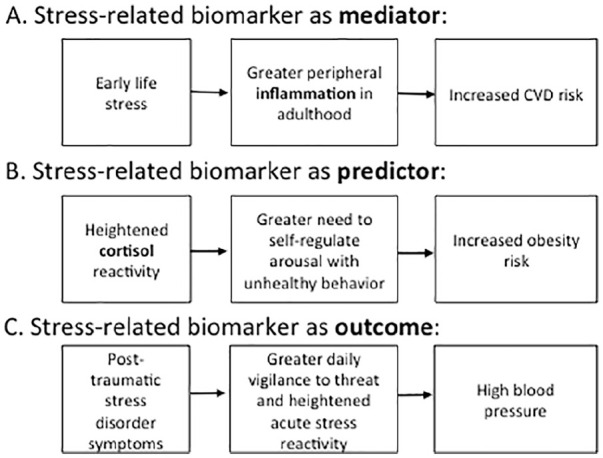
“Since there is not one stress-specific biomarker, simultaneous use of multiple stress-related biomarkers is recommended to most accurately measure stress responses (Baum et al., 1982; Crosswell & Lockwood, 2020).”
Seitz, M., & Steger, D. (2025) · Journal of Intelligence · doi:10.3390/jintelligence13020013 · Cited by 6
“Therefore, chronic stress goes beyond typical daily hassles, namely short-term, frustrating everyday transactions, and is typically associated with a constant lack of different physical and emotional demands, such as loneliness, discrimination, or financial strain (Crosswell and Lockwood 2020).”
Alraddadi, W. H., Al-Sulami, Y., Alsubhi, A. A., Almabouth, A. S., Aljahdali, E., & Sabbagh, H. J. (2025) · The Saudi Dental Journal · doi:10.1007/s44445-025-00020-3 · Cited by 6
“It could be due to the difficulties in measuring stress, which is mainly subjective and causes potential biases (Crosswell and Lockwood 2020).”
Cañete-Massé, C., Krieger, V., Peró, M., Amador, J. A., & Guàrdia‐Olmos, J. (2025) · Frontiers in Psychology · doi:10.3389/fpsyg.2025.1648070 · Cited by 6
Bischof, A. Y., Budig, T., Schläpfer, S., Lukic, Y. X., Schneider, F., Santhanam, P., Barth, J., Witt, C. M., & Kowatsch, T. (2025) · JMIR Serious Games · doi:10.2196/70297 · Cited by 6
“Chronic stress characterizes itself as a prolonged period of challenging or threatening life conditions that interfere with daily life and last for a longer period, that is, for a minimum of 1 month [4].”
Determinants and health consequences of modifiable sleep health disparities
Jackson, C. L. (2021) · Elsevier eBooks · doi:10.1016/b978-0-12-815501-1.00014-4 · Cited by 6
Sebastião, R., & Neto, D. D. (2024) · Journal of Contextual Behavioral Science · doi:10.1016/j.jcbs.2024.100736 · Cited by 8
Proeschold‐Bell, R. J., Eagle, D. E., Tice, L. C., Platt, A. C., Yao, J., Larkins, J. S., Kim, E. T., & Rash, J. A. (2024) · Translational Behavioral Medicine · doi:10.1093/tbm/ibae017 · Cited by 6
“The instructor discussed stress inoculation training and encouraged participants to embrace physical discomfort to learn to tolerate discomfort [20].”
Tin Trung, P. H. A. M., Pham, T. T., Le, C. N., Suwanbamrung, C., Hieu Trung, L. E., Nguyễn, T. T. T., Nam, T. T., Phan, K. H., Phan, M., Dewey, R. S., et al. (2023) · Archives of the Balkan Medical Union · doi:10.31688/abmu.2023.58.2.09 · Cited by 6
“The PSS-10 is divided into two subscales: (1) the helplessness subscale (items 1, 2, 3, 6, 9, and 10) which assesses an individual’s perception of their lack of control over their circumstances, emotions, and reactions; (2) the self-efficacy subscale (items 4, 5, 7, and 8) which measures the individual’s perception of…”
BackgroundMethodInfluentialLong-Term Effects of Child Early Surgical Ventricular Septal Defect Repair on Maternal Stress
Gerlach, J., Decker, E. S., Plank, A.-C., Mestermann, S., Purbojo, A., Cesnjevar, R. A., Kratz, O., & Eichler, A. (2023) · Children · doi:10.3390/children10121832 · Cited by 6
“Based on the insights of long-lasting research, there is consensus that a single stress-specific biomarker does not exist [52].”
BackgroundJin, Y., Bowers, B. J., Cotton, Q. D., & Ersig, A. L. (2023) · Journal of Clinical Nursing · doi:10.1111/jocn.16979 · Cited by 6
Steinert, J., Shukla, S., & Satish, R. V. (2024) · Child Abuse & Neglect · doi:10.1016/j.chiabu.2024.106779 · Cited by 6
Untapped resource: the simulation-based healthcare environment as a means to study human stress.
Vage, A., Spence, A. D., Gormley, G., McKeown, G. J., Murphy, P. G., & Hamilton, P. (2024) · PubMed Central · Cited by 6
Stress Response Analysis via Dynamic Entropy in EEG: Caregivers in View
Zavala-Yoé, R., Iqbal, H. M. N., Parra‐Saldívar, R., & Ramírez-Mendoza, R. A. (2023) · International Journal of Environmental Research and Public Health · doi:10.3390/ijerph20105913 · Cited by 5
“In [4], it is explained how to measure and distinguish psychological and physiological stress.”
BackgroundDoran, K., Witmer, S., Yoon, K. L., Fischer, E. R., Ebangwese, A., Sharma, S., Duggirala, G. S. C., & Chen, L. (2023) · International Journal of Older People Nursing · doi:10.1111/opn.12592 · Cited by 5
Krueger, A. M., Smith, K., Pollock, A., Schetter, C. D., & Mahrer, N. E. (2024) · OBM Integrative and Complementary Medicine · doi:10.21926/obm.icm.2402025 · Cited by 5
Stress, mental health, and resources of palliative care professionals
Cuchet, I., Maneval, A., & Dambrun, M. (2025) · Palliative & Supportive Care · doi:10.1017/s1478951524002050 · Cited by 5
Relational needs satisfaction scale: adaptation to the Bosnian language and psychometric testing
Başer, L. M., Sinanović, E., Draganović, S., & Žvelc, G. (2025) · Frontiers in Psychology · doi:10.3389/fpsyg.2025.1528926 · Cited by 5
Ongky, F. A., Kartiyoso, M. E., Gunawan, S. R. N., Dewi, A. L., & Engel, V. J. L. (2025) · Procedia Computer Science · doi:10.1016/j.procs.2025.08.294 · Cited by 5
Sedentary behavior and dimensions of stress: a scoping and mapping review
Chauntry, A. J., Teychenne, M. J., Tyne, W. P., Funnell, M. P., Hutson, M. J., Cooper, M. J., TERRY-EDMUNDS, J. M., Zieff, G., Diana, J. C., Romito, D., et al. (2026) · Mental health and physical activity · doi:10.1016/j.mhpa.2026.100759 · Cited by 5
Шаумян, О. Г., & Музика, О. (2024) · Перспективи та інновації науки · doi:10.52058/2786-4952-2024-1(35)-702-714 · Cited by 5
Pasek, M., Stoietskyi, M., Goździalska, A., & Jochymek, M. (2024) · Nursing Reports · doi:10.3390/nursrep14010034 · Cited by 5
“The results are converted into standardisation units determined using the Sten scale and mean: a score of 1–4: low stress; 5–6: moderate stress; and 7–10: high stress [19].”
MethodEser, H. Y., Ertuna, D., Yalçınay-İnan, M., Sabitay, I. K., Balli, M., Kilçiksiz, C. M., Küçüker, M. U., Kılıç, Ö., Ercan, A. C., Güçlü, O., et al. (2024) · Frontiers in Psychology · doi:10.3389/fpsyg.2024.1479845 · Cited by 5
Perceived Stress Associated Factors in Workers at a Public University
Gimenez, L. B. H., Fernandes, M. N. D. F., Esper, L. H., de Moraes, V. S., Zanetti, A. C. G., & Gherardi‐Donato, E. C. D. S. (2022) · Revista da Escola de Enfermagem da USP · doi:10.1590/1980-220x-reeusp-2022-0219en · Cited by 5
“Stress responses can progress to pathologies when situational environmental demands outweigh the individual’s perceived psychological and physiological ability to deal with it effectively(2,6).”
BackgroundThe effect of image fractal properties and its interaction with visual discomfort on gait kinematics
Burtan, D., Burn, J. F., Špehar, B., & Leonards, U. (2023) · Scientific Reports · doi:10.1038/s41598-023-42114-0 · Cited by 6
Olumide, O., Aderemi, T. D., Arikawe, A. P., Idowu, A. J., Olatunji-Bello, I. I., & Umoren, A. G. (2023) · Nigerian Journal of Physiological Sciences · doi:10.54548/njps.v38i1.9 · Cited by 5
“Stress is the body’s response to an environmental demand of conditions that outweighs an individual’s psychological and physical ability to cope effectively (Crosswell & Lockwood 2020).”
BackgroundDemina, A., Petit, B., Meille, V., Lebon, F., & Trojak, B. (2023) · PLoS ONE · doi:10.1371/journal.pone.0288692 · Cited by 5
“In this review we will focus on the stress responses defined as emotional and cognitive reactions to stressors or stressful events, these reactions having an impact on an a person’s health [21].”
BackgroundHaqqi, S. A., & Irfan, S. (2024) · Journal of Eating Disorders · doi:10.1186/s40337-023-00956-z · Cited by 5
“Crosswell and Lockwood [20] stated that the reliability of PSS has been investigated in multiple studies across different populations and the reliability ranges from 0.77 to 0.82. so far it is the most well-con-structed and thoroughly studied measure of perceived stress [20].”
BackgroundInfluentialDistinction of mental health between salesman and R&D in high-tech enterprise: a fNIRS study
Liu, Q., Cui, H., Yuan, P., Liu, J., Jin, Y. F., Xia, L., & Zhang, P. (2024) · Scientific Reports · doi:10.1038/s41598-024-74216-8 · Cited by 5
Lindsay, K. L., Mashayekh, J., Rodriguez, N., & Gyllenhammer, L. E. (2022) · Psychoneuroendocrinology · doi:10.1016/j.psyneuen.2022.105937 · Cited by 5
“Food intake acts to inhibit ghrelin secretion but also may activate the parasympathetic nervous system (D’Alessio et al., 2001) thereby moderating the physiological stress response.”
BackgroundRóg, J., Karakuła, M., Rząd, Z., Fitowska, A., Brzezińska, A., & Karakuła‐Juchnowicz, H. (2023) · Journal of Clinical Medicine · doi:10.3390/jcm12227093 · Cited by 5
“However, objective measurements of physiological processes allow us to detect subtle perturbations implicated in disease development [25].”
BackgroundProeschold-Bell, R. J., Eagle, D. E., Tice, L. C., Platt, A., Yao, J., Larkins, J. S., Kim, E. T., & Rash, J. A. (2023) · doi:10.1101/2023.01.24.23284965 · Cited by 5
Lifestyle medicine pillars for women's heart health
Geyer, C., McHugh, J., Wasfy, M. M., & Frates, B. (2025) · American Journal of Preventive Cardiology · doi:10.1016/j.ajpc.2025.101085 · Cited by 4
“There is a lack of consistency in how stress is measured in studies which affects the ability to quantify the impact of stress on cardiovascular health [110] The perceived stress scale (PSS) is the most widely used assessment of stress [113].”
Fijačko, N., Abella, B. S., Metličar, Š., Kopitar, L., Greif, R., Štiglic, G., Skok, P., & Strnad, M. (2025) · JMIR Serious Games · doi:10.2196/67623 · Cited by 5
“Over the past decade, new technology has improved our ability to track real-time stress levels using mobile phones and wearable devices [34].”
Dynamic Stress Detection: A Study of Temporal Progression Modelling of Stress in Speech
Lall, V., & Liu, Y. (2025) · IEEE International Conference on Cognitive Machine Intelligence (CogMI) · doi:10.1109/cogmi67134.2025.00023 · Cited by 4
“We also highlight a categorical distinction between chronic stress, which has been studied in the context of depression or long-term affective states [12], [13], and acute stress arising from immediate arousal or task-related stimuli [14].”
Gucciardi, D. F., Crane, M. F., Riddell, H., & Mansell, W. (2026) · Health Psychology Review · doi:10.1080/17437199.2026.2619026 · Cited by 4
“Across minutes to hours, characteristic recovery trajectories emerge in self-reported tension and affect, patterns of sustained effort or disengagement, and the rise and fall of hormonal responses (Chrousos, 2009; Crosswell & Lockwood, 2020; Shah et al., 2024; Tsigos & Chrousos, 2002).”
InfluentialShah, A., Hooshyar, D., & Tomberg, V. (2026) · ACM Transactions on Computing for Healthcare · doi:10.1145/3797877 · Cited by 5
“For example, a questionnaire might assess stress levels at a single point in time but fail to capture variations throughout the day or in response to specific triggers (Crosswell & Lockwood, 2020).”
Ciciurkaite, G., Lee, B., Peng, S., Fekete, M., Mitchell, C., & Perry, B. L. (2026) · PLoS ONE · doi:10.1371/journal.pone.0343987 · Cited by 4
“Typically, sources of stress have been categorized based on timescale and life stage of exposure [18,26,27].”
Do Females and Males Experience Occupational Stress Differently? Insights From a Meta-Analysis
Man, S. S., Fang, Y., Chen, Y., Liu, L., & Chan, A. H. S. (2026) · Safety and Health at Work · doi:10.1016/j.shaw.2026.03.003 · Cited by 4
“Likewise, psychological stress emerges when workers face external pressures that overwhelm their ability to maintain emotional stability, leading to tension, fatigue, and imbalance [16].”
The Emerging Roles of AI in Self-Directed Stress Management: Systematic Review
Reyes, M. K. G., Min, S. T. S., & Hartanto, A. (2026) · Journal of Medical Internet Research · doi:10.2196/90709 · Cited by 4
“Specifically, stress monitoring is based on measuring physiological changes and comparing them with baseline metrics [37-39].”
Khizhnyak, A., Myroshnichenko, V., & Kostenko, M. (2023) · Scientific Journal of National Pedagogical Dragomanov University Series 15 Scientific and pedagogical problems of physical culture (physical culture and sports) · doi:10.31392/npu-nc.series15.2023.03(161).35 · Cited by 4
Steffen, P. R. (2023) · Frontiers in Neuroergonomics · doi:10.3389/fnrgo.2023.1245946 · Cited by 4
Chakraborty, H., Vinay, A. V., Sindhu, R., & Sinha, R. (2025) · Applied Psychophysiology and Biofeedback · doi:10.1007/s10484-025-09710-4 · Cited by 4
Ibnian, D., Barba, A., Mojtahedi, S., Friesen, D., Oyoyo, U. E., & Kwon, S. R. (2025) · Journal of the California Dental Association · doi:10.1080/19424396.2025.2539525 · Cited by 4
Denninger, J. W., Joss, D., Romero, P. M., Khalsa, S. B. S., Hoge, E. A., Bhasin, M., Lazar, S. W., Dusek, J. A., Macklin, E. A., Libermann, T. A., et al. (2025) · Frontiers in Psychology · doi:10.3389/fpsyg.2025.1653242 · Cited by 4
Archuleta, A. J., Dajani, M. A., & Altranice, K. (2023) · Social Work in Mental Health · doi:10.1080/15332985.2023.2244625 · Cited by 4
Mousavi, M., Meknatkhah, S., Imani, A., Geramifar, P., & Riazi, G. H. (2023) · Scientific Reports · doi:10.1038/s41598-023-43721-7 · Cited by 4
Defining Practice Readiness in Pediatric Surgery Fellowship: A Qualitative Analysis
Spencer, B. L., Moreci, R., Weller, J. H., Evans, J., Modi, B. P., Gray, B. W., Ehrlich, P. F., Ladd, A. P., Lillehei, C. W., Alaish, S. M., et al. (2024) · Journal of surgical education · doi:10.1016/j.jsurg.2024.01.003 · Cited by 4
Predictive Modelling Of Stress Levels: A Comparative Analysis Of Machine Learning Algorithms
Sasane, A. P. S., & Mulla, Z. A. S. (2024) · Journal Of Advanced Zoology · doi:10.53555/jaz.v45is4.4172 · Cited by 4
Everett, K., Friend, M. M., Farnlacher, E., Hilliard, A., Nicodemus, M. C., Cavinder, C. A., Holtcamp, K., & Jousan, F. D. (2024) · Journal of Equine Veterinary Science · doi:10.1016/j.jevs.2024.105091 · Cited by 4
Largo-Wight, E., Kusomoto, H., Binder, M., Wludyka, P. S., & Hooper, S. L. (2024) · Ecopsychology · doi:10.1089/eco.2023.0073 · Cited by 4
“Future researchers should include other measures of stress-related variables, such as qualitative measures of stress and or physiological measures of physical stress and tension (Crosswell & Lockwood, 2020).”
Lai, V. S. K., & Fong, D. (2024) · BMC Complementary Medicine and Therapies · doi:10.1186/s12906-024-04636-6 · Cited by 4
“Stress-related biomarkers, for example cortisol, may be considered as the predictor, mediator or outcome in future studies for objectively measure of parental stress [27].”
BackgroundUddoh, M. E. I. (2025) · PLOS mental health. · doi:10.1371/journal.pmen.0000047 · Cited by 4
Metadata
- Authors
- Crosswell, A. D., & Lockwood, K. G.
- Affiliations
- University of California, San Francisco (US)
- Corresponding author
- Crosswell, Alexandra D
- Venue
- Health Psychology Open
- Publisher
- SAGE Publications
- Published
- 2020-07
- Volume
- 7
- Issue
- 2
- Pages
- 2055102920933072-2055102920933072
- ISSN
- 2055-1029 (ISSN-L)
- PMC
- PMC7359652
- OpenAlex
- W3041136889
- Cited by
- 372
- References
- 88
- Citations by year
- 2026: 66 · 2025: 67 · 2024: 81 · 2023: 78 · 2022: 50 · 2021: 28 · 2020: 2
- FWCI
- 22.09
- Type
- journal article
- Language
- en
- Open access
- gold
- doi.org
- Licence
- Locations
- Health Psychology Open (publishedVersion, cc-by-nc)
- PubMed Central (publishedVersion, cc-by-nc)
- PubMed (publishedVersion)
- eScholarship (California Digital Library) (submittedVersion, cc-by-nc)
- DOAJ (DOAJ: Directory of Open Access Journals) (submittedVersion, cc-by-sa)
- Funders
- National Institute on Aging (K01AG057859, R24AG048024)
- Topics
- Life Sciences › Neuroscience › Behavioral Neuroscience › Stress Responses and Cortisol
- Social Sciences › Decision Sciences › Management Science and Operations Research › Psychometric Methodologies and Testing
- Social Sciences › Psychology › Clinical Psychology › Health and Well-being Studies
- Keywords
- psychological stress measurement, stress exposure, stress response, physiological stress indicators, stress dimensions
About these checks
Registry, retraction, Cites and statistics results are computed, not judged, with one exception: a printed reference that no index lists is read once by a model before it counts as a citation error. Claims are extracted by a model and kept only when their quote appears verbatim in the text; each cited source is then checked, with a model’s help, for whether it says what the claim relies on. Those verdicts can be wrong — read the claim’s quote and the cited source before relying on one.
Statistics and arithmetic are recomputed, not judged.
Confidence bands are shown only for fields calibrated on our annotated test set. None is calibrated yet, so no band is shown.
What counts as a claim ›How we measure confidence ›How we check this ›
Are you an author, or do you see a problem with this page? Request a review
Data sources
Bibliographic data: Semantic Scholar, OpenAlex, Crossref.
Contains information from the Semantic Scholar Academic Graph Datasets, made available under the ODC Attribution License (ODC-BY 1.0).
Semantic Scholar’s data is described in: Kinney, R., et al. (2023). The Semantic Scholar Open Data Platform. arXiv:2301.10140.
