

Measures of outer setting constructs for implementation research: A systematic review and analysis of psychometric quality
Open accessThe DOI matches its Crossref record; 30 of the 30 references it cites were found in a registry or an index.
Abstract
Background: Despite their influence, outer setting barriers (e.g., policies, financing) are an infrequent focus of implementation research. The objective of this systematic review was to identify and assess the psychometric properties of measures of outer setting used in behavioral and mental health research. Methods: Data collection involved (a) search string generation, (b) title and abstract screening, (c) full-text review, (d) construct mapping, and (e) measure forward searches. Outer setting constructs were defined using the Consolidated Framework for Implementation Research (CFIR). The search strategy included four relevant constructs separately: (a) cosmopolitanism, (b) external policy and incentives, (c) patient needs and resources, and (d) peer pressure. Information was coded using nine psychometric criteria: (a) internal consistency, (b) convergent validity, (c) discriminant validity, (d) known-groups validity, (e) predictive validity, (f) concurrent validity, (g) structural validity, (h) responsiveness, and (i) norms. Frequencies were calculated to summarize the availability of psychometric information. Information quality was rated using a 5-point scale and a final median score was calculated for each measure. Results: Systematic searches yielded 20 measures: four measures of the general outer setting domain, seven of cosmopolitanism, four of external policy and incentives, four of patient needs and resources, and one measure of peer pressure. Most were subscales within full scales assessing implementation context. Typically, scales or subscales did not have any psychometric information available. Where information was available, the quality was most often rated as “1-minimal” or “2-adequate.” Conclusion: To our knowledge, this is the first systematic review to focus exclusively on measures of outer setting factors used in behavioral and mental health research and comprehensively assess a range of psychometric criteria. The results highlight the limited quantity and quality of measures at this level. Researchers should not assume “one size fits all” when measuring outer setting constructs. Some outer setting constructs may be more appropriately and efficiently assessed using objective indices or administrative data reflective of the system rather than the individual.
Overview
The claims and statistics of this paper haven’t been checked yet.
Free: it reads the open-access text and checks the first 5 claims that cite a source we can check. Create a free account to check every claim.
Integrity signals
Registry
Cites
Statistics
Figures
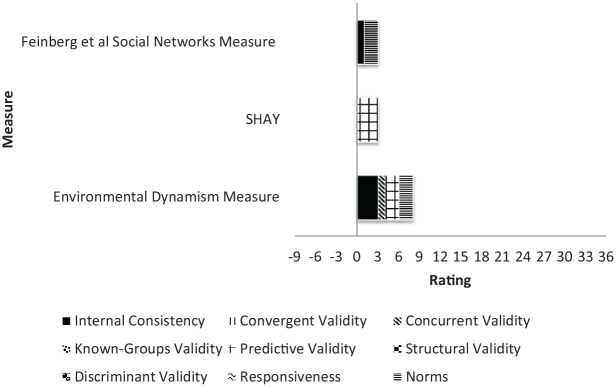
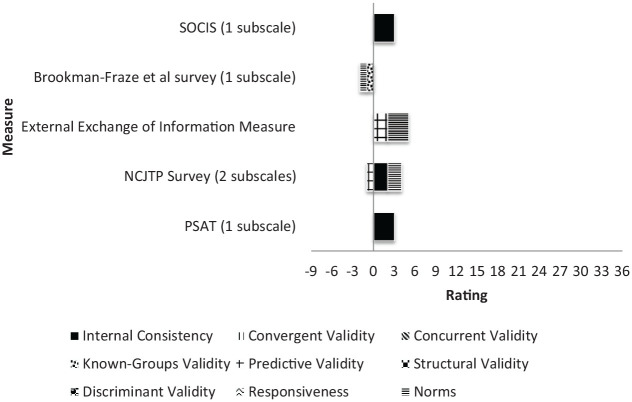
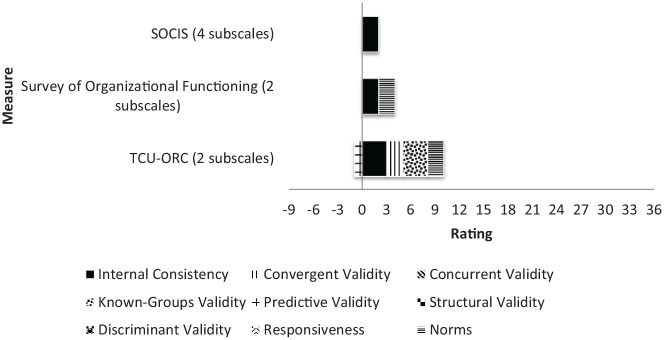
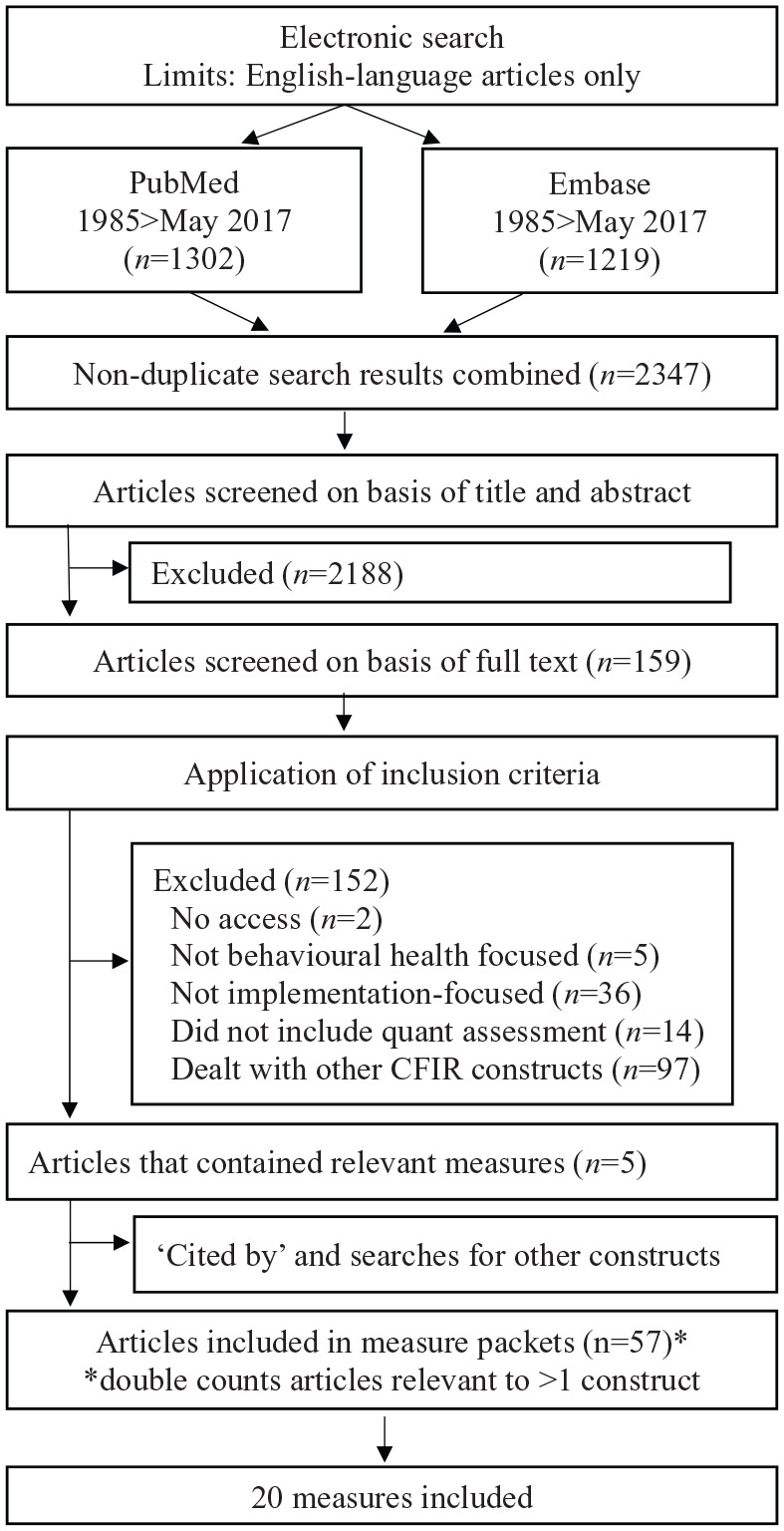
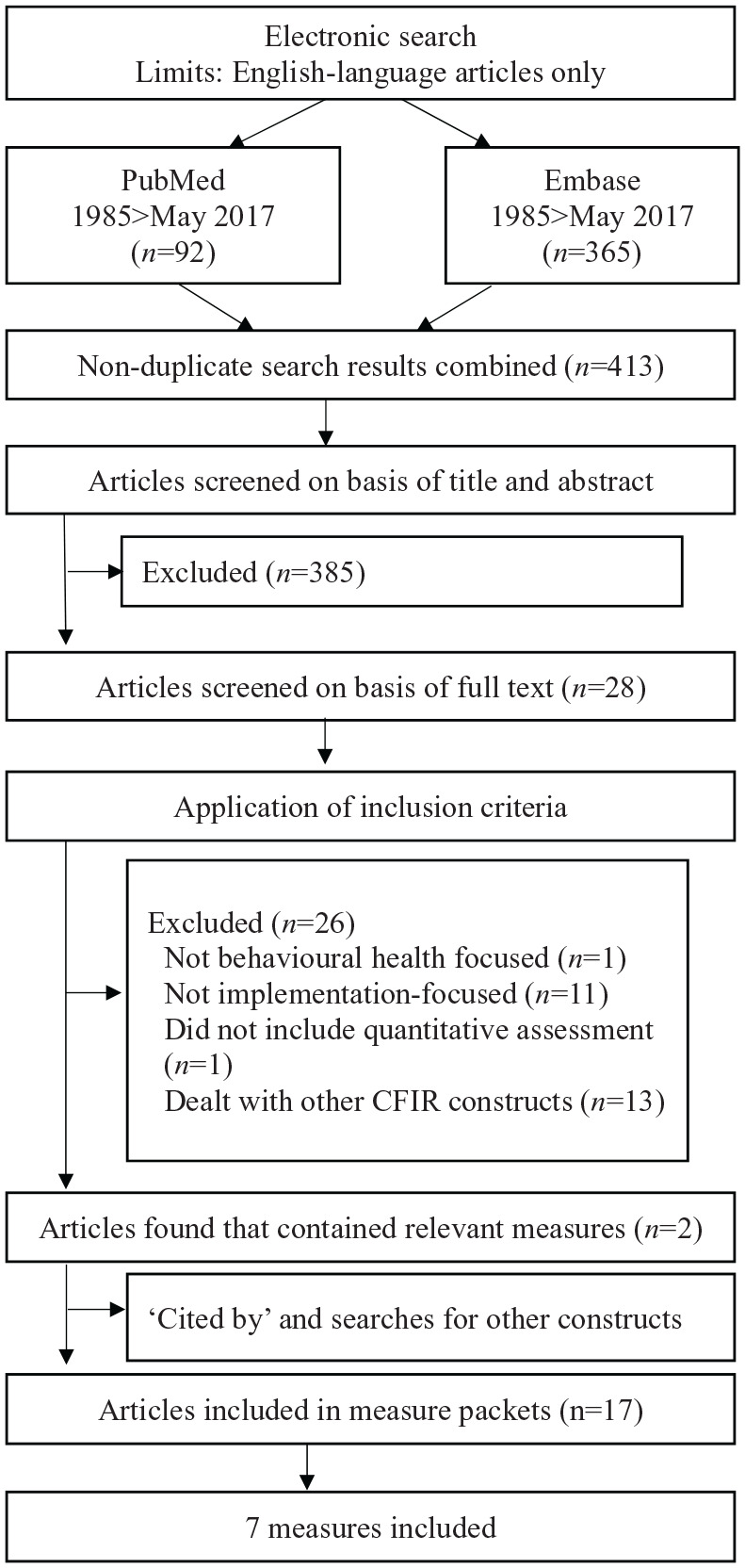
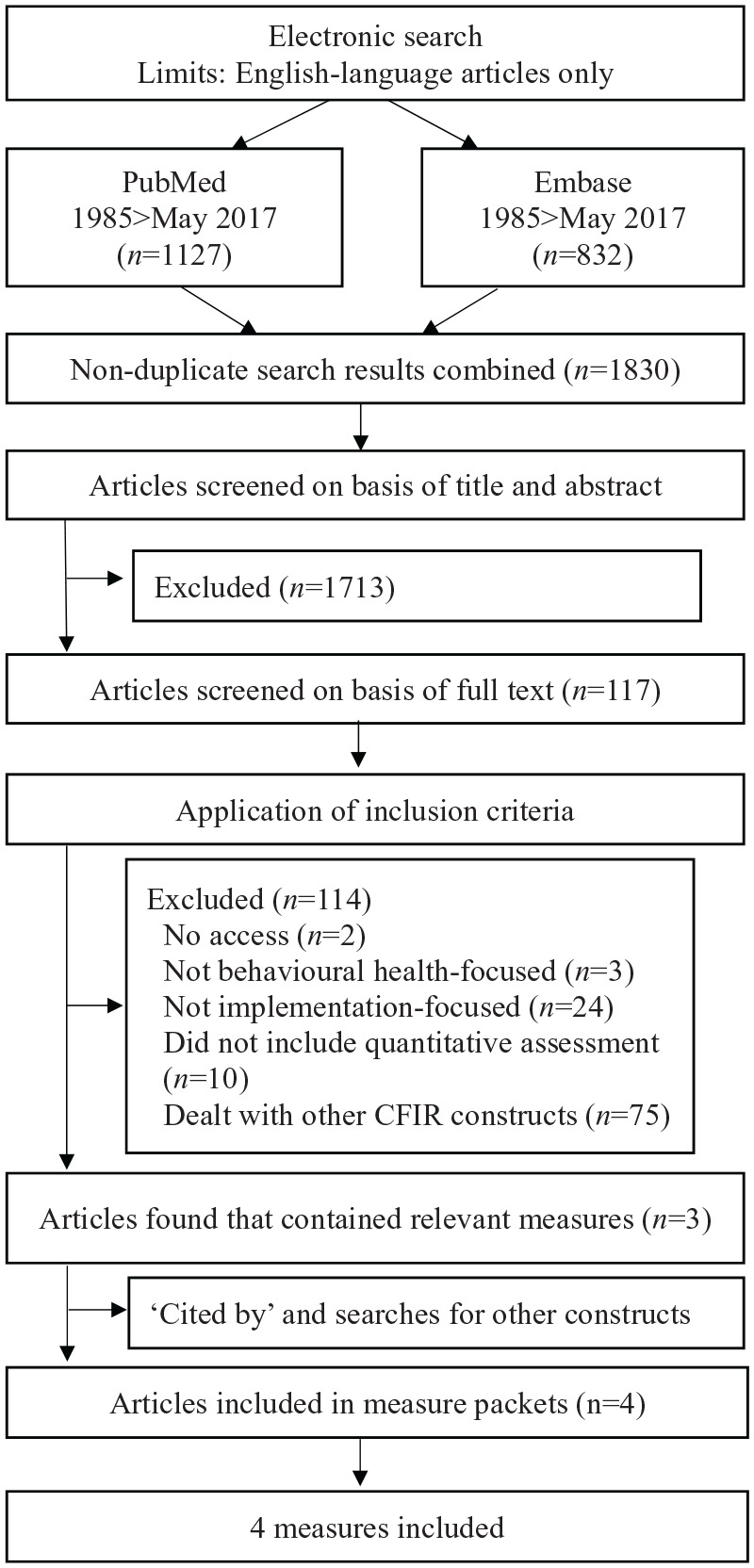
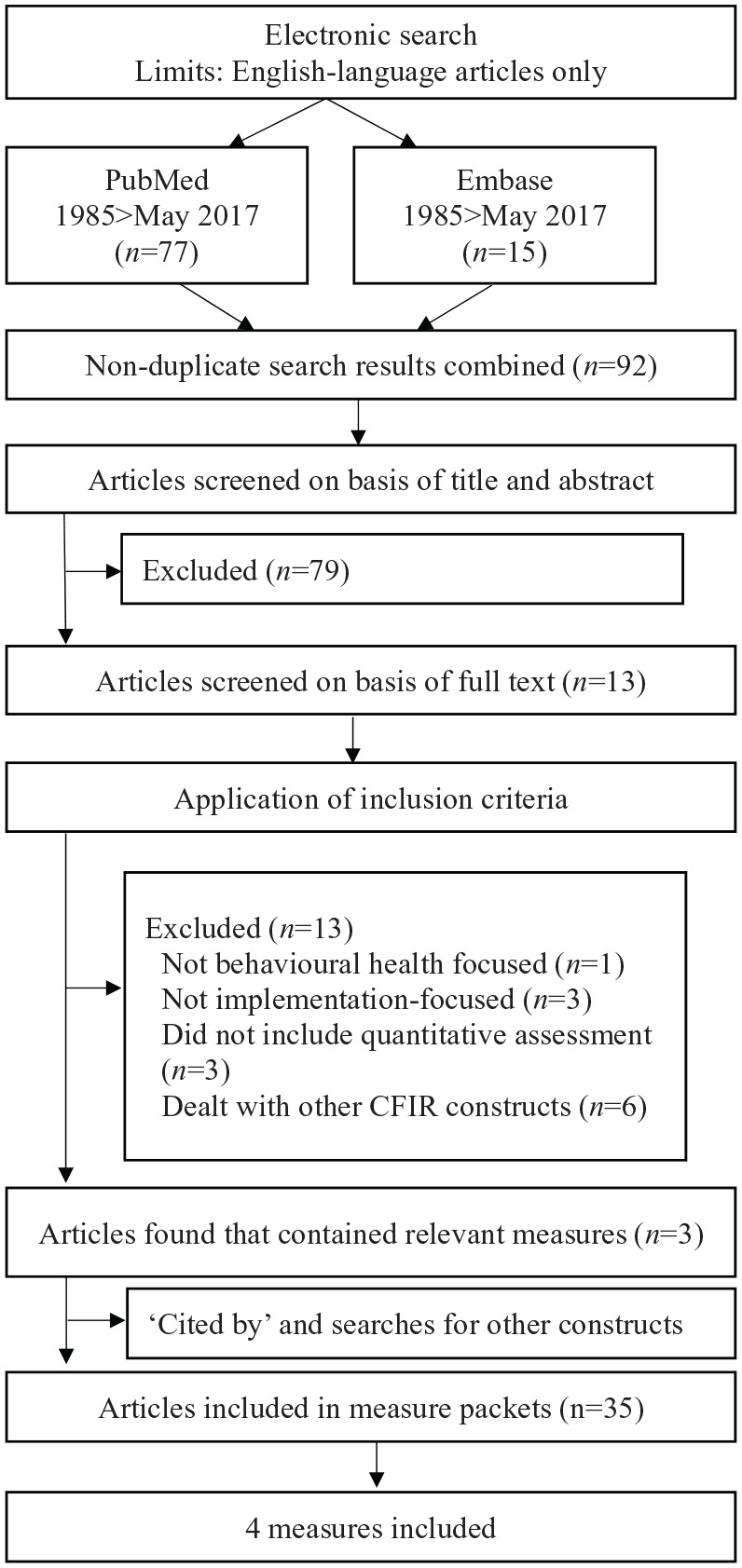
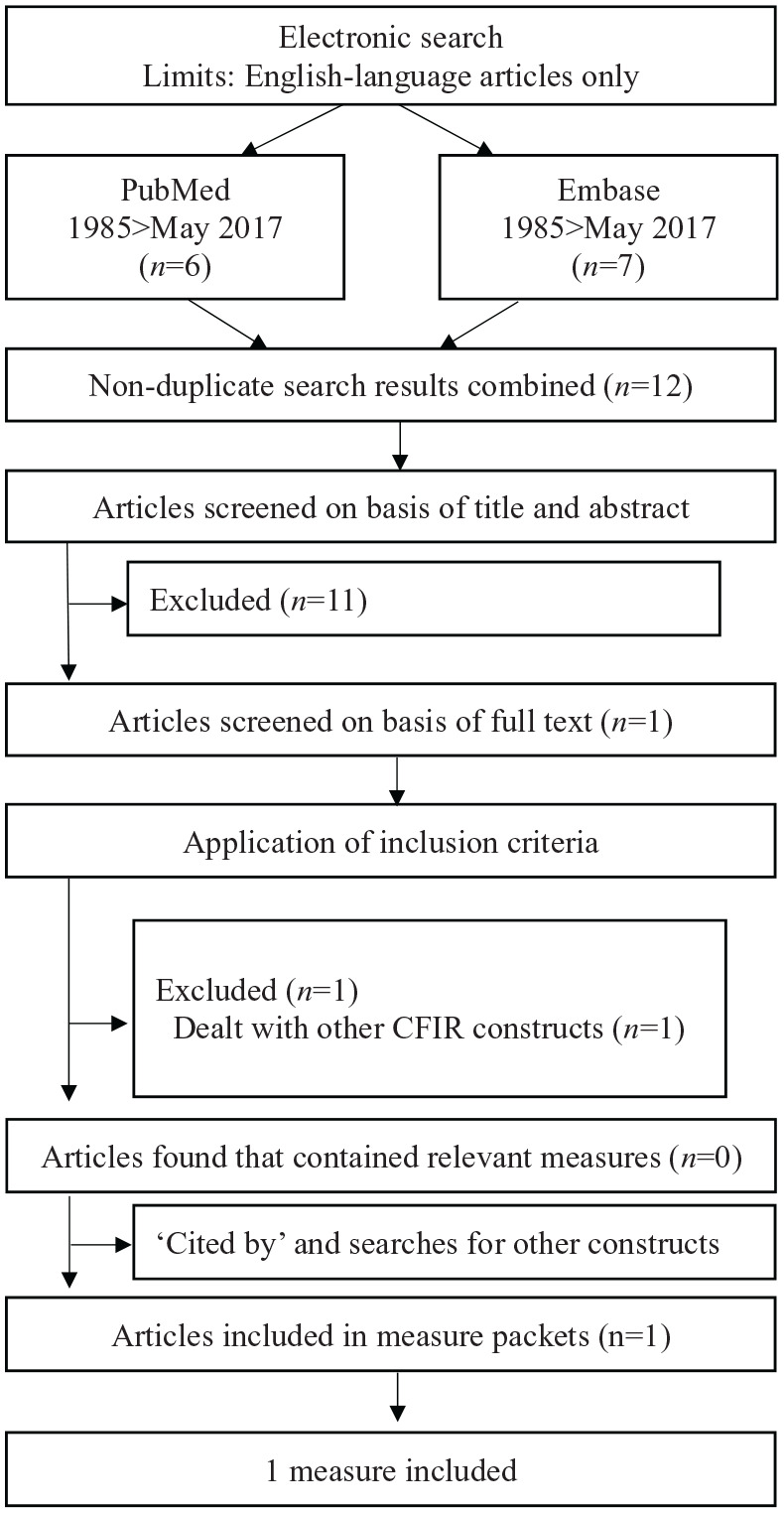
Verification
Claims the paper makes
The claims and statistics of this paper haven’t been checked yet.
Free: it reads the open-access text and checks the first 5 claims that cite a source we can check. Create a free account to check every claim.
Claims other papers make about this one
Each is checked against this paper’s own text: does it say what the citing paper says it does?
The cited source says what the claim attributes to it.
In the citing paper
“Systematic reviews of implementation context measures have been conducted, all of which have found significant gaps and signal the continued need for measure validation and development [89–95].”
From The updated consolidated framework for implementation research based on user feedback (2022) · cites this paper as [92]
Self-check
Percentages, sums and reported differences re-computed from the paper’s own numbers.
The self-check needs the paper’s full text.
Citations
Cites
Damschroder, L. J., Aron, D. C., Keith, R. E., Kirsh, S. R., Alexander, J. A., & Lowery, J. C. (2009) · Implementation Science · doi:10.1186/1748-5908-4-50 · Cited by 14,496 · cited 6×
“This systematic review is part of a larger project to identify measures of all implementation constructs associated with the CFIR (Damschroder et al., 2009), which are included in this special section.”
BackgroundMethodInfluentialAdvancing a Conceptual Model of Evidence-Based Practice Implementation in Public Service Sectors
Aarons, G. A., Hurlburt, M., & Horwitz, S. M. (2011) · Administration and Policy in Mental Health and Mental Health Services Research · doi:10.1007/s10488-010-0327-7 · Cited by 3,240 · cited 2×
“Most frameworks distinguish between contextual factors related to the organizational setting in which implementation is taking place and factors related to the wider environment in which the organization operates (Aarons et al., 2011; Damschroder et al., 2009; Feldstein & Glasgow, 2008).”
BackgroundMethodBridging Research and Practice
Tabak, R. G., Khoong, E. C., Chambers, D. A., & Brownson, R. C. (2012) · American Journal of Preventive Medicine · doi:10.1016/j.amepre.2012.05.024 · Cited by 1,386 · cited 1×
“There are a plethora of implementation models and frameworks that categorize context into groups of factors that are hypothesized to affect implementation outcomes (Tabak et al., 2012).”
BackgroundDissemination and Implementation Research in HealthTranslating Science to Practice
Brownson, R. C., Colditz, G. A., & Proctor, E. K. (2012) · doi:10.1093/acprof:oso/9780199751877.001.0001 · Cited by 1,355
Feldstein, A. C., & Glasgow, R. E. (2008) · The Joint Commission Journal on Quality and Patient Safety · doi:10.1016/s1553-7250(08)34030-6 · Cited by 987 · cited 1×
“Most frameworks distinguish between contextual factors related to the organizational setting in which implementation is taking place and factors related to the wider environment in which the organization operates (Aarons et al., 2011; Damschroder et al., 2009; Feldstein & Glasgow, 2008).”
BackgroundAssessing organizational readiness for change
Lehman, W. E. K., Greener, J. M., & Simpson, D. D. (2002) · Journal of Substance Abuse Treatment · doi:10.1016/s0740-5472(02)00233-7 · Cited by 863 · cited 2×
“Note the median ratings of “3-good” for known-groups validity and “2-adequate” for convergent validity were based on two subscales within the Texas Christian University Organizational Readiness for Change (TCU-ORC) (Lehman et al., 2002).”
MethodChaudoir, S. R., Dugan, A. G., & Barr, C. H. (2013) · Implementation Science · doi:10.1186/1748-5908-8-22 · Cited by 800 · cited 10×
“Our results align with the findings from other reviews which examined measures of implementation determinants at multiple levels in general health (Chaudoir et al., 2013), public and community health (Clinton-McHarg et al., 2016), and state mental health systems (Chor et al., 2015) where outer…”
BackgroundResultInfluentialWeiner, B. J., Amick, H., & Lee, S.-Y. D. (2008) · Medical Care Research and Review · doi:10.1177/1077558708317802 · Cited by 786 · cited 2×
“A number of reviews have concentrated solely on the measurement of inner setting constructs (Emmons et al., 2012; French et al., 2009; Weiner et al., 2008).”
BackgroundKAPLAN, H. C., BRADY, P. W., DRITZ, M. C., HOOPER, D. K., LINAM, W. M., FROEHLE, C. M., & MARGOLIS, P. (2010) · Milbank Quarterly · doi:10.1111/j.1468-0009.2010.00611.x · Cited by 714 · cited 7×
“” There was inconsistent evidence of an association between these factors and QI success (Kaplan et al., 2010).”
BackgroundInfluentialPurtle, J., Peters, R., & Brownson, R. C. (2015) · Implementation Science · doi:10.1186/s13012-015-0367-1 · Cited by 446 · cited 1×
“This is perhaps not surprising as policy is understudied in implementation research, at least in the United States where less than 10% of dissemination and implementation research funded by the National Institutes of Health (NIH) between 2007 and 2014 focussed on policy (Purtle et al., 2015).”
BackgroundSelf-citation
Cited by
The updated consolidated framework for implementation research based on user feedback
Damschroder, L. J., Reardon, C. M., Widerquist, M. A. O., & Lowery, J. (2022) · Implementation Science · doi:10.1186/s13012-022-01245-0 · Cited by 4,452
Lengnick-Hall, R., Stadnick, N. A., Dickson, K. S., Moullin, J. C., & Aarons, G. A. (2021) · Implementation Science · doi:10.1186/s13012-021-01099-y · Cited by 119
“However, a recent review of measures of outer context constructs used in behavioral health research highlighted the limited quantitative investigation of system-level and policy influences both in terms of quantity and quality [64].”
BackgroundFour very basic ways to think about policy in implementation science
Purtle, J., Moucheraud, C., Yang, L. H., & Shelley, D. (2023) · Implementation Science Communications · doi:10.1186/s43058-023-00497-1 · Cited by 68
“Recent reviews have summarized measures of health policy implementation [8, 15, 16], synthesized evidence on policymaker-focused dissemination strategies [9], and identified priorities for methodological innovation in policy implementation research [10].”
BackgroundSelf-citationMielke, J., Leppla, L., Valenta, S., Zullig, L. L., Zúñiga, F., Staudacher, S., Teynor, A., & Geest, S. D. (2022) · Implementation Science Communications · doi:10.1186/s43058-022-00354-7 · Cited by 56
Mielke, J., Brunkert, T., Zúñiga, F., Simon, M., Zullig, L. L., & Geest, S. D. (2022) · BMC Medical Research Methodology · doi:10.1186/s12874-022-01772-w · Cited by 57
“, Standards for Reporting implementation Studies (StaRI) [22, 23]) ambiguous regarding how contextual analysis to report [18, 24].”
BackgroundCharette, C., Déry, J., Blanchette, A. K., Faure, C., Routhier, F., Bouyer, L. J., & Lamontagne, M. (2023) · Clinical Rehabilitation · doi:10.1177/02692155231164092 · Cited by 38
“In implementation research in general, outer setting tends to receive less attention compared to the others determinants.(85,86) A systematic review concluded that context has been an inconsistently defined and applied concept throughout studies, limiting its operationalization in research and practice.”
BackgroundMadrigal, L., Manders, O. C., Kegler, M. C., Haardörfer, R., Piper, S., Blais, L. M., Weber, M. B., & Escoffery, C. (2022) · Implementation Science Communications · doi:10.1186/s43058-022-00350-x · Cited by 34
A scoping review of implementation of health-focused interventions in vulnerable populations
Daniels, S. I., Cheng, H. L., Gray, C. P., Kim, B., Stave, C. D., & Midboe, A. M. (2022) · Translational Behavioral Medicine · doi:10.1093/tbm/ibac025 · Cited by 32
Policy Makers’ Priorities for Addressing Youth Substance Use and Factors That Influence Priorities
Purtle, J., Nelson, K. L., Henson, R. M., Horwitz, S. M., McKay, M. M., & Hoagwood, K. (2021) · Psychiatric Services · doi:10.1176/appi.ps.202000919 · Cited by 30
Self-citationHarden, S. M., Balis, L. E., Strayer, T. E., & Wilson, M. L. (2021) · Preventing Chronic Disease · doi:10.5888/pcd18.200513 · Cited by 22
“Testing the adapted and newly packaged LIFT program took 5 years, a substantial decrease from the 17- to 24-year lag time for translation of research to practice (33).”
Pilar, M. R., Jost, E., Walsh‐Bailey, C., Powell, B. J., Mazzucca, S., Eyler, A. A., Purtle, J., Allen, P. M., & Brownson, R. C. (2022) · Implementation Research and Practice · doi:10.1177/26334895221141116 · Cited by 30
Self-citationPurtle, J., Nelson, K. L., Lengnick‐Hall, R., Horwitz, S. M., Palinkas, L. A., McKay, M. M., & Hoagwood, K. (2022) · Health Services Research · doi:10.1111/1475-6773.13955 · Cited by 16
Self-citationPolicy Dissemination and Implementation Research
Purtle, J., Crable, E. L., Cruden, G., Lee, M., Lengnick‐Hall, R., Silver, D., & Raghavan, R. (2023) · Oxford University Press eBooks · doi:10.1093/oso/9780197660690.003.0024 · Cited by 14
Self-citationPiat, M., Wainwright, M., Cherkas, D., LeBlanc, S., Sofouli, E., Rivest, M.-P., Albert, H., Casey, R., O’Rourke, J. J., & Labonté, L. (2021) · Implementation Science Communications · doi:10.1186/s43058-021-00206-w · Cited by 16
“The paucity of research on outer setting factors has been explained in part by the lack of quantitative measurements due to difficulty operationalizing and isolating these as a unit of measurement [30].”
BackgroundCervantes, P. E., Seag, D. E. M., Nelson, K. L., Purtle, J., Hoagwood, K., & Horwitz, S. M. (2021) · Psychiatric Services · doi:10.1176/appi.ps.202000582 · Cited by 11
Self-citationEscoffery, C., Sekar, S., Allen, C. G., Madrigal, L., Haardöerfer, R., & Mertens, A. C. (2023) · Translational Behavioral Medicine · doi:10.1093/tbm/ibac115 · Cited by 13
McLoughlin, G. M., Walsh‐Bailey, C., Singleton, C. R., & Turner, L. R. (2022) · Frontiers in Public Health · doi:10.3389/fpubh.2022.984130 · Cited by 13
Preventing Suicide in Health Systems: How Can Implementation Science Help?
Larkin, C., Arensman, E., & Boudreaux, E. D. (2022) · Archives of Suicide Research · doi:10.1080/13811118.2022.2131490 · Cited by 10
“Measures for outer context, on the other hand, assess factors like cosmopolitan-ism and external incentives: unfortunately, many existing scales for outer context do not have very good psychometric properties (McHugh et al., 2020).”
BackgroundMoss, J. L., Stoltzfus, K. C., Popalis, M. L., Calo, W. A., & Kraschnewski, J. L. (2023) · BMC Health Services Research · doi:10.1186/s12913-022-08976-2 · Cited by 9
Madrigal, L., Haardörfer, R., Kegler, M. C., Piper, S., Blais, L. M., Weber, M. B., & Escoffery, C. (2023) · Implementation Science Communications · doi:10.1186/s43058-023-00522-3 · Cited by 6
“For the Outer Setting , a recent systematic review has identified 20 measures for the various constructs; however, the majority of scales and subscales did not have psychometric information available [14].”
BackgroundA policy implementation study of earmarked taxes for mental health services: study protocol
Purtle, J., Stadnick, N. A., Wynecoop, M., Bruns, E. J., Crane, M. E., & Aarons, G. A. (2023) · Implementation Science Communications · doi:10.1186/s43058-023-00408-4 · Cited by 12
“The selection of constructs informed by a review of outer-context measures in mental health implementation research [71].”
BackgroundSelf-citationEconomou, M. A., Kaiser, B. N., Yoeun, S. W., Crable, E. L., & McMenamin, S. B. (2022) · Implementation Research and Practice · doi:10.1177/26334895221096289 · Cited by 8
“Previous research has shown that state Medicaid programs vary in their level of fidelity to the tobacco-cessation provisions stipulated in the ACA, with only 55% of states covering tobacco-cessation treatments as required (McMenamin et al., 2018).”
BackgroundRohde, P., Bearman, S. K., Pauling, S., Gau, J. M., Shaw, H. E., & Stice, E. M. (2023) · Administration and Policy in Mental Health and Mental Health Services Research · doi:10.1007/s10488-023-01288-5 · Cited by 6
“In particular, the impact of outer setting factors as an implementation determinant remains unclear (McHugh et al., 2020), and this study is among the first to explore outer setting factors as possible predictors of a variety of implementation outcomes.”
BackgroundPurtle, J., Stadnick, N. A., Wynecoop, M., Walker, S. C., Bruns, E. J., & Aarons, G. A. (2023) · Psychiatric Services · doi:10.1176/appi.ps.20230257 · Cited by 7
Self-citationPurtle, J., Stadnick, N. A., Wynecoop, M., Walker, S. C., Bruns, E. J., & Aarons, G. A. (2024) · Frontiers in Health Services · doi:10.3389/frhs.2024.1304049 · Cited by 13
Self-citationMeasurement Issues in Dissemination and Implementation Research
Lewis, C. C., Mettert, K. D., Proctor, E. K., & Brownson, R. C. (2023) · Oxford University Press eBooks · doi:10.1093/oso/9780197660690.003.0015 · Cited by 6
Self-citationStadnick, N. A., Geremia, C. M., Mauri, A. I., Mallard, K., Wynecoop, M., & Purtle, J. (2024) · Milbank Quarterly · doi:10.1111/1468-0009.12715 · Cited by 5
Self-citationAn introduction to implementation science in rehabilitation medicine
Roseen, E. J., Welch, S. A., Stout, N. L., Bean, J. F., Friedly, J. L., & Mittman, B. S. (2025) · PM&R · doi:10.1002/pmrj.70040 · Cited by 7
Shattuck, D. G., Willging, C. E., Peterson, J. C., & Ramos, M. M. (2024) · Implementation Research and Practice · doi:10.1177/26334895241249417 · Cited by 6
“Previous work on outer-context factors mostly emphasizes relatively static or slow-to-change fi scal, policy, and other service environment factors (Lui et al., 2021; McHugh et al., 2020).”
BackgroundKuckertz, M., Lind, T., Lau, A. S., Motamedi, M., Wright, B., Le, K., & Brookman-Frazee, L. I. (2024) · Evidence-Based Practice in Child and Adolescent Mental Health · doi:10.1080/23794925.2024.2310512 · Cited by 3
“Unlike the links between inner context factors, therapist secondary traumatic stress, and emotional exhaustion, there are few studies examining outer context factors that may influence therapist well-being (McHugh et al., 2020; Pulido, 2012; Schuler et al., 2016).”
BackgroundMoore, R. A., Callaghan‐Koru, J. A., Vincenzo, J. L., Patton, S. K., Spear, M. J., Riklon, S., Alik, E., Ramos, A. P., Takamaru, S., McElfish, P. A., et al. (2024) · Frontiers in Health Services · doi:10.3389/frhs.2024.1338622 · Cited by 3
Bowden, L., Hetrick, S. E., Cargo, T., Woodfield, M. J., Meinhardt, I., Clark, T. C., & Fortune, S. A. (2025) · Mental Health & Prevention · doi:10.1016/j.mhp.2025.200391 · Cited by 3
Purtle, J., Stadnick, N. A., Mauri, A. I., Walker, S. C., Bruns, E. J., & Aarons, G. A. (2024) · Implementation Science · doi:10.1186/s13012-024-01401-8 · Cited by 1
“As identified in systematic reviews [15–17], there is a paucity of measures focused on policy implementation that have undergone robust psychometric testing.”
BackgroundMethodSelf-citationNguyen, O. T., Vo, S. D., Nguyen, D., Katoju, S. V., Kunta, A. R., Ford, J. H., Hong, Y.-R., Perkins, R., Tabriz, A. A., & Turner, K. (2025) · Implementation Science Communications · doi:10.1186/s43058-025-00826-6 · Cited by 1
Henson, R. M., Purtle, J., Headen, I. E., Stankov, I., & Langellier, B. A. (2024) · BMJ Open · doi:10.1136/bmjopen-2023-074891 · Cited by 1
“…set of relevant keywords from relevant papers known by the research team (eg, terms related to the evaluation of initiatives that involve public policymakers 13 28 ; terms related to the evaluation of participatory model building 9–11 ) and through multiple consultations with an academic librarian.”
BackgroundSelf-citationMadrigal, L., Manders, O. C., Kegler, M. C., Haardörfer, R., Piper, S., Blais, L. M., Weber, M. B., & Escoffery, C. (2022) · Research Square · doi:10.21203/rs.3.rs-1665651/v1
Piat, M., Wainwright, M., Cherkas, D., LeBlanc, S., Sofouli, E., Rivest, M.-P., Albert, H., Casey, R., O’Rourke, J. J., & Labonté, L. (2021) · Figshare · doi:10.6084/m9.figshare.16625620
Madrigal, L., Haardörfer, R., Kegler, M. C., Piper, S., Blais, L. M., Weber, M. B., & Escoffery, C. (2024) · Figshare · doi:10.6084/m9.figshare.24586310
Piat, M., Wainwright, M., Cherkas, D., LeBlanc, S., Sofouli, E., Rivest, M.-P., Albert, H., Casey, R., O’Rourke, J. J., & Labonté, L. (2021) · Figshare · doi:10.6084/m9.figshare.16625623
Piat, M., Wainwright, M., Cherkas, D., LeBlanc, S., Sofouli, E., Rivest, M.-P., Albert, H., Casey, R., O’Rourke, J. J., & Labonté, L. (2021) · Figshare · doi:10.6084/m9.figshare.16625617
Piat, M., Wainwright, M., Cherkas, D., LeBlanc, S., Sofouli, E., Rivest, M.-P., Albert, H., Casey, R., O’Rourke, J. J., & Labonté, L. (2021) · Figshare · doi:10.6084/m9.figshare.16625626
Piat, M., Wainwright, M., Cherkas, D., LeBlanc, S., Sofouli, E., Rivest, M.-P., Albert, H., Casey, R., O’Rourke, J. J., & Labonté, L. (2021) · Figshare · doi:10.6084/m9.figshare.16625629
Madrigal, L., Haardörfer, R., Kegler, M. C., Piper, S., Blais, L. M., Weber, M. B., & Escoffery, C. (2024) · Figshare · doi:10.6084/m9.figshare.26641915
Madrigal, L., Haardörfer, R., Kegler, M. C., Piper, S., Blais, L. M., Weber, M. B., & Escoffery, C. (2024) · Figshare · doi:10.6084/m9.figshare.26641918
Madrigal, L., Haardörfer, R., Kegler, M. C., Piper, S., Blais, L. M., Weber, M. B., & Escoffery, C. (2023) · Figshare · doi:10.6084/m9.figshare.24586213
Ali, J. A., Zeleke, B., Abdulahi, B. A., & Golga, D. N. (2026) · Research Square · doi:10.21203/rs.3.rs-8862387/v1
McCrimmon, T., Lunchenkov, N., Metsch, L. R., Jonbekov, J., Sangova, F., Sirojiddinova, M., Weine, S. M., & Philbin, M. M. (2026) · BMC Public Health · doi:10.1186/s12889-026-27450-w
“These are assumed to impact program implementation and sustainability but are understud-ied, due to methodological challenges in isolating them from other determinants and operationalizing them as measurements [23].”
Updating the critical steps of the quality implementation framework: an umbrella review of reviews
Hald, K., Ording, A. G., Jorsal, M., Midtgaard, J., Ellis, L. A., Spanos, S., Pagano, L., Fisher, G., Wandersman, A., Braithwaite, J., et al. (2026) · Implementation Science Communications · doi:10.1186/s43058-026-00954-7 · Cited by 1
“Examples include language adjustments, aligning training content, and modifying service delivery to local needs [37, 38, 43–45].”
InfluentialBeer, H., Guccione, L., Khot, A. S., Harrison, S., & Krishnasamy, M. (2026) · Clinical Lymphoma Myeloma & Leukemia · doi:10.1016/j.clml.2026.09.007
RetractedRupcic, S., Mitchell, S., Griesemer, I., Taboas, A., Davis, S., Dichter, M. E., Borrero, S. B., & Quinn, D. (2026) · Journal of General Internal Medicine · doi:10.1007/s11606-026-10785-w
Metadata
- Authors
- McHugh, S., Dorsey, C. N., Mettert, K., Purtle, J., Bruns, E., & Lewis, C. C.
- Affiliations
- University College Cork (IE)
- Kaiser Permanente Washington Health Research Institute (US)
- Drexel University (US)
- University of Washington (US)
- Corresponding author
- McHugh, Sheena
- Venue
- Implementation Research and Practice
- Publisher
- SAGE Publications
- Published
- 2020-01
- Volume
- 1
- Pages
- 2633489520940022-2633489520940022
- ISSN
- 2633-4895 (ISSN-L)
- PMC
- PMC9924255
- OpenAlex
- W3045176209
- Cited by
- 51
- References
- 30
- Citations by year
- 2026: 5 · 2025: 3 · 2024: 10 · 2023: 11 · 2022: 11 · 2021: 11
- FWCI
- 1.57
- Type
- journal article
- Language
- en
- Open access
- gold
- doi.org
- Licence
- Locations
- Implementation Research and Practice (publishedVersion, cc-by-nc)
- PubMed Central (publishedVersion, cc-by-nc)
- PubMed (publishedVersion)
- Cork Open Research Archive (University College Cork, Ireland) (submittedVersion, cc-by-nc)
- DOAJ (DOAJ: Directory of Open Access Journals) (submittedVersion, cc-by-sa)
- Lenus, The Irish Health Repository (Dr Steevens Hospital Library) (submittedVersion)
- Funders
- health research board (2017)
- National Institute of Mental Health (1R01MH106510)
- Topics
- Health Sciences › Health Professions › General Health Professions › Health Policy Implementation Science
- Health Sciences › Nursing › Research and Theory › Health Education and Validation
- Social Sciences › Decision Sciences › Management Science and Operations Research › Psychometric Methodologies and Testing
- Keywords
- implementation context, psychometric properties, measurement quality, behavioral health, mental health, cosmopolitanism, peer pressure, Consolidated Framework for Implementation Research, scale validation
About these checks
Registry, retraction, Cites and statistics results are computed, not judged, with one exception: a printed reference that no index lists is read once by a model before it counts as a citation error. Claims are extracted by a model and kept only when their quote appears verbatim in the text; each cited source is then checked, with a model’s help, for whether it says what the claim relies on. Those verdicts can be wrong — read the claim’s quote and the cited source before relying on one.
Statistics and arithmetic are recomputed, not judged.
Confidence bands are shown only for fields calibrated on our annotated test set. None is calibrated yet, so no band is shown.
What counts as a claim ›How we measure confidence ›How we check this ›
Are you an author, or do you see a problem with this page? Request a review
Data sources
Bibliographic data: Semantic Scholar, OpenAlex, Crossref.
Contains information from the Semantic Scholar Academic Graph Datasets, made available under the ODC Attribution License (ODC-BY 1.0).
Semantic Scholar’s data is described in: Kinney, R., et al. (2023). The Semantic Scholar Open Data Platform. arXiv:2301.10140.
