

Loss of the Drosophila cell polarity regulator Scribbled promotes epithelial tissue overgrowth and cooperation with oncogenic Ras-Raf through impaired Hippo pathway signaling
Open accessThe DOI matches its Crossref record; 80 of the 80 references it cites were found in a registry or an index.
Abstract
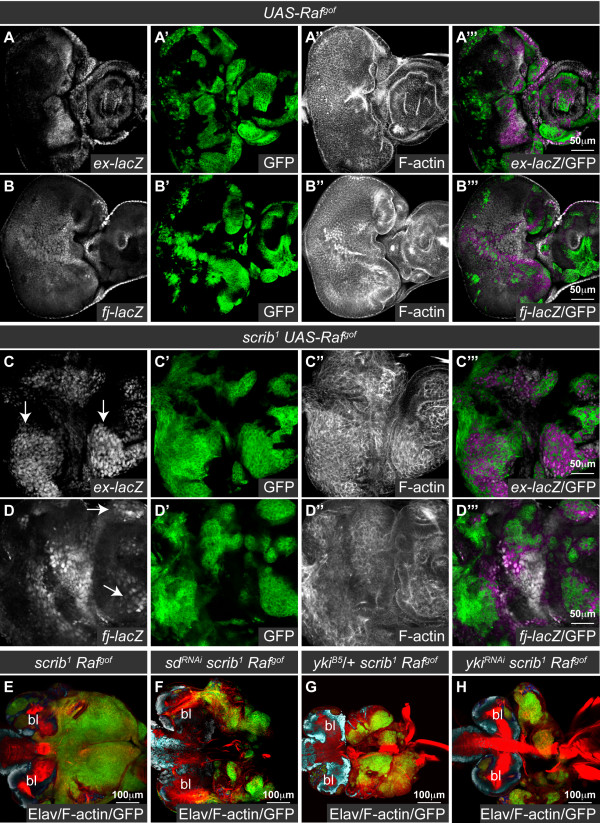
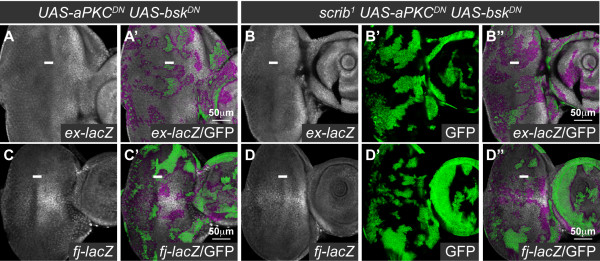
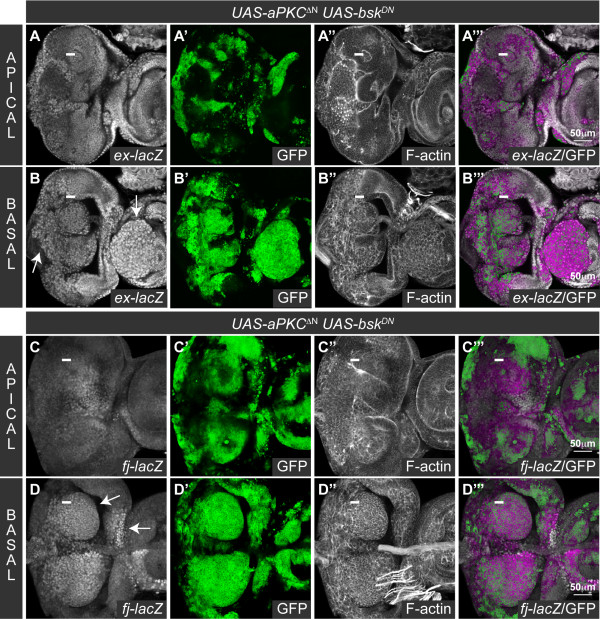
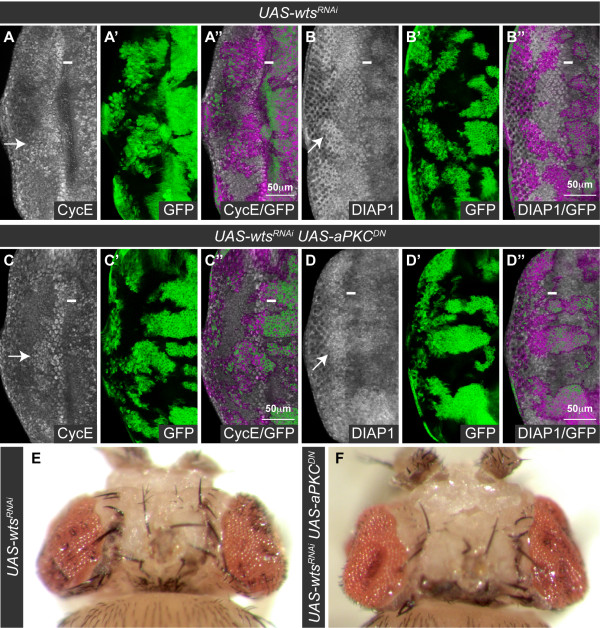
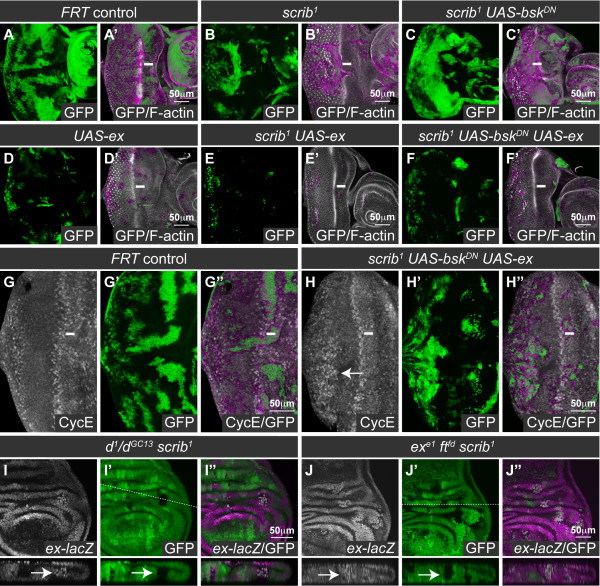
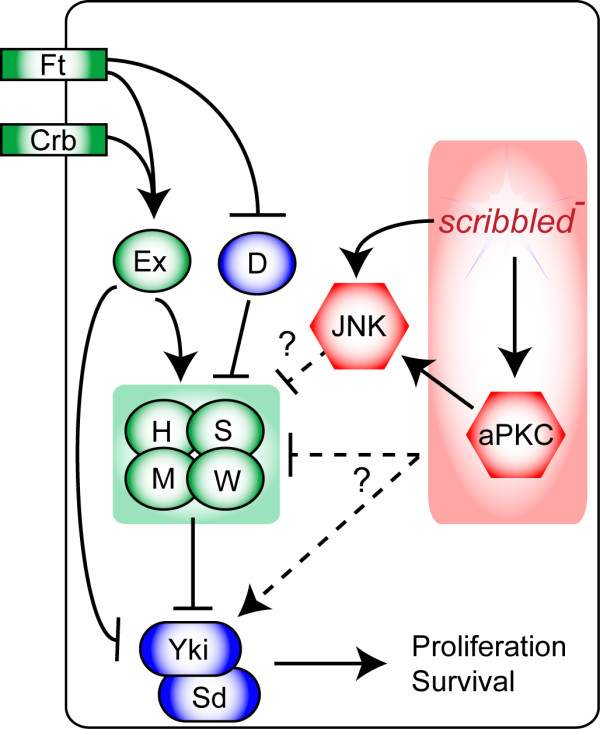
Background: Epithelial neoplasias are associated with alterations in cell polarity and excessive cell proliferation, yet how these neoplastic properties are related to one another is still poorly understood. The study of Drosophila genes that function as neoplastic tumor suppressors by regulating both of these properties has significant potential to clarify this relationship. Results: Here we show in Drosophila that loss of Scribbled (Scrib), a cell polarity regulator and neoplastic tumor suppressor, results in impaired Hippo pathway signaling in the epithelial tissues of both the eye and wing imaginal disc. scrib mutant tissue overgrowth, but not the loss of cell polarity, is dependent upon defective Hippo signaling and can be rescued by knockdown of either the TEAD/TEF family transcription factor Scalloped or the transcriptional coactivator Yorkie in the eye disc, or reducing levels of Yorkie in the wing disc. Furthermore, loss of Scrib sensitizes tissue to transformation by oncogenic Ras-Raf signaling, and Yorkie-Scalloped activity is required to promote this cooperative tumor overgrowth. The inhibition of Hippo signaling in scrib mutant eye disc clones is not dependent upon JNK activity, but can be significantly rescued by reducing aPKC kinase activity, and ectopic aPKC activity is sufficient to impair Hippo signaling in the eye disc, even when JNK signaling is blocked. In contrast, warts mutant overgrowth does not require aPKC activity. Moreover, reducing endogenous levels of aPKC or increasing Scrib or Lethal giant larvae levels does not promote increased Hippo signaling, suggesting that aPKC activity is not normally rate limiting for Hippo pathway activity. Epistasis experiments suggest that Hippo pathway inhibition in scrib mutants occurs, at least in part, downstream or in parallel to both the Expanded and Fat arms of Hippo pathway regulation. Conclusions: Loss of Scrib promotes Yorkie/Scalloped-dependent epithelial tissue overgrowth, and this is also important for driving cooperative tumor overgrowth with oncogenic Ras-Raf signaling. Whether this is also the case in human cancers now warrants investigation since the cell polarity function of Scrib and its capacity to restrain oncogene-mediated transformation, as well as the tissue growth control function of the Hippo pathway, are conserved in mammals.
Overview
The claims and statistics of this paper haven’t been checked yet.
Free: it reads the open-access text and checks the first 5 claims that cite a source we can check. Create a free account to check every claim.
Integrity signals
Registry
Cites
Statistics
Figures
Verification
Claims the paper makes
The claims and statistics of this paper haven’t been checked yet.
Free: it reads the open-access text and checks the first 5 claims that cite a source we can check. Create a free account to check every claim.
Claims other papers make about this one
Each is checked against this paper’s own text: does it say what the citing paper says it does?
The source backs part of the claim, not all of it — or backs it for a different population, condition or comparison.
In the citing paper
“In a similar way, depleting the transcription factor Yorkie reduces wing disc overgrowth in scribble mutants but does not rescue the associated morphological defects (Doggett et al., 2011; Bunker et al., 2015).”
From Scribble: A master scaffold in polarity, adhesion, synaptogenesis, and proliferation (2019) · cites this paper as Doggett et al., 2011
Experimental — accuracy not yet measuredIn the citing paper
“Strikingly, ectopic proliferation induced by inhibiting JNK can be abrogated by impairing the Hippo signaling pathway (Doggett et al., 2011).”
From Scribble: A master scaffold in polarity, adhesion, synaptogenesis, and proliferation (2019) · cites this paper as Doggett et al., 2011
Self-check
Percentages, sums and reported differences re-computed from the paper’s own numbers.
The self-check needs the paper’s full text.
Citations
Cites
Lee, T., & Luo, L. (1999) · Neuron · doi:10.1016/s0896-6273(00)80701-1 · Cited by 2,571
Elucidation of a universal size-control mechanism in Drosophila and mammals
Dong, J., Feldmann, G., Huang, J., Wu, S., Zhang, N., Comerford, S. A., Gayyed, M. F., Anders, R. A., Maitra, A., & Pan, D. (2007) · Cell · doi:10.1016/j.cell.2007.07.019 · Cited by 2,370 · cited 22×
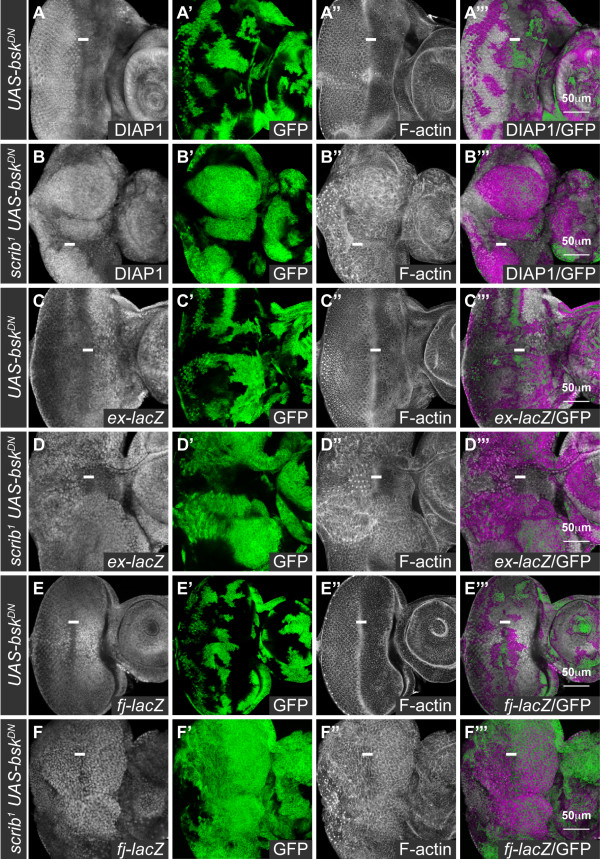
“Grayscale is DIAP1 (A-B), b-GAL (C-F), and F-actin to show tissue morphology (A-F).”
BackgroundInfluentialHuang, J., Wu, S., Barrera, J., Matthews, K., & Pan, D. (2005) · Cell · doi:10.1016/j.cell.2005.06.007 · Cited by 1,863
Justice, R. W., Zilian, O., Woods, D. F., Noll, M., & Bryant, P. J. (1995) · Genes & Development · doi:10.1101/gad.9.5.534 · Cited by 977 · cited 1×
“Indeed, wts mutants were originally identified based upon mutant cell morphology [29], and this is now known to be a phenotype associated with other Hippo pathway mutants and due to Yki-dependent upregulation of the apical cell polarity determinant Crumbs (Crb) and apical hypertrophy [30,31].”
BackgroundSimon, M. A., Bowtell, D. D. L., Dodson, G. S., Laverty, T. R., & Rubin, G. M. (1991) · Cell · doi:10.1016/0092-8674(91)90065-7 · Cited by 859
Tapon, N., Harvey, K. F., Bell, D. W., Wahrer, D. C. R., Schiripo, T. A., Haber, D. A., & Hariharan, I. K. (2002) · Cell · doi:10.1016/s0092-8674(02)00824-3 · Cited by 856
Xu, T., Wang, W., Zhang, S., Stewart, R. A., & Yu, W. (1995) · Development · doi:10.1242/dev.121.4.1053 · Cited by 799
Hamaratoglu, F., Willecke, M., Kango-Singh, M., Nolo, R., Hyun, E., Tao, C., Jafar-Nejad, H., & Halder, G. (2006) · Nature Cell Biology · doi:10.1038/ncb1339 · Cited by 767
Localization of apical epithelial determinants by the basolateral PDZ protein Scribble
Bilder, D., & Perrimon, N. (2000) · Nature · doi:10.1038/35001108 · Cited by 716 · cited 1×
“The following Drosophila stocks were used: ey-FLP1, UASmCD8-GFP;;Tub-GAL4, FRT82B, Tub-GAL80 [64]; y, w, hs-FLP; FRT82B, Ubi-GFP; en-GAL4; UAS-DaPKC [26]; UAS-DaPKC [65]; UAS-aPKC (VDRC #2907); bsk(2) [66]; UAS-bsk [67]; UAS-bsk (NIG #5680R-1); d(1) [68]; d [12]; ex [69]; ex(697) (ex-lacZ in all figures except Figure…”
Identification of Vangl2 and Scrb1 as planar polarity genes in mammals
Montcouquiol, M., Rachel, R. A., Lanford, P. J., Copeland, N. G., Jenkins, N. A., & Kelley, M. W. (2003) · Nature · doi:10.1038/nature01618 · Cited by 705 · cited 1×
“Mammalian Scrib also functions within planar cell polarity pathways [63], and although links with the Hippo pathway have not yet been described, the connection is likely to be conserved since studies in the zebrafish indicate that zScrib binds to zFat1 and also promotes Hippo pathway activation [44].”
Background
Cited by
Transduction of mechanical and cytoskeletal cues by YAP and TAZ
Halder, G., Dupont, S., & Piccolo, S. (2012) · Nature Reviews Molecular Cell Biology · doi:10.1038/nrm3416 · Cited by 985
Integrin signalling regulates YAP/TAZ to control skin homeostasis
Elbediwy, A., Vincent-Mistiaen, Z. I., Spencer-Dene, B., Stone, R. K., Boeing, S., Wculek, S. K., Cordero, J., Tan, E. H., Ridgway, R., Brunton, V. G., et al. (2016) · Development · doi:10.1242/dev.133728 · Cited by 291
“…imaginal discs is sufficient to induce overproliferation of cells, whereas loss of PI3K or Yki strongly impairs imaginal disc tumour formation (Doggett et al., 2011; Enomoto and Igaki, 2013; Fernandez et al., 2014; Herranz et al., 2012, 2014; Strassburger et al., 2012; Willecke et al., 2011).”
BackgroundYAP/TAZ: Drivers of Tumor Growth, Metastasis, and Resistance to Therapy
Thompson, B. J. (2020) · BioEssays · doi:10.1002/bies.201900162 · Cited by 259
Cell competition: how to eliminate your neighbours
Amoyel, M., & Bach, E. A. (2014) · Development · doi:10.1242/dev.079129 · Cited by 200
“In contrast to studies of classical cell competition, in which discrete clones are generated and then analysed after a defined period of time, many studies of polarity-deficient cells employ techniques that continuously generate clones (see Box 1), resulting in large merged patches of mutant tissue (Brumby and Richard…”
BackgroundMethodInfluentialTumor suppression by cell competition through regulation of the Hippo pathway
Chen, C.-L., Schroeder, M. C., Kango-Singh, M., Tao, C., & Halder, G. (2012) · Proceedings of the National Academy of Sciences · doi:10.1073/pnas.1113882109 · Cited by 187
“Previous reports showed that Hippo pathway reporters can be up-regulated in scrib and lgl mutant discs and clones (13, 14, 18, 20) and that Yki is required for the overgrowth of scrib+Bsk cells not subjected to cell competition (13).”
BackgroundMitochondrial defect drives non-autonomous tumour progression through Hippo signalling in Drosophila
Ohsawa, S., Sato, Y., Enomoto, M., Nakamura, M., Betsumiya, A., & Igaki, T. (2012) · Nature · doi:10.1038/nature11452 · Cited by 183
Davie, K., Jacobs, J., Atkins, M., Potier, D., Christiaens, V., Halder, G., & Aerts, S. (2015) · PLOS Genetics · doi:10.1371/journal.pgen.1004994 · Cited by 166
“All of these TFs (except perhaps Zelda) can be directly linked to cancer-related processes that are conserved to human [35,39], and AP-1, Stat, and Scalloped have each been previously linked to the Ras; scrib program specifically [16,29,36,55,56].”
BackgroundThe Scribble–Dlg–Lgl polarity module in development and cancer: from flies to man
Elsum, I., Yates, L., Humbert, P. O., & Richardson, H. E. (2012) · Essays in Biochemistry · doi:10.1042/bse0530141 · Cited by 145
“Interestingly, depleting Scrib or Dlg does not lead to deregulation of Hippo pathway signalling unless ABCP is lost [68,122].”
BackgroundSelf-citationMechanisms of cell competition: Themes and variations
Levayer, R., & Moreno, E. (2013) · Journal of Cell Biology · doi:10.1083/jcb.201301051 · Cited by 142
“Compensatory proliferation was also reinforced by the non–cell autonomous down-regulation of the Hippo pathway (Grusche et al., 2011; Sun and Irvine, 2011; Graves et al., 2012; Kagey et al., 2012), which was mediated by the activation of Notch (Graves et al., 2012), JNK (Sun and Irvine, 2011),…”
BackgroundRegulation of the Hippo pathway by cell architecture and mechanical signals
Schroeder, M. C., & Halder, G. A. (2012) · Seminars in Cell and Developmental Biology · doi:10.1016/j.semcdb.2012.06.001 · Cited by 153
“Thus, imaginal discs mutant for scrib express high levels of Yki reporters and require Yki for overgrowth [49,76,77].”
Two-Faced: Roles of JNK Signalling During Tumourigenesis in the Drosophila Model
La Marca, J. E., & Richardson, H. E. (2020) · Frontiers in Cell and Developmental Biology · doi:10.3389/fcell.2020.00042 · Cited by 139
Self-citationStephens, R., Lim, K., Portela, M., Kvansakul, M., Humbert, P. O., & Richardson, H. E. (2018) · Journal of Molecular Biology · doi:10.1016/j.jmb.2018.01.011 · Cited by 132
Self-citationYang, C.-C., Graves, H. K., Moya, I. M., Tao, C., Hamaratoglu, F., Gladden, A. B., & Halder, G. (2015) · Proceedings of the National Academy of Sciences · doi:10.1073/pnas.1420850112 · Cited by 126
“We then compared these effects to those of scrib knockdown, which is known to induce Hippo reporter activation (25).”
Scribble: A master scaffold in polarity, adhesion, synaptogenesis, and proliferation
Bonello, T. T., & Peifer, M. (2019) · Journal of Cell Biology · doi:10.1083/jcb.201810103 · Cited by 127
“Strikingly, ectopic proliferation induced by inhibiting JNK can be abrogated by impairing the Hippo signaling pathway (Doggett et al., 2011).”
BackgroundParisi, F., Stefanatos, R. K., Strathdee, K., Yu, Y., & Vidal, M. (2014) · Cell Reports · doi:10.1016/j.celrep.2014.01.039 · Cited by 122
“Many studies have focused on tissue autonomous roles of the scrib group in tumorigenesis (Bilder et al., 2000; Bilder and Perrimon, 2000; Brumby and Richardson, 2003; Doggett et al., 2011; Dow et al., 2003; Froldi et al., 2008; Humbert et al., 2008; Wu et al., 2010).”
BackgroundThe transcriptional response to tumorigenic polarity loss in Drosophila
Bunker, B. D., Nellimoottil, T. T., Boileau, R. M., Classen, A. K., & Bilder, D. (2015) · eLife · doi:10.7554/elife.03189 · Cited by 114
“aPKC is an additional regulator of this enhancer, and as previously suggested (Doggett et al., 2011), can activate Yki independent of, rather than through, JNK.”
InfluentialHippo‐YAP signaling pathway: A new paradigm for cancer therapy
Ma, Y., Yang, Y., Wang, F., Wei, Q., & Qin, H. (2014) · International Journal of Cancer · doi:10.1002/ijc.29073 · Cited by 104
“Studies in Drosophila showed loss of Scrib results in impaired Hippo-YAP pathway signaling in the epithelial tissues and sensitive to transformation by oncogenic Ras-Raf signaling.(31) Strikingly, when all cells in imaginal discs are mutant for scrib, they hyperactivate Yki, which drives growth of the discs into large…”
BackgroundInteraction proteome of human Hippo signaling: modular control of the co‐activator YAP 1
Hauri, S., Wepf, A., van Drogen, A., Varjosalo, M., Tapon, N., Aebersold, R., & Gstaiger, M. (2013) · Molecular Systems Biology · doi:10.1002/msb.201304750 · Cited by 94
“…, 2010; Wang et al , 2011; Zhao et al , 2011), mechanical stress (Dupont et al , 2011; Wada et al , 2011) and cell polarity (Chen et al , 2010; Grzeschik et al , 2010; Ling et al , 2010; Robinson et al , 2010; Doggett et al , 2011), suggesting a role for YAP1 as a major hub for signal integration.”
Hippo Signaling in Cancer: Lessons From Drosophila Models
Snigdha, K., Gangwani, K. S., Lapalikar, G. V., Singh, A., & Kango-Singh, M. (2019) · Frontiers in Cell and Developmental Biology · doi:10.3389/fcell.2019.00085 · Cited by 79
Atkins, M., Potier, D., Romanelli, L., Jacobs, J., Mach, J., Hamaratoglu, F., Aerts, S., & Halder, G. (2016) · Current Biology · doi:10.1016/j.cub.2016.06.035 · Cited by 88
Stem cell regulation by the Hippo pathway
Hiemer, S. E., & Varelas, X. (2012) · Biochimica et Biophysica Acta (BBA) - General Subjects · doi:10.1016/j.bbagen.2012.07.005 · Cited by 91
APT2 Inhibition Restores Scribble Localization and S -Palmitoylation in Snail-Transformed Cells
Hernandez, J. L., Davda, D., Cheung See Kit, M., Majmudar, J. D., Won, S. J., Gang, M., Pasupuleti, S. C., Choi, A. I., Bartkowiak, C. M., & Martin, B. R. (2017) · Cell Chemical Biology · doi:10.1016/j.chembiol.2016.12.007 · Cited by 82
“In human cancers, Scrib is mislocalized to the cytosol, which leads to a cascade of changes that disrupt cell polarity and adhesion junctions, enhance growth signaling, and increase cell survival and proliferation (Doggett et al., 2011; Vaira et al., 2011; Yamanaka and Ohno, 2008).”
JNK signaling is converted from anti- to pro-tumor pathway by Ras-mediated switch of Warts activity
Enomoto, M., Kizawa, D., Ohsawa, S., & Igaki, T. (2015) · Developmental Biology · doi:10.1016/j.ydbio.2015.05.001 · Cited by 74
Src controls tumorigenesis via JNK‐dependent regulation of the Hippo pathway in Drosophila
Enomoto, M., & Igaki, T. (2013) · EMBO reports · doi:10.1038/embor.2012.185 · Cited by 72
“Indeed, it has been shown that JNK suppresses Yki activity in polarity-deficient cells [28,29].”
Hippo Gains Weight: Added Insights and Complexity to Pathway Control
Enderle, L., & McNeill, H. (2013) · Science Signaling · doi:10.1126/scisignal.2004208 · Cited by 70
New frontiers in cell competition†
de Beco, S., Ziosi, M., & Johnston, L. A. (2012) · Developmental Dynamics · doi:10.1002/dvdy.23783 · Cited by 70
“JNK activation promotes activity from the HSW pathway in several different contexts (Grzeschik et al., 2010a; Parsons et al., 2010; Doggett et al., 2011; Sun and Irvine, 2011).”
BackgroundReinterpreting polarity and cancer: The changing landscape from tumor suppression to tumor promotion
Saito, Y., Desai, R., & Muthuswamy, S. K. (2018) · Biochimica et Biophysica Acta (BBA) - Reviews on Cancer · doi:10.1016/j.bbcan.2017.12.001 · Cited by 71
Feedback amplification loop drives malignant growth in epithelial tissues
Muzzopappa, M., Murcia, L., & Milán, M. (2017) · Proceedings of the National Academy of Sciences · doi:10.1073/pnas.1701791114 · Cited by 62
YAP/TAZ in Bone and Cartilage Biology
Zarka, M., Haÿ, E., & Cohen-Solal, M. E. (2022) · Frontiers in Cell and Developmental Biology · doi:10.3389/fcell.2021.788773 · Cited by 70
“Also in response to cellular polarity, SCRIB protein, described as a scaffold protein involved in this process, regulates Hippo signaling (Doggett et al., 2011; Verghese et al., 2012).”
BackgroundEnomoto, M., Siow, K. M., & Igaki, T. (2018) · Advances in experimental medicine and biology · doi:10.1007/978-981-13-0529-0_10 · Cited by 70
Causes and Consequences of Genetic Background Effects Illuminated by Integrative Genomic Analysis
Chandler, C. H., Chari, S., Tack, D. C., & Dworkin, I. M. (2014) · Genetics · doi:10.1534/genetics.113.159426 · Cited by 70
“…hippo signaling to regulate growth and polarity of tissues (Goulev et al. 2008; Wu et al. 2008; Zhang et al. 2008, 2009; Zhao et al. 2008; Ren et al. 2010; Doggett et al. 2011; Nicolay et al. 2011; Zhang et al. 2011; Poon et al. 2012; Cagliero et al. 2013; Koontz et al. 2013; Sidor et al. 2013).”
BackgroundDissecting Social Cell Biology and Tumors Using Drosophila Genetics
Pastor-Pareja, J. C., & Xu, T. (2013) · Annual Review of Genetics · doi:10.1146/annurev-genet-110711-155414 · Cited by 66
“Other recent reports examined the relationship between JNK and Hippo/Lats signaling (20, 28, 33, 100, 125), but a molecular mechanism connecting both pathways is so far missing.”
BackgroundThe actin cross-linker Filamin/Cheerio mediates tumor malignancy downstream of JNK signaling
Külshammer, E., & Uhlirova, M. (2012) · Journal of Cell Science · doi:10.1242/jcs.114462 · Cited by 60
Bendless modulates JNK-mediated cell death and migration in Drosophila
Ma, X., Li, W., Yu, H., Yang, Y., Li, M., Xue, L., & Xu, T. (2013) · Cell Death and Differentiation · doi:10.1038/cdd.2013.154 · Cited by 62
Tissue growth and tumorigenesis in Drosophila: cell polarity and the Hippo pathway
Richardson, H. E., & Portela, M. (2017) · Current Opinion in Cell Biology · doi:10.1016/j.ceb.2017.03.006 · Cited by 61
Self-citationZheng, H., Wang, N., Yun, J., Xu, H., Yang, J., & Zhou, S. (2022) · PLoS Genetics · doi:10.1371/journal.pgen.1010292 · Cited by 57
“In addition, the Scribble (Scrib) complex including Scrib, Discslarge (Dlg) and Lethal giant larvae (Lgl) as well as the Hippo pathway coordinate with the Par6/aPKC/Par3 modules in regulation of cell polarity [54,55].”
BackgroundJagannathan, R., Schimizzi, G. V., Zhang, K., Loza, A. J., Yabuta, N., Nojima, H., & Longmore, G. D. (2016) · Molecular and Cellular Biology · doi:10.1128/mcb.00136-16 · Cited by 63
Scribble Acts in the Drosophila Fat-Hippo Pathway to Regulate Warts Activity
Verghese, S., Waghmare, I., Kwon, H., Hanes, K., & Kango-Singh, M. (2012) · PLoS ONE · doi:10.1371/journal.pone.0047173 · Cited by 55
“Scrib Genetically Interacts with the Hippo Pathway scrib mutant clones are small and tend to be eliminated by cell competition in flies [24,43,44,45,46,47] and in mammalian epithelial cells [48].”
BackgroundResultInfluentialHarbison, S. T., Negron, Y. L. S., Hansen, N. F., & Lobell, A. (2017) · PLoS Genetics · doi:10.1371/journal.pgen.1007098 · Cited by 60
Herranz, H., Eichenlaub, T., & Cohen, S. M. (2016) · Current topics in developmental biology/Current Topics in Developmental Biology · doi:10.1016/bs.ctdb.2015.11.037 · Cited by 58
Drosophila Myc: A master regulator of cellular performance
Grifoni, D., & Bellosta, P. (2014) · Biochimica et Biophysica Acta (BBA) - Gene Regulatory Mechanisms · doi:10.1016/j.bbagrm.2014.06.021 · Cited by 53
“significantly reduced tumor growth [170].”
Manent, J., Banerjee, S., Simoes, R. D. M., Zoranovic, T., Mitsiades, C. S., Penninger, J. M., Simpson, K. J., Humbert, P. O., & Richardson, H. E. (2017) · Oncogene · doi:10.1038/onc.2017.175 · Cited by 53
Self-citationMechanism of tumor‐suppressive cell competition in flies
Kanda, H., & Igaki, T. (2020) · Cancer Science · doi:10.1111/cas.14575 · Cited by 44
Impaired Hippo signaling promotes Rho1–JNK-dependent growth
Ma, X., Chen, Y., Xu, W., Wu, N., Li, M., Cao, Y., Wu, S., Li, Q., & Xue, L. (2015) · Proceedings of the National Academy of Sciences · doi:10.1073/pnas.1415020112 · Cited by 46
“On one hand, JNK signaling induces Yki activation during compensatory cell proliferation and neoplastic tumor growth (12–14); on the other hand, JNK suppressed Yki elevation in scrib mutant cells during growth regulation (15, 16).”
BackgroundModelling Cooperative Tumorigenesis in Drosophila
Richardson, H. E., & Portela, M. (2018) · BioMed Research International · doi:10.1155/2018/4258387 · Cited by 37
“JNK signalling also overrides the impaired Hippo signalling in scribmutant cells in a clonal context, preventing their overgrowth [47, 48].”
BackgroundSelf-citationMYC, Cell Competition, and Cell Death in Cancer: The Inseparable Triad
Giacomo, S. D., Sollazzo, M., Paglia, S., & Grifoni, D. (2017) · Genes · doi:10.3390/genes8040120 · Cited by 41
“The Hpo pathway was also shown to participate in the oncogenic cooperation between activated Ras and loss of cell polarity in Drosophila cancer models [82,83,86].”
BackgroundDrosophila actin-Capping Protein limits JNK activation by the Src proto-oncogene
Fernández, B. G., Jezowska, B., & Janody, F. (2013) · Oncogene · doi:10.1038/onc.2013.155 · Cited by 40
Khoo, P., Allan, K., Willoughby, L. F., Brumby, A. M., & Richardson, H. E. (2013) · Disease Models & Mechanisms · doi:10.1242/dmm.010066 · Cited by 43
“…lgl mutant clones in the EAD, blocking JNK enhances the clonal overgrowth and leads to loss of polarity and an invasive phenotype (Grzeschik et al., 2010), and blocking JNK in scrib mutant EAD clones does not prevent, but rather enhances, the impairment of the Hippo pathway (Doggett et al., 2011).”
BackgroundSelf-citationTian, W., Ji, X., Xue, J., Gao, Y., Zhu, X., & Xiao, G. (2021) · Food & Function · doi:10.1039/d0fo02107e · Cited by 37
BTB-Zinc Finger Oncogenes Are Required for Ras and Notch-Driven Tumorigenesis in Drosophila
Doggett, K., Turkel, N., Willoughby, L. F., Ellul, J., Murray, M. J., Richardson, H. E., & Brumby, A. M. (2015) · PLOS ONE · doi:10.1371/journal.pone.0132987 · Cited by 36
“Other tumor growth promoting pathways are also likely to be activated by JNK, since JNK can promote the expression of morphogens such as Dpp (TGFβ-like) and Wingless (the DrosophilaWnt ligand) [27], as well as increase the activity of the Hippo pathway transducer, Yorkie (Yki) [28], which is required for tumor overgro…”
BackgroundSelf-citationRasV12; scrib−/− Tumors: A Cooperative Oncogenesis Model Fueled by Tumor/Host Interactions
Dillard, C., Reis, J. G. T., & Rusten, T. E. (2021) · International Journal of Molecular Sciences · doi:10.3390/ijms22168873 · Cited by 34
“In RasV12; scrib−/− tumors, high Yki/Sd activity levels promote tumor proliferation and invasion [70,90,94,95] (Figure 2C).”
BackgroundA non-cell-autonomous tumor suppressor role for Stat in eliminating oncogenic scribble cells
Schroeder, M. C., Chen, C.-L., Gajewski, K. M., & Halder, G. A. (2012) · Oncogene · doi:10.1038/onc.2012.476 · Cited by 38
Turkel, N., Sahota, V. K., Bolden, J. E., Goulding, K. R., Doggett, K., Willoughby, L. F., Blanco, E., Martin-Blanco, E., Corominas, M., Ellul, J., et al. (2013) · PLoS Genetics · doi:10.1371/journal.pgen.1003627 · Cited by 33
“The requirement for Yki in scrib(2)+ab tumours could solely reflect a basal need for Yki activity in progenitor cell proliferation, however, loss of scrib impairs Hippo pathway signalling [31], and we show here that blocking Hippo signalling is sufficient to cooperate with ab and sustain massive tumour overgrowth.”
InfluentialSelf-citationPOSH regulates Hippo signaling through ubiquitin-mediated expanded degradation
Ma, X., Guo, X., Richardson, H. E., Xu, T., & Xue, L. (2018) · Proceedings of the National Academy of Sciences · doi:10.1073/pnas.1715165115 · Cited by 35
Self-citationAtf3 links loss of epithelial polarity to defects in cell differentiation and cytoarchitecture
Donohoe, C. D., Csordás, G., Correia, A., Jindra, M., Klein, C., Habermann, B., & Uhlirova, M. (2018) · PLOS Genetics · doi:10.1371/journal.pgen.1007241 · Cited by 32
“In scrib and dlg1 mutant cells, Fos and Sd/Yki promote apoptosis and proliferation, respectively; however they are not linked to disturbed cytoarchitecture [24,27,33].”
BackgroundInfluentialHidden Targets in RAF Signalling Pathways to Block Oncogenic RAS Signalling
Nolan, A. A., Aboud, N. K., Kölch, W., & Matallanas, D. (2021) · Genes · doi:10.3390/genes12040553 · Cited by 30
Lee, S. E., Lee, J. U., Lee, M. H., Ryu, M. J., Kim, S. J., Kim, Y. K., Choi, M. J., Kim, K. S., Kim, J., Kim, J. W., et al. (2013) · Oncogenesis · doi:10.1038/oncsis.2013.12 · Cited by 32
Caria, S., Magtoto, C. M., Samiei, T., Portela, M., Lim, K. Y. B., How, J. Y., Stewart, B. Z., Humbert, P. O., Richardson, H. E., & Kvansakul, M. (2018) · Journal of Biological Chemistry · doi:10.1074/jbc.m117.817528 · Cited by 28
“In the eye, knockdown of Scrib or Scrib with Dlg via the ey driver gave rise to tissue growth and patterning defects, most likely due to the disruption of epithelial cell polarity and the deregulation of the Hippo- and JNK-signaling pathways (14, 32).”
BackgroundSelf-citationDrosophila Models of Cell Polarity and Cell Competition in Tumourigenesis
Fahey-Lozano, N., Marca, J. E. L., Portela, M., & Richardson, H. E. (2019) · Advances in experimental medicine and biology · doi:10.1007/978-3-030-23629-8_3 · Cited by 30
Self-citationJNK and Yorkie drive tumor progression by generating polyploid giant cells in Drosophila
Cong, B., Ohsawa, S., & Igaki, T. (2018) · Oncogene · doi:10.1038/s41388-018-0201-8 · Cited by 27
Campbell, K., Lebreton, G., Franch‐Marro, X., & Casanova, J. (2018) · PLoS Genetics · doi:10.1371/journal.pgen.1007167 · Cited by 26
Grifoni, D., Froldi, F., & Pession, A. (2013) · The International Journal of Developmental Biology · doi:10.1387/ijdb.130285dg · Cited by 26
“Moreover, the fact that the growth of these clones was not totally abrogated by blocking Yki function suggests that other pathways may be involved in driving scrib-; RafAct cells clonal expansion in this context (Dogget et al., 2011).”
InfluentialRegulation of cellular and PCP signalling by the Scribble polarity module
Milgrom-Hoffman, M., & Humbert, P. O. (2017) · Seminars in Cell and Developmental Biology · doi:10.1016/j.semcdb.2017.11.021 · Cited by 23
Regulation of Notch signaling and endocytosis by the Lgl neoplastic tumor suppressor
Portela, M., Parsons, L. M., Grzeschik, N. A., & Richardson, H. E. (2015) · Cell Cycle · doi:10.1080/15384101.2015.1026515 · Cited by 22
“However, Drosophila Dlg and Scrib do not directly regulate the Hippo pathway, although once cell polarity is lost the Hippo pathway is impaired, most likely due to the aberrant aPKC activity.(9,16,22,23) In our recent study,(24) we have discovered a role for Drosophila Lgl in the regulation of the Notch signaling path…”
BackgroundSelf-citationTian, W., Ji, X., Gao, Y., Zhu, X., & Xiao, G. (2021) · Oncogene · doi:10.1038/s41388-021-01703-x · Cited by 22
Cell competition in vertebrate organ size regulation
Penzo‐Méndez, A., & Stanger, B. Z. (2014) · Wiley Interdisciplinary Reviews Developmental Biology · doi:10.1002/wdev.148 · Cited by 22
Thomas, C., & Strutt, D. I. (2013) · Developmental Biology · doi:10.1016/j.ydbio.2013.09.029 · Cited by 20
“For example, expressing Ras in scrib mutant clones produces a highly invasive neoplastic phenotype such that clones that would usually be eliminated instead invade neighbouring wild-type tissue (Brumby and Richardson, 2003; Doggett et al., 2011; Igaki et al., 2006; Pagliarini and Xu, 2003; Uhlirova et al., 2005; Wu et…”
BackgroundDrosophila C-terminal Src kinase regulates growth via the Hippo signaling pathway
Kwon, H. J., Waghmare, I., Verghese, S., Singh, A. P., Singh, A., & Kango‐Singh, M. (2014) · Developmental Biology · doi:10.1016/j.ydbio.2014.10.010 · Cited by 21
“It is well established that Hippo signaling is sensitive to dose of Yki, and reduction in Yki levels is known to affect loss of function phenotypes of other upstream genes in the Hippo pathway (Baumgartner et al., 2010; Doggett et al., 2011; Gilbert et al., 2011; Poernbacher et al., 2012; Sun and Irvine, 2011; Verghes…”
BackgroundThe Scribble–Dlg–Lgl Module in Cell Polarity Regulation
Humbert, P. O., Russell, S. M., Smith, L. K., & Richardson, H. E. (2015) · Springer eBooks · doi:10.1007/978-3-319-14463-4_4 · Cited by 18
Self-citationDrosophilaas a Model System to Study Nonautonomous Mechanisms Affecting Tumour Growth and Cell Death
Parvy, J.-P., Hodgson, J. A., & Cordero, J. B. (2018) · BioMed Research International · doi:10.1155/2018/7152962 · Cited by 20
Toll‐7 promotes tumour growth and invasion in Drosophila
Ding, X., Li, Z., Lin, G., Li, W., & Xue, L. (2022) · Cell Proliferation · doi:10.1111/cpr.13188 · Cited by 17
Rouka, E. C., Gourgoulianni, N., Lüpold, S., Hatzoglou, C., Gourgoulianis, K. I., Blanckenhorn, W. U., & Zarogiannis, S. G. (2020) · Acta Physiologica · doi:10.1111/apha.13527 · Cited by 15
Loss of Cell Adhesion Increases Tumorigenic Potential of Polarity Deficient Scribble Mutant Cells
Waghmare, I., & Kango-Singh, M. (2016) · PLOS ONE · doi:10.1371/journal.pone.0158081 · Cited by 14
Illuminating intercellular autophagy: A comprehensive review of cell non-autonomous autophagy
Selarka, K., & Shravage, B. V. (2024) · Biochemical and Biophysical Research Communications · doi:10.1016/j.bbrc.2024.150024 · Cited by 16
Cell polarity and extrusion: How to polarize extrusion and extrude misspolarized cells?
Staneva, R., & Levayer, R. (2023) · Current topics in developmental biology/Current Topics in Developmental Biology · doi:10.1016/bs.ctdb.2023.02.010 · Cited by 14
Liu, S., Sun, J. Y., Wang, D., Pflugfelder, G. O., & Shen, J. (2016) · Scientific Reports · doi:10.1038/srep38003 · Cited by 14
Panagi, M., Georgila, K., Eliopoulos, A. G., & Apidianakis, Y. (2015) · Oncotarget · doi:10.18632/oncotarget.6463 · Cited by 14
“Interestingly, many Drosophila studies point to a highly conserved JNK-Hippo-JAK/STAT pathway axis that promotes tumorigenesis in many cases, for example, upon synergism between the Ras1 oncogene and cell polarity gene mutants [24, 25].”
BackgroundParsons, L. M., Grzeschik, N. A., Amaratunga, K., Burke, P., Quinn, L. M., & Richardson, H. E. (2017) · G3 Genes Genomes Genetics · doi:10.1534/g3.117.043513 · Cited by 12
Self-citationYorkie-Cactus (IκBα)-JNK axis promotes tumor growth and progression in Drosophila
Snigdha, K., Singh, A., & Kango-Singh, M. (2021) · Oncogene · doi:10.1038/s41388-021-01831-4 · Cited by 11
The F-box protein Slmb restricts the activity of aPKC to polarize epithelial cells
Skwarek, L. C., Windler, S. L., de Vreede, G., Rogers, G. C., & Bilder, D. H. (2014) · Development · doi:10.1242/dev.109694 · Cited by 14
“…activity drives neoplastic overgrowth in part through upregulation of JAK-STAT pathway ligands, mediated by the Yorkie (Yki) transcription factor (Doggett et al., 2011; Robinson and Moberg, 2011; Sun and Irvine, 2011). slmb discs show robust activation of a STAT signaling reporter, and their…”
BackgroundTian, W., Ji, X., Yu, Q., Li, G., Wu, L., Gao, Y., & Xiao, G. (2021) · Cell Death and Disease · doi:10.1038/s41419-021-04147-z · Cited by 14
“The mechanism of foi regulates cell dissociation would be applied in modulating tumour invasion In Drosophila eye-antennal discs, cooperation between the classical oncoprotein Ras or Raf and tumour suppressor lethal giant larvae (lgl) or scribbled (scrib) mutation gives rise to metastatic tumour model that exhibits ma…”
BackgroundJNK and Yorkie drive tumor malignancy by inducing L-amino acid transporter 1 in Drosophila
Cong, B., Nakamura, M., Sando, Y., Kondo, T., Ohsawa, S., & Igaki, T. (2021) · PLoS Genetics · doi:10.1371/journal.pgen.1009893 · Cited by 10
Apicobasal polarity and its role in cancer progression
Lo, P., Hawrot, H., & Γεωργίου, Μ. (2012) · BioMolecular Concepts · doi:10.1515/bmc-2012-0020 · Cited by 11
Modelling Cancer in Drosophila : The Next Generation
Cheng, L. Y., Parsons, L. M., & Richardson, H. E. (2013) · Wiley eBooks · doi:10.1002/9780470015902.a0020862.pub2 · Cited by 13
Self-citationMarca, J. E. L., Ely, R. W., Diepstraten, S. T., Burke, P., Kelly, G. L., Humbert, P. O., & Richardson, H. E. (2023) · Disease Models & Mechanisms · doi:10.1242/dmm.049769 · Cited by 9
Self-citationEmerging questions on the mechanisms and dynamics of 3D genome evolution in spiralians
Rogers, T. F., & Simakov, O. (2023) · Briefings in Functional Genomics · doi:10.1093/bfgp/elad043 · Cited by 8
“For instance, recent research in Drosophila [34, 35] and mammals [36] suggests that enhancers can act across TAD boundaries and some studies in Drosophila imply that distal enhancers are not always important in regulating gene expression within TADs [37].”
BackgroundGroth, C., Vaid, P. M., Khatpe, A. S., Prashali, N., Ahiya, A., Andrējeva, D., Chakladar, M., Nagarkar, S., Paul, R., Kelkar, D. A., et al. (2020) · G3 Genes Genomes Genetics · doi:10.1534/g3.120.401545 · Cited by 8
Future Aspects of Tumor Suppressor Gene
Cheng, Y. (2013) · InTech eBooks · doi:10.5772/56471 · Cited by 8
Misshapen Disruption Cooperates with RasV12 to Drive Tumorigenesis
Kong, D., Lu, J., Li, X., Zhao, S., Xu, W., Fang, J., Wang, X., & Ma, X. (2021) · Cells · doi:10.3390/cells10040894 · Cited by 8
Külshammer, E., Kilinc, M., Csordás, G., Bresser, T., Nolte, H., & Uhlířová, M. (2022) · FEBS Journal · doi:10.1111/febs.16408 · Cited by 8
Modeling Tumorigenesis in Drosophila: Current Advances and Future Perspectives
Papagiannouli, F., & Moussian, B. (2013) · InTech eBooks · doi:10.5772/55686 · Cited by 9
Mitchell, K. A., Vissers, J. H. A., Pojer, J. M., Brooks, E., Hilmi, A. J. S., Papenfuss, A. T., Schröder, J., & Harvey, K. F. (2024) · Current Biology · doi:10.1016/j.cub.2024.07.060 · Cited by 6
Context-dependent interplay between Hippo and JNK pathway in Drosophila
Ma, X. (2014) · Global Medical Genetics · doi:10.3934/genet.2014.1.20 · Cited by 6
“potential, which however was dramatically inhibited by JNK activity [28,62,64,72,73].”
BackgroundInfluentialChurch, S. J., Pulianmackal, A. J., Dixon, J. A., Loftus, L. V., Amend, S. R., Pienta, K. J., Cackowski, F. C., & Buttitta, L. (2025) · Disease Models & Mechanisms · doi:10.1242/dmm.052001 · Cited by 5
Türkel, N., Portela, M., Poon, C. L. C., Li, J., Brumby, A. M., & Richardson, H. E. (2015) · Biology Open · doi:10.1242/bio.012815 · Cited by 6
“…pathways and cell proliferation, tissue overgrowth does not ensue due to cell differentiation and Jun N-terminal Kinase (JNK)-mediated apoptosis (Brumby and Richardson, 2003; Doggett et al., 2011; Grzeschik et al., 2007, 2010; Igaki et al., 2006;Uhlirova andBohmann, 2006; Uhlirova et al., 2005).”
BackgroundInfluentialSelf-citationKong, D., Li, Z., Zhao, S., Yang, X., Zheng, J., Guo, Y., Xu, W., Gao, H., Guo, H., Zhang, Q., et al. (2025) · Cell Reports · doi:10.1016/j.celrep.2025.116240 · Cited by 4
Evidence for a nuclear role for Drosophila Dlg as a regulator of the NURF complex
Sharp, K. A., Khoury, M. J., Wirtz-Peitz, F., & Bilder, D. H. (2021) · Molecular Biology of the Cell · doi:10.1091/mbc.e21-04-0187 · Cited by 5
“It has long been observed that Scrib, Dlg, and Lgl are required to maintain the proper transcriptional state of epithelial tissues (Hariharan and Bilder, 2006; Grzeschik et al., 2010; Zhu et al., 2010; Doggett et al., 2011; Sun and Irvine, 2011; Bunker et al., 2015).”
BackgroundKumar, R., & Srikrishna, S. (2024) · Developmental Biology · doi:10.1016/j.ydbio.2024.09.005 · Cited by 3
Blockade of Crk eliminates Yki/YAP-activated tumors via JNK-mediated apoptosis in Drosophila
Kakemura, B., & Igaki, T. (2024) · Communications Biology · doi:10.1038/s42003-024-06897-w · Cited by 3
“Indeed, it has been shown that Yki contributes to Ras V12 /scrib − / − tumor growth 21,26,27 .”
BackgroundCammarota, C. M., Dawney, N. S., Jia, Q., Jüng, M., Glichowski, J. A., Bellomio, P. M., Fletcher, A. G., & Bergstralh, D. T. (2021) · bioRxiv (Cold Spring Harbor Laboratory) · doi:10.1101/2021.09.13.460154 · Cited by 3
Metadata
- Authors
- Doggett, K., Grusche, F. A., Richardson, H. E., & Brumby, A. M.
- Affiliations
- Ludwig Cancer Research (BE)
- The University of Melbourne (AU)
- Corresponding author
- Brumby, Anthony M
- Venue
- BMC Developmental Biology
- Published
- 2011-09-29
- Volume
- 11
- Issue
- 1
- Pages
- 57-57
- ISSN
- 1471-213X (ISSN-L)
- PMC
- PMC3206446
- OpenAlex
- W2040502391
- Semantic Scholar
- ee238fe880d5f260f328e195fc44a8cc3b7d3eec
- Cited by
- 119
- References
- 79
- Citations by year
- 2025: 4 · 2024: 8 · 2023: 3 · 2022: 5 · 2021: 9 · 2020: 8 · 2019: 4 · 2018: 11 · 2017: 9 · 2016: 6 · 2015: 11 · 2014: 10 · 2013: 19 · 2012: 11
- FWCI
- 6.29
- Type
- journal article
- Language
- en
- Open access
- hybrid
- doi.org
- Licence
- cc-by
- Locations
- BMC Developmental Biology (publishedVersion, cc-by)
- Europe PMC (PubMed Central) (publishedVersion, cc-by)
- PubMed Central (publishedVersion, cc-by)
- PubMed (publishedVersion)
- Minerva Access (University of Melbourne) (submittedVersion, cc-by)
- DOAJ (DOAJ: Directory of Open Access Journals) (submittedVersion)
- Funders
- University of Melbourne
- Medical Research Council
- National Health and Medical Research Council (509051, 350396)
- Institute of Genetics
- Topics
- Life Sciences › Biochemistry, Genetics and Molecular Biology › Cell Biology › Hippo pathway signaling and YAP/TAZ
- Life Sciences › Biochemistry, Genetics and Molecular Biology › Molecular Biology › Developmental Biology and Gene Regulation
- Life Sciences › Biochemistry, Genetics and Molecular Biology › Cell Biology › Microtubule and mitosis dynamics
- Keywords
- Hippo signaling pathway, tumor suppressor, cell polarity, Yorkie, Scalloped, atypical protein kinase C, JNK, Expanded, fats, eye imaginal disc, wing imaginal disc, epithelial tumors, Drosophila
- MeSH terms
- YAP-Signaling Proteins, Hippo Kinases, Animals, Drosophila melanogaster, Epithelial Cells, Eye, Membrane Proteins, Mutation, Nuclear Proteins, Protein Kinase C, Transcription Factors, Wings, Animal, Signal Transduction, Trans-Activators, Oncogene Protein p21(ras), Cell Polarity, Protein Serine-Threonine Kinases, Tumor Suppressor Proteins, Drosophila Proteins, Intracellular Signaling Peptides and Proteins, raf Kinases, Cell Proliferation
About these checks
Registry, retraction, Cites and statistics results are computed, not judged, with one exception: a printed reference that no index lists is read once by a model before it counts as a citation error. Claims are extracted by a model and kept only when their quote appears verbatim in the text; each cited source is then checked, with a model’s help, for whether it says what the claim relies on. Those verdicts can be wrong — read the claim’s quote and the cited source before relying on one.
Statistics and arithmetic are recomputed, not judged.
Confidence bands are shown only for fields calibrated on our annotated test set. None is calibrated yet, so no band is shown.
What counts as a claim ›How we measure confidence ›How we check this ›
Are you an author, or do you see a problem with this page? Request a review
Data sources
Bibliographic data: Semantic Scholar, OpenAlex, Crossref.
Contains information from the Semantic Scholar Academic Graph Datasets, made available under the ODC Attribution License (ODC-BY 1.0).
Semantic Scholar’s data is described in: Kinney, R., et al. (2023). The Semantic Scholar Open Data Platform. arXiv:2301.10140.
