

Loss of the Drosophila cell polarity regulator Scribbled promotes epithelial tissue overgrowth and cooperation with oncogenic Ras-Raf through impaired Hippo pathway signaling
Open accessThe DOI matches its Crossref record; 80 of the 80 references it cites were found in a registry or an index.
Abstract
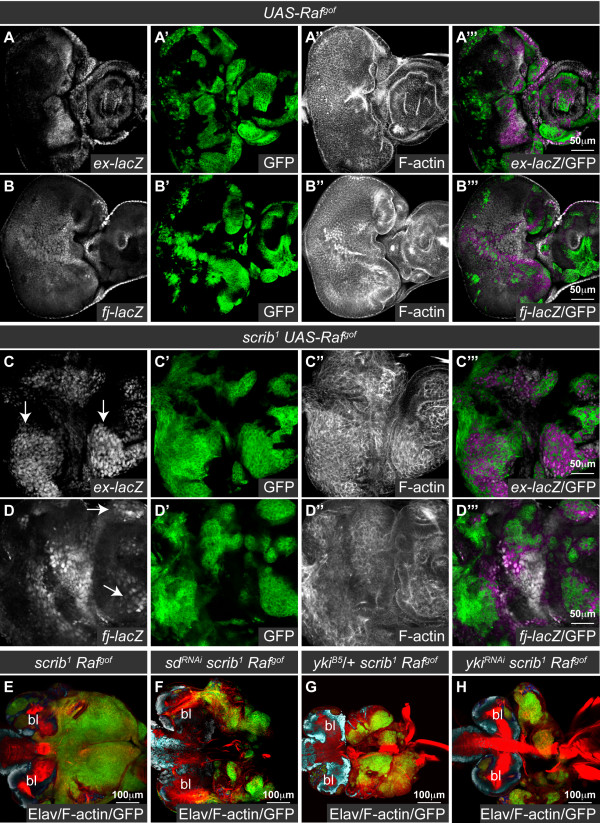
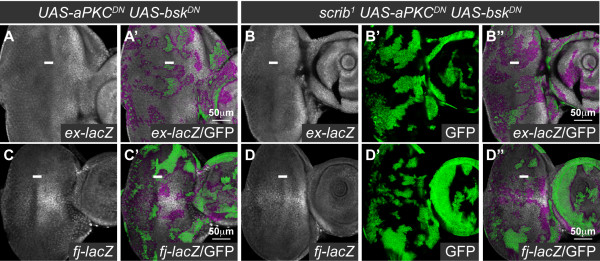
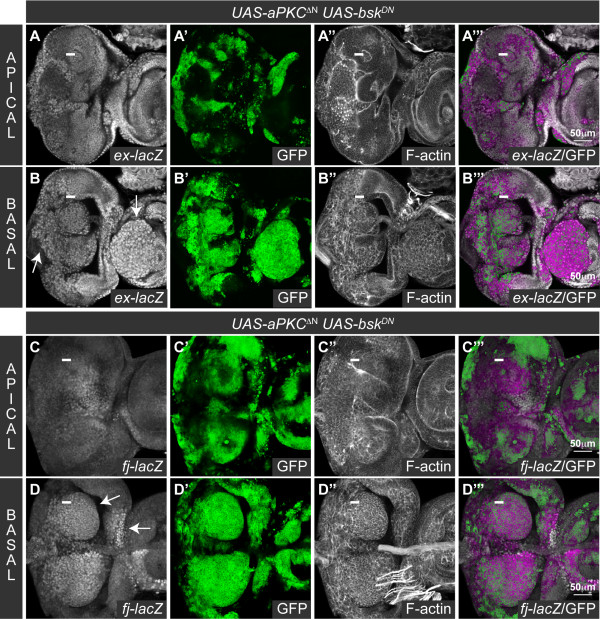
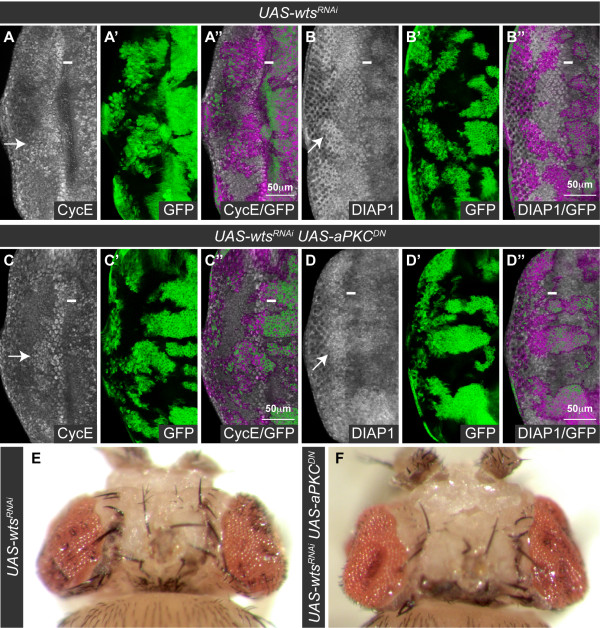
Background: Epithelial neoplasias are associated with alterations in cell polarity and excessive cell proliferation, yet how these neoplastic properties are related to one another is still poorly understood. The study of Drosophila genes that function as neoplastic tumor suppressors by regulating both of these properties has significant potential to clarify this relationship. Results: Here we show in Drosophila that loss of Scribbled (Scrib), a cell polarity regulator and neoplastic tumor suppressor, results in impaired Hippo pathway signaling in the epithelial tissues of both the eye and wing imaginal disc. scrib mutant tissue overgrowth, but not the loss of cell polarity, is dependent upon defective Hippo signaling and can be rescued by knockdown of either the TEAD/TEF family transcription factor Scalloped or the transcriptional coactivator Yorkie in the eye disc, or reducing levels of Yorkie in the wing disc. Furthermore, loss of Scrib sensitizes tissue to transformation by oncogenic Ras-Raf signaling, and Yorkie-Scalloped activity is required to promote this cooperative tumor overgrowth. The inhibition of Hippo signaling in scrib mutant eye disc clones is not dependent upon JNK activity, but can be significantly rescued by reducing aPKC kinase activity, and ectopic aPKC activity is sufficient to impair Hippo signaling in the eye disc, even when JNK signaling is blocked. In contrast, warts mutant overgrowth does not require aPKC activity. Moreover, reducing endogenous levels of aPKC or increasing Scrib or Lethal giant larvae levels does not promote increased Hippo signaling, suggesting that aPKC activity is not normally rate limiting for Hippo pathway activity. Epistasis experiments suggest that Hippo pathway inhibition in scrib mutants occurs, at least in part, downstream or in parallel to both the Expanded and Fat arms of Hippo pathway regulation. Conclusions: Loss of Scrib promotes Yorkie/Scalloped-dependent epithelial tissue overgrowth, and this is also important for driving cooperative tumor overgrowth with oncogenic Ras-Raf signaling. Whether this is also the case in human cancers now warrants investigation since the cell polarity function of Scrib and its capacity to restrain oncogene-mediated transformation, as well as the tissue growth control function of the Hippo pathway, are conserved in mammals.
Overview
The claims and statistics of this paper haven’t been checked yet.
Free: it reads the open-access text and checks the first 5 claims that cite a source we can check. Create a free account to check every claim.
Integrity signals
Registry
Cites
Statistics
Figures
Verification
Claims the paper makes
The claims and statistics of this paper haven’t been checked yet.
Free: it reads the open-access text and checks the first 5 claims that cite a source we can check. Create a free account to check every claim.
Claims other papers make about this one
Each is checked against this paper’s own text: does it say what the citing paper says it does?
The source backs part of the claim, not all of it — or backs it for a different population, condition or comparison.
In the citing paper
“In a similar way, depleting the transcription factor Yorkie reduces wing disc overgrowth in scribble mutants but does not rescue the associated morphological defects (Doggett et al., 2011; Bunker et al., 2015).”
From Scribble: A master scaffold in polarity, adhesion, synaptogenesis, and proliferation (2019) · cites this paper as Doggett et al., 2011
Experimental — accuracy not yet measuredIn the citing paper
“Strikingly, ectopic proliferation induced by inhibiting JNK can be abrogated by impairing the Hippo signaling pathway (Doggett et al., 2011).”
From Scribble: A master scaffold in polarity, adhesion, synaptogenesis, and proliferation (2019) · cites this paper as Doggett et al., 2011
Self-check
Percentages, sums and reported differences re-computed from the paper’s own numbers.
The self-check needs the paper’s full text.
Citations
Cites
Lee, T., & Luo, L. (1999) · Neuron · doi:10.1016/s0896-6273(00)80701-1 · Cited by 2,571
Elucidation of a universal size-control mechanism in Drosophila and mammals
Dong, J., Feldmann, G., Huang, J., Wu, S., Zhang, N., Comerford, S. A., Gayyed, M. F., Anders, R. A., Maitra, A., & Pan, D. (2007) · Cell · doi:10.1016/j.cell.2007.07.019 · Cited by 2,370 · cited 22×
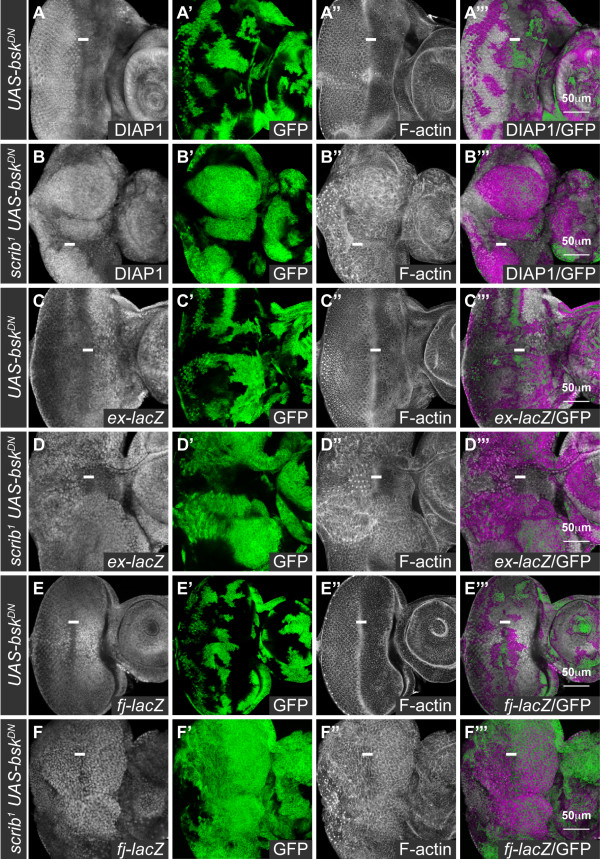
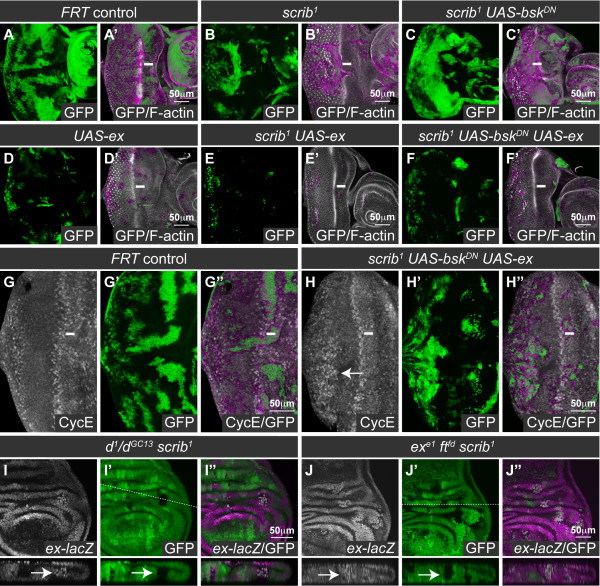
“Grayscale is DIAP1 (A-B), b-GAL (C-F), and F-actin to show tissue morphology (A-F).”
BackgroundInfluentialHuang, J., Wu, S., Barrera, J., Matthews, K., & Pan, D. (2005) · Cell · doi:10.1016/j.cell.2005.06.007 · Cited by 1,863
Justice, R. W., Zilian, O., Woods, D. F., Noll, M., & Bryant, P. J. (1995) · Genes & Development · doi:10.1101/gad.9.5.534 · Cited by 977 · cited 1×
“Indeed, wts mutants were originally identified based upon mutant cell morphology [29], and this is now known to be a phenotype associated with other Hippo pathway mutants and due to Yki-dependent upregulation of the apical cell polarity determinant Crumbs (Crb) and apical hypertrophy [30,31].”
BackgroundSimon, M. A., Bowtell, D. D. L., Dodson, G. S., Laverty, T. R., & Rubin, G. M. (1991) · Cell · doi:10.1016/0092-8674(91)90065-7 · Cited by 859
Tapon, N., Harvey, K. F., Bell, D. W., Wahrer, D. C. R., Schiripo, T. A., Haber, D. A., & Hariharan, I. K. (2002) · Cell · doi:10.1016/s0092-8674(02)00824-3 · Cited by 856
Xu, T., Wang, W., Zhang, S., Stewart, R. A., & Yu, W. (1995) · Development · doi:10.1242/dev.121.4.1053 · Cited by 799
Hamaratoglu, F., Willecke, M., Kango-Singh, M., Nolo, R., Hyun, E., Tao, C., Jafar-Nejad, H., & Halder, G. (2006) · Nature Cell Biology · doi:10.1038/ncb1339 · Cited by 767
Localization of apical epithelial determinants by the basolateral PDZ protein Scribble
Bilder, D., & Perrimon, N. (2000) · Nature · doi:10.1038/35001108 · Cited by 716 · cited 1×
“The following Drosophila stocks were used: ey-FLP1, UASmCD8-GFP;;Tub-GAL4, FRT82B, Tub-GAL80 [64]; y, w, hs-FLP; FRT82B, Ubi-GFP; en-GAL4; UAS-DaPKC [26]; UAS-DaPKC [65]; UAS-aPKC (VDRC #2907); bsk(2) [66]; UAS-bsk [67]; UAS-bsk (NIG #5680R-1); d(1) [68]; d [12]; ex [69]; ex(697) (ex-lacZ in all figures except Figure…”
Identification of Vangl2 and Scrb1 as planar polarity genes in mammals
Montcouquiol, M., Rachel, R. A., Lanford, P. J., Copeland, N. G., Jenkins, N. A., & Kelley, M. W. (2003) · Nature · doi:10.1038/nature01618 · Cited by 705 · cited 1×
“Mammalian Scrib also functions within planar cell polarity pathways [63], and although links with the Hippo pathway have not yet been described, the connection is likely to be conserved since studies in the zebrafish indicate that zScrib binds to zFat1 and also promotes Hippo pathway activation [44].”
BackgroundWu, S., Liu, Y., Zheng, Y., Dong, J., & Pan, D. (2008) · Developmental Cell · doi:10.1016/j.devcel.2008.01.007 · Cited by 640
The TEAD/TEF family of transcription factor Scalloped mediates Hippo signaling in organ size control
Zhang, L., Ren, F., Zhang, Q., Chen, Y., Wang, B., & Jiang, J. (2008) · Developmental Cell · doi:10.1016/j.devcel.2008.01.006 · Cited by 630 · cited 4×
“The following Drosophila stocks were used: ey-FLP1, UASmCD8-GFP;;Tub-GAL4, FRT82B, Tub-GAL80 [64]; y, w, hs-FLP; FRT82B, Ubi-GFP; en-GAL4; UAS-DaPKC [26]; UAS-DaPKC [65]; UAS-aPKC (VDRC #2907); bsk(2) [66]; UAS-bsk [67]; UAS-bsk (NIG #5680R-1); d(1) [68]; d [12]; ex [69]; ex(697) (ex-lacZ in all figures except Figure…”
BackgroundInfluentialThe Salvador–Warts–Hippo pathway — an emerging tumour-suppressor network
Harvey, K., & Tapon, N. (2007) · Nature Reviews Cancer · doi:10.1038/nrc2070 · Cited by 628
scribble mutants cooperate with oncogenic Ras or Notch to cause neoplastic overgrowth in Drosophila
Brumby, A. M., & Richardson, H. E. (2003) · The EMBO Journal · doi:10.1093/emboj/cdg548 · Cited by 628 · cited 5×
“We have previously reported that scrib mutant clones of tissue in the eye disc exhibit ectopic CycE expression and excessive cell proliferation, although this is restrained through JNK-dependent apoptosis [39].”
BackgroundSelf-citationThe Par complex directs asymmetric cell division by phosphorylating the cytoskeletal protein Lgl
Betschinger, J., Mechtler, K., & Knoblich, J. A. (2003) · Nature · doi:10.1038/nature01486 · Cited by 564
Frizzled/PCP signalling: a conserved mechanism regulating cell polarity and directed motility
Seifert, J. R. K., & Mlodzik, M. (2007) · Nature Reviews Genetics · doi:10.1038/nrg2042 · Cited by 513
The Hippo–YAP pathway: new connections between regulation of organ size and cancer
Zhao, B., Lei, Q.-Y., & Guan, K.-L. (2008) · Current Opinion in Cell Biology · doi:10.1016/j.ceb.2008.10.001 · Cited by 455 · cited 2×
“Loss of Hippo pathway signaling or ectopic activation of the Yki or Sd homologues, (YAP and TEAD family proteins respectively), is emerging as a powerful oncogenic force [reviewed in [21]].”
BackgroundGoulev, Y., Fauny, J. D., Gonzalez-Marti, B., Flagiello, D., Silber, J., & Zider, A. (2008) · Current Biology · doi:10.1016/j.cub.2008.02.034 · Cited by 452 · cited 22×
“Grayscale is DIAP1 (A-B), b-GAL (C-F), and F-actin to show tissue morphology (A-F).”
BackgroundInfluentialZhan, L., Rosenberg, A., Bergami, K. C., Yu, M., Xuan, Z., Jaffe, A. B., Allred, C., & Muthuswamy, S. K. (2008) · Cell · doi:10.1016/j.cell.2008.09.045 · Cited by 436 · cited 4×
“Loss of Hippo pathway components leads to reduced phosphorylation of Yki and its translocation to the nucleus where it binds to its DNA binding partner, Scalloped (Sd), and promotes expression of proteins involved in cell proliferation (Cyclin E; CycE), cell growth (Myc) and cell survival (Drosophila Inhibitor of Apop…”
BackgroundInfluentialDelineation of a Fat tumor suppressor pathway
Cho, E., Feng, Y., Rauskolb, C., Maitra, S., Fehon, R., & Irvine, K. D. (2006) · Nature Genetics · doi:10.1038/ng1887 · Cited by 432 · cited 2×
“The overexpression of ex can promote ectopic Hippo signaling, and when expressed in otherwise wild type clones can restrain clonal growth in a Hpo and Wtsdependent manner [13,17,41].”
BackgroundModulating F‐actin organization induces organ growth by affecting the Hippo pathway
Sansores‐Garcia, L., Bossuyt, W., Wada, K., Yonemura, S., Tao, C., Sasaki, H., & Halder, G. (2011) · The EMBO Journal · doi:10.1038/emboj.2011.157 · Cited by 430 · cited 1×
“Indeed, a number of recent reports indicating that increased levels of F-actin are sufficient to inhibit Hippo pathway activity [47,48] are also suggestive, since the aPKC-dependent loss of apico-basal cell polarity in scrib mutants is often associated with F-actin accumulations (data not shown).”
BackgroundIn vivo regulation of Yorkie phosphorylation and localization
Oh, H., & Irvine, K. D. (2008) · Development · doi:10.1242/dev.015255 · Cited by 404 · cited 22×
“Grayscale is DIAP1 (A-B), b-GAL (C-F), and F-actin to show tissue morphology (A-F).”
BackgroundInfluentialJNK‐ and Fos‐regulated Mmp1 expression cooperates with Ras to induce invasive tumors in Drosophila
Uhlirova, M., & Bohmann, D. (2006) · The EMBO Journal · doi:10.1038/sj.emboj.7601401 · Cited by 395 · cited 1×
“Indeed, the role of JNK in neoplasia is proving to be complex, since in some contexts it functions as an oncogene to promote neoplasia, whilst in different contexts it acts as a tumor suppressor through the induction of apoptosis [38,39,51-53].”
BackgroundLoss of Cell Polarity Drives Tumor Growth and Invasion through JNK Activation in Drosophila
Igaki, T., Pagliarini, R. A., & Xu, T. (2006) · Current Biology · doi:10.1016/j.cub.2006.04.042 · Cited by 370 · cited 1×
“Indeed, the role of JNK in neoplasia is proving to be complex, since in some contexts it functions as an oncogene to promote neoplasia, whilst in different contexts it acts as a tumor suppressor through the induction of apoptosis [38,39,51-53].”
BackgroundWirtz-Peitz, F., Nishimura, T., & Knoblich, J. A. (2008) · Cell · doi:10.1016/j.cell.2008.07.049 · Cited by 369
Lgl, aPKC, and Crumbs Regulate the Salvador/Warts/Hippo Pathway through Two Distinct Mechanisms
Grzeschik, N. A., Parsons, L. M., Allott, M. L., Harvey, K. F., & Richardson, H. E. (2010) · Current Biology · doi:10.1016/j.cub.2010.01.055 · Cited by 346 · cited 8×
“In contrast to lgl, reduced levels of Scrib in the eye disc to levels where apico-basal cell polarity is only mildly affected does not impair Hippo signaling [35], although prior studies with null alleles have demonstrated both aPKC-dependent proliferation as well as ectopic JNK signaling in scrib mutant eye disc clon…”
BackgroundSelf-citationThe Fat Cadherin Acts through the Hippo Tumor-Suppressor Pathway to Regulate Tissue Size
Willecke, M., Hamaratoglu, F., Kango-Singh, M., Udan, R., Chen, C.-L., Tao, C., Zhang, X., & Halder, G. (2006) · Current Biology · doi:10.1016/j.cub.2006.09.005 · Cited by 329
Ling, C., Zheng, Y., Yin, F., Yu, J., Huang, J., Hong, Y., Wu, S., & Pan, D. (2010) · Proceedings of the National Academy of Sciences · doi:10.1073/pnas.1004279107 · Cited by 319 · cited 2×
“Crb itself acts to regulate Hippo signaling by binding to Ex [32], and either excessive Crb activity or loss of Crb results in deregulation of Ex and an impairment to Hippo signaling resulting in tissue overgrowth [32-35].”
BackgroundControl of tumourigenesis by the Scribble/Dlg/Lgl polarity module
Humbert, P. O., Grzeschik, N. A., Brumby, A. M., Galea, R., Elsum, I., & Richardson, H. E. (2008) · Oncogene · doi:10.1038/onc.2008.341 · Cited by 318
Self-citationFat Cadherin Modulates Organ Size in Drosophila via the Salvador/Warts/Hippo Signaling Pathway
Bennett, F. C., & Harvey, K. F. (2006) · Current Biology · doi:10.1016/j.cub.2006.09.045 · Cited by 314 · cited 2×
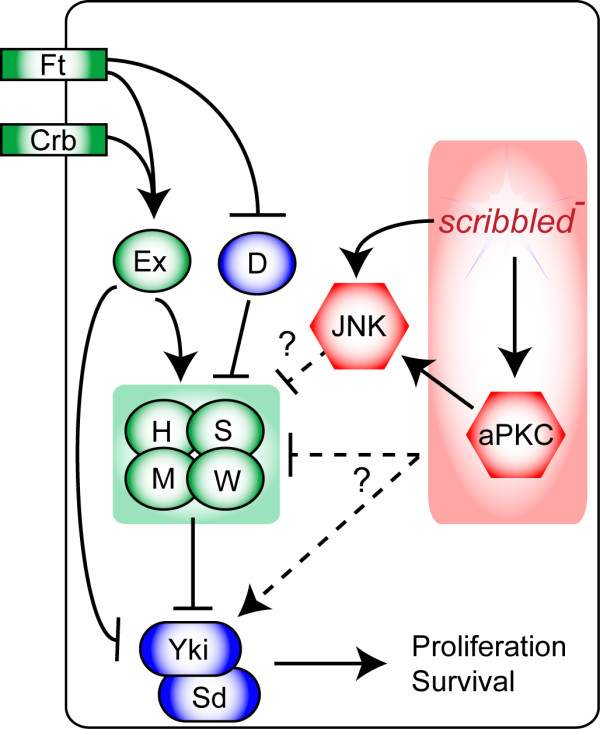
“Crb acts through Ex [32-34], and Ft acts through both Ex [14,15,19] and the unconventional myosin Dachs (D) [12].”
BackgroundRiesgo-Escovar, J. R., Jenni, M., Fritz, A., & Hafen, E. (1996) · Genes & Development · doi:10.1101/gad.10.21.2759 · Cited by 312 · cited 1×
“The following Drosophila stocks were used: ey-FLP1, UASmCD8-GFP;;Tub-GAL4, FRT82B, Tub-GAL80 [64]; y, w, hs-FLP; FRT82B, Ubi-GFP; en-GAL4; UAS-DaPKC [26]; UAS-DaPKC [65]; UAS-aPKC (VDRC #2907); bsk(2) [66]; UAS-bsk [67]; UAS-bsk (NIG #5680R-1); d(1) [68]; d [12]; ex [69]; ex(697) (ex-lacZ in all figures except Figure…”
Crumbs Regulates Salvador/Warts/Hippo Signaling in Drosophila via the FERM-Domain Protein Expanded
Robinson, B. S., Huang, J., Hong, Y., & Moberg, K. H. (2010) · Current Biology · doi:10.1016/j.cub.2010.03.019 · Cited by 312 · cited 2×
“Crb itself acts to regulate Hippo signaling by binding to Ex [32], and either excessive Crb activity or loss of Crb results in deregulation of Ex and an impairment to Hippo signaling resulting in tissue overgrowth [32-35].”
BackgroundEndocytic control of epithelial polarity and proliferation in Drosophila
Lu, H., & Bilder, D. (2005) · Nature Cell Biology · doi:10.1038/ncb1324 · Cited by 305 · cited 1×
“The loss of apico-basal cell polarity and overgrowth phenotypes of a number of these mutants, including scrib, lgl, avl and TSG101 are dependent upon atypical protein kinase C (aPKC) activity, since mutant phenotypes can be rescued by reducing atypical protein kinase C function [23-25].”
BackgroundKarim, F. D., & Rubin, G. M. (1998) · Development · doi:10.1242/dev.125.1.1 · Cited by 303
The apical-basal cell polarity determinant Crumbs regulates Hippo signaling in Drosophila
Chen, C.-L., Gajewski, K. M., Hamaratoglu, F., Bossuyt, W., Sansores-Garcia, L., Tao, C., & Halder, G. (2010) · Proceedings of the National Academy of Sciences · doi:10.1073/pnas.1004060107 · Cited by 302 · cited 2×
“Crb itself acts to regulate Hippo signaling by binding to Ex [32], and either excessive Crb activity or loss of Crb results in deregulation of Ex and an impairment to Hippo signaling resulting in tissue overgrowth [32-35].”
BackgroundActin-Capping Protein and the Hippo pathway regulate F-actin and tissue growth in Drosophila
Fernández, B. G., Gaspar, P., Brás-Pereira, C., Jezowska, B., Rebelo, S. R., & Janody, F. (2011) · Development · doi:10.1242/dev.063545 · Cited by 293
Silva, E., Tsatskis, Y., Gardano, L., Tapon, N., & McNeill, H. (2006) · Current Biology · doi:10.1016/j.cub.2006.09.004 · Cited by 290 · cited 2×
“Crb acts through Ex [32-34], and Ft acts through both Ex [14,15,19] and the unconventional myosin Dachs (D) [12].”
BackgroundNeto-Silva, R. M., de Beco, S., & Johnston, L. A. (2010) · Developmental Cell · doi:10.1016/j.devcel.2010.09.009 · Cited by 287 · cited 22×
“Grayscale is DIAP1 (A-B), b-GAL (C-F), and F-actin to show tissue morphology (A-F).”
BackgroundInfluentialDrosophila aPKC regulates cell polarity and cell proliferation in neuroblasts and epithelia
Rolls, M. M., Albertson, R., Shih, H.-P., Lee, C.-Y., & Doe, C. Q. (2003) · The Journal of Cell Biology · doi:10.1083/jcb.200306079 · Cited by 283
Morphogen Control of Wing Growth through the Fat Signaling Pathway
Rogulja, D., Rauskolb, C., & Irvine, K. D. (2008) · Developmental Cell · doi:10.1016/j.devcel.2008.06.003 · Cited by 250 · cited 1×
“It is proposed that the primary function of the Hippo pathway is to incorporate positional cues within an epithelial field to dictate the ultimate size of organ development [20].”
BackgroundUsing Drosophila melanogaster to map human cancer pathways
Brumby, A. M., & Richardson, H. E. (2005) · Nature Reviews Cancer · doi:10.1038/nrc1671 · Cited by 245 · cited 1×
“Drosophila has long been recognized as an important model organism for elucidating oncogenic and tumor suppressor pathways [reviewed in [1]].”
BackgroundSelf-citationRegulation of Imaginal Disc Growth by Tumor-Suppressor Genes in Drosophila
Hariharan, I. K., & Bilder, D. (2006) · Annual Review of Genetics · doi:10.1146/annurev.genet.39.073003.100738 · Cited by 237
DaPKC-dependent phosphorylation of Crumbs is required for epithelial cell polarity in Drosophila
Sotillos, S., Díaz-Meco, M. T., Caminero, E., Moscat, J., & Campuzano, S. (2004) · The Journal of Cell Biology · doi:10.1083/jcb.200311031 · Cited by 228
Halder, G., Polaczyk, P., Kraus, M. E., Hudson, A., Kim, J., Laughon, A., & Carroll, S. (1998) · Genes & Development · doi:10.1101/gad.12.24.3900 · Cited by 222
Mao, Y., Rauskolb, C., Cho, E., Hu, W.-L., Hayter, H., Minihan, G., Katz, F. N., & Irvine, K. D. (2006) · Development · doi:10.1242/dev.02427 · Cited by 219
Sun, G., & Irvine, K. D. (2011) · Developmental Biology · doi:10.1016/j.ydbio.2010.11.036 · Cited by 219 · cited 9×
“Loss of lgl in the wing disc also impairs Hippo signaling, and this has been shown to depend upon JNK signaling [37].”
BackgroundInfluentialBadouel, C., Gardano, L., Amin, N., Garg, A., Rosenfeld, R., Le Bihan, T., & McNeill, H. (2009) · Developmental Cell · doi:10.1016/j.devcel.2009.01.010 · Cited by 210 · cited 1×
“However, this interpretation is complicated by Ex’s capacity to directly bind to, and sequester Yki activity [46].”
BackgroundUpstream Regulation of the Hippo Size Control Pathway
Grusche, F. A., Richardson, H. E., & Harvey, K. F. (2010) · Current Biology · doi:10.1016/j.cub.2010.05.023 · Cited by 196 · cited 2×
“Mammalian Scrib also functions within planar cell polarity pathways [63], and although links with the Hippo pathway have not yet been described, the connection is likely to be conserved since studies in the zebrafish indicate that zScrib binds to zFat1 and also promotes Hippo pathway activation [44].”
BackgroundSelf-citationBryant, P. J., Huettner, B., Held, L. I., Ryerse, J., & Szidonya, J. (1988) · Developmental Biology · doi:10.1016/0012-1606(88)90399-5 · Cited by 191 · cited 1×
“The following Drosophila stocks were used: ey-FLP1, UASmCD8-GFP;;Tub-GAL4, FRT82B, Tub-GAL80 [64]; y, w, hs-FLP; FRT82B, Ubi-GFP; en-GAL4; UAS-DaPKC [26]; UAS-DaPKC [65]; UAS-aPKC (VDRC #2907); bsk(2) [66]; UAS-bsk [67]; UAS-bsk (NIG #5680R-1); d(1) [68]; d [12]; ex [69]; ex(697) (ex-lacZ in all figures except Figure…”
Ziosi, M., Baena-López, L. A., Grifoni, D., Froldi, F., Pession, A., Garoia, F., Trotta, V., Bellosta, P., Cavicchi, S., & Pession, A. (2010) · PLoS Genetics · doi:10.1371/journal.pgen.1001140 · Cited by 184 · cited 22×
“Grayscale is DIAP1 (A-B), b-GAL (C-F), and F-actin to show tissue morphology (A-F).”
BackgroundInfluentialBrand, A. H., & Perrimon, N. (1994) · Genes & Development · doi:10.1101/gad.8.5.629 · Cited by 179 · cited 1×
“The following Drosophila stocks were used: ey-FLP1, UASmCD8-GFP;;Tub-GAL4, FRT82B, Tub-GAL80 [64]; y, w, hs-FLP; FRT82B, Ubi-GFP; en-GAL4; UAS-DaPKC [26]; UAS-DaPKC [65]; UAS-aPKC (VDRC #2907); bsk(2) [66]; UAS-bsk [67]; UAS-bsk (NIG #5680R-1); d(1) [68]; d [12]; ex [69]; ex(697) (ex-lacZ in all figures except Figure…”
Djiane, A., Yogev, S., & Mlodzik, M. (2005) · Cell · doi:10.1016/j.cell.2005.03.014 · Cited by 177 · cited 1×
“Furthermore, the interrelationship between Hippo and apico-basal cell polarity pathways is not confined to traditional apico-basal epithelial polarity regulators such as Scrib and aPKC, since the Hippo pathway components ft, fj and ds also participate in planar cell polarity pathways [reviewed in [56]], as do scrib [5…”
BackgroundDow, L. E., Elsum, I. A., King, C. L., Kinross, K. M., Richardson, H. E., & Humbert, P. O. (2008) · Oncogene · doi:10.1038/onc.2008.219 · Cited by 171
Self-citationMolecular interactions between Vestigial and Scalloped promote wing formation in Drosophila
Simmonds, A. J., Liu, X., Soanes, K. H., Krause, H. M., Irvine, K. D., & Bell, J. B. (1998) · Genes & Development · doi:10.1101/gad.12.24.3815 · Cited by 171 · cited 3×
“Halder G, Polaczyk P, Kraus ME, Hudson A, Kim J, Laughon A, Carroll S: The Vestigial and Scalloped proteins act together to directly regulate wingspecific gene expression in Drosophila.”
BackgroundInfluentialAdachi-Yamada, T., Nakamura, M., Irie, K., Tomoyasu, Y., Sano, Y., Mori, E., Goto, S., Ueno, N., Nishida, Y., & Matsumoto, K. (1999) · Molecular and Cellular Biology · doi:10.1128/mcb.19.3.2322 · Cited by 165
Scribble participates in Hippo signaling and is required for normal zebrafish pronephros development
Skouloudaki, K., Puetz, M., Simons, M., Courbard, J.-R., Boehlke, C., Hartleben, B., Engel, C., Moeller, M. J., Englert, C., Bollig, F., et al. (2009) · Proceedings of the National Academy of Sciences · doi:10.1073/pnas.0811691106 · Cited by 163 · cited 1×
“binds to, and functionally cooperates with, Ft [45]; and as this interaction could be conserved in Drosophila [45] very direct points of intersection between Scrib and the upstream regulators of Hippo signaling can be envisaged.”
BackgroundThe Salvador/Warts/Hippo pathway controls regenerative tissue growth in Drosophila melanogaster
Grusche, F., Degoutin, J. L., Richardson, H. E., & Harvey, K. F. (2010) · Developmental Biology · doi:10.1016/j.ydbio.2010.11.020 · Cited by 146 · cited 1×
“Non-cell autonomous effects, with increased expression in wild type cells surrounding mutant clones, were also sometimes observed (data not shown), consistent with the involvement of the Hippo pathway in regenerative proliferation around dying tissue [54].”
BackgroundSelf-citationexpanded: a gene involved in the control of cell proliferation in imaginal discs
Boedigheimer, M., & Laughon, A. (1993) · Development · doi:10.1242/dev.118.4.1291 · Cited by 141
Harris, T., & Peifer, M. A. (2007) · Developmental Cell · doi:10.1016/j.devcel.2007.02.011 · Cited by 136 · cited 1×
“Furthermore, the interrelationship between Hippo and apico-basal cell polarity pathways is not confined to traditional apico-basal epithelial polarity regulators such as Scrib and aPKC, since the Hippo pathway components ft, fj and ds also participate in planar cell polarity pathways [reviewed in [56]], as do scrib [5…”
BackgroundDomains controlling cell polarity and proliferation in the Drosophila tumor suppressor Scribble
Zeitler, J., Hsu, C. P., Dionne, H., & Bilder, D. (2004) · The Journal of Cell Biology · doi:10.1083/jcb.200407158 · Cited by 135 · cited 1×
“The following Drosophila stocks were used: ey-FLP1, UASmCD8-GFP;;Tub-GAL4, FRT82B, Tub-GAL80 [64]; y, w, hs-FLP; FRT82B, Ubi-GFP; en-GAL4; UAS-DaPKC [26]; UAS-DaPKC [65]; UAS-aPKC (VDRC #2907); bsk(2) [66]; UAS-bsk [67]; UAS-bsk (NIG #5680R-1); d(1) [68]; d [12]; ex [69]; ex(697) (ex-lacZ in all figures except Figure…”
Regulation of Lethal giant larvae by Dishevelled
Dollar, G. L., Weber, U., Mlodzik, M., & Sokol, S. Y. (2005) · Nature · doi:10.1038/nature04116 · Cited by 131 · cited 1×
“Furthermore, the interrelationship between Hippo and apico-basal cell polarity pathways is not confined to traditional apico-basal epithelial polarity regulators such as Scrib and aPKC, since the Hippo pathway components ft, fj and ds also participate in planar cell polarity pathways [reviewed in [56]], as do scrib [5…”
BackgroundFat and Expanded act in parallel to regulate growth through Warts
Feng, Y., & Irvine, K. D. (2007) · Proceedings of the National Academy of Sciences · doi:10.1073/pnas.0706722105 · Cited by 125
Tyler, D. M., & Baker, N. E. (2007) · Developmental Biology · doi:10.1016/j.ydbio.2007.02.004 · Cited by 122 · cited 2×
“The overexpression of ex can promote ectopic Hippo signaling, and when expressed in otherwise wild type clones can restrain clonal growth in a Hpo and Wtsdependent manner [13,17,41].”
BackgroundThe Hippo pathway regulates apical-domain size independently of its growth-control function
Genevet, A., Polesello, C., Blight, K., Robertson, F., Collinson, L., Pichaud, F., & Tapon, N. (2009) · Journal of Cell Science · doi:10.1242/jcs.041806 · Cited by 119 · cited 3×
“Loss of wts is capable of eliciting neoplastic overgrowth [55], and Hippo pathway mutants induce apical hypertrophy with increased levels of apical cell determinants such as Crb, aPKC [30,31], and F-actin [48], although, interestingly, despite the potential for increased Crb, aPKC and F-actin to promote tissue hyperpl…”
BackgroundLocalization of proteins to the apico-lateral junctions ofDrosophila epithelia
Woods, D. F., Wu, J.-W., & Bryant, P. J. (1997) · Developmental Genetics · doi:10.1002/(sici)1520-6408(1997)20:2<111::aid-dvg4>3.0.co;2-a · Cited by 115
Grzeschik, N. A., Amin, N., Secombe, J., Brumby, A. M., & Richardson, H. E. (2007) · Developmental Biology · doi:10.1016/j.ydbio.2007.08.025 · Cited by 107 · cited 1×
“Certainly loss of scrib is notable for eliciting much stronger cell morphology defects in the eye disc than loss of lgl [39,50].”
BackgroundSelf-citationPellock, B. J., Buff, E. M., White, K., & Hariharan, I. K. (2006) · Developmental Biology · doi:10.1016/j.ydbio.2006.12.021 · Cited by 106 · cited 1×
“The pathway is regulated through input from upstream components including Merlin and Expanded (Ex), and the transmembrane proteins Fat (Ft) and Dachsous (Ds) [12-19].”
BackgroundLee, J. D., & Treisman, J. E. (2001) · Development · doi:10.1242/dev.128.9.1519 · Cited by 95
scribblemutants promote aPKC and JNK-dependent epithelial neoplasia independently of Crumbs
Leong, G. R., Goulding, K. R., Amin, N., Richardson, H. E., & Brumby, A. M. (2009) · BMC Biology · doi:10.1186/1741-7007-7-62 · Cited by 94 · cited 10×
“In contrast to lgl, reduced levels of Scrib in the eye disc to levels where apico-basal cell polarity is only mildly affected does not impair Hippo signaling [35], although prior studies with null alleles have demonstrated both aPKC-dependent proliferation as well as ectopic JNK signaling in scrib mutant eye disc clon…”
BackgroundSelf-citationBrodsky, M. H., & Steller, H. (1996) · Developmental Biology · doi:10.1006/dbio.1996.0038 · Cited by 93
Brumby, A. M., Goulding, K. R., Schlosser, T., Loi, S., Galea, R., Khoo, P., Bolden, J. E., Aigaki, T., Humbert, P. O., & Richardson, H. E. (2011) · Genetics · doi:10.1534/genetics.111.127910 · Cited by 86
Self-citationCourbard, J.-R., Djiane, A., Wu, J., & Mlodzik, M. (2009) · Developmental Biology · doi:10.1016/j.ydbio.2009.06.024 · Cited by 82 · cited 1×
“Furthermore, the interrelationship between Hippo and apico-basal cell polarity pathways is not confined to traditional apico-basal epithelial polarity regulators such as Scrib and aPKC, since the Hippo pathway components ft, fj and ds also participate in planar cell polarity pathways [reviewed in [56]], as do scrib [5…”
BackgroundThe Hippo tumor-suppressor pathway regulates apical-domain size in parallel to tissue growth
Hamaratoglu, F., Gajewski, K., Sansores-Garcia, L., Morrison, C., Tao, C., & Halder, G. (2009) · Journal of Cell Science · doi:10.1242/jcs.046482 · Cited by 78 · cited 3×
“Loss of wts is capable of eliciting neoplastic overgrowth [55], and Hippo pathway mutants induce apical hypertrophy with increased levels of apical cell determinants such as Crb, aPKC [30,31], and F-actin [48], although, interestingly, despite the potential for increased Crb, aPKC and F-actin to promote tissue hyperpl…”
BackgroundA Mosaic Genetic Screen for Drosophila Neoplastic Tumor Suppressor Genes Based on Defective Pupation
Menut, L., Vaccari, T., Dionne, H., Hill, J., Wu, G., & Bilder, D. (2007) · Genetics · doi:10.1534/genetics.107.078360 · Cited by 78
Zhao, M., Szafranski, P., Hall, C. A., & Goode, S. (2008) · Genetics · doi:10.1534/genetics.108.086983 · Cited by 69 · cited 1×
“dlg, lgl or scrib mutant follicle cells surrounding the female ovary have elevated levels of Yki targets Cyclin E and DIAP1, and exhibit strong genetic interactions with wts [36].”
BackgroundExpanded functions in the apical cell domain to regulate the growth rate of imaginal discs
Boedigheimer, M. J., Nguyen, K., & Bryant, P. J. (1997) · Developmental Genetics · doi:10.1002/(sici)1520-6408(1997)20:2<103::aid-dvg3>3.0.co;2-b · Cited by 61 · cited 2×
“The following Drosophila stocks were used: ey-FLP1, UASmCD8-GFP;;Tub-GAL4, FRT82B, Tub-GAL80 [64]; y, w, hs-FLP; FRT82B, Ubi-GFP; en-GAL4; UAS-DaPKC [26]; UAS-DaPKC [65]; UAS-aPKC (VDRC #2907); bsk(2) [66]; UAS-bsk [67]; UAS-bsk (NIG #5680R-1); d(1) [68]; d [12]; ex [69]; ex(697) (ex-lacZ in all figures except Figure…”
Vaccari, T., & Bilder, D. (2009) · Molecular Oncology · doi:10.1016/j.molonc.2009.05.005 · Cited by 53 · cited 1×
“Neoplastic mutants include the junctional scaffolding genes that regulate cell polarity, scrib, discs large (dlg) and lethal giant larvae (lgl), as well as mutants within the endocytic pathway including avalanche (avl), tumor suppressor protein 101 (TSG101) and Rab5 [reviewed in [22]].”
BackgroundBuckles, G. R., Rauskolb, C., Villano, J. L., & Katz, F. N. (2001) · Development · doi:10.1242/dev.128.18.3533 · Cited by 49
Lgl, the SWH pathway and tumorigenesis: It’s a matter of context and competition!
Grzeschik, N. A., Parsons, L. M., & Richardson, H. (2010) · Cell Cycle · doi:10.4161/cc.9.16.12633 · Cited by 38 · cited 1×
“In the eye disc, however, we show that Hippo pathway impairment in scrib mutants, as well as upon ectopic activation of aPKC signaling, cannot be rescued by blocking JNK, and this is also likely to be the case for lgl mutants [49].”
BackgroundSelf-citationGilbert‐Ross, M., Robinson, B. S., & Moberg, K. H. (2009) · PLoS ONE · doi:10.1371/journal.pone.0007039 · Cited by 10 · cited 1×
“The loss of apico-basal cell polarity and overgrowth phenotypes of a number of these mutants, including scrib, lgl, avl and TSG101 are dependent upon atypical protein kinase C (aPKC) activity, since mutant phenotypes can be rescued by reducing atypical protein kinase C function [23-25].”
Background
Cited by
Transduction of mechanical and cytoskeletal cues by YAP and TAZ
Halder, G., Dupont, S., & Piccolo, S. (2012) · Nature Reviews Molecular Cell Biology · doi:10.1038/nrm3416 · Cited by 985
Integrin signalling regulates YAP/TAZ to control skin homeostasis
Elbediwy, A., Vincent-Mistiaen, Z. I., Spencer-Dene, B., Stone, R. K., Boeing, S., Wculek, S. K., Cordero, J., Tan, E. H., Ridgway, R., Brunton, V. G., et al. (2016) · Development · doi:10.1242/dev.133728 · Cited by 291
“…imaginal discs is sufficient to induce overproliferation of cells, whereas loss of PI3K or Yki strongly impairs imaginal disc tumour formation (Doggett et al., 2011; Enomoto and Igaki, 2013; Fernandez et al., 2014; Herranz et al., 2012, 2014; Strassburger et al., 2012; Willecke et al., 2011).”
BackgroundYAP/TAZ: Drivers of Tumor Growth, Metastasis, and Resistance to Therapy
Thompson, B. J. (2020) · BioEssays · doi:10.1002/bies.201900162 · Cited by 259
Cell competition: how to eliminate your neighbours
Amoyel, M., & Bach, E. A. (2014) · Development · doi:10.1242/dev.079129 · Cited by 200
“In contrast to studies of classical cell competition, in which discrete clones are generated and then analysed after a defined period of time, many studies of polarity-deficient cells employ techniques that continuously generate clones (see Box 1), resulting in large merged patches of mutant tissue (Brumby and Richard…”
BackgroundMethodInfluentialTumor suppression by cell competition through regulation of the Hippo pathway
Chen, C.-L., Schroeder, M. C., Kango-Singh, M., Tao, C., & Halder, G. (2012) · Proceedings of the National Academy of Sciences · doi:10.1073/pnas.1113882109 · Cited by 187
“Previous reports showed that Hippo pathway reporters can be up-regulated in scrib and lgl mutant discs and clones (13, 14, 18, 20) and that Yki is required for the overgrowth of scrib+Bsk cells not subjected to cell competition (13).”
Background
Metadata
- Authors
- Doggett, K., Grusche, F. A., Richardson, H. E., & Brumby, A. M.
- Affiliations
- Ludwig Cancer Research (BE)
- The University of Melbourne (AU)
- Corresponding author
- Brumby, Anthony M
- Venue
- BMC Developmental Biology
- Published
- 2011-09-29
- Volume
- 11
- Issue
- 1
- Pages
- 57-57
- ISSN
- 1471-213X (ISSN-L)
- PMC
- PMC3206446
- OpenAlex
- W2040502391
- Cited by
- 119
- References
- 79
- Citations by year
- 2025: 4 · 2024: 8 · 2023: 3 · 2022: 5 · 2021: 9 · 2020: 8 · 2019: 4 · 2018: 11 · 2017: 9 · 2016: 6 · 2015: 11 · 2014: 10 · 2013: 19 · 2012: 11
- FWCI
- 6.29
- Type
- journal article
- Language
- en
- Open access
- hybrid
- doi.org
- Licence
- cc-by
- Locations
- BMC Developmental Biology (publishedVersion, cc-by)
- Europe PMC (PubMed Central) (publishedVersion, cc-by)
- PubMed Central (publishedVersion, cc-by)
- PubMed (publishedVersion)
- Minerva Access (University of Melbourne) (submittedVersion, cc-by)
- DOAJ (DOAJ: Directory of Open Access Journals) (submittedVersion)
- Funders
- University of Melbourne
- Medical Research Council
- National Health and Medical Research Council (509051, 350396)
- Institute of Genetics
- Topics
- Life Sciences › Biochemistry, Genetics and Molecular Biology › Cell Biology › Hippo pathway signaling and YAP/TAZ
- Life Sciences › Biochemistry, Genetics and Molecular Biology › Molecular Biology › Developmental Biology and Gene Regulation
- Life Sciences › Biochemistry, Genetics and Molecular Biology › Cell Biology › Microtubule and mitosis dynamics
- Keywords
- Hippo signaling pathway, tumor suppressor, cell polarity, Yorkie, Scalloped, atypical protein kinase C, JNK, Expanded, fats, eye imaginal disc, wing imaginal disc, epithelial tumors, Drosophila
- MeSH terms
- YAP-Signaling Proteins, Hippo Kinases, Animals, Drosophila melanogaster, Epithelial Cells, Eye, Membrane Proteins, Mutation, Nuclear Proteins, Protein Kinase C, Transcription Factors, Wings, Animal, Signal Transduction, Trans-Activators, Oncogene Protein p21(ras), Cell Polarity, Protein Serine-Threonine Kinases, Tumor Suppressor Proteins, Drosophila Proteins, Intracellular Signaling Peptides and Proteins, raf Kinases, Cell Proliferation
About these checks
Registry, retraction, Cites and statistics results are computed, not judged, with one exception: a printed reference that no index lists is read once by a model before it counts as a citation error. Claims are extracted by a model and kept only when their quote appears verbatim in the text; each cited source is then checked, with a model’s help, for whether it says what the claim relies on. Those verdicts can be wrong — read the claim’s quote and the cited source before relying on one.
Statistics and arithmetic are recomputed, not judged.
Confidence bands are shown only for fields calibrated on our annotated test set. None is calibrated yet, so no band is shown.
What counts as a claim ›How we measure confidence ›How we check this ›
Are you an author, or do you see a problem with this page? Request a review
Data sources
Bibliographic data: Semantic Scholar, OpenAlex, Crossref.
Contains information from the Semantic Scholar Academic Graph Datasets, made available under the ODC Attribution License (ODC-BY 1.0).
Semantic Scholar’s data is described in: Kinney, R., et al. (2023). The Semantic Scholar Open Data Platform. arXiv:2301.10140.
