

Deep sequencing-based analysis of the anaerobic stimulon in Neisseria gonorrhoeae
Open accessThe DOI matches its Crossref record; 95 of the 95 references it cites were found in a registry or an index.
Abstract
BACKGROUND: Maintenance of an anaerobic denitrification system in the obligate human pathogen, Neisseria gonorrhoeae, suggests that an anaerobic lifestyle may be important during the course of infection. Furthermore, mounting evidence suggests that reduction of host-produced nitric oxide has several immunomodulary effects on the host. However, at this point there have been no studies analyzing the complete gonococcal transcriptome response to anaerobiosis. Here we performed deep sequencing to compare the gonococcal transcriptomes of aerobically and anaerobically grown cells. Using the information derived from this sequencing, we discuss the implications of the robust transcriptional response to anaerobic growth. RESULTS: We determined that 198 chromosomal genes were differentially expressed (~10% of the genome) in response to anaerobic conditions. We also observed a large induction of genes encoded within the cryptic plasmid, pJD1. Validation of RNA-seq data using translational-lacZ fusions or RT-PCR demonstrated the RNA-seq results to be very reproducible. Surprisingly, many genes of prophage origin were induced anaerobically, as well as several transcriptional regulators previously unknown to be involved in anaerobic growth. We also confirmed expression and regulation of a small RNA, likely a functional equivalent of fnrS in the Enterobacteriaceae family. We also determined that many genes found to be responsive to anaerobiosis have also been shown to be responsive to iron and/or oxidative stress. CONCLUSIONS: Gonococci will be subject to many forms of environmental stress, including oxygen-limitation, during the course of infection. Here we determined that the anaerobic stimulon in gonococci was larger than previous studies would suggest. Many new targets for future research have been uncovered, and the results derived from this study may have helped to elucidate factors or mechanisms of virulence that may have otherwise been overlooked.
Overview
The claims and statistics of this paper haven’t been checked yet.
Free: it reads the open-access text and checks the first 5 claims that cite a source we can check. Create a free account to check every claim.
Integrity signals
Registry
Cites
Statistics
Figures
Verification
Claims the paper makes
The claims and statistics of this paper haven’t been checked yet.
Free: it reads the open-access text and checks the first 5 claims that cite a source we can check. Create a free account to check every claim.
Claims other papers make about this one
Each is checked against this paper’s own text: does it say what the citing paper says it does?
The cited source says what the claim attributes to it.
In the citing paper
“In contrast to chemical induction, genetic circuits under the control of oxygen sensitive promoters, such as the fumarate nitrate reductase (FNR)35 and the VHb promoter27 systems, could obviate the need for exogenously provided inducer compounds.”
From Developing a new class of engineered live bacterial therapeutics to treat human diseases (2020) · cites this paper as [35]
Self-check
Percentages, sums and reported differences re-computed from the paper’s own numbers.
The self-check needs the paper’s full text.
Citations
Cites
Molecular Cloning: A Laboratory Manual
Sambrook, J., Fritsch, E., & Maniatis, T. (1989) · UCLA - Biblioteca de Ciencias de la Salud · Cited by 133,589
Experiments in molecular genetics
Miller, J. H. (1972) · Medical Entomology and Zoology · Cited by 27,157
Cell biology and molecular basis of denitrification.
Zumft, W. G. (1997) · Microbiology and molecular biology reviews : MMBR · doi:10.1128/.61.4.533-616.1997 · Cited by 3,471 · cited 1×
“or nitric oxide reductases are thought to be capable of pumping protons across the membrane [ 39 ].”
BackgroundRNA-seq: An assessment of technical reproducibility and comparison with gene expression arrays
Marioni, J. C., Mason, C. E., Mane, S. M., Stephens, M., & Gilad, Y. (2008) · Genome Research · doi:10.1101/gr.079558.108 · Cited by 2,771 · cited 3×
“Unlike previous studies that have looked only at the contributions of individual transcriptional regulators, we used a powerful and sensitive methodology, RNA-seq [16], to look at the environmental condition of anaerobiosis as a whole.”
BackgroundMethodInfluentialBullard, J. H., Purdom, E., Hansen, K. D., & Dudoit, S. (2010) · BMC Bioinformatics · doi:10.1186/1471-2105-11-94 · Cited by 1,680 · cited 1×
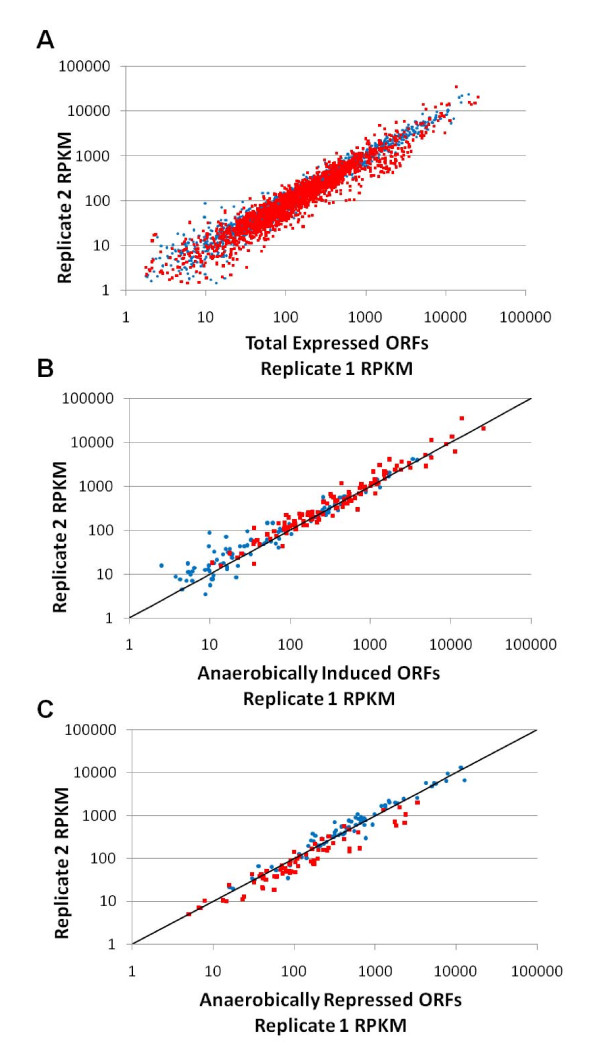
“When expression data for each replicate were plotted against each other, RPKM values were observed to be adequately reproducible (Figure 1A), though expectedly, the extent of reproducibility was slightly less in genes with low expression [17].”
MethodNEISSERIA GONORRHOEAE I: Virulence Genetically Linked to Clonal Variation
Kellogg, D. S., Peacock, W. L., Deacon, W. E., Brown, L., & Pirkle, C. I. (1963) · Journal of Bacteriology · doi:10.1128/jb.85.6.1274-1279.1963 · Cited by 1,202
The primary transcriptome of the major human pathogen Helicobacter pylori
Sharma, C. M., Hoffmann, S., Darfeuille, F., Reignier, J., Findeiß, S., Sittka, A., Chabas, S., Reiche, K., Hackermüller, J., Reinhardt, R., et al. (2010) · Nature · doi:10.1038/nature08756 · Cited by 1,149 · cited 1×
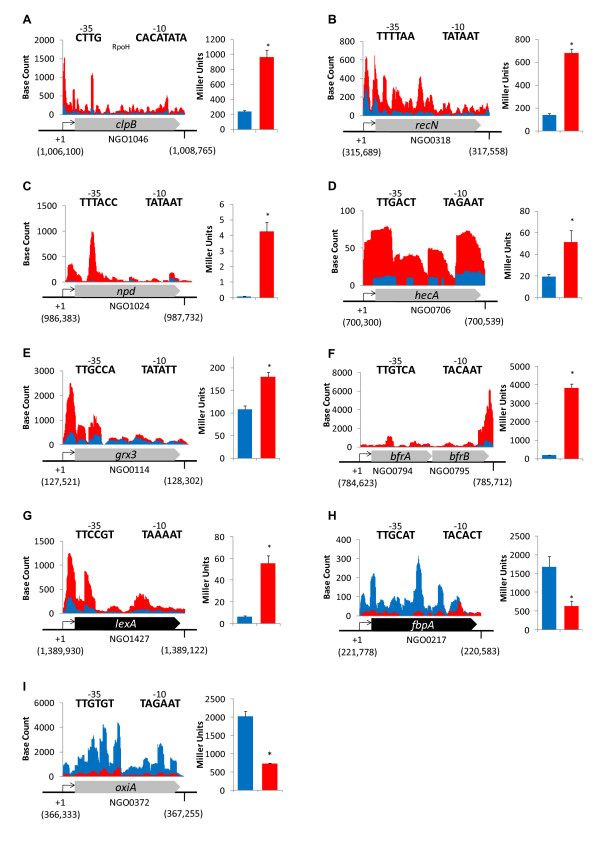
“Analysis of raw RNA-seq data allows for the prediction of transcription start sites, -10, and -35 elements, as has been described in RNA-seq projects in both Helicobacter pylori and Listeria monocytogenes [20,21].”
MethodCDD: specific functional annotation with the Conserved Domain Database
Marchler-Bauer, A., Anderson, J. B., Chitsaz, F., Derbyshire, M. K., DeWeese-Scott, C., Fong, J. H., Geer, L. Y., Geer, R. C., Gonzales, N. R., Gwadz, M., et al. (2009) · Nucleic Acids Research · doi:10.1093/nar/gkn845 · Cited by 1,071 · cited 10×
“c Protein definitions are derived from the annotated FA1090 genome (NCBI), and/or the NCBI conserved domain database [33].”
BackgroundInfluentialMultiple Sigma Subunits and the Partitioning of Bacterial Transcription Space
Gruber, T. M., & Gross, C. A. (2003) · Annual Review of Microbiology · doi:10.1146/annurev.micro.57.030502.090913 · Cited by 934 · cited 1×
“This class of sigma factors recognize -10 and -35 elements within bacterial promoters [22].”
BackgroundREGULATION OF THE SYNTHESIS OF RIBOSOMES AND RIBOSOMAL COMPONENTS
Nomura, M., Gourse, R., & Baughman, G. (1984) · Annual Review of Biochemistry · doi:10.1146/annurev.bi.53.070184.000451 · Cited by 850 · cited 1×
“The synthesis of ribosomal proteins is strongly related to growth rate, and ribosomal protein synthesis has been documented to decrease during times of energy deficiency [24-26].”
Background
Research works printed but not linked: 2
- Schook P Cahoon L Stohl E Criss A Seifert HS Neisseria gonorrhoeae responses and defenses against reactive oxygen species 17th International Pathogenic Neisseria Conference: 2010; Banff, CA 2010 http://neisseria.org/ipnc/2010/IPNC_2010_abstracts.pdf
- Ausubel FM Brent R Kingston RE Moore DD Seidman JG Smith JA Struhl K (ed) Short Protocols in Microbiology 1992 2 New York: John Wiley & Sons, Inc
Cited by
Dillies, M.-A., Rau, A., Aubert, J., Hennequet-Antier, C., Jeanmougin, M., Servant, N., Keime, C., Marot, G., Castel, D., Estelle, J., et al. (2013) · Briefings in Bioinformatics · doi:10.1093/bib/bbs046 · Cited by 1,298
“Based on three real mRNA and one miRNA-seq datasets, we confirm previous observations that RPKM and TC, both of which are still widely in use [40, 41], are ineffective and should be definitively abandoned in the context of differential analysis.”
Developing a new class of engineered live bacterial therapeutics to treat human diseases
Charbonneau, M. R., Isabella, V. M., Li, N., & Kurtz, C. B. (2020) · Nature Communications · doi:10.1038/s41467-020-15508-1 · Cited by 523
Self-citationNeisseria gonorrhoeae host adaptation and pathogenesis
Quillin, S. J., & Seifert, H. S. (2018) · Nature Reviews Microbiology · doi:10.1038/nrmicro.2017.169 · Cited by 372
Transcriptional landscape and essential genes of Neisseria gonorrhoeae
Remmele, C. W., Xian, Y., Albrecht, M., Faulstich, M., Fraunholz, M. J., Heinrichs, E., Dittrich, M. T., Müller, T., Reinhardt, R., & Rudel, T. (2014) · Nucleic Acids Research · doi:10.1093/nar/gku762 · Cited by 122
“Of the novel non-coding transcripts, 59 were found in intergenic regions and very likely belong to the class of regulatory sRNA including the previously characterized ironregulated NrrF (30) or FnrS that is upregulated under oxygen limitation (34).”
BackgroundProteomics-driven Antigen Discovery for Development of Vaccines Against Gonorrhea
Zielke, R. A., Wierzbicki, I. H., Baarda, B. I., Gafken, P. R., Soge, O. O., Holmes, K. K., Jerse, A. E., Unemo, M., & Sikora, A. E. (2016) · Molecular & Cellular Proteomics · doi:10.1074/mcp.m116.058800 · Cited by 107
“The poor correspondence between direct comparisons of different data sets has been noted before (59) and is related to bacterial culture methods (solid versus liquid media, different growth phases), sample preparation, sensitivity, detection limit, and cut-off settings of differential expression, as well as the occurr…”
BackgroundMethodInfluentialYang, B., Feng, L., Wang, F., & Wang, L. (2015) · Nature Communications · doi:10.1038/ncomms7592 · Cited by 103
Ðurica-Mitić, S., Göpel, Y., & Görke, B. (2018) · Microbiology Spectrum · doi:10.1128/microbiolspec.rwr-0013-2017 · Cited by 90
“gonorrhoeae and both clearly belong to the 436 Fnr regulon albeit sequence homology to enterobacterial FnrS is lacking (145, 146).”
BackgroundTrained immunity: A “new” weapon in the fight against infectious diseases
Dagenais, A., Villalba-Guerrero, C., & Olivier, M. (2023) · Frontiers in Immunology · doi:10.3389/fimmu.2023.1147476 · Cited by 96
“This explanation is supported by an earlier gonococcal transcriptome analysis, which revealed a four-fold upregulation in an open reading frame consistent with Gc-HDAC in anaerobic conditions compared to aerobic conditions (47).”
ResultReview Application of RNA-seq to reveal the transcript profile in bacteria
Pinto, A. C., Melo-Barbosa, H. P., Miyoshi, A., Silva, A., & Azevedo, V. (2011) · Genetics and Molecular Research · doi:10.4238/vol10-3gmr1554 · Cited by 92
“Isabella and Clark (2011) detected a large number of genes that were differentially expressed in the genome of Neisseria gonorrhoeae, when grown in an anaerobic environment, a condition that is uncommon for this organism.”
BackgroundMethodThe Gonococcal Transcriptome during Infection of the Lower Genital Tract in Women
McClure, R., Nudel, K., Massari, P., Tjaden, B. C., Su, X., Rice, P. A., & Genco, C. A. (2015) · PLoS ONE · doi:10.1371/journal.pone.0133982 · Cited by 66
“Control of gene expression results from a number of distinct mechanisms, including DNA binding proteins and regulatory sRNAs that bind to target mRNAs to control their translation and stability [5–8].”
BackgroundPinto, A. C., de Sá, P. H. C. G., Ramos, R. T. J., Barbosa, S., Barbosa, H. P. M., Ribeiro, A. C., da Silva, W. M., Rocha, F. S., Santana, M. P., Castro, T. L. D. P., et al. (2014) · BMC Genomics · doi:10.1186/1471-2164-15-14 · Cited by 64
“Among the shared repressed genes were those encoding proteins related mostly to energy metabolism, sugar transport, amino acids that contribute greatly to the maintenance and replication of the organism in the environment [30], such as argJ [31], nanK [32], opp [33] (see Additional file 8: Table S5) and hypothetical p…”
BackgroundLi, S., Fan, C., Li, Y., Zhang, J., Sun, J., Chen, Y., Tian, C., Su, X., Lu, M., Liang, C., et al. (2016) · BMC Genomics · doi:10.1186/s12864-016-2562-0 · Cited by 67
Fur-Mediated Global Regulatory Circuits in Pathogenic Neisseria Species
Yu, C., & Genco, C. A. (2012) · Journal of Bacteriology · doi:10.1128/jb.00262-12 · Cited by 54
“The gonococcal Fur regulon has also been shown to overlap anaerobic and hydrogen peroxide regulons (51, 92).”
BackgroundNa+-NQR (Na+-translocating NADH:ubiquinone oxidoreductase) as a novel target for antibiotics
Dibrov, P. A., Dibrov, E., & Pierce, G. N. (2017) · FEMS Microbiology Reviews · doi:10.1093/femsre/fux032 · Cited by 51
“…paradox of functional importance of Na+-NQR for V. cholerae in the anaerobic gut environment where the respiratory chain in this bacterium only uses oxygen as the terminal electron acceptor and the expression of the nqr operon is strongly repressed (Fadeeva et al. 2007; Isabella and Clark 2011).”
BackgroundNeisseria gonorrhoeae MlaA influences gonococcal virulence and membrane vesicle production
Baarda, B. I., Zielke, R. A., Van, A. L., Jerse, A. E., & Sikora, A. E. (2019) · PLoS Pathogens · doi:10.1371/journal.ppat.1007385 · Cited by 52
Peptide Inhibitors Targeting the Neisseria gonorrhoeae Pivotal Anaerobic Respiration Factor AniA
Sikora, A. E., Mills, R. H., Weber, J. V., Hamza, A., Passow, B. W., Romaine, A., Williamson, Z. A., Reed, R. W., Zielke, R. A., & Korotkov, K. V. (2017) · Antimicrobial Agents and Chemotherapy · doi:10.1128/aac.00186-17 · Cited by 48
Mobile genetic elements in Neisseria gonorrhoeae: movement for change
Cehovin, A., & Lewis, S. B. (2017) · Pathogens and Disease · doi:10.1093/femspd/ftx071 · Cited by 46
“However, certain conditions may upregulate genes on pJD1, suggesting that the gene products may be important for gonococcus under specific conditions, including iron excess and anaerobic conditions (Sarandopoulos and Davies 1993a; Isabella and Clark 2011).”
BackgroundThe Making and Taking of Lipids
Fozo, E. M., & Rucks, E. A. (2016) · Advances in microbial physiology/Advances in Microbial Physiology · doi:10.1016/bs.ampbs.2016.07.001 · Cited by 41
Applications of genomics to slow the spread of multidrug‐resistant Neisseria gonorrhoeae
Mortimer, T. D., & Grad, Y. H. (2018) · Annals of the New York Academy of Sciences · doi:10.1111/nyas.13871 · Cited by 41
Oxygen Depletion Triggers Switching between Discrete Speed Modes of Gonococcal Type IV Pili
Kurre, R., & Maier, B. (2012) · Biophysical Journal · doi:10.1016/j.bpj.2012.04.020 · Cited by 36
Nudel, K., McClure, R., Moreau, M. R., Briars, E. A., Abrams, A. J., Tjaden, B. C., Su, X., Trees, D. L., Rice, P. A., Massari, P., et al. (2018) · mSphere · doi:10.1128/mspheredirect.00312-18 · Cited by 37
“RNA induced under anaerobic conditions (44)) and the iron-repressed sRNA encoding NrrF (52) 223 (Table S6).”
BackgroundLiu, W., Yu, Y., Shi-Yuan, C., Niu, X.-N., Jiang, W., Liu, G., Jiang, B., Tang, D., Lu, G., He, Y.-Q., et al. (2013) · Research in Microbiology · doi:10.1016/j.resmic.2013.02.005 · Cited by 31
McClure, R., Tjaden, B. C., & Genco, C. A. (2014) · Frontiers in Microbiology · doi:10.3389/fmicb.2014.00456 · Cited by 34
“Other sRNAs have also been found but their specific targets and phenotypic effects remain to be elucidated (Isabella and Clark, 2011).”
BackgroundBi, H., Zhu, L., Jia, J., Zeng, L., & Cronan, J. E. (2016) · Cell chemical biology · doi:10.1016/j.chembiol.2016.10.007 · Cited by 35
“We thank Dr. V. Isabella and Prof. V. Clark for communicating their findings before publication.”
BackgroundResultInfluentialWierzbicki, I. H., Zielke, R. A., Korotkov, K. V., & Sikora, A. E. (2017) · MicrobiologyOpen · doi:10.1002/mbo3.432 · Cited by 29
“The observed upregulation of GhmAGC under anaerobic conditions was in agreement with deep sequencing analysis of the N. gonorrhoeae anaerobic stimulon, where gmhAGC was found to be 4.2- and 6.1- fold upregulated in two biological experiments (Isabella & Clark, 2011).”
InfluentialGlobal effect of CsrA on gene expression in enterohemorrhagic Escherichia coli O157:H7
Wang, S., Yang, F., & Yang, B. (2017) · Research in Microbiology · doi:10.1016/j.resmic.2017.08.003 · Cited by 32
Febrer, M., McLay, K., Cáccamo, M., Twomey, K. B., & Ryan, R. P. (2011) · Trends in biotechnology · doi:10.1016/j.tibtech.2011.06.004 · Cited by 31
Almonacid-Mendoza, H. L., Humbert, M. V., Dijokaite-Guraliuc, A., Cleary, D. W., Soo, Y., Hung, M.-C., Orr, C. M., Machelett, M. M., Tews, I., & Christodoulides, M. (2018) · mSphere · doi:10.1128/msphere.00331-18 · Cited by 30
“Several transcriptome analyses have reported that ng-acp gene expression was upregulated in response to hydrogen peroxide (57) and was induced in gonococci grown anaerobically and under iron-depleted conditions (58) and that ng-acp transcriptional regulation might be Fur dependent (59, 60).”
BackgroundDeep Sequencing of Porphyromonas gingivalis and Comparative Transcriptome Analysis of a LuxS Mutant
Hirano, T., Beck, D. A. C., Demuth, D. R., Hackett, M., & Lamont, R. J. (2012) · Frontiers in Cellular and Infection Microbiology · doi:10.3389/fcimb.2012.00079 · Cited by 32
“…in Cellular and Infection Microbiology www.frontiersin.org June 2012 | Volume 2 | Article 79 | 1 2009; Yoder-Himes et al., 2009; Beck et al., 2011; Isabella and Clark, 2011) and the methodology has provided novel insights into pathogenic regulons, as well as identifying small non-coding RNAs.”
BackgroundMinato, Y., Fassio, S. R., Reddekopp, R. L., & Häse, C. C. (2013) · Microbial Pathogenesis · doi:10.1016/j.micpath.2013.12.002 · Cited by 28
Identification and characterization of AckA-dependent protein acetylation in Neisseria gonorrhoeae
Post, D. M. B., Schilling, B., Reinders, L. M., D’Souza, A. K., Ketterer, M. R., Kiel, S., Chande, A. T., Apicella, M. A., & Gibson, B. W. (2017) · PLoS ONE · doi:10.1371/journal.pone.0179621 · Cited by 28
Vannucci, F. A., Foster, D. N., & Gebhart, C. J. (2012) · PLoS ONE · doi:10.1371/journal.pone.0046708 · Cited by 33
“This observation was reported using IlluminaH RNA-seq data from human brain RNA [26] and using ABI SOLiD platform in a transcriptome study of Neisseria gonorrhoeae [25].”
BackgroundMethodInfluentialArjunan, P., Elawady, A., Dannebaum, R., Kunde‐Ramamoorthy, G., & Cutler, C. W. (2015) · Molecular Oral Microbiology · doi:10.1111/omi.12131 · Cited by 26
“…of bacteria have been analyzed at the transcriptional level by deep sequencing approaches (Oliver et al., 2009; Perkins et al., 2009; Yoder-Himes et al., 2009; Beck et al., 2011; Isabella & Clark, 2011), which has provided novel insights into pathogenic regulons, as well as identifying sRNAs.”
BackgroundGangaiah, D., Raterman, E. L., Wu, H., Fortney, K. R., Gao, H., Liu, Y., Jerse, A. E., & Spinola, S. M. (2017) · Infection and Immunity · doi:10.1128/iai.00307-17 · Cited by 25
Pannekoek, Y., Veld, R. A. G. H. I. ‘., Schipper, K., Man-Bovenkerk, S., Kramer, G., Brouwer, M. C., van de Beek, D., Speijer, D., & ENDE, A. V. D. (2017) · mBio · doi:10.1128/mbio.02293-16 · Cited by 21
Sahoo, A., Kar, B., Sahoo, S., Jena, S., Kuanar, A., Parameswaran, S., Patnaik, J., & Nayak, S. (2019) · Industrial Crops and Products · doi:10.1016/j.indcrop.2019.04.021 · Cited by 25
Transcriptional regulation of a gonococcal gene encoding a virulence factor (L-lactate permease)
Ayala, J. C., & Shafer, W. M. (2019) · PLoS Pathogens · doi:10.1371/journal.ppat.1008233 · Cited by 23
“Under aerobic conditions, which would facilitate hydrogen peroxide production by leukocytes [52], lctp and lldD expression is elevated compared to anaerobic conditions [53].”
BackgroundLiu, Y., Wu, J. S., Liu, R., Li, F., Xuan, L., Wang, Q., Li, D., Chen, X., Sun, H., Li, X., et al. (2024) · Nature Microbiology · doi:10.1038/s41564-024-01823-6 · Cited by 22
Pittet, V., Phister, T. G., & Ziola, B. R. (2013) · PLoS ONE · doi:10.1371/journal.pone.0073627 · Cited by 27
“, Saccharomyces cerevisiae [3], Neisseria [4], Campylobacter [5], and the LAB Lactobacillus plantarum [6]).”
BackgroundIsabella, V. M., & Clark, V. L. (2011) · Molecular Microbiology · doi:10.1111/j.1365-2958.2011.07826.x · Cited by 23
“Previous studies of ufaA expression in gonococci revealed that this gene was expressed at extremely low levels aerobically (Isabella and Clark, 2011).”
BackgroundMethodInfluentialSelf-citationProteomics of Neisseria gonorrhoeae: the treasure hunt for countermeasures against an old disease
Baarda, B. I., & Sikora, A. E. (2015) · Frontiers in Microbiology · doi:10.3389/fmicb.2015.01190 · Cited by 20
Spencer-Smith, R., Roberts, S., Gurung, N., & Snyder, L. A. S. (2016) · Microbial Genomics · doi:10.1099/mgen.0.000069 · Cited by 21
Quillin, S. J., Hockenberry, A. J., Jewett, M. C., & Seifert, H. S. (2018) · mSystems · doi:10.1128/msystems.00156-18 · Cited by 21
“gonorrhoeae HP transcriptome and the sizable network of genes affected by iron and oxygen levels (24, 57).”
BackgroundInfluentialDistal–proximal crosstalk in the heme binding pocket of the NO sensor DNR
Cutruzzolà, F., Arcovito, A., Giardina, G., Longa, S. D., D’Angelo, P., & Rinaldo, S. (2014) · BioMetals · doi:10.1007/s10534-014-9770-3 · Cited by 18
“It is not surprising that denitrification occurs in a number of symbiotic or pathogenic bacteria, including Pseudomonas aeruginosa, to which the adaptation to oxygen deficiency is often essential for virulence and persistence inside the host (Abdou et al. 2013; Carrica Mdel et al. 2013; Isabella and Clark 2011; Kolpen…”
BackgroundZhao, H., Chen, C., Xiong, Y., Xu, X., Lan, R., Wang, H., Yao, X., Bai, X., Liu, X., Meng, Q., et al. (2013) · PLoS ONE · doi:10.1371/journal.pone.0065466 · Cited by 17
“However genes that had an RPKM,10 in one strain but were highly expressed (RPKM $10) in the other (231 in Xuzhou21 and 265 in Xuzhou21m) were included as candidates [22].”
BackgroundRNA-Seq for Plant Pathogenic Bacteria
Kimbrel, J. A., Di, Y., Cumbie, J. S., & Chang, J. H. (2011) · Genes · doi:10.3390/genes2040689 · Cited by 27
“Hence, one solution is to normalize per arbitrary number of bases [20,53,57].”
BackgroundMcClure, R., Sunkavalli, A., Balzano, P. M., Massari, P., Cho, C., Nauseef, W. M., Apicella, M. A., & Genco, C. A. (2020) · mSystems · doi:10.1128/msystems.00729-19 · Cited by 17
“include exposure to hydrogen peroxide (22), iron limitation (17), lack of oxygen (23),”
Bauer, S., Helmreich, J., Zachary, M., Kaethner, M., Heinrichs, E., Rudel, T., & Beier, D. (2017) · Microbiology · doi:10.1099/mic.0.000548 · Cited by 15
Zughaier, S. M., Rouquette, C., & Shafer, W. M. (2020) · Pathogens · doi:10.3390/pathogens9020132 · Cited by 14
“Interestingly, a recent study analyzed the complete gonococcal transcriptome response during anaerobic growth of gonococci and reported that an ORF identical to hdac was upregulated more than 4-fold compared to aerobic growth conditions [32].”
BackgroundRegulon controlled by the G pp X hybrid two component system in P orphyromonas gingivalis
Hirano, T., Beck, D. A. C., Wright, C. J., Demuth, D. R., Hackett, M., & Lamont, R. J. (2012) · Molecular Oral Microbiology · doi:10.1111/omi.12007 · Cited by 15
“Quantitative transcriptional profiling by high-throughput sequencing of cDNAs (deep sequencing) is a powerful technique for the identification of bacterial regulons (Isabella & Clark, 2011, Perkins et al., 2009, Oliver et al., 2009, Beck et al., 2011).”
BackgroundÐurica-Mitić, S., Göpel, Y., & Görke, B. (2018) · ASM Press eBooks · doi:10.1128/9781683670247.ch14 · Cited by 22
Chaand, M., & Dziejman, M. (2013) · Journal of Bacteriology · doi:10.1128/jb.02151-12 · Cited by 14
Dinner date: Neisseria gonorrhoeae central carbon metabolism and pathogenesis
Potter, A. D., & Criss, A. K. (2023) · Emerging Topics in Life Sciences · doi:10.1042/etls20220111 · Cited by 14
Hashemi, M., Ram-Mohan, N., Yang, X., Andini, N., Gessner, N. R., Carroll, K. C., Wang, T., & Yang, S. S. (2020) · Journal of Clinical Microbiology · doi:10.1128/jcm.01152-20 · Cited by 11
“Upregulation of arsR may also play a role in 260 anaerobic growth of NG (33-35).”
BackgroundThe impact of quality filter for RNA-Seq
de Sá, P. H. C. G., Veras, A. A. D. O., Carneiro, A. R., Pinheiro, K. D. C., Pinto, A. C., Soares, S. D. C., Schneider, M. P. C., Azevedo, V., Silva, A., & Ramos, R. T. J. (2015) · Gene · doi:10.1016/j.gene.2015.03.033 · Cited by 13
The response of Sphingopyxis granuli strain TFA to the hostile anoxic condition
González-Flores, Y. E., de Dios, R., Reyes, F., & Santero, E. (2019) · Scientific Reports · doi:10.1038/s41598-019-42768-9 · Cited by 10
Ayala, J. C., Balthazar, J. T., & Shafer, W. M. (2024) · mBio · doi:10.1128/mbio.01761-24 · Cited by 8
“Overall, these results suggest that L-lactate acts as a signaling molecule promoting aerobic respiration, energy consumption, and biofilm dispersal, contrary to anaerobic conditions that promote a slower metabolism, and biofilm formation (13, 35).”
BackgroundCorreia Repeat Enclosed Elements and Non-Coding RNAs in the Neisseria Species
Roberts, S., Spencer-Smith, R., Shah, M., Nebel, J., Cook, R., & Snyder, L. A. S. (2016) · Microorganisms · doi:10.3390/microorganisms4030031 · Cited by 8
“Amongst these predictions are several previously reported and verified ncRNAs [13,14,16,19,24,25,39], which supports the accuracy of the SIPHT predictions.”
ResultPost-transcriptional regulation of target genes by the sRNA FnrS in Neisseria gonorrhoeae
Tanwer, P., Bauer, S., Heinrichs, E., Panda, G., Saluja, D., Rudel, T., & Beier, D. (2017) · Microbiology · doi:10.1099/mic.0.000484 · Cited by 10
Molecular Regulatory Mechanisms Drive Emergent Pathogenetic Properties of Neisseria gonorrhoeae
Sunkavalli, A., McClure, R., & Genco, C. A. (2022) · Microorganisms · doi:10.3390/microorganisms10050922 · Cited by 8
“Comparative transcriptomics and pathway enrichment analysis of microarray and RNASeq (RNA sequencing) data have helped to define global regulons of transcriptional regulators and their associated pathways under specific experimental conditions [41,60,62,81].”
BackgroundAlbdrawy, A. I., Aleanizy, F. S., Eltayb, E. K., Aldossari, A. A., Alanazi, M. M., Alfaraj, R., Eltahir, E., Albasri, H. M., Alanazi, J. S., & Alqahtani, F. Y. (2024) · International Journal of Nanomedicine · doi:10.2147/ijn.s445737 · Cited by 7
“10,11 Thus, gonococci may be able to survive in the cervical environment because of biofilm formation.”
BackgroundAdaptations to nitrogen availability drive ecological divergence of chemosynthetic symbionts
Morel-Letelier, I., Yuen, B., Kück, A. C., Camacho-García, Y. E., Petersen, J. M., Lara, M., Leray, M., Eisen, J. A., Osvatic, J., Gros, O., et al. (2024) · PLoS Genetics · doi:10.1371/journal.pgen.1011295 · Cited by 6
“…(ETF) dehydrogenase genes were also enriched in the MAGs from the TEP symbionts (Table 1); this enzyme is upregulated in Pseudomonas aeruginosa and Pseudomonas syringae in response to low temperatures [35,36] and in Neisseria gonorrhoeae under anaerobic conditions [37].”
BackgroundPotter, A. D., Edwards, V. L., D’Mello, A., Gray, M. C., Shetty, A. C., Forehand, A. L., Westlake, C. S., Lamb, E. R., Zhao, X., Ragland, S. A., et al. (2024) · PLoS Pathogens · doi:10.1371/journal.ppat.1012369 · Cited by 5
Dijokaite-Guraliuc, A., Humbert, M. V., Skipp, P. J. S., Cleary, D. W., Heckels, J. E., & Christodoulides, M. (2023) · Frontiers in Bacteriology · doi:10.3389/fbrio.2023.1240807 · Cited by 6
Global Transcriptional Regulation by BirA in Enterohemorrhagic Escherichia Coli O157:H7
Yang, B., Jiang, L., Wang, S., & Wang, L. (2018) · Future Microbiology · doi:10.2217/fmb-2017-0256 · Cited by 4
Zachary, M., Bauer, S., Klepsch, M., Wagler, K., Hüttel, B., Rudel, T., & Beier, D. (2021) · Microbiology · doi:10.1099/mic.0.001080 · Cited by 2
Geslewitz, W. E., & Seifert, H. S. (2025) · Journal of Bacteriology · doi:10.1128/jb.00049-25 · Cited by 5
“Anaerobic growth induced the expression of 47 prophage genes within islands Ngo ɸ 1–3 and Ngo ɸ 5, suggesting that these islands may be important for growth in the reproductive tract’s low oxygen conditions or biofilm formation (22).”
RNA-seq – Revealing Biological Insights in Bacteria
Santana, M. P., Aburjaile, F. F., Parise, M. T. D., Tiwari, S., Silva, A., Azevedo, V., & Pinto, A. C. (2016) · InTech eBooks · doi:10.5772/61669 · Cited by 5
“Different bacterial species have been targeted for RNA-seq studies [5, 13, 19, 20], and gene expression-based discovery has transformed the scientific paradigm of these organisms.”
BackgroundAnimal Models of Immunity to Female Genital Tract Infections and Vaccine Development
Kaushic, C., Jerse, A. E., & Beagley, K. W. (2015) · Elsevier eBooks · doi:10.1016/b978-0-12-415847-4.00107-5 · Cited by 3
Strategies for Global RNA Sequencing of the Human Pathogen Neisseria gonorrhoeae
McClure, R., & Genco, C. A. (2019) · Methods in molecular biology · doi:10.1007/978-1-4939-9496-0_11 · Cited by 2
Edwards, V. L., Potter, A. D., D’Mello, A., Gray, M. C., Shetty, A. C., Zhao, X., Hill, K. M., Ragland, S. A., Criss, A. K., & Tettelin, H. (2022) · bioRxiv (Cold Spring Harbor Laboratory) · doi:10.1101/2022.02.28.482360 · Cited by 2
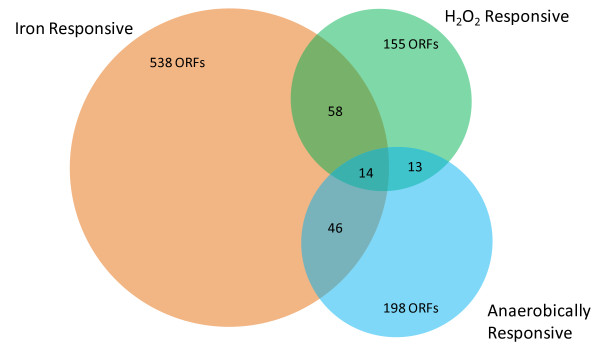
“As has been previously reported (31), we also noted substantial overlap between the H2O2, iron, and anaerobic transcriptomes.”
BackgroundInfluentialHolley, C. L., Dhulipala, V., Van, A. L., Balthazar, J. T., Oliver, V. J., Jerse, A. E., & Shafer, W. M. (2025) · mBio · doi:10.1128/mbio.01595-25 · Cited by 3
“The H 2 O 2 regulon (22) was the next largest overlap of co-regulated genes at 26.1%, which included grpE, clpB, and dnaK .”
InfluentialWestlake, C. S., Stoudenmire, J. L., Bhatia, I., Perera, Y. R., Krueger, R. M., Cornelissen, C. N., Chazin, W., Kendall, M. M., & Criss, A. K. (2026) · Journal of Bacteriology · doi:10.1128/jb.00597-25 · Cited by 1
Regulatory Mechanisms of Special Significance: Role of Small RNAs in Virulence Regulation
Papenfort, K., Corcoran, C. P., Gupta, S. K., Miyakoshi, M., Heidrich, N., Chao, Y., Fröhlich, K. S., Sharma, C. M., Ziebuhr, W., Böhm, A., et al. (2016) · ASM Press eBooks · doi:10.1128/9781555818524.ch25 · Cited by 1
FunSys: Software for functional analysis of prokaryotic transcriptome and proteome
de Sá, P., Pinto, A., Ramos, R. T. J., Coimbra, N. D. R., Baraúna, R. A., Dall'Agnol, H., Carneiro, A. R., Ranieri, A., Valadares, A. A., Azevedo, V., et al. (2012) · Bioinformation · doi:10.6026/97320630008529 · Cited by 1
Liu, S., Du, M., Wen, Q., Kang, J., Dong, C., Xiong, L., Huang, J. H., & Guo, F. (2018) · Environmental Microbiology · doi:10.1111/1462-2920.14399 · Cited by 2
Gonococcal aggregation causes upregulation of genes involved in antibiotic tolerancePreprint
Kraus-Römer, S., Wielert, I., Rathmann, I., Volkmann, T. E., Higgins, P. G., & Maier, B. (2025) · bioRxiv (Cold Spring Harbor Laboratory) · doi:10.1101/2025.01.17.633513 · Cited by 2
Gonococcal polarization dynamics during adaptation to low oxygen levelsPreprint
Schiefer, P., & Maier, B. (2025) · bioRxiv (Cold Spring Harbor Laboratory) · doi:10.1101/2025.02.18.638858 · Cited by 1
Sfeir, M. Z. T. (2013) · LA Referencia (Red Federada de Repositorios Institucionales de Publicaciones Científicas)
Stephens, D. S., & Tzeng, Y. (2019) · Faculty Opinions – Post-Publication Peer Review of the Biomedical Literature · doi:10.3410/f.735264018.793559601
Bauer, S., Rudel, T., & Beier, D. (2026) · Journal of Bacteriology · doi:10.1128/jb.00593-25
Mécanismes moléculaires de la survie à long terme chez Propionibacterium freudenreichii
Aburjaile, F. F. (2015) · theses.fr (ABES) · doi:10.70675/52e5b7a5z6557z48c1z8fdaz291b105d8c4f
Roe, S. K., Zheng, B., Gulati, S., Ram, S., & Massari, P. (2026) · Vaccines · doi:10.3390/vaccines14090798
“NGO0757 (NEIS1146) is a 144 amino acid-long hypothetical periplasmic protein, with a predicted signal peptide cleavage site between amino acids 29 and 30, and sequence homology to a Spy/CpxP family protein refolding chaperone [50].”
Neisseria gonorrhoeae : a historical model for host adaptation
Metaane, S., & Seifert, H. S. (2026) · Journal of Bacteriology · doi:10.1128/jb.00420-26
“However, these loci are differentially expressed under specific environmental condi tions, occasionally triggering excision, autoplaquing, and particle release into culture supernatants (105, 107, 117, 118).”
Metadata
- Authors
- Isabella, V. M., & Clark, V. L.
- Affiliations
- University of Rochester Medicine (US)
- Corresponding author
- Clark, Virginia L
- ORCID
- Isabella, Vincent M
- Venue
- BMC Genomics
- Published
- 2011-01-20
- Volume
- 12
- Issue
- 1
- Pages
- 51-51
- ISSN
- 1471-2164 (ISSN-L)
- PMC
- PMC3032703
- OpenAlex
- W2081304299
- Cited by
- 84
- References
- 95
- Citations by year
- 2026: 4 · 2025: 4 · 2024: 5 · 2023: 3 · 2022: 2 · 2021: 1 · 2020: 4 · 2019: 6 · 2018: 9 · 2017: 10 · 2016: 8 · 2015: 7 · 2014: 4 · 2013: 6 · 2012: 7
- FWCI
- 4.19
- Type
- journal article
- Language
- en
- Open access
- gold
- doi.org
- Licence
- Locations
- BMC Genomics (publishedVersion, cc-by)
- PubMed Central (publishedVersion, cc-by)
- PubMed (publishedVersion)
- DOAJ (DOAJ: Directory of Open Access Journals) (submittedVersion)
- Funders
- National Institute of Allergy and Infectious Diseases (R21AI080912)
- Topics
- Life Sciences › Biochemistry, Genetics and Molecular Biology › Genetics › Bacterial Genetics and Biotechnology
- Life Sciences › Immunology and Microbiology › Microbiology › Bacterial Infections and Vaccines
- Life Sciences › Immunology and Microbiology › Microbiology › Reproductive tract infections research
- Keywords
- Neisseria gonorrhoeae, anaerobic growth, transcriptome, gene expression regulation, denitrification, nitric oxide, prophages, transcription factors, small RNA, FNR, iron regulation, oxidative stress, virulence factors, obligate anaerobes
- MeSH terms
- Anaerobiosis, Bacterial Proteins, Neisseria gonorrhoeae, Gene Expression Regulation, Bacterial, Reverse Transcriptase Polymerase Chain Reaction, High-Throughput Nucleotide Sequencing
About these checks
Registry, retraction, Cites and statistics results are computed, not judged, with one exception: a printed reference that no index lists is read once by a model before it counts as a citation error. Claims are extracted by a model and kept only when their quote appears verbatim in the text; each cited source is then checked, with a model’s help, for whether it says what the claim relies on. Those verdicts can be wrong — read the claim’s quote and the cited source before relying on one.
Statistics and arithmetic are recomputed, not judged.
Confidence bands are shown only for fields calibrated on our annotated test set. None is calibrated yet, so no band is shown.
What counts as a claim ›How we measure confidence ›How we check this ›
Are you an author, or do you see a problem with this page? Request a review
Data sources
Bibliographic data: Semantic Scholar, OpenAlex, Crossref.
Contains information from the Semantic Scholar Academic Graph Datasets, made available under the ODC Attribution License (ODC-BY 1.0).
Semantic Scholar’s data is described in: Kinney, R., et al. (2023). The Semantic Scholar Open Data Platform. arXiv:2301.10140.
