

Deep sequencing-based analysis of the anaerobic stimulon in Neisseria gonorrhoeae
Open accessThe DOI matches its Crossref record; 95 of the 95 references it cites were found in a registry or an index.
Abstract
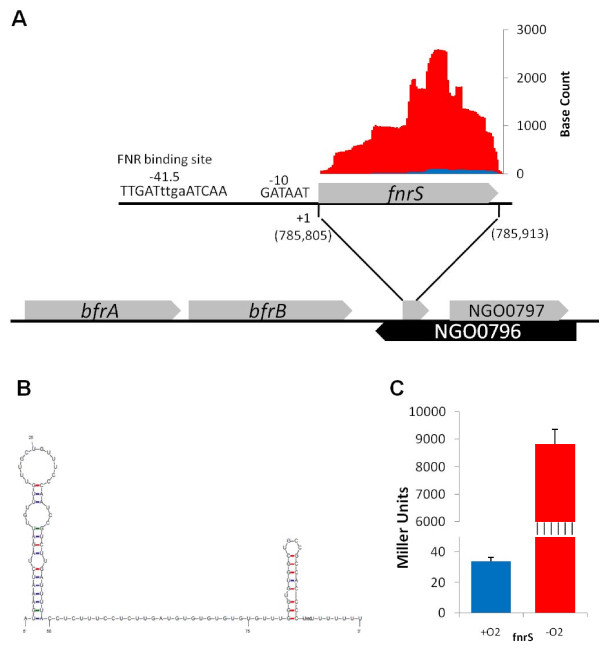
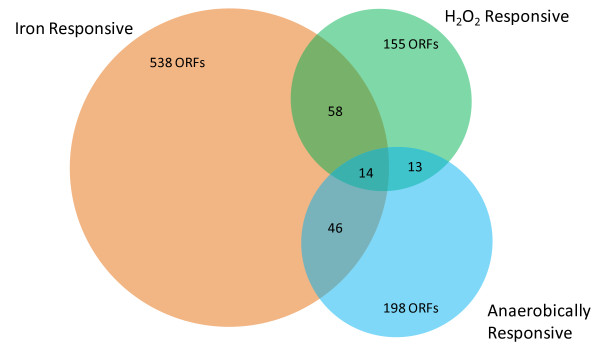
BACKGROUND: Maintenance of an anaerobic denitrification system in the obligate human pathogen, Neisseria gonorrhoeae, suggests that an anaerobic lifestyle may be important during the course of infection. Furthermore, mounting evidence suggests that reduction of host-produced nitric oxide has several immunomodulary effects on the host. However, at this point there have been no studies analyzing the complete gonococcal transcriptome response to anaerobiosis. Here we performed deep sequencing to compare the gonococcal transcriptomes of aerobically and anaerobically grown cells. Using the information derived from this sequencing, we discuss the implications of the robust transcriptional response to anaerobic growth. RESULTS: We determined that 198 chromosomal genes were differentially expressed (~10% of the genome) in response to anaerobic conditions. We also observed a large induction of genes encoded within the cryptic plasmid, pJD1. Validation of RNA-seq data using translational-lacZ fusions or RT-PCR demonstrated the RNA-seq results to be very reproducible. Surprisingly, many genes of prophage origin were induced anaerobically, as well as several transcriptional regulators previously unknown to be involved in anaerobic growth. We also confirmed expression and regulation of a small RNA, likely a functional equivalent of fnrS in the Enterobacteriaceae family. We also determined that many genes found to be responsive to anaerobiosis have also been shown to be responsive to iron and/or oxidative stress. CONCLUSIONS: Gonococci will be subject to many forms of environmental stress, including oxygen-limitation, during the course of infection. Here we determined that the anaerobic stimulon in gonococci was larger than previous studies would suggest. Many new targets for future research have been uncovered, and the results derived from this study may have helped to elucidate factors or mechanisms of virulence that may have otherwise been overlooked.
Overview
The claims and statistics of this paper haven’t been checked yet.
Free: it reads the open-access text and checks the first 5 claims that cite a source we can check. Create a free account to check every claim.
Integrity signals
Registry
Cites
Statistics
Figures
Verification
Claims the paper makes
The claims and statistics of this paper haven’t been checked yet.
Free: it reads the open-access text and checks the first 5 claims that cite a source we can check. Create a free account to check every claim.
Claims other papers make about this one
Each is checked against this paper’s own text: does it say what the citing paper says it does?
The cited source says what the claim attributes to it.
In the citing paper
“In contrast to chemical induction, genetic circuits under the control of oxygen sensitive promoters, such as the fumarate nitrate reductase (FNR)35 and the VHb promoter27 systems, could obviate the need for exogenously provided inducer compounds.”
From Developing a new class of engineered live bacterial therapeutics to treat human diseases (2020) · cites this paper as [35]
Self-check
Percentages, sums and reported differences re-computed from the paper’s own numbers.
The self-check needs the paper’s full text.
Citations
Cites
Molecular Cloning: A Laboratory Manual
Sambrook, J., Fritsch, E., & Maniatis, T. (1989) · UCLA - Biblioteca de Ciencias de la Salud · Cited by 133,589
Experiments in molecular genetics
Miller, J. H. (1972) · Medical Entomology and Zoology · Cited by 27,157
Cell biology and molecular basis of denitrification.
Zumft, W. G. (1997) · Microbiology and molecular biology reviews : MMBR · doi:10.1128/.61.4.533-616.1997 · Cited by 3,471 · cited 1×
“or nitric oxide reductases are thought to be capable of pumping protons across the membrane [ 39 ].”
BackgroundRNA-seq: An assessment of technical reproducibility and comparison with gene expression arrays
Marioni, J. C., Mason, C. E., Mane, S. M., Stephens, M., & Gilad, Y. (2008) · Genome Research · doi:10.1101/gr.079558.108 · Cited by 2,771 · cited 3×
“Unlike previous studies that have looked only at the contributions of individual transcriptional regulators, we used a powerful and sensitive methodology, RNA-seq [16], to look at the environmental condition of anaerobiosis as a whole.”
BackgroundMethodInfluentialBullard, J. H., Purdom, E., Hansen, K. D., & Dudoit, S. (2010) · BMC Bioinformatics · doi:10.1186/1471-2105-11-94 · Cited by 1,680 · cited 1×
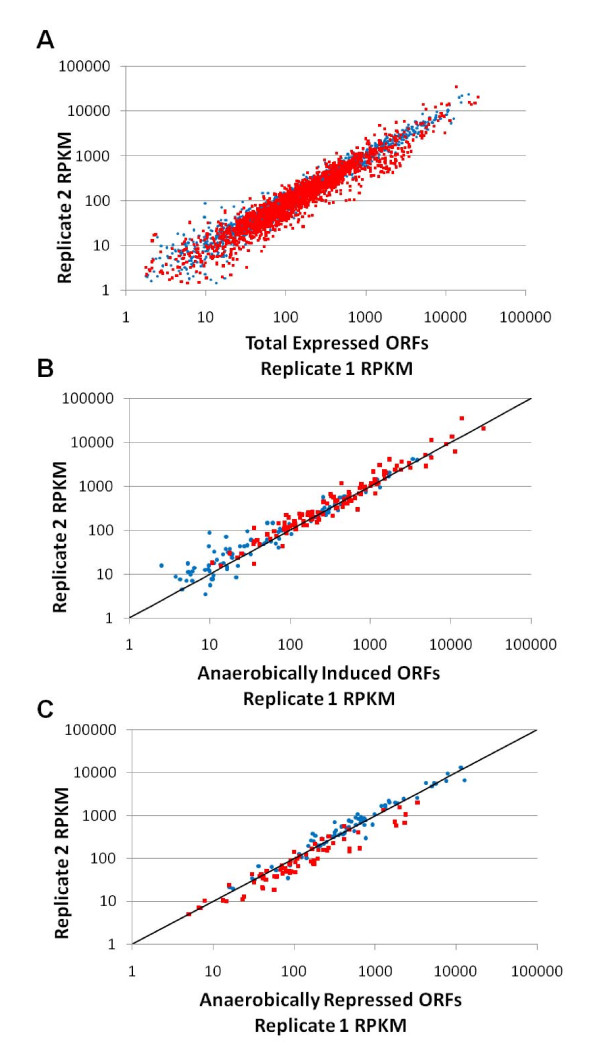
“When expression data for each replicate were plotted against each other, RPKM values were observed to be adequately reproducible (Figure 1A), though expectedly, the extent of reproducibility was slightly less in genes with low expression [17].”
MethodNEISSERIA GONORRHOEAE I: Virulence Genetically Linked to Clonal Variation
Kellogg, D. S., Peacock, W. L., Deacon, W. E., Brown, L., & Pirkle, C. I. (1963) · Journal of Bacteriology · doi:10.1128/jb.85.6.1274-1279.1963 · Cited by 1,202
The primary transcriptome of the major human pathogen Helicobacter pylori
Sharma, C. M., Hoffmann, S., Darfeuille, F., Reignier, J., Findeiß, S., Sittka, A., Chabas, S., Reiche, K., Hackermüller, J., Reinhardt, R., et al. (2010) · Nature · doi:10.1038/nature08756 · Cited by 1,149 · cited 1×
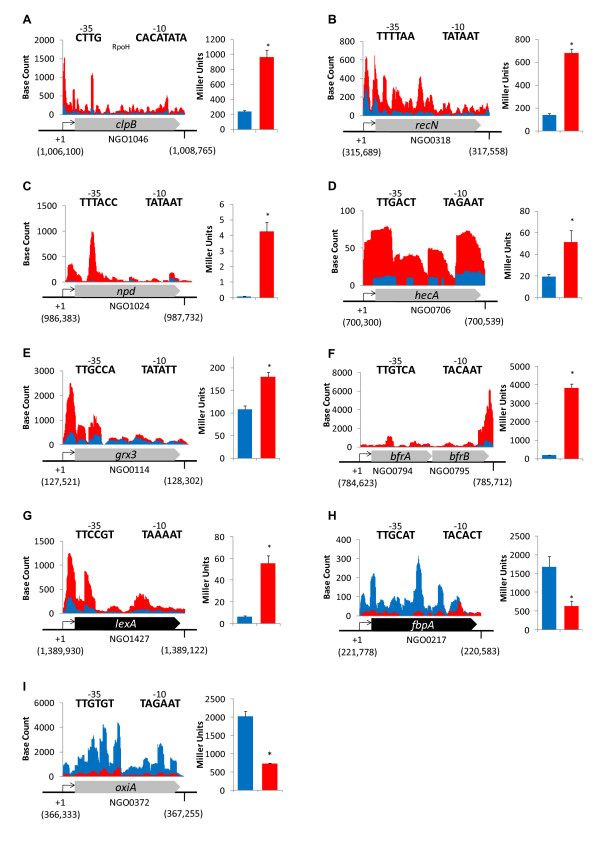
“Analysis of raw RNA-seq data allows for the prediction of transcription start sites, -10, and -35 elements, as has been described in RNA-seq projects in both Helicobacter pylori and Listeria monocytogenes [20,21].”
MethodCDD: specific functional annotation with the Conserved Domain Database
Marchler-Bauer, A., Anderson, J. B., Chitsaz, F., Derbyshire, M. K., DeWeese-Scott, C., Fong, J. H., Geer, L. Y., Geer, R. C., Gonzales, N. R., Gwadz, M., et al. (2009) · Nucleic Acids Research · doi:10.1093/nar/gkn845 · Cited by 1,071 · cited 10×
“c Protein definitions are derived from the annotated FA1090 genome (NCBI), and/or the NCBI conserved domain database [33].”
BackgroundInfluentialMultiple Sigma Subunits and the Partitioning of Bacterial Transcription Space
Gruber, T. M., & Gross, C. A. (2003) · Annual Review of Microbiology · doi:10.1146/annurev.micro.57.030502.090913 · Cited by 934 · cited 1×
“This class of sigma factors recognize -10 and -35 elements within bacterial promoters [22].”
BackgroundREGULATION OF THE SYNTHESIS OF RIBOSOMES AND RIBOSOMAL COMPONENTS
Nomura, M., Gourse, R., & Baughman, G. (1984) · Annual Review of Biochemistry · doi:10.1146/annurev.bi.53.070184.000451 · Cited by 850 · cited 1×
“The synthesis of ribosomal proteins is strongly related to growth rate, and ribosomal protein synthesis has been documented to decrease during times of energy deficiency [24-26].”
BackgroundThe Nudix hydrolase superfamily
McLennan, A. G. (2006) · Cellular and Molecular Life Sciences CMLS · doi:10.1007/s00018-005-5386-7 · Cited by 636 · cited 2×
“coli, Salmonella typhimurium, and Bartonella bacilliformis, deletion of the nudH gene resulted in gross deficiencies in the ability of these organisms to invade mammalian cells [68,69].”
BackgroundCell Death in Pseudomonas aeruginosa Biofilm Development
Webb, J. S., Thompson, L. S., James, S., Charlton, T., Tolker-Nielsen, T., Koch, B., Givskov, M., & Kjelleberg, S. (2003) · Journal of Bacteriology · doi:10.1128/jb.185.15.4585-4592.2003 · Cited by 599 · cited 1×
“Evidence has also been provided to show that these anaerobically induced phage are involved in biofilm development and differentiation in P. aeruginosa [ 77 ].”
BackgroundBacteriophage Control of Bacterial Virulence
Wagner, P. L., & Waldor, M. K. (2002) · Infection and Immunity · doi:10.1128/iai.70.8.3985-3993.2002 · Cited by 500 · cited 1×
“Some prophage can also contain regulatory proteins that affect expression of genes not encoded by phage [Reviewed in, [79]].”
BackgroundBacterial Toxin–Antitoxin Systems: More Than Selfish Entities?
Van Melderen, L., & Saavedra De Bast, M. (2009) · PLoS Genetics · doi:10.1371/journal.pgen.1000437 · Cited by 480
The leucine-responsive regulatory protein, a global regulator of metabolism in Escherichia coli
Calvo, J. M., & Matthews, R. G. (1994) · Microbiological Reviews · doi:10.1128/mmbr.58.3.466-490.1994 · Cited by 433
Current Protocols in Microbiology
(2005) · John Wiley & Sons, Inc. eBooks · doi:10.1002/9780471729259 · Cited by 405
Global Gene Expression Profiling in Escherichia coli K12
Salmon, K. A., Hung, S.-P., Steffen, N. R., Krupp, R., Baldi, P., Hatfield, G. W., & Gunsalus, R. P. (2005) · Journal of Biological Chemistry · doi:10.1074/jbc.m414030200 · Cited by 365
Building Fe–S proteins: bacterial strategies
Py, B., & Barras, F. (2010) · Nature Reviews Microbiology · doi:10.1038/nrmicro2356 · Cited by 361 · cited 1×
“Also, because it is common for the Fe-S clusters in Fe-S cluster-containing proteins to be oxygen-sensitive, a lower rate of oxygen-induced Fe-S cluster turnover would be expected under anaerobic conditions [43].”
BackgroundConstantinidou, C., Hobman, J. L., Griffiths, L., Patel, M. D., Penn, C. W., Cole, J. A., & Overton, T. W. (2006) · Journal of Biological Chemistry · doi:10.1074/jbc.m512312200 · Cited by 280 · cited 1×
“coli, where FNR was shown to regulate more than 100 operons [7,13].”
BackgroundGlobal Gene Expression Profiling in Escherichia coli K12
Salmon, K., Hung, S.-P., Mekjian, K., Baldi, P., Hatfield, G. W., & Gunsalus, R. P. (2003) · Journal of Biological Chemistry · doi:10.1074/jbc.m213060200 · Cited by 255
Ishizaki, K., Larson, T. R., Schauer, N., Fernie, A. R., Graham, I. A., & Leaver, C. J. (2005) · The Plant Cell · doi:10.1105/tpc.105.035162 · Cited by 249 · cited 2×
“The reduction of ubiquinone by EtfD was proposed to be a mechanism of utilizing alternative respiratory substrates to feed into the electron transport chain [42].”
BackgroundFunctional Significance of Factor H Binding to Neisseria meningitidis
Schneider, M. C., Exley, R. M., Chan, H., Feavers, I., Kang, Y.-H., Sim, R. B., & Tang, C. M. (2006) · The Journal of Immunology · doi:10.4049/jimmunol.176.12.7566 · Cited by 230 · cited 1×
“meningitidis, fHBP expression on the cell surface was shown to be a means of immune evasion that rendered meningococci resistant to complement-mediated killing [34].”
BackgroundRojas, C. M., Ham, J. H., Deng, W.-L., Doyle, J. J., & Collmer, A. (2002) · Proceedings of the National Academy of Sciences · doi:10.1073/pnas.202358699 · Cited by 218 · cited 1×
“The gonococcal HecA protein contains a hemagglutination domain that, in other bacteria, has been shown to promote bacterial aggregation or host attachment [32,33].”
BackgroundFunction of DnaJ and DnaK as chaperones in origin-specific DNA binding by RepA
Wickner, S., Hoskins, J., & McKenney, K. (1991) · Nature · doi:10.1038/350165a0 · Cited by 206 · cited 1×
“In several organisms, DnaK has been shown to facilitate the dissociation of RepA dimers into monomers, resulting in derepression [84,85].”
BackgroundWarner, D. M., Shafer, W. M., & Jerse, A. E. (2008) · Molecular Microbiology · doi:10.1111/j.1365-2958.2008.06424.x · Cited by 192
Genome-scale reconstruction of the Lrp regulatory network in Escherichia coli
Cho, B.-K., Barrett, C. L., Knight, E. M., Park, Y. S., & Palsson, B. Ø. (2008) · Proceedings of the National Academy of Sciences · doi:10.1073/pnas.0807227105 · Cited by 185 · cited 1×
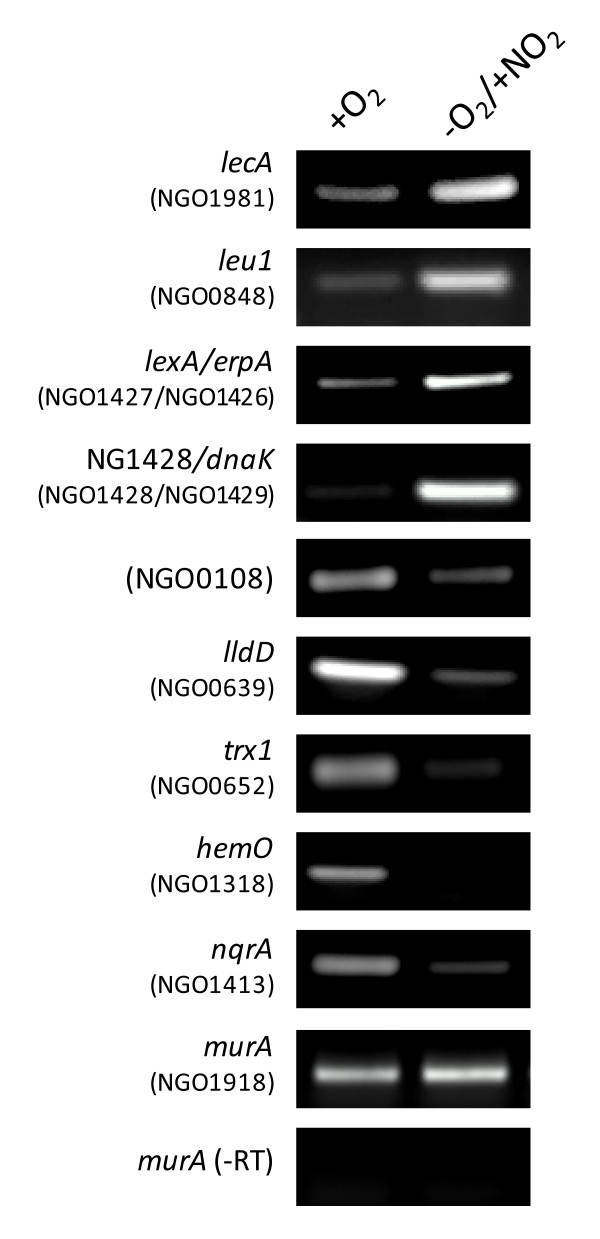
“Unlike other amino acid biosynthetic genes, the gene encoding Leu1, the first committed step in leucine biosynthesis, was found to be induced anaerobically (Table 1, Figure 3). This could be indicative of a decrease in intracellular leucine concentration, as leu1 (leuA) is repressed by leucine in E. coli and other org…”
BackgroundDiadenosine oligophosphates (ApnA), a novel class of signalling molecules?
Kisselev, L. L., Justesen, J., Wolfson, A. D., & Frolova, L. Y. (1998) · FEBS Letters · doi:10.1016/s0014-5793(98)00420-7 · Cited by 183
Monomerization of RepA dimers by heat shock proteins activates binding to DNA replication origin.
Wickner, S., Hoskins, J., & McKenney, K. (1991) · Proceedings of the National Academy of Sciences · doi:10.1073/pnas.88.18.7903 · Cited by 181 · cited 1×
“In several organisms, DnaK has been shown to facilitate the dissociation of RepA dimers into monomers, resulting in derepression [84,85].”
BackgroundOliver, H. F., Orsi, R. H., Ponnala, L., Keich, U., Wang, W., Sun, Q., Cartinhour, S. W., Filiatrault, M. J., Wiedmann, M., & Boor, K. J. (2009) · BMC Genomics · doi:10.1186/1471-2164-10-641 · Cited by 173 · cited 1×
“Analysis of raw RNA-seq data allows for the prediction of transcription start sites, -10, and -35 elements, as has been described in RNA-seq projects in both Helicobacter pylori and Listeria monocytogenes [20,21].”
MethodReprogramming of anaerobic metabolism by the FnrS small RNA
Durand, S., & Storz, G. (2010) · Molecular Microbiology · doi:10.1111/j.1365-2958.2010.07044.x · Cited by 171 · cited 3×
“coli and several other Enterobacterial species, recent studies have described the anaerobic induction and function of a small regulatory RNA termed fnrS [72,73].”
BackgroundSmall Stress Response Proteins in Escherichia coli : Proteins Missed by Classical Proteomic Studies
Hemm, M. R., Paul, B. J., Miranda-Ríos, J., Zhang, A., Soltanzad, N., & Storz, G. (2010) · Journal of Bacteriology · doi:10.1128/jb.00872-09 · Cited by 169 · cited 1×
“Isabella and Clark BMC Genomics 2011, 12:51 http://www.biomedcentral.com/1471-2164/12/51 Page 13 of 24 to stress [ 71 ].”
BackgroundThe past and present of sodium energetics: May the sodium-motive force be with you
Mulkidjanian, A. Y., Dibrov, P., & Galperin, M. Y. (2008) · Biochimica et Biophysica Acta (BBA) - Bioenergetics · doi:10.1016/j.bbabio.2008.04.028 · Cited by 162 · cited 1×
“potential across the membrane (ΔΨ), thus decreasing the proton motive force [40].”
BackgroundLoiseau, L., Gerez, C., Bekker, M., Ollagnier-de Choudens, S., Py, B., Sanakis, Y., Teixeira de Mattos, J., Fontecave, M., & Barras, F. (2007) · Proceedings of the National Academy of Sciences · doi:10.1073/pnas.0705829104 · Cited by 153 · cited 1×
“DnrN has been implicated in the repair of iron sulfur clusters damaged by oxidative or nitrosative stress [65], and ErpA may be important in maintaining the iron-sulfur cluster status of specific proteins in cells growing under stressful conditions [66].”
BackgroundStructural Basis for Proofreading during Replication of the Escherichia coli Chromosome
Hamdan, S. M., Carr, P. D., Brown, S. E., Ollis, D. L., & Dixon, N. E. (2002) · Structure · doi:10.1016/s0969-2126(02)00738-4 · Cited by 151 · cited 1×
“As the epsilon subunit of DNA polymerase III contains 3’ ® 5’ exonuclease activity and is involved in DNA mismatch repair, this DnaQ-like protein may also function in the repair of DNA damage [60].”
BackgroundDunn, C., O’Handley, S., Frick, D. N., & Bessman, M. J. (1999) · Journal of Biological Chemistry · doi:10.1074/jbc.274.45.32318 · Cited by 151 · cited 1×
“If allowed to accumulate unchecked, high Ap4A concentration can interfere with a number of ATP-dependent reactions [70].”
BackgroundAnaerobic growth of Neisseria gonorrhoeae coupled to nitrite reduction
Knapp, J. S., & Clark, V. L. (1984) · Infection and Immunity · doi:10.1128/iai.46.1.176-181.1984 · Cited by 135 · cited 2×
“The flow of electrons through the active portions of the electron transport chain would be expected to decrease anaerobically when: [1] oxygen is unavailable, rendering the terminal cytochrome oxidase (complex IV) inactive, [2] enzymatic components of the Krebs cycle are repressed, resulting in decreased production of…”
BackgroundMethodSelf-citationStohl, E. A., Criss, A. K., & Seifert, H. S. (2005) · Molecular Microbiology · doi:10.1111/j.1365-2958.2005.04839.x · Cited by 133 · cited 2×
“Previous studies have employed genome-wide approaches to define the gonococcal iron and hydrogen peroxide responsive stimulons [74,75].”
ResultThere's NO stopping NsrR, a global regulator of the bacterial NO stress response
Tucker, N. P., Brun, N. E. L., Dixon, R. A., & Hutchings, M. I. (2010) · Trends in Microbiology · doi:10.1016/j.tim.2009.12.009 · Cited by 131 · cited 1×
“As is the case with FNR, the neisserial NsrR and NarQP regulons, at least the currently defined members, are much smaller than their E. coli counterparts [3,12, 14 ,15].”
BackgroundSeib, K. L., Tseng, H., McEwan, A. G., Apicella, M. A., & Jennings, M. P. (2004) · The Journal of Infectious Diseases · doi:10.1086/421299 · Cited by 122 · cited 1×
“CCP was shown to protect gonococci from hydrogen peroxide mediated damage, but not to be involved in protection from reactive nitrogen species [61,62].”
BackgroundBoysen, A., Møller-Jensen, J., Kallipolitis, B., Valentin-Hansen, P., & Overgaard, M. (2010) · Journal of Biological Chemistry · doi:10.1074/jbc.m109.089755 · Cited by 116 · cited 1×
“coli and several other Enterobacterial species, recent studies have described the anaerobic induction and function of a small regulatory RNA termed fnrS [72,73].”
BackgroundNitronate monooxygenase, a model for anionic flavin semiquinone intermediates in oxidative catalysis
Gadda, G., & Francis, K. (2009) · Archives of Biochemistry and Biophysics · doi:10.1016/j.abb.2009.06.018 · Cited by 106 · cited 1×
“Furthermore, molecular oxygen is consumed in the Npd reaction mechanism [ 41 ].”
The Nitric Oxide-Responsive Regulator NsrR Controls ResDE-Dependent Gene Expression
NAKANO, M. M., Geng, H., Nakano, S., & Kobayashi, K. (2006) · Journal of Bacteriology · doi:10.1128/jb.00486-06 · Cited by 105 · cited 1×
“As is the case with FNR, the neisserial NsrR and NarQP regulons, at least the currently defined members, are much smaller than their E. coli counterparts [3,12,14, 15 ].”
Overton, T. W., Justino, M. C., Li, Y., Baptista, J. M., Melo, A. M. P., Cole, J. A., & Saraiva, L. M. (2008) · Journal of Bacteriology · doi:10.1128/jb.01733-07 · Cited by 100 · cited 1×
“DnrN has been implicated in the repair of iron sulfur clusters damaged by oxidative or nitrosative stress [65], and ErpA may be important in maintaining the iron-sulfur cluster status of specific proteins in cells growing under stressful conditions [66].”
BackgroundGlucose Metabolism in Neisseria gonorrhoeae
Morse, S. A., Stein, S., & Hines, J. R. (1974) · Journal of Bacteriology · doi:10.1128/jb.120.2.702-714.1974 · Cited by 98 · cited 1×
“Gonococci use a combination of the Entner-Douderoff and pentose phosphate pathways in the utilization of glucose [35].”
MethodOverton, T. W., Whitehead, R., Li, Y., Snyder, L. A. S., Saunders, N. J., Smith, H., & Cole, J. A. (2006) · Journal of Biological Chemistry · doi:10.1074/jbc.m607056200 · Cited by 94 · cited 5×
“are subject to transcriptional regulation by the oxygen-sensitive regulator, FNR, the NO-sensitive repressor, NsrR, and the nitrite-insensitive two component system, NarQP [3,4,7,11,12].”
BackgroundInfluentialPlatt, M. D., Schurr, M. J., Sauer, K., Vazquez, G., Kukavica-Ibrulj, I., Potvin, E., Levesque, R. C., Fedynak, A., Brinkman, F. S. L., Schurr, J., et al. (2008) · Journal of Bacteriology · doi:10.1128/jb.01683-07 · Cited by 94 · cited 2×
“Genes involved in small molecule biosynthesis Anaerobically, several genes involved in the synthesis of amino acids were found to be repressed (Table 1), which has also been observed in other bacteria [28,29].”
BackgroundBiochemical and genomic analysis of the denitrification pathway within the genus Neisseria
Barth, K. R., Isabella, V. M., & Clark, V. L. (2009) · Microbiology · doi:10.1099/mic.0.032961-0 · Cited by 91
Self-citationClark, V. L., Knapp, J. S., Thompson, S. E., & Klimpel, K. W. (1988) · Microbial Pathogenesis · doi:10.1016/0882-4010(88)90038-1 · Cited by 86 · cited 1×
“Furthermore, gonococci have been shown to induce and repress the expression of several genes in response to anaerobiosis, and antibody to AniA, the major anaerobically induced outer membrane protein, can be found in sera from infected women, demonstrating that this protein is expressed in vivo [6,7].”
BackgroundSelf-citationCryptic plasmid of Neisseria gonorrhoeae: complete nucleotide sequence and genetic organization
Korch, C., Hagblom, P., Ohman, H., Göransson, M., & Normark, S. (1985) · Journal of Bacteriology · doi:10.1128/jb.163.2.430-438.1985 · Cited by 84
Ismail, T. M., Hart, C. A., & McLennan, A. G. (2003) · Journal of Biological Chemistry · doi:10.1074/jbc.m305994200 · Cited by 83 · cited 3×
“Ap4A is an important and ubiquitous signaling molecule in nature, and has been implicated in the maintenance and regulation of vital cellular functions [67,68].”
BackgroundCriss, A. K., Katz, B. Z., & Seifert, H. S. (2009) · Cellular Microbiology · doi:10.1111/j.1462-5822.2009.01308.x · Cited by 78
Protein domains and conformational changes in the activation of RepA, a DNA replication initiator
Giraldo, R., Andreu, J. M., & Díaz‐Orejas, R. (1998) · The EMBO Journal · doi:10.1093/emboj/17.15.4511 · Cited by 70
Transcriptional and Functional Analysis of the Neisseria gonorrhoeae Fur Regulon
Jackson, L. A., Ducey, T. F., Day, M. W., Zaitshik, J. B., Orvis, J., & Dyer, D. W. (2010) · Journal of Bacteriology · doi:10.1128/jb.00741-09 · Cited by 63 · cited 3×
“, (2010) [75], taken from time point where iron depletion had the biggest effect on gene expression.”
BackgroundResultNa+-translocating NADH: Quinone oxidoreductase: Progress achieved and prospects of investigations
Bogachev, A. V., & Verkhovsky, M. I. (2005) · Biochemistry (Moscow) · doi:10.1007/s10541-005-0093-4 · Cited by 62 · cited 2×
“It stands to reason that the activity of solute transporters that rely on the sodium motive force would decrease when fewer Na ions are pumped across the membrane [38].”
BackgroundSebastian, S., Agarwal, S., Murphy, J. R., & Genco, C. A. (2002) · Journal of Bacteriology · doi:10.1128/jb.184.14.3965-3974.2002 · Cited by 59 · cited 1×
“(Fur) Genes that have been shown to be directly regulated by Fur in Sebastian et al., (2002) [ 95 ] and/or Jackson et al., (2010) [75].”
BackgroundRecN Is a Cohesin-like Protein That Stimulates Intermolecular DNA Interactions in Vitro
Reyes, E. D., Patidar, P. L., Uranga, L. A., Bortoletto, A. S., & Lusetti, S. L. (2010) · Journal of Biological Chemistry · doi:10.1074/jbc.m110.119164 · Cited by 59 · cited 1×
“RecN is involved in recombinational repair of DNA damage, and has been shown to protect gonococci from both oxidative and nonoxidative mechanisms of killing [57,58].”
BackgroundMtrR Modulates rpoH Expression and Levels of Antimicrobial Resistance in Neisseria gonorrhoeae
Folster, J. P., Johnson, P. J., Jackson, L. A., Dhulipali, V., Dyer, D. W., & Shafer, W. M. (2008) · Journal of Bacteriology · doi:10.1128/jb.01165-08 · Cited by 59 · cited 19×
“1) RpoH, MtrR recX NGO1053 3.6 2.8 RecX-family regulator of RecA function tehB NGO1161 2.6 4.0 Tellurite resistance protein Table 1 Chromosomal genes differentially expressed in response to anaerobic conditionsa (Continued) hsp33 NGO1189 6.1 5.2 Heat shock protein HSP-33 chaperonin MtrR NGO1245 4.0 8.5 ABC-type multid…”
BackgroundInfluentialRegulation of Denitrification Genes in Neisseria meningitidis by Nitric Oxide and the Repressor NsrR
Rock, J. D., Thomson, M. J., Read, R. C., & MOIR, J. W. B. (2006) · Journal of Bacteriology · doi:10.1128/jb.01368-06 · Cited by 55 · cited 5×
“are subject to transcriptional regulation by the oxygen-sensitive regulator, FNR, the NO-sensitive repressor, NsrR, and the nitrite-insensitive two component system, NarQP [3,4,7,11,12].”
BackgroundInfluentialPotter, A. J., Kidd, S. P., Edwards, J. L., Falsetta, M. L., Apicella, M. A., Jennings, M. P., & McEwan, A. G. (2009) · The Journal of Infectious Diseases · doi:10.1086/595737 · Cited by 54 · cited 1×
“Surprisingly, in a recent study, gonococcal trxB mutants were found to be susceptible to killing by NO, though this property was correlated with low expression of aniA and norB [49].”
BackgroundNmlR of Neisseria gonorrhoeae : a novel redox responsive transcription factor from the MerR family
Kidd, S. P., Potter, A. J., Apicella, M. A., Jennings, M. P., & McEwan, A. G. (2005) · Molecular Microbiology · doi:10.1111/j.1365-2958.2005.04773.x · Cited by 54
Neisseria : molecular mechanisms of pathogenesis
Genco, C. A., & Wetzler, L. M. (2010) · Caister Academic Press eBooks · Cited by 49
Whitehead, R. N., Overton, T. W., Snyder, L. A. S., McGowan, S. J., Smith, H. C., Cole, J. A., & Saunders, N. J. S. G. (2007) · BMC Genomics · doi:10.1186/1471-2164-8-35 · Cited by 49 · cited 25×
“1 50S ribosomal protein L34 Regulation farR NGO0058 4.0 3.7 MarR family transcriptional regulator Lrp, MtrR nmlR NGO0602 7.2 7.6 Transcriptional regulator nmlR NmlR, FNR xre NGO0797 3.2 3.4 XRE family transcriptional regulator marR NGO1244 5.4 15.2 MarR-family transcriptional regulator RpoH, MtrR nosRa NGO1401/ 1402 9…”
BackgroundMethodResultInfluentialPiekarowicz, A., Kłyż, A., Majchrzak, M., Adamczyk-Popławska, M., Maugel, T. K., & Stein, D. C. (2007) · BMC Microbiology · doi:10.1186/1471-2180-7-66 · Cited by 49 · cited 1×
“In a previous study, phage DNA from NgoF1, as well as phage particles that were likely NgoF1 -derived, were observed in gonococci, though plaques were not observed [76].”
Anaerobic Regulation of Bacillus subtilis Krebs Cycle Genes
NAKANO, M. M., Zuber, P., & Sonenshein, A. L. (1998) · Journal of Bacteriology · doi:10.1128/jb.180.13.3304-3311.1998 · Cited by 49
Edwards, J. L. (2010) · Infection and Immunity · doi:10.1128/iai.01085-09 · Cited by 48 · cited 1×
“In this study, it was suggested that host-derived nitric oxide is not protective against gonococci, rather, nitric oxide may actually be required to sustain cervical bacterial disease [10].”
BackgroundConstruction of a translational lacZ fusion system to study gene regulation in Neisseria gonorrhoeae
Silver, L. E., & Clark, V. L. (1995) · Gene · doi:10.1016/0378-1119(95)00605-6 · Cited by 46 · cited 1×
“Construction of lacZ fusions Translational and transcriptional lacZ fusions were constructed in pLES94 [90].”
MethodSelf-citationRegulation of Ribosomal Protein Synthesis in Escherichia coli
Harvey, V. L. (1970) · Journal of Bacteriology · doi:10.1128/jb.101.2.574-583.1970 · Cited by 45 · cited 1×
“The synthesis of ribosomal proteins is strongly related to growth rate, and ribosomal protein synthesis has been documented to decrease during times of energy deficiency [24-26].”
BackgroundThe Structure and Transcriptional Analysis of a Global Regulator from Neisseria meningitidis
Ren, J., Sainsbury, S., Combs, S. E., Capper, R. G., Jordan, P. W., Berrow, N. S., STAMMERS, D. K., Saunders, N. J. S. G., & Owens, R. J. (2007) · Journal of Biological Chemistry · doi:10.1074/jbc.m701082200 · Cited by 45 · cited 2×
“Isabella and Clark BMC Genomics 2011, 12:51 http://www.biomedcentral.com/1471-2164/12/51 Page 11 of 24 ribosomal assembly [ 46 ].”
BackgroundFalsetta, M. L., McEwan, A. G., Jennings, M. P., & Apicella, M. A. (2010) · Infection and Immunity · doi:10.1128/iai.01312-09 · Cited by 45 · cited 1×
“It was recently shown that anaerobic metabolism occurs in the substratum of gonococcal biofilms, and that NO plays an important role in biofilm maintenance [78].”
BackgroundOriente, F., Scarlato, V., & Delany, I. (2009) · Journal of Bacteriology · doi:10.1128/jb.01308-09 · Cited by 45 · cited 1×
“Secondary verification of differentially expressed genes Many of the genes found to have been differentially expressed by RNA-seq have previously been determined to be members of the Neisserial FNR or NsrR regulons, validating the use of this technique to monitor transcriptome changes (Table 1) [3,7,18,19].”
MethodIwakura, Y., & Ishihama, A. (1975) · Molecular and General Genetics MGG · doi:10.1007/bf00268756 · Cited by 42
Giraldo, R., & Díaz‐Orejas, R. (2001) · Proceedings of the National Academy of Sciences · doi:10.1073/pnas.081079298 · Cited by 41 · cited 1×
“In other plasmids, the essential RepA protein has been shown to be involved in regulating gene expression as well as the initiation of plasmid replication (RepA encoded by ORF1 in pJD1, Table 3) [82,83].”
BackgroundComparison of the RpoH-Dependent Regulon and General Stress Response in Neisseria gonorrhoeae
Gunesekere, I. C., Kahler, C. M., Powell, D., Snyder, L. A. S., Saunders, N. J. S. G., Rood, J. I., & Davies, J. K. (2006) · Journal of Bacteriology · doi:10.1128/jb.01807-05 · Cited by 41 · cited 7×
“Therefore it is possible that the anaerobic increase in DnaK concentration could result in a decrease in RepA-mediated autorepression (Table 1).”
BackgroundInfluentialIsabella, V., Wright, L. F., Barth, K., Spence, J. M., Grogan, S., Genco, C. A., & Clark, V. L. (2008) · Microbiology · doi:10.1099/mic.0.2007/010470-0 · Cited by 40
Self-citationTranscript analysis of nrrF, a Fur repressed sRNA of Neisseria gonorrhoeae
Ducey, T. F., Jackson, L., Orvis, J., & Dyer, D. W. (2009) · Microbial Pathogenesis · doi:10.1016/j.micpath.2008.12.003 · Cited by 38
A Novel Nitroreductase of Staphylococcus aureus with S -Nitrosoglutathione Reductase Activity
Tavares, A. F. N., Nobre, L. S., Melo, A. M. P., & Saraiva, L. M. (2009) · Journal of Bacteriology · doi:10.1128/jb.00022-09 · Cited by 37 · cited 1×
“aureus, NtrA was shown to contribute to nitrosative stress resistance through its S-nitrosoglutathione (GSNO) reductase activity [64].”
BackgroundCardinale, J. A., & Clark, V. L. (2005) · Molecular Microbiology · doi:10.1111/j.1365-2958.2005.04807.x · Cited by 35 · cited 2×
“gonorrhoeae was shown to be capable of setting a NO steady-state level in the anti-inflammatory range [8].”
BackgroundSelf-citationLess Is More: Neisseria gonorrhoeae RecX Protein Stimulates Recombination by Inhibiting RecA
Gruenig, M. C., Stohl, E. A., Chitteni‐Pattu, S., Seifert, H. S., & Cox, M. M. (2010) · Journal of Biological Chemistry · doi:10.1074/jbc.m110.171967 · Cited by 34 · cited 1×
“RecX (NGO1053) has been demonstrated to be involved in enhancement of RecA-mediated processes, including repair of DNA damage [59].”
BackgroundEncheva, V., Shah, H. N., & Gharbia, S. E. (2009) · Microbiology · doi:10.1099/mic.0.026138-0 · Cited by 34 · cited 1×
“enterica, expression of the gene encoding iron acquisition protein, SitA, was also found to be repressed anaerobically [30].”
BackgroundDaines, D. A., Jarisch, J., & Smith, A. L. (2004) · BMC Microbiology · doi:10.1186/1471-2180-4-30 · Cited by 29
Pelvic inflammatory disease: a contemporary approach.
Gr, N. (1996) · PubMed · Cited by 26
Kinetics of ribosome synthesis during a nutritional shift-up inEscherichia coli K-12
Champney, W. S. (1977) · Molecular and General Genetics MGG · doi:10.1007/bf00693079 · Cited by 24 · cited 1×
“The synthesis of ribosomal proteins is strongly related to growth rate, and ribosomal protein synthesis has been documented to decrease during times of energy deficiency [ 24-26 ].”
BackgroundThe RpoH-Mediated Stress Response in Neisseria gonorrhoeae Is Regulated at the Level of Activity
Laskos, L., Ryan, C. S., Fyfe, J., & Davies, J. K. (2004) · Journal of Bacteriology · doi:10.1128/jb.186.24.8443-8452.2004 · Cited by 24 · cited 1×
“Although there was no significant increase in the quantity of RpoH transcripts at the 24 hr time point at which the cells were harvested, control of rpoH at the transcriptional level plays a relatively minor role in maintaining RpoH levels in the cell [51].”
BackgroundBlanco, M., Kadlec, K., Gutiérrez-Martín, C. B., de la Fuente, A. J. M., Schwarz, Š., & Navas, J. (2007) · Journal of Antimicrobial Chemotherapy · doi:10.1093/jac/dkm293 · Cited by 24 · cited 2×
“Blanco M, Kadlec K, Gutierrez Martin CB, de la Fuente AJ, Schwarz S, Navas J: Nucleotide sequence and transfer properties of two novel types of Actinobacillus pleuropneumoniae plasmids carrying the tetracycline resistance gene tet(H).”
Characterization of the Haemophilus influenzae tehB gene and its role in virulence
Whitby, P. W., Seale, T. W., Morton, D. J., VanWagoner, T. M., & Stull, T. L. (2010) · Microbiology · doi:10.1099/mic.0.036400-0 · Cited by 22 · cited 1×
“In Haemophilus influenzae, it was recently shown that a deletion of tehB resulted in increased sensitivity to oxidizing agents including hydrogen peroxide, suggesting a dual role for this protein [63].”
BackgroundNúñez, C. E., Bogachev, A. V., Guzmán, G., Tello, I., Guzmán, J., & Espı́n, G. (2008) · Microbiology · doi:10.1099/mic.0.022533-0 · Cited by 22
Potter, A. J., Kidd, S. P., Edwards, J. L., Falsetta, M. L., Apicella, M. A., Jennings, M. P., & McEwan, A. G. (2009) · The Journal of Infectious Diseases · doi:10.1086/599987 · Cited by 21 · cited 1×
“The FNR-regulated NmlR protein has been shown to act as both an activator and repressor of gene expression, and genes in the NmlR regulon are purported to be involved in resistance to nitrosative stress [47,48].”
BackgroundFriedrich, A., Arvidson, C. G., Shafer, W. M., Lee, E.-H., & So, M. (2007) · Journal of Bacteriology · doi:10.1128/jb.00300-07 · Cited by 15 · cited 2×
“A recent study established that FarR, possibly indirectly, was also responsible for the repression of two ABC transporter cassettes (NGO372NGO0374 and NGO2011-NGO2014) as well as the gene encoding the multiple transferable resistance protein, MtrF (NGO1368) [54].”
BackgroundInfluentialResistance to peroxynitrite in Neisseria gonorrhoeae
Barth, K., Isabella, V. M., Wright, L. F., & Clark, V. L. (2009) · Microbiology · doi:10.1099/mic.0.028092-0 · Cited by 15 · cited 1×
“CCP was shown to protect gonococci from hydrogen peroxide mediated damage, but not to be involved in protection from reactive nitrogen species [61,62].”
BackgroundSelf-citationDu, Y., & Arvidson, C. G. (2006) · Infection and Immunity · doi:10.1128/iai.74.5.2767-2776.2006 · Cited by 13 · cited 1×
“The anaerobic induction of genes in the RpoH regulon may be of significance in vivo, as these genes have been shown to contribute to epithelial cell invasion [ 52 ].”
BackgroundSchielke, S., Schmitt, C., Spatz, C., Frosch, M., Schubert‐Unkmeir, A., & Kurzai, O. (2010) · Applied and Environmental Microbiology · doi:10.1128/aem.02833-09 · Cited by 11 · cited 1×
“The gene encoding FarR (NGO0058) was found to be anaerobically induced (Table 1). FarR was originally described for its role in repression of the farAB operon, which is involved in fatty acid resistance [ 53 ].”
BackgroundGenetic Organization and Evolution of the Cryptic Plasmid of Neisseria gonorrhoeae
Sarandopoulos, S., & Davies, J. K. (1993) · Plasmid · doi:10.1006/plas.1993.1023 · Cited by 10 · cited 2×
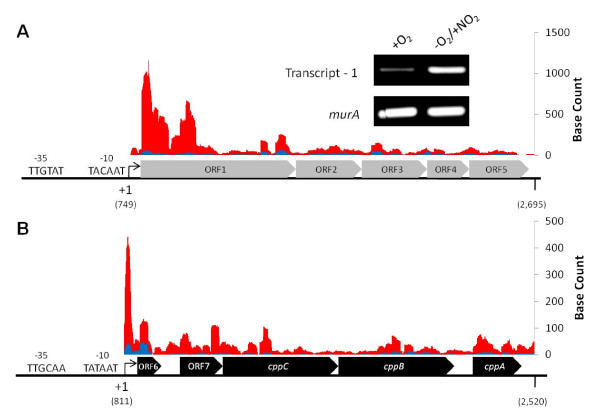
“Previous studies involving pJD1 have provided evidence that ORF1, ORF2, ORF4, ORF5, cppC, cppB, and cppA are capable of forming protein products, and several of these protein products have no homology to any other proteins in the NCBI conserved domain database (Table 3) [33,80,81].”
BackgroundAzakami, H., Yumoto, H., Nakae, H., Matsuo, T., & Ebisu, S. (1996) · Gene · doi:10.1016/s0378-1119(96)00639-7 · Cited by 7
Barth, K., & Clark, V. L. (2008) · Canadian Journal of Microbiology · doi:10.1139/w08-057 · Cited by 7 · cited 1×
“Some evidence suggests that the gonococcal reduction of host-produced NO may be responsible, at least in part, for the high incidence of asymptomatic disease [4,8,9].”
BackgroundSelf-citationIsabella, V. M. (2010) · UR Research (University of Rochester) · Cited by 1
Self-citation
Research works printed but not linked: 2
- Schook P Cahoon L Stohl E Criss A Seifert HS Neisseria gonorrhoeae responses and defenses against reactive oxygen species 17th International Pathogenic Neisseria Conference: 2010; Banff, CA 2010 http://neisseria.org/ipnc/2010/IPNC_2010_abstracts.pdf
- Ausubel FM Brent R Kingston RE Moore DD Seidman JG Smith JA Struhl K (ed) Short Protocols in Microbiology 1992 2 New York: John Wiley & Sons, Inc
Cited by
Dillies, M.-A., Rau, A., Aubert, J., Hennequet-Antier, C., Jeanmougin, M., Servant, N., Keime, C., Marot, G., Castel, D., Estelle, J., et al. (2013) · Briefings in Bioinformatics · doi:10.1093/bib/bbs046 · Cited by 1,298
“Based on three real mRNA and one miRNA-seq datasets, we confirm previous observations that RPKM and TC, both of which are still widely in use [40, 41], are ineffective and should be definitively abandoned in the context of differential analysis.”
Developing a new class of engineered live bacterial therapeutics to treat human diseases
Charbonneau, M. R., Isabella, V. M., Li, N., & Kurtz, C. B. (2020) · Nature Communications · doi:10.1038/s41467-020-15508-1 · Cited by 523
Self-citationNeisseria gonorrhoeae host adaptation and pathogenesis
Quillin, S. J., & Seifert, H. S. (2018) · Nature Reviews Microbiology · doi:10.1038/nrmicro.2017.169 · Cited by 372
Transcriptional landscape and essential genes of Neisseria gonorrhoeae
Remmele, C. W., Xian, Y., Albrecht, M., Faulstich, M., Fraunholz, M. J., Heinrichs, E., Dittrich, M. T., Müller, T., Reinhardt, R., & Rudel, T. (2014) · Nucleic Acids Research · doi:10.1093/nar/gku762 · Cited by 122
“Of the novel non-coding transcripts, 59 were found in intergenic regions and very likely belong to the class of regulatory sRNA including the previously characterized ironregulated NrrF (30) or FnrS that is upregulated under oxygen limitation (34).”
BackgroundProteomics-driven Antigen Discovery for Development of Vaccines Against Gonorrhea
Zielke, R. A., Wierzbicki, I. H., Baarda, B. I., Gafken, P. R., Soge, O. O., Holmes, K. K., Jerse, A. E., Unemo, M., & Sikora, A. E. (2016) · Molecular & Cellular Proteomics · doi:10.1074/mcp.m116.058800 · Cited by 107
“The poor correspondence between direct comparisons of different data sets has been noted before (59) and is related to bacterial culture methods (solid versus liquid media, different growth phases), sample preparation, sensitivity, detection limit, and cut-off settings of differential expression, as well as the occurr…”
BackgroundMethodInfluential
Metadata
- Authors
- Isabella, V. M., & Clark, V. L.
- Affiliations
- University of Rochester Medicine (US)
- Corresponding author
- Clark, Virginia L
- ORCID
- Isabella, Vincent M
- Venue
- BMC Genomics
- Published
- 2011-01-20
- Volume
- 12
- Issue
- 1
- Pages
- 51-51
- ISSN
- 1471-2164 (ISSN-L)
- PMC
- PMC3032703
- OpenAlex
- W2081304299
- Cited by
- 84
- References
- 95
- Citations by year
- 2026: 4 · 2025: 4 · 2024: 5 · 2023: 3 · 2022: 2 · 2021: 1 · 2020: 4 · 2019: 6 · 2018: 9 · 2017: 10 · 2016: 8 · 2015: 7 · 2014: 4 · 2013: 6 · 2012: 7
- FWCI
- 4.19
- Type
- journal article
- Language
- en
- Open access
- gold
- doi.org
- Licence
- Locations
- BMC Genomics (publishedVersion, cc-by)
- PubMed Central (publishedVersion, cc-by)
- PubMed (publishedVersion)
- DOAJ (DOAJ: Directory of Open Access Journals) (submittedVersion)
- Funders
- National Institute of Allergy and Infectious Diseases (R21AI080912)
- Topics
- Life Sciences › Biochemistry, Genetics and Molecular Biology › Genetics › Bacterial Genetics and Biotechnology
- Life Sciences › Immunology and Microbiology › Microbiology › Bacterial Infections and Vaccines
- Life Sciences › Immunology and Microbiology › Microbiology › Reproductive tract infections research
- Keywords
- Neisseria gonorrhoeae, anaerobic growth, transcriptome, gene expression regulation, denitrification, nitric oxide, prophages, transcription factors, small RNA, FNR, iron regulation, oxidative stress, virulence factors, obligate anaerobes
- MeSH terms
- Anaerobiosis, Bacterial Proteins, Neisseria gonorrhoeae, Gene Expression Regulation, Bacterial, Reverse Transcriptase Polymerase Chain Reaction, High-Throughput Nucleotide Sequencing
About these checks
Registry, retraction, Cites and statistics results are computed, not judged, with one exception: a printed reference that no index lists is read once by a model before it counts as a citation error. Claims are extracted by a model and kept only when their quote appears verbatim in the text; each cited source is then checked, with a model’s help, for whether it says what the claim relies on. Those verdicts can be wrong — read the claim’s quote and the cited source before relying on one.
Statistics and arithmetic are recomputed, not judged.
Confidence bands are shown only for fields calibrated on our annotated test set. None is calibrated yet, so no band is shown.
What counts as a claim ›How we measure confidence ›How we check this ›
Are you an author, or do you see a problem with this page? Request a review
Data sources
Bibliographic data: Semantic Scholar, OpenAlex, Crossref.
Contains information from the Semantic Scholar Academic Graph Datasets, made available under the ODC Attribution License (ODC-BY 1.0).
Semantic Scholar’s data is described in: Kinney, R., et al. (2023). The Semantic Scholar Open Data Platform. arXiv:2301.10140.
