

The surface protein Shr of Streptococcus pyogenes binds heme and transfers it to the streptococcal heme-binding protein Shp.
Open accessThe DOI matches its Crossref record; 34 of the 36 references it cites were found in a registry or an index.
Abstract
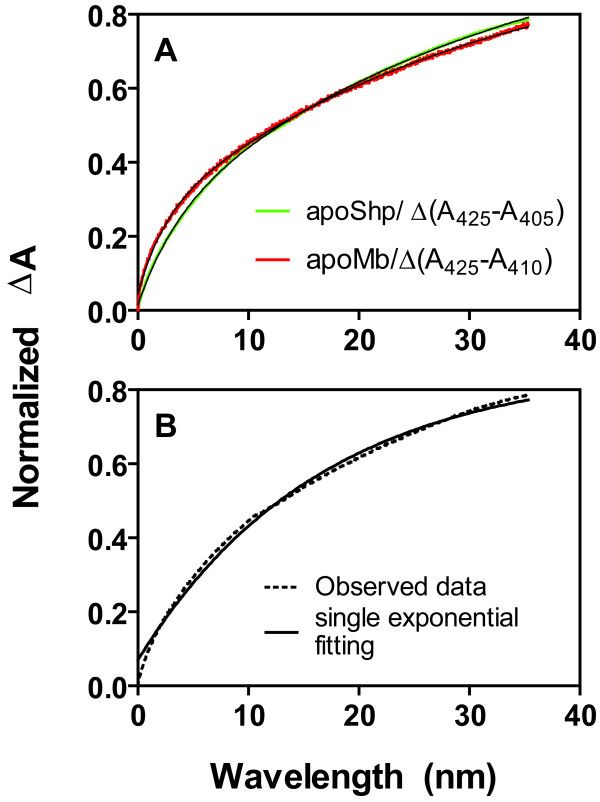
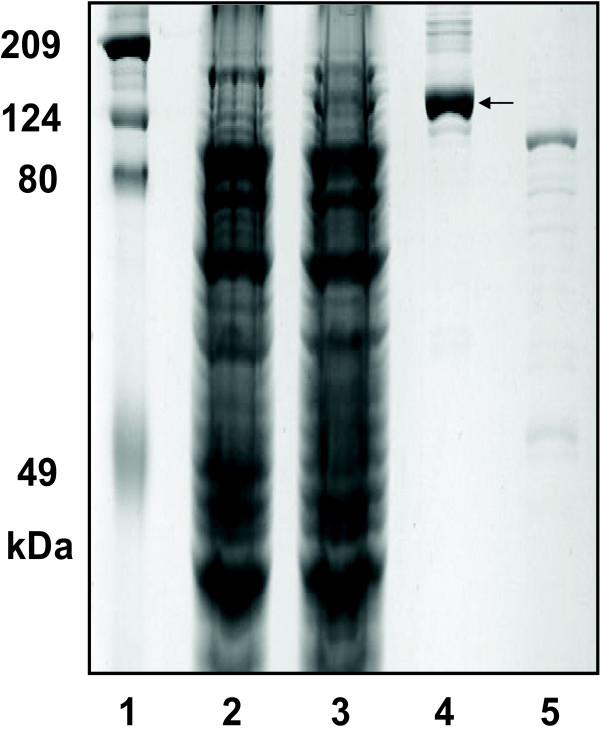
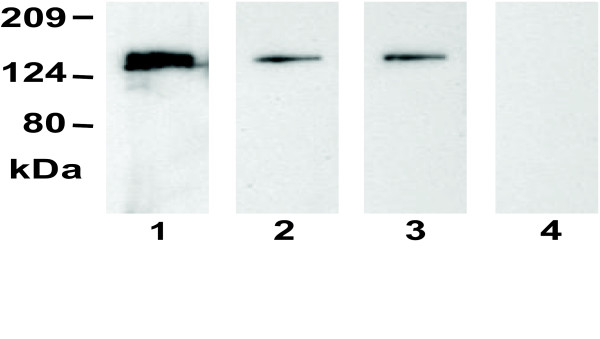
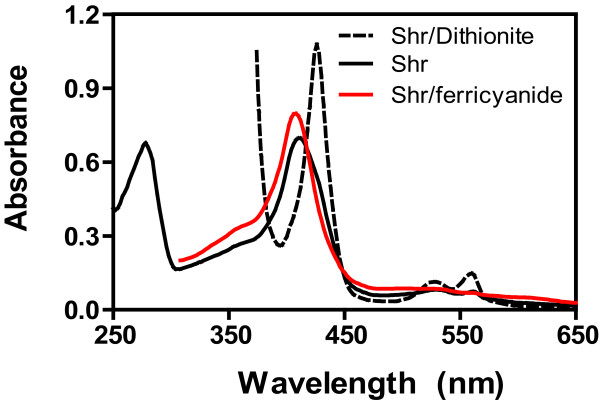
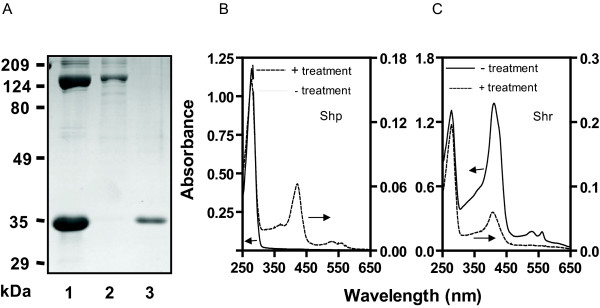
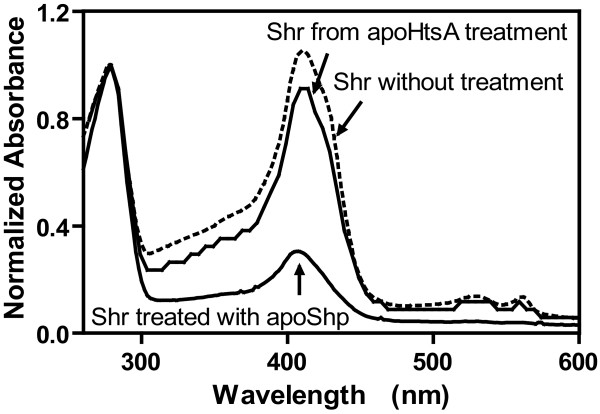
BACKGROUND: The heme acquisition machinery in Streptococcus pyogenes is believed to consist of the surface proteins, Shr and Shp, and heme-specific ATP-binding cassette transporter HtsABC. Shp has been shown to rapidly transfer its heme to the lipoprotein component, HtsA, of HtsABC. The function of Shr and the heme source of Shp have not been established. RESULTS: The objective of this study was to determine whether Shr binds heme and is a heme source of Shp. To achieve the objective, recombinant Shr protein was prepared. The purified Shr displays a spectrum typical of hemoproteins, indicating that Shr binds heme and acquires heme from Escherichia coli hemoproteins in vivo. Spectral analysis of Shr and Shp isolated from a mixture of Shr and heme-free Shp (apoShp) indicates that Shr and apoShp lost and gained heme, respectively; whereas Shr did not efficiently lose its heme in incubation with apoHtsA under the identical conditions. These results suggest that Shr directly transfers its heme to Shp. In addition, the rates of heme transfer from human hemoglobin to apoShp are close to those of simple ferric heme dissociation from hemoglobin, suggesting that methemoglobin does not directly transfer its heme to apoShp. CONCLUSION: We have demonstrated that recombinant Shr can acquire heme from E. coli hemoproteins in vivo and appears to directly transfer its heme to Shp and that Shp appears not to directly acquire heme from human methemoglobin. These results suggest the possibility that Shr is a source of heme for Shp and that the Shr-to-Shp heme transfer is a step of the heme acquisition process in S. pyogenes. Further characterization of the Shr/Shp/HtsA system would advance our understanding of the mechanism of heme acquisition in S. pyogenes.
Overview
The claims and statistics of this paper haven’t been checked yet.
Free: it reads the open-access text and checks the first 5 claims that cite a source we can check. Create a free account to check every claim.
Integrity signals
Registry
Cites
Statistics
Figures
Verification
Claims the paper makes
The claims and statistics of this paper haven’t been checked yet.
Free: it reads the open-access text and checks the first 5 claims that cite a source we can check. Create a free account to check every claim.
Claims other papers make about this one
Each is checked against this paper’s own text: does it say what the citing paper says it does?
The source backs part of the claim, not all of it — or backs it for a different population, condition or comparison.
In the citing paper
“In the heme acquisition pathway (Lei et al., 2002; Bates et al., 2003; Zhu et al., 2008), Shr obtains heme from heme-containing proteins such as hemoglobin and myoglobin and efficiently transports it combined with heme to Shp.”
From The Heme Transporter HtsABC of Group A Streptococcus Contributes to Virulence and Innate Immune Evasion in Murine Skin Infections (2018) · cites this paper as Zhu et al., 2008
Experimental — accuracy not yet measuredThe source backs part of the claim, not all of it — or backs it for a different population, condition or comparison.
In the citing paper
“Streptococcal hemoprotein receptor (Shr), streptococcal heme binding protein (Shp) and streptococcal heme-specific ABC transporter (HtsABC) encode a machine that takes up and transports heme in GAS.”
From The Heme Transporter HtsABC of Group A Streptococcus Contributes to Virulence and Innate Immune Evasion in Murine Skin Infections (2018) · cites this paper as Zhu et al., 2008
Experimental — accuracy not yet measuredThe cited source says what the claim attributes to it.
In the citing paper
“Heme transporter A (HtsA) protein is a lipoprotein component of HtsABC that obtains heme from Shp as an iron source for GAS survival (Nygaard et al., 2006; Zhu et al., 2008; Lu et al., 2012).”
From The Heme Transporter HtsABC of Group A Streptococcus Contributes to Virulence and Innate Immune Evasion in Murine Skin Infections (2018) · cites this paper as Zhu et al., 2008
In the citing paper
“In a manner similar to that of Corynebacterium diphtheriae Hta/Hmu, Streptococcus spp. encode surfaceexposed heme-binding proteins (Shp and Shr) and an ABC transporter (HtaABC) (130).”
From Overcoming the Heme Paradox: Heme Toxicity and Tolerance in Bacterial Pathogens (2010) · cites this paper as [130]
Self-check
Percentages, sums and reported differences re-computed from the paper’s own numbers.
The self-check needs the paper’s full text.
Citations
Cites
Porphyrins and metalloporphyrins
Gray, C. H. (1976) · Trends in Biochemical Sciences · doi:10.1016/0968-0004(76)90037-2 · Cited by 1,941
Porphyrins and Metalloporphyrins
(1978) · Coordination Chemistry Reviews · doi:10.1016/s0010-8545(00)80351-3 · Cited by 1,716
Passage of Heme-Iron Across the Envelope of Staphylococcus aureus
Mazmanian, S. K., Skaar, E. P., Gaspar, A. H., Humayun, M., Gornicki, P., Jelenska, J., Joachmiak, A., Missiakas, D. M., & Schneewind, O. (2003) · Science · doi:10.1126/science.1081147 · Cited by 593 · cited 3×
“pyogenes [12], Staphylococcus aureus [13], and Streptococcus equi [14].”
BackgroundIron-Source Preference of Staphylococcus aureus Infections
Skaar, E. P., Humayun, M., Bae, T., DeBord, K. L., & Schneewind, O. (2004) · Science · doi:10.1126/science.1099930 · Cited by 440 · cited 1×
“Heme is abundant in mammalian hosts and a preferred iron source for bacterial pathogens [ 8-11 ].”
BackgroundExchange of Heme among Hemoglobins and between Hemoglobin and Albumin
Bunn, H. F., & Jandl, J. H. (1968) · Journal of Biological Chemistry · doi:10.1016/s0021-9258(18)93628-8 · Cited by 415 · cited 2×
“In this reaction, methemoglobin dissociates heme into solvent, which is caught by the mutant apomyoglobin, and the fast and slow phases are the dissociation of heme from the β and α subunits, respectively [22,23].”
BackgroundTransferrins and Heme-Compounds as Iron Sources for Pathogenic Bacteria
Otto, B. R., Verweij-van Vught, A. M. J. J., & Maclaren, D. M. (1992) · Critical Reviews in Microbiology · doi:10.3109/10408419209114559 · Cited by 395 · cited 1×
“Heme is abundant in mammalian hosts and a preferred iron source for bacterial pathogens [8-11].”
BackgroundStaphylococcus aureus IsdB Is a Hemoglobin Receptor Required for Heme Iron Utilization
Torres, V. J., Pishchany, G., Humayun, M., Schneewind, O., & Skaar, E. P. (2006) · Journal of Bacteriology · doi:10.1128/jb.01335-06 · Cited by 302
The Association Rate Constant for Heme Binding to Globin Is Independent of Protein Structure
Hargrove, M. S., Barrick, D., & Olson, J. S. (1996) · Biochemistry · doi:10.1021/bi960371l · Cited by 209 · cited 1×
“Heme is usually bound to host proteins at extremely high affinities [15,16].”
BackgroundHis64(E7)–>Tyr apomyoglobin as a reagent for measuring rates of hemin dissociation.
Hargrove, M. S., Singleton, E. W., Quillin, M. L., Ortiz, L. A., Phillips, G. N., Olson, J. S., & Mathews, A. J. (1994) · Journal of Biological Chemistry · doi:10.1016/s0021-9258(17)41764-9 · Cited by 208
HIS64(E7)-> TYR APOMYOGLOBIN AS A REAGENT FOR MEASURING RATES OF HEMIN DISSOCIATION: 1mgn
Hargrove, M. S., Quillin, M. L., & Phillips Jr., G. N. (1994) · Worldwide Protein Data Bank · doi:10.2210/pdb1mgn/pdb · Cited by 190 · cited 5×
“The biphasic kinetics and rate constants are similar to those in the dissociation of heme from methemoglobin using H64Y/V68F apomyoglobin as a heme scavenger [22], in which the fast and slow phases are heme dissociation from the β and α subunits, respectively [22,23].”
BackgroundMethodInfluential
Cited by
Nutritional immunity: the battle for nutrient metals at the host–pathogen interface
Murdoch, C. C., & Skaar, E. P. (2022) · Nature Reviews Microbiology · doi:10.1038/s41579-022-00745-6 · Cited by 701
Streptococcus Adherence and Colonization
Nobbs, A. H., Lamont, R. J., & Jenkinson, H. F. (2009) · Microbiology and Molecular Biology Reviews · doi:10.1128/mmbr.00014-09 · Cited by 657
Iron in infection and immunity
Nairz, M., & Weiss, G. (2020) · Molecular Aspects of Medicine · doi:10.1016/j.mam.2020.100864 · Cited by 359
Overcoming the Heme Paradox: Heme Toxicity and Tolerance in Bacterial Pathogens
Anzaldi, L. L., & Skaar, E. P. (2010) · Infection and Immunity · doi:10.1128/iai.00613-10 · Cited by 295
“encode surfaceexposed heme-binding proteins (Shp and Shr) and an ABC transporter (HtaABC) (130).”
BackgroundHolden, M. T. G., Heather, Z., Paillot, R., Steward, K. F., Webb, K., Ainslie, F., Jourdan, T., Bason, N. C., Holroyd, N. E., Mungall, K., et al. (2009) · PLoS Pathogens · doi:10.1371/journal.ppat.1000346 · Cited by 265
“pyogenes binds heme and transfers it to the streptococcal hemebinding protein Shp for import by the HtsABC heme transporter [27].”
BackgroundBacterial heme-transport proteins and their heme-coordination modes
Tong, Y., & Guo, M. (2009) · Archives of Biochemistry and Biophysics · doi:10.1016/j.abb.2008.10.013 · Cited by 162
Liu, M., Tanaka, W. N., Zhu, H., Xie, G., Dooley, D. M., & Lei, B. (2008) · Journal of Biological Chemistry · doi:10.1074/jbc.m708372200 · Cited by 129
Zhu, H., Xie, G., Liu, M., Olson, J. S., Fabian, M., Dooley, D. M., & Lei, B. (2008) · Journal of Biological Chemistry · doi:10.1074/jbc.m801466200 · Cited by 127
Streptococcus pyogenes adhesion and colonization
Brouwer, S., Barnett, T. C., Rivera‐Hernandez, T., Rohde, M., & Walker, M. J. (2016) · FEBS Letters · doi:10.1002/1873-3468.12254 · Cited by 113
“Shr is able to sequester heme from methemoglobin [157] which is then transferred to Shp, another constituent of the GAS heme acquisition system [171].”
BackgroundUnique Heme-Iron Coordination by the Hemoglobin Receptor IsdB of Staphylococcus aureus
Gaudin, C. F. M., Grigg, J. C., Arrieta, A. L., & Murphy, M. E. P. (2011) · Biochemistry · doi:10.1021/bi200369p · Cited by 93
Allen, C. E., & Schmitt, M. P. (2009) · Journal of Bacteriology · doi:10.1128/jb.01784-08 · Cited by 82
“pyogenes, hemin is proposed to bind initially to surface-exposed proteins, designated Shp and Shr, which appear to be anchored to the membrane by a putative transmembrane region in their C termini (21, 49).”
BackgroundOuattara, M., Bentley Cunha, E., Li, X., Huang, Y., Dixon, D., & Eichenbaum, Z. (2010) · Molecular Microbiology · doi:10.1111/j.1365-2958.2010.07367.x · Cited by 71
The theft of host heme by Gram-positive pathogenic bacteria
Nobles, C. L., & Maresso, A. W. (2011) · Metallomics · doi:10.1039/c1mt00047k · Cited by 71
Streptococcus equi: a pathogen restricted to one host
Waller, A. S., Paillot, R., & Timoney, J. F. (2011) · Journal of Medical Microbiology · doi:10.1099/jmm.0.028233-0 · Cited by 69
“equi strain 4047 genome encoding the first haem-binding protein of this system, Shr (Zhu et al., 2008), contains a frameshift mutation at codon 442 that truncates this protein (Holden et al.”
BackgroundInfluentialSpirig, T., Malmirchegini, G. R., Zhang, J., Robson, S. A., Sjodt, M., Liu, M., Krishna Kumar, K., Dickson, C. F., Gell, D. A., Lei, B., et al. (2013) · Journal of Biological Chemistry · doi:10.1074/jbc.m112.419119 · Cited by 57
Heme Uptake and Metabolism in Bacteria
Benson, D. R., & Rivera, M. (2012) · Metal ions in life sciences · doi:10.1007/978-94-007-5561-1_9 · Cited by 65
Xiao, Q., Jiang, X., Moore, K. J., Shao, Y., Pi, H., Dubail, I., Charbit, A., Newton, S. M., & Klebba, P. E. (2011) · Molecular Microbiology · doi:10.1111/j.1365-2958.2011.07667.x · Cited by 51
Honsa, E. S., Fabian, M., Cardenas, A. M., Olson, J. S., & Maresso, A. W. (2011) · Journal of Biological Chemistry · doi:10.1074/jbc.m111.241687 · Cited by 50
Iron Pathways and Iron Chelation Approaches in Viral, Microbial, and Fungal Infections
Chhabra, R., Saha, A., Chamani, A., Schneider, N., Shah, R., & Nanjundan, M. (2020) · Pharmaceuticals · doi:10.3390/ph13100275 · Cited by 58
“translocation of this complex across the bacterial cell wall [39].”
BackgroundInfluentialEnvironmental Heme Utilization by Heme-Auxotrophic Bacteria
Gruss, A., Borezée‐Durant, E., & Lechardeur, D. (2012) · Advances in microbial physiology/Advances in Microbial Physiology · doi:10.1016/b978-0-12-394423-8.00003-2 · Cited by 58
Iron acquisition and regulation systems in Streptococcus species
Ge, R., & Sun, X. (2014) · Metallomics · doi:10.1039/c4mt00011k · Cited by 48
Allen, C. E., & Schmitt, M. P. (2011) · Journal of Bacteriology · doi:10.1128/jb.05508-11 · Cited by 46
“HtaB may function as a component in a hemin relay system in which hemin is moved through the cell wall via surface-anchored proteins, in similarity to hemin uptake mechanisms described in studies of other Gram-positive bacteria (24, 25, 47, 48).”
BackgroundResultHeme proteins in lactic acid bacteria
Baureder, M., & Hederstedt, L. (2013) · Advances in Microbial Physiology · doi:10.1016/b978-0-12-410515-7.00001-9 · Cited by 45
Dahesh, S., Nizet, V., & Cole, J. N. (2012) · Virulence · doi:10.4161/viru.21933 · Cited by 40
“Shr binds hexacoordinate heme and heme-containing proteins (hemoglobin, myoglobin, heme-albumin and hemoglobin-haptoglobin complex)(12) and directly transfers the heme group to Shp (streptococcal heme-binding protein), encoded by the second gene in the sia operon, shp.(15) The two NEAr transporter (NEAT) domains of Sh…”
Toukoki, C., Gold, K. M., McIver, K. S., & Eichenbaum, Z. (2010) · Molecular Microbiology · doi:10.1111/j.1365-2958.2010.07157.x · Cited by 39
“The Sia (Hts) system is a transporter that works in conjunction with the haemoprotein receptor, Shr, and the haem-binding protein, Shp, to obtain and deliver haem (Bates et al., 2003; Nygaard et al., 2006; Zhu et al., 2008).”
BackgroundBober, M., Mörgelin, M., Olin, A. I., von Pawel-Rammingen, U., & Collin, M. (2011) · PLoS ONE · doi:10.1371/journal.pone.0020345 · Cited by 37
“pyogenes are linked to metal transport as acquisition, most of them belong to ABC transport systems and some have been shown to be virulence factors in animal models of infection [43,44,45,46].”
BackgroundBielecki, M., Antonyuk, S. V., Strange, R. W., Smalley, J. W., Mackiewicz, P., Śmiga, M., Ślęzak, P., Olczak, M., & Olczak, T. (2018) · Bioscience Reports · doi:10.1042/bsr20181325 · Cited by 38
Thiansilakul, Y., Benjakul, S., Grunwald, E. W., & Richards, M. P. (2012) · Food Chemistry · doi:10.1016/j.foodchem.2012.02.182 · Cited by 41
Transition Metal Homeostasis in Streptococcus pyogenes and Streptococcus pneumoniae
Turner, A. G., Ong, C. Y., Walker, M. J., Djoko, K. Y., & McEwan, A. G. (2017) · Advances in microbial physiology/Advances in Microbial Physiology · doi:10.1016/bs.ampbs.2017.01.002 · Cited by 40
Molecular and Evolutionary Analysis of NEAr-Iron Transporter (NEAT) Domains
Honsa, E. S., Maresso, A. W., & Highlander, S. K. (2014) · PLoS ONE · doi:10.1371/journal.pone.0104794 · Cited by 33
Mechanisms of iron and haem transport by Listeria monocytogenes
Klebba, P. E., Charbit, A., Xiao, Q., Jiang, X., & Newton, S. M. (2012) · Molecular Membrane Biology · doi:10.3109/09687688.2012.694485 · Cited by 33
Structural and functional diversity of transient heme binding to bacterial proteins
Brewitz, H. H., Hagelueken, G., & Imhof, D. (2016) · Biochimica et Biophysica Acta (BBA) - General Subjects · doi:10.1016/j.bbagen.2016.12.021 · Cited by 36
The Influence of Iron Availability on Human Salivary Microbial Community Composition
Wang, R., Kaplan, A., Guo, L., Shi, W., Zhou, X., Lux, R., & He, X. (2012) · Microbial Ecology · doi:10.1007/s00248-012-0013-2 · Cited by 34
“It has been reported that certain oral bacterial species, such as Streptococci, are able to lyse red blood cells, retrieve, and utilize iron from heme to sustain their growth [20, 30, 31].”
BackgroundRan, Y., Liu, M., Zhu, H., Nygaard, T. K., Brown, D. E., Fabian, M., Dooley, D. M., & Lei, B. (2010) · Biochemistry · doi:10.1021/bi901987h · Cited by 31
“The heme iron in Shp and HtsA is hexacoordinate and in the low spin state (8), and the Shr heme iron is also hexacoordinate (7).”
BackgroundExtracellular Heme Uptake and the Challenges of Bacterial Cell Membranes
Smith, A. D., & Wilks, A. (2012) · Current topics in membranes · doi:10.1016/b978-0-12-394390-3.00013-6 · Cited by 40
Hemoglobin Binding and Catalytic Heme Extraction by IsdB Near Iron Transporter Domains
Bowden, C. F. M., Verstraete, M. M., Eltis, L. D., & Murphy, M. E. P. (2014) · Biochemistry · doi:10.1021/bi500230f · Cited by 27
Kinetics of heme transfer by the Shr NEAT domains of Group A Streptococcus
Ouattara, M., Pennati, A., Devlin, D. J., Huang, Y.-S., Gadda, G., & Eichenbaum, Z. (2013) · Archives of Biochemistry and Biophysics · doi:10.1016/j.abb.2013.08.009 · Cited by 26
Ellis-Guardiola, K., Clayton, J., Pham, C., Mahoney, B. J., Wereszczynski, J., & Clubb, R. T. (2020) · Journal of Molecular Biology · doi:10.1016/j.jmb.2019.12.023 · Cited by 23
Verstraete, M. M., Morales, L. D., Kobylarz, M. J., Loutet, S. A., Laakso, H. A., Pinter, T. B., Stillman, M. J., Heinrichs, D. E., & Murphy, M. E. P. (2019) · Journal of Biological Chemistry · doi:10.1074/jbc.ra119.007757 · Cited by 23
“5 mM 1 cm 1 as previously described (34).”
MethodDirect Heme Transfer Reactions in the Group A Streptococcus Heme Acquisition Pathway
Lu, C., Xie, G., Liu, M., Zhu, H., & Lei, B. (2012) · PLoS ONE · doi:10.1371/journal.pone.0037556 · Cited by 22
“Heme can be directly sequestered from host proteins by receptors on the bacterial surface [4,5,6].”
BackgroundMethodInfluentialLyman, L. R., Peng, E. D., & Schmitt, M. P. (2018) · Journal of Bacteriology · doi:10.1128/jb.00676-17 · Cited by 21
Zhu, H. F., Li, D., Liu, M., Copié, V., & Lei, B. (2014) · PLoS ONE · doi:10.1371/journal.pone.0100744 · Cited by 24
“pyogenes consists of the surface proteins, Shr and Shp, and the membrane transporter HtsABC [6–10].”
BackgroundCook, L. C., Chatterjee, N., Li, Y., Andrade, J., Federle, M. J., & Eichenbaum, Z. (2019) · mBio · doi:10.1128/mbio.00848-19 · Cited by 27
Bao, Y., Liang, Z., Mayfield, J. A., Lee, S. W., Ploplis, V. A., & Castellino, F. (2015) · Journal of Bacteriology · doi:10.1128/jb.00511-15 · Cited by 24
Cai, H., Grunwald, E. W., Park, S. Y., Lei, B., & Richards, M. P. (2013) · Journal of Agricultural and Food Chemistry · doi:10.1021/jf4006142 · Cited by 20
Ellis‐Guardiola, K., Mahoney, B. J., & Clubb, R. (2021) · Frontiers in Microbiology · doi:10.3389/fmicb.2020.607679 · Cited by 20
Metal Homeostasis in Pathogenic Streptococci
Akbari, M. S., Doran, K. S., & Burcham, L. R. (2022) · Microorganisms · doi:10.3390/microorganisms10081501 · Cited by 21
Ran, Y., Malmirchegini, G. R., Clubb, R., & Lei, B. (2013) · Biochemistry · doi:10.1021/bi400965u · Cited by 15
“Heme can be directly transferred from Shp to HtsA (19), but Shr does not efficiently donate its heme to HtsA (26).”
Song, Y., Zhang, X., Cai, M., Lv, C., Zhao, Y., Wei, D., & Zhu, H. (2018) · Frontiers in Microbiology · doi:10.3389/fmicb.2018.01105 · Cited by 14
“…with heme to Shp. Frontiers in Microbiology | www.frontiersin.org 1 May 2018 | Volume 9 | Article 1105 Heme transporter A (HtsA) protein is a lipoprotein component of HtsABC that obtains heme from Shp as an iron source for GAS survival (Nygaard et al., 2006; Zhu et al., 2008; Lu et al., 2012).”
BackgroundInfluentialReglinski, M., & Sriskandan, S. (2014) · Elsevier eBooks · doi:10.1016/b978-0-12-397169-2.00038-x · Cited by 18
Characterization of the haem-uptake system of the equine pathogen Streptococcus equi subsp. equi
Meehan, M., Burke, F. M., Macken, S., & Owen, P. (2010) · Microbiology · doi:10.1099/mic.0.036087-0 · Cited by 13
“Given the ability of fulllength Shr to bind haem, Hb and Hb–Hp and transfer bound haem to Shp, the proposed role for Shr in haem acquisition would be to accelerate the rate of haem transfer from Hb/Hb–Hp to Shp (Zhu et al., 2008a).”
BackgroundResultInfluentialMacdonald, R., Mahoney, B. J., Soule, J., Goring, A. K., Ford, J., Loo, J. A., Cascio, D., & Clubb, R. (2023) · Proceedings of the National Academy of Sciences · doi:10.1073/pnas.2211939120 · Cited by 13
“Heme captured by N1 is then transferred to a high-affinity heme-binding N2 NEAT domain located at Shr’s C-terminus for storage, or to the Shp hemoprotein for transit across the peptidoglycan and import into the cell (39, 40).”
BackgroundIron-containing lipoprotein SiaA in SiaABC, the primary heme transporter of Streptococcus pyogenes
Sun, X., Ge, R., Zhang, D., Sun, H., & He, Q. (2010) · JBIC Journal of Biological Inorganic Chemistry · doi:10.1007/s00775-010-0684-4 · Cited by 13
Macdonald, R., Cascio, D., Collazo, M., Phillips, M. L., & Clubb, R. (2018) · Journal of Biological Chemistry · doi:10.1074/jbc.ra118.005261 · Cited by 15
Iron acquisition by Streptococcus species: An updated review
Ge, R., Sun, X., & He, Q. (2009) · Frontiers in Biology · doi:10.1007/s11515-009-0035-4 · Cited by 13
“…et al., 2003; Sun et al., 2008 SiaABC/HtsABC ABC transporter heme Bates et al., 2003; Hanks et al., 2006; Sook et al., 2008 Shr heme receptor heme Zhu et al., 2008 Shp ABC transporter heme Lei et al., 2002; Liu and Lei, 2005; Nygaard et al., 2006; Aranda et al., 2007; Ran et al., 2007 S.…”
BackgroundThe NEAT Domain-Containing Proteins of Clostridium perfringens Bind Heme
Choo, J. M., Cheung, J. K., Wisniewski, J. A., Steer, D. L., Bulach, D., Hiscox, T. J., Chakravorty, A., Smith, A. I., Gell, D. A., Rood, J. I., et al. (2016) · PLoS ONE · doi:10.1371/journal.pone.0162981 · Cited by 12
“pyogenes and HtaA of Corynebacterium diphtheriae [9, 48, 82].”
Characterization of Spbhp-37, a Hemoglobin-Binding Protein of Streptococcus pneumoniae
Romero‐Espejel, M. E., Rodríguez, M. A., Chávez‐Munguía, B., Ríos‐Castro, E., & Olivares‐Trejo, J. D. J. (2016) · Frontiers in Cellular and Infection Microbiology · doi:10.3389/fcimb.2016.00047 · Cited by 11
Heme Binding to HupZ with a C-Terminal Tag from Group A Streptococcus
Traore, E. S., Li, J., Chiura, T., Geng, J., Sachla, A. J., Yoshimoto, F. K., Eichenbaum, Z., Davis, I., Mak, P. J., & Liu, A. (2021) · Molecules · doi:10.3390/molecules26030549 · Cited by 9
“surface NEAT receptor Shr, captures heme from hemoglobin and delivers to a second NEAT protein Shp [7,8], which in turns shuttles it to the membrane SiaABC transporter”
BackgroundInfluentialDesign of a heme-binding peptide motif adopting a β-hairpin conformation
Nagarajan, D., Sukumaran, S., Deka, G., Krishnamurthy, K., Atreya, H. S., & Chandra, N. R. (2018) · Journal of Biological Chemistry · doi:10.1074/jbc.ra118.001768 · Cited by 9
“The changes in Soret peak wavelength, intensity, and resolution observed upon dithionite reduction are characteristic of iron in a hexacoordinated form (51).”
BackgroundBenfang Lei’s research on heme acquisition in Gram-positive pathogens and bacterial pathogenesis
Lei, B. (2010) · World Journal of Biological Chemistry · doi:10.4331/wjbc.v1.i9.286 · Cited by 9
Hoshino, M., Nakakido, M., Nagatoishi, S., Aikawa, C., Nakagawa, I., & Tsumoto, K. (2017) · Biochemical and Biophysical Research Communications · doi:10.1016/j.bbrc.2017.09.055 · Cited by 10
Clayton, J., Ellis‐Guardiola, K., Mahoney, B. J., Soule, J., Liu, W., Clubb, R., & Wereszczynski, J. (2021) · Journal of Molecular Biology · doi:10.1016/j.jmb.2022.167623 · Cited by 8
Xu, T., & Zhang, W. (2024) · Elsevier eBooks · doi:10.1016/b978-0-12-818619-0.00123-4 · Cited by 9
Khalil, E. A., Segond, D., Terpstra, T., André-Leroux, G., Kallassy, M., Lereclus, D., Bou‐Abdallah, F., & Nielsen‐LeRoux, C. (2015) · Biochimica et Biophysica Acta (BBA) - General Subjects · doi:10.1016/j.bbagen.2015.06.006 · Cited by 12
Global spread of Streptococcus pyogenes A genomics-supported narrative review
Arcari, G., Colombini, L., Castelli, M., Novazzi, F., Clementi, N., Santoro, F., & Mancini, N. (2025) · FEMS Microbiology Reviews · doi:10.1093/femsre/fuaf058 · Cited by 10
Senoo, A., Hoshino, M., Shiomi, T., Nakakido, M., Nagatoishi, S., Kuroda, D., Nakagawa, I., Tame, J. R. H., Caaveiro, J. M. M., & Tsumoto, K. (2024) · Scientific Reports · doi:10.1038/s41598-024-55734-x · Cited by 6
Akbas, N., Draganova, E. B., Block, D. R., Sook, B. R., Chan, Y. F., Zhuo, J., Eichenbaum, Z., Rodgers, K. R., & Dixon, D. W. (2015) · Journal of Inorganic Biochemistry · doi:10.1016/j.jinorgbio.2015.10.016 · Cited by 6
Adherence and Biofilm Production of Streptococcus pyogenes
Šmitran, A., Gajić, I., Božić, L., & Ranin, L. T. (2016) · InTech eBooks · doi:10.5772/63490 · Cited by 1
“Its membrane position corresponds to the primary role of Shr protein in uptaking of the heme and binding to its transporter in the cytoplasmic membrane [19, 20].”
BackgroundMechanisms of antibiotic resistance and pathogenesis in Acinetobacter baumannii
Hood, M. I. (2012) · Cited by 1
DELINEATING THE ROLES OF C. ELEGANS HEME RESPONSIVE GENES HRG-2 AND HRG-3 IN HEME HOMEOSTASIS
Chen, C. (2009) · University Libraries (University of Maryland)
Bowden, C. F. M. (2014) · cIRcle (University of British Columbia) · doi:10.14288/1.0135539
“Hemoglobin concentrations were determined by the pyridine hemochrome method as previously described (87).”
MethodBiophysical Heme Binding Studies of Corynebacterium diphtheriae and Streptococcus pyogenes
Thompson, S. (2017) · Digital Archive @ GSU · doi:10.57709/10492697
Gram-positive heme acquisition
Shipelskiy, Y. (2017) · K-State Research Exchange (Kansas State University)
Li, J., Ju, Y., Jiang, M., Wang, J., Li, S., & Xiao-yan, Y. (2025) · Microbiology and Immunology · doi:10.1111/1348-0421.13217 · Cited by 1
“Heme ‐ transporting lipoprotein A (HtsA) is a lipoprotein component of HtsABC, which can obtain heme from heme ‐ binding protein (Shp) to provide iron for the survival of S. pyogenes [15 – 17].”
Iron Dynamics in Pathogens and their Inhibition for Anti-pathogenic Drug Design
Nakakido, M., Nakagawa, I., & Tsumoto, K. (2025) · Royal Society of Chemistry eBooks · doi:10.1039/9781837677979-00058
Structural basis for heme binding by the Shr protein from Streptococcus pyogenes
Seki, K., Senoo, A., Nagatoishi, S., Yanaka, S., Nakakido, M., Tsumoto, K., & Caaveiro, J. M. M. (2025) · Journal of Biological Chemistry · doi:10.1016/j.jbc.2025.111012
Molecular Mechanism of Heme Acquisition and Degradation by the Human Pathogen Group A Streptococcus
Ouattara, M. (2013) · Digital Archive @ GSU · doi:10.57709/4056857
Métabolisme du fer et de l'hème chez Lactobacillus sakei
Duhutrel, P. (2011) · theses.fr (ABES) · doi:10.70675/bfd9ff84z3925z4f76z96deza9085c27340b
Biosynthèse d'un nouveau métallophore bactérien apparenté à la nicotianamine de plante
Ghssein, G. (2014) · theses.fr (ABES) · doi:10.70675/4a8022d7z2121z4a13z89b6zff4c50f8d11c
Hillebrand, G. H., Stephenson, H. A., Giacobe, E. J., Neel, A. S., Carlin, S. M., Kemp, F. D., & Hooven, T. A. (2026) · bioRxiv (Cold Spring Harbor Laboratory) · doi:10.64898/2026.05.15.725516
Metadata
- Authors
- Zhu, H., Liu, M., & Lei, B.
- Affiliations
- Montana State University (US)
- Corresponding author
- Lei, Benfang
- Venue
- BMC Microbiology
- Published
- 2008-01-23
- Volume
- 8
- Issue
- 1
- Pages
- 15-15
- ISSN
- 1471-2180 (ISSN-L)
- PMC
- PMC2266757
- OpenAlex
- W2169490506
- Cited by
- 82
- References
- 35
- Citations by year
- 2026: 1 · 2025: 4 · 2024: 2 · 2023: 1 · 2022: 5 · 2021: 3 · 2020: 2 · 2019: 3 · 2018: 5 · 2017: 3 · 2016: 5 · 2015: 3 · 2014: 7 · 2013: 5 · 2012: 10
- FWCI
- 7.58
- Type
- journal article
- Language
- en
- Open access
- gold
- doi.org
- Licence
- cc-by
- Locations
- BMC Microbiology (publishedVersion, cc-by)
- PubMed Central (publishedVersion, cc-by)
- PubMed (publishedVersion)
- DOAJ (DOAJ: Directory of Open Access Journals) (submittedVersion)
- Funders
- U.S. Department of Agriculture (2006-01690)
- Montana State University
- National Institutes of Health
- National Institute of Allergy and Infectious Diseases (K22AI057347)
- National Center for Research Resources (P20RR020185)
- Topics
- Health Sciences › Medicine › Infectious Diseases › Streptococcal Infections and Treatments
- Life Sciences › Biochemistry, Genetics and Molecular Biology › Biochemistry › Hemoglobin structure and function
- Life Sciences › Biochemistry, Genetics and Molecular Biology › Genetics › Bacterial Genetics and Biotechnology
- Keywords
- Streptococcus pyogenes, heme acquisition, heme transfer, heme proteins, methemoglobin, bacterial surface proteins
- MeSH terms
- Heme-Binding Proteins, Bacterial Proteins, Carrier Proteins, Heme, Hemeproteins, Humans, Molecular Sequence Data, Protein Binding, Recombinant Proteins, Streptococcus pyogenes, Blotting, Western
About these checks
Registry, retraction, Cites and statistics results are computed, not judged, with one exception: a printed reference that no index lists is read once by a model before it counts as a citation error. Claims are extracted by a model and kept only when their quote appears verbatim in the text; each cited source is then checked, with a model’s help, for whether it says what the claim relies on. Those verdicts can be wrong — read the claim’s quote and the cited source before relying on one.
Statistics and arithmetic are recomputed, not judged.
Confidence bands are shown only for fields calibrated on our annotated test set. None is calibrated yet, so no band is shown.
What counts as a claim ›How we measure confidence ›How we check this ›
Are you an author, or do you see a problem with this page? Request a review
Data sources
Bibliographic data: Semantic Scholar, OpenAlex, Crossref.
Contains information from the Semantic Scholar Academic Graph Datasets, made available under the ODC Attribution License (ODC-BY 1.0).
Semantic Scholar’s data is described in: Kinney, R., et al. (2023). The Semantic Scholar Open Data Platform. arXiv:2301.10140.
