

Global report on preterm birth and stillbirth (1 of 7): definitions, description of the burden and opportunities to improve data
Open accessThe DOI matches its Crossref record; 101 of the 102 references it cites were found in a registry or an index.
Abstract
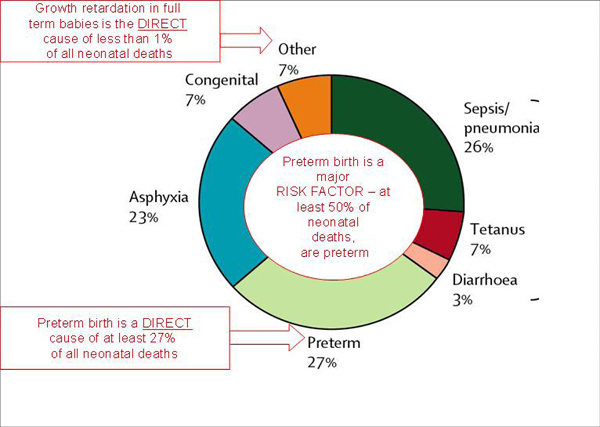
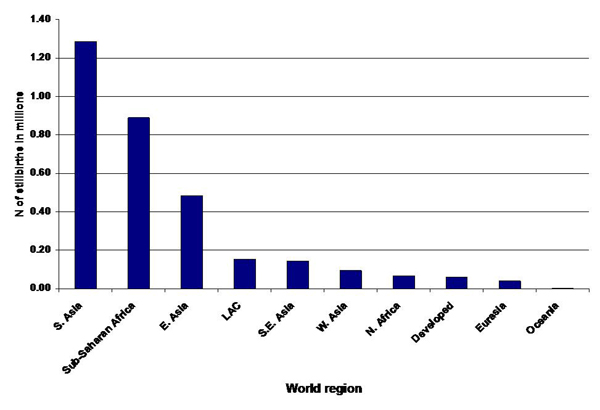
INTRODUCTION: This is the first of seven articles from a preterm birth and stillbirth report. Presented here is an overview of the burden, an assessment of the quality of current estimates, review of trends, and recommendations to improve data. PRETERM BIRTH: Few countries have reliable national preterm birth prevalence data. Globally, an estimated 13 million babies are born before 37 completed weeks of gestation annually. Rates are generally highest in low- and middle-income countries, and increasing in some middle- and high-income countries, particularly the Americas. Preterm birth is the leading direct cause of neonatal death (27%); more than one million preterm newborns die annually. Preterm birth is also the dominant risk factor for neonatal mortality, particularly for deaths due to infections. Long-term impairment is an increasing issue. STILLBIRTH: Stillbirths are currently not included in Millennium Development Goal tracking and remain invisible in global policies. For international comparisons, stillbirths include late fetal deaths weighing more than 1000g or occurring after 28 weeks gestation. Only about 2% of all stillbirths are counted through vital registration and global estimates are based on household surveys or modelling. Two global estimation exercises reached a similar estimate of around three million annually; 99% occur in low- and middle-income countries. One million stillbirths occur during birth. Global stillbirth cause-of-death estimates are impeded by multiple, complex classification systems. RECOMMENDATIONS TO IMPROVE DATA: (1) increase the capture and quality of pregnancy outcome data through household surveys, the main data source for countries with 75% of the global burden; (2) increase compliance with standard definitions of gestational age and stillbirth in routine data collection systems; (3) strengthen existing data collection mechanisms--especially vital registration and facility data--by instituting a standard death certificate for stillbirth and neonatal death linked to revised International Classification of Diseases coding; (4) validate a simple, standardized classification system for stillbirth cause-of-death; and (5) improve systems and tools to capture acute morbidity and long-term impairment outcomes following preterm birth. CONCLUSION: Lack of adequate data hampers visibility, effective policies, and research. Immediate opportunities exist to improve data tracking and reduce the burden of preterm birth and stillbirth.
Overview
The claims and statistics of this paper haven’t been checked yet.
Free: it reads the open-access text and checks the first 5 claims that cite a source we can check. Create a free account to check every claim.
Integrity signals
Registry
Cites
Statistics
Figures
Verification
Claims the paper makes
The claims and statistics of this paper haven’t been checked yet.
Free: it reads the open-access text and checks the first 5 claims that cite a source we can check. Create a free account to check every claim.
Claims other papers make about this one
Each is checked against this paper’s own text: does it say what the citing paper says it does?
The source backs part of the claim, not all of it — or backs it for a different population, condition or comparison.
In the citing paper
“The rate of preterm birth in Pakistan is 15·7% whereas it is 6·6% in Australia1 [4].”
From The association between parity, infant gender, higher level of paternal education and preterm birth in Pakistan: a cohort study (2011) · cites this paper as [4]
Experimental — accuracy not yet measuredIn the citing paper
“Complications related to PTB are the leading causes of death for children aged under 5, resulting in about a million deaths worldwide in 2015 [14,15].”
From A Comprehensive Review on Social Inequalities and Pregnancy Outcome—Identification of Relevant Pathways and Mechanisms (2022) · cites this paper as [15]
In the citing paper
“Moreover, adverse consequences related to LBW and PTB contribute very significantly to global health costs [15,16,17,18,19].”
From A Comprehensive Review on Social Inequalities and Pregnancy Outcome—Identification of Relevant Pathways and Mechanisms (2022) · cites this paper as [15]
Self-check
Percentages, sums and reported differences re-computed from the paper’s own numbers.
The self-check needs the paper’s full text.
Citations
Cites
Grading quality of evidence and strength of recommendations
(2004) · BMJ · doi:10.1136/bmj.328.7454.1490 · Cited by 8,477
Epidemiology and causes of preterm birth
Goldenberg, R. L., Culhane, J. F., Iams, J. D., & Romero, R. (2008) · The Lancet · doi:10.1016/s0140-6736(08)60074-4 · Cited by 7,801 · cited 9×
“Tomashek KM, Shapiro-Mendoza CK, Davidoff MJ, Petrini JR: Diff erences in mortality between late-preterm and term singleton infants in the United States, 1995-2002.”
BackgroundInfluential4 million neonatal deaths: When? Where? Why?
Lawn, J. E., Cousens, S., & Zupan, J. (2005) · The Lancet · doi:10.1016/s0140-6736(05)71048-5 · Cited by 3,670 · cited 10×
“Why?, 10, 2005, with permission from Elsevier.”
BackgroundInfluentialSelf-citationGlobal Burden of Disease and Risk Factors
(2006) · World Bank, Washington, DC eBooks · doi:10.1596/978-0-8213-6262-4 · Cited by 2,605
Grading quality of evidence and strength of recommendations for diagnostic tests and strategies
Schünemann, H. J., Oxman, A. D., Brozek, J., Glasziou, P., Jaeschke, R., Vist, G. E., Williams, J. W., Kunz, R., Craig, J., Montori, V. M., et al. (2008) · BMJ · doi:10.1136/bmj.39500.677199.ae · Cited by 1,782
Low birthweight: country regional and global estimates.
Wardlaw, T., Blanc, A. K., Zupan, J., & Åhman, A. (2004) · Cited by 1,773
Preterm Birth: Causes, Consequences, and Prevention
Outcomes, A. H., Behrman, R. E., & Butler, A. S. (2007) · Cited by 1,577
Evidence-based, cost-effective interventions: How many newborn babies can we save?
Darmstadt, G. L., Bhutta, Z. A., Cousens, S., Adam, T., Walker, N., & de Bernis, L. (2005) · The Lancet · doi:10.1016/s0140-6736(05)71088-6 · Cited by 1,541 · cited 2×
“on achieving high coverage of evidence-based interventions to prevent preterm delivery and to improve survival for preterm newborns [ 5 ].”
BackgroundThe Worldwide Incidence of Preterm Birth: A Systematic Review of Maternal Mortality and Morbidity
Beck, S., Wojdyla, D., Say, L., Pilar Bertran, A., Meraldi, M., Harris Requejo, J., Rubens, C., Menon, R., & Van Look, P. (2010) · Bulletin of the World Health Organization · doi:10.2471/blt.08.062554 · Cited by 1,523 · cited 2×
“Preterm birth prevalence rates A recent publication estimates about 13 million preterm babies are born each year worldwide [21].”
BackgroundSelf-citationNeurologic and Developmental Disability after Extremely Preterm Birth
Wood, N. S., Marlow, N., Costeloe, K., Gibson, A. T., & Wilkinson, A. R. (2000) · New England Journal of Medicine · doi:10.1056/nejm200008103430601 · Cited by 1,357
Birth Spacing and Risk of Adverse Perinatal Outcomes: A Meta-analysis
Conde-Agudelo, A., Rosas-Bermúdez, A., & Kafury-Goeta, A. C. (2006) · JAMA · doi:10.1001/jama.295.15.1809 · Cited by 1,103
The World Health Report 2005 - make every mother and child count
Lerberghe, W. V., Manuel, A., Matthews, Z., & Wolfheim, C. (2005) · ePrints Soton (University of Southampton) · Cited by 1,015
Costeloe, K., Hennessy, E., Gibson, A. T., Marlow, N., Wilkinson, A. R., & for the EPICure Study Group (2000) · Pediatrics · doi:10.1542/peds.106.4.659 · Cited by 1,005 · cited 1×
“Th is is very diff erent than countries with intensive care, where although few babies born alive at 22 weeks may survive intact, by 25 weeks the majority survive [32, 33].”
BackgroundGlobal burden of disease and risk factors
(2007) · Choice Reviews Online · doi:10.5860/choice.44-4479 · Cited by 825
The World Health Report 2005 - Make Every Mother and Child Count
Farooqi, S. S. (2005) · Annals of Saudi Medicine · doi:10.5144/0256-4947.2005.516 · Cited by 807
Birth Spacing and Risk of Adverse Perinatal Outcomes: A Meta-Analysis
&NA; (2007) · Survey of Anesthesiology · doi:10.1097/01.sa.0000267038.80927.32 · Cited by 670
Martin, J. A., Hamilton, B. E., Sutton, P. D., Ventura, S. J., Menacker, F., Kirmeyer, S., & Munson, M. L. (2007) · PubMed · Cited by 637
Antenatal care : routine care for the healthy pregnant woman
Excellence, C. (2008) · RCOG Press eBooks · Cited by 624
Health, United States, 2007--With Chartbook on Trends in the Health of Americans: (407202008-001)
(2007) · PsycEXTRA Dataset · doi:10.1037/e407202008-001 · Cited by 569
Classification of stillbirth by relevant condition at death (ReCoDe): population based cohort study
Gardosi, J., Kady, S. M., McGeown, P., Francis, A., & Tonks, A. (2005) · BMJ · doi:10.1136/bmj.38629.587639.7c · Cited by 547
Lawn, J. E., Shibuya, K., & Stein, C. (2005) · Europe PMC (PubMed Central) · Cited by 526
Self-citationEstimating the causes of 4 million neonatal deaths in the year 2000
Lawn, J. E., Wilczynska-Ketende, K., & Cousens, S. N. (2006) · International Journal of Epidemiology · doi:10.1093/ije/dyl043 · Cited by 515 · cited 2×
“Complications of preterm birth are the leading direct cause of neonatal mortality, accounting for an estimated 27% of the almost four million neonatal deaths every year, and act as a risk factor for many neonatal deaths due to other causes, particularly infections [ 4 ].”
BackgroundMethodSelf-citationStillbirth rates: delivering estimates in 190 countries
Stanton, C., Lawn, J. E., Rahman, H., Wilczynska-Ketende, K., & Hill, K. (2006) · The Lancet · doi:10.1016/s0140-6736(06)68586-3 · Cited by 495 · cited 7×
“Source: Reprinted from The Lancet, 367, Stanton C, Lawn JE, Rahman H, Wilczynska-Ketende, K, Hill K, Stillbirth rates: delivering estimates in 190 countries, 8, 2006, with permission from Elsevier [7].”
BackgroundResultInfluentialSelf-citationChristian, P., Khatry, S. K., Katz, J., Pradhan, E. K., LeClerq, S. C., Shrestha, S. R., Adhikari, R. K., Sommer, A., & Keith, P. W. (2003) · BMJ · doi:10.1136/bmj.326.7389.571 · Cited by 398
Zinc supplementation for improving pregnancy and infant outcome
Ota, E., Mori, R., Middleton, P., Tobe-Gai, R., Mahomed, K., Miyazaki, C., & Bhutta, Z. A. (2015) · Cochrane Database of Systematic Reviews · doi:10.1002/14651858.cd000230.pub5 · Cited by 369
Annual Summary of Vital Statistics—1980
Wegman, M. E. (1981) · Pediatrics · doi:10.1542/peds.68.6.755 · Cited by 366
Trends in preterm birth and perinatal mortality among singletons: United States, 1989 through 2000
Ananth, C. V., Joseph, K. S., Oyelese, Y., Demissie, K., & Vintzileos, A. M. (2005) · Obstetrics & Gynecology · doi:10.1097/01.aog.0000158124.96300.c7 · Cited by 363 · cited 9×
“Tomashek KM, Shapiro-Mendoza CK, Davidoff MJ, Petrini JR: Diff erences in mortality between late-preterm and term singleton infants in the United States, 1995-2002.”
BackgroundInfluentialDeterminants of Preterm Birth Rates in Canada from 1981 through 1983 and from 1992 through 1994
Joseph, K. S., Kramer, M. S., Marcoux, S., Ohlsson, A., Wen, S. W., Allen, A., & Platt, R. (1998) · New England Journal of Medicine · doi:10.1056/nejm199811123392004 · Cited by 357 · cited 1×
“may reduce stillbirth but increase preterm birth [19, 20].”
BackgroundThe epidemiology of preterm labour
Steer, P. (2005) · BJOG: An International Journal of Obstetrics & Gynaecology · doi:10.1111/j.1471-0528.2005.00575.x · Cited by 350 · cited 21×
“Much more in-depth information would be available through the use of a stillbirth audit, and there are a number of LMICs attempting to increase the coverage and quality of their audit networks.”
BackgroundInfluentialGlobal report on preterm birth and stillbirth (3 of 7): evidence for effectiveness of interventions
the GAPPS Review Group, Barros, F. C., Bhutta, Z. A., Batra, M., Hansen, T. N., Victora, C. G., & Rubens, C. E. (2010) · BMC Pregnancy and Childbirth · doi:10.1186/1471-2393-10-s1-s3 · Cited by 300
Self-citation(2007) · Cited by 300
Tomashek, K. M., Shapiro-Mendoza, C. K., Davidoff, M. J., & Petrini, J. R. (2007) · The Journal of Pediatrics · doi:10.1016/j.jpeds.2007.05.002 · Cited by 291 · cited 1×
“Among babies who were born between 34 and 36 weeks gestation, the mortality rate was 7.9-9.5 per 1,000 live births [ 43 ].”
BackgroundInfluentialMaternal anthropometry and pregnancy outcomes. A WHO Collaborative Study.
(1995) · Europe PMC (PubMed Central) · Cited by 288
The World Health Report 2005: ``Make every mother and child count'' — including Africans
Högberg, U. (2005) · Scandinavian Journal of Public Health · doi:10.1080/14034940500217037 · Cited by 268
Neonatal mortality of low-birth-weight infants in Bangladesh.
Yasmin, S., Osrin, D., Paul, E. A., & Costello, A. M. D. L. (2001) · Europe PMC (PubMed Central) · Cited by 263
Annual Summary of Vital Statistics: 2005
Hamilton, B. E., Miniño, A. M., Martin, J. A., Kochanek, K. D., Strobino, D. M., & Guyer, B. (2007) · Pediatrics · doi:10.1542/peds.2006-3226 · Cited by 257
Newborn survival in low resource settings—are we delivering?
Lawn, J., Kerber, K., Enweronu‐Laryea, C., & Massee Bateman, O. (2009) · BJOG: An International Journal of Obstetrics & Gynaecology · doi:10.1111/j.1471-0528.2009.02328.x · Cited by 234 · cited 2×
“[1]; Data from UN databases updated to 2007.”
BackgroundMethodSelf-citationCritical Care Decisions in Fetal and Neonatal Medicine: Ethical Issues
Brazier, M., Whitelaw, A. C., Archard, D. W., Franck, L. S., Green, B., Haimes, E., Konrad, M., Marlow, N., Peckham, C., Petrou, S., et al. (2007) · Newcastle University ePrints (Newcastle Univesity) · doi:10.25405/ncl.34586052 · Cited by 222
3.2 million stillbirths: epidemiology and overview of the evidence review
Lawn, J. E., Yakoob, M. Y., Haws, R. A., Soomro, T., Darmstadt, G. L., & Bhutta, Z. A. (2009) · BMC Pregnancy and Childbirth · doi:10.1186/1471-2393-9-s1-s2 · Cited by 219
Self-citationGlobal report on preterm birth and stillbirth (2 of 7): discovery science
the GAPPS Review Group, Gravett, M. G., Rubens, C. E., & Nunes, T. M. (2010) · BMC Pregnancy and Childbirth · doi:10.1186/1471-2393-10-s1-s2 · Cited by 217 · cited 2×
“Consensus around the phenotypes and comparable case defi nitions are an impor tant next step in better understanding this syndrome of preterm birth [ 11 ].”
BackgroundSelf-citationWood, N. S., Costeloe, K., Gibson, A. T., Hennessy, E. M., Marlow, N., & Wilkinson, A. R. (2003) · Archives of Disease in Childhood - Fetal and Neonatal Edition · doi:10.1136/fn.88.6.f492 · Cited by 209 · cited 1×
“Th is is very diff erent than countries with intensive care, where although few babies born alive at 22 weeks may survive intact, by 25 weeks the majority survive [32, 33 ].”
BackgroundBlanc, A. K., & Wardlaw, T. (2005) · Europe PMC (PubMed Central) · Cited by 201
Joesoef, M. R., Hillier, S. L., Wiknjosastro, G., Sumapouw, H., Linnan, M., Norojono, W., Idajadi, A., & Utomo, B. (1995) · American Journal of Obstetrics and Gynecology · doi:10.1016/0002-9378(95)90644-4 · Cited by 186
‡ (2008) · The Lancet · doi:10.1016/s0140-6736(08)60564-4 · Cited by 186 · cited 1×
“South Africa is an example of a country which has achieved both high coverage and high quality of perinatal audit data that are used for national decisionmaking [ 76 ].”
BackgroundWinyard, A. (2007) · Clinical Risk · doi:10.1177/135626220701300208 · Cited by 172
Aumento da prematuridade no Brasil: revisão de estudos de base populacional
Silveira, M. F., Santos, I. S., Barros, A. J. D., Matijasevich, A., Barros, F. C., & Victora, C. G. (2008) · Revista de Saúde Pública · doi:10.1590/s0034-89102008000500023 · Cited by 171
Maternal mortality, stillbirth and measures of obstetric care in developing and developed countries
McClure, E. M., Goldenberg, R. L., & Bann, C. M. (2007) · International Journal of Gynecology & Obstetrics · doi:10.1016/j.ijgo.2006.10.010 · Cited by 168 · cited 1×
“Maternal mortality is strongly correlated with stillbirth [10].”
BackgroundRayco-Solon, P., Fulford, A. J., & Prentice, A. M. (2005) · The American Journal of Clinical Nutrition · doi:10.1093/ajcn/81.1.134 · Cited by 158
Korteweg, F., Gordijn, S., Timmer, A., Erwich, J., Bergman, K., Bouman, K., Ravise, J., Heringa, M., & Holm, J. (2006) · BJOG: An International Journal of Obstetrics & Gynaecology · doi:10.1111/j.1471-0528.2006.00881.x · Cited by 152
Barros, F. C., Huttly, S. R. A., Victora, C. C., Kirkwood, B. R., & Vaughan, J. P. (1992) · Pediatrics · doi:10.1542/peds.90.2.238 · Cited by 150 · cited 1×
“In Southern Brazil, preterm babies experience high mortality rates due to respiratory infections, diarrhea, and other infections that were eight, fi ve, and six times higher, respectively, than rates of term babies [42].”
BackgroundMorken, N.-H., Källen, K., Hagberg, H., & Jacobsson, B. (2005) · Acta Obstetricia et Gynecologica Scandinavica · doi:10.1080/j.0001-6349.2005.00765.x · Cited by 143
Obstetric intervention, stillbirth, and preterm birth
Joseph, K. S., Demissie, K., & Kramer, M. S. (2002) · Seminars in Perinatology · doi:10.1053/sper.2002.34769 · Cited by 135 · cited 1×
“may reduce stillbirth but increase preterm birth [19, 20].”
BackgroundDammann, O., Leviton, A., Gappa, M., & Dammann, C. E. L. (2005) · BJOG An International Journal of Obstetrics & Gynaecology · doi:10.1111/j.1471-0528.2005.00576.x · Cited by 133 · cited 1×
“Preterm birth may also be a marker for other problems that produce disease, such as fetal infection and systemic infl ammation, which are themselves associated with intracranial haemorrhage, cerebral white matter damage, cerebral palsy, and chronic lung disease (bronchopulmonary dysplasia) [ 47 ].”
BackgroundBarros, F. C., Victora, C. G., Matijasevich, A., Santos, I. S., Horta, B. L., da Silveira, M. F., & Barros, A. J. D. (2008) · Cadernos de Saúde Pública · doi:10.1590/s0102-311x2008001500004 · Cited by 130
Critical incident audit and feedback to improve perinatal and maternal mortality and morbidity
Pattinson, R. C., Say, L., Makin, J., & Bastos, M. H. (2005) · Cochrane Database of Systematic Reviews · doi:10.1002/14651858.cd002961.pub2 · Cited by 124
Survival, morbidity, and resource use of infants of 25 weeks’ gestational age or less
Chan, K., Ohlsson, A., Synnes, A. R., Lee, D. S. C., Chien, L., & Lee, S. K. (2001) · American Journal of Obstetrics and Gynecology · doi:10.1067/mob.2001.115280 · Cited by 124 · cited 1×
“Similarly, in a Canadian cohort of babies born between 1996 and 1997, 57% of babies born at 24 weeks and 76% of babies born at 25 weeks survived to discharge [46].”
BackgroundFour million neonatal deaths: counting and attribution of cause of death
Lawn, J. E., Osrin, D., Adler, A., & Cousens, S. (2008) · Paediatric and Perinatal Epidemiology · doi:10.1111/j.1365-3016.2008.00960.x · Cited by 123 · cited 1×
“Data permitting, the distribution of causes of stillbirth will be estimated, using methods similar to those used to estimate neonatal cause-of-death [61].”
MethodSelf-citation1 year after The Lancet Neonatal Survival Series—was the call for action heard?
Lawn, J. E., Cousens, S. N., Darmstadt, G. L., Bhutta, Z. A., Martines, J., Paul, V., Knippenberg, R., & Fogstad, H. (2006) · The Lancet · doi:10.1016/s0140-6736(06)68587-5 · Cited by 115 · cited 1×
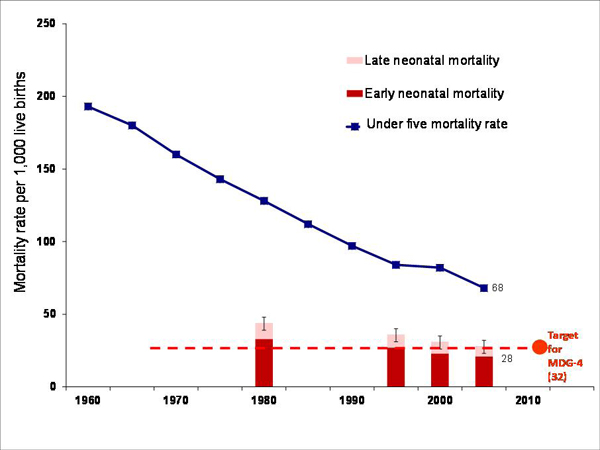
“Neonatal deaths now account for more than 42% of under fi ve deaths (Figure 1), up from 37% in the year 2000 when the Millennium Development Goals (MDGs) were set [2, 3 ]. MDG 4 targets a two-thirds reduction of under-fi ve deaths between 1990 and 2015.”
BackgroundSelf-citationda Sílva, A. A. M., Barbieri, M. A., Gomes, U. A., & Bettiol, H. (1998) · Europe PMC (PubMed Central) · Cited by 114
Epidemiology of Preterm Delivery in Two Birth Cohorts with an Interval of 20 Years
Olsén, P., Läärä, E., Rantakallio, P., Järvelin, M.-R., Sarpola, A., & Hartikainen, A.-L. (1995) · American Journal of Epidemiology · doi:10.1093/oxfordjournals.aje.a117577 · Cited by 111
Maternal anaemia and its impact on perinatal outcome in a tertiary care hospital in Pakistan
Lone, F. W., Qureshi, R. N., & Emmanuel, F. (2004) · Eastern Mediterranean Health Journal · doi:10.26719/2004.10.6.801 · Cited by 108
Zinc supplementation for improving pregnancy and infant outcome
Mahomed, K., Bhutta, Z. A., & Middleton, P. (2007) · Cochrane Database of Systematic Reviews · doi:10.1002/14651858.cd000230.pub3 · Cited by 102
Increase in low‐birth‐weight infants in Japan and associated risk factors, 1980–2000
Takimoto, H., Yokoyama, T., Yoshiike, N., & Fukuoka, H. (2005) · Journal of obstetrics and gynaecology research · doi:10.1111/j.1447-0756.2005.00294.x · Cited by 101
Backstrand, J. R. (1995) · PubMed · Cited by 96
Tracy, S., Tracy, M. B., Dean, J. A., Laws, P. J., & Sullivan, E. (2007) · BJOG An International Journal of Obstetrics & Gynaecology · doi:10.1111/j.1471-0528.2007.01323.x · Cited by 94
The underregistration of neonatal deaths: Georgia 1974--77.
McCarthy, B. J., Terry, J., Rochat, R. W., Quave, S., & Tyler, C. W. (1980) · American Journal of Public Health · doi:10.2105/ajph.70.9.977 · Cited by 91 · cited 1×
“Babies that are very preterm may be less likely to be recorded or even to receive care despite reasonable chances of survival [29, 30].”
BackgroundIncorporating Deaths Near the Time of Birth into Estimates of the Global Burden of Disease
Jamison, D. T. T., Shahid-Salles, S., Jamison, J., Lawn, J. E., & Zupan, J. (2006) · Cited by 80
Self-citationReduction in Neonatal Mortality in Chile Between 1990 and 2000
Gonzalez, R., Merialdi, M., Lincetto, O., Lauer, J., Becerra, C., Castro, R., García, P., Saugstad, O. D., & Villar, J. (2006) · Pediatrics · doi:10.1542/peds.2005-2354 · Cited by 74
Collecting Data on Pregnancy Loss: A Review of Evidence from the World Fertility Survey
Casterline, J. B. (1989) · Studies in Family Planning · doi:10.2307/1966462 · Cited by 74 · cited 1×
“In 1989, Casterline analyzed the pregnancy loss data in 41 World Fertility Surveys and concluded that these pregnancy histories in their various formats detected from 50-85% of recognizable pregnancy losses, as compared to results from prospective, clinical studies in Western countries [66].”
ResultTemporal Trends of Preterm Birth Subtypes and Neonatal Outcomes
Barros, F. C., & Vélez, M. D. P. (2006) · Obstetrics & Gynecology · doi:10.1097/01.aog.0000215984.36989.5e · Cited by 68 · cited 1×
“However, there was a marked increase in the proportion of preterm births associated with induction/elective caesarean sections during this period [39].”
Backgroundthe GAPPS Review Group, Rubens, C. E., Gravett, M. G., Victora, C. G., & Nunes, T. M. (2010) · BMC Pregnancy and Childbirth · doi:10.1186/1471-2393-10-s1-s7 · Cited by 68
Self-citationThe epidemiology of preterm labor – a global perspective
Steer, P. J. (2005) · Journal of Perinatal Medicine · doi:10.1515/jpm.2005.053 · Cited by 65 · cited 21×
“Much more in-depth information would be available through the use of a stillbirth audit, and there are a number of LMICs attempting to increase the coverage and quality of their audit networks.”
BackgroundInfluentialGlobal report on preterm birth and stillbirth (4 of 7): delivery of interventions
the GAPPS Review Group, Victora, C. G., & Rubens, C. E. (2010) · BMC Pregnancy and Childbirth · doi:10.1186/1471-2393-10-s1-s4 · Cited by 62 · cited 2×
“Other articles discuss eff ectiveness of existing interventions [12], barriers and opportunities for scaling up interventions [ 13 ], advocacy [14], and ethical considerations [15].”
BackgroundSelf-citationGlobal report on preterm birth and stillbirth (6 of 7): ethical considerations
the GAPPS Review Group, Kelley, M., & Rubens, C. E. (2010) · BMC Pregnancy and Childbirth · doi:10.1186/1471-2393-10-s1-s6 · Cited by 60
Self-citationGray, R., Bonellie, Sr., Chalmers, J., Greer, I., Jarvis, S., & Williams, C. (2008) · BJOG: An International Journal of Obstetrics & Gynaecology · doi:10.1111/j.1471-0528.2007.01582.x · Cited by 58
Did preterm deliveries continue to decrease in France in the 1980s?
Bréart, G., Blondel, B., Tuppin, P., Grandjean, H., & Kaminski, M. (1995) · Paediatric and Perinatal Epidemiology · doi:10.1111/j.1365-3016.1995.tb00146.x · Cited by 52
Global report on preterm birth and stillbirth (5 of 7): advocacy barriers and opportunities
the GAPPS Review Group, Sather, M., Fajon, A.-V., Zaentz, R., & Rubens, C. E. (2010) · BMC Pregnancy and Childbirth · doi:10.1186/1471-2393-10-s1-s5 · Cited by 52 · cited 1×
“Other articles discuss eff ectiveness of existing interventions [12], barriers and opportunities for scaling up interventions [13], advocacy [ 14 ], and ethical considerations [15].”
BackgroundSelf-citationPerinatal mortality and its relationship to the reporting of low-birthweight infants.
Phelan, S. T., Goldenberg, R., Alexander, G., & Cliver, S. P. (1998) · American Journal of Public Health · doi:10.2105/ajph.88.8.1236 · Cited by 50 · cited 1×
“Babies that are very preterm may be less likely to be recorded or even to receive care despite reasonable chances of survival [29, 30].”
BackgroundLong-term impact of perinatal bereavement
Schaap, A. H. P., Wolf, H., Bruinse, H. W., Lande, S., & Treffers, P. E. (1997) · European Journal of Obstetrics & Gynecology and Reproductive Biology · doi:10.1016/s0301-2115(97)00127-9 · Cited by 46
Mamun, A. A., Padmadas, S. S., & Khatun, M. (2006) · Paediatric and Perinatal Epidemiology · doi:10.1111/j.1365-3016.2006.00752.x · Cited by 45
MANTELL, C. D., CRAIG, E. D., STEWART, A. W., EKEROMA, A. J., & MITCHELL, E. A. (2004) · Australian and New Zealand Journal of Obstetrics and Gynaecology · doi:10.1111/j.1479-828x.2004.00310.x · Cited by 43
Psychodynamics of Perinatal Loss
Leon, I. G. (1986) · Psychiatry · doi:10.1080/00332747.1986.11024331 · Cited by 40
Dominican Republic experimental study : an evaluation of fertility and child health information
Westoff, C. F., Goldman, N., Moreno, L., & y Familia, D. R. C. N. D. P. (1990) · Medical Entomology and Zoology · Cited by 37
An Experiment Using a Month-by-Month Calendar in a Family Planning Survey in Costa Rica
Becker, S., & Sosa, D. (1992) · Studies in Family Planning · doi:10.2307/1966896 · Cited by 37 · cited 3×
“Goldman et al. [68], Westoff et al. [69], and Becker and Sosa [70] studied the eff ects of using a truncated pregnancy history in Peru, the Dominican Republic, and Costa Rica, with varying results depending on the outcome studied.”
BackgroundInfluentialNeonatal mortality amongst Scottish preterm singleton births (1985–1994)
Magowan, B., Bain, M., Juszczak, E., & McInneny, K. (1998) · BJOG An International Journal of Obstetrics & Gynaecology · doi:10.1111/j.1471-0528.1998.tb10265.x · Cited by 37 · cited 1×
“Gestational age-specifi c neonatal mortality rates by 1,000 live births for preterm babies Gestational Age Ilesa, Nigeria, Pelotas, Brazil, Scotland, (weeks) 1996-2000 2004 1985-1994 34-36 48 15 11 32-33 156 61 33 <32 587 370 194 All preterm (<37) 179 66 41 Source: Ilesa, Nigeria (1996-2000) [100], Pelotas, Brazil (20…”
Perinatal mortality audit in a Zimbabwean district
de Muylder, X. (1989) · Paediatric and Perinatal Epidemiology · doi:10.1111/j.1365-3016.1989.tb00380.x · Cited by 37
Bugalho, A., & Bergström, S. (2010) · Gynecologic and Obstetric Investigation · doi:10.1159/000292637 · Cited by 34 · cited 1×
“Hospital-based studies suggest that from 25-62% of intrapartum stillbirths are avoidable with improved obstetric care and more rapid responses to intrapartum complications, including reducing delays in seeking care from home [57-60].”
BackgroundDraper, E. S., Zeitlin, J. A., Field, D., Manktelow, B. N., & Truffert, P. (2007) · Archives of Disease in Childhood Fetal & Neonatal · doi:10.1136/adc.2006.097683 · Cited by 34 · cited 1×
“In a comparative analysis of data from France and England in 1997, 19% and 27% of babies born at less than 26 weeks survived to discharge; 57% and 68% of those born at 26-28 weeks gestation survived to discharge; and 86% and 92% of those born at 28-32 weeks survived to discharge, respectively [ 44 ].”
Lawn, J. E. (2009) · UCL Discovery (University College London) · Cited by 26
Self-citationDavidson, S., Litwin, A., Peleg, D., & Erlich, A. (2007) · PubMed · Cited by 25
Perinatal mortality--an intervention study.
Wilkinson, D. (1991) · PubMed · Cited by 23
Sampling survey on low-birth weight in China in 1998.
Lin, L., Liu, Y., Zhang, X., Mi, J., & Cao, L. (2002) · PubMed · Cited by 19
López, A. D., Cd, M., Ezzati, M., Jamison, D. T. T., & Cjl, M. (2006) · Cited by 14
Do women forget their births? A study of maternity histories in a rural area of Senegal (Niakhar).
Garenne, M. (1994) · PubMed · Cited by 11
Birth weight percentiles by gestational age: a hospital based study.
Parveen, Z. (2001) · PubMed · Cited by 10
Kuti, O., & Owa, J. A. (2003) · International Journal of Gynecology & Obstetrics · doi:10.1016/s0020-7292(02)00234-5 · Cited by 10 · cited 1×
“Source: Ilesa, Nigeria (1996-2000) [ 100 ], Pelotas, Brazil (2004) (Barros, personal communication 2009), and Scotland (1985-1994) [101] Lawn et al. BMC Pregnancy and Childbirth 2010, 10(Suppl 1):S1 http://www.biomedcentral.com/1471-2393/10/S1/S1 Page 9 of 22”
BackgroundAvoidable Perinatal Deaths in a Rural Hospital: Strategies to Improve Quality of Care
Wilkinson, D. (1995) · Tropical Doctor · doi:10.1177/004947559502500106 · Cited by 9 · cited 1×
“Hospital-based studies suggest that from 25-62% of intrapartum stillbirths are avoidable with improved obstetric care and more rapid responses to intrapartum complications, including reducing delays in seeking care from home [57-60].”
BackgroundGoldman, N., Moreno, L., & Westoff, C. F. (1989) · Cited by 6
The District Health System: A Personal Perspective from Zululand
Wilkinson, D. (1995) · Tropical Doctor · doi:10.1177/00494755950250s108 · Cited by 5
(1933) · The Lancet · doi:10.1016/s0140-6736(00)85224-1 · Cited by 5
Health of Native Hawaiians and Other Pacific Islanders in King County
County, K. (2008) · Cited by 2
Research works printed but not linked: 9
- Lawn JZ J Begkoyian G Newborn Survival 2005 2 The World Bank and the National Institutes of Health
- WHO International Classification of Diseases and Related Health Problems, 10th Revision. Volume 2 1993
- WHO Perinatal and neonatal mortality for the year 2000: Country, regional and global estimates. 2006 World Health Organization
- Pattison R Saving Babies 2001: 2nd Perinatal Care Survey of South Africa. 2004
- Lawn JE MB Ross SR The Healthy Newborn: A reference guide for program managers. 2001
- Parker J Stanton C Lawn J A systematic review of methods for gestational age assessment. 2008
- International Centre for Diarrheal Disease Research B Registration of Health and Demographic Events 2000; Health and Demographic Surveillance System, Matlab. 2002 International Centre for Diarrheal Disease Research, Bangladesh
- Stanton C Perinatal mortality in the Philippines: an investigation into the use of demographic survey data for the study of perinatal mortality and its determinants. [A PhD Thesis]. The Johns Hopkins University School of Hygiene and Public Health 1996 Department of Population Dynamics
- Espeut D A validation of birth and pregnancy histories in Matlab, Bangladesh; Dissertation. Department of Population, Family and Reproductive Health Sciences 2002 The Johns Hopkins School of Hygiene and Public Health
Cited by
Forouzanfar, M. H., Afshin, A., Alexander, L. T., Anderson, H. R., Bhutta, Z. A., Biryukov, S., Brauer, M., Burnett, R., Cercy, K., Charlson, F. J., et al. (2016) · The Lancet · doi:10.1016/s0140-6736(16)31679-8 · Cited by 7,698
Saving Mothers’ Lives: Reviewing maternal deaths to make motherhood safer: 2006–2008
(2011) · BJOG: An International Journal of Obstetrics & Gynaecology · doi:10.1111/j.1471-0528.2010.02847.x · Cited by 2,994
Gakidou, E., Afshin, A., Abajobir, A. A., Abate, K. H., Abbafati, C., Abbas, K. M., Abd-Allah, F., Abdulle, A. M., Abera, S. F., Aboyans, V., et al. (2017) · The Lancet · doi:10.1016/s0140-6736(17)32366-8 · Cited by 2,406
Every Newborn: progress, priorities, and potential beyond survival
Lawn, J. E., Blencowe, H., Oza, S., You, D., Lee, A. C., Waiswa, P., Lalli, M., Bhutta, Z., Barros, A. J., Christian, P., et al. (2014) · The Lancet · doi:10.1016/s0140-6736(14)60496-7 · Cited by 1,929
Self-citationStillbirths: rates, risk factors, and acceleration towards 2030
Lawn, J. E., Blencowe, H., Waiswa, P., Amouzou, A., Mathers, C., Hogan, D., Flenady, V., Frøen, J. F., Qureshi, Z. U., Calderwood, C., et al. (2016) · The Lancet · doi:10.1016/s0140-6736(15)00837-5 · Cited by 1,778
Self-citation
Metadata
- Authors
- the GAPPS Review Group, Lawn, J. E., Gravett, M. G., Nunes, T. M., Rubens, C. E., & Stanton, C.
- Affiliations
- Save the Children (US)
- University of Washington (US)
- Johns Hopkins University (US)
- Corresponding author
- Stanton, Cynthia
- Venue
- BMC Pregnancy and Childbirth
- Published
- 2010-02
- Volume
- 10
- Issue
- S1
- Pages
- S1-S1
- ISSN
- 1471-2393 (ISSN-L)
- PMC
- PMC2841772
- OpenAlex
- W2133911610
- Semantic Scholar
- 56d2c7a022b4dc8f68991bdf3437c881a360240b
- Cited by
- 784
- References
- 102
- Citations by year
- 2026: 15 · 2025: 20 · 2024: 27 · 2023: 45 · 2022: 43 · 2021: 92 · 2020: 50 · 2019: 52 · 2018: 49 · 2017: 57 · 2016: 69 · 2015: 63 · 2014: 60 · 2013: 49 · 2012: 45
- Type
- book review
- Language
- en
- Open access
- gold
- doi.org
- Licence
- cc-by
- creativecommons.org/licenses/by/2.0 (tdm)
- Locations
- BMC Pregnancy and Childbirth (publishedVersion, cc-by)
- PubMed Central (publishedVersion, cc-by)
- PubMed (publishedVersion)
- LSHTM Research Online (London School of Hygiene and Tropical Medicine) (acceptedVersion)
- DOAJ (DOAJ: Directory of Open Access Journals) (submittedVersion)
- Funders
- Bill and Melinda Gates Foundation
- Eunice Kennedy Shriver National Institute of Child Health and Human Development (R24HD042854)
- Topics
- Health Sciences › Medicine › Pediatrics, Perinatology and Child Health › Global Maternal and Child Health
- Health Sciences › Medicine › Pediatrics, Perinatology and Child Health › Maternal and Neonatal Healthcare
- Health Sciences › Medicine › Pediatrics, Perinatology and Child Health › Infant Development and Preterm Care
- Keywords
- preterm birth, stillbirth, neonatal mortality, global burden of disease, preterm birth prevalence, civil registration, household surveys, International Classification of Diseases, data quality, low- and middle-income countries, long-term impairment
- MeSH terms
- Cause of Death, Data Collection, Female, Fetal Death, Humans, Infant Mortality, Infant, Newborn, Pregnancy, Global Health, Prevalence, Premature Birth, Stillbirth
About these checks
Registry, retraction, Cites and statistics results are computed, not judged, with one exception: a printed reference that no index lists is read once by a model before it counts as a citation error. Claims are extracted by a model and kept only when their quote appears verbatim in the text; each cited source is then checked, with a model’s help, for whether it says what the claim relies on. Those verdicts can be wrong — read the claim’s quote and the cited source before relying on one.
Statistics and arithmetic are recomputed, not judged.
Confidence bands are shown only for fields calibrated on our annotated test set. None is calibrated yet, so no band is shown.
What counts as a claim ›How we measure confidence ›How we check this ›
Are you an author, or do you see a problem with this page? Request a review
Data sources
Bibliographic data: Semantic Scholar, OpenAlex, Crossref.
Contains information from the Semantic Scholar Academic Graph Datasets, made available under the ODC Attribution License (ODC-BY 1.0).
Semantic Scholar’s data is described in: Kinney, R., et al. (2023). The Semantic Scholar Open Data Platform. arXiv:2301.10140.
