

Global report on preterm birth and stillbirth (1 of 7): definitions, description of the burden and opportunities to improve data
Open accessThe DOI matches its Crossref record; 101 of the 102 references it cites were found in a registry or an index.
Abstract
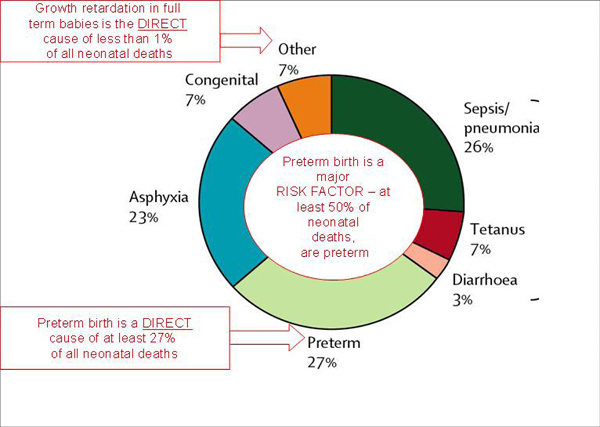
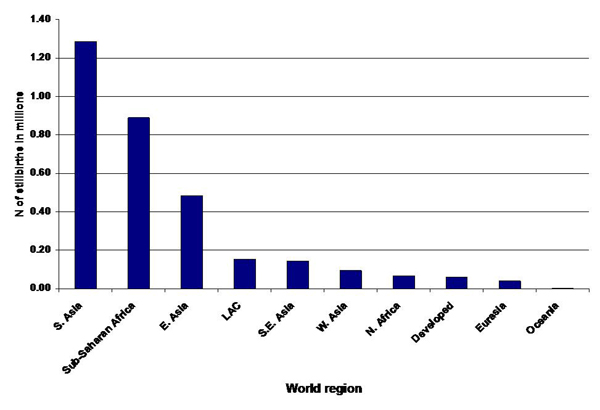
INTRODUCTION: This is the first of seven articles from a preterm birth and stillbirth report. Presented here is an overview of the burden, an assessment of the quality of current estimates, review of trends, and recommendations to improve data. PRETERM BIRTH: Few countries have reliable national preterm birth prevalence data. Globally, an estimated 13 million babies are born before 37 completed weeks of gestation annually. Rates are generally highest in low- and middle-income countries, and increasing in some middle- and high-income countries, particularly the Americas. Preterm birth is the leading direct cause of neonatal death (27%); more than one million preterm newborns die annually. Preterm birth is also the dominant risk factor for neonatal mortality, particularly for deaths due to infections. Long-term impairment is an increasing issue. STILLBIRTH: Stillbirths are currently not included in Millennium Development Goal tracking and remain invisible in global policies. For international comparisons, stillbirths include late fetal deaths weighing more than 1000g or occurring after 28 weeks gestation. Only about 2% of all stillbirths are counted through vital registration and global estimates are based on household surveys or modelling. Two global estimation exercises reached a similar estimate of around three million annually; 99% occur in low- and middle-income countries. One million stillbirths occur during birth. Global stillbirth cause-of-death estimates are impeded by multiple, complex classification systems. RECOMMENDATIONS TO IMPROVE DATA: (1) increase the capture and quality of pregnancy outcome data through household surveys, the main data source for countries with 75% of the global burden; (2) increase compliance with standard definitions of gestational age and stillbirth in routine data collection systems; (3) strengthen existing data collection mechanisms--especially vital registration and facility data--by instituting a standard death certificate for stillbirth and neonatal death linked to revised International Classification of Diseases coding; (4) validate a simple, standardized classification system for stillbirth cause-of-death; and (5) improve systems and tools to capture acute morbidity and long-term impairment outcomes following preterm birth. CONCLUSION: Lack of adequate data hampers visibility, effective policies, and research. Immediate opportunities exist to improve data tracking and reduce the burden of preterm birth and stillbirth.
Overview
The claims and statistics of this paper haven’t been checked yet.
Free: it reads the open-access text and checks the first 5 claims that cite a source we can check. Create a free account to check every claim.
Integrity signals
Registry
Cites
Statistics
Figures
Verification
Claims the paper makes
The claims and statistics of this paper haven’t been checked yet.
Free: it reads the open-access text and checks the first 5 claims that cite a source we can check. Create a free account to check every claim.
Claims other papers make about this one
Each is checked against this paper’s own text: does it say what the citing paper says it does?
The source backs part of the claim, not all of it — or backs it for a different population, condition or comparison.
In the citing paper
“The rate of preterm birth in Pakistan is 15·7% whereas it is 6·6% in Australia1 [4].”
From The association between parity, infant gender, higher level of paternal education and preterm birth in Pakistan: a cohort study (2011) · cites this paper as [4]
Experimental — accuracy not yet measuredIn the citing paper
“Complications related to PTB are the leading causes of death for children aged under 5, resulting in about a million deaths worldwide in 2015 [14,15].”
From A Comprehensive Review on Social Inequalities and Pregnancy Outcome—Identification of Relevant Pathways and Mechanisms (2022) · cites this paper as [15]
In the citing paper
“Moreover, adverse consequences related to LBW and PTB contribute very significantly to global health costs [15,16,17,18,19].”
From A Comprehensive Review on Social Inequalities and Pregnancy Outcome—Identification of Relevant Pathways and Mechanisms (2022) · cites this paper as [15]
Self-check
Percentages, sums and reported differences re-computed from the paper’s own numbers.
The self-check needs the paper’s full text.
Citations
Cites
Grading quality of evidence and strength of recommendations
(2004) · BMJ · doi:10.1136/bmj.328.7454.1490 · Cited by 8,477
Epidemiology and causes of preterm birth
Goldenberg, R. L., Culhane, J. F., Iams, J. D., & Romero, R. (2008) · The Lancet · doi:10.1016/s0140-6736(08)60074-4 · Cited by 7,801 · cited 9×
“Tomashek KM, Shapiro-Mendoza CK, Davidoff MJ, Petrini JR: Diff erences in mortality between late-preterm and term singleton infants in the United States, 1995-2002.”
BackgroundInfluential4 million neonatal deaths: When? Where? Why?
Lawn, J. E., Cousens, S., & Zupan, J. (2005) · The Lancet · doi:10.1016/s0140-6736(05)71048-5 · Cited by 3,670 · cited 10×
“Why?, 10, 2005, with permission from Elsevier.”
BackgroundInfluentialSelf-citationGlobal Burden of Disease and Risk Factors
(2006) · World Bank, Washington, DC eBooks · doi:10.1596/978-0-8213-6262-4 · Cited by 2,605
Grading quality of evidence and strength of recommendations for diagnostic tests and strategies
Schünemann, H. J., Oxman, A. D., Brozek, J., Glasziou, P., Jaeschke, R., Vist, G. E., Williams, J. W., Kunz, R., Craig, J., Montori, V. M., et al. (2008) · BMJ · doi:10.1136/bmj.39500.677199.ae · Cited by 1,782
Low birthweight: country regional and global estimates.
Wardlaw, T., Blanc, A. K., Zupan, J., & Åhman, A. (2004) · Cited by 1,773
Preterm Birth: Causes, Consequences, and Prevention
Outcomes, A. H., Behrman, R. E., & Butler, A. S. (2007) · Cited by 1,577
Evidence-based, cost-effective interventions: How many newborn babies can we save?
Darmstadt, G. L., Bhutta, Z. A., Cousens, S., Adam, T., Walker, N., & de Bernis, L. (2005) · The Lancet · doi:10.1016/s0140-6736(05)71088-6 · Cited by 1,541 · cited 2×
“on achieving high coverage of evidence-based interventions to prevent preterm delivery and to improve survival for preterm newborns [ 5 ].”
BackgroundThe Worldwide Incidence of Preterm Birth: A Systematic Review of Maternal Mortality and Morbidity
Beck, S., Wojdyla, D., Say, L., Pilar Bertran, A., Meraldi, M., Harris Requejo, J., Rubens, C., Menon, R., & Van Look, P. (2010) · Bulletin of the World Health Organization · doi:10.2471/blt.08.062554 · Cited by 1,523 · cited 2×
“Preterm birth prevalence rates A recent publication estimates about 13 million preterm babies are born each year worldwide [21].”
BackgroundSelf-citationNeurologic and Developmental Disability after Extremely Preterm Birth
Wood, N. S., Marlow, N., Costeloe, K., Gibson, A. T., & Wilkinson, A. R. (2000) · New England Journal of Medicine · doi:10.1056/nejm200008103430601 · Cited by 1,357
Research works printed but not linked: 9
- Lawn JZ J Begkoyian G Newborn Survival 2005 2 The World Bank and the National Institutes of Health
- WHO International Classification of Diseases and Related Health Problems, 10th Revision. Volume 2 1993
- WHO Perinatal and neonatal mortality for the year 2000: Country, regional and global estimates. 2006 World Health Organization
- Pattison R Saving Babies 2001: 2nd Perinatal Care Survey of South Africa. 2004
- Lawn JE MB Ross SR The Healthy Newborn: A reference guide for program managers. 2001
- Parker J Stanton C Lawn J A systematic review of methods for gestational age assessment. 2008
- International Centre for Diarrheal Disease Research B Registration of Health and Demographic Events 2000; Health and Demographic Surveillance System, Matlab. 2002 International Centre for Diarrheal Disease Research, Bangladesh
- Stanton C Perinatal mortality in the Philippines: an investigation into the use of demographic survey data for the study of perinatal mortality and its determinants. [A PhD Thesis]. The Johns Hopkins University School of Hygiene and Public Health 1996 Department of Population Dynamics
- Espeut D A validation of birth and pregnancy histories in Matlab, Bangladesh; Dissertation. Department of Population, Family and Reproductive Health Sciences 2002 The Johns Hopkins School of Hygiene and Public Health
Cited by
Forouzanfar, M. H., Afshin, A., Alexander, L. T., Anderson, H. R., Bhutta, Z. A., Biryukov, S., Brauer, M., Burnett, R., Cercy, K., Charlson, F. J., et al. (2016) · The Lancet · doi:10.1016/s0140-6736(16)31679-8 · Cited by 7,698
Saving Mothers’ Lives: Reviewing maternal deaths to make motherhood safer: 2006–2008
(2011) · BJOG: An International Journal of Obstetrics & Gynaecology · doi:10.1111/j.1471-0528.2010.02847.x · Cited by 2,994
Gakidou, E., Afshin, A., Abajobir, A. A., Abate, K. H., Abbafati, C., Abbas, K. M., Abd-Allah, F., Abdulle, A. M., Abera, S. F., Aboyans, V., et al. (2017) · The Lancet · doi:10.1016/s0140-6736(17)32366-8 · Cited by 2,406
Every Newborn: progress, priorities, and potential beyond survival
Lawn, J. E., Blencowe, H., Oza, S., You, D., Lee, A. C., Waiswa, P., Lalli, M., Bhutta, Z., Barros, A. J., Christian, P., et al. (2014) · The Lancet · doi:10.1016/s0140-6736(14)60496-7 · Cited by 1,929
Self-citationStillbirths: rates, risk factors, and acceleration towards 2030
Lawn, J. E., Blencowe, H., Waiswa, P., Amouzou, A., Mathers, C., Hogan, D., Flenady, V., Frøen, J. F., Qureshi, Z. U., Calderwood, C., et al. (2016) · The Lancet · doi:10.1016/s0140-6736(15)00837-5 · Cited by 1,778
Self-citationHellström, A., Smith, L. E., & Dammann, O. (2013) · The Lancet · doi:10.1016/s0140-6736(13)60178-6 · Cited by 1,304
Bohren, M. A., Hunter, E. C., Munthe-Kaas, H. M., Souza, J. P., Vogel, J. P., & Gülmezoglu, A. M. (2014) · Reproductive Health · doi:10.1186/1742-4755-11-71 · Cited by 823
Stillbirths: Where? When? Why? How to make the data count?
Lawn, J. E., Blencowe, H., Pattinson, R., Cousens, S., Kumar, R., Ibiebele, I., Gardosi, J., Day, L. T., & Stanton, C. (2011) · The Lancet · doi:10.1016/s0140-6736(10)62187-3 · Cited by 785
Self-citationCousens, S., Blencowe, H., Stanton, C., Chou, D., Ahmed, S., Steinhardt, L., Creanga, A. A., Tunçalp, Ö., Balsara, Z. P., Gupta, S., et al. (2011) · The Lancet · doi:10.1016/s0140-6736(10)62310-0 · Cited by 649
Self-citationThe epidemiology, etiology, and costs of preterm birth
Frey, H. A., & Klebanoff, M. A. (2016) · Seminars in Fetal and Neonatal Medicine · doi:10.1016/j.siny.2015.12.011 · Cited by 624
Jacobs, B., Ir, P., Bigdeli, M., Annear, P. L., & Van Damme, W. (2012) · Health Policy and Planning · doi:10.1093/heapol/czr038 · Cited by 548
Quinn, J.-A., Munoz, F. M., Gonik, B., Frau, L., Cutland, C., Mallett-Moore, T., Kissou, A., Wittke, F., Das, M., Nunes, T., et al. (2016) · Vaccine · doi:10.1016/j.vaccine.2016.03.045 · Cited by 497
“Prematurity and assessment of gestational age Level 1: (highest level of certainty)”
BackgroundSelf-citationBorn Too Soon: Preterm Birth Matters
the Born Too Soon Preterm Birth Action Group, Howson, C. P., Kinney, M. V., McDougall, L., & Lawn, J. E. (2013) · Reproductive Health · doi:10.1186/1742-4755-10-s1-s1 · Cited by 514
Self-citationBlencowe, H., Lee, A. C., Cousens, S., Bahalim, A., Narwal, R., Zhong, N., Chou, D., Say, L., Modi, N., Katz, J., et al. (2013) · Pediatric Research · doi:10.1038/pr.2013.204 · Cited by 492
Self-citationLee, A. C., Cousens, S., Wall, S. N., Niermeyer, S., Darmstadt, G. L., Carlo, W. A., Keenan, W. J., Bhutta, Z. A., Gill, C., & Lawn, J. E. (2011) · BMC Public Health · doi:10.1186/1471-2458-11-s3-s12 · Cited by 495
Self-citationStillbirths: ending preventable deaths by 2030
de Bernis, L., Kinney, M. V., Stones, W., ten Hoope-Bender, P., Vivio, D., Leisher, S. H., Bhutta, Z. A., Gülmezoglu, M., Mathai, M., Belizán, J. M., et al. (2016) · The Lancet · doi:10.1016/s0140-6736(15)00954-x · Cited by 473
Self-citationOestergaard, M. Z., Inoue, M., Yoshida, S., Mahanani, W. R., Gore, F. M., Cousens, S., Lawn, J. E., Mathers, C. D., & on behalf of the United Nations Inter-agency Group for Child Mortality Estimation and the Child Health Epidemiology Reference Group (2011) · PLoS Medicine · doi:10.1371/journal.pmed.1001080 · Cited by 481
“More investment is required to improve and establish the quality of pregnancy outcome data especially in retrospective surveys [32].”
BackgroundSelf-citationSharma, R., Agarwal, A., Rohra, V. K., Assidi, M., Abu-Elmagd, M., & Turki, R. F. (2015) · Reproductive Biology and Endocrinology · doi:10.1186/s12958-015-0028-x · Cited by 451
“Preterm birth is responsible for causing 27% neonatal deaths worldwide, leading to over a million deaths annually [269].”
Background3.6 Million Neonatal Deaths—What Is Progressing and What Is Not?
Lawn, J. E., Kerber, K., Enweronu-Laryea, C., & Cousens, S. (2010) · Seminars in Perinatology · doi:10.1053/j.semperi.2010.09.011 · Cited by 442
Self-citationLawn, J. E., Ohuma, E. O., Bradley, E., Idueta, L. S., Hazel, E., Okwaraji, Y. B., Erchick, D. J., Yargawa, J., Katz, J., Lee, A. C. C., et al. (2023) · The Lancet · doi:10.1016/s0140-6736(23)00522-6 · Cited by 377
Self-citationPrematurity, maternal posttraumatic stress and consequences on the mother-infant relationship
Forcada-Guex, M., Borghini, A., Pierrehumbert, B., Ansermet, F., & Muller-Nix, C. (2011) · Early Human Development · doi:10.1016/j.earlhumdev.2010.09.006 · Cited by 359
Preeclampsia Prevalence, Risk Factors, and Pregnancy Outcomes in Sweden and China
Yang, Y., Le Ray, I., Zhu, J., Zhang, J., Hua, J., & Reilly, M. (2021) · JAMA Network Open · doi:10.1001/jamanetworkopen.2021.8401 · Cited by 307
Stillbirths: what difference can we make and at what cost?
Bhutta, Z. A., Yakoob, M. Y., Lawn, J. E., Rizvi, A., Friberg, I. K., Weissman, E., Buchmann, E., & Goldenberg, R. L. (2011) · The Lancet · doi:10.1016/s0140-6736(10)62269-6 · Cited by 306
Self-citationGlobal report on preterm birth and stillbirth (3 of 7): evidence for effectiveness of interventions
the GAPPS Review Group, Barros, F. C., Bhutta, Z. A., Batra, M., Hansen, T. N., Victora, C. G., & Rubens, C. E. (2010) · BMC Pregnancy and Childbirth · doi:10.1186/1471-2393-10-s1-s3 · Cited by 300
Self-citationWhy do women prefer home births in Ethiopia?
Shiferaw, S., Spigt, M., Godefrooij, M., Melkamu, Y., & Tekie, M. (2013) · BMC Pregnancy and Childbirth · doi:10.1186/1471-2393-13-5 · Cited by 290
Vogel, J., Souza, J., Mori, R., Morisaki, N., Lumbiganon, P., Laopaiboon, M., Ortiz‐Panozo, E., Hernandez, B., Pérez‐Cuevas, R., Roy, M., et al. (2014) · BJOG: An International Journal of Obstetrics & Gynaecology · doi:10.1111/1471-0528.12633 · Cited by 256
Prophylactic antibiotics for inhibiting preterm labour with intact membranes
Flenady, V., Hawley, G., Stock, O. M., Kenyon, S., & Badawi, N. (2013) · Cochrane Database of Systematic Reviews · doi:10.1002/14651858.cd000246.pub2 · Cited by 264
The preterm birth syndrome: a prototype phenotypic classification
Villar, J., Papageorghiou, A. T., Knight, H. E., Gravett, M. G., Iams, J., Waller, S. A., Kramer, M., Culhane, J. F., Barros, F. C., Conde-Agudelo, A., et al. (2012) · American Journal of Obstetrics and Gynecology · doi:10.1016/j.ajog.2011.10.866 · Cited by 267
Self-citationKim, D., & Saada, A. (2013) · International Journal of Environmental Research and Public Health · doi:10.3390/ijerph10062296 · Cited by 256
Papageorghiou, A. T., Kennedy, S. H., Salomon, L. J., Ohuma, E. O., Cheikh Ismail, L., Barros, F. C., Lambert, A., Carvalho, M., Jaffer, Y. A., Bertino, E., et al. (2014) · Ultrasound in Obstetrics & Gynecology · doi:10.1002/uog.13448 · Cited by 239
Self-citation2500-g Low Birth Weight Cutoff: History and Implications for Future Research and Policy
Hughes, M. M., Black, R. E., & Katz, J. (2017) · Maternal and Child Health Journal · doi:10.1007/s10995-016-2131-9 · Cited by 233
“They presented data from New York City showing longer gestation was associated with decreased mortality within low birth weight categories (\2500 g); a similar pattern was observed within gestational age groups (\36 weeks) for birth weight.”
BackgroundGlobal report on preterm birth and stillbirth (2 of 7): discovery science
the GAPPS Review Group, Gravett, M. G., Rubens, C. E., & Nunes, T. M. (2010) · BMC Pregnancy and Childbirth · doi:10.1186/1471-2393-10-s1-s2 · Cited by 217
Self-citationChallenges in defining and classifying the preterm birth syndrome
Kramer, M. S., Papageorghiou, A., Culhane, J., Bhutta, Z., Goldenberg, R. L., Gravett, M., Iams, J. D., Conde-Agudelo, A., Waller, S., Barros, F., et al. (2012) · American Journal of Obstetrics and Gynecology · doi:10.1016/j.ajog.2011.10.864 · Cited by 208
Self-citationTavares Da Silva, F., Gonik, B., McMillan, M., Keech, C., Dellicour, S., Bhange, S., Tila, M., Harper, D. M., Woods, C., Kawai, A. T., et al. (2016) · Vaccine · doi:10.1016/j.vaccine.2016.03.044 · Cited by 210
Obst, K. L., Due, C., Oxlad, M., & Middleton, P. (2020) · BMC Pregnancy and Childbirth · doi:10.1186/s12884-019-2677-9 · Cited by 222
A Core Outcome Set for Evaluation of Interventions to Prevent Preterm Birth
van 't Hooft, J., Duffy, J. M. N., Daly, M., Williamson, P. R., Meher, S., Thom, E., Saade, G. R., Alfirevic, Z., Mol, B. W. J., & Khan, K. S. (2016) · Obstetrics & Gynecology · doi:10.1097/aog.0000000000001195 · Cited by 212
Adverse birth outcomes among deliveries at Gondar University Hospital, Northwest Ethiopia
Adane, A. A., Ayele, T. A., Ararsa, L. G., Bitew, B. D., & Zeleke, B. M. (2014) · BMC Pregnancy and Childbirth · doi:10.1186/1471-2393-14-90 · Cited by 207
“This comes to almost four million neonatal deaths every year [3].”
BackgroundOza, S., Cousens, S. N., & Lawn, J. E. (2014) · The Lancet Global Health · doi:10.1016/s2214-109x(14)70309-2 · Cited by 185
Self-citationDeprived neighborhoods and adverse perinatal outcome: a systematic review and meta‐analysis
Vos, A. A., Posthumus, A. G., Bonsel, G. J., Steegers, E. A. P., & Denktaş, S. (2014) · Acta Obstetricia et Gynecologica Scandinavica · doi:10.1111/aogs.12430 · Cited by 187
Born Too Soon: Accelerating actions for prevention and care of 15 million newborns born too soon
the Born Too Soon Preterm Birth Action Group (see acknowledgement for full list), Lawn, J. E., Kinney, M. V., Belizan, J. M., Mason, E. M., McDougall, L., Larson, J., Lackritz, E., Friberg, I. K., & Howson, C. P. (2013) · Reproductive Health · doi:10.1186/1742-4755-10-s1-s6 · Cited by 170
“In addition, the economics of preterm birth prevention and care, including the cost-benefi t and cost-eff ectiveness of interventions delivered singly or as a package across the continuum of care and in diff erent settings and populations as well as the costs of doing nothing, need to be better studied [12,42].”
BackgroundSelf-citationPerinatal Group B Streptococcal Infections: Virulence Factors, Immunity, and Prevention Strategies
Vornhagen, J., Adams Waldorf, K. M., & Rajagopal, L. (2017) · Trends in Microbiology · doi:10.1016/j.tim.2017.05.013 · Cited by 164
“Subsequently, GBS vaginal colonization was identified as a risk factor for the development of neonatal GBS disease [7, 8] and preterm birth [2, 3].”
BackgroundLamagni, T. L., Keshishian, C., Efstratiou, A., Guy, R., Henderson, K. L., Broughton, K., & Sheridan, E. (2013) · Clinical Infectious Diseases · doi:10.1093/cid/cit337 · Cited by 170
Bellows, N. M., Bellows, B. W., & Warren, C. (2011) · Tropical Medicine & International Health · doi:10.1111/j.1365-3156.2010.02667.x · Cited by 168
Vohr, B. R., Poggi Davis, E., Wanke, C. A., & Krebs, N. F. (2017) · Pediatrics · doi:10.1542/peds.2016-2828f · Cited by 163
Kelley, M. C., & Trinidad, S. B. (2012) · BMC Pregnancy and Childbirth · doi:10.1186/1471-2393-12-137 · Cited by 164
Impact of Advanced Paternal Age on Fertility and Risks of Genetic Disorders in Offspring
Kaltsas, A., Moustakli, E., Zikopoulos, A., Georgiou, I. A., Dimitriadis, F., Symeonidis, E. N., Markou, E., Michaelidis, T. M., Tien, D. M. B., Giannakis, I., et al. (2023) · Genes · doi:10.3390/genes14020486 · Cited by 175
Kibret, K. T., Chojenta, C., Gresham, E., Tegegne, T. K., & Loxton, D. (2019) · Public Health Nutrition · doi:10.1017/s1368980018002616 · Cited by 139
“Preterm birth (PTB) is the premature delivery of a neonate before 37 weeks of gestation((4)).”
Air pollution, inflammation and preterm birth: A potential mechanistic link
Vadillo-Ortega, F., Osornio-Vargas, A., Buxton, M. A., Sánchez, B. N., Rojas-Bracho, L., Viveros-Alcaráz, M., Castillo-Castrejón, M., Beltrán-Montoya, J., Brown, D. G., & O’Neill, M. S. (2014) · Medical Hypotheses · doi:10.1016/j.mehy.2013.11.042 · Cited by 150
“In addition, surviving infants may have long term morbidity, including disability, which can have a major impact on their families (4).”
BackgroundAbbott, D. S., Radford, S. K., Seed, P. T., Tribe, R. M., & Shennan, A. H. (2012) · American Journal of Obstetrics and Gynecology · doi:10.1016/j.ajog.2012.10.890 · Cited by 150
Depression, anxiety, PTSD, and OCD after stillbirth: a systematic review
Westby, C. L., Erlandsen, A. R., Nilsen, S. A., Visted, E., & Thimm, J. C. (2021) · BMC Pregnancy and Childbirth · doi:10.1186/s12884-021-04254-x · Cited by 148
Marchant, T., Willey, B., Katz, J., Clarke, S. E., Kariuki, S., ter Kuile, F. O., Lusingu, J., Ndyomugyenyi, R., Schmiegelow, C., Watson‐Jones, D., et al. (2012) · PLoS Medicine · doi:10.1371/journal.pmed.1001292 · Cited by 166
“, but to our knowledge, this analysis of preterm births stratified by weight for gestational age has not been presented before for an African population and thus provides much needed evidence relevant to priority setting in a high mortality setting”
BackgroundDeterminants of postnatal care non-utilization among women in Nigeria
Somefun, O. D., & Ibisomi, L. (2016) · BMC Research Notes · doi:10.1186/s13104-015-1823-3 · Cited by 162
“For newborns and mothers, there is the danger of complications as neonatal sepsis or post-partum haemorrhage and a delay of even a few hours before appropriate care is delivered can be fatal or result in long-term injuries or disability to the child and the mother (lawn et al., 2010).”
BackgroundKruk, M. E., Hermosilla, S., Larson, E., & Mbaruku, G. M. (2014) · Bulletin of the World Health Organization · doi:10.2471/blt.13.126417 · Cited by 138
Byrne, A., & Morgan, A. (2011) · International Journal of Gynecology & Obstetrics · doi:10.1016/j.ijgo.2011.06.019 · Cited by 129
Fetal deaths in Brazil: a systematic review
Barbeiro, F. M. D. S., Fonseca, S. C., Tauffer, M. G., Ferreira, M. D. S. S., da Silva, F. P., Ventura, P. M., & Quadros, J. I. (2015) · Revista de Saúde Pública · doi:10.1590/s0034-8910.2015049005568 · Cited by 166
Encouraging maternal health service utilization: An evaluation of the Bangladesh voucher program
Nguyen, H. T. H., Hatt, L. E., Islam, M., Sloan, N. L., Chowdhury, J. H., Schmidt, J., Hossain, A., & Wang, H. (2012) · Social Science & Medicine · doi:10.1016/j.socscimed.2011.11.030 · Cited by 147
Turpin, C. A., Sakyi, S. A., Owiredu, W. K. B. A., Ephraim, R. K. D., & Anto, E. O. (2015) · BMC Pregnancy and Childbirth · doi:10.1186/s12884-015-0624-y · Cited by 137
“Preterm delivery was defined as delivery before 37 completed weeks of gestation [13].”
BackgroundStructure, function and five basic needs of the global health research system
Rudan, I., & Sridhar, D. (2015) · Journal of Global Health · doi:10.7189/jogh.06.010508 · Cited by 132
Aflatoxin Exposure During Pregnancy, Maternal Anemia, and Adverse Birth Outcomes
Smith, L. E., Prendergast, A. J., Turner, P. C., Humphrey, J. H., & Stoltzfus, R. J. (2017) · American Journal of Tropical Medicine and Hygiene · doi:10.4269/ajtmh.16-0730 · Cited by 133
Changes in preterm birth and stillbirth during COVID-19 lockdowns in 26 countries
Calvert, C., Brockway, M. L., Zoëga, H., Miller, J. E., Been, J. V., Amegah, A. K., Racine-Poon, A., Oskoui, S. E., Abok, I. I., Aghaeepour, N., et al. (2023) · Nature Human Behaviour · doi:10.1038/s41562-023-01522-y · Cited by 135
“The outcome definitions aligned with global standard definitions for preterm birth and stillbirth 59,60 and were developed in consultation with our international collaborators to ensure that all data contributors captured these outcomes consistently.”
MethodCantarutti, A., Franchi, M., Compagnoni, M. M., Merlino, L. G., & Corrao, G. (2017) · BMC Pregnancy and Childbirth · doi:10.1186/s12884-017-1418-1 · Cited by 142
Health Benefits of Physical Activity during Pregnancy: An International Perspective
Mudd, L. M., Owe, K. M., Mottola, M. F., & Pivarnik, J. M. (2013) · Medicine & Science in Sports & Exercise · doi:10.1249/mss.0b013e31826cebcb · Cited by 149
“7% of births worldwide are preterm, with prevalence ranging from 4% to 12% among developed countries (51).”
BackgroundBacterial Hyaluronidase Promotes Ascending GBS Infection and Preterm Birth
Vornhagen, J., Quach, P., Boldenow, E., Merillat, S. A., Whidbey, C., Ngo, L. Y., Waldorf, K. M. A., & Rajagopal, L. (2016) · mBio · doi:10.1128/mbio.00781-16 · Cited by 129
Adachi, K., Nielsen-Saines, K., & Klausner, J. D. (2016) · BioMed Research International · doi:10.1155/2016/9315757 · Cited by 118
“5% in more, less, and least developed regions [107, 135, 137].”
BackgroundThompson, L. M., Bruce, N., Eskenazi, B., Diaz, A., Pope, D., & Smith, K. R. (2011) · Environmental Health Perspectives · doi:10.1289/ehp.1002928 · Cited by 117
“More than 95% of LBW infants are born in low-income countries (Lawn et al. 2010; United Nations Children’s Fund and World Health Organization 2004).”
Impacts of air pollution and noise on risk of preterm birth and stillbirth in London
Smith, R. B., Beevers, S. D., Gulliver, J., Dajnak, D., Fecht, D., Blangiardo, M., Douglass, M., Hansell, A., Anderson, H. R., Kelly, F. J., et al. (2019) · Environment International · doi:10.1016/j.envint.2019.105290 · Cited by 125
“PTB is a leading direct cause of neonatal death, and is associated with increased morbidity and long-term sequelae (Lawn et al., 2010).”
BackgroundGold, K. J., Abdul‐Mumin, A. S., Boggs, M. E., Opare‐Addo, H. S., & Lieberman, R. W. (2014) · International Journal of Gynecology & Obstetrics · doi:10.1016/j.ijgo.2013.12.006 · Cited by 112
Measuring Coverage in MNCH: Indicators for Global Tracking of Newborn Care
Moran, A. C., Kerber, K. J., Sitrin, D., Guenther, T., Morrissey, C. S., Newby, H., Fishel, J. D., Yoder, P. S., Hill, Z. E., & Lawn, J. E. (2013) · PLoS Medicine · doi:10.1371/journal.pmed.1001415 · Cited by 118
“The TWG also advocates for improving vital registration (official registration of all births and deaths in a population), which can be linked to facility care at birth and to postnatal care [31].”
Self-citationLiu, L., Kalter, H. D., Chu, Y., Kazmi, N., Koffi, A. K., Amouzou, A., Joos, O., Munos, M., & Black, R. E. (2016) · PLOS ONE · doi:10.1371/journal.pone.0168743 · Cited by 112
Comfort, H., McHugh, T. A., Schumacher, A. E., Harris, A., May, E. A., Paulson, K. R., Gardner, W. M., Fuller, J. E., Frisch, M. E., Taylor, H. J., et al. (2024) · The Lancet · doi:10.1016/s0140-6736(24)01925-1 · Cited by 124
Gladstone, M., Oliver, C., & van den Broek, N. R. (2015) · PLoS ONE · doi:10.1371/journal.pone.0120566 · Cited by 121
“Information on the outcomes of babies born preterm but who survive the early neonatal period is very sparse [9,10].”
BackgroundCowgill, K. D., Bishop, J., Norgaard, A. K., Rubens, C. E., & Gravett, M. G. (2015) · BMC Pregnancy and Childbirth · doi:10.1186/s12884-015-0592-2 · Cited by 118
Self-citationAmbient air pollution the risk of stillbirth: A prospective birth cohort study in Wuhan, China
Yang, S., Tan, Y., Mei, H., Wang, F., Li, N., Zhao, J., Zhang, Y., Qian, Z., Chang, J. J., Syberg, K. M., et al. (2018) · International Journal of Hygiene and Environmental Health · doi:10.1016/j.ijheh.2018.01.014 · Cited by 100
“Stillbirth, a serious adverse pregnancy outcome, is not yet fully understood, but several studies suggest that the majority of stillbirths are preventable (Lawn et al., 2010; Yakoob et al., 2010).”
BackgroundMethodInfluentialAltijani, N., Carson, C., Choudhury, S. S., Rani, A., Sarma, U. C., Knight, M., & Nair, M. (2018) · BMJ Open · doi:10.1136/bmjopen-2018-022583 · Cited by 108
Incidence and risk factors of preterm birth in a rural Bangladeshi cohort
for the ProjAHNMo Study Group in Bangladesh, Shah, R., Mullany, L. C., Darmstadt, G. L., Mannan, I., Rahman, S. M., Talukder, M. R., Applegate, J. A., Begum, N., Mitra, D. K., et al. (2014) · BMC Pediatrics · doi:10.1186/1471-2431-14-112 · Cited by 114
Quantitative Fetal Fibronectin to Predict Preterm Birth in Asymptomatic Women at High Risk
Abbott, D. S., Hezelgrave, N. L., Seed, P. T., Norman, J. E., David, A. L., Bennett, P. R., Girling, J., Chandirimani, M., Stock, S. J., Carter, J., et al. (2015) · Obstetrics and Gynecology · doi:10.1097/aog.0000000000000754 · Cited by 105
Morisaki, N., Togoobaatar, G., Vogel, J., Souza, J., Rowland Hogue, C., Jayaratne, K., Ota, E., Mori, R., & on behalf of the WHO Multicountry Survey on Maternal and Newborn Health Research Network (2014) · BJOG: An International Journal of Obstetrics & Gynaecology · doi:10.1111/1471-0528.12631 · Cited by 90
Zuo, Z., Goel, S., & Carter, J. E. (2011) · American Journal of Clinical Pathology · doi:10.1309/ajcp93jmiuekrpiw · Cited by 90
Deshpande, G. C., Athalye‐Jape, G., Rao, S. C., & Patole, S. (2017) · BMJ Open · doi:10.1136/bmjopen-2017-017638 · Cited by 101
Microbiome in Parturition and Preterm Birth
Cao, B., & Mysorekar, I. U. (2014) · Seminars in Reproductive Medicine · doi:10.1055/s-0033-1361830 · Cited by 100
Roberts, C. L., Algert, C. S., Rickard, K. L., & Morris, J. M. (2015) · Systematic Reviews · doi:10.1186/s13643-015-0018-2 · Cited by 84
Neonatal Death in Low- to Middle-Income Countries: A Global Network Study
Belizán, J., McClure, E., Goudar, S., Pasha, O., Esamai, F., Patel, A., Chomba, E., Garces, A., Wright, L., Koso-Thomas, M., et al. (2012) · American Journal of Perinatology · doi:10.1055/s-0032-1314885 · Cited by 84
Simoncic, V., Deguen, S., Enaux, C., Vandentorren, S., & Kihal-Talantikite, W. (2022) · International Journal of Environmental Research and Public Health · doi:10.3390/ijerph192416592 · Cited by 83
Slyker, J. A., Patterson, J. C., Ambler, G., Richardson, B. A., Maleche‐Obimbo, E., Bosire, R. K., Mbori‐Ngacha, D., Farquhar, C., & John-Stewart, G. C. (2014) · BMC Pregnancy and Childbirth · doi:10.1186/1471-2393-14-7 · Cited by 95
Vogel, J. P., Chawanpaiboon, S., Watananirun, K., Lumbiganon, P., Petzold, M., Moller, A., Thinkhamrop, J., Laopaiboon, M., Seuc, A. H., Hogan, D. R., et al. (2016) · Reproductive Health · doi:10.1186/s12978-016-0193-1 · Cited by 88
Imdad, A., & Bhutta, Z. A. (2013) · The Journal of Pediatrics · doi:10.1016/j.jpeds.2012.11.060 · Cited by 86
Allanson, E., Tunçalp, Ö., Gardosi, J., Pattinson, R., Francis, A., Vogel, J., Erwich, J., Flenady, V., Frøen, J., Neilson, J., et al. (2016) · BJOG: An International Journal of Obstetrics & Gynaecology · doi:10.1111/1471-0528.14244 · Cited by 75
“ICD-10 has been criticised for not recognising the fetus as its own entity(19), and not reflecting changes in the understanding of causes of perinatal death(18).”
BackgroundPremji, S. (2014) · Maternal and Child Health Journal · doi:10.1007/s10995-014-1479-y · Cited by 68
Causes of death in children younger than five years in China in 2015: an updated analysis
Song, P., Τheodoratou, E., Li, X., Liu, L., Chu, Y., Black, R. E., Campbell, H. J., Rudan, I., & Chan, K. Y. (2016) · Journal of Global Health · doi:10.7189/jogh.06.020802 · Cited by 84
“For the leading cause of preterm birth complications, differentiating spontaneous and medically induced preterm birth is of policy importance because of the high rate of caesarean sections in China (Lawn et al., 2010).”
Lok, K. Y. W., Bai, D. L., & Tarrant, M. (2017) · Midwifery · doi:10.1016/j.midw.2017.07.003 · Cited by 86
Ozone exposure during early pregnancy and preterm birth: A systematic review and meta-analysis
Rappazzo, K. M., Nichols, J. L., Rice, R. B., & Luben, T. J. (2021) · Environmental Research · doi:10.1016/j.envres.2021.111317 · Cited by 80
Can vouchers deliver? An evaluation of subsidies for maternal health care in Cambodia
de Poel, E. V., Flores, G., Ir, P., O’Donnell, O., & van Doorslaer, E. K. A. (2014) · Bulletin of the World Health Organization · doi:10.2471/blt.13.129122 · Cited by 81
Tyagi, V., Garg, N., Mustafa, M., Banerjee, B. D., & Guleria, K. (2015) · Environmental Monitoring and Assessment · doi:10.1007/s10661-015-4369-x · Cited by 75
“However, the degree to which different persistent pollutants transfer from the mother to the child is only partially known (Lawn et al. 2010).”
BackgroundMagnesium sulfate reduces bacterial LPS-induced inflammation at the maternal–fetal interface
Dowling, O., Chatterjee, P. K., Gupta, M., Tam, H. B. T., Xue, X., Lewis, D., Rochelson, B. L., & Metz, C. N. (2012) · Placenta · doi:10.1016/j.placenta.2012.01.013 · Cited by 78
the GAPPS Review Group, Rubens, C. E., Gravett, M. G., Victora, C. G., & Nunes, T. M. (2010) · BMC Pregnancy and Childbirth · doi:10.1186/1471-2393-10-s1-s7 · Cited by 68
Self-citationRahman, M. A., Khan, M. N., & Rahman, M. M. (2020) · Public Health in Practice · doi:10.1016/j.puhip.2020.100021 · Cited by 85
“7%) [44] in Pakistan than the average in South Asian countries (LBW, 15.”
BackgroundJehan, K., Annerstedt, K. S., Smith, H. J. J., & Costa, A. D. (2012) · Reproductive Health Matters · doi:10.1016/s0968-8080(12)39609-2 · Cited by 85
Preterm birth and stillbirth rates during the COVID-19 pandemic: a population-based cohort study
Shah, P. S., Ye, X. Y., Yang, J., & Campitelli, M. A. (2021) · Canadian Medical Association Journal · doi:10.1503/cmaj.210081 · Cited by 74
Navarro-Torné, A., Curcio, D., Moïsi, J. C., & Jódar, L. (2021) · PLoS ONE · doi:10.1371/journal.pone.0258030 · Cited by 70
“Methodological differences in case ascertainment and detection, ethnic differences [30] and higher prevalence of underlying conditions such as diabetes among adult populations in industrialized regions may also explain the increased iGBS rates in these regions compared to other regions [56].”
BackgroundGroup B streptococcus exploits vaginal epithelial exfoliation for ascending infection
Vornhagen, J., Armistead, B., Santana-Ufret, V., Gendrin, C., Merillat, S. A., Coleman, M. M., Quach, P., Boldenow, E., Alishetti, V., Leonhard-Melief, C., et al. (2018) · Journal of Clinical Investigation · doi:10.1172/jci97043 · Cited by 76
Metadata
- Authors
- the GAPPS Review Group, Lawn, J. E., Gravett, M. G., Nunes, T. M., Rubens, C. E., & Stanton, C.
- Affiliations
- Save the Children (US)
- University of Washington (US)
- Johns Hopkins University (US)
- Corresponding author
- Stanton, Cynthia
- Venue
- BMC Pregnancy and Childbirth
- Published
- 2010-02
- Volume
- 10
- Issue
- S1
- Pages
- S1-S1
- ISSN
- 1471-2393 (ISSN-L)
- PMC
- PMC2841772
- OpenAlex
- W2133911610
- Semantic Scholar
- 56d2c7a022b4dc8f68991bdf3437c881a360240b
- Cited by
- 784
- References
- 102
- Citations by year
- 2026: 15 · 2025: 20 · 2024: 27 · 2023: 45 · 2022: 43 · 2021: 92 · 2020: 50 · 2019: 52 · 2018: 49 · 2017: 57 · 2016: 69 · 2015: 63 · 2014: 60 · 2013: 49 · 2012: 45
- Type
- book review
- Language
- en
- Open access
- gold
- doi.org
- Licence
- cc-by
- creativecommons.org/licenses/by/2.0 (tdm)
- Locations
- BMC Pregnancy and Childbirth (publishedVersion, cc-by)
- PubMed Central (publishedVersion, cc-by)
- PubMed (publishedVersion)
- LSHTM Research Online (London School of Hygiene and Tropical Medicine) (acceptedVersion)
- DOAJ (DOAJ: Directory of Open Access Journals) (submittedVersion)
- Funders
- Bill and Melinda Gates Foundation
- Eunice Kennedy Shriver National Institute of Child Health and Human Development (R24HD042854)
- Topics
- Health Sciences › Medicine › Pediatrics, Perinatology and Child Health › Global Maternal and Child Health
- Health Sciences › Medicine › Pediatrics, Perinatology and Child Health › Maternal and Neonatal Healthcare
- Health Sciences › Medicine › Pediatrics, Perinatology and Child Health › Infant Development and Preterm Care
- Keywords
- preterm birth, stillbirth, neonatal mortality, global burden of disease, preterm birth prevalence, civil registration, household surveys, International Classification of Diseases, data quality, low- and middle-income countries, long-term impairment
- MeSH terms
- Cause of Death, Data Collection, Female, Fetal Death, Humans, Infant Mortality, Infant, Newborn, Pregnancy, Global Health, Prevalence, Premature Birth, Stillbirth
About these checks
Registry, retraction, Cites and statistics results are computed, not judged, with one exception: a printed reference that no index lists is read once by a model before it counts as a citation error. Claims are extracted by a model and kept only when their quote appears verbatim in the text; each cited source is then checked, with a model’s help, for whether it says what the claim relies on. Those verdicts can be wrong — read the claim’s quote and the cited source before relying on one.
Statistics and arithmetic are recomputed, not judged.
Confidence bands are shown only for fields calibrated on our annotated test set. None is calibrated yet, so no band is shown.
What counts as a claim ›How we measure confidence ›How we check this ›
Are you an author, or do you see a problem with this page? Request a review
Data sources
Bibliographic data: Semantic Scholar, OpenAlex, Crossref.
Contains information from the Semantic Scholar Academic Graph Datasets, made available under the ODC Attribution License (ODC-BY 1.0).
Semantic Scholar’s data is described in: Kinney, R., et al. (2023). The Semantic Scholar Open Data Platform. arXiv:2301.10140.
