

Pre-pregnancy care for women with pre-gestational diabetes mellitus: a systematic review and meta-analysis
Open accessThe DOI matches its Crossref record; 47 of the 47 references it cites were found in a registry or an index.
Abstract
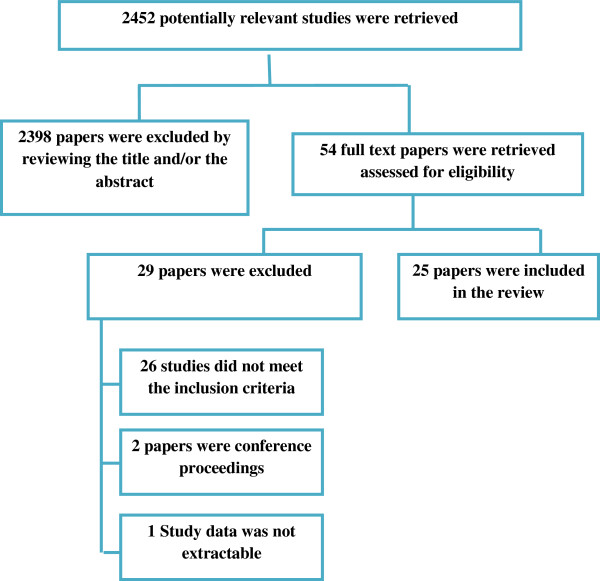
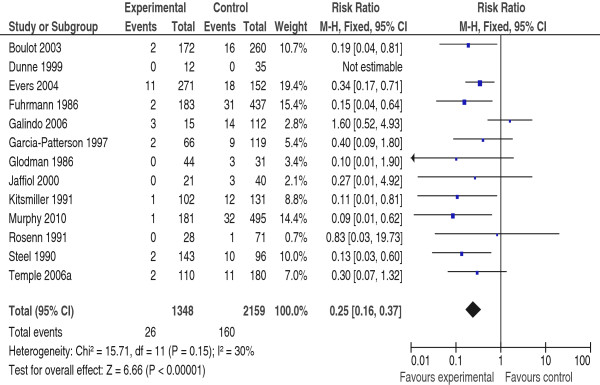
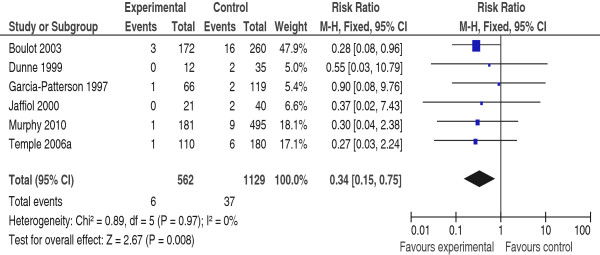
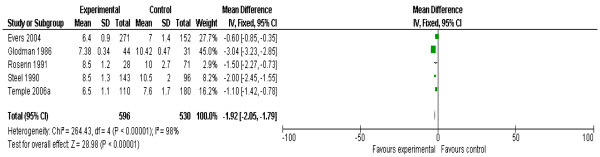
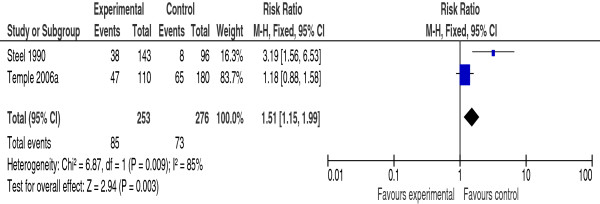
BACKGROUND: Pre-gestational diabetes mellitus is associated with increased risk for maternal and fetal adverse outcomes. This systematic review was carried out to evaluate the effectiveness and safety of pre-pregnancy care in improving the rate of congenital malformations and perinatal mortality for women with pre-gestational diabetes mellitus. METHODS: We searched the following databases, MEDLINE, EMBASE, WEB OF SCIENCE, Cochrane Library, including the CENTRAL register of controlled trials and CINHAL up to December 2011, without language restriction, for any pre-pregnancy care aiming at health promotion, glycemic control and screening and treatment of diabetes complications in women with type I or type II diabetes mellitus. Study design were trials (randomized and non-randomized), cohort and case-control studies. RESULTS: Of the 2452 title scanned 54 full papers were retrieved of those 21 studies were included in this review. Twelve cohort studies at low and medium risk of bias, with 3088 women, were included in the meta-analysis. Meta-analysis suggested that pre-pregnancy care is effective in reducing congenital malformation, Risk Ratio (RR) 0.25 (95% CI 0.16-0.37), number needed to treat (NNT) 19 (95% CI 14-24), and perinatal mortality RR 0.34 (95% CI 0.15-0.75), NNT = 46 (95% CI 28-115). Pre-pregnancy care lowers glycosylated hemoglobin A1c (HbA1c) in the first trimester of pregnancy by an average of 1.92% (95% CI -2.05 to -1.79). However women who received pre-pregnancy care were at increased risk of hypoglycemia during the first trimester of pregnancy RR 1.51 (95% CI 1.15-1.99). CONCLUSION: Pre-pregnancy care for women with pre-gestational type 1 or type 2 diabetes mellitus is effective in improving rates of congenital malformations, perinatal mortality and in reducing maternal HbA1C in the first trimester of pregnancy. Pre-pregnancy care might cause maternal hypoglycemia in the first trimester of pregnancy.
Overview
The claims and statistics of this paper haven’t been checked yet.
Free: it reads the open-access text and checks the first 5 claims that cite a source we can check. Create a free account to check every claim.
Integrity signals
Registry
Cites
Statistics
Figures
Verification
Claims the paper makes
The claims and statistics of this paper haven’t been checked yet.
Free: it reads the open-access text and checks the first 5 claims that cite a source we can check. Create a free account to check every claim.
Claims other papers make about this one
Each is checked against this paper’s own text: does it say what the citing paper says it does?
The source backs part of the claim, not all of it — or backs it for a different population, condition or comparison.
In the citing paper
“Elevated BG levels at conception and during the early first trimester are associated with increased rates of congenital malformations, spontaneous abortion, intrauterine fetal demise, pre-eclampsia, preterm delivery, and perinatal mortality.110–114”
From American Association of Clinical Endocrinology Clinical Practice Guideline: Developing a Diabetes Mellitus Comprehensive Care Plan-2022 Update. (2022) · cites this paper as [112]
Experimental — accuracy not yet measured
Self-check
Percentages, sums and reported differences re-computed from the paper’s own numbers.
The self-check needs the paper’s full text.
Citations
Cites
Grading quality of evidence and strength of recommendations
(2004) · BMJ · doi:10.1136/bmj.328.7454.1490 · Cited by 8,477 · cited 1×
“This systematic review provides a moderate to high level of evidence for the effectiveness of PPC in the improvement of maternal and fetal outcomes [44].”
BackgroundEvers, I. M., de Valk, H. W., & Visser, G. H. A. (2004) · BMJ · doi:10.1136/bmj.38043.583160.ee · Cited by 775 · cited 15×
“Reports from practically implemented PPC programs support our findings of the effectiveness of PPC in improving the rate of CM of infants of mothers with PGDM [8,33].”
BackgroundResultInfluentialOutcomes in Type 1 Diabetic Pregnancies
Jensen, D. M., Damm, P., Moelsted-Pedersen, L., Ovesen, P., Westergaard, J. G., Moeller, M., & Beck-Nielsen, H. (2004) · Diabetes Care · doi:10.2337/diacare.27.12.2819 · Cited by 486 · cited 1×
“For women with PGDM 16-28% of PM is due to CM, and an additional 21-41% is due to preterm delivery [38,39].”
BackgroundPrevention of Congenital Malformations in Infants of Insulin-dependent Diabetic Mothers
Fuhrmann, K., Reiher, H., Semmler, K., Fischer, F., Fischer, M., & Glöckner, E. (1983) · Diabetes Care · doi:10.2337/diacare.6.3.219 · Cited by 440 · cited 3×
“A total of 25 reports of 21 studies were included in this review [7,8,11-33].”
BackgroundMethodObstetric and Perinatal Outcomes in Type 1 Diabetic Pregnancies
Persson, M., Norman, M., & Hanson, U. (2009) · Diabetes Care · doi:10.2337/dc09-0656 · Cited by 436
Ray, J. G. (2001) · QJM · doi:10.1093/qjmed/94.8.435 · Cited by 430
Preconception Care of Diabetes: Glycemic Control Prevents Congenital Anomalies
Kitzmiller, J. L. (1991) · JAMA · doi:10.1001/jama.1991.03460060063025 · Cited by 397
Thompson, D., Berger, H., Feig, D., Gagnon, R., Kader, T., Keely, E., Kozak, S., Ryan, E., Sermer, M., & Vinokuroff, C. (2013) · Canadian Journal of Diabetes · doi:10.1016/j.jcjd.2013.01.044 · Cited by 377
Genetic disorders in the Arab world
Al-Gazali, L., Hamamy, H., & Al-Arrayad, S. (2006) · BMJ · doi:10.1136/bmj.38982.704931.ae · Cited by 366 · cited 1×
“These findings are also of a paramount importance to many communities in the Middle East [45], North Africa [46] and some communities in Asia [47] where the rate of CM is very high due to many causes including maternal diabetes.”
BackgroundPregnancy outcomes in the Diabetes Control and Complications Trial
(1996) · American Journal of Obstetrics and Gynecology · doi:10.1016/s0002-9378(96)70683-x · Cited by 278 · cited 4×
“A total of 25 reports of 21 studies were included in this review [7,8,11-33].”
BackgroundInfluential
Research works printed but not linked: 2
- Confidential Enquiry into Maternal and Child Health (CEMACH) Pregnancy in Women with type 1 and type 2 Diabbetes in 2002–2003. England, Wales and Northern Ireland 2005 London: CEMACH
- Well GA Shea B C'Connell D Peterson J Welch V Losos M The Newcaslte-Ottawa Scal (NOS) for assessing the quality of nonrandomised studies in met-analyses 2005 http://www.ohri.ca/programs/clinical_epidemiology/oxford.asp
Cited by
Feig, D. S., Donovan, L. E., Corcoy, R., Murphy, K. E., Amiel, S. A., Hunt, K. F., Asztalos, E., Barrett, J. F. R., Sanchez, J. J., de Leiva, A., et al. (2017) · The Lancet · doi:10.1016/s0140-6736(17)32400-5 · Cited by 803
Blonde, L., Umpierrez, G. E., Reddy, S. S., McGill, J. B., Berga, S. L., Bush, M., Chandrasekaran, S., DeFronzo, R. A., Einhorn, D., Galindo, R. J., et al. (2022) · Endocrine Practice · doi:10.1016/j.eprac.2022.08.002 · Cited by 507
Lorenzo-Almorós, A., Hang, T., Peiró, C., Soriano-Guillén, L., Egido, J., Tuñón, J., & Lorenzo, Ó. (2019) · Cardiovascular Diabetology · doi:10.1186/s12933-019-0935-9 · Cited by 202
Glycemic targets in the second and third trimester of pregnancy for women with type 1 diabetes
Maresh, M. J. A., Holmes, V. A., Patterson, C. C., Young, I. S., Pearson, D. W. M., Walker, J. D., & McCance, D. R. (2015) · Diabetes Care · doi:10.2337/dc14-1755 · Cited by 175
Tinker, S. C., Gilboa, S. M., Moore, C. A., Waller, D. K., Simeone, R. M., Kim, S. Y., Jamieson, D. J., Botto, L. D., & Reefhuis, J. (2019) · American Journal of Obstetrics and Gynecology · doi:10.1016/j.ajog.2019.08.028 · Cited by 161
Maternal Obesity and Diabetes Mellitus as Risk Factors for Congenital Heart Disease in the Offspring
Helle, E., & Priest, J. R. (2020) · Journal of the American Heart Association · doi:10.1161/jaha.119.011541 · Cited by 182
EASL Clinical Practice Guidelines on the management of liver diseases in pregnancy
Williamson, C., Nana, M., Poon, L. C., Kupčinskas, L., Painter, R. C., Taliani, G., Heneghan, M. A., Marschall, H., & Beuers, U. H. (2023) · Journal of Hepatology · doi:10.1016/j.jhep.2023.03.006 · Cited by 183
Diabetes in pregnancy: a new decade of challenges ahead
the Diabetic Pregnancy Study Group, Schaefer-Graf, U., Napoli, A., & Nolan, C. J. (2018) · Diabetologia · doi:10.1007/s00125-018-4545-y · Cited by 118
“Preconception care The available evidence strongly suggests that structured preconception care for women with pregestational diabetes reduces the risk of major congenital anomalies and perinatal mortality in women with type 1 and type 2 diabetes and is cost-effective [4, 5].”
BackgroundWahabi, H. A., Fayed, A., Esmaeil, S., Elmorshedy, H., Titi, M. A., Amer, Y. S., Alzeidan, R. A., Alodhayani, A. A., Saeed, E., Bahkali, K. H., et al. (2020) · PLOS ONE · doi:10.1371/journal.pone.0237571 · Cited by 130
“The results of this review concur with previously published reviews on the effectiveness of PCC [9, 16].”
BackgroundResultSelf-citationGreenhalgh, T., Clinch, M., Afsar, N., Choudhury, Y., Sudra, R., Campbell-Richards, D., Claydon, A., Hitman, G. A., Hanson, P., & Finer, S. (2015) · BMC Medicine · doi:10.1186/s12916-015-0360-1 · Cited by 115
“Achieving glycaemic targets requires strict adherence to lifestyle modifications (diet and exercise), medication, and attendance to antenatal services [29–34].”
BackgroundDraper, C. E., Micklesfield, L. K., Kahn, K., Tollman, S. M., Pettifor, J. M., Dunger, D. B., Norris, S. A., & Ntshembo Consortium (2014) · BMC Public Health · doi:10.1186/1471-2458-14-s2-s5 · Cited by 101
“In light of these risks, preconception care is crucial, and optimising health in the pre-pregnancy period is especially important for glycaemic control [11].”
BackgroundLan, L., Harrison, C. L., Misso, M., Hill, B., Teede, H. J., Mol, B. W., & Moran, L. J. (2017) · Human Reproduction · doi:10.1093/humrep/dex241 · Cited by 91
“…supplementation, smoking and alcohol (Zagre et al., 2007; Yang et al., 2012; Lassi et al., 2014; Coles et al., 2015; Zhang et al., 2015), or involved specialized populations such as those with diabetes (Mahmud and Mazza, 2010; Wahabi et al., 2012) or epilepsy (Winterbottom et al., 2008, 2009).”
BackgroundWhy women do not ask for information on preconception health? A qualitative study
Bortolus, R., Oprandi, N. C., Morassutti, F. R., Marchetto, L., Filippini, F., Agricola, E., Tozzi, A. E., Castellani, C., Lalatta, F., Rusticali, B., et al. (2017) · BMC Pregnancy and Childbirth · doi:10.1186/s12884-016-1198-z · Cited by 99
“At present there is increasing interest in offering a global intervention to identify and reduce multiple risk factors, such as not taking maternal folic acid supplements before pregnancy [19], tobacco use [20], obesity [21], chronic diseases [22] and other AROs.”
BackgroundEgan, A. M., Galjaard, S., Maresh, M., Loeken, M. R., Napoli, A., Anastasiou, E., Noctor, E., de Valk, H. W., van Poppel, M. N. M., Todd, M., et al. (2017) · Diabetologia · doi:10.1007/s00125-017-4277-4 · Cited by 66
“A 2012 systematic review and meta-analysis of prepregnancy care for women with pregestational diabetes noted a wide variety in outcomes reported in the included studies [44], a finding that significantly limits interpretation of the results.”
BackgroundWyckoff, J., Lapolla, A., Asias-Dinh, B. D., Barbour, L. A., Brown, F. M., Catalano, P. M., Corcoy, R., Renzo, G. C. D., Drobycki, N., Kautzky‐Willer, A., et al. (2025) · The Journal of Clinical Endocrinology & Metabolism · doi:10.1210/clinem/dgaf288 · Cited by 62
“…favoring contraception comes from its use being a component of the PCC intervention as defined in the systematic reviews of Wahabi et al that showed significant improvement in 2 outcomes of interest: HbA1c in the first trimester and congenital malformations, as previously described (5, 64, 65).”
Impact of pre-pregnancy diabetes mellitus on congenital anomalies, Canada, 2002–2012
Liu, S., Rouleau, J., Leon, J. A., SAUVE, R. S., Joseph, K. S., Ray, J. G., & System, C. P. S. (2015) · Health Promotion and Chronic Disease Prevention in Canada · doi:10.24095/hpcdp.35.5.01 · Cited by 60
“Strategies that address and prevent the occurrence of DM among women of reproductive age are also important for preventing congenital anomalies due to pre-pregnancy DM.”
BackgroundInfluentialRisk factors for large-for-gestational age infants in pregnant women with type 1 diabetes
Morrens, A., Verhaeghe, J., Vanhole, C., Devlieger, R., Mathieu, C., & Benhalima, K. (2016) · BMC Pregnancy and Childbirth · doi:10.1186/s12884-016-0958-0 · Cited by 58
“Such a strict glycemic control is often challenging to reach since insulin is associated with an increased risk for hypoglycemia and weight gain [21].”
BackgroundMaternal Diabetes and Overweight and Congenital Heart Defects in Offspring
Turunen, R., Pulakka, A., Metsälä, J., Vahlberg, T. J., Ojala, T. H., Gissler, M., Kajantie, E., & Helle, E. (2024) · JAMA Network Open · doi:10.1001/jamanetworkopen.2023.50579 · Cited by 52
Hyperglycemia in Pregnancy and Women’s Health in the 21st Century
McIntyre, D. H., Fuglsang, J., Kampmann, U., Knorr, S., & Ovesen, P. (2022) · International Journal of Environmental Research and Public Health · doi:10.3390/ijerph192416827 · Cited by 56
“It is well established that the risks of all of these complications can be reduced if optimal glycemic control is achieved already prior to pregnancy and is maintained during pregnancy [30].”
BackgroundRSSDI consensus on self-monitoring of blood glucose in types 1 and 2 diabetes mellitus in India
Rao, P., Makkar, B. M., Kumar, A., Das, A. K., Singh, A. K., Mithal, A., Bhansali, A., Misra, A., Maheshwari, A., Gupta, A., et al. (2018) · International Journal of Diabetes in Developing Countries · doi:10.1007/s13410-018-0677-3 · Cited by 49
Diabetes in Pregnancy and MicroRNAs: Promises and Limitations in Their Clinical Application
Ibarra, A., Guedes, B. V., Brito‐Casillas, Y., & Wägner, A. M. (2018) · Non-Coding RNA · doi:10.3390/ncrna4040032 · Cited by 45
“Hyperglycaemia is the main cause of this increased risk and improved glycaemic control before (in pre-gestational diabetes) and during pregnancy is associated with improved outcomes [12,13].”
BackgroundMcCance, D. R., & Casey, C. (2019) · Endocrinology and Metabolism Clinics of North America · doi:10.1016/j.ecl.2019.05.008 · Cited by 40
Comorbid hypertension and diabetes among U.S. women of reproductive age: Prevalence and disparities
Britton, L. E., Berry, D. C., & Hussey, J. M. (2018) · Journal of Diabetes and its Complications · doi:10.1016/j.jdiacomp.2018.09.014 · Cited by 38
The management of type 1 and type 2 diabetes in pregnancy
Egan, A. M., Murphy, H. R., & Dunne, F. (2015) · QJM · doi:10.1093/qjmed/hcv060 · Cited by 39
Type 2 diabetes in pregnancy: Rates of fetal malformations and level of preconception care
Callec, R., Perdriolle-Galet, E., Sery, G.-A., & Morel, O. (2014) · Journal of Obstetrics and Gynaecology · doi:10.3109/01443615.2014.925856 · Cited by 33
Zhao, C. L., Wang, F., Wang, P., Ding, H., Huang, X., & Shi, Z. (2015) · Acta Diabetologica · doi:10.1007/s00592-015-0796-y · Cited by 34
“Those complications include respiratory distress syndrome, cesarean section, shoulder dystocia, birth injuries, neonatal hyperbilirubinemia, hypoglycemia and preeclampsia [3].”
BackgroundBenhalima, K., Durnwald, C. P., Sweeting, A., Adams, D., Addala, A., Battelino, T., Bergenstal, R. M., Carlson, A. L., Donovan, L., Franco, D. R., et al. (2025) · The Lancet Diabetes & Endocrinology · doi:10.1016/s2213-8587(25)00335-3 · Cited by 38
Management of type 2 diabetes in pregnancy: a narrative review
Raets, L., Ingelbrecht, A., & Benhalima, K. (2023) · Frontiers in Endocrinology · doi:10.3389/fendo.2023.1193271 · Cited by 33
Bashir, M., Dabbous, Z., Baagar, K. A. M., Elkhatib, F., Ibrahim, A., Brich, S., Abdel‐Rahman, M. E., Konje, J. C., & Abou-Samra, A.-B. (2018) · European Journal of Obstetrics & Gynecology and Reproductive Biology · doi:10.1016/j.ejogrb.2018.12.008 · Cited by 30
Primary Prevention of Congenital Anomalies: Recommendable, Feasible and Achievable
Taruscio, D., Mantovani, A., Carbone, P., Barišić, I., Bianchi, F., Garne, E., Nelen, V., Neville, A. J., Wellesley, D. G., & Dolk, H. M. (2015) · Public Health Genomics · doi:10.1159/000379739 · Cited by 32
Pregestational Diabetes and Family Planning
Hart, B. N., Shubrook, J. H., & Mason, T. C. (2021) · Clinical Diabetes · doi:10.2337/cd20-0062 · Cited by 30
Wyckoff, J., Lapolla, A., Asias-Dinh, B. D., Barbour, L. A., Brown, F. M., Catalano, P. M., Corcoy, R., Renzo, G. C. D., Drobycki, N., Kautzky‐Willer, A., et al. (2025) · European Journal of Endocrinology · doi:10.1093/ejendo/lvaf116 · Cited by 31
“…favoring contraception comes from its use being a component of the PCC intervention as defined in the systematic reviews of Wahabi et al that showed significant improvement in 2 outcomes of interest: HbA1c in the first trimester and congenital malformations, as previously described 5,64,65 .”
Yamamoto, J. M., Kallas‐Koeman, M. M., Butalia, S., Lodha, A. K., & Donovan, L. (2016) · Diabetes/Metabolism Research and Reviews · doi:10.1002/dmrr.2824 · Cited by 31
“many of these risks can be partially ameliorated by intensive glucose control both prior to conception and throughout pregnancy [3,4].”
BackgroundRosu, L. M., Prodan-Bărbulescu, C., Maghiari, A. L., Bernad, E. S., Bernad, R. L., Iacob, R., Stoicescu, E. R., Borozan, F., & Ghenciu, L. A. (2024) · Diagnostics · doi:10.3390/diagnostics14040369 · Cited by 29
“This includes minimizing the risks of congenital malformations, perinatal morbidity, and mortality [71].”
BackgroundSina, M., MacMillan, F., Dune, T. M., Balasuriya, N., Khouri, N., Nguyen, N. T. K., Jongvisal, V., Lay, X. H., & Simmons, D. S. (2018) · BMC Pregnancy and Childbirth · doi:10.1186/s12884-018-2028-2 · Cited by 25
Epidemiology and Prevention of Congenital Heart Defects
Botto, L. D. (2015) · KARGER eBooks · doi:10.1159/000375203 · Cited by 23
Receipt of preconception care among women with prepregnancy and gestational diabetes
Kachoria, R., & Oza‐Frank, R. B. (2014) · Diabetic Medicine · doi:10.1111/dme.12546 · Cited by 22
FIGO guideline on liver disease and pregnancy
Nana, M., Medina, V. P., Maxwell, C. V., McCormick, C. A., Taliani, G., Beuers, U. H., Money, D., Jacobsson, B., Kapur, A., Beyuo, T. K., et al. (2025) · International Journal of Gynecology & Obstetrics · doi:10.1002/ijgo.70161 · Cited by 27
“87,88 In a study of women with inflammatory bowel disease, those who received pre-pregnancy counseling were more adherent to medication during pregnancy, folic acid use, and smoking cessation.”
Pregnancy in metabolic healthy and unhealthy obese women
Maack, H. P., Larsson, A. O., Axelssön, O., Olovsson, M., Wikström, A., & Poromaa, I. S. (2020) · Acta Obstetricia Et Gynecologica Scandinavica · doi:10.1111/aogs.13929 · Cited by 20
Retnakaran, R. R. (2021) · Metabolism · doi:10.1016/j.metabol.2021.154772 · Cited by 21
Egan, A. M., Smith, V. A., Devane, D., & Dunne, F. (2015) · Trials · doi:10.1186/s13063-015-0894-8 · Cited by 16
“In line with prior work in this area, we will exclude review reports and reports of conference proceedings or abstracts when there is no complete description of the trial or study [13].”
BackgroundMethodResultInfluentialPeterson-Burch, F., Abujaradeh, H., Charache, N., Fischl, A. F. R., & Charron‐Prochownik, D. (2018) · Current Diabetes Reports · doi:10.1007/s11892-018-0983-7 · Cited by 17
Planejamento, metas e monitorização do diabetes durante a gestação
Zajdenverg, L., Façanha, C. F. S., Dualib, P. M., Golbert, A., Negrato, C. A., & Bertoluci, M. C. (2022) · Conectando Pessoas eBooks · doi:10.29327/557753.2022-12 · Cited by 26
Pathologies maternelles chroniques et pertes de grossesse. Recommandations françaises
Nizard, J., Guettrot-Imbert, G., Plu‐Bureau, G., Ciangura, C., Jacqueminet, S., Leenhardt, L., Nedellec, S., Gallot, V., Vialard, F., Quibel, T., et al. (2014) · Journal de gynécologie, obstétrique et biologie de la reproduction. Supplément/Journal de gynécologie obstétrique et biologie de la reproduction · doi:10.1016/j.jgyn.2014.09.017 · Cited by 19
Gaudio, M., Dozio, N., Feher, M. D., Scavini, M., Caretto, A., Joy, M., Vlymer, J. V., Hinton, W., & de Lusignan, S. (2021) · Frontiers in Endocrinology · doi:10.3389/fendo.2020.596633 · Cited by 15
“Effective pre-pregnancy care for women with Type 1 or Type 2 diabetes reduces adversepregnancyoutcomes (1, 2).”
BackgroundAna, Y., Shriyan, P., Deepa, R., & Babu, G. R. (2021) · Endocrinology and Metabolism Clinics of North America · doi:10.1016/j.ecl.2021.05.008 · Cited by 19
Taruscio, D., Baldi, F., Carbone, P., Neville, A. J., Rezza, G., Rizzo, C., & Mantovani, A. (2017) · Advances in experimental medicine and biology · doi:10.1007/978-3-319-67144-4_18 · Cited by 15
Preexisting Diabetes and Pregnancy
Kitzmiller, J. L., Ferrara, A. M., Peng, T., Cissell, M. A., & Kim, C. (2018) · Europe PMC (PubMed Central) · Cited by 28
Patterns of Pre-pregnancy Care Usage among Reproductive Age Women in Kedah, Malaysia.
Talib, R. A., Idris, I. B., Sutan, R., Ahmad, N., & Bakar, N. A. (2018) · PubMed Central · Cited by 13
Assessment of the effect of pregnancy planning in women with type 1 diabetes treated by insulin pump
Mourou, L., Vallone, V., Vania, E., Galasso, S., Brunet, C., Fuchs, F., Boscari, F., Cavallin, F., Bruttomesso, D., & Renard, É. (2020) · Acta Diabetologica · doi:10.1007/s00592-020-01620-7 · Cited by 12
Role of HbA1c in predicting risk for congenital malformations
Hammouda, S. A. I., & Hakeem, R. (2015) · Primary care diabetes · doi:10.1016/j.pcd.2015.01.004 · Cited by 13
“Among persons with diabetes, it has been indicated that re-pregnancy care for women with pre-gestational type 1 or ype 2 diabetes mellitus is effective in improving rates of conenital malformations, perinatal mortality and in reducing aternal HbA1c in the first trimester of pregnancy [1,2].”
BackgroundAlexander, L. D., TOMLINSON, G. A., & Feig, D. S. (2019) · Canadian Journal of Diabetes · doi:10.1016/j.jcjd.2019.08.015 · Cited by 12
Diabetes Mellitus in Pregnancy
Goodman, J. R. (2023) · NeoReviews · doi:10.1542/neo.24-3-e144 · Cited by 11
Gestational Diabetes and Type 2 Diabetes During Pregnancy
Mukerji, G., Bacon, S., & Feig, D. S. (2019) · Elsevier eBooks · doi:10.1016/b978-0-12-814823-5.00022-2 · Cited by 13
Hakim, J., Rajesh, D., & Tello, J. A. (2026) · American Journal of Obstetrics and Gynecology · doi:10.1016/j.ajog.2026.04.037 · Cited by 10
Fan, L., Tol, A. J. C., Kuipers, F., Oosterveer, M. H., van der Beek, E. M., & van Leeuwen, S. S. (2024) · Heliyon · doi:10.1016/j.heliyon.2024.e24539 · Cited by 8
“Hyperglycemia in pregnancy (HIP) has considerable adverse effects on mother and infant, increasing the risk of obesity, type 2 diabetes, and cardiovascular disease later in life [27,28].”
BackgroundControl preconcepcional en la diabetes: factores predisponentes y barreras
Falcón, S. C., Guedes, B. V., Alvarado-Martel, D., & Wägner, A. M. (2018) · Endocrinología Diabetes y Nutrición · doi:10.1016/j.endinu.2017.10.014 · Cited by 8
Skajaa, T., Kampmann, U., Fuglsang, J., & Ovesen, P. (2020) · Journal of Diabetes · doi:10.1111/1753-0407.13070 · Cited by 9
“Diabetes duration (years) 11 (4-19) 17 (9-23) 14 (8-22) 14 (10-17)”
Core Outcome Sets for Studies of Diabetes in Pregnancy: A Review
Egan, A. M., Bogdanet, D., Biesty, L., Kgosidialwa, O., McDonagh, C., O'Shea, C., O’Shea, P. M., Devane, D., & Dunne, F. (2020) · Diabetes Care · doi:10.2337/dc20-1621 · Cited by 9
Rotem, R. S., Weisskopf, M. G., Bateman, B. T., Huybrechts, K. F., & Hernández–Díaz, S. (2024) · Human Reproduction · doi:10.1093/humrep/deae233 · Cited by 9
Preconception tests at advanced maternal age
Chronopoulou, E., Raperport, C., Serhal, P. F., Saab, W., & Seshadri, S. (2020) · Best Practice & Research Clinical Obstetrics & Gynaecology · doi:10.1016/j.bpobgyn.2020.11.003 · Cited by 9
Jusoh, N., Ismail, T. A. T., & Hamid, N. A. (2020) · International Journal of Women s Health and Reproduction Sciences · doi:10.15296/ijwhr.2021.08 · Cited by 8
“However, a meta-analysis report also showed a low prevalence of pre-pregnancy care service uptake of 34-38% among women with diabetes (16).”
BackgroundMcCance, D. R., & Cassidy, L. (2024) · Wiley eBooks · doi:10.1002/9781119697473.ch71 · Cited by 9
Preconception care in diabetes: Predisposing factors and barriers
Falcón, S. C., Guedes, B. V., Alvarado-Martel, D., & Wägner, A. M. (2018) · Endocrinología Diabetes y Nutrición (English ed ) · doi:10.1016/j.endien.2017.10.015 · Cited by 6
Botto, L. D. (2020) · American Journal of Medical Genetics Part C Seminars in Medical Genetics · doi:10.1002/ajmg.c.31775 · Cited by 7
“…et al., 2008; Lisowski et al., 2010), and have also shown that preconception care aimed at reestablishing metabolic con-trol before conception reduces significantly the risk for congenital anomalies as well as for other adverse fetal and infant outcomes (Wahabi et al., 2010; Wahabi et al., 2012).”
BackgroundGerhardt, C. R., Pulz, G. T. C., Satler, F., & Leitão, C. B. (2023) · Endocrine · doi:10.1007/s12020-023-03344-4 · Cited by 5
“While all these interventions are implemented, effective and safe contraception must be prescribed [8, 9].”
BackgroundPrevalens av diabetes blant gravide og svangerskapsutfall i Nordland og Troms 2004–15
Leeves, L. T., Andreasen, C. H., Marrable, S., Glasø, M. U., Rostad, M.-K., Olsen, I. P., & Bjørnerem, Å. (2019) · Tidsskrift for Den norske legeforening · doi:10.4045/tidsskr.18.0927 · Cited by 5
The Role of Ultrasound in the Diagnosis of Complications Associated with Maternal Diabetes
Appleton, K., Barnard, J., Jantz, A. K., Pooh, R. K., & Comas, C. (2013) · Donald School Journal of Ultrasound in Obstetrics & Gynecology · doi:10.5005/jp-journals-10009-1325 · Cited by 5
PREVENTING NON-COMMUNICABLE DISEASES IN LOW- AND MIDDLE-INCOME COUNTRIES: A LITERATURE REVIEW
Higuchi, M. (2021) · The Malaysian Journal of Nursing · doi:10.31674/mjn.2021.v13i01.002 · Cited by 5
“Pre-gestational diabetes mellitus increases the risk of adverse maternal and fetal outcomes (Wahabi et al., 2012).”
BackgroundGarey, C., Lynn, J., Sabino, A. F., Hughes, A. S., & McAuliffe‐Fogarty, A. H. (2020) · Gynecological Endocrinology · doi:10.1080/09513590.2020.1749998 · Cited by 5
Menezes, H. T., Yost, J., Landeen, J., Nerenberg, K. A., & Sherifali, D. (2023) · International Journal of Qualitative Methods · doi:10.1177/16094069221131192 · Cited by 4
“…adhere to strict blood glucose targets before and throughout pregnancy to lower their risks (Murphy, et al., 2010; The Diabetes Control and Complications Trial, 1996), which requires frequent self-monitoring of blood glucose and intensive insulin regimens (Feig et al., 2018; Wahabi et al., 2012).”
BackgroundPrematurity and congenital malformations differ according to the type of pregestational diabetes
Ballesteros, M., Guarque, A., Ingles, M., Vilanova, N., Lopez, M., Martin, L., Jané, M., Puerto, L., Martinez, M. L., la Flor, M. D., et al. (2024) · BMC Pregnancy and Childbirth · doi:10.1186/s12884-024-06470-7 · Cited by 7
“Maternal hyperglycemia is a known teratogen with detrimental effects on the fetal cardiac, renal, musculoskeletal, and central nervous system [19].”
BackgroundImpact of continuous glucose monitoring on pregnancy outcomes in women with pregestational diabetes
Hinojal, I., Chimenea, Á., Antiñolo, G., & García‐Díaz, L. (2025) · Acta Diabetologica · doi:10.1007/s00592-024-02439-2 · Cited by 4
Rubio, J. A., Nasarre, M. O., Perea, V., & Megía, A. (2016) · Endocrinología y Nutrición · doi:10.1016/j.endonu.2015.11.005 · Cited by 6
“Todas las mujeres con DG 30 (17,7-43) n = 17 27 (13,1-40) n = 29 0,417”
InfluentialPing, F., Deng, M., Zhai, X., Song, Y., & Xiao, X. (2019) · Diabetes Therapy · doi:10.1007/s13300-019-0618-2 · Cited by 5
Dudareva, Y. A., & Николаевна, С. Д. (2021) · Бюллетень Восточно-Сибирского научного центра Сибирского отделения Российской академии медицинских наук · doi:10.29413/abs.2021-6.3.1 · Cited by 4
Ali, M., Vidavalur, R., & Hussain, N. (2026) · Children · doi:10.3390/children13020192 · Cited by 3
“Preconception counseling for women with diabetes is essential, with a focus on achieving optimal glycemic control, ensuring adequate nutrition, and supplementing with folic acid [40].”
Sardasht, F. G., Motaghi, Z., Keramat, A., Shariati, M., & Akbari, N. (2022) · Iranian Journal of Nursing and Midwifery Research · doi:10.4103/ijnmr.ijnmr_260_20 · Cited by 3
“The results of this study showed that these cares have reduced the rate of congenital anomalies by 70%.[17] Scholder Tracy also evaluated the educational intervention provided by health personnel in the pre‐pregnancy period and this intervention has been effective in modifying risk factors and lifestyle changes.”
ResultDiabetic nephropathy in type 1 diabetes and pregnancy. Modern view of the problem
Shilova, E. S., Borovik, N. V., & Yarmolinskaya, M. I. (2020) · Diabetes Mellitus · doi:10.14341/dm12228 · Cited by 3
Adverse effects of high glucose levels on somite and limb development in avian embryos
Chen, Y., Wang, G., Ma, Z., Li, Y., Wang, X., Cheng, X., Chuai, M., Tang, S., Lee, K. K., & Yang, X. (2014) · Food and Chemical Toxicology · doi:10.1016/j.fct.2014.05.019 · Cited by 4
“It has also been suggested that pre-gestational diabetes was a risk factor for the musculoskeletal and central nervous systems (Wahabi et al., 2012).”
BackgroundRepercussões do diabetes mellitus no feto: alterações obstétricas e malformações estruturais
Rios, W. L. F., Melo, N. C. E., de Moraes, C. L., Mendonça, C. R., & do Amaral, W. N. (2019) · Femina · doi:10.61622/0100-7254475201907 · Cited by 19
СOMPLICATIONS OF PREGNANCY IN WOMEN WITH DIABETES MELLITUS AND POSSIBILITIES OF THEIR CORRECTION
Guryeva, V. M., Фархадовна, Б. Ф., Сергеевна, Б. Т., Морохотова, Л. С., & Buyvalo, T. A. (2016) · Almanac of Clinical Medicine · doi:10.18786/2072-0505-2015-37-24-31 · Cited by 3
“В ряде исследований показано, что улучшение контроля гликемии до зачатия снижает риск потерь беременности в ранние сроки [8, 10, 11].”
Health care of pregnant women with diabetes in Spain: Approach using a questionnaire
Rubio, J. A., Nasarre, M. O., Perea, V., & Megía, A. (2016) · Endocrinología y Nutrición (English Edition) · doi:10.1016/j.endoen.2015.11.017 · Cited by 2
Pre‐Pregnancy Care in Type 1 and Type 2 Diabetes
Temple, R., & Stanley, K. P. (2017) · Wiley eBooks · doi:10.1002/9781119043805.ch10 · Cited by 2
Maternal diabetes and neonatal outcome
Varlas, V. N., Ciocârlan, M., Bohîlțea, R. E., & Dima, V. (2021) · Romanian Journal of Pediatrics · doi:10.37897/rjp.2021.4.8 · Cited by 3
Yenidoğan Yoğun Bakımında Yedi Yıllık Diyabetik Anne Bebeği Deneyimi
Karagöl, B. S., Karadağ, N., Zenciroğlu, A., Kundak, A. A., & Okumuş, N. (2013) · Çocuk Dergisi / Journal of Child · doi:10.5222/j.child.2012.169 · Cited by 6
Bahillo-Curieses, P., del Pozo, V. M., Colomo, C. Á., & Díaz-Soto, G. (2020) · Anales de Pediatría · doi:10.1016/j.anpedi.2020.03.008 · Cited by 1
Garsia, K., MacMillan, F., Dune, T. M., & Simmons, D. S. (2021) · Journal of Pharmaceutical Health Services Research · doi:10.1093/jphsr/rmab019 · Cited by 1
Impact of Intensive Insulin Stabilisation Service in Pregnancy with Type 1 Diabetes
Teasdale, S., Cannon, N., Griffin, A., Nisbet, J. C., & McIntyre, D. H. (2024) · Reproductive Medicine · doi:10.3390/reprodmed5040026 · Cited by 1
Cundy, T. (2016) · Wiley eBooks · doi:10.1002/9781118924853.ch61 · Cited by 2
Consoli, A. (2018) · Endocrinology · doi:10.1007/978-3-319-45015-5_21 · Cited by 1
Periconception care of the infertile patient: Are we doing enough?
Legro, R. S. (2022) · Fertility and Sterility · doi:10.1016/j.fertnstert.2022.08.018 · Cited by 1
Nutrition Therapy for Pregnancy, Lactation, and Diabetes
Reader, D., & Oberlin, B. S. (2017) · American Diabetes Association eBooks · doi:10.2337/9781580406482.ch10 · Cited by 1
竹谷, 健., Nomura, T., & Okawa, T. (2025) · Cureus · doi:10.7759/cureus.81544 · Cited by 2
“This can, in turn, reduce the risks of birth defects, miscarriage, perinatal death, preterm delivery, and small-for-gestational-age infants (i.e., newborns with birth weights under the 10th percentile for their gestational age) later on [7].”
Diabetes mellitus in pregnancy : a clinical and public health problem
Wahabi, H. A. A. (2026) · Warwick Research Archive Portal (University of Warwick) · doi:10.82444/warw.33646561 · Cited by 1
Self-citationLapolla, A., & Dalfrà, M. G. (2014) · Frontiers in diabetes · doi:10.1159/000363461
Liu, S., Rouleau, J., Leon, J. A., Sauvé, R., Joseph, K. S., Ray, J. G., & périnatale, S. C. D. S. (2015) · Promotion de la santé et prévention des maladies chroniques au Canada · doi:10.24095/hpcdp.35.5.01f
CGM nützt Schwangeren mit Typ-1-Diabetes und ihren Babys
Stupin, J. H. (2017) · Info Diabetologie · doi:10.1007/s15034-017-1217-9
Siskaningtia, Y. (2018) · Qanun Medika - Medical Journal Faculty of Medicine Muhammadiyah Surabaya · doi:10.30651/qm.v2i01.650
Preconception health and care : perspectives from the reproductive-aged population in Flanders
Goossens, J. (2018) · Ghent University Academic Bibliography (Ghent University) · Cited by 3
Metadata
- Authors
- Wahabi, H. A., Alzeidan, R. A., & Esmaeil, S. A.
- Affiliations
- King Saud University (SA)
- Corresponding author
- Wahabi, Hayfaa A
- Venue
- BMC Public Health
- Published
- 2012-09-17
- Volume
- 12
- Issue
- 1
- Pages
- 792-792
- ISSN
- 1471-2458 (ISSN-L)
- PMC
- PMC3575330
- OpenAlex
- W2108281781
- Cited by
- 126
- References
- 47
- Citations by year
- 2026: 4 · 2025: 9 · 2024: 10 · 2023: 8 · 2022: 8 · 2021: 9 · 2020: 17 · 2019: 9 · 2018: 15 · 2017: 9 · 2016: 7 · 2015: 9 · 2014: 9 · 2013: 3
- FWCI
- 1.10
- Type
- journal article
- Language
- en
- Open access
- gold
- doi.org
- Licence
- cc-by
- creativecommons.org/licenses/by/2.0 (tdm)
- Locations
- BMC Public Health (publishedVersion, cc-by)
- Europe PMC (PubMed Central) (publishedVersion, cc-by)
- PubMed Central (publishedVersion, cc-by)
- PubMed (publishedVersion)
- Warwick Research Archive Portal (University of Warwick) (acceptedVersion)
- DOAJ (DOAJ: Directory of Open Access Journals) (submittedVersion)
- Funders
- King Saud University
- College of Medicine, King Saud University
- Topics
- Health Sciences › Medicine › Obstetrics and Gynecology › Gestational Diabetes Research and Management
- Health Sciences › Medicine › Public Health, Environmental and Occupational Health › Pregnancy and Medication Impact
- Health Sciences › Medicine › Pediatrics, Perinatology and Child Health › Maternal and Neonatal Healthcare
- Keywords
- preconception care, pregestational diabetes, type 1 diabetes, type 2 diabetes, congenital malformations, perinatal mortality, glycemic control, HbA1c, hypoglycemia, pregnancy outcomes, diabetes complications screening
- MeSH terms
- Congenital Abnormalities, Diabetes Mellitus, Type 1, Diabetes Mellitus, Type 2, Female, Glycated Hemoglobin, Humans, Pregnancy, Prenatal Care, Cohort Studies, Case-Control Studies, Randomized Controlled Trials as Topic, Diabetes, Gestational, Perinatal Mortality
About these checks
Registry, retraction, Cites and statistics results are computed, not judged, with one exception: a printed reference that no index lists is read once by a model before it counts as a citation error. Claims are extracted by a model and kept only when their quote appears verbatim in the text; each cited source is then checked, with a model’s help, for whether it says what the claim relies on. Those verdicts can be wrong — read the claim’s quote and the cited source before relying on one.
Statistics and arithmetic are recomputed, not judged.
Confidence bands are shown only for fields calibrated on our annotated test set. None is calibrated yet, so no band is shown.
What counts as a claim ›How we measure confidence ›How we check this ›
Are you an author, or do you see a problem with this page? Request a review
Data sources
Bibliographic data: Semantic Scholar, OpenAlex, Crossref.
Contains information from the Semantic Scholar Academic Graph Datasets, made available under the ODC Attribution License (ODC-BY 1.0).
Semantic Scholar’s data is described in: Kinney, R., et al. (2023). The Semantic Scholar Open Data Platform. arXiv:2301.10140.
