

The incidence of co-morbidities related to obesity and overweight: A systematic review and meta-analysis
Open accessThe DOI matches its Crossref record; 140 of the 140 references it cites were found in a registry or an index.
Abstract
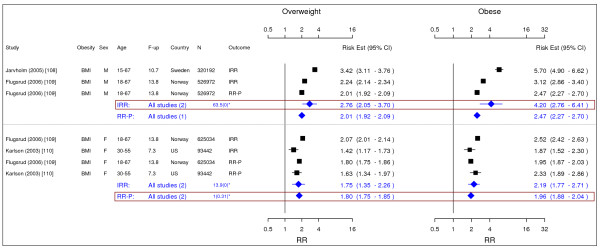
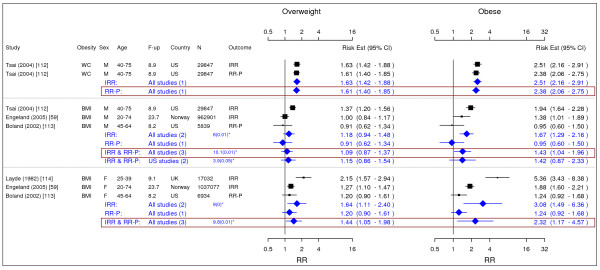
Background: Overweight and obese persons are at risk of a number of medical conditions which can lead to further morbidity and mortality. The primary objective of this study is to provide an estimate of the incidence of each co-morbidity related to obesity and overweight using a meta-analysis. Methods: A literature search for the twenty co-morbidities identified in a preliminary search was conducted in Medline and Embase (Jan 2007). Studies meeting the inclusion criteria (prospective cohort studies of sufficient size reporting risk estimate based on the incidence of disease) were extracted. Study-specific unadjusted relative risks (RRs) on the log scale comparing overweight with normal and obese with normal were weighted by the inverse of their corresponding variances to obtain a pooled RR with 95% confidence intervals (CI). Results: A total of 89 relevant studies were identified. The review found evidence for 18 co-morbidities which met the inclusion criteria. The meta-analysis determined statistically significant associations for overweight with the incidence of type II diabetes, all cancers except esophageal (female), pancreatic and prostate cancer, all cardiovascular diseases (except congestive heart failure), asthma, gallbladder disease, osteoarthritis and chronic back pain. We noted the strongest association between overweight defined by body mass index (BMI) and the incidence of type II diabetes in females (RR = 3.92 (95% CI: 3.10–4.97)). Statistically significant associations with obesity were found with the incidence of type II diabetes, all cancers except esophageal and prostate cancer, all cardiovascular diseases, asthma, gallbladder disease, osteoarthritis and chronic back pain. Obesity defined by BMI was also most strongly associated with the incidence of type II diabetes in females (12.41 (9.03–17.06)). Conclusion: Both overweight and obesity are associated with the incidence of multiple co-morbidities including type II diabetes, cancer and cardiovascular diseases. Maintenance of a healthy weight could be important in the prevention of the large disease burden in the future. Further studies are needed to explore the biological mechanisms that link overweight and obesity with these co-morbidities.
Overview
The claims and statistics of this paper haven’t been checked yet.
Free: it reads the open-access text and checks the first 5 claims that cite a source we can check. Create a free account to check every claim.
Integrity signals
Registry
Cites
Statistics
Figures
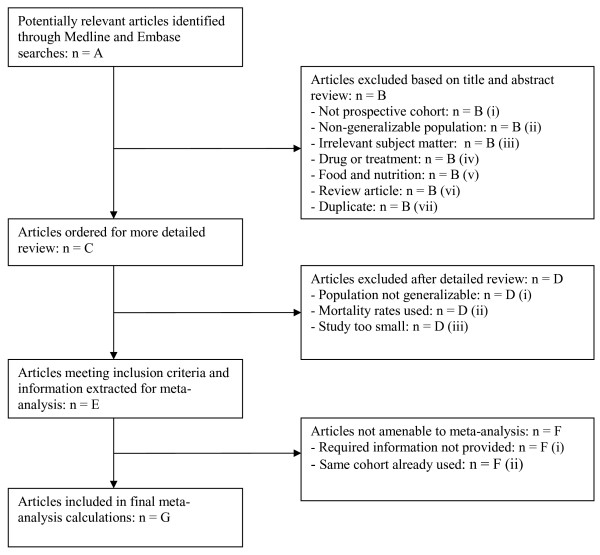
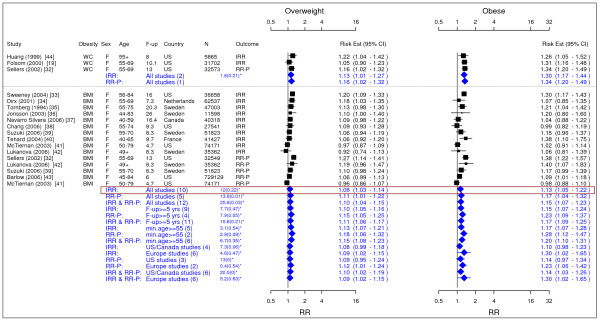
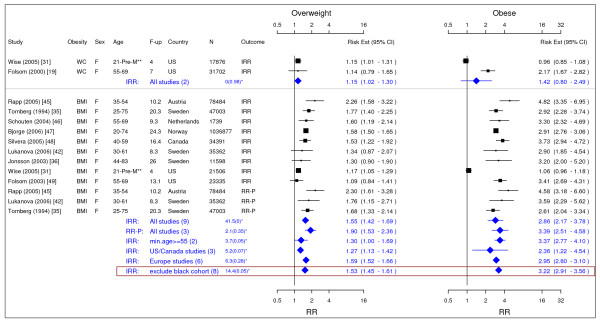
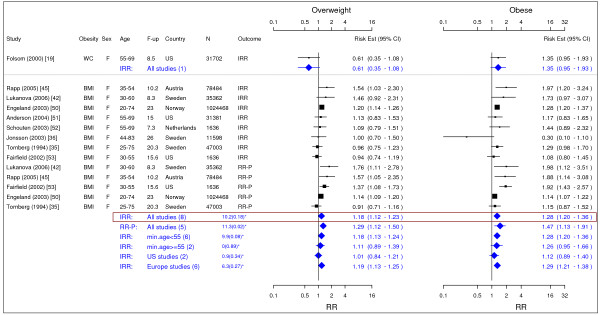
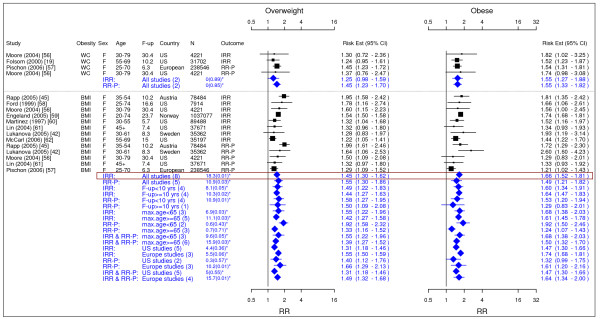
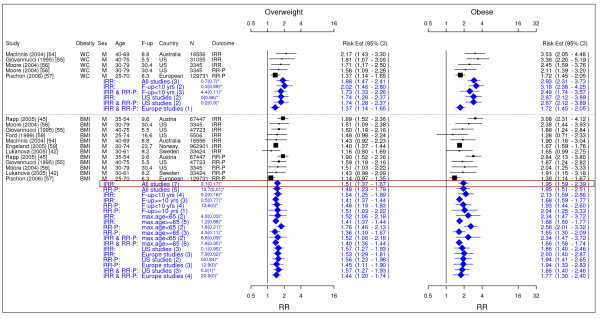
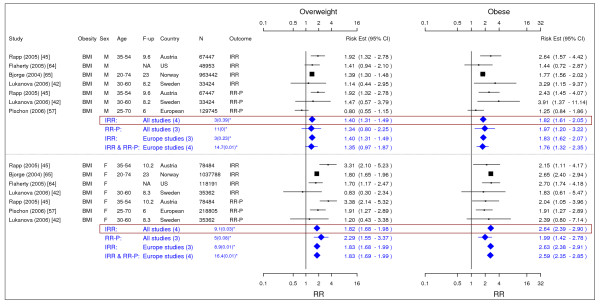
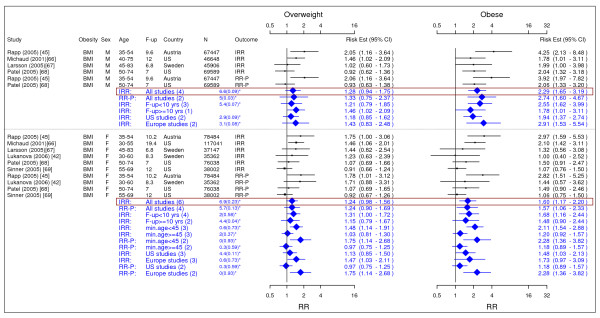
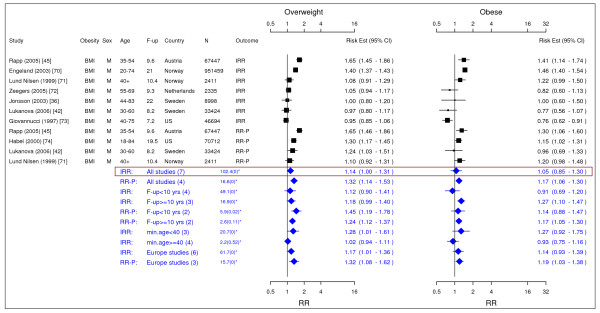
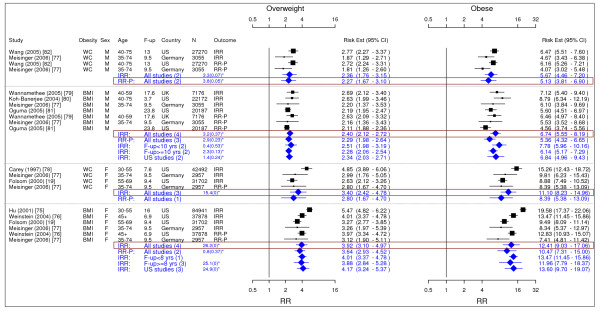
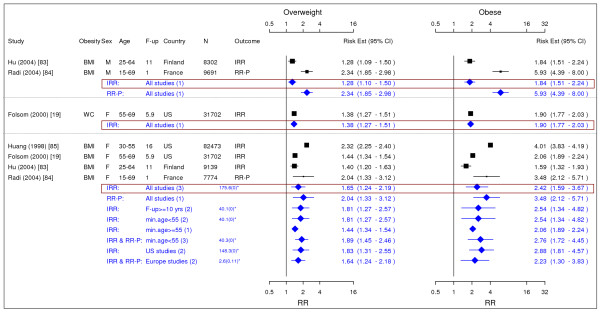
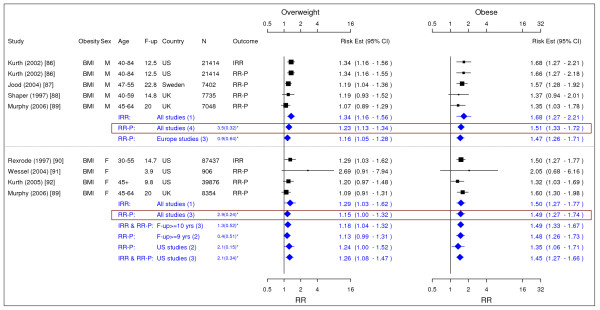
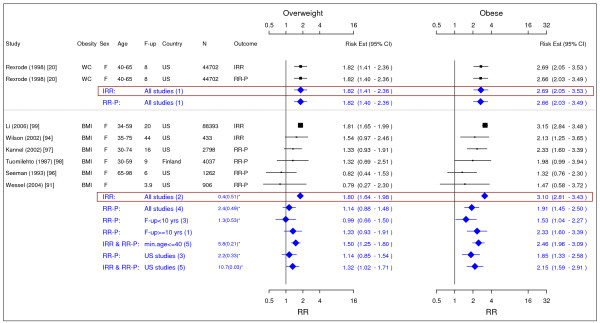
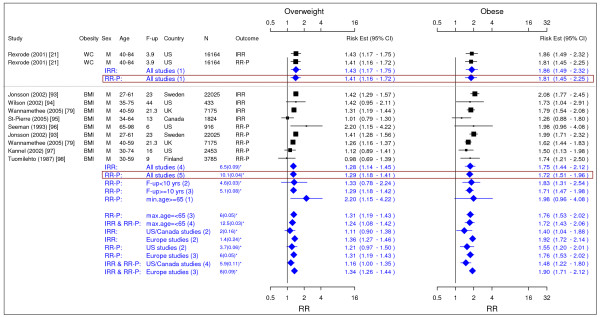
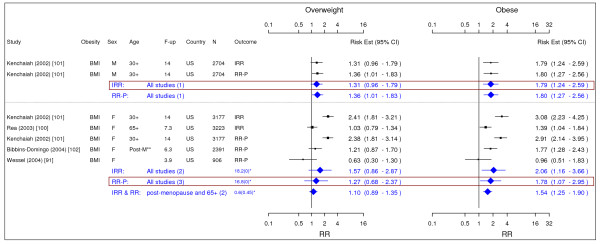
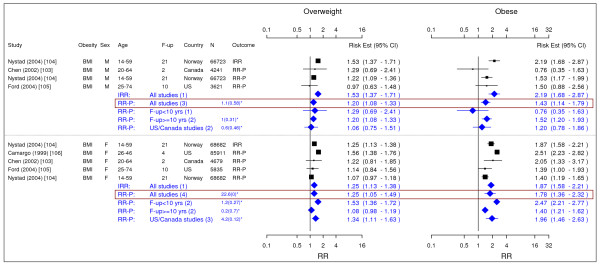
Verification
Claims the paper makes
The claims and statistics of this paper haven’t been checked yet.
Free: it reads the open-access text and checks the first 5 claims that cite a source we can check. Create a free account to check every claim.
Claims other papers make about this one
Each is checked against this paper’s own text: does it say what the citing paper says it does?
The source backs part of the claim, not all of it — or backs it for a different population, condition or comparison.
In the citing paper
“Obesity is a burgeoning worldwide epidemic and contributes to the pathogenesis and progression of numerous complications, including obstructive sleep apnea (OSA), osteoarthritis (OA), type 2 diabetes (T2D) and cardiovascular disease (CVD).”
From Retatrutide for the treatment of obesity, obstructive sleep apnea and knee osteoarthritis: Rationale and design of the TRIUMPH registrational clinical trials (2026) · cites this paper as [2]
Experimental — accuracy not yet measured
Self-check
Percentages, sums and reported differences re-computed from the paper’s own numbers.
The self-check needs the paper’s full text.
Citations
Cites
Bias in meta-analysis detected by a simple, graphical test
Egger, M., Smith, G. D., Schneider, M., & Minder, C. (1997) · BMJ · doi:10.1136/bmj.315.7109.629 · Cited by 56,722 · cited 1×
“Potential publication bias was visually inspected by funnel plots and tested by asymmetry tests [29,30]; however it was performed only on those meta-analyses which included sufficient number of studies (N>5).”
MethodMeta-analysis in clinical trials
DerSimonian, R., & Laird, N. (1986) · Controlled Clinical Trials · doi:10.1016/0197-2456(86)90046-2 · Cited by 39,552 · cited 2×
“The Q statistic was also calculated to assess the homogeneity of RRs (log scale) [28].”
Method(2000) · PubMed · Cited by 13,173
Obesity : Preventing and managing the global epidemic
Akram, D. S., Astrup, A. V., Atinmo, T., Boissin, J.-L., Bray, G. A., Carroll, K. N., Chitson, P., Chen, C., Dietz, W. H., Hill, J. O., et al. (2000) · Research at the University of Copenhagen (University of Copenhagen) · Cited by 12,945
‘Small Changes' to Diet and Physical Activity Behaviors for Weight Management
Hills, A. P., Byrne, N. M., Lindstrom, R., & Hill, J. O. (2013) · Obesity Facts · doi:10.1159/000345030 · Cited by 9,493
Child abuse: Adolescent records vs. adult recall
Femina, D. D., Yeager, C. A., & Lewis, D. O. (1990) · Child Abuse & Neglect · doi:10.1016/0145-2134(90)90033-p · Cited by 8,820
Renehan, A. G., Tyson, M., Egger, M., Heller, R. F., & Zwahlen, M. (2008) · The Lancet · doi:10.1016/s0140-6736(08)60269-x · Cited by 5,219
Funnel plots for detecting bias in meta-analysis
Sterne, J. A. C., & Egger, M. (2001) · Journal of Clinical Epidemiology · doi:10.1016/s0895-4356(01)00377-8 · Cited by 3,779 · cited 1×
“Potential publication bias was visually inspected by funnel plots and tested by asymmetry tests [29,30]; however it was performed only on those meta-analyses which included sufficient number of studies (N>5).”
MethodHaslam, D. W., & James, W. P. T. (2005) · The Lancet · doi:10.1016/s0140-6736(05)67483-1 · Cited by 3,757
European Guidelines for Obesity Management in Adults
Yumuk, V., Tsigos, C., Fried, M., Schindler, K., Busetto, L., Micic, D., & Toplak, H. (2015) · Obesity Facts · doi:10.1159/000442721 · Cited by 3,432
Research works printed but not linked: 1
- Health Canada: Canadian Guidelines for Body Weight Classification in Adults. Ottawa. 2003, [http://www.hc-sc.gc.ca/fn-an/nutrition/weights-poids/guide-ld-adult/weight_book_tc-livres_des_poids_tm-eng.php]
Cited by
Items 301–400 of 1,037
Segar, A. H., Fairbank, J. C. T., & Urban, J. (2019) · European Spine Journal · doi:10.1007/s00586-018-5778-7 · Cited by 101
A Review of Evidence‐Based Strategies to Treat Obesity in Adults
Laddu, D., Dow, C., Hingle, M., Thomson, C., & Going, S. (2011) · Nutrition in Clinical Practice · doi:10.1177/0884533611418335 · Cited by 101
“Obesity is associated with a wide variety of comorbidities, including diabetes, hyperlipidemia, fatty liver disease, obstructive sleep apnea, gastroesophageal reflux disease, vertebral disk disease, osteoarthritis, and increased risk of postmenopausal breast, endometrial, colon, kidney, and esophageal cancers.(3) Obes…”
BackgroundYu, Z., Nan, F., Wang, L. Y., Jiang, H., Chen, W., & Jiang, Y. (2020) · Clinical Nutrition · doi:10.1016/j.clnu.2019.08.008 · Cited by 100
Changes in body mass index on a gluten-free diet in coeliac disease: A nationwide study
Ukkola, A., Mäki, M., Kurppa, K., Collin, P., Huhtala, H., Kekkonen, L., & Kaukinen, K. (2012) · European Journal of Internal Medicine · doi:10.1016/j.ejim.2011.12.012 · Cited by 103
“, metabolic syndrome, type II diabetes mellitus and a higher risk of vascular diseases [11,12].”
BackgroundThe Prevalence of Metabolically Healthy and Unhealthy Obesity according to Different Criteria
Liu, C., Wang, C., Guan, S., Liu, H., Wu, X., Zhang, Z., Gu, X., Zhang, Y., Zhao, Y., Tse, L. A., et al. (2019) · Obesity Facts · doi:10.1159/000495852 · Cited by 99
Prevalence of food addiction in children and adolescents: A systematic review and meta‐analysis
Yekaninejad, M. S., Badrooj, N., Vosoughi, F., Lin, C., Potenza, M. N., & Pakpour, A. H. (2021) · Obesity Reviews · doi:10.1111/obr.13183 · Cited by 124
“Childhood obesity is health challenge globally with increasing prevalence(1) and associated morbidity.(2,3) Poor health associated with obesity include physical and psychological factors among individuals and economic burdens for societies.”
BackgroundThe therapeutics of lifestyle management on obesity
Dyson, P. A. (2010) · Diabetes, Obesity and Metabolism · doi:10.1111/j.1463-1326.2010.01256.x · Cited by 98
“Intentional weight loss has been shown to prevent and improve risk factors for cardiovascular disease [53] and although there is little evidence for weight reduction and stroke [54], asthma [55] or cancer [7], it is important to note that these results relate to a lack of evidence and not that weight loss is not effec…”
BackgroundStrong, A. L., Burow, M. E., Gimble, J. M., & Bunnell, B. A. (2015) · Stem Cells · doi:10.1002/stem.1857 · Cited by 108
Burcelin, R., & Gourdy, P. (2017) · Obesity Reviews · doi:10.1111/obr.12465 · Cited by 94
Law, J. P., Pickup, L. C., Pavlović, D., Townend, J., & Ferro, C. J. (2022) · Journal of Human Hypertension · doi:10.1038/s41371-022-00751-4 · Cited by 139
Ledreux, A., Wang, X., Schultzberg, M., Granholm, A.-C., & Freeman, L. R. (2016) · Behavioural Brain Research · doi:10.1016/j.bbr.2016.06.012 · Cited by 98
Dankel, S. N., Svärd, J., Matthä, S., Claussnitzer, M., Klöting, N., Glunk, V., Fandalyuk, Z., Grytten, E., Solsvik, M. H., Nielsen, H., et al. (2014) · Obesity · doi:10.1002/oby.20758 · Cited by 95
Intermittent energy restriction and weight loss: a systematic review
Davis, C. S., Clarke, R. E., Coulter, S. N., Rounsefell, K. N., Walker, R. E., Rauch, C. E., Huggins, C. E., & Ryan, L. (2016) · European Journal of Clinical Nutrition · doi:10.1038/ejcn.2015.195 · Cited by 94
Managing temptation in obesity treatment: A neurobehavioral model of intervention strategies
Appelhans, B. M., French, S. A., Pagoto, S., & Sherwood, N. E. (2015) · Appetite · doi:10.1016/j.appet.2015.09.035 · Cited by 114
“…is a risk factor for multiple health conditions (Abdullah, Peeters, de Courten, & Stoelwinder, 2010; Bogers et al., 2007; Guh et al., 2009; Hubert, Feinleib, McNamara, & Castelli, 1983; Renehan, Tyson, Egger, Heller, & Zwahlen, 2008; Strazzullo et al., 2010) and affects…”
The Role of BMI in Hip Fracture Surgery
Akinleye, S. D., Garofolo, G., Culbertson, M. D., Homel, P., & Erez, O. (2018) · Geriatric Orthopaedic Surgery & Rehabilitation · doi:10.1177/2151458517747414 · Cited by 98
“However, in terms of bone health, obesity has historically been considered a protective factor that potentially counteracts osteoporosis in the elderly patients.(29-31) Interestingly, recent work suggests a U-shaped relationship between bone health and BMI.”
BackgroundGene‐lifestyle interaction on risk of type 2 diabetes: A systematic review
Dietrich, S., Jacobs, S., Zheng, J., Meidtner, K., Schwingshackl, L., & Schulze, M. B. (2019) · Obesity Reviews · doi:10.1111/obr.12921 · Cited by 108
“In addition, in many other nonsystematic reviews,9-13 only part of the previous weight of evidence was based on prospective studies resulting in limited evidence in terms of temporal sequence of G × E interactions on the risk to develop T2D.”
BackgroundInfluentialEarly‐ and later‐stage persistence with antiobesity medications: A retrospective cohort study
Gasoyan, H., Pfoh, E. R., Schulte, R., Le, P., & Rothberg, M. B. (2024) · Obesity · doi:10.1002/oby.23952 · Cited by 94
Health burden and costs of obesity and overweight in Germany: an update
Lehnert, T., Streltchenia, P., Konnopka, A., Riedel-Heller, S. G., & König, H. (2014) · The European Journal of Health Economics · doi:10.1007/s10198-014-0645-x · Cited by 114
“[47] indicates that the above conjecture is (empirically) plausible.”
BackgroundInfluentialYan, Y., Sha, Y., Yao, G., Wang, S., Kong, F., Liu, H., Zhang, G., Zhang, H., Hu, C., & Zhang, X. (2016) · Medicine · doi:10.1097/md.0000000000003462 · Cited by 94
Choi, S. E., Seligman, H., & Basu, S. (2017) · American Journal of Preventive Medicine · doi:10.1016/j.amepre.2016.12.013 · Cited by 94
“Relatively smaller declines in obesity would be expected, given the relatively small impact of the subsidy on overall caloric intake (Figure 2).(34) On average, type 2 diabetes incidence would be expected to decrease by 10.”
BackgroundBeyond the BMI: The Search for Better Guidelines for Bariatric Surgery
Pories, W. J., Dohm, L. G., & Mansfield, C. J. (2010) · Obesity · doi:10.1038/oby.2010.8 · Cited by 93
Impact of Health Labels on Flavor Perception and Emotional Profiling: A Consumer Study on Cheese
Schouteten, J. J., Steur, H. D., Pelsmaeker, S. D., Lagast, S., Bourdeaudhuij, I. D., & Gellynck, X. (2015) · Nutrients · doi:10.3390/nu7125533 · Cited by 99
“Its reduction may help lower the energy intake [8] and therefore prevent obesity which could lead to heart disease [9,10].”
BackgroundSingh, P., Subramanian, A., Adderley, N., Gokhale, K., Singhal, R., Bellary, S., Nirantharakumar, K., & Tahrani, A. A. (2020) · British Journal of Surgery · doi:10.1002/bjs.11433 · Cited by 93
A meta‐analysis of the effects of bariatric surgery on fracture risk
Zhang, Q., Chen, Y., Li, J., Chen, D., Cheng, Z., Xu, S., Huang, Y., & Wang, Q. (2018) · Obesity Reviews · doi:10.1111/obr.12665 · Cited by 101
Prevention and treatment of childhood and adolescent obesity: a systematic review of meta-analyses
Ψαλτοπούλου, Θ., Tzanninis, S., Ntanasis‐Stathopoulos, I., Panotopoulos, G., Kostopoulou, M., Tzanninis, I., Tsagianni, A., & Sergentanis, T. Ν. (2019) · World Journal of Pediatrics · doi:10.1007/s12519-019-00266-y · Cited by 112
Modern pharmacological treatment of obese patients
May, M., Schindler, C., & Engeli, S. (2020) · Therapeutic Advances in Endocrinology and Metabolism · doi:10.1177/2042018819897527 · Cited by 112
“(1) Drugs intentionally used to reduce body weight (2) Drugs causing unintentionally weight changes as a side effect (3) Pharmacokinetic alterations due to increased body weight Modern pharmacological treatment of obese patients”
MethodMedical consequences of obesity
Finer, N. (2014) · Medicine · doi:10.1016/j.mpmed.2014.11.003 · Cited by 119
Zhang, Y., Meng, X., Chen, L., Li, D., Zhao, L., Zhao, Y., Li, L., & Shi, H. (2014) · PLoS ONE · doi:10.1371/journal.pone.0104852 · Cited by 92
Smith, S., Seeholzer, E. L., Gullett, H., Jackson, B., Antognoli, E., Krejci, S. A., & Flocke, S. A. (2015) · Journal of Graduate Medical Education · doi:10.4300/jgme-d-14-00710.1 · Cited by 105
The relationship between obesity and quality of life in Brazilian adults
Pimenta, F. B., Bertrand, E., Mograbi, D. C., Shinohara, H., & Landeira-Fernández, J. (2015) · Frontiers in Psychology · doi:10.3389/fpsyg.2015.00966 · Cited by 113
“ORIGINAL RESEARCH published: 14 July 2015 doi: 10.3389/fpsyg.2015.00966 Edited by: Alix Timko, Children’s Hospital of Philadelphia, USA Reviewed by: Angela B. Duncan, Washburn University, USA Katherine E. Schaumberg, Drexel, USA *Correspondence: Elodie Bertrand, Departamento de Psicologia, Pontifícia Universidade Cató…”
BackgroundResultInfluentialMobile Health Messages Help Sustain Recent Weight Loss
Shaw, R. J., Bosworth, H. B., Silva, S. S., Lipkus, I. M., Davis, L. L., Sha, R. S., & Johnson, C. M. (2013) · The American Journal of Medicine · doi:10.1016/j.amjmed.2013.07.001 · Cited by 91
“001 Obesity is a serious problem affecting one third of Americans(1) and is associatedwithmultiple chronic diseases.(2)Many obese people are successful at initial weight loss, but only 1 in 6 are able to sustain weight loss.”
Porschen, R., Buck, A. K., Fischbach, W., Gockel, I., Görling, U., Grenacher, L., Hollerbach, S., Hölscher, A. H., Körber, J., Messmann, H., et al. (2015) · Zeitschrift für Gastroenterologie · doi:10.1055/s-0041-107381 · Cited by 109
Wellard‐Cole, L., Davies, A. J., & Allman-Farinelli, M. A. (2021) · Critical Reviews in Food Science and Nutrition · doi:10.1080/10408398.2021.1887075 · Cited by 106
“The effects of overweight and obesity are far reaching, including increased incidence of non-communicable diseases and disorders (Guh et al. 2009) and negative psychosocial consequences resulting in poorer quality of life (Williams et al. 2015).”
BackgroundLim, S. H., Lee, H. S., Han, H., & Choi, C. (2021) · International Journal of Molecular Sciences · doi:10.3390/ijms222111409 · Cited by 98
“This complex condition is closely associated with the occurrence of metabolic diseases and cardiovascular diseases including type 2 diabetes mellitus, dyslipidemia, coronary heart disease, atherosclerosis, hypertension, and stroke; therefore, the treatment and prevention of obesity are very important [3].”
BackgroundMichos, E. D., Lopez‐Jimenez, F., & Gulati, M. (2023) · Journal of the American Heart Association · doi:10.1161/jaha.122.029282 · Cited by 90
Periodontitis and metabolic diseases (diabetes and obesity): Tackling multimorbidity
Marruganti, C., Suvan, J. E., & D’Aiuto, F. (2023) · Periodontology 2000 · doi:10.1111/prd.12536 · Cited by 124
Manser, C. N., & Bauerfeind, P. (2014) · Gastrointestinal Endoscopy · doi:10.1016/j.gie.2014.03.011 · Cited by 100
Li, S., Luo, X., Sun, H., Wang, K., Zhang, K., & Sun, X. (2019) · The Journal of Arthroplasty · doi:10.1016/j.arth.2018.11.018 · Cited by 90
Eshtiaghi, R., Keihani, S., Hosseinpanah, F., Barzin, M., & Azizi, F. (2014) · International Journal of Obesity · doi:10.1038/ijo.2014.176 · Cited by 98
Weight maintenance: challenges, tools and strategies for primary care physicians
Soleymani, T., Daniel, S., & Garvey, W. T. (2016) · Obesity Reviews · doi:10.1111/obr.12322 · Cited by 91
Pfinder, M., Heise, T. L., Boon, M. H., Pega, F., Fenton, C., Griebler, U., Gartlehner, G., Sommer, I., Katikireddi, S. V., & Lhachimi, S. K. (2020) · Cochrane Database of Systematic Reviews · doi:10.1002/14651858.cd012333.pub2 · Cited by 109
“Decreased risks of overweight and obesity, in turn, can reduce the risk of developing other dietrelated diseases and conditions (e.g. chronic diseases such as type 2 diabetes, cardiovascular diseases, and dental caries; Guh 2009).”
BackgroundInfluentialCleveland, R. J., Alvarez, C., Schwartz, T. A., Losina, E., Renner, J. B., Jordan, J. M., & Callahan, L. F. (2018) · Osteoarthritis and Cartilage · doi:10.1016/j.joca.2018.12.008 · Cited by 104
Asprosin in health and disease, a new glucose sensor with central and peripheral metabolic effects
Farrag, M., Eldjoudi, D. A., González‐Rodríguez, M., Barreal, A. C., Ruiz‐Fernández, C., Capuozzo, M., González-Gay, M. Á., Mera, A., Lago, F., Soffar, A. A., et al. (2023) · Frontiers in Endocrinology · doi:10.3389/fendo.2022.1101091 · Cited by 125
“Various scientific evidence suggests that obesity is the starting point of many metabolism-related diseases such as type 2 diabetes mellitus (T2DM), cardiovascular diseases, polycystic ovary syndrome (PCOS), and inflammatory rheumatic disorders (4, 5).”
BackgroundFinch, C. F., Kemp, J. L., & Clapperton, A. (2015) · Osteoarthritis and Cartilage · doi:10.1016/j.joca.2015.02.165 · Cited by 112
Khosravi, R., Kâ, K., Huang, T., Khalili, S., Nguyen, B. H., Nicolau, B. F., & Tran, S. D. (2013) · Mediators of Inflammation · doi:10.1155/2013/728987 · Cited by 124
Larsson, S. C., Spyrou, N., & Mantzoros, C. S. (2022) · Metabolism · doi:10.1016/j.metabol.2022.155326 · Cited by 89
Schoepf, D., Potluri, R., Uppal, H., Natalwala, A., Narendran, P., & Heun, R. (2012) · European Psychiatry · doi:10.1016/j.eurpsy.2011.02.009 · Cited by 89
“This varies in different phases of life, in different cultures and populations [22].”
BackgroundSystems, food security and human health
Friel, S., & Ford, L. (2015) · Food Security · doi:10.1007/s12571-015-0433-1 · Cited by 114
“Obesity is associated with higher risk of morbidity and premature mortality from hypertension, ischaemic heart disease, stroke, diabetes, osteoarthiritis, musculoskeletal conditions, asthma, sleep apnoea, polycystic ovary syndrome (PCOS), depression and other mental health disorders, and some cancers (including oesoph…”
BackgroundDiet quality is associated with circulating C-reactive protein but not irisin levels in humans
Park, K. H., Zaichenko, L., Peter, P., Davis, C. R., Crowell, J. A., & Mantzoros, C. S. (2014) · Metabolism · doi:10.1016/j.metabol.2013.10.011 · Cited by 89
“[3] Guh DP, Zhang W, Bansback N, et al.”
BackgroundCompston, J. E. (2013) · Current Osteoporosis Reports · doi:10.1007/s11914-012-0127-y · Cited by 94
Al-Quwaidhi, A. J., Pearce, M. S., Sobngwi, E., Critchley, J., & O’Flaherty, M. (2014) · Diabetes Research and Clinical Practice · doi:10.1016/j.diabres.2013.12.036 · Cited by 104
“Obesity has been well recognised as one of the most important risk factors for T2DM [10].”
BackgroundMethodRole of Fitness in the Metabolically Healthy but Obese Phenotype: A Review and Update
Ortega, F. B., Cadenas‐Sánchez, C., Sui, X., Blair, S. N., & Lavie, C. J. (2015) · Progress in Cardiovascular Diseases · doi:10.1016/j.pcad.2015.05.001 · Cited by 104
G-Protein-Coupled Estrogen Receptor (GPER) and Sex-Specific Metabolic Homeostasis
Sharma, G., & Prossnitz, E. R. (2017) · Advances in Experimental Medicine and Biology · doi:10.1007/978-3-319-70178-3_20 · Cited by 88
“It is now recognized as a global epidemic with the number of obese individuals increasing drastically over the last two to three decades in both developed and more recently developing nations (Flegal et al. 2010; Guh et al. 2009).”
BackgroundXia, Q., Campbell, J. A., Ahmad, H., Si, L., de Graaff, B., & Palmer, A. J. (2019) · Obesity Reviews · doi:10.1111/obr.12932 · Cited by 95
“, breast, prostate, and colon cancer) are a world‐wide public health concern.(6,7) In turn, a range of debilitating obesity‐related conditions (e.”
BackgroundAssociation between MC4R rs17782313 genotype and obesity: A meta-analysis
Yu, K., Li, L., Zhang, L., Guo, L., & Wang, C. (2020) · Gene · doi:10.1016/j.gene.2020.144372 · Cited by 103
Nutrition Concepts for the Treatment of Obesity in Adults
Wiechert, M., & Holzapfel, C. (2021) · Nutrients · doi:10.3390/nu14010169 · Cited by 136
“It is well known that overweight and obesity are the main risk factors for several diseases such as type 2 diabetes mellitus, hypertension, dyslipidaemia, cardiovascular disease, and several types of cancer [4].”
BackgroundLifestyle Factors and Inflammation: Associations by Body Mass Index
Kantor, E. D., Lampe, J. W., Kratz, M., & White, E. (2013) · PLoS ONE · doi:10.1371/journal.pone.0067833 · Cited by 88
“Furthermore, obese individuals experience increased risk of chronic diseases with which inflammation has been implicated [24].”
BackgroundMelville, C. A., Boyle, S., Miller, S., Macmillan, S., Penpraze, V., Pert, C., Spanos, D., Matthews, L., Robinson, N., Murray, H., et al. (2011) · British Journal of Nutrition · doi:10.1017/s0007114510005362 · Cited by 87
“(1) sedentary behaviour 0–499 counts/min, (2) light-intensity activity 500–1951 counts/min, (3) moderate-to-vigorous-intensity activity .”
InfluentialInterrelationships Between Walkability, Air Pollution, Greenness, and Body Mass Index
James, P., Kioumourtzoglou, M., Hart, J. E., Banay, R. F., Kloog, I., & Laden, F. (2017) · Epidemiology · doi:10.1097/ede.0000000000000724 · Cited by 98
Katapally, T. R., Bhawra, J., Leatherdale, S. T., Ferguson, L., Longo, J., Rainham, D., Larouche, R., & Osgood, N. (2018) · JMIR Public Health and Surveillance · doi:10.2196/publichealth.8953 · Cited by 87
“In informing active living policies, it is imperative to understand pathways through which physical and social environments influence active living, and in turn, how active living influences downstream health outcomes (ie, weight status and cardiovascular disease risk) [26-29].”
BackgroundThe role of dysregulated immune responses in COVID-19 pathogenesis
Tahaghoghi-Hajghorbani, S., Zafari, P., Masoumi, E., Rajabinejad, M., Jafari-Shakib, R., Hasani, B., & Rafiei, A. (2020) · Virus Research · doi:10.1016/j.virusres.2020.198197 · Cited by 98
“Obesity also increases the risk of many comorbidities such as type II diabetes, cancer and cardiovascular disease, leading them to severe COVID-2019 infection (Guh et al., 2009).”
Body Mass Index in Young Adulthood, Obesity Trajectory, and Premature Mortality
Hirko, K. A., Kantor, E. D., Cohen, S. S., Blot, W. J., Stampfer, M. J., & Signorello, L. B. (2015) · American Journal of Epidemiology · doi:10.1093/aje/kwv084 · Cited by 86
Guasch‐Ferré, M., Bulló, M., Martínez‐González, M. Á., Corella, D., Estruch, R., Covas, M., Arós, F., Wärnberǵ, J., Fiol, M., Lapetra, J., et al. (2012) · PLoS ONE · doi:10.1371/journal.pone.0043275 · Cited by 103
“These risk factors were used in our analysis because they have been associated with obesity and are independent predictors of cardiovascular disease [3].”
BackgroundMethodThe Socioeconomic Burden of Obesity
Kjellberg, J., Tange Larsen, A., Ibsen, R., & Højgaard, B. (2017) · Obesity Facts · doi:10.1159/000480404 · Cited by 86
Predictors of Risk and Success of Obesity Surgery
Nickel, F., de la Garza, J. R., Werthmann, F. S., Benner, L., Tapking, C., Karadza, E., Wekerle, A.-L., Billeter, A. T., Kenngott, H., Fischer, L., et al. (2019) · Obesity Facts · doi:10.1159/000496939 · Cited by 96
The economic burden of obesity in Italy: a cost-of-illness study
d’Errico, M., Pavlova, M., & Spandonaro, F. (2021) · The European Journal of Health Economics · doi:10.1007/s10198-021-01358-1 · Cited by 95
“[47] of US (55%) and European studies (40%); the cohort study by Wilson et al.”
Masson, C. J., & Mensink, R. P. (2011) · Journal of Nutrition · doi:10.3945/jn.110.136432 · Cited by 98
“In addition, the acute effects of different types of fat on markers of postprandial inflammation and endothelial activation have not been studied, to our knowledge, in overweight men, who are at increased risk for developing metabolic syndrome (13).”
BackgroundAbu Dayyeh, B. K., Jirapinyo, P., Weitzner, Z., Barker, C., Flicker, M. S., Lautz, D. B., & Thompson, C. C. (2012) · Gastrointestinal Endoscopy · doi:10.1016/j.gie.2012.03.1407 · Cited by 85
“Current affiliations: Gastrointestinal Unit (1), Massachusetts General Hospital, Boston, Massachusetts, Division of Gastroenterology and Hepatology (2), Mayo Clinic, Rochester, Minnesota, Gastroenterology Division (3), Department of Surgery (4), Brigham and Women’s Hospital, Boston, Massachusetts, Harvard Medical Scho…”
BackgroundDe Stefani, F. D. C., Pietraroia, P. S., Fernandes-Silva, M. M., Faria-Neto, J., & Baena, C. P. (2018) · Scientific Reports · doi:10.1038/s41598-018-33563-z · Cited by 85
Mutyambizi, C., Booysen, F., Stokes, A., Pavlova, M., & Groot, W. (2019) · PLOS ONE · doi:10.1371/journal.pone.0211208 · Cited by 85
Moriconi, E., Camajani, E., Fabbri, A., Lenzi, A., & Caprio, M. (2021) · Nutrients · doi:10.3390/nu13030758 · Cited by 97
“Increased body mass index (BMI) represents a major risk factor for noncommunicable diseases such as cardiovascular disease, musculoskeletal disorders and diabetes [4,5].”
BackgroundLeptin as a Biomarker of Stress: A Systematic Review and Meta-Analysis
Bouillon-Minois, J.-B., Trousselard, M., Thivel, D., Benson, A. C., Schmidt, J., Moustafa, F., Bouvier, D., & Dutheil, F. (2021) · Nutrients · doi:10.3390/nu13103350 · Cited by 84
“Moreover, most consequences of fat accumulation begin with a BMI > 25, such as an increased risk of type II diabetes, all cancers except oesophageal (female), pancreatic and prostate cancer, all cardiovascular diseases (except congestive heart failure), asthma, gallbladder disease, osteoarthritis, and chronic back pai…”
BackgroundLi, Q., Blume, S. W., Huang, J., Hammer, M., & Ganz, M. L. (2015) · Journal of Medical Economics · doi:10.3111/13696998.2015.1067623 · Cited by 90
“The incremental costs of a single comorbidity, given no occurrence of any of the other ORCs, were calculated as the mean differences between (1) predicted costs assuming that all individuals had only the specific comorbidity, and (2) predicted costs assuming none of the individuals had any of the ORCs(18).”
MethodObesity: physiologic changes and implications for preoperative management
Ortiz, V. E., & Kwo, J. (2015) · BMC Anesthesiology · doi:10.1186/s12871-015-0079-8 · Cited by 104
“Excess weight is also associated with conditions that in and of themselves increase the likelihood of needing surgery and anesthesia: malignancies – notably, cervical, endometrial, colorectal and gallbladder cancer [9]; osteoarthritis [10]; back pain [11]; stress incontinence [12] and gallstones [13].”
BackgroundLow oxygen saturation and mortality in an adult cohort: the Tromsø study
Vold, M. L., Aasebø, U., Wilsgaard, T., & Melbye, H. (2015) · BMC Pulmonary Medicine · doi:10.1186/s12890-015-0003-5 · Cited by 101
“Obesity is associated with sleep apnoea [35], obesity hypoventilation [36], diabetes, hypertension, and CVD [37].”
BackgroundBarnes, B., Steindorf, K., Hein, R., Flesch‐Janys, D., & Chang-Claude, J. C. (2010) · Cancer Epidemiology · doi:10.1016/j.canep.2010.11.003 · Cited by 86
“For example, there are indications that HT use may reduce colorectal cancer risk [45] and that high BMI may reduce premenopausal breast cancer risk [46] but increase risk of diabetes and cardiovascular diseases [47].”
BackgroundLedford, D. K., & Lockey, R. F. (2012) · Current Opinion in Allergy and Clinical Immunology · doi:10.1097/aci.0b013e32835c16b6 · Cited by 106
Molecular mechanisms linking adipokines to obesity-related colon cancer: focus on leptin
Drew, J. E. (2011) · Proceedings of The Nutrition Society · doi:10.1017/s0029665111003259 · Cited by 92
Food literacy, healthy eating barriers and household diet
Wijayaratne, S. P., Reid, M., Westberg, K., Worsley, A., & Mavondo, F. (2018) · European Journal of Marketing · doi:10.1108/ejm-10-2017-0760 · Cited by 107
Modifiable factors and esophageal cancer: a systematic review of published meta-analyses
Castro, C., Peleteiro, B., & Lunet, N. (2017) · Journal of Gastroenterology · doi:10.1007/s00535-017-1375-5 · Cited by 100
Ernsting, C., Stühmann, L. M., Dombrowski, S. U., Voigt-Antons, J.-N., Kuhlmey, A., & Gellert, P. (2019) · JMIR mHealth and uHealth · doi:10.2196/12179 · Cited by 83
“Thus, CVD and diabetes frequently coexist as comorbidities within the same people [10].”
BackgroundMaukonen, M., Kanerva, N., Partonen, T., & Männistö, S. (2018) · Chronobiology International · doi:10.1080/07420528.2018.1515772 · Cited by 104
“Being overweight (BMI ≥ 25.0 kg/m2) or obese (BMI ≥ 30.0 kg/m2) increases the risk of several co-morbidities, including type 2 diabetes (Guh et al. 2009).”
BackgroundInfluentialThe Impact of Obesity on Breast Cancer: A Retrospective Review
Haakinson, D. J., Leeds, S. G., Dueck, A. C., Gray, R. J., Wasif, N., Stucky, C.-C., Northfelt, D., Apsey, H. A., & Pockaj, B. A. (2012) · Annals of Surgical Oncology · doi:10.1245/s10434-012-2320-8 · Cited by 100
“which may affect the decision for complicated reconstruction options.(6,47,48) Both reconstruction with implants and deep inferior epigastric perforator or transverse rectus abdominis myocutaneous flap reconstruction have challenges in the obese population, which are often compounded by the presence of diabetes or hyp…”
Vallis, M. (2016) · International Journal of Clinical Practice · doi:10.1111/ijcp.12765 · Cited by 82
Systems biology strategies to study lipidomes in health and disease
Hyötyläinen, T., & Orešič, M. (2014) · Progress in Lipid Research · doi:10.1016/j.plipres.2014.06.001 · Cited by 90
Disrupted functional connectivity in adolescent obesity
Moreno-López, L., Contreras‐Rodríguez, O., Soriano‐Mas, C., Stamatakis, E. A., & Verdejo‐García, A. (2016) · NeuroImage Clinical · doi:10.1016/j.nicl.2016.07.005 · Cited by 93
“Obesity is the most important health concern in the world today, as it contributes to diseases such as type-2 diabetes, cardiovascular disease, musculoskeletal conditions, some cancers and dementias (Guh et al., 2009; Whitmer et al., 2008).”
BackgroundGlucagon-like peptide 1 in the pathophysiology and pharmacotherapy of clinical obesity
Anandhakrishnan, A., & Korbonits, M. (2016) · World Journal of Diabetes · doi:10.4239/wjd.v7.i20.572 · Cited by 82
Gallwitz, B. (2022) · Frontiers in Endocrinology · doi:10.3389/fendo.2022.1004044 · Cited by 81
Gao, X., Hua, X., Wang, X., Xu, W., Zhang, Y., Shi, C., & Gu, M. (2022) · Frontiers in Pharmacology · doi:10.3389/fphar.2022.935823 · Cited by 81
“, 2020), are associated with an increased risk of diabetes, hypertension, hyperlipidemia, stroke, and malignant tumor (Guh et al., 2009).”
BackgroundKim, N., Wang, J., Burudpakdee, C., Song, Y., Ramasamy, A., Xie, Y., Sun, R., Kumar, N., Wu, E. Q., & Sullivan, S. D. (2022) · Journal of Managed Care & Specialty Pharmacy · doi:10.18553/jmcp.2022.28.7.740 · Cited by 81
The experience of weight stigma among gym members with overweight and obesity.
Schvey, N. A., Sbrocco, T., Bakalar, J. L., Ress, R., Barmine, M., Gorlick, J., Pine, A., Stephens, M., & Tanofsky-Kraff, M. (2017) · Stigma and Health · doi:10.1037/sah0000062 · Cited by 81
“As individuals with obesity are already vulnerable to numerous health consequences (Flegal, Graubard, Williamson, & Gail, 2005; Guh et al., 2009; Must et al., 1999), the avoidance of exercise may confer additional risk to health and well-being.”
BackgroundHoebel, J., Kuntz, B., Kroll, L. E., Schienkiewitz, A., Finger, J. D., Lange, C., & Lampert, T. (2019) · Obesity Facts · doi:10.1159/000499718 · Cited by 106
Sibiak, R., Jankowski, M., Gutaj, P., Mozdziak, P. E., Kempisty, B., & Wender-Ożegowska, E. (2020) · Journal of Clinical Medicine · doi:10.3390/jcm9041142 · Cited by 106
“5% of women aged 20–39 in the United States suffer from obesity [1], which is connected with a variety of other obesity-related diseases, such as metabolic syndrome, hypertension, type 2 diabetes, dyslipidemias, atherosclerosis, and several cancers [2,3].”
BackgroundBody size and breast cancer risk: The multiethnic cohort
White, K. K. L., Park, S., Kolonel, L. N., Henderson, B. E., & Wilkens, L. R. (2012) · International Journal of Cancer · doi:10.1002/ijc.27373 · Cited by 96
“22).(28) These findings can be compared with our study, which found an increased risk per 5 kg/m(2) (HR 1⁄4 1.”
Mustieles, V., Fernández, M. F., Martín‐Olmedo, P., González-Alzaga, B., Fontalba-Navas, A., Hauser, R. B., Olea, N., & Arrebola, J. P. (2017) · Environment International · doi:10.1016/j.envint.2017.04.002 · Cited by 91
“The emergent obesity epidemic is at the center of worldwide public health concerns, along with its implications for chronic diseases (Guh et al., 2009).”
BackgroundBassatne, A., Chakhtoura, M., Saad, R., & Fuleihan, G. E.-H. (2019) · Metabolism · doi:10.1016/j.metabol.2018.12.010 · Cited by 81
Concise Review: Adipocyte Origins: Weighing the Possibilities
Majka, S. M., Barak, Y., & Klemm, D. J. (2011) · Stem Cells · doi:10.1002/stem.653 · Cited by 94
A role for exercise after bariatric surgery?
Coen, P. M., & Goodpaster, B. H. (2016) · Diabetes, Obesity and Metabolism · doi:10.1111/dom.12545 · Cited by 81
“Both overweight and obesity puts individuals at risk of adverse health outcomes including type 2 diabetes, cancer, hypertension and cardiovascular diseases [6,7] as well as depression and other psychological disorders [8] and is associated with significantly higher all-cause mortality [9]; thus, it is critical to cons…”
BackgroundNickel, F., Schmidt, L., Bruckner, T. M., Büchler, M. W., Müller-Stich, B. P., & Fischer, L. (2016) · Surgery for Obesity and Related Diseases · doi:10.1016/j.soard.2016.08.017 · Cited by 95
Schienkiewitz, A., Mensink, G., & Scheidt‐Nave, C. (2012) · BMC Public Health · doi:10.1186/1471-2458-12-658 · Cited by 105
“on comorbidity related to obesity and overweight demonstrated a significant association between overweight and obesity with incident diabetes, CVD, asthma, gallbladder disease, osteoarthritis, and various types of cancer [40].”
Background
Metadata
- Authors
- Guh, D. P., Zhang, W., Bansback, N., Amarsi, Z., Birmingham, C. L., & Anis, A. H.
- Affiliations
- St. Paul's Hospital (CA)
- University of British Columbia (CA)
- Corresponding author
- Anis, Aslam H
- Venue
- BMC Public Health
- Published
- 2009-03-25
- Volume
- 9
- Issue
- 1
- Pages
- 88-88
- ISSN
- 1471-2458 (ISSN-L)
- PMC
- PMC2667420
- OpenAlex
- W1994014704
- Semantic Scholar
- 06bc35e6b33ffdad79a7506a26d255e55c810117
- Cited by
- 3,855
- References
- 136
- Citations by year
- 2026: 120 · 2025: 220 · 2024: 249 · 2023: 301 · 2022: 280 · 2021: 338 · 2020: 288 · 2019: 269 · 2018: 283 · 2017: 256 · 2016: 259 · 2015: 251 · 2014: 216 · 2013: 191 · 2012: 139
- FWCI
- 14.57
- Type
- journal article
- Language
- en
- Open access
- gold
- doi.org
- Licence
- Locations
- BMC Public Health (publishedVersion, cc-by)
- PubMed Central (publishedVersion, cc-by)
- PubMed (publishedVersion)
- cIRcle (University of British Columbia) (submittedVersion, cc-by)
- DOAJ (DOAJ: Directory of Open Access Journals) (submittedVersion, cc-by-sa)
- Funders
- Sanofi
- Topics
- Health Sciences › Medicine › Public Health, Environmental and Occupational Health › Obesity, Physical Activity, Diet
- Health Sciences › Medicine › Oncology › Cancer Risks and Factors
- Health Sciences › Medicine › Endocrinology, Diabetes and Metabolism › Diabetes, Cardiovascular Risks, and Lipoproteins
- Keywords
- obesity, overweight, comorbidities, incidence, type 2 diabetes, cancer, cardiovascular disease, asthma, gallbladder disease, osteoarthritis, chronic back pain, body mass index, sex differences
- MeSH terms
- Cardiovascular Diseases, Diabetes Mellitus, Type 2, Female, Gallbladder Diseases, Humans, Male, Neoplasms, Obesity, Osteoarthritis, Comorbidity, Incidence, Overweight
About these checks
Registry, retraction, Cites and statistics results are computed, not judged, with one exception: a printed reference that no index lists is read once by a model before it counts as a citation error. Claims are extracted by a model and kept only when their quote appears verbatim in the text; each cited source is then checked, with a model’s help, for whether it says what the claim relies on. Those verdicts can be wrong — read the claim’s quote and the cited source before relying on one.
Statistics and arithmetic are recomputed, not judged.
Confidence bands are shown only for fields calibrated on our annotated test set. None is calibrated yet, so no band is shown.
What counts as a claim ›How we measure confidence ›How we check this ›
Are you an author, or do you see a problem with this page? Request a review
Data sources
Bibliographic data: Semantic Scholar, OpenAlex, Crossref.
Contains information from the Semantic Scholar Academic Graph Datasets, made available under the ODC Attribution License (ODC-BY 1.0).
Semantic Scholar’s data is described in: Kinney, R., et al. (2023). The Semantic Scholar Open Data Platform. arXiv:2301.10140.
