

The incidence of co-morbidities related to obesity and overweight: A systematic review and meta-analysis
Open accessThe DOI matches its Crossref record; 140 of the 140 references it cites were found in a registry or an index.
Abstract
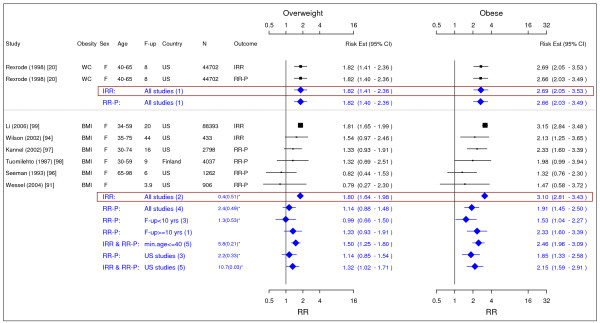
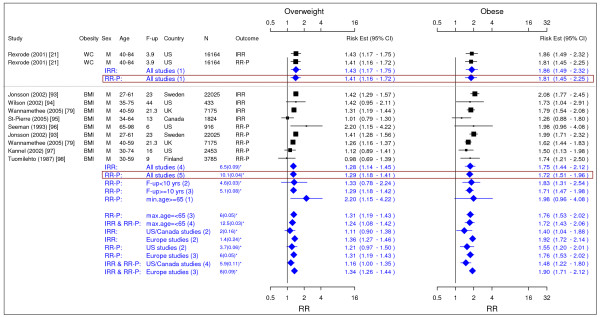
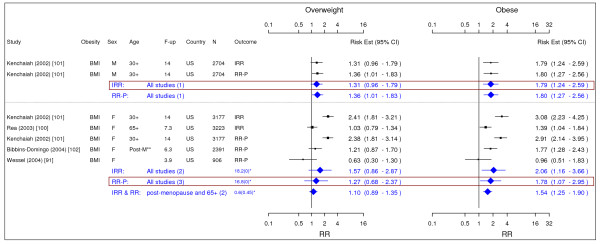
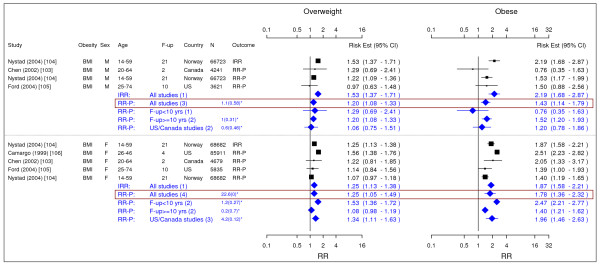
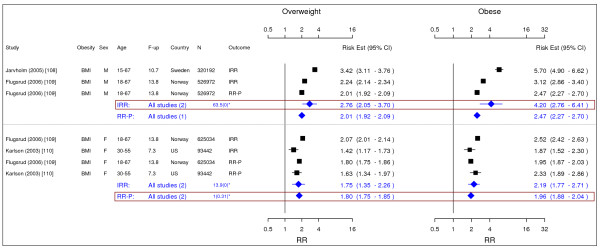
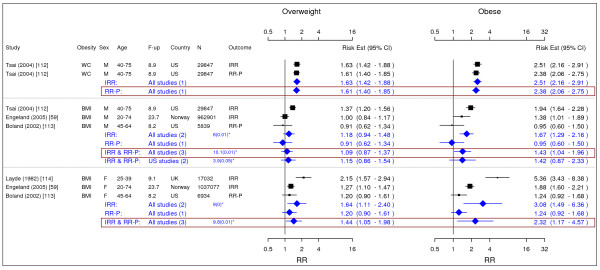
Background: Overweight and obese persons are at risk of a number of medical conditions which can lead to further morbidity and mortality. The primary objective of this study is to provide an estimate of the incidence of each co-morbidity related to obesity and overweight using a meta-analysis. Methods: A literature search for the twenty co-morbidities identified in a preliminary search was conducted in Medline and Embase (Jan 2007). Studies meeting the inclusion criteria (prospective cohort studies of sufficient size reporting risk estimate based on the incidence of disease) were extracted. Study-specific unadjusted relative risks (RRs) on the log scale comparing overweight with normal and obese with normal were weighted by the inverse of their corresponding variances to obtain a pooled RR with 95% confidence intervals (CI). Results: A total of 89 relevant studies were identified. The review found evidence for 18 co-morbidities which met the inclusion criteria. The meta-analysis determined statistically significant associations for overweight with the incidence of type II diabetes, all cancers except esophageal (female), pancreatic and prostate cancer, all cardiovascular diseases (except congestive heart failure), asthma, gallbladder disease, osteoarthritis and chronic back pain. We noted the strongest association between overweight defined by body mass index (BMI) and the incidence of type II diabetes in females (RR = 3.92 (95% CI: 3.10–4.97)). Statistically significant associations with obesity were found with the incidence of type II diabetes, all cancers except esophageal and prostate cancer, all cardiovascular diseases, asthma, gallbladder disease, osteoarthritis and chronic back pain. Obesity defined by BMI was also most strongly associated with the incidence of type II diabetes in females (12.41 (9.03–17.06)). Conclusion: Both overweight and obesity are associated with the incidence of multiple co-morbidities including type II diabetes, cancer and cardiovascular diseases. Maintenance of a healthy weight could be important in the prevention of the large disease burden in the future. Further studies are needed to explore the biological mechanisms that link overweight and obesity with these co-morbidities.
Overview
The claims and statistics of this paper haven’t been checked yet.
Free: it reads the open-access text and checks the first 5 claims that cite a source we can check. Create a free account to check every claim.
Integrity signals
Registry
Cites
Statistics
Figures
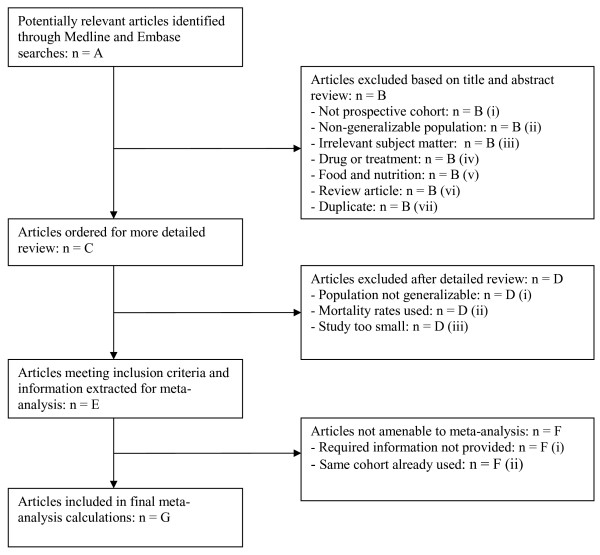
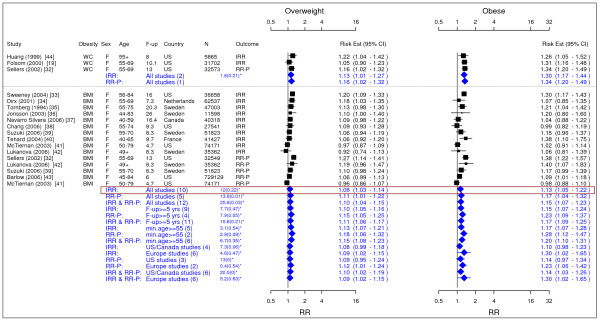
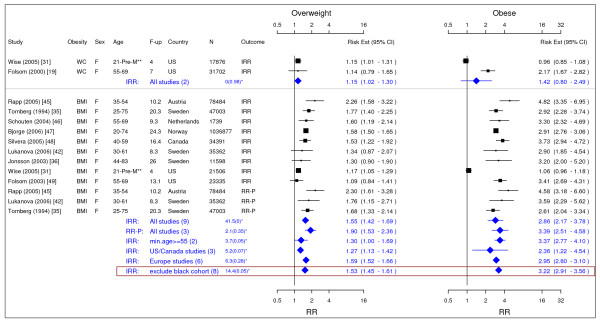
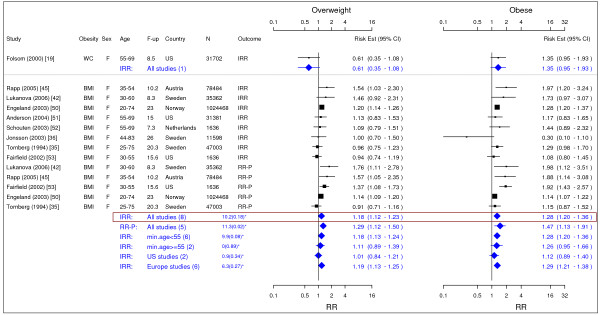
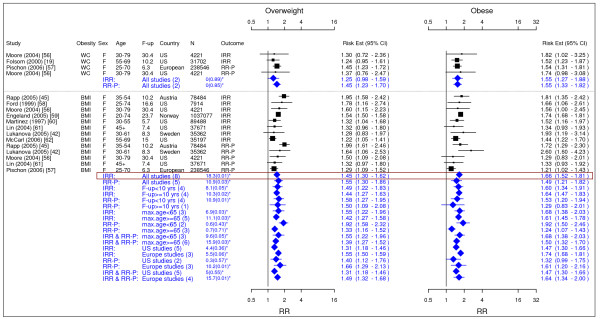
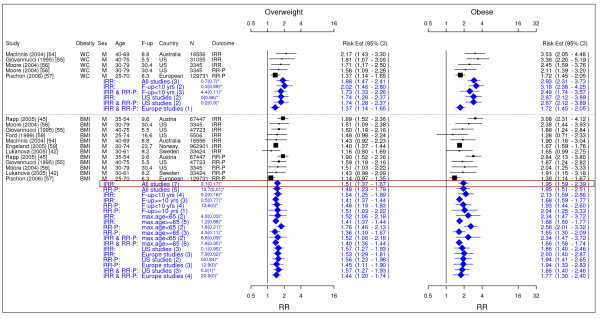
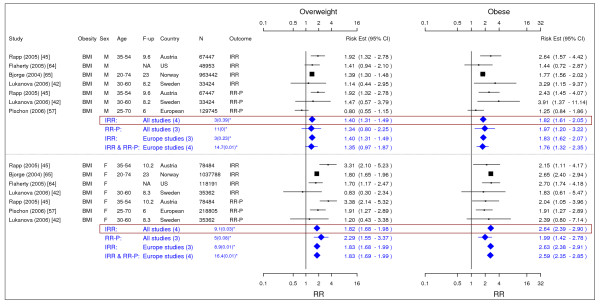
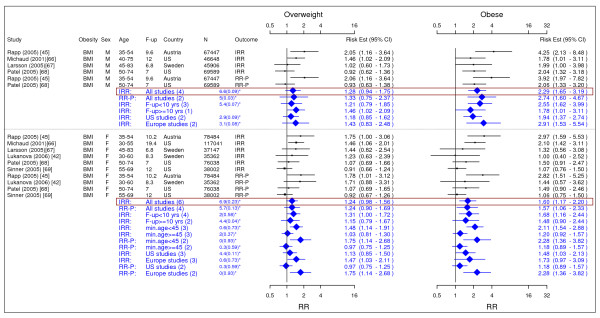
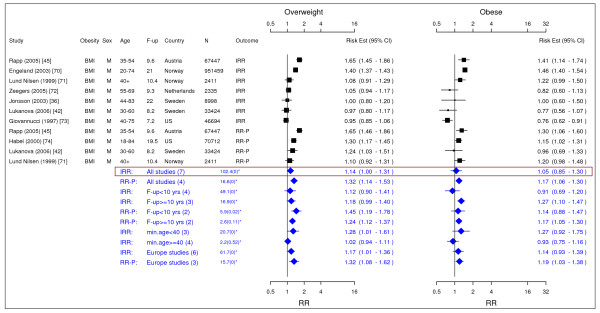
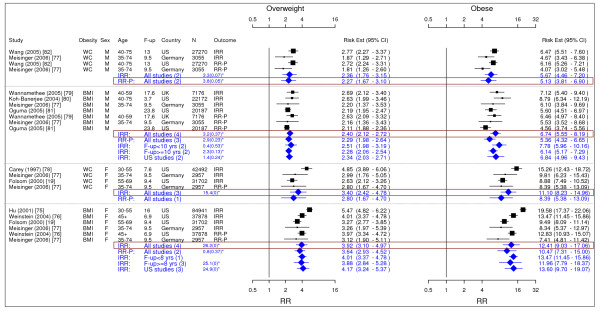
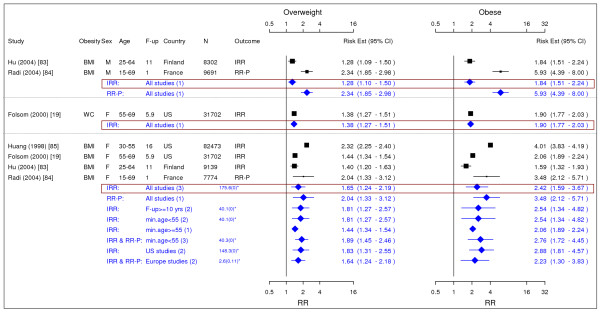
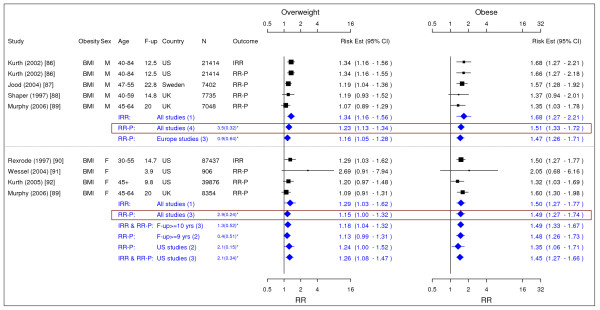
Verification
Claims the paper makes
The claims and statistics of this paper haven’t been checked yet.
Free: it reads the open-access text and checks the first 5 claims that cite a source we can check. Create a free account to check every claim.
Claims other papers make about this one
Each is checked against this paper’s own text: does it say what the citing paper says it does?
The source backs part of the claim, not all of it — or backs it for a different population, condition or comparison.
In the citing paper
“Obesity is a burgeoning worldwide epidemic and contributes to the pathogenesis and progression of numerous complications, including obstructive sleep apnea (OSA), osteoarthritis (OA), type 2 diabetes (T2D) and cardiovascular disease (CVD).”
From Retatrutide for the treatment of obesity, obstructive sleep apnea and knee osteoarthritis: Rationale and design of the TRIUMPH registrational clinical trials (2026) · cites this paper as [2]
Experimental — accuracy not yet measured
Self-check
Percentages, sums and reported differences re-computed from the paper’s own numbers.
The self-check needs the paper’s full text.
Citations
Cites
Bias in meta-analysis detected by a simple, graphical test
Egger, M., Smith, G. D., Schneider, M., & Minder, C. (1997) · BMJ · doi:10.1136/bmj.315.7109.629 · Cited by 56,722 · cited 1×
“Potential publication bias was visually inspected by funnel plots and tested by asymmetry tests [29,30]; however it was performed only on those meta-analyses which included sufficient number of studies (N>5).”
MethodMeta-analysis in clinical trials
DerSimonian, R., & Laird, N. (1986) · Controlled Clinical Trials · doi:10.1016/0197-2456(86)90046-2 · Cited by 39,552 · cited 2×
“The Q statistic was also calculated to assess the homogeneity of RRs (log scale) [28].”
Method(2000) · PubMed · Cited by 13,173
Obesity : Preventing and managing the global epidemic
Akram, D. S., Astrup, A. V., Atinmo, T., Boissin, J.-L., Bray, G. A., Carroll, K. N., Chitson, P., Chen, C., Dietz, W. H., Hill, J. O., et al. (2000) · Research at the University of Copenhagen (University of Copenhagen) · Cited by 12,945
‘Small Changes' to Diet and Physical Activity Behaviors for Weight Management
Hills, A. P., Byrne, N. M., Lindstrom, R., & Hill, J. O. (2013) · Obesity Facts · doi:10.1159/000345030 · Cited by 9,493
Child abuse: Adolescent records vs. adult recall
Femina, D. D., Yeager, C. A., & Lewis, D. O. (1990) · Child Abuse & Neglect · doi:10.1016/0145-2134(90)90033-p · Cited by 8,820
Renehan, A. G., Tyson, M., Egger, M., Heller, R. F., & Zwahlen, M. (2008) · The Lancet · doi:10.1016/s0140-6736(08)60269-x · Cited by 5,219
Funnel plots for detecting bias in meta-analysis
Sterne, J. A. C., & Egger, M. (2001) · Journal of Clinical Epidemiology · doi:10.1016/s0895-4356(01)00377-8 · Cited by 3,779 · cited 1×
“Potential publication bias was visually inspected by funnel plots and tested by asymmetry tests [29,30]; however it was performed only on those meta-analyses which included sufficient number of studies (N>5).”
MethodHaslam, D. W., & James, W. P. T. (2005) · The Lancet · doi:10.1016/s0140-6736(05)67483-1 · Cited by 3,757
European Guidelines for Obesity Management in Adults
Yumuk, V., Tsigos, C., Fried, M., Schindler, K., Busetto, L., Micic, D., & Toplak, H. (2015) · Obesity Facts · doi:10.1159/000442721 · Cited by 3,432
Research works printed but not linked: 1
- Health Canada: Canadian Guidelines for Body Weight Classification in Adults. Ottawa. 2003, [http://www.hc-sc.gc.ca/fn-an/nutrition/weights-poids/guide-ld-adult/weight_book_tc-livres_des_poids_tm-eng.php]
Cited by
Items 1,001–1,039 of 1,039
Lehner, R., Balsters, J. H., Bürgler, A., Hare, T. A., & Wenderoth, N. (2017) · Frontiers in Psychiatry · doi:10.3389/fpsyt.2017.00230 · Cited by 37
“The worldwide increase of individuals being overweight or obese produces a high medical and psychosocial burden (1–4), particularly since this condition is related to several comorbidities, such as cardiovascular disease, which is known as the global leading cause of death (2, 4).”
BackgroundClinical Definition of Overweight and Obesity
Garvey, W. T. (2018) · Springer eBooks · doi:10.1007/978-3-319-95655-8_7 · Cited by 46
Nonsurgical weight loss interventions: a systematic review of systematic reviews and meta-analyses
Twells, L. K., Harris Walsh, K., Blackmore, A., Adey, T., Donnan, J., Peddle, J., Ryan, D., Farrell, A., Nguyen, H., Gao, Z., et al. (2021) · Obesity Reviews · doi:10.1111/obr.13320 · Cited by 33
“Obesity increases the risk of developing chronic conditions such as heart disease, cancer, stroke, and diabetes.(5) It can impair health-related quality of life(6) and increase the risk of premature mortality.”
BackgroundFarup, P. G., Lydersen, S., & Valeur, J. (2019) · Journal of Obesity · doi:10.1155/2019/4608315 · Cited by 29
le Roux, C. W., Fils-Aimé, N., Camacho, F., Gould, E., & Barakat, M. (2022) · eClinicalMedicine · doi:10.1016/j.eclinm.2022.101436 · Cited by 28
Evaluating an Internet-based program and a behavioral coach for increasing physical activity.
Valbuena, D., Miltenberger, R., & Solley, E. (2015) · Behavior Analysis: Research and Practice · doi:10.1037/bar0000013 · Cited by 26
Body mass index and sleep disturbances: a systematic review and meta-analysis
Amiri, S. (2023) · Postępy Psychiatrii i Neurologii · doi:10.5114/ppn.2023.129067 · Cited by 26
“In this regard, the increase in BMI in the form of overweight and obesity is associated with a range of diseases that are threats to health, such as mortality [5-7], cancer [8-11], diabetes [12-14], reduced quality of life [15-17], depression [18, 19], work-related issues [20-22], and other mental health issues [23, 2…”
Perspectives in weight control in diabetes - survodutide
Klein, T., Augustin, R., & Hennige, A. M. (2024) · Diabetes Research and Clinical Practice · doi:10.1016/j.diabres.2023.110779 · Cited by 25
Kalmar, C. L., Park, B. C., Kassis, S., Higdon, K. K., & Perdikis, G. (2022) · Journal of Plastic, Reconstructive & Aesthetic Surgery · doi:10.1016/j.bjps.2022.04.057 · Cited by 25
GIUSTI, E. M., SPATOLA, C. A., BRUNANI, A., KUMBHARE, D., ORAL, A., ILIEVA, E., KIEKENS, C., PIETRABISSA, G., MANZONI, G. M., IMAMURA, M., et al. (2020) · European Journal of Physical and Rehabilitation Medicine · doi:10.23736/s1973-9087.20.06232-2 · Cited by 25
Effects of fresh mango consumption on cardiometabolic risk factors in overweight and obese adults
Rosas, M., Pinneo, S., O'Mealy, C., Tsang, M., Liu, C., Kern, M., Hooshmand, S., & Hong, M. Y. (2022) · Nutrition, Metabolism and Cardiovascular Diseases · doi:10.1016/j.numecd.2021.11.001 · Cited by 25
Discovery of a role of the novel hepatokine, hepassocin, in obesity
Huang, R., Li, C., Du, Y., Cheng, K., Lin, C., Hu, C., Wu, J. S., Chang, C., Wu, H., & Ou, H. (2020) · BioFactors · doi:10.1002/biof.1574 · Cited by 24
Benito, P. J., Bermejo, L. M., Peinado, A. B., López-Plaza, B., Cupeiro, R., Szendrei, B., Calderón, F. J., Castro, E. A., & Gómez-Candela, C. (2015) · Journal of Applied Physiology · doi:10.1152/japplphysiol.00928.2014 · Cited by 23
“THE MAJORITY OF EPIDEMIOLOGICAL studies indicate excess body weight during midlife to be associated with an increased risk of all-cause mortality (1, 9, 33).”
BackgroundThe risk of cardiovascular complications with current obesity drugs
Chao, A. M., Wadden, T. A., Berkowitz, R. I., Quigley, K., & Silvestry, F. (2020) · Expert Opinion on Drug Safety · doi:10.1080/14740338.2020.1806234 · Cited by 23
Schiavo, L., Santella, B., Mingo, M., Rossetti, G., Orio, M., Cobellis, L., Maurano, A., Iannelli, A., & Pilone, V. (2025) · Nutrients · doi:10.3390/nu17071216 · Cited by 22
Young, M. D., Collins, C. E., Callister, R., Plotnikoff, R. C., Doran, C. M., & Morgan, P. J. (2014) · Contemporary Clinical Trials · doi:10.1016/j.cct.2013.11.004 · Cited by 19
“Furthermore, obesity is linked to a rapidly expanding list of co-morbidities such as osteoarthritis, hypertension, asthma, sleep apnoea, chronic back pain, sexual dysfunction and depression [4, 5].”
BackgroundDemine, S., Tejerina, S., Bihin, B., Thiry, M., Reddy, N., Renard, P., Raes, M., Jadot, M., & Arnould, T. (2018) · Journal of Cellular Physiology · doi:10.1002/jcp.25994 · Cited by 21
“with other features such as dyslipidemia, hypertension, hyperinsulinemia, insulin resistance, and type 2 diabetes mellitus as well as some forms of cancer (Guh et al., 2009).”
BackgroundInfluentialCengiz, A., Wu, C. C., & Lawley, S. D. (2025) · Diabetes, Obesity and Metabolism · doi:10.1111/dom.16229 · Cited by 20
“2,3 In the United States (US), approximately 71% of adults are overweight (defined as having a body mass index (BMI) in kg/m 2 greater than or equal to 25), including 41% who are obese (BMI ≥ 30) and 8% who are severely obese (BMI ≥ 40).”
Ramezani-Jolfaie, N., Mohammadi, M., & Salehi-Abargouei, A. (2020) · Eating and Weight Disorders - Studies on Anorexia, Bulimia and Obesity · doi:10.1007/s40519-019-00773-x · Cited by 20
Sirtuins-Mediators of Maternal Obesity-Induced Complications in Offspring?
Nguyen, L. T., Chen, H., Pollock, C. A., & Saad, S. (2016) · The FASEB Journal · doi:10.1096/fj.15-280743 · Cited by 19
Benito, P. J., López-Plaza, B., Bermejo, L. M., Peinado, A. B., Cupeiro, R., Butragueño, J., Rojo-Tirado, M. A., González-Lamuño, D., Gómez-Candela, C., & on behalf of the PRONAF Study Group (2020) · International Journal of Environmental Research and Public Health · doi:10.3390/ijerph17072596 · Cited by 18
Biesiekierska, M., Strigini, M., Śliwińska, A., Pirola, L., & Balcerczyk, A. (2025) · Nutrition Reviews · doi:10.1093/nutrit/nuaf010 · Cited by 18
“115 One of the most serious and even life-threatening complications of diabetes is diabetic ketoacidosis, which appears in conjunction with hyper-glycemia when glucose uptake by tissues is failing because of a lack of insulin (in type 1 diabetes) or insulin resistance.”
Arend, A., Schnepper, R., Lutz, A. P. C., Eichin, K. N., & Blechert, J. (2022) · International Journal of Eating Disorders · doi:10.1002/eat.23683 · Cited by 17
Säll, C., Alifrangis, L., Dahl, K., Friedrichsen, M. H., Nygård, S. B., & Kristensen, K. (2022) · Drug Metabolism and Disposition · doi:10.1124/dmd.122.000865 · Cited by 17
“, 2008), and is associated with increased risk of death and major co-morbidities and complications such as hypertension, hyperglycaemia (pre-diabetes and type 2 diabetes), dyslipidaemia, certain types of cancer, and cardiovascular diseases (Guh et al., 2009).”
BackgroundAlabduljabbar, K., Alsaqaaby, M., Neff, K. J., Crotty, M., & le Roux, C. W. (2023) · Endocrine · doi:10.1007/s12020-023-03534-0 · Cited by 16
“Obesity prevalence has increased rapidly [2] and so have the complications of obesity including Type 2 diabetes, cardiovascular disease, and several malignancies [3, 4].”
Patient initiation and maintenance of GLP-1 RAs for treatment of obesity
Patel, D., & Smith, A. (2021) · Expert Review of Clinical Pharmacology · doi:10.1080/17512433.2021.1947796 · Cited by 16
Scragg, J., Koutoukidis, D. A., Dirksen, C., Heitmann, B. L., & Jebb, S. A. (2025) · Med · doi:10.1016/j.medj.2025.100805 · Cited by 16
Pasqualotto, E., Ferreira, R. O. M., Chavez, M. P., Hohl, A., Ronsoni, M. F., Pasqualotto, T., Moraes, F. C. A. D., Hespanhol, L., Figueiredo Watanabe, J. M., Lütkemeyer, C., et al. (2024) · Metabolism Open · doi:10.1016/j.metop.2024.100321 · Cited by 15
“Numerous complications, including type 2 diabetes (T2D), hypertension, dyslipidemia, and cardiovascular disease, have been correlated with obesity, in addition to an elevated risk of overall mortality [2,3].”
Thorsen, B., Gjeilo, K. H., Sandvik, J., Follestad, T., Græslie, H., & Nymo, S. (2021) · Obesity Surgery · doi:10.1007/s11695-021-05605-5 · Cited by 14
Guy, A., Azab, A. N., Liberty, I. F., Afawi, Z., Alhoashla, A., & Abu Tailakh, M. (2024) · Diabetes, Obesity and Metabolism · doi:10.1111/dom.15436 · Cited by 12
Ren, M., Zhou, X., Lv, L., & Ji, F. (2022) · Journal of Clinical and Translational Hepatology · doi:10.14218/jcth.2021.00448 · Cited by 12
Yang, W., Wu, H., Cai, X., Lin, C., Luo, Y., Hu, S., Li, Z., Jiao, R., Bai, S., Liu, G., et al. (2024) · Obesity Reviews · doi:10.1111/obr.13725 · Cited by 11
Pinckaers, N. E. T., Blankesteijn, W. M., Mircheva, A., Shi, X., Opperhuizen, A., Schooten, F.-J. V., & Vrolijk, M. F. (2024) · Nutrients · doi:10.3390/nu16111567 · Cited by 11
Glucagon-like peptide-1 receptor agonists: a review from a cardiovascular perspective
Turkistani, Y. (2025) · Frontiers in Cardiovascular Medicine · doi:10.3389/fcvm.2025.1535134 · Cited by 10
Watkins, S., Toliver, J. C., Kim, N., Whitmire, S., & Garvey, W. T. (2022) · Journal of Managed Care & Specialty Pharmacy · doi:10.18553/jmcp.2022.22116 · Cited by 10
Iacopi, E., Riitano, N., Dini, V., Berta, R. D., Pieruzzi, L., Janowska, A., Anselmino, M., Piaggesi, A., & Romanelli, M. (2020) · Diabetes, Metabolic Syndrome and Obesity: Targets and Therapy · doi:10.2147/dmso.s229042 · Cited by 9
Ahmed, H. O. (2018) · Annals of Medicine and Surgery · doi:10.1016/j.amsu.2017.12.008 · Cited by 6
“Morbid obesity is related to illnesses and medical conditions such as Type 2 diabetes mellitus, coronary illness, stroke, hypertension and malignancies, joint degeneration, liver disorders, venous stasis and urinary incontinence [6].”
BackgroundAbulehia, A., Ayesh, H., Ayesh, O., Jaber, D., Asad, T., Itbaisha, A., Abugharbieh, H., Gharbia, R., Abu‐Hilal, L. H., & Leon, B. G. C. (2026) · Endocrinology, Diabetes & Metabolism · doi:10.1002/edm2.70187 · Cited by 3
Giusti, E. M., Spatola, C. A. M., Brunani, A., Kumbhare, D., Oral, A., Ilieva, E., Kiekens, C., Pietrabissa, G., Manzoni, G. M., Imamura, M., et al. (2020) · The Journal of the International Society of Physical and Rehabilitation Medicine · doi:10.4103/jisprm.jisprm_6_20 · Cited by 2
Metadata
- Authors
- Guh, D. P., Zhang, W., Bansback, N., Amarsi, Z., Birmingham, C. L., & Anis, A. H.
- Affiliations
- St. Paul's Hospital (CA)
- University of British Columbia (CA)
- Corresponding author
- Anis, Aslam H
- Venue
- BMC Public Health
- Published
- 2009-03-25
- Volume
- 9
- Issue
- 1
- Pages
- 88-88
- ISSN
- 1471-2458 (ISSN-L)
- PMC
- PMC2667420
- OpenAlex
- W1994014704
- Semantic Scholar
- 06bc35e6b33ffdad79a7506a26d255e55c810117
- Cited by
- 3,855
- References
- 136
- Citations by year
- 2026: 120 · 2025: 220 · 2024: 249 · 2023: 301 · 2022: 280 · 2021: 338 · 2020: 288 · 2019: 269 · 2018: 283 · 2017: 256 · 2016: 259 · 2015: 251 · 2014: 216 · 2013: 191 · 2012: 139
- FWCI
- 14.57
- Type
- journal article
- Language
- en
- Open access
- gold
- doi.org
- Licence
- Locations
- BMC Public Health (publishedVersion, cc-by)
- PubMed Central (publishedVersion, cc-by)
- PubMed (publishedVersion)
- cIRcle (University of British Columbia) (submittedVersion, cc-by)
- DOAJ (DOAJ: Directory of Open Access Journals) (submittedVersion, cc-by-sa)
- Funders
- Sanofi
- Topics
- Health Sciences › Medicine › Public Health, Environmental and Occupational Health › Obesity, Physical Activity, Diet
- Health Sciences › Medicine › Oncology › Cancer Risks and Factors
- Health Sciences › Medicine › Endocrinology, Diabetes and Metabolism › Diabetes, Cardiovascular Risks, and Lipoproteins
- Keywords
- obesity, overweight, comorbidities, incidence, type 2 diabetes, cancer, cardiovascular disease, asthma, gallbladder disease, osteoarthritis, chronic back pain, body mass index, sex differences
- MeSH terms
- Cardiovascular Diseases, Diabetes Mellitus, Type 2, Female, Gallbladder Diseases, Humans, Male, Neoplasms, Obesity, Osteoarthritis, Comorbidity, Incidence, Overweight
About these checks
Registry, retraction, Cites and statistics results are computed, not judged, with one exception: a printed reference that no index lists is read once by a model before it counts as a citation error. Claims are extracted by a model and kept only when their quote appears verbatim in the text; each cited source is then checked, with a model’s help, for whether it says what the claim relies on. Those verdicts can be wrong — read the claim’s quote and the cited source before relying on one.
Statistics and arithmetic are recomputed, not judged.
Confidence bands are shown only for fields calibrated on our annotated test set. None is calibrated yet, so no band is shown.
What counts as a claim ›How we measure confidence ›How we check this ›
Are you an author, or do you see a problem with this page? Request a review
Data sources
Bibliographic data: Semantic Scholar, OpenAlex, Crossref.
Contains information from the Semantic Scholar Academic Graph Datasets, made available under the ODC Attribution License (ODC-BY 1.0).
Semantic Scholar’s data is described in: Kinney, R., et al. (2023). The Semantic Scholar Open Data Platform. arXiv:2301.10140.
