

Topically applied vitamin C increases the density of dermal papillae in aged human skin
Open accessThe DOI matches its Crossref record; 27 of the 27 references it cites were found in a registry or an index.
Abstract
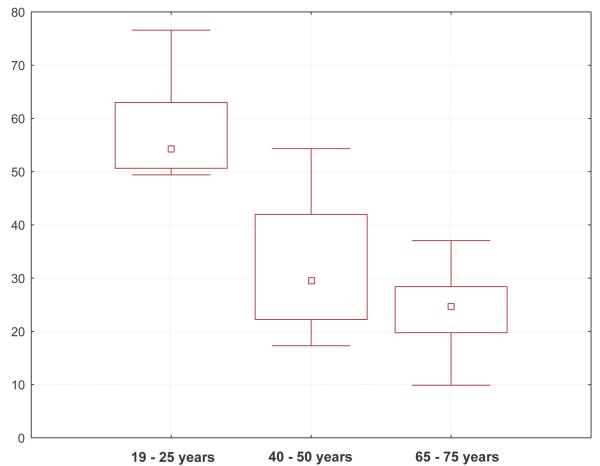
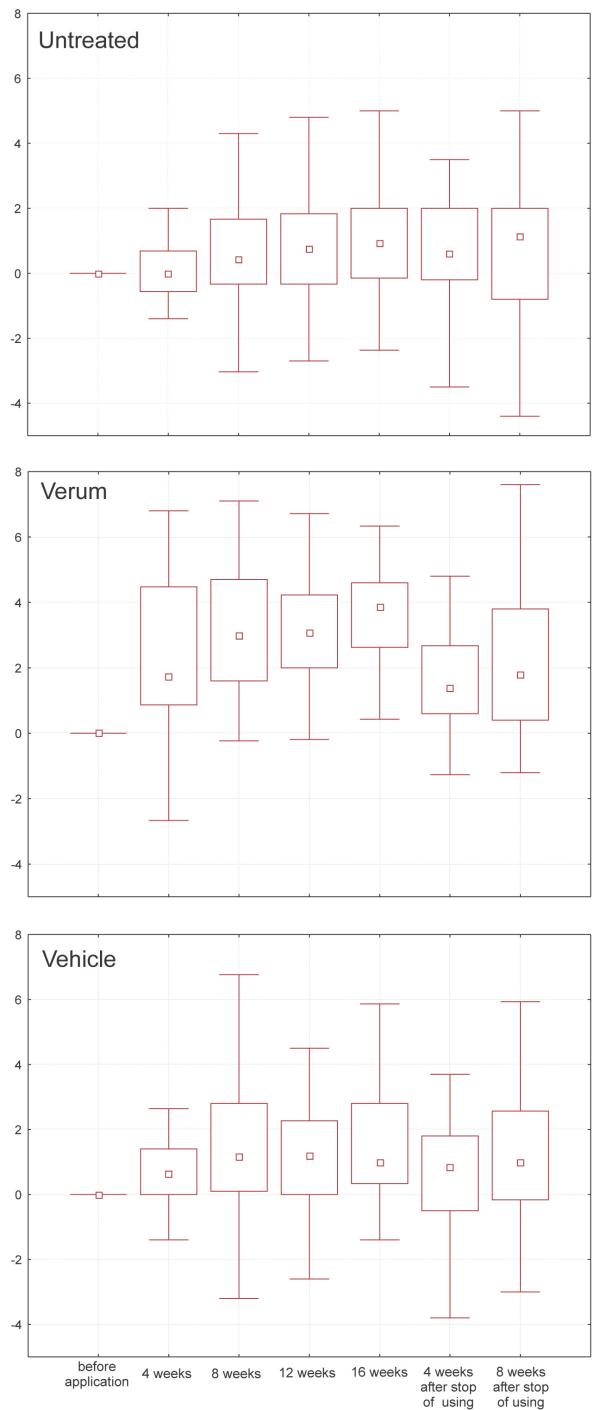
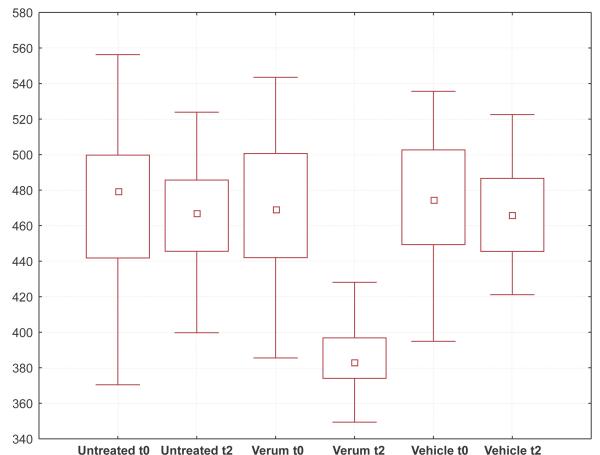
Background: The influence of ageing on the density of the functional entities of the papillae containing nutritive capillaries, here in terms as the papillary index, and the effect of topically applied vitamin C were investigated by confocal laser scanning microscopy (CLSM) in vivo. Methods: The age dependency of the papillary index was determined by CLSM on 3 different age groups. Additionally, we determined the effect of a topical cream containing 3% vitamin C against the vehicle alone using daily applications for four months on the volar forearm of 33 women. Results: There were significant decreases in the papillary index showing a clear dependency on age. Topical vitamin C resulted in a significant increase of the density of dermal papillae from 4 weeks onward compared to its vehicle. Reproducibility was determined in repeated studies. Conclusions: Vitamin C has the potential to enhance the density of dermal papillae, perhaps through the mechanism of angiogenesis. Topical vitamin C may have therapeutical effects for partial corrections of the regressive structural changes associated with the aging process.
Overview
The claims and statistics of this paper haven’t been checked yet.
Free: it reads the open-access text and checks the first 5 claims that cite a source we can check. Create a free account to check every claim.
Integrity signals
Registry
Cites
Statistics
Figures
Verification
Claims the paper makes
The claims and statistics of this paper haven’t been checked yet.
Free: it reads the open-access text and checks the first 5 claims that cite a source we can check. Create a free account to check every claim.
Claims other papers make about this one
Each is checked against this paper’s own text: does it say what the citing paper says it does?
The source backs part of the claim, not all of it — or backs it for a different population, condition or comparison.
In the citing paper
“When plasma levels are low, some vitamin C can be delivered to the epidermal layer by topical application, although the efficacy of this is dependent on the formulation of the cream or serum used on the skin [51,52,53,54,55].”
From The Roles of Vitamin C in Skin Health. (2017) · cites this paper as [55]
Experimental — accuracy not yet measuredThe check wasn’t confident either way, so it gives no verdict — never disputed.
In the citing paper
“Some studies have indicated that topical application of vitamin C may result in decreased roughness, although this may depend more on the formulation of the cream than on the vitamin C content [52,55].”
From The Roles of Vitamin C in Skin Health. (2017) · cites this paper as [55]
Experimental — accuracy not yet measured
Self-check
Percentages, sums and reported differences re-computed from the paper’s own numbers.
The self-check needs the paper’s full text.
Citations
Cites
Molecular Mechanisms of Stress-Responsive Changes in Collagen and Elastin Networks in Skin
Aziz, J., Shezali, H., Radzi, Z., Yahya, N. A., Abu Kassim, N. H., Czernuszka, J., & Rahman, M. T. (2016) · Skin Pharmacology and Physiology · doi:10.1159/000447017 · Cited by 7,323
In Vivo Confocal Scanning Laser Microscopy of Human Skin: Melanin Provides Strong Contrast
Rajadhyaksha, M., Grossman, M., Esterowitz, D., Webb, R. H., & Rox Anderson, R. (1995) · Journal of Investigative Dermatology · doi:10.1111/1523-1747.ep12606215 · Cited by 1,093
Rajadhyaksha, M., González, S., Zavislan, J. M., Rox Anderson, R., & Webb, R. H. (1999) · Journal of Investigative Dermatology · doi:10.1046/j.1523-1747.1999.00690.x · Cited by 834 · cited 1×
“Comparison of confocal images with corresponding histological sections have been made by the group of Gonzales to validate the method [2-5].”
MethodBerg, R. A., & Prockop, D. J. (1973) · Biochemical and Biophysical Research Communications · doi:10.1016/0006-291x(73)90961-3 · Cited by 582 · cited 1×
“The main mechanism for the symptoms of scurvy seems to be the instability of non-hydroxylated forms of collagen, as vitamin C is needed for the hydroxylation of prolin [11].”
BackgroundThe Cutaneous Microcirculation
Braverman, I. M. (2000) · Journal of Investigative Dermatology Symposium Proceedings · doi:10.1046/j.1087-0024.2000.00010.x · Cited by 486 · cited 1×
“Each papilla contains a single nutritive capillary loop [7].”
BackgroundStructural Alterations in Exposed and Unexposed Aged Skin
Lavker, R. M. (1979) · Journal of Investigative Dermatology · doi:10.1111/1523-1747.ep12532763 · Cited by 460 · cited 2×
“A functional dermal-epidermal junction provides a better protection against mechanical stress which might detach the epidermis and lead to erosions [22].”
BackgroundReal-time, in vivo confocal reflectance microscopy of basal cell carcinoma
González, S., & Tannous, Z. (2002) · Journal of the American Academy of Dermatology · doi:10.1067/mjd.2002.124690 · Cited by 290 · cited 1×
“Comparison of confocal images with corresponding histological sections have been made by the group of Gonzales to validate the method [2-5].”
MethodAged Skin: A Study by Light, Transmission Electron, and Scanning Electron Microscopy.
Lavker, R. M., Zheng, P., & Dong, G. (1987) · Journal of Investigative Dermatology · doi:10.1111/1523-1747.ep12468934 · Cited by 274
Nusgens, B. V., Colige, A. C., Lambert, C. A., Lapière, C. M., Humbert, P., Rougier, A., Haftek, M., Richard, A., & Creidi, P. (2001) · Journal of Investigative Dermatology · doi:10.1046/j.0022-202x.2001.01362.x · Cited by 262 · cited 1×
“Topical vitamin C increases the mRNA levels of collagens I and III, and their processing enzymes in humans [17,18].”
BackgroundHumbert, P. G., Haftek, M., Creidi, P., Lapière, C., Nusgens, B., Richard, A., Schmitt, D., Rougier, A., & Zahouani, H. (2003) · Experimental Dermatology · doi:10.1034/j.1600-0625.2003.00008.x · Cited by 255 · cited 2×
“Humbert showed the potential of ascorbic acid to improve the clinical appearance of photoaged skin and to reduce facial wrinkles [19,20].”
Background
Cited by
Intrinsic and extrinsic factors in skin ageing: a review
Farage, M. A., Miller, K. W., Elsner, P., & Maibach, H. I. (2008) · International Journal of Cosmetic Science · doi:10.1111/j.1468-2494.2007.00415.x · Cited by 950
“With acute sun exposure, genes with reparative, protective or apoptotic functions as well as stress communication genes are rapidly activated [19, 57, 58].”
BackgroundThe Roles of Vitamin C in Skin Health.
Pullar, J., Carr, A., & Vissers, M. (2017) · Nutrients · doi:10.3390/nu9080866 · Cited by 756
Structural Characteristics of the Aging Skin: A Review
Farage, M. A., Miller, K. W., Elsner, P., & Maibach, H. I. (2007) · Cutaneous and Ocular Toxicology · doi:10.1080/15569520701622951 · Cited by 266
“Keratinocytes, as skin ages, change shape, becoming shorter and fatter (24) whereas corneocytes in aged skin become bigger as a result of decreased epidermal turnover (21,25).”
BackgroundMicroneedles for Transdermal Biosensing: Current Picture and Future Direction
Ventrelli, L., Marsilio Strambini, L., & Barillaro, G. (2015) · Advanced Healthcare Materials · doi:10.1002/adhm.201500450 · Cited by 235
Antioxidants and Reactive Oxygen Species: Shaping Human Health and Disease Outcomes
Manful, C. F., Fordjour, E., Subramaniam, D., Sey, A. A., Abbey, L., & Thomas, R. (2025) · International Journal of Molecular Sciences · doi:10.3390/ijms26157520 · Cited by 219
“Topical application of Vit C in RCT significantly increased the density of dermal papillae in aged human skin [223].”
Triphala Promotes Healing of Infected Full-Thickness Dermal Wound
Kumar, M. S., Kirubanandan, S., Sripriya, R., & Sehgal, P. K. (2008) · Journal of Surgical Research · doi:10.1016/j.jss.2007.02.049 · Cited by 208
“Moreover, Triphala contains ascorbic acid, which acts as a cofactor for the synthesis of collagen as well as elastin fibers [38].”
BackgroundSkin care and rejuvenation by cosmeceutical facial mask
Nilforoushzadeh, M. A., Amirkhani, M. A., Zarrintaj, P., Salehi Moghaddam, A., Mehrabi, T., Alavi, S., & Mollapour Sisakht, M. (2018) · Journal of Cosmetic Dermatology · doi:10.1111/jocd.12730 · Cited by 196
“Topical vitamin C may have therapeutic effects by partially correcting the regressive structural changes associated with the aging process.(36)”
BackgroundWound Healing Potential of Elaeis guineensis Jacq Leaves in an Infected Albino Rat Model
Sasidharan, S., Nilawatyi, R., Xavier, R., Latha, L. Y., & Rajoo, A. (2010) · Molecules · doi:10.3390/molecules15053186 · Cited by 176
“Moreover, as shown in previous studies, oil palm contains ascorbic acid, which acts as a cofactor for the synthesis of collagen as well as elastin fibers [14].”
MethodMaione-Silva, L., de Castro, E. G., Nascimento, T. L., Cintra, E. R., Moreira, L. C., Cintra, B. A. S., Valadares, M. C., & Lima, E. M. (2019) · Scientific Reports · doi:10.1038/s41598-018-36682-9 · Cited by 144
Feeding the skin: A new trend in food and cosmetics convergence
Faria-Silva, C., Ascenso, A., Costa, A. M., Marto, J., Carvalheiro, M., Ribeiro, H. M., & Simões, S. (2020) · Trends in Food Science & Technology · doi:10.1016/j.tifs.2019.11.015 · Cited by 162
Evolution of the use of antioxidants in anti‐ageing cosmetics
Silva, S., Ferreira, M., Oliveira, A. S., Magalhães, C., Sousa, M. E., Pinto, M., Sousa Lobo, J. M., & Almeida, I. F. (2019) · International Journal of Cosmetic Science · doi:10.1111/ics.12551 · Cited by 96
“The effect of topically applied vitamin C was investigated by confocal laser scanning microscopy in vivo and this ingredient was hypothesized to have therapeutic effects for partial corrections of the regressive structural changes associated with the ageing process [43].”
BackgroundIn vivo reflectance‐mode confocal microscopy in clinical dermatology and cosmetology
González, S., & Gilaberte, Y. (2008) · International Journal of Cosmetic Science · doi:10.1111/j.1468-2494.2008.00406.x · Cited by 126
“This decrease is more pronounced between the age of 18 and 50 than in older women (65- to 80-years-old) [51].”
BackgroundBiodegradable antioxidant chitosan films useful as an anti-aging skin mask
Afonso, C., Hirano, R. S., Gaspar, A. L., das Chagas, E. G. L., de Carvalho, R. A., da Silva, F. V., Leonardi, G. R., Lopes, P. S., Silva, C. F., & Yoshida, C. M. P. (2019) · International Journal of Biological Macromolecules · doi:10.1016/j.ijbiomac.2019.04.052 · Cited by 125
Skin Health from the Inside Out
Woodby, B., Penta, K., Pecorelli, A., Lila, M. A., & Valacchi, G. (2020) · Annual Review of Food Science and Technology · doi:10.1146/annurev-food-032519-051722 · Cited by 109
Changes in dermal papilla structures due to aging in the facial cheek region
Mizukoshi, K., Yonekura, K., Futagawa, M., Nakamura, T., Hirayama, K., & Takahashi, K. (2014) · Skin Research and Technology · doi:10.1111/srt.12180 · Cited by 92
“number of dermal papilla structures and their heights decreased with age (8–12) and that the dermal papilla structure increased by applying vitamin C on the inner forearm (13).”
BackgroundHolowatz, L. A., Thompson, C. S., & Kenney, W. L. (2006) · American Journal of Physiology-Heart and Circulatory Physiology · doi:10.1152/ajpheart.00648.2006 · Cited by 91
“Moreover, in human skin, topical administration of 3–8% Asc solutions reduces oxidant stress associated with aging (19, 31) and induced by exposure to ultaviolet irradiation (7, 22).”
BackgroundYeo, Y. H., & Park, W. H. (2021) · Carbohydrate Polymers · doi:10.1016/j.carbpol.2021.117705 · Cited by 84
Ascorbic acid for the healing of skin wounds in rats
Lima, C., Pereira, A., Silva, J., Oliveira, L., Resck, M. C. C., Grechi, C., Bernardes, M., Olímpio, F., Santos, A., Incerpi, E. K., et al. (2009) · Brazilian Journal of Biology · doi:10.1590/s1519-69842009000500026 · Cited by 83
“The topical application of vitamin C partially restores the anatomical structure of the epidermal-dermal junction in young skin and it increases the number of nutritive capillary loops in the papillary dermis (Kirsten et al., 2004).”
BackgroundCorrie, S. R., Fernando, G. J. P., Crichton, M. L., Brunck, M. E. G., Anderson, C. D., & Kendall, M. A. F. (2010) · Lab on a Chip · doi:10.1039/c0lc00068j · Cited by 74
The role of vitamin C in pushing back the boundaries of skin aging: An ultrasonographic approach
Crisan, D., Roman, I., Scharffetter-Kochanek, K., Crisan, M., & Badea, R. (2015) · Clinical Cosmetic and Investigational Dermatology · doi:10.2147/ccid.s84903 · Cited by 73
“Several experimental studies on animals and human have established the important role of vitamin C in the synthesis, remodeling, and maintenance of the dermal extracellular matrix.(11,12) Vitamin C is a natural antioxidant that has been shown to be extremely effective for preventing and treating skin aging (it protect…”
Lagarrigue, S. G., George, J., Questel, E., Lauze, C., Meyer, N., Lagarde, J., Simon, M., Schmitt, A., Serre, G., & Paul, C. F. (2012) · Experimental Dermatology · doi:10.1111/j.1600-0625.2012.01451.x · Cited by 70
Greive, K., Tran, D., Townley, J., & Barnes, T. (2014) · Clinical, Cosmetic and Investigational Dermatology · doi:10.2147/ccid.s75439 · Cited by 52
Wound Healing Activity of Elaeis guineensis Leaf Extract Ointment
Sasidharan, S., Logeswaran, S., & Latha, L. Y. (2011) · International Journal of Molecular Sciences · doi:10.3390/ijms13010336 · Cited by 70
Zhong, J., Zhao, N., Song, Q., Du, Z., & Shu, P. (2024) · Journal of Cosmetic Dermatology · doi:10.1111/jocd.16415 · Cited by 68
“93 The combination of vitamin C and retinoid substances can promote the synthesis of ceramides and the regeneration of skin surface lipids, thereby stimulating sebum secretion on the face and neck.”
Formulation and stability of ascorbic acid in topical preparations
Sheraz, M. A., Ahmad, I., Vaid, F. M., Ahmed, S., Shaikh, R., & Iqbal, K. (2011) · Systematic Reviews in Pharmacy · doi:10.4103/0975-8453.86296 · Cited by 65
“and ascorbyl palmitate as an ingredient of anti-aging cosmetic products.[10-28] It exerts several functions on the skin such as collagen synthesis, depigmentation and antioxidant activity.”
BackgroundIn vivo confocal microscopy in dermatology: from research to clinical application
Ulrich, M., & Lange‐Asschenfeldt, S. (2013) · Journal of Biomedical Optics · doi:10.1117/1.jbo.18.6.061212 · Cited by 57
“Further analyses have focused on the therapeutic effects of topically applied antioxidants such as Vit-C for skin aging.(43) These investigations have shown that five weeks of topical Vit-C application resulted in a significant increase in dermal papillary density, compared to vehicle treated control.”
BackgroundDegenerative Changes in Aging Skin
Farage, M. A., Miller, K. W., & Maibach, H. I. (2015) · Springer eBooks · doi:10.1007/978-3-642-27814-3_4-2 · Cited by 45
Silva, A. M., Costa, P., Delerue-Matos, C., Latocha, P., & Rodrigues, F. (2021) · Trends in Food Science & Technology · doi:10.1016/j.tifs.2021.08.031 · Cited by 30
Hatje, L. K., Richter, C., Blume‐Peytavi, U., & Kottner, J. (2014) · British Journal of Dermatology · doi:10.1111/bjd.13298 · Cited by 42
Vitamins and cutaneous wound healing
Sinno, S., Lee, D. S., & Khachemoune, A. (2011) · Journal of Wound Care · doi:10.12968/jowc.2011.20.6.287 · Cited by 41
Rajoo, A., Ramanathan, S., Mansor, S. M., & Sasidharan, S. (2020) · Journal of Ethnopharmacology · doi:10.1016/j.jep.2020.113414 · Cited by 40
Ascorbic Acid Treatments as Effective and Safe Anti-Aging Therapies for Sensitive Skin
Jaros-Sajda, A., Budzisz, E., & Erkiert‐Polguj, A. (2024) · Antioxidants · doi:10.3390/antiox13020174 · Cited by 39
“Anti-aging properties ware also confirmed with the use of 3% ascorbic acid for 4 months in a clinical trial, where it significantly increased the density of the papillary layer of skin [28].”
BackgroundBilodeau, D., Dupont, É., Journet, M., Oula, M.-L., Gómez, J. G., Léveillé, C., & Loing, E. (2014) · Clinical Cosmetic and Investigational Dermatology · doi:10.2147/ccid.s53580 · Cited by 40
The truth about over-the-counter topical anti-aging products: A comprehensive review
HUANG, C., & Miller, T. (2007) · Aesthetic Surgery Journal · doi:10.1016/j.asj.2007.05.005 · Cited by 37
Kawasaki, K., Yamanishi, K., & Yamada, H. (2014) · International Journal of Dermatology · doi:10.1111/ijd.12220 · Cited by 36
“increases the number of dermal papillae [31].”
Shirata, M. M. F., & Campos, P. M. B. G. M. (2021) · Photochemistry and Photobiology · doi:10.1111/php.13390 · Cited by 33
“an increased cell proliferation in the epidermis due to increased nutritional support (46).”
BackgroundHumbert, P. G., Fanian, F., Lihoreau, T., Jeudy, A., & Pierard, G. (2017) · Journal of the European Academy of Dermatology and Venereology · doi:10.1111/jdv.14525 · Cited by 32
Nanoemulsion-based patch for the dermal delivery of ascorbic acid
Alkilani, A. Z., Hamed, R., Hussein, G., & Alnadi, S. H. (2021) · Journal of Dispersion Science and Technology · doi:10.1080/01932691.2021.1880924 · Cited by 30
Degenerative Changes in Aging Skin
Farage, M. A., Miller, K. W., & Maibach, H. I. (2009) · Springer eBooks · doi:10.1007/978-3-540-89656-2_4 · Cited by 31
Zduńska‐Pęciak, K., Kołodziejczak, A., & Rotsztejn, H. (2022) · Dermatologic Therapy · doi:10.1111/dth.15254 · Cited by 28
“They showed, with the confocal laser scanning microscopy method, that topical vitamin C may have therapeutic effects enhancing the density of dermal papillae, perhaps through the mechanism of angiogenesis.(18) Vitamin C has a protective effect on the endothelium of the blood vessels of the skin plexuses (it determines…”
BackgroundGu, C., Hu, C., Ma, C., Fang, Q., Tingkang, X., & Xia, Q. (2016) · European Journal of Lipid Science and Technology · doi:10.1002/ejlt.201500373 · Cited by 27
Clinical Assessment of a Mesotherapy Formulation for Skin Rejuvenation in Healthy Volunteers
Grand‐Vincent, A., Boisnic, S., Salomon, C., Prinderre, P., & Piccerelle, P. (2017) · Journal of Cosmetics Dermatological Sciences and Applications · doi:10.4236/jcdsa.2017.74026 · Cited by 25
Kottner, J., Beeckman, D., Vogt, A., & Blume‐Peytavi, U. (2019) · Elsevier eBooks · doi:10.1016/b978-0-12-815028-3.00011-0 · Cited by 24
Novel conformation of hyaluronic acid with improved cosmetic efficacy
Nam, G., Lee, H. W., Jang, J., Kim, C. H., & Kim, K. (2022) · Journal of Cosmetic Dermatology · doi:10.1111/jocd.15555 · Cited by 23
Degenerative Changes in Aging Skin
Farage, M. A., Miller, K. W., & Maïbach, H. I. (2016) · Springer eBooks · doi:10.1007/978-3-662-47398-6_4 · Cited by 22
Kim, K.-T., Lee, J., Kim, M. H., Park, J.-H., Lee, J., Song, J.-H., Jung, M., Jang, M.-H., Cho, H., Yoon, I., et al. (2017) · Drug Delivery · doi:10.1080/10717544.2017.1367975 · Cited by 20
Costello, L., Goncalves, K., Gomez, P. D. L. S., Simpson, A., Maltman, D. J., Ritchie, P., Tasseff, R. A., Isfort, R. J., DiColandrea, T., Wei, X., et al. (2023) · Experimental Dermatology · doi:10.1111/exd.14754 · Cited by 18
Longo, C. (2016) · Dermatologic Clinics · doi:10.1016/j.det.2016.05.014 · Cited by 17
Markiewicz‐Tomczyk, A., Budzisz, E., & Erkiert‐Polguj, A. (2023) · Journal of Clinical Medicine · doi:10.3390/jcm12051869 · Cited by 16
“[35] report that the application of 3% vitamin C on the forearm of women improved the density of dermal papillae, probably via angiogenesis, suggesting that this compound can partially correct aging-related regressive structural changes.”
BackgroundShin, M. K., Kim, M., Baek, J. H., Yoo, M., Koh, J., Lee, S., & Lee, M. (2012) · Skin Research and Technology · doi:10.1111/srt.12003 · Cited by 16
“(18) reported that topical application of vitamin C resulted in a significant increase in the density of dermal papillae from 4 weeks onward.”
BackgroundComparison of Epidermal Morphologic Response to Commercial Antiwrinkle Agents in the Hairless Mouse
Bhattacharyya, T. K., Higgins, N. P., SEBASTIAN, J. S., & Thomas, J. R. (2009) · Dermatologic Surgery · doi:10.1111/j.1524-4725.2009.01196.x · Cited by 16
“In aged human skin, topical vitamin C significantly reduced the papillary index.(45) UV rays cause depletion of skin vitamin C content, and application of vitamin C in photoaged skin can prevent physiological UV damage by elevating skin vitamin level.”
BackgroundNanosuspensions and nanostructured lipid carriers for dermal application
Pardeike, J. (2009) · Universitätsbibliothek der FU Berlin Hochschulschriftenstelle u. Dokumentenserver · doi:10.17169/refubium-4394 · Cited by 16
Swindell, W. R., Randhawa, M., Quijas, G., Bojanowski, K., & Chaudhuri, R. K. (2021) · International Journal of Molecular Sciences · doi:10.3390/ijms22168756 · Cited by 15
In vivo evaluation of topical ascorbic acid application on skin aging by 50 MHz ultrasound
Vergílio, M. M., Aiello, L. M., Furlan, A. S., Caritá, A. C., Azevedo, J. R., Bolzinger, M., Chevalier, Y., & Leonardi, G. R. (2022) · Journal of Cosmetic Dermatology · doi:10.1111/jocd.14892 · Cited by 15
Vitamin C, Aged Skin, Skin Health
Humbert, P. G., Louvrier, L., Saas, P., & Viennet, C. (2019) · IntechOpen eBooks · doi:10.5772/intechopen.81268 · Cited by 15
Ashtiani, H. A., Dadgar, A., & Akaberi, S. M. (2020) · International Journal of Trichology · doi:10.4103/ijt.ijt_124_19 · Cited by 12
“Topical Vitamin C may have the effects for partial corrections of the regressive structural changes associated with the aging process.[8]”
BackgroundSun, W., Wu, J., Qian, H., Zhao, J., Xiang, L. F., & Zhang, C. (2017) · Lasers in Medical Science · doi:10.1007/s10103-017-2419-z · Cited by 11
“most dramatic age-related change was the number of papillae per area [15, 18].”
BackgroundMethodMarkiewicz‐Tomczyk, A., Budzisz, E., & Erkiert‐Polguj, A. (2022) · Journal of Cosmetic Dermatology · doi:10.1111/jocd.15359 · Cited by 10
Determinants in the Rate of Skin Aging: Ethnicity, Gender, and Lifestyle Influences
Farage, M. A., Miller, K. W., & Maïbach, H. I. (2009) · Springer eBooks · doi:10.1007/978-3-540-89656-2_92 · Cited by 10
Akpalo, E., Tete-Benissan, A. K., Awaga, K. L., & Akpagana, K. (2015) · Journal of Medicinal Plants Research · doi:10.5897/jmpr2015.5849 · Cited by 10
Tiwari, R., Chakraborty, S., & Dhama, K. (2013) · Cited by 9
Nanotechnology-Based Face Masks: Transforming the Cosmetics Landscape
Chavda, V. P., Solanki, H. K., Vaghela, D. A., Prajapati, K., & Vora, L. K. (2025) · Micro · doi:10.3390/micro5010011 · Cited by 8
“It enhances the density of dermal papillae through the mechanism of angiogenesis [99].”
Sandoval, M. H. L., Caixeta, C. M., & Ribeiro, N. M. (2015) · Surgical & Cosmetic Dermatology · Cited by 9
Park, K.-Y., & Kim, J. (2020) · International Journal of Peptide Research and Therapeutics · doi:10.1007/s10989-020-10041-7 · Cited by 6
Efficacy of microneedling with topical vitamin C in treatment of acne scars
NADA, E., Abdo, R., Mostafa, M. A., & Mohhmed, R. (2018) · Sohag Medical Journal · doi:10.21608/smj.2018.40958 · Cited by 5
Triphala as a therapeutic agent for infected dermal wound healing processes
Kirubanandan, S., Manojj, D., Hariharan, N., & Sahadevan, R. (2022) · International Journal of Advanced Biochemistry Research · doi:10.33545/26174693.2022.v6.i1a.81 · Cited by 7
Skin Aging: An Immunohistochemical Evaluation
El-Domyati, M. M., & Medhat, W. (2015) · Springer eBooks · doi:10.1007/978-3-642-27814-3_121-1 · Cited by 5
Tsuchida, K., & Yamada, H. (2015) · Springer eBooks · doi:10.1007/978-3-642-27814-3_119-1 · Cited by 5
Effectiveness of a Complex Antioxidant Product Applied by Sonophoresis and Micro-Needle Mesotherapy
Jaros-Sajda, A., Budzisz, E., & Erkiert-Polguj, A. (2024) · Cosmetics · doi:10.3390/cosmetics11030087 · Cited by 4
Vitamins and the skin: Vitamin C in dermatology
Badash, A., Garibay, A., & Petronic-Rosic, V. M. (2026) · Clinics in Dermatology · doi:10.1016/j.clindermatol.2026.02.007 · Cited by 4
Efficacy of diamond microdermabrasion with topical vitamin C in treatment of acne scars
Mohhmed, R., & Elmagd, M. A. (2019) · Sohag Medical Journal · doi:10.21608/smj.2019.43426 · Cited by 4
“The topical application of vitamin C partially restores the anatomical structure of the epidermal-dermal junction and increases the number of nutritive capillary loops in the papillary dermis close to the epidermal tissue in the aged skin (13) .”
BackgroundConfocal laser scanning microscopy in vivo for diagnosing melanocytic skin neoplasms
Kubanova, A. A., Chikin, V. V., Shtirshneider, Y. Y., & Katunina, O. R. (2014) · Vestnik dermatologii i venerologii · doi:10.25208/0042-4609-2014-90-3-85-94 · Cited by 4
Roy, K., & Forman, S. B. (2013) · Elsevier eBooks · doi:10.1016/b978-1-4377-2003-7.00055-8 · Cited by 4
Utilization of Artocarpus heterophylla Lamk. As UV Protector In mice exposed to UV-B
Adrianta, K. A., & Putra, I. M. A. S. (2018) · Majalah Obat Tradisional · doi:10.22146/mot.37407 · Cited by 4
Quantitative Magnetic Resonance Imaging of the Skin
Querleux, B., Guillot, G., Ginéfri, J., Poirier‐Quinot, M., & Darrasse, L. (2019) · Wiley eBooks · doi:10.1002/9783527814633.ch14 · Cited by 4
Liliana, N., Wiraguna, A. A. G. P., & Pangkahila, W. I. (2017) · Jurnal e-Biomedik · doi:10.35790/ebm.5.1.2017.15038 · Cited by 3
Anastassakis, K. (2022) · Springer eBooks · doi:10.1007/978-3-031-08057-9_34 · Cited by 3
Determinants in the Rate of Skin Aging: Ethnicity, Gender, and Lifestyle Influences
Farage, M. A., Miller, K. W., & Maïbach, H. I. (2016) · Springer eBooks · doi:10.1007/978-3-662-47398-6_92 · Cited by 3
Vitamina c na prevenção do envelhecimento cutaneo
Barros, C. M., & Bock, P. M. (2024) · Egitania Sciencia · doi:10.46691/9th83w98 · Cited by 2
Isoir, M., Veriato, A., Figueiredo, S., Cornillon, C., Hassler, S., Wang, P. H., & Simonnet, J. (2025) · International Journal of Cosmetic Science · doi:10.1111/ics.13037 · Cited by 2
“Since then, an exponentially growing body of work [1,2,7,9,11,13,14,17,19–21, 24 , 25 ], through different objectives”
Changes to Skin with Aging and the Effects of Menopause and Incontinence
Farage, M. A., Miller, K. W., Berardesca, E., Naja, N. A. M., Tzeghai, G. E., & Maïbach, H. I. (2014) · Springer eBooks · doi:10.1007/978-3-662-44080-3_17 · Cited by 2
Bioengineering Methods and Skin Aging
Giusti, F., & Seidenari, S. (2015) · Springer eBooks · doi:10.1007/978-3-642-27814-3_65-2 · Cited by 2
Skin Aging: An Immunohistochemical Evaluation
El-Domyati, M. M., & Medhat, W. (2016) · Springer eBooks · doi:10.1007/978-3-662-47398-6_121 · Cited by 2
A Development and Validation of Cosmetic Container Based on L-Ascorbic Acid Oxidation Property
Yoon, S. (2013) · Journal of the Society of Cosmetic Scientists of Korea · doi:10.15230/scsk.2013.39.2.149 · Cited by 2
Determinants in the Rate of Skin Aging: Ethnicity, Gender, and Lifestyle Influences
Farage, M. A., Miller, K. W., & Maïbach, H. I. (2015) · Springer eBooks · doi:10.1007/978-3-642-27814-3_92-2 · Cited by 2
Taheri, H., Kheirkhah, M., Ghobadi, A., Eshraghi, N., & Haghani, S. (2024) · Clinical and Experimental Obstetrics & Gynecology · doi:10.31083/j.ceog5108188 · Cited by 1
In Vivo Reflectance Confocal Microscopy in Dermatology
Alarcón, I., Longo, C., & González, S. (2016) · Elsevier eBooks · doi:10.1016/b978-0-12-802838-4.00015-7 · Cited by 1
Dhamija, A., & B., R. (2019) · International Journal of Computer Applications · doi:10.5120/ijca2019918527 · Cited by 1
Diseño y evaluación de cosméticos con vinagre y extracto de manzana
Cueto, M. S., & Castañeda, A. Z. (2019) · FarmaJournal · doi:10.14201/fj2019425160 · Cited by 1
Calheiros, E., Guimarães, F. D. P., Pequeno, M., Rodrigues, Q., & Gomes, T. (2020) · Revista de estudios brasileños · doi:10.14201/reb2019613149168 · Cited by 1
Roy, K., & Forman, S. B. (2020) · Elsevier eBooks · doi:10.1016/b978-0-323-61211-1.00057-7 · Cited by 2
Bioengineering Methods and Skin Aging
Giusti, F., & Seidenari, S. (2009) · Springer eBooks · doi:10.1007/978-3-540-89656-2_65 · Cited by 1
Bioengineering Methods and Skin Aging
Giusti, F., & Seidenari, S. (2016) · Springer eBooks · doi:10.1007/978-3-662-47398-6_65 · Cited by 1
Tsuchida, K., & Yamada, H. (2016) · Springer eBooks · doi:10.1007/978-3-662-47398-6_119 · Cited by 1
Ayurvedic management of Agnidagdha vrana (burn wound) in a child: A case report
Senthiarasi, T. M. (2023) · Journal of Ayurveda Case Reports · doi:10.4103/jacr.jacr_174_22 · Cited by 1
Evidence-Based Cosmeceutical Therapy
Miteva, M., & Fluhr, J. W. (2007) · CRC Press eBooks · doi:10.3109/9780849375903-7 · Cited by 1
Infante, V. H. P. (2021) · Digital Library of Theses and Dissertations (Universidade de São Paulo) · doi:10.11606/t.60.2021.tde-29092021-062138 · Cited by 1
Boireau‐Adamezyk, E. (2015) · theses.fr (ABES) · doi:10.70675/7aa800f8z7b47z4a63zbd27z6df9f36d2617 · Cited by 1
Khayatzade, J., E., ا. B., & H., ح. R. (2015) · Quarterly of Horizon of Medical Sciences · doi:10.18869/acadpub.hms.20.4.263
Shirata, M. M. F. (2020) · Digital Library of Theses and Dissertations (Universidade de São Paulo) · doi:10.11606/t.60.2020.tde-28032020-223043
Metadata
- Authors
- Sauermann, K., Jaspers, S., Koop, U., & Wenck, H.
- Affiliations
- Beiersdorf (Germany) (DE)
- Corresponding author
- Sauermann, Kirsten
- ORCID
- Wenck, Horst
- Venue
- BMC Dermatology
- Published
- 2004-09-29
- Volume
- 4
- Issue
- 1
- Pages
- 13-13
- ISSN
- 1471-5945 (ISSN-L)
- PMC
- PMC522805
- OpenAlex
- W2160978510
- Cited by
- 102
- References
- 27
- Citations by year
- 2026: 3 · 2025: 4 · 2024: 5 · 2023: 3 · 2022: 6 · 2021: 7 · 2020: 7 · 2019: 11 · 2018: 3 · 2017: 6 · 2016: 7 · 2015: 10 · 2014: 7 · 2013: 4 · 2012: 2
- FWCI
- 2.06
- Type
- journal article
- Language
- en
- Open access
- gold
- doi.org
- Licence
- Locations
- BMC Dermatology (publishedVersion, cc-by)
- PubMed Central (publishedVersion, cc-by)
- PubMed (publishedVersion)
- DOAJ (DOAJ: Directory of Open Access Journals) (submittedVersion)
- Topics
- Health Sciences › Medicine › Dermatology › Skin Protection and Aging
- Health Sciences › Nursing › Nutrition and Dietetics › Vitamin C and Antioxidants Research
- Health Sciences › Medicine › Dermatology › Facial Rejuvenation and Surgery Techniques
- Keywords
- vitamin C, topical application, dermal papilla, skin aging, angiogenesis, skin microcirculation, skin rejuvenation
- MeSH terms
- Administration, Topical, Adolescent, Adult, Aged, Aged, 80 and over, Female, Forearm, Humans, Middle Aged, Reference Values, Skin, Vitamin A, Reproducibility of Results, Skin Aging, Neovascularization, Physiologic, Dermis
About these checks
Registry, retraction, Cites and statistics results are computed, not judged, with one exception: a printed reference that no index lists is read once by a model before it counts as a citation error. Claims are extracted by a model and kept only when their quote appears verbatim in the text; each cited source is then checked, with a model’s help, for whether it says what the claim relies on. Those verdicts can be wrong — read the claim’s quote and the cited source before relying on one.
Statistics and arithmetic are recomputed, not judged.
Confidence bands are shown only for fields calibrated on our annotated test set. None is calibrated yet, so no band is shown.
What counts as a claim ›How we measure confidence ›How we check this ›
Are you an author, or do you see a problem with this page? Request a review
Data sources
Bibliographic data: Semantic Scholar, OpenAlex, Crossref.
Contains information from the Semantic Scholar Academic Graph Datasets, made available under the ODC Attribution License (ODC-BY 1.0).
Semantic Scholar’s data is described in: Kinney, R., et al. (2023). The Semantic Scholar Open Data Platform. arXiv:2301.10140.
