

Imagine HEALTH: results from a randomized pilot lifestyle intervention for obese Latino adolescents using Interactive Guided ImagerySM
Open accessThe DOI matches its Crossref record; 74 of the 75 references it cites were found in a registry or an index.
Abstract
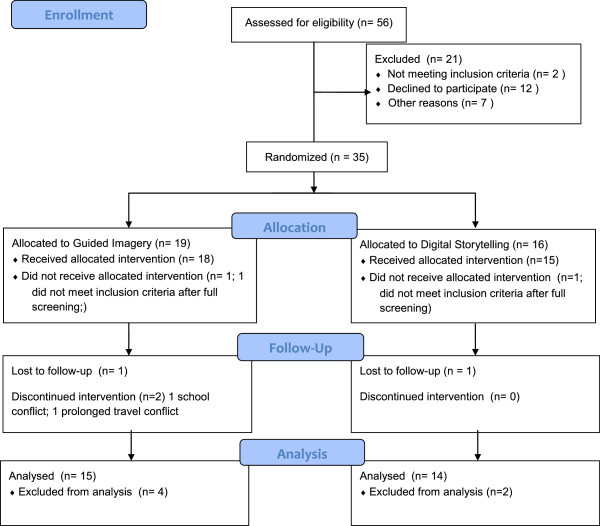
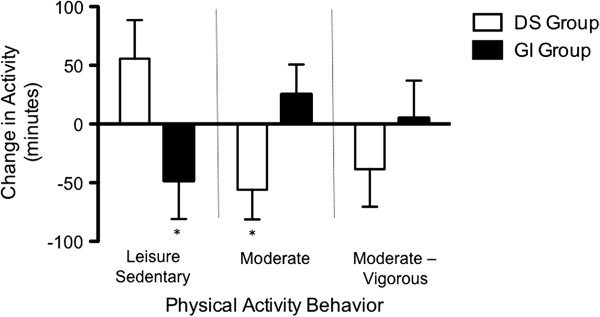
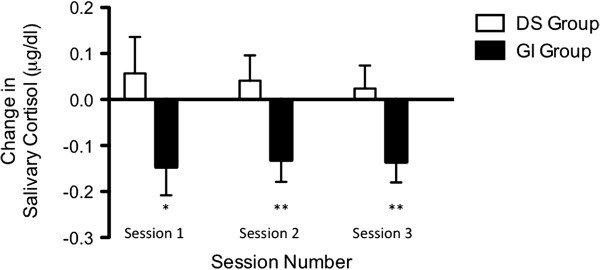
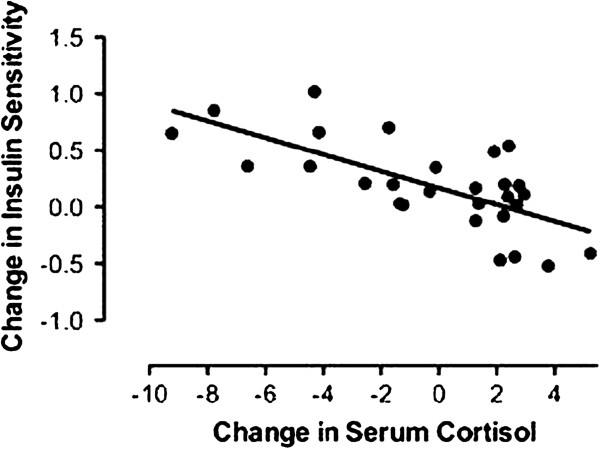
BACKGROUND: There is an urgent need for innovative and developmentally appropriate lifestyle interventions to promote healthy lifestyle behaviors and to prevent the early onset of type 2 diabetes and cardiovascular disease risk in obese Latino adolescents. Guided imagery offers promise to reduce stress and promote lifestyle behavior change to reduce disease risk in obese adolescents. Our objectives were: 1) To pilot test a new 12-wk lifestyle intervention using a randomized trial design in obese Latino adolescents, in order to determine the effects of the mind-body modality of Interactive Guided ImagerySM (IGI), over and above those of a didactic lifestyle education, on insulin resistance, eating and physical activity behaviors, stress and stress biomarkers; and 2) To explore the role of intervention-related changes in stress and stress biomarkers on changes in metabolic outcomes, particularly insulin resistance. METHODS: Obese (BMI > 95th percentile), Latino adolescents (n = 35, age 14-17) were randomized to receive either 12 weekly sessions of a lifestyle education plus guided imagery program (GI), or lifestyle education plus a digital storytelling computer program (DS). Between-group differences in behavioral, biological, and psychological outcomes were assessed using unpaired T-tests and ANCOVA in the 29 subjects who completed the intervention. RESULTS: The GI group demonstrated significant reductions in leisure sedentary behavior (p < .05) and increases in moderate physical activity (p < .05) compared to DS group, and a trend toward reduced caloric intake in GI vs DS (p = .09). Salivary cortisol was acutely reduced by stress-reduction guided imagery (p < .01). There were no group differences in adiposity, insulin resistance, perceived stress, or stress biomarkers across the 12-week intervention, though decrease in serum cortisol over the course of the intervention was associated with improved insulin sensitivity (p = .03) independent of intervention group and other relevant co-variates. CONCLUSIONS: The improvements in physical activity and stress biomarkers following this pilot intervention support the role of guided imagery in promoting healthy lifestyle behavior change and reducing metabolic disease risk in obese Latino adolescent populations. Future investigations will be needed to determine the full effects of the Imagine HEALTH intervention on insulin resistance, stress, and stress biomarkers. TRIAL REGISTRATION: Clinicaltrials.gov Registry #: NCT01895595.
Overview
The claims and statistics of this paper haven’t been checked yet.
Free: it reads the open-access text and checks the first 5 claims that cite a source we can check. Create a free account to check every claim.
Integrity signals
Registry
Cites
Statistics
Figures
Verification
Claims the paper makes
The claims and statistics of this paper haven’t been checked yet.
Free: it reads the open-access text and checks the first 5 claims that cite a source we can check. Create a free account to check every claim.
Claims other papers make about this one
Each is checked against this paper’s own text: does it say what the citing paper says it does?
The source backs part of the claim, not all of it — or backs it for a different population, condition or comparison.
In the citing paper
“Randomized controlled trials evaluating more prolonged (e.g., three-month) mindfulness-based interventions have shown reductions in adolescents’ psychological distress, including depression and anxiety symptoms, and reduced salivary cortisol as compared to a control group (Sibinga et al., 2013; Weigensberg et al., 2014).”
From Relationship of Mindfulness to Distress and Cortisol Response in Adolescent Girls At-Risk for Type 2 Diabetes. (2018) · cites this paper as Weigensberg et al., 2014
Experimental — accuracy not yet measured
Self-check
Percentages, sums and reported differences re-computed from the paper’s own numbers.
The self-check needs the paper’s full text.
Citations
Cites
A Global Measure of Perceived Stress
Cohen, S., Kamarck, T., & Mermelstein, R. (1983) · Journal of Health and Social Behavior · doi:10.2307/2136404 · Cited by 32,807 · cited 2×
“Stress was assessed using the Perceived Stress Scale (PSS) [60], a 14-item survey that inquires about perception of stressful experiences in the preceding month.”
InfluentialMatthews, D. R., Hosker, J. P., Rudenski, A. S., Naylor, B. A., Treacher, D. F., & Turner, R. C. (1985) · Diabetologia · doi:10.1007/bf00280883 · Cited by 31,502 · cited 1×
“HOMA-insulin resistance index was calculated [63]: HOMA-IRI = Fasting insulin (μU/ml) × Fasting glucose (mmol/L)/22.”
Compendium of physical activities: an update of activity codes and MET intensities
AINSWORTH, B. E., HASKELL, W. L., WHITT, M. C., IRWIN, M. L., SWARTZ, A. M., STRATH, S. J., O???BRIEN, W. L., BASSETT, D. R., SCHMITZ, K. H., EMPLAINCOURT, P. O., et al. (2000) · Medicine & Science in Sports & Exercise · doi:10.1097/00005768-200009001-00009 · Cited by 8,497 · cited 1×
“Activity types were converted into light, moderate, or vigorous physical activity using the compendium of physical activities [57] and Freedson’s cutpoints for youth [58].”
Prevalence of Obesity and Trends in Body Mass Index Among US Children and Adolescents, 1999-2010
Ogden, C. L., Carroll, M. D., Kit, B. K., & Flegal, K. M. (2012) · JAMA · doi:10.1001/jama.2012.40 · Cited by 3,936 · cited 1×
“creased dramatically in recent years [1].”
Calibration of the Computer Science and Applications, Inc. accelerometer
FREEDSON, P. S., MELANSON, E., & SIRARD, J. (1998) · Medicine & Science in Sports & Exercise · doi:10.1097/00005768-199805000-00021 · Cited by 3,825 · cited 1×
“Activity types were converted into light, moderate, or vigorous physical activity using the compendium of physical activities [57] and Freedson’s cutpoints for youth [58].”
Race, socioeconomic status, and health. The added effects of racism and discrimination
WILLIAMS, D. R. (1999) · Annals of the New York Academy of Sciences · doi:10.1111/j.1749-6632.1999.tb08114.x · Cited by 1,522 · cited 1×
“also experience higher levels of stress [31], while socioeconomic and immigration-related factors may constitute additional stressors in Latinos [32].”
Lifetime risk for diabetes mellitus in the United States
Narayan, K. M. V. (2003) · JAMA · doi:10.1001/jama.290.14.1884 · Cited by 1,515 · cited 1×
“Latinos have a 50% lifetime risk of developing diabetes [2], raising the specter of significant early morbidity in mid-adulthood,”
The Role of Carotid Arterial Intima-Media Thickness in Predicting Clinical Coronary Events
Hodis, H. N., Mack, W. J., LaBree, L., Selzer, R. H., Liu, C.-R., Liu, C.-H., & Azen, S. P. (1998) · Annals of Internal Medicine · doi:10.7326/0003-4819-128-4-199802150-00002 · Cited by 1,217 · cited 1×
“Finally, Latino youth with persistent metabolic syndrome have higher carotid artery intima media thickness, a strong marker for future atherosclerotic disease [10,11].”
Speca, M., Carlson, L. E., Goodey, E., & Angen, M. (2000) · Psychosomatic Medicine · doi:10.1097/00006842-200009000-00004 · Cited by 1,082 · cited 1×
“It is also a powerful stress management technique, similar to related mind-body therapies that have been shown to reduce stress, stress-related symptoms [39], and acutely reduce salivary cortisol levels [40,41].”
Epel, E., Lapidus, R., McEwen, B., & Brownell, K. (2001) · Psychoneuroendocrinology · doi:10.1016/s0306-4530(00)00035-4 · Cited by 1,060 · cited 1×
“Stress promotes obesity through its effects on eating behaviors, resulting in a preference for the ingestion of higher calories and more calorically dense snack foods [15-18].”
Research works printed but not linked: 2
- 44. Tribole E Resch E Intuitive Eating 2012 New York: St. Martins Press (Third Ed; First Ed 1995)
- 53. Advanced Tools for Success Home Study Series 1998 Mill Valley, CA: Academy for Guided Imagery, Inc
Cited by
Youth-Onset Type 2 Diabetes Consensus Report: Current Status, Challenges, and Priorities
Nadeau, K. J., Anderson, B. J., Berg, E. G., Chiang, J. L., Chou, H., Copeland, K. C., Hannon, T. S., Huang, T. T.-K., Lynch, J. L., Powell, J., et al. (2016) · Diabetes Care · doi:10.2337/dc16-1066 · Cited by 381
“performance (45) but no change in perceived or measured stress (46).”
BackgroundToxic Stress: Effects, Prevention and Treatment
Franke, H. (2014) · Children · doi:10.3390/children1030390 · Cited by 248
“Other mind-body interventions shown to decrease stress include hypnosis, guided imagery, music therapy, and progressive muscle relaxation [52–58].”
BackgroundBöhm, B., Karwiese, S. D., Böhm, H., & Oberhoffer, R. (2019) · JMIR mHealth and uHealth · doi:10.2196/mhealth.8298 · Cited by 137
Sequeira, P. A., Pyatak, E. A., Weigensberg, M. J., Vigen, C. P., Wood, J. R., Ruelas, V., Montoya, L., Cohen, M., Speer, H., Clark, S., et al. (2015) · Diabetes Care · doi:10.2337/dc14-2577 · Cited by 103
Self-citationCui, Z., Seburg, E. M., Sherwood, N. E., Faith, M. S., & Ward, D. S. (2015) · Trials · doi:10.1186/s13063-015-1089-z · Cited by 108
“[28] – – Transportation support Make-up session – 82.”
BackgroundInfluentialMind-Body Therapies in Children and Youth
MEDICINE, S. O. I., McClafferty, H., Sibinga, E., Bailey, M., Culbert, T., Weydert, J., & Brown, M. (2016) · PEDIATRICS · doi:10.1542/peds.2016-1896 · Cited by 93
Chaplais, E., Naughton, G. A., Thivel, D., Courteix, D., & Greene, D. (2015) · Telemedicine Journal and e-Health · doi:10.1089/tmj.2014.0197 · Cited by 71
Prevention of Type 2 Diabetes in U.S. Hispanic Youth: A Systematic Review of Lifestyle Interventions
McCurley, J. L., Crawford, M. A., & Gallo, L. C. (2017) · American Journal of Preventive Medicine · doi:10.1016/j.amepre.2017.05.020 · Cited by 38
“…– Shaibi et al. (2010) −0.6 −0.50 (−0.89, −0.10) −5.9 −2.53 (−3.05, −2.00) Shaibi et al. (2012) NR – NR – Van der Heijden et al. (2010) 0.0 (Obese youth) −1.0 (Lean youth) 0.00 (−0.72, 0.72) −0.97 (−1.75, −0.19) −3.6 (Obese youth) −0.6 (Lean youth) −1.37 (−2.17, −0.58) −0.65 (−1.41,…”
BackgroundInfluentialHow Digital Storytelling Applied in Health Profession Education: A Systematized Review.
Mojtahedzadeh, R., Mohammadi, A., Emami, A. H., & Zarei, A. (2021) · PubMed Central · doi:10.30476/jamp.2021.87856.1326 · Cited by 59
“/ 2014 (40) B B A C C A Promoting Positive Youth Development and Highlighting Reasons for Living in Northwest Alaska Through Digital Storytelling Wexler, L.”
BackgroundWeigensberg, M. J., Vigen, C. L. P., Sequeira, P. A., Spruijt‐Metz, D., Juarez, M., Floríndez, D. C., Provisor, J., Peters, A. L., & Pyatak, E. A. (2018) · Global Advances in Health and Medicine · doi:10.1177/2164956118761808 · Cited by 27
Self-citationWeight‐neutral interventions in young people with high body mass index: A systematic review
Hoare, J. K., Lister, N. B., Garnett, S. P., Baur, L. A., & Jebeile, H. (2022) · Nutrition & Dietetics · doi:10.1111/1747-0080.12729 · Cited by 28
Halperin, D. T., Laux, J. P., LeFranc-García, C., Araujo, C., & Palacios, C. S. (2018) · Journal of Nutrition Education and Behavior · doi:10.1016/j.jneb.2018.07.014 · Cited by 25
Barlow, S. E., Butte, N. F., Hoelscher, D. M., Salahuddin, M., & Pont, S. J. (2017) · Preventing Chronic Disease · doi:10.5888/pcd14.170301 · Cited by 22
Soltero, E. G., Lopez, C., Hernandez, E., O’Connor, T. M., & Thompson, D. I. (2022) · JMIR Pediatrics and Parenting · doi:10.2196/39261 · Cited by 17
“Just half of studies conducted formative work [36-38], which is consistent with previous reports that youths are often not included in the development of technology-based interventions [20].”
BackgroundMethodResultInfluentialStorytelling as instrument of communication in health contexts
Jáuregui‐Lobera, I., Gamarra, M. M., Martínez, M. M., & Quiñones, J. V. M. (2020) · Dialnet (Universidad de la Rioja) · doi:10.19230/jonnpr.3488 · Cited by 24
Gelernter, R., Lavy, G., Yanai, L., Brooks, R., Bar, Y., Bistrizer, Z., & Rachmiel, M. (2015) · Journal of Pediatric Endocrinology and Metabolism · doi:10.1515/jpem-2015-0150 · Cited by 11
“(39) assessed the impact of visual GI in a group of obese pubertal adolescents who were randomized to receive either 12 weekly sessions of a lifestyle education with GI program, or a digital storytelling computer program.”
BackgroundWeigensberg, M. J., Spruijt‐Metz, D., Wen, C. K. F., Davis, J. N., Ávila, Q., Juarez, M., Wadé, N. B., & Lane, C. J. (2018) · Contemporary Clinical Trials · doi:10.1016/j.cct.2018.07.009 · Cited by 12
“0, following our preliminary findings[15].”
BackgroundMethodResultInfluentialSelf-citationSkoranski, A., Kelly, N. R., Radin, R. M., Thompson, K. A., Galescu, O., Demidowich, A. P., Brady, S. M., Chen, K. Y., Tanofsky-Kraff, M., Yanovski, J. A., et al. (2018) · Journal of Child and Family Studies · doi:10.1007/s10826-018-1065-9 · Cited by 10
“, three-month) mindfulnessbased interventions have shown reductions in adolescents’ psychological distress, including depression and anxiety symptoms, and reduced salivary cortisol as compared to a control group (Sibinga et al., 2013; Weigensberg et al., 2014).”
BackgroundDâmaso, A. R., Masquio, D. C. L., Campos, R. M. D. S., Corgosinho, F. C., & Cercato, C. (2024) · Annals of the New York Academy of Sciences · doi:10.1111/nyas.15251 · Cited by 17
Weigensberg, M. J., Àvila, Q., Spruijt‐Metz, D., Davis, J. N., Wen, C. K. F., Goodman, K., Perdomo, M., Wadé, N. B., Ding, L., & Lane, C. J. (2021) · The Journal of Alternative and Complementary Medicine · doi:10.1089/acm.2020.0515 · Cited by 11
“The authors’ previously reported pilot intervention for Latinx adolescents with obesity 11 showed that compared with lifestyle education controls, individual Interactive Guided Imagery SM added to lifestyle education acutely reduced the stress biomarker salivary cortisol, reduced sedentary…”
InfluentialSelf-citationCha, E., Shin, M. H., Smart, M., Jang, H., Lee, J., Joung, K. H., Kim, H. J., & Faulkner, M. S. (2022) · The Science of Diabetes Self-Management and Care · doi:10.1177/26350106221076035 · Cited by 10
Treating Obesity in Latino Children: A Systematic Review of Current Interventions
Leung, M. M., Cavalcanti, O. B., Dada, A. E., Brown, M., Mateo, K. F., & Yeh, M.-C. (2017) · International Journal of Child Health and Nutrition · doi:10.6000/1929-4247.2017.06.01.1 · Cited by 10
Narrative-based strategies to promote healthy eating behaviours in childhood: a systematic review
Pulimeno, M., Piscitelli, P., Marco, E. D., & Colazzo, S. (2018) · MeTis - Mondi educativi Temi indagini suggestioni · doi:10.30557/mt000015 · Cited by 12
“…Lopez, Liu, Saab & Reiher, 2017; Ríos-Cortázar, GascaGarcía, Franco-Martínez & Tolentino-Mayo, 2014; Wang, Lemon, Clausen, Whyte & Rosal, 2016; Weigensberg et al., 2014) have involved different school settings (with the target of overweight and obese preschool, primary and secondary…”
BackgroundMethodInfluentialThompson, K. L., Chung, M., Handu, D., Gutschall, M. D., Jewell, S., Byham-Gray, L. D., & Parrott, J. S. (2019) · Journal of the Academy of Nutrition and Dietetics · doi:10.1016/j.jand.2018.12.008 · Cited by 10
“Specific ethnic populations were the focus of some studies.(41,130-133) Studies took place in a variety of settings, including but not limited to outpatient hospital and primary care clinics, community centers, and school-based clinics.”
BackgroundMethodGordon, J. S., Bell, M. L., Armin, J. S., Giacobbi, P. R., & Nair, U. S. (2020) · Translational Behavioral Medicine · doi:10.1093/tbm/ibaa052 · Cited by 10
Mental training can improve physical activity behavior in adolescent girls
Najafabadi, M. G., Memari, A. H., Kordi, R., Shayestehfar, M., & Eshghi, M. A. (2015) · Journal of sport and health science/Journal of Sport and Health Science · doi:10.1016/j.jshs.2015.09.011 · Cited by 12
Huang, T. T. ‐., Ferris, E., & Tripathi, D. (2016) · Current Diabetes Reports · doi:10.1007/s11892-016-0767-x · Cited by 6
Levens, S. M., Henson, S. J. S., Padro, M., Martin, L. E., Trucco, E. M., Cooperman, N. A., Baldwin, A. S., Kassianos, A. P., & Mdege, N. D. (2019) · JMIR Research Protocols · doi:10.2196/12265 · Cited by 7
“Attrition rates commonly observed in brief guided imagery intervention studies are approximately 20% [32,33].”
Armin, J. S., Nair, U. S., Giacobbi, P. R., Alleman, G. P., Barraza, Y., & Gordon, J. S. (2020) · Tobacco Use Insights · doi:10.1177/1179173x20949267 · Cited by 5
Multimodal (Bio)Markers and Risk of Obesity – A Comprehensive Scoping Review
Vahid, F., Loyola-Leyva, A., Tur, J. A., Bouzas, C., Devaux, Y., Malisoux, L., García-Hernández, S., Carvalho, M. D., Ródenas-Munar, M., Turner, J., et al. (2025) · Advances in Nutrition · doi:10.1016/j.advnut.2025.100579 · Cited by 9
Weigensberg, M. J., Wen, C. K. F., Sanogo, F., Toledo‐Corral, C. M., & Ding, L. (2023) · Psychoneuroendocrinology · doi:10.1016/j.psyneuen.2023.106053 · Cited by 5
Self-citationWei, L. C., Othman, A., & Hashim, H. A. (2023) · Malaysian Journal of Medical Sciences · doi:10.21315/mjms2023.30.4.10 · Cited by 8
Weigensberg, M. J., Wen, C. K. F., Spruijt‐Metz, D., & Lane, C. J. (2022) · Global Advances in Health and Medicine · doi:10.1177/21649561211067443 · Cited by 9
“It is also important to note that the 32% reduction in cortisol seen in the present study was comparable in magnitude to the 38% reduction previously seen in response to individual SRGI.20 Other mind–body modalities have been shown to reduce either self-reported stress or cortisol values.”
BackgroundResultInfluentialSelf-citationLópez-Abel, B., Martínez-Soto, M. I., & Couce, M. L. (2018) · AIMS Medical Science · doi:10.3934/medsci.2018.1.80 · Cited by 3
“Weigensberg and coworkers [27] evaluated the effects of guided imagery in a group of 29 obese adolescents, and observed significant beneficial effects, as evidenced by a decrease in sedentary leisure behavior and an increase in moderate physical activity and salivary cortisol levels.”
Exploring Factors That Influence Children’s Growth and Development During a Pandemic
Amjadi, K. (2021) · Global Pediatric Health · doi:10.1177/2333794x211042464 · Cited by 5
Weigensberg, M. J., Provisor, J., Spruijt‐Metz, D., Lane, C. J., Floríndez, D. C., Wen, C. K. F., Perdomo, M., & Goodman, K. (2019) · Global Advances in Health and Medicine · doi:10.1177/2164956119844477 · Cited by 4
“The average acute reduction in salivary cortisol of 31% following group stress reduction was similar in degree to the 38% reduction previously reported following individual SRGI.(21) This was critical to demonstrate, since GI will be delivered in group format in the anticipated RCT, as necessitated by the size and sco…”
BackgroundResultInfluentialSelf-citationSacco, S., Booij, L., Kwok, C., Carrière, K., Hall, K., Baluyot, T. C., Forouhar, V., Côté, M., Pietrasik, M., Jebeile, H., et al. (2026) · Childhood Obesity · doi:10.1177/21532176251408689 · Cited by 2
Srinivasan, R., McVoy, M. K., Neudecker, M., Divan, M. K., Wu, A., Cascio, M. E., Dusek, J. A., & Miller, D. W. (2024) · Journal of Integrative and Complementary Medicine · doi:10.1089/jicm.2023.0427 · Cited by 2
“Weigensberg et al. 26 described reimbursing participants for transportation as a means of improving engagement.”
InfluentialDiabetes Prevention in Schools and Communities
Pulgarón, E. R., Valledor, V. L., Aparicio, K., & Delamater, A. M. (2020) · Springer eBooks · doi:10.1007/978-3-030-33286-0_15 · Cited by 2
Kwok, C., Sacco, S., Lister, N. B., Alberga, A. S., Baur, L. A., Booij, L., Carrière, K., Garnett, S. P., & Jebeile, H. (2026) · Childhood Obesity · doi:10.1177/21532176261418755 · Cited by 3
Wu, F., Yuan, Y., Hou, Y., & Ye, Z. (2026) · Frontiers in Endocrinology · doi:10.3389/fendo.2026.1749651 · Cited by 1
Miller, J. M. (2017) · University of Minnesota Digital Conservancy (University of Minnesota)
Discerning the True Dilemma of Diabetes Among Hispanics
Ponce, R. (2021) · Dominican Scholar (Dominican University of California) · doi:10.33015/dominican.edu/2021.nurs.st.20
Complementary and Integrative Health Strategies for Addressing Childhood Obesity
(2016) · CRC Press eBooks · doi:10.1201/9781315370958-41
Cotter, E. W., Sibinga, E. M., Bean, M. K., Corona, R., Diaz, L. M., Malloy, E. J., Little, M. C., Delgado, L., Flores-Saez, A., Sadel, J., et al. (2023) · Contemporary Clinical Trials Communications · doi:10.1016/j.conctc.2023.101171 · Cited by 2
Zuair, A. A., Jalloun, R. A., Alzahrani, N. S., Alhowaymel, F. M., Merza, E., Alhumaidi, B. N., & Alahmadi, M. A. (2025) · Interactive Journal of Medical Research · doi:10.2196/71341
“…weekly sessions of a non–weight-centric lifestyle education program called H.E.A.L.T.H. that incorporated guided imagery experienced significant reductions in leisure sedentary behavior ( P .05) compared with adolescents (n=14) who attended the same program with digital storytelling sessions [55].”
Bejarano, C. M., Keenan-Pfeiffer, M. E., Pe, F. A. S., Ley, S. L., Gonzalez-Louis, R. C., & Tarkar, A. (2026) · JAND Global Reports · doi:10.1016/j.jaglob.2026.100029
Zhu, Y., Wang, L., Huang, C., & Liu, A. (2026) · Noise and Health · doi:10.4103/nah.nah_88_26
Metadata
- Authors
- Weigensberg, M. J., Lane, C. J., Ávila, Q., Konersman, K., Ventura, E., Adam, T., Shoar, Z., Goran, M. I., & Spruijt-Metz, D.
- Affiliations
- University of Southern California (US)
- Corresponding author
- Weigensberg, Marc J
- Venue
- BMC Complementary and Alternative Medicine
- Published
- 2014-01-17
- Volume
- 14
- Issue
- 1
- Pages
- 28-28
- ISSN
- 1472-6882 (ISSN-L)
- PMC
- PMC3931490
- OpenAlex
- W2072483818
- Cited by
- 48
- References
- 75
- Citations by year
- 2026: 5 · 2025: 2 · 2024: 2 · 2023: 3 · 2022: 4 · 2021: 4 · 2020: 4 · 2019: 3 · 2018: 7 · 2017: 4 · 2016: 4 · 2015: 5 · 2014: 1
- FWCI
- 5.52
- Type
- journal article
- Language
- en
- Open access
- gold
- doi.org
- Licence
- cc-by
- creativecommons.org/licenses/by/2.0 (tdm)
- Locations
- BMC Complementary and Alternative Medicine (publishedVersion, cc-by)
- Europe PMC (PubMed Central) (publishedVersion, cc-by)
- PubMed Central (publishedVersion, cc-by)
- PubMed (publishedVersion)
- Research Publications (Maastricht University) (submittedVersion, cc-by)
- Research Publications (Maastricht University) (submittedVersion, other-oa)
- Funders
- Deutsches Krebsforschungszentrum
- National Institutes of Health
- National Center for Complementary and Alternative Medicine
- National Center for Research Resources (M01 RR-00043, M01RR000043)
- National Center for Complementary and Integrative Health (R21AT002556)
- Topics
- Social Sciences › Psychology › Clinical Psychology › Mindfulness and Compassion Interventions
- Health Sciences › Medicine › Public Health, Environmental and Occupational Health › Obesity, Physical Activity, Diet
- Health Sciences › Medicine › Public Health, Environmental and Occupational Health › Physical Activity and Health
- Keywords
- Latino adolescents, adolescent obesity, lifestyle intervention, mind-body interventions, insulin resistance, salivary cortisol, stress biomarkers, physical activity, sedentary behavior, dietary habits, energy intake, digital storytelling, type 2 diabetes prevention, cardiovascular risk, metabolic disease risk
- MeSH terms
- Adolescent, Adolescent Behavior, Analysis of Variance, Energy Intake, Cardiovascular Diseases, Diabetes Mellitus, Type 2, Female, Hispanic or Latino, Humans, Insulin Resistance, Life Style, Male, Obesity, Pilot Projects, Stress, Psychological, Health Behavior, Exercise, Body Mass Index, Mind-Body Therapies, Risk Reduction Behavior, Adiposity, Sedentary Behavior
About these checks
Registry, retraction, Cites and statistics results are computed, not judged, with one exception: a printed reference that no index lists is read once by a model before it counts as a citation error. Claims are extracted by a model and kept only when their quote appears verbatim in the text; each cited source is then checked, with a model’s help, for whether it says what the claim relies on. Those verdicts can be wrong — read the claim’s quote and the cited source before relying on one.
Statistics and arithmetic are recomputed, not judged.
Confidence bands are shown only for fields calibrated on our annotated test set. None is calibrated yet, so no band is shown.
What counts as a claim ›How we measure confidence ›How we check this ›
Are you an author, or do you see a problem with this page? Request a review
Data sources
Bibliographic data: Semantic Scholar, OpenAlex, Crossref.
Contains information from the Semantic Scholar Academic Graph Datasets, made available under the ODC Attribution License (ODC-BY 1.0).
Semantic Scholar’s data is described in: Kinney, R., et al. (2023). The Semantic Scholar Open Data Platform. arXiv:2301.10140.
