

Imagine HEALTH: results from a randomized pilot lifestyle intervention for obese Latino adolescents using Interactive Guided ImagerySM
Open accessThe DOI matches its Crossref record; 74 of the 75 references it cites were found in a registry or an index.
Abstract
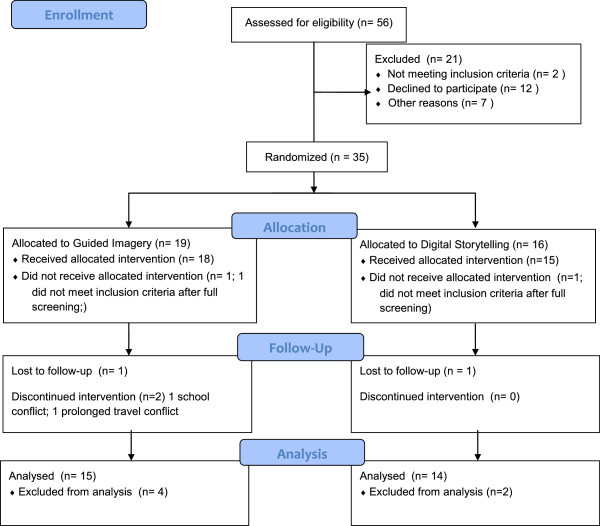
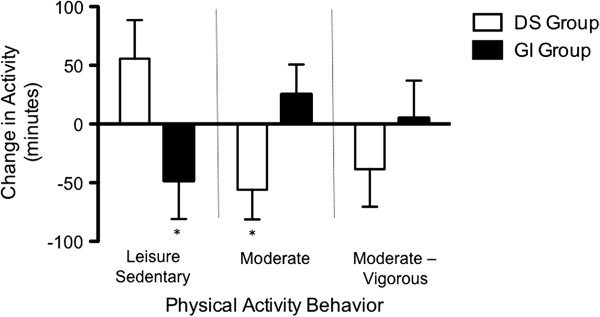
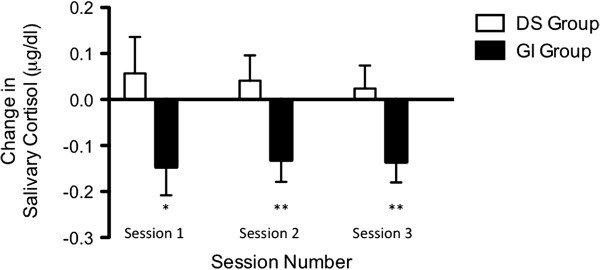
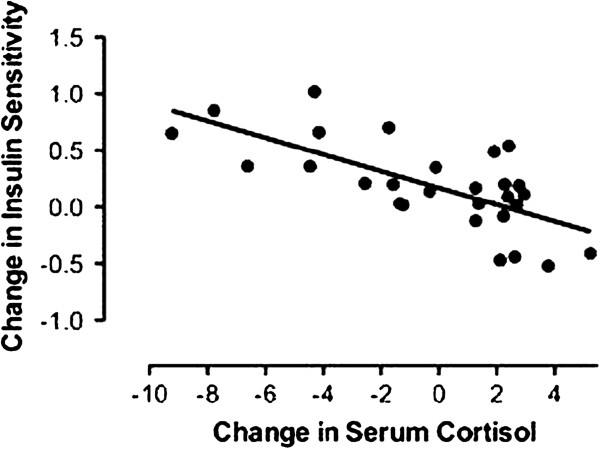
BACKGROUND: There is an urgent need for innovative and developmentally appropriate lifestyle interventions to promote healthy lifestyle behaviors and to prevent the early onset of type 2 diabetes and cardiovascular disease risk in obese Latino adolescents. Guided imagery offers promise to reduce stress and promote lifestyle behavior change to reduce disease risk in obese adolescents. Our objectives were: 1) To pilot test a new 12-wk lifestyle intervention using a randomized trial design in obese Latino adolescents, in order to determine the effects of the mind-body modality of Interactive Guided ImagerySM (IGI), over and above those of a didactic lifestyle education, on insulin resistance, eating and physical activity behaviors, stress and stress biomarkers; and 2) To explore the role of intervention-related changes in stress and stress biomarkers on changes in metabolic outcomes, particularly insulin resistance. METHODS: Obese (BMI > 95th percentile), Latino adolescents (n = 35, age 14-17) were randomized to receive either 12 weekly sessions of a lifestyle education plus guided imagery program (GI), or lifestyle education plus a digital storytelling computer program (DS). Between-group differences in behavioral, biological, and psychological outcomes were assessed using unpaired T-tests and ANCOVA in the 29 subjects who completed the intervention. RESULTS: The GI group demonstrated significant reductions in leisure sedentary behavior (p < .05) and increases in moderate physical activity (p < .05) compared to DS group, and a trend toward reduced caloric intake in GI vs DS (p = .09). Salivary cortisol was acutely reduced by stress-reduction guided imagery (p < .01). There were no group differences in adiposity, insulin resistance, perceived stress, or stress biomarkers across the 12-week intervention, though decrease in serum cortisol over the course of the intervention was associated with improved insulin sensitivity (p = .03) independent of intervention group and other relevant co-variates. CONCLUSIONS: The improvements in physical activity and stress biomarkers following this pilot intervention support the role of guided imagery in promoting healthy lifestyle behavior change and reducing metabolic disease risk in obese Latino adolescent populations. Future investigations will be needed to determine the full effects of the Imagine HEALTH intervention on insulin resistance, stress, and stress biomarkers. TRIAL REGISTRATION: Clinicaltrials.gov Registry #: NCT01895595.
Overview
The claims and statistics of this paper haven’t been checked yet.
Free: it reads the open-access text and checks the first 5 claims that cite a source we can check. Create a free account to check every claim.
Integrity signals
Registry
Cites
Statistics
Figures
Verification
Claims the paper makes
The claims and statistics of this paper haven’t been checked yet.
Free: it reads the open-access text and checks the first 5 claims that cite a source we can check. Create a free account to check every claim.
Claims other papers make about this one
Each is checked against this paper’s own text: does it say what the citing paper says it does?
The source backs part of the claim, not all of it — or backs it for a different population, condition or comparison.
In the citing paper
“Randomized controlled trials evaluating more prolonged (e.g., three-month) mindfulness-based interventions have shown reductions in adolescents’ psychological distress, including depression and anxiety symptoms, and reduced salivary cortisol as compared to a control group (Sibinga et al., 2013; Weigensberg et al., 2014).”
From Relationship of Mindfulness to Distress and Cortisol Response in Adolescent Girls At-Risk for Type 2 Diabetes. (2018) · cites this paper as Weigensberg et al., 2014
Experimental — accuracy not yet measured
Self-check
Percentages, sums and reported differences re-computed from the paper’s own numbers.
The self-check needs the paper’s full text.
Citations
Cites
A Global Measure of Perceived Stress
Cohen, S., Kamarck, T., & Mermelstein, R. (1983) · Journal of Health and Social Behavior · doi:10.2307/2136404 · Cited by 32,807 · cited 2×
“Stress was assessed using the Perceived Stress Scale (PSS) [60], a 14-item survey that inquires about perception of stressful experiences in the preceding month.”
InfluentialMatthews, D. R., Hosker, J. P., Rudenski, A. S., Naylor, B. A., Treacher, D. F., & Turner, R. C. (1985) · Diabetologia · doi:10.1007/bf00280883 · Cited by 31,502 · cited 1×
“HOMA-insulin resistance index was calculated [63]: HOMA-IRI = Fasting insulin (μU/ml) × Fasting glucose (mmol/L)/22.”
Compendium of physical activities: an update of activity codes and MET intensities
AINSWORTH, B. E., HASKELL, W. L., WHITT, M. C., IRWIN, M. L., SWARTZ, A. M., STRATH, S. J., O???BRIEN, W. L., BASSETT, D. R., SCHMITZ, K. H., EMPLAINCOURT, P. O., et al. (2000) · Medicine & Science in Sports & Exercise · doi:10.1097/00005768-200009001-00009 · Cited by 8,497 · cited 1×
“Activity types were converted into light, moderate, or vigorous physical activity using the compendium of physical activities [57] and Freedson’s cutpoints for youth [58].”
Prevalence of Obesity and Trends in Body Mass Index Among US Children and Adolescents, 1999-2010
Ogden, C. L., Carroll, M. D., Kit, B. K., & Flegal, K. M. (2012) · JAMA · doi:10.1001/jama.2012.40 · Cited by 3,936 · cited 1×
“creased dramatically in recent years [1].”
Calibration of the Computer Science and Applications, Inc. accelerometer
FREEDSON, P. S., MELANSON, E., & SIRARD, J. (1998) · Medicine & Science in Sports & Exercise · doi:10.1097/00005768-199805000-00021 · Cited by 3,825 · cited 1×
“Activity types were converted into light, moderate, or vigorous physical activity using the compendium of physical activities [57] and Freedson’s cutpoints for youth [58].”
Race, socioeconomic status, and health. The added effects of racism and discrimination
WILLIAMS, D. R. (1999) · Annals of the New York Academy of Sciences · doi:10.1111/j.1749-6632.1999.tb08114.x · Cited by 1,522 · cited 1×
“also experience higher levels of stress [31], while socioeconomic and immigration-related factors may constitute additional stressors in Latinos [32].”
Lifetime risk for diabetes mellitus in the United States
Narayan, K. M. V. (2003) · JAMA · doi:10.1001/jama.290.14.1884 · Cited by 1,515 · cited 1×
“Latinos have a 50% lifetime risk of developing diabetes [2], raising the specter of significant early morbidity in mid-adulthood,”
The Role of Carotid Arterial Intima-Media Thickness in Predicting Clinical Coronary Events
Hodis, H. N., Mack, W. J., LaBree, L., Selzer, R. H., Liu, C.-R., Liu, C.-H., & Azen, S. P. (1998) · Annals of Internal Medicine · doi:10.7326/0003-4819-128-4-199802150-00002 · Cited by 1,217 · cited 1×
“Finally, Latino youth with persistent metabolic syndrome have higher carotid artery intima media thickness, a strong marker for future atherosclerotic disease [10,11].”
Speca, M., Carlson, L. E., Goodey, E., & Angen, M. (2000) · Psychosomatic Medicine · doi:10.1097/00006842-200009000-00004 · Cited by 1,082 · cited 1×
“It is also a powerful stress management technique, similar to related mind-body therapies that have been shown to reduce stress, stress-related symptoms [39], and acutely reduce salivary cortisol levels [40,41].”
Epel, E., Lapidus, R., McEwen, B., & Brownell, K. (2001) · Psychoneuroendocrinology · doi:10.1016/s0306-4530(00)00035-4 · Cited by 1,060 · cited 1×
“Stress promotes obesity through its effects on eating behaviors, resulting in a preference for the ingestion of higher calories and more calorically dense snack foods [15-18].”
Stress and Food Choice: A Laboratory Study
Oliver, G., Wardle, J., & Gibson, E. L. (2000) · Psychosomatic Medicine · doi:10.1097/00006842-200011000-00016 · Cited by 879 · cited 1×
“Stress promotes obesity through its effects on eating behaviors, resulting in a preference for the ingestion of higher calories and more calorically dense snack foods [15-18].”
Rosmond, R., Dallman, M. F., & Björntorp, P. (1998) · The Journal of Clinical Endocrinology & Metabolism · doi:10.1210/jcem.83.6.4843 · Cited by 871
The awakening cortisol response: methodological issues and significance
Clow, A., Thorn, L., Evans, P., & Hucklebridge, F. (2004) · Stress · doi:10.1080/10253890410001667205 · Cited by 856 · cited 1×
“Diurnal HPA activity was assessed by measurement of overnight urinary free cortisol, fasting morning serum cortisol, the nocturnal cortisol rise (NCR), (increase in salivary cortisol from bedtime to awakening), and salivary cortisol awakening response (CAR), (increase in salivary cortisol between 5:30 AM and 6 AM) [64…”
The age of anxiety? The birth cohort change in anxiety and neuroticism, 1952-1993.
Twenge, J. M. (2000) · Journal of Personality and Social Psychology · doi:10.1037//0022-3514.79.6.1007 · Cited by 786 · cited 1×
“[30], suggesting that today’s children may be exposed to increased numbers of stressors than in the past.”
A Randomized Trial of Sugar-Sweetened Beverages and Adolescent Body Weight
Ebbeling, C. B., Feldman, H. A., Chomitz, V. R., Antonelli, T. A., Gortmaker, S. L., Osganian, S. K., & Ludwig, D. S. (2012) · New England Journal of Medicine · doi:10.1056/nejmoa1203388 · Cited by 699 · cited 1×
“studies in obese adolescents by our group and others have shown improvement in body fat and/or insulin resistance resulting from such dietary carbohydrate moderation [49-51].”
Pacini, G., & Bergman, R. N. (1986) · Computer Methods and Programs in Biomedicine · doi:10.1016/0169-2607(86)90106-9 · Cited by 695 · cited 6×
“We are indebted to the nurses and staff of the USC GCRC, and wish to express our heartfelt gratitude to the youth and families who participated in this study.”
InfluentialAn Exploratory Study of a Meditation-based Intervention for Binge Eating Disorder
Kristeller, J. L., & Hallett, C. B. (1999) · Journal of Health Psychology · doi:10.1177/135910539900400305 · Cited by 681 · cited 1×
“In addition to stress reduction, guided imagery and other related mind-body interventions have also been used to improve health behaviors, specifically including eating behaviors in eating disorders [42,43].”
Chrousos, G. (2000) · International Journal of Obesity · doi:10.1038/sj.ijo.0801278 · Cited by 636 · cited 2×
“Studies in primates [19] and human adults [20-23] also suggest that chronic stress, via neuroendocrine mechanisms producing hypothalamic-pituitary-adrenal (HPA) axis activation and subtle hypercortisolism, can result in a “pseudo-Cushingoid” obesity phenotype characterized by visceral adiposity, insulin resistance, an…”
The Metabolic Syndrome in Overweight Hispanic Youth and the Role of Insulin Sensitivity
Cruz, M. L., Weigensberg, M. J., Huang, T. T.-K., Ball, G., Shaibi, G. Q., & Goran, M. I. (2004) · The Journal of Clinical Endocrinology & Metabolism · doi:10.1210/jc.2003-031188 · Cited by 603 · cited 1×
“(~30%) [7] in overweight/obese Latino youth, and that Latino youth with either persistent pre-diabetes or persistent metabolic syndrome show deteriorating pancreatic islet beta-cell function over time, suggesting progression toward development of T2D [8,9].”
Self-citationBjörntorp, P., & Rosmond, R. (2000) · Nutrition · doi:10.1016/s0899-9007(00)00422-6 · Cited by 590 · cited 1×
“Studies in primates [19] and human adults [20-23] also suggest that chronic stress, via neuroendocrine mechanisms producing hypothalamic-pituitary-adrenal (HPA) axis activation and subtle hypercortisolism, can result in a “pseudo-Cushingoid” obesity phenotype characterized by visceral adiposity, insulin resistance, an…”
Development and psychometric evaluation of a measure of intuitive eating.
Tylka, T. L. (2006) · Journal of Counseling Psychology · doi:10.1037/0022-0167.53.2.226 · Cited by 569
Stress, dietary restraint and food intake.
Wardle, J., Steptoe, A., Oliver, G., & Lipsey, Z. (2000) · Journal of Psychosomatic Research · doi:10.1016/s0022-3999(00)00076-3 · Cited by 520 · cited 1×
“Stress promotes obesity through its effects on eating behaviors, resulting in a preference for the ingestion of higher calories and more calorically dense snack foods [15-18].”
Mind-Body Medicine: State of the Science, Implications for Practice
Astin, J. A., Shapiro, S. L., Eisenberg, D. M., & Forys, K. L. (2003) · The Journal of the American Board of Family Medicine · doi:10.3122/jabfm.16.2.131 · Cited by 517 · cited 1×
“Guided imagery is a mind-body healing modality which involves the generation of mental images for the purpose of achieving specific health outcomes, such as evoking a state of relaxation or mobilizing immune system response [38].”
Epel, E. S., McEwen, B., Seeman, T., Matthews, K., Castellazzo, G., Brownell, K. D., Bell, J., & Ickovics, J. R. (2000) · Psychosomatic Medicine · doi:10.1097/00006842-200009000-00005 · Cited by 434 · cited 2×
“Studies in primates [19] and human adults [20-23] also suggest that chronic stress, via neuroendocrine mechanisms producing hypothalamic-pituitary-adrenal (HPA) axis activation and subtle hypercortisolism, can result in a “pseudo-Cushingoid” obesity phenotype characterized by visceral adiposity, insulin resistance, an…”
A Reduced–Glycemic Load Diet in the Treatment of Adolescent Obesity
Ebbeling, C. B., Leidig, M. M., Sinclair, K. B., Hangen, J. P., & Ludwig, D. S. (2003) · Archives of Pediatrics & Adolescent Medicine · doi:10.1001/archpedi.157.8.773 · Cited by 432 · cited 1×
“studies in obese adolescents by our group and others have shown improvement in body fat and/or insulin resistance resulting from such dietary carbohydrate moderation [49-51].”
Exploring a model of intuitive eating with college women.
Avalos, L. C., & Tylka, T. L. (2006) · Journal of Counseling Psychology · doi:10.1037/0022-0167.53.4.486 · Cited by 399 · cited 1×
“Consistent with adult findings showing crosssectional relationships between intuitive eating practices and health markers [66,67], our findings suggest that intuitive eating can be safely used in obese adolescents without fear of sustained consumption of unhealthy foods.”
Exploratory randomised controlled trial of a mindfulness-based weight loss intervention for women
Tapper, K., Shaw, C., Ilsley, J., Hill, A. J., Bond, F. W., & Moore, L. (2009) · Appetite · doi:10.1016/j.appet.2008.11.012 · Cited by 366 · cited 1×
“This is supported by findings that mind body therapies such as hypnotherapy and mindfulness approaches may be useful in obesity treatment in adults [35-37].”
Pediatric Stress: Hormonal Mediators and Human Development
Charmandari, E., Kino, T., Souvatzoglou, E., & Chrousos, G. P. (2003) · Hormone Research in Paediatrics · doi:10.1159/000069325 · Cited by 363 · cited 1×
“Studies in primates [19] and human adults [20-23] also suggest that chronic stress, via neuroendocrine mechanisms producing hypothalamic-pituitary-adrenal (HPA) axis activation and subtle hypercortisolism, can result in a “pseudo-Cushingoid” obesity phenotype characterized by visceral adiposity, insulin resistance, an…”
Dalen, J., Smith, B. W., Shelley, B. M., Sloan, A. L., Leahigh, L., & Begay, D. (2010) · Complementary Therapies in Medicine · doi:10.1016/j.ctim.2010.09.008 · Cited by 337 · cited 1×
“This is supported by findings that mind body therapies such as hypnotherapy and mindfulness approaches may be useful in obesity treatment in adults [35-37].”
Effects of Resistance Training on Insulin Sensitivity in Overweight Latino Adolescent Males
SHAIBI, G. Q., CRUZ, M. L., BALL, G. D. C., WEIGENSBERG, M. J., SALEM, G. J., CRESPO, N. C., & GORAN, M. I. (2006) · Medicine & Science in Sports & Exercise · doi:10.1249/01.mss.0000227304.88406.0f · Cited by 327 · cited 1×
“weight-lifting) pilot intervention [55].”
Self-citationDaubenmier, J., Kristeller, J., Hecht, F. M., Maninger, N., Kuwata, M., Jhaveri, K., Lustig, R. H., Kemeny, M., Karan, L., & Epel, E. (2011) · Journal of Obesity · doi:10.1155/2011/651936 · Cited by 322 · cited 1×
“mindfulness-based stress reduction [70], yoga [71], or”
Farley, T., Galves, A., Dickinson, L. M., & Perez, M. D. J. D. (2005) · Journal of Immigrant Health · doi:10.1007/s10903-005-3678-5 · Cited by 277
Neuroendocrine abnormalities in visceral obesity
Björntorp, P., & Rosmond, R. (2000) · International Journal of Obesity · doi:10.1038/sj.ijo.0801285 · Cited by 260 · cited 2×
“Studies in primates [19] and human adults [20-23] also suggest that chronic stress, via neuroendocrine mechanisms producing hypothalamic-pituitary-adrenal (HPA) axis activation and subtle hypercortisolism, can result in a “pseudo-Cushingoid” obesity phenotype characterized by visceral adiposity, insulin resistance, an…”
Isakson, K., & Jarvis, P. (1999) · Journal of Youth and Adolescence · doi:10.1023/a:1021616407189 · Cited by 260 · cited 1×
“In addition, the high school years are a particularly vulnerable time [33], and”
Goran, M. I., Bergman, R. N., Avila, Q., Watkins, M., Ball, G. D. C., Shaibi, G. Q., Weigensberg, M. J., & Cruz, M. L. (2004) · The Journal of Clinical Endocrinology & Metabolism · doi:10.1210/jc.2003-031402 · Cited by 236 · cited 1×
“Results from our prior studies demonstrate that there is a high prevalence of pre-diabetes (~32%) [4-6], and metabolic syndrome (~30%) [7] in overweight/obese Latino youth, and that Latino youth with either persistent pre-diabetes or persistent metabolic syndrome show deteriorating pancreatic islet beta-cell function…”
Self-citationValidation of a 3-Day Physical Activity Recall Instrument in Female Youth
Pate, R. R., Ross, R., Dowda, M., Trost, S. G., & Sirard, J. R. (2003) · Pediatric Exercise Science · doi:10.1123/pes.15.3.257 · Cited by 232 · cited 1×
“Physical activity was assessed using the 3-Day Physical Activity Recall (3-DPAR), a self-report measure which provides reports of physical activity over three consecutive days and has been validated against accelerometry in youth [56].”
The impact of abbreviated progressive muscle relaxation on salivary cortisol
Pawlow, L. A., & Jones, G. E. (2002) · Biological Psychology · doi:10.1016/s0301-0511(02)00010-8 · Cited by 216 · cited 2×
“It is also a powerful stress management technique, similar to related mind-body therapies that have been shown to reduce stress, stress-related symptoms [39], and acutely reduce salivary cortisol levels [40,41].”
Stress, stressors and coping among high school students
Anda, D. D., Baroni, S., Boskin, L., Buchwald, L., Morgan, J., Ow, J., Gold, J. S., & Weiss, R. (2000) · Children and Youth Services Review · doi:10.1016/s0190-7409(00)00096-7 · Cited by 203 · cited 1×
“3% of high school students in Los Angeles report being “very stressed” on a daily basis [34].”
Psychological Determinants of Emotional Eating in Adolescence
Nguyen-Rodriguez, S. T., Unger, J. B., & Spruijt-Metz, D. (2009) · Eating Disorders · doi:10.1080/10640260902848543 · Cited by 202 · cited 1×
“As previously reported, this measure was revised for comprehension and three items were added based on interviews with urban Latino youth [61].”
Self-citationMindfulness-Based Stress Reduction for Urban Youth
Sibinga, E. M. S., Kerrigan, D., Stewart, M., Johnson, K., Magyari, T., & Ellen, J. M. (2011) · The Journal of Alternative and Complementary Medicine · doi:10.1089/acm.2009.0605 · Cited by 197 · cited 1×
“Stressreduction IGI led to clear, acute reductions in salivary cortisol, which replicates our earlier findings in a smaller study group [68] and is comparable to reductions seen in other studies using similar mind-body modalities for stress-reduction [41], placing IGI in the company of those mind-body modalities that…”
Changes in plasma lipids and dietary intake accompanying shifts in perceived workload and stress.
McCann, B. S., Warnick, G. R., & Knopp, R. H. (1990) · Psychosomatic Medicine · doi:10.1097/00006842-199001000-00008 · Cited by 186 · cited 1×
“Stress promotes obesity through its effects on eating behaviors, resulting in a preference for the ingestion of higher calories and more calorically dense snack foods [15-18].”
Cruz, M. L., Shaibi, G. Q., Weigensberg, M. J., Spruijt-Metz, D., Ball, G. D. C., & Goran, M. I. (2005) · Annual Review of Nutrition · doi:10.1146/annurev.nutr.25.050304.092625 · Cited by 176 · cited 2×
“as well as the potential for enormous increases in societal health care expenditures [3].”
Self-citationGruzelier, J. H. (2002) · Stress · doi:10.1080/10253890290027877 · Cited by 161 · cited 1×
“It is also a powerful stress management technique, similar to related mind-body therapies that have been shown to reduce stress, stress-related symptoms [39], and acutely reduce salivary cortisol levels [40,41].”
Decreased insulin action and insulin secretion predict the development of impaired glucose tolerance
Haffner, S. M., Miettinen, H., GASKILL, S. P., & Stern, M. P. (1996) · Diabetologia · doi:10.1007/bf02658507 · Cited by 135 · cited 1×
“We have concluded from these studies that insulin resistance, rather than body fat per se, is the primary pathophysiological factor leading to metabolic disease risk in youth as it is in adults [3,12].”
Activity of the hypothalamic–pituitary–adrenal axis in different obesity phenotypes
Pasquali, R., & Vicennati, V. (2000) · International Journal of Obesity · doi:10.1038/sj.ijo.0801277 · Cited by 131
Association between the Metabolic Syndrome and Serum Cortisol in Overweight Latino Youth
Weigensberg, M. J., Toledo-Corral, C. M., & Goran, M. I. (2008) · The Journal of Clinical Endocrinology & Metabolism · doi:10.1210/jc.2007-2309 · Cited by 128 · cited 2×
“concept in overweight Latino adolescents, whereby higher morning serum cortisol levels are associated with metabolic syndrome [28], and predict future deterioration of insulin sensitivity [29].”
Self-citationThe Relationship between Intuitive Eating and Health Indicators among College Women
Hawks, S., Madanat, H., Hawks, J., & Harris, A. (2005) · American Journal of Health Education · doi:10.1080/19325037.2005.10608206 · Cited by 115 · cited 1×
“Consistent with adult findings showing crosssectional relationships between intuitive eating practices and health markers [66,67], our findings suggest that intuitive eating can be safely used in obese adolescents without fear of sustained consumption of unhealthy foods.”
Davis, J. N., Alexander, K. E., Ventura, E. E., Kelly, L. A., Lane, C. J., Byrd-Williams, C. E., Toledo‐Corral, C. M., Roberts, C. K., Spruijt‐Metz, D., Weigensberg, M. J., et al. (2007) · American Journal of Clinical Nutrition · doi:10.1093/ajcn/86.5.1331 · Cited by 113 · cited 1×
“increased sugar-sweetened beverage consumption and poor metabolic health [48].”
Self-citationDavis, J. N., Kelly, L. A., Lane, C. J., Ventura, E. E., Byrd‐Williams, C. E., Alexandar, K. A., Azen, S. P., Chou, C., Spruijt‐Metz, D., Weigensberg, M. J., et al. (2009) · Obesity · doi:10.1038/oby.2009.19 · Cited by 104 · cited 1×
“Finally, though the reliance on self-report behavioral outcomes with their inherent risk of reporting biases is a limitation of our findings, we have used these dietary and activity measures in several prior obesity studies in youth, showing that they are valid and sensitive to change [52,73].”
Self-citationPersistence of Pre-Diabetes in Overweight and Obese Hispanic Children
Goran, M. I., Lane, C., Toledo-Corral, C., & Weigensberg, M. J. (2008) · Diabetes · doi:10.2337/db08-0445 · Cited by 101 · cited 4×
“[7] in overweight/obese Latino youth, and that Latino youth with either persistent pre-diabetes or persistent metabolic syndrome show deteriorating pancreatic islet beta-cell function over time, suggesting progression toward development of T2D [8,9].”
InfluentialSelf-citationCortisol Is Negatively Associated with Insulin Sensitivity in Overweight Latino Youth
Adam, T. C., Hasson, R. E., Ventura, E. E., Toledo-Corral, C., Le, K.-A., Mahurkar, S., Lane, C. J., Weigensberg, M. J., & Goran, M. I. (2010) · The Journal of Clinical Endocrinology & Metabolism · doi:10.1210/jc.2010-0322 · Cited by 95 · cited 2×
“concept in overweight Latino adolescents, whereby higher morning serum cortisol levels are associated with metabolic syndrome [28], and predict future deterioration of insulin sensitivity [29].”
Self-citationVisceral fat and psychosocial stress in identical twins discordant for obesity
MARNIEMI, J., KRONHOLM, E., AUNOLA, S., TOIKKA, T., MATTLAR, C. ‐., KOSKENVUO, M., & RÖNNEMAA, T. (2002) · Journal of Internal Medicine · doi:10.1046/j.1365-2796.2002.00921.x · Cited by 93 · cited 1×
“Studies in primates [19] and human adults [20-23] also suggest that chronic stress, via neuroendocrine mechanisms producing hypothalamic-pituitary-adrenal (HPA) axis activation and subtle hypercortisolism, can result in a “pseudo-Cushingoid” obesity phenotype characterized by visceral adiposity, insulin resistance, an…”
Yoga in the Management of Overweight and Obesity
Bernstein, A. M., Bar, J., Ehrman, J. P., Golubić, M., & Roizen, M. F. (2013) · American Journal of Lifestyle Medicine · doi:10.1177/1559827613492097 · Cited by 82 · cited 1×
“mindfulness-based stress reduction [70], yoga [71], or”
Ventura, E., Davis, J., Byrd-Williams, C., Alexander, K., McClain, A., Lane, C. J., Spruijt-Metz, D., Weigensberg, M., & Goran, M. (2009) · Archives of Pediatrics & Adolescent Medicine · doi:10.1001/archpediatrics.2009.11 · Cited by 81 · cited 1×
“studies in obese adolescents by our group and others have shown improvement in body fat and/or insulin resistance resulting from such dietary carbohydrate moderation [49-51].”
Self-citationDietary Intake and the Metabolic Syndrome in Overweight Latino Children
Ventura, E. E., Davis, J. N., Alexander, K. E., Shaibi, G. Q., Lee, W., Byrd-Williams, C. E., Toledo-Corral, C. M., Lane, C. J., Kelly, L. A., Weigensberg, M. J., et al. (2008) · Journal of the American Dietetic Association · doi:10.1016/j.jada.2008.05.006 · Cited by 80 · cited 1×
“Dietary intake was assessed using 3-day diet records and analyzed as previously described [59].”
Self-citationThe Intuitive Eating Scale: Development and Preliminary Validation
Hawks, S., Merrill, R. M., & Madanat, H. N. (2004) · American Journal of Health Education · doi:10.1080/19325037.2004.10603615 · Cited by 76 · cited 2×
“Intuitive Eating was assessed using Hawks’ Intuitive Eating Scale, a 27-item, 4-point Likert scale survey [45] that consists of 4 subscales: 1) Intrinsic eating (4 items), relating to reliance on physical cues to start and stop eating; 2) Extrinsic eating (6 items), relating to avoidance of emotional or external promp…”
(2008) · Medical Entomology and Zoology · Cited by 73
Social Stress, Visceral Obesity, and Coronary Artery Atherosclerosis in Female Primates
Shively, C. A., Register, T. C., & Clarkson, T. B. (2009) · Obesity · doi:10.1038/oby.2009.74 · Cited by 70 · cited 1×
“Studies in primates [19] and human adults [20-23] also suggest that chronic stress, via neuroendocrine mechanisms producing hypothalamic-pituitary-adrenal (HPA) axis activation and subtle hypercortisolism, can result in a “pseudo-Cushingoid” obesity phenotype characterized by visceral adiposity, insulin resistance, an…”
Decreased β-Cell Function in Overweight Latino Children With Impaired Fasting Glucose
Weigensberg, M. J., Ball, G. D. C., Shaibi, G. Q., Cruz, M. L., & Goran, M. I. (2005) · Diabetes Care · doi:10.2337/diacare.28.10.2519 · Cited by 65 · cited 2×
“Fasting blood was drawn to assess morning serum cortisol, followed by a 3-hour insulin-modified, frequently-sampled intravenous glucose tolerance test (FSIVGTT), as previously described [5].”
Self-citationToledo-Corral, C. M., Ventura, E. E., Hodis, H. N., Weigensberg, M. J., Lane, C. J., Li, Y., & Goran, M. I. (2009) · Atherosclerosis · doi:10.1016/j.atherosclerosis.2009.03.013 · Cited by 53 · cited 1×
“Finally, Latino youth with persistent metabolic syndrome have higher carotid artery intima media thickness, a strong marker for future atherosclerotic disease [10,11].”
Self-citationAllison, D. B., & Faith, M. S. (1996) · Journal of Consulting and Clinical Psychology · doi:10.1037/0022-006x.64.3.513 · Cited by 51 · cited 2×
“hypnotherapy [35], which have been previously reported to have success in obesity interventions.”
A randomized controlled trial of guided imagery in bulimia nervosa
ESPLEN, M. J., GARFINKEL, P. E., OLMSTED, M., GALLOP, R. M., & KENNEDY, S. (1998) · Psychological Medicine · doi:10.1017/s0033291798007405 · Cited by 48 · cited 1×
“In addition to stress reduction, guided imagery and other related mind-body interventions have also been used to improve health behaviors, specifically including eating behaviors in eating disorders [42,43].”
Adolescence, Affect and Health
Spruijt‐Metz, D. (1999) · Cited by 44
Self-citationMeanings of smoking and adolescent smoking across ethnicities
Spruijt‐Metz, D., Gallaher, P. E., Unger, J. B., & Johnson, C. A. (2004) · Journal of Adolescent Health · doi:10.1016/j.jadohealth.2003.09.009 · Cited by 44 · cited 1×
“effects on insulin resistance), reliance on cognitive models of human thinking and behavior, which may be developmentally suboptimal for adolescents [13,14]; and lack of attention to factors beyond eating and physical activity that may be promoting obesity-related disease, such as stress.”
Self-citationSocial and emotional predictors of the tempo of puberty in female rhesus monkeys
Wilson, M. E., Bounar, S., Godfrey, J., Michopoulos, V., Higgins, M., & Sanchez, M. (2013) · Psychoneuroendocrinology · doi:10.1016/j.psyneuen.2012.04.021 · Cited by 42
Weigensberg, M. J., Joy Lane, C., Winners, O., Wright, T., Nguyen-Rodriguez, S., Goran, M. I., & Spruijt-Metz, D. (2009) · The Journal of Alternative and Complementary Medicine · doi:10.1089/acm.2008.0156 · Cited by 36 · cited 1×
“Stressreduction IGI led to clear, acute reductions in salivary cortisol, which replicates our earlier findings in a smaller study group [68] and is comparable to reductions seen in other studies using similar mind-body modalities for stress-reduction [41], placing IGI in the company of those”
Self-citationDavis, J. N., Ventura, E. E., Shaibi, G. Q., Weigensberg, M. J., Spruijt‐Metz, D., Watanabe, R. M., & Goran, M. I. (2007) · Metabolic Syndrome and Related Disorders · doi:10.1089/met.2006.0038 · Cited by 29 · cited 1×
“Finally, though the reliance on self-report behavioral outcomes with their inherent risk of reporting biases is a limitation of our findings, we have used these dietary and activity measures in several prior obesity studies in youth, showing that they are valid and sensitive to change [52,73].”
Self-citationVentura, E. E., Lane, C. J., Weigensberg, M. J., Toledo‐Corral, C. M., Davis, J. N., & Goran, M. I. (2009) · The Journal of Pediatrics · doi:10.1016/j.jpeds.2009.04.008 · Cited by 27 · cited 4×
“[7] in overweight/obese Latino youth, and that Latino youth with either persistent pre-diabetes or persistent metabolic syndrome show deteriorating pancreatic islet beta-cell function over time, suggesting progression toward development of T2D [8,9].”
InfluentialSelf-citationSuggestibility and Hypnotizability: Mind the Gap
Raz, A. (2007) · American Journal of Clinical Hypnosis · doi:10.1080/00029157.2007.10401582 · Cited by 25 · cited 1×
“could also include prospective determination of subject hypnotizability [72] to determine the role this might play as a covariate in determining individual responses to guided imagery or other mind-body interventions.”
Toledo‐Corral, C. M., Myers, S. J., Li, Y., Hodis, H. N., Goran, M. I., & Weigensberg, M. J. (2013) · Psychoneuroendocrinology · doi:10.1016/j.psyneuen.2013.01.011 · Cited by 23 · cited 1×
“2%, as previously reported [65].”
Self-citationAdolescence, Affect and Health
Berry, M. T., & Lavelle, M. (2000) · Medicine & Science in Sports & Exercise · doi:10.1097/00005768-200003000-00028 · Cited by 23 · cited 1×
“Intuitive eating supports autonomy in eating and physical activity decision-making, and is therefore a developmentally ideal paradigm for adolescents, for whom the pursuit of autonomy is a critical developmental milestone [47].”
Toledo‐Corral, C. M., Vargas, L. G., Goran, M. I., & Weigensberg, M. J. (2011) · The Journal of Pediatrics · doi:10.1016/j.jpeds.2011.10.024 · Cited by 16 · cited 1×
“Results from our prior studies demonstrate that there is a high prevalence of pre-diabetes (~32%) [4-6], and metabolic syndrome”
Self-citationThe Rationale for Intervention to Reduce the Risk of Coronary Heart Disease
Rippe, J. M., Angelopoulos, T. J., & Zukley, L. M. (2007) · American Journal of Lifestyle Medicine · doi:10.1177/1559827606292859 · Cited by 13
Mind, Body, and Health: Toward an Integral Medicine
Gordon, J. S., Jaffe, D. T., & Bresler, D. E. (1984) · Cited by 11
Research works printed but not linked: 2
- 44. Tribole E Resch E Intuitive Eating 2012 New York: St. Martins Press (Third Ed; First Ed 1995)
- 53. Advanced Tools for Success Home Study Series 1998 Mill Valley, CA: Academy for Guided Imagery, Inc
Cited by
Youth-Onset Type 2 Diabetes Consensus Report: Current Status, Challenges, and Priorities
Nadeau, K. J., Anderson, B. J., Berg, E. G., Chiang, J. L., Chou, H., Copeland, K. C., Hannon, T. S., Huang, T. T.-K., Lynch, J. L., Powell, J., et al. (2016) · Diabetes Care · doi:10.2337/dc16-1066 · Cited by 381
“performance (45) but no change in perceived or measured stress (46).”
BackgroundToxic Stress: Effects, Prevention and Treatment
Franke, H. (2014) · Children · doi:10.3390/children1030390 · Cited by 248
“Other mind-body interventions shown to decrease stress include hypnosis, guided imagery, music therapy, and progressive muscle relaxation [52–58].”
BackgroundBöhm, B., Karwiese, S. D., Böhm, H., & Oberhoffer, R. (2019) · JMIR mHealth and uHealth · doi:10.2196/mhealth.8298 · Cited by 137
Sequeira, P. A., Pyatak, E. A., Weigensberg, M. J., Vigen, C. P., Wood, J. R., Ruelas, V., Montoya, L., Cohen, M., Speer, H., Clark, S., et al. (2015) · Diabetes Care · doi:10.2337/dc14-2577 · Cited by 103
Self-citationCui, Z., Seburg, E. M., Sherwood, N. E., Faith, M. S., & Ward, D. S. (2015) · Trials · doi:10.1186/s13063-015-1089-z · Cited by 108
“[28] – – Transportation support Make-up session – 82.”
BackgroundInfluential
Metadata
- Authors
- Weigensberg, M. J., Lane, C. J., Ávila, Q., Konersman, K., Ventura, E., Adam, T., Shoar, Z., Goran, M. I., & Spruijt-Metz, D.
- Affiliations
- University of Southern California (US)
- Corresponding author
- Weigensberg, Marc J
- Venue
- BMC Complementary and Alternative Medicine
- Published
- 2014-01-17
- Volume
- 14
- Issue
- 1
- Pages
- 28-28
- ISSN
- 1472-6882 (ISSN-L)
- PMC
- PMC3931490
- OpenAlex
- W2072483818
- Cited by
- 48
- References
- 75
- Citations by year
- 2026: 5 · 2025: 2 · 2024: 2 · 2023: 3 · 2022: 4 · 2021: 4 · 2020: 4 · 2019: 3 · 2018: 7 · 2017: 4 · 2016: 4 · 2015: 5 · 2014: 1
- FWCI
- 5.52
- Type
- journal article
- Language
- en
- Open access
- gold
- doi.org
- Licence
- cc-by
- creativecommons.org/licenses/by/2.0 (tdm)
- Locations
- BMC Complementary and Alternative Medicine (publishedVersion, cc-by)
- Europe PMC (PubMed Central) (publishedVersion, cc-by)
- PubMed Central (publishedVersion, cc-by)
- PubMed (publishedVersion)
- Research Publications (Maastricht University) (submittedVersion, cc-by)
- Research Publications (Maastricht University) (submittedVersion, other-oa)
- Funders
- Deutsches Krebsforschungszentrum
- National Institutes of Health
- National Center for Complementary and Alternative Medicine
- National Center for Research Resources (M01 RR-00043, M01RR000043)
- National Center for Complementary and Integrative Health (R21AT002556)
- Topics
- Social Sciences › Psychology › Clinical Psychology › Mindfulness and Compassion Interventions
- Health Sciences › Medicine › Public Health, Environmental and Occupational Health › Obesity, Physical Activity, Diet
- Health Sciences › Medicine › Public Health, Environmental and Occupational Health › Physical Activity and Health
- Keywords
- Latino adolescents, adolescent obesity, lifestyle intervention, mind-body interventions, insulin resistance, salivary cortisol, stress biomarkers, physical activity, sedentary behavior, dietary habits, energy intake, digital storytelling, type 2 diabetes prevention, cardiovascular risk, metabolic disease risk
- MeSH terms
- Adolescent, Adolescent Behavior, Analysis of Variance, Energy Intake, Cardiovascular Diseases, Diabetes Mellitus, Type 2, Female, Hispanic or Latino, Humans, Insulin Resistance, Life Style, Male, Obesity, Pilot Projects, Stress, Psychological, Health Behavior, Exercise, Body Mass Index, Mind-Body Therapies, Risk Reduction Behavior, Adiposity, Sedentary Behavior
About these checks
Registry, retraction, Cites and statistics results are computed, not judged, with one exception: a printed reference that no index lists is read once by a model before it counts as a citation error. Claims are extracted by a model and kept only when their quote appears verbatim in the text; each cited source is then checked, with a model’s help, for whether it says what the claim relies on. Those verdicts can be wrong — read the claim’s quote and the cited source before relying on one.
Statistics and arithmetic are recomputed, not judged.
Confidence bands are shown only for fields calibrated on our annotated test set. None is calibrated yet, so no band is shown.
What counts as a claim ›How we measure confidence ›How we check this ›
Are you an author, or do you see a problem with this page? Request a review
Data sources
Bibliographic data: Semantic Scholar, OpenAlex, Crossref.
Contains information from the Semantic Scholar Academic Graph Datasets, made available under the ODC Attribution License (ODC-BY 1.0).
Semantic Scholar’s data is described in: Kinney, R., et al. (2023). The Semantic Scholar Open Data Platform. arXiv:2301.10140.
