

Spatial repellents: from discovery and development to evidence-based validation
Open accessThe DOI matches its Crossref record; 38 of the 40 references it cites were found in a registry or an index, and 1 are not checked yet; 18 of the 73 sources its claims cite were checked for support.
Abstract
Spatial repellents are chemicals that work in the vapor phase to prevent human-vector contact by disrupting normal behavioural patterns within a designated area or safe zone.
Verified 2026-11-22 · 1 reference not checked yet
Overview
CoChat Summary
## TL;DR
This paper is a perspective/review arguing that spatial repellents could become an important vector-control tool because they reduce human-vector contact without relying on acute toxicity. It calls for a formal development pathway, standardized endpoints, and epidemiological trials to validate their public-health impact.
## Key findings
- Spatial repellents are defined as vapor-phase chemicals that disrupt vector behavior within a designated “safe zone,” reducing or preventing human-vector contact and thus transmission risk.
- The authors argue that current vector-control tools are limited: WHO-recommended adult insect vector actives are restricted to 15 compounds in only four chemical classes, with etofenprox added in 1999, and pyrethroid overreliance is contributing to resistance.
- The paper cites one randomized controlled trial of house screening with untreated netting that produced a 50% reduction in malaria vectors entering the house and a 50% reduction in anaemia in young children.
- The authors note that no published accounts had linked epidemiological and entomological components for spatial repellents at the time, and they call for Phase III community trials that measure infection incidence alongside vector metrics such as parity, sporozoite rates, blood meal indices, and abundance.
## Methods
- Not an experimental study; this is a working-group perspective/synthesis article drawing on prior laboratory, field, and observational studies.
- It reviews existing evidence on spatial repellency, DDT, house screening, and other sub-lethal/vector-behavior approaches, and uses that evidence to propose a critical path of development for spatial repellent products (SRCPD).
- The main analytical approach is argumentation and evidence synthesis, including identification of three major hurdles: generating epidemiological data, validating entomological endpoints, and changing screening protocols.
## Limitations
- The paper explicitly states that no controlled study design had yet been implemented to specifically correlate spatial repellency with real-time disease incidence.
- It also states that no published accounts linking epidemiological and entomological components existed for spatial repellents at the time.
- Evident from the text: the paper is largely conceptual and does not present new primary data, so its recommendations depend on prior studies and proposed future research rather than direct outcome testing.
Model-written summary. Check it against the paper before relying on it.
Integrity signals
Registry
Cites
Statistics
Figures
Verification
Claims the paper makes
15 Valid · 0 Not valid · 11 Not checked · 6 Own results and interpretations
The sources with a verdict support this claim; the rest weren’t checked yet, have no full text we could read, or their verdicts aren’t rated yet.
In the paper
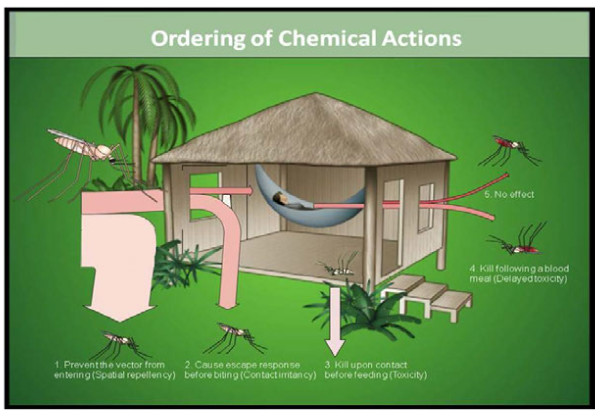
“The use of spatial repellents to create a vector-free space, thereby preventing contact between human and vector, thus preventing disease transmission, is demonstrably effective [9-22].”
§ Spatial repellents: from discovery and development to evidence-based validation > Background
What the sources say
- Not matchedcites [9] Muirhead-Thomson RC Mosquito behavior in relation to malaria transmission and control in the tropics 1953 Edward Arnold and Co., London
We searched by its title and found no matching paper.
- Not checked — no full text of the sourcecites [10] Gabaldon A The nation-wide campaign against malaria in Venezuela: Part II Trans R Soc Trop Med Hyg 1949 43 133 164 18144058 source
- Not matchedcites [11] Gabaldon A The effect of DDT on the population of anopheline vectors in Venezuela Riv Parasitol 1952 8 24 41
Its entry has no title and year that we can search by.
- Not checked — no full text of the sourcecites [12] Kennedy JS The excitant and repellent effects on mosquitoes of sublethal contacts with DDT Bull Entomol Res 1947 37 593 607 10.1017/S0007485300030091 20287803 source
- Not checked — no full text of the sourcecites [13] De Zulueta J Cullen JR Deterrent effect of insecticides on malaria vectors Nature 1963 200 860 861 10.1038/200860a0 14096060 source
- Not checked — no full text of the sourcecites [14] Smith A Webley DJ A verandah trap for studying the house-frequenting habits of mosquitoes and for assessing insecticides. Part 3. The effect of DDT on behavior and mortality Bull Entomol Res 1969 59 33 46 10.1017/S000748530000300X 4390166 source
- Not checked — no full text of the sourcecites [15] Grieco JP Achee NL Andre RG Roberts DR A comparison study of house entering and exiting behavior of Anopheles vestitipennis using experimental huts sprayed with DDT or deltamethrin in the southern district of Toledo, Belize, C.A J Vector Ecol 2000 25 62 73 10925798
- Supportedcites [16] Grieco JP Achee NL Chareonviriyaphap T Suwonkerd W Chauhan K Sardelis MR Roberts DR A new classification system for the actions of IRS chemicals traditionally used for malaria control PLoS One 2007 2 e716 10.1371/journal.pone.0000716 17684562 PMC1934935 source
The Results report significant spatial repellency for DDT, and the Abstract says it kept mosquitoes outside treated huts. The Discussion describes this barrier as breaking human–vector contact and preventing disease transmission. The paper supports the claim through mosquito-response and hut findings, rather than a direct measurement of disease incidence. (LLM, conf=0.88)
- Not checked — no full text of the sourcecites [17] Roberts DR DDT and house spraying and re-emerging malaria Lancet 2000 356 330 332 10.1016/S0140-6736(00)02516-2 11071203 source
- Not checked — no full text of the sourcecites [18] Roberts DR Alecrim WD Hshieh P Grieco JP Bangs M Andre RG Chareonviriyaphap T A probability model of vector behavior: effects of DDT repellency, irritancy, and toxicity in malaria control J Vector Ecol 2000 25 48 61 10925797
boostedstates a cause- Asserted: passes — The authors put it forward as true.
- Checkable: passes — It can be checked against evidence.
- Load-bearing: passes — The paper’s conclusions depend on it.
- Based: passes — The paper gives a reason why it holds.
- Not matched
Every source the paper cites for this claim was checked and supports it.
In the paper
“It is likely that, the longer a vector remains exposed to harsher and more demanding outdoor conditions the more likely it is that the vector will die.”
§ Spatial repellents: from discovery and development to evidence-based validation > Background > Making choices: repel or kill? Evidence of value
What the sources say
- Supportedcites [19] Killeen GF Smith TA Exploring the contributions of bed nets, cattle, insecticides and excitorepellency to malaria control: a deterministic model of mosquito host-seeking behaviour and mortality Trans R Soc Trop Med Hyg 2007 101 867 880 10.1016/j.trstmh.2007.04.022 17631372 PMC1949412 source
The Methods section says foraging is dangerous for mosquitoes and that survival during foraging is almost certainly lower than while resting in houses. The Discussion also describes a survival cost of extended periods outside houses. Together, these support the citing sentence’s hedged claim. (LLM, conf=0.91)
hedgedstates a possible cause- Asserted: passes — The authors put it forward as true.
- Checkable: passes — It can be checked against evidence.
- Load-bearing: passes — The paper’s conclusions depend on it.
- Based: passes — The paper gives a reason why it holds.
- Supported
The cited sources support only part of this claim — read each source’s verdict below.
In the paper
“Studies evaluating physical barriers (e.g. house screening and untreated bed nets) have shown reduction on disease burden in the absence of vector lethality [20,21].”
§ Spatial repellents: from discovery and development to evidence-based validation > Background > Making choices: repel or kill? Evidence of value
What the sources say
- Not checked — no full text of the sourcecites [20] Lindsay SW Emerson PM Charlwood JD Reducing malaria by mosquito-proofing houses Trends Parasitol 2002 18 510 514 10.1016/S1471-4922(02)02382-6 12473368 source
- Partly supportedcites [21] Ogoma SB Lweitoijera DW Ngonyani H Furer B Russell TL Mukabana WR Killeen GF Moore SJ Screening mosquito house entry points as a potential method for integrated control of endophagic filariasis, arbovirus and malaria vectors PLoS Negl Trop Dis 2010 4 8 e773 10.1371/journal.pntd.0000773 20689815 PMC2914752 sourceExperimental — accuracy not yet measured
The Introduction reports that houses with closed eaves or ceilings have a lower malaria burden than houses with open eaves or no ceilings. However, this study measured mosquito densities, not disease burden; although the Methods (Ethics) mention providing untreated bed nets to volunteers, the paper does not report a disease-burden reduction from those nets. Pages are not specified in our copy. (LLM, conf=0.86)
plainstates a cause- Asserted: passes — The authors put it forward as true.
- Checkable: passes — It can be checked against evidence.
- Load-bearing: passes — The paper’s conclusions depend on it.
- Based: passes — The paper gives a reason why it holds.
The cited sources support only part of this claim — read each source’s verdict below.
In the paper
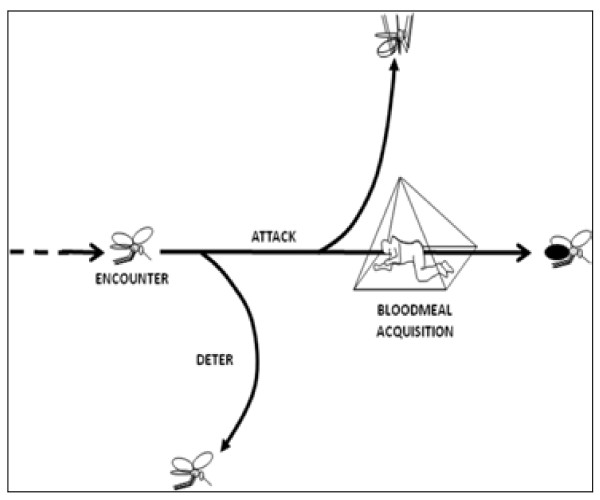
“The accumulated long-term effects of such deterrent events upon mosquito life histories can reduce malaria transmission by forcing mosquitoes to either feed upon non-human hosts or to search more broadly for alternative blood (and subsequently oviposition sites), thereby reducing human blood indices, vector survival, feeding frequency and reproduction rates.”
§ Spatial repellents: from discovery and development to evidence-based validation > Background > Making choices: repel or kill? Evidence of value
What the sources say
- Partly supportedcites [19] Killeen GF Smith TA Exploring the contributions of bed nets, cattle, insecticides and excitorepellency to malaria control: a deterministic model of mosquito host-seeking behaviour and mortality Trans R Soc Trop Med Hyg 2007 101 867 880 10.1016/j.trstmh.2007.04.022 17631372 PMC1949412 sourceExperimental — accuracy not yet measured
Split into 2 atoms — 0 confirmed, 2 partially supported, 0 disputed, 0 misattributed, 0 unverifiable. Expand the claim to see per-atom verdicts.
plainstates a cause- Asserted: passes — The authors put it forward as true.
- Checkable: passes — It can be checked against evidence.
- Load-bearing: passes — The paper’s conclusions depend on it.
- Based: passes — The paper gives a reason why it holds.
- Partly supported
The cited sources support only part of this claim — read each source’s verdict below.
In the paper
“The reduction in host-contact/feeding success could ultimately lead to reduced overall numbers and survival of older mosquitoes that transmit mature infectious stage parasites, thereby suppressing transmission at the community level –a more subtle means to achieve the desired outcome of traditional adulticidal strategies [19].”
§ Spatial repellents: from discovery and development to evidence-based validation > Background > Making choices: repel or kill? Evidence of value
What the sources say
- Partly supportedcites [19] Killeen GF Smith TA Exploring the contributions of bed nets, cattle, insecticides and excitorepellency to malaria control: a deterministic model of mosquito host-seeking behaviour and mortality Trans R Soc Trop Med Hyg 2007 101 867 880 10.1016/j.trstmh.2007.04.022 17631372 PMC1949412 sourceExperimental — accuracy not yet measured
The Methods section on foraging mortality predicts that diversion can reduce mosquito survival, sporozoite prevalence and transmission when continued foraging is hazardous. But the Results report that lower sporozoite prevalence can be offset by more bites on non-users, leaving their transmission exposure largely unchanged; the Discussion says purely diversionary measures will probably have minimal community-level impact. The paper therefore supports a possible survival mechanism, not the implied general suppression of community transmission or a demonstrated reduction in overall mosquito numbers. Page numbers are unavailable in our copy. (LLM, conf=0.86)
hedgedstates a possible cause- Asserted: passes — The authors put it forward as true.
- Checkable: passes — It can be checked against evidence.
- Load-bearing: passes — The paper’s conclusions depend on it.
- Based: passes — The paper gives a reason why it holds.
- Partly supported
12 more claims · 4 with their cited sources checked
Create a free account to see all 32 claims and to verify the 11 references still open.
- It may state two separate claims as one. 14
- Probably not a substantial claim. 3
Claims other papers make about this one
Each is checked against this paper’s own text: does it say what the citing paper says it does?
The check wasn’t confident either way, so it gives no verdict — never disputed.
In the citing paper
“Ongoing studies are investigating a range of novel trap designs for Aedes spp. surveillance and control [106–108] but to date, evidence of traps preventing any mosquito-borne disease remains elusive.”
From Is Dengue Vector Control Deficient in Effectiveness or Evidence?: Systematic Review and Meta-analysis (2016) · cites this paper as [108]
Experimental — accuracy not yet measured
Self-check
Percentages, sums and reported differences re-computed from the paper’s own numbers.
Each contradiction between two passages listed here was confirmed by an independent check.
Rated minor: it would not touch a result — a value no result rests on, a p-value that stays on the same side of the significance level, or a conflict that is clerical, resolved elsewhere in the paper, or outside its own findings.
In the paper
§ Spatial repellents: from discovery and development to evidence-based validation > Authors’ contributions
“MJB, RF, GFK, SL, JGL, SJM, MR, KS, ST, LZ and JPG participated in the revision of the manuscript.”
§ Spatial repellents: from discovery and development to evidence-based validation > Competing interests
“MJB, SL, MR, KS, SJT declare that they have no competing financial interests.”
Citations
Cites
Dengue and Dengue Hemorrhagic Fever
Gubler, D. J. (1998) · Clinical Microbiology Reviews · doi:10.1128/cmr.11.3.480 · Cited by 4,310
Weltgesundheitsorganisation (2005) · Cited by 3,799
The Use of Push-Pull Strategies in Integrated Pest Management
Cook, S. M., Khan, Z. R., & Pickett, J. A. (2007) · Annual Review of Entomology · doi:10.1146/annurev.ento.52.110405.091407 · Cited by 1,572 · cited 1×
“Indeed, strategies such as a push-pull system that integrates repellents or mating disruptors with attractants and trapping methods, have successfully been implemented for agricultural pest control and are currently under investigation for vector control [23].”
BackgroundRussell, T. L., Govella, N. J., Azizi, S., Drakeley, C. J., Kachur, S. P., & Killeen, G. F. (2011) · Malaria Journal · doi:10.1186/1475-2875-10-80 · Cited by 698 · cited 1×
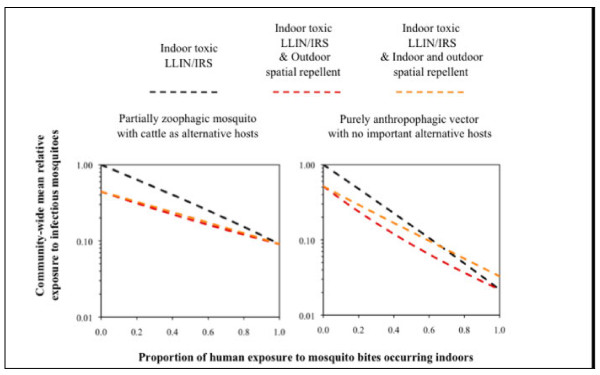
“When one considers the human population at risk of transmission outdoors, the niche for spatial repellents becomes increasingly evident due to the lack of current control products for those humans becoming infected in these areas [34,35] (Figure 3).”
BackgroundSelf-citationA Research Agenda to Underpin Malaria Eradication
Alonso, P. L., Brown, G., Arevalo-Herrera, M., Binka, F., Chitnis, C., Collins, F., Doumbo, O. K., Greenwood, B., Hall, B. F., Levine, M. M., et al. (2011) · PLoS Medicine · doi:10.1371/journal.pmed.1000406 · Cited by 667 · cited 1×
“With current efforts focused on the elimination and eventual eradication of vector-borne diseases such as malaria, this must change [43].”
BackgroundGriffin, J. T., Hollingsworth, T. D., Okell, L. C., Churcher, T. S., White, M., Hinsley, W., Bousema, T., Drakeley, C. J., Ferguson, N. M., Basáñez, M.-G., et al. (2010) · PLoS Medicine · doi:10.1371/journal.pmed.1000324 · Cited by 595 · cited 1×
“The result will be reductions in numbers of both humans and vectors being infected and this result has a dramatic effect on mathematical models of malaria transmission [27].”
BackgroundEcology: A Prerequisite for Malaria Elimination and Eradication
Ferguson, H. M., Dornhaus, A., Beeche, A., Borgemeister, C., Gottlieb, M., Mulla, M. S., Gimnig, J. E., Fish, D., & Killeen, G. F. (2010) · PLoS Medicine · doi:10.1371/journal.pmed.1000303 · Cited by 374 · cited 1×
“In fact, in the face of elimination/eradication of malaria, it is becoming more evident that those vectors with behaviours which are not controlled by conventional IRS and ITNs or spaces where physical structures are absent, will become the focus of residual transmission and will be the barrier to success or failure […”
BackgroundSelf-citationInsect Odorant Receptors Are Molecular Targets of the Insect Repellent DEET
Ditzen, M., Pellegrino, M., & Vosshall, L. B. (2008) · Science · doi:10.1126/science.1153121 · Cited by 368 · cited 1×
“The promising news is that there are several electrophysiological and behavioural assays with correspondingly robust analyses currently being used in vector biology research that could be incorporated into such schemes once adopted by WHOPES and the wider scientific community [16,36-42].”
BackgroundMosquitoes smell and avoid the insect repellent DEET
Syed, Z., & Leal, W. S. (2008) · Proceedings of the National Academy of Sciences · doi:10.1073/pnas.0805312105 · Cited by 334 · cited 1×
“The promising news is that there are several electrophysiological and behavioural assays with correspondingly robust analyses currently being used in vector biology research that could be incorporated into such schemes once adopted by WHOPES and the wider scientific community [16,36-42].”
BackgroundThe Innovative Vector Control Consortium: improved control of mosquito-borne diseases
Hemingway, J., Beaty, B. J., Rowland, M., Scott, T. W., & Sharp, B. L. (2006) · Trends in Parasitology · doi:10.1016/j.pt.2006.05.003 · Cited by 287
Self-citation
Research works printed but not linked: 3
- The “Repellent and Consumer Product” working group of the Vector Control Consultation Workshop held in Seattle, WA July 2008 organized by the Bill & Melinda Gates Foundation; The “Identification of Current Spatial Repellent Research” meeting held in New Orleans, LA at the 2008 ASTMH conference; The “Outlining Behavioral Terminology Related to Spatial Repellency Research” meeting held in New Orleans, LA at the 2009 AMCA conference; and the “Advancing Repellents to Recommendation (ARR)” meeting held in London, UK at the London School of Tropical Health and Medicine May 2009
- Boston Consulting Group Market assessment for public health pesticide products 2006
- Syed Z, Leal W: Mosquitoes smell and avoid the insect repellent DEET. Proc Natl Acad Sci USA. 2008, 105: 13195-13196. 10.1073/pnas.0807167105. · DOI · Paper page
Cited by
Items 101–200 of 299
Newer Approaches for Malaria Vector Control and Challenges of Outdoor Transmission
Beier, J. C., Wilke, A. B. B., & Benelli, G. (2018) · InTech eBooks · doi:10.5772/intechopen.75513 · Cited by 30
Sathantriphop, S., Thanispong, K., Sanguanpong, U., Achee, N. L., Bangs, M. J., & Chareonviriyaphap, T. (2014) · Journal of Medical Entomology · doi:10.1603/me13191 · Cited by 21
Self-citationA critical review of current laboratory methods used to evaluate mosquito repellents
Luker, H. A. (2024) · Frontiers in Insect Science · doi:10.3389/finsc.2024.1320138 · Cited by 34
“Spatial repellency is typically observed by the absence of mosquitoes in the vicinity or by the signi fi cant decrease in mosquitoes physically touching a treated object or individual (54, 55).”
BackgroundMicro-epidemiology of malaria in an elimination setting in Central Vietnam
Bannister-Tyrrell, M., Xã, N. X., Kattenberg, J. H., Van, N. V., Dung, V. K. A., Hieu, T. M., Hong, N. V., Rovira-Vallbona, E., Thảo, N. T., Duong, T. T., et al. (2018) · Malaria Journal · doi:10.1186/s12936-018-2262-0 · Cited by 26
“In addition to these malaria control activities, there may be a role for supplementary vector control tools such as personal topical repellents for use at farms and in the forest, or spatial repellents for evening gatherings in hamlets, though neither tool shows consistent efficacy [52, 53], and effectiveness is depen…”
BackgroundUsing evolution to generate sustainable malaria control with spatial repellents
Lynch, P. A., & Boots, M. (2016) · eLife · doi:10.7554/elife.15416 · Cited by 19
“Work inspired by the historic efficacy of DDT as a tool in combating malaria has highlighted the potential role of spatial repellence as a means of reducing transmission (Achee et al., 2012; Loyola et al., 1990; Roberts et al., 2000; Roberts, 2010; Roberts et al., 2000; Curtis, 2002; Roberts and Alecrim, 1991).”
BackgroundInfluentialSukkanon, C., Bangs, M. J., Nararak, J., Hii, J., & Chareonviriyaphap, T. (2019) · Journal of the American Mosquito Control Association · doi:10.2987/19-6832.1 · Cited by 22
Self-citationSwai, J. K., Kibondo, U. A., Ntabaliba, W. S., Ngonyani, H., Makungwa, N. O., Mseka, A. P., Chura, M. R., Mascari, T. M., & Moore, S. (2023) · Malaria Journal · doi:10.1186/s12936-023-04568-5 · Cited by 17
“These can be used both indoors and outdoors to prevent mosquito bites [8, 9].”
BackgroundSelf-citationKamaraj, C., Naveenkumar, S., Prem, P., Ragavendran, C., Subramaniyan, V., Al‐Ghanim, K. A., Malafaia, G., Nicoletti, M., & Govindarajan, M. (2023) · Journal of Asia-Pacific Entomology · doi:10.1016/j.aspen.2023.102164 · Cited by 22
Saddler, A., Kreppel, K. S., Chitnis, N., Smith, T. A., Denz, A., Moore, J. D., Tambwe, M. M., & Moore, S. (2019) · Malaria Journal · doi:10.1186/s12936-019-3077-3 · Cited by 18
Self-citationEvans Blue as a Simple Method to Discriminate Mosquitoes’ Feeding Choice on Small Laboratory Animals
Maciel, C., Fujita, A., Gueroni, D. I., et al. (2014) · PLoS ONE · doi:10.1371/journal.pone.0110551 · Cited by 18
“In the near future, we intend to further explore this and other potential applications for the system, as the use of spatial repellents has been proposed as an additional strategy for the control of arthropod-borne diseases [46].”
BackgroundFongnikin, A., Ahoga, J., N’dombidjé, B., Hueha, C., de Souza, E., Oti-Tossou, R., Govoétchan, R., & Ngufor, C. (2024) · Malaria Journal · doi:10.1186/s12936-024-05043-5 · Cited by 19
Mwakalinga, V. M., Sartorius, B. K. D., Mlacha, Y. P., Msellemu, D. F., Limwagu, A. J., Mageni, Z. D., Paliga, J. M., Govella, N. J., Coetzee, M., Killeen, G. F., et al. (2016) · Malaria Journal · doi:10.1186/s12936-016-1186-9 · Cited by 20
“It is, therefore, likely that intervention packages targeted to both stable and unstable hot spots of malaria transmission will need to not only reduce or eliminate the hazard represented by local vector proliferation, presumably with supplementary application of new or improved vector population abatement measures, t…”
BackgroundSelf-citationYang, X., Zhou, Y., Sun, Y., Liu, J., & Jiang, D. (2021) · Pesticide Biochemistry and Physiology · doi:10.1016/j.pestbp.2021.104823 · Cited by 16
Sparks, J. T., Bohbot, J. D., & Dickens, J. C. (2014) · Progress in molecular biology and translational science · doi:10.1016/bs.pmbts.2014.11.004 · Cited by 23
Esayas, E., Gowelo, S., Assefa, M., Vajda, É. A., Thomsen, E. K., Getachew, A., Ashine, T., Mekonnen, G. K., Ntuku, H., Bennett, A. F., et al. (2024) · Parasites & Vectors · doi:10.1186/s13071-024-06607-9 · Cited by 22
Killeen, G. F., Kiware, S. S., Seyoum, A., Gimnig, J. E., Corliss, G. F., Stevenson, J. C., DRAKELEY, C. J., & Chitnis, N. (2014) · Malaria Journal · doi:10.1186/1475-2875-13-338 · Cited by 15
“from humans [46] or contaminating them with agents that affect their longevity [47,48], competence [47,48] or fecundity [49,50].”
BackgroundSelf-citationKim, D.-Y., Hii, J., & Chareonviriyaphap, T. (2023) · Insects · doi:10.3390/insects14090767 · Cited by 18
“Volatile pyrethroids spatial repellents (VPSRs) can prevent human–vector contact by disrupting hematophagous arthropods from entering the space occupied by human hosts and stimulating directed movement away from the source without physical contact [11].”
BackgroundHuman and Simian Malaria in the Greater Mekong Subregion and Challenges for Elimination
Hii, J., Vythilingam, I., & Roca‐Feltrer, A. (2018) · InTech eBooks · doi:10.5772/intechopen.76901 · Cited by 16
Sathantriphop, S., Paeporn, P., Ya-umphan, P., Mukkhun, P., Thanispong, K., Chansang, C., Bangs, M. J., Chareonviriyaphap, T., & Tainchum, K. (2020) · Journal of Medical Entomology · doi:10.1093/jme/tjaa019 · Cited by 16
Self-citationShimomura, K., Oikawa, H., Hasobe, M., Suzuki, N., Yajima, S., & Tomizawa, M. (2020) · Pest Management Science · doi:10.1002/ps.6160 · Cited by 15
Kiware, S. S., Corliss, G. F., Merrill, S. J., Lwetoijera, D. W., Devine, G. J., Majambere, S., & Killeen, G. F. (2015) · PLoS ONE · doi:10.1371/journal.pone.0131835 · Cited by 12
“Some of the most promising strategies that might be used to complement LLINs and IRS by targeting adult mosquitoes outdoors include vapour-phase repellents [19], insecticide-treated clothing [20–21] insecticide-treated cattle [22], odor-baited traps [23– 24] and toxic sugar baits [25].”
BackgroundSelf-citationten Bosch, Q. A., Wagman, J., Castro-Llanos, F., Achee, N. L., Grieco, J. P., & Perkins, T. A. (2020) · PLoS Computational Biology · doi:10.1371/journal.pcbi.1008190 · Cited by 16
“SRs consist of products aimed at reducing contact between humans and mosquitoes by preventing mosquito entrance into human-occupied spaces, interfering with the detection of humans, or disrupting the blood-feeding process [4].”
BackgroundSelf-citationVajda, É. A., Ross, A. J., Saeung, M., Pongsiri, A., McIver, D. J., Tatarsky, A., Chitnis, N., Hii, J., Richardson, J. H., MacDonald, M. B., et al. (2024) · Malaria Journal · doi:10.1186/s12936-024-05188-3 · Cited by 13
“…non-contact excitorepellency (the combined effects of both irritation from coming into direct contact with a treated area and the tendency to avoid treated areas due to their repellent properties), spatial repellency, landing inhibition, feeding inhibition, and sublethal inca-pacitation [16, 17].”
Self-citationBritch, S. C., Linthicum, K. J., Kline, D. L., et al. (2020) · Journal of the American Mosquito Control Association · doi:10.2987/19-6894.1 · Cited by 13
Zhou, G., Yu, L., Wang, X., Zhong, D., Lee, M., Kibret, S., & Yan, G. (2020) · PLoS ONE · doi:10.1371/journal.pone.0244447 · Cited by 16
“Spatial repellents are considered to be promising alternatives to the contact repellents currently in use, as they may delay or diminish the development of insecticide resistance by minimizing the intensity of selection pressure induced by contact-mediated toxicity mechanisms [37, 40].”
BackgroundHayes, C. C., & Schal, C. (2022) · Parasites & Vectors · doi:10.1186/s13071-022-05613-z · Cited by 17
“Olyset) are designed with large enough mesh holes that mosquitoes could pass through, but changes in mosquito behavior associated with repellency effectively prevent mosquitoes from doing so [46].”
BackgroundMaking scents of mosquito repellents
Meier, C. J., Nguyen, M. N., & Potter, C. J. (2025) · Trends in Parasitology · doi:10.1016/j.pt.2025.02.009 · Cited by 13
Yu, J., Bong, L., Panthawong, A., Chareonviriyaphap, T., & Neoh, K. (2020) · Journal of Medical Entomology · doi:10.1093/jme/tjaa172 · Cited by 13
Mosqueira, B., Chabi, J., Chandre, F., Akogbeto, M. C., Hougard, J., Carnevale, P., & Mas‐Coma, S. (2013) · Malaria Journal · doi:10.1186/1475-2875-12-366 · Cited by 12
Evaluating the effects of anticoagulants on Rhodnius prolixus artificial blood feeding
Silva-Cardoso, L., Dias, F. A., Fampa, P., Pereira, M. G., & Atella, G. C. (2018) · PLoS ONE · doi:10.1371/journal.pone.0206979 · Cited by 13
Potential of garlic oil as a biopesticide against all Aedes aegypti life stages
Dusi, R. G., Morais, L. S., Magalhães, N. M. G., Albernaz, L. C., Hamilton, C. J., & Espíndola, L. S. (2022) · Industrial Crops and Products · doi:10.1016/j.indcrop.2022.114780 · Cited by 12
Microbiological control for mosquito larvae: Current progress and applications
Hong, G., Yu, L., Ji, H., Cao, Y., He, Z., Liu, C., Xia, Y., & Peng, G. (2025) · Virulence · doi:10.1080/21505594.2025.2569999 · Cited by 14
“Methods based on incompatible and sterile insect techniques (IIT-SIT) [32], spatial repellents [33,34], mosquito traps [35], attractive toxic sugar baits (ATSB) (Figure 2(B)) [36,37], and entomopathogenic fungi (EPF) [38,39] have been developed for adult mosquito control.”
Agumba, S., Moshi, V., Muchoki, M., Omondi, S., Kosgei, J. J., Walker, E. D., Abong’o, B., Achee, N. L., Grieco, J. P., & Ochomo, E. (2024) · Parasites & Vectors · doi:10.1186/s13071-023-06096-2 · Cited by 15
“Spatial repellents (SR) are a promising vector control paradigm that could add to the existing strategies for malaria prevention [8, 9].”
BackgroundSelf-citationYellow Fever in Non-Human Primates: A Veterinary Guide from a One Health Perspective
Nederlof, R. A., Virgilio, T., Stemkens, H. J. J., da Silva, L. C. C. P., Montagna, D. R., Abdussamad, A. M., Chipangura, J. K., & Bakker, J. (2025) · Veterinary Sciences · doi:10.3390/vetsci12040339 · Cited by 20
“Research on mosquito chemical repellents continues to advance, along with knowledge of mosquito olfaction and behavior, mosquito–host interactions, and chemical structures [144].”
Mulatier, M., Alou, L. P. A., Chandre, F., Pennetier, C., Dormont, L., & Cohuet, A. (2018) · Parasites & Vectors · doi:10.1186/s13071-018-3024-0 · Cited by 14
Bhoopong, P., Chareonviriyaphap, T., & Sukkanon, C. (2022) · PeerJ · doi:10.7717/peerj.13357 · Cited by 11
Hulle, S. V., Sagara, I., Mbodji, M., Nana, G. I., Coulibaly, M. B., Dicko, A., Koné, M., Théra, I., Sylla, D., Traoré, M. D., et al. (2022) · Trials · doi:10.1186/s13063-022-06197-w · Cited by 12
“Spatial Repellents (SRs) products have shown promise as a tool to reduce biting by mosquitoes and the WHO Pesticide Evaluation Scheme has developed methods to evaluate the efficacy of new SR products [4, 5].”
BackgroundMethodSelf-citationMartin, N. J., Smith, P. A., Achee, N. L., & DeLong, G. T. (2013) · PLoS ONE · doi:10.1371/journal.pone.0071884 · Cited by 12
“DDT detection occurred in 83% of samples from treated huts (huts B and C) and in one sample from the control hut (labeling error suspected) as previously reported [8].”
BackgroundResultSelf-citationDifferent Strategies for Mosquito Control: Challenges and Alternatives
Kaura, T., Walter, N. S., Kaur, U., & Sehgal, R. (2023) · IntechOpen eBooks · doi:10.5772/intechopen.104594 · Cited by 17
Ávila, M. I., Vajda, É. A., Gutiérrez, E. J., Gibson, D. A., Renteria, M. M., Presley, N., O’Reilly, D., Tatarsky, A., & Lobo, N. F. (2023) · Malaria Journal · doi:10.1186/s12936-023-04453-1 · Cited by 12
Gómez, L. F., Rocha, H. D. R., Gil-Torró, I., Serafín-Pérez, I., Mendes, D. C., Silva, K., Monteiro, D. D. S., Reis, J. P. T. D., Leal, S. D. V., Soulé, L. F. V., et al. (2024) · Frontiers in Tropical Diseases · doi:10.3389/fitd.2024.1321687 · Cited by 14
ten Bosch, Q. A., Castro-Llanos, F., Manda, H., Morrison, A. C., Grieco, J. P., Achee, N. L., & Perkins, T. A. (2018) · Parasites & Vectors · doi:10.1186/s13071-018-2919-0 · Cited by 11
“the public health value of these products [14, 53].”
Self-citationÁvila, M. I., Vajda, É. A., Gutiérrez, E. J., Gibson, D. A., Renteria, M. M., Presley, N. A., O’Reilly, D., Burton, T. A., Tatarsky, A., & Lobo, N. F. (2021) · Malaria Journal · doi:10.1186/s12936-021-03972-z · Cited by 10
Narrative Review of the Control and Prevention of Knowlesi Malaria
Mohammad, A. H., Naserrudin, N. A., Rahim, S. S. S. A., Jelip, J., Atil, A., Sazali, M. F., Muyou, A. J., Kunasagran, P. D., Kamarudin, N. A., Azhar, Z. I., et al. (2022) · Tropical Medicine and Infectious Disease · doi:10.3390/tropicalmed7080178 · Cited by 14
“There are more than 10 active ingredients that have been approved by the WHO for use as spatial repellent, including pyrethroid [86].”
BackgroundYan, C., Hii, J., Ngoen‐Klan, R., Ahebwa, A., Saeung, M., & Chareonviriyaphap, T. (2023) · Acta Tropica · doi:10.1016/j.actatropica.2023.106904 · Cited by 12
Exposure to L-cycloserine incurs survival costs and behavioral alterations in Aedes aegypti females
Belloni, V., & Scaraffia, P. Y. (2014) · Parasites & Vectors · doi:10.1186/1756-3305-7-373 · Cited by 9
“Motor activity impairment caused by the exposure to chemicals in natural conditions could result in a compromised seeking and biting behavior, and therefore affect disease transmission [43,44].”
BackgroundBernier, U. R., Kline, D. L., Vazquez, A. A., Perry, M., Cohnstaedt, L. W., Gurman, P., D’hers, S., & Elman, N. M. (2019) · PLoS neglected tropical diseases · doi:10.1371/journal.pntd.0007188 · Cited by 9
Parker, C., Bernaola, L., Lee, B. W., Elmquist, D. C., Cohen, A. L., Marshall, A. T., Hepler, J. R., Pekarcik, A. J., Justus, E. J., King, K., et al. (2019) · Journal of Insect Science · doi:10.1093/jisesa/iez069 · Cited by 13
Verhulst, N. O., Cavegn, J. C., & Mathis, A. (2020) · Current Research in Insect Science · doi:10.1016/j.cris.2020.100002 · Cited by 9
Dhiman, S., Yadav, K., Acharya, B. N., Ahirwar, R. K., & Sukumaran, D. (2021) · Parasites & Vectors · doi:10.1186/s13071-021-04746-x · Cited by 10
“Intervention strategies based on repelling vector mosquitoes from humaninhabited areas remain the area of investigation as they have contributed recognisably to reducing mosquitoborne disease incidence in different endemic settings [7].”
BackgroundMcMillan, B. E., Britch, S. C., Golden, F. V., Aldridge, R. L., Moreno, B. J., Bayer, B. E., & Linthicum, K. J. (2021) · Current Research in Parasitology and Vector-Borne Diseases · doi:10.1016/j.crpvbd.2021.100067 · Cited by 10
“For example, residual pesticide treatment of US military uniforms and materials have been leveraged against mosquitoes in military IVM because these materials, such as camouflage netting or tents, are found ubiquitously among US military personnel in the field (Britch et al., 2010).”
BackgroundPuerta-Guardo, H. N., & Manrique-Saide, P. C. (2022) · IntechOpen eBooks · doi:10.5772/intechopen.98177 · Cited by 12
Bibbs, C. S., & Xue, R. (2016) · Journal of Medical Entomology · doi:10.1093/jme/tjw039 · Cited by 9
Shen, Y., Xue, R., & Bibbs, C. S. (2017) · Journal of the American Mosquito Control Association · doi:10.2987/17-6675.1 · Cited by 8
Hellewell, J., Sherrard-Smith, E., Ogoma, S. B., & Churcher, T. S. (2020) · Philosophical Transactions of the Royal Society B Biological Sciences · doi:10.1098/rstb.2019.0817 · Cited by 8
Njoroge, M. M., Hiscox, A., Saddler, A., Takken, W., van Loon, J. J. A., & Fillinger, U. (2022) · Parasites & Vectors · doi:10.1186/s13071-022-05384-7 · Cited by 11
“An added advantage of spatial repellents is the possibility to exert repellency on a wide range of mosquito species, therefore potentially disrupting not just the transmission of malaria, but other mosquito-borne diseases such as dengue, chikungunya and Zika virus among others [18, 29, 30].”
BackgroundFlores-Mendoza, C., López-Sifuentes, V. M., Vásquez, G. M., Stoops, C. A., Fisher, M. L., Bernier, U. R., Perry, M., Mollica, J., Coltzau, D. A., Gurman, P., et al. (2022) · Tropical Medicine and Infectious Disease · doi:10.3390/tropicalmed7110372 · Cited by 10
The Others: A Systematic Review of the Lesser-Known Arboviruses of the Insular Caribbean
Ali, I., Alarcón‐Elbal, P. M., Mundle, M., et al. (2023) · Viruses · doi:10.3390/v15040843 · Cited by 8
Bibbs, C. S., Kline, J., Kline, D. L., Estaver, J., Strohschein, R., Allan, S. A., Kaufman, P. E., Xue, R., & Batich, C. D. (2019) · Journal of Medical Entomology · doi:10.1093/jme/tjz160 · Cited by 8
Current status and future prospects of bacilli-based vector control
Kumar, A., Almeida, J., Mohanty, A. K., Kerkar, S., & Hoti, S. L. (2020) · Asian Pacific Journal of Tropical Medicine · doi:10.4103/1995-7645.296720 · Cited by 10
“The use of spatial repellents has been advocated to release volatile chemicals into the air, to induce modifications in insect behaviour and to reduce humanvector contact thereby reducing pathogen transmission[95].”
BackgroundSiegel, E. L., Olivera, M., Roig, E. M., Perry, M., Li, A. Y., D’hers, S., Elman, N. M., & Rich, S. M. (2022) · PLoS ONE · doi:10.1371/journal.pone.0269150 · Cited by 9
Chapter 34: Repellents for mosquito-borne disease control: beyond the repellency effect
Mulatier, M., Cohuet, A., & Carrasco, D. (2022) · Wageningen Academic Publishers eBooks · doi:10.3920/978-90-8686-932-9_34 · Cited by 13
Moreno-Gómez, M., Chueca, M. Á. M., & Bueno‐Marí, R. (2021) · Pathogens · doi:10.3390/pathogens10091171 · Cited by 7
“Outdoor-biting vectors are becoming more and more of a concern, and there is a need to incorporate alternative control tools [20,63].”
BackgroundInfluentialGovella, N. J., Assenga, A. A., Mlwale, A. T., Mirzai, N., Heffernan, E., Moriarty, J., Wenger, J., Corbel, V., McBeath, J., Ogoma, S. B., et al. (2024) · PLoS ONE · doi:10.1371/journal.pone.0299722 · Cited by 8
Self-citationAchee, N. L., & Grieco, J. P. (2018) · ACS symposium series · doi:10.1021/bk-2018-1289.ch003 · Cited by 11
Self-citationSukkanon, C., Chareonviriyaphap, T., & Doggett, S. L. (2019) · Austral Entomology · doi:10.1111/aen.12420 · Cited by 9
Spatial Repellents Protect Small Perimeters from Riceland Mosquitoes in a Warm-Humid Environment
Britch, S. C., Dame, D. A., Meisch, M. V., et al. (2021) · Journal of the American Mosquito Control Association · doi:10.2987/20-6974.1 · Cited by 7
Current status of spatial repellents in the global vector control community
Achee, N. L., & Grieco, J. P. (2021) · Elsevier eBooks · doi:10.1016/b978-0-323-85411-5.00009-1 · Cited by 9
Self-citationOkeyo, S., Derilus, D., Impoinvil, L. M., Dada, N., Omoke, D., Saizonou, H. D. M., Odhiambo, C. A., Mulder, N., Juma, G., Kulohoma, B. W., et al. (2025) · BMC Genomics · doi:10.1186/s12864-025-11755-y · Cited by 8
“This structural difference, particularly the absence of the classical 3-phenoxybenzyl moiety found in traditional pyrethroids, suggests potentially distinct interactions with known resistance mechanisms [14, 16, 17].”
Moreno-Gómez, M., Bueno‐Marí, R., & Miranda, M. A. (2021) · Insects · doi:10.3390/insects12060546 · Cited by 6
Supreme, C., Damus, O., Frederick, J., Lemoine, J. F., Raccurt, C., McBeath, J., Mirzai, N., Ogoma, S. B., Corbel, V., Impoinvil, D. E., et al. (2024) · PLoS ONE · doi:10.1371/journal.pone.0298919 · Cited by 6
“…currently available on the market only protect against mosquitoes for hours, days or weeks per application or dispensing dose, so they may be too expensive and impractical for continuous, indefinite use in low-income countries like Haiti [1, 6], and some formulations may even be hazardous [7, 8].”
Self-citationImpact of Skin Microbiome on Attractiveness to Arthropod Vectors and Pathogen Transmission
Verhulst, N. O., Boulanger, N., & Spitzen, J. (2018) · Elsevier eBooks · doi:10.1016/b978-0-12-811436-0.00003-4 · Cited by 15
Bibbs, C. S., Bloomquist, J. R., Hahn, D. A., Kaufman, P. E., & Xue, R. (2019) · Journal of Medical Entomology · doi:10.1093/jme/tjz048 · Cited by 6
Britch, S. C., Kline, D. L., Linthicum, K. J., et al. (2020) · Journal of the American Mosquito Control Association · doi:10.2987/20-6933.1 · Cited by 6
“Fortunately, spatial repellent properties of some pyrethroids such as transfluthrin (TFL; USEPA 2018) have come to light that may interfere with host-seeking behavior of hematophagous arthropods (Achee et al. 2012, Ogoma et al. 2012) and reduce biting pressure in protected areas.”
BackgroundTerminology of Insect Repellents
White, G. B., & Moore, S. (2014) · CRC Press eBooks · doi:10.1201/b17407-3 · Cited by 14
Self-citationBioprospecting of sponge and its symbionts: New tool for mosquitocidal & insecticidal metabolites
Mathivanan, A., Ravikumar, S., & Selvakumar, G. (2019) · Biocatalysis and Agricultural Biotechnology · doi:10.1016/j.bcab.2019.101158 · Cited by 7
Syahrani, L., Asih, P. B. S., Bowolaksono, A., Dwiranti, A., Zubaidah, S., Rozi, I. E., Permana, D. H., Bøgh, C., Bangs, M. J., Grieco, J. P., et al. (2024) · Malaria Journal · doi:10.1186/s12936-024-04841-1 · Cited by 9
“IRS and LLINs kill susceptible mosquitoes on contact [21, 22] while SRs are designed to repel mosquitoes away from human hosts [23, 24].”
BackgroundSelf-citationNon-contact detection of pyrethroids widely used in vector control by Anopheles mosquitoes
Kambou, S. S., Valente, A., Agnew, P., Hien, D. F. D. S., Yerbanga, R. S., Moiroux, N., Dabiré, R. K., Pennetier, C., Cohuet, A., & Carrasco, D. (2024) · PLoS ONE · doi:10.1371/journal.pone.0298512 · Cited by 7
Gopalakrishnan, R., & Veer, V. (2018) · Springer eBooks · doi:10.1007/978-981-13-1391-2_16 · Cited by 5
Chen, H., Yang, Z., Zhang, Y., Yin, Q., Huang, Q., & Cao, L. (2025) · Chemical Engineering Journal · doi:10.1016/j.cej.2025.163889 · Cited by 6
Tambwe, M. M., Swai, J. K., & Moore, S. (2021) · Elsevier eBooks · doi:10.1016/b978-0-323-85411-5.00011-x · Cited by 11
Self-citationSungpradit, S., & Sanprasert, V. (2020) · Elsevier eBooks · doi:10.1016/b978-0-12-821202-8.00004-9 · Cited by 5
Choomsang, I., Nararak, J., Bangs, M. J., & Chareonviriyaphap, T. (2018) · Journal of Asia-Pacific Entomology · doi:10.1016/j.aspen.2018.07.009 · Cited by 6
Self-citationReza, M., Ilmiawati, C., & Matsuoka, H. (2016) · Tropical Medicine and Health · doi:10.1186/s41182-016-0007-8 · Cited by 7
“org/publicdomain/ze Due to urgent efforts to develop new vector control methods, novel approaches have emerged, for example, toxic nectar baits [5], repellents [6], oviposition traps [7], and genetic modifications to mosquitoes [8].”
BackgroundTowards malaria elimination in the Greater Mekong Subregion.
Singhasivanon, P. (2013) · PubMed · Cited by 5
Půža, V., Nermuť, J., Konopická, J., & Habuštová, O. S. (2024) · Journal of Invertebrate Pathology · doi:10.1016/j.jip.2024.108075 · Cited by 5
Ueyama, J., Ito, Y., Hamada, R., et al. (2022) · Environmental Health and Preventive Medicine · doi:10.1265/ehpm.21-00037 · Cited by 4
“PYRs are often used in croplands (hereafter agriculture-PYR), but are also used as household pesticides for controlling insects in living spaces, pets, and livestock as a spatial repellent (hereafter hygiene-PYR), because of their relative safety for humans and an immediate insecticidal effect with broad-range spectru…”
BackgroundRen, X., Li, W., Zhang, J., Zhu, Y., Hou, X., Miao, H., Xu, X., Zhang, D., & Sheng, Z. (2024) · Journal of Applied Entomology · doi:10.1111/jen.13330 · Cited by 5
“In contrast, spatial repellents do not come into direct contact with the skin but protect users by creating a vector-free space, thereby preventing contact between humans and vectors (Achee et al., 2012, 2023 ).”
Powell, R. T., Miaoulis, M., Tsafrakidou, P., et al. (2024) · Journal of the American Mosquito Control Association · doi:10.2987/24-7199 · Cited by 4
13. Semiochemical tools for a new generation of livestock pest control
Brugman, V. A., Smallegange, R. C., & Logan, J. G. (2018) · Wageningen Academic Publishers eBooks · doi:10.3920/978-90-8686-863-6_13 · Cited by 7
“…human hosts (Logan et al. 2008), work by the release of volatile compounds into the air which disrupt arthropod behaviour at a distance from the host, and provide promise as a means for creating arthropod-free ‘zones’ in which hosts are protected from biting (Achee et al. 2012; Ogoma et al. 2014).”
Self-citationBibbs, C. S., Kaufman, P. E., & Xue, R. (2020) · Journal of Economic Entomology · doi:10.1093/jee/toaa321 · Cited by 4
Mosquito Repellent: A Novel Approach for Human Protection
Singhamahapatra, A., Sahoo, L., & Sahoo, S. (2020) · Springer eBooks · doi:10.1007/978-981-15-9456-4_8 · Cited by 4
Farooq, M., Blore, K., Xue, R., et al. (2022) · Journal of the Florida Mosquito Control Association · doi:10.32473/jfmca.v69i1.130637 · Cited by 4
“Achee et al. (2012) have collectively termed these techniques as mosquito behavior modification methods of vector-borne disease control.”
BackgroundExperimental evaluation of a metofluthrin passive emanator against Aedes albopictus
Zarella, O., Ekwomadu, U., Romer, Y., Kirstein, O. D., Che‐Mendoza, A., González‐Olvera, G., Manrique-Saide, P. C., Devine, G. J., & Vazquez‐Prokopec, G. M. (2022) · PLoS ONE · doi:10.1371/journal.pone.0267278 · Cited by 4
“These chemicals are captured under the “spatial repellent” paradigm and 77 exert a variety of dose-dependent lethal, repellent and confusant effects on a variety of 78 insects [26, 27].”
Damus, O., Supreme, C., Lemoine, J. F., Raccurt, C., McBeath, J., Ogoma, S. B., Corbel, V., Andrinopoulos, K., Impoinvil, D. E., Killeen, G. F., et al. (2024) · PLoS ONE · doi:10.1371/journal.pone.0300368 · Cited by 4
“…available on the market only protect against mosquitoes for hours, days or weeks per application or dispensing dose, so they may be too expensive and impractical for continuous, indefinite use in low-income countries like Haiti [1, 2, 6], and some formulations may even be hazardous [7, 8].”
BackgroundSelf-citationNakyaze, E., Hulle, S. V., Hembling, J., et al. (2024) · Trials · doi:10.1186/s13063-024-08378-1 · Cited by 4
“Spatial repellents (SRs) are a promising new vector con-trol paradigm that could add to the existing armamentar-ium for malaria prevention [1, 2].”
BackgroundSelf-citationCan Green Chemistry Provide Effective Repellents?
Gross, A. D., & Coats, J. R. (2014) · CRC Press eBooks · doi:10.1201/b17407-7 · Cited by 9
Bibbs, C. S., Kaufman, P. E., & Xue, R. (2019) · Environmental Entomology · doi:10.1093/ee/nvz170 · Cited by 4
Kerdsawang, J., Ahebwa, A., Ngoen‐Klan, R., Hii, J., & Chareonviriyaphap, T. (2025) · Acta Tropica · doi:10.1016/j.actatropica.2025.107596 · Cited by 3
Zhao, Q., Xuan, Q., Cui, Y., Sun, J., Zhang, Z., Luo, Y., Li, Z., Chen, Y., Wang, Z., Ge, S., et al. (2026) · Industrial Crops and Products · doi:10.1016/j.indcrop.2026.123235 · Cited by 3
Metadata
- Authors
- Achee, N. L., Bangs, M. J., Farlow, R., Killeen, G. F., Lindsay, S., Logan, J. G., Moore, S. J., Rowland, M., Sweeney, K., Torr, S. J., Zwiebel, L. J., & Grieco, J. P.
- Affiliations
- Uniformed Services University of the Health Sciences (US)
- Liverpool School of Tropical Medicine (GB)
- London School of Hygiene & Tropical Medicine (GB)
- Environmental Protection Agency (US)
- Vanderbilt University (US)
- Corresponding author
- Achee, Nicole L
- ORCID
- Venue
- Malaria Journal
- Published
- 2012-05-14
- Volume
- 11
- Issue
- 1
- Pages
- 164-164
- ISSN
- 1475-2875 (ISSN-L)
- PMC
- PMC3453515
- OpenAlex
- W2118516781
- Semantic Scholar
- 23fda3693aa0847ed18456fa78de4757fb337d51
- Cited by
- 303
- References
- 39
- Citations by year
- 2026: 30 · 2025: 15 · 2024: 28 · 2023: 15 · 2022: 34 · 2021: 32 · 2020: 23 · 2019: 20 · 2018: 23 · 2017: 13 · 2016: 20 · 2015: 10 · 2014: 22 · 2013: 15 · 2012: 1
- FWCI
- 2.38
- Type
- journal article
- Language
- en
- Open access
- gold
- doi.org
- Licence
- cc-by
- creativecommons.org/licenses/by/2.0 (tdm)
- Locations
- Malaria Journal (publishedVersion, cc-by)
- Europe PMC (PubMed Central) (publishedVersion, cc-by)
- PubMed Central (publishedVersion, cc-by)
- PubMed (publishedVersion)
- LSTM Online Archive (Liverpool School of Tropical Medicine) (acceptedVersion)
- Greenwich Academic Literature Archive (University of Greenwich) (acceptedVersion)
- IHI Repository (acceptedVersion)
- LSHTM Research Online (London School of Hygiene and Tropical Medicine) (acceptedVersion)
- Durham Research Online (Durham University) (acceptedVersion, other-oa)
- Durham Research Online (Durham University) (submittedVersion, cc-by)
- DOAJ (DOAJ: Directory of Open Access Journals) (submittedVersion)
- Funders
- Bill and Melinda Gates Foundation
- National Institute of Allergy and Infectious Diseases (R01AI056402)
- Topics
- Health Sciences › Medicine › Public Health, Environmental and Occupational Health › Malaria Research and Control
- Life Sciences › Agricultural and Biological Sciences › Plant Science › Insect Pest Control Strategies
- Health Sciences › Medicine › Public Health, Environmental and Occupational Health › Mosquito-borne diseases and control
- Keywords
- spatial repellents, vector control, arthropod-borne diseases, malaria control
- MeSH terms
- Animals, Humans, Insect Control, Insect Repellents
About these checks
Registry, retraction, Cites and statistics results are computed, not judged, with one exception: a printed reference that no index lists is read once by a model before it counts as a citation error. Claims are extracted by a model and kept only when their quote appears verbatim in the text; each cited source is then checked, with a model’s help, for whether it says what the claim relies on. Those verdicts can be wrong — read the claim’s quote and the cited source before relying on one.
The claim verdicts this report counts are experimental: their accuracy is not yet measured.
A language model drew the claims from the paper on 2026-10-10, under version 3 of the claim definition (model deepseek-v4.1-flash, prompt extract-v3).
A second model labelled each claim on 2026-10-10 (model jev-1.13-20260917, definition revision gold-guideline-v0.2).
Cited sources are checked with a language model’s help (gpt-6-sol).
Statistics and arithmetic are recomputed, not judged.
Confidence bands are shown only for fields calibrated on our annotated test set. None is calibrated yet, so no band is shown.
What counts as a claim ›How we measure confidence ›How we check this ›
Are you an author, or do you see a problem with this page? Request a review
Data sources
Bibliographic data: Semantic Scholar, OpenAlex, Crossref.
Contains information from the Semantic Scholar Academic Graph Datasets, made available under the ODC Attribution License (ODC-BY 1.0).
Semantic Scholar’s data is described in: Kinney, R., et al. (2023). The Semantic Scholar Open Data Platform. arXiv:2301.10140.
