

Impact of malaria during pregnancy on pregnancy outcomes in a Ugandan prospectivecohort with intensive malaria screening and prompt treatment
Open accessThe DOI matches its Crossref record; 47 of the 47 references it cites were found in a registry or an index.
Abstract
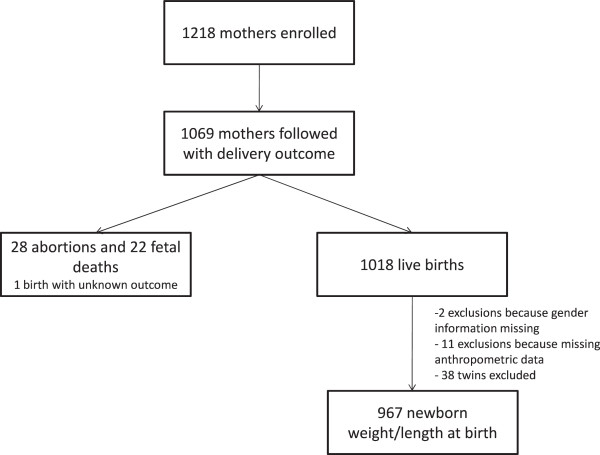
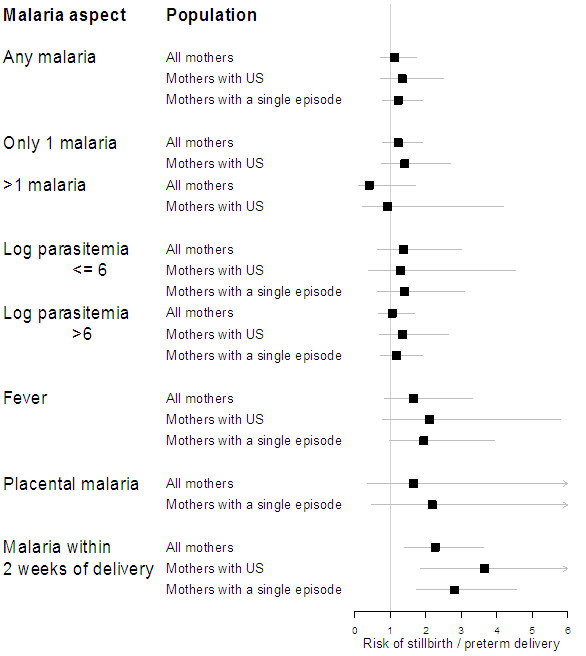
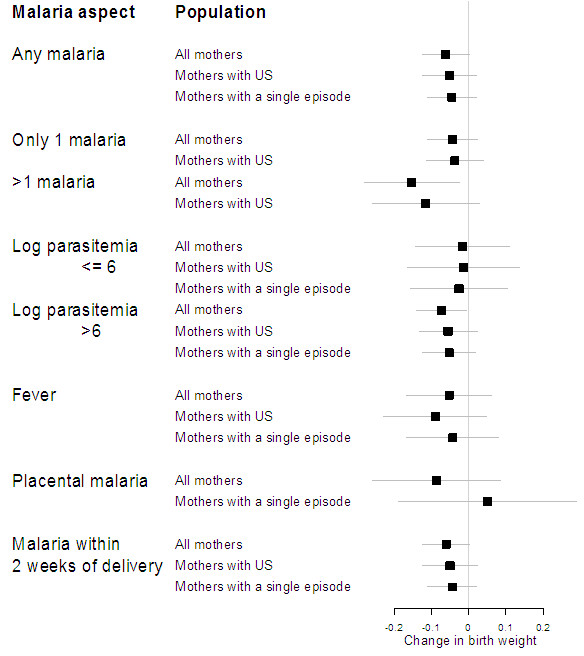
BACKGROUND: Malaria in pregnancy (MiP) is a major public health problem in endemic areas of sub-Saharan Africa and has important consequences on birth outcome. Because MiP is a complex phenomenon and malaria epidemiology is rapidly changing, additional evidence is still required to understand how best to control malaria. This study followed a prospective cohort of pregnant women who had access to intensive malaria screening and prompt treatment to identify factors associated with increased risk of MiP and to analyse how various characteristics of MiP affect delivery outcomes. METHODS: Between October 2006 and May 2009, 1,218 pregnant women were enrolled in a prospective cohort. After an initial assessment, they were screened weekly for malaria. At delivery, blood smears were obtained from the mother, placenta, cord and newborn. Multivariate analyses were performed to analyse the association between mothers' characteristics and malaria risk, as well as between MiP and birth outcome, length and weight at birth. This study is a secondary analysis of a trial registered with ClinicalTrials.gov, number NCT00495508. RESULTS: Overall, 288/1,069 (27%) mothers had 345 peripheral malaria infections. The risk of peripheral malaria was higher in mothers who were younger, infected with HIV, had less education, lived in rural areas or reported no bed net use, whereas the risk of placental infection was associated with more frequent malaria infections and with infection during late pregnancy. The risk of pre-term delivery and of miscarriage was increased in mothers infected with HIV, living in rural areas and with MiP occurring within two weeks of delivery.In adjusted analysis, birth weight but not length was reduced in babies of mothers exposed to MiP (-60 g, 95%CI: -120 to 0 for at least one infection and -150 g, 95%CI: -280 to -20 for >1 infections). CONCLUSIONS: In this study, the timing, parasitaemia level and number of peripherally-detected malaria infections, but not the presence of fever, were associated with adverse birth outcomes. Hence, prompt malaria detection and treatment should be offered to pregnant women regardless of symptoms or other preventive measures used during pregnancy, and with increased focus on mothers living in remote areas.
Overview
The claims and statistics of this paper haven’t been checked yet.
Free: it reads the open-access text and checks the first 5 claims that cite a source we can check. Create a free account to check every claim.
Integrity signals
Registry
Cites
Statistics
Figures
Verification
Claims the paper makes
The claims and statistics of this paper haven’t been checked yet.
Free: it reads the open-access text and checks the first 5 claims that cite a source we can check. Create a free account to check every claim.
Self-check
Percentages, sums and reported differences re-computed from the paper’s own numbers.
The self-check needs the paper’s full text.
Citations
Cites
R: A Language and Environment for Statistical Computing
R Core Team (2025) · doi:10.32614/r.manuals · Cited by 352,181
Developmental potential in the first 5 years for children in developing countries
Grantham-McGregor, S., Cheung, Y. B., Cueto, S., Glewwe, P., Richter, L., & Strupp, B. (2007) · The Lancet · doi:10.1016/s0140-6736(07)60032-4 · Cited by 3,630 · cited 1×
“For the foetus, the most commonly reported adverse effect of MiP is an increased risk of low birth weight (LBW) [2-5], which, in turn, is a significant risk factor for both impaired development [6-8] and infant mortality [9,10].”
BackgroundThe contribution of low birth weight to infant mortality and childhood morbidity
McCormick, M. C. (1985) · New England Journal of Medicine · doi:10.1056/nejm198501103120204 · Cited by 2,119 · cited 1×
“For the foetus, the most commonly reported adverse effect of MiP is an increased risk of low birth weight (LBW) [2-5], which, in turn, is a significant risk factor for both impaired development [6-8] and infant mortality [9,10].”
BackgroundEpidemiology and burden of malaria in pregnancy
Desai, M., ter Kuile, F. O., Nosten, F., McGready, R., Asamoa, K., Brabin, B., & Newman, R. D. (2007) · The Lancet Infectious Diseases · doi:10.1016/s1473-3099(07)70021-x · Cited by 1,432 · cited 2×
“While the consequences of MiP on maternal health are dominated by anaemia, data on malaria-related maternal mortality are sparse [1].”
BackgroundSelf-citationLubchenco, L. O., Hansman, C., & Boyd, E. (1966) · Pediatrics · doi:10.1542/peds.37.3.403 · Cited by 1,079 · cited 1×
“United States population-based references were used as standard [40,41].”
MethodThe burden of malaria in pregnancy in malaria-endemic areas
Steketee, R., Nahlen, B., Parise, M., & Menendez, C. (2001) · The American Journal of Tropical Medicine and Hygiene · doi:10.4269/ajtmh.2001.64.28 · Cited by 1,063 · cited 7×
“In contrast, a study conducted in Benin reported a higher risk of LBW associated with malaria infection after six months of pregnancy [12], and data from Thailand did not show a significantly lower birth weight in newborns of mothers with a single treated malaria episode in the first trimester compared to newborns of…”
BackgroundInfluentialNew Intrauterine Growth Curves Based on United States Data
Olsen, I. E., Groveman, S. A., Lawson, M. L., Clark, R. H., & Zemel, B. S. (2010) · Pediatrics · doi:10.1542/peds.2009-0913 · Cited by 867
The Statistical Analysis of Recurrent Events
(2007) · Statistics for Biology and Health · doi:10.1007/978-0-387-69810-6 · Cited by 731 · cited 1×
“The risk of peripheral malaria infection was analysed with a mixed-effects Poisson model [37,38].”
MethodMalaria in pregnancy: pathogenesis and immunity
Rogerson, S. J., Hviid, L., Duffy, P. E., Leke, R. F., & Taylor, D. W. (2007) · The Lancet Infectious Diseases · doi:10.1016/s1473-3099(07)70022-1 · Cited by 628 · cited 1×
“The former has been consistently associated with placental infection [17-24], while the latter appears to correlate with systemic manifestations of malaria infection in the mother [25-27].”
BackgroundThe Impact of Placental Malaria on Gestational Age and Birth Weight
Menendez, C., Ordi, J., Ismail, M. R., Ventura, P. J., Aponte, J. J., Kahigwa, E., Font, F., & Alonso, P. L. (2000) · The Journal of Infectious Diseases · doi:10.1086/315449 · Cited by 467 · cited 1×
“The former has been consistently associated with placental infection [17-24], while the latter appears to correlate with systemic manifestations of malaria infection in the mother [25-27].”
Background
Research works printed but not linked: 2
- MoH U Uganda National Policy Guidelines for HIV counseling and testing 2005 Kampala: Ministry of Health
- World Health Organization, United Nations Population Fund, UNICEF, The World Bank Pregnancy, childbirth, postpartum and newborn care: a guide for essential practice http://www.who.int/maternal_child_adolescent/documents/924159084x/en/index.html 26561684
Cited by
The role of infection in miscarriage
Giakoumelou, S., Wheelhouse, N., Cuschieri, K., Entrican, G., Howie, S. E. M., & Horne, A. W. (2016) · Human Reproduction Update · doi:10.1093/humupd/dmv041 · Cited by 464
“HIV statuswasassociatedwith miscarriage in a studyof 1,218 pregnant women from Uganda (De Beaudrap et al., 2013).”
BackgroundMoore, K. A., Simpson, J. A., Scoullar, M. J. L., McGready, R., & Fowkes, F. J. I. (2017) · The Lancet Global Health · doi:10.1016/s2214-109x(17)30340-6 · Cited by 165
Self-citationMoore, K. A., Simpson, J. A., Wiladphaingern, J., Min, A. M., Pimanpanarak, M., Paw, M. K., Raksuansak, J., Pukrittayakamee, S., Fowkes, F. J. I., White, N. J., et al. (2017) · BMC Medicine · doi:10.1186/s12916-017-0877-6 · Cited by 111
Self-citationPlacental malaria and its effect on pregnancy outcomes in Sudanese women from Blue Nile State
Omer, S. A., Idress, H. E., Adam, I., Abdelrahim, M., Noureldein, A. N., Abdelrazig, A. M., Elhassan, M. O., & Sulaiman, S. M. (2017) · Malaria Journal · doi:10.1186/s12936-017-2028-0 · Cited by 83
“Both of these factors contribute to LBW [15], which is the leading cause of perinatal and infant mortality [16].”
BackgroundResultInfluentialMedicinal plants used in malaria treatment by Prometra herbalists in Uganda
Adia, M. M., Anywar, G., Byamukama, R., Kamatenesi‐Mugisha, M., Sekagya, Y. H. K., Kakudidi, E. K., & Kiremire, B. T. (2014) · Journal of Ethnopharmacology · doi:10.1016/j.jep.2014.05.060 · Cited by 81
“A study that was done in Mbarara district, southwestern Uganda, reported that peripheral malaria infections during pregnancy, contribute significantly to perinatal morbidity (De Beaudrap et al., 2013).”
Matangila, J. R., Lufuluabo, J., Ibalanky, A. L., Inocêncio da Luz, R. A., Lutumba, P., & Van Geertruyden, J.-P. (2014) · Malaria Journal · doi:10.1186/1475-2875-13-132 · Cited by 80
“Studies have shown that preventive efforts (IPT with SP and insecticide-treated bed net) still leave a large proportion of women with peripheral parasitaemia which is associated with anaemia and impaired delivery outcomes [44].”
BackgroundKapisi, J., Kakuru, A., Jagannathan, P., Muhindo, M. K., Natureeba, P., Awori, P., Nakalembe, M., Ssekitoleko, R., Olwoch, P., Ategeka, J., et al. (2017) · Malaria Journal · doi:10.1186/s12936-017-2040-4 · Cited by 75
“After adjustment for gravidity and IPTp, there still was a non-significant trend towards increased risk of LBW, PTB, and SGA in category 3 compared to category 1 (Table 3).”
BackgroundResultSelf-citationThe Prevalence of Malaria among Pregnant Women in Ethiopia: A Systematic Review and Meta-Analysis
Tegegne, Y., Asmelash, D., Ambachew, S., Eshetie, S., Addisu, A., & Zeleke, A. J. (2019) · Journal of Parasitology Research · doi:10.1155/2019/8396091 · Cited by 82
“Malaria during pregnancy is associated with the reduced birthweight of infants, maternal anemia, maternal death, and infant mortality [20, 21].”
BackgroundElphinstone, R. E., Weckman, A. M., McDonald, C. R., Tran, V., Zhong, K., Madanitsa, M., Kalilani-Phiri, L., Khairallah, C., Taylor, S. M., Meshnick, S. R., et al. (2019) · PLOS Medicine · doi:10.1371/journal.pmed.1002914 · Cited by 66
“In contrast, women with PTB are reported to be at higher risk if they had malaria later in pregnancy [13,14], including at delivery [10,11].”
Briand, V., Saal, J., Ghafari, C., Huynh, B.-T., Fievet, N., Schmiegelow, C., Massougbodji, A., Deloron, P., Zeitlin, J., & Cot, M. (2016) · Journal of Infectious Diseases · doi:10.1093/infdis/jiw158 · Cited by 66
Burden of Malaria in Early Pregnancy: A Neglected Problem?
Huynh, B.-T., Cottrell, G., Cot, M., & Briand, V. (2015) · Clinical Infectious Diseases · doi:10.1093/cid/ciu848 · Cited by 63
“gestation [10] or during the first trimester [12]; however, the number of women screened during this period was low in both studies.”
BackgroundResultTegegne, B., Getie, S., Lemma, W., Mohon, A. N., & Pillai, D. R. (2017) · Malaria Journal · doi:10.1186/s12936-017-1692-4 · Cited by 70
“falciparum, in pregnant women increases the risk of maternal death, miscarriage, stillbirth and neonatal death [7, 8].”
BackgroundMpogoro, F. J., Matovelo, D., Dosani, A., Ngallaba, S., Mugono, M., & Mazigo, H. D. (2014) · Malaria Journal · doi:10.1186/1475-2875-13-455 · Cited by 58
“The negative consequences associated with malaria in pregnancy include: severe malaria, severe anaemia, pre-term delivery, maternal death, and placental malaria [2-4].”
BackgroundIbrahim, H., Maya, E. T., Issah, K., Apanga, P. A., Bachan, E. G., & Noora, C. L. (2017) · Pan African Medical Journal · doi:10.11604/pamj.2017.28.122.12611 · Cited by 57
“Malaria in pregnancy may occur depending on a woman's exposure to mosquitoes, her level of immunity and possible co-infections such as other malaria species, HIV or helminths as well as the efficacy of treatment and preventive interventions available to her [6].”
BackgroundSohail, M., Shakeel, S., Kumari, S., Bharti, A., Zahid, F., Anwar, S., Singh, K. P., Mazahirul, I., Sharma, A. K., Lata, S., et al. (2015) · BioMed Research International · doi:10.1155/2015/740512 · Cited by 72
Karl, S., Suen, C. S. N. L. W., Unger, H. W., Ome‐Kaius, M., Mola, G., White, L. J., Wangnapi, R. A., Rogerson, S. J., & Müeller, I. (2015) · PLoS ONE · doi:10.1371/journal.pone.0124286 · Cited by 61
“Available alternatives include LMP, symphysis pubis-fundal height (SFH) (single or multiple measurements) [13,14], quickening, neonatal physical and neurological maturity assessments (Dubowitz or Ballard score [BS]) [15,16], and mid- and late pregnancy fetal biometry [7].”
MethodSelf-citationLearning the ABCs of pregnancy and newborn care through mobile technology
Entsieh, A. A., Emmelin, M., & Pettersson, K. O. (2015) · Global Health Action · doi:10.3402/gha.v8.29340 · Cited by 51
“Researchers (32, 33) agree that malaria is a major public health concern, especially in sub-Saharan Africa.”
BackgroundPlasmodium falciparum Infection Early in Pregnancy has Profound Consequences for Fetal Growth
Schmiegelow, C., Matondo, S., Minja, D. T. R., Resende, M., Pehrson, C., Nielsen, B. B., Olomi, R., Nielsen, M. A., Deloron, P., Salanti, A., et al. (2017) · The Journal of Infectious Diseases · doi:10.1093/infdis/jix530 · Cited by 54
Timing of malaria in pregnancy and impact on infant growth and morbidity: a cohort study in Uganda
De Beaudrap, P., Turyakira, E., Nabasumba, C., Tumwebaze, B., Piola, P., Boum II, Y., & McGready, R. (2016) · Malaria Journal · doi:10.1186/s12936-016-1135-7 · Cited by 44
“The accurate determination of both gestational age (GA) and weight at birth is, therefore, an important factor that should be included in the analysis of the effect of MiP on the risk of malaria infection in infant [24].”
BackgroundMethodSelf-citationEffects of Malaria in the First Trimester of Pregnancy on Poor Maternal and Birth Outcomes in Benin
Accrombessi, M., Yovo, E., Fiévet, N., Cottrell, G., Agbota, G., Gartner, A., Martin‐Prével, Y., Vianou, B., Sossou, D., Fanou‐Fogny, N., et al. (2018) · Clinical Infectious Diseases · doi:10.1093/cid/ciy1073 · Cited by 58
Oriero, E. C., Amenga-Etego, L. N.-K., Ishengoma, D. S., & Amambua‐Ngwa, A. (2021) · Critical Reviews in Microbiology · doi:10.1080/1040841x.2020.1838440 · Cited by 43
“…data in sub-Saharan Africa (sSA) is on P. falciparum, showing that pregnant women are at higher risk of malaria, particularly primigravidae in areas of moderate to intense transmission, with severe impact on pregnancy outcomes (Brabin 1983; De Beaudrap et al. 2013, 2016; Walker et al. 2017).”
BackgroundYirsaw, A. N., Berhe, R., Alemnew, W., & Mihret, M. S. (2021) · Malaria Journal · doi:10.1186/s12936-021-03666-6 · Cited by 48
“These barriers are similar to what was reported in the studies done in Ghana, Uganda and Kenya [28, 37, 38].”
ResultFarsimadan (2021) · doi:10.1080/09674845.2020.1803540 · Cited by 40
Mangusho, C., Mwebesa, E., Izudi, J., Aleni, M., Ratib, D., Ayiasi, R. M., & Legason, I. D. (2023) · PLoS ONE · doi:10.1371/journal.pone.0283755 · Cited by 50
“Other risk factors associated with malaria in pregnancy include infection with human immunodeficiency virus (HIV) [20, 21], poor housing [15], low level of maternal education [15, 18, 21], and non-adherence to malaria preventive measures like insecticide-treated bed nets and IPTp [22, 23].”
BackgroundWillilo, R. A., Molteni, F., Mandike, R., Mugalura, F. E., Mutafungwa, A., Thadeo, A., Benedictor, E., Kafuko, J. M., Kaspar, N., Ramsan, M. M., et al. (2016) · Malaria Journal · doi:10.1186/s12936-016-1441-0 · Cited by 40
“Identifying and treating infected pregnant women with asymptomatic infections who may otherwise have gone untreated may have the added benefit of improving birth outcomes [23].”
BackgroundAccrombessi, M., Yovo, E., Cottrell, G., Agbota, G., Gartner, A., Martin‐Prével, Y., Fanou‐Fogny, N., Djossinou, D., Zeitlin, J. A., Ndam, N. T., et al. (2018) · BMJ Open · doi:10.1136/bmjopen-2017-019014 · Cited by 51
Balami, A. D., Said, S. M., Zulkefli, N. A. M., Norsa’adah, B., & Audu, B. M. (2019) · Malaria Journal · doi:10.1186/s12936-019-2676-3 · Cited by 55
Yitayew, A. E., Demelash, H., & Goshu, Y. A. (2018) · Malaria Research and Treatment · doi:10.1155/2018/3647184 · Cited by 42
Accrombessi, M., Fiévet, N., Yovo, E., Cottrell, G., Agbota, G., Massougbodji, A., Cot, M., & Briand, V. (2018) · The Journal of Infectious Diseases · doi:10.1093/infdis/jiy009 · Cited by 55
Ssentongo, P., Ba, D. M., Ssentongo, A. E., Ericson, J. E., Wang, M., Liao, D., & Chinchilli, V. M. (2020) · BMC Pregnancy and Childbirth · doi:10.1186/s12884-020-03064-x · Cited by 42
Arnaldo, P., Rovira-Vallbona, E., Langa, J. S., Salvador, C., Guetens, P., Chiheb, D., Xavier, B., Kestens, L., Enosse, S. M., & Rosanas‐Urgell, A. (2018) · Malaria Journal · doi:10.1186/s12936-018-2255-z · Cited by 44
“Despite the fact that IPTp-SP has been rolled out for many years in SSA countries, several studies in the region report a low IPTp-SP coverage [9, 10].”
ResultInfluentialMalaria in pregnancy shapes the development of foetal and infant immunity
Harrington, W. E., Kakuru, A., & Jagannathan, P. (2019) · Parasite Immunology · doi:10.1111/pim.12573 · Cited by 35
Mbengue, M. A. S., Bei, A. K., Mboup, A., Ahouidi, A. D., Sarr, M., Mboup, S., & Gaye, O. (2017) · Malaria Journal · doi:10.1186/s12936-017-2095-2 · Cited by 38
Trends of malaria infection in pregnancy in Ghana over the past two decades: a review
Osarfo, J., Ampofo, G. D., & Tagbor, H. K. (2022) · Malaria Journal · doi:10.1186/s12936-021-04031-3 · Cited by 43
Bal, M., Das, A., Ghosal, J., Pradhan, M. M., Khuntia, H. K., Pati, S., Dutta, A., & Ranjit, M. (2020) · PLoS ONE · doi:10.1371/journal.pone.0238323 · Cited by 32
Wumba, R., Zanga, J., Aloni, M. N., Mbanzulu, K. M., Kahindo, A. K., Mandina, M. N., Ekila, M. B., Mouri, O., & Kendjo, É. (2015) · Malaria Journal · doi:10.1186/s12936-015-0598-2 · Cited by 32
“HIV also puts women of all gravidities at risk for placental infection with malaria, not only women in their first or second pregnancy [3-5,7-9,15,23].”
BackgroundInfluentialMalaria in pregnancy: Meta-analyses of prevalence and associated complications
Das, J. K., Lakhani, S., Rahman, A. R., Siddiqui, F., Ali Padhani, Z., Rashid, Z., Mahmud, O., Naqvi, S. K., Amir Naseem, H., Jehanzeb, H., et al. (2024) · Epidemiology and Infection · doi:10.1017/s0950268824000177 · Cited by 31
“Several unfavourable effects have been reported to occur after parasite sequestration, including maternal anaemia, foetal growth restriction, abortion or stillbirth, premature delivery, and low birthweight (LBW) [5].”
BackgroundKesteman, T., Randrianarivelojosia, M., & Rogier, C. (2017) · F1000Research · doi:10.12688/f1000research.12952.1 · Cited by 35
Malaria in pregnancy: adverse pregnancy outcomes and the future of prevention
Berhe, A. D., Doritchamou, J. Y. A., & Duffy, P. E. (2023) · Frontiers in Tropical Diseases · doi:10.3389/fitd.2023.1229735 · Cited by 30
Briggs, J. J., Ategeka, J., Kajubi, R., Ochieng, T., Kakuru, A., Ssemanda, C., Wasswa, R., Jagannathan, P., Greenhouse, B., Rodríguez-Barraquer, I., et al. (2019) · The Journal of Infectious Diseases · doi:10.1093/infdis/jiz130 · Cited by 38
“464 • jid 2019:220 (1 August) • Briggs et al and placental histopathology was only available in a subset [22].”
Rempis, E., Schnack, A., Decker, S., Braun, V. M., Rubaihayo, J., Tumwesigye, N. M., Busingye, P., Harms, G., & Theuring, S. (2017) · BMC Pregnancy and Childbirth · doi:10.1186/s12884-017-1263-2 · Cited by 34
“Similarly, we observed a higher occurrence of PTD for women with MIP within the last 2 weeks prior delivery, congruent with findings of other authors [63, 64].”
ResultA scoping review of preterm births in Sub-Saharan Africa: Burden, risk factors and outcomes
Mabrouk, A., Abubakar, A., Too, E. K., Chongwo, E., & Adetifa, I. M. (2022) · International Journal of Environmental Research and Public Health · doi:10.3390/ijerph191710537 · Cited by 29
“…(1.49, 1.00–2.19), have fear of delivery (1.46, 1.06–2.01) No ANC uptake (1.77, 1.03–3.03) NR NR NR NR MUAC, depressive symptoms, coping with stress De Beaudrap et al., 2013 [42] AOR (95% CI) NR NR Malaria (1.9, 1.1– 3.5), HIV (2.33, 1.17–4.64 NR NR NR Maternal age, education level, residence,…”
BackgroundInfluentialGoshu, Y. A., & Yitayew, A. E. (2019) · PLoS ONE · doi:10.1371/journal.pone.0210221 · Cited by 36
Degarege, A., Gebrezgi, M. T., Beck‐Sagué, C. M., Wahlgren, M., de Mattos, L. C., & Madhivanan, P. (2019) · BMC Infectious Diseases · doi:10.1186/s12879-019-3730-z · Cited by 30
“Indeed, studies showed association between peripheral parasitaemia and placental malaria infection during pregnancy [73, 74].”
BackgroundAmeyaw, E. K., Adde, K. S., Dare, S., & Yaya, S. (2020) · Malaria Journal · doi:10.1186/s12936-020-03481-5 · Cited by 30
Balami, A. D., Said, S. M., Zulkefli, N. A. M., Norsa’adah, B., & Audu, B. M. (2018) · Malaria Journal · doi:10.1186/s12936-018-2518-8 · Cited by 33
Yasuoka, J., Kikuchi, K., Nanishi, K., Ly, P., Thavrin, B., Omatsu, T., & Mizutani, T. (2018) · BMC Public Health · doi:10.1186/s12889-018-6123-0 · Cited by 25
Assessment of perinatal outcomes of pregnant women with severe versus simple malaria
Kwizera, A., Ntasumumuyange, D., Small, M., Rulisa, S., Moscovitz, A. N., & Magriples, U. (2021) · PLOS ONE · doi:10.1371/journal.pone.0247053 · Cited by 25
Genesis of placental sequestration in malaria and possible targets for drugs for placental malaria
Clark, R. L. (2019) · Birth Defects Research · doi:10.1002/bdr2.1496 · Cited by 32
“The potential impact of malaria on the offspring is reviewed in Menendez et al. (2000), Dorman et al. (2002), Uneke (2007a), (2007b), and De Beaudrap et al. (2013).”
BackgroundSaito, M., Mansoor, R., Kennon, K., Anvikar, A. R., Ashley, E. A., Chandramohan, D., Cohee, L. M., D’Alessandro, U., Genton, B., Gilder, M. E., et al. (2020) · BMC Medicine · doi:10.1186/s12916-020-01592-z · Cited by 23
Self-citationKayiba, N. K., Yobi, D. M., Tchakounang, V. R. K., Mvumbi, D. M., Kabututu, P. Z., Devleesschauwer, B., Mukomena, E. S., DeMol, P., Hayette, M.-P., Mvumbi, G. L., et al. (2021) · Infection, Genetics and Evolution · doi:10.1016/j.meegid.2021.105009 · Cited by 22
“This may indicate that malaria at delivery may result from malaria infections that occurred and persisted throughout the pregnancy which is consistent with previous studies (Cohee et al., 2014; De Beaudrap et al., 2013; Kalilani-Phiri et al., 2013; Kapisi et al., 2017; Tran et al., 2020).”
Malaria-Associated Factors among Pregnant Women in Guinea
Touré, A. A., Doumbouya, A., Diallo, A., Loua, G., Cissé, A., Sidibé, S., & Béavogui, A. H. (2019) · Journal of Tropical Medicine · doi:10.1155/2019/3925094 · Cited by 20
Perceived causes of adverse pregnancy outcomes and remedies adopted by Kalenjin women in rural Kenya
Riang’a, R. M., Nangulu, A. K., & Broerse, J. E. W. (2018) · BMC Pregnancy and Childbirth · doi:10.1186/s12884-018-2041-5 · Cited by 22
“Similarly, the risk of pre-term delivery and of miscarriage was found to be high in mothers with HIV and with MIP occurring within 2 weeks of delivery [20].”
BackgroundOsarfo, J., Tagbor, H. K., Cairns, M. E., Alifrangis, M., & Magnussen, P. (2017) · Tropical Medicine & International Health · doi:10.1111/tmi.12905 · Cited by 20
Balami, A. D., Said, S. M., Zulkefli, N. A. M., Norsa’adah, B., & Audu, B. M. (2021) · Malaria Journal · doi:10.1186/s12936-021-03586-5 · Cited by 28
Tamir, Z., Animut, A., Dugassa, S., Belachew, M., Abera, A., Tsegaye, A., & Erko, B. (2023) · Malaria Journal · doi:10.1186/s12936-023-04803-z · Cited by 19
“In line with the present study, studies in Papua New Guinea and Uganda reported that primigravid women had an increased risk of placental and peripheral malaria compared to multigravid women [30, 37].”
ResultRumisha, S. F., Zinga, M. M., Fahey, C. A., Wei, D. J., Bwana, V. M., Mlozi, M. R. S., Shayo, E. H., Malima, R. C., Mayala, B. K., Stanley, G., et al. (2014) · BMC Health Services Research · doi:10.1186/1472-6963-14-452 · Cited by 19
“Background Malaria in pregnancy is one of the major public health problems in endemic areas of sub-Saharan Africa and has important consequences on birth outcomes [1].”
BackgroundAppiah, P. K., Bukari, M., Yiri-Erong, S. N., Owusu, K., Atanga, G. B., Nimirkpen, S., Kuubabongnaa, B. B., & Adjuik, M. (2020) · International Journal of Reproductive Medicine · doi:10.1155/2020/1653076 · Cited by 23
“Also, mothers who were given LLITN to help protect them frommosquitoes’ bite and prevent malaria were significantly associated with a normal birth weight, with a study indicating reduce birth weight among mothers who has malaria during pregnancy [40].”
BackgroundEffect of maternal Helicobacter Pylori infection on birth weight in an urban community in Uganda
Wanyama, R., Kagawa, M. N., Opio, C. K., & Baingana, R. K. (2016) · BMC Pregnancy and Childbirth · doi:10.1186/s12884-016-0950-8 · Cited by 16
“We did not collect data of all the risk factors for LBW, for example, anemia, level of physical activity during pregnancy, number of antenatal visits, previous poor pregnancy outcome for secundigravidae and complications which occurred during pregnancy and labor neither did we consider other infections, such as malari…”
Kitojo, C. A., Chacky, F., Kigadye, E. S., Mugasa, J. P., Lusasi, A., Mohamed, A., Walker, P. G. T., Reaves, E. J., Gutman, J., & Ishengoma, D. S. (2020) · Malaria Journal · doi:10.1186/s12936-020-03513-0 · Cited by 16
“Although SST can potentially have a substantial benefit in the first trimester when IPTp-SP is contraindicated, even women later in their pregnancy can still benefit from testing and treatment with an ACT over SP, given the level of SP resistance in most parts of Tanzania.”
InfluentialAge-modified factors associated with placental malaria in rural Burkina Faso
Bihoun, B., Zango, S. H., Traoré‐Coulibaly, M., Valéa, I., Ravinetto, R., Geertruyden, J. V., D’Alessandro, U., Tinto, H., & Robert, A. R. (2022) · BMC Pregnancy and Childbirth · doi:10.1186/s12884-022-04568-4 · Cited by 18
“Pregnant women who did not sleep under bed net were more at risk of placental malaria [62, 63].”
BackgroundDouamba, Z., Dao, N. G. L., Zohoncon, T. M., Bisseyé, C., Compaore, T. R., Kafando, J. G., Sombie, B. C., Ouermi, D., Djigma, F. W., Ouédraogo, P., et al. (2014) · Malaria Research and Treatment · doi:10.1155/2014/390513 · Cited by 22
Lybbert, J., Gullingsrud, J., Chesnokov, O., Turyakira, E., Dhorda, M., Guerin, P. J., Piola, P., Muehlenbachs, A., & Oleinikov, A. V. (2016) · Scientific Reports · doi:10.1038/srep24508 · Cited by 17
Self-citationGravidity-dependent associations between interferon response and birth weight in placental malaria
Quanquin, N. M., Barres, L. G., Aliyari, S. R., Day, N., Gerami, H., Fisher, S. J., Kakuru, A., Kamya, M. R., Havlir, D. V., Feeney, M. E., et al. (2020) · Malaria Journal · doi:10.1186/s12936-020-03351-0 · Cited by 15
Zegeye, A. F., Mekonen, E. G., Gebrehana, D. A., Tekeba, B., & Tamir, T. T. (2025) · BMC Infectious Diseases · doi:10.1186/s12879-025-11037-8 · Cited by 15
“Conversely, households without television may lack access to such critical health information, leading to lower knowledge levels and fewer preventive actions [90].”
Ezeamama, A. E., Duggan, C., Manji, K. P., Spiegelman, D. L., Hertzmark, E., Bosch, R., Kupka, R., Okuma, J., Kisenge, R. R., Aboud, S., et al. (2013) · HIV Medicine · doi:10.1111/hiv.12111 · Cited by 12
“4% clinical malaria prevalence reported among pregnant women from Moshi Tanzania,(38) the 23% prevalence found among pregnant HIV-positive women from Uganda,(39) and the 21% malaria prevalence among pregnant HIV-positive women from Rwanda, where more rigorous diagnostic criteria were employed.”
BackgroundInfluentialWanyama, R., Obai, G., Odongo, P., Kagawa, M. N., & Baingana, R. K. (2018) · Reproductive Health · doi:10.1186/s12978-018-0608-2 · Cited by 12
Mubashir, M., Ahmed, K. S., Mubashir, H., Quddusi, A. I., Farooq, A., Ahmed, S. I., Jamil, B., & Qureshi, R. N. (2020) · Wiener klinische Wochenschrift · doi:10.1007/s00508-019-01606-8 · Cited by 18
Balami, A. D., Said, S. M., Zulkefli, N. A. M., Norsa’adah, B., & Audu, B. M. (2020) · BMC Pregnancy and Childbirth · doi:10.1186/s12884-020-03388-8 · Cited by 14
“Background Malaria infection during pregnancy could result in adverse consequences like miscarriage [1, 2], anaemia [3, 4], preterm delivery [5, 6], stillbirth [7, 8], and low birth weight [9, 10].”
BackgroundBalami, A. D., Said, S. M., Zulkefli, N. A. M., Norsa’adah, B., & Balami, E. L. (2019) · BMC Medical Research Methodology · doi:10.1186/s12874-019-0803-z · Cited by 13
Garg, S., Dewangan, M., & Barman, O. (2020) · Tropical Medicine and Health · doi:10.1186/s41182-020-00259-y · Cited by 13
Teratogen update: Malaria in pregnancy and the use of antimalarial drugs in the first trimester
Clark, R. L. (2020) · Birth Defects Research · doi:10.1002/bdr2.1798 · Cited by 12
“…malaria, preterm birth and peri- and postnatal mortality (Brabin, 1983; Brabin et al., 2004; Clark, 2019; Cottrell, Mary, Barro, & Cot, 2007; De Beaudrap et al., 2013; Desai et al., 2007; Dorman et al., 2002; Griffin et al., 2012; Malhotra et al., 2006; Menendez et al., 2000; Moore,…”
BackgroundIwuchukwu, I. C., & Vincent, C. C. N. (2021) · Archives of Community Medicine and Public Health · doi:10.17352/2455-5479.000156 · Cited by 18
“The contrast might be from area of study, sample size, time of study and method of data analysis [41-98].”
Cariaco, Y., Almeida, M. P. O., Araújo, E. C. B., Briceño, M. P. P., Durán-Rodríguez, A. T., Franco, R. R., Espíndola, F. S., & Silva, N. M. (2022) · Frontiers in Immunology · doi:10.3389/fimmu.2022.879158 · Cited by 10
“Since ferroptosis is a cell death process that involves the accumulation of lipid peroxides induced by iron (55, 56), we investigated whether this type of cell death occurs at the implantation sites of animals infected by Plasmodium, through the evaluation of the mRNA expression of PTGS2, which is increased during fer…”
BackgroundOdongo, C. O., Bisaso, K. R., Kitutu, F. E., Obua, C., & Byamugisha, J. K. (2015) · Malaria Journal · doi:10.1186/s12936-015-0702-7 · Cited by 9
“96 (for a confidence level of 95%) and a 27% variability level for women who develop malaria during pregnancy based on a recent study conducted in a similar setting [22].”
BackgroundMortazavi, S. E., Lugaajju, A., Kaddumukasa, M., Tijani, M. K., Kironde, F., & Persson, K. E. M. (2021) · BMC Microbiology · doi:10.1186/s12866-021-02368-y · Cited by 9
Clark, R. L. (2022) · Reproductive Toxicology · doi:10.1016/j.reprotox.2022.05.016 · Cited by 10
Mbuyi, M. L. T., Bouyou-Akotet, M. K., & Mawili-Mboumba, D. P. (2014) · Malaria Research and Treatment · doi:10.1155/2014/486042 · Cited by 11
Deku, J. G., Lokpo, S. Y., Kye-Amoah, K. K., Orish, V. N., Ussher, F. A., Esson, J., Aduko, R. A., Dakorah, M. P., & Osei-Yeboah, J. (2018) · The Open Microbiology Journal · doi:10.2174/1874285801812010404 · Cited by 11
Ampofo, G. D., Ahiakpa, A. K., & Osarfo, J. (2023) · SAGE Open Medicine · doi:10.1177/20503121231199653 · Cited by 11
Epuitai, J., Ndeezi, G., Nabirye, R. C., Kabiri, L., Mukunya, D., Tumuhamye, J., Oguttu, F., & Tumwine, J. K. (2024) · Malaria Journal · doi:10.1186/s12936-024-05187-4 · Cited by 10
Kamuhabwa, A. A. R., Gordian, R., & Mutagonda, R. F. (2016) · Drug Healthcare and Patient Safety · doi:10.2147/dhps.s119073 · Cited by 9
Dosoo, D., Bailey, J. A., Asante, K. P., Oppong, F. B., Niaré, K., Opoku-Mensah, J., Owusu‐Agyei, S., Greenwood, B. M., & Chandramohan, D. (2022) · PLoS ONE · doi:10.1371/journal.pone.0271489 · Cited by 8
“To minimize the potential unfavorable maternal and foetal outcomes of malaria, such as maternal anaemia, low birthweight, preterm delivery and stillbirth associated with malaria during pregnancy in areas of moderate to high transmission of malaria [2, 3], the WHO recommends the use of intermittent preventive treatment…”
BackgroundZakama, A. K., Weekes, T., Kajubi, R., Kakuru, A., Ategeka, J., Kamya, M. R., Muhindo, M. K., Havlir, D. V., Jagannathan, P., Dorsey, G., et al. (2020) · PLoS ONE · doi:10.1371/journal.pone.0240157 · Cited by 8
“This result is consistent with prior studies that demonstrated an association between peripheral parasitemia during pregnancy and placental malaria [12,31].”
MethodResultSegala, F. V., Gennaro, F. D., Ictho, J., L’Episcopia, M., Onapa, E., Marotta, C., Vita, E. D., Amone, J., Iacobelli, V., Ogwang, J., et al. (2022) · BMC Infectious Diseases · doi:10.1186/s12879-022-07645-3 · Cited by 8
“Given that, based on Uganda bureau of statistics (UBOS), the total number of pregnant women in the two districts is expected to be 5% of the total population (n = 38,980); the expected rate of parasitemia among pregnant mother is expected to be 27% (n = 10,525) [21]; the expected resistance to sulfadoxine-pirimethamin…”
MethodBanda, C. G., Nkosi, D., Allen, E., Workman, L., Madanitsa, M., Chirwa, M. E., Kapulula, M. D., Muyaya, S., Munharo, S., Tärning, J., et al. (2022) · Antimicrobial Agents and Chemotherapy · doi:10.1128/aac.00584-22 · Cited by 7
Mortazavi, S. E., Lugaajju, A., Nylander, M., Danielsson, L., Tijani, M. K., Beeson, J. G., & Persson, K. E. M. (2023) · Frontiers in Immunology · doi:10.3389/fimmu.2023.1295543 · Cited by 10
Wanyama, R., Obai, G., Odongo, P., Kagawa, M., & Baingana, R. K. (2017) · Pan African Medical Journal · doi:10.11604/pamj.2017.28.145.9989 · Cited by 7
Zegeye, A. F., Wassie, M., Tamir, T. T., Tekeba, B., Mekonen, E. G., Zeleke, G. A., & Gebrehana, D. A. (2025) · Infectious Diseases of Poverty · doi:10.1186/s40249-025-01357-x · Cited by 13
“Conversely, households without television may lack access to such critical health information, leading to lower knowledge levels and fewer preventive actions [81].”
Ghaisani, U. M., & Salam, A. R. (2022) · Jurnal Psikiatri Surabaya · doi:10.20473/jps.v11i2.34589 · Cited by 13
Leuba, S. I., Westreich, D. J., Bose, C. L., Powers, K. A., Olshan, A. F., Taylor, S. M., Tshefu, A. K., Lokangaka, A. L., Carlo, W. A., Chomba, E., et al. (2021) · The Journal of Infectious Diseases · doi:10.1093/infdis/jiab588 · Cited by 9
Nkfusai, N. C., Cumber, S. N., Bede, F., NjokahWepngong, E., Tambe, T. A., Wirsiy, F. S., Achu, J. R., Suh, B., Anyiang, C. F., & Tsoka-Gwegweni, J. M. (2022) · International Journal of Maternal and Child Health and AIDS · doi:10.21106/ijma.312 · Cited by 5
Okoro, C. I., Ihenetu, F. C., Dunga, K. E., Ozoude, M. M., Achigbu, K. I., Nwaoha, C. A., Johnkennedy, N., & Ogboi, J. S. (2023) · International Journal of TROPICAL DISEASE & Health · doi:10.9734/ijtdh/2023/v44i81422 · Cited by 6
Profil Zat Besi Ibu Hamil di Daerah Endemis Malaria
Flora, R., Girsang, B. M., & Purwanto, S. (2013) · Kesmas National Public Health Journal · doi:10.21109/kesmas.v8i5.383 · Cited by 9
Sharma, L., Kaur, J., & Shukla, G. (2014) · Asian Pacific Journal of Tropical Disease · doi:10.1016/s2222-1808(14)60487-4 · Cited by 5
“Malaria is more severe in pregnant women than nonpregnant women leading to altered placental pathology and fetal abnormalities[2].”
BackgroundPlotkin, M., Said, K., Msellem, M. I., Chase, R. P., Hendler, N., Khamis, A. R., Roman, E., Kitojo, C. A., Schwartz, A., Gutman, J., et al. (2014) · American Journal of Tropical Medicine and Hygiene · doi:10.4269/ajtmh.13-0586 · Cited by 5
Omidiji, M. O., Lesi, F. E. A., Esezobor, C. I., Fajolu, I., Oyibo, W. A., & Daramola, A. O. (2025) · Scientific Reports · doi:10.1038/s41598-025-94800-w · Cited by 6
Effects of Malaria in Pregnancy (MiP) on Pregnancy Development and its Outcome: a Critical Review
Djabanor, J., Quansah, E., & Asante, D.-B. (2017) · Journal of Applied Biology & Biotechnology · doi:10.7324/jabb.2017.50202 · Cited by 8
“What makes the Plasmodium parasites particularly virulent is their exceptional ability to operate as adhesins and insert proteins into the membrane of the IRBCs.”
BackgroundInfluentialPrevalence of Gestational Malaria in Kisangani, Democratic Republic of Congo
Otuli, N. L., Bosenge-Nguma, J.-D., Mike-Antoine, M. A., O’yandjo, A. M., Bosunga, G. K., Likwela, J. L., & Okenge, J. M. (2018) · Open Journal of Obstetrics and Gynecology · doi:10.4236/ojog.2018.810089 · Cited by 4
Rasheed, S. H., Parameshwar, K., Reddy, K. M., Sushmitha, G., & Sesha Madhavi, M. (2024) · Asian Journal of Pharmaceutical Research · doi:10.52711/2231-5691.2024.00037 · Cited by 5
Metadata
- Authors
- De Beaudrap, P., Turyakira, E., White, L. J., Nabasumba, C., Tumwebaze, B., Muehlenbachs, A., Guérin, P. J., Boum, Y., McGready, R., & Piola, P.
- Affiliations
- Mbarara University of Science and Technology (UG)
- Mahidol University (TH)
- Epicentre Uganda (UG)
- University of Washington (US)
- Institut Pasteur de Madagascar (MG)
- Venue
- Malaria Journal
- Published
- 2013-04-24
- Volume
- 12
- Issue
- 1
- Pages
- 139-139
- ISSN
- 1475-2875 (ISSN-L)
- PMC
- PMC3642015
- OpenAlex
- W2104496301
- Cited by
- 156
- References
- 47
- Citations by year
- 2026: 1 · 2025: 10 · 2024: 7 · 2023: 8 · 2022: 18 · 2021: 16 · 2020: 30 · 2019: 10 · 2018: 14 · 2017: 14 · 2016: 6 · 2015: 8 · 2014: 11 · 2013: 3
- FWCI
- 9.42
- Type
- journal article
- Language
- en
- Open access
- gold
- doi.org
- Licence
- cc-by
- creativecommons.org/licenses/by/2.0 (tdm)
- Locations
- Malaria Journal (publishedVersion, cc-by)
- Europe PMC (PubMed Central) (publishedVersion, cc-by)
- PubMed Central (publishedVersion, cc-by)
- PubMed (publishedVersion)
- HAL (submittedVersion, other-oa)
- Medecins Sans Frontieres Field Research (Medecins Sans Frontieres) (submittedVersion, other-oa)
- Greater South Information System
- Funders
- Wellcome Trust (089275)
- European Commission
- Topics
- Health Sciences › Medicine › Public Health, Environmental and Occupational Health › Malaria Research and Control
- Health Sciences › Medicine › Pediatrics, Perinatology and Child Health › Global Maternal and Child Health
- Health Sciences › Medicine › Obstetrics and Gynecology › Pregnancy and preeclampsia studies
- Keywords
- malaria in pregnancy, placental malaria, birth outcomes, birth weight, preterm birth, miscarriage, HIV coinfection, malaria screening, risk factors, bed net use, rural residence, Uganda
- MeSH terms
- Adult, Blood, Female, Humans, Infant, Newborn, Malaria, Male, Pregnancy, Pregnancy Complications, Infectious, Pregnancy Outcome, Prospective Studies, Risk Factors, Uganda, Cohort Studies, Premature Birth, Young Adult, Parasite Load
About these checks
Registry, retraction, Cites and statistics results are computed, not judged, with one exception: a printed reference that no index lists is read once by a model before it counts as a citation error. Claims are extracted by a model and kept only when their quote appears verbatim in the text; each cited source is then checked, with a model’s help, for whether it says what the claim relies on. Those verdicts can be wrong — read the claim’s quote and the cited source before relying on one.
Statistics and arithmetic are recomputed, not judged.
Confidence bands are shown only for fields calibrated on our annotated test set. None is calibrated yet, so no band is shown.
What counts as a claim ›How we measure confidence ›How we check this ›
Are you an author, or do you see a problem with this page? Request a review
Data sources
Bibliographic data: Semantic Scholar, OpenAlex, Crossref.
Contains information from the Semantic Scholar Academic Graph Datasets, made available under the ODC Attribution License (ODC-BY 1.0).
Semantic Scholar’s data is described in: Kinney, R., et al. (2023). The Semantic Scholar Open Data Platform. arXiv:2301.10140.
