

Repaired tetralogy of Fallot: the roles of cardiovascular magnetic resonance in evaluating pathophysiology and for pulmonary valve replacement decision support
Open accessThe DOI matches its Crossref record; 151 of the 153 references it cites were found in a registry or an index.
Abstract
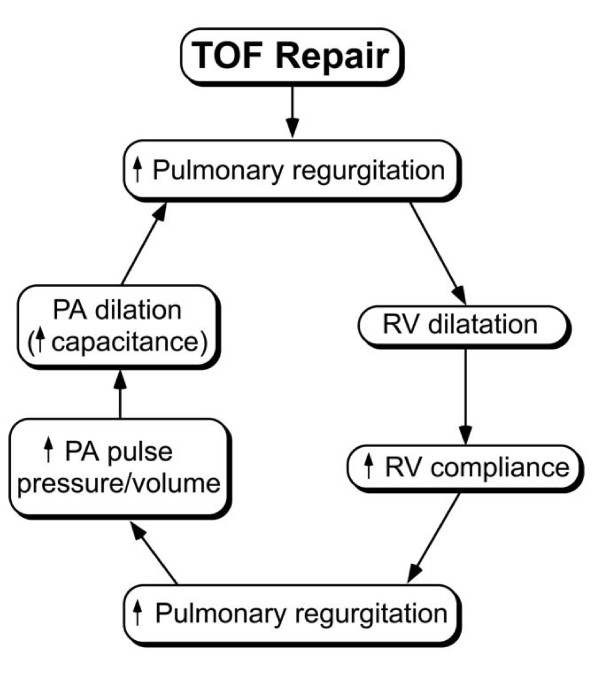
Surgical management of tetralogy of Fallot (TOF) results in anatomic and functional abnormalities in the majority of patients. Although right ventricular volume load due to severe pulmonary regurgitation can be tolerated for many years, there is now evidence that the compensatory mechanisms of the right ventricular myocardium ultimately fail and that if the volume load is not eliminated or reduced by pulmonary valve replacement the dysfunction might be irreversible. Cardiovascular magnetic resonance (CMR) has evolved during the last 2 decades as the reference standard imaging modality to assess the anatomic and functional sequelae in patients with repaired TOF. This article reviews the pathophysiology of chronic right ventricular volume load after TOF repair and the risks and benefits of pulmonary valve replacement. The CMR techniques used to comprehensively evaluate the patient with repaired TOF are reviewed and the role of CMR in supporting clinical decisions regarding pulmonary valve replacement is discussed.
Overview
The claims and statistics of this paper haven’t been checked yet.
Free: it reads the open-access text and checks the first 5 claims that cite a source we can check. Create a free account to check every claim.
Integrity signals
Registry
Cites
Statistics
Figures
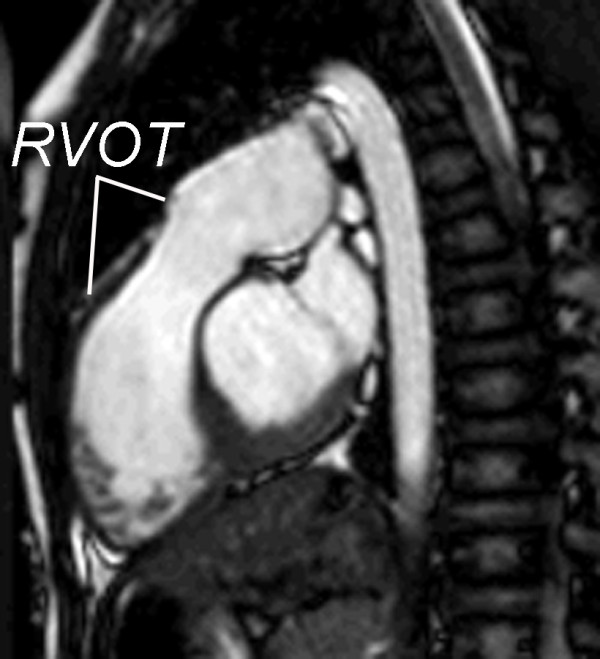
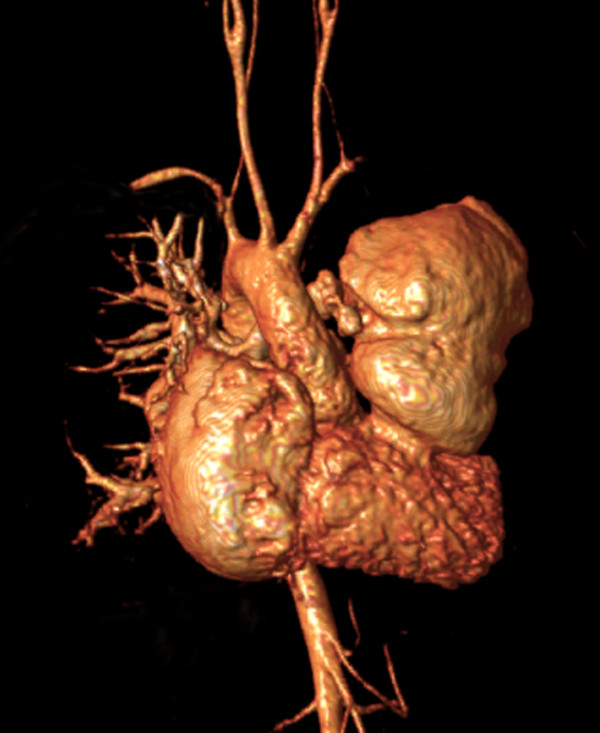
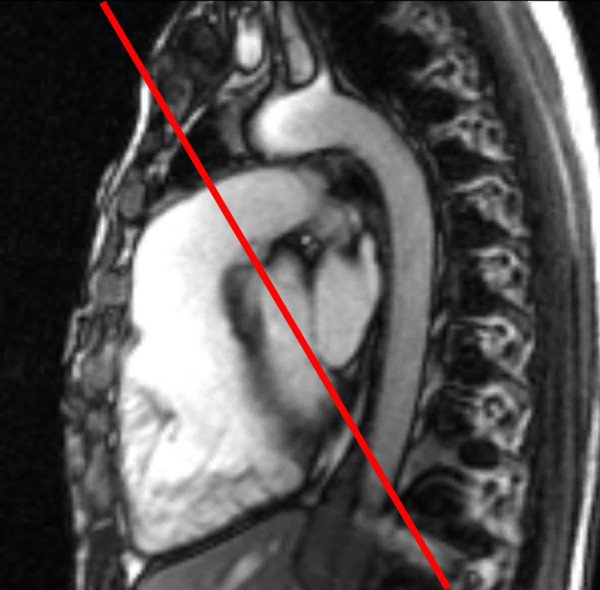
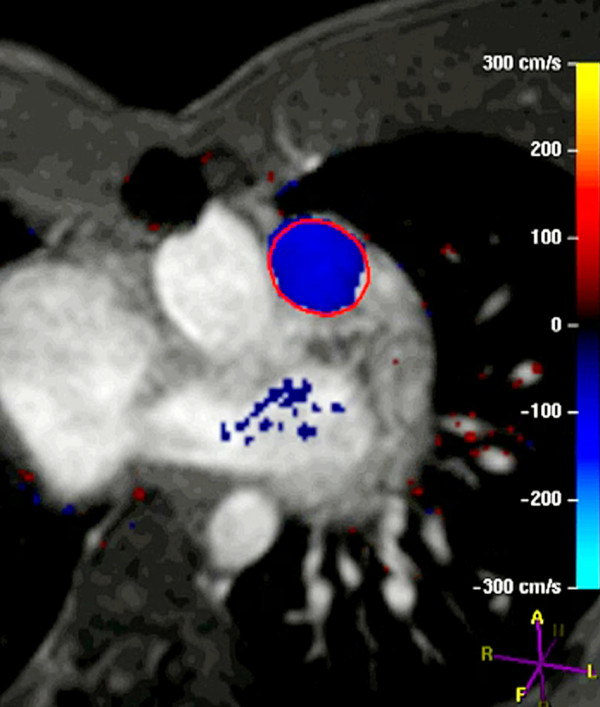
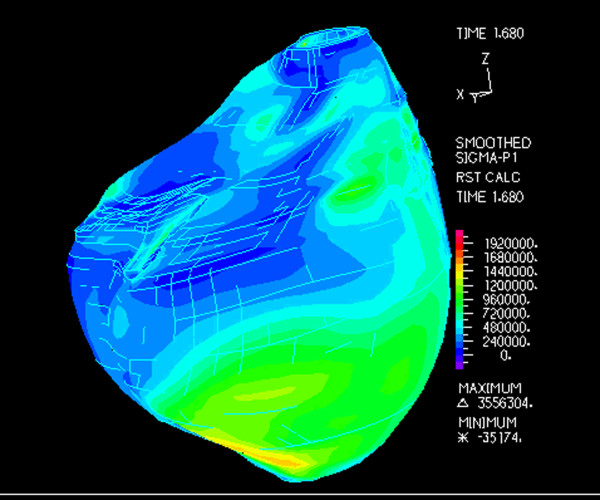
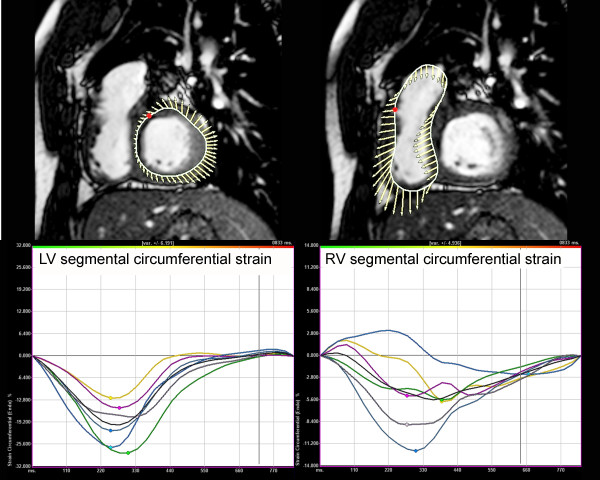
Verification
Claims the paper makes
The claims and statistics of this paper haven’t been checked yet.
Free: it reads the open-access text and checks the first 5 claims that cite a source we can check. Create a free account to check every claim.
Claims other papers make about this one
Each is checked against this paper’s own text: does it say what the citing paper says it does?
The source backs part of the claim, not all of it — or backs it for a different population, condition or comparison.
In the citing paper
“Subsequent CMR studies are usually performed if new clinical symptoms arise or every 3–5 years, depending on the previous clinical findings [34,36,37].”
From Multimodality imaging assessment of tetralogy of Fallot: From diagnosis to long-term follow-up (2023) · cites this paper as [36]
Experimental — accuracy not yet measuredThe source backs part of the claim, not all of it — or backs it for a different population, condition or comparison.
In the citing paper
“This sequence measures blood flow velocities and can assess the severity of any obstructions or abnormalities in blood flow.”
From Multimodality imaging assessment of tetralogy of Fallot: From diagnosis to long-term follow-up (2023) · cites this paper as [36]
Experimental — accuracy not yet measuredThe source backs part of the claim, not all of it — or backs it for a different population, condition or comparison.
In the citing paper
“These images allow for the evaluation of wall thickness and regional and global systolic function, as well as the calculation of the LV and RV end-diastolic and end-systolic volumes and the ejection fraction.”
From Multimodality imaging assessment of tetralogy of Fallot: From diagnosis to long-term follow-up (2023) · cites this paper as [36]
Experimental — accuracy not yet measuredThe source backs part of the claim, not all of it — or backs it for a different population, condition or comparison.
In the citing paper
“In paediatric centres with high patient volume, the first CMR is typically conducted around 8–9 years of age, when children can undergo the examination without anaesthesia.”
From Multimodality imaging assessment of tetralogy of Fallot: From diagnosis to long-term follow-up (2023) · cites this paper as [36]
Experimental — accuracy not yet measured
Self-check
Percentages, sums and reported differences re-computed from the paper’s own numbers.
The self-check needs the paper’s full text.
Citations
Cites
1 retracted
Darsee, J. R., Mikolich, J. R., Walter, P. F., & Schlant, R. C. (1981) · Circulation Research · doi:10.1161/01.res.49.4.1017 · Cited by 10
RetractedGatzoulis, M. A., Balaji, S., Webber, S. A., Siu, S. C., Hokanson, J. S., Poile, C., Rosenthal, M., Nakazawa, M., Moller, J. H., Gillette, P. C., et al. (2000) · The Lancet · doi:10.1016/s0140-6736(00)02714-8 · Cited by 1,779 · cited 2×
“studied 793 patients from 6 centers [80].”
BackgroundZeng, X., Liu, H., Chu, M. G., & Lavernia, E. J. (1992) · Metallurgical Transactions A · doi:10.1007/bf02663451 · Cited by 1,519
Long-term outcome in patients undergoing surgical repair of tetralogy of Fallot
Murphy, J. G., Gersh, B. J., Mair, D. D., Fuster, V., McGoon, M. D., Ilstrup, D. M., McGoon, D. C., Kirklin, J. W., & Danielson, G. K. (1993) · New England Journal of Medicine · doi:10.1056/nejm199308263290901 · Cited by 998 · cited 4×
“Two large cohort studies of patients with repaired TOF have shown that survival continues at ~90% during the first two decades of life [8,9].”
BackgroundInfluentialBLALOCK, A. (1945) · Journal of the American Medical Association · doi:10.1001/jama.1945.02860200029009 · Cited by 832
Gatzoulis, M. A., Till, J. A., Somerville, J., & Redington, A. N. (1995) · Circulation · doi:10.1161/01.cir.92.2.231 · Cited by 786 · cited 1×
“Numerous studies have shown that late after TOF repair patients are at risk for exercise intolerance, heart failure, arrhythmias, and death [10,47,70-79].”
BackgroundGrothues, F., Moon, J. C., Bellenger, N. G., Smith, G. S., Klein, H. U., & Pennell, D. J. (2004) · American Heart Journal · doi:10.1016/j.ahj.2003.10.005 · Cited by 776 · cited 1×
“[124,129].”
Nollert, G., Fischlein, T., Bouterwek, S., Böhmer, C., Klinner, W., & Reichart, B. (1997) · Journal of the American College of Cardiology · doi:10.1016/s0735-1097(97)00318-5 · Cited by 761
Alfakih, K., Plein, S., Thiele, H., Jones, T., Ridgway, J. P., & Sivananthan, M. U. (2003) · Journal of Magnetic Resonance Imaging · doi:10.1002/jmri.10262 · Cited by 732 · cited 2×
“Moreover, most reports on normal values as well as the majority of the literature on ventricular size and function in repaired TOF and other congenital and acquired anomalies is based on analysis of short-axis images [116,124,125].”
BackgroundBlalock, A. (1984) · JAMA · doi:10.1001/jama.1984.03340400051025 · Cited by 718
Research works printed but not linked: 2
- Cloan SD Lai WW, Mertens LL, Cohen MS, Geva T Hemodynamic measurements, in Echocardiography in pediatric and congenital heart disease: from fetus to adult 2010 Wiley-Blackwell: Philadelphia 63 75
- Ortega M Triedman JK Geva T Harrild DM LV dyssynchrony measured by MRI speckle tracking is associated with VT and death in repaired tetralogy of Fallot Circulation 2009 120 S575
Cited by
Items 201–300 of 596
Imaging of the pulmonary valve in the adults
Pignatelli, R. H., Noel, C. V., & Reddy, S. C. B. (2017) · Current Opinion in Cardiology · doi:10.1097/hco.0000000000000436 · Cited by 15
Chang, M.-C., Wu, M., Weng, K.-P., Su, M.-Y. M., Menza, M., Huang, H.-C., & Peng, H. (2017) · European Radiology · doi:10.1007/s00330-017-4908-7 · Cited by 15
“Residual PR in the rTOF patients typically results in the symptom of an RV volume overload [1, 3, 29].”
BackgroundKido, T., Ueno, T., Taira, M., Ozawa, H., Toda, K., Kuratani, T., & Sawa, Y. (2018) · Circulation Journal · doi:10.1253/circj.cj-17-1088 · Cited by 15
Maskatia, S. A., Morris, S. A., Spinner, J. A., Krishnamurthy, R., & Altman, C. A. (2015) · Congenital Heart Disease · doi:10.1111/chd.12265 · Cited by 15
Cyanotic Congenital Heart Disease
Zucker, E. J., Koning, J. L., & Lee, E. Y. (2017) · Radiologic Clinics of North America · doi:10.1016/j.rcl.2017.02.009 · Cited by 15
Electrocardiogram-Based Deep Learning to Predict Mortality in Repaired Tetralogy of Fallot
Mayourian, J., van Boxtel, J., Sleeper, L. A., Diwanji, V., Geva, A., O’Leary, E. T., Triedman, J. K., Ghelani, S. J., Wald, R. M., Valente, A. M., et al. (2024) · JACC. Clinical electrophysiology · doi:10.1016/j.jacep.2024.07.015 · Cited by 16
Self-citationRepaired Tetralogy of Fallot: Have We Understood the Right Timing of PVR?
Leonardi, B., Perrone, M. A., Calcaterra, G., Sabatino, J., Leo, I., Avesani, M., Bassareo, P. P., Pozza, A., Oreto, L., Moscatelli, S., et al. (2024) · Journal of Clinical Medicine · doi:10.3390/jcm13092682 · Cited by 18
“These values were determined in hopes that restoring PV competence could prolong patient lifespan as well as improve RV function [7,11–13].”
BackgroundCardiovascular Magnetic Resonance: Deeper Insights Through Bioengineering
Young, A. A., & Prince, J. L. (2013) · Annual Review of Biomedical Engineering · doi:10.1146/annurev-bioeng-071812-152346 · Cited by 15
“the evaluation of congenital heart disease [18].”
Advances in the Care of Adults With Congenital Heart Disease
Nasr, V. G., & Kussman, B. D. (2014) · Seminars in Cardiothoracic and Vascular Anesthesia · doi:10.1177/1089253214563989 · Cited by 16
Tetralogy of Fallot: A Surgical Perspective
Karl, T. R. (2012) · The Korean Journal of Thoracic and Cardiovascular Surgery · doi:10.5090/kjtcs.2012.45.4.213 · Cited by 16
“mass/volume ratio are independently predictive of ventricular tachycardia and late death following TOF repair [29].”
BackgroundInfluentialTranscatheter Pulmonary Valve Replacement in Congenital Heart Disease
Sinha, S., Aboulhosn, J., & Levi, D. S. (2018) · Interventional Cardiology Clinics · doi:10.1016/j.iccl.2018.08.006 · Cited by 14
Guillermo Larios, G., Yim, D., Dragulescu, A., Mertens, L., Grosse‐Wortmann, L., & Friedberg, M. K. (2019) · American Heart Journal · doi:10.1016/j.ahj.2019.03.012 · Cited by 14
Egbe, A. C., Najam, M., Banala, K. R., Vojjini, R., Faizee, F., Ammash, N. M., Khalil, F. M., Mathew, J., Angirekula, M., & Connolly, H. M. (2019) · The American Journal of Cardiology · doi:10.1016/j.amjcard.2019.07.025 · Cited by 15
Ta, H. T., Critser, P. J., Alsaied, T., Germann, J. T., Powell, A. W., Redington, A. N., & Tretter, J. T. (2020) · Journal of the American Heart Association · doi:10.1161/jaha.120.016308 · Cited by 16
Leonardi, B., Calvieri, C., Perrone, M. A., Rocco, A. D., Carotti, A., Caputo, M., Secinaro, A., Curione, D., Gagliardi, M. G., Guccione, P., et al. (2021) · International Journal of Environmental Research and Public Health · doi:10.3390/ijerph181910549 · Cited by 16
Surgical pulmonary valve insertion
Lee, C., Lee, C., & Kwak, J. G. (2013) · Cardiology in the Young · doi:10.1017/s104795111300173x · Cited by 14
Cheng, A. L., Kaslow, A. M., Pruetz, J. D., Lu, J. C., Wood, J. C., & Detterich, J. A. (2018) · Pediatric Cardiology · doi:10.1007/s00246-018-2009-2 · Cited by 14
Beurskens, N. E. G., Gorter, T. M., Pieper, P. G., Hoendermis, E. S., Bartelds, B., Ebels, T., Berger, R. M. F., Willems, T. P., & van Melle, J. P. (2017) · International journal of cardiac imaging · doi:10.1007/s10554-017-1165-4 · Cited by 17
Martens, T., François, K., Wilde, H. D., Campens, L., Demulier, L., Backer, J. F. A. D., Wolf, D. D., & Bové, T. (2021) · Pediatric Cardiology · doi:10.1007/s00246-021-02632-y · Cited by 14
Freling, H. G., Pieper, P. G., Vermeulen, K. M., van Swieten, J. M., Sijens, P. E., van Veldhuisen, D. J., & Willems, T. P. (2013) · PLoS ONE · doi:10.1371/journal.pone.0055462 · Cited by 16
“This dyssynchrony significantly extends duration of RV contraction and delays timing of RV end-systole compared to the LV [7,9,10].”
Timing of Repair in Tetralogy of Fallot: Effects on Outcomes and Myocardial Health
Peck, D., Tretter, J. T., Possner, M., Yutzey, K. E., Zafar, F., Morales, D. L. S., & Alsaied, T. (2020) · Cardiology in Review · doi:10.1097/crd.0000000000000293 · Cited by 13
“This quintessential success story of treating the blue baby in the current era has resulted in more adults living with the manifestations of their repaired malformation than thereare children with its unrepaired form Despite these achievements, the occurrence of impaired functional status, heart failure, arrhythmias,…”
BackgroundMethodInfluentialAkazawa, Y., Fujioka, T., Ide, H., Yazaki, K., Honjo, O., Sun, M., & Friedberg, M. K. (2021) · American Journal of Physiology-Heart and Circulatory Physiology · doi:10.1152/ajpheart.00467.2020 · Cited by 13
Souto, M., Capdevila, L. R. M., Couto, M. I., Suárez-Cuenca, J. J., Martínez, A., Tahoces, P. G., Carreira, J. M., & Croisille, P. (2013) · Diagnostics · doi:10.3390/diagnostics3020271 · Cited by 13
“In fact, in clinical practice, cardiac MR imaging with steady-state free precession (SSFP) cine sequences—which involves shorter scan time and higher image quality—emerges as the most precise and reproducible imaging technique for the evaluation of both left and right ventricular anatomy and function [5–9]: cardiac MR…”
BackgroundEgbe, A. C., Pislaru, S. V., Kothapalli, S. R., Jadav, R. S., Masood, M., Angirekula, M., & Pellikka, P. A. (2019) · Congenital Heart Disease · doi:10.1111/chd.12783 · Cited by 14
Hock, J., Schwall, L., Pujol, C., Hager, A., Oberhoffer, R., Ewert, P., & Tutarel, O. (2020) · Journal of Clinical Medicine · doi:10.3390/jcm9051533 · Cited by 13
“While many risk factors, including pulmonary regurgitation and RV dilatation, have been discussed for patients with TOF or PA/VSD extensively [10,12] extracardiac comorbidities have not been in the focus of attention.”
BackgroundTretter, J. T., & Redington, A. N. (2018) · Circulation · doi:10.1161/circulationaha.118.037000 · Cited by 13
Lu, J. C., Christensen, J. T., Yu, S., Donohue, J. E., Mahani, M. G., Agarwal, P., & Dorfman, A. L. (2014) · The American Journal of Cardiology · doi:10.1016/j.amjcard.2014.09.027 · Cited by 12
Sakrana, A. A., Alzubaidi, S. A. A., Nasr, M. M., Helmy, E. M., Ghamdi, S. S. A., & Tahlawi, M. E. (2017) · Clinical Radiology · doi:10.1016/j.crad.2017.05.013 · Cited by 14
Ruh, A., Sarnari, R., Berhane, H., Sidoryk, K., Lin, K., Dolan, R. S., Li, A., Rose, M. J., Robinson, J. D., Carr, J., et al. (2019) · International journal of cardiac imaging · doi:10.1007/s10554-019-01544-6 · Cited by 12
Lee, C. (2012) · Korean Circulation Journal · doi:10.4070/kcj.2012.42.1.1 · Cited by 12
Gnanappa, G. K., Celermajer, D. S., Zhu, D., Puranik, R., & Ayer, J. G. (2019) · European Heart Journal - Cardiovascular Imaging · doi:10.1093/ehjci/jez035 · Cited by 12
Gusseva, M., Hussain, T., Friesen, C. H., Greil, G. F., Chapelle, D., & Chabiniok, R. (2021) · Annals of Biomedical Engineering · doi:10.1007/s10439-021-02895-9 · Cited by 12
Elevated diastolic wall shear stress in regurgitant semilunar valvular lesions
Rizk, J. T., Latus, H., Shehu, N., Mkrtchyan, N., Zimmermann, J., Martinoff, S. A., Ewert, P., Hennemuth, A., Stern, H. C., & Meierhofer, C. (2019) · Journal of Magnetic Resonance Imaging · doi:10.1002/jmri.26680 · Cited by 13
Egbe, A. C., Anavekar, N. S., & Connolly, H. M. (2019) · Journal of the American Heart Association · doi:10.1161/jaha.118.011731 · Cited by 11
“We used CMRIderived RV stroke volume instead of Doppler-derived RV stroke volume for the calculation of PA elastance because CMRI is the current gold standard for RV volumetric assessment, and the validity of Doppler-derived RV stroke volume in the TOF population has not been studied.(12,13) In order to assess the fea…”
MethodKwak, J. G., Shin, H. J., Bang, J. H., Kim, E. R., Lee, J. R., Kim, W., Bae, E. J., Song, M. K., & Kim, G. B. (2021) · Korean Circulation Journal · doi:10.4070/kcj.2020.0331 · Cited by 11
Pulmonary Valve Replacement With a Bovine Pericardial Valve: A Five Year Follow-Up Study
Neukamm, C., Lindberg, H. L., Try, K., Døhlen, G., & Norgård, G. (2014) · World Journal for Pediatric and Congenital Heart Surgery · doi:10.1177/2150135114542165 · Cited by 11
“0) 134 + 17 TAPSE, mm (n1⁄442) 18 (11-24) 19 (10-28) 135 + 15”
Bhat, M., Goldmuntz, E., Fogel, M. A., Rychik, J. R., & Mercer‐Rosa, L. (2016) · Pediatric Cardiology · doi:10.1007/s00246-016-1505-5 · Cited by 12
Anwar, S., Harris, M. A., Whitehead, K. K., Keller, M. S., Goldmuntz, E., Fogel, M. A., & Mercer‐Rosa, L. (2017) · Pediatric Cardiology · doi:10.1007/s00246-016-1558-5 · Cited by 11
Blais, S., Marelli, A. J., Vanasse, A., Dahdah, N., Dancea, A., Drolet, C., & Dallaire, F. (2020) · CJC Open · doi:10.1016/j.cjco.2020.06.012 · Cited by 14
“Published guidelines for PVR mostly rely on expert opinions and are restricted to an adult population.(12,25-29) The choice of a study design should be one that allows an important research question to be addressed in a way that optimizes feasibility, validity, and precision.”
MethodKikano, S. D., Weingarten, A. J., Sunthankar, S. D., McEachern, W., George‐Durrett, K., Parra, D. A., Soslow, J. H., & Chew, J. D. (2023) · Journal of Cardiovascular Magnetic Resonance · doi:10.1186/s12968-023-00928-x · Cited by 11
“Previous studies have shown the relationship of LV dysfunction and adverse clinical outcomes, highlighting the importance of ventricular-ventricular interactions in this population [28, 29].”
BackgroundMethodZablah, J. E., Misra, N., Gruber, D., Kholwadwala, D. H., & Epstein, S. (2017) · Pediatric Cardiology · doi:10.1007/s00246-016-1554-9 · Cited by 11
“Chronic RV volume overload, RV outflow akinesia or dyskinesia, and RV conduction delay, together cause progressive biventricular dysfunction with resultant symptoms of exercise intolerance and heart failure [2].”
BackgroundImaging Adults With Congenital Heart Disease Part II: Advanced CMR Techniques
Sahu, A., & Slesnick, T. C. (2017) · Journal of Thoracic Imaging · doi:10.1097/rti.0000000000000274 · Cited by 12
Assessment and Implications of Right Ventricular Afterload in Tetralogy of Fallot
Egbe, A. C., Taggart, N. W., Reddy, Y. N. V., Sufian, M., Banala, K. R., Vojjini, R., Najam, M., Osman, K. T., Obokata, M., & Borlaug, B. A. (2019) · The American Journal of Cardiology · doi:10.1016/j.amjcard.2019.08.035 · Cited by 11
Jurow, K., Gauvreau, K., Maschietto, N., & Prakash, A. (2024) · Journal of Cardiovascular Magnetic Resonance · doi:10.1016/j.jocmr.2023.100002 · Cited by 10
“In patients with progressive RV dilation or dysfunction, pulmonary valve replacement (PVR) is undertaken to prevent RV failure [5,6].”
BackgroundMethodInfluentialFesta, P., Lovato, L., Bianco, F., Alaimo, A., Angeli, E., Baccano, G., Barbi, E., Bennati, E., Bonhoeffer, P., Bucciarelli, V., et al. (2024) · Journal of Cardiovascular Medicine · doi:10.2459/jcm.0000000000001628 · Cited by 10
Paolino, A., Hussain, T., Pavón, A., Forte, M. N. V., Uribe, S. A., Ordóñez, A., & Valverde, I. (2016) · Pediatric Cardiology · doi:10.1007/s00246-016-1516-2 · Cited by 10
Right ventricular contractile reserve in tetralogy of Fallot patients with pulmonary regurgitation
Kingsley, C., Ahmad, S. S., Pappachan, J., Khambekar, S., Smith, T., Gardiner, D., Shambrook, J. S., Baskar, S., Moore, R. A., & VELDTMAN, G. R. (2018) · Congenital Heart Disease · doi:10.1111/chd.12569 · Cited by 10
Kamioka, N., Babaliaros, V. C., Lisko, J. C., Sahu, A., Shashidharan, S., Carazo, M., Jokhadar, M., Rodriguez, F. H., Book, W., Gleason, P. T., et al. (2020) · JACC: Cardiovascular Interventions · doi:10.1016/j.jcin.2020.08.024 · Cited by 10
Gauthier, N. S., Muter, A., Rhodes, J., Gauvreau, K., & Nathan, M. (2021) · Cardiology in the Young · doi:10.1017/s1047951121000743 · Cited by 11
Neukamm, C., Try, K., Norgård, G., & Brun, H. (2013) · Congenital Heart Disease · doi:10.1111/chd.12146 · Cited by 13
Miyazaki, A., Negishi, J., Hayama, Y., Tsuda, E., Yamada, O., Ichikawa, H., Uemura, H., & Ohuchi, H. (2020) · Journal of Cardiology · doi:10.1016/j.jjcc.2020.06.007 · Cited by 10
Kerkhof, P. L. M., Yoo, B. W., van de Ven, P. M., & Handly, N. (2017) · Annual International Conference of the IEEE Engineering in Medicine and Biology Society (EMBC) · doi:10.1109/embc.2017.8037071 · Cited by 9
“Figure reproduced with permission, Geva [1].”
BackgroundMethodResultInfluentialEfficient sensitivity analysis for biomechanical models with correlated inputs
Hilhorst, P., Quicken, S., van de Vosse, F. N., & Huberts, W. (2023) · International Journal for Numerical Methods in Biomedical Engineering · doi:10.1002/cnm.3797 · Cited by 9
Prognostic Implications of Left Ventricular Cardiomyopathy in Adults With Tetralogy of Fallot
Egbe, A. C., Pellikka, P. A., Afzal, A., Jain, V. K., Thotamgari, S. R., Miranda, W. R., & Connolly, H. M. (2019) · CJC Open · doi:10.1016/j.cjco.2019.11.004 · Cited by 9
Gröning, M., Smerup, M., Nielsen, D. G., Nissen, H., Munk, K., Mortensen, U. M., Andersen, H., Engholm, M., Bjerre, J. V., Vejlstrup, N. G., et al. (2023) · European Journal of Cardio-Thoracic Surgery · doi:10.1093/ejcts/ezad007 · Cited by 10
Advanced Imaging Technologies for Assessing Tetralogy of Fallot: Insights Into Flow Dynamics
Schäfer, M., & Mawad, W. (2023) · CJC Pediatric and Congenital Heart Disease · doi:10.1016/j.cjcpc.2023.09.011 · Cited by 9
Stroke Volume Ratio Predicts Redilatation of the Right Ventricle After Pulmonary Valve Replacement
Kido, T., Ueno, T., Taira, M., Ozawa, H., Kanaya, T., Okuda, N., Toda, K., Kuratani, T., & Sawa, Y. (2017) · The Annals of Thoracic Surgery · doi:10.1016/j.athoracsur.2016.12.045 · Cited by 9
Pictorial Review of Surgical Anatomy in Adult Congenital Heart Disease
Cecco, C. N. D., Muscogiuri, G., Pérez, J. M. M., Eid, M. H., Suranyi, P. S., Lesslie, V. W., & Bastarrika, G. (2017) · Journal of Thoracic Imaging · doi:10.1097/rti.0000000000000273 · Cited by 9
Śpiewak, M., Małek, Ł. A., Petryka, J., Mazurkiewicz, Ł., Marczak, M., Biernacka, E. K., Kowalski, M., Hoffmań, P., Demkow, M., Miśko, J., et al. (2013) · Polskie Archiwum Medycyny Wewnętrznej · doi:10.20452/pamw.1929 · Cited by 10
Apandi, P. R., Sukardi, R., Djer, M. M., Yanuarso, P. B., & Wardoyo, S. (2020) · Cardiology in the Young · doi:10.1017/s1047951120003170 · Cited by 9
Minimally invasive pulmonary valve replacement via left anterior minithoracotomy
Said, S. M. (2020) · JTCVS Techniques · doi:10.1016/j.xjtc.2020.11.024 · Cited by 9
“COMMENTS AND EARLY EXPERIENCE The resultant free pulmonary regurgitation after previous repair of tetralogy of Fallot with a transannular patch leads to progressive right ventricular enlargement and may necessitate reoperation for pulmonary valve replacement.(1) Repeat median sternotomy is not without its own risks an…”
BackgroundŚpiewak, M., Małek, Ł. A., Petryka, J., Biernacka, E. K., Hoffmań, P., Demkow, M., Miśko, J., & Rużyłło, W. (2013) · Clinical Radiology · doi:10.1016/j.crad.2013.06.020 · Cited by 9
Egbe, A. C., Miranda, W. R., Madhavan, M., Abozied, O., Younis, A. K., Ahmed, M. H., Connolly, H. M., & Deshmukh, A. J. (2023) · American Heart Journal · doi:10.1016/j.ahj.2023.05.018 · Cited by 8
Pulmonary valve replacement in primary repair of tetralogy of Fallot in adult patients
Liu, H., Liu, S., Zaki, A. L., Wang, X., Zhu, K., Lu, Y., Yang, Y., Hamidi, R., Wei, L., & Wang, C. (2020) · Journal of Thoracic Disease · doi:10.21037/jtd-20-1475 · Cited by 9
“Although it may be well tolerated for decades, PR in some patients leads to RV remodeling, progressive RV dysfunction and even fatal arrhythmias (3-6).”
Naik, R., Johnson, J. N., Kumar, T. K. S., Philip, R. R., Boston, U. S., & Knott‐Craig, C. J. (2017) · Cardiology in the Young · doi:10.1017/s1047951117000646 · Cited by 8
“Preservation of right ventricular function is important in improving the long-term outcome of tetralogy of Fallot.(2) Various patch materials have been used to enlarge the right ventricular outflow, and these include bovine pericardium, autologous pericardium, and polytetrafluoroethylene patch; however, these material…”
BackgroundInfluentialAvesani, M., Jalal, Z., Friedberg, M. K., Villemain, O., Venet, M., Salvo, G. D., Thambo, J., & Iriart, X. (2023) · Hellenic Journal of Cardiology · doi:10.1016/j.hjc.2023.07.008 · Cited by 10
Han, B., García, S., Aboulhosn, J., Blanke, P., Martin, M. H., Zahn, E. M., Crean, A. M., Overman, D. M., Hamilton-Craig, C. R., Hanneman, K. A., et al. (2023) · World Journal for Pediatric and Congenital Heart Surgery · doi:10.1177/21501351231186898 · Cited by 8
Nyns, E. C. A., Dragulescu, A., Yoo, S., & Grosse‐Wortmann, L. (2014) · Pediatric Radiology · doi:10.1007/s00247-014-3042-9 · Cited by 8
Luo, S., Li, J., Yang, D., Zhou, Y., An, Q., & Chen, Y. (2017) · Interactive Cardiovascular and Thoracic Surgery · doi:10.1093/icvts/ivw424 · Cited by 9
Sotelo, J. A., Pablo Bächler, S., Urbina, J., Crelier, G. R., Lida Toro, R., Ferreiro, M., Valverde, I., Andía, M. E., Cristián Tejos, N., Pablo Irarrázaval, M., et al. (2017) · JRSM Cardiovascular Disease · doi:10.1177/2048004017731986 · Cited by 9
“Tetralogy of Fallot (TOF) is the most common form of cyanotic congenital heart disease.1–3 Advances in diagnosis, surgical treatment, and postoperative care have been such that almost all those born with TOF can now expect to survive to adulthood.1,3 However, residual anatomic and hemodynamic abnormalities are nearly…”
BackgroundGao, Y., Yang, Z., Shi, K., Diao, K., Xu, H., & Guo, Y. (2018) · Scientific Reports · doi:10.1038/s41598-018-25868-w · Cited by 8
Goo, H. W., & Park, S.-H. (2020) · Korean Journal of Radiology · doi:10.3348/kjr.2019.0689 · Cited by 8
“The same strategy as that used in this study may be applied to characterize right ventricular remodeling patterns in response to severe pulmonary regurgitation in patients with repaired tetralogy of Fallot and other congenital heart diseases, mainly involving the right ventricle (32).”
MethodFactors associated with biventricular dysfunction in patients with repaired tetralogy of Fallot
Śpiewak, M., Małek, Ł. A., Petryka, J., Mazurkiewicz, Ł., Marczak, M., Biernacka, E. K., Kowalski, M., Hoffmań, P., Demkow, M., Miśko, J., et al. (2014) · Kardiologia Polska · doi:10.5603/kp.a2014.0049 · Cited by 8
“Impaired LV systolic function was defined as LVEF < 55%, and impaired RV systolic function as RVEF < 45% [1, 4].”
BackgroundMethodYoo, B. W., & Park, H. K. (2016) · Korean Journal of Pediatrics · doi:10.3345/kjp.2016.59.9.384 · Cited by 8
New Directives in Cardiac Imaging: Imaging the Adult With Congenital Heart Disease
Windram, J. D., Siu, S. C., Wald, R. M., & Silversides, C. K. (2013) · Canadian Journal of Cardiology · doi:10.1016/j.cjca.2013.04.020 · Cited by 8
Li, J., Luo, S., Liu, F., & An, Q. (2017) · Pediatric Cardiology · doi:10.1007/s00246-017-1695-5 · Cited by 7
“The systolic function of the RV outflow tract could be a reliable determinant of intrinsic RV performance in repaired TOF (rTOF) patients and a promising parameter for deciding timing of pulmonary valve replacement so as to achieve the best possible exercise capacity in repaired TOF patients.”
BackgroundInfluentialNaderi, N., Haghighi, Z. O., Pezeshki, S., & Alizadehasl, A. (2013) · Archives of Cardiovascular Imaging · doi:10.5812/acvi.11806 · Cited by 7
“The present study assessed the RA function using myocardial deformation properties in severely symptomatic TOF patients who had severe pulmonary regurgitation and were candidate for PVR.”
InfluentialFollowing up adult patients with tetralogy of fallot: The role of echocardiography
Daraban, A. M., Jurcut, R. O., Bădilă, E., Bartos, D., & Dan, G. A. (2016) · Journal of Clinical Ultrasound · doi:10.1002/jcu.22411 · Cited by 7
“Although LV dysfunction is recognized as a predictor of poor outcome in repaired TOF, its mechanism is still under debate and is frequently related to the RV-to-LV interactions.(9) Recent studies have focused on the mechanics of LV and its impact on ventricular function and outcome.”
BackgroundVial, J., Bouzerar, R., Pichois, R., l'Hostis, F., Raad, O., Mathiron, A., & Renard, C. (2020) · American Journal of Roentgenology · doi:10.2214/ajr.19.22726 · Cited by 7
Saengsin, K., Lü, M., Sleeper, L. A., Geva, T., & Prakash, A. (2021) · Journal of Cardiovascular Magnetic Resonance · doi:10.1186/s12968-021-00772-x · Cited by 7
“Ventricular volumes and ejection fraction, and pulmonary regurgitation fraction were calculated using standard techniques as previously described by our laboratory [20, 21].”
MethodSelf-citationConcomitant pulmonary valve replacement with intracardiac repair for adult tetralogy of Fallot
Jain, A., Rajan, S. K., Patel, K., Garg, P., Agrawal, V., Kakkar, D., Gajjar, T., Mishra, A., Patel, S. K., & Doshi, C. P. (2021) · Annals of Pediatric Cardiology · doi:10.4103/apc.apc_125_20 · Cited by 7
“Longstanding PR results in right ventricular (RV) dysfunction, prolongation of QRS duration, supraventricular and ventricular arrhythmias, and reduced life expectancy.[1-13] Therefore, symptomatic chronic PR is an indication for pulmonary valve replacement (PVR).”
BackgroundZaragoza‐Macias, E., & Stout, K. (2013) · Current Treatment Options in Cardiovascular Medicine · doi:10.1007/s11936-013-0258-1 · Cited by 7
Lee, N., Das, A., Taylor, M. D., Hor, K. N., & Banerjee, R. K. (2013) · Congenital Heart Disease · doi:10.1111/chd.12034 · Cited by 7
Development of quality metrics for ambulatory care in pediatric patients with tetralogy of Fallot
Villafañe, J., Edwards, T. C., Diab, K. A., Satou, G. M., Saarel, E. V., Lai, W. W., Serwer, G. A., Karpawich, P. P., Cross, R. J., Schiff, R. J., et al. (2017) · Congenital Heart Disease · doi:10.1111/chd.12523 · Cited by 7
Profiles of heart failure in adolescents and young adults with congenital heart disease
Guccione, P., Iorio, F. S., Rebonato, M., Bennati, E., Spaziani, G., Amodeo, A., Perri, G., Parisi, F., & Favilli, S. (2018) · Progress in Pediatric Cardiology · doi:10.1016/j.ppedcard.2018.10.005 · Cited by 7
Irwin, M., Reynolds, L. M., Binney, G., Lipsitz, S. R., Ghelani, S. J., Harrild, D. M., Baird, C. W., Geva, T., & Brown, D. W. (2023) · Journal of the American Heart Association · doi:10.1161/jaha.123.031090 · Cited by 6
Self-citationReview of Journal of Cardiovascular Magnetic Resonance 2012
Pennell, D. J., Baksi, A. J., Carpenter, J. P., Firmin, D. N., Kilner, P. J., Mohiaddin, R. H., & Prasad, S. K. (2013) · Journal of Cardiovascular Magnetic Resonance · doi:10.1186/1532-429x-15-76 · Cited by 6
“women [31], and improving the understanding pathophysiology in these complex patients [32-34].”
Pettit, K. A., François, C. J., Aggarwal, N. R., Hess, T., & Bartlett, H. L. (2019) · Pediatric Cardiology · doi:10.1007/s00246-019-02181-5 · Cited by 6
Massarella, D., McCrindle, B. W., Runeckles, K., Fan, S., Dahdah, N., Dallaire, F., Drolet, C., Grewal, J., Hancock-Friesen, C. L., Hickey, E. J., et al. (2023) · JTCVS Open · doi:10.1016/j.xjon.2023.11.013 · Cited by 6
Transcatheter pulmonary valve insertion: when, how, and why
Ringewald, J. M., & Suh, E. J. (2012) · Cardiology in the Young · doi:10.1017/s1047951112001527 · Cited by 6
“For an asymptomatic patient with the physiologically predominant problem being pulmonary insufficiency, we continue to follow the guidelines put forth by Geva.17 These guidelines include the patient having at least moderate pulmonary regurgitation, with moderate equating to a magnetic resonance imaging-derived regurgi…”
Asnes, J. D., & Hellenbrand, W. E. (2015) · Expert Review of Medical Devices · doi:10.1586/17434440.2015.1102050 · Cited by 6
“Various measures of RV function and myocardial health are being investigated as prospective markers indicative of a positive postoperative response.[10,11] While there are real and potential benefits to restoring RVOT/PV function, early restorative surgery invariably sets the stage for multiple future surgeries due to…”
BackgroundPlasma Levels of High Sensitivity Cardiac Troponin T in Adults with Repaired Tetralogy of Fallot
Lai, C. T. M., Wong, S. J., Ip, J., Wong, W.-K., Tsang, K.-C., Lam, W. W. M., & Cheung, Y. (2015) · Scientific Reports · doi:10.1038/srep14050 · Cited by 7
Egbe, A. C., Connolly, H. M., Miranda, W. R., Scott, C. G., & Borlaug, B. A. (2020) · ESC Heart Failure · doi:10.1002/ehf2.12836 · Cited by 6
“RV systolic function is routinely assessed in clinical practice, and it is a central metric in deciding on the timing of intervention.(4) RV diastolic function, an equally important component of right heart performance, is not often used in clinical decision-making in this population.”
BackgroundMethodMoradian, M., Rashidighader, F., Golchinnaghash, F., Meraji, M., & Ghaemi, H. (2023) · The Egyptian Heart Journal · doi:10.1186/s43044-023-00379-w · Cited by 7
Impact of clinical follow-up and diagnostic testing on intervention for tetralogy of Fallot
House, A. V., Danford, D. A., Spicer, R. L., & Kutty, S. (2015) · Open Heart · doi:10.1136/openhrt-2014-000185 · Cited by 7
Buddhe, S., Ferguson, M. R., Arya, B., & Soriano, B. D. (2015) · Pediatric Cardiology · doi:10.1007/s00246-015-1316-0 · Cited by 6
“Cardiac magnetic resonance imaging (CMR) has evolved during the last two decades as the reference standard for the assessment of PR and RV dilation [5].”
BackgroundCatheter Device Therapies for Heart Failure
Ing, F. F., Sullivan, P. M., & Takao, C. (2017) · Elsevier eBooks · doi:10.1016/b978-0-12-802393-8.00046-6 · Cited by 6
Bansal, N., Gupta, P., Joshi, A., Zerin, J. M., & Aggarwal, S. A. (2019) · Pediatric Cardiology · doi:10.1007/s00246-018-2045-y · Cited by 6
Goot, B. H., Tham, E. B. C., Krishnaswamy, D., Punithakumar, K., & Noga, M. (2021) · Pediatric Cardiology · doi:10.1007/s00246-021-02669-z · Cited by 6
Karali, K., Makedou, K., Kallifatidis, A., Didagelos, M., Giannakoulas, G. A., Davos, C. H., Karamitsos, T. D., Ziakas, A., Karvounis, H. I., & Hadjimiltiades, S. (2021) · Diagnostics · doi:10.3390/diagnostics11112101 · Cited by 6
Metadata
- Authors
- Geva, T.
- Affiliations
- Boston Children's Hospital (US)
- Corresponding author
- Geva, Tal
- ORCID
- Geva, Tal
- Venue
- Journal of Cardiovascular Magnetic Resonance
- Publisher
- Elsevier BV
- Published
- 2011-01
- Volume
- 13
- Issue
- 1
- Pages
- 9
- ISSN
- 1097-6647 (ISSN-L)
- PMC
- PMC3036629
- OpenAlex
- W2169821142
- Cited by
- 582
- References
- 153
- Citations by year
- 2026: 19 · 2025: 26 · 2024: 41 · 2023: 39 · 2022: 31 · 2021: 40 · 2020: 44 · 2019: 52 · 2018: 49 · 2017: 51 · 2016: 35 · 2015: 31 · 2014: 34 · 2013: 53 · 2012: 31
- FWCI
- 4.58
- Type
- journal article
- Language
- en
- Open access
- gold
- doi.org
- Licence
- cc-by
- www.elsevier.com/tdm/userlicense/1.0/ (tdm)
- www.elsevier.com/legal/tdmrep-license (tdm)
- creativecommons.org/licenses/by/2.0/ (vor, 19 d)
- Locations
- Journal of Cardiovascular Magnetic Resonance (publishedVersion, cc-by)
- PubMed Central (publishedVersion, cc-by)
- PubMed (publishedVersion)
- DOAJ (DOAJ: Directory of Open Access Journals) (submittedVersion)
- Funders
- National Institutes of Health
- National Heart, Lung, and Blood Institute (R01HL089269)
- Topics
- Health Sciences › Medicine › Cardiology and Cardiovascular Medicine › Congenital Heart Disease Studies
- Health Sciences › Medicine › Cardiology and Cardiovascular Medicine › Cardiac Valve Diseases and Treatments
- Health Sciences › Medicine › Cardiology and Cardiovascular Medicine › Cardiomyopathy and Myosin Studies
- Keywords
- repaired tetralogy of Fallot, cardiovascular magnetic resonance, pulmonary valve replacement, pulmonary regurgitation, right ventricular dysfunction, pathophysiology, clinical decision support, congenital heart disease
- MeSH terms
- Decision Support Techniques, Cardiac Surgical Procedures, Hemodynamics, Humans, Predictive Value of Tests, Pulmonary Valve, Pulmonary Valve Insufficiency, Reoperation, Tetralogy of Fallot, Time Factors, Ventricular Outflow Obstruction, Ventricular Function, Right, Treatment Outcome, Patient Selection, Magnetic Resonance Imaging, Cine, Heart Valve Prosthesis Implantation
About these checks
Registry, retraction, Cites and statistics results are computed, not judged, with one exception: a printed reference that no index lists is read once by a model before it counts as a citation error. Claims are extracted by a model and kept only when their quote appears verbatim in the text; each cited source is then checked, with a model’s help, for whether it says what the claim relies on. Those verdicts can be wrong — read the claim’s quote and the cited source before relying on one.
Statistics and arithmetic are recomputed, not judged.
Confidence bands are shown only for fields calibrated on our annotated test set. None is calibrated yet, so no band is shown.
What counts as a claim ›How we measure confidence ›How we check this ›
Are you an author, or do you see a problem with this page? Request a review
Data sources
Bibliographic data: Semantic Scholar, OpenAlex, Crossref.
Contains information from the Semantic Scholar Academic Graph Datasets, made available under the ODC Attribution License (ODC-BY 1.0).
Semantic Scholar’s data is described in: Kinney, R., et al. (2023). The Semantic Scholar Open Data Platform. arXiv:2301.10140.
