

IL-6 is increased in the cerebellum of autistic brain and alters neural cell adhesion, migration and synaptic formation
Open accessThe DOI matches its Crossref record; 57 of the 57 references it cites were found in a registry or an index.
Abstract
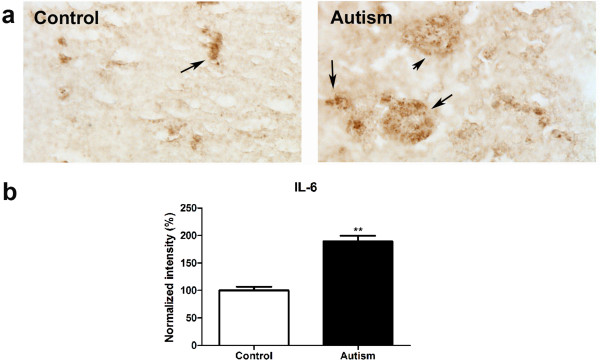
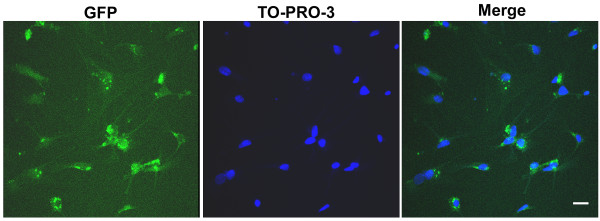
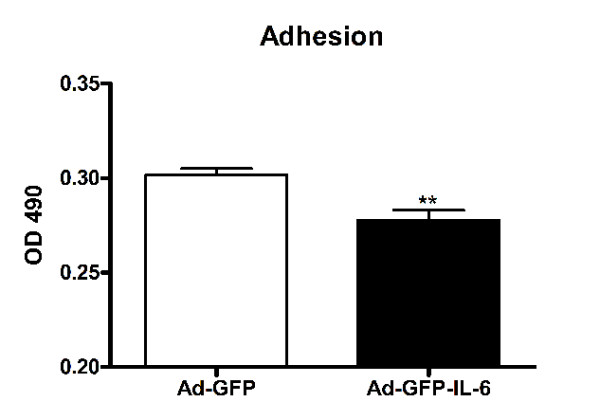
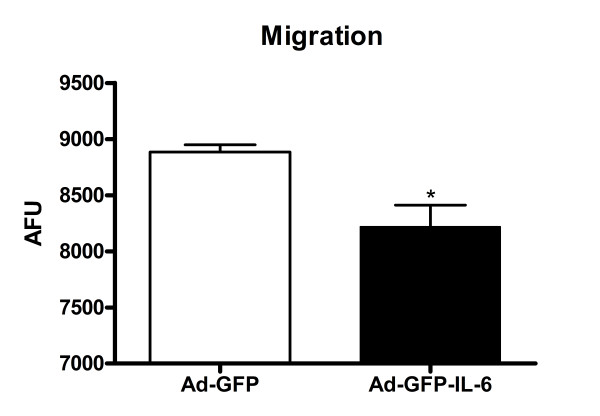
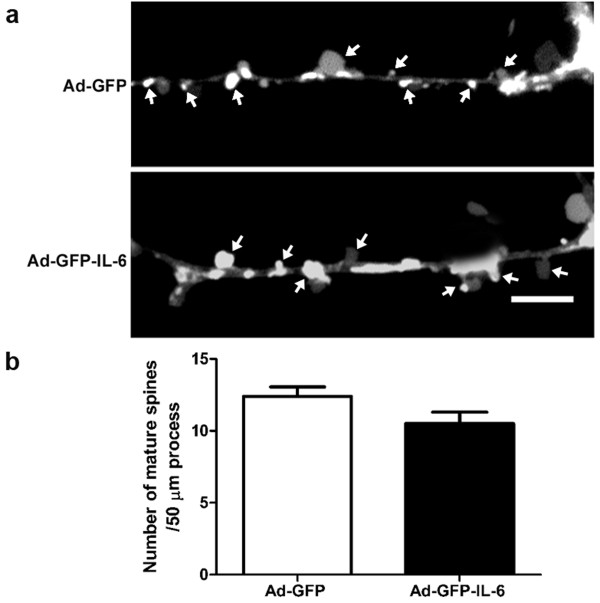
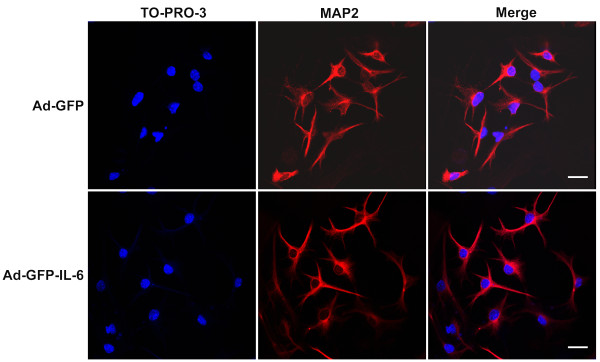
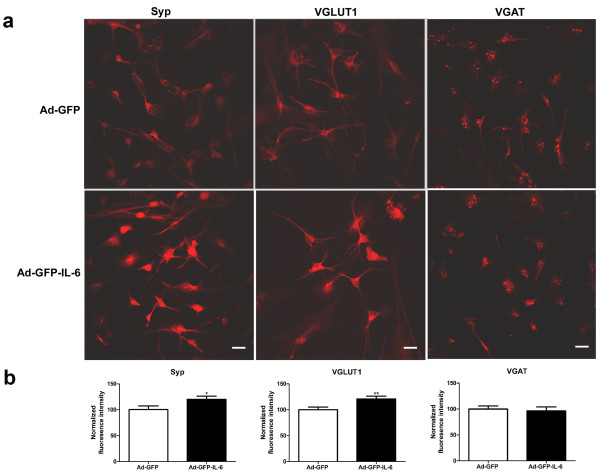
Background: Although the cellular mechanisms responsible for the pathogenesis of autism are not understood, a growing number of studies have suggested that localized inflammation of the central nervous system (CNS) may contribute to the development of autism. Recent evidence shows that IL-6 has a crucial role in the development and plasticity of CNS. Methods: Immunohistochemistry studies were employed to detect the IL-6 expression in the cerebellum of study subjects.In vitro adenoviral gene delivery approach was used to over-express IL-6 in cultured cerebellar granule cells. Cell adhesion and migration assays, DiI labeling, TO-PRO-3 staining and immunofluorescence were used to examine cell adhesion and migration, dendritic spine morphology, cell apoptosis and synaptic protein expression respectively. Results: In this study, we found that IL-6 was significantly increased in the cerebellum of autistic subjects. We investigated how IL-6 affects neural cell development and function by transfecting cultured mouse cerebellar granule cells with an IL-6 viral expression vector. We demonstrated that IL-6 over-expression in granule cells caused impairments in granule cell adhesion and migration but had little effect on the formation of dendritic spines or granule cell apoptosis. However, IL-6 over-expression stimulated the formation of granule cell excitatory synapses, without affecting inhibitory synapses. Conclusions: Our results provide further evidence that aberrant IL-6 may be associated with autism. In addition, our results suggest that the elevated IL-6 in the autistic brain could alter neural cell adhesion, migration and also cause an imbalance of excitatory and inhibitory circuits. Thus, increased IL-6 expression may be partially responsible for the pathogenesis of autism.
Overview
The claims and statistics of this paper haven’t been checked yet.
Free: it reads the open-access text and checks the first 5 claims that cite a source we can check. Create a free account to check every claim.
Integrity signals
Registry
Cites
Statistics
Figures
Verification
Claims the paper makes
The claims and statistics of this paper haven’t been checked yet.
Free: it reads the open-access text and checks the first 5 claims that cite a source we can check. Create a free account to check every claim.
Claims other papers make about this one
Each is checked against this paper’s own text: does it say what the citing paper says it does?
The check wasn’t confident either way, so it gives no verdict — never disputed.
In the citing paper
“Activated microglia are present in increased numbers and with an altered distribution in postmortem brain tissue, especially the prefrontal cortex, in a subset of ASD cases115,137,209,210.”
From Immune mediators in the brain and peripheral tissues in autism spectrum disorder (2015) · cites this paper as [137]
Experimental — accuracy not yet measuredIn the citing paper
“Moreover, increases in many cytokines and chemokines are observed in the brain and cerebrospinal fluid (CSF) of individuals with AD, in particular; interleukin (IL)-6, transforming growth factor beta 1 (TGFβ1), C-C motif ligand 2 (CCL2) and CCL17 in the cerebellum [73–76].”
From Consensus Paper: Pathological Role of the Cerebellum in Autism (2012) · cites this paper as [76]
In the citing paper
“microglia in the dorsolateral prefrontal cortex exhibit increased MHCII expression (a marker of activation), activated morphology (amoeboid shape), and increased density137,138.”
From Immune mediators in the brain and peripheral tissues in autism spectrum disorder (2015) · cites this paper as [137]
Self-check
Percentages, sums and reported differences re-computed from the paper’s own numbers.
The self-check needs the paper’s full text.
Citations
Cites
(2015) · American Journal Of Pathology · doi:10.2353/ajpath · Cited by 4,908
Soluble protein oligomers in neurodegeneration: lessons from the Alzheimer's amyloid β-peptide
Haass, C., & Selkoe, D. J. (2007) · Nature Reviews Molecular Cell Biology · doi:10.1038/nrm2101 · Cited by 4,744
Model of autism: increased ratio of excitation/inhibition in key neural systems
Rubenstein, J. L. R., & Merzenich, M. M. (2003) · Genes, Brain and Behavior · doi:10.1034/j.1601-183x.2003.00037.x · Cited by 2,768 · cited 1×
“Autism has been postulated to arise from functional changes in neural circuitry and to be associated with an imbalance between excitatory and inhibitory synaptic transmission, but the mechanisms involved are unknown [43].”
BackgroundThe polypeptide encoded by the cDNA for human cell surface antigen Fas can mediate apoptosis
Itoh, N., Yonehara, S., Ishii, A., Yonehara, M., Mizushima, S.-I., Sameshima, M., Hase, A., Seto, Y., & Nagata, S. (1991) · Cell · doi:10.1016/0092-8674(91)90614-5 · Cited by 2,737 · cited 4×
“Recent studies from our laboratory and others have demonstrated that IL-6, IL-8, TNFa, TGF-b1 and MCP-1 are increased in frontal cortex, as well as in the cerebrospinal fluid of autistic subjects [5,7,44].”
BackgroundInfluentialNeuroglial activation and neuroinflammation in the brain of patients with autism
Vargas, D. L., Nascimbene, C., Krishnan, C., Zimmerman, A. W., & Pardo, C. A. (2005) · Annals of Neurology · doi:10.1002/ana.20315 · Cited by 2,149 · cited 5×
“In addition, MCP-1, IL-8 and other proinflammatory molecules were also found to be significantly elevated in the cerebrospinal fluid of autistic children [7].”
BackgroundMethodResultInfluentialVan Snick, J. (1990) · Annual Review of Immunology · doi:10.1146/annurev.iy.08.040190.001345 · Cited by 1,890 · cited 1×
“In the CNS IL-6 can trigger cellular responses mediating inflammation, neurogenesis, gliogenesis, cell growth, cell survival, myelination and demyelination [ 12-16 ].”
BackgroundAdvances in autism genetics: on the threshold of a new neurobiology
Abrahams, B. S., & Geschwind, D. H. (2008) · Nature Reviews Genetics · doi:10.1038/nrg2346 · Cited by 1,866 · cited 1×
“Susceptibility to autism is clearly attributable to genetic factors [ 1-4 ], but the etiology of the disorder is unknown.”
BackgroundNeuroligins and neurexins link synaptic function to cognitive disease
Südhof, T. C. (2008) · Nature · doi:10.1038/nature07456 · Cited by 1,849 · cited 2×
“A number of studies have demonstrated that mutations in the synaptic adhesion molecules neurexin 1 and neuroligins 3 and 4 are associated with autism [51,53].”
BackgroundDurand, C. M., Betancur, C., Boeckers, T. M., Bockmann, J., Chaste, P., Fauchereau, F., Nygren, G., Rastam, M., Gillberg, I. C., Anckarsäter, H., et al. (2007) · Nature Genetics · doi:10.1038/ng1933 · Cited by 1,602 · cited 1×
“The scaffolding molecule and interacting protein of neuroligin SHANK3 has also been reported to be altered in some autistic subjects [54,55].”
BackgroundCENTRAL NERVOUS SYSTEM NEURONAL MIGRATION
Hatten, M. E. (1999) · Annual Review of Neuroscience · doi:10.1146/annurev.neuro.22.1.511 · Cited by 797 · cited 1×
“In many cell types, this process involves integrin-mediated adhesion [45-47].”
Background
Cited by
Items 201–300 of 345
On the origins of autism: The Quantitative Threshold Exposure hypothesis
Crawford, S. (2015) · Medical Hypotheses · doi:10.1016/j.mehy.2015.10.006 · Cited by 13
“Levels of interleukin-6 (IL-6) are markedly increased in gestational diabetes, with especially high levels in the intrauterine environment and in the cerebellum of the autistic brain where IL-6 levels were reportedly increased by 89% in a study of autistic patients [7].”
BackgroundYE, F., Chen, X., Bao, G., HUA, Y., WANG, Z.-D., & BAO, Y.-C. (2013) · Experimental and Therapeutic Medicine · doi:10.3892/etm.2013.1396 · Cited by 13
“IL-6 IL-6 has been suggested to be associated with stress (19), as well as certain nervous and mental illnesses, such as infantile autism (20) and migraine (21).”
Mast Cells in Autism Spectrum Disorder—The Enigma to Be Solved?
Kovacheva, E., Gevezova, M., Maes, M. H. J., & Sarafian, V. S. (2024) · International Journal of Molecular Sciences · doi:10.3390/ijms25052651 · Cited by 12
“IL-1 IL-1 β is associated with impairments in memory and learning [112,113], and IL-6 is linked with stereotyped behavior, and impacts synapse formation [114–116].”
BackgroundHan, Y., Xiong, W., Liu, J., Dai, W., Su, Y., Gao, L., Wang, G., Li, P., & Zhang, X. (2021) · Neuroscience · doi:10.1016/j.neuroscience.2021.04.006 · Cited by 12
Babiec, L., Wilkaniec, A., Matuszewska, M., Pałasz, E., Cieślik, M., & Adamczyk, A. (2023) · Brain Sciences · doi:10.3390/brainsci13071088 · Cited by 13
“Previous evidence has shown that aberrant release of cytokines, especially Il-6, alters neural cell adhesion and migration, and also disrupts the balance of excitatory and inhibitory circuits in ASD patients [136].”
BackgroundOhki, C. M. Y., Benazzato, C., van der Linden, V., França, J. V., Toledo, C. M., Machado, R. R. G., Araújo, D. B., Oliveira, D. B. L., Neris, R. L. S., Assunção‐Miranda, I., et al. (2024) · Biochimica et Biophysica Acta (BBA) - Molecular Basis of Disease · doi:10.1016/j.bbadis.2024.167097 · Cited by 14
Microglial regulation of cholinergic differentiation in the basal forebrain
Jonakait, G. M., Pratt, L., Acevedo, G., & Ni, L. (2012) · Developmental Neurobiology · doi:10.1002/dneu.20969 · Cited by 12
“Because of its reported effect on brain development and its prevalence in autistic brains (Smith et al., 2007; Li et al., 2009; Ashwood et al., 2011; Wei et al., 2011), we investigated IL-6 as another possible mediator of MCM.”
BackgroundKatta, S., Mohan, G. K., & Bakshi, V. (2020) · Pharmacognosy Journal · doi:10.5530/pj.2020.12.226 · Cited by 15
Duclot, F., Wu, L., Wilkinson, C. S., Kabbaj, M., & Knackstedt, L. A. (2024) · Alcohol · doi:10.1016/j.alcohol.2024.01.006 · Cited by 12
The Interplay of Astrocytes and Neurons in Autism Spectrum Disorder
Cano, A. C. D. S. S., Santos, D., & Beltrão-Braga, P. C. B. (2024) · Advances in neurobiology · doi:10.1007/978-3-031-64839-7_11 · Cited by 12
[Research advances in immunological dysfunction in children with autism spectrum disorders].
Wang, T., Du, L., Shan, L., & Jia, F. (2014) · PubMed · Cited by 16
Boller, A.-L., Ruland, T., Dantas, R. L., Michels, S., Dannlowski, U., Scheu, S., Baune, B. T., Culmsee, C., & Alferink, J. (2025) · Brain Behavior and Immunity · doi:10.1016/j.bbi.2025.07.004 · Cited by 10
“Poly(I:C) stimulation in rodents increases maternal IL-6 in the placenta, and elevated IL-6 has been detected in the cerebellum of individuals with ASD (Hsiao & Patterson, 2011; Wei et al., 2011).”
Aljumaiah, M. M., Alonazi, M. A., Al-Dbass, A. M., Almnaizel, A. T., Alahmed, M., Soliman, D. A., & El-Ansary, A. K. (2021) · Journal of Molecular Neuroscience · doi:10.1007/s12031-021-01912-9 · Cited by 12
“Thus, increased IL-6 expression may be partially responsible for the pathogenesis of autism (Wei et al., 2011).”
BackgroundRussell, B., Hrelja, K. M., Adams, W. K., Zeeb, F. D., Taves, M. D., Kaur, S., Soma, K. K., & Winstanley, C. A. (2022) · Behavioural Brain Research · doi:10.1016/j.bbr.2022.114000 · Cited by 10
Alqahtani, S. M. (2024) · Arabian Journal of Chemistry · doi:10.1016/j.arabjc.2024.105772 · Cited by 10
On the Potential Therapeutic Roles of Taurine in Autism Spectrum Disorder
Rubio‐Casillas, A., Redwan, E. M. M. M., & Uversky, V. N. (2022) · Neuroglia · doi:10.3390/neuroglia4010001 · Cited by 11
“It was claimed that increased IL-6 levels in the autistic brain induce instability of neuronal networks by affecting neural cell bonding and synapse establishment, and so contribute to ASD development [35].”
BackgroundSager, R., Walker, A. K., Middleton, F. A., Robinson, K., Webster, M. J., Gentile, K. L., Wong, M., & Weickert, C. S. (2023) · Brain Behavior and Immunity · doi:10.1016/j.bbi.2023.03.015 · Cited by 13
Charles, S. J., Farias, M., & Dunbar, R. (2019) · Brain Behavior & Immunity - Health · doi:10.1016/j.bbih.2019.100003 · Cited by 10
Neuroimmune Regulation of Neurophysiology in the Cerebellum
Gruol, D. L. (2013) · The Cerebellum · doi:10.1007/s12311-012-0445-8 · Cited by 10
“For example, IL-6 was reported to be increased in the cerebellum in animal models of Niemann– Pick disease [5], autism [6], global cell leukodystrophy [7], systemic lupus erythematosus [8], viral infection [9], chronic inflammation [10], and aging [11].”
BackgroundJi, F., Feng, C., Qin, J., Wang, C., Zhang, D., Su, L., Wang, W., Zhang, M., Li, H., Ma, L., et al. (2023) · Cell Death and Differentiation · doi:10.1038/s41418-023-01203-3 · Cited by 9
“For example, proinflammatory cytokines TNF-α [3, 4]and IL-6 [5], complement C1q and C3 [6], members of the major histocompatibility complex class I (MHCI) [7] are expressed in neurons and involved in synaptic plasticity during brain development.”
BackgroundJäntti, H., Michels, S., Cherubini, E., Giniatullin, R. A., & Malm, T. (2026) · Brain Behavior and Immunity · doi:10.1016/j.bbi.2026.106275 · Cited by 12
Shaw, C. A. (2017) · Wiley eBooks · doi:10.1002/9781118634523.refs · Cited by 10
The role of mast cells in Autism Spectrum Disorder
Priego-González, L., Perez‐Pardo, P., & Redegeld, F. A. (2025) · Neuroscience & Biobehavioral Reviews · doi:10.1016/j.neubiorev.2025.106263 · Cited by 9
“Wei et al. proved that IL-6 overexpression affects neuronal migration, adhesion and synapse formation, disrupting the excitatory/inhibitory synaptic circuits, which is a fundamental characteristic of ASD (O ’ Reilly et al., 2017; Wei et al., 2011, 2012).”
Sandhu, A., Rawat, K., Gautam, V., Sharma, A., Kumar, A., & Saha, L. (2023) · Brain Research · doi:10.1016/j.brainres.2023.148443 · Cited by 9
Surkin, P. N., Brenhouse, H. C., Deak, T., Liberman, A. C., & Lasaga, M. (2018) · Journal of Neuroendocrinology · doi:10.1111/jne.12602 · Cited by 8
“IL-6 is a modulatory cytokine induced by IL-1 β and TNFα, and its increase during early stages of development is associated with autism, and its decrease with higher aggression and emotionality [39], [40].”
BackgroundIntegrated analysis of miRNA and mRNA expression profiles in the brains of BTBR mice
Wang, M., He, J., Zhou, Y., Lv, N., Zhao, M., Wei, H., & Li, R. (2020) · International Journal of Developmental Neuroscience · doi:10.1002/jdn.10019 · Cited by 8
“Wei, Chadman, et al. (2012), Wei et al. (2011), Wei, Mori, Hua, and Li (2012) first found IL-6 is increased in the cerebellum of autistic brain and then they carried out some studies which showed that overexpression of IL-6 in the brain of mice can lead to ASD-like behavior, possibly through the…”
BackgroundSelf-citationScott, J. G. (2013) · Journal of Enviromental Immunology and Toxicology · doi:10.7178/jeit.7 · Cited by 9
Kim, M., Chung, S., Yang, J.-C., Park, J., Nam, S. H., & Park, T. W. (2020) · Journal of korean Academy of Child and Adolescent Psychiatry · doi:10.5765/jkacap.200013 · Cited by 9
Extracerebral Dysfunction in Animal Models of Autism Spectrum Disorder
Hill‐Yardin, E. L., McKeown, S. J., Novarino, G., & Grabrucker, A. M. (2017) · Advances in anatomy, embryology and cell biology · doi:10.1007/978-3-319-52498-6_9 · Cited by 9
Petrinovic, M. M., & Künnecke, B. (2013) · Psychopharmacology · doi:10.1007/s00213-013-3200-z · Cited by 8
“Li et al. (2009) and Wei et al. (2011) reported increased levels of IL-6 in the frontal cortices and the cerebellum of ASD patients.”
BackgroundCruz-Carrillo, G., & Camacho‐Morales, A. (2020) · Molecular Neurobiology · doi:10.1007/s12035-020-02154-3 · Cited by 7
Thioredoxin level and inflammatory markers in children with autism spectrum disorders
Abd-Allah, N. A., Ibrahim, O. M., Elmalt, H. A., Shehata, M. A., Hamed, R. A., Elsaadouni, N., & Hawary, B. (2020) · Middle East Current Psychiatry · doi:10.1186/s43045-020-00021-4 · Cited by 8
Modeling Inflammation on Neurodevelopmental Disorders Using Pluripotent Stem Cells
Freitas, B., Beltrão-Braga, P. C. B., & Marchetto, M. C. (2020) · Advances in neurobiology · doi:10.1007/978-3-030-45493-7_7 · Cited by 7
Pharmaceuticals and Stem Cells in Autism Spectrum Disorders: Wishful Thinking?
Sivanesan, S., Tan, A., Jeyaraj, R., Lam, J. M., Gole, M., Hardan, A. Y., Ashkan, K., & Rajadas, J. (2016) · World Neurosurgery · doi:10.1016/j.wneu.2016.09.100 · Cited by 9
Glial-mediated dysregulation of neurodevelopment in Fragile X Syndrome
Napier, M., Reynolds, K. E., & Scott, A. L. (2023) · International review of neurobiology · doi:10.1016/bs.irn.2023.08.005 · Cited by 6
Yu, Y. H., Kim, S.-W., Im, H., Lee, Y. R., Kim, G. W., Ryu, S., Park, D., & Kim, D. (2023) · Cells · doi:10.3390/cells12202446 · Cited by 6
“In previous studies, increased expression of IL-6 in the cerebellum of autistic patients was suggested to stimulate excitatory synapse formation in granule cells, acting as a pathogenesis of ASD [40].”
BackgroundYang, M., Li, S., Yang, C., Wang, X.-J., Chang, S., & Sun, G. (2017) · Neuroreport · doi:10.1097/wnr.0000000000000743 · Cited by 7
Alhamami, H. N., Albogami, A. M., Algahtani, M., Alqinyah, M., Alanazi, W. A., Alasmari, F. F., Alhazzani, K., Alanazi, A. Z., Alassmrry, Y. A., & Alhamed, A. S. (2024) · Saudi Pharmaceutical Journal · doi:10.1016/j.jsps.2024.101964 · Cited by 6
Advances on resource, biosynthesis pathway, bioavailability, and bioactivity of dihydrodaidzein
Zou, P., Chen, S., Otero, P., & Cao, H. (2025) · Phytochemistry Reviews · doi:10.1007/s11101-025-10124-7 · Cited by 7
“Wei et al. (2011) exposed bovine thymus DNA to ultraviolet light or the Fenton reaction system (FeCl 2 ?”
Helminth therapy for autism under gut-brain axis- hypothesis
Arroyo-López, C. (2019) · Medical Hypotheses · doi:10.1016/j.mehy.2019.02.042 · Cited by 6
Shielding Effect of Ryanodine Receptor Modulator in Rat Model of Autism
Kumar, H., Kulkarni, G. T., Diwan, V., & Sharma, B. (2023) · Basic and Clinical Neuroscience Journal · doi:10.32598/bcn.2021.2966.1 · Cited by 6
“In mice and autistic patients, higher IL-6 levels affect the excitatory and inhibitory (E / I) balance by increasing glutamate excitatory neurotransmission (Wei et al., 2011, 2012).”
BackgroundMorimoto, C., Nakamura, Y., Kuwabara, H., Abe, O., Kasai, K., Yamasue, H., & Koike, S. (2021) · Biological Psychiatry Global Open Science · doi:10.1016/j.bpsgos.2021.05.010 · Cited by 8
“For instance, interleukin (IL)-6, which plays an important role in immune responses, is increased in the cerebellum of individuals with ASD (64).”
BackgroundRani, S., Yadav, S., & Ghorai, S. M. (2023) · Current Psychiatry Research and Reviews · doi:10.2174/0126660822262191231024081805 · Cited by 5
Fractalkine and Neuroinflammation in Autism Spectrum Disorder: A Novel Perspective
Kırşan, F. Z., Doğan, Ö., Yaylacı, M., & Öztop, D. B. (2025) · Clinical Psychopharmacology and Neuroscience · doi:10.9758/cpn.25.1296 · Cited by 6
“IL-6 has also been shown to be increased in postmortem brain tissues of individuals with autism, with more IL-6 staining, especially in the cerebellar region [19].”
Progress in magnetic resonance imaging of autism model mice brain
Yang, D., Zhao, Y., Nie, B., An, L., Wan, X., Wang, Y., Wang, W., Cai, G., & Wu, S. (2022) · Wiley Interdisciplinary Reviews Cognitive Science · doi:10.1002/wcs.1616 · Cited by 5
Neuroinflammation and autism: what have we learned so far?
Aytulun, A., & Ünal, D. (2024) · International Journal of Developmental Disabilities · doi:10.1080/20473869.2024.2366722 · Cited by 6
“…cytokines, including IL-1 b (Patel et al. 2016), macrophage chemoattractant protein 1 (MCP-1) (Vargas et al. 2005), TGF-b (Vargas et al. 2005), IFN-c (Li et al. 2009; Patel et al. 2016), IL-8 (Li et al. 2009), IL-10 (Vargas et al. 2005), IL-6 (Li et al. 2009; Vargas et al. 2005; Wei et al. 2011).”
Cavenaghi, A., Mallah, N. E. Z., Navarro, L., Group Sensogenomics Working, Martinón-Torres, F., Gómez‐Carballa, A., & Salas, A. (2025) · Frontiers in Molecular Biosciences · doi:10.3389/fmolb.2025.1696704 · Cited by 6
Maternal immune dysregulation and autism spectrum disorder
Ramirez-Celis, A., Kim, D. H. J., & de Water, J. V. (2023) · Elsevier eBooks · doi:10.1016/b978-0-12-824421-0.00010-2 · Cited by 8
Estes, M. L., Elmer, B. M., Carter, C., & McAllister, A. K. (2018) · bioRxiv (Cold Spring Harbor Laboratory) · doi:10.1101/490466 · Cited by 6
“Unlike peripheral immune measures, levels of brain cytokines may be a direct readout of ongoing pathophysiology relevant to ASD and SZ diagnosis (Fillman et al., 2013; Li et al., 2009b; Trepanier et al., 2016; Vargas et al., 2005; Wei et al., 2011).”
BackgroundEditorial: Autism Spectrum Disorder and Autoimmune Diseases: A Pathway in Common?
Marchezan, J. (2019) · Journal of the American Academy of Child & Adolescent Psychiatry · doi:10.1016/j.jaac.2019.03.014 · Cited by 5
Altered monocyte subpopulations and their association with autism spectrum disorder risk in children
Li, W., Zhang, L., Xu, Y., Li, H., Li, B., Sun, S., Zhang, X., Duan, G., Chen, Y., Zhang, J., et al. (2025) · Brain Behavior and Immunity · doi:10.1016/j.bbi.2025.02.028 · Cited by 6
“Immune abnormalities observed in both ASD patients and animal models often include elevated levels of pro-inflammatory cytokines like IL-6 and TNF-α , which are not only present in peripheral blood but also significantly upregulated in the brain (Wei et al., 2011, Wu et al., 2017).”
Self-citationKumar, M., Mehan, S., Sharma, T., Kumar, A., Khan, Z., Sharma, A. K., Gupta, G. D., & Kumar, N. (2025) · Endocrine Metabolic & Immune Disorders - Drug Targets · doi:10.2174/0118715303369166250325110016 · Cited by 4
Chen, Q., Sun, Y., Pan, N., Long, Y., Cao, Y., Luo, Y., Xin, K., Chen, P., Wang, Y., Shu, M., et al. (2026) · European Child & Adolescent Psychiatry · doi:10.1007/s00787-026-03068-6 · Cited by 7
“As a key mediator of neuroimmunomodulation [112], the elevation of IL-6 in individuals with ASD disrupts nerve cell adhesion, synapse formation, and neural circuit balance [113 ].”
Viral Infections and Temporal Programming of Autism Spectrum Disorders in the Mother's Womb
Jash, S., & Sharma, S. (2022) · Frontiers in Virology · doi:10.3389/fviro.2022.863202 · Cited by 5
“Autistic brain exhibits significantly higher IL-6 and its receptors in the brain (83, 84).”
BackgroundMitochondrial Dysfunction in Autism Spectrum Disorders
Nunes, T., Latini, A., & Gaspar, J. M. (2023) · Springer eBooks · doi:10.1007/978-3-031-42383-3_5 · Cited by 5
Menezes, G. D., Goulart, V. G., Espírito‐Santo, S., Oliveira-Silva, P., Serfaty, C. A., & Campello‐Costa, P. (2016) · NeuroImmunoModulation · doi:10.1159/000444529 · Cited by 4
Grabrucker, S., & Grabrucker, A. M. (2017) · Elsevier eBooks · doi:10.1016/b978-0-12-804562-6.00009-9 · Cited by 5
Remediate Effect of Ryanodine Receptor Antagonist in Valproic-Acid Induced Autism
Kumar, H., Diwan, V., & Sharma, B. (2022) · Biomedical & Pharmacology Journal · doi:10.13005/bpj/2343 · Cited by 4
Bose, C. L., Valentine, G. C., Philips, K., Boggess, K., MOSS, K. L., Barros, S. P., Marchesan, J. T., Wu, D., O’Shea, T. M., Peralta-Carcelén, M., et al. (2023) · Journal of Perinatology · doi:10.1038/s41372-023-01610-x · Cited by 4
“Supporting this theory, aberrant IL-6 is known to be increased in the cerebellum of autistic human subjects and postulated to alter neural cell adhesion, migration, and potentially alter excitatory or inhibitory circuits [20].”
BackgroundDong, B., Chang, M., Liu, J., Li, K., Xiao, H., Wu, S., Feng, D., & Guo, B. (2025) · Molecular Psychiatry · doi:10.1038/s41380-025-03349-7 · Cited by 3
“Among these, elevated IL-6 may disrupt neural cell migration and synaptic formation, while TNF-α can trigger neuronal death through the RIP1/FADD/caspase-8 cascade [38, 39] (Fig.”
Effects of Infliximab in a Propionic Acid-Induced Experimental Autism Rat Model
Akman, N., Kömüroğlü, A. U., ÇİBUK, S., Altındağ, F., Yılmaz, O., & Ateşşahín, A. (2026) · Biomedicines · doi:10.3390/biomedicines14040940 · Cited by 3
Two Roads Converging: Mitochondria and Inflammatory Signaling
Materon, L. A. (2014) · Clinical Immunolgy & Immunotherapy · doi:10.24966/ciit-8844/100004 · Cited by 3
“Gene expression profiling [73,74] and biomarker studies find increases in cytokines in autistic subjects [75], particularly IL-6 and TNF-α [76-].”
BackgroundKudryashova, I. V., Stepanichev, M. Y., Манолова, А. О., & Gulyaeva, N. V. (2019) · Developmental Neuroscience · doi:10.1159/000507347 · Cited by 3
critical role of astrogenesis and neurodevelopment in Fragile X Syndrome and Rett Syndrome
Oliveria, J. P., & Li, Z. J. (2020) · McMaster University Medical Journal · doi:10.15173/mumj.v17i1.2338 · Cited by 3
Role of Glia Cells in Autism Spectrum Disorders
ELÇİ, M. E., Usta, M. B., & Karabekiroğlu, K. (2023) · Psikiyatride Guncel Yaklasimlar - Current Approaches in Psychiatry · doi:10.18863/pgy.1189139 · Cited by 4
Almanaa, T. N., Alwetaid, M. Y., Bakheet, S. A., Attia, S. M., Ansari, M. A., Nadeem, A., & Ahmad, S. F. (2024) · Journal of Neuroimmunology · doi:10.1016/j.jneuroim.2024.578365 · Cited by 5
Mehta, R., Bhandari, R., & Kuhad, A. (2021) · Metabolic Brain Disease · doi:10.1007/s11011-021-00811-7 · Cited by 3
Exploring the Potential Role of Inflammation as an Etiological Process in ASD
Elias, R., Sullivan, J. B., Lee, Y. W., & White, S. W. (2015) · Review Journal of Autism and Developmental Disorders · doi:10.1007/s40489-015-0051-z · Cited by 3
“Celecoxib and risperidone Targets several of most significant pro-inflammatory cytokines attributed to ASD-like behaviors, including IL-1β, IL-6, IL-8, and IL-12, to decrease inflammation Improved social withdrawal, irritability, and stereotypy of children with ASD better than risperidone alone. blind, controlled tria…”
BackgroundInfluentialMast cells and neuroinflammation in pathogenesis of neurologic and psychiatric diseases
Grigor’ev, I. P., & Korzhevsky, D. E. (2021) · Medical academic journal · doi:10.17816/maj63228 · Cited by 2
Hu, J., Jiang, Z., Wei, Y., & Shi, J. (2026) · Neuroscience & Biobehavioral Reviews · doi:10.1016/j.neubiorev.2026.106816 · Cited by 3
Therapeutic effect of bismuth subsalicylate in a propionic acid–induced autism model
Kılıç, K. D., Çakar, B., Uyanıkgil, Y., Koenhemsi, L., Güneş, B., Eroğlu, E., & Erbaş, O. (2025) · Naunyn-Schmiedeberg s Archives of Pharmacology · doi:10.1007/s00210-025-04255-z · Cited by 4
Belle, J. E. L., Condro, M. C., Cepeda, C., Oikonomou, K. D., Tessema, K. K., Dudley, L., Schoenfield, J., Kawaguchi, R., Geschwind, D. H., Silva, A. J., et al. (2026) · Nature Communications · doi:10.1038/s41467-026-74958-1 · Cited by 2
Neymotin, F., & Nemzer, L. R. (2015) · Children s Health Care · doi:10.1080/02739615.2014.979921 · Cited by 3
“The cytokine (Goines & Ashwood, 2013) interleukin-6 has also been found to be significantly increased in the cerebellum of patients with ASDs (Wei et al., 2011), which can have dramatic effects on neural cell migration and the formation of normal synapses.”
BackgroundCastrén, M. L., Westermarck, T., & Atroshi, F. (2014) · InTech eBooks · doi:10.5772/57512 · Cited by 2
Underlying biological substrates associated with cognitive dysfunction in major depressive disorder
Cha, D. S. (2015) · Cambridge University Press eBooks · doi:10.1017/cbo9781139860567.012 · Cited by 2
REVIEW: PENYEBAB GANGGUAN AUTIS MELALUI JALUR NEUROINFLAMASI
Sari, A. P. P., Amin, M., & Lukiati, B. (2017) · Bioeksperimen Jurnal Penelitian Biologi · doi:10.23917/bioeksperimen.v3i2.5177 · Cited by 8
Neuroinflammation and neuroprotection in schizophrenia and autism spectrum disorder
Mekori‐Domachevsky, E., Segal‐Gavish, H., & Gross, R. (2019) · Elsevier eBooks · doi:10.1016/b978-0-12-814037-6.00011-2 · Cited by 2
Gurbanov, R. (2020) · Arşiv Kaynak Tarama Dergisi · doi:10.17827/aktd.487677 · Cited by 3
Vitamin D and Autism Spectrum Disorder
Vegelin, M., Teodorowicz, G., & Savelkoul, H. F. J. (2021) · IntechOpen eBooks · doi:10.5772/intechopen.96928 · Cited by 2
Rol de la Neuroglia en el Trastorno del Espectro Autista
Vásquez, B., & del Sol, M. (2021) · International Journal of Morphology · doi:10.4067/s0717-95022021000300920 · Cited by 2
“…citocinas proinflamatorias, como interleucina (IL) -6, TNFα, IL-1ß, proteína quimioatrayente de macrófagos (MCP) -1 y factor de crecimiento tumoral (TGF)-1ß derivado de la n uroglia, en los tejidos cerebrales post mortem de personas con TEA (Vargas et al., 2005; Li et al., 2009; Wei et al., 2011).”
BackgroundAir Pollution and Neurodevelopmental Disorders
Allen, J. L., Klocke, C. R., Morris‐Schaffer, K., Conrad, K., Sobolewski, M., & Cory‐Slechta, D. A. (2022) · Wiley eBooks · doi:10.1002/9781119316329.ch11 · Cited by 2
Immune System Related Markers: Changes in childhood Neuropsychiatry Disorders Cause and Consequence
Falcone, T., & Franco, K. S. N. (2015) · Current topics in neurotoxicity · doi:10.1007/978-3-319-13602-8_9 · Cited by 2
The development of animal models for autism: A gene-environment approach
Ranger, P. (2016) · Open Access Victoria University of Wellington | Te Herenga Waka (Figshare) · doi:10.26686/wgtn.17019029.v1 · Cited by 2
Gandawijaya, J., Martin, E.-R., Takamura, N., Harlow, C. E., Bamford, R. A., Mia, Z., Smith, R. G., Morgan, N. G., Inaba‐Inoue, S., Mill, J. S., et al. (2025) · bioRxiv (Cold Spring Harbor Laboratory) · doi:10.1101/2025.10.21.683757 · Cited by 2
Arafat, E. A.-G., & Shabaan, D. A. (2020) · The Egyptian Journal of Histology · doi:10.21608/ejh.2020.22000.1227 · Cited by 1
“Recently, there is great evidence that ASD is accompanied with deregulated immune procedures that influence the pathogenesis of autism[14,15,16].”
BackgroundPathogenetic aspects of the development of autism spectrum disorders
Stupak, V. P., Keshishyan, E. S., & Garina, S. V. (2024) · Rossiyskiy Vestnik Perinatologii i Pediatrii (Russian Bulletin of Perinatology and Pediatrics) · doi:10.21508/1027-4065-2024-69-3-37-44 · Cited by 1
Jayasinghe, I. U., Jones, H. F., Graham, E. S., Eggleton, K. S., Dale, R. C., & Alsweiler, J. M. (2025) · Campbell Systematic Reviews · doi:10.1002/cl2.70053 · Cited by 1
Natroshvili, I., Gakharia, T., Bakhtadze, S., Natsvlishvili, T., & Khachapuridze, N. (2025) · Children · doi:10.3390/children12111488 · Cited by 1
“In contrast, Wei and colleagues found increased levels of IL-6 in the cerebellum of children with ASD [15].”
Cerebellar Abnormalities: A Component of Autism Pathophysiology
Jagadapillai, R., Tuncali, I., Nagarajan, N., Barnes, G. N., & Gozal, E. (2026) · Medicina · doi:10.3390/medicina62030435 · Cited by 1
“C motif ligand 2 (CCL2), and CCL17 [46,94–96].”
Mohamed, M. M., ELMeneza, S., & Hammouda, S. M. (2026) · Dialogues in Health · doi:10.1016/j.dialog.2026.100288 · Cited by 2
“Our results agree with those from other studies [27 – 30].”
Roles of NRXN1 in neuropsychiatric disorders: from genetic lesion to molecular mechanism
Liu, J., Zhang, Y., Jin, R., Zhu, Y., & Chen, J. (2026) · Frontiers in Neuroscience · doi:10.3389/fnins.2026.1808921 · Cited by 1
“Increased IL-6 may disrupt neural cell adhesion and migration, and drive the E-I imbalance (Wei et al., 2011).”
Schiano-Visconte, M., Balasco, L., Casarosa, S., & Bozzi, Y. (2026) · Neuroscience · doi:10.1016/j.neuroscience.2026.05.026 · Cited by 1
Neuroimmune Mechanisms in Autism
Miller, V. M., Racine, R., & Zalcman, S. S. (2013) · Wiley eBooks · doi:10.1002/9781118314814.ch22 · Cited by 2
Bhat, R. S., Chandrul, K. K., & El-Ansary, A. K. (2016) · PubMed Central · Cited by 5
Immunopathology of the Nervous System
Remick, A. K., Pershing, M. L., Papenfuss, T. L., Lanigan, L. G., Beck, M. J., & Toot, J. (2017) · Molecular and integrative toxicology · doi:10.1007/978-3-319-47385-7_5 · Cited by 1
Metabolic Association Between the Gut–Brain Axis in Autism Spectrum Disorders
Delgado, M. A., Fochesato, A., Juncos, L. I., & Gargiulo, P. Á. (2017) · Springer eBooks · doi:10.1007/978-3-319-53126-7_33 · Cited by 1
The Cytokine Interleukin 6 (IL-6) as a Neural and Endocrine Regulator
Castro, K. E. N., Méndez-García, L. A., Solleiro-Villavicencio, H., & Morales‐Montor, J. (2018) · Advances in Neuroimmune Biology · doi:10.3233/nib-180143 · Cited by 2
A perinatal strategy to prevent autism
Das, U. N. (2020) · Elsevier eBooks · doi:10.1016/b978-0-12-818466-0.00001-0 · Cited by 2
THE CAUSAL LINK BETWEEN VACCINATION ADJUVANTS AND AUTISM
Prevenslik, T. (2019) · International Journal of Research -GRANTHAALAYAH · doi:10.29121/granthaalayah.v7.i6.2019.805 · Cited by 1
Neonatal Proinflammatory Stress and the Maturation of Intercellular Communication in the Hippocampus
Kudryashova, I. V., Stepanichev, M. Y., & Gulyaeva, N. V. (2020) · Neuroscience and Behavioral Physiology · doi:10.1007/s11055-020-00971-6 · Cited by 1
“…stress [Abareshi et al., 2016; Onufriev et al., 2017, Osborne et al., 2017] can weaken intercellular adhesion, promoting synapse destabilization [Wei et al., 2011] resulting in a high level of susceptibility to structural modifi cation, including more active renewal in the process of…”
Background
Metadata
- Authors
- Wei, H., Zou, H., Sheikh, A. M., Malik, M., Dobkin, C., Brown, W. T., & Li, X.
- Affiliations
- Nanfang Hospital (CN)
- Corresponding author
- Li, Xiaohong
- Venue
- Journal of Neuroinflammation
- Published
- 2011-05-19
- Volume
- 8
- Issue
- 1
- Pages
- 52-52
- ISSN
- 1742-2094 (ISSN-L)
- PMC
- PMC3114764
- OpenAlex
- W2141857876
- Cited by
- 333
- References
- 56
- Citations by year
- 2026: 14 · 2025: 13 · 2024: 23 · 2023: 24 · 2022: 23 · 2021: 29 · 2020: 33 · 2019: 27 · 2018: 20 · 2017: 17 · 2016: 19 · 2015: 17 · 2014: 20 · 2013: 27 · 2012: 23
- FWCI
- 11.69
- Type
- journal article
- Language
- en
- Open access
- gold
- doi.org
- Licence
- cc-by
- Locations
- Journal of Neuroinflammation (publishedVersion, cc-by)
- PubMed Central (publishedVersion, cc-by)
- PubMed (publishedVersion)
- DOAJ (DOAJ: Directory of Open Access Journals) (submittedVersion, cc-by-sa)
- Funders
- Office for People With Developmental Disabilities
- Topics
- Life Sciences › Neuroscience › Cognitive Neuroscience › Autism Spectrum Disorder Research
- Life Sciences › Biochemistry, Genetics and Molecular Biology › Genetics › Genetics and Neurodevelopmental Disorders
- Life Sciences › Neuroscience › Neurology › Neuroinflammation and Neurodegeneration Mechanisms
- Keywords
- interleukin-6, autism spectrum disorder, cerebellum, cerebellar granule cells, neuronal adhesion, neuronal migration, dendritic spine formation, excitatory synapses, inhibitory synapses, excitatory-inhibitory imbalance, neuroinflammation, apoptosis, synaptic protein expression
- MeSH terms
- Animals, Autistic Disorder, Cell Adhesion, Cell Movement, Cerebellum, Child, Child, Preschool, Humans, Mice, Inbred C57BL, Neurons, Recombinant Fusion Proteins, Synapses, Interleukin-6, Gene Transfer Techniques, Dendritic Spines, Mice
About these checks
Registry, retraction, Cites and statistics results are computed, not judged, with one exception: a printed reference that no index lists is read once by a model before it counts as a citation error. Claims are extracted by a model and kept only when their quote appears verbatim in the text; each cited source is then checked, with a model’s help, for whether it says what the claim relies on. Those verdicts can be wrong — read the claim’s quote and the cited source before relying on one.
Statistics and arithmetic are recomputed, not judged.
Confidence bands are shown only for fields calibrated on our annotated test set. None is calibrated yet, so no band is shown.
What counts as a claim ›How we measure confidence ›How we check this ›
Are you an author, or do you see a problem with this page? Request a review
Data sources
Bibliographic data: Semantic Scholar, OpenAlex, Crossref.
Contains information from the Semantic Scholar Academic Graph Datasets, made available under the ODC Attribution License (ODC-BY 1.0).
Semantic Scholar’s data is described in: Kinney, R., et al. (2023). The Semantic Scholar Open Data Platform. arXiv:2301.10140.
