

IL-6 is increased in the cerebellum of autistic brain and alters neural cell adhesion, migration and synaptic formation
Open accessThe DOI matches its Crossref record; 57 of the 57 references it cites were found in a registry or an index.
Abstract
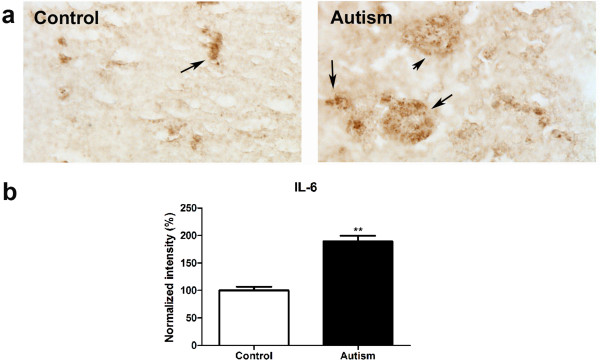
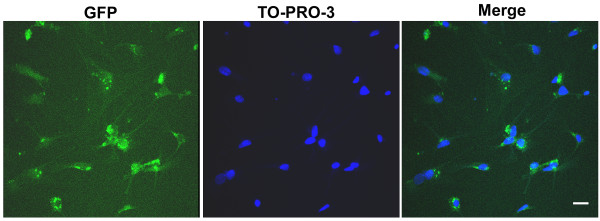
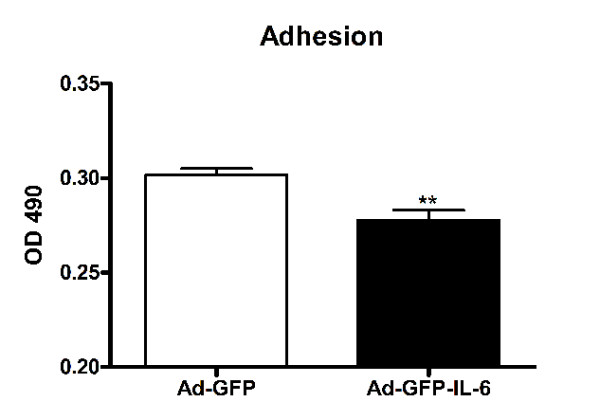
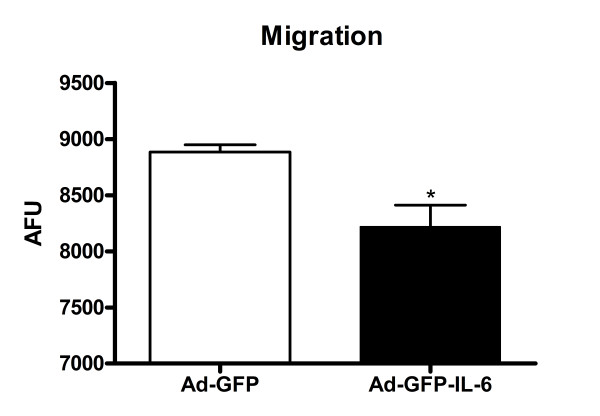
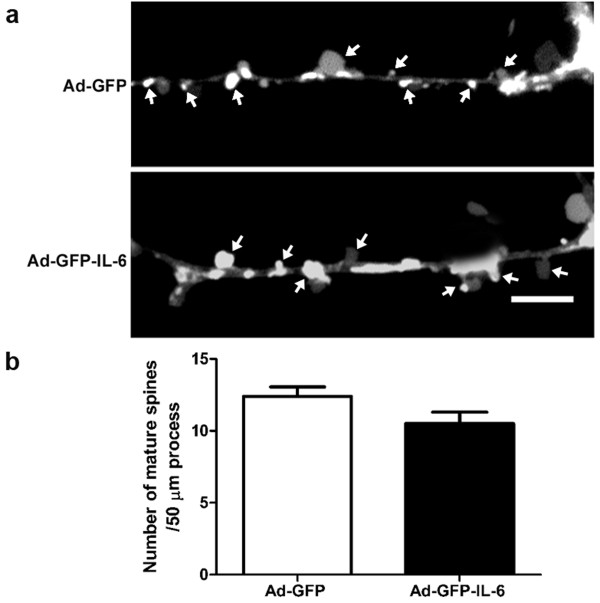
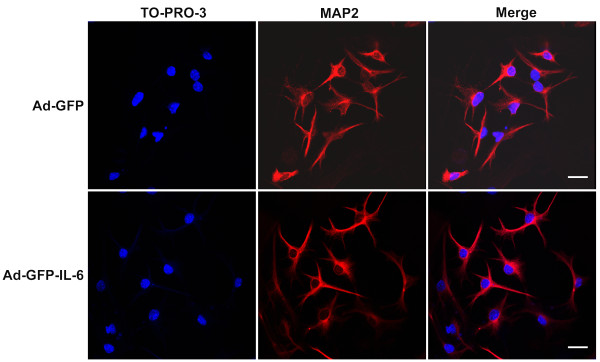
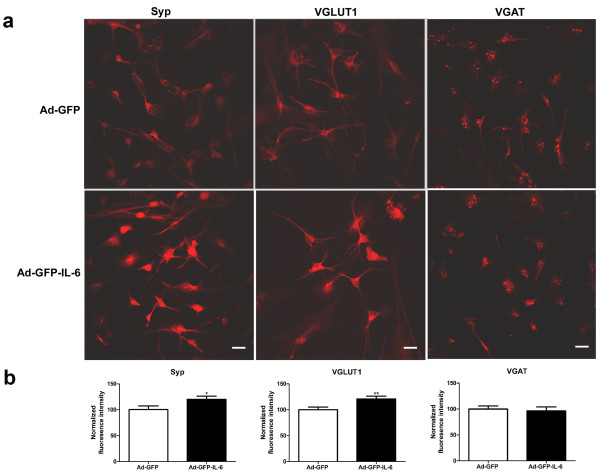
Background: Although the cellular mechanisms responsible for the pathogenesis of autism are not understood, a growing number of studies have suggested that localized inflammation of the central nervous system (CNS) may contribute to the development of autism. Recent evidence shows that IL-6 has a crucial role in the development and plasticity of CNS. Methods: Immunohistochemistry studies were employed to detect the IL-6 expression in the cerebellum of study subjects.In vitro adenoviral gene delivery approach was used to over-express IL-6 in cultured cerebellar granule cells. Cell adhesion and migration assays, DiI labeling, TO-PRO-3 staining and immunofluorescence were used to examine cell adhesion and migration, dendritic spine morphology, cell apoptosis and synaptic protein expression respectively. Results: In this study, we found that IL-6 was significantly increased in the cerebellum of autistic subjects. We investigated how IL-6 affects neural cell development and function by transfecting cultured mouse cerebellar granule cells with an IL-6 viral expression vector. We demonstrated that IL-6 over-expression in granule cells caused impairments in granule cell adhesion and migration but had little effect on the formation of dendritic spines or granule cell apoptosis. However, IL-6 over-expression stimulated the formation of granule cell excitatory synapses, without affecting inhibitory synapses. Conclusions: Our results provide further evidence that aberrant IL-6 may be associated with autism. In addition, our results suggest that the elevated IL-6 in the autistic brain could alter neural cell adhesion, migration and also cause an imbalance of excitatory and inhibitory circuits. Thus, increased IL-6 expression may be partially responsible for the pathogenesis of autism.
Overview
The claims and statistics of this paper haven’t been checked yet.
Free: it reads the open-access text and checks the first 5 claims that cite a source we can check. Create a free account to check every claim.
Integrity signals
Registry
Cites
Statistics
Figures
Verification
Claims the paper makes
The claims and statistics of this paper haven’t been checked yet.
Free: it reads the open-access text and checks the first 5 claims that cite a source we can check. Create a free account to check every claim.
Claims other papers make about this one
Each is checked against this paper’s own text: does it say what the citing paper says it does?
The check wasn’t confident either way, so it gives no verdict — never disputed.
In the citing paper
“Activated microglia are present in increased numbers and with an altered distribution in postmortem brain tissue, especially the prefrontal cortex, in a subset of ASD cases115,137,209,210.”
From Immune mediators in the brain and peripheral tissues in autism spectrum disorder (2015) · cites this paper as [137]
Experimental — accuracy not yet measuredIn the citing paper
“Moreover, increases in many cytokines and chemokines are observed in the brain and cerebrospinal fluid (CSF) of individuals with AD, in particular; interleukin (IL)-6, transforming growth factor beta 1 (TGFβ1), C-C motif ligand 2 (CCL2) and CCL17 in the cerebellum [73–76].”
From Consensus Paper: Pathological Role of the Cerebellum in Autism (2012) · cites this paper as [76]
In the citing paper
“microglia in the dorsolateral prefrontal cortex exhibit increased MHCII expression (a marker of activation), activated morphology (amoeboid shape), and increased density137,138.”
From Immune mediators in the brain and peripheral tissues in autism spectrum disorder (2015) · cites this paper as [137]
Self-check
Percentages, sums and reported differences re-computed from the paper’s own numbers.
The self-check needs the paper’s full text.
Citations
Cites
(2015) · American Journal Of Pathology · doi:10.2353/ajpath · Cited by 4,908
Soluble protein oligomers in neurodegeneration: lessons from the Alzheimer's amyloid β-peptide
Haass, C., & Selkoe, D. J. (2007) · Nature Reviews Molecular Cell Biology · doi:10.1038/nrm2101 · Cited by 4,744
Model of autism: increased ratio of excitation/inhibition in key neural systems
Rubenstein, J. L. R., & Merzenich, M. M. (2003) · Genes, Brain and Behavior · doi:10.1034/j.1601-183x.2003.00037.x · Cited by 2,768 · cited 1×
“Autism has been postulated to arise from functional changes in neural circuitry and to be associated with an imbalance between excitatory and inhibitory synaptic transmission, but the mechanisms involved are unknown [43].”
BackgroundThe polypeptide encoded by the cDNA for human cell surface antigen Fas can mediate apoptosis
Itoh, N., Yonehara, S., Ishii, A., Yonehara, M., Mizushima, S.-I., Sameshima, M., Hase, A., Seto, Y., & Nagata, S. (1991) · Cell · doi:10.1016/0092-8674(91)90614-5 · Cited by 2,737 · cited 4×
“Recent studies from our laboratory and others have demonstrated that IL-6, IL-8, TNFa, TGF-b1 and MCP-1 are increased in frontal cortex, as well as in the cerebrospinal fluid of autistic subjects [5,7,44].”
BackgroundInfluentialNeuroglial activation and neuroinflammation in the brain of patients with autism
Vargas, D. L., Nascimbene, C., Krishnan, C., Zimmerman, A. W., & Pardo, C. A. (2005) · Annals of Neurology · doi:10.1002/ana.20315 · Cited by 2,149 · cited 5×
“In addition, MCP-1, IL-8 and other proinflammatory molecules were also found to be significantly elevated in the cerebrospinal fluid of autistic children [7].”
BackgroundMethodResultInfluentialVan Snick, J. (1990) · Annual Review of Immunology · doi:10.1146/annurev.iy.08.040190.001345 · Cited by 1,890 · cited 1×
“In the CNS IL-6 can trigger cellular responses mediating inflammation, neurogenesis, gliogenesis, cell growth, cell survival, myelination and demyelination [ 12-16 ].”
BackgroundAdvances in autism genetics: on the threshold of a new neurobiology
Abrahams, B. S., & Geschwind, D. H. (2008) · Nature Reviews Genetics · doi:10.1038/nrg2346 · Cited by 1,866 · cited 1×
“Susceptibility to autism is clearly attributable to genetic factors [ 1-4 ], but the etiology of the disorder is unknown.”
BackgroundNeuroligins and neurexins link synaptic function to cognitive disease
Südhof, T. C. (2008) · Nature · doi:10.1038/nature07456 · Cited by 1,849 · cited 2×
“A number of studies have demonstrated that mutations in the synaptic adhesion molecules neurexin 1 and neuroligins 3 and 4 are associated with autism [51,53].”
BackgroundDurand, C. M., Betancur, C., Boeckers, T. M., Bockmann, J., Chaste, P., Fauchereau, F., Nygren, G., Rastam, M., Gillberg, I. C., Anckarsäter, H., et al. (2007) · Nature Genetics · doi:10.1038/ng1933 · Cited by 1,602 · cited 1×
“The scaffolding molecule and interacting protein of neuroligin SHANK3 has also been reported to be altered in some autistic subjects [54,55].”
BackgroundCENTRAL NERVOUS SYSTEM NEURONAL MIGRATION
Hatten, M. E. (1999) · Annual Review of Neuroscience · doi:10.1146/annurev.neuro.22.1.511 · Cited by 797 · cited 1×
“In many cell types, this process involves integrin-mediated adhesion [45-47].”
Background
Cited by
Interleukin-6, a Major Cytokine in the Central Nervous System
Erta, M., Quintana, A., & Hidalgo, J. (2012) · International Journal of Biological Sciences · doi:10.7150/ijbs.4679 · Cited by 1,087
“Finally, IL-6 has been found to be increased in the cerebellum of autistic brain [228] and has been suggested to mediate autism-like behaviors [229].”
BackgroundConsensus Paper: Pathological Role of the Cerebellum in Autism
Fatemi, S. H., Aldinger, K. A., Ashwood, P., Bauman, M. L., Blaha, C. D., Blatt, G. J., Chauhan, A., Chauhan, V., Dager, S. R., Dickson, P. E., et al. (2012) · The Cerebellum · doi:10.1007/s12311-012-0355-9 · Cited by 723
Fillman, S. G., Cloonan, N., Catts, V. S., Miller, L. C., Wong, J., McCrossin, T., Cairns, M., & Weickert, C. S. (2013) · Molecular Psychiatry · doi:10.1038/mp.2012.110 · Cited by 609
Immune mediators in the brain and peripheral tissues in autism spectrum disorder
Estes, M. L., & McAllister, A. K. (2015) · Nature Reviews Neuroscience · doi:10.1038/nrn3978 · Cited by 514
Cytokine aberrations in autism spectrum disorder: a systematic review and meta-analysis
Masi, A., Quintana, D. S., Glozier, N., Lloyd, A. R., Hickie, I. B., & Guastella, A. J. (2015) · Molecular Psychiatry · doi:10.1038/mp.2014.59 · Cited by 466
The influence of neuroinflammation in Autism Spectrum Disorder
Matta, S. M., Hill-Yardin, E. L., & Crack, P. J. (2019) · Brain, Behavior, and Immunity · doi:10.1016/j.bbi.2019.04.037 · Cited by 416
Rossignol, D. A., & Frye, R. E. (2014) · Frontiers in Physiology · doi:10.3389/fphys.2014.00150 · Cited by 369
“…have recently reported evidence of brain-related immune dysregulation or inflammation in ASD compared to controls (Vargas et al., 2005; Chez et al., 2007; Garbett et al., 2008; Li et al., 2009; Morgan et al., 2010; Wei et al., 2011; Young et al., 2011; Rose et al., 2012b; Suzuki et al., 2013).”
BackgroundInfluentialElevated maternal C-reactive protein and autism in a national birth cohort
Brown, A. S., Sourander, A., Hinkka-Yli-Salomäki, S., McKeague, I. W., Sundvall, J., & Surcel, H.-M. (2014) · Molecular Psychiatry · doi:10.1038/mp.2012.197 · Cited by 343
Neuroinflammation and white matter pathology in schizophrenia: systematic review
Najjar, S., & Pearlman, D. M. (2015) · Schizophrenia Research · doi:10.1016/j.schres.2014.04.041 · Cited by 319
“IL-6 has been shown to directly inhibit neuronal migration in vitro (Wei et al., 2011).”
Neuroplastic changes in depression: A role for the immune system
Eyre, H., & Baune, B. T. (2012) · Psychoneuroendocrinology · doi:10.1016/j.psyneuen.2012.03.019 · Cited by 319
Cytokine dysregulation in autism spectrum disorders (ASD): Possible role of the environment
Goines, P. E., & Ashwood, P. (2013) · Neurotoxicology and Teratology · doi:10.1016/j.ntt.2012.07.006 · Cited by 314
Innate immune dysfunction and neuroinflammation in autism spectrum disorder (ASD)
Hughes, H. K., R.J.Moreno, & Ashwood, P. (2023) · Brain, Behavior, and Immunity · doi:10.1016/j.bbi.2022.12.001 · Cited by 263
Microglia in the Cerebral Cortex in Autism
Tetreault, N. A., Hakeem, A. Y., Jiang, S., Williams, B. A., Allman, E., Wold, B. J., & Allman, J. M. (2012) · Journal of Autism and Developmental Disorders · doi:10.1007/s10803-012-1513-0 · Cited by 288
The placental interleukin-6 signaling controls fetal brain development and behavior
Wu, W.-L., Hsiao, E. Y., Yan, Z., Mazmanian, S. K., & Patterson, P. H. (2017) · Brain Behavior and Immunity · doi:10.1016/j.bbi.2016.11.007 · Cited by 275
“The importance of IL-6 in mediating MIA effects on brain and behavior in rodents is also supported by the studies shown in human ASD subjects, wherein IL-6 is increased in ASD subjects (Ashwood et al., 2011; Li et al., 2009; Masi et al., 2014; Vargas et al., 2005; Wei et al., 2011).”
ResultThe Immune System, Cytokines, and Biomarkers in Autism Spectrum Disorder
Masi, A., Glozier, N., Dale, R., & Guastella, A. J. (2017) · Neuroscience Bulletin · doi:10.1007/s12264-017-0103-8 · Cited by 260
The fetal origins of mental illness
al-Haddad, B. J. S., Oler, E., Armistead, B., Elsayed, N. A., Weinberger, D. R., Bernier, R., Burd, I., Kapur, R., Jacobsson, B., Wang, C., et al. (2019) · American Journal of Obstetrics and Gynecology · doi:10.1016/j.ajog.2019.06.013 · Cited by 261
Brain IL-6 elevation causes neuronal circuitry imbalances and mediates autism-like behaviors
Wei, H., Chadman, K. K., McCloskey, D. P., Sheikh, A. M., Malik, M., Brown, W. T., & Li, X. (2012) · Biochimica et Biophysica Acta (BBA) - Molecular Basis of Disease · doi:10.1016/j.bbadis.2012.01.011 · Cited by 259
Self-citationJones, K. L., Croen, L. A., Yoshida, C. K., Heuer, L., Hansen, R., Zerbo, O., DeLorenze, G. N., Kharrazi, M., Yolken, R., Ashwood, P., et al. (2017) · Molecular Psychiatry · doi:10.1038/mp.2016.77 · Cited by 260
Uzunova, G., Pallanti, S., & Hollander, E. (2016) · The World Journal of Biological Psychiatry · doi:10.3109/15622975.2015.1085597 · Cited by 246
“…such as IL-1b, IL-6 and TNFa which play roles in synaptic plasticity (Beattie et al. 2002), trafficking of AMPA (Beattie et al. 2010), GABAA receptors and learning (Miller and Fahey 1994; Lai et al. 2006; Boulanger 2009; Besedovsky and del Rey 2011; del Rey et al. 2013; Wei et al. 2011, 2012).”
BackgroundIL-6 regulation of synaptic function in the CNS
Gruol, D. L. (2015) · Neuropharmacology · doi:10.1016/j.neuropharm.2014.10.023 · Cited by 254
“Elevated levels of IL-6 were also found in the CNS, CSF and blood of autistic subjects (Masi and Quintana, 2014; Wei et al., 2012, 2011).”
Inflammation in Children and Adolescents With Neuropsychiatric Disorders: A Systematic Review
Mitchell, R. H. B., & Goldstein, B. I. (2014) · Journal of the American Academy of Child & Adolescent Psychiatry · doi:10.1016/j.jaac.2013.11.013 · Cited by 244
The many roads to mitochondrial dysfunction in neuroimmune and neuropsychiatric disorders
Morris, G., & Berk, M. (2015) · BMC Medicine · doi:10.1186/s12916-015-0310-y · Cited by 245
“Abnormal levels of IL-6 in peripheral blood [103,105] and the brain [92,96,106] is another common finding.”
BackgroundAllen, J. L., Oberdorster, G., Morris-Schaffer, K., Wong, C., Klocke, C., Sobolewski, M., Conrad, K., Mayer-Proschel, M., & Cory-Slechta, D. A. (2017) · NeuroToxicology · doi:10.1016/j.neuro.2015.12.014 · Cited by 241
Saghazadeh, A., Ataeinia, B., Keynejad, K., Abdolalizadeh, A., Hirbod-Mobarakeh, A., & Rezaei, N. (2019) · Journal of Psychiatric Research · doi:10.1016/j.jpsychires.2019.05.019 · Cited by 235
El-Ansary, A., & Al-Ayadhi, L. (2014) · Journal of Neuroinflammation · doi:10.1186/s12974-014-0189-0 · Cited by 224
“Assay of IFN-γ IFN-γ was measured using an ELISA kit, a product of Thermo Scientific (Rockford, IL, USA) [13] according to the manufacturer’s instructions.”
InfluentialInflammatory Cytokines: Potential Biomarkers of Immunologic Dysfunction in Autism Spectrum Disorders
Xu, N., Li, X., & Zhong, Y. (2015) · Mediators of Inflammation · doi:10.1155/2015/531518 · Cited by 220
“We demonstrated that IL-6 overexpression in granule cells caused impairments in granule cell adhesion and migration but had little effect on the formation of dendritic spines or granule cell apoptosis [40].”
BackgroundSelf-citationObesity and dementia: Adipokines interact with the brain
Arnoldussen, I. A. C., Kiliaan, A. J., & Gustafson, D. R. (2014) · European Neuropsychopharmacology · doi:10.1016/j.euroneuro.2014.03.002 · Cited by 224
“Moreover, these cells are affected in granule cell adhesion and migration, suggesting that IL-6 is involved in the regulation of cell adhesion molecules that critically modulate excitatory synaptic formation (Wei et al., 2011).”
BackgroundMicroglial Activation – Tuning and Pruning Adult Neurogenesis
Ekdahl, C. T. (2012) · Frontiers in Pharmacology · doi:10.3389/fphar.2012.00041 · Cited by 212
“, 2009) and IL-6 over-expression in cerebellar granule cells caused impairments in granule cell adhesion, migration, and increased formation of excitatory synapses on granule cells (Wei et al., 2011).”
BackgroundAutism spectrum disorder causes, mechanisms, and treatments: focus on neuronal synapses
Won, H., Mah, W., & Kim, E. (2013) · Frontiers in Molecular Neuroscience · doi:10.3389/fnmol.2013.00019 · Cited by 206
Maternal inflammation and its ramifications on fetal neurodevelopment
Kwon, H.-K., Choi, G. B., & Huh, J. R. (2022) · Trends in Immunology · doi:10.1016/j.it.2022.01.007 · Cited by 191
Russo, F. B., Freitas, B. C., Pignatari, G. C., Fernandes, I. R., Sebat, J., Muotri, A. R., & Beltrão-Braga, P. C. B. (2018) · Biological Psychiatry · doi:10.1016/j.biopsych.2017.09.021 · Cited by 200
Zawadzka, A., Cieślik, M., & Adamczyk, A. (2021) · International Journal of Molecular Sciences · doi:10.3390/ijms222111516 · Cited by 171
“An elevated level of IL-6 was observed in the frontal cortex and cerebrospinal fluid (CSF) [48], as well as in the cerebellum [49], of autistic children.”
BackgroundDash, S., Syed, Y. A., & Khan, M. R. (2022) · Frontiers in Cell and Developmental Biology · doi:10.3389/fcell.2022.880544 · Cited by 171
“Such overproduction of IL-6 can alter synapse formation and neurotransmission along with distorted patterns and distribution of dendritic spines (Wei et al., 2011, 2012, 2013).”
BackgroundAstrocytes and Microglia and Their Potential Link with Autism Spectrum Disorders
Petrelli, F., Pucci, L., & Bezzi, P. (2016) · Frontiers in Cellular Neuroscience · doi:10.3389/fncel.2016.00021 · Cited by 189
“…levels of various pro-inflammatory cytokines, such as interleukin (IL)-6, TNFα, and IL-1β have been reported in the post-mortem brain tissues, (Watkins et al., 2001; Vargas et al., 2005; Li et al., 2009;Wei et al., 2011) and blood of autistic subjects (Gupta et al., 1998; Jyonouchi et al., 2001).”
BackgroundEvidence supporting an altered immune response in ASD
Mead, J., & Ashwood, P. (2015) · Immunology Letters · doi:10.1016/j.imlet.2014.11.006 · Cited by 165
Association of Food Allergy and Other Allergic Conditions with Autism Spectrum Disorder in Children
Xu, G., Snetselaar, L. G., Jing, J., Liu, B., Strathearn, L., & Bao, W. (2018) · JAMA Network Open · doi:10.1001/jamanetworkopen.2018.0279 · Cited by 159
Neuron-Glia Interactions in Neurodevelopmental Disorders
Kim, Y. S., Choi, J., & Yoon, B.-E. (2020) · Cells · doi:10.3390/cells9102176 · Cited by 151
Asadabadi, M., Mohammadi, M.-R., Ghanizadeh, A. J., Modabbernia, A., Ashrafi, M., Hassanzadeh, E., Forghani, S., & Akhondzadeh, S. (2012) · Psychopharmacology · doi:10.1007/s00213-012-2796-8 · Cited by 154
“Several studies have shown significant correlation between levels of proinflammatory cytokines and behavioral symptoms of autism further supporting beneficial effects of anti-inflammatory agents on ASD (Ashwood et al. 2011; Wei et al. 2011).”
InfluentialThe Impact of Neuroimmune Alterations in Autism Spectrum Disorder
Gottfried, C., Bambini-Junior, V., Francis, F., Riesgo, R., & Savino, W. (2015) · Frontiers in Psychiatry · doi:10.3389/fpsyt.2015.00121 · Cited by 143
“↑ Cerebellum (postmortem) Children with ASD (100)”
BackgroundCerebellum: links between development, developmental disorders and motor learning
Manto, M. U., & Jissendi, P. (2012) · Frontiers in Neuroanatomy · doi:10.3389/fnana.2012.00001 · Cited by 157
Madore, C., Leyrolle, Q., Lacabanne, C., Benmamar-Badel, A., Joffre, C., Nadjar, A., & Layé, S. (2016) · Neural Plasticity · doi:10.1155/2016/3597209 · Cited by 141
Wei, H., Alberts, I. L., & Li, X. (2013) · Neuroscience · doi:10.1016/j.neuroscience.2013.08.025 · Cited by 154
“Consistent with these findings, the evidence from Li’s group showed that IL-6 was significantly increased in the frontal cortices and cerebellum of autistic subjects as compared with the age-matched control subjects (Li et al., 2009; Wei et al., 2011).”
BackgroundResultInfluentialSelf-citationBuss, C., Entringer, S., & Wadhwa, P. D. (2012) · Science Signaling · doi:10.1126/scisignal.2003406 · Cited by 131
“cell survival (15), synaptogenesis (16), myelination (17–20), and adult neurogenesis (21), as well as changes in the availability of”
BackgroundImmune Abnormalities in Autism Spectrum Disorder—Could They Hold Promise for Causative Treatment?
Gładysz, D., Krzywdzińska, A., & Hozyasz, K. K. (2018) · Molecular Neurobiology · doi:10.1007/s12035-017-0822-x · Cited by 127
“Elevated concentration of IL6 was also found by another study that examined cerebellar brain tissue derived from six ASD individuals compared to six control subjects [212].”
ResultYanguas‐Casás, N., Crespo‐Castrillo, A., de Ceballos, M. L., Chowen, J. A., Azcoitia, I., Arevalo, M. A., & Garcia‐Segura, L. M. (2018) · Glia · doi:10.1002/glia.23263 · Cited by 117
“…et al., 2000; Godbout et al., 2005; Jyonouchi, Sun, & Le, 2001; Li et al., 2009; Malkova et al., 2012; Martin et al., 2017; Missault et al., 2014; Ponzio et al., 2007; Vargas, Nascimbene, Krishnan, Zimmerman, & Pardo, 2005; Wang, Tan, Yu, & Tan, 2015; Wei et al., 2011; Zheng, Zhou, & Wang, 2016).”
Nousen, E. K., Franco, J. G., & Sullivan, E. L. (2013) · Neuroendocrinology · doi:10.1159/000355632 · Cited by 123
Association of Peripheral Blood Levels of Cytokines With Autism Spectrum Disorder: A Meta-Analysis
Zhao, H., Zhang, H., Liu, S., Luo, W., Jiang, Y., & Gao, J. (2021) · Frontiers in Psychiatry · doi:10.3389/fpsyt.2021.670200 · Cited by 109
Microbiota, immunoregulatory old friends and psychiatric disorders
Rook, G. A. W., Raison, C. L., & Lowry, C. A. (2014) · Advances in Experimental Medicine and Biology · doi:10.1007/978-1-4939-0897-4_15 · Cited by 117
Relevance of Neuroinflammation and Encephalitis in Autism
Kern, J. K., Geier, D. A., Sykes, L. K., & Geier, M. R. (2016) · Frontiers in Cellular Neuroscience · doi:10.3389/fncel.2015.00519 · Cited by 110
The glial perspective of autism spectrum disorders
Zeidán‐Chuliá, F., Salmina, A. B., Malinovskaya, N. A., Noda, M., Verkhratsky, A., & Moreira, J. C. F. (2013) · Neuroscience & Biobehavioral Reviews · doi:10.1016/j.neubiorev.2013.11.008 · Cited by 121
“Neuroanatomical bnormalities seen in ASD patients are consistent with the reported euroimmune alterations, where cytokines like IL-6, IL-8, TNF- , M-CSF, and IFN- were significantly increased in autistic brains hen compared to control samples (Li et al., 2009; Wei et al., 2011).”
The Cerebellar Involvement in Autism Spectrum Disorders: From the Social Brain to Mouse Models
Mapelli, L., Soda, T., D'Angelo, E. U., & Prestori, F. (2022) · International Journal of Molecular Sciences · doi:10.3390/ijms23073894 · Cited by 124
Maternal immune activation, central nervous system development and behavioral phenotypes
Minakova, E., & Warner, B. B. (2018) · Birth Defects Research · doi:10.1002/bdr2.1416 · Cited by 107
Is atopy in early childhood a risk factor for ADHD and ASD? A longitudinal study
Chen, M., Su, T., Chen, Y.-S., Hsu, J.-W., Huang, K., Chang, W.-H., Chen, T., Pan, T., & Bai, Y. (2014) · Journal of Psychosomatic Research · doi:10.1016/j.jpsychores.2014.06.006 · Cited by 125
Prenatal environmental risk factors for autism spectrum disorder and their potential mechanisms
Love, C., Sominsky, L., O’Hely, M., Berk, M., Vuillermin, P., & Dawson, S. L. (2024) · BMC Medicine · doi:10.1186/s12916-024-03617-3 · Cited by 110
“Elevated gene expression of IL-6 has also been observed in the brains of MIA-exposed mice and in the brain tissue of autistic individuals [56].”
BackgroundGlia and Neurodevelopment: Focus on Fetal Alcohol Spectrum Disorders
Guizzetti, M., Zhang, X., Goeke, C., & Gavin, D. P. (2014) · Frontiers in Pediatrics · doi:10.3389/fped.2014.00123 · Cited by 103
“Indeed, high levels of cytokines, which are expressed in the brain by activated microglia (73), are found in the brains of autistic patients (74, 75).”
BackgroundWang, X., Yang, J., Zhang, H., Yu, J., & Yao, Z. (2019) · Autism Research · doi:10.1002/aur.2079 · Cited by 107
“Increased IL-6 levels were often noted in patients with ASD and animal models (Ashwood et al., 2011; Hsiao, McBride, Chow, Mazmanian, & Patterson, 2012; Wei et al., 2011).”
BackgroundBar, E., & Barak, B. (2019) · Glia · doi:10.1002/glia.23637 · Cited by 107
Mast Cell Tryptase Induces Microglia Activation via Protease-activated Receptor 2 Signaling
Zhang, S., Zeng, X., Yang, H., Hu, G., & He, S. (2012) · Cellular Physiology and Biochemistry · doi:10.1159/000171029 · Cited by 102
Coiro, P., Padmashri, R., Suresh, A., Spartz, E., Pendyala, G., Chou, S., Jung, Y., Meays, B., Roy, S., Gautam, N., et al. (2015) · Brain Behavior and Immunity · doi:10.1016/j.bbi.2015.07.022 · Cited by 105
“…both disorders; inflammation is present in postmortem brains, and cytokine levels are altered in the blood, brain, and cerebrospinal fluid in ASD and SZ (Vargas et al., 2005; Chez et al., 2007; Patterson, 2009; Morgan et al., 2010; Watanabe et al., 2010; Ashwood et al., 2011; Wei et al., 2011).”
Evidence of parallels between mercury intoxication and the brain pathology in autism
Kern, J. K., Geier, D. A., AUDHYA, T. K., King, P. G., Sykes, L. K., & Geier, M. R. (2012) · Acta Neurobiologiae Experimentalis · doi:10.55782/ane-2012-1887 · Cited by 110
Cao, Z., Yang, X., Zhang, H., Wang, H., Huang, W., Xu, F., Zhuang, C., Wang, X., & Li, Y. (2016) · Chemosphere · doi:10.1016/j.chemosphere.2016.02.092 · Cited by 105
“hippocampal function by impairing synaptic plasticity, reducing neurogenesis and apoptosis, result in learning and memory deficits (Lynch and Lynch, 2002; Sheng et al., 2005; Shaftel et al., 2008;Wei et al., 2011; Donzis and Tronson, 2014).”
InfluentialPendyala, G., Chou, S., Jung, Y., Coiro, P., Spartz, E., Padmashri, R., Li, M., & Dunaevsky, A. (2017) · Neuropsychopharmacology · doi:10.1038/npp.2017.7 · Cited by 99
“Increased expression in the proinflammatory cytokine interlukin-6 (IL-6) in the cerebellum of ASD brains has been previously reported (Wei et al, 2011).”
BackgroundFrye, R. E., & Rossignol, D. A. (2016) · Clinical Medicine Insights Pediatrics · doi:10.4137/cmped.s38337 · Cited by 96
miR-155 Is Essential for Inflammation-Induced Hippocampal Neurogenic Dysfunction
Woodbury, M. E., Freilich, R. W., Cheng, C. J., Asai, H., Ikezu, S., Boucher, J. D., Slack, F., & Ikezu, T. (2015) · Journal of Neuroscience · doi:10.1523/jneurosci.4790-14.2015 · Cited by 95
“…for treating pediatric psychiatric disorders: miR-155 is elevated in Down syndrome (Wang et al., 2013), IL6 is increased in autistic patient brain (Wei et al., 2011), and increased systemic IL6 in childhood is associated with an increased risk of depression and psychosis in young adulthood…”
BackgroundCustódio, C. S., Mello, B. S. F., Filho, A. J. M. C., Lima, C. N. D. C., Cordeiro, R. C., Miyajima, F., Réus, G. Z., Vasconcelos, S. M. M., Barichello, T., Quevedo, J., et al. (2017) · Molecular Neurobiology · doi:10.1007/s12035-017-0616-1 · Cited by 110
“Increased levels of IL-6 are associated with ASD [65].”
BackgroundActivation of Microglia by Histamine and Substance P
Zhu, J., Qu, C., Lü, X., & Zhang, S. (2014) · Cellular Physiology and Biochemistry · doi:10.1159/000363041 · Cited by 92
Neuroinflammation in autism spectrum disorders: Exercise as a “pharmacological” tool
Toscano, C. V. A., Barros, L., Lima, A. B., Nunes, T., Carvalho, H. M., & Gaspar, J. M. (2021) · Neuroscience & Biobehavioral Reviews · doi:10.1016/j.neubiorev.2021.07.023 · Cited by 97
Immune Dysregulation in Autism Spectrum Disorder
Hsiao, E. Y. (2013) · International Review of Neurobiology · doi:10.1016/b978-0-12-418700-9.00009-5 · Cited by 87
Griffiths, K. K., & Levy, R. J. (2017) · Oxidative Medicine and Cellular Longevity · doi:10.1155/2017/4314025 · Cited by 94
Cytokine profile in autistic patients
Eftekharian, M. M., Ghafouri‐Fard, S., Noroozi, R., Omrani, M. D., Arsang‐Jang, S., Ganji, M., Gharzi, V., Noroozi, H., Komaki, A., Mazdeh, M., et al. (2018) · Cytokine · doi:10.1016/j.cyto.2018.03.034 · Cited by 85
Chen, M., Su, T., Chen, Y.-S., Hsu, J.-W., Huang, K., Chang, W.-H., Chen, T., & Bai, Y. (2012) · Research in Autism · doi:10.1016/j.rasd.2012.08.008 · Cited by 93
Ardalan, M., Chumak, T., Vexler, Z., & Mallard, C. (2019) · International Journal of Molecular Sciences · doi:10.3390/ijms20092270 · Cited by 80
“In the cerebellum of children with autism, a significant increase in IL-6 expression has been demonstrated [227].”
BackgroundLipid mediators in plasma of autism spectrum disorders
El-Ansary, A., & Al-Ayadhi, L. (2012) · Lipids in Health and Disease · doi:10.1186/1476-511x-11-160 · Cited by 79
“This suggestion could support the elevated inflammatory cytokines in the plasma [7,46] and brains of autistic patients [47,48].”
BackgroundDas, U. N. (2013) · Nutrition · doi:10.1016/j.nut.2013.01.012 · Cited by 84
“that patients with autism have increased plasma-circulating levels of proinflammatory cytokines [31–34].”
BackgroundHanaie, R., Mohri, I., Kagitani‐Shimono, K., Tachibana, M., Azuma, J., Matsuzaki, J., Watanabe, Y., Fujita, N., & Taniike, M. (2013) · The Cerebellum · doi:10.1007/s12311-013-0475-x · Cited by 91
“Furthermore, it has been documented that interleukin 6, whose overexpression causes an excessive formation of excitatory synapses of the cerebellar granule cells in mouse, was increased in the cerebellum of patients with ASD [65].”
BackgroundThe combined role of serotonin and interleukin-6 as biomarker for autism
Yang, C.-J., Liu, C.-L., Sang, B., Zhu, X.-M., & Du, Y.-J. (2015) · Neuroscience · doi:10.1016/j.neuroscience.2014.10.011 · Cited by 80
“Also, IL-6 was significantly increased in the brains of ASD patients as compared with the controls (Vargas et al., 2005; Li et al., 2009; Wei et al., 2011).”
InfluentialTsao, P., Lee, Y., Jeng, M., Hsu, J.-W., Huang, K., Tsai, S., Chen, M., Soong, W., & Kou, Y. R. (2017) · European Child & Adolescent Psychiatry · doi:10.1007/s00787-017-0989-8 · Cited by 82
Pratt, L., Ni, L., Ponzio, N. M., & Jonakait, G. M. (2013) · Pediatric Research · doi:10.1038/pr.2013.126 · Cited by 77
“These suggestions are buttressed by studies showing behavioral and cognitive abnormalities in adult mice following prenatal injection of IL-6 (27,32,33).”
BackgroundThe cerebellum and neuropsychiatric disorders
Villanueva, R. (2012) · Psychiatry Research · doi:10.1016/j.psychres.2012.02.023 · Cited by 86
“It is likely that some of these alterations may be due to a functional imbalance of cerebellar circuitries as a result of increased production of interleukin 6 (Wei et al., 2011).”
BackgroundPlasma cytokine profiling in sibling pairs discordant for autism spectrum disorder
Napolioni, V., Ober-Reynolds, B., Szelinger, S., Corneveaux, J. J., Pawlowski, T., Ober-Reynolds, S., Kirwan, J., Persico, A. M., Melmed, R. D., Craig, D. W., et al. (2013) · Journal of Neuroinflammation · doi:10.1186/1742-2094-10-38 · Cited by 76
Ahmad, S. F., Ansari, M. A., Nadeem, A., Bakheet, S. A., Alzahrani, M. Z., Alshammari, M. A., Alanazi, W. A., Alasmari, A. F., & Attia, S. M. (2018) · European Journal of Pharmacology · doi:10.1016/j.ejphar.2018.04.008 · Cited by 81
Saeliw, T., Tangsuwansri, C., Thongkorn, S., Chonchaiya, W., Suphapeetiporn, K., Mutirangura, A., Tencomnao, T., Hu, V. W., & Sarachana, T. (2018) · Molecular Autism · doi:10.1186/s13229-018-0213-9 · Cited by 82
“Other interesting pathways that are known to be associated with ASD include neurotrophin/TRK signaling [46], ERK/MAPK signaling [47], axonal guidance signaling [48], CREB signaling in neurons [49], IL-6 signaling [50], and neuroinflammation signaling [51].”
BackgroundNadeem, A., Ahmad, S. F., Attia, S. M., AL-Ayadhi, L. Y., Al-Harbi, N. O., & Bakheet, S. A. (2019) · Progress in Neuro-Psychopharmacology and Biological Psychiatry · doi:10.1016/j.pnpbp.2019.109783 · Cited by 77
Defining the Role of Anti- and Pro-inflammatory Outcomes of Interleukin-6 in Mental Health
García‐Juárez, M., & Camacho‐Morales, A. (2022) · Neuroscience · doi:10.1016/j.neuroscience.2022.03.020 · Cited by 79
Association Between Atopic Dermatitis and Autism Spectrum Disorders: A Systematic Review
Billeci, L., Tonacci, A., Tartarisco, G., Ruta, L., Pioggia, G., & Gangemi, S. (2015) · American Journal of Clinical Dermatology · doi:10.1007/s40257-015-0145-5 · Cited by 80
“suggested that IL-6 was significantly increased in the cerebellum of ASD subjects, and altered the neural cell adhesion, migration and synaptic formation [90].”
BackgroundNguyen, R. L., Medvedeva, Y. V., Ayyagari, T., Schmunk, G., & Gargus, J. J. (2018) · Biochimica et Biophysica Acta (BBA) - Molecular Cell Research · doi:10.1016/j.bbamcr.2018.08.003 · Cited by 77
Deckmann, I., Schwingel, G. B., Fontes‐Dutra, M., Bambini-Júnior, V., & Gottfried, C. (2018) · NeuroImmunoModulation · doi:10.1159/000492113 · Cited by 78
Lee, C.-Y., Chen, M., Jeng, M., Hsu, J.-W., Tsai, S., Bai, Y., Hung, G., Yen, H., Chen, T., & Su, T. (2016) · Medicine · doi:10.1097/md.0000000000005005 · Cited by 74
Nelson, T. E., Olde Engberink, A., Hernandez, R., Puro, A., Huitron-Resendiz, S., Hao, C., De Graan, P. N. E., & Gruol, D. L. (2012) · Brain, Behavior, and Immunity · doi:10.1016/j.bbi.2012.05.005 · Cited by 62
“…including seizure activity (Campbell et al., 1993; Kirkman et al., 2010), infection (Sauder and de la Torre, 1999), chronic variable stress (Tagliari et al., 2011), Alzheimer’s disease (Ruan et al., 2009; Tehranian et al., 2001) and other CNS disorders (Spooren et al., 2011; Wu and Lin, 2008).”
BackgroundPostmortem Studies of Neuroinflammation in Autism Spectrum Disorder: a Systematic Review
Liao, X., Liu, Y., Fu, X. B., & Li, Y. (2020) · Molecular Neurobiology · doi:10.1007/s12035-020-01976-5 · Cited by 73
Zeidán-Chuliá, F., de Oliveira, B.-H., Salmina, A. B., Casanova, M. F., Gelain, D. P., Noda, M., Verkhratsky, A., & Moreira, J. C. (2014) · Cell Death & Disease · doi:10.1038/cddis.2014.227 · Cited by 61
Autism Spectrum Disorder: Signaling Pathways and Prospective Therapeutic Targets
Baranova, J., Dragunas, G., Botelho, M. C. S., Ayub, A. L. P., Bueno-Alves, R., Alencar, R. R., Papaiz, D. D., Sogayar, M. C., Ulrich, H., & Correa, R. G. (2020) · Cellular and Molecular Neurobiology · doi:10.1007/s10571-020-00882-7 · Cited by 71
Inflammation and Mitochondrial Dysfunction in Autism Spectrum Disorder
Gevezova, M., Sarafian, V. S., Anderson, G., & Maes, M. H. J. (2020) · CNS & Neurological Disorders - Drug Targets · doi:10.2174/1871527319666200628015039 · Cited by 72
The Communication Between the Immune and Nervous Systems: The Role of IL-1β in Synaptopathies
Pozzi, D., Menna, E., Canzi, A., Desiato, G., Mantovani, C., & Matteoli, M. (2018) · Frontiers in Molecular Neuroscience · doi:10.3389/fnmol.2018.00111 · Cited by 68
“, 2007; Heese, 2017) or being detrimental and associated with brain diseases, especially when present at elevated concentrations (Yan et al., 1992; Katila et al., 1994; Gadient and Otten, 1997; Samuelsson et al., 2006; Garay and McAllister, 2010; Ashwood et al., 2011; Suzuki et al., 2011; Wei et al., 2011; Erta et al.…”
BackgroundPrenatal maternal immune activation and brain development with relevance to psychiatric disorders
Scola, G., & Duong, A. (2017) · Neuroscience · doi:10.1016/j.neuroscience.2017.01.033 · Cited by 71
Cristiano, C., Lama, A., Lembo, F., Mollica, M. P., Calignano, A., & Mattace Raso, G. (2018) · Frontiers in Physiology · doi:10.3389/fphys.2018.00184 · Cited by 58
“, 2007), interleukin (IL)-1 (Al-Ayadhi, 2005), IL-6 (Wei et al., 2011), and interferon-γ (El-Ansary and Al-Ayadhi, 2012).”
BackgroundInfluentialMorgan, J., Alves, M., Conte, G., Menéndez‐Méndez, A., de Diego-García, L., de Leo, G., Beamer, E. H., Smith, J., Nicke, A., & Engel, T. (2020) · Neuroscience Bulletin · doi:10.1007/s12264-020-00573-9 · Cited by 63
Pathways to Drug Development for Autism Spectrum Disorders
Hampson, D. R., Gholizadeh, S., & Pacey, L. K. K. (2012) · Clinical Pharmacology & Therapeutics · doi:10.1038/clpt.2011.245 · Cited by 53
Wei, H., Dobkin, C., Sheikh, A. M., Malik, M., Brown, W. T., & Li, X. (2012) · PLoS ONE · doi:10.1371/journal.pone.0036981 · Cited by 55
Self-citationInterleukin-6 in Traumatic Brain Injury: A Janus-Faced Player in Damage and Repair
Ciryam, P., Gerzanich, V., & Simard, J. M. (2023) · Journal of Neurotrauma · doi:10.1089/neu.2023.0135 · Cited by 57
“115 A more recent study including 21 patients who died of non-neurological causes (including acute myocardial infarction, cardiac insufficiency, ruptured aortic aneurysm, and pulmonary embolism) showed that on average, about 30% of neurons in the hippocampus and cerebellum from these patients…”
Metadata
- Authors
- Wei, H., Zou, H., Sheikh, A. M., Malik, M., Dobkin, C., Brown, W. T., & Li, X.
- Affiliations
- Nanfang Hospital (CN)
- Corresponding author
- Li, Xiaohong
- Venue
- Journal of Neuroinflammation
- Published
- 2011-05-19
- Volume
- 8
- Issue
- 1
- Pages
- 52-52
- ISSN
- 1742-2094 (ISSN-L)
- PMC
- PMC3114764
- OpenAlex
- W2141857876
- Cited by
- 333
- References
- 56
- Citations by year
- 2026: 14 · 2025: 13 · 2024: 23 · 2023: 24 · 2022: 23 · 2021: 29 · 2020: 33 · 2019: 27 · 2018: 20 · 2017: 17 · 2016: 19 · 2015: 17 · 2014: 20 · 2013: 27 · 2012: 23
- FWCI
- 11.69
- Type
- journal article
- Language
- en
- Open access
- gold
- doi.org
- Licence
- cc-by
- Locations
- Journal of Neuroinflammation (publishedVersion, cc-by)
- PubMed Central (publishedVersion, cc-by)
- PubMed (publishedVersion)
- DOAJ (DOAJ: Directory of Open Access Journals) (submittedVersion, cc-by-sa)
- Funders
- Office for People With Developmental Disabilities
- Topics
- Life Sciences › Neuroscience › Cognitive Neuroscience › Autism Spectrum Disorder Research
- Life Sciences › Biochemistry, Genetics and Molecular Biology › Genetics › Genetics and Neurodevelopmental Disorders
- Life Sciences › Neuroscience › Neurology › Neuroinflammation and Neurodegeneration Mechanisms
- Keywords
- interleukin-6, autism spectrum disorder, cerebellum, cerebellar granule cells, neuronal adhesion, neuronal migration, dendritic spine formation, excitatory synapses, inhibitory synapses, excitatory-inhibitory imbalance, neuroinflammation, apoptosis, synaptic protein expression
- MeSH terms
- Animals, Autistic Disorder, Cell Adhesion, Cell Movement, Cerebellum, Child, Child, Preschool, Humans, Mice, Inbred C57BL, Neurons, Recombinant Fusion Proteins, Synapses, Interleukin-6, Gene Transfer Techniques, Dendritic Spines, Mice
About these checks
Registry, retraction, Cites and statistics results are computed, not judged, with one exception: a printed reference that no index lists is read once by a model before it counts as a citation error. Claims are extracted by a model and kept only when their quote appears verbatim in the text; each cited source is then checked, with a model’s help, for whether it says what the claim relies on. Those verdicts can be wrong — read the claim’s quote and the cited source before relying on one.
Statistics and arithmetic are recomputed, not judged.
Confidence bands are shown only for fields calibrated on our annotated test set. None is calibrated yet, so no band is shown.
What counts as a claim ›How we measure confidence ›How we check this ›
Are you an author, or do you see a problem with this page? Request a review
Data sources
Bibliographic data: Semantic Scholar, OpenAlex, Crossref.
Contains information from the Semantic Scholar Academic Graph Datasets, made available under the ODC Attribution License (ODC-BY 1.0).
Semantic Scholar’s data is described in: Kinney, R., et al. (2023). The Semantic Scholar Open Data Platform. arXiv:2301.10140.
