

Systemic immune challenges trigger and drive Alzheimer-like neuropathology in mice
Open accessThe DOI matches its Crossref record; 66 of the 66 references it cites were found in a registry or an index.
Abstract
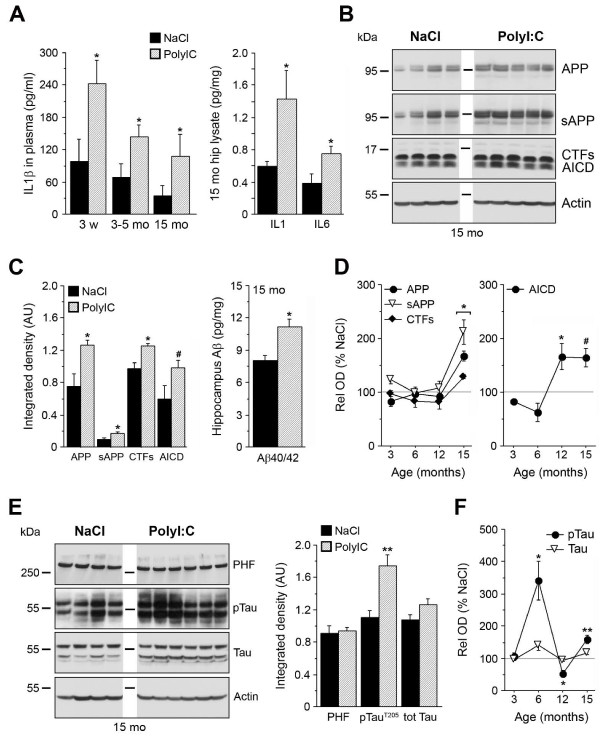
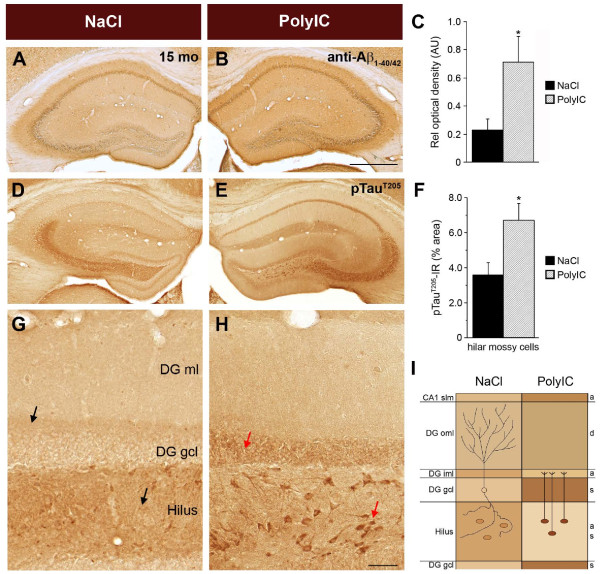
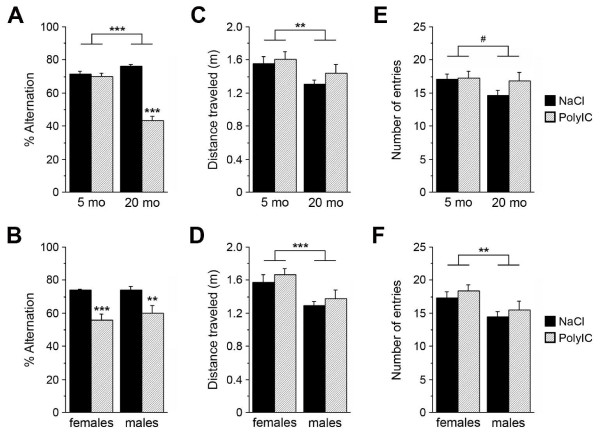
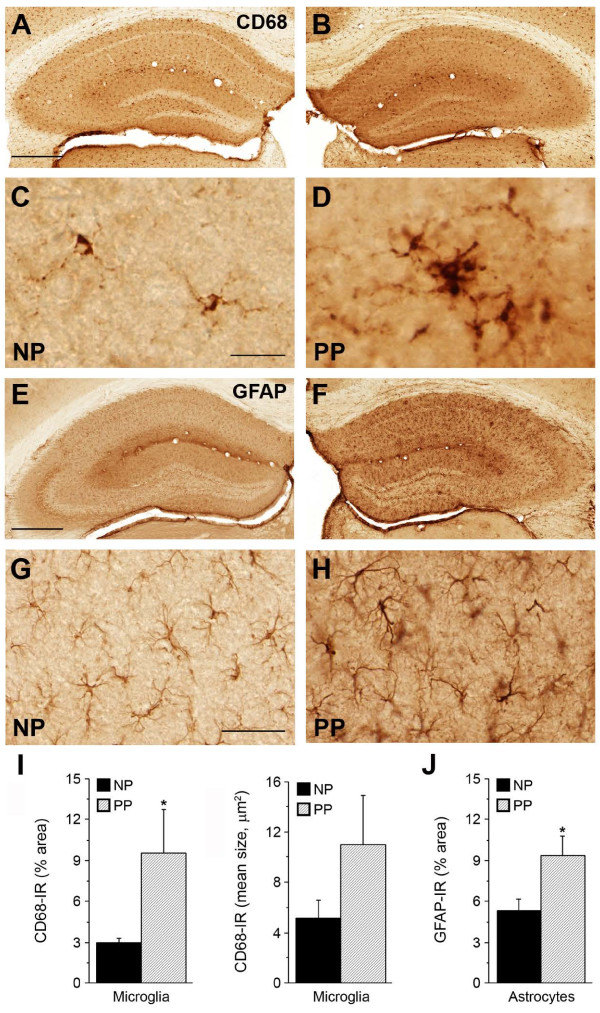
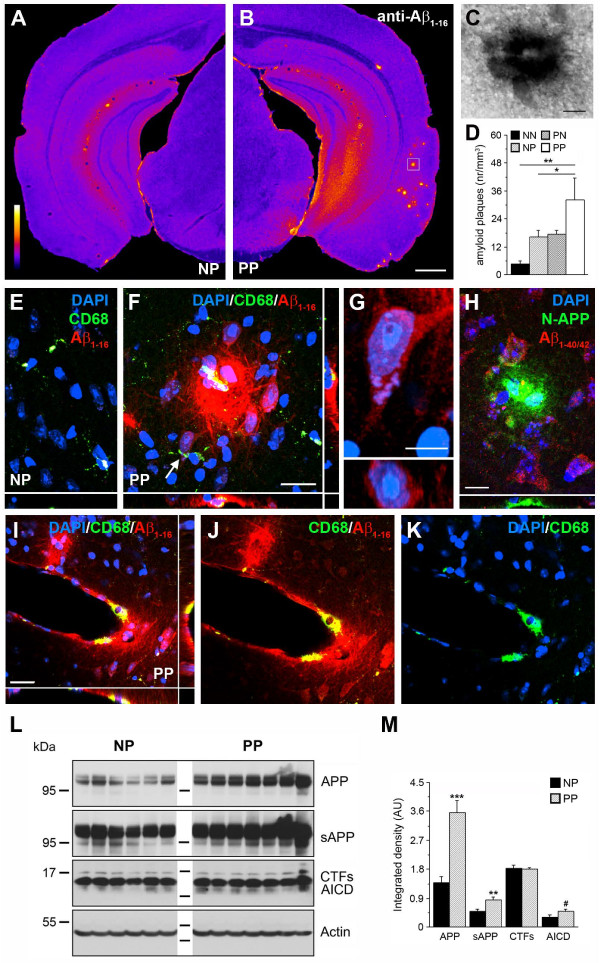
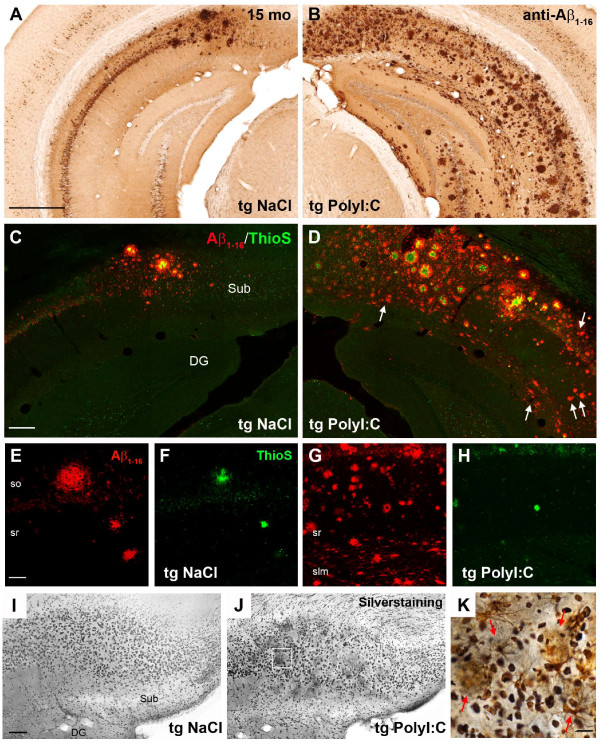
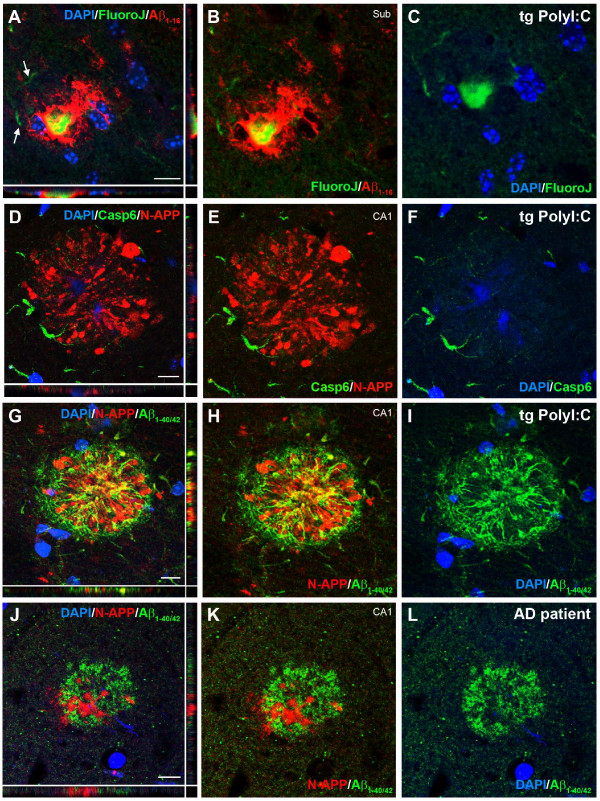
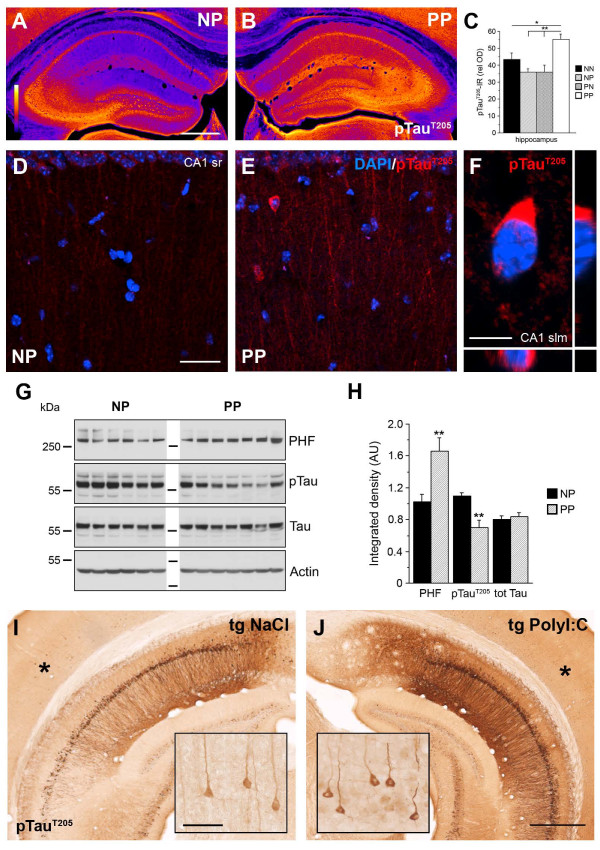
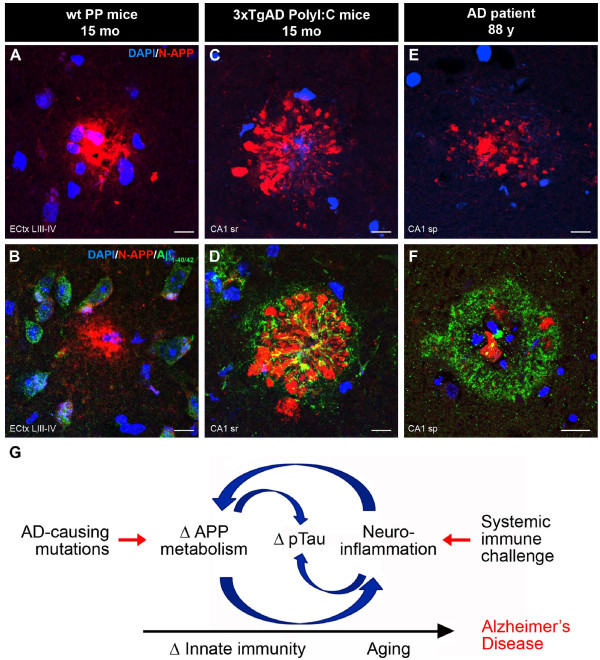
BACKGROUND: Alzheimer's disease (AD) is the most prevalent form of age-related dementia, and its effect on society increases exponentially as the population ages. Accumulating evidence suggests that neuroinflammation, mediated by the brain's innate immune system, contributes to AD neuropathology and exacerbates the course of the disease. However, there is no experimental evidence for a causal link between systemic inflammation or neuroinflammation and the onset of the disease. METHODS: The viral mimic, polyriboinosinic-polyribocytidilic acid (PolyI:C) was used to stimulate the immune system of experimental animals. Wild-type (WT) and transgenic mice were exposed to this cytokine inducer prenatally (gestation day (GD)17) and/or in adulthood. Behavioral, immunological, immunohistochemical, and biochemical analyses of AD-associated neuropathologic changes were performed during aging. RESULTS: We found that a systemic immune challenge during late gestation predisposes WT mice to develop AD-like neuropathology during the course of aging. They display chronic elevation of inflammatory cytokines, an increase in the levels of hippocampal amyloid precursor protein (APP) and its proteolytic fragments, altered Tau phosphorylation, and mis-sorting to somatodendritic compartments, and significant impairments in working memory in old age. If this prenatal infection is followed by a second immune challenge in adulthood, the phenotype is strongly exacerbated, and mimics AD-like neuropathologic changes. These include deposition of APP and its proteolytic fragments, along with Tau aggregation, microglia activation and reactive gliosis. Whereas Aβ peptides were not significantly enriched in extracellular deposits of double immune-challenged WT mice at 15 months, they dramatically increased in age-matched immune-challenged transgenic AD mice, precisely around the inflammation-induced accumulations of APP and its proteolytic fragments, in striking similarity to the post-mortem findings in human patients with AD. CONCLUSION: Chronic inflammatory conditions induce age-associated development of an AD-like phenotype in WT mice, including the induction of APP accumulations, which represent a seed for deposition of aggregation-prone peptides. The PolyI:C mouse model therefore provides a unique tool to investigate the molecular mechanisms underlying the earliest pathophysiological changes preceding fibrillary Aβ plaque deposition and neurofibrillary tangle formations in a physiological context of aging. Based on the similarity between the changes in immune-challenged mice and the development of AD in humans, we suggest that systemic infections represent a major risk factor for the development of AD.
Overview
The claims and statistics of this paper haven’t been checked yet.
Free: it reads the open-access text and checks the first 5 claims that cite a source we can check. Create a free account to check every claim.
Integrity signals
Registry
Cites
Statistics
Figures
Verification
Claims the paper makes
The claims and statistics of this paper haven’t been checked yet.
Free: it reads the open-access text and checks the first 5 claims that cite a source we can check. Create a free account to check every claim.
Claims other papers make about this one
Each is checked against this paper’s own text: does it say what the citing paper says it does?
The source backs part of the claim, not all of it — or backs it for a different population, condition or comparison.
In the citing paper
“Systemic infections and inflammation also activate microglia and drive and exacerbate neurodegeneration [8, 9]”
From Microglial dysfunction in brain aging and Alzheimer's disease (2014) · cites this paper as [9]
Experimental — accuracy not yet measured
Self-check
Percentages, sums and reported differences re-computed from the paper’s own numbers.
The self-check needs the paper’s full text.
Citations
Cites
Neuropathological stageing of Alzheimer-related changes.
Braak, H., & Braak, E. (1991) · Acta Neuropathologica · doi:10.1007/bf00308809 · Cited by 16,123 · cited 2×
“The pathology was most prominent in the anterior piriform and lateral entorhinal cortices and their axonal projection areas (Figure 5A-B; see Additional file 6: Figure S6), which are among the first areas affected in AD [38].”
BackgroundThe Mouse Brain in Stereotaxic Coordinates
Paxinos, G. (2001) · Cited by 13,440
Alzheimer's disease: the amyloid cascade hypothesis
Hardy, J. A., & Higgins, G. A. (1992) · Science · doi:10.1126/science.1566067 · Cited by 7,484 · cited 1×
“Importantly, our model complements the long-standing amyloid hypothesis of AD [59,60], and is in accordance with the recent proposal to revise the current view on the etiology of sporadic AD [61].”
ResultRecognition of double-stranded RNA and activation of NF-κB by Toll-like receptor 3
Alexopoulou, L., Holt, A. C., Medzhitov, R., & Flavell, R. A. (2001) · Nature · doi:10.1038/35099560 · Cited by 6,129
Fate Mapping Analysis Reveals That Adult Microglia Derive from Primitive Macrophages
Ginhoux, F., Greter, M., Leboeuf, M., Nandi, S., See, P., Gokhan, S., Mehler, M. F., Conway, S. J., Ng, L. G., Stanley, E. R., et al. (2010) · Science · doi:10.1126/science.1194637 · Cited by 5,175 · cited 1×
“It is conceivable that these changes are linked to the detrimental effect of the prenatal immune challenge on the developing microglia, the macrophage-derived immune cells of the brain that start to colonize the brain during late-gestational stages [43,44], potentially affecting their proliferative and also phagocytot…”
BackgroundTriple-Transgenic Model of Alzheimer’s Disease with Plaques and Tangles
Oddo, S., Caccamo, A., Shepherd, J. D., Murphy, M. P., Golde, T. E., Kayed, R., Metherate, R., Mattson, M. P., Akbari, Y., & LaFerla, F. M. (2003) · Neuron · doi:10.1016/s0896-6273(03)00434-3 · Cited by 4,126
Microglia: Active sensor and versatile effector cells in the normal and pathologic brain
Hanisch, U.-K., & Kettenmann, H. (2007) · Nature Neuroscience · doi:10.1038/nn1997 · Cited by 3,676 · cited 1×
“In addition to this overall increase in CD68 IR, there were widespread changes in both size and morphology of microglia, specifically in the hippocampus, indicating the activated state [32] (Figure 4D).”
BackgroundHarold, D., Abraham, R., Hollingworth, P., Sims, R., Gerrish, A., Hamshere, M. L., Pahwa, J. S., Moskvina, V., Dowzell, K., Williams, A., et al. (2009) · Nature Genetics · doi:10.1038/ng.440 · Cited by 3,326
The molecular pathology of Alzheimer's disease
Selkoe, D. J. (1991) · Neuron · doi:10.1016/0896-6273(91)90052-2 · Cited by 2,708
Genome-wide association study identifies variants at CLU and CR1 associated with Alzheimer's disease
the European Alzheimer's Disease Initiative Investigators, Lambert, J.-C., Heath, S., Even, G., Campion, D., Sleegers, K., Hiltunen, M., Combarros, O., Zelenika, D., Bullido, M. J., et al. (2009) · Nature Genetics · doi:10.1038/ng.439 · Cited by 2,234
Cited by
Items 201–300 of 400
Neuroprotection of the preterm brain
Fleiss, B., & Gressèns, P. (2019) · Handbook of clinical neurology · doi:10.1016/b978-0-444-64029-1.00015-1 · Cited by 33
Inflammatory and interferon gene expression signatures in patients with mitochondrial disease
Warren, E. B., Gordon‐Lipkin, E. M., Cheung, F., Chen, J., Mukherjee, A., Apps, R., Tsang, J. S., Jetmore, J., Schlein, M. L., Kruk, S., et al. (2023) · Journal of Translational Medicine · doi:10.1186/s12967-023-04180-w · Cited by 35
Natural AD-Like Neuropathology in Octodon degus: Impaired Burrowing and Neuroinflammation
Deacon, R. M. J., Altimiras, F. J., Bazán-León, E. A., Pyarasani, R. D., Nachtigall, F. M., Santos, L. S., Tsolaki, A. G., Pednekar, L., Kishore, U., Biekofsky, R. R., et al. (2015) · Current Alzheimer Research · doi:10.2174/1567205012666150324181652 · Cited by 34
Juvenile Rats Show Altered Gut Microbiota After Exposure to Isoflurane as Neonates
Wang, L., Yang, X., & Wu, H. (2019) · Neurochemical Research · doi:10.1007/s11064-018-02707-y · Cited by 31
Guerrero‐Carrasco, M., Targett, I. L., Olmos‐Alonso, A., Vargas‐Caballero, M., & Gómez‐Nicola, D. (2024) · Glia · doi:10.1002/glia.24532 · Cited by 29
Astrocyte priming enhances microglial Aβ clearance and is compromised by APOE4
Lee, S. J., Yu, J. J., Lee, H. G., Kim, B., Jang, M. J., Jo, H., Kim, N. Y., Pak, M. E., Kim, J. K., Cho, S., et al. (2025) · Nature Communications · doi:10.1038/s41467-025-62995-1 · Cited by 34
Wu, Z., & Nakanishi, H. (2015) · Journal of Immunology Research · doi:10.1155/2015/471342 · Cited by 27
Exosomes: A missing link between chronic systemic inflammation and Alzheimer’s disease?
Ozansoy, M., Mikati, H., Velioğlu, H. A., & Yuluğ, B. (2023) · Biomedicine & Pharmacotherapy · doi:10.1016/j.biopha.2022.114161 · Cited by 30
Beyond the amyloid cascade: An update of Alzheimer's disease pathophysiology
Gouilly, D., Rafiq, M., Nogueira, L., Salabert, A., Payoux, P., Péran, P., & Pariente, J. (2023) · Revue Neurologique · doi:10.1016/j.neurol.2022.12.006 · Cited by 35
Neuroinflammation: No Rose by Any Other Name
Graeber, M. B. (2014) · Brain Pathology · doi:10.1111/bpa.12192 · Cited by 27
“The absurdity of the current use of the term “neuroinflammation,” and equally a sign of the hype surrounding it, is perhaps best illustrated by the following quotation: “Neuroinflammation was one of the prominent pathological features described by Alois Alzheimer in his first case report in 1907” (10).”
BackgroundFyn depletion ameliorates tauP301L-induced neuropathology
Liu, G., Fiock, K. L., Levites, Y., Golde, T. E., Hefti, M. M., & Lee, G. S. (2020) · Acta Neuropathologica Communications · doi:10.1186/s40478-020-00979-6 · Cited by 33
Quantitative Systems Pharmacology: A Framework for Context
Androulakis, I. P. (2016) · Current Pharmacology Reports · doi:10.1007/s40495-016-0058-x · Cited by 30
Metaflammasome components in the human brain: a role in dementia with Alzheimer's pathology?
Taga, M., Minett, T., Classey, J., Matthews, F. E., Brayne, C., Ince, P. G., Nicoll, J. A., Hugon, J., Boche, D., & CFAS, M. (2017) · Brain Pathology · doi:10.1111/bpa.12388 · Cited by 26
Cognitive effects of subdiaphragmatic vagal deafferentation in rats
Klarer, M., Weber-Stadlbauer, U., Arnold, M., Langhans, W., & Meyer, U. (2017) · Neurobiology of Learning and Memory · doi:10.1016/j.nlm.2017.05.006 · Cited by 25
“The spontaneous alternation task in the Y-maze was slightly modified from previously established procedures (Krstic et al., 2012).”
MethodSelf-citationDementia Prevention in Clinical Practice
Niotis, K., Akiyoshi, K., Carlton, C., & Isaacson, R. (2022) · Seminars in Neurology · doi:10.1055/s-0042-1759580 · Cited by 28
Konefal, S., & Stellwagen, D. (2017) · Philosophical Transactions of the Royal Society B Biological Sciences · doi:10.1098/rstb.2016.0160 · Cited by 29
Gut Microbiota as a Hidden Player in the Pathogenesis of Alzheimer’s Disease
Choi, H., Lee, D., & Mook‐Jung, I. (2022) · Journal of Alzheimer s Disease · doi:10.3233/jad-215235 · Cited by 24
Peng, L., Zhu, M., Yang, Y., Weng, Y., Zou, W., Zhu, X., Guo, Q., & Zhong, T. (2018) · Neuroscience · doi:10.1016/j.neuroscience.2018.12.001 · Cited by 25
Notter, T., & Knuesel, I. (2013) · Acta Neuropathologica Communications · doi:10.1186/2051-5960-1-27 · Cited by 28
Adler, D. A., Ammanuel, S., Lei, J., Dada, T., Borbiev, T., Johnston, M. V., Kadam, S. D., & Burd, I. (2014) · Neuroscience · doi:10.1016/j.neuroscience.2014.06.022 · Cited by 22
“Additionally, systemic immune challenges during the gestational age have been shown to induce Alzheimer-like neuropathology in mice (Krstic et al., 2012;Knuesel, 2011;Harvey and Boksa, 2012).”
The fetal programming effect of maternal immune activation (MIA) on the offspring’s immune system
Hofsink, N., Groenink, L., & Plösch, T. (2024) · Seminars in Immunopathology · doi:10.1007/s00281-024-01023-8 · Cited by 25
Qin, Q., Fan, L., Zeng, X., Zheng, D., Wang, H., Li, M., Jiang, Y., Wang, H., Liu, H., Liang, S., et al. (2025) · Journal of Nanobiotechnology · doi:10.1186/s12951-025-03250-z · Cited by 26
Kelliny, S., Lin, L., Deng, I. B., Xiong, J., Zhou, F. H., Al‐Hawwas, M., Bobrovskaya, L., & Zhou, X. (2021) · Molecular Neurobiology · doi:10.1007/s12035-021-02338-5 · Cited by 24
Ni, H., Ren, J., Wang, Q., Li, X., Wu, Y. H., Liu, D., & Wang, J. (2023) · Heliyon · doi:10.1016/j.heliyon.2023.e16755 · Cited by 26
Brezzo, G., Simpson, J. E., Ameen‐Ali, K. E., Berwick, J., & Martin, C. J. (2020) · Brain Behavior & Immunity - Health · doi:10.1016/j.bbih.2020.100074 · Cited by 30
Therapeutic Effects of Aripiprazole in the 5xFAD Alzheimer’s Disease Mouse Model
Jeong, Y. J., Son, Y., Park, H.-J., Oh, S. J., Choi, J. Y., Ko, Y.-G., & Lee, H. (2021) · International Journal of Molecular Sciences · doi:10.3390/ijms22179374 · Cited by 21
Rosell‐Cardona, C., Amat, C., Griñán‐Ferré, C., Polo, J., Pallàs, M., Pérez‐Bosque, A., Moretó, M., & Miró, L. (2022) · Nutrients · doi:10.3390/nu14112211 · Cited by 26
Šprung, J., Warner, D. O., Knopman, D. S., Petersen, R. C., Mielke, M. M., Jack, C. R., Lowe, V. J., Martin, D. P., Hanson, A. C., Schroeder, D. R., et al. (2020) · British Journal of Anaesthesia · doi:10.1016/j.bja.2020.01.015 · Cited by 21
Stoyanov, S., Sun, W., Düsedau, H. P., Cangalaya, C., Choi, I., Mirzapourdelavar, H., Baidoe‐Ansah, D., Kaushik, R., Neumann, J. H. L., Dunay, I. R., et al. (2020) · Glia · doi:10.1002/glia.23894 · Cited by 25
Perspectives on the Tertiary Prevention Strategy for Alzheimer's Disease
Bu, X., Jiao, S., Lian, Y., & Wang, Y. (2015) · Current Alzheimer Research · doi:10.2174/1567205013666151215110114 · Cited by 22
Systemic Inflammation Causes Microglial Dysfunction With a Vascular AD phenotype
Bathini, P., Dupanloup, I., Zenaro, E., Terrabuio, E., Fischer, A., Ballabani, E., Doucey, M., & Alberi, L. A. (2022) · Brain Behavior & Immunity - Health · doi:10.1016/j.bbih.2022.100568 · Cited by 27
The innate immune response in tauopathies
Johnson, A. M., & Lukens, J. R. (2023) · European Journal of Immunology · doi:10.1002/eji.202250266 · Cited by 23
Wu, Y., Xu, D., He, Y., Yan, Z., Liu, R., Liu, Z., He, C., Liu, X., Yu, Y., Yang, X., et al. (2023) · PLoS neglected tropical diseases · doi:10.1371/journal.pntd.0011350 · Cited by 22
Gopalakrishna, P. K., Nassir, C. M. N. C. M., Anandan, S., Hussan, F., Dandala, K. C. R., Sura, S., Jagadeesan, S., Moklas, M. A. M., Vishnumukkala, T., & Hein, Z. M. (2026) · Cellular and Molecular Neurobiology · doi:10.1007/s10571-026-01671-4 · Cited by 25
Ulaganathan, S., & Pitchaimani, A. (2023) · Life Sciences · doi:10.1016/j.lfs.2023.121918 · Cited by 25
The role of the placenta-brain axis in psychoneuroimmune programming
Gumusoglu, S. B. (2024) · Brain Behavior & Immunity - Health · doi:10.1016/j.bbih.2024.100735 · Cited by 31
Idrissi, F. E., Gressier, B., Devos, D., & Bélarbi, K. (2021) · Frontiers in Pharmacology · doi:10.3389/fphar.2021.630003 · Cited by 22
Immune Response at the Crossroads of Atherosclerosis and Alzheimer's Disease
Stahr, N. A., & Galkina, E. (2022) · Frontiers in Cardiovascular Medicine · doi:10.3389/fcvm.2022.870144 · Cited by 20
Whitaker, E. E., Christofi, F. L., Quinn, K. M., Wiemann, B. Z., Xia, J. C., Tobias, J. D., & Bissonnette, B. (2017) · Journal of Anesthesia · doi:10.1007/s00540-016-2294-y · Cited by 20
Liu, H., Jiang, Y., Liu, K., Gómez‐Murcia, V., Ma, X., Torrecillas, A., Chen, Q., Zhu, X., Lesnefsky, E. J., Gómez-Fernández, J. C., et al. (2018) · Journal of Medicinal Chemistry · doi:10.1021/acs.jmedchem.7b01284 · Cited by 18
TLR2 immunotherapy suppresses neuroinflammation, tau spread, and memory loss in rTg4510 mice
Kim, Y., Ryu, S.-H., Hyun, J., Cho, Y.-J., & Jung, Y. (2024) · Brain Behavior and Immunity · doi:10.1016/j.bbi.2024.08.002 · Cited by 19
Wang, F., Zhang, Z., Cao, L., Yang, Q., Lu, Q., & Chen, G. (2020) · Brain and Behavior · doi:10.1002/brb3.1546 · Cited by 20
Recent insights into viral infections as a trigger and accelerator in alzheimer's disease
Vlieger, L. D., Vandenbroucke, R. E., & Hoecke, L. V. (2022) · Drug Discovery Today · doi:10.1016/j.drudis.2022.103340 · Cited by 17
Rodent Models of Alzheimer’s Disease: Past Misconceptions and Future Prospects
Collins, H. M., & Greenfield, S. A. (2024) · International Journal of Molecular Sciences · doi:10.3390/ijms25116222 · Cited by 21
Baudron, C. R., Chambonnier, L., Buissionnière, A., Giese, A., Macrez, N., Cho, Y. H., Fénelon, V. S., Blaszczyk, L., Dubus, P. R., Lehours, P., et al. (2015) · Journal of Alzheimer s Disease · doi:10.3233/jad-143129 · Cited by 18
Androulakis, I. P. (2015) · WIREs Systems Biology and Medicine · doi:10.1002/wsbm.1294 · Cited by 17
Payán‐Gómez, C., Rodríguez-Gomez, D. A., Amador-Munoz, D. P., & Ramírez-Clavijo, S. R. (2018) · Brain Sciences · doi:10.3390/brainsci8120227 · Cited by 17
Interferons: A molecular switch between damage and repair in ageing and Alzheimer’s disease
Gorlé, N., & Vandenbroucke, R. E. (2019) · Mechanisms of Ageing and Development · doi:10.1016/j.mad.2019.111148 · Cited by 22
Hermann, P. M., Park, D., Beaulieu, E., & Wildering, W. C. (2013) · BMC Neuroscience · doi:10.1186/1471-2202-14-83 · Cited by 20
Ding, L., Meng, Y., Zhang, H., Yin, W., Yan, Y., & Cao, Y. (2017) · Neuroscience Research · doi:10.1016/j.neures.2017.01.003 · Cited by 16
Li, H., Ye, T., Liu, X., Guo, R., Yang, X., Li, Y., Qi, D., Wei, Y., Zhu, Y., Wen, L., et al. (2023) · Journal of Pharmaceutical Analysis · doi:10.1016/j.jpha.2023.05.008 · Cited by 15
Fertan, E., Hung, C., Danial, J. S. H., Lam, J. Y. L., Preman, P., Albertini, G., English, E. A., Böken, D., Livesey, F. J., Strooper, B. D., et al. (2024) · Brain Communications · doi:10.1093/braincomms/fcae454 · Cited by 20
Gasparotto, J., Senger, M. R., Kunzler, A., Degrossoli, A., De-Simone, S. G., Bortolin, R. C., Somensi, N., Girardi, C. S., de Souza, C. D. S. F., Calabrese, K. D. S., et al. (2014) · Brain Behavior and Immunity · doi:10.1016/j.bbi.2014.06.204 · Cited by 16
Pak, V. M., Paul, S., Swieboda, D., Balthazar, M. S., & Wharton, W. (2022) · Alzheimer s & Dementia Translational Research & Clinical Interventions · doi:10.1002/trc2.12332 · Cited by 18
Awasthi, P., Kumar, D., & Hasan, S. (2024) · Frontiers in Molecular Biosciences · doi:10.3389/fmolb.2024.1353828 · Cited by 16
Cytokines as Mediators of Neuroinflammation in Experimental Autoimmune Encephalomyelitis
Gogoleva, V. S., Атретханы, К.-С. Н., Drutskaya, M. S., Mufazalov, I. A., Kruglov, A., & Nedospasov, S. A. (2018) · Biochemistry (Moscow) · doi:10.1134/s0006297918090110 · Cited by 14
Boziki, M. K., Grigoriadis, N., Papaefthymiou, A., Doulberis, M., Pοlyzos, S. A., Gavalas, E., Deretzi, G., Karafoulidou, E., Kesidou, E., Taloumtzis, C., et al. (2021) · Neurochemistry International · doi:10.1016/j.neuint.2020.104938 · Cited by 19
Kurakin, A. V., & Bredesen, D. E. (2020) · Aging · doi:10.18632/aging.103883 · Cited by 18
Estimation of blood-based biomarkers of glial activation related to neuroinflammation
Yasuno, F., Watanabe, A., Kimura, Y., Yamauchi, Y., Ogata, A., Ikenuma, H., Abe, J., Minami, H., Nihashi, T., Yokoi, K., et al. (2022) · Brain Behavior & Immunity - Health · doi:10.1016/j.bbih.2022.100549 · Cited by 12
Mammalian Models in Alzheimer’s Research: An Update
Sharma, H., Chang, K., Hulme, J., & An, S. S. A. (2023) · Cells · doi:10.3390/cells12202459 · Cited by 14
Snellman, A., Helin, J. S., Lopez‐Picon, F. R., Eskola, O., Solin, O. H., Rinne, J. O., & Haaparanta‐Solin, M. (2019) · Scientific Reports · doi:10.1038/s41598-019-42074-4 · Cited by 14
Sandström, J., Kratschmar, D. V., Broyer, A., Poirot, O., Marbet, P., Chantong, B., Zufferey, F., Santos, T. D., Boccard, J., Chrast, R., et al. (2019) · Archives of Toxicology · doi:10.1007/s00204-019-02455-0 · Cited by 14
Amyloid protein aggregation in diabetes mellitus accelerate intervertebral disc degeneration
Zheng, X., Liu, P., Cao, Y., & Wu, X. (2020) · Medical Hypotheses · doi:10.1016/j.mehy.2020.109739 · Cited by 13
Huang, Y., Zhao, Z., Wei, X., Zheng, Y. M., Yu, J., Zheng, J., & Wang, L. (2016) · Journal of Neuroinflammation · doi:10.1186/s12974-016-0640-5 · Cited by 16
The protective effect of Astaxanthin on scopolamine - induced Alzheimer’s model in mice
Magadmi, R. M., Nassibi, S., Kamel, F. O., Alrafiah, A., Bakhshwin, D., Jamal, M., Alsieni, M., Burzangi, A. S., Zaher, M., & Bendary, M. (2024) · Neurosciences · doi:10.17712/nsj.2024.2.20230060 · Cited by 13
The Inflammation-Induced Dysregulation of Reelin Homeostasis Hypothesis of Alzheimer’s Disease
Reive, B. S., Lau, V. Z., Sánchez-Lafuente, C. L., Henri‐Bhargava, A., Kalynchuk, L. E., Tremblay, M., & Caruncho, H. J. (2024) · Journal of Alzheimer s Disease · doi:10.3233/jad-240088 · Cited by 15
Porphyromonas gingivalis Impairs Microglial Aβ Clearance in a Mouse Model
Xie, M., Huang, X., Tang, Q., Yu, S., Zhang, K., Lu, X., Zhang, Y., Wang, J., Zhang, L., & Chen, L. (2025) · Journal of Dental Research · doi:10.1177/00220345241294009 · Cited by 14
vonderEmbse, A. N., Hu, Q., & DeWitt, J. C. (2017) · Journal of Developmental Origins of Health and Disease · doi:10.1017/s2040174417000277 · Cited by 14
Does Dementia Have a Microbial Cause?
Landry, R. L., & Embers, M. E. (2022) · NeuroSci · doi:10.3390/neurosci3020019 · Cited by 14
Costa, L. G. (2017) · Advances in neurotoxicology · doi:10.1016/bs.ant.2017.07.001 · Cited by 17
Viscogliosi, G., & Marigliano, V. (2013) · Journal of the American Geriatrics Society · doi:10.1111/jgs.12242 · Cited by 13
Kumar, P., Mathew, S., Gamage, R. V., Bodkin, F., Doyle, K., Rosetti, I., Wagnon, I. M., Zhou, X., Raju, R., Gyengési, E., et al. (2023) · International Journal of Molecular Sciences · doi:10.3390/ijms241311086 · Cited by 13
Bazazzadegan, N., Shasaltaneh, M. D., Saliminejad, K., Kamali, K., Banan, M., Nazari, R., Riazi, G. H., & Khorshid, H. R. K. (2017) · Advanced Pharmaceutical Bulletin · doi:10.15171/apb.2017.075 · Cited by 11
Xu, W., Jiang, Y., Wang, N., Bai, H., Xu, S., Xia, T., & Xin, H. (2022) · Frontiers in Pharmacology · doi:10.3389/fphar.2022.842101 · Cited by 13
Blood-brain barrier at the interface of air pollution-associated neurotoxicity and neuroinflammation
Young, T. L., Zychowski, K. E., Denson, J. L., & Campen, M. J. (2018) · Advances in neurotoxicology · doi:10.1016/bs.ant.2018.10.010 · Cited by 18
Skawratananond, S., McCrea, G. E., Lie, P. E., Buxton, M. B., Daly, S. P., Vojtkofsky, N. A., Smith, S. C., Zhang, C., Hernandez, M., Hindle, A., et al. (2025) · American Journal of Physiology-Gastrointestinal and Liver Physiology · doi:10.1152/ajpgi.00097.2025 · Cited by 14
Chronic inflammation: a potential target in tauopathies
Ising, C., & Heneka, M. T. (2023) · The Lancet Neurology · doi:10.1016/s1474-4422(23)00116-3 · Cited by 10
Rao, R., Scherholz, M. L., Hartmanshenn, C., Bae, S.-A., & Androulakis, I. P. (2017) · Computers & Chemical Engineering · doi:10.1016/j.compchemeng.2017.06.003 · Cited by 11
Aortic Valve Calcification Is Associated with Future Cognitive Impairment
Chung, H. E., Chen, J. W., Ghosalkar, D. S., Christensen, J. L., Chu, A., Mantsounga, C., Neverson, J., Soares, C., Shah, N. R., Wu, W., et al. (2021) · Journal of Alzheimer s Disease Reports · doi:10.3233/adr-200253 · Cited by 11
Alsaleem, M. A., Al-Kuraishy, H. M., Al-Gareeb, A. I., Abdel‐Fattah, M. M., Alrouji, M., Al‐Harchan, N. A., Alruwaili, M., Papadakis, M., Alexiou, A. T., & Batiha, G. E. (2025) · Journal of Cellular and Molecular Medicine · doi:10.1111/jcmm.70378 · Cited by 11
Cárdenas‐Tueme, M., Montalvo-Martínez, L., Maldonado‐Ruiz, R., Camacho‐Morales, A., & Reséndez‐Pérez, D. (2020) · Frontiers in Neuroscience · doi:10.3389/fnins.2020.00013 · Cited by 10
Teaching An Old Drug New Tricks: Repositioning Strategies for Spinal Muscular atrophy
Hoolachan, J. M., Sutton, E. R., & Bowerman, M. (2019) · Future Neurology · doi:10.2217/fnl-2019-0006 · Cited by 10
Ma, W., Wu, M., Zhou, S., Tao, Y., Xie, Z., & Zhong, Y. (2018) · Journal of genetics and genomics/Journal of Genetics and Genomics · doi:10.1016/j.jgg.2018.05.001 · Cited by 10
Prenatal immune origins of brain aging differ by sex
Goldstein, J. M., Konishi, K., Aroner, S. A., Lee, H., Remington, A., Chitnis, T., Buka, S. L., Hornig, M., & Tobet, S. A. (2024) · Molecular Psychiatry · doi:10.1038/s41380-024-02798-w · Cited by 8
Lee, J., Kong, E., Hong, S., Moon, J., & Kim, P. (2020) · Biomedical Optics Express · doi:10.1364/boe.393690 · Cited by 8
Ajith, T. A., & Sreejith, J. K. (2025) · Nutritional Neuroscience · doi:10.1080/1028415x.2025.2567429 · Cited by 9
Chen, D., Fang, X., & Zhu, Z. (2022) · Ibrain · doi:10.1002/ibra.12040 · Cited by 6
Tumor Necrosis Factor-Alpha Alters Electrophysiological Properties of Rabbit Hippocampal Neurons
Wang, D. (2019) · Journal of Alzheimer s Disease · doi:10.3233/jad-190043 · Cited by 7
Exacerbated immune response of the brain to peripheral immune challenge in post-septic mice
Salmani, H., Hosseini, M., Nabi, M. M., Noshahr, Z. S., Baghcheghi, Y., & Sadeghi, M. (2022) · Brain Research Bulletin · doi:10.1016/j.brainresbull.2022.04.013 · Cited by 7
Myeloid cell-based therapies in neurological disorders: How far have we come?
Böttcher, C., & Priller, J. (2015) · Biochimica et Biophysica Acta (BBA) - Molecular Basis of Disease · doi:10.1016/j.bbadis.2015.10.003 · Cited by 7
Anderson, G., & Maes, M. H. J. (2013) · Wiley eBooks · doi:10.1002/9781118395318.ch13 · Cited by 12
El‐Tahawy, N. F. G., Rifaai, R. A., Saber, E. A., El‐Aleem, S. A. A., & Mohammed, H. H. (2023) · Journal of Chemical Neuroanatomy · doi:10.1016/j.jchemneu.2023.102307 · Cited by 6
Genomics of Alzheimer’s disease
van de Weijer, M. P., Jansen, I. E., Verboven, A. H. A., Andreassen, O. A., & Posthuma, D. (2019) · Elsevier eBooks · doi:10.1016/b978-0-12-813176-3.00022-5 · Cited by 7
Mayagoitia, K., Shin, S., Rubini, M., Siebold, L., Wilson, C. G., Bellinger, D. L., Figueroa, J. D., & Soriano, S. (2020) · Behavioural Brain Research · doi:10.1016/j.bbr.2020.112779 · Cited by 7
Chang, Y.-C., Li, W., Lee, L. J., & Lee, L. (2020) · International Journal of Molecular Sciences · doi:10.3390/ijms21228518 · Cited by 9
Oummadi, A., Menuet, A., Méresse, S., Laugeray, A., Guillemin, G. J., & Mortaud, S. (2023) · Frontiers in Neuroscience · doi:10.3389/fnins.2023.1172693 · Cited by 9
Oxidative Stress in CD90+ T-cells of AβPP/PS-1 Transgenic Mice
Robinson, R. A. S., Cao, Z., & Williams, C. (2013) · Journal of Alzheimer s Disease · doi:10.3233/jad-130665 · Cited by 7
Cyclin Dependent Kinase 11, Neuroinflammation and Alzheimer's Disease: A Review
Bajić, V. (2015) · Journal of Clinical & Cellular Immunology · doi:10.4172/2155-9899.1000305 · Cited by 6
Couch, Y., Davis, A. E. M., Sá-Pereira, I., Campbell, S. J., & Anthony, D. C. (2014) · Journal of Neuroinflammation · doi:10.1186/s12974-014-0178-3 · Cited by 8
Walker, K. A., Gottesman, R. F., Coresh, J., Sharrett, A. R., Knopman, D. S., Mosley, T. H., Alonso, Á., Zhou, Y., Wong, D. F., & Brown, C. H. (2020) · Anesthesiology · doi:10.1097/aln.0000000000003255 · Cited by 6
Metadata
- Authors
- Krstic, D., Madhusudan, A., Doehner, J., Vogel, P., Notter, T., Imhof, C., Manalastas, A., Hilfiker, M., Pfister, S., Schwerdel, C., Riether, C., Meyer, U., & Knuesel, I.
- Affiliations
- University of Zurich (CH)
- University of Bern (CH)
- ETH Zurich (CH)
- Venue
- Journal of Neuroinflammation
- Published
- 2012-07-02
- Volume
- 9
- Issue
- 1
- Pages
- 151-151
- ISSN
- 1742-2094 (ISSN-L)
- PMC
- PMC3483167
- OpenAlex
- W2156979281
- Cited by
- 400
- References
- 66
- Citations by year
- 2026: 19 · 2025: 16 · 2024: 21 · 2023: 26 · 2022: 32 · 2021: 28 · 2020: 37 · 2019: 37 · 2018: 38 · 2017: 26 · 2016: 25 · 2015: 30 · 2014: 32 · 2013: 24 · 2012: 7
- FWCI
- 19.94
- Type
- journal article
- Language
- en
- Open access
- gold
- doi.org
- Licence
- cc-by
- creativecommons.org/licenses/by/2.0 (tdm)
- creativecommons.org/licenses/by/2.0 (vor)
- Locations
- Journal of Neuroinflammation (publishedVersion, cc-by)
- Europe PMC (PubMed Central) (publishedVersion, cc-by)
- PubMed Central (publishedVersion, cc-by)
- PubMed (publishedVersion)
- Zurich Open Repository and Archive (University of Zurich) (acceptedVersion, cc-by)
- DOAJ (DOAJ: Directory of Open Access Journals) (submittedVersion, cc-by-sa)
- Repository for Publications and Research Data (ETH Zurich) (submittedVersion, cc-by)
- Zurich Open Repository and Archive (University of Zurich) (submittedVersion, cc-by)
- ETH Zürich Research Collection (cc-by)
- Zurich Open Repository and Archive (University of Zurich)
- Funders
- National Science Foundation (310030, 259679)
- Novartis Foundation
- European Commission (FP7/2007-2011, FP7/2007, 259679)
- Schweizerischer Nationalfonds zur Förderung der Wissenschaftlichen Forschung (FP7/2007-2011, 132629, 310030)
- Hartmann Müller-Stiftung für Medizinische Forschung
- Schweizerische Akademie der Medizinischen Wissenschaften
- Topics
- Life Sciences › Neuroscience › Cellular and Molecular Neuroscience › Alzheimer's disease research and treatments
- Life Sciences › Neuroscience › Neurology › Neuroinflammation and Neurodegeneration Mechanisms
- Life Sciences › Neuroscience › Neurology › Neurological Disease Mechanisms and Treatments
- Keywords
- Alzheimer's disease, neuroinflammation, systemic inflammation, prenatal immune challenge, poly(I:C), amyloid precursor protein, tau phosphorylation, amyloid-beta, microglial activation, reactive gliosis, working memory impairment, aging
- MeSH terms
- Aged, 80 and over, Alzheimer Disease, Animals, Brain, Disease Models, Animal, Female, Humans, Male, Mice, Inbred C57BL, Mice, Transgenic, Poly I-C, Pregnancy, Prenatal Exposure Delayed Effects, Maze Learning, Mice, Mice, 129 Strain
About these checks
Registry, retraction, Cites and statistics results are computed, not judged, with one exception: a printed reference that no index lists is read once by a model before it counts as a citation error. Claims are extracted by a model and kept only when their quote appears verbatim in the text; each cited source is then checked, with a model’s help, for whether it says what the claim relies on. Those verdicts can be wrong — read the claim’s quote and the cited source before relying on one.
Statistics and arithmetic are recomputed, not judged.
Confidence bands are shown only for fields calibrated on our annotated test set. None is calibrated yet, so no band is shown.
What counts as a claim ›How we measure confidence ›How we check this ›
Are you an author, or do you see a problem with this page? Request a review
Data sources
Bibliographic data: Semantic Scholar, OpenAlex, Crossref.
Contains information from the Semantic Scholar Academic Graph Datasets, made available under the ODC Attribution License (ODC-BY 1.0).
Semantic Scholar’s data is described in: Kinney, R., et al. (2023). The Semantic Scholar Open Data Platform. arXiv:2301.10140.
