

Systemic immune challenges trigger and drive Alzheimer-like neuropathology in mice
Open accessThe DOI matches its Crossref record; 66 of the 66 references it cites were found in a registry or an index.
Abstract
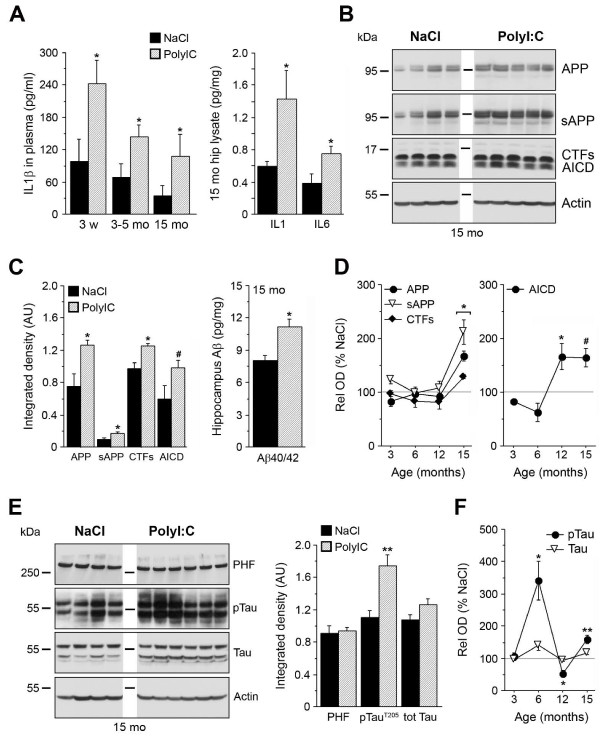
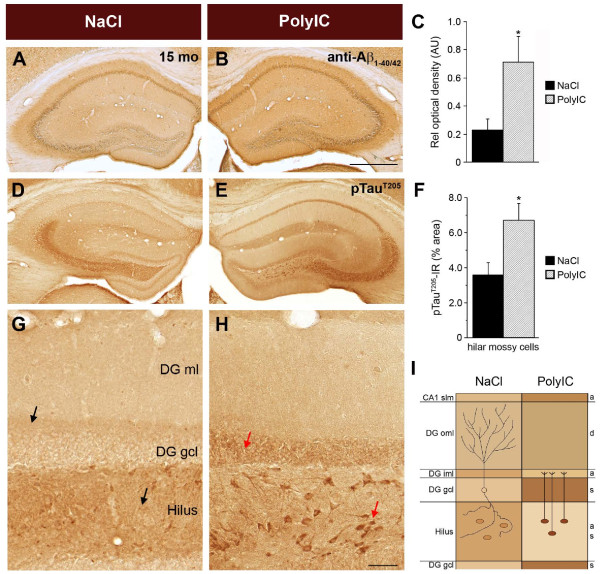
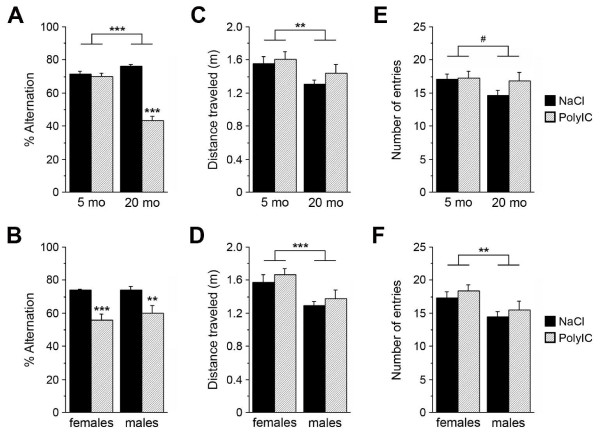
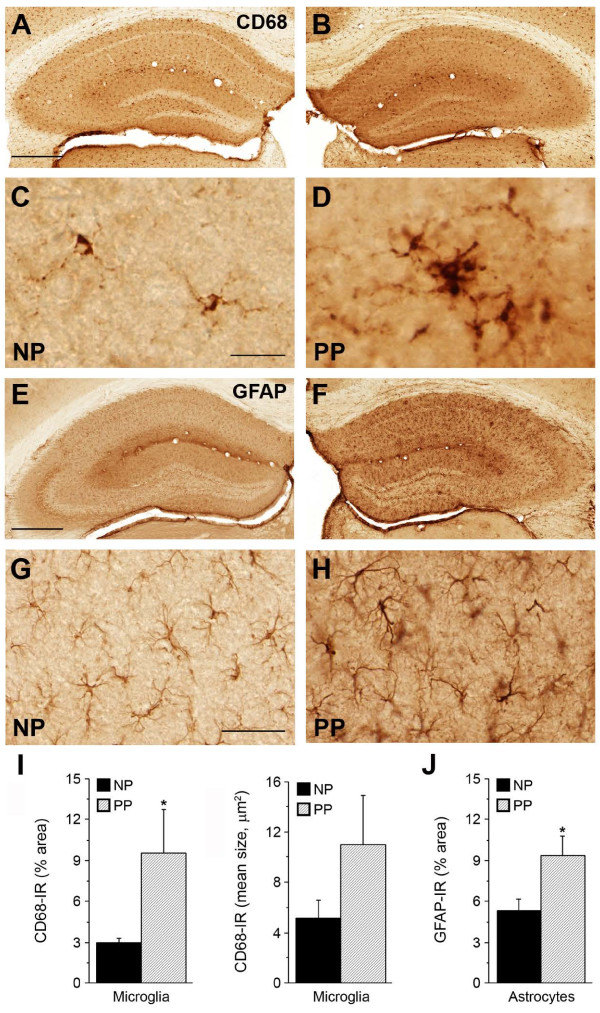
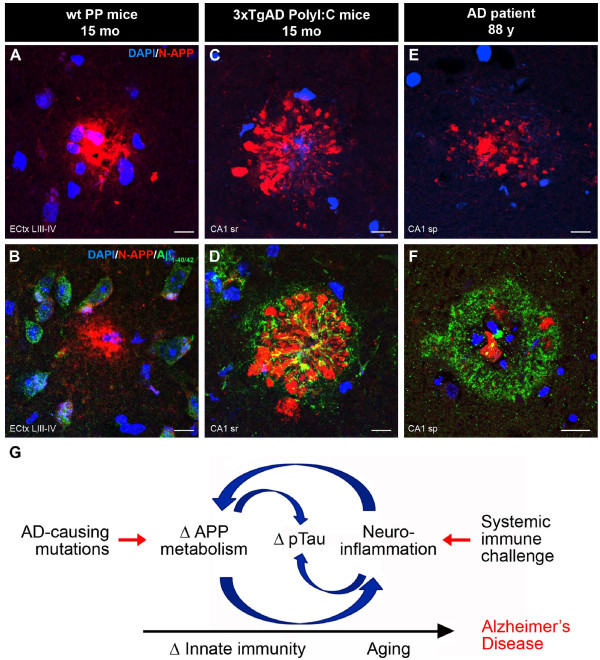
BACKGROUND: Alzheimer's disease (AD) is the most prevalent form of age-related dementia, and its effect on society increases exponentially as the population ages. Accumulating evidence suggests that neuroinflammation, mediated by the brain's innate immune system, contributes to AD neuropathology and exacerbates the course of the disease. However, there is no experimental evidence for a causal link between systemic inflammation or neuroinflammation and the onset of the disease. METHODS: The viral mimic, polyriboinosinic-polyribocytidilic acid (PolyI:C) was used to stimulate the immune system of experimental animals. Wild-type (WT) and transgenic mice were exposed to this cytokine inducer prenatally (gestation day (GD)17) and/or in adulthood. Behavioral, immunological, immunohistochemical, and biochemical analyses of AD-associated neuropathologic changes were performed during aging. RESULTS: We found that a systemic immune challenge during late gestation predisposes WT mice to develop AD-like neuropathology during the course of aging. They display chronic elevation of inflammatory cytokines, an increase in the levels of hippocampal amyloid precursor protein (APP) and its proteolytic fragments, altered Tau phosphorylation, and mis-sorting to somatodendritic compartments, and significant impairments in working memory in old age. If this prenatal infection is followed by a second immune challenge in adulthood, the phenotype is strongly exacerbated, and mimics AD-like neuropathologic changes. These include deposition of APP and its proteolytic fragments, along with Tau aggregation, microglia activation and reactive gliosis. Whereas Aβ peptides were not significantly enriched in extracellular deposits of double immune-challenged WT mice at 15 months, they dramatically increased in age-matched immune-challenged transgenic AD mice, precisely around the inflammation-induced accumulations of APP and its proteolytic fragments, in striking similarity to the post-mortem findings in human patients with AD. CONCLUSION: Chronic inflammatory conditions induce age-associated development of an AD-like phenotype in WT mice, including the induction of APP accumulations, which represent a seed for deposition of aggregation-prone peptides. The PolyI:C mouse model therefore provides a unique tool to investigate the molecular mechanisms underlying the earliest pathophysiological changes preceding fibrillary Aβ plaque deposition and neurofibrillary tangle formations in a physiological context of aging. Based on the similarity between the changes in immune-challenged mice and the development of AD in humans, we suggest that systemic infections represent a major risk factor for the development of AD.
Overview
The claims and statistics of this paper haven’t been checked yet.
Free: it reads the open-access text and checks the first 5 claims that cite a source we can check. Create a free account to check every claim.
Integrity signals
Registry
Cites
Statistics
Figures
Verification
Claims the paper makes
The claims and statistics of this paper haven’t been checked yet.
Free: it reads the open-access text and checks the first 5 claims that cite a source we can check. Create a free account to check every claim.
Claims other papers make about this one
Each is checked against this paper’s own text: does it say what the citing paper says it does?
The source backs part of the claim, not all of it — or backs it for a different population, condition or comparison.
In the citing paper
“Systemic infections and inflammation also activate microglia and drive and exacerbate neurodegeneration [8, 9]”
From Microglial dysfunction in brain aging and Alzheimer's disease (2014) · cites this paper as [9]
Experimental — accuracy not yet measured
Self-check
Percentages, sums and reported differences re-computed from the paper’s own numbers.
The self-check needs the paper’s full text.
Citations
Cites
Neuropathological stageing of Alzheimer-related changes.
Braak, H., & Braak, E. (1991) · Acta Neuropathologica · doi:10.1007/bf00308809 · Cited by 16,123 · cited 2×
“The pathology was most prominent in the anterior piriform and lateral entorhinal cortices and their axonal projection areas (Figure 5A-B; see Additional file 6: Figure S6), which are among the first areas affected in AD [38].”
BackgroundThe Mouse Brain in Stereotaxic Coordinates
Paxinos, G. (2001) · Cited by 13,440
Alzheimer's disease: the amyloid cascade hypothesis
Hardy, J. A., & Higgins, G. A. (1992) · Science · doi:10.1126/science.1566067 · Cited by 7,484 · cited 1×
“Importantly, our model complements the long-standing amyloid hypothesis of AD [59,60], and is in accordance with the recent proposal to revise the current view on the etiology of sporadic AD [61].”
ResultRecognition of double-stranded RNA and activation of NF-κB by Toll-like receptor 3
Alexopoulou, L., Holt, A. C., Medzhitov, R., & Flavell, R. A. (2001) · Nature · doi:10.1038/35099560 · Cited by 6,129
Fate Mapping Analysis Reveals That Adult Microglia Derive from Primitive Macrophages
Ginhoux, F., Greter, M., Leboeuf, M., Nandi, S., See, P., Gokhan, S., Mehler, M. F., Conway, S. J., Ng, L. G., Stanley, E. R., et al. (2010) · Science · doi:10.1126/science.1194637 · Cited by 5,175 · cited 1×
“It is conceivable that these changes are linked to the detrimental effect of the prenatal immune challenge on the developing microglia, the macrophage-derived immune cells of the brain that start to colonize the brain during late-gestational stages [43,44], potentially affecting their proliferative and also phagocytot…”
BackgroundTriple-Transgenic Model of Alzheimer’s Disease with Plaques and Tangles
Oddo, S., Caccamo, A., Shepherd, J. D., Murphy, M. P., Golde, T. E., Kayed, R., Metherate, R., Mattson, M. P., Akbari, Y., & LaFerla, F. M. (2003) · Neuron · doi:10.1016/s0896-6273(03)00434-3 · Cited by 4,126
Microglia: Active sensor and versatile effector cells in the normal and pathologic brain
Hanisch, U.-K., & Kettenmann, H. (2007) · Nature Neuroscience · doi:10.1038/nn1997 · Cited by 3,676 · cited 1×
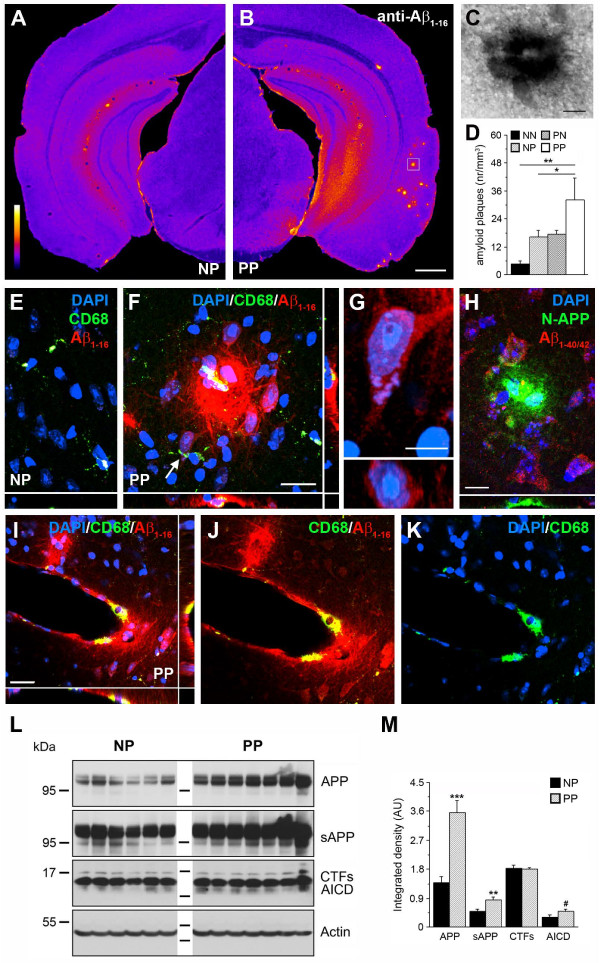
“In addition to this overall increase in CD68 IR, there were widespread changes in both size and morphology of microglia, specifically in the hippocampus, indicating the activated state [32] (Figure 4D).”
BackgroundHarold, D., Abraham, R., Hollingworth, P., Sims, R., Gerrish, A., Hamshere, M. L., Pahwa, J. S., Moskvina, V., Dowzell, K., Williams, A., et al. (2009) · Nature Genetics · doi:10.1038/ng.440 · Cited by 3,326
The molecular pathology of Alzheimer's disease
Selkoe, D. J. (1991) · Neuron · doi:10.1016/0896-6273(91)90052-2 · Cited by 2,708
Genome-wide association study identifies variants at CLU and CR1 associated with Alzheimer's disease
the European Alzheimer's Disease Initiative Investigators, Lambert, J.-C., Heath, S., Even, G., Campion, D., Sleegers, K., Hiltunen, M., Combarros, O., Zelenika, D., Bullido, M. J., et al. (2009) · Nature Genetics · doi:10.1038/ng.439 · Cited by 2,234
Brain interleukin 1 and S-100 immunoreactivity are elevated in Down syndrome and Alzheimer disease.
Griffin, W. S., Stanley, L. C., Ling, C., White, L., MacLeod, V, Perrot, L. J., White, C. L., & Araoz, C. (1989) · Proceedings of the National Academy of Sciences · doi:10.1073/pnas.86.19.7611 · Cited by 1,777 · cited 2×
“In 1996 it was proposed that interleukin (IL)-1, an inflammatory cytokine whose levels are increased in the brains of patients with AD [9], may represent a driving force in the pathogenesis of AD [10,11].”
BackgroundMethodMicroglia in neurodegenerative disease
Perry, V. H., Nicoll, J. A. R., & Holmes, C. (2010) · Nature Reviews Neurology · doi:10.1038/nrneurol.2010.17 · Cited by 1,543 · cited 2×
“thereby creating an innate immune memory, allowing a faster and exaggerated response upon further immune challenges and exposures to adverse stimuli [35].”
BackgroundMcGeer, P. L., Schulzer, M., & McGeer, E. G. (1996) · Neurology · doi:10.1212/wnl.47.2.425 · Cited by 1,367 · cited 3×
“the use of anti-inflammatory drugs [12] in the treatment”
ResultWyss-Coray (2006) · doi:10.1038/nm1484 · Cited by 1,284
Hoover, B. R., Reed, M. N., Su, J., Penrod, R. D., Kotilinek, L. A., Grant, M. K., Pitstick, R., Carlson, G. A., Lanier, L. M., Yuan, L.-L., et al. (2010) · Neuron · doi:10.1016/j.neuron.2010.11.030 · Cited by 1,118 · cited 2×
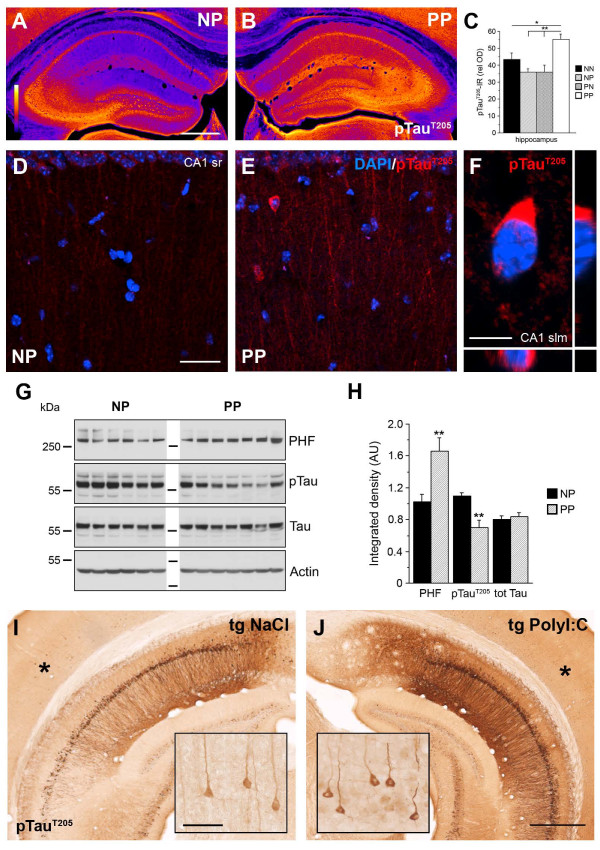
“In agreement with recent experimental evidence showing that hyperphosphorylated, non-fibrillary Tau may have a key role in eliciting behavioral impairments in vivo [34,58], we were able to show in this study that the Tau hyperphosphorylation and mislocalization into somatodendritic compartments is accompanied by sever…”
MethodResultMeyer, U., Nyffeler, M., Engler, A., Urwyler, A., Schedlowski, M., Knuesel, I., Yee, B. K., & Feldon, J. (2006) · The Journal of Neuroscience · doi:10.1523/jneurosci.0099-06.2006 · Cited by 774 · cited 4×
“Our experimental design builds on our previous studies, in which we showed that middle (GD9) and late (GD17) gestational periods correspond to two windows of enhanced vulnerability to inflammatory cytokines [19].”
BackgroundMethodInfluentialSelf-citationStreit, W. J., Braak, H., Xue, Q.-S., & Bechmann, I. (2009) · Acta Neuropathologica · doi:10.1007/s00401-009-0556-6 · Cited by 727 · cited 1×
“Hence, further morphological and biochemical investigations will be required to determine whether microglia in the aged immune-challenged WT mice may also share characteristics of fragmentation and degeneration, a distinct neuropathologic feature preceding the spread of tau and neuritic plaque pathology in patients wi…”
BackgroundEarly inflammation and dementia: A 25‐year follow‐up of the Honolulu‐Asia aging study
Schmidt, R., Schmidt, H., Curb, J. D., Masaki, K., White, L. R., & Launer, L. J. (2002) · Annals of Neurology · doi:10.1002/ana.10265 · Cited by 710
Reduction of Lipofuscin-like Autofluorescence in Fluorescently Labeled Tissue
Schnell, S. A., Staines, W. A., & Wessendorf, M. W. (1999) · Journal of Histochemistry & Cytochemistry · doi:10.1177/002215549904700601 · Cited by 688
Tau protein pathology in neurodegenerative diseases
Spillantini, M. G., & Goedert, M. (1998) · Trends in Neurosciences · doi:10.1016/s0166-2236(98)01337-x · Cited by 683
Glia and their cytokines in progression of neurodegeneration
Mrak, R. E., & Griffin, W. S. T. (2005) · Neurobiology of Aging · doi:10.1016/j.neurobiolaging.2004.05.010 · Cited by 592
Herbomel, P., Thisse, B., & Thisse, C. (2001) · Developmental Biology · doi:10.1006/dbio.2001.0393 · Cited by 574 · cited 1×
“It is conceivable that these changes are linked to the detrimental effect of the prenatal immune challenge on the developing microglia, the macrophage-derived immune cells of the brain that start to colonize the brain during late-gestational stages [43,44], potentially affecting their proliferative and also phagocytot…”
BackgroundLi, Y., Liu, L., Barger, S. W., & Griffin, W. S. T. (2003) · The Journal of Neuroscience · doi:10.1523/jneurosci.23-05-01605.2003 · Cited by 563
Buxbaum, J. D., Oishi, M., Chen, H. I., Pinkas-Kramarski, R., Jaffe, E. A., Gandy, S. E., & Greengard, P. (1992) · Proceedings of the National Academy of Sciences · doi:10.1073/pnas.89.21.10075 · Cited by 559
Edison, P., Archer, H. A., Gerhard, A., Hinz, R., Pavese, N., Turkheimer, F. E., Hammers, A., Tai, Y. F., Fox, N., Kennedy, A., et al. (2008) · Neurobiology of Disease · doi:10.1016/j.nbd.2008.08.001 · Cited by 513 · cited 1×
“related with microglial activation in patients with AD [3].”
BackgroundMeyer, U., Nyffeler, M., Yee, B. K., Knuesel, I., & Feldon, J. (2008) · Brain, Behavior, and Immunity · doi:10.1016/j.bbi.2007.09.012 · Cited by 457 · cited 2×
“Whereas mid-gestational immune challenges resulted in neurochemical and behavioral impairments that were releveant for schizophrenia [20], late-gestational PolyI:C exposure has a detrimental and long-term effect on cognitive performance during adulthood and aging [19], suggesting a causal link between disturbances of…”
BackgroundSelf-citationA Randomized, Double-Blind, Study of Rofecoxib in Patients with Mild Cognitive Impairment
on behalf of the Rofecoxib Protocol 078 study group, Thal, L. J., Ferris, S. H., Kirby, L., Block, G. A., Lines, C. R., Yuen, E., Assaid, C., Nessly, M. L., Norman, B. A., et al. (2005) · Neuropsychopharmacology · doi:10.1038/sj.npp.1300690 · Cited by 402
Reimagining Alzheimer's Disease—An Age-Based Hypothesis
Herrup, K. (2010) · The Journal of Neuroscience · doi:10.1523/jneurosci.4521-10.2010 · Cited by 396
Microglia and inflammatory mechanisms in the clearance of amyloid β peptide
Rogers, J., Strohmeyer, R., Kovelowski, C. J., & Li, R. (2002) · Glia · doi:10.1002/glia.10153 · Cited by 381
Microglia and Alzheimer's disease pathogenesis
Streit, W. J. (2004) · Journal of Neuroscience Research · doi:10.1002/jnr.20093 · Cited by 335 · cited 1×
“Hence, dysfunction of the brain’s immune system, triggered through systemic infections, may play a key role in initiation of AD pathogenesis, in line with previously proposed hypotheses [37,54].”
ResultExtended results of the Alzheimer's disease anti‐inflammatory prevention trial
Breitner, J. C., Baker, L. D., Montine, T. J., Meinert, C. L., Lyketsos, C. G., Ashe, K. H., Brandt, J., Craft, S., Evans, D. E., Green, R. C., et al. (2011) · Alzheimer's & Dementia · doi:10.1016/j.jalz.2010.12.014 · Cited by 328
Cunningham, C., Campion, S., Teeling, J., Felton, L., & Perry, V. H. (2007) · Brain Behavior and Immunity · doi:10.1016/j.bbi.2006.12.007 · Cited by 318
Lue, L. F., Brachova, L., CIVIN, W. H., & Rogers, J. (1996) · PubMed · Cited by 299
Sheng, J. G., Ito, K., Skinner, R. D., Mrak, R. E., Rovnaghi, C. R., van Eldik, L. J., & Griffin, W. S. T. (1996) · Neurobiology of Aging · doi:10.1016/0197-4580(96)00104-2 · Cited by 269 · cited 3×
“In 1996 it was proposed that interleukin (IL)-1, an inflammatory cytokine whose levels are increased in the brains of patients with AD [9], may represent a driving force in the pathogenesis of AD [10,11].”
BackgroundMethodResultLocal Neuroinflammation and the Progression of Alzheimer's Disease
McGeer, P. L., & McGeer, E. G. (2002) · Journal of Neurovirology · doi:10.1080/13550280290100969 · Cited by 255
Lue, L.-F., Brachova, L., Civin, H. W., & Rogers, J. (1996) · Journal of Neuropathology and Experimental Neurology · doi:10.1097/00005072-199655100-00008 · Cited by 246
Proinflammatory cytokines, sickness behavior, and Alzheimer disease
Holmes, C., Cunningham, C., Zotova, E., Culliford, D., & Perry, V. H. (2011) · Neurology · doi:10.1212/wnl.0b013e318225ae07 · Cited by 242
Astrocytic dysfunction: Insights on the role in neurodegeneration
Rossi, D., & Volterra, A. (2009) · Brain Research Bulletin · doi:10.1016/j.brainresbull.2009.07.012 · Cited by 219
The LEARn model: an epigenetic explanation for idiopathic neurobiological diseases
Lahiri, D. K., Maloney, B., & Zawia, N. H. (2009) · Molecular Psychiatry · doi:10.1038/mp.2009.82 · Cited by 211
Effects of cytotoxic hippocampal lesions in mice on a cognitive test battery
Deacon, R. M. J., Bannerman, D. M., Kirby, B. P., Croucher, A., & Rawlins, J. N. P. (2002) · Behavioural Brain Research · doi:10.1016/s0166-4328(01)00451-x · Cited by 189
Fuller, S. L., Steele, M. L., & Münch, G. W. (2009) · Mutation research. Fundamental and molecular mechanisms of mutagenesis · doi:10.1016/j.mrfmmm.2009.08.016 · Cited by 180
Progressive telomere shortening occurs in cultured rat microglia, but not astrocytes
Flanary, B. E., & Streit, W. J. (2004) · Glia · doi:10.1002/glia.10301 · Cited by 167 · cited 1×
“Experimental evidence for this hypothesis is provided by in vitro findings showing that repetitive stimulation of microglia by mitogens induces telomere shortening and replicative senescence [46], and that interferon-γ exposure is sufficient to trigger activation-induced microglia cell death [47].”
BackgroundCerebral amyloid angiopathy in the aetiology and immunotherapy of Alzheimer disease
Weller, R. O., Preston, S. D., Subash, M., & Carare, R. O. (2009) · Alzheimer's Research & Therapy · doi:10.1186/alzrt6 · Cited by 144
Long-Term Efficacy and Safety of Celecoxib in Alzheimer’s Disease
Soininen, H., West, C., Robbins, J., & Niculescu, L. (2007) · Dementia and Geriatric Cognitive Disorders · doi:10.1159/000096588 · Cited by 143
Porzig, R., Singer, D. L., & Hoffmann, R. (2007) · Biochemical and Biophysical Research Communications · doi:10.1016/j.bbrc.2007.04.187 · Cited by 136
Kocherhans, S., Madhusudan, A., Doehner, J., Breu, K. S., Nitsch, R. M., Fritschy, J.-M., & Knuesel, I. (2010) · Journal of Neuroscience · doi:10.1523/jneurosci.0418-10.2010 · Cited by 132
Self-citationBrunden, K. R., Trojanowski, J. Q., & Lee, V. M.-Y. (2008) · Journal of Alzheimer's Disease · doi:10.3233/jad-2008-14406 · Cited by 125
Rodent Aβ Modulates the Solubility and Distribution of Amyloid Deposits in Transgenic Mice
Jankowsky, J. L., Younkin, L. H., Gonzales, V., Fadale, D. J., Slunt, H. H., Lester, H. A., Younkin, S. G., & Borchelt, D. R. (2007) · Journal of Biological Chemistry · doi:10.1074/jbc.m611050200 · Cited by 122 · cited 2×
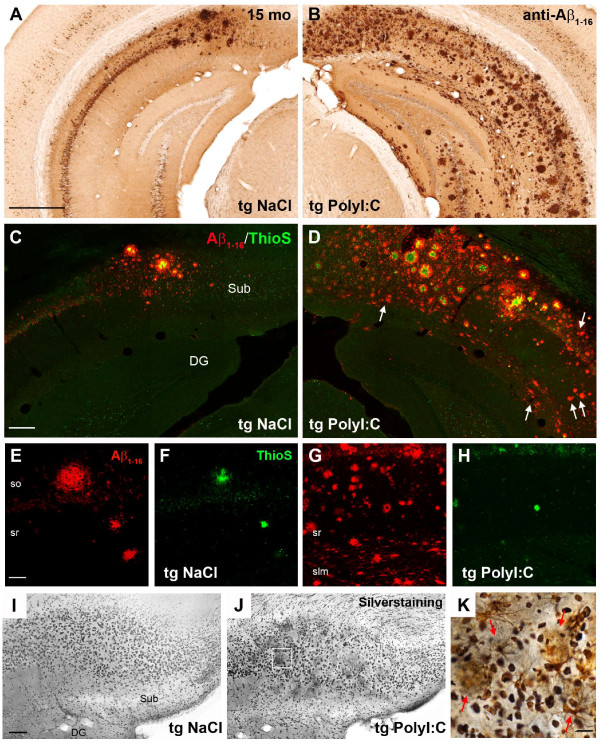
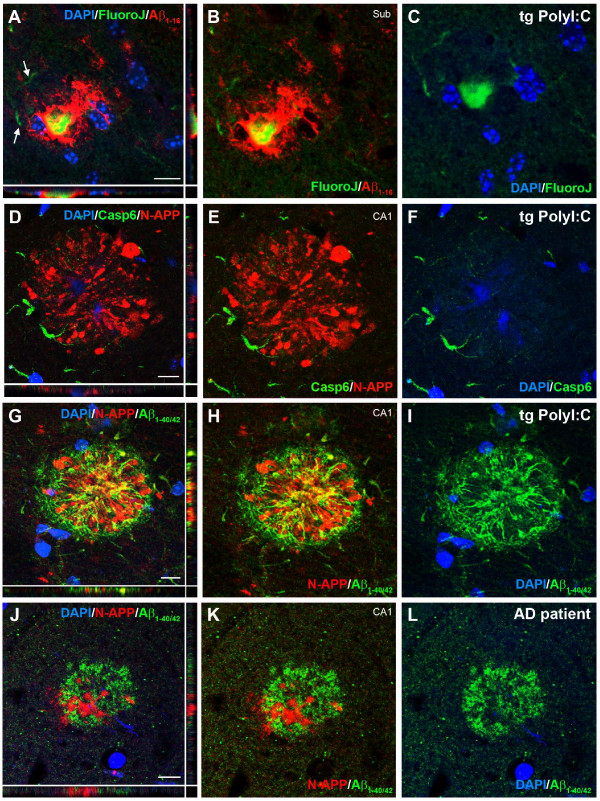
“The absence of significant accumulations of mouse Aβ peptides in these APP deposits might be due to the different aggregation properties of the rodent compared with the human form [55], or might be linked to the premature age and disease stage in these animals (15 months).”
BackgroundAssessing the contribution of inflammation in models of Alzheimer's disease
Johnston, H., Boutin, H., & Allan, S. M. (2011) · Biochemical Society Transactions · doi:10.1042/bst0390886 · Cited by 114
Osteoarthritis accelerates and exacerbates Alzheimer's disease pathology in mice
Kyrkanides, S., Tallents, R. H., Miller, J.-N. H., Olschowka, M. E., Johnson, R., Yang, M., Olschowka, J. A., Brouxhon, S. M., & O'Banion, M. K. (2011) · Journal of Neuroinflammation · doi:10.1186/1742-2094-8-112 · Cited by 113
APP Intracellular Domain Impairs Adult Neurogenesis in Transgenic Mice by Inducing Neuroinflammation
Ghosal, K., Stathopoulos, A., & Pimplikar, S. W. (2010) · PLoS ONE · doi:10.1371/journal.pone.0011866 · Cited by 104
Deposition of mouse amyloid β in human APP/PS1 double and single AD model transgenic mice
van Groen, T., Kiliaan, A. J., & Kadish, I. (2006) · Neurobiology of Disease · doi:10.1016/j.nbd.2006.05.010 · Cited by 103
Anisman, H., Gibb, J., & Hayley, S. P. (2008) · Psychopharmacology · doi:10.1007/s00213-008-1166-z · Cited by 102
It May Take Inflammation, Phosphorylation and Ubiquitination to ‘Tangle’ in Alzheimer’s Disease
Arnaud, L., Robakis, N. K., & Figueiredo-Pereira, M. E. (2006) · Neurodegenerative Diseases · doi:10.1159/000095638 · Cited by 101
Microglial Contribution to Oxidative Stress in Alzheimer's Disease
COLTON, C. A., CHERNYSHEV, O. N., GILBERT, D. L., & VITEK, M. P. (2000) · Annals of the New York Academy of Sciences · doi:10.1111/j.1749-6632.2000.tb06195.x · Cited by 95
Age-related accumulation of Reelin in amyloid-like deposits
Knuesel, I., Nyffeler, M., Mormède, C., Muhia, M., Meyer, U., Pietropaolo, S., Yee, B. K., Pryce, C. R., LaFerla, F. M., Marighetto, A., et al. (2009) · Neurobiology of Aging · doi:10.1016/j.neurobiolaging.2007.08.011 · Cited by 94 · cited 3×
“), and sections were stained for 5 to 10 minutes [21].”
BackgroundMethodSelf-citationReelin-mediated signaling in neuropsychiatric and neurodegenerative diseases
Knuesel, I. (2010) · Progress in Neurobiology · doi:10.1016/j.pneurobio.2010.04.002 · Cited by 89 · cited 3×
“the long-standing infection/neuroinflammation-based AD hypotheses [11,22,33,61].”
BackgroundThe cerebromicrovasculature: A key player in the pathogenesis of Alzheimer's disease
Grammas, P., Yamada, M., & Zlokovic, B. (2002) · Journal of Alzheimer's Disease · doi:10.3233/jad-2002-4311 · Cited by 73
Li, J., McMahon, L. R., Gerak, L. R., Becker, G. L., & France, C. P. (2008) · Psychopharmacology · doi:10.1007/s00213-008-1157-0 · Cited by 58
Daxx mediates activation‐induced cell death in microglia by triggering MST1 signalling
Yun, H. J., Yoon, J., Lee, J. K., Noh, K. T., Yoon, K.-W., Oh, S. P., Oh, H. J., Chae, J. S., Hwang, S. G., Kim, E. H., et al. (2011) · The EMBO Journal · doi:10.1038/emboj.2011.152 · Cited by 55
Doehner, J., Madhusudan, A., Konietzko, U., Fritschy, J.-M., & Knuesel, I. (2010) · Journal of Alzheimer's Disease · doi:10.3233/jad-2010-1333 · Cited by 43
Apolipoprotein E expression is elevated by interleukin 1 and other interleukin 1-induced factors
Liu, L., Aboud, O., Jones, R. A., Mrak, R. E., Griffin, W. S. T., & Barger, S. W. (2011) · Journal of Neuroinflammation · doi:10.1186/1742-2094-8-175 · Cited by 33 · cited 1×
“These observations are in agreement with data showing that ectopic IL-1 application increases APP production and its processing [10,49,50], and increases Tau hyperphosphorylation [51].”
ResultIncreased vulnerability to kainate‐induced seizures in utrophin‐knockout mice
Knuesel, I., Riban, V., Zuellig, R. A., SCHAUB, M. C., Grady, R. M., Sanes, J. R., & Fritschy, J. (2002) · European Journal of Neuroscience · doi:10.1046/j.1460-9568.2002.01980.x · Cited by 18
Detection of APP Intracellular Domain in Brain Tissue
Pimplikar, S. W., & Suryanarayana, A. (2010) · Methods in molecular biology · doi:10.1007/978-1-60761-744-0_7 · Cited by 13
Inflammatory Proteins in Plasma and the Risk of Dementia: The Rotterdam Study
Engelhart, M. J., Geerlings, M. I., Meijer, J., Kiliaan, A., Ruitenberg, A., van Swieten, J. C., Stijnen, T., Hofman, A., Witteman, J. C. M., & Breteler, M. M. B. (2004) · Archives of Neurology · doi:10.1001/archneur.61.5.668 · Cited by 10 · cited 2×
“retrospective epidemiological human studies [5,6,12], and”
ResultAisen, P. S., Schafer, K. A., Grundman, M., Pfeiffer, E., Sano, M., Davis, K. L., Farlow, M. R., Jin, S., Thomas, R. G., Thal, L. J., et al. (2003) · JAMA · doi:10.1001/jama.289.21.2819 · Cited by 5
Cited by
Immune attack: the role of inflammation in Alzheimer disease
Heppner, F. L., Ransohoff, R. M., & Becher, B. (2015) · Nature Reviews Neuroscience · doi:10.1038/nrn3880 · Cited by 2,134
Maternal immune activation: Implications for neuropsychiatric disorders
Estes, M. L., & McAllister, A. K. (2016) · Science · doi:10.1126/science.aag3194 · Cited by 1,206
Microglial priming in neurodegenerative disease
Perry, V. H., & Holmes, C. (2014) · Nature Reviews Neurology · doi:10.1038/nrneurol.2014.38 · Cited by 1,127
Low-grade inflammation, diet composition and health: current research evidence and its translation
Minihane, A. M., Vinoy, S., Russell, W. R., Baka, A., Roche, H. M., Tuohy, K. M., Teeling, J. L., Blaak, E. E., Fenech, M., Vauzour, D., et al. (2015) · British Journal of Nutrition · doi:10.1017/s0007114515002093 · Cited by 916
Maternal immune activation and abnormal brain development across CNS disorders
Knuesel, I., Chicha, L., Britschgi, M., Schobel, S. A., Bodmer, M., Hellings, J. A., Toovey, S., & Prinssen, E. P. (2014) · Nature Reviews Neurology · doi:10.1038/nrneurol.2014.187 · Cited by 880
Self-citation
Metadata
- Authors
- Krstic, D., Madhusudan, A., Doehner, J., Vogel, P., Notter, T., Imhof, C., Manalastas, A., Hilfiker, M., Pfister, S., Schwerdel, C., Riether, C., Meyer, U., & Knuesel, I.
- Affiliations
- University of Zurich (CH)
- University of Bern (CH)
- ETH Zurich (CH)
- Venue
- Journal of Neuroinflammation
- Published
- 2012-07-02
- Volume
- 9
- Issue
- 1
- Pages
- 151-151
- ISSN
- 1742-2094 (ISSN-L)
- PMC
- PMC3483167
- OpenAlex
- W2156979281
- Cited by
- 400
- References
- 66
- Citations by year
- 2026: 19 · 2025: 16 · 2024: 21 · 2023: 26 · 2022: 32 · 2021: 28 · 2020: 37 · 2019: 37 · 2018: 38 · 2017: 26 · 2016: 25 · 2015: 30 · 2014: 32 · 2013: 24 · 2012: 7
- FWCI
- 19.94
- Type
- journal article
- Language
- en
- Open access
- gold
- doi.org
- Licence
- cc-by
- creativecommons.org/licenses/by/2.0 (tdm)
- creativecommons.org/licenses/by/2.0 (vor)
- Locations
- Journal of Neuroinflammation (publishedVersion, cc-by)
- Europe PMC (PubMed Central) (publishedVersion, cc-by)
- PubMed Central (publishedVersion, cc-by)
- PubMed (publishedVersion)
- Zurich Open Repository and Archive (University of Zurich) (acceptedVersion, cc-by)
- DOAJ (DOAJ: Directory of Open Access Journals) (submittedVersion, cc-by-sa)
- Repository for Publications and Research Data (ETH Zurich) (submittedVersion, cc-by)
- Zurich Open Repository and Archive (University of Zurich) (submittedVersion, cc-by)
- ETH Zürich Research Collection (cc-by)
- Zurich Open Repository and Archive (University of Zurich)
- Funders
- National Science Foundation (310030, 259679)
- Novartis Foundation
- European Commission (FP7/2007-2011, FP7/2007, 259679)
- Schweizerischer Nationalfonds zur Förderung der Wissenschaftlichen Forschung (FP7/2007-2011, 132629, 310030)
- Hartmann Müller-Stiftung für Medizinische Forschung
- Schweizerische Akademie der Medizinischen Wissenschaften
- Topics
- Life Sciences › Neuroscience › Cellular and Molecular Neuroscience › Alzheimer's disease research and treatments
- Life Sciences › Neuroscience › Neurology › Neuroinflammation and Neurodegeneration Mechanisms
- Life Sciences › Neuroscience › Neurology › Neurological Disease Mechanisms and Treatments
- Keywords
- Alzheimer's disease, neuroinflammation, systemic inflammation, prenatal immune challenge, poly(I:C), amyloid precursor protein, tau phosphorylation, amyloid-beta, microglial activation, reactive gliosis, working memory impairment, aging
- MeSH terms
- Aged, 80 and over, Alzheimer Disease, Animals, Brain, Disease Models, Animal, Female, Humans, Male, Mice, Inbred C57BL, Mice, Transgenic, Poly I-C, Pregnancy, Prenatal Exposure Delayed Effects, Maze Learning, Mice, Mice, 129 Strain
About these checks
Registry, retraction, Cites and statistics results are computed, not judged, with one exception: a printed reference that no index lists is read once by a model before it counts as a citation error. Claims are extracted by a model and kept only when their quote appears verbatim in the text; each cited source is then checked, with a model’s help, for whether it says what the claim relies on. Those verdicts can be wrong — read the claim’s quote and the cited source before relying on one.
Statistics and arithmetic are recomputed, not judged.
Confidence bands are shown only for fields calibrated on our annotated test set. None is calibrated yet, so no band is shown.
What counts as a claim ›How we measure confidence ›How we check this ›
Are you an author, or do you see a problem with this page? Request a review
Data sources
Bibliographic data: Semantic Scholar, OpenAlex, Crossref.
Contains information from the Semantic Scholar Academic Graph Datasets, made available under the ODC Attribution License (ODC-BY 1.0).
Semantic Scholar’s data is described in: Kinney, R., et al. (2023). The Semantic Scholar Open Data Platform. arXiv:2301.10140.
