

Substitution of adeno-associated virus Rep protein binding and nicking sites with human Chromosome 19 sequences
Open accessThe DOI matches its Crossref record; 62 of the 63 references it cites were found in a registry or an index.
Abstract
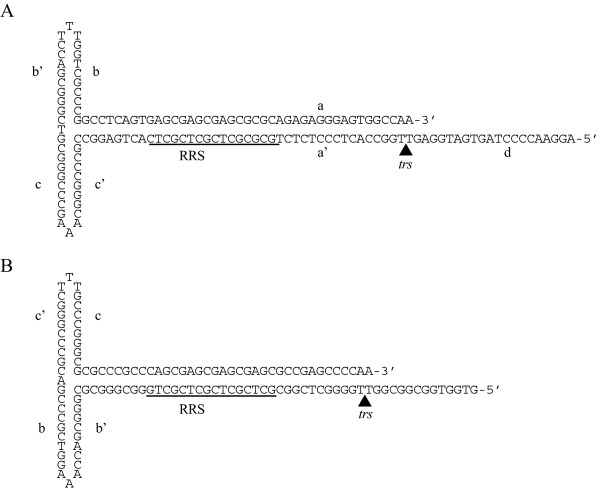
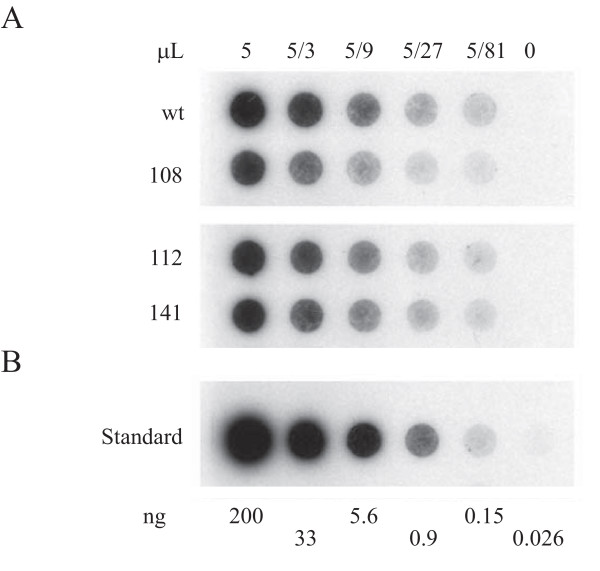
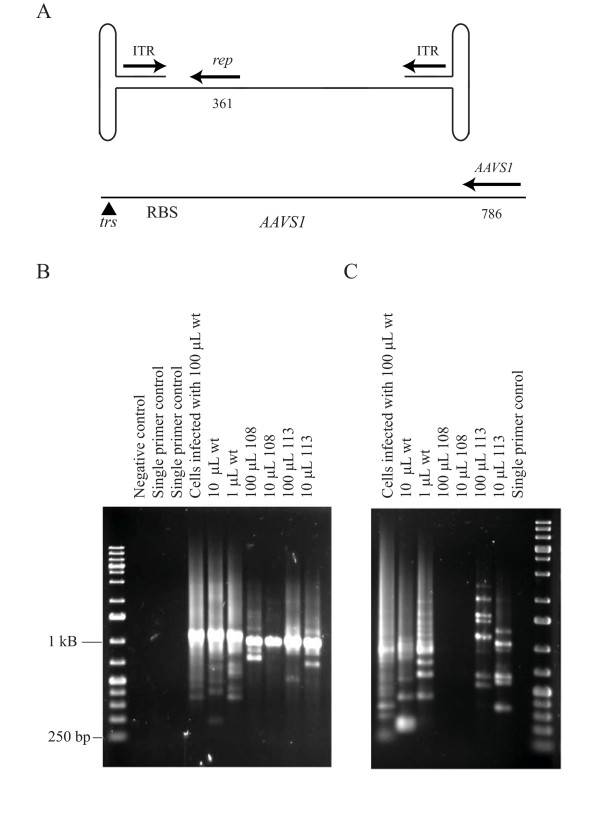
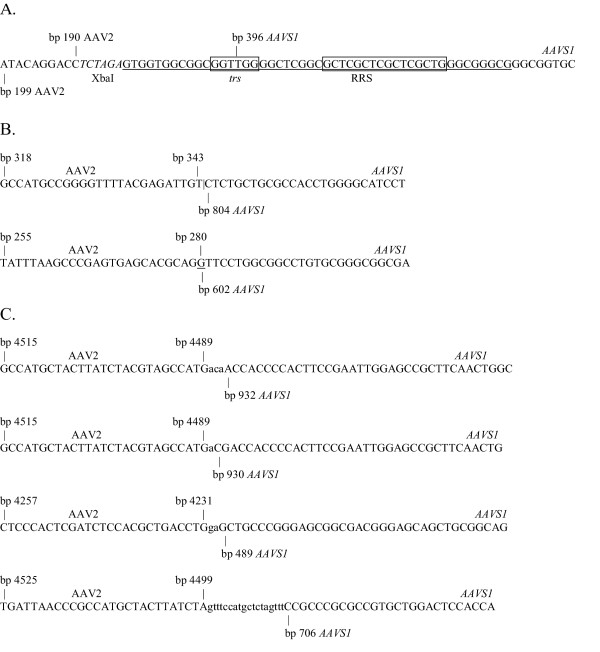
BACKGROUND: Adeno-associated virus type 2 (AAV2) preferentially integrates its DNA at a ~2 kb region of human chromosome 19, designated AAVS1 (also known as MBS85). Integration at AAVS1 requires the AAV2 replication (Rep) proteins and a DNA sequence within AAVS1 containing a 16 bp Rep recognition sequence (RRS) and closely spaced Rep nicking site (also referred to as a terminal resolution site, or trs). The AAV2 genome is flanked by inverted terminal repeats (ITRs). Each ITR contains an RRS and closely spaced trs, but the sequences differ from those in AAVS1. These ITR sequences are required for replication and packaging. RESULTS: In this study we demonstrate that the AAVS1 RRS and trs can function in AAV2 replication, packaging and integration by replacing a 61 bp region of the AAV2 ITR with a 49 bp segment of AAVS1 DNA. Modifying one or both ITRs did not have a large effect on the overall virus titers. These modifications did not detectably affect integration at AAVS1, as measured by semi-quantitative nested PCR assays. Sequencing of integration junctions shows the joining of the modified ITRs to AAVS1 sequences. CONCLUSIONS: The ability of these AAVS1 sequences to substitute for the AAV2 RRS and trs provides indirect evidence that the stable secondary structure encompassing the trs is part of the AAV2 packaging signal.
Overview
The claims and statistics of this paper haven’t been checked yet.
Free: it reads the open-access text and checks the first 5 claims that cite a source we can check. Create a free account to check every claim.
Integrity signals
Registry
Cites
Statistics
Figures
Verification
Claims the paper makes
The claims and statistics of this paper haven’t been checked yet.
Free: it reads the open-access text and checks the first 5 claims that cite a source we can check. Create a free account to check every claim.
Claims other papers make about this one
Each is checked against this paper’s own text: does it say what the citing paper says it does?
The check wasn’t confident either way, so it gives no verdict — never disputed.
In the citing paper
“Most rAAV-vectors form episomal concatemeric circular double-stranded DNA.”
From Recombinant Adeno-Associated Viral Vectors (rAAV)-Vector Elements in Ocular Gene Therapy Clinical Trials and Transgene Expression and Bioactivity Assays (2020) · cites this paper as [238]
Experimental — accuracy not yet measured
Self-check
Percentages, sums and reported differences re-computed from the paper’s own numbers.
The self-check needs the paper’s full text.
Citations
Cites
Site-specific integration by adeno-associated virus.
Kotin, R. M., Siniscalco, M., Samulski, R. J., Zhu, X. D., Hunter, L., Laughlin, C. A., McLaughlin, S., Muzyczka, N., Rocchi, M., & Berns, K. I. (1990) · Proceedings of the National Academy of Sciences · doi:10.1073/pnas.87.6.2211 · Cited by 868 · cited 2×
“4ter) referred to as Adeno-Associated Virus Site 1, or AAVS1 [2-5].”
BackgroundSite-specific integration by adeno-associated virus.
Linden, R. M., Ward, P., Giraud, C., Winocour, E., & Berns, K. I. (1996) · Proceedings of the National Academy of Sciences · doi:10.1073/pnas.93.21.11288 · Cited by 805
Targeted integration of adeno-associated virus (AAV) into human chromosome 19.
Samulski, R. J., Zhu, X., Xiao, X., Brook, J. D., Housman, D. E., Epstein, N., & Hunter, L. A. (1991) · The EMBO Journal · doi:10.1002/j.1460-2075.1991.tb04964.x · Cited by 784 · cited 7×
“We have previously demonstrated the existence of stable secondary structures in single-stranded versions of the sequences roughly centered on the AAV2 and AAVS1 trs [31].”
BackgroundInfluentialKotin, R. M., Linden, R. M., & Berns, K. I. (1992) · The EMBO Journal · doi:10.1002/j.1460-2075.1992.tb05614.x · Cited by 512
Im, D.-S., & Muzyczka, N. (1990) · Cell · doi:10.1016/0092-8674(90)90526-k · Cited by 466 · cited 3×
“Rep78/68 nicks one strand of the DNA between the two adjacent thymine residues in the trs [20,32], creating a free 3’-end which is required for replication of the end of the AAV2 genome.”
BackgroundIntegration of Adeno-Associated Virus (AAV) and Recombinant AAV Vectors
McCarty, D. M., Young, S. M., & Samulski, R. J. (2004) · Annual Review of Genetics · doi:10.1146/annurev.genet.37.110801.143717 · Cited by 450 · cited 2×
“4ter) referred to as Adeno-Associated Virus Site 1, or AAVS1 [2-5].”
BackgroundSamulski, R. J., Chang, L. S., & Shenk, T. (1987) · Journal of Virology · doi:10.1128/jvi.61.10.3096-3101.1987 · Cited by 449 · cited 1×
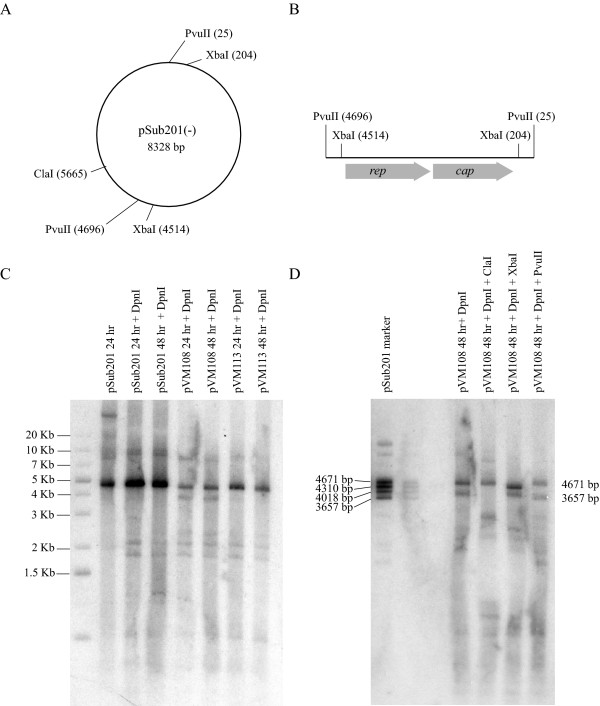
“Jude Samulski) are flanked by Xba I and Pvu II sites [63].”
BackgroundWeitzman, M. D., Kyöstiö, S. R., Kotin, R. M., & Owens, R. A. (1994) · Proceedings of the National Academy of Sciences · doi:10.1073/pnas.91.13.5808 · Cited by 379 · cited 2×
“The ITRs contain a 16 bp, double-stranded, Rep recognition sequence (RRS), consisting of four imperfect GCTC repeats [22,26], and a Rep68/78 nicking site, or terminal resolution site (trs) [20].”
BackgroundSelf-citationFlotte, T. R., Afione, S. A., Solow, R., Drumm, M. L., Markakis, D., Guggino, W. B., Zeitlin, P. L., & Carter, B. J. (1993) · Journal of Biological Chemistry · doi:10.1016/s0021-9258(18)53762-5 · Cited by 342 · cited 1×
“The amount of sequence that can be added is limited by the packaging capacity of AAV2 [54].”
BackgroundDNA helicase‐mediated packaging of adeno‐associated virus type 2 genomes into preformed capsids
King, J. A., Dubielzig, R., Grimm, D., & Kleinschmidt, J. A. (2001) · The EMBO Journal · doi:10.1093/emboj/20.12.3282 · Cited by 338 · cited 2×
“The helicase function of Rep52/ 40 is believed to be required to insert the replicated DNA into the pre-formed capsids and the DNA is inserted from the 3’-end [36].”
BackgroundResultPalindromic base sequences and replication of eukaryote chromosome ends
Cavalier-Smith, T. (1974) · Nature · doi:10.1038/250467a0 · Cited by 275 · cited 1×
“and flop conformations are a consequence of the rolling hairpin mechanism of AAV2 replication [15].”
BackgroundAdeno-associated virus Rep proteins target DNA sequences to a unique locus in the human genome
Surosky, R. T., Urabe, M., Godwin, S. G., McQuiston, S. A., Kurtzman, G. J., Ozawa, K., & Natsoulis, G. (1997) · Journal of Virology · doi:10.1128/jvi.71.10.7951-7959.1997 · Cited by 243 · cited 1×
“Rep68/78 is also required for AAV2 integration at AAVS1 on chromosome 19 [8,42,43].”
BackgroundCharacterization of Adeno-Associated Virus Genomes Isolated from Human Tissues
Schnepp, B. C., Jensen, R. L., Chen, C.-L., Johnson, P. R., & Clark, K. R. (2005) · Journal of Virology · doi:10.1128/jvi.79.23.14793-14803.2005 · Cited by 231 · cited 1×
“AAV2 has a relatively low frequency of integration [9,52,53].”
BackgroundThe recombination signals for adeno-associated virus site-specific integration.
Linden, R. M., Winocour, E., & Berns, K. I. (1996) · Proceedings of the National Academy of Sciences · doi:10.1073/pnas.93.15.7966 · Cited by 211
Kearns, W. G., Afione, S. A., Fulmer, S. B., Pang, M. C., Erikson, D., Egan, M. E., Landrum, M., Flotte, T. R., & Cutting, G. R. (1996) · PubMed · Cited by 191
Im, D. S., & Muzyczka, N. (1992) · Journal of Virology · doi:10.1128/jvi.66.2.1119-1128.1992 · Cited by 184 · cited 1×
“The large replication proteins, Rep78 and 68, possess sequencespecific DNA binding, ATPase, helicase and sequencespecific, strand-specific endonuclease activities [20-23].”
BackgroundAdeno-Associated Virus Integration: Virus versus Vector
Smith, R. H. (2008) · Gene Therapy · doi:10.1038/gt.2008.55 · Cited by 178 · cited 1×
“4ter) referred to as Adeno-Associated Virus Site 1, or AAVS1 [2-5].”
BackgroundMutagenesis of an AUG codon in the adeno-associated virus rep gene: Effects on viral DNA replication
Chejanovsky, N., & Carter, B. J. (1989) · Virology · doi:10.1016/0042-6822(89)90227-4 · Cited by 165 · cited 2×
“Rep 68 or 78 are required for AAV2 replication [24,25].”
BackgroundBecerra, S. P., Koczot, F., Fabisch, P., & Rose, J. A. (1988) · Journal of Virology · doi:10.1128/jvi.62.8.2745-2754.1988 · Cited by 163 · cited 1×
“The right open reading frame encodes three capsid proteins, VP1, 2 and 3 [16,17].”
BackgroundCarter, B. J. (2004) · Molecular Therapy · doi:10.1016/j.ymthe.2004.09.011 · Cited by 157
Adeno-associated viral vectors as gene delivery vehicles.
Carter, P. J., & Samulski, R. J. (2000) · International Journal of Molecular Medicine · doi:10.3892/ijmm.6.1.17 · Cited by 155 · cited 1×
“7 kb single-stranded DNA genome flanked at each end by 145 base inverted terminal repeats (ITRs) [11].”
BackgroundBalagúe, C., Kalla, M., & Zhang, W. W. (1997) · Journal of Virology · doi:10.1128/jvi.71.4.3299-3306.1997 · Cited by 147 · cited 1×
“Rep68/78 is also required for AAV2 integration at AAVS1 on chromosome 19 [8,42,43].”
BackgroundSnyder, R. O., Im, D. S., & Muzyczka, N. (1990) · Journal of Virology · doi:10.1128/jvi.64.12.6204-6213.1990 · Cited by 146 · cited 1×
“Rep78/68 nicks one strand of the DNA between the two adjacent thymine residues in the trs [20,32], creating a free 3’-end which is required for replication of the end of the AAV2 genome.”
BackgroundMendelson, E., Trempe, J. P., & Carter, B. J. (1986) · Journal of Virology · doi:10.1128/jvi.60.3.823-832.1986 · Cited by 143 · cited 1×
“The left open reading frame encodes the four nonstructural replication proteins [18,19].”
BackgroundUrcelay, E., Ward, P., Wiener, S. M., Safer, B., & Kotin, R. M. (1995) · Journal of Virology · doi:10.1128/jvi.69.4.2038-2046.1995 · Cited by 131
Alternate mRNA splicing is required for synthesis of adeno-associated virus VP1 capsid protein
Trempe, J. P., & Carter, B. J. (1988) · Journal of Virology · doi:10.1128/jvi.62.9.3356-3363.1988 · Cited by 129 · cited 1×
“The right open reading frame encodes three capsid proteins, VP1, 2 and 3 [16,17].”
BackgroundSite-specific integration by adeno-associated virus is directed by a cellular DNA sequence.
Giraud, C., Winocour, E., & Berns, K. I. (1994) · Proceedings of the National Academy of Sciences · doi:10.1073/pnas.91.21.10039 · Cited by 117
The Rep52 Gene Product of Adeno-Associated Virus Is a DNA Helicase with 3′-to-5′ Polarity
Smith, R. H., & Kotin, R. M. (1998) · Journal of Virology · doi:10.1128/jvi.72.6.4874-4881.1998 · Cited by 109
Identification of a DNA-binding domain in the amino terminus of adeno-associated virus Rep proteins
Owens, R. A., Weitzman, M. D., Kyöstiö, S. R., & Carter, B. J. (1993) · Journal of Virology · doi:10.1128/jvi.67.2.997-1005.1993 · Cited by 107
Self-citationAssembly of adeno-associated virus
Myers, M. W., & Carter, B. J. (1980) · Virology · doi:10.1016/0042-6822(80)90071-9 · Cited by 107 · cited 1×
“Capsid interactions have been observed with all four Rep proteins [34] and single-stranded AAV2 DNA also does not accumulate in the absence of capsids [35] or Rep 52/40 [25].”
BackgroundAdeno-Associated Virus Type 2 Protein Interactions: Formation of Pre-Encapsidation Complexes
Dubielzig, R., King, J. A., Weger, S., Kern, A., & Kleinschmidt, J. A. (1999) · Journal of Virology · doi:10.1128/jvi.73.11.8989-8998.1999 · Cited by 105 · cited 1×
“Capsid interactions have been observed with all four Rep proteins [34] and single-stranded AAV2 DNA also does not accumulate in the absence of capsids [35] or Rep 52/40 [25].”
BackgroundChadeuf, G., Ciron, C., Moullier, P., & Salvetti, A. (2005) · Molecular Therapy · doi:10.1016/j.ymthe.2005.06.003 · Cited by 100 · cited 1×
“Encapsidation of sequences containing a cryptic RRS/trs combination found at the p5 promoter of AAV2 [46-48], as well as encapsidation of prokaryotic sequences linked to AAV2 ITRs have also been reported when a plasmid-based packaging system was used [49].”
MethodRecombinant junctions formed by site-specific integration of adeno-associated virus into an episome
Giraud, C., Winocour, E., & Berns, K. I. (1995) · Journal of Virology · doi:10.1128/jvi.69.11.6917-6924.1995 · Cited by 92
Adeno-associated virus site-specifically integrates into a muscle-specific DNA region
Dutheil, N., Shi, F., Dupressoir, T., & Linden, R. M. (2000) · Proceedings of the National Academy of Sciences · doi:10.1073/pnas.080079397 · Cited by 92 · cited 1×
“The RRS/trs combination at the MBS85 gene (the AAVS1 locus in humans) has also been detected in mice and African green monkeys [59-62].”
BackgroundTrempe, J. P., Mendelson, E., & Carter, B. J. (1987) · Virology · doi:10.1016/0042-6822(87)90166-8 · Cited by 90
Smith, R. H., Spano, A., & Kotin, R. M. (1997) · Journal of Virology · doi:10.1128/jvi.71.6.4461-4471.1997 · Cited by 88 · cited 1×
“to the RRS as a multimer [27,28] and unwinds the DNA [29], allowing the formation of a specific secondary structure at the trs [30,31].”
BackgroundBrister, J. R., & Muzyczka, N. (1999) · Journal of Virology · doi:10.1128/jvi.73.11.9325-9336.1999 · Cited by 87 · cited 3×
“We believe that these secondary structures, thought to be stem-loops, based on sequence analysis of multiple AAV serotypes [30], function as a critical packaging signal.”
BackgroundBohenzky, R. A., Lefebvre, R. B., & Berns, K. I. (1988) · Virology · doi:10.1016/0042-6822(88)90502-8 · Cited by 81
Biochemical Characterization of Adeno-Associated Virus Rep68 DNA Helicase and ATPase Activities
Zhou, X., Zolotukhin, I., Im, D.-S., & Muzyczka, N. (1999) · Journal of Virology · doi:10.1128/jvi.73.2.1580-1590.1999 · Cited by 80 · cited 2×
“to the RRS as a multimer [27,28] and unwinds the DNA [29], allowing the formation of a specific secondary structure at the trs [30,31].”
BackgroundResultSite-specific integration of adeno-associated virus involves partial duplication of the target locus
Henckaerts, E., Dutheil, N., Zeltner, N., Kattman, S., Kohlbrenner, E., Ward, P., Clément, N., Rebollo, P., Kennedy, M., Keller, G. M., et al. (2009) · Proceedings of the National Academy of Sciences · doi:10.1073/pnas.0806821106 · Cited by 72 · cited 1×
“The RRS/trs combination at the MBS85 gene (the AAVS1 locus in humans) has also been detected in mice and African green monkeys [59-62].”
BackgroundWonderling, R. S., Kyöstiö, S. R., & Owens, R. A. (1995) · Journal of Virology · doi:10.1128/jvi.69.6.3542-3548.1995 · Cited by 71 · cited 1×
“The large replication proteins, Rep78 and 68, possess sequencespecific DNA binding, ATPase, helicase and sequencespecific, strand-specific endonuclease activities [20-23].”
BackgroundSelf-citationAdeno-Associated Virus Site-Specific Integration and AAVS1 Disruption
Hamilton, H., Gomos, J., Berns, K. I., & Falck-Pedersen, E. (2004) · Journal of Virology · doi:10.1128/jvi.78.15.7874-7882.2004 · Cited by 61 · cited 2×
“AAV2 has a relatively low frequency of integration [9,52,53].”
BackgroundDaya, S., Cortez, N., & Berns, K. I. (2009) · Journal of Virology · doi:10.1128/jvi.01040-09 · Cited by 52
Nony, P., Chadeuf, G., Tessier, J., Moullier, P., & Salvetti, A. (2003) · Journal of Virology · doi:10.1128/jvi.77.1.776-781.2003 · Cited by 51 · cited 1×
“Encapsidation of sequences containing a cryptic RRS/trs combination found at the p5 promoter of AAV2 [46-48], as well as encapsidation of prokaryotic sequences linked to AAV2 ITRs have also been reported when a plasmid-based packaging system was used [49].”
MethodNony, P., Tessier, J., Chadeuf, G., Ward, P., Giraud, A., Dugast, M., Linden, R. M., Moullier, P., & Salvetti, A. (2001) · Journal of Virology · doi:10.1128/jvi.75.20.9991-9994.2001 · Cited by 50 · cited 1×
“Encapsidation of sequences containing a cryptic RRS/trs combination found at the p5 promoter of AAV2 [46-48], as well as encapsidation of prokaryotic sequences linked to AAV2 ITRs have also been reported when a plasmid-based packaging system was used [49].”
MethodBinding sites for adeno-associated virus Rep proteins within the human genome
Wonderling, R. S., & Owens, R. A. (1997) · Journal of Virology · doi:10.1128/jvi.71.3.2528-2534.1997 · Cited by 47 · cited 1×
“AAVS1 contains a RRS [26] and a closely spaced trs [37], an arrangement that is thought to be unique in the human genome [5,38].”
BackgroundSelf-citationAdeno-associated virus of a single-polarity DNA genome is capable of transduction in vivo
Zhou, X., Zeng, X., Fan, Z., Li, C., McCown, T., Samulski, R. J., & Xiao, X. (2008) · Molecular Therapy · doi:10.1038/sj.mt.6300397 · Cited by 41 · cited 3×
“[56] in our mutated ITR has only has 2, nonadjacent, bases of sequence identity with the wild-type AAV2 sequence (Fig.”
BackgroundMethodInfluentialHölscher, C., Kleinschmidt, J. A., & Bürkle, A. (1995) · Journal of Virology · doi:10.1128/jvi.69.11.6880-6885.1995 · Cited by 40 · cited 1×
“Rep 68 or 78 are required for AAV2 replication [24,25].”
BackgroundMechanisms of Adeno-Associated Virus Genome Encapsidation
Timpe, J., Bevington, J., Casper, J., Dignam, J., & Trempe, J. (2005) · Current Gene Therapy · doi:10.2174/1566523054065011 · Cited by 39 · cited 2×
“Several lines of evidence indicate that replication and packaging are coupled [33].”
BackgroundResultInteraction of wild-type and mutant adeno-associated virus (AAV) Rep proteins on AAV hairpin DNA
Weitzman, M. D., Kyöstiö, S. R., Carter, B. J., & Owens, R. A. (1996) · Journal of Virology · doi:10.1128/jvi.70.4.2440-2448.1996 · Cited by 38 · cited 1×
“to the RRS as a multimer [27,28] and unwinds the DNA [29], allowing the formation of a specific secondary structure at the trs [30,31].”
BackgroundSelf-citationOwens, R. A. (2002) · Current Gene Therapy · doi:10.2174/1566523024605627 · Cited by 35 · cited 1×
“Site-specific integration would be useful for many gene therapy applications, but most recombinant AAV vectors do not utilize the ability of AAV2 to integrate site-specifically [10].”
BackgroundSelf-citationTessier, J., Chadeuf, G., Nony, P., Avet-Loiseau, H., Moullier, P., & Salvetti, A. (2001) · Journal of Virology · doi:10.1128/jvi.75.1.375-383.2001 · Cited by 35 · cited 1×
“Encapsidation of sequences containing a cryptic RRS/trs combination found at the p5 promoter of AAV2 [46-48], as well as encapsidation of prokaryotic sequences linked to AAV2 ITRs have also been reported when a plasmid-based packaging system was used [49].”
MethodWu, J., Davis, M. D., & Owens, R. A. (1999) · Journal of Virology · doi:10.1128/jvi.73.10.8235-8244.1999 · Cited by 34 · cited 1×
“This trs stem-loop/packaging signal hypothesis is also consistent with the observations that the 3’ end of the AAV2 genome enters the pre-formed capsid before the 5’ end and that packaging appears to be driven by the 3’ to 5’ helicase activity of the Rep proteins [29,33,36,57,58].”
ResultSelf-citationHüser, D., Weger, S., & Heilbronn, R. (2003) · Journal of Virology · doi:10.1128/jvi.77.8.4881-4887.2003 · Cited by 29 · cited 1×
“More recent reports have shown the encapsidation of AAVS1 sequences as a byproduct of AAV2 production [45].”
BackgroundCharacterization of the Mouse Adeno-Associated Virus AAVS1 Ortholog
Dutheil, N., Yoon-Robarts, M., Ward, P., Henckaerts, E., Skrabanek, L., Berns, K. I., Campagne, F., & Linden, R. M. (2004) · Journal of Virology · doi:10.1128/jvi.78.16.8917-8921.2004 · Cited by 29 · cited 1×
“The RRS/trs combination at the MBS85 gene (the AAVS1 locus in humans) has also been detected in mice and African green monkeys [59-62].”
BackgroundMolecular interactions involved in assembling the viral particle and packaging the genome
Kleinschmidt, J., & King, J. (2005) · CRC Press eBooks · doi:10.1201/b13393-26 · Cited by 26 · cited 1×
“An intact trs is required for productive infection [14].”
BackgroundDrew, H. R., Lockett, L. J., & Both, G. W. (2007) · Journal of General Virology · doi:10.1099/vir.0.82880-0 · Cited by 25 · cited 1×
“AAV2 has a relatively low frequency of integration [9,52,53].”
BackgroundAmiss, T. J., McCarty, D. M., Skulimowski, A., & Samulski, R. J. (2003) · Journal of Virology · doi:10.1128/jvi.77.3.1904-1915.2003 · Cited by 22
Interactions between the termini of adeno-associated virus DNA
Bohenzky, R. A., & Berns, K. I. (1989) · Journal of Molecular Biology · doi:10.1016/0022-2836(89)90526-3 · Cited by 17
McAlister, V. J., & Owens, R. A. (2007) · Journal of Virology · doi:10.1128/jvi.00746-07 · Cited by 14 · cited 9×
“Sequence data are available for a number of AAV2-AAVS1 junctions [2,40,44].”
BackgroundMethodSelf-citationJang, M. Y., Yarborough, O. H., Conyers, G. B., McPhie, P., & Owens, R. A. (2005) · Journal of Virology · doi:10.1128/jvi.79.6.3544-3556.2005 · Cited by 14 · cited 3×
“d sequence would be predicted to destabilize the AAV2 stem-loop structure [30,31].”
BackgroundSelf-citationLatent infection of the host cell by AAV and its disruption by helper viruses
Owens, R. A. (2005) · CRC Press eBooks · doi:10.1201/b13393-22 · Cited by 5
Self-citation
Research works printed but not linked: 2
- Cotmore SF Tattersall P Kerr JR, Cotmore SF, Bloom ME, Linden RM, Parrish CR A rolling-hairpin strategy: basic mechanisms of DNA replication in the parvoviruses Parvoviruses 2006 London, UK: Edward Arnold Limited 171 188
- Ward P Kerr JR, Cotmore SF, Bloom ME, Linden RM, Parrish CR Replication of adeno-associated virus DNA Parvoviruses 2006 London, UK: Edward Arnold Limited 189 211
Cited by
Buck, T., & Wijnholds, J. (2020) · International Journal of Molecular Sciences · doi:10.3390/ijms21124197 · Cited by 92
The Adeno-Associated Virus Genome Packaging Puzzle
Ling, C., Wang, Y., & GV, J. G. A. (2015) · Journal of Molecular and Genetic Medicine · doi:10.4172/1747-0862.1000175 · Cited by 42
“More recently, it was shown by McAlister and Owens [27] that if the AAV RBE and trs are substituted with the chromosome 19 RBE and trs on both ends of AAV, the extent of AAV replication/packaging is reduced by ~2-fold, which would argue that the D-sequences per se are not required, but that a J Mol Genet Med ISSN:1747…”
Galli, A., Iaia, I., Milella, M. S., Cipriani, F., Latta, V. D., Giacca, M., Zentilin, L., & Cervelli, T. (2021) · Molecular Biotechnology · doi:10.1007/s12033-020-00294-4 · Cited by 7
Focal Anticoagulation by Somatic Gene Transfer: Towards Preventing Cardioembolic Stroke
Kadian, M., Kok, C., Ravindran, D., Passam, F. H., Pasalic, L., & Kizana, E. (2023) · Heart Lung and Circulation · doi:10.1016/j.hlc.2023.05.006 · Cited by 1
Adeno-associated virus Type 2 Rep proteins mediate integration of lentiviral vectorsPreprint
McAlister, V. J., Craig, A. T., & Owens, R. A. (2014) · doi:10.7287/peerj.preprints.326v1
Self-citation
Metadata
- Authors
- McAlister, V. J., & Owens, R. A.
- Affiliations
- National Institutes of Health (US)
- Corresponding author
- Owens, Roland A
- Venue
- Virology Journal
- Published
- 2010-09-08
- Volume
- 7
- Issue
- 1
- Pages
- 218-218
- ISSN
- 1743-422X (ISSN-L)
- PMC
- PMC2944168
- OpenAlex
- W2099658613
- Cited by
- 5
- References
- 63
- Citations by year
- 2023: 1 · 2021: 1 · 2020: 1 · 2015: 1 · 2014: 1
- FWCI
- 0.00
- Type
- journal article
- Language
- en
- Open access
- gold
- doi.org
- Licence
- cc-by
- creativecommons.org/licenses/by/2.0 (tdm)
- Locations
- Virology Journal (publishedVersion, cc-by)
- PubMed Central (publishedVersion, cc-by)
- PubMed (publishedVersion)
- DOAJ (DOAJ: Directory of Open Access Journals) (submittedVersion)
- Funders
- National Institutes of Health
- National Institute of Diabetes and Digestive and Kidney Diseases
- Topics
- Life Sciences › Biochemistry, Genetics and Molecular Biology › Genetics › Virus-based gene therapy research
- Life Sciences › Immunology and Microbiology › Virology › Bacteriophages and microbial interactions
- Life Sciences › Biochemistry, Genetics and Molecular Biology › Molecular Biology › RNA Interference and Gene Delivery
- Keywords
- adeno-associated virus type 2, AAVS1, inverted terminal repeats, viral integration, secondary structure, chromosome 19
- MeSH terms
- Dependovirus, Chromosomes, Human, Pair 19, DNA, DNA-Binding Proteins, Humans, Recombination, Genetic, Viral Proteins, Virus Integration, Virus Assembly, Terminal Repeat Sequences
About these checks
Registry, retraction, Cites and statistics results are computed, not judged, with one exception: a printed reference that no index lists is read once by a model before it counts as a citation error. Claims are extracted by a model and kept only when their quote appears verbatim in the text; each cited source is then checked, with a model’s help, for whether it says what the claim relies on. Those verdicts can be wrong — read the claim’s quote and the cited source before relying on one.
Statistics and arithmetic are recomputed, not judged.
Confidence bands are shown only for fields calibrated on our annotated test set. None is calibrated yet, so no band is shown.
What counts as a claim ›How we measure confidence ›How we check this ›
Are you an author, or do you see a problem with this page? Request a review
Data sources
Bibliographic data: Semantic Scholar, OpenAlex, Crossref.
Contains information from the Semantic Scholar Academic Graph Datasets, made available under the ODC Attribution License (ODC-BY 1.0).
Semantic Scholar’s data is described in: Kinney, R., et al. (2023). The Semantic Scholar Open Data Platform. arXiv:2301.10140.
