

The effects of a low-carbohydrate, ketogenic diet on the polycystic ovary syndrome: A pilot study
Open accessThe DOI matches its Crossref record; 28 of the 32 references it cites were found in a registry or an index.
Abstract
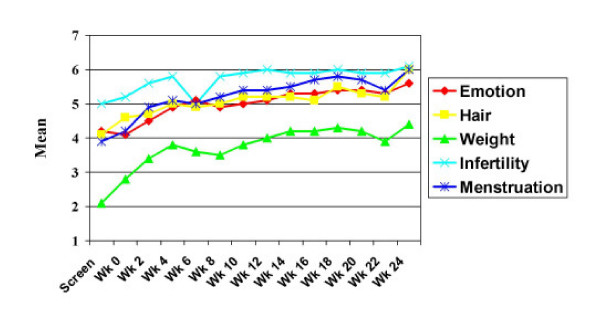
Background: Polycystic ovary syndrome (PCOS) is the most common endocrine disorder affecting women of reproductive age and is associated with obesity, hyperinsulinemia, and insulin resistance. Because low carbohydrate diets have been shown to reduce insulin resistance, this pilot study investigated the six-month metabolic and endocrine effects of a low-carbohydrate, ketogenic diet (LCKD) on overweight and obese women with PCOS. Results: Eleven women with a body mass index >27 kg/m 2 and a clinical diagnosis of PCOS were recruited from the community. They were instructed to limit their carbohydrate intake to 20 grams or less per day for 24 weeks. Participants returned every two weeks to an outpatient research clinic for measurements and reinforcement of dietary instruction. In the 5 women who completed the study, there were significant reductions from baseline to 24 weeks in body weight (-12%), percent free testosterone (-22%), LH/FSH ratio (-36%), and fasting insulin (-54%). There were non-significant decreases in insulin, glucose, testosterone, HgbA1c, triglyceride, and perceived body hair. Two women became pregnant despite previous infertility problems. Conclusion: In this pilot study, a LCKD led to significant improvement in weight, percent free testosterone, LH/FSH ratio, and fasting insulin in women with obesity and PCOS over a 24 week period.
Overview
The claims and statistics of this paper haven’t been checked yet.
Free: it reads the open-access text and checks the first 5 claims that cite a source we can check. Create a free account to check every claim.
Integrity signals
Registry
Cites
Statistics
Figures
Verification
Claims the paper makes
The claims and statistics of this paper haven’t been checked yet.
Free: it reads the open-access text and checks the first 5 claims that cite a source we can check. Create a free account to check every claim.
Claims other papers make about this one
Each is checked against this paper’s own text: does it say what the citing paper says it does?
The source backs part of the claim, not all of it — or backs it for a different population, condition or comparison.
In the citing paper
“Preliminary evidence of positive metabolic and endocrinological outcomes, in terms of reduced body weight, free testosterone, LH and fasting insulin levels, has been also reported on a calorie-restricted, very-low carbohydrate, ketogenic diet (VLKD) [133].”
From Mediterranean diet nutrients to turn the tide against insulin resistance and related diseases (2020) · cites this paper as [133]
Experimental — accuracy not yet measuredThe source backs part of the claim, not all of it — or backs it for a different population, condition or comparison.
In the citing paper
“showing that in the five women who completed the study, there was a significant reduction in body weight, percent free testosterone, LH/FSH ratio, fasting serum insulin and symptoms.”
From Low-Calorie Ketogenic Diet: Potential Application in the Treatment of Polycystic Ovary Syndrome in Adolescents (2023) · cites this paper as [67]
Experimental — accuracy not yet measuredThe source backs part of the claim, not all of it — or backs it for a different population, condition or comparison.
In the citing paper
“Furthermore, improvement of ovulatory function led to pregnancy of two women after 4 weeks [67,68].”
From Low-Calorie Ketogenic Diet: Potential Application in the Treatment of Polycystic Ovary Syndrome in Adolescents (2023) · cites this paper as [67]
Experimental — accuracy not yet measuredThe cited source says what the claim attributes to it.
In the citing paper
“For example, an LCKD (low-carbohydrate, ketogenic diet) is an effective method for losing weight, improvement of fasting insulin as well as free testosterone levels in obese and overweight women with PCOS.”
In the citing paper
“Also a low-carbohydrate ketogenic diet could be beneficial in improving insulin sensitivity [37].”
From From Prediabetes to Type 2 Diabetes Mellitus in Women with Polycystic Ovary Syndrome: Lifestyle and Pharmacological Management (2020) · cites this paper as [37]
Self-check
Percentages, sums and reported differences re-computed from the paper’s own numbers.
The self-check needs the paper’s full text.
Citations
Cites
The Diagnosis of Polycystic Ovary Syndrome during Adolescence
Witchel, S. F., Oberfield, S., Rosenfield, R. L., Codner, E., Bonny, A., Ibáñez, L., Pena, A., Horikawa, R., Gomez-Lobo, V., Joel, D., et al. (2015) · Hormone Research in Paediatrics · doi:10.1159/000375530 · Cited by 3,113
The Prevalence and Features of the Polycystic Ovary Syndrome in an Unselected Population
Azziz, R., Woods, K. S., Reyna, R., Key, T. J., Knochenhauer, E. S., & Yildiz, B. O. (2004) · The Journal of Clinical Endocrinology & Metabolism · doi:10.1210/jc.2003-032046 · Cited by 2,712 · cited 1×
“Go to: Go to: affecting approximately 4% of women [1].”
BackgroundFranks, S. (1995) · New England Journal of Medicine · doi:10.1056/nejm199509283331307 · Cited by 2,463
Insulin Resistance and the Polycystic Ovary Syndrome: Mechanism and Implications for Pathogenesis*
Dunaif, A. (1997) · Endocrine Reviews · doi:10.1210/edrv.18.6.0318 · Cited by 2,458 · cited 1×
“PCOS is also associated with medical abnormalities such as central obesity [2], insulin resistance [3], hyperinsulinemia [4], type 2 diabetes mellitus [5], and dyslipidemia [6].”
BackgroundEhrmann, D. A. (2005) · New England Journal of Medicine · doi:10.1056/nejmra041536 · Cited by 1,881
Legro, R. S. (1999) · Journal of Clinical Endocrinology & Metabolism · doi:10.1210/jc.84.1.165 · Cited by 1,743 · cited 1×
“PCOS is also associated with medical abnormalities such as central obesity [2], insulin resistance [3], hyperinsulinemia [4], type 2 diabetes mellitus [5], and dyslipidemia [6].”
BackgroundInsulin Resistance and the Polycystic Ovary Syndrome: Mechanism and Implications for Pathogenesis
Dunaif, A. (1997) · Endocrine Reviews · doi:10.1210/er.18.6.774 · Cited by 1,155
Yancy, W. S., Olsen, M. K., Guyton, J. R., Bakst, R. P., & Westman, E. C. (2004) · Annals of Internal Medicine · doi:10.7326/0003-4819-140-10-200405180-00006 · Cited by 946 · cited 1×
“Recent studies have shown that a low-carbohydrate, ketogenic diet can lead to weight loss and improvements in insulin resistance [16,17].”
BackgroundSelf-citationCorrelation of Hyperandrogenism with Hyperinsulinism in Polycystic Ovarian Disease*
BURGHEN, G. A., GIVENS, J. R., & KITABCHI, A. E. (1980) · The Journal of Clinical Endocrinology & Metabolism · doi:10.1210/jcem-50-1-113 · Cited by 919 · cited 1×
“PCOS is also associated with medical abnormalities such as central obesity [2], insulin resistance [3], hyperinsulinemia [4], type 2 diabetes mellitus [5], and dyslipidemia [6].”
BackgroundVelazquez, E. M., Mendoza, S., Hamer, T., Sosa, F., & Glueck, C. J. (1994) · Metabolism · doi:10.1016/0026-0495(94)90209-7 · Cited by 865 · cited 1×
“There are no known curative therapies for PCOS, though anti-diabetic medications do improve many of the metabolic abnormalities, like insulin resistance [7-11], and elevated serum testosterone and total cholesterol levels.”
Background
Cited by
Items 101–200 of 259
Kabiri, S. S., Javanbakht, Z., Zangeneh, M., Moludi, J., Saber, A., Salimi, Y., Tandorost, A., & Jamalpour, M. (2024) · British Journal Of Nutrition · doi:10.1017/s0007114524001168 · Cited by 23
“Several studies investigated the effect of dietary approaches on psychological well-being in patients with PCOS (8,12,13) .”
Effects of ketogenic diets on polycystic ovary syndrome: a systematic review and meta-analysis
Cannarella, R., Rubulotta, M., Leonardi, A., Crafa, A., Calvo, A., Barbagallo, F., Vignera, S. L., & Calogero, A. E. (2025) · Reproductive Biology and Endocrinology · doi:10.1186/s12958-025-01411-1 · Cited by 24
“A VLEKT protocol was used in 6 studies [18, 19, 21, 23, 24, 26], while the remaining studies employed a high-fat KDs protocol [11, 20, 22, 25].”
Pehlivan, M., Sherman, K. A., Wuthrich, V. M., Gandhi, E., Zagic, D., Kopp, E., & Perica, V. (2023) · Health Psychology Review · doi:10.1080/17437199.2023.2245020 · Cited by 23
Using a low-carbohydrate diet to treat obesity and type 2 diabetes mellitus
Westman, E. C., & Yancy, W. S. (2020) · Current Opinion in Endocrinology Diabetes and Obesity · doi:10.1097/med.0000000000000565 · Cited by 23
Self-citationLi, J., He, W., Wu, Q., Qin, Y., Luo, C., Dai, Z., Long, Y., Yan, P., Huang, W. G., & Cao, L. (2025) · BMC Nephrology · doi:10.1186/s12882-025-04019-0 · Cited by 22
“…its established efficacy in epilepsy, with emerging evidence indicating its potential utility in the management of DKD and DM [19], Alzheimer’s disease [20], intestinal flora [21], polycystic ovary syndrome [22], cancer [23], Parkinson’s disease [24], brain injury [25], and various other diseases.”
Wang, R., Zhao, Y., Fang, X., Miao, C., Ren, N., Chen, Y., Cheng, W., & Zhang, Q. (2023) · Nutrition · doi:10.1016/j.nut.2023.112127 · Cited by 22
A Ketogenic Diet may Restore Fertility in Women With Polycystic Ovary Syndrome: A Case Series
Alwahab, U. A., Pantalone, K. M., & Burguera, B. G. (2018) · AACE Clinical Case Reports · doi:10.4158/accr-2018-0026 · Cited by 22
“Our series found similar results to a pilot study conducted by Mavropolous et al (12) as well as a case series by Douglas et al (13).”
BackgroundResultFloyd, R., Gryson, R., Mockler, D., Gibney, J., Duggan, S. N., & Behan, L. (2022) · International Journal of Endocrinology · doi:10.1155/2022/2830545 · Cited by 20
Xia, H., Guo, J., Shen, J. F., Jiang, S., Han, S., & Li, L. (2023) · Nutrients · doi:10.3390/nu15204427 · Cited by 20
“On the contrary, numerous studies confirmed that KD which induces a different distribution of macronutrients leads to positive effects in obesity [8], diabetes [9], and polycystic ovary syndrome (PCOS) [10].”
ResultKetogenic diet improves fertility in patients with polycystic ovary syndrome: a brief report
Tsushima, Y., Nachawi, N., Pantalone, K. M., Griebeler, M. L., & Alwahab, U. A. (2024) · Frontiers in Nutrition · doi:10.3389/fnut.2024.1395977 · Cited by 20
Saslow, L. R., & Aikens, J. E. (2020) · JMIR Formative Research · doi:10.2196/17126 · Cited by 20
“They also rated their willingness to make 6 diet and lifestyle changes [21-25] using a 7-point scale (1=not at all willing to 7=very willing).”
MethodPrevention of type 2 diabetes mellitus in polycystic ovary syndrome: A review
Anwar, S., & Shikalgar, N. (2017) · Diabetes & Metabolic Syndrome Clinical Research & Reviews · doi:10.1016/j.dsx.2017.07.015 · Cited by 21
Increased adipose tissue lipolysis after a 2-week high-fat diet in sedentary overweight/obese men
Howe, H. R., Heidal, K., Choi, M. D., Kraus, R. M., Boyle, K. E., & Hickner, R. C. (2010) · Metabolism · doi:10.1016/j.metabol.2010.09.007 · Cited by 20
“The insulin resistance results from our study, though not statistically significant, demonstrate that a LCD may induce higher insulin sensitivity, as suggested in previous studies (Mavropoulos et al, 2005).”
ResultHypogonadism and nonalcoholic fatty liver disease
Papadimitriou, K., Mousiolis, A. C., Mintziori, G., Tarenidou, C., Pοlyzos, S. A., & Goulis, D. G. (2024) · Endocrine · doi:10.1007/s12020-024-03878-1 · Cited by 19
Do Popular Diets Impact Fertility?
Salvaleda-Mateu, M., Rodríguez-Varela, C., & Labarta, E. (2024) · Nutrients · doi:10.3390/nu16111726 · Cited by 19
“Key fertility parameters, such as pregnancy and live births, also appear to improve in patients with these characteristics [59,60].”
BackgroundMizgier, M., Watrowski, R., Opydo-Szymaczek, J., Jodłowska-Siewert, E., Lombardi, G., Kędzia, W., & Jarząbek‐Bielecka, G. (2021) · Nutrients · doi:10.3390/nu14010073 · Cited by 18
Whatley, E. G., Truong, T. T., Wilhelm, D., Harvey, A. J., & Gardner, D. K. (2022) · Human Reproduction · doi:10.1093/humrep/deac153 · Cited by 17
“, 2020), and consequently reverses amenorrhoea and anovulation, indicates that a KD may benefit the fertility of women with PCOS (Mavropoulos et al., 2005; Alwahab et al., 2018; Paoli et al., 2020).”
BackgroundInfluentialGalali, Y., Zebari, S. M. S., Jabbar, A. A., Balaky, H. H., Sadee, B. A., & Hassanzadeh, H. (2024) · Food Science & Nutrition · doi:10.1002/fsn3.3873 · Cited by 17
Turetta, C., Giannini, A., Tarsitano, M. G., Gianfrilli, D., Paoli, A., Kontopantelis, E., Angelis, E. D., Minnetti, M., Poggiogalle, E., Colizza, A., et al. (2025) · Gynecologic and Obstetric Investigation · doi:10.1159/000543941 · Cited by 17
“In the four observational studies [24, 26, 38, 40], all patients underwent KD, incorporating phytoextracts [26] and/or a protein component [24, 26, 40].”
InfluentialSchmitt, C. D. S., da Costa, C. M., Souto, J. C. S., Chiogna, L. M., Santos, Z. E. D. A., Rhoden, E. L., & Neto, B. S. (2023) · BMC Endocrine Disorders · doi:10.1186/s12902-023-01278-6 · Cited by 17
“The low-carbohydrate group was instructed by a nutritionist, member of the study team, to reduce carbohydrate intake and increase protein and fat intake [18].”
Yang, W., Pang, N., & He, X. (2025) · Lipids in Health and Disease · doi:10.1186/s12944-025-02693-5 · Cited by 16
“The adipocyte secretion profile is also remodeled: adipose tissue secretes lower levels of proinflammatory factors and increases adiponectin secretion, which together alleviate lipotoxicity, inflammatory stress, and inhibition of insulin signaling [101, 102].”
Choi, Y.-J., Kang, K., Je, M., Lee, Y., & Kim, Y. (2025) · Nutrients · doi:10.3390/nu17040674 · Cited by 16
Dou, P., Zhang, T.-T., Xu, Y., Xue, Q., Zhang, Y., Shang, J., & Yang, X.-L. (2024) · Endocrine, Metabolic & Immune Disorders - Drug Targets · doi:10.2174/0118715303286777240223074922 · Cited by 15
A Practitioner’s Toolkit for Polycystic Ovary Syndrome Counselling
Lathia, T. B., Joshi, A. S., Behl, A., Dhingra, A., Kalra, B., Dua, C., Bajaj, K., Verma, K., Malhotra, N., Galagali, P. M., et al. (2022) · Indian Journal of Endocrinology and Metabolism · doi:10.4103/ijem.ijem_411_21 · Cited by 15
“[58] The ketogenic diet has been shown to reduce weight and improve insulin sensitivity; however, its long‐term effects have not been studied.[59] Conversely, a ketogenic diet can worsen PCOS symptoms due to the physiological stress exerted on the body by low carbohydrate content.”
BackgroundArguments In Favor Of Ketogenic Diets
(2007) · The Internet Journal of Nutrition and Wellness · doi:10.5580/1650 · Cited by 15
“[107] studied the effects of a KD on polycystic ovary syndrome.”
BackgroundBest (2017) · doi:10.1093/humrep/dex313 · Cited by 14
“vegan or lowcarbohydrate ketogenic) may be particularly hard to follow with even higher discontinuation rates than less restricted diets (Mavropoulos et al., 2005; Turner-McGrievy et al., 2014).”
BackgroundInfluentialWhatley, E. G., Truong, T. T., Harvey, A. J., & Gardner, D. K. (2022) · Reproductive BioMedicine Online · doi:10.1016/j.rbmo.2022.09.018 · Cited by 14
Xing, N.-N., Ren, F., & Yang, H. (2024) · Food & Nutrition Research · doi:10.29219/fnr.v68.9835 · Cited by 13
Shrestha, A., Dixit, A., & Zaidi, A. (2019) · Journal of Food and Nutrition Sciences · doi:10.11648/j.jfns.20190704.12 · Cited by 13
Liu, S., Yao, Q., Li, X., Wu, H., Sun, C., Bai, W., & Kang, J. (2023) · Biology of Reproduction · doi:10.1093/biolre/ioad004 · Cited by 13
“However, women with PCOS often have irregular or absent menses and infrequent or absent ovulation [9].”
BackgroundInfluentialMissel, A. L., O’Brien, A., MASER, H., Kanwal, A., Bayandorian, H., Martin, S., Carrigan, P., McNamee, R., Daubenmier, J. J., Isaman, D. J. M., et al. (2021) · F&S Reports · doi:10.1016/j.xfre.2021.08.008 · Cited by 14
Ahmed, A. F., Sharkawi, S. S., AbdelHameed, S. S., Bayoumi, A. M. A., Moussa, R. S., Alhakamy, N. A., Sadoun, H. A., Mansouri, R. A., El‐Moselhy, M. A., El‐Daly, M., et al. (2022) · Life Sciences · doi:10.1016/j.lfs.2022.121285 · Cited by 13
Obesity Management in Women with Polycystic Ovary Syndrome
Lim, S. S., Clifton, P. M., Noakes, M., & Norman, R. J. (2007) · Women s Health · doi:10.2217/17455057.3.1.73 · Cited by 13
Ketogenic diet in clinical populations—a narrative review
Zemer, A., Samaei, S., Yoel, U., Biderman, A., & Pincu, Y. (2024) · Frontiers in Medicine · doi:10.3389/fmed.2024.1432717 · Cited by 12
Rittig, N. F., Arlien-Søborg, M. C., Svart, M. V., Thomsen, H. H., Kirkegaard, K., Greve, V. H., Nielsen, M. M., Stochholm, K., Ørnstrup, M. J., & Gravholt, C. H. (2025) · European Journal of Endocrinology · doi:10.1093/ejendo/lvaf106 · Cited by 12
A low-carbohydrate survey: Evidence for sustainable metabolic syndrome reversal
Cucuzzella, M. T., Tondt, J., Dockter, N. E., Saslow, L. R., & Wood, T. R. (2017) · Journal of Metabolic Health · doi:10.4102/jir.v2i1.30 · Cited by 12
Ketogene Diät: evidenzbasierte therapeutische Anwendung bei endokrinologischen Erkrankungen
Stocker, R., Aubry, E., Bally, L., Nuoffer, J., & Stanga, Z. G. (2019) · Praxis · doi:10.1024/1661-8157/a003246 · Cited by 11
Knowledge and Perception about Ketogenic Diet among Medical Students
Butt, M. U., Bawa, M. D., & Ahmed, H. N. (2020) · BIOMEDICA · doi:10.24911/biomedica/5-125 · Cited by 11
Ramírez-Martínez, L., Palafox-Gómez, C., Porchia, L. M., & López‐Bayghen, E. (2024) · Clinical and Experimental Obstetrics & Gynecology · doi:10.31083/j.ceog5103057 · Cited by 11
“A literature review illustrates how women with PCOS undergoing a ketogenic diet for six months improved their total body weight, free testosterone, LH/FSH ratio, glucose, insulin levels, estradiol and progesterone levels while decreasing triglycerides, total cholesterol, and LDL-C [69].”
BackgroundA maternal ketogenic diet alters oviduct fluid nutrients and embryo histone acetylation in mice
Whatley, E. G., Harvey, A. J., & Gardner, D. K. (2024) · Reproduction · doi:10.1530/rep-24-0026 · Cited by 11
Sex-specific genetic architecture in response to American and ketogenic diets
Salvador, A. C., Arends, D., Barrington, W. T., Elsaadi, A. M., Brockmann, G. A., & Threadgill, D. W. (2021) · International Journal of Obesity · doi:10.1038/s41366-021-00785-7 · Cited by 11
Knowledge and perception of the ketogenic diet followers among Arab adults in seventeen countries
Alhaj, O. A., Elsahoryi, N. A., Alathamneh, A., Wishah, M., Alenezi, A. F., Humood, A. M., Janahi, A. I., Altouq, N., & Jahrami, H. (2021) · Obesity Medicine · doi:10.1016/j.obmed.2021.100354 · Cited by 11
Guarnotta, V., Amodei, R., Gaudio, F. D., & Giordano, C. S. D. S. (2023) · Nutrients · doi:10.3390/nu15214647 · Cited by 10
Eshaghhosseiny, N., Ahmadi, M., Izadi, B., Vali, M., Akbari, M., Azari, I., & Akbari, H. (2024) · Journal of Diabetes & Metabolic Disorders · doi:10.1007/s40200-024-01441-3 · Cited by 10
Song, G., Song, D., Wang, Y., Wang, L., & Wang, W. (2024) · Biology · doi:10.3390/biology13110899 · Cited by 9
“Several studies have investigated the physiological effects of the KD on both healthy subjects [7] and those with illnesses, including those suffering from obesity [8], type 2 diabetes [9], polycystic ovary syndrome [10], and even cancer [11,12].”
Greenwell, S., Jones, A., Smith, Y. R., Marriott, D. J., Aikens, J. E., Padmanabhan, V., & Saslow, L. R. (2024) · Trials · doi:10.1186/s13063-024-08583-y · Cited by 9
“The diets vary in their approach to regulating insulin levels, glucose control, and weight loss, which are key targets for managing symptoms of PCOS [24–26].”
BackgroundHe, S., Ji, D., Liu, Y., Deng, X., Zou, W., Liang, D., Du, Y., Zong, K., Jiang, T., Li, M., et al. (2023) · Journal of Assisted Reproduction and Genetics · doi:10.1007/s10815-023-02843-7 · Cited by 9
“Eleven PCOS patients with BMI > 27 kg/m2 were given a 24-week low ketogenic diet and reported significant improvements in body weight, percentage of free testosterone, LH/FSH ratio, and fasting insulin [30].”
BackgroundThe application of carbohydrate-reduction in general practice: A medical audit
Hawkins, M. A., Zinn, C., & Delon, C. (2023) · Journal of Metabolic Health · doi:10.4102/jmh.v6i1.86 · Cited by 9
“41,42,43 Our one patient anecdotally reported a reduction in migraine frequency and the number of drugs and doses prescribed.”
BackgroundMousavi, A., Saedisomeolia, A., Yekaninejad, M. S., Ildarabadi, A., Meshkani, M., & Dastjerdi, M. V. (2020) · Obesity Medicine · doi:10.1016/j.obmed.2020.100298 · Cited by 9
KOTUSIEWICZ, W., SIEKIERKO, N., ŻOŁNIEREK, M., Lubczyńska, Z., POPRAVKO, Y., ŚWIĘTOCHOWSKI, J., Lewandowski, M. M., & Bienia, G. (2023) · Journal of Education Health and Sport · doi:10.12775/jehs.2023.13.04.037 · Cited by 8
Ketogenic diet in treating sepsis-related acquired weakness: is it friend or foe?
Miao, Y., Xie, L., Chen, S., Zhang, X., Liu, W., & Xie, P. (2024) · Frontiers in Nutrition · doi:10.3389/fnut.2024.1484856 · Cited by 7
The effects of ketogenic diet on polycystic ovary syndrome: A systematic review and meta-analysis
Arsenaki, E., Stathi, D., Triantafyllidis, K. K., Seldon, Y., Bobotis, S., Lockett, G., Haran, S. S., Kyrgiou, M., Saso, S., & Kechagias, K. S. (2025) · Clinical Nutrition · doi:10.1016/j.clnu.2025.11.019 · Cited by 8
The Therapeutic Ketogenic Diet: Harnessing Glucose, Insulin, and Ketone Metabolism
Kalamian, M. (2020) · Springer eBooks · doi:10.1007/978-3-030-30730-1_22 · Cited by 7
Whatley, E. G., Truong, T. T., Harvey, A. J., & Gardner, D. K. (2023) · Reproductive BioMedicine Online · doi:10.1016/j.rbmo.2023.103320 · Cited by 7
Kackley, M. L., Buga, A., Brownlow, M. L., O’Connor, A., Sapper, T. N., Crabtree, C. D., Robinson, B. T., Stoner, J. T., Decker, D. D., Soma, L., et al. (2024) · PLoS ONE · doi:10.1371/journal.pone.0293670 · Cited by 7
“Lastly, a 24-week single-arm study examining the KD effects on metabolic and endocrine parameters enrolled 11 women with PCOS– 5 completing all study details (~45% retention)–who demonstrated positive reductions in testosterone, LH/FSH, and fasting insulin by the end of the diet [10].”
Tafazoli, M., Fazeli, E., Dadgar, S., & Nematy, M. (2016) · PubMed Central · Cited by 7
Hui, A. M., & Shalita, A. R. (2011) · CRC Press eBooks · doi:10.3109/9781616310097-10 · Cited by 6
Cutler, D. A. (2019) · cIRcle (University of British Columbia) · doi:10.14288/1.0378929 · Cited by 6
“For example, a small study completed by 11 women found that a low carbohydrate, ketogenic diet (less than 20 grams of carbohydrates a day) improved several parameters of PCOS over 24 weeks, including weight, free testosterone, LH:FSH ratio and fasting insulin (145).”
BackgroundDiha, A. M., Uddin, M. S. S., Anha, K. M., Bekele, F. D., Naima, J., Al-Khulaifi, A. A. S., Nassar, A. A., & Huq, M. S. (2026) · Cureus · doi:10.7759/cureus.103615 · Cited by 5
“Research reported a positive effect on ovulation, menstrual regularity, and even spontaneous pregnancy [22,25,28].”
InfluentialMoran, L., Lombard, C. B., & Noakes, M. (2009) · Nutrition & Dietetics · doi:10.1111/j.1747-0080.2009.01379.x · Cited by 5
How to Regulate Yin and Yang through Diet
Torssell, P. (2010) · Cited by 5
Ketogenic Diet as Medical Nutrition Therapy
Krishnan, D., Mehndiratta, C., & Agrawal, T. (2019) · Journal of Social Health and Diabetes · doi:10.1055/s-0039-3402528 · Cited by 5
Avolio, E., Ferraro, S., Mocciaro, R., Pergola, G. D., Buzzanca, F., Venturella, R., Pecorella, C., Palma, G., Romano, L., Mahata, S. K., et al. (2020) · Clinical Obstetrics Gynecology and Reproductive Medicine · doi:10.15761/cogrm.1000307 · Cited by 5
Metabolic Therapy for Age-Dependent Impaired Wound Healing
Kesl, S. (2016) · Digital Commons - University of South Florida (University of South Florida) · Cited by 5
Tosatti, J. A. G., Magalhães, F. M. V., & Gomes, K. B. (2025) · British Journal Of Nutrition · doi:10.1017/s0007114525105692 · Cited by 4
“…assessment, six studies (34,39,40,42 – 44) were considered at low risk of publication bias, three (35,41,45) had some concern and three studies (36 – 38) were evaluated with high risk of bias related to the randomisation process and the possible negative effects of imputation to the…”
InfluentialLeveraging cancer metabolism to translate into effective therapeutics
Xu, J., Guo, L., Wang, Y., Li, X., Yi, P., & Cheng, C. (2025) · Seminars in Cancer Biology · doi:10.1016/j.semcancer.2025.12.003 · Cited by 4
Time‐Restricted Eating to Improve Metabolic Abnormalities in Polycystic Ovarian Syndrome (TimeMAP)
Floyd, R., Dyer, A., Gibney, J., Alawami, F., Owens, L. A., Phelan, N., Rakovac, A., Swan, P., le Roux, C. W., Behan, L., et al. (2026) · Clinical Endocrinology · doi:10.1111/cen.70094 · Cited by 4
Adshead, C., Sheffield, D., Fido, D., Lagojda, L., Kyrou, I., Randeva, H. S., Williams, S., & Kite, C. (2026) · Psychology International · doi:10.3390/psycholint8010015 · Cited by 4
“Several studies included in the review (De Fr è ne et al., 2015; Mani et al., 2018; Mavropoulos et al., 2005; Nidhi et al., 2013) demonstrated positive effects across different domains of the PCOSQ, suggesting that psychological interventions, particularly those focusing on lifestyle modifications,…”
Hernández-Melchor, D., Palafox-Gómez, C., Madrazo, I., Ortiz, G. M., Padilla-Viveros, A., & López‐Bayghen, E. (2022) · World Journal of Clinical Cases · doi:10.12998/wjcc.v10.i33.12295 · Cited by 4
Polycystic ovary syndrome and nonalcoholic fatty liver disease
Butt, A. S., & Devi, J. R. (2023) · Elsevier eBooks · doi:10.1016/b978-0-323-87932-3.00021-9 · Cited by 4
The Effects of Different Types of Diets on Steroid Hormone Concentrations
Dušková, M. (2023) · Physiological Research · doi:10.33549/physiolres.935209 · Cited by 5
Anthropometric Trajectories and Dietary Compliance During a Personalized Ketogenic Program
García-Gorrita, C., Soriano, J. M., Merino-Torres, J. F., & Onofre, N. S. (2025) · Nutrients · doi:10.3390/nu17091475 · Cited by 4
Natural Approaches for Treating Polycystic Ovary Syndrome
Meletis, C. D., & Zabriskie, N. (2006) · Alternative and Complementary Therapies · doi:10.1089/act.2006.12.157 · Cited by 4
Las dietas cetogénicas: beneficios adicionales a la pérdida de peso y efectos secundarios infundados
Pérez-Guisado, J. (2026) · Archivos Latinoamericanos de Nutrición · doi:10.37527/2008.58.4.001 · Cited by 5
“Despues de 24 semanas de seguimiento, la dieta cetogenica mejoro significativamente el peso de las participantes, el porcentaje de testosterona libre (40, 41 ), la relacion LH/FSH y la insulina en ayunas (41).”
BackgroundInfluentialPharmacotherapy and Neoteric Dietary Approaches for Polycystic Ovary Syndrome: A Systematic Review
MALİK, T. H., ALİ, H., Hassan, A., QAYYUM, J., & NASEEM, A. (2021) · Endocrinology research and practice. · doi:10.25179/tjem.2020-78987 · Cited by 3
A review of the uses of the ketogenic diet
Ahmed, Q. A., Abdullah, K., & Mutar, W. M. (2022) · Kirkuk University Journal-Scientific Studies · doi:10.32894/kujss.2022.132824.1058 · Cited by 3
Alteraciones de la conducta alimentaria en lactantes chilenos, de acuerdo a estrato socioeconómico
Sánchez, S., & Carlos Castillo, D. (2026) · Archivos Latinoamericanos de Nutrición · doi:10.37527/2008.58.4.006 · Cited by 3
Polycystic Ovary Syndrome: Update on Treatment Options and Treatment Considerations for the Future
Farrell-Turner, K. A. (2011) · Clinical Medicine Insights Women s Health · doi:10.4137/cmwh.s6715 · Cited by 4
A REVIEW ON LIFE STYLE MODIFICATION: THE MAINSTAY IN POLYCYSTIC OVARIAN SYNDROME
Thakur, J., & Masand, S. (2018) · International Journal of Research in Ayurveda and Pharmacy · doi:10.7897/2277-4343.09352 · Cited by 3
Wojtuś, M., Tomaszuk, S., & Wąsik, K. (2024) · Journal of Education Health and Sport · doi:10.12775/jehs.2024.65.007 · Cited by 2
Effects of the Ketogenic Diet on Gonadal Hormones: A Systematic Review
Lima, M. C. D., Fabe, J., Grigolon, R. B., Ceolin, G., Palma, N., Gerchman, F., Brietzke, E. M., & Gomes, F. A. (2025) · Nutrition Reviews · doi:10.1093/nutrit/nuaf105 · Cited by 2
Avuk, H. S., & Baş, M. (2025) · Nutrición Hospitalaria · doi:10.20960/nh.05901 · Cited by 2
“These findings align with previous studies showing beneficial effects of KD on body composition in PCOS (19,20).”
InfluentialThe Interplay Between PMOS and MASLD: Pathophysiology and Evidence-Based Nutritional Interventions
Graef, A., & LeMieux, M. J. (2026) · Nutrients · doi:10.3390/nu18121948 · Cited by 2
“In that study, the women experienced greater reductions in body weight and fasting insulin, along with lower free testosterone and Luteinizing Hormone (LH)/Follicle-Stimulating Hormone (FSH) ratio [78].”
Study of Association between Polycystic Ovary Syndrome and Dietary Intake
Xia, H., & Zhang, W. (2012) · Chin J Reprod Contracep · doi:10.1016/s1001-7844(13)60004-8 · Cited by 2
La obesidad desde la perspectiva de la selección de alimentos.
Arriaga-Ramírez, J. C. P. (2019) · RESPYN Revista de Salud Pública y Nutrición · doi:10.29105/respyn18.1-4 · Cited by 2
Fatima, W., Alanazi, D. F. N., Alanazi, N. B., Zaidi, R. F., & Ansari, M. I. (2022) · Current Nutrition & Food Science · doi:10.2174/1573401318666220427104414 · Cited by 2
Her Life Style: A Mnemonic for Addressing Polycystic Ovary Syndrome in Adolescents
Neal, D. D., Formyduval, A. M., & Taylor, J. S. (2009) · Nursing for Women s Health · doi:10.1111/j.1751-486x.2009.01481.x · Cited by 2
An Investigation into Carbohydrate Cravings and BMI in Women with Polycystic Ovary Syndrome
Morrell, A. J. (2015) · Cited by 2
PKOS' ta Ketojenik Beslenmenin Etkileri
Akbay, G. D. (2021) · Cumhuriyet Üniversitesi Sağlık Bilimleri Enstitüsü Dergisi · doi:10.51754/cusbed.841267 · Cited by 2
Efectividad de la dieta proteinada en el paciente obeso
Alemán, N. E. (2014) · LA Referencia (Red Federada de Repositorios Institucionales de Publicaciones Científicas) · Cited by 2
The ketogenic diet in health and disease
Rajiyah, T., & Pannain, S. (2020) · Elsevier eBooks · doi:10.1016/b978-0-12-816918-6.00025-1 · Cited by 1
Management of Infertility in Overweight or Obese Polycystic Ovary Syndrome Patients
Ruan, X., Yang, Y., Gu, M., & Dhungel, P. (2023) · Reproductive medicine for clinicians · doi:10.1007/978-3-031-24903-7_19 · Cited by 1
Polycystic Ovary Syndrome: A Review on Present Complication and Future Threat in Women's Health
ya, S., Upadhyay, S., Rawat, R., Kumar, V., Rawat, B. S., Kumar, S., Kohli, D., & Tomar, M. S. (2024) · African Journal of Biomedical Research · doi:10.53555/ajbr.v27i4s.6038 · Cited by 1
Łagowska, K., Bajerska, J., Pieczyńska-Zając, J. M., & Ptaszyńska, D. (2025) · Acta Scientiarum Polonorum Technologia Alimentaria · doi:10.17306/j.afs.001327 · Cited by 1
Arunachalam, R., Brindha, R., Priya, K., Reddy, G. M. M., Adusumilli, A. K., & Parthiban, K. (2025) · Endocrinology research and practice. · doi:10.5152/erp.2025.25638 · Cited by 1
Xie, M., Li, J., & Bai, W. (2026) · British Journal of Hospital Medicine · doi:10.31083/bjhm50655 · Cited by 1
Maseroli, E., Alfaroli, C., Cirillo, M., Ravelli, S. A., Lambrinoudaki, I. V., Focardi, M., Virgili, G., & Vignozzi, L. (2026) · Journal of Endocrinological Investigation · doi:10.1007/s40618-026-02924-1 · Cited by 1
“The Mavropoulos et al. (2005) study [ 25 ] was removed from the quantitative analy - sis due to the small sample size (n = 5), the broad inclusion criteria (“and/or”), the lack of analytical detail regarding androgen assays and the occurrence of pregnancies during the study period.”
The adolescent gynecology patient
Sanfilippo, J. S., & Lara‐Torre, E. (2006) · Expert Review of Obstetrics & Gynecology · doi:10.1586/17474108.1.1.49 · Cited by 1
Ernährungsstrategie bei Patientinnen mit polyzystischem Ovarsyndrom
Worm, N., Lemberger, H., & Mangiameli, F. (2011) · Gynäkologische Endokrinologie · doi:10.1007/s10304-010-0398-2 · Cited by 1
Metadata
- Authors
- Mavropoulos, J. C., Yancy, W. S., Hepburn, J., & Westman, E. C.
- Affiliations
- Duke University (US)
- Corresponding author
- Westman, Eric C
- Venue
- Nutrition & Metabolism
- Published
- 2005-12
- Volume
- 2
- Issue
- 1
- Pages
- 35-35
- ISSN
- 1743-7075 (ISSN-L)
- PMC
- PMC1334192
- OpenAlex
- W2146577073
- Cited by
- 226
- References
- 32
- Citations by year
- 2026: 10 · 2025: 16 · 2024: 24 · 2023: 23 · 2022: 29 · 2021: 15 · 2020: 17 · 2019: 12 · 2018: 6 · 2017: 10 · 2016: 8 · 2015: 6 · 2014: 7 · 2013: 5 · 2012: 3
- FWCI
- 4.92
- Type
- journal article
- Language
- en
- Open access
- gold
- doi.org
- Licence
- cc-by
- Locations
- Nutrition & Metabolism (publishedVersion, cc-by)
- PubMed Central (publishedVersion, cc-by)
- PubMed (publishedVersion)
- DOAJ (DOAJ: Directory of Open Access Journals) (submittedVersion, cc-by-sa)
- Topics
- Health Sciences › Medicine › Reproductive Medicine › Ovarian function and disorders
- Health Sciences › Medicine › Physiology (medical) › Diet and metabolism studies
- Health Sciences › Medicine › Physiology (medical) › Dietary Effects on Health
- Keywords
- polycystic ovary syndrome, low-carbohydrate diet, ketogenic diet, obesity, insulin resistance, hyperinsulinemia, free testosterone, LH/FSH ratio, fasting insulin, weight loss, hyperandrogenism, infertility, pregnancy
About these checks
Registry, retraction, Cites and statistics results are computed, not judged, with one exception: a printed reference that no index lists is read once by a model before it counts as a citation error. Claims are extracted by a model and kept only when their quote appears verbatim in the text; each cited source is then checked, with a model’s help, for whether it says what the claim relies on. Those verdicts can be wrong — read the claim’s quote and the cited source before relying on one.
Statistics and arithmetic are recomputed, not judged.
Confidence bands are shown only for fields calibrated on our annotated test set. None is calibrated yet, so no band is shown.
What counts as a claim ›How we measure confidence ›How we check this ›
Are you an author, or do you see a problem with this page? Request a review
Data sources
Bibliographic data: Semantic Scholar, OpenAlex, Crossref.
Contains information from the Semantic Scholar Academic Graph Datasets, made available under the ODC Attribution License (ODC-BY 1.0).
Semantic Scholar’s data is described in: Kinney, R., et al. (2023). The Semantic Scholar Open Data Platform. arXiv:2301.10140.
