

Audit and feedback and clinical practice guideline adherence: Making feedback actionable
Open accessThe DOI matches its Crossref record; 34 of the 34 references it cites were found in a registry or an index.
Abstract
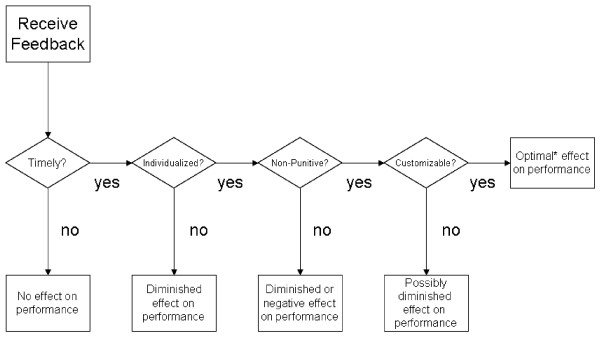
BACKGROUND: As a strategy for improving clinical practice guideline (CPG) adherence, audit and feedback (A&F) has been found to be variably effective, yet A&F research has not investigated the impact of feedback characteristics on its effectiveness. This paper explores how high performing facilities (HPF) and low performing facilities (LPF) differ in the way they use clinical audit data for feedback purposes. METHOD: Descriptive, qualitative, cross-sectional study of a purposeful sample of six Veterans Affairs Medical Centers (VAMCs) with high and low adherence to six CPGs, as measured by external chart review audits. One-hundred and two employees involved with outpatient CPG implementation across the six facilities participated in one-hour semi-structured interviews where they discussed strategies, facilitators and barriers to implementing CPGs. Interviews were analyzed using techniques from the grounded theory method. RESULTS: High performers provided timely, individualized, non-punitive feedback to providers, whereas low performers were more variable in their timeliness and non-punitiveness and relied on more standardized, facility-level reports. The concept of actionable feedback emerged as the core category from the data, around which timeliness, individualization, non-punitiveness, and customizability can be hierarchically ordered. CONCLUSION: Facilities with a successful record of guideline adherence tend to deliver more timely, individualized and non-punitive feedback to providers about their adherence than facilities with a poor record of guideline adherence. Consistent with findings from organizational research, feedback intervention characteristics may influence the feedback's effectiveness at changing desired behaviors.
Overview
The claims and statistics of this paper haven’t been checked yet.
Free: it reads the open-access text and checks the first 5 claims that cite a source we can check. Create a free account to check every claim.
Integrity signals
Registry
Cites
Statistics
Figures
Verification
Claims the paper makes
The claims and statistics of this paper haven’t been checked yet.
Free: it reads the open-access text and checks the first 5 claims that cite a source we can check. Create a free account to check every claim.
Claims other papers make about this one
Each is checked against this paper’s own text: does it say what the citing paper says it does?
The cited source says what the claim attributes to it.
In the citing paper
“This fits well with previous qualitative work comparing high and low performing hospitals finding that feedback with a punitive tone seems to be less effective (Hysong 2006).”
From Audit and feedback: effects on professional practice and healthcare outcomes (2012) · cites this paper as Hysong 2006
In the citing paper
“The effectiveness of A&F may be influenced by the characteristics of the targeted behavior, the recipients, their context, and the components of the A&F intervention itself [9,15,16].”
From No more ‘business as usual’ with audit and feedback interventions: towards an agenda for a reinvigorated intervention (2014) · cites this paper as [15]
In the citing paper
“Conversely, feedback is less effective when it comes from a regulatory body, agreeing with qualitative work suggesting that feedback perceived to be potentially punitive appeared less effective than a supportive approach [15,20].”
From No more ‘business as usual’ with audit and feedback interventions: towards an agenda for a reinvigorated intervention (2014) · cites this paper as [15]
Self-check
Percentages, sums and reported differences re-computed from the paper’s own numbers.
The self-check needs the paper’s full text.
Citations
Cites
1 retracted
O'Brien, M. A., Oxman, A. D., Davis, D., Haynes, R. B., Freemantle, N., & Harvey, E. (1998) · Cochrane Database of Systematic Reviews · doi:10.1002/14651858.cd000260 · Cited by 123
Retracted(1998) · Sage eBooks · Cited by 38,631
The Discovery of Grounded Theory: Strategies for Qualitative Research
Glaser, B. G., & Strauss, A. L. (2017) · Aldine (Routledge reprint) · doi:10.4324/9780203793206 · Cited by 25,789
The Discovery of Grounded Theory
Glaser, B. G., & Strauss, A. L. (2017) · The Discovery of Grounded Theory · doi:10.4324/9780203793206-1 · Cited by 8,344
Kluger, A. N., & DeNisi, A. (1996) · Psychological Bulletin · doi:10.1037/0033-2909.119.2.254 · Cited by 5,882 · cited 5×
“Third is non-punitiveness – feedback delivered in a non-punitive way is less likely to be resisted by the recipient regardless of content [15,23,24], thus”
BackgroundInfluentialAudit and feedback: effects on professional practice and healthcare outcomes
Ivers, N., Jamtvedt, G., Flottorp, S., Young, J. M., Odgaard-Jensen, J., French, S. D., O'Brien, M. A., Johansen, M., Grimshaw, J., & Oxman, A. D. (2012) · Cochrane Database of Systematic Reviews · doi:10.1002/14651858.cd000259.pub3 · Cited by 5,485
Effectiveness and efficiency of guideline dissemination and implementation strategies
Grimshaw, J., Thomas, R., MacLennan, G., Fraser, C., Ramsay, C., Vale, L., Whitty, P., Eccles, M., Matowe, L., Shirran, L., et al. (2004) · Health Technology Assessment · doi:10.3310/hta8060 · Cited by 3,044 · cited 2×
“Grimshaw and colleagues[5] reported a median effect size of A&F of +7% compared to no intervention using dichotomous process measures, with effect sizes ranging from 1.”
BackgroundMethodAudit and feedback: effects on professional practice and health care outcomes
Jamtvedt, G., Young, J. M., Kristoffersen, D. T., O'Brien, M. A., & Oxman, A. D. (2006) · Cochrane Database of Systematic Reviews · doi:10.1002/14651858.cd000259.pub2 · Cited by 912 · cited 3×
“Along similar lines, Jamtvedt and colleagues [6] reported a median adjusted relative risk of non-compliance of .”
BackgroundEffectiveness and efficiency of guideline dissemination and implementation strategies
Grimshaw, J. M., Thomas, R. E., MacLennan, G., Fraser, C., Ramsay, C. R., Vale, L., Whitty, P., Eccles, M. P., Matowe, L., Shirran, L., et al. (2005) · International Journal of Technology Assessment in Health Care · doi:10.1017/s0266462305290190 · Cited by 864
DeShon, R. P., Kozlowski, S. W. J., Schmidt, A. M., Milner, K. R., & Wiechmann, D. (2004) · Journal of Applied Psychology · doi:10.1037/0021-9010.89.6.1035 · Cited by 606 · cited 2×
“Timely feedback has long been positively associated with feedback effectiveness in the organizational literature,[13] as has the need for individualized feedback[21,22].”
Background
Research works printed but not linked: 2
- Pugh JA Knowledge management and clinical practice guideline implementation [Final Report] CPI 99129-1 2001 San Antonio, TX, Veterans Evidence-Based Implementation Dissemination Center
- Muhr T Atlas ti – Short User's Manual [42 Build 061] 2001 Berlin, Germany, Scientific Software Development
Cited by
Items 101–200 of 385
Rogal, S. S., Yakovchenko, V., Gonzalez, R. I., Park, A., Beste, L. A., Rozenberg‐Ben‐Dror, K., Bajaj, J. S., Scott, D., McCurdy, H. M., Comstock, E., et al. (2021) · Cancers · doi:10.3390/cancers13092251 · Cited by 25
Bierbaum, M., Rapport, F., Arnolda, G., Delaney, G. P., Liauw, W., Olver, I., & Braithwaite, J. (2022) · PLoS ONE · doi:10.1371/journal.pone.0279116 · Cited by 27
Renggli, S., Mayumana, I., Mboya, D., Charles, C., Maeda, J. M., Mshana, C., Kessy, F., Tediosi, F., Pfeiffer, C., Schulze, A., et al. (2018) · PLoS ONE · doi:10.1371/journal.pone.0202735 · Cited by 26
Pitt, S. C., Yang, N., Saucke, M. C., Marka, N. A., Hanlon, B. M., Long, K. L., McDow, A. D., Brito, J. P., & Roman, B. R. (2020) · The Journal of Clinical Endocrinology & Metabolism · doi:10.1210/clinem/dgaa942 · Cited by 25
Hutchinson, A. M., Sales, A. E., Brotto, V., & Bucknall, T. K. (2015) · Implementation Science · doi:10.1186/s13012-015-0260-y · Cited by 30
Gude, W. T., Roos-Blom, M.-J., van der Veer, S. N., Dongelmans, D. A., de Jonge, E., Peek, N. B., & de Keizer, N. F. (2019) · Implementation Science · doi:10.1186/s13012-019-0937-8 · Cited by 26
High-risk prescribing and monitoring in primary care: how common is it, and how can it be improved?
Dreischulte, T., & Guthrie, B. (2012) · Therapeutic Advances in Drug Safety · doi:10.1177/2042098612444867 · Cited by 31
“Composite performance scores can make data presentation more efficient, but are often not sufficiently specific to guide the selection of actionable targets for improvement [Hysong et al. 2006; Guthrie, 2008].”
BackgroundAdams, S. L., & Barron, S. (2009) · Worldviews on Evidence-Based Nursing · doi:10.1111/j.1741-6787.2008.00141.x · Cited by 27
Smiddy, M. P., Murphy, O. M., Savage, E., Fitzgerald, T., Sullivan, B. O., Murphy, C., Bernard, M., & Browne, J. P. (2019) · Journal of Infection Prevention · doi:10.1177/1757177419833165 · Cited by 27
Breast, Cervical, and Colorectal Cancer Screening Adherence: Effect of Low Body Mass Index in Women
Charkhchi, P., Schabath, M. B., & Carlos, R. C. (2020) · Journal of Women s Health · doi:10.1089/jwh.2019.7739 · Cited by 26
Nursing Science and Evidence-Based Practice
Titler, M. G. (2011) · Western Journal of Nursing Research · doi:10.1177/0193945910388984 · Cited by 25
Ivers, N. M., & Barrett, J. (2018) · BMJ Quality & Safety · doi:10.1136/bmjqs-2017-007563 · Cited by 23
Lloyd, M., Watmough, S. D., O’Brien, S., Furlong, N. J., & Hardy, K. J. (2015) · Research in Social and Administrative Pharmacy · doi:10.1016/j.sapharm.2015.08.012 · Cited by 27
Translating evidence into practice for people with osteoarthritis of the hip and knee
Brand, C. A. (2007) · Clinical Rheumatology · doi:10.1007/s10067-007-0633-y · Cited by 27
“Integrating performance reports with quality and safety reporting pathways may also be important as a recent report identified that improved guideline adherence was associated with the use of timely, individual, and nonpunitive data feedback [39].”
Jonah, L., Kone, A. P., Lee, A., Hader, J. M., Strasberg, S., Kupets, R., Chiarelli, A. M., & Tinmouth, J. (2016) · Preventive Medicine · doi:10.1016/j.ypmed.2016.12.002 · Cited by 22
“Given this heterogeneity, A/F tools have been evaluated to determine the characteristics of more effective tools [29, 30, 36-40].”
MethodNursing home administrators’ perspectives on a study feedback report: a cross sectional survey
Boström, A., Cranley, L. A., Hutchinson, A. M., Cummings, G. G., Norton, P., & Estabrooks, C. A. (2012) · Implementation Science · doi:10.1186/1748-5908-7-88 · Cited by 21
“Individualized and customized feedback has been shown to be more useful to clinicians for improving quality of care [22].”
BackgroundImproving surgical skills with feedback: directly-observed versus video-recorded practice
Tantiphlachiva, K., Iramaneerat, C., & Lertbunnaphong, T. (2023) · BMC Medical Education · doi:10.1186/s12909-023-04635-0 · Cited by 21
“For successful outcome in behavior changing, an actionable feedback model was proposed by Hysong et al. [19].”
MethodIdentifying opportunities for quality improvement in surgical site infection prevention
Gagliardi, A. R., Eskicioglu, C., McKenzie, M. E., Fenech, D. S., Nathens, A. B., & McLeod, R. S. (2009) · American Journal of Infection Control · doi:10.1016/j.ajic.2008.10.027 · Cited by 24
“This includes distribution of performance data, which is more effective when individualized and delivered periodically and in person.(29,30) Five sites participating in this study did not produce SSI data for general surgery procedures.”
BackgroundA model to predict the cost‐effectiveness of disease management programs
Gandjour, A. (2009) · Health Economics · doi:10.1002/hec.1503 · Cited by 22
Dissemination and Implementation of Patient-centered Indicators of Pain Care Quality and Outcomes
Beck, S. L., Dunton, N. E., Berry, P. H., Brant, J. M., Guo, J., Potter, C., Spornitz, B., Eaton, J., & Wong, B. G. (2018) · Medical Care · doi:10.1097/mlr.0000000000001042 · Cited by 24
Lamba, V., D’souza, S., Carafa, C., Zepf, A., Bassel, C. L., Gutierrez, M., & Balakrishnan, M. (2020) · Journal of Perinatology · doi:10.1038/s41372-019-0577-5 · Cited by 21
“ciency, and providing actionable feedback and education on identified opportunities following best practices for QI [25].”
BackgroundCawthorne, K.-R., & Cooke, R. P. D. (2021) · Journal of Hospital Infection · doi:10.1016/j.jhin.2021.03.009 · Cited by 23
Tilson, J. K., Martinez, C. A., MacDowell, S. G., D’Silva, L. J., Howard, R., Roth, H., Skop, K. M., Dannenbaum, E., & Farrell, L. (2022) · BMC Health Services Research · doi:10.1186/s12913-022-08796-4 · Cited by 20
“Additionally, the collaborative meetings where feedback was given matched Hysong and colleagues [20, 21] findings that audit and feedback improved effectiveness when delivered regularly (at least monthly), in a non-punitive manner, and with specific suggestions for improvement.”
BackgroundPhysician Perceptions of Performance Feedback in a Quality Improvement Activity
Eden, A. R., Hansen, E. R., Hagen, M. D., & Peterson, L. E. (2017) · American Journal of Medical Quality · doi:10.1177/1062860617738327 · Cited by 20
Randell, R., Alvarado, N., McVey, L., Greenhalgh, J., West, R. M., Farrin, A. J., Gale, C. P., Parslow, R. C., Keen, J., Elshehaly, M., et al. (2020) · BMJ Open · doi:10.1136/bmjopen-2019-033208 · Cited by 24
Kleczka, B., Kumar, P. A., Njeru, M. K., Musiega, A., Wekesa, P., Rabut, G., & Marx, M. (2019) · BMJ Global Health · doi:10.1136/bmjgh-2019-001422 · Cited by 21
Kastrup, M., Nolting, M., Ahlborn, R., Braun, J.-P., Grubitzsch, H., Wernecke, K.-D., & Spies, C. (2011) · Journal of International Medical Research · doi:10.1177/147323001103900615 · Cited by 19
Morsi, I., Hussein, M. R., Habib, M., Freeman, H., & Swint, M. (2024) · medRxiv · doi:10.1101/2024.07.16.24310351 · Cited by 24
Rosenkrantz, A. B., Pujara, A. C., & Taneja, S. S. (2016) · American Journal of Roentgenology · doi:10.2214/ajr.15.15768 · Cited by 18
“These have been previously described as important characteristics of a successful feedback intervention [31].”
Mental models of audit and feedback in primary care settings
Hysong, S. J., Smitham, K. B., SoRelle, R., Amspoker, A. B., Hughes, A. M., & Haidet, P. (2018) · Implementation Science · doi:10.1186/s13012-018-0764-3 · Cited by 18
“EPRP is “a random chart abstraction process conducted by an external contractor to audit performance at all VA facilities on numerous quality of care indicators, including those related to compliance with clinical practice guidelines” [14].”
BackgroundSelf-citationEmergency Department Nurses' Perceived Barriers and Facilitators to Caring for Stroke Patients
Johnson, M. S., Cohn, J., & Bakas, T. (2011) · Journal of Neuroscience Nursing · doi:10.1097/jnn.0b013e318228e1cb · Cited by 19
“Individual feedback on the nurses’ performance may better facilitate guideline implementation as suggested by Hysong et al. (2006).”
BackgroundAntibiotic intravenous-to-oral switch guidelines: barriers to adherence and possible solutions
Warburton, J., Hodson, K., & James, D. H. (2014) · International Journal of Pharmacy Practice · doi:10.1111/ijpp.12086 · Cited by 18
Jacobs, D., Breen, C. T., Pucar, D., Holt, E. H., Judson, B. L., & Mehra, S. (2020) · Thyroid · doi:10.1089/thy.2020.0237 · Cited by 18
“In the field of implementation science, which studies the successes and failures of the adoption of new practices, audit and feedback are a strategy utilized to increase adherence to policies (29,30).”
The feasibility of automating audit and feedback for ART guideline adherence in Malawi
Lewis, Z. L., Mello-Thoms, C. R., Gadabu, O. J., Gillespie, E. M., Douglas, G. P., & Crowley, R. S. (2011) · Journal of the American Medical Informatics Association · doi:10.1136/amiajnl-2011-000097 · Cited by 20
Reducing inequities in cancer care: The role of cancer registries
Sanson‐Fisher, R., Carey, M. L., Mackenzie, L., Hill, D., Campbell, S., & Turner, D. (2009) · Cancer · doi:10.1002/cncr.24415 · Cited by 18
“As described above, feedback at the level of the individual healthcare provider is acceptable(31) and is likely to be an effective way of changing an individual’s practice.(33) Effectiveness may be further enhanced by linking evidencebased practice to both intangible and tangible incentives.”
BackgroundLa qualité des services de santé : Un impératif mondial en vue de la couverture santé universelle
OCDE, & mondiale, G. D. L. B. (2019) · doi:10.1787/62f287af-fr · Cited by 44
Thulesius, H. O., Sallin, K., Lynöe, N., & Löfmark, R. (2007) · BMC Medical Education · doi:10.1186/1472-6920-7-27 · Cited by 20
“Some [21,22] presented a core variable – a fundamental part of GT, but most studies were descriptive and lacked explanatory integration [23].”
Snider, M. D. H., Boyd, M. R., Walker, M. R., Powell, B. J., & Lewis, C. C. (2023) · Implementation Science Communications · doi:10.1186/s43058-023-00474-8 · Cited by 16
“Optimal ways of applying theory-based recommendations for implementing A&F still need to be identified [5, 8, 15, 18].”
BackgroundPay-for-Performance and Veteran Care in the VHA and the Community: a Systematic Review
Kondo, K. K., Wyse, J. J. B., Mendelson, A., Beard, G., Freeman, M., Low, A., & Kansagara, D. L. (2018) · Journal of General Internal Medicine · doi:10.1007/s11606-018-4444-4 · Cited by 16
Meier, R., Chmiel, C., Valeri, F., Muheim, L., Senn, O., & Rosemann, T. J. (2021) · Journal of General Internal Medicine · doi:10.1007/s11606-021-06714-8 · Cited by 17
“Feedback reports are found to be most effective when they are actionable and individualized and when specific goals are set.(33,34)”
BackgroundLarson, E., Murray, M., Cohen, B., Simpser, E. F., Pavia, M., Jackson, O., Jia, H., Hutcheon, R. G., Mosiello, L., Neu, N. M., et al. (2017) · Behavioral Medicine · doi:10.1080/08964289.2017.1288607 · Cited by 19
Emergence and Spread of Antimicrobial-Resistant Pathogens in an Era of Globalization
Senok, A. C., Botta, G. A., & Soge, O. O. (2012) · Interdisciplinary Perspectives on Infectious Diseases · doi:10.1155/2012/286703 · Cited by 21
Freytag, J., Chu, J., Hysong, S. J., Street, R. L., Markham, C. M., Giordano, T. P., Westbrook, R. A., Njue-Marendes, S., Johnson, S. R., & Dang, B. N. (2022) · BMC Medical Education · doi:10.1186/s12909-021-02976-2 · Cited by 17
“, tell/show the recipient “what ‘good’ looks like”) [40] and be delivered in a timely, individualized, non-punitive, and ideally customizable fashion [41].”
BackgroundSelf-citationThe role of guideline organizations in nationwide guideline implementation: a qualitative study
Thoonsen, A. C., Merten, H., Broeders, T. T., Gans, A., van Beusekom, I., Delnoij, D. M. J., & de Bruijne, M. C. (2024) · Health Research Policy and Systems · doi:10.1186/s12961-024-01253-0 · Cited by 19
Ayre, J., Muscat, D. M., Mac, O. A., Bonner, C., Dunn, A. G., Dalmazzo, J., Mouwad, D., & McCaffery, K. J. (2023) · PEC Innovation · doi:10.1016/j.pecinn.2023.100162 · Cited by 15
“Theories also advocate feedback that is timely, individualised, and non-punitive, and can be customised to individual needs [38-40].”
BackgroundAdherence to treatment guidelines in a university hospital: Exploration of facts and factors
Afreen, S., & Rahman, M. S. (2014) · Bangladesh Journal of Pharmacology · doi:10.3329/bjp.v9i2.18537 · Cited by 15
“Audit and feedback has been used as a strategy for improving clinical practice behaviors (Hysong et al., 2006), as well as cost-effectiveness of the prescriptions (Islam et al.”
MethodReports of unintended consequences of financial incentives to improve management of hypertension
Hysong, S. J., SoRelle, R., Smitham, K. B., & Petersen, L. A. (2017) · PLoS ONE · doi:10.1371/journal.pone.0184856 · Cited by 15
Self-citationBenn, J., Arnold, G., D’Lima, D., Wei, I., Moore, J., Aleva, F. E., Smith, A. F., Bottle, A., & Brett, S. J. (2015) · Health Services and Delivery Research · doi:10.3310/hsdr03320 · Cited by 16
“The importance of this transition has been explored in the literature.(45) Lessons from incident reporting demonstrate the significance of dissemination and action plans on the frontline of health care in order to make data collection worthwhile.”
BackgroundResultInfluentialPedersen, M. S., Landheim, A. S., Møller, M., & Lien, L. (2018) · BMC Health Services Research · doi:10.1186/s12913-018-2862-y · Cited by 17
“the effect of A&F on professional behaviour and patient outcome ranges from little or no effect to a substantial effect [1, 30] and this may be due to the characteristics of the behaviour it is targeted at, the healthcare staff audited, their context, the patients/consumers, or the components of the intervention itsel…”
BackgroundChan, T. M., Jordan, J., Clarke, S., Lawson, L. E., Coates, W. C., Yarris, L. M., Santen, S. A., & Gottlieb, M. A. (2022) · AEM Education and Training · doi:10.1002/aet2.10720 · Cited by 15
Building high functioning clinical teams through quality improvement initiatives.
O'Toole, T. P., Cabral, R. A., Blumen, J. M., & Blake, D. A. (2011) · PubMed · Cited by 14
Swann, C., Buchan, J., Calleja, E., Goddard, S. G., Clarke, M. M., Hawkins, R. M., Jackman, P. C., Schweickle, M. J., Vella, S. A., & Rosenbaum, S. (2026) · Sports Medicine · doi:10.1007/s40279-025-02373-5 · Cited by 14
“For example, based on clinical practice guideline adherence, the Model of Actionable Feedback [77] outlines that feedback will have a positive effect on task performance if it is: timely (i.e. the frequency with which the client receives feedback); individ-ualised (i.e. the degree to which the…”
Ormonde, C., Igwe, E. O., Nealon, J. R., O’Shaughnessy, P., & Traynor, V. (2023) · Aging Clinical and Experimental Research · doi:10.1007/s40520-023-02390-2 · Cited by 13
“Although some evidence for the validity of self-rated competences has been described [47], undertaking audits of clinical records and observation of clinical practice is a proven method to determine whether levels of self-efficacy match clinical practices [48].”
BackgroundOverview of Evidence-based Practice and Translation Science
Titler, M. G. (2014) · Nursing Clinics of North America · doi:10.1016/j.cnur.2014.05.001 · Cited by 16
Borgonjen, R. J., van Everdingen, J. J. E., Bruijnzeel-Koomen, C. A. F. M., van de Kerkhof, P. C. M., & Spuls, P. I. (2014) · British Journal of Dermatology · doi:10.1111/bjd.13351 · Cited by 17
How to Implement Clinical Practice Guidelines in Iran
Majdzadeh, R., & Baradaran‐Seyed, Z. (2013) · Iranian Red Crescent Medical Journal · doi:10.5812/ircmj.9702 · Cited by 13
“Feedbacks may be about the cost, treatment outcomes, number of drugs or the type of prescription and they are generally retrospective and are reached by target group after the event (18-21).”
BackgroundQuality Improvement Principles and Practice
Ratner, S. P., & Pignone, M. P. (2019) · Primary Care Clinics in Office Practice · doi:10.1016/j.pop.2019.07.008 · Cited by 13
Bahraini, N. H., Matarazzo, B. B., Barry, C. N., Post, E. P., Forster, J. E., Dollar, K. M., Dobscha, S. K., & Brenner, L. A. (2020) · Implementation Science · doi:10.1186/s13012-020-01019-6 · Cited by 13
“The A&F intervention will be guided by the model of actionable feedback [8] and other best practices [10, 11].”
BackgroundMethodOpportunities to enhance ward audit: a multi-site qualitative study
Sykes, M. J., Thomson, R., Kolehmainen, N., Allan, L. M., & Finch, T. L. (2021) · BMC Health Services Research · doi:10.1186/s12913-021-06239-0 · Cited by 14
Sticking to minimum standards: implementing antibiotic stewardship in intensive care
Chaves, N. J., Ingram, R., MacIsaac, C., & Buising, K. L. (2014) · Internal Medicine Journal · doi:10.1111/imj.12539 · Cited by 13
Using implementation science to improve urologic oncology care
Skolarus, T. A., & Sales, A. E. (2016) · Urologic Oncology Seminars and Original Investigations · doi:10.1016/j.urolonc.2016.05.022 · Cited by 13
Quality control and assurance in anesthesia: A necessity of the modern times
Bajwa, S. S., & Jindal, R. (2014) · Anesthesia Essays and Researches · doi:10.4103/0259-1162.134480 · Cited by 18
Gagliardi, A. R., Wright, F. C., Khalifa, M. A., & Smith, A. J. (2008) · BMC Health Services Research · doi:10.1186/1472-6963-8-34 · Cited by 14
“At this time the impact of pay-for-performance is unclear, and our participants were concerned about its implications [41].”
BackgroundRandell, R., Alvarado, N., Elshehaly, M., McVey, L., West, R. M., Doherty, P., Dowding, D., Farrin, A. J., Feltbower, R. G., Gale, C. P., et al. (2022) · Health and Social Care Delivery Research · doi:10.3310/wbkw4927 · Cited by 14
Donohue, B. C., Loughran, T., Pitts, M., & Gavrilova, Y. (2016) · Journal of Drug Abuse · doi:10.21767/2471-853x.100035 · Cited by 12
Kamhawy, R., Chan, T. M., & Mondoux, S. E. (2020) · Journal of Evaluation in Clinical Practice · doi:10.1111/jep.13504 · Cited by 12
Ikeda, D. J., Basenero, A., Murungu, J., Jasmin, M., Inimah, M., & Agins, B. (2019) · Journal of Clinical Tuberculosis and Other Mycobacterial Diseases · doi:10.1016/j.jctube.2019.100116 · Cited by 12
“To stimulate action among providers, performance measurement data must be continuously collected, sufficiently local, and conceptualized as the basis for improvement rather than fodder for blame [28].”
Background(2017) · Bundesgesundheitsblatt - Gesundheitsforschung - Gesundheitsschutz · doi:10.1007/s00103-016-2486-5 · Cited by 12
Formalized prescribing error feedback from hospital pharmacists: doctors' attitudes and opinions
Lloyd, M., Watmough, S. D., O'Brien, S., Furlong, N. J., & Hardy, K. J. (2015) · British Journal of Hospital Medicine · doi:10.12968/hmed.2015.76.12.713 · Cited by 12
The enhanced recovery after surgery (ERAS) Greenie Board: a Navy‐inspired quality improvement tool
Smirk, A., Nicholson, J. J., Console, Y. L., Hunt, N. J., Herschtal, A., Nguyen, M. N. H. H., & Riedel, B. (2018) · Anaesthesia · doi:10.1111/anae.14157 · Cited by 11
“Similar concerns have been previously reported with this style of feedback [15, 27].”
BackgroundResultBravo, C. A., Llovet, D., Witteman, H. O., Desveaux, L., Presseau, J., Saragosa, M., Vaisson, G., Umar, S., Tinmouth, J., & Ivers, N. M. (2018) · JMIR Human Factors · doi:10.2196/humanfactors.9875 · Cited by 13
“Audit and feedback is a widely adopted strategy to improve clinical practice guideline adherence [1].”
MethodHysong, S. J., SoRelle, R., & Hughes, A. M. (2021) · Human Factors The Journal of the Human Factors and Ergonomics Society · doi:10.1177/00187208211005620 · Cited by 11
“Finally, to assess how well a given strategy followed evidencebased best practices, each feedback strategy was evaluated against each of the feedback cues (characteristics) demonstrated by previous research to either improve or hinder feedback effectiveness (Hysong et al., 2006; Kluger & DeNisi, 1996).”
MethodSelf-citationDissemination and Implementation: INQRI’s Potential Impact
Titler, M. G., Wilson, D. S., Resnick, B. M., & Shever, L. L. (2013) · Medical Care · doi:10.1097/mlr.0b013e3182802fb5 · Cited by 12
Impact of personalized report cards on nurses managing central lines
Morrison, T. L., Raffaele, J. L., & Brennaman, L. (2017) · American Journal of Infection Control · doi:10.1016/j.ajic.2016.09.020 · Cited by 11
D’Lima, D., Arnold, G., Brett, S. J., Bottle, A., Smith, A. F., & Benn, J. (2017) · British Journal of Anaesthesia · doi:10.1093/bja/aex136 · Cited by 11
Smiddy, M. P., Murphy, O. M., Savage, E., & Browne, J. P. (2019) · American Journal of Infection Control · doi:10.1016/j.ajic.2018.12.024 · Cited by 11
Prostate cancer survivorship care in the Veterans Health Administration.
Skolarus, T. A., & Hawley, S. T. (2014) · PubMed · Cited by 11
Implementing a hospital guideline on pneumonia: a semi-quantitative review
Cortoos, P., Simoens, S., Peetermans, W. E., Willems, L., & Laekeman, G. (2007) · International Journal for Quality in Health Care · doi:10.1093/intqhc/mzm045 · Cited by 11
“argue that the prerequisites to make it successful are timeliness, individualization, non-punitiveness and customizability which increase even more its complexity [40].”
BackgroundBuilding a Knowledge to Action Program in Stroke Rehabilitation
Janzen, S. E., McIntyre, A., Richardson, M., Britt, E., & Teasell, R. W. (2016) · Canadian Journal of Neurological Sciences / Journal Canadien des Sciences Neurologiques · doi:10.1017/cjn.2016.258 · Cited by 11
“The clinicians and management were then able to offer direct feedback that was timely, individualized, nonpunitive, and customizable.(44) This 6-week timeframe sufficiently allowed for the protocol to be trialed and modified based on feedback from staff.”
BackgroundDellefield, M. E., Kelly, A. E., & Schnelle, J. F. (2012) · Journal of Nursing Care Quality · doi:10.1097/ncq.0b013e31826b090b · Cited by 11
Channelling the force of audit and feedback: averting the dark side
Duncan, E., Ivers, N. M., & Grimshaw, J. (2022) · BMJ Quality & Safety · doi:10.1136/bmjqs-2021-014520 · Cited by 11
Turner, K. L., McNett, M., Potter, C., Cramer, E., Taweel, M. A., Shorr, R. I., & Mion, L. C. (2023) · Implementation Science · doi:10.1186/s13012-023-01325-9 · Cited by 10
“…paired with health coaches who can provide technical assistance with overcoming site-specific barriers to practice change and who have experience using best practices for delivering feedback to healthcare organizations (e.g., grouping like organizations, providing supportive feedback) [46].”
BackgroundWinkler, K., McKinney, J. J., Reale, C., Anders, S. H., Rubenstein, M. D., Cavagnini, L., Crowe, R. P., & Ward, M. J. (2024) · Prehospital Emergency Care · doi:10.1080/10903127.2024.2372817 · Cited by 12
“Multiple studies have shown that audit and feedback improve outcomes and guideline adherence (41–45) and may be protective against burnout (40).”
Ayton, D., Watson, E., Betts, J. M., Doyle, J., Teh, B. W., Valoppi, G., Cotta, M. O., Robertson, M. S., & Peel, T. N. (2022) · BMC Health Services Research · doi:10.1186/s12913-022-08938-8 · Cited by 10
Antimicrobial Stewardship in the NICU: Lessons We’ve Learned
Nash, C. B., Simmons, E. M., Bhagat, P., & Bartlett, A. H. (2014) · NeoReviews · doi:10.1542/neo.15-4-e116 · Cited by 10
Baranowski, T., Beltran, A., Chen, T. A., O’Connor, T. M., Hughes, S. O., Buday, R., & Baranowski, J. C. (2013) · Games for Health Journal · doi:10.1089/g4h.2012.0057 · Cited by 10
Rahman, A. M., Friberg, I. K., Dolphyne, A., Fjeldheim, I., Khatun, F., O’Donnell, B., Pervin, J., Rahman, M., Rahman, A., Nu, U. T., et al. (2021) · JMIR Research Protocols · doi:10.2196/26918 · Cited by 10
Quality assurance and the need to evaluate interventions and audit programme outcomes
Zhao, M., Vaartjes, I. C. H., Klipstein‐Grobusch, K., Kotseva, K., Jennings, C. S., Grobbee, D. E., & Graham, I. M. (2017) · European Journal of Preventive Cardiology · doi:10.1177/2047487317703829 · Cited by 10
Audit and Feedback: A Quality Improvement Study to Increase Pneumococcal Vaccination Rates
Clark, R. C., CARTER, K. F., Jackson, J. A., & Hodges, D. (2017) · Journal of Nursing Care Quality · doi:10.1097/ncq.0000000000000289 · Cited by 12
Akech, S., Ayieko, P., Irimu, G., Stepniewska, K., & English, M. (2018) · Tropical Medicine & International Health · doi:10.1111/tmi.13176 · Cited by 13
“It is possible therefore that feedback might be best suited for changing specific types of behaviour and that it may be less effective for more complex cognitive tasks that could also require elements of instruction or coaching at the individual level to foster improvement [14, 25, 26].”
BackgroundKeizer, J., Jong, N. B.-D., al Naiemi, N., & van Gemert‐Pijnen, J. E. W. C. (2020) · Lecture notes in computer science · doi:10.1007/978-3-030-45712-9_9 · Cited by 10
Audit and feedback in mental healthcare: staff experiences
Pedersen, M. S., Landheim, A. S., Møller, M., & Lien, L. (2018) · International Journal of Health Care Quality Assurance · doi:10.1108/ijhcqa-08-2017-0142 · Cited by 10
“…that aims to improve healthcare quality, used in different healthcare settings, may positively influence compliance with desired practice (Foy et al., 2005; Burgess, 2011; Hysong et al., 2006; Ivers et al., 2012; Ivers, Grimshaw, Jamtvedt, Flottorp, O’brien, French, Young and Odgaard-Jensen, 2014).”
BackgroundInfluentialBullard, A. J., Cunningham, F. E., Volpp, B. D., Lowy, E., Beste, L. A., Heron, B. B., Geraci, M. C., Hammond, J. M., LaPlant, K. D., Stave, E. A., et al. (2018) · Hepatology Communications · doi:10.1002/hep4.1238 · Cited by 10
“(11‒15) A VHA cross-sectional study was completed to study the effect of audit and feedback in six facilities implementing clinical guidelines(13); the greatest success in guideline adherence was seen at sites receiving timely, personalized, and nonpunitive provider feedback.”
BackgroundEncouraging Best Practice in Residential Aged Care program: final evaluation report
Masso, M. R., Westera, A., Quinsey, K., Morris, D., & Pearse, E. J. (2011) · Research Online (University of Wollongong) · Cited by 11
Balbale, S. N., Schäfer, W. L. A., Davis, T. L., Blake, S., Close, S., Sullivan, G. A., Reiter, A. J., Hu, A., Smith, C. J., Wilberding, M., et al. (2023) · Implementation Science Communications · doi:10.1186/s43058-023-00463-x · Cited by 10
Guthrie, B., Treweek, S. P., Petrie, D., Barnett, K. N., Ritchie, L. D., Robertson, C., & Bennie, M. (2012) · BMJ Open · doi:10.1136/bmjopen-2012-002359 · Cited by 9
“The first is the same for all practices, and explains why the indicator is important and makes recommendations about what practices should do (eg, to avoid particular combinations of drugs or review patients with particular prescribing) in order to make the feedback more ‘actionable’.(14) 15 The second varies by pract…”
BackgroundRouleau, G., Reis, C., Ivers, N. M., & Desveaux, L. (2023) · JMIR Human Factors · doi:10.2196/38736 · Cited by 9
A Systems Approach to Training Potential Communication Partners of People With Aphasia
Simmons‐Mackie, N. N. (2013) · Perspectives on Augmentative and Alternative Communication · doi:10.1044/aac22.1.21 · Cited by 9
Investment in quality improvement: how to maximize the return
Gandjour, A. (2009) · Health Economics · doi:10.1002/hec.1449 · Cited by 9
Nessen, T., Opava, C. H., & Demmelmaier, I. (2018) · International Journal of Behavioral Medicine · doi:10.1007/s12529-018-9716-1 · Cited by 9
Metadata
- Authors
- Hysong, S. J., Best, R. G., & Pugh, J. A.
- Affiliations
- Michael E. DeBakey VA Medical Center (US)
- Lockheed Martin (United States) (US)
- The University of Texas at San Antonio Health Science Center (US)
- Corresponding author
- Hysong, Sylvia J
- Venue
- Implementation Science
- Published
- 2006-04-28
- Volume
- 1
- Issue
- 1
- Pages
- 9-9
- ISSN
- 1748-5908 (ISSN-L)
- PMC
- PMC1479835
- OpenAlex
- W2139258049
- Cited by
- 371
- References
- 34
- Citations by year
- 2026: 8 · 2025: 10 · 2024: 27 · 2023: 20 · 2022: 26 · 2021: 31 · 2020: 22 · 2019: 24 · 2018: 24 · 2017: 26 · 2016: 26 · 2015: 20 · 2014: 27 · 2013: 17 · 2012: 16
- FWCI
- 8.36
- Type
- journal article
- Language
- en
- Open access
- gold
- doi.org
- Licence
- Locations
- Implementation Science (publishedVersion, cc-by)
- PubMed Central (publishedVersion, cc-by)
- PubMed (publishedVersion)
- DOAJ (DOAJ: Directory of Open Access Journals) (submittedVersion)
- Funders
- U.S. Department of Veterans Affairs
- Health Services Research and Development
- University of Texas Health Science Center at San Antonio
- Topics
- Health Sciences › Medicine › Public Health, Environmental and Occupational Health › Clinical practice guidelines implementation
- Health Sciences › Health Professions › General Health Professions › Health Policy Implementation Science
- Health Sciences › Health Professions › General Health Professions › Health Sciences Research and Education
- Keywords
- audit and feedback, clinical practice guideline adherence, actionable feedback, feedback characteristics, personalized feedback, guideline implementation, Veterans Affairs hospitals, provider behavior change
About these checks
Registry, retraction, Cites and statistics results are computed, not judged, with one exception: a printed reference that no index lists is read once by a model before it counts as a citation error. Claims are extracted by a model and kept only when their quote appears verbatim in the text; each cited source is then checked, with a model’s help, for whether it says what the claim relies on. Those verdicts can be wrong — read the claim’s quote and the cited source before relying on one.
Statistics and arithmetic are recomputed, not judged.
Confidence bands are shown only for fields calibrated on our annotated test set. None is calibrated yet, so no band is shown.
What counts as a claim ›How we measure confidence ›How we check this ›
Are you an author, or do you see a problem with this page? Request a review
Data sources
Bibliographic data: Semantic Scholar, OpenAlex, Crossref.
Contains information from the Semantic Scholar Academic Graph Datasets, made available under the ODC Attribution License (ODC-BY 1.0).
Semantic Scholar’s data is described in: Kinney, R., et al. (2023). The Semantic Scholar Open Data Platform. arXiv:2301.10140.
