

Altered microglial response to Aβ plaques in APPPS1-21 mice heterozygous for TREM2
Open accessThe DOI matches its Crossref record; 40 of the 40 references it cites were found in a registry or an index.
Abstract
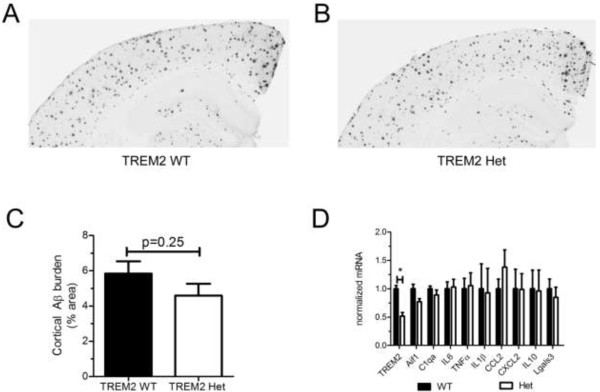
BACKGROUND: Recent genome-wide association studies linked variants in TREM2 to a strong increase in the odds of developing Alzheimer's disease. The mechanism by which TREM2 influences the susceptibility to Alzheimer's disease is currently unknown. TREM2 is expressed by microglia and is thought to regulate phagocytic and inflammatory microglial responses to brain pathology. Given that a single allele of variant TREM2, likely resulting in a loss of function, conferred an increased risk of developing Alzheimer's disease, we tested whether loss of one functional trem2 allele would affect Aβ plaque deposition or the microglial response to Aβ pathology in APPPS1-21 mice. RESULTS: There was no significant difference in Aβ deposition in 3-month old or 7-month old APPPS1-21 mice expressing one or two copies of trem2. However, 3-month old mice with one copy of trem2 exhibited a marked decrease in the number and size of plaque-associated microglia. While there were no statistically significant differences in cytokine levels or markers of microglial activation in 3- or 7-month old animals, there were trends towards decreased expression of NOS2, C1qa, and IL1a in 3-month old TREM2+/- vs. TREM2+/+ mice. CONCLUSIONS: Loss of a single copy of trem2 had no effect on Aβ pathology, but altered the morphological phenotype of plaque-associated microglia. These data suggest that TREM2 is important for the microglial response to Aβ deposition but that a 50% decrease inTREM2 expression does not affect Aβ plaque burden.
Overview
The claims and statistics of this paper haven’t been checked yet.
Free: it reads the open-access text and checks the first 5 claims that cite a source we can check. Create a free account to check every claim.
Integrity signals
Registry
Cites
Statistics
Figures
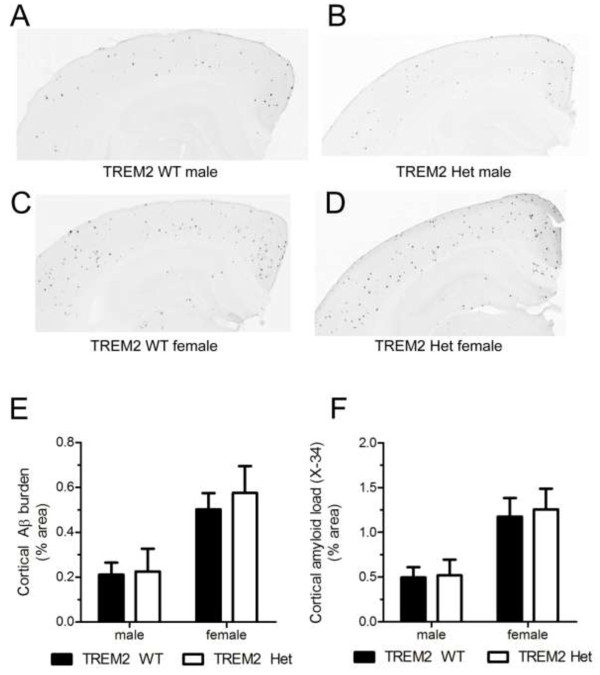
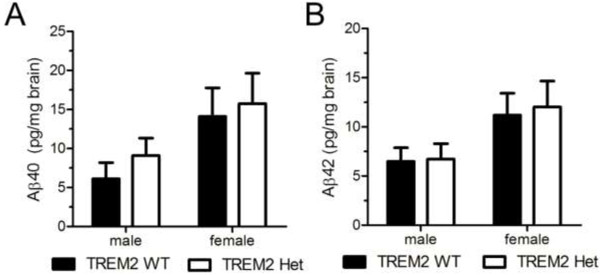
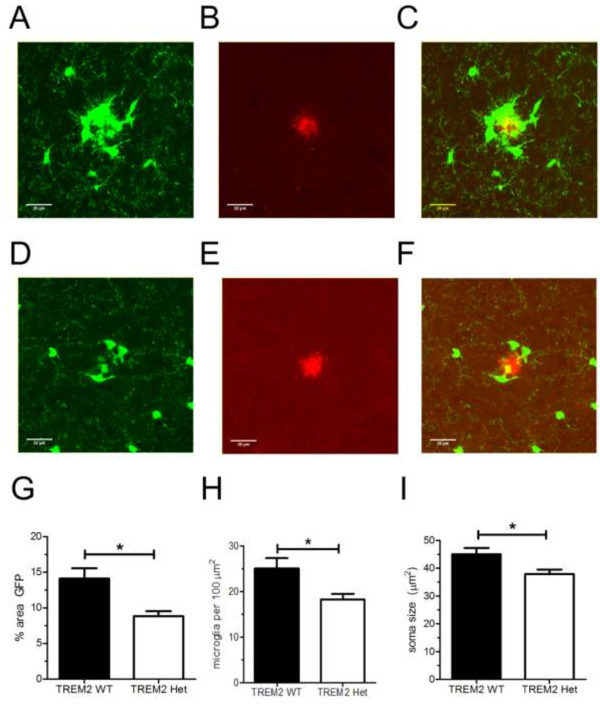
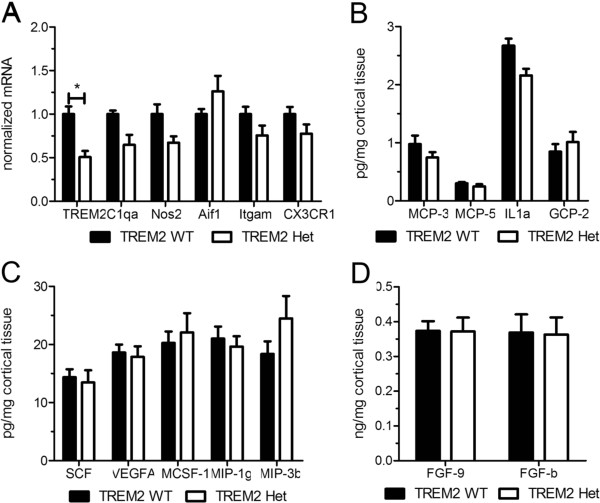
Verification
Claims the paper makes
The claims and statistics of this paper haven’t been checked yet.
Free: it reads the open-access text and checks the first 5 claims that cite a source we can check. Create a free account to check every claim.
Claims other papers make about this one
Each is checked against this paper’s own text: does it say what the citing paper says it does?
The cited source doesn’t support the claim as written.
In the citing paper
“Functional studies demonstrated that deletion of Trem2 altered amyloid pathology in opposite directions depending on the stage of the disease (20–23), but overexpression of TREM2 reduced the pathology in transgenic mouse models of amyloidosis (24).”
From Deletion of Abi3 gene locus exacerbates neuropathological features of Alzheimer’s disease in a mouse model of Aβ amyloidosis (2021) · cites this paper as [21]
Checked by a reasoning model — may be wrong.
Experimental — accuracy not yet measuredThe source backs part of the claim, not all of it — or backs it for a different population, condition or comparison.
In the citing paper
“In mouse models of AD, complete TREM2 deficiency or TREM2 haploinsufficiency results in markedly less clustering of microglia around Aβ plaques (114, 128, 129).”
From Microglia Function in the Central Nervous System During Health and Neurodegeneration (2017) · cites this paper as [128]
Experimental — accuracy not yet measuredThe source backs part of the claim, not all of it — or backs it for a different population, condition or comparison.
In the citing paper
“TREM2 was recently demonstrated to be essential for promoting microglial cell association with plaques44–49.”
From Interplay between innate immunity and Alzheimer disease: APOE and TREM2 in the spotlight (2018) · cites this paper as [44]
Experimental — accuracy not yet measuredThe source backs part of the claim, not all of it — or backs it for a different population, condition or comparison.
In the citing paper
“References 44– 47 show that TREM2 promotes microglial clustering around amyloid-β plaques and demonstrate a disease-stage dependent effect of TREM2 deficiency on amyloid-β pathology.”
From Interplay between innate immunity and Alzheimer disease: APOE and TREM2 in the spotlight (2018) · cites this paper as [44]
Experimental — accuracy not yet measured
7 more claims about this paper
Create a free account to see every claim other papers make about this one.
Self-check
Percentages, sums and reported differences re-computed from the paper’s own numbers.
The self-check needs the paper’s full text.
Citations
Cites
Corder, E. H., Saunders, A. M., Strittmatter, W. J., Schmechel, D. E., Gaskell, P. C., Small, G. W., Roses, A. D., Haines, J. L., & Pericak-Vance, M. A. (1993) · Science · doi:10.1126/science.8346443 · Cited by 9,429 · cited 1×
“To date the two strongest identified LOAD genetic risk factors are the well-studied apolipoprotein ε4 (APOE4) allele and several recently identified variants in the triggering receptor expressed on myeloid cells-2 (TREM2) gene [2-4].”
BackgroundTREM2 Variants in Alzheimer's Disease
Guerreiro, R., Wojtas, A., Bras, J., Carrasquillo, M., Rogaeva, E., Majounie, E., Cruchaga, C., Sassi, C., Kauwe, J. S. K., Younkin, S., et al. (2013) · New England Journal of Medicine · doi:10.1056/nejmoa1211851 · Cited by 3,020 · cited 3×
“Discussion TREM2 variants, particularly the R47H mutation, strongly increase the risk of developing AD, however how TREM2 affects AD and AD pathology is unknown [3,4].”
BackgroundJung, S., Aliberti, J., Graemmel, P., Sunshine, M. J., Kreutzberg, G. W., Sher, A., & Littman, D. R. (2000) · Molecular and Cellular Biology · doi:10.1128/mcb.20.11.4106-4114.2000 · Cited by 2,632 · cited 1×
“To facilitate analysis of microglia we took advantage of the CX3CR1-GFP mice which in the CNS express GFP specifically within microglia [17].”
BackgroundVariant of TREM2 Associated with the Risk of Alzheimer's Disease
Jonsson, T., Stefansson, H., Steinberg, S., Jonsdottir, I., Jonsson, P. V., Snaedal, J., Bjornsson, S., Huttenlocher, J., Levey, A. I., Lah, J. J., et al. (2013) · New England Journal of Medicine · doi:10.1056/nejmoa1211103 · Cited by 2,558 · cited 2×
“Discussion TREM2 variants, particularly the R47H mutation, strongly increase the risk of developing AD, however how TREM2 affects AD and AD pathology is unknown [3,4].”
BackgroundInitiative, T. A. D. N., Hollingworth, P., CHARGE consortium, EADI1 consortium, Harold, D., Sims, R., Gerrish, A., Lambert, J.-C., Carrasquillo, M. M., Abraham, R., et al. (2011) · Nature Genetics · doi:10.1038/ng.803 · Cited by 1,997 · cited 1×
“Although we did not detect a TREM2-dependent difference in Aβ plaque burden, another microglialassociated protein genetically associated with AD, CD33, appears to substantially influence Aβ deposition [30-33].”
BackgroundElmore, M. R. P., Najafi, A. R., Koike, M. A., Dagher, N. N., Spangenberg, E. E., Rice, R. A., Kitazawa, M., Matusow, B., Nguyen, H., West, B. L., et al. (2014) · Neuron · doi:10.1016/j.neuron.2014.02.040 · Cited by 1,968 · cited 1×
“glial proliferation and viability [26-28].”
Naj, A. C., Jun, G., Beecham, G. W., Wang, L.-S., Vardarajan, B. N., Buros, J., Gallins, P. J., Buxbaum, J. D., Jarvik, G. P., Crane, P. K., et al. (2011) · Nature Genetics · doi:10.1038/ng.801 · Cited by 1,901 · cited 1×
“Although we did not detect a TREM2-dependent difference in Aβ plaque burden, another microglialassociated protein genetically associated with AD, CD33, appears to substantially influence Aβ deposition [30-33].”
BackgroundTakahashi, K., Rochford, C. D. P., & Neumann, H. (2005) · The Journal of Experimental Medicine · doi:10.1084/jem.20041611 · Cited by 1,124 · cited 8×
“TREM2 expression in microglia is associated with phagocytic clearance of extracellular debris, such as apoptotic neurons, raising the possibility that TREM2 could regulate microglial mediated clearance of extracellular Aβ, and ultimately amyloid plaque deposition [8].”
BackgroundInfluentialWang, Y., Szretter, K. J., Vermi, W., Gilfillan, S., Rossini, C., Cella, M., Barrow, A. D., Diamond, M. S., & Colonna, M. (2012) · Nature Immunology · doi:10.1038/ni.2360 · Cited by 1,011 · cited 1×
“glial proliferation and viability [26-28].”
Self-citationAlzheimer’s Disease Risk Gene CD33 Inhibits Microglial Uptake of Amyloid Beta
Griciuc, A., Serrano-Pozo, A., Parrado, A. R., Lesinski, A. N., Asselin, C. N., Mullin, K., Hooli, B., Choi, S. H., Hyman, B. T., & Tanzi, R. E. (2013) · Neuron · doi:10.1016/j.neuron.2013.04.014 · Cited by 1,004 · cited 2×
“CD33 appears to inhibit microglial uptake of Aβ in vitro and genetic deletion of CD33 in APPSWE/PS1ΔE9 mice reduces Aβ plaque burden [30].”
Background
Cited by
Items 201–300 of 301
von Saucken, V. E., Jay, T. R., & Landreth, G. E. (2020) · Neurobiology of Disease · doi:10.1016/j.nbd.2020.105072 · Cited by 23
Li, X., Tang, X., Zeng, J., Duan, L., Hou, Z., Li, L., Guo, Y., Chai, C., Liu, J., Wang, Y., et al. (2026) · Cell · doi:10.1016/j.cell.2025.12.020 · Cited by 32
Self-citationZinc utilization by microglia in Alzheimer’s disease
Shippy, D. C., Oliai, S. F., & Ulland, T. K. (2024) · Journal of Biological Chemistry · doi:10.1016/j.jbc.2024.107306 · Cited by 28
Wang, R., Zhou, Z., Wang, D., Zhao, Q., Zhang, C., Liu, C., Zhao, H., Yuan, C., Yuan, D., & Wang, T. (2021) · Food & Function · doi:10.1039/d0fo02946g · Cited by 22
Stoiljković, M., Gutierrez, K. O., Kelley, C., Horváth, T. L., & Hajós, M. (2021) · Journal of Alzheimer s Disease · doi:10.3233/jad-210041 · Cited by 22
“In these mice, it has been observed that TREM2 haploinsufficiency caused a strongreductioninthenumberofmicrogliasurround-ingplaques[17],withdecreasedplaquecompaction andsevereaxonaldystrophy,similarlytoresults frompostmortembrainsamplesofADpatientswith TREM2mutation[18].”
Joshi, P., Riffel, F., Kumar, S., Villacampa, N., Theil, S., Parhizkar, S., Haass, C., Colonna, M., Heneka, M. T., Arzberger, T., et al. (2021) · Acta Neuropathologica Communications · doi:10.1186/s40478-021-01263-x · Cited by 18
Self-citationLim, S., Tran, D. N., Zumkehr, J., Chen, C., Ghiaar, S., Kieu, Z., Villanueva, E., Gallup, V., Rodríguez‐Ortiz, C. J., & Kitazawa, M. (2018) · Glia · doi:10.1002/glia.23522 · Cited by 21
“We quantitatively measured the percent plaque area covered by Iba1+ microglia and/or CD45+ activated microglia at within 20 μm from the edge of the plaque, as described previously (Ulrich et al., 2014).”
MethodUnraveling the Immune Puzzle: Role of Immunomodulation in Alzheimer’s Disease
Ashvin, Dhapola, R., Kumari, S., Sharma, P., Vellingiri, B., Medhi, B., & HariKrishnaReddy, D. (2025) · Journal of Neuroimmune Pharmacology · doi:10.1007/s11481-025-10210-9 · Cited by 19
“How - ever, in AD, their dysregulation contributes to immune dysfunction, exacerbating neuroinflammation and disease progression (Liu et al. 2002; Ulrich et al. 2014 ; Guillot-Ses - tier et al. 2015a; Razani et al. 2021 ; Singh 2022; Ortí-Casañ et al. 2023 ; Wongpun et al. 2023 ).”
From Amyloid to Synaptic Dysfunction: Biomarker-Driven Insights into Alzheimer’s Disease
Agnello, L., Gambino, C. M., Ciaccio, A. M., Cacciabaudo, F., Massa, D., Masucci, A., Tamburello, M., Vassallo, R., Midiri, M., Scazzone, C., et al. (2025) · Current Issues in Molecular Biology · doi:10.3390/cimb47080580 · Cited by 26
“TREM2 is a membrane-bound protein that is predominantly expressed in microglia and other myeloid cells [119].”
Kilian, J., Mejias‐Ortega, M., Hsu, H.-W., Herman, D. A., Vidal, J., Arechavala, R. J., Renusch, S. R., Dalal, H., Hasen, I., Ting, A., et al. (2023) · Toxicological Sciences · doi:10.1093/toxsci/kfad036 · Cited by 21
Filho, A. J. M. C., Mottin, M., Soares, M. V.-R., Jucá, P. M., Andrade, C. H., & Macêdo, D. S. (2021) · Behavioural Pharmacology · doi:10.1097/fbp.0000000000000585 · Cited by 19
“(2017) reported that the microglia of rodents submitted to the MIA model presented a transcriptional profile marked by the downregulation of genes associated with ‘prophagocytosis’/‘antiphagocytosis’ signals and microglia-neuron communication, resembling the transcriptional signature observed in Alzheimer’s disease (U…”
BackgroundRole of triggering receptor expressed on myeloid cells 2 (TREM2) in neurodegenerative dementias
Shafi, S., Singh, A., Ibrahim, A. M., Alhajri, N., Izneid, T. A., & Pottoo, F. H. (2021) · European Journal of Neuroscience · doi:10.1111/ejn.15215 · Cited by 16
VEGF controls microglial phagocytic response to amyloid-β
Gea, P. D., Benkeder, S., Bouvet, P., Aimard, M., Chounlamountri, N., Honnorat, J., Do, L.-D., & Meissirel, C. (2023) · Frontiers in Cellular Neuroscience · doi:10.3389/fncel.2023.1264402 · Cited by 19
Loss of TREM2 diminishes CAA despite an overall increase of amyloid load in Tg‐SwDI mice
Zhong, R., Xu, Y., Williams, J. W., & Li, L. (2024) · Alzheimer s & Dementia · doi:10.1002/alz.14222 · Cited by 16
“Interestingly, haplodeficiency of Trem2 was not sufficient to modulate cerebral A β deposition in SwDI mice, which is consistent with the results in APPPS1-21 mice, 8 although a dose-dependent effect of Trem2 has been reported in 5XFAD mice.”
Microglial Modulation in Alzheimer’s Disease: Central Players in Neuroinflammation and Pathogenesis
Hussain, M. S., Khan, Y., Fatima, R., Maqbool, M., Ramalingam, P. S., Khan, M. G., & Bisht, A. S. (2025) · Current Alzheimer Research · doi:10.2174/0115672050364292250113063513 · Cited by 18
Vasilopoulou, F., Piers, T. M., Wei, J., Hardy, J., & Pocock, J. M. (2024) · FEBS Journal · doi:10.1111/febs.17353 · Cited by 21
Role of TREM2 in the Development of Neurodegenerative Diseases After Traumatic Brain Injury
Zhang, C., & Chen, S. (2022) · Molecular Neurobiology · doi:10.1007/s12035-022-03094-w · Cited by 14
TREM-2: friend or foe in infectious diseases?
Matos, A. D. O., Dantas, P. H. D. S., Queiroz, H. A. G. D. B., Silva‐Sales, M., & Sales‐Campos, H. (2022) · Critical Reviews in Microbiology · doi:10.1080/1040841x.2022.2146481 · Cited by 14
“…beforehand, TREM-2 has important roles in the CNS as a regulator of neuroinflammation, promoting microglia differentiation, clearance of A b and protein aggregates, and the survey of damaged neurons (Takahashi et al. 2005; Ulrich et al. 2014; Rivest 2015; Fields et al. 2018; Zhao et al. 2018).”
BackgroundEstimation of blood-based biomarkers of glial activation related to neuroinflammation
Yasuno, F., Watanabe, A., Kimura, Y., Yamauchi, Y., Ogata, A., Ikenuma, H., Abe, J., Minami, H., Nihashi, T., Yokoi, K., et al. (2022) · Brain Behavior & Immunity - Health · doi:10.1016/j.bbih.2022.100549 · Cited by 12
“6 the accumulation of myeloid cells around Aβ aggregates (Jay et al., 2015; Ulrich et al., 2014) and the uptake and elimination of Aβ (Claes et al.”
BackgroundThe Pathogenesis in Alzheimer's Disease: TREM2 as a Potential Target
Liu, G., Zhang, L., Fan, Y., & Ji, W. (2023) · Journal of Integrative Neuroscience · doi:10.31083/j.jin2206150 · Cited by 14
“Recent reports suggest that TREM2 is an A β receptor that mediates function in microglia [152].”
BackgroundSharo, C., Zhai, T., & Huang, Z. J. (2024) · Pharmaceuticals · doi:10.3390/ph17010137 · Cited by 13
Therapeutic Targets in Innate Immunity to Tackle Alzheimer’s Disease
Serradas, M. L., Ding, Y., Martorell, P., Kulińska, I., & Castro‐Gomez, S. (2024) · Cells · doi:10.3390/cells13171426 · Cited by 17
Microglial CD2AP deficiency exerts protection in an Alzheimer’s disease model of amyloidosis
Zhang, L., Huang, L., Zhou, Y., Meng, J., Zhang, L., Zhou, Y., Zheng, N., Guo, T., Zhao, S., Wang, Z., et al. (2024) · Molecular Neurodegeneration · doi:10.1186/s13024-024-00789-7 · Cited by 13
Self-citationBastrup, J., Kastaniegaard, K., Asuni, A. A., Volbracht, C., & Stensballe, A. (2019) · Journal of Alzheimer s Disease · doi:10.3233/jad-190652 · Cited by 13
Functional insight into LOAD-associated microglial response genes
Jonas, L. A., Jain, T., & Li, Y. (2022) · Open Biology · doi:10.1098/rsob.210280 · Cited by 16
“This can lead to a reduction of plaque compaction leading to a diffuse plaque morphology, and a subsequent increase in neuritic dystrophy [45,47,50,51].”
BackgroundPumo, A., & Legeay, S. (2024) · Brain Research · doi:10.1016/j.brainres.2024.148817 · Cited by 14
“…have demonstrated that TREM2-deficient microglia are no longer able to gather or proliferate around plaques, do not show the morphological changes typical of microglial activation, and experience increased cell death (Jay et al., 2015; Wang et al., 2015; Cantoni et al., 2015; Ulrich et al., 2014).”
BackgroundWickstead, E. S. (2023) · Biomedicines · doi:10.3390/biomedicines11082240 · Cited by 11
Teo, F., Kok, C. Y. L., Tan, M.-J., & Je, H. S. (2024) · IBRO Neuroscience Reports · doi:10.1016/j.ibneur.2024.03.005 · Cited by 11
“While the key functions of this receptor have been discovered in mouse models (Bemiller et al., 2017; Cheng-Hathaway et al., 2018; Leyns et al., 2017; Ulrich et al., 2014), whether it is functionally conserved in human microglia remains unknown.”
BackgroundRecent Advances Towards Diagnosis and Therapeutic Fingerprinting for Alzheimer’s Disease
Pradhan, L. K., Sahoo, P. K., Chauhan, S., & Das, S. K. (2022) · Journal of Molecular Neuroscience · doi:10.1007/s12031-022-02009-7 · Cited by 13
Maksour, S., & Ooi, L. (2023) · Journal of Neurochemistry · doi:10.1111/jnc.15885 · Cited by 13
Shallie, O. F., & Mabandla, M. V. (2020) · Behavioural Brain Research · doi:10.1016/j.bbr.2020.112795 · Cited by 12
Neuroinflammation als Motor der Alzheimer-Erkrankung
Castro‐Gomez, S., Binder, J., & Heneka, M. T. (2019) · Der Nervenarzt · doi:10.1007/s00115-019-0778-3 · Cited by 17
Ahmed, M. E., Selvakumar, G. P., Thangavel, R., Kempuraj, D., Raikwar, S. P., Zaheer, S. A., Iyer, S. S., & Zaheer, A. (2020) · Journal of Neuroimmune Pharmacology · doi:10.1007/s11481-020-09929-4 · Cited by 10
Roles of Microglia in AD Pathology
Gao, R., Wu, H., Li, Q., & Zhao, J. (2023) · Current Alzheimer Research · doi:10.2174/1567205020666230203112351 · Cited by 10
Headmasters: Microglial regulation of learning and memory in health and disease
Weinhard, L., d’Errico, P., & Tay, T. L. (2018) · AIMS molecular science · doi:10.3934/molsci.2018.1.63 · Cited by 12
“In another study, haploinsufficiency of TREM2 in 3 months old APPPS1-21 mice had no effect on Aβ deposition despite a marked decrease in the number and size of plaque-associated microglia [180].”
Chronic PPARγ Stimulation Shifts Amyloidosis to Higher Fibrillarity but Improves Cognition
Blume, T., Deussing, M., Biechele, G., Peters, F., Zott, B., Schmidt, C., Franzmeier, N., Wind, K., Eckenweber, F., Sacher, C., et al. (2022) · Frontiers in Aging Neuroscience · doi:10.3389/fnagi.2022.854031 · Cited by 10
Recent Advances from the Bench Toward the Bedside in Alzheimer's Disease
Macauley, S. L., & Holtzman, D. M. (2015) · EBioMedicine · doi:10.1016/j.ebiom.2015.01.002 · Cited by 10
“Although the role of TREM2 expression onmicroglial function in the context of Aβ and tau is still up for debate (Ulrich et al., 2014; Melchior et al., 2010; Kleinberger et al., 2014), the importance of GWAS for furthering both the basic understanding of AD aswell as the importance in elucidating…”
BackgroundSelf-citationHaploinsufficiency and Alzheimer’s Disease: The Possible Pathogenic and Protective Genetic Factors
Bagyinszky, E., & An, S. S. A. (2024) · International Journal of Molecular Sciences · doi:10.3390/ijms252211959 · Cited by 10
“Ulrich et al. (2014) performed heterozygous TREM2 knockout experiments in APPS1-21 mouse models.”
Balancing Microglial Density and Activation in Central Nervous System Development and Disease
Wang, S., Pan, L., Sun, C., Ma, C., & Pan, H. (2025) · Current Issues in Molecular Biology · doi:10.3390/cimb47050344 · Cited by 12
“While TREM2 is essential for promoting the association between microglia and A β plaques, TREM2 deficiency or TREM2 R47H mutation results in reduced plaque-associated microglia and enlarged plaques [68,116].”
Connell, E., Gall, G. L., McArthur, S., Láng, L., Breeze, B., Liaquat, M., Pontifex, M. G., Sami, S. A. K., Pourtau, L., Gaudout, D., et al. (2026) · Gut Microbes · doi:10.1080/19490976.2026.2614030 · Cited by 12
“94,95 This reduction may reflect the lower amyloid plaque burden observed, contributing to reduced pro-inflammatory signaling.”
Papazoglou, A., Henseler, C., Weickhardt, S., Teipelke, J., Παπάζογλου, Π., Daubner, J., Schiffer, T., Krings, D., Broich, K., Hescheler, J., et al. (2024) · PLoS ONE · doi:10.1371/journal.pone.0296959 · Cited by 11
Que, X., Zhang, T., Liu, X. Y., Yin, Y., Xia, X., Gong, P., Song, W., Qin, Q., Xu, Q., & Tang, Y. (2025) · Progress in Neurobiology · doi:10.1016/j.pneurobio.2025.102732 · Cited by 8
Ruan, E., Lin, J., Zhao, C., Sheng, Q., Chen, L., He, J., Duan, X., Qin, Y., Xing, T., Yang, S., et al. (2025) · Journal of Clinical Investigation · doi:10.1172/jci178349 · Cited by 8
Self-citationNeuroimmune Dysregulation and AI-Driven Therapeutic Strategies in Alzheimer’s Disease
Ghosh, S., Bhaskar, R., Singh, K. K., Sharma, S., Yarlagadda, B., Sinha, J. K., & Han, S. S. (2025) · Cellular and Molecular Neurobiology · doi:10.1007/s10571-025-01651-0 · Cited by 11
“TREM2 enhances phago - cytic removal of amyloid-β (Aβ) plaques and regulates inflammatory responses of microglia (Ulrich et al. 2014; Chen et al. 2025).”
Lim, S., Tran, D. N., Kieu, Z., Chen, C., Villanueva, E., Ghiaar, S., Gallup, V., Zumkehr, J., Cribbs, D. H., Rodríguez‐Ortiz, C. J., et al. (2020) · Molecular Neurobiology · doi:10.1007/s12035-020-01894-6 · Cited by 8
“, catalog # 019-19741, 1:500 dilution) primary antibody was used and was quantified at about 20 μm from the edge of the plaque (diameter ≥ 30 μm), which included the area of the plaque itself and any whole microglia within the region [7, 31].”
MethodA systematic review of the role of TREM2 in Alzheimer’s disease
Yin, Y., Yang, H.-C., Li, R., Wu, G., Qin, Q., & Tang, Y. (2024) · Chinese Medical Journal · doi:10.1097/cm9.0000000000003000 · Cited by 11
Ms4a4a deficiency ameliorates plaque pathology in a mouse model of amyloid accumulation
Danhash, E., Verbeck, A. C., Western, D., Díaz‐Pacheco, A. S., Galasso, G., You, S., Huang, G., Starr, E., Miller, N., Nadarajah, C. J., et al. (2025) · Alzheimer s & Dementia · doi:10.1002/alz.70580 · Cited by 8
Transcriptional regulation of disease-relevant microglial activation programs
McQuade, A., Mishra, R., Hagan, V., Liang, W., Colias, P. J., Castillo, V. C., Gonzalez, B., Lubin, J. P., Haage, V. C., Marshe, V. S., et al. (2026) · Neuron · doi:10.1016/j.neuron.2026.07.001 · Cited by 9
Synergistic potential of TREM2 agonists and exercise training in Alzheimer’s disease
Zhang, J., Schneider, B. A., Muguerza, E., Chung, E. K., & Hsu, C. G. (2026) · American Journal of Physiology-Endocrinology and Metabolism · doi:10.1152/ajpendo.00124.2025 · Cited by 6
Immune signaling and function in neurodegeneration
Latour, Y. L., & McGavern, D. B. (2026) · Journal of Clinical Investigation · doi:10.1172/jci199850 · Cited by 10
“In the APP/PS1 model of AD, TREM2 deficiency delayed early amyloid plaque accumulation but ultimately exacerbated pathology at later stages (128, 129).”
Modulating innate immune activation states impacts the efficacy of specific Aβ immunotherapy
Levites, Y., Funk, C. C., Wang, X., Chakrabarty, P., McFarland, K. N., Bramblett, B., O’Neal, V., Liu, X., Ladd, T. B., Robinson, M., et al. (2021) · Molecular Neurodegeneration · doi:10.1186/s13024-021-00453-4 · Cited by 6
Akinluyi, E. T., Takahashi, K., Connolly, M. G., Poon, W. W., & Macauley, M. S. (2025) · ACS Chemical Neuroscience · doi:10.1021/acschemneuro.5c00805 · Cited by 6
Advances in Alzheimer’s disease: mechanistic insights and therapeutic targets
Jia, Y.-J., Ge, Y., Li, B., Yang, Y., Chen, H., Liu, J., Guo, J., Yu, J., Ye, K., Wang, J., et al. (2026) · Science China Life Sciences · doi:10.1007/s11427-025-2991-7 · Cited by 7
“Systemic immune dysfunction plays a pivotal role in AD pathogenesis, with GWAS identifying immune-related genes like TREM2 , CD33 , and CR1 linked to AD risk (Kiraly et al., 2023; Li et al., 2021).”
InfluentialSelf-citationMicroglial Drivers of Alzheimer's Disease Pathology: An Evolution of Diverse Participating States
Kuhn, M. K., & Proctor, E. A. (2024) · Proteins Structure Function and Bioinformatics · doi:10.1002/prot.26723 · Cited by 5
CSF sTREM2: marking the tipping point between preclinical AD and dementia?
Schindler, S. E., & Holtzman, D. M. (2016) · EMBO Molecular Medicine · doi:10.15252/emmm.201606245 · Cited by 5
Self-citationNiu, W., Ma, L., Tao, T., Tian, F., He, T., Qiao, M., He, H., Liu, X., & Zhao, X. (2020) · Acta Histochemica · doi:10.1016/j.acthis.2020.151553 · Cited by 6
Maguire, E., Menzies, G. E., Phillips, T., Sasner, M., Williams, H. M., Czubala, M. A., Evans, N., Cope, E. L., Sims, R., Howell, G. R., et al. (2020) · doi:10.1101/2020.04.27.059600 · Cited by 4
Andreo‐Lopez, J., Nuñez‐Diaz, C., Huynh, K. D., Nguyen, M. M. T., Cunha, C. D., Cantero‐Molina, F., Campos‐Moreno, C., Zimbone, S., Bellia, F., Giuffrida, M. L., et al. (2025) · Aging Cell · doi:10.1111/acel.70094 · Cited by 3
“…plaques, making them more diffuse and surrounded by more neuritic damage, suggesting that the microglial response to plaques is dependent on TREM2 expression (Jay et al. 2015; Puntambekar et al. 2022; Takahashi et al. 2005; Ulrich et al. 2014; Wang et al. 2015; Wang et al. 2016; Wood et al. 2022).”
Alterations in the brain lipidome of Alzheimer's disease donors with rare TREM2 risk variants
Proitsi, P., Ebshiana, A., Wretlind, A., Xu, J., Hodges, A., & Legido‐Quigley, C. (2026) · Brain Communications · doi:10.1093/braincomms/fcaf452 · Cited by 5
An Update on Neuroaging on Earth and in Spaceflight
Kuznetsov, N. V., Statsenko, Y. A., & Ljubisavljević, M. (2025) · International Journal of Molecular Sciences · doi:10.3390/ijms26041738 · Cited by 7
Yuan, Q., Liu, X., Zhang, Y., Xian, Y., Zou, J., Zhang, X., Huang, P., Song, Y., & Lin, Z. (2021) · Molecules · doi:10.3390/molecules26092685 · Cited by 3
“Different outcomes including augments [10,11], no effects [12,13], and even reductions of extracellular plaque pathology were reported in TREM2-deficient mice [14].”
BackgroundInfluentialSayed, F. A., Kodama, L., Udeochu, J. C., Fan, L., Carling, G. K., Le, D., Li, Q., Zhou, L., Mathys, H., Wang, M., et al. (2020) · doi:10.1101/2020.07.24.218719 · Cited by 3
Targeted Nano-based Drug Delivery in Alzheimer's Disease and Dementia
Mal, P., Rath, S. K., & Halder, T. (2024) · Smart nanomaterials technology · doi:10.1007/978-981-97-0308-1_12 · Cited by 2
Beyond plaques and tangles: The role of immune cell dysfunction in Alzheimer's disease
Hussain, N., Khan, M. M., Sharma, A., Singh, R. K., & Khan, R. H. (2025) · Neurochemistry International · doi:10.1016/j.neuint.2025.105947 · Cited by 2
Genetic markers involved in neuroinflammation in Down syndrome: a systematic review
Silva, M. D. A. E., Lula, M. D., Felício, L. R., dos Santos, B. R. A., Nassif, L. S., Borin, M. C., Álvares-Teodoro, J., Acúrcio, F. D. A., & Guerra, A. A. (2025) · Dementia & Neuropsychologia · doi:10.1590/1980-5764-dn-2024-0251 · Cited by 3
“Risk variants of TREM2 associated with AD, such as loss-of-function mutations, disrupt this process by preventing microglial activation or reducing ligand binding and signaling 56,57 .”
Chronic PPARγ Stimulation Shifts Amyloidosis to Higher Fibrillarity but Improves CognitionPreprint
Blume, T., Deußing, M., Biechele, G., Peters, F., Zott, B., Schmidt, C., Franzmeier, N., Wind-Mark, K., Eckenweber, F., Sacher, C., et al. (2021) · bioRxiv (Cold Spring Harbor Laboratory) · doi:10.1101/2021.05.30.446348 · Cited by 3
Loss of TREM2 reduces hyperactivation of progranulin deficient microglia but not lysosomal pathologyPreprint
Reifschneider, A., Robinson, S., van Lengerich, B., Gnörich, J. S., Logan, T., Heindl, S., Vogt, M. A., Weidinger, E., Riedl, L., Wind-Mark, K., et al. (2021) · bioRxiv (Cold Spring Harbor Laboratory) · doi:10.1101/2021.07.08.451574 · Cited by 2
“…where they exhibit a protective function by encapsulating the protein deposits via a barrier function (Yuan et al., 2016) that promotes amyloid plaque compaction (Meilandt et al., 2020; Ulrich et al., 2014; Wang et al., 2016), and reduce de novo seeding of amyloid plaques (Parhizkar et al., 2019).”
Rosene, M. J., Hsu, S., You, S. F., Brase, L., Verbeck, A. C., Martinez, R. J., Wallace, C. E., Li, Z., Yan, P., Dräger, N. M., et al. (2022) · medRxiv · doi:10.1101/2022.01.31.22270175 · Cited by 2
Self-citationRecent updates on immunotherapy in neurodegenerative diseases
Salunkhe, J., & Ugale, R. R. (2024) · Brain Research · doi:10.1016/j.brainres.2024.149205 · Cited by 2
Myers, S. J., Medapati, M. R., Allman, B. L., Pasternak, S., Whitehead, S. N., & Roseborough, A. D. (2026) · Brain Behavior & Immunity - Health · doi:10.1016/j.bbih.2026.101261 · Cited by 1
“…surface receptor that functions via its interaction with the DAP12 protein to initiate pathways that promote phagocytosis, survival, chemotaxis, inflammatory responses, and proliferation (Keren-Shaul et al., 2017; Wang et al., 2020; Hsieh et al., 2009; Zheng et al., 2017; Mazaheri et al., 2017).”
Magnetofection as a new tool to study microglia biology
Burguillos, M. Á., & Venero, J. L. (2019) · Neural Regeneration Research · doi:10.4103/1673-5374.249221 · Cited by 1
“Our results mimic those effects obtained using mice lacking one of the two TREM2 alleles (Ulrich et al., 2014).”
Xu, C., Liu, S., Gao, M., Han, Y., Dong, J., & Cheng, N. (2024) · Frontiers in Neuroscience · doi:10.3389/fnins.2024.1447304 · Cited by 2
Importance of Microglial Cytoskeleton and the Actin-interacting Proteins in Alzheimer's Disease
Choi, G.-E. (2020) · Journal of Experimental & Biomedical Sciences/Biomedical Science Letters · doi:10.15616/bsl.2020.26.1.1 · Cited by 2
“Microglial receptors and signaling pathways in AD disease AD pathology utilized the APP/PS1 and 5XFAD transgenic mouse models of Aβpathology along with human AD brain tissues (Ulrich et al., 2014; Jay et al., 2015).”
BackgroundNeuroinflammation in Alzheimer's Disease Continuum
Sag, A. T., & Yemişçi, M. (2020) · Neurological Sciences and Neurophysiology · doi:10.4103/nsn.nsn_190_20 · Cited by 1
Carbajosa, G., Malki, K., Lawless, N., Wang, H., Ryder, J. W., Wozniak, E., Wood, K., Mein, C. A., Hodgkinson, A., Dobson, R., et al. (2021) · bioRxiv (Cold Spring Harbor Laboratory) · doi:10.1101/2021.07.16.452732 · Cited by 2
“…morphology and/or increased susceptibility to tau seeding and spread in dystrophic neurons surrounding amyloid-β plaques in familial models of AD (Ulrich et al., 2014; Jay et al., 2015; Wang et al., 2015; Wang et al., 2016; Yuan et al., 2016; Bemiller et al., 2017; Jay et al., 2017;…”
BackgroundHong, H., Mo, Y., Chen, Y., Li, D., Liao, Y., Fang, J., Zhang, Z., Shao, L., Lai, Y., Fu, X., et al. (2022) · Research Square · doi:10.21203/rs.3.rs-1924716/v1 · Cited by 1
Xu, C., Liu, S., Gao, M., Han, Y., Dong, J., & Cheng, N. (2023) · Research Square · doi:10.21203/rs.3.rs-3180458/v1 · Cited by 1
Loss of TREM2 exacerbates parenchymal amyloid pathology but diminishes CAA in Tg-SwDI micePreprint
Zhong, R., Xu, Y., Williams, J. W., & Li, L. (2023) · bioRxiv (Cold Spring Harbor Laboratory) · doi:10.1101/2023.11.04.565659 · Cited by 1
Vasilopoulou, F., Piers, T. M., Wei, J., Hardy, J., & Pocock, J. M. (2024) · bioRxiv (Cold Spring Harbor Laboratory) · doi:10.1101/2024.02.12.579896 · Cited by 1
Zimmermann, A.-S., Sabaté‐Soler, S., Žagare, A., Barmpa, K., Händler, K., Rosa, S. C., Ferreira, L., Saraiva, C., Spielmann, M., & Schwamborn, J. C. (2025) · bioRxiv (Cold Spring Harbor Laboratory) · doi:10.1101/2025.08.06.668815 · Cited by 2
“Notably, triggering receptor expressed on myeloid cells 2 ( TREM2 ), a key regulator of microglial activation and homeostasis 23–25 , exhibited higher expression in HC compared to PD (Figure 5E), suggesting a more active microglial state in HC MGL-MOVOs.”
Human IL-34 Deficiency Primes Microglia Toward Alzheimer’s Disease-Associated StatesPreprint
Hernández-Rasco, F., Ruiz, R. R., de Rojas, I., Puerta, R., Garcia-Mayor, C., Espinosa‐Oliva, A. M., García‐Revilla, J., Bayón-Buján, P., Rivera-Ramos, A., Oualit, F. R., et al. (2026) · medRxiv · doi:10.64898/2026.02.21.26346696 · Cited by 3
Microglia: A Double-Sided Sword in Stroke
Shi, H., Xu, M., Shi, Y., Gao, Y., Chen, J., & Hu, X. (2016) · Springer series in translational stroke research · doi:10.1007/978-3-319-32337-4_7
Neurochemical Aspects of β-Amyloid Cascade Hypothesis for Alzheimer’s Disease
Farooqui, A. A. (2017) · Elsevier eBooks · doi:10.1016/b978-0-12-809937-7.00001-x · Cited by 1
Microglial Heterogeneity in a Mouse Model of Alzheimer’s Disease: A Mass Cytometry AnalysisPreprint
Fountain, E. M., Esparza, T., Malkova, O., Oh, S. T., & Brody, D. (2018) · bioRxiv (Cold Spring Harbor Laboratory) · doi:10.1101/404178
Jadhav, V. (2021) · IUScholarWorks (Indiana University) · doi:10.7912/c2/2086
TREM2 limits progression of deficits and spreading of tau pathology in micePreprint
Feiten, A., Au, C. G., Sabale, M., van Hummel, A., van der Hoven, J., Deng, Y., Przybyla, M., Bright, F., Butler, T., Delerue, F., et al. (2022) · Research Square · doi:10.21203/rs.3.rs-741896/v2
Fluid and Imaging Markers of Glial Reactivity
Suárez‐Calvet, M. (2025) · Springer eBooks · doi:10.1007/978-3-031-80849-4_6 · Cited by 1
Joshi, P., Riffel, F., Kumar, S., Villacampa, N., Theil, S., Parhizkar, S., Haass, C., Colonna, M., Heneka, M. T., Arzberger, T., et al. (2021) · Figshare · doi:10.6084/m9.figshare.16829558
Self-citationClaes, C., Danhash, E., Hasselmann, J., Chadarevian, J. P., Shabestari, S. K., England, W., Lim, T. E., Hidalgo, J. L. S., Spitale, R. C., Davtyan, H., et al. (2021) · Figshare · doi:10.6084/m9.figshare.15047551
Delizannis, A. T., Nonneman, A., Tsering, W., Bondt, A. D., den Wyngaert, I. V., Zhang, B., Meymand, E. S., Olufemi, M. F., Koivula, P. P., Maimaiti, S., et al. (2021) · Figshare · doi:10.6084/m9.figshare.16599810
Joshi, P., Riffel, F., Kumar, S., Villacampa, N., Theil, S., Parhizkar, S., Haass, C., Colonna, M., Heneka, M. T., Arzberger, T., et al. (2021) · Figshare · doi:10.6084/m9.figshare.16829555
Self-citationVautheny, A. (2019) · theses.fr (ABES) · doi:10.70675/1812d71aze8d9z48d6z87d1z5a23a4e81953
Hemonnot-Girard, A.-L. (2021) · theses.fr (ABES) · doi:10.70675/9c8a4775zd774z494ez9bbazf7566faefa8f
Pathophysiology and Molecular Mechanisms of Alzheimer’s Disease
Chandragiri, S. S., Mathur, M., & Mathur, N. (2026) · BENTHAM SCIENCE PUBLISHERS eBooks · doi:10.2174/9798898814953126010005
Liao, Y., Ye, S., Zhao, L., Zhou, M., Wen, Y., Zhu, Y., Huang, J., 张罗青, Zhang, X., Guo, P., et al. (2026) · Molecular Neurobiology · doi:10.1007/s12035-026-05925-6
“In line with this, TREM2 deficiency exacerbates Aβ pathology: loss of a single copy of TREM2 reduces plaque-associated microglia [34], the variation of the TREM2 gene impairs microglial clustering around plaques, worsens neuritic dystrophy, and increases diffuse plaque morphology [10].”
Shirotani, K., Hatta, D., Watanabe, K., Saito, T., Saido, T. C., & Iwata, N. (2026) · Experimental Neurology · doi:10.1016/j.expneurol.2026.115894 · Cited by 1
Chronic pain in Alzheimer disease and the role of neuroimmune interactions
Malcangio, M., & Sideris-Lampretsas, G. (2026) · Pharmacological Reviews · doi:10.1016/j.pharmr.2026.100149
Goate, A., Romero‐Molina, C., Gomez‐Gutierrez, R., See, W. Y., Patel, T., Davtyan, H., Ma, J., Xu, Q. A., Sewell, M., Allton, K. L., et al. (2026) · Research Square · doi:10.21203/rs.3.rs-10216155/v1
“Finally, in a mouse model of amyloid deposition, LACTB KO in human microglia did not markedly alter amyloid plaque density, similar to what has been observed in experiments targeting other myeloid AD risk genes such as TREM2 and PLCG2 76,77 .”
Shirotani, K., Hatta, D., Watanabe, K., Saito, T., Saido, T. C., & Iwata, N. (2026) · bioRxiv (Cold Spring Harbor Laboratory) · doi:10.64898/2026.05.18.724708
“…such as cytokine production, migration, proliferation, cell survival, phagocytosis, compaction of amyloid plaques and synapse elimination (Filipello et al., 2018; Jay et al., 2017, 2015; Mazaheri et al., 2017; Takahashi et al., 2005; Ulrich et al., 2014; Wang et al., 2016, 2015; Yuan et al., 2016).”
Metadata
- Authors
- Ulrich, J. D., Finn, M. B., Wang, Y., Shen, A., Mahan, T. E., Jiang, H., Stewart, F. R., Piccio, L., Colonna, M., & Holtzman, D. M.
- Affiliations
- Washington University in St. Louis (US)
- Corresponding author
- Holtzman, David M
- ORCID
- Venue
- Molecular Neurodegeneration
- Published
- 2014-06-03
- Volume
- 9
- Issue
- 1
- Pages
- 20-20
- ISSN
- 1750-1326 (ISSN-L)
- PMC
- PMC4049806
- OpenAlex
- W2123047934
- Cited by
- 302
- References
- 40
- Citations by year
- 2026: 17 · 2025: 19 · 2024: 19 · 2023: 16 · 2022: 24 · 2021: 38 · 2020: 26 · 2019: 33 · 2018: 32 · 2017: 26 · 2016: 22 · 2015: 26 · 2014: 4
- FWCI
- 13.50
- Type
- journal article
- Language
- en
- Open access
- gold
- doi.org
- Licence
- cc-by
- Locations
- Molecular Neurodegeneration (publishedVersion, cc-by)
- PubMed Central (publishedVersion, cc-by)
- PubMed (publishedVersion)
- Digital Commons@Becker (Washington University School of Medicine) (submittedVersion)
- Funders
- National Multiple Sclerosis Society (JF 2144A2/1)
- Cure Alzheimer's Fund
- Multiple Sclerosis Society
- National Institutes of Health
- National Institute of Neurological Disorders and Stroke (F32-NS083187-01A1, F32NS083187)
- Topics
- Life Sciences › Neuroscience › Neurology › Neuroinflammation and Neurodegeneration Mechanisms
- Life Sciences › Neuroscience › Cellular and Molecular Neuroscience › Alzheimer's disease research and treatments
- Life Sciences › Biochemistry, Genetics and Molecular Biology › Molecular Biology › Inflammasome and immune disorders
- Keywords
- TREM2, Alzheimer's disease, amyloid plaques, microglia, plaque-associated microglia, microglial activation, NOS2, C1QA, interleukin-1 alpha, loss-of-function alleles, genetic susceptibility
- MeSH terms
- Alzheimer Disease, Animals, Disease Models, Animal, Female, Heterozygote, Male, Membrane Glycoproteins, Mice, Transgenic, Receptors, Immunologic, Amyloid beta-Protein Precursor, Microglia, Mice, Presenilin-1, Plaque, Amyloid, Real-Time Polymerase Chain Reaction
About these checks
Registry, retraction, Cites and statistics results are computed, not judged, with one exception: a printed reference that no index lists is read once by a model before it counts as a citation error. Claims are extracted by a model and kept only when their quote appears verbatim in the text; each cited source is then checked, with a model’s help, for whether it says what the claim relies on. Those verdicts can be wrong — read the claim’s quote and the cited source before relying on one.
Statistics and arithmetic are recomputed, not judged.
Confidence bands are shown only for fields calibrated on our annotated test set. None is calibrated yet, so no band is shown.
What counts as a claim ›How we measure confidence ›How we check this ›
Are you an author, or do you see a problem with this page? Request a review
Data sources
Bibliographic data: Semantic Scholar, OpenAlex, Crossref.
Contains information from the Semantic Scholar Academic Graph Datasets, made available under the ODC Attribution License (ODC-BY 1.0).
Semantic Scholar’s data is described in: Kinney, R., et al. (2023). The Semantic Scholar Open Data Platform. arXiv:2301.10140.
