

Facial emotion processing in major depression: a systematic review of neuroimaging findings
Open accessThe DOI matches its Crossref record; 110 of the 110 references it cites were found in a registry or an index.
Abstract
Background: Cognitive models of depression suggest that major depression is characterized by biased facial emotion processing, making facial stimuli particularly valuable for neuroimaging research on the neurobiological correlates of depression. The present review provides an overview of functional neuroimaging studies on abnormal facial emotion processing in major depression. Our main objective was to describe neurobiological differences between depressed patients with major depressive disorder (MDD) and healthy controls (HCs) regarding brain responsiveness to facial expressions and, furthermore, to delineate altered neural activation patterns associated with mood-congruent processing bias and to integrate these data with recent functional connectivity results. We further discuss methodological aspects potentially explaining the heterogeneity of results. Methods: A Medline search was performed up to August 2011 in order to identify studies on emotional face processing in acutely depressed patients compared with HCs. A total of 25 studies using functional magnetic resonance imaging were reviewed. Results: The analysis of neural activation data showed abnormalities in MDD patients in a common face processing network, pointing to mood-congruent processing bias (hyperactivation to negative and hypoactivation to positive stimuli) particularly in the amygdala, insula, parahippocampal gyrus, fusiform face area, and putamen. Furthermore, abnormal activation patterns were repeatedly found in parts of the cingulate gyrus and the orbitofrontal cortex, which are extended by investigations implementing functional connectivity analysis. However, despite several converging findings, some inconsistencies are observed, particularly in prefrontal areas, probably caused by heterogeneities in paradigms and patient samples. Conclusions: Further studies in remitted patients and high-risk samples are required to discern whether the described abnormalities represent state or trait characteristics of depression.
Overview
The claims and statistics of this paper haven’t been checked yet.
Free: it reads the open-access text and checks the first 5 claims that cite a source we can check. Create a free account to check every claim.
Integrity signals
Registry
Cites
Statistics
Figures
Verification
Claims the paper makes
The claims and statistics of this paper haven’t been checked yet.
Free: it reads the open-access text and checks the first 5 claims that cite a source we can check. Create a free account to check every claim.
Claims other papers make about this one
Each is checked against this paper’s own text: does it say what the citing paper says it does?
The source backs part of the claim, not all of it — or backs it for a different population, condition or comparison.
In the citing paper
“an increased connectivity between subgenual parts of the ACC (subACC) and the amygdala, causing mutually enhancing abnormal emotion processing during observation of fearful faces, may represent a neural mechanism for the abnormally increased representation of social threat, which is particularly prevalent in depressed in patients with a comorbid social anxiety disorder (de Almeida et al., 2011;Stu”
From Social functioning in major depressive disorder (2016) · cites this paper as Stuhrmann et al., 2011
Experimental — accuracy not yet measuredThe source backs part of the claim, not all of it — or backs it for a different population, condition or comparison.
In the citing paper
“Nega ve affec ve bias, as measured by the amygdala ac vity in response to nega ve emo onal faces, is thought to track the course of depression, being heightened in people in the acute depressive phase ([21-24]; though note [25]).”
From Amygdala Reactivity, Antidepressant Discontinuation, and Relapse (2024) · cites this paper as [22]
Experimental — accuracy not yet measuredThe source backs part of the claim, not all of it — or backs it for a different population, condition or comparison.
In the citing paper
“Of note, deficient recruitment of PFC (particularly, dlPFC) regions has been coupled with hyperactivity in paralimbic (e.g., pgACC, sgACC) and limbic (e.g., amygdala) regions critically implicated in automatic processing of emotional cues (for review, see [16,157]).”
From Prefrontal cortex and depression (2022) · cites this paper as [157]
Experimental — accuracy not yet measuredThe source backs part of the claim, not all of it — or backs it for a different population, condition or comparison.
In the citing paper
“This effect was attributed to a likely overall enhancement of threat reactivity, consistent with increased activation in this region associated with enhanced negative reactivity in MDD [157,183].”
From Prefrontal cortex and depression (2022) · cites this paper as [157]
Experimental — accuracy not yet measuredThe cited source says what the claim attributes to it.
In the citing paper
“during emotion processing, MDD patients showed abnormalities in a common face processing network, indicating mood-congruent processing bias (hyperactivity to negative and hypoactivity to positive stimuli) particularly in the amygdala, insula, parahippocampal gyrus, fusiform face area, and putamen (Stuhrmann et al., 2011).”
From Social functioning in major depressive disorder (2016) · cites this paper as Stuhrmann et al., 2011
Self-check
Percentages, sums and reported differences re-computed from the paper’s own numbers.
The self-check needs the paper’s full text.
Citations
Cites
Cognitive and emotional influences in anterior cingulate cortex
Bush, G., Luu, P., & Posner, M. I. (2000) · Trends in Cognitive Sciences · doi:10.1016/s1364-6613(00)01483-2 · Cited by 6,259 · cited 1×
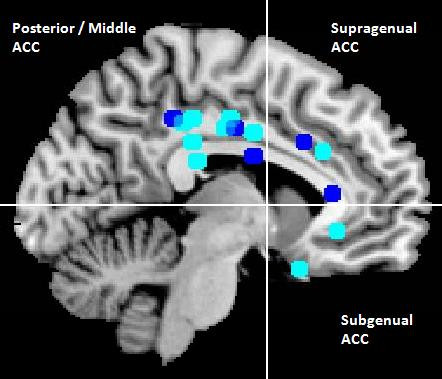
“While the subgenual ACC seems to be involved in the generation and recognition of emotional states, the supragenual/dorsal ACC seems to be crucial for emotion regulation [25,93,94].”
BackgroundThe distributed human neural system for face perception
Haxby, J. V., Hoffman, E. A., & Gobbini, M. I. (2000) · Trends in Cognitive Sciences · doi:10.1016/s1364-6613(00)01482-0 · Cited by 4,891 · cited 3×
“In a larger context these regions are hypothesized to be part of an extended emotional face processing system [20] Stuhrmann et al.”
BackgroundDeep Brain Stimulation for Treatment-Resistant Depression
Mayberg, H. S., Lozano, A. M., Voon, V., McNeely, H. E., Seminowicz, D., Hamani, C., Schwalb, J. M., & Kennedy, S. H. (2005) · Neuron · doi:10.1016/j.neuron.2005.02.014 · Cited by 4,059 · cited 1×
“Of particular concern in the pathophysiology of affective disorders is the role of the ACC [23,44].”
BackgroundFunctional neuroanatomy of emotion: A meta-analysis of emotion activation studies in PET and fMRI
Phan, K. L., Wager, T., Taylor, S. F., & Liberzon, I. (2002) · NeuroImage · doi:10.1006/nimg.2002.1087 · Cited by 3,502 · cited 1×
“The amygdala plays a pivotal role in emotion processing and in the perception and processing of emotional salience in facial expressions (for reviews see [52-54]).”
BackgroundContributions of anterior cingulate cortex to behaviour
Devinsky, O., Morrell, M. J., & Vogt, B. A. (1995) · Brain · doi:10.1093/brain/118.1.279 · Cited by 3,377 · cited 1×
“While the subgenual ACC seems to be involved in the generation and recognition of emotional states, the supragenual/dorsal ACC seems to be crucial for emotion regulation [25,93,94].”
BackgroundThe amygdala: vigilance and emotion
Davis, M., & Whalen, P. J. (2001) · Molecular Psychiatry · doi:10.1038/sj.mp.4000812 · Cited by 2,882 · cited 1×
“The amygdala plays a pivotal role in emotion processing and in the perception and processing of emotional salience in facial expressions (for reviews see [52-54]).”
BackgroundFunctional and effective connectivity in neuroimaging: a synthesis
Friston, K. J. (1994) · Human Brain Mapping · doi:10.1002/hbm.460020107 · Cited by 2,452 · cited 1×
“Connectivity analysis in functional neuroimaging can be subdivided into two general classes: functional connectivity (FC), which examines simple correlations between neural activity in two anatomically distinct brain areas; and effective connectivity (EC), which measures the directional influence that one neural syste…”
BackgroundCognition and Depression: Current Status and Future Directions
Gotlib, I. H., & Joormann, J. (2010) · Annual Review of Clinical Psychology · doi:10.1146/annurev.clinpsy.121208.131305 · Cited by 2,420 · cited 1×
“Finally, one should notice that facial processing is only one aspect of altered cognitive/emotional processing among several others in MDD described by behavioral (for review see [104]) and neuroimaging (for review see [7]) studies.”
BackgroundNeurobiology of emotion perception I: the neural basis of normal emotion perception
Phillips, M. L., Drevets, W. C., Rauch, S. L., & Lane, R. (2003) · Biological Psychiatry · doi:10.1016/s0006-3223(03)00168-9 · Cited by 2,173 · cited 1×
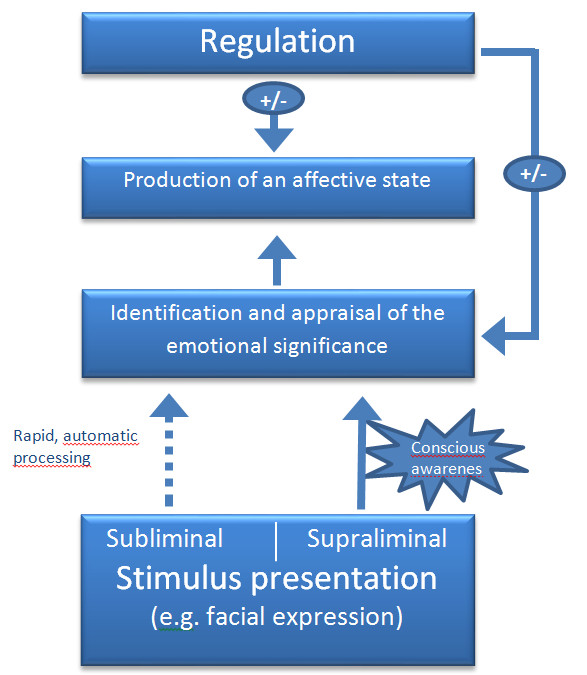
“[15], extended about separate pathways for stimulus presentation with or without conscious awareness.”
BackgroundCognitive vulnerability to emotional disorders
Mathews, A., & MacLeod, C. (2005) · Annual Review of Clinical Psychology · doi:10.1146/annurev.clinpsy.1.102803.143916 · Cited by 2,100 · cited 1×
“In a large body of behavioral studies, depression has been characterized by mood congruent emotion processing biases in different aspects of cognition [2-5].”
Background
Cited by
Items 201–300 of 436
The impact of induced anxiety on affective response inhibition
Aylward, J., Valton, V., Goer, F., Mkrtchian, A., Lally, N., Peters, S. E., Limbachya, T., & Robinson, O. J. (2017) · Royal Society Open Science · doi:10.1098/rsos.170084 · Cited by 22
“Indeed, negative biases in cognition are prevalent in people suffering from anxiety disorders [4,5] and major depressive disorder [6,7].”
BackgroundThe Cognitive Neuropsychology of Depression in Adolescents
Oliver, A., Pile, V., Elm, D., & Lau, J. Y. F. (2019) · Current Behavioral Neuroscience Reports · doi:10.1007/s40473-019-00187-0 · Cited by 27
Cui, G., Wang, Y., Wang, X., Zheng, L., Li, L., Li, P., Zhang, L., Guo, Y. Q., Chen, Y., Sun, Z., et al. (2019) · Behavioural Brain Research · doi:10.1016/j.bbr.2019.112335 · Cited by 22
Altered Gray Matter Volumes in Post-Stroke Depressive Patients after Subcortical Stroke
Hong, W., Zhao, Z., Wang, D., Li, M., Tang, C., Li, Z., Xu, R. H., & Chan, C. C. H. (2019) · NeuroImage Clinical · doi:10.1016/j.nicl.2020.102224 · Cited by 22
“frontolimbic network suggests that the PSD patients might not have had problems with processing of emotional-salient information (ACC) (Stuhrmann et al. 2011), and blunting of emotional affect and impaired social functioning (Bremner et al.”
Karvelis, P., Charlton, C. E., Allohverdi, S. G., Bedford, P., Hauke, D. J., & Diaconescu, A. O. (2022) · Network Neuroscience · doi:10.1162/netn_a_00233 · Cited by 26
“The majority of task-based studies employed emotional paradigms to probe abnormal processing of emotional stimuli commonly implicated in MDD (Stuhrmann et al., 2011).”
BackgroundFörster, K., Kurtz, M., Konrad, A. C., & Kanske, P. (2022) · Zeitschrift für Klinische Psychologie und Psychotherapie · doi:10.1026/1616-3443/a000648 · Cited by 24
Comprehensive review of depression detection techniques based on machine learning approach
Pinto, S. J., & Parente, M. (2024) · Soft Computing · doi:10.1007/s00500-024-09862-1 · Cited by 33
“Stuhrmann et al. (2011) reviewed 25 studies to differentiate between MDD and healthy subjects regarding brain reaction to facial terms and concluded that reformed neural initiation forms related to mood-congruent processing bias and integrated this data into advanced results of functional…”
Imaging the up’s and down’s of emotion regulation in lifetime depression
Radke, S., Hoffstaedter, F., Loeffler, L. A. K., Kogler, L., Schneider, F. W., Blechert, J., & Derntl, B. (2017) · Brain Imaging and Behavior · doi:10.1007/s11682-017-9682-2 · Cited by 20
Olivo, G., Swenne, I., Zhukovsky, C., Tuunainen, A., Salonen‐Ros, H., Larsson, E., Gaudio, S., Brooks, S. J., & Schiöth, H. B. (2018) · Translational Psychiatry · doi:10.1038/s41398-018-0333-1 · Cited by 21
Maple, K. E., Thomas, A. M., Kangiser, M. M., & Lisdahl, K. M. (2019) · Psychiatry Research Neuroimaging · doi:10.1016/j.pscychresns.2019.04.011 · Cited by 23
Jamieson, A. J., Leonards, C. A., Davey, C. G., & Harrison, B. J. (2024) · Translational Psychiatry · doi:10.1038/s41398-024-02734-0 · Cited by 27
“Directional interactions between regions of the extended system are particularly important for informing our understanding of depression-associated alterations to emotion generation, salience processing, and emotional regulation [12, 18, 35].”
BackgroundInfluentialYoung, I. M., Dadario, N. B., Tanglay, O., Chen, E., Cook, B., Taylor, H. M., Crawford, L. S., Yeung, J. T., Nicholas, P. J., Doyen, S., et al. (2023) · Journal of Affective Disorders Reports · doi:10.1016/j.jadr.2023.100478 · Cited by 23
Langenecker, S. A., Kling, L. R., Crane, N. A., Gorka, S. M., Nusslock, R., Damme, K. S. F., Weafer, J. J., de Wit, H., & Phan, K. L. (2019) · Drug and Alcohol Dependence · doi:10.1016/j.drugalcdep.2019.107725 · Cited by 22
Amygdala Reactivity, Antidepressant Discontinuation, and Relapse
Erdmann, T., Berwian, I. M., Stephan, K. E., Seifritz, E., Walter, H., & Huys, Q. J. M. (2024) · JAMA Psychiatry · doi:10.1001/jamapsychiatry.2024.2136 · Cited by 18
Self-other referential neural processing in social anxiety disorder and major depressive disorder
Finlayson-Short, L., Harrison, B. J., & Davey, C. G. (2021) · NeuroImage Clinical · doi:10.1016/j.nicl.2021.102669 · Cited by 24
“Previous findings in MDD are quite mixed, with some studies of emotional face processing finding hyperand others hypoactivation of similar areas to our study (Stuhrmann et al., 2011).”
Emotion processing in depression with and without comorbid anxiety disorder
Sindermann, L., Leehr, E. J., Redlich, R., Meinert, S., Böhnlein, J., Grotegerd, D., Pollack, D., Reppen, M., Thiel, K., Winter, A., et al. (2022) · Journal of Affective Disorders · doi:10.1016/j.jad.2022.06.089 · Cited by 18
Self-citationChen, Y., Liu, C., Xin, F., Zou, H., Huang, Y., Wang, J., Dai, J., Zou, Z., Ferraro, S., Kendrick, K. M., et al. (2023) · Progress in Neuro-Psychopharmacology and Biological Psychiatry · doi:10.1016/j.pnpbp.2023.110716 · Cited by 18
Edmiston, E. K., Chase, H. W., Jones, N. P., Nhan, T. J., Phillips, M. L., & Fournier, J. C. J. (2024) · Social Cognitive and Affective Neuroscience · doi:10.1093/scan/nsae009 · Cited by 19
“Although there are few functional connectivity studies of coupling within the FG in depression, there is literature indicating altered FG structure and function in MDD (Arnone et al ., 2016; Stuhrmann et al ., 2011; Le et al ., 2017; Li et al ., 2020; Wang et al ., 2022).”
BackgroundSchuerbeek, P. V., Baeken, C., Luypaert, R., Raedt, R. D., & Mey, J. D. (2014) · Behavioral and Brain Functions · doi:10.1186/1744-9081-10-18 · Cited by 23
“However, contrary to the attentional bias which has been consistently revealed in patients with affective disorders and is related to affective personality traits in healthy individuals, the emotional bias during facial recognition has only been reported in patients [36-38] but not in healthy individuals [37,39,40].”
BackgroundTelomere length as a predictor of emotional processing in the brain
Powell, T. R., de Jong, S., Breen, G. D., Lewis, C. M., & Dima, D. (2018) · Human Brain Mapping · doi:10.1002/hbm.24487 · Cited by 19
“One of the key cognitive biases associated with mood disorders is in the way patients process emotion, while demonstrating altered patterns of brain activation compared with healthy controls (Mourão-Miranda et al., 2012; Stuhrmann, Suslow, & Dannlowski, 2011).”
BackgroundBrain structural correlates of alexithymia in patients with major depressive disorder
Förster, K., Enneking, V., Dohm, K., Redlich, R., Meinert, S., Geisler, A. I., Leehr, E. J., Kugel, H., Baune, B. T., Arolt, V., et al. (2020) · Journal of Psychiatry and Neuroscience · doi:10.1503/jpn.190044 · Cited by 20
Self-citationLegrand, A. C., & Price, M. (2020) · Journal of Affective Disorders · doi:10.1016/j.jad.2020.02.008 · Cited by 22
Kubon, J., Sokolov, A. N., Popp, R., Fallgatter, A. J., & Pavlova, M. A. (2020) · Cerebral Cortex · doi:10.1093/cercor/bhaa375 · Cited by 20
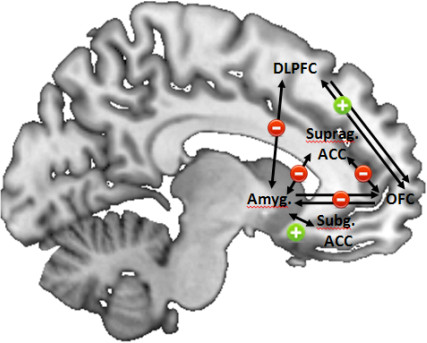
“nectivity in the neural circuits covering the ACC, amygdala, dlPFC, and orbitofrontal cortex (Stuhrmann et al. 2011) rather than dysfunction in the face-specific neural networks.”
BackgroundReed, M. B., Klöbl, M., Godbersen, G. M., Handschuh, P. A., Ritter, V., Spurny‐Dworak, B., Unterholzner, J., Kraus, C., Gryglewski, G., Winkler, D., et al. (2022) · NeuroImage · doi:10.1016/j.neuroimage.2022.118887 · Cited by 18
5‐HTTLPR differentially predicts brain network responses to emotional faces
Fisher, P. M., Grady, C. L., Madsen, M. K., Strother, S. C., & Knudsen, G. M. (2015) · Human Brain Mapping · doi:10.1002/hbm.22811 · Cited by 16
“Additionally, neuroimaging studies have reported altered response patterns in individuals with depression and linked these effects with treatment response, indicating these paradigms are useful for probing neural pathways underlying risk for and treatment of neuropsychiatric illness [Ruhe et al., 2011; Stuhrmann et al…”
BackgroundLai, M., Gao, Y., Lu, L., Huang, X., Gong, Q., Li, J., & Jiang, P. (2023) · Cerebral Cortex · doi:10.1093/cercor/bhad253 · Cited by 19
Miskowiak, K. W., Kessing, L. V., Ott, C. V., Macoveanu, J., Harmer, C. J., Jørgensen, A., Revsbech, R., Jensen, H. M., Paulson, O. B., Siebner, H. R., et al. (2017) · Journal of Psychopharmacology · doi:10.1177/0269881117699615 · Cited by 16
“…neural and/or cognitive response to emotional faces is also evident during periods of remission (Miskowiak and Carvalho, 2014; Norbury et al., 2010; Stuhrmann et al., 2011) and in healthy individuals at familial risk (Joormann et al., 2007; Mannie et al., 2011; Miskowiak et al., 2014), which…”
BackgroundSpohrs, J., Bosch, J. E., Dommes, L., Beschoner, P., Stingl, J., Geiser, F., Schneider, K. L., Breitfeld, J., & Viviani, R. (2018) · PLoS ONE · doi:10.1371/journal.pone.0198244 · Cited by 20
Chiu, I., Piguet, O., Diehl‐Schmid, J., Riedl, L., Beck, J., Leyhe, T., Holsboer‐Trachsler, E., Berres, M., Monsch, A. U., & Sollberger, M. A. (2016) · American Journal of Geriatric Psychiatry · doi:10.1016/j.jagp.2016.06.011 · Cited by 19
“In contrast to bvFTD patients, negative emotions altogether were perceived more intensively by MDD patients than HPs, supporting the mood-congruent processing bias reported in previous clinical and neuroimaging studies.(9,35,36) Notably, this bias was driven by the sadness score.”
ResultShaw, D. J., Mareček, R., Grosbras, M., Leonard, G. T., Pike, G. B., & Paus, T. (2016) · Social Cognitive and Affective Neuroscience · doi:10.1093/scan/nsv138 · Cited by 17
“Functional interactions are likely to change throughout life in response to changing social orientations and mental conditions (see Stuhrmann et al., 2011), and our social environment will likely exert experience-driven changes within any brain network involved in social interaction.”
BackgroundSelf-construal differences in neural responses to negative social cues
Liddell, B. J., Felmingham, K. L., Das, P., Whitford, T. J., Malhi, G. S., Battaglini, E., & Bryant, R. A. (2017) · Biological Psychology · doi:10.1016/j.biopsycho.2017.07.023 · Cited by 16
“…Beck-Depression Inventory to index depression (Beck et al., 1961) and State-Trait Anxiety Inventory to measure anxiety (Spielberger, 1999), as both depression and anxiety symptoms have been shown to influence affective and attentional mechanisms (Cisler and Koster, 2010; Stuhrmann et al., 2011).”
Spectral fingerprints of facial affect processing bias in major depression disorder
Jiang, H., Hua, L., Dai, Z., Tian, S., Yao, Z., Lü, Q., & Popov, T. G. (2019) · Social Cognitive and Affective Neuroscience · doi:10.1093/scan/nsz096 · Cited by 17
“Systematic reviews indicate a ‘hyperactivation’ to negative and ‘hypoactivation’ to positive stimuli in MDD (Stuhrmann et al., 2011).”
BackgroundIs postnatal depression a distinct subtype of major depressive disorder? An exploratory study
Brien, S. O., Sethi, A., Gudbrandsen, M., Lennuyeux-Comnene, L., Murphy, D., & Craig, M. (2020) · Archives of Women s Mental Health · doi:10.1007/s00737-020-01051-x · Cited by 15
“The fMRI paradigm employed was the emotional faces task (Ekman and Friesen 1976) in a block design (see Supplementary Material for further information on this paradigm in the context of depression (Stuhrmann et al. 2011)).”
MethodAttention Bias to Sad Faces and Images: Which Is Better for Predicting Depression?
Ajilchi, B., & Nejati, V. (2013) · Open Journal of Depression · doi:10.4236/ojd.2013.23005 · Cited by 18
“Stuhrmann et al. (2011) and Modinos et al. (2013) identified the relevant areas of the brain involved in processing emotional faces and images in depressed people.”
BackgroundFleurkens, P., van Minnen, A., Becker, E. S., van Oostrom, I., Speckens, A. E. M., Rinck, M., & Vrijsen, J. N. (2018) · PLoS ONE · doi:10.1371/journal.pone.0193787 · Cited by 17
“This seems especially relevant in the context of facial expressions, which communicate emotional states and direct behavior [24].”
BackgroundMiskowiak, K. W., Svendsen, A. M. B., Harmer, C. J., Elliott, R., Macoveanu, J., Siebner, H. R., Kessing, L. V., & Vinberg, M. (2017) · Psychological Medicine · doi:10.1017/s0033291717000861 · Cited by 14
“Patients also show hypo-activity to happy faces in limbic regions, fusiform gyrus and insula (Stuhrmann et al. 2011).”
BackgroundTekin, U., Erermiş, H., Satar, A., Aydın, A. N., Köse, S., & Bildik, T. (2020) · Clinical Child Psychology and Psychiatry · doi:10.1177/1359104520973254 · Cited by 19
“In addition, evidence from individual studies indicates that functional changes in neural basis may impact the altered processing of social stimuli, resulting in social cognitive impairments in people with depression (Stuhrmann et al., 2011).”
BackgroundDemchenko, I., Kapadia, N. M., Iwasa, S. N., Nezhad, F. G., Zariffa, J., Kennedy, S. H., Rule, N. O., Cohn, J. F., Popović, M. R., Mulsant, B. H., et al. (2023) · Journal of NeuroEngineering and Rehabilitation · doi:10.1186/s12984-023-01187-8 · Cited by 15
“In a common face processing network, MDD patients exhibit hyperactivation of the amygdala in response to negative stimuli and hypoactivation in response to positive stimuli, which forms mood-congruent processing bias [83].”
BackgroundLee, S. W., Kim, S., Chang, Y., Cha, H., Noeske, R., Choi, C., & Lee, S. J. (2024) · Biological Psychiatry · doi:10.1016/j.biopsych.2024.08.018 · Cited by 16
Predisposition to depression and implicit emotion processing
Knyazev, G. G., Bocharov, A. V., Savostyanov, A. N., & Slobodskoj‐Plusnin, J. Y. (2015) · Journal of Clinical and Experimental Neuropsychology · doi:10.1080/13803395.2015.1061483 · Cited by 15
“The main pattern of depression-related changes is an enhancement of brain activity in areas responsible for generation of negative affect along with reduction of activity in structures involved in generation of positive affect (Stuhrmann et al., 2011).”
BackgroundCognitive vulnerability and implicit emotional processing: imbalance in frontolimbic brain areas?
Groenewold, N. A., Roest, A. M., Renken, R. J., Opmeer, E. M., Veltman, D. J., van der Wee, N. J. A., de Jonge, P., Aleman, A., & Harmer, C. J. (2014) · Cognitive Affective & Behavioral Neuroscience · doi:10.3758/s13415-014-0316-5 · Cited by 16
Dai, Z., Pei, C., Zhang, S., Tian, S., Chen, Z., Zhou, H., Lü, Q., & Yao, Z. (2021) · CNS Neuroscience & Therapeutics · doi:10.1111/cns.13787 · Cited by 14
Wang, L., Li, X., Li, K., Su, Y., Zeng, Y., Zhang, Q., Wang, G., Jin, Z. H., Kong, Q., & Si, T. (2016) · Metabolic Brain Disease · doi:10.1007/s11011-016-9871-5 · Cited by 15
Neuronal response to high negative affective stimuli in major depressive disorder: An fMRI study
Trettin, M., Dvorak, J., Hilke, M., Wenzler, S., Hagen, M., Ghirmai, N., Stäblein, M., Matura, S., Huthmacher, A.-C., Kraft, D., et al. (2021) · Journal of Affective Disorders · doi:10.1016/j.jad.2021.10.123 · Cited by 18
Initial Evidence for Brain Plasticity Following a Digital Therapeutic Intervention for Depression
Hoch, M. M., Doucet, G. E., Moser, D. A., Lee, W. H., Collins, K. A., Huryk, K. M., DeWilde, K. E., Fleysher, L., Iosifescu, D. V., Murrough, J. W., et al. (2019) · Chronic Stress · doi:10.1177/2470547019877880 · Cited by 17
“These abnormalities have been observed across multiple tasks but have been most commonly studied using working memory(10) and facial affect processing paradigms.(11,12) These abnormalities in local brain activation extend to functional connectivity of dorsal cortical regions and the AMG, characterized by reduced ‘‘top…”
BackgroundFörstner, B. R., Böttger, S. J., Moldavski, A., Bajbouj, M., Pfennig, A., Manook, A., Ising, M., Pittig, A., Heinig, I., Heinz, A., et al. (2023) · Frontiers in Psychiatry · doi:10.3389/fpsyt.2023.1161097 · Cited by 14
“, (21, 29, 30), and threat-related negative stimuli, e.”
Ketamine Alters Electrophysiological Responses to Emotional Faces in Major Depressive Disorder
Lundin, N. B., Sepe-Forrest, L., Gilbert, J. R., Carver, F. W., Furey, M. L., Zarate, C. A., & Nugent, A. C. (2020) · Journal of Affective Disorders · doi:10.1016/j.jad.2020.10.007 · Cited by 20
Zagury‐Orly, I., Kroeck, M. R., Soussand, L., & Cohen, A. L. (2021) · Journal of Autism and Developmental Disorders · doi:10.1007/s10803-021-04971-4 · Cited by 14
Jamieson, A. J., Harrison, B. J., & Davey, C. G. (2021) · Psychological Medicine · doi:10.1017/s0033291721002567 · Cited by 16
Deng, K., Jin, W., Jiang, K., Li, Z., Im, H., Chen, S., Du, H., Guan, S., Ge, W. H., Wei, C., et al. (2023) · Behavioral and Brain Functions · doi:10.1186/s12993-023-00223-w · Cited by 13
“These include major depression [83], anxiety disorders [20, 38], post-traumatic stress disorder (PTSD) [64, 76], autism spectrum disorder [8, 26], borderline personality disorders [10, 53], and schizophrenia [62].”
BackgroundEvent-based prospective memory in patients with Parkinson’s disease: the effect of emotional valence
Mioni, G., Meligrana, L., Rendell, P. G., Bartolomei, L., Perini, F., & Stablum, F. (2015) · Frontiers in Human Neuroscience · doi:10.3389/fnhum.2015.00427 · Cited by 17
“This suggests that for this specific population, emotional salience does not generate benefits in PM performance (Altgassen et al., 2011; Stuhrmann et al., 2011).”
BackgroundAttentional Bias in Psychopathy: An Examination of the Emotional Dot-Probe Task in Male Jail Inmates
Edalati, H., Walsh, Z., & Kosson, D. S. (2015) · International Journal of Offender Therapy and Comparative Criminology · doi:10.1177/0306624x15577791 · Cited by 15
Multi-modal MRI for objective diagnosis and outcome prediction in depression
Pilmeyer, J., Lamerichs, R. M. J. N., Schielen, S. J. C., Ramsaransing, F., van Kranen-Mastenbroek, V. H. J. M., Jansen, J. F. A., Breeuwer, M. M., & Zinger, S. (2024) · NeuroImage Clinical · doi:10.1016/j.nicl.2024.103682 · Cited by 14
“…al., 2011; Grieve et al., 2016; Hamilton et al., 2008; Korgaonkar et al., 2014; Kraus et al., 2019; Samuels et al., 2015) and functional (Dai et al., 2019; Dichter et al., 2015; Lener and Iosifescu, 2015; Perlman et al., 2019; Stuhrmann et al., 2011) abnormalities to MDD and its treatment outcome.”
BackgroundChou, P., Tu, C., Chen, C., Lu, M., Tsai, C., Hsieh, W., Lai, H.-C., Satyanarayanan, S. K., & Su, K. (2023) · Psychiatry and Clinical Neurosciences · doi:10.1111/pcn.13524 · Cited by 16
“For example, the mood-related processing bias in processing faces was revealed in functional neuroimaging research.(11) Hypoactivity of the DLPFC has been shown to be related to the reduced experience of positive emotions(12) or impaired processing of negative emotions in MDD.”
BackgroundIrwin, M. R., Boyle, C. C., Cho, H. J., Piber, D., Breen, E. C., Sadeghi, N., Castillo, D., Smith, M. T., Eisenberger, N. I., & Olmstead, R. (2023) · Brain Behavior & Immunity - Health · doi:10.1016/j.bbih.2023.100601 · Cited by 14
Cosgrove, K. T., Kuplicki, R., Savitz, J. B., Burrows, K., Simmons, W. K., Khalsa, S. S., Teague, T. K., Aupperle, R. L., & Paulus, M. P. (2021) · Brain Behavior and Immunity · doi:10.1016/j.bbi.2021.05.023 · Cited by 12
Depression Detection from Electroencephalogram Signals Induced by Affective Auditory Stimuli
Shen, J. G., Zhang, X., Li, J., Li, Y., Feng, L., Hu, C., Ding, Z., Wang, G., & Hu, B. (2019) · International Conference on Affective Computing and Intelligent Interaction and workshops · doi:10.1109/acii.2019.8925528 · Cited by 16
“emotional stimuli, such as facial emotion [8], [12]–[14], affective audio [15], [16], emotional picture [17], [18], to inves-”
BackgroundAsgarian, A., Zhao, S., Ashraf, A. B., Browne, M. E., Prkachin, K. M., Mihailidis, A., Hadjistavropoulos, T., & Taati, B. (2019) · arXiv (Cornell University) · doi:10.48550/arxiv.1905.07446 · Cited by 34
“Example clinical use cases include detecting pain in non-communicative individuals, clinical assessment of depression, and orofacial and speech assessment in individuals with a neurological motor disorder [6, 30].”
BackgroundLandín-Romero, R., Kumfor, F., Lee, A. Y., Leyton, C. E., & Piguet, O. (2024) · Brain Research · doi:10.1016/j.brainres.2024.148777 · Cited by 11
Time‐varying dynamic Bayesian network learning for an fMRI study of emotion processing
Sun, L., Zhang, A., & Liang, F. (2024) · Statistics in Medicine · doi:10.1002/sim.10096 · Cited by 11
Lucas, I., Balada, F., Blanco, E., & Aluja, A. (2019) · Neuropsychologia · doi:10.1016/j.neuropsychologia.2019.107146 · Cited by 11
Alders, G. L., Davis, A. D., MacQUEEN, G. M., Strother, S. C., Hassel, S., Zamyadi, M., Sharma, G. B., Arnott, S. R., Downar, J. H., Harris, J. K., et al. (2019) · Journal of Affective Disorders · doi:10.1016/j.jad.2019.11.068 · Cited by 14
Computational modelling of attentional selectivity in depression reveals perceptual deficits
Grange, J. A., & Rydon‐Grange, M. (2020) · Psychological Medicine · doi:10.1017/s0033291720002652 · Cited by 12
Koeppel, C. J., Herrmann, T., Weidner, K., Linn, J., & Croy, I. (2021) · NeuroImage Clinical · doi:10.1016/j.nicl.2021.102731 · Cited by 11
“…expressions in depressed patients was not always reflected in altered activation patterns in each of the structures (ACC, Amygdala, Insula) and in each study (Stuhrmann et al., 2011): Only half of the included studies in the meta-analysis found any significant difference in amygdala activation.”
BackgroundResultFMRI study of implicit emotional face processing in patients with MDD with melancholic subtype
Kustubayeva, A., Eliassen, J. C., Matthews, G., & Nelson, E. B. (2023) · Frontiers in Human Neuroscience · doi:10.3389/fnhum.2023.1029789 · Cited by 13
“The finding of cortical hypoactivation in patients experiencing a major depressive episode is compatible with reports from previous studies (Mayberg, 1997; Keedwell et al., 2010; Stuhrmann et al., 2011; Zhong et al., 2011; Zhang et al., 2021).”
ResultHave we met before? Neural correlates of emotional learning in women with social phobia
Laeger, I., Keuper, K., Heitmann, C., Kugel, H., Dobel, C., Eden, A., Arolt, V., Zwitserlood, P., Dannlowski, U., & Zwanzger, P. (2014) · Journal of Psychiatry & Neuroscience · doi:10.1503/jpn.130091 · Cited by 10
Self-citationYuan, Z., Lin, X., Li, P., Gao, Y., Yuan, K., Yan, W., Zhang, Y., Liu, L., Zhu, X.-M., Zhang, Y.-J., et al. (2023) · Frontiers in Psychiatry · doi:10.3389/fpsyt.2022.1090369 · Cited by 9
van Engelen, M. E., Verfaillie, S. C. J., Dols, A., Oudega, M. L., Boellaard, R., Golla, S. S. V., den Hollander, M. E., Ossenkoppele, R., Scheltens, P., van Berckel, B. N. M., et al. (2023) · EJNMMI Research · doi:10.1186/s13550-023-01020-2 · Cited by 14
“In bvFTD, early impairment of social cognition is a key feature of the disease [45], while in psychiatric disorders there are also "state-dependent" difficulties in attribution of emotion to facial expressions [46–50], that are linked to abnormal neural activation the fusiform, inferior temporal gyrus and orbitofronta…”
BackgroundWatters, A. J., Harris, A. W. F., & Williams, L. M. (2018) · Biological Psychology · doi:10.1016/j.biopsycho.2018.05.015 · Cited by 10
Zhang, P., Piao, Y., Chen, Y., Ren, J., Zhang, L., Qiu, B., Wei, Z., & Zhang, X. (2021) · iScience · doi:10.1016/j.isci.2021.102081 · Cited by 11
Dai, Z., Zhang, S., Wang, X., Wang, H., Zhou, H., Tian, S., Chen, Z., Lü, Q., & Yao, Z. (2021) · Journal of Neuroscience Research · doi:10.1002/jnr.24942 · Cited by 11
“In major depressive disorder (MDD), patients usually exhibit a moodcongruent processing bias, especially toward the processing of negative emotional facial expressions (Stuhrmann et al., 2011).”
BackgroundPoria, S., Mondal, A., & Mukhopadhyay, P. (2014) · Springer eBooks · doi:10.1007/978-81-322-1934-7_10 · Cited by 11
Goldstein‐Piekarski, A. N., & Williams, L. M. (2019) · Elsevier eBooks · doi:10.1016/b978-0-12-813333-0.00021-4 · Cited by 14
Mental Ill-Health and the Epidemiology of Representations
Kesner, L. (2018) · Frontiers in Psychiatry · doi:10.3389/fpsyt.2018.00289 · Cited by 9
Williams, R. J., Brown, E. C., Clark, D., Pike, G. B., & Ramasubbu, R. (2021) · Brain and Behavior · doi:10.1002/brb3.2287 · Cited by 8
“A large number of studies have implemented emotion processing tasks to understand MDD and evaluate treatment efficacy, similar to the present study, as emotion processing is well-known to be impaired in patients with MDD (Delvecchio et al., 2012; Li et al., 2018; Stuhrmann et al., 2011).”
BackgroundEffect of subclinical depression on moral judgment dilemmas: a process dissociation approach
Yin, X., Hong, Z., Zheng, Y., & Ni, Y. (2022) · Scientific Reports · doi:10.1038/s41598-022-24473-2 · Cited by 11
Lower Sensitivity to Happy and Angry Facial Emotions in Young Adults with Psychiatric Problems
Vrijen, C., Hartman, C. A., Lodder, G. M. A., Verhagen, M., de Jonge, P., & Oldehinkel, A. J. (2016) · Frontiers in Psychology · doi:10.3389/fpsyg.2016.01797 · Cited by 12
Effectiveness of imaging genetics analysis to explain degree of depression in Parkinson’s disease
Won, J. H., Kim, M., Park, B., Youn, J., & Park, H. (2019) · PLoS ONE · doi:10.1371/journal.pone.0211699 · Cited by 11
Stolicyn, A., Harris, M. A., de Nooij, L., Shen, X., Macfarlane, J. A., Campbell, A., McNeil, C. J., Sandu, A., Murray, A. D., Waiter, G. D., et al. (2024) · Journal of Affective Disorders · doi:10.1016/j.jad.2024.01.038 · Cited by 11
Developing Clinically Interpretable Neuroimaging Biotypes in Psychiatry
Ahn, J., Foland‐Ross, L. C., Akiki, T. J., Boyar, L., Wydler, I., Bostian, C. M., Zhang, X., Yang, H., Ellsay, A., Ma, E. W., et al. (2025) · Biological Psychiatry · doi:10.1016/j.biopsych.2025.08.019 · Cited by 11
“…cortex (sgACC) and dorsal anterior cingulate cortex (dACC) (Figure 3A and Table S1)—is among the most extensively studied networks in MDD. Dysfunction of this circuit has been studied using task-based fMRI (21,22,58) and PET imaging during mood induction (59) and deep brain stimulation (60).”
Chen, C., Wang, X., Belkacem, A. N., Sha, S., Zhao, X., & Wang, C. (2022) · Methods · doi:10.1016/j.ymeth.2022.07.005 · Cited by 8
Borgers, T., Rinck, A., Enneking, V., Klug, M., Winter, A., Gruber, M., Kraus, A., Dohm, K., Leehr, E. J., Grotegerd, D., et al. (2024) · Neuropsychopharmacology · doi:10.1038/s41386-024-01910-6 · Cited by 10
Self-citationDhami, P., Quilty, L. C., Schwartzmann, B., Uher, R., Allen, T. A., Kloiber, S. M., Lam, R. W. M., MacQUEEN, G. M., Frey, B. N., Milev, R. V., et al. (2022) · Journal of Affective Disorders Reports · doi:10.1016/j.jadr.2022.100413 · Cited by 11
Ternovoy, S. K., Ustyuzhanin, D. V., Shariya, M. A., Beliaevskaia, A. A., Roldán-Valadéz, E., Shishorin, R. M., Ахапкин, Р. В., & Volel, B. A. (2023) · Tomography · doi:10.3390/tomography9020043 · Cited by 9
Depressive symptoms and autobiographical memory: A pilot electroencephalography (EEG) study
Knyazev, G. G., Savostyanov, A. N., Bocharov, A. V., & Kuznetsova, V. B. (2016) · Journal of Clinical and Experimental Neuropsychology · doi:10.1080/13803395.2016.1219318 · Cited by 11
Amygdala response to emotional faces in seasonal affective disorder
Borgsted, C., Ozenne, B., Mahon, B. M., Madsen, M. K., Hjordt, L. V., Hageman, I., Baaré, W. F. C., Knudsen, G. M., & Fisher, P. M. (2018) · Journal of Affective Disorders · doi:10.1016/j.jad.2017.12.097 · Cited by 10
Reisch, A. A., Bessette, K. L., Jenkins, L. M., Skerrett, K. A., Gabriel, L. B., Kling, L. R., Stange, J. P., Ryan, K. A., Schreiner, M. W., Crowell, S. E., et al. (2023) · Frontiers in Psychiatry · doi:10.3389/fpsyt.2023.1181785 · Cited by 7
“Surprisingly, our whole-brain analyses did not reveal a relation between past childhood trauma and activation in the sgACC or the amygdala during exposure to emotional stimuli, but rather within right middle frontal gyrus (8, 9, 11).”
BackgroundBraak, S., Bakker, G., Su, T., Osinga, C., Nawijn, L., van Tol, M., van der Wee, N. J. A., Pijnenburg, Y. A. L., & Penninx, B. W. J. H. (2024) · Depression and Anxiety · doi:10.1155/2024/8564344 · Cited by 6
“The implicit emotional faces fMRI task can be used to investigate how these brain regions respond to positive and negative socioemotional stimuli, contributing to emotional experiences, motivational states, and adaptive behaviors linked to social functioning [26].”
Meda, N., Baggio, M., Collantoni, E., & Sambataro, F. (2025) · European Neuropsychopharmacology · doi:10.1016/j.euroneuro.2025.01.009 · Cited by 9
ACC representations of reward-driven motivation over hierarchically-organized behavior
Foinikianaki, E., Ikink, I., Colin, T. R., Alejandro, R. J., & Holroyd, C. B. (2025) · NeuroImage · doi:10.1016/j.neuroimage.2025.121380 · Cited by 7
“…cognitive processes including decision-making (Shenhav et al., 2014), conflict monitoring (Botvinick et al., 2001; Vanveen and Carter, 2002) and emotion regulation (Stuhrmann et al., 2011), but its specific function remains a topic of vigorous debate (Ebitz and Hayden, 2016; Silvetti et al., 2014).”
Li, J., Chen, J., Zhang, Z., Hao, Y., Li, X., & Hu, B. (2022) · Journal of Neural Engineering · doi:10.1088/1741-2552/ac8dc3 · Cited by 7
Wu, Y.-C., Yu, H., Yen, C., Yeh, Y., Jian, C.-R., Lin, C.-W., & Lin, I. (2024) · Journal of Affective Disorders · doi:10.1016/j.jad.2024.01.020 · Cited by 7
Pilmeyer, J., Lamerichs, R. M. J. N., Ramsaransing, F., Jansen, J. F. A., Breeuwer, M. M., & Zinger, S. (2024) · Frontiers in Psychiatry · doi:10.3389/fpsyt.2024.1255370 · Cited by 7
Dai, Z., Zhang, W., Zhou, H., Zhang, S., Chen, Z., Yao, Z., & Lü, Q. (2024) · Nature Mental Health · doi:10.1038/s44220-024-00269-3 · Cited by 10
“Specifically, previous studies have revealed hyperactivation to negative stimuli or hypoactivation to positive stimuli, which involve different neural pathways 5 .”
A Short Glance at the Neural Circuitry Mechanism Underlying Depression
Lu, C., Li, Q., Li, Y., Wang, Y., & Zhang, Y. F. (2016) · World Journal of Neuroscience · doi:10.4236/wjns.2016.63023 · Cited by 8
“In addition, available techniques to document the pathophysiology usually depend on post-mortem studies, which have great limitations, or neuroimaging techniques, which base on detecting changes in neuronal activity by using indirect markers of activation [5].”
BackgroundLaursen, H. R., Henningsson, S., Macoveanu, J., Jernigan, T. L., Siebner, H. R., Holst, K. K., Skimminge, A., Knudsen, G. M., Ramsøy, T. Z., & Erritzøe, D. (2016) · Journal of Psychopharmacology · doi:10.1177/0269881116662633 · Cited by 7
“Of note, an augmented amygdala response to angry faces has also been observed in mood disorders (Stuhrmann et al., 2011) and could within a population with reduced serotonergic tone represent a subclinical vulnerability marker for such conditions.”
BackgroundCoch, C., Viviani, R., Breitfeld, J., Münzer, K., Daßler‐Plenker, J., Holdenrieder, S., Coenen, M., Steffens, M., Müller, M., Hartmann, G., et al. (2019) · NeuroImage Clinical · doi:10.1016/j.nicl.2019.102020 · Cited by 8
Meiering, M. S., Weigner, D., Gärtner, M., Carstens, L., Keicher, C., Hertrampf, R., Beckmann, C. F., Mennes, M., Wunder, A., Weigand, A., et al. (2024) · Translational Psychiatry · doi:10.1038/s41398-024-03120-6 · Cited by 9
What fMRI studies say about the nature of the psychedelic effect: a scoping review
Beneš, M., Páleníček, T., & Horáček, J. (2025) · Frontiers in Neuroscience · doi:10.3389/fnins.2025.1606798 · Cited by 10
“…brain region is the amygdala, a key structure of emotional processing that in depression has been demonstrated to be hyperactive in response to negative stimuli and hypoactive in response to positive stimuli (Stuhrmann et al., 2011), with this finding being attenuated by SSRI treatment (Ma, 2015).”
Förster, K., Grotegerd, D., Dohm, K., Lemke, H., Enneking, V., Meinert, S., Redlich, R., Heindel, W. L., Bauer, J., Kugel, H., et al. (2023) · Translational Psychiatry · doi:10.1038/s41398-023-02452-z · Cited by 7
Self-citation
Metadata
- Authors
- Stuhrmann, A., Suslow, T., & Dannlowski, U.
- Affiliations
- University of Münster (DE)
- Corresponding author
- Dannlowski, Udo
- Venue
- Biology of Mood & Anxiety Disorders
- Published
- 2011-11-07
- Volume
- 1
- Issue
- 1
- Pages
- 10-10
- ISSN
- 2045-5380 (ISSN-L)
- PMC
- PMC3384264
- OpenAlex
- W2139628377
- Cited by
- 440
- References
- 109
- Citations by year
- 2026: 23 · 2025: 24 · 2024: 33 · 2023: 32 · 2022: 23 · 2021: 42 · 2020: 27 · 2019: 37 · 2018: 30 · 2017: 26 · 2016: 33 · 2015: 38 · 2014: 38 · 2013: 29 · 2012: 4
- FWCI
- 1.95
- Type
- journal article
- Language
- en
- Open access
- hybrid
- doi.org
- Licence
- cc-by
- Locations
- Biology of Mood & Anxiety Disorders (publishedVersion, cc-by)
- Europe PMC (PubMed Central) (publishedVersion, cc-by)
- PubMed Central (publishedVersion, cc-by)
- PubMed (publishedVersion)
- Topics
- Life Sciences › Neuroscience › Cognitive Neuroscience › Face Recognition and Perception
- Life Sciences › Neuroscience › Cognitive Neuroscience › Neural and Behavioral Psychology Studies
- Social Sciences › Psychology › Experimental and Cognitive Psychology › Anxiety, Depression, Psychometrics, Treatment, Cognitive Processes
- Keywords
- major depressive disorder, emotional face processing, amygdala, insula, parahippocampal gyrus, fusiform face area, putamen, cingulate gyrus, orbitofrontal cortex, functional connectivity, brain activation patterns
About these checks
Registry, retraction, Cites and statistics results are computed, not judged, with one exception: a printed reference that no index lists is read once by a model before it counts as a citation error. Claims are extracted by a model and kept only when their quote appears verbatim in the text; each cited source is then checked, with a model’s help, for whether it says what the claim relies on. Those verdicts can be wrong — read the claim’s quote and the cited source before relying on one.
Statistics and arithmetic are recomputed, not judged.
Confidence bands are shown only for fields calibrated on our annotated test set. None is calibrated yet, so no band is shown.
What counts as a claim ›How we measure confidence ›How we check this ›
Are you an author, or do you see a problem with this page? Request a review
Data sources
Bibliographic data: Semantic Scholar, OpenAlex, Crossref.
Contains information from the Semantic Scholar Academic Graph Datasets, made available under the ODC Attribution License (ODC-BY 1.0).
Semantic Scholar’s data is described in: Kinney, R., et al. (2023). The Semantic Scholar Open Data Platform. arXiv:2301.10140.
