

Facial emotion processing in major depression: a systematic review of neuroimaging findings
Open accessThe DOI matches its Crossref record; 110 of the 110 references it cites were found in a registry or an index.
Abstract
Background: Cognitive models of depression suggest that major depression is characterized by biased facial emotion processing, making facial stimuli particularly valuable for neuroimaging research on the neurobiological correlates of depression. The present review provides an overview of functional neuroimaging studies on abnormal facial emotion processing in major depression. Our main objective was to describe neurobiological differences between depressed patients with major depressive disorder (MDD) and healthy controls (HCs) regarding brain responsiveness to facial expressions and, furthermore, to delineate altered neural activation patterns associated with mood-congruent processing bias and to integrate these data with recent functional connectivity results. We further discuss methodological aspects potentially explaining the heterogeneity of results. Methods: A Medline search was performed up to August 2011 in order to identify studies on emotional face processing in acutely depressed patients compared with HCs. A total of 25 studies using functional magnetic resonance imaging were reviewed. Results: The analysis of neural activation data showed abnormalities in MDD patients in a common face processing network, pointing to mood-congruent processing bias (hyperactivation to negative and hypoactivation to positive stimuli) particularly in the amygdala, insula, parahippocampal gyrus, fusiform face area, and putamen. Furthermore, abnormal activation patterns were repeatedly found in parts of the cingulate gyrus and the orbitofrontal cortex, which are extended by investigations implementing functional connectivity analysis. However, despite several converging findings, some inconsistencies are observed, particularly in prefrontal areas, probably caused by heterogeneities in paradigms and patient samples. Conclusions: Further studies in remitted patients and high-risk samples are required to discern whether the described abnormalities represent state or trait characteristics of depression.
Overview
The claims and statistics of this paper haven’t been checked yet.
Free: it reads the open-access text and checks the first 5 claims that cite a source we can check. Create a free account to check every claim.
Integrity signals
Registry
Cites
Statistics
Figures
Verification
Claims the paper makes
The claims and statistics of this paper haven’t been checked yet.
Free: it reads the open-access text and checks the first 5 claims that cite a source we can check. Create a free account to check every claim.
Claims other papers make about this one
Each is checked against this paper’s own text: does it say what the citing paper says it does?
The source backs part of the claim, not all of it — or backs it for a different population, condition or comparison.
In the citing paper
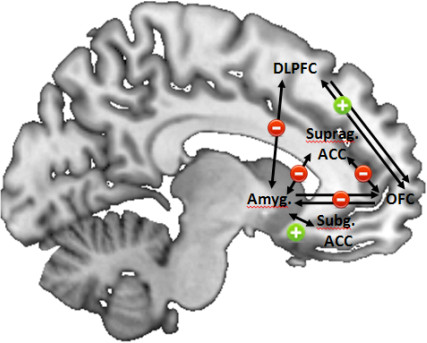
“an increased connectivity between subgenual parts of the ACC (subACC) and the amygdala, causing mutually enhancing abnormal emotion processing during observation of fearful faces, may represent a neural mechanism for the abnormally increased representation of social threat, which is particularly prevalent in depressed in patients with a comorbid social anxiety disorder (de Almeida et al., 2011;Stu”
From Social functioning in major depressive disorder (2016) · cites this paper as Stuhrmann et al., 2011
Experimental — accuracy not yet measuredThe source backs part of the claim, not all of it — or backs it for a different population, condition or comparison.
In the citing paper
“Nega ve affec ve bias, as measured by the amygdala ac vity in response to nega ve emo onal faces, is thought to track the course of depression, being heightened in people in the acute depressive phase ([21-24]; though note [25]).”
From Amygdala Reactivity, Antidepressant Discontinuation, and Relapse (2024) · cites this paper as [22]
Experimental — accuracy not yet measuredThe source backs part of the claim, not all of it — or backs it for a different population, condition or comparison.
In the citing paper
“Of note, deficient recruitment of PFC (particularly, dlPFC) regions has been coupled with hyperactivity in paralimbic (e.g., pgACC, sgACC) and limbic (e.g., amygdala) regions critically implicated in automatic processing of emotional cues (for review, see [16,157]).”
From Prefrontal cortex and depression (2022) · cites this paper as [157]
Experimental — accuracy not yet measuredThe source backs part of the claim, not all of it — or backs it for a different population, condition or comparison.
In the citing paper
“This effect was attributed to a likely overall enhancement of threat reactivity, consistent with increased activation in this region associated with enhanced negative reactivity in MDD [157,183].”
From Prefrontal cortex and depression (2022) · cites this paper as [157]
Experimental — accuracy not yet measuredThe cited source says what the claim attributes to it.
In the citing paper
“during emotion processing, MDD patients showed abnormalities in a common face processing network, indicating mood-congruent processing bias (hyperactivity to negative and hypoactivity to positive stimuli) particularly in the amygdala, insula, parahippocampal gyrus, fusiform face area, and putamen (Stuhrmann et al., 2011).”
From Social functioning in major depressive disorder (2016) · cites this paper as Stuhrmann et al., 2011
Self-check
Percentages, sums and reported differences re-computed from the paper’s own numbers.
The self-check needs the paper’s full text.
Citations
Cites
Cognitive and emotional influences in anterior cingulate cortex
Bush, G., Luu, P., & Posner, M. I. (2000) · Trends in Cognitive Sciences · doi:10.1016/s1364-6613(00)01483-2 · Cited by 6,259 · cited 1×
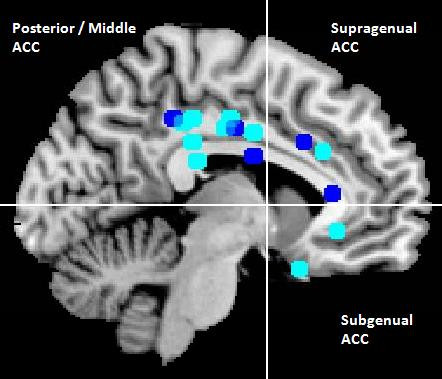
“While the subgenual ACC seems to be involved in the generation and recognition of emotional states, the supragenual/dorsal ACC seems to be crucial for emotion regulation [25,93,94].”
BackgroundThe distributed human neural system for face perception
Haxby, J. V., Hoffman, E. A., & Gobbini, M. I. (2000) · Trends in Cognitive Sciences · doi:10.1016/s1364-6613(00)01482-0 · Cited by 4,891 · cited 3×
“In a larger context these regions are hypothesized to be part of an extended emotional face processing system [20] Stuhrmann et al.”
BackgroundDeep Brain Stimulation for Treatment-Resistant Depression
Mayberg, H. S., Lozano, A. M., Voon, V., McNeely, H. E., Seminowicz, D., Hamani, C., Schwalb, J. M., & Kennedy, S. H. (2005) · Neuron · doi:10.1016/j.neuron.2005.02.014 · Cited by 4,059 · cited 1×
“Of particular concern in the pathophysiology of affective disorders is the role of the ACC [23,44].”
BackgroundFunctional neuroanatomy of emotion: A meta-analysis of emotion activation studies in PET and fMRI
Phan, K. L., Wager, T., Taylor, S. F., & Liberzon, I. (2002) · NeuroImage · doi:10.1006/nimg.2002.1087 · Cited by 3,502 · cited 1×
“The amygdala plays a pivotal role in emotion processing and in the perception and processing of emotional salience in facial expressions (for reviews see [52-54]).”
BackgroundContributions of anterior cingulate cortex to behaviour
Devinsky, O., Morrell, M. J., & Vogt, B. A. (1995) · Brain · doi:10.1093/brain/118.1.279 · Cited by 3,377 · cited 1×
“While the subgenual ACC seems to be involved in the generation and recognition of emotional states, the supragenual/dorsal ACC seems to be crucial for emotion regulation [25,93,94].”
BackgroundThe amygdala: vigilance and emotion
Davis, M., & Whalen, P. J. (2001) · Molecular Psychiatry · doi:10.1038/sj.mp.4000812 · Cited by 2,882 · cited 1×
“The amygdala plays a pivotal role in emotion processing and in the perception and processing of emotional salience in facial expressions (for reviews see [52-54]).”
BackgroundFunctional and effective connectivity in neuroimaging: a synthesis
Friston, K. J. (1994) · Human Brain Mapping · doi:10.1002/hbm.460020107 · Cited by 2,452 · cited 1×
“Connectivity analysis in functional neuroimaging can be subdivided into two general classes: functional connectivity (FC), which examines simple correlations between neural activity in two anatomically distinct brain areas; and effective connectivity (EC), which measures the directional influence that one neural syste…”
BackgroundCognition and Depression: Current Status and Future Directions
Gotlib, I. H., & Joormann, J. (2010) · Annual Review of Clinical Psychology · doi:10.1146/annurev.clinpsy.121208.131305 · Cited by 2,420 · cited 1×
“Finally, one should notice that facial processing is only one aspect of altered cognitive/emotional processing among several others in MDD described by behavioral (for review see [104]) and neuroimaging (for review see [7]) studies.”
BackgroundNeurobiology of emotion perception I: the neural basis of normal emotion perception
Phillips, M. L., Drevets, W. C., Rauch, S. L., & Lane, R. (2003) · Biological Psychiatry · doi:10.1016/s0006-3223(03)00168-9 · Cited by 2,173 · cited 1×
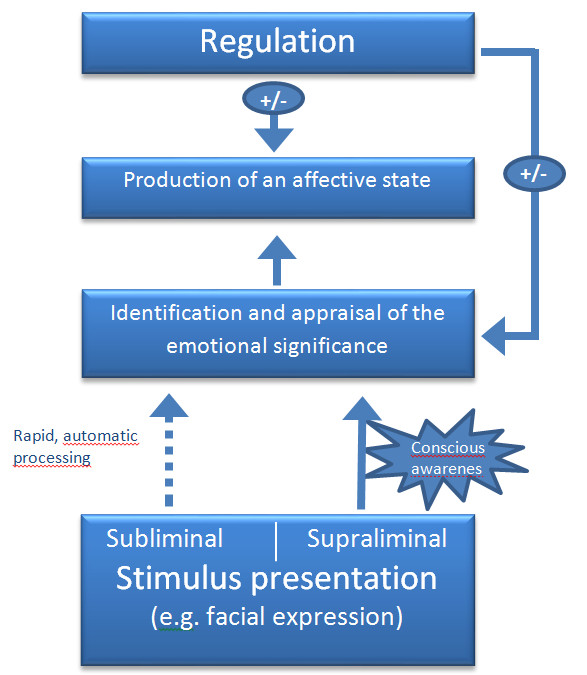
“[15], extended about separate pathways for stimulus presentation with or without conscious awareness.”
BackgroundCognitive vulnerability to emotional disorders
Mathews, A., & MacLeod, C. (2005) · Annual Review of Clinical Psychology · doi:10.1146/annurev.clinpsy.1.102803.143916 · Cited by 2,100 · cited 1×
“In a large body of behavioral studies, depression has been characterized by mood congruent emotion processing biases in different aspects of cognition [2-5].”
Background
Cited by
Items 301–400 of 436
Liu, L., Huang, R., Shang, Y.-J., Zou, L., & Wu, A. M. S. (2024) · International Journal of Clinical and Health Psychology · doi:10.1016/j.ijchp.2024.100521 · Cited by 9
“The connections can induce hyperactive processing of negative faces in depression patients (Stuhrmann et al., 2011).”
Wu, Y., Qiao, S., Zhong, J., Zhang, L., Wang, J., Hu, B., & Peng, H. (2024) · CNS Neuroscience & Therapeutics · doi:10.1111/cns.70139 · Cited by 10
The role of greenspace deprivation in children’s decision-making
Flouri, E., Ji, D., & Roiser, J. P. (2022) · Urban forestry & urban greening · doi:10.1016/j.ufug.2022.127515 · Cited by 8
“…neural trait phenotype for mental health risk found in individuals with trait anxiety (Pezawas et al., 2005), healthy individuals at high risk for depression and anxiety disorders (Opel et al., 2017), and in manifest illness (Opel et al., 2017; Phillips et al., 2003; Stuhrmann et al., 2011).”
A Systems Neuroscience Approach to the Pathophysiology of Pediatric Mood and Anxiety Disorders
Tseng, W., Leibenluft, E., & Brotman, M. A. (2013) · Current topics in behavioral neurosciences · doi:10.1007/7854_2013_252 · Cited by 8
“Extensive research has documented disturbances in reward processing (for a review, see Forbes and Dahl 2012) and face emotion processing (for a review, see Stuhrmann et al. 2011) in MDD.”
BackgroundResultInfluentialBocharov, A. V., Savostyanov, A. N., Tamozhnikov, S. S., Меркулова, Е. А., Сапрыгин, А. Е., Proshina, E. A., & Knyazev, G. G. (2020) · Neuroscience Letters · doi:10.1016/j.neulet.2020.134888 · Cited by 7
Nakamura, A., Yomogida, Y., Ota, M., Matsuo, J., Ishida, I., Hidese, S., & Kunugi, H. (2021) · Journal of Affective Disorders Reports · doi:10.1016/j.jadr.2021.100295 · Cited by 6
Threat-Modulation of Executive Functions—A Novel Biomarker of Depression?
Peräkylä, J., Järventausta, K., Haapaniemi, P., Camprodon, J. A., & Hartikainen, K. M. (2021) · Frontiers in Psychiatry · doi:10.3389/fpsyt.2021.670974 · Cited by 7
Correction: Modulatory Effects of the Piccolo Genotype on Emotional Memory in Health and Depression
Woudstra, S., van Tol, M., Bochdanovits, Z., van der Wee, N. J., Zitman, F. G., van Buchem, M. A., Opmeer, E. M., Aleman, A., Penninx, B. W. J. H., Veltman, D. J., et al. (2013) · PLoS ONE · doi:10.1371/annotation/47489033-f246-4017-93d3-7bb9c43c796b · Cited by 6
Sundermann, B., Beverborg, M. O. L., & Pfleiderer, B. (2014) · doi:10.7287/peerj.preprints.412v1 · Cited by 8
“systematic review (Stuhrmann et al., 2011) of facial emotion processing exhibited a 289 slightly better spatial correspondence with rs-fMRI results.”
BackgroundMethodInfluentialZhao, Y., Zhang, H., Li, J., Song, S., Lian, C., Liu, Y., Wang, Y., & Fu, C. (2025) · IEEE Transactions on Affective Computing · doi:10.1109/taffc.2025.3552835 · Cited by 8
“For instance, in terms of facial expressions, individuals with depression typically exhibit increased negative emotions such as sadness and fear, coupled with a decrease in positive emotions such as happiness and excitement [11].”
Li, B., Zhang, C., Chen, W., Xie, G., & Liang, J. (2025) · BMC Psychiatry · doi:10.1186/s12888-025-07313-1 · Cited by 7
Amygdala and cortical gamma‐band responses to emotional faces are modulated by attention to valence
Weidner, E. M., Moratti, S., Schindler, S., Grewe, P., Bien, C. G., & Kissler, J. M. (2024) · Psychophysiology · doi:10.1111/psyp.14512 · Cited by 11
Lei, L., Zhang, Y., Song, X., Liu, P., Wen, Y., Zhang, A., Yang, C., Sun, N., Liu, Z., & Zhang, K. (2021) · Frontiers in Psychiatry · doi:10.3389/fpsyt.2021.662502 · Cited by 7
“A review that included 25 studies using fMRI reported abnormal activation patterns in parts of the cingulate gyrus and the orbitofrontal cortex in MDD patients, as shown by functional connectivity analysis (57).”
BackgroundKetamine for Major Depressive Disorder
Costi, S. (2023) · Current topics in behavioral neurosciences · doi:10.1007/7854_2023_453 · Cited by 6
Langenbach, B. P., Grotegerd, D., Mulders, P. C. R., Tendolkar, I., van Oort, J., Duyser, F. A., van Eijndhoven, P., Vrijsen, J. N., Dannlowski, U., Kampmann, Z., et al. (2024) · Molecular Autism · doi:10.1186/s13229-024-00582-9 · Cited by 7
“For these disorders, there is some evidence showing altered amygdala activation in reaction to emotional stimuli [17, 32, 39], even though results remain inconclusive [41].”
ResultSelf-citationLee, S. W., Kim, S., Lee, H., Chang, Y., & Lee, S. J. (2024) · Journal of Psychiatric Research · doi:10.1016/j.jpsychires.2024.10.005 · Cited by 6
Homan, P., Drevets, W. C., & Hasler, G. (2014) · The International Journal of Neuropsychopharmacology · doi:10.1017/s1461145714000339 · Cited by 5
“The current study aimed to address this goal without the potential confound of a medication bias (Stuhrmann et al., 2011) by Page 3 of 33 The International Journal of Neuropsychopharmacology”
BackgroundSimilarity and stability of face network across populations and throughout adolescence and adulthood
Liao, Z., Banaschewski, T., Bokde, A. L. W., Desrivières, S., Flor, H., Grigis, A., Garavan, H., Gowland, P. A., Heinz, A., Ittermann, B., et al. (2021) · NeuroImage · doi:10.1016/j.neuroimage.2021.118587 · Cited by 7
“Hypoor hyper- “connectivity” in the face network have been found to be associated with depression, anxiety, and autism (Brühl et al., 2014; Kleinhans et al., 2008; Stuhrmann et al., 2011).”
Li, J., Edmiston, E. K., Tang, Y., Fan, G., Xu, K., Wang, F., & Xu, J. (2018) · BMC Psychiatry · doi:10.1186/s12888-018-1631-0 · Cited by 6
“been implicated in MDD [16], there is greater activation in amygdala, fusiform gyrus, inferior parietal lobule, inferior frontal gyrus [10], and lower activation in dorsolateral prefrontal cortex (DLPFC) [17], temporal cortex and insula [5] and inferior frontal gyrus [18].”
BackgroundIntact anger recognition in depression despite aberrant visual facial information usage
Clark, C. M., Chiu, C. G., Diaz, R. L., & Goghari, V. M. (2014) · Journal of Affective Disorders · doi:10.1016/j.jad.2014.04.065 · Cited by 6
“…congruent bias (i.e. hyperactivation to negative and hypoactive to positive visual facial stimuli) in the amygdala and related areas involved in facial emotion recognition such as the insula, parahippocampus gyrus, fusiform face area, and putamen in depressed individuals (Stuhrmann et al., 2011).”
BackgroundLiu, J., Zhang, H., Wu, Y., Li, W., Li, M., Yuan, X., Zhou, C., Chen, M., Zhou, J., & Cui, J. (2025) · Depression and Anxiety · doi:10.1155/da/1706750 · Cited by 6
“The LG, for instance, has been shown to be functionally connected to the amygdala [62], which in MDD shows an emotion-congruent processing bias: hyperactivation to negative stimuli and hypoactivation to positive stimuli [68].”
Age- and sex-related differences in social competence and emotion labeling in pre-adolescence
Buimer, E. E. L., Pas, P., van den Boomen, C., Raemaekers, M. A. H., Brouwer, R. M., & Pol, H. E. H. (2024) · Developmental Cognitive Neuroscience · doi:10.1016/j.dcn.2024.101503 · Cited by 8
Causal Central Network Remodeling in Diabetic Neuropathy: An Integrated MR-fMRI Study
Li, X., & Gao, L. (2025) · Diabetes Metabolic Syndrome and Obesity · doi:10.2147/dmso.s525219 · Cited by 4
“These patients may rely more heavily on available contextual cues, such as facial expressions and social interactions, 62 and potentially employ mental imagery to infer and compensate for visual impairments.”
BNCPL: Brain-Network-based Convolutional Prototype Learning for Discriminating Depressive Disorders
Zhi, D., Calhoun, V. D., Wang, C., Li, X., Ma, X., Lv, L., Yan, W., Yao, D., Qi, S., Jiang, R., et al. (2021) · Annual International Conference of the IEEE Engineering in Medicine and Biology Society (EMBC) · doi:10.1109/embc46164.2021.9630010 · Cited by 7
“SCN is engaged in emotional stimulation and mood-congruent processing [16], especially the amygdala, which is implicated in event-related emotional experience and encoding of the emotion intensity [17].”
BackgroundArmand, S., Langley, C., Johansen, A., Ozenne, B., Overgaard‐Hansen, O., Larsen, K., Jensen, P. S., Knudsen, G. M., Sahakian, B. J., Stenbæk, D. S., et al. (2024) · Scientific Reports · doi:10.1038/s41598-024-51448-2 · Cited by 4
Zhong, Y., Li, J., Li, H., Li, M., Lyu, Y.-A.-H., Cui, M., & Gao, Y. (2024) · Depression and Anxiety · doi:10.1155/2024/9211145 · Cited by 6
Variants of TPH2 interact with fast visual processing as assessed by metacontrast
Maksimov, M., Vaht, M., Murd, C., Harro, J., & Bachmann, T. (2016) · Neuroreport · doi:10.1097/wnr.0000000000000721 · Cited by 4
Human neurophysiological markers of high anxiety level during preparation for visual recognition
Алексеевич, Ч. Е., Петренко, Н. Е., Yakovenko, I. A., Александрович, Г. С., Alipov, N. N., & Sergeeva, O. V. (2017) · Journal of Integrative Neuroscience · doi:10.3233/jin-170074 · Cited by 4
Schultz, J., Becker, B., Preckel, K., Seifert, M., Mielacher, C., Conrad, R., Kleiman, A., Maier, W., Kendrick, K. M., & Hurlemann, R. (2018) · Personalized Medicine in Psychiatry · doi:10.1016/j.pmip.2018.09.001 · Cited by 4
“In particular, the processing of emotional faces [12,21,22] reliably shows activation abnormalities in patients with MDD [26] while controlling for higher-order cognitive processing.”
BackgroundApplying a neural circuit taxonomy in depression and anxiety for personalized psychiatry
Williams, L. M., & Goldstein‐Piekarski, A. N. (2019) · Elsevier eBooks · doi:10.1016/b978-0-12-813176-3.00042-0 · Cited by 6
Kim, B., Hur, J., Park, D.-S., Moon, H., & Choi, S. (2022) · Current Psychology · doi:10.1007/s12144-022-03144-5 · Cited by 5
Imaging Functional Systems in Depression
Young, C. B., Mueller, B. W., & Tendolkar, I. (2016) · Elsevier eBooks · doi:10.1016/b978-0-12-802456-0.00008-x · Cited by 5
Baranger, D. A. A., Halchenko, Y. O., Satz, S., Ragozzino, R., Iyengar, S., Swartz, H. A., & Manelis, A. (2021) · medRxiv · doi:10.1101/2021.02.25.21252472 · Cited by 4
Barreiros, A. R., Breukelaar, I. A., Mayur, P. M., Andepalli, J., Tomimatsu, Y., Funayama, K., Foster, S., Harris, A. W. F., & Korgaonkar, M. S. (2025) · Translational Psychiatry · doi:10.1038/s41398-025-03600-3 · Cited by 4
Stress-related changes in amygdala-prefrontal network functional connectivity
Serrano, J., Hrybouski, S., & Malykhin, N. V. (2026) · Biological Psychology · doi:10.1016/j.biopsycho.2026.109245 · Cited by 4
EEG Topography and Tomography (sLORETA) in Analysis of Abnormal Brain Region for Mild Depression
Li, X., Cao, T., Hu, B., Sun, S., & Li, J. (2016) · Lecture notes in computer science · doi:10.1007/978-3-319-47103-7_30 · Cited by 3
Depressive Symptomatology and the Activity of Oscillatory Resting State Networks
Knyazev, G. G., Savostyanov, A. N., Bocharov, A. V., Сапрыгин, А. Е., & Tamozhnikov, S. S. (2016) · Neuroscience and Behavioral Physiology · doi:10.1007/s11055-016-0335-5 · Cited by 3
“…differences are seen mainly in the frontal and temporal areas of the brain, which are involved in emotional regulation, such as the anterior part of the cingulate gyrus (ACG), the medial prefrontal cortex (mPFC), the hippocampus, and the amygdala [Stuhrmann et al., 2011; Willner et al., 2013].”
BackgroundBiomarkers for Antidepressant Selection: iSPOT-D Study
Palmer, D. M. (2015) · Current Behavioral Neuroscience Reports · doi:10.1007/s40473-015-0046-1 · Cited by 4
Neural predictors of depression symptom course
Heller, A. S. (2015) · Current Opinion in Psychology · doi:10.1016/j.copsyc.2014.12.023 · Cited by 3
Neuroimaging techniques in the diagnosis and treatment of depressive disorders
Volel, B. A., Ахапкин, Р. В., Ustyuzhanin, D. V., Andryushchenko, A. V., Sharjah, M. A., & Ternovoy, S. K. (2017) · S S Korsakov Journal of Neurology and Psychiatry · doi:10.17116/jnevro201711721163-168 · Cited by 3
Explicit and Implicit Processing of Facial Expressions in Depression
Velichkovsky, B. B., Sultanova, F. R., & Tatarinov, D. V. (2021) · Experimental Psychology (Russia) · doi:10.17759/exppsy.2021140202 · Cited by 3
Enneking, V., Dzvonyar, F., Dannlowski, U., & Redlich, R. (2019) · Der Nervenarzt · doi:10.1007/s00115-019-0675-9 · Cited by 4
Self-citationDesigning social cues for effective persuasive robots
Ghazali, A. S. (2019) · TU/e Research Portal · Cited by 4
Emotion anticipation and processing in depression: Behavioral, neural, and physiological reactivity
Wlad, M., Struckmann, W., Persson, J., Rosén, J., Fällmar, D., Bodén, R., & Gingnell, M. (2025) · European Psychiatry · doi:10.1192/j.eurpsy.2025.10043 · Cited by 3
“The insula is involved in the detection and processing of emotionally salient stimuli [48, 49] as well as interoceptive awareness [50] and integration of visceral and sensory information [51].”
Yuan, C., Mi, S., Yang, C., Yuan, L., Chang, F., Chen, J., Shi, R., Su, Y., He, Y., Wang, Z., et al. (2025) · Journal of Affective Disorders · doi:10.1016/j.jad.2025.120477 · Cited by 5
Facial expression recognition in older adults with depression: a meta-analytic review
Hospodar, P., Nogueira, M. M. L., Belfort, T. T., & Dourado, M. C. N. (2025) · Psychiatry Research · doi:10.1016/j.psychres.2025.116889 · Cited by 2
Li, X., Wang, J., Li, H., Huang, M., Hu, Y., Yang, L., Wang, H., & Wang, Q. (2026) · Progress in Neuro-Psychopharmacology and Biological Psychiatry · doi:10.1016/j.pnpbp.2026.111741 · Cited by 2
Schreiner, M. W., Dillahunt, A. K., Frandsen, S. B., DelDonno, S. R., Schubert, B. L., Pocius, S. L., Jenkins, L. M., Kassel, M. T., Bessette, K. L., Thomas, L. R., et al. (2022) · Journal of Psychiatric Research · doi:10.1016/j.jpsychires.2022.06.025 · Cited by 4
The effect of emotion recognition and mindfulness on depression symptoms: A case–control study
Aydın, O., Tvrtković, S., Çakıroğlu, E., Ünal‐Aydın, P., & Danacı, A. E. (2023) · Scandinavian Journal of Psychology · doi:10.1111/sjop.12992 · Cited by 6
King, F. K., Perry, M. S., Papadelis, C. L., & Cooper, C. M. (2024) · Epilepsy & Behavior · doi:10.1016/j.yebeh.2024.109869 · Cited by 2
Ding, J., Peng, J., & Zhang, Q. (2024) · Brain Imaging and Behavior · doi:10.1007/s11682-024-00960-0 · Cited by 2
“Specifically, reduced VMHC in the fusiform gyrus, a region critical for face perception and social cognition (Stuhrmann et al., 2011), could impair the ability to interpret facial expressions and social cues, potentially contributing to the interpersonal problems frequently observed in depression…”
Labek, K., & Viviani, R. (2025) · Neuroreport · doi:10.1097/wnr.0000000000002130 · Cited by 2
“[2]).”
Borgers, T., Zwiky, E., Klug, M., Enneking, V., Fisch, L., Klein, L., Neutz, L., Leehr, E. J., Opel, N., König, P., et al. (2025) · The British Journal of Psychiatry · doi:10.1192/bjp.2025.71 · Cited by 5
“10,11 To date, few longitudinal CBT fMRI studies have been conducted, 12 – 15 yielding a rather inconsistent pattern concerning the reversibility of these activity changes during negative emotion processing.”
Self-citationRengasamy, M. L., Woody, M. L., Kovats, T., Siegle, G. J., & Price, R. B. (2021) · Cognitive Therapy and Research · doi:10.1007/s10608-021-10205-9 · Cited by 2
“Neural patterns on the EMF have broadly been associated with internalizing disorder pathology (Gentili et al. 2016; Shin and Liberzon 2010; Stuhrmann et al. 2011), but findings are not uniform across diagnoses and studies.”
BackgroundFisher, P. M., Madsen, M. K., Mahon, B. M., Holst, K. K., Andersen, S. B., Laursen, H. R., Hasholt, L., Siebner, H. R., & Knudsen, G. M. (2014) · European Neuropsychopharmacology · doi:10.1016/s0924-977x(14)70032-x · Cited by 2
Facial emotion recognition in a sample of psychotic depressives from Anambra state Nigeria
Ucheagwu, V. A., Udoh, F. U., Ugokwe-Ossai, R., Ezeokana, J. O., & Ossai, J. P. (2016) · International Journal of Research Studies in Psychology · doi:10.5861/ijrsp.2016.1293 · Cited by 1
“Similarly, Stuhrmann, Suslow, and Dannlowski (2011) in their systematic review of neuro imaging findings in facial emotion processing in major depression disorder (MDD) showed abnormalities in MDD patients in a common face processing network, pointing to mood congruent processing bias (hyper…”
BackgroundSeverity of depressive symptoms and oscillatory responses to emotional facial expressions
Knyazev, G. G., Bocharov, A. V., & Savostyanov, A. N. (2016) · Human Physiology · doi:10.1134/s0362119716010114 · Cited by 2
Clinical relevance of cognitive dysfunction in major depressive disorder
Cha, D. S. (2015) · Cambridge University Press eBooks · doi:10.1017/cbo9781139860567.002 · Cited by 2
Alterations in cognitive and emotional brain networks related to depression
Chen, D., Li, Z., & Luo, Y. (2017) · Chinese Science Bulletin (Chinese Version) · doi:10.1360/n972016-00892 · Cited by 1
Kemala, C. N., Jongsma, M. L. A., Hendrawan, D., & Becker, E. S. (2023) · Psychological Research on Urban Society · doi:10.7454/proust.v6i1.1105 · Cited by 4
Fennema, D., Barker, G. J., O’Daly, O., Duan, S., Godlewska, B. R., Goldsmith, K., Young, A. H., Moll, J., & Zahn, R. (2024) · Psychological Medicine · doi:10.1017/s0033291724001144 · Cited by 4
Structural Neuroimaging of Maltreatment and Inflammation in Depression
Redlich, R., Opel, N., Förster, K., Engelen, J., & Dannlowski, U. (2018) · Elsevier eBooks · doi:10.1016/b978-0-12-811073-7.00016-7 · Cited by 2
Self-citationBlunted neural response to implicit negative facial affect in anorexia nervosa
Leppänen, J. (2017) · doi:10.26226/morressier.5971be82d462b80290b52b8c · Cited by 2
Shin, D., Han, K., Lee, S., Kim, B., Pyun, S., Tae, W., & Ham, B. (2024) · Psychiatry Research Neuroimaging · doi:10.1016/j.pscychresns.2024.111942 · Cited by 2
Emotion-Focused Therapy on Mental Health Outcomes in Children and Adolescents: A Scoping Review
Kaviyani, F., Bakhshani, N., Nasri, M., & Hojjat, S. K. (2025) · Iranian Journal of Psychiatry and Behavioral Sciences · doi:10.5812/ijpbs-159514 · Cited by 1
Zheng, M., Ma, Z., & Jin, H. (2025) · Frontiers in Psychology · doi:10.3389/fpsyg.2025.1519595 · Cited by 4
Wang, G., Tao, Y., Wu, N., Li, R., Lee, W. H., Cao, Z., Yan, X., Chen, B., & Wang, G. (2025) · IEEE Transactions on Affective Computing · doi:10.1109/taffc.2025.3602185 · Cited by 1
“Numerous behavioral studies have indicated that depression is characterized by mood-congruent emotion processing biases in different aspects of cognition, with these cognitive biases being particularly pronounced in the context of emotional faces [28].”
Decoding neural emotion patterns through large language model embeddings
Vos, G., Ebrahimpour, M., van Eijk, L., Sarnyai, Z., & Azghadi, M. R. (2025) · Neurocomputing · doi:10.1016/j.neucom.2025.132513 · Cited by 5
“The insula (located in the cortical region) [6, 41, 42] and raphe nuclei (located in subcortical region) [43–45] showed the highest activation levels that were statistically significant.”
Li, H.-T., Chen, Y., Chaudhary, S., Ide, J. S., & Li, C. R. (2026) · The International Journal of Neuropsychopharmacology · doi:10.1093/ijnp/pyag005 · Cited by 1
Resting-state functional connectome-based prediction of valence bias
Lee, S., Kim, W., Kim, N., & Kim, M. J. (2026) · Neuropsychologia · doi:10.1016/j.neuropsychologia.2026.109429 · Cited by 2
Kim, Y. E., Lim, H. R., & Lee, T. (2026) · Investigative Magnetic Resonance Imaging · doi:10.13104/imri.2025.0049 · Cited by 1
Symptoms of depression: "hot" and "cold" cognition
Gramaglia, C. M., Pietrini, F., Zeppegno, P., & Carla, N. (2015) · Cited by 1
Research on Depression Recognition and Diagnosis Based on Facial Expressions
蓝, 杰. (2024) · Advances in Social Sciences · doi:10.12677/ass.2024.134297 · Cited by 2
Chen, Q., Pan, C., Shen, Y., Pan, Q., Zhang, Q., Wang, J., Hu, Y., Xu, H., Gong, M., & Jia, K. (2025) · Journal of Affective Disorders · doi:10.1016/j.jad.2025.01.081 · Cited by 1
Catrambone, V., & Valenza, G. (2021) · Springer eBooks · doi:10.1007/978-3-030-79934-2_1 · Cited by 1
Dai, Z., Zhang, S., Zhou, H., Wang, X., Wang, H., Yao, Z., & Lü, Q. (2021) · bioRxiv (Cold Spring Harbor Laboratory) · doi:10.1101/2021.03.07.433735 · Cited by 1
Erdmann, T., Berwian, I. M., Stephan, K. E., Seifritz, E., Walter, H., & Huys, Q. J. M. (2024) · doi:10.31234/osf.io/zpf9c · Cited by 1
Borgers, T., Zwiky, E., Klug, M., Enneking, V., Fisch, L., Klein, L., Neutz, L., Leehr, E. J., Opel, N., König, P., et al. (2024) · doi:10.31234/osf.io/36prt · Cited by 1
Self-citationAccuracy in perceiving facial expressions of emotion in psychopathology
Griffiths, P., & Ashwin, C. (2016) · Cambridge University Press eBooks · doi:10.1017/cbo9781316181959.009 · Cited by 2
Social functioning as vulnerability marker in adolescents at high risk for Bipolar Disorder.
Pouwels, R. (2013) · Utrecht University Repository (Utrecht University)
Neuroimaging markers of major depressive disorder: orbitomedial prefrontal cortex and beyond
Samara, Z. (2015) · Research Publications (Maastricht University) · doi:10.26481/dis.20151106zs
Screening for autism spectrum disorders and an examination of social cognition in prisoners
Robinson, L. (2015) · ERA
The role of social cognition in major depressive disorder
Baune, B. T., & Weightman, M. J. (2015) · Cambridge University Press eBooks · doi:10.1017/cbo9781139860567.009
Blunted neural response to implicit negative facial affect in anorexia nervosa
Leppänen, J., Cardi, V., Paloyelis, Y., Simmons, A., Tchanturia, K., & Treasure, J. L. (2017) · European Neuropsychopharmacology · doi:10.1016/s0924-977x(17)31326-3
Face processing impairments in schizophrenia and other psychiatric disorders
Darke, H. (2018) · Minerva Access (University of Melbourne)
Neuroimaging in Seasons and Winter Depression
Spindelegger, C., Willeit, M., Praschak-Rieder, N., Lanzenberger, R. R., & Kasper, S. F. (2014) · Springer eBooks · doi:10.1007/978-3-642-40384-2_8
Categorical assessment of depression based on high level features.
Vazakopoulou, K.-M., & Βαζακοπούλου, Κ.-Μ. (2018)
Childhood adversity : the relationship with facial emotion recognition and homelessness
Hodgson, K. J. (2018) · ePrints Soton (University of Southampton) · Cited by 2
Park, M. (2018) · 감성과학 · doi:10.14695/kjsos.2018.21.4.103
“This indicates an emotion-specific regulatory function in this region; that is, emotional evaluation and control (Hariri et al., 2003, Phan et al., 2002, Stuhrmann et al., 2011).”
BackgroundSocialkognitive vanskeligheder hos patienter med depression
Ladegaard, N. (2019) · Psyke & Logos · doi:10.7146/pl.v40i2.117813
Sindermann, L., Leehr, E. J., Redlich, R., Meinert, S. L., Böhnlein, J., Grotegerd, D., Pollack, D., Reppen, M., Waltemate, L., Fingas, S. M., et al. (2021) · European Neuropsychopharmacology · doi:10.1016/j.euroneuro.2021.01.066
Self-citationLemke, H., Waltemate, L., Thiel, K., Winter, A., Meinert, S., & Dannlowski, U. (2021) · European Neuropsychopharmacology · doi:10.1016/j.euroneuro.2021.01.065
Self-citationIgrutinović, N., Batinić, B., & Mihajlović, G. (2021) · EABR. Experimental and Applied Biomedical Research · doi:10.2478/sjecr-2020-0048
محمد, ص. ا. ع. (2016) · مجلة كلية التربية جامعة بنها · doi:10.21608/jfeb.2016.65936
Lemke, H., Waltemate, L., Thiel, K., Winter, A., Meinert, S., Grotegerd, D., Leehr, L., Dohm, K., Enneking, V., Klug, M., et al. (2021) · European Neuropsychopharmacology · doi:10.1016/j.euroneuro.2021.10.346
Self-citationTesting for implicit emotion regulation in childhoodPreprint
Uh, S., Šiugždaitė, R., Anwyl-Irvine, A. L., Dalmaijer, E. S., Bignardi, G., Smith, T. A., & Astle, D. E. (2021) · bioRxiv (Cold Spring Harbor Laboratory) · doi:10.1101/2021.12.19.473228
“The role of the putamen in response to emotional cues is relatively unclear (Stuhrmann et al., 2011), especially in younger cohorts, but it has been associated with responses to negative facial stimuli.”
BackgroundInfluentialChan, H.-L., Kanayama, N., Mizuochi, R., Yamawaki, S., & Machizawa, M. G. (2021) · bioRxiv (Cold Spring Harbor Laboratory) · doi:10.1101/2021.12.06.471520
“Depression, an emotional state marked by a consistently low mood, is characterized by altered emotional processing (1).”
BackgroundPadula, C. B., Bussche, A. B. V., & Williams, L. M. (2018) · Springer eBooks · doi:10.1007/978-1-4939-7438-2_14
Frank, G. (2019) · Faculty Opinions – Post-Publication Peer Review of the Biomedical Literature · doi:10.3410/f.734628824.793558799
Vanderschuren, L. J. M. J. (2020) · Faculty Opinions – Post-Publication Peer Review of the Biomedical Literature · doi:10.3410/f.736896733.793580867
Metadata
- Authors
- Stuhrmann, A., Suslow, T., & Dannlowski, U.
- Affiliations
- University of Münster (DE)
- Corresponding author
- Dannlowski, Udo
- Venue
- Biology of Mood & Anxiety Disorders
- Published
- 2011-11-07
- Volume
- 1
- Issue
- 1
- Pages
- 10-10
- ISSN
- 2045-5380 (ISSN-L)
- PMC
- PMC3384264
- OpenAlex
- W2139628377
- Cited by
- 440
- References
- 109
- Citations by year
- 2026: 23 · 2025: 24 · 2024: 33 · 2023: 32 · 2022: 23 · 2021: 42 · 2020: 27 · 2019: 37 · 2018: 30 · 2017: 26 · 2016: 33 · 2015: 38 · 2014: 38 · 2013: 29 · 2012: 4
- FWCI
- 1.95
- Type
- journal article
- Language
- en
- Open access
- hybrid
- doi.org
- Licence
- cc-by
- Locations
- Biology of Mood & Anxiety Disorders (publishedVersion, cc-by)
- Europe PMC (PubMed Central) (publishedVersion, cc-by)
- PubMed Central (publishedVersion, cc-by)
- PubMed (publishedVersion)
- Topics
- Life Sciences › Neuroscience › Cognitive Neuroscience › Face Recognition and Perception
- Life Sciences › Neuroscience › Cognitive Neuroscience › Neural and Behavioral Psychology Studies
- Social Sciences › Psychology › Experimental and Cognitive Psychology › Anxiety, Depression, Psychometrics, Treatment, Cognitive Processes
- Keywords
- major depressive disorder, emotional face processing, amygdala, insula, parahippocampal gyrus, fusiform face area, putamen, cingulate gyrus, orbitofrontal cortex, functional connectivity, brain activation patterns
About these checks
Registry, retraction, Cites and statistics results are computed, not judged, with one exception: a printed reference that no index lists is read once by a model before it counts as a citation error. Claims are extracted by a model and kept only when their quote appears verbatim in the text; each cited source is then checked, with a model’s help, for whether it says what the claim relies on. Those verdicts can be wrong — read the claim’s quote and the cited source before relying on one.
Statistics and arithmetic are recomputed, not judged.
Confidence bands are shown only for fields calibrated on our annotated test set. None is calibrated yet, so no band is shown.
What counts as a claim ›How we measure confidence ›How we check this ›
Are you an author, or do you see a problem with this page? Request a review
Data sources
Bibliographic data: Semantic Scholar, OpenAlex, Crossref.
Contains information from the Semantic Scholar Academic Graph Datasets, made available under the ODC Attribution License (ODC-BY 1.0).
Semantic Scholar’s data is described in: Kinney, R., et al. (2023). The Semantic Scholar Open Data Platform. arXiv:2301.10140.
