

Unifying the analysis of high-throughput sequencing datasets: characterizing RNA-seq, 16S rRNA gene sequencing and selective growth experiments by compositional data analysis
Open accessThe DOI matches its Crossref record; 108 of the 108 references it cites were found in a registry or an index.
Abstract
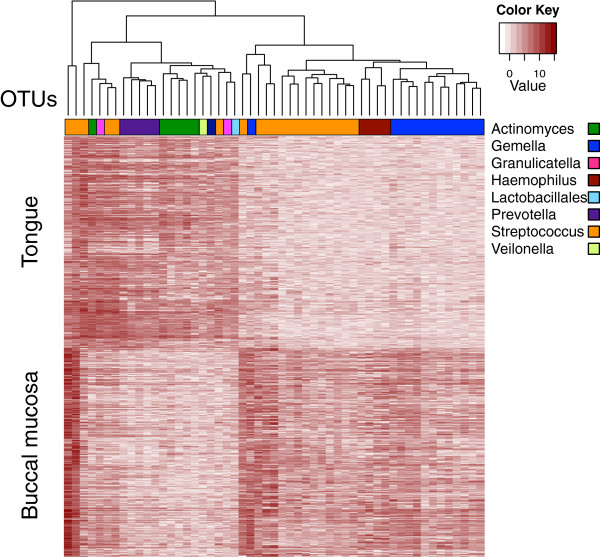
BACKGROUND: Experimental designs that take advantage of high-throughput sequencing to generate datasets include RNA sequencing (RNA-seq), chromatin immunoprecipitation sequencing (ChIP-seq), sequencing of 16S rRNA gene fragments, metagenomic analysis and selective growth experiments. In each case the underlying data are similar and are composed of counts of sequencing reads mapped to a large number of features in each sample. Despite this underlying similarity, the data analysis methods used for these experimental designs are all different, and do not translate across experiments. Alternative methods have been developed in the physical and geological sciences that treat similar data as compositions. Compositional data analysis methods transform the data to relative abundances with the result that the analyses are more robust and reproducible. RESULTS: Data from an in vitro selective growth experiment, an RNA-seq experiment and the Human Microbiome Project 16S rRNA gene abundance dataset were examined by ALDEx2, a compositional data analysis tool that uses Bayesian methods to infer technical and statistical error. The ALDEx2 approach is shown to be suitable for all three types of data: it correctly identifies both the direction and differential abundance of features in the differential growth experiment, it identifies a substantially similar set of differentially expressed genes in the RNA-seq dataset as the leading tools and it identifies as differential the taxa that distinguish the tongue dorsum and buccal mucosa in the Human Microbiome Project dataset. The design of ALDEx2 reduces the number of false positive identifications that result from datasets composed of many features in few samples. CONCLUSION: Statistical analysis of high-throughput sequencing datasets composed of per feature counts showed that the ALDEx2 R package is a simple and robust tool, which can be applied to RNA-seq, 16S rRNA gene sequencing and differential growth datasets, and by extension to other techniques that use a similar approach.
Overview
The claims and statistics of this paper haven’t been checked yet.
Free: it reads the open-access text and checks the first 5 claims that cite a source we can check. Create a free account to check every claim.
Integrity signals
Registry
Cites
Statistics
Figures
Verification
Claims the paper makes
The claims and statistics of this paper haven’t been checked yet.
Free: it reads the open-access text and checks the first 5 claims that cite a source we can check. Create a free account to check every claim.
Claims other papers make about this one
Each is checked against this paper’s own text: does it say what the citing paper says it does?
The cited source says what the claim attributes to it.
In the citing paper
“Taxonomic abundance was transformed using the centered log ratio (clr) transformation [35, 36] after adding a pseudocount, in order to remove compositional constraints of sequencing.”
From Relating the gut metagenome and metatranscriptome to immunotherapy responses in melanoma patients (2019) · cites this paper as [35]
In the citing paper
“There already exist several developed methods to find changes in compositional data between cases and controls that avoid the biases caused by the compositional nature of metagenomic sequencing data (for example, ALDEx263, ANCOM64 and Gneiss65).”
From Longitudinal gut microbiome changes in immune checkpoint blockade-treated advanced melanoma (2024) · cites this paper as [63]
Self-check
Percentages, sums and reported differences re-computed from the paper’s own numbers.
The self-check needs the paper’s full text.
Citations
Cites
R: A Language and Environment for Statistical Computing
R Core Team (2025) · doi:10.32614/r.manuals · Cited by 352,181
Controlling the False Discovery Rate: A Practical and Powerful Approach to Multiple Testing
Benjamini, Y., & Hochberg, Y. (1995) · Journal of the Royal Statistical Society Series B: Statistical Methodology · doi:10.1111/j.2517-6161.1995.tb02031.x · Cited by 109,482 · cited 1×
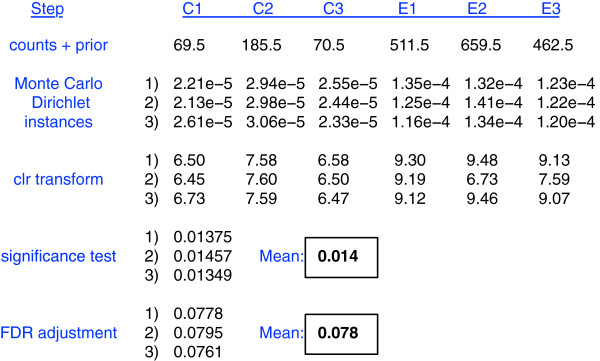
“Each realization of the ci,j value between conditions is subjected to both a Welch’s t-test and aWilcoxon rank test giving two vectors of P values, and each P value instance is then corrected for multiple hypothesis testing using the false discovery rate (fdr) approach of Benjamini and Hochberg [30].”
MethodQIIME allows analysis of high-throughput community sequencing data
Caporaso, J. G., Kuczynski, J., Stombaugh, J., Bittinger, K., Bushman, F. D., Costello, E. K., Fierer, N., Peña, A. G., Goodrich, J. K., Gordon, J. I., et al. (2010) · Nature Methods · doi:10.1038/nmeth.f.303 · Cited by 34,887
Schloss, P. D., Westcott, S. L., Ryabin, T., Hall, J. R., Hartmann, M., Hollister, E. B., Lesniewski, R. A., Oakley, B. B., Parks, D. H., Robinson, C. J., et al. (2009) · Applied and Environmental Microbiology · doi:10.1128/aem.01541-09 · Cited by 19,549 · cited 2×
“However, all these tools treat the underlying data as counts per feature, adjusting these counts across samples and performing statistical tests on these adjusted counts [1,3,4,7].”
BackgroundDifferential expression analysis for sequence count data
Anders, S., & Huber, W. (2010) · Genome Biology · doi:10.1186/gb-2010-11-10-r106 · Cited by 15,581 · cited 3×
“The negative binomial approach allowed the estimation of the variance within a condition as a function of the mean expression [31].”
MethodInfluentialGlobal patterns of 16S rRNA diversity at a depth of millions of sequences per sample
Caporaso, J. G., Lauber, C. L., Walters, W. A., Berg-Lyons, D., Lozupone, C. A., Turnbaugh, P. J., Fierer, N., & Knight, R. (2011) · Proceedings of the National Academy of Sciences · doi:10.1073/pnas.1000080107 · Cited by 9,711 · cited 2×
“Similarly, the standard practice in 16S rRNA gene sequencing is to exclude features that are less than an abundance cut-off [19,20], and in practice this usually means excluding singleton reads.”
BackgroundVEGAN, a package of R functions for community ecology
Dixon, P. (2003) · Journal of Vegetation Science · doi:10.1111/j.1654-1103.2003.tb02228.x · Cited by 6,824 · cited 1×
“Another commonly used transformation in 16S rRNA gene sequencing is the Hellinger transformation [43] implemented in the VEGAN R package [44].”
MethodTurnbaugh, P. J., Ley, R. E., Hamady, M., Fraser-Liggett, C. M., Knight, R., & Gordon, J. I. (2007) · Nature · doi:10.1038/nature06244 · Cited by 6,091 · cited 1×
“The outstanding advances made possible through the Human Microbiome Project [33] have transformed our perception of health and disease.”
BackgroundDe Filippo, C., Cavalieri, D., Di Paola, M., Ramazzotti, M., Poullet, J. B., Massart, S., Collini, S., Pieraccini, G., & Lionetti, P. (2010) · Proceedings of the National Academy of Sciences · doi:10.1073/pnas.1005963107 · Cited by 5,579 · cited 1×
“This was followed by an intriguing study of children from a rural village in Burkina Faso, whose high-fiber diet is similar to that eaten in early human settlements at the time of the birth of agriculture [11]; compared to European children, the latter study found a significant enrichment in Bacteroidetes and depletio…”
ResultEcologically meaningful transformations for ordination of species data
Legendre, P., & Gallagher, E. D. (2001) · Oecologia · doi:10.1007/s004420100716 · Cited by 5,556
Cited by
Items 201–300 of 1,001
Vestergaard, D. V., Holst, G. J., Basinas, I., Elholm, G., Schlünssen, V., Linneberg, A. R., Šantl‐Temkiv, T., Finster, K. W., Sigsgaard, T., & Marshall, I. P. G. (2018) · Frontiers in Microbiology · doi:10.3389/fmicb.2018.00870 · Cited by 47
“…in richness between different seasons and location pairs using the Wilcoxon rank sum test implemented in the “wilcox.test” function in R. Significance of differential abundance for phyla, orders, and families was determined using the ALDEx2 package version 1.4.0 (Fernandes et al., 2013, 2014).”
MethodInfluentialButler, M. I., Bastiaanssen, T. F. S., Long-Smith, C., Berding, K., Morkl, S., Cusack, A.-M., Strain, C., Busca, K., Porteous-Allen, P., Claesson, M. J., et al. (2020) · Nutrients · doi:10.3390/nu12051468 · Cited by 46
“Principal component analysis (PCA) was performed on centred-log ratio transformed (clr) values using the ALDEx2 library [29].”
MethodNaudé, P. J. W., Claassen-Weitz, S., Gardner‐Lubbe, S., Botha, G., Kaba, M., Zar, H. J., Nicol, M. P., & Stein, D. J. (2019) · Acta Neuropsychiatrica · doi:10.1017/neu.2019.43 · Cited by 50
Shi, J., Yang, Y., Xie, H., Wang, X., Wu, J., Long, J., Courtney, R., Shu, X., Zheng, W., Blot, W. J., et al. (2021) · Cancer Causes & Control · doi:10.1007/s10552-021-01490-6 · Cited by 50
Peters, B. A., Pass, H. I., Burk, R. D., Xue, X., Goparaju, C. M. V., Sollecito, C. C., Grassi, E., Segal, L. N., Tsay, J.-C. J., Hayes, R. B., et al. (2022) · Genome Medicine · doi:10.1186/s13073-022-01126-7 · Cited by 53
“Taxonomic and functional pathway abundance was transformed using the centered log-ratio (clr) transformation [43, 44].”
MethodHengist, A., Davies, R. G., Walhin, J., Buniam, J., Merrell, L. H., Rogers, L. M., Bradshaw, L., Moreno‐Cabañas, A., Rogers, P. J., Brunstrom, J. M., et al. (2024) · Cell Reports Medicine · doi:10.1016/j.xcrm.2024.101667 · Cited by 68
Piel, T., Sandrini, G., Muyzer, G., Brussaard, C. P. D., Slot, P. C., van Herk, M. J., Huisman, J., & Visser, P. (2021) · Microorganisms · doi:10.3390/microorganisms9071495 · Cited by 44
“Sequence counts were clr-transformed with the aldex.clr function of the package ALDEx2 (version 1.18.0) [81,82] in R (version 3.6.2) and the median of 128 Monte Carlo Dirichlet instances was extracted.”
MethodInfluentialJohansson, M. H. K., Aarestrup, F. M., & Petersen, T. N. (2023) · PLoS ONE · doi:10.1371/journal.pone.0293169 · Cited by 49
Gut mycobiome dysbiosis after sepsis and trauma
Park, G., Munley, J. A., Kelly, L. S., Kannan, K. B., Mankowski, R. T., Sharma, A. K., Upchurch, G. R., Casadesús, G., Chakrabarty, P., Wallet, S. M., et al. (2024) · Critical Care · doi:10.1186/s13054-023-04780-4 · Cited by 44
“The differential abundance of taxa was determined through the ANOVA-Like Differential Expression (ALDEx2) approach [30].”
MethodModelling plankton ecosystems in the meta-omics era. Are we ready?
Stec, K., Caputi, L., Buttigieg, P. L., D’Alelio, D., Ibarbalz, F. M., Sullivan, M. B., Chaffron, S., Bowler, C., d’Alcalà, M. R., & Iudicone, D. (2017) · Marine Genomics · doi:10.1016/j.margen.2017.02.006 · Cited by 51
“…complemented by new statistical approaches allowing to represent and assess configurations of associations (e.g., graph-based approaches; Lima-Mendez et al., 2015) and methods accounting for the compositionality of omics data (e.g., Kurtz et al., 2015; Fernandes et al., 2014; Lovell et al., 2010).”
Mercado, J. V., Koyama, M., & Nakasaki, K. (2021) · The Science of The Total Environment · doi:10.1016/j.scitotenv.2021.152585 · Cited by 46
Global Distribution of mcr Gene Variants in 214K Metagenomic Samples
Martiny, H.-M., Munk, P., Brinch, C., Szarvas, J., Aarestrup, F. M., & Petersen, T. N. (2022) · mSystems · doi:10.1128/msystems.00105-22 · Cited by 52
“We carried out a differential abundance analysis on samples containing mcr fragments with ALDEx2 (41) 1.”
MethodInfluentialSibanda, T., Selvarajan, R., Ogola, H. J. O., Obieze, C. C., & Tekere, M. (2021) · Environmental Monitoring and Assessment · doi:10.1007/s10661-020-08823-z · Cited by 47
“Detected pathways were subjected to differential abundance analysis using Aldex2 package (Fernandes et al. 2014) in R statistical software.”
MethodInfluentialHervé, V., Lambourdière, J., René-Trouillefou, M., Devault, D. A., & Lopez, P. J. (2021) · Frontiers in Microbiology · doi:10.3389/fmicb.2021.701155 · Cited by 59
Na, H. S., Jung, N., Song, Y., Kim, S. Y., Kim, H., Lee, J. Y., & Chung, J. (2023) · Journal Of Clinical Periodontology · doi:10.1111/jcpe.13880 · Cited by 48
Salivary microbiome changes distinguish response to chemoradiotherapy in patients with oral cancer
de Medeiros, M. C., The, S., Bellile, E. L., Russo, N., Schmitd, L. B., Danella, E. B., Singh, P. A., Banerjee, R., Bassis, C. M., Murphy, G. R., et al. (2023) · Microbiome · doi:10.1186/s40168-023-01677-w · Cited by 50
“Linear discriminant analysis (LDA) effect size (LEfSe) and a Dirichlet-multinomial model after log-ratio transformation (ALDEx2) [48], a compositional differential abundance analysis tool, were used to determine if specific OTUs were differentially abundant in different groups [88].”
BackgroundMethodInsights on aquatic microbiome of the Indian Sundarbans mangrove areas
Dhal, P. K., Kopprio, G. A., & Gärdes, A. (2020) · PLoS ONE · doi:10.1371/journal.pone.0221543 · Cited by 49
Kim, J., Choi, J. H., Ko, G., Jo, H., Oh, T., Ahn, B.-J., & Unno, T. (2020) · Antioxidants · doi:10.3390/antiox9100988 · Cited by 44
“Statistical significance was accepted for p values different predicted metabolic pathways and visualized for ALDEx2 effect differences >1 [29].”
MethodYamazaki, S., Mardani, H., Kaida, R., Ochiai, K., Kobayashi, M., Nagano, A. J., Fujii, Y., Sugiyama, A., & Aoki, Y. (2021) · Scientific Reports · doi:10.1038/s41598-021-87384-8 · Cited by 52
Characterizing the breast cancer lipidome and its interaction with the tissue microbiota
Giallourou, N., Urbaniak, C., Puebla-Barragan, S., Vorkas, P. A., Swann, J. R., & Reid, G. (2021) · Communications Biology · doi:10.1038/s42003-021-02710-0 · Cited by 46
Abrupt perturbation and delayed recovery of the vaginal ecosystem following childbirth
Costello, E. K., DiGiulio, D. B., Robaczewska, A., Symul, L., Wong, R. J., Shaw, G. M., Stevenson, D. K., Holmes, S., Kwon, D. S., & Relman, D. A. (2023) · Nature Communications · doi:10.1038/s41467-023-39849-9 · Cited by 43
Bataineh, M. T. A., Künstner, A., Dash, N. R., AlSafar, H. S., Ragab, M., Schmelter, F., Sina, C., Busch, H. S., & Ibrahim, S. M. (2023) · Scientific Reports · doi:10.1038/s41598-023-45066-7 · Cited by 45
The origin and role of biological rock crusts in rocky desert weathering
Wieler, N., Ginat, H., Gillor, O., & Angel, R. (2019) · Biogeosciences · doi:10.5194/bg-16-1133-2019 · Cited by 42
Scheepers, I. M., Cryan, J. F., Bastiaanssen, T. F. S., Rea, K., Clarke, G. A., Jaspan, H. B., Harvey, B. H., Hemmings, S. M. J., Santana, L., van der Sluis, R., et al. (2019) · European Journal of Neuroscience · doi:10.1111/ejn.14610 · Cited by 45
“For PCA, Aitchison distance was calculated using the ALDEx2 library (Fernandes et al., 2014; Gloor, Macklaim, Pawlowsky-Glahn, & Egozcue, 2017).”
MethodObregón, D., Mendes, K. F., Tosi, M., de Souza, L. F., Cedano, J. C. C., Falção, N. P. D. S., Dunfield, K. E., Tsai, S. M., & Tornisielo, V. L. (2020) · Ecotoxicology and Environmental Safety · doi:10.1016/j.ecoenv.2020.111222 · Cited by 46
Chen, R.-A., Wu, W., Panyod, S., Liu, P., Chuang, H.-L., Chen, Y., Lyu, Q., Hsu, H., Lin, T., Shen, T. D., et al. (2022) · mSystems · doi:10.1128/msystems.00172-22 · Cited by 45
Topical Glaucoma Therapy Is Associated With Alterations of the Ocular Surface Microbiome
Chang, C.-C. J., Somohano, K., Zemsky, C. J., Uhlemann, A., Liebmann, J. M., Cioffi, G. A., Al‐Aswad, L. A., Lynch, S. V., & Winn, B. J. (2022) · Investigative Ophthalmology & Visual Science · doi:10.1167/iovs.63.9.32 · Cited by 50
Mordant, A. L., & Kleiner, M. (2021) · Microbiology Spectrum · doi:10.1128/spectrum.01877-21 · Cited by 39
Methodological Considerations in Longitudinal Analyses of Microbiome Data: A Comprehensive Review
Lyu, R., Qu, Y., Divaris, K., & Wu, D. (2023) · Genes · doi:10.3390/genes15010051 · Cited by 50
“For example, ALDEx2 [52] uses a pre-specified taxon as a reference and transforms the observed abundances of each taxon to log-ratios relative to the reference.”
MethodKhalili, L., Nagpal, R., Park, G., & Salazar, G. (2024) · Microorganisms · doi:10.1016/j.cdnut.2024.102205 · Cited by 51
Claassen-Weitz, S., Gardner‐Lubbe, S., Nicol, P., Botha, G., Mounaud, S. H., Shankar, J., Nierman, W. C., Mulder, N., Budree, S., Zar, H. J., et al. (2018) · Scientific Reports · doi:10.1038/s41598-018-22244-6 · Cited by 46
Sequence count data are poorly fit by the negative binomial distribution
Hawinkel, S., Rayner, J. C. W., Bijnens, L., & Thas, O. (2020) · PLOS ONE · doi:10.1371/journal.pone.0224909 · Cited by 39
“Nonparametric methods (the Wilcoxon rank sum test and ALDEx2), on the other hand, generally perform better in terms of controlling the FDR, but they have smaller sensitivity.”
MethodInfluentialAn Introduction to Whole-Metagenome Shotgun Sequencing Studies
Joseph, T., & Pe’er, I. (2021) · Methods in molecular biology · doi:10.1007/978-1-0716-1103-6_6 · Cited by 46
Tosi, M., Drummelsmith, J., Obregón, D., Chahal, I., Eerd, L. L. V., & Dunfield, K. E. (2022) · Scientific Reports · doi:10.1038/s41598-022-11845-x · Cited by 51
Murakami, T., Takeuchi, N., Mori, H., Hirose, Y., Edwards, A., Irvine-Fynn, T. D. L., Li, Z., Ishii, S., & Segawa, T. (2022) · Microbiome · doi:10.1186/s40168-022-01238-7 · Cited by 46
“0 to analyze compositional read count data [34].”
BackgroundsynDNA—a Synthetic DNA Spike-in Method for Absolute Quantification of Shotgun Metagenomic Sequencing
Zaramela, L. S., Tjuanta, M., Moyne, O., Neal, M. J., & Zengler, K. (2022) · mSystems · doi:10.1128/msystems.00447-22 · Cited by 43
“less of whether the data are relative or absolute (6, 7, 9).”
BackgroundSpecies invasions shift microbial phenology in a two-decade freshwater time series
Rohwer, R. R., Hale, R. J., Zanden, M. J. V., Miller, T. R., & McMahon, K. D. (2023) · Proceedings of the National Academy of Sciences · doi:10.1073/pnas.2211796120 · Cited by 38
“We used a generalized linear model to test for organisms that were differentially abundant before and after each invasion (20), and we looked for changes within each season.”
Codium fragile Ameliorates High-Fat Diet-Induced Metabolism by Modulating the Gut Microbiota in Mice
Kim, J., Choi, J. H., Oh, T., Ahn, B.-J., & Unno, T. (2020) · Nutrients · doi:10.3390/nu12061848 · Cited by 42
“different predicted metabolic pathways [31].”
Zhu, J., Li, H., Jing, Z. Z., Zheng, W. H., Luo, Y. R., Chen, S. X., & Guo, F. (2022) · Microbiome · doi:10.1186/s40168-021-01214-7 · Cited by 38
Steegenga, W. T., Mischke, M., Lute, C., Boekschoten, M. V., Lendvai, Á., Pruis, M. G. M., Verkade, H. J., van de Heijning, B. J. M., Boekhorst, J., Timmerman, H. M., et al. (2016) · Molecular Nutrition & Food Research · doi:10.1002/mnfr.201600141 · Cited by 42
“Before determining the FC and the statistical significance of the changes in mean relative abundance between the offspring of the LF and WS diet-exposed dams on the different taxonomic levels, microbiome composition data was first transformed using the centered log ratio (clr) implemented in the library Aldex2 [39, 40…”
MethodMicrobes from Mum: symbiont transmission in the tropical reef sponge Ianthella basta
Engelberts, J. P., Wahab, M. A. A., Maldonado, M., Rix, L., Marangon, E., Robbins, S. J., Wagner, M., & Webster, N. S. (2022) · ISME Communications · doi:10.1038/s43705-022-00173-w · Cited by 34
“0 [39] to identify individual ASVs that differed significantly in their relative abundance across life stages (test= ‘Wilcox’).”
BackgroundFatt, C. C., Asbury, S., Jha, M. K., Minhajuddin, A., Sethuram, S., Mayes, T. L., Kennedy, S. H., Foster, J. A., & Trivedi, M. H. (2023) · Translational Psychiatry · doi:10.1038/s41398-023-02416-3 · Cited by 43
“Association between individual taxa and each continuous clinical trait (age, PHQ-9 total score, GAD-7 total score) was determined separately using generalized linear models via ALDEx2 glm function [37].”
Brunet, M., de Bettignies, F., Duff, N. L., Tanguy, G., Davoult, D., Leblanc, C., Gobet, A., & Thomas, F. (2021) · Environmental Microbiology · doi:10.1111/1462-2920.15389 · Cited by 44
“This is an organic-rich environment, ideal for copiotrophs but with high competition between microorganisms for surface colonization, which might select for K-strategists (Andrews and Harris, 1986; Fierer et al., 2007).”
BackgroundBadri, D. V., Jackson, M. I., & Jewell, D. E. (2021) · Journal of Nutrition · doi:10.1093/jn/nxab308 · Cited by 51
“After data set filtering, the count data were transformed into centered log-ratio (CLR) values to enable appropriate statistical analysis using the ALDEx2 R package (41).”
BackgroundMethodZehnle, H., Laso-Pérez, R., Lipp, J. S., Riedel, D., Merino, D. B., Teske, A., & Wegener, G. (2023) · Nature Microbiology · doi:10.1038/s41564-023-01400-3 · Cited by 43
Learning sparse log-ratios for high-throughput sequencing data
Gordon-Rodriguez, E., Quinn, T. P., & Cunningham, J. P. (2021) · Bioinformatics · doi:10.1093/bioinformatics/btab645 · Cited by 37
“While many of our applications pertain to microbiome data, our method applies more generally to any high-dimensional HTS data, including those produced by Liquid Chromatography Mass Spectrometry (Filzmoser and Walczak, 2014).”
MethodPalmieri, O., Castellana, S., Biscaglia, G., Panza, A., Latiano, A., Fontana, R., Guerra, M., Corritore, G., Latiano, T. P., Martino, G., et al. (2021) · Cells · doi:10.3390/cells10113243 · Cited by 38
“Supplementary Materials: The following are available online at https://www.mdpi.com/article/ 10.3390/cells10113243/s1 Supplementary File S1: sequencing statistics, taxonomical composition (feature counts), diversity and ANCOM analyses by QIIME2 pipeline, Supplementary File S2: microbial differential abundance analysis…”
MethodInfluentialPriest, T., von Appen, W., Oldenburg, E., Popa, O., Torres‐Valdés, S., Bienhold, C., Metfies, K., Boulton, W., Möck, T., Fuchs, B. M., et al. (2023) · The ISME Journal · doi:10.1038/s41396-023-01461-6 · Cited by 47
“Brie fl y, 16 single-copy universal ribosomal protein genes were identi fi ed in each MAG using HMMsearch against the individual Pfam HMM family pro fi les and aligned using Muscle v3.”
Gong, X., Shi, J., Zhou, X., Yuan, T., Gao, D., & Wu, F. (2021) · Frontiers in Microbiology · doi:10.3389/fmicb.2021.631882 · Cited by 39
Social groups constrain the spatiotemporal dynamics of wild sifaka gut microbiomes
Perofsky, A. C., Ancel, L. W., Abondano, L. A., Fiore, A. D., & Lewis, R. J. (2021) · Molecular Ecology · doi:10.1111/mec.16193 · Cited by 42
Munkongwongsiri, N., Prachumwat, A., Eamsaard, W., Lertsiri, K., Flegel, T. W., Stentiford, G. D., & Sritunyalucksana, K. (2022) · Journal of Invertebrate Pathology · doi:10.1016/j.jip.2022.107784 · Cited by 44
Zhang, Y., Nair, S., Zhang, Z., Zhao, J., Zhao, H., Lu, L., Chang, L., & Jiao, N. (2024) · Environmental Science & Technology · doi:10.1021/acs.est.3c09921 · Cited by 37
Fu, Y., Luo, Y., Qi, J., He, X., Zhang, H., Guggenberger, G., & Xu, J. M. (2024) · Soil Biology and Biochemistry · doi:10.1016/j.soilbio.2024.109578 · Cited by 42
Szoboszlay, M., Näther, A., Liu, B., Carrillo, A., Castellanos, T., Smalla, K., Jia, Z., & Tebbe, C. C. (2019) · Scientific Reports · doi:10.1038/s41598-019-46070-6 · Cited by 40
Sage, E. H. L., LaBumbard, B. C., Reinert, L. K., Miller, B. T., Richards‐Zawacki, C. L., Woodhams, D. C., & Rollins‐Smith, L. A. (2020) · Journal of Animal Ecology · doi:10.1111/1365-2656.13386 · Cited by 39
“A differential abundance analysis was performed using Aldex2 (Fernandes et al., 2014) to look for microbial differences between infection status and among seasons.”
MethodHarrison, J. G., Beltran, L., Buerkle, C. A., Cook, D., Gardner, D. R., Parchman, T. L., Poulson, S. R., & Forister, M. L. (2021) · The ISME Journal · doi:10.1038/s41396-021-00964-4 · Cited by 40
Maternal regulation of biliary disease in neonates via gut microbial metabolites
Jee, J. J., Yang, L., Shivakumar, P., Xu, P.-P., Mourya, R., Thanekar, U., Yu, P., Zhu, Y., Pan, Y., Wang, H., et al. (2022) · Nature Communications · doi:10.1038/s41467-021-27689-4 · Cited by 39
Identification of intestinal and fecal microbial biomarkers using a porcine social stress model
Nguyen, T. Q., Martínez-Álvaro, M., Lima, J., Auffret, M. D., Rutherford, K., Simm, G., Dewhurst, R. J., Baima, E. T., & Roehe, R. (2023) · Frontiers in Microbiology · doi:10.3389/fmicb.2023.1197371 · Cited by 40
A toolbox of machine learning software to support microbiome analysis
Marcos-Zambrano, L. J., López-Molina, V. M., Bakır-Güngör, B., Frohme, M., Karađuzović-Hadžiabdić, K., Klammsteiner, T., Ibrahimi, E., Lahti, L., Lončar-Turukalo, T., Dhamo, X., et al. (2023) · Frontiers in Microbiology · doi:10.3389/fmicb.2023.1250806 · Cited by 52
A transposon-derived small RNA regulates gene expression in Salmonella Typhimurium
Ellis, M. J., Trussler, R. S., Charles, O., & Haniford, D. B. (2017) · Nucleic Acids Research · doi:10.1093/nar/gkx094 · Cited by 39
“Reads were aligned to the S. Typhimurium LT2 genome (NC 003197) with Rockhopper (29) (Table S1) and differential expression was analyzed using ALDEx2 (30).”
MethodClaassen-Weitz, S., Gardner‐Lubbe, S., Mwaikono, K. S., du Toit, E., Zar, H. J., & Nicol, M. P. (2020) · BMC Microbiology · doi:10.1186/s12866-020-01795-7 · Cited by 41
Korsch, M., Marten, S., Stoll, D., Prechtl, C., & Dötsch, A. (2021) · BMC Oral Health · doi:10.1186/s12903-021-01439-w · Cited by 44
The pulmonary mycobiome—A study of subjects with and without chronic obstructive pulmonary disease
Martinsen, E. M. H., Eagan, T., Leiten, E. O., Haaland, I., Husebø, G. R., Knudsen, K. S., Drengenes, C., Sanseverino, W., Paytuví-Gallart, A., & Nielsen, R. (2021) · PLoS ONE · doi:10.1371/journal.pone.0248967 · Cited by 39
McMillan, A., Orimadegun, A. E., Sumarah, M. W., Renaud, J. B., Muc, M., Gloor, G. B., Akinyinka, O. O., Reid, G., & Allen, S. J. (2016) · Metabolomics · doi:10.1007/s11306-016-1150-2 · Cited by 38
Self-citationBescucci, D. M., Moote, P. E., Polo, R. O., Uwiera, R. R. E., & Inglis, G. D. (2020) · Applied and Environmental Microbiology · doi:10.1128/aem.01569-20 · Cited by 37
DeClercq, V., Nearing, J. T., & Langille, M. G. I. (2021) · PLoS ONE · doi:10.1371/journal.pone.0261032 · Cited by 40
Mayneris‐Perxachs, J., Arnoriaga‐Rodríguez, M., Garre‐Olmo, J., Puig, J., Ramos, R., Trelis, M., Burokas, A., Coll, C., Zapata-Tona, C., Pedraza, S., et al. (2022) · The ISME Journal · doi:10.1038/s41396-022-01262-3 · Cited by 37
“They were estimated as a probability distribution using the “ALDEx2” R package [36].”
MethodMucin-microbiome signatures shape the tumor microenvironment in gastric cancer
Oosterlinck, B., Ceuleers, H., Arras, W., Man, J. G. D., Geboes, K., Schepper, H. U. D., Peeters, M., Lebeer, S., Skiecevičienė, J., Hold, G. L., et al. (2023) · Microbiome · doi:10.1186/s40168-023-01534-w · Cited by 38
Baker, J. L. (2023) · FEMS Microbiology Reviews · doi:10.1093/femsre/fuad051 · Cited by 40
“Numerous approaches have been developed to address these problems, including ALDEx2 (Fernandes et al. 2014 ), ANCOM (Mandal et al. 2015 ), and Songbird (Morton et al. 2019b ); ho w e v er, none ar e ‘perfect’.”
Teira, E., Logares, R., Gutiérrez‐Barral, A., Ferrera, I., Varela, M. M., Morán, X. A. G., & Gasol, J. M. (2019) · Environmental Microbiology · doi:10.1111/1462-2920.14581 · Cited by 35
Phylogeny-corrected identification of microbial gene families relevant to human gut colonization
Bradley, P. H., Nayfach, S., & Pollard, K. S. (2018) · PLoS Computational Biology · doi:10.1371/journal.pcbi.1006242 · Cited by 45
Wuyts, K., Smets, W., Lebeer, S., & Samson, R. (2019) · FEMS Microbiology Ecology · doi:10.1093/femsec/fiz173 · Cited by 41
Tosi, M., Deen, W., Drijber, R. A., McPherson, M. R., Stengel, A., & Dunfield, K. E. (2021) · Soil Biology and Biochemistry · doi:10.1016/j.soilbio.2021.108361 · Cited by 42
Liu, C., Mansoldo, F. R. P., Li, H., Vermelho, A. B., Zeng, R. J., Li, X., & Yao, M. (2025) · Nature Protocols · doi:10.1038/s41596-025-01239-4 · Cited by 66
Control of catalytic efficiency by a coevolving network of catalytic and noncatalytic residues
McMurrough, T. A., Dickson, R. J., Thibert, S. M. F., Gloor, G. B., & Edgell, D. R. (2014) · Proceedings of the National Academy of Sciences · doi:10.1073/pnas.1322352111 · Cited by 31
“The significance of the proportional abundance of each quartet in the selected versus nonselected condition was determined using the ANOVA-like differential analysis method (25, 26).”
BackgroundMethodSelf-citationModelling spatial patterns in host‐associated microbial communities
Ruuskanen, M. O., Sommeria‐Klein, G., Havulinna, A. S., Niiranen, T., & Lahti, L. (2021) · Environmental Microbiology · doi:10.1111/1462-2920.15462 · Cited by 34
“The latter limitation is a stronger concern when dealing with microbes compared with macrobes, as the timescale of their evolutionary adaptation is much shorter (Ferreiro et al., 2018).”
BackgroundProbiotic Bacteria with High Alpha-Gal Content Protect Zebrafish against Mycobacteriosis
Pacheco, I., Sanchez, S. D., Contreras, M., Villar, M., Cabezas‐Cruz, A., Gortázar, C., & de la Fuente, J. (2021) · Pharmaceuticals · doi:10.3390/ph14070635 · Cited by 38
Joglar, V., Pontiller, B., Martínez‐García, S., Fuentes‐Lema, A., Pérez‐Lorenzo, M., Lundin, D., Pinhassi, J., Fernández, E., & Teira, E. (2021) · Applied and Environmental Microbiology · doi:10.1128/aem.01525-21 · Cited by 36
“The 290 sequence abundances of the subsampled ASV tables were transformed using the centered 291 log-ratio (clr) (57, 58) and this transformation does not admit zeros.”
BackgroundMethodConnelly, M. T., McRae, C. J., Liu, P., Martin, C., & Traylor‐Knowles, N. (2022) · Frontiers in Marine Science · doi:10.3389/fmars.2021.814124 · Cited by 38
“Furthermore, paired ALDEx2 tests that contrasted each experimental treatment with the control identified specific differentially abundant ASVs.”
MethodMan, M., Tosi, M., Dunfield, K. E., Hooker, D. C., & Simpson, M. J. (2022) · Agriculture Ecosystems & Environment · doi:10.1016/j.agee.2022.108028 · Cited by 32
Lifelong calorie restriction affects indicators of colonic health in aging C57Bl/6J mice
Kok, D. E. G., Rusli, F., van der Lugt, B., Lute, C., Laghi, L., Salvioli, S., Picone, G., Franceschi, C., Smidt, H., Vervoort, J. J. M., et al. (2018) · The Journal of Nutritional Biochemistry · doi:10.1016/j.jnutbio.2018.01.001 · Cited by 36
Lichen holobionts show compositional structure along elevation
Rolshausen, G., Grande, F. D., Otte, J., & Schmitt, I. (2022) · Molecular Ecology · doi:10.1111/mec.16471 · Cited by 37
“…taking Monte-Carlo samples from a Dirichlet distribution and used to transform OTU abundances based on centred log-ration transformation, yielding individual abundances that are relative to the mean abundance of all taxa in the respective sample (Fernandes et al., 2013, 2014; Gloor et al., 2016).”
MethodDreyling, L., Schmitt, I., & Grande, F. D. (2022) · Frontiers in Forests and Global Change · doi:10.3389/ffgc.2022.858382 · Cited by 34
“Differential abundance analysis Differential abundance analysis was conducted using ALDEx2 (Fernandes et al., 2013, 2014; Gloor et al., 2016).”
MethodSteigerwald, H., Blanco‐Pérez, F., Macías‐Camero, A., Albrecht, M., Huch, M., Bender, C., Schülke, S., Keller, J., Krause, M., Barbas, C., et al. (2024) · Carbohydrate Polymers · doi:10.1016/j.carbpol.2024.122007 · Cited by 36
Pötgens, S. A., Havelange, V., Lecop, S., Li, F., Neyrinck, A. M., Bindels, F., Neveux, N., Demoulin, J., Moors, I., Kerre, T. C. C., et al. (2024) · Haematologica · doi:10.3324/haematol.2023.284138 · Cited by 33
Oral microbial signatures associated with age and frailty in Canadian adults
DeClercq, V., Wright, R., Nearing, J. T., & Langille, M. G. I. (2024) · Scientific Reports · doi:10.1038/s41598-024-60409-8 · Cited by 37
Meta-analysis of oral microbiome reveals sex-based diversity in biofilms during periodontitis
Pinto, R. D., Ferri, C., Giannoni, M., Cominelli, F., Pizarro, T. T., & Pietropaoli, D. (2024) · JCI Insight · doi:10.1172/jci.insight.171311 · Cited by 37
“Given the predominant effect of the BioProject and sampling site factors on microbial composition regarding variance explained by sex (Figure 1A and Supplemental Figure 2), we used a combination of approaches to optimize the agreement level and consistency of results across studies according to the literature (25) (i.…”
MethodUnique bacterial assembly, composition, and interactions in a parasitic plant and its host
Fitzpatrick, C. R., & Schneider, A. C. (2020) · Journal of Experimental Botany · doi:10.1093/jxb/erz572 · Cited by 37
Shi, J., Yang, Y., Xu, W., Cai, H., Wu, J., Long, J., Cai, Q., Zheng, W., Flynn, C. R., Shu, X., et al. (2021) · Microorganisms · doi:10.3390/microorganisms9102118 · Cited by 34
O’Hara, E., Moote, P., Terry, S., Beauchemin, K. A., McAllister, T. A., Abbott, D. W., & Gruninger, R. J. (2023) · Frontiers in Microbiology · doi:10.3389/fmicb.2023.1104667 · Cited by 35
Ham, D. T., Browne, T. S., Banglorewala, P. N., Wilson, T. L., Michael, R. K., Gloor, G. B., & Edgell, D. R. (2023) · Nature Communications · doi:10.1038/s41467-023-41143-7 · Cited by 34
Self-citationMonteiro, H. F., Figueiredo, C. C., Mion, B., Santos, J. E. P., Bisinotto, R. S., Peñagaricano, F., Ribeiro, E. S., Marinho, M. N., Zimpel, R., da Silva, A. C., et al. (2024) · Animal Microbiome · doi:10.1186/s42523-024-00289-5 · Cited by 46
“Four methods were used for these analysis: ALDEx2 [50–52], ANCOM-BC [53], MaAslin2 [54], and LinDA [55].”
MethodIdentification of medication–microbiome interactions that affect gut infection
Kumar, A., Sun, R., Habib, B., Deng, T., Bencivenga-Barry, N. A., Palm, N. W., Ivanov, I. I., Tamblyn, R. M., & Goodman, A. L. (2025) · Nature · doi:10.1038/s41586-025-09273-8 · Cited by 34
The Influence of DNA Extraction and Lipid Removal on Human Milk Bacterial Profiles
Okunola, A. O., Claassen-Weitz, S., Mwaikono, K. S., Gardner‐Lubbe, S., Zar, H. J., Nicol, M. P., & du Toit, E. (2020) · Methods and Protocols · doi:10.3390/mps3020039 · Cited by 37
Singh, V., Muthuramalingam, K., Kim, Y., Park, S., Kim, S. H., Lee, J., Hyun, C. L., Unno, T., & Cho, M. (2021) · Applied Biological Chemistry · doi:10.1186/s13765-020-00572-4 · Cited by 33
Biodegradation of water-accommodated aromatic oil compounds in Arctic seawater at 0 °C
Gomes, A., Christensen, J. H., Gründger, F., Kjeldsen, K. U., Rysgaard, S., & Vergeynst, L. (2021) · Chemosphere · doi:10.1016/j.chemosphere.2021.131751 · Cited by 37
Khomich, M., Måge, I., Rud, I., & Berget, I. (2021) · PLoS ONE · doi:10.1371/journal.pone.0259973 · Cited by 40
Metagenomic Analysis of the Pediatric-Onset Multiple Sclerosis Gut Microbiome
Mirza, A., Zhu, F., Knox, N., Forbes, J. D., Domselaar, G. V., Bernstein, C. N., Graham, M., Marrie, R. A., Hart, J., Yeh, E. A., et al. (2021) · Neurology · doi:10.1212/wnl.0000000000013245 · Cited by 35
“The relative abundance of metabolic pathways, gene function annotations, and microbial taxonomy were compared between individuals with and without MS following a compositional data analysis approach.(24) Briefly, the relative abundances were modeled by the Dirichlet distribution from which 1,000 Monte Carlo instances…”
MethodCaputi, V., Bastiaanssen, T. F. S., Peterson, V. L., Sajjad, J., Murphy, A., Stanton, C., McNamara, B., Shorten, G., Cryan, J. F., & O’Mahony, S. M. (2022) · Brain Behavior and Immunity · doi:10.1016/j.bbi.2022.06.002 · Cited by 34
“Principal component analysis was performed on centred log-ratio transformed (clr) values using the ALDEx2 library (Fernandes et al., 2014).”
MethodNearing, J. T., DeClercq, V., & Langille, M. G. I. (2023) · npj Biofilms and Microbiomes · doi:10.1038/s41522-023-00391-7 · Cited by 36
“Differential abundance analysis was conducted using four different tools developed to analyze microbiome data: ALDEx2 59 , ANCOM-II 60,61 , corncob 62 , and MaAsLin2 63 .”
Metadata
- Authors
- Fernandes, A. D., Reid, J. N., Macklaim, J. M., McMurrough, T. A., Edgell, D. R., & Gloor, G. B.
- Affiliations
- Western University (CA)
- Corresponding author
- Gloor, Gregory B
- Venue
- Microbiome
- Published
- 2014-05-05
- Volume
- 2
- Issue
- 1
- Pages
- 15-15
- ISSN
- 2049-2618 (ISSN-L)
- PMC
- PMC4030730
- OpenAlex
- W2156975150
- Cited by
- 1,329
- References
- 108
- Citations by year
- 2026: 146 · 2025: 176 · 2024: 207 · 2023: 188 · 2022: 174 · 2021: 156 · 2020: 120 · 2019: 50 · 2018: 43 · 2017: 24 · 2016: 23 · 2015: 14 · 2014: 6
- FWCI
- 9.16
- Type
- journal article
- Language
- en
- Open access
- gold
- doi.org
- Licence
- cc-by
- Locations
- Microbiome (publishedVersion, cc-by)
- Europe PMC (PubMed Central) (publishedVersion, cc-by)
- PubMed Central (publishedVersion, cc-by)
- PubMed (publishedVersion)
- Scholarship@Western (Western University) (submittedVersion)
- Funders
- Canadian Institutes of Health Research
- Natural Sciences and Engineering Research Council of Canada
- Topics
- Life Sciences › Biochemistry, Genetics and Molecular Biology › Molecular Biology › Genomics and Phylogenetic Studies
- Life Sciences › Biochemistry, Genetics and Molecular Biology › Molecular Biology › Gene expression and cancer classification
- Life Sciences › Biochemistry, Genetics and Molecular Biology › Molecular Biology › Single-cell and spatial transcriptomics
- Keywords
- compositional data analysis, ALDEx2, RNA-seq, 16S rRNA gene sequencing, differential abundance, relative abundance, sequencing read counts, Human Microbiome Project, false positive reduction, differential gene expression
About these checks
Registry, retraction, Cites and statistics results are computed, not judged, with one exception: a printed reference that no index lists is read once by a model before it counts as a citation error. Claims are extracted by a model and kept only when their quote appears verbatim in the text; each cited source is then checked, with a model’s help, for whether it says what the claim relies on. Those verdicts can be wrong — read the claim’s quote and the cited source before relying on one.
Statistics and arithmetic are recomputed, not judged.
Confidence bands are shown only for fields calibrated on our annotated test set. None is calibrated yet, so no band is shown.
What counts as a claim ›How we measure confidence ›How we check this ›
Are you an author, or do you see a problem with this page? Request a review
Data sources
Bibliographic data: Semantic Scholar, OpenAlex, Crossref.
Contains information from the Semantic Scholar Academic Graph Datasets, made available under the ODC Attribution License (ODC-BY 1.0).
Semantic Scholar’s data is described in: Kinney, R., et al. (2023). The Semantic Scholar Open Data Platform. arXiv:2301.10140.
