

Unifying the analysis of high-throughput sequencing datasets: characterizing RNA-seq, 16S rRNA gene sequencing and selective growth experiments by compositional data analysis
Open accessThe DOI matches its Crossref record; 108 of the 108 references it cites were found in a registry or an index.
Abstract
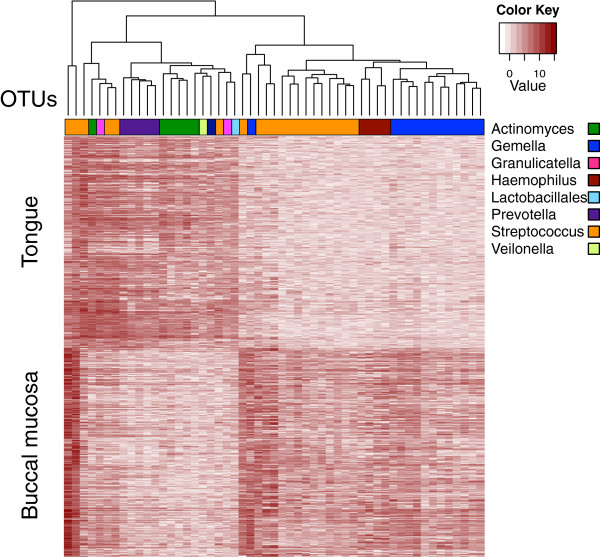
BACKGROUND: Experimental designs that take advantage of high-throughput sequencing to generate datasets include RNA sequencing (RNA-seq), chromatin immunoprecipitation sequencing (ChIP-seq), sequencing of 16S rRNA gene fragments, metagenomic analysis and selective growth experiments. In each case the underlying data are similar and are composed of counts of sequencing reads mapped to a large number of features in each sample. Despite this underlying similarity, the data analysis methods used for these experimental designs are all different, and do not translate across experiments. Alternative methods have been developed in the physical and geological sciences that treat similar data as compositions. Compositional data analysis methods transform the data to relative abundances with the result that the analyses are more robust and reproducible. RESULTS: Data from an in vitro selective growth experiment, an RNA-seq experiment and the Human Microbiome Project 16S rRNA gene abundance dataset were examined by ALDEx2, a compositional data analysis tool that uses Bayesian methods to infer technical and statistical error. The ALDEx2 approach is shown to be suitable for all three types of data: it correctly identifies both the direction and differential abundance of features in the differential growth experiment, it identifies a substantially similar set of differentially expressed genes in the RNA-seq dataset as the leading tools and it identifies as differential the taxa that distinguish the tongue dorsum and buccal mucosa in the Human Microbiome Project dataset. The design of ALDEx2 reduces the number of false positive identifications that result from datasets composed of many features in few samples. CONCLUSION: Statistical analysis of high-throughput sequencing datasets composed of per feature counts showed that the ALDEx2 R package is a simple and robust tool, which can be applied to RNA-seq, 16S rRNA gene sequencing and differential growth datasets, and by extension to other techniques that use a similar approach.
Overview
The claims and statistics of this paper haven’t been checked yet.
Free: it reads the open-access text and checks the first 5 claims that cite a source we can check. Create a free account to check every claim.
Integrity signals
Registry
Cites
Statistics
Figures
Verification
Claims the paper makes
The claims and statistics of this paper haven’t been checked yet.
Free: it reads the open-access text and checks the first 5 claims that cite a source we can check. Create a free account to check every claim.
Claims other papers make about this one
Each is checked against this paper’s own text: does it say what the citing paper says it does?
The cited source says what the claim attributes to it.
In the citing paper
“Taxonomic abundance was transformed using the centered log ratio (clr) transformation [35, 36] after adding a pseudocount, in order to remove compositional constraints of sequencing.”
From Relating the gut metagenome and metatranscriptome to immunotherapy responses in melanoma patients (2019) · cites this paper as [35]
In the citing paper
“There already exist several developed methods to find changes in compositional data between cases and controls that avoid the biases caused by the compositional nature of metagenomic sequencing data (for example, ALDEx263, ANCOM64 and Gneiss65).”
From Longitudinal gut microbiome changes in immune checkpoint blockade-treated advanced melanoma (2024) · cites this paper as [63]
Self-check
Percentages, sums and reported differences re-computed from the paper’s own numbers.
The self-check needs the paper’s full text.
Citations
Cites
R: A Language and Environment for Statistical Computing
R Core Team (2025) · doi:10.32614/r.manuals · Cited by 352,181
Controlling the False Discovery Rate: A Practical and Powerful Approach to Multiple Testing
Benjamini, Y., & Hochberg, Y. (1995) · Journal of the Royal Statistical Society Series B: Statistical Methodology · doi:10.1111/j.2517-6161.1995.tb02031.x · Cited by 109,482 · cited 1×
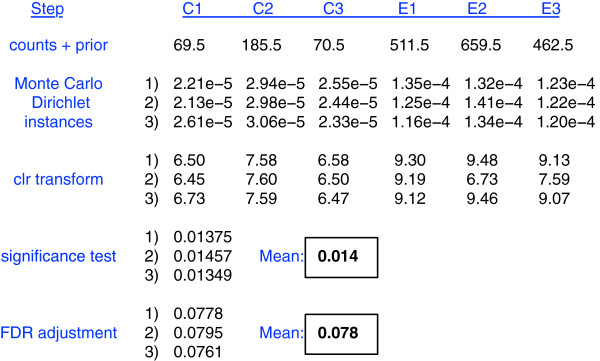
“Each realization of the ci,j value between conditions is subjected to both a Welch’s t-test and aWilcoxon rank test giving two vectors of P values, and each P value instance is then corrected for multiple hypothesis testing using the false discovery rate (fdr) approach of Benjamini and Hochberg [30].”
MethodQIIME allows analysis of high-throughput community sequencing data
Caporaso, J. G., Kuczynski, J., Stombaugh, J., Bittinger, K., Bushman, F. D., Costello, E. K., Fierer, N., Peña, A. G., Goodrich, J. K., Gordon, J. I., et al. (2010) · Nature Methods · doi:10.1038/nmeth.f.303 · Cited by 34,887
Schloss, P. D., Westcott, S. L., Ryabin, T., Hall, J. R., Hartmann, M., Hollister, E. B., Lesniewski, R. A., Oakley, B. B., Parks, D. H., Robinson, C. J., et al. (2009) · Applied and Environmental Microbiology · doi:10.1128/aem.01541-09 · Cited by 19,549 · cited 2×
“However, all these tools treat the underlying data as counts per feature, adjusting these counts across samples and performing statistical tests on these adjusted counts [1,3,4,7].”
BackgroundDifferential expression analysis for sequence count data
Anders, S., & Huber, W. (2010) · Genome Biology · doi:10.1186/gb-2010-11-10-r106 · Cited by 15,581 · cited 3×
“The negative binomial approach allowed the estimation of the variance within a condition as a function of the mean expression [31].”
MethodInfluentialGlobal patterns of 16S rRNA diversity at a depth of millions of sequences per sample
Caporaso, J. G., Lauber, C. L., Walters, W. A., Berg-Lyons, D., Lozupone, C. A., Turnbaugh, P. J., Fierer, N., & Knight, R. (2011) · Proceedings of the National Academy of Sciences · doi:10.1073/pnas.1000080107 · Cited by 9,711 · cited 2×
“Similarly, the standard practice in 16S rRNA gene sequencing is to exclude features that are less than an abundance cut-off [19,20], and in practice this usually means excluding singleton reads.”
BackgroundVEGAN, a package of R functions for community ecology
Dixon, P. (2003) · Journal of Vegetation Science · doi:10.1111/j.1654-1103.2003.tb02228.x · Cited by 6,824 · cited 1×
“Another commonly used transformation in 16S rRNA gene sequencing is the Hellinger transformation [43] implemented in the VEGAN R package [44].”
MethodTurnbaugh, P. J., Ley, R. E., Hamady, M., Fraser-Liggett, C. M., Knight, R., & Gordon, J. I. (2007) · Nature · doi:10.1038/nature06244 · Cited by 6,091 · cited 1×
“The outstanding advances made possible through the Human Microbiome Project [33] have transformed our perception of health and disease.”
BackgroundDe Filippo, C., Cavalieri, D., Di Paola, M., Ramazzotti, M., Poullet, J. B., Massart, S., Collini, S., Pieraccini, G., & Lionetti, P. (2010) · Proceedings of the National Academy of Sciences · doi:10.1073/pnas.1005963107 · Cited by 5,579 · cited 1×
“This was followed by an intriguing study of children from a rural village in Burkina Faso, whose high-fiber diet is similar to that eaten in early human settlements at the time of the birth of agriculture [11]; compared to European children, the latter study found a significant enrichment in Bacteroidetes and depletio…”
ResultEcologically meaningful transformations for ordination of species data
Legendre, P., & Gallagher, E. D. (2001) · Oecologia · doi:10.1007/s004420100716 · Cited by 5,556
Diversity, stability and resilience of the human gut microbiota
Lozupone, C. A., Stombaugh, J. I., Gordon, J. I., Jansson, J. K., & Knight, R. (2012) · Nature · doi:10.1038/nature11550 · Cited by 5,533 · cited 1×
“Introduction The rapid expansion of microbiome [1-5] and probiotic [6-9] research over the past 10 years and the many spinoffs providing novel insights into human and animal diseases, as well as products designed to alleviate them, have been primarily driven by sizeable funding from developed countries, especially Can…”
BackgroundThe Statistical Analysis of Compositional Data
Aitchison, J. (1986) · doi:10.1007/978-94-009-4109-0 · Cited by 4,383
Measurement in Medicine: The Analysis of Method Comparison Studies
Altman, D. G., & Bland, J. M. (1983) · The Statistician · doi:10.2307/2987937 · Cited by 4,300
The Statistical Analysis of Compositional Data
Piepel, G. F. (1988) · Technometrics · doi:10.1080/00401706.1988.10488337 · Cited by 3,418
Inferring Correlation Networks from Genomic Survey Data
Friedman, J., & Alm, E. J. (2012) · PLoS Computational Biology · doi:10.1371/journal.pcbi.1002687 · Cited by 2,706 · cited 10×
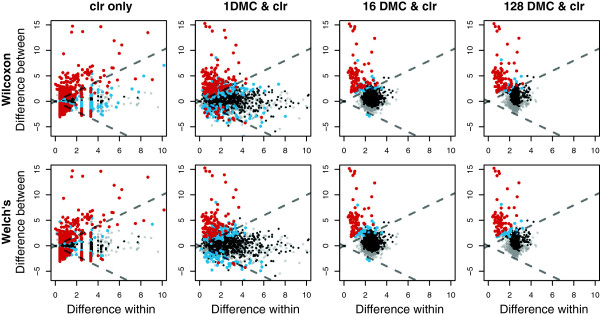
“Several groups have recently shown that the sampling error inherent in high-throughput sequencing protocols can be modeled appropriately by Monte Carlo sampling from a Dirichlet distribution [8,9,26,27].”
BackgroundMethodInfluentialThe fortune at the bottom of the pyramid
Prahalad, C. K., & Hart, S. L. (2010) · Revista Eletrônica de Estratégia & Negócios · doi:10.19177/reen.v1e220081-23 · Cited by 2,366
Isometric Logratio Transformations for Compositional Data Analysis
Egozcue, J. J., Pawlowsky-Glahn, V., Mateu-Figueras, G., & Barceló-Vidal, C. (2003) · Mathematical Geology · doi:10.1023/a:1023818214614 · Cited by 1,935
Chapter 36 Large sample estimation and hypothesis testing
Newey, W. K., & McFadden, D. (1994) · Handbook of Econometrics · doi:10.1016/s1573-4412(05)80005-4 · Cited by 1,743
Differential expression in RNA-seq: A matter of depth
Tarazona, S., García-Alcalde, F., Dopazo, J., Ferrer, A., & Conesa, A. (2011) · Genome Research · doi:10.1101/gr.124321.111 · Cited by 1,632 · cited 1×
“Moreover, the relatively high cost of sequencing has led to study designs that often emphasize per sample sequencing depth over biological replication [45], despite advice to the contrary [46,47].”
BackgroundMicrobial co-occurrence relationships in the human microbiome
Faust, K., Sathirapongsasuti, J. F., Izard, J., Segata, N., Gevers, D., Raes, J., & Huttenhower, C. (2012) · PLoS Computational Biology · doi:10.1371/journal.pcbi.1002606 · Cited by 1,527 · cited 2×
“For example, one widely usedmethod [5] is similar to SAMseq in that it models the reads as coming from an underlying Poisson model to estimate technical variance and identifies as differential those features that show significance that is not sensitive to the estimated variance.”
BackgroundMethodInterdependence of Cell Growth and Gene Expression: Origins and Consequences
Scott, M., Gunderson, C. W., Mateescu, E. M., Zhang, Z., & Hwa, T. (2010) · Science · doi:10.1126/science.1192588 · Cited by 1,470 · cited 1×
“What is not often appreciated is that gene expression is itself a limited resource in the cell, meaning that the transcript abundance should also be modeled as proportional [39].”
BackgroundNonparametric estimates of standard error: The jackknife, the bootstrap and other methods
EFRON, B. (1981) · Biometrika · doi:10.1093/biomet/68.3.589 · Cited by 1,399 · cited 1×
“That data generated by high-throughput sequencing approaches must be analyzed in a scale-invariant manner is implied by the various corrections for read depth used by the RNAseq community [2], and by the rarefaction or jack-knifing commonly used by common 16S rRNA gene analysis tools [18].”
MethodDillies, M.-A., Rau, A., Aubert, J., Hennequet-Antier, C., Jeanmougin, M., Servant, N., Keime, C., Marot, G., Castel, D., Estelle, J., et al. (2013) · Briefings in Bioinformatics · doi:10.1093/bib/bbs046 · Cited by 1,298
Gut Microbiomes of Malawian Twin Pairs Discordant for Kwashiorkor
Smith, M. I., Yatsunenko, T., Manary, M. J., Trehan, I., Mkakosya, R., Cheng, J., Kau, A. L., Rich, S. S., Concannon, P., Mychaleckyj, J. C., et al. (2013) · Science · doi:10.1126/science.1229000 · Cited by 1,173 · cited 1×
“The potential increase in kwashiorkor due to mycotoxin exposure is particularly relevant given the importance of the microbiome in this condition [31].”
BackgroundCount-based differential expression analysis of RNA sequencing data using R and Bioconductor
Anders, S., McCarthy, D. J., Chen, Y., Okoniewski, M., Smyth, G. K., Huber, W., & Robinson, M. D. (2013) · Nature Protocols · doi:10.1038/nprot.2013.099 · Cited by 1,146 · cited 7×
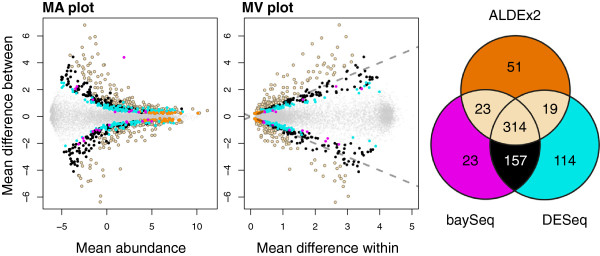
“That DESeq, DESeq2, SAMseq and baySeq identify features that become less abundant makes sense if the data are counts, but do not make sense if the data are compositional.”
BackgroundMethodInfluentialPearson, K. (1897) · Proceedings of the Royal Society of London · doi:10.1098/rspl.1896.0076 · Cited by 1,130
Segata, N., Haake, S. K., Mannon, P., Lemon, K. P., Waldron, L., Gevers, D., Huttenhower, C., & Izard, J. (2012) · Genome Biology · doi:10.1186/gb-2012-13-6-r42 · Cited by 1,076 · cited 3×
“, who observed that these genera differentiate these body sites [42].”
BackgroundMethodResultInfluentialCommensal bacteria at the interface of host metabolism and the immune system
Brestoff, J. R., & Artis, D. (2013) · Nature Immunology · doi:10.1038/ni.2640 · Cited by 945 · cited 1×
“Introduction The rapid expansion of microbiome [1-5] and probiotic [6-9] research over the past 10 years and the many spinoffs providing novel insights into human and animal diseases, as well as products designed to alleviate them, have been primarily driven by sizeable funding from developed countries, especially Can…”
BackgroundSmith, C. J., & Osborn, A. M. (2009) · FEMS Microbiology Ecology · doi:10.1111/j.1574-6941.2008.00629.x · Cited by 937 · cited 1×
“Some groups additionally use quantitative PCR approaches to normalize reads [6].”
BackgroundCreating a World Without Poverty: Social Business and the Future of Capitalism
Yunus, M., & Weber, K. (2007) · Cited by 893
Intestinal microbiome of poultry and its interaction with host and diet
Pan, D., & Yu, Z. (2014) · Gut Microbes · doi:10.4161/gmic.26945 · Cited by 889 · cited 1×
“Introduction The rapid expansion of microbiome [1-5] and probiotic [6-9] research over the past 10 years and the many spinoffs providing novel insights into human and animal diseases, as well as products designed to alleviate them, have been primarily driven by sizeable funding from developed countries, especially Can…”
BackgroundA comparison of methods for differential expression analysis of RNA-seq data
Soneson, C., & Delorenzi, M. (2013) · BMC Bioinformatics · doi:10.1186/1471-2105-14-91 · Cited by 887 · cited 4×
“Both DESeq and baySeq were recently shown to be among the most conservative when examining this dataset [36], and so can be considered to have assumptions that have been iteratively altered to fit to the underlying data better than the majority of tools used for this purpose.”
MethodInfluentialANOVA-Like Differential Expression (ALDEx) Analysis for Mixed Population RNA-Seq
Fernandes, A. D., Macklaim, J. M., Linn, T. G., Reid, G., & Gloor, G. B. (2013) · PLoS ONE · doi:10.1371/journal.pone.0067019 · Cited by 876 · cited 10×
“These transformations have been shown to increase resolution and allow more robust data interpretations in fields as diverse as paleontology [15], environmental sciences [14], metabolomics of wine [13], meta-transcriptomics [8] and 16S rRNA gene tag sequencing [9].”
BackgroundMethodInfluentialSelf-citationDirichlet Multinomial Mixtures: Generative Models for Microbial Metagenomics
Holmes, I., Harris, K., & Quince, C. (2012) · PLoS ONE · doi:10.1371/journal.pone.0030126 · Cited by 857 · cited 2×
“Several groups have recently shown that the sampling error inherent in high-throughput sequencing protocols can be modeled appropriately by Monte Carlo sampling from a Dirichlet distribution [8,9,26,27].”
BackgroundMethodProbiotics for the prevention of Clostridium difficile-associated diarrhea in adults and children
Goldenberg, J. Z., Ma, S. S., Saxton, J. D., Martzen, M. R., Vandvik, P. O., Thorlund, K., Guyatt, G. H., & Johnston, B. C. (2013) · Cochrane Database of Systematic Reviews · doi:10.1002/14651858.cd006095.pub3 · Cited by 741 · cited 1×
“Introduction The rapid expansion of microbiome [1-5] and probiotic [6-9] research over the past 10 years and the many spinoffs providing novel insights into human and animal diseases, as well as products designed to alleviate them, have been primarily driven by sizeable funding from developed countries, especially Can…”
BackgroundExperimental and analytical tools for studying the human microbiome
Kuczynski, J., Lauber, C. L., Walters, W. A., Parfrey, L. W., Clemente, J. C., Gevers, D., & Knight, R. (2012) · Nature Reviews Genetics · doi:10.1038/nrg3129 · Cited by 709 · cited 2×
“By way of example, consider the following set of values: x = [10, 35, 50, 500]: where the proportional sum is constrained to be 1.”
BackgroundGroups of Parts and Their Balances in Compositional Data Analysis
Egozcue, J. J., & Pawlowsky-Glahn, V. (2005) · Mathematical Geology · doi:10.1007/s11004-005-7381-9 · Cited by 627
“compositions”: A unified R package to analyze compositional data
van den Boogaart, K. G., & Tolosana-Delgado, R. (2008) · Computers & Geosciences · doi:10.1016/j.cageo.2006.11.017 · Cited by 598 · cited 1×
“Aitchison demonstrated that data mapping to the simplex must be transformed prior to analysis to prevent erroneous conclusions [12,17].”
BackgroundMicrobiota restoration: natural and supplemented recovery of human microbial communities
Reid, G., Younes, J. A., Van der Mei, H. C., Gloor, G. B., Knight, R., & Busscher, H. J. (2011) · Nature Reviews Microbiology · doi:10.1038/nrmicro2473 · Cited by 588 · cited 1×
“Introduction The rapid expansion of microbiome [1-5] and probiotic [6-9] research over the past 10 years and the many spinoffs providing novel insights into human and animal diseases, as well as products designed to alleviate them, have been primarily driven by sizeable funding from developed countries, especially Can…”
BackgroundSelf-citationDynamic Gut Microbiome across Life History of the Malaria Mosquito Anopheles gambiae in Kenya
Wang, Y., Gilbreath, T. M., Kukutla, P., Yan, G., & Xu, J. (2011) · PLoS ONE · doi:10.1371/journal.pone.0024767 · Cited by 584 · cited 1×
“Of particular interest is the gut microbiome of the malaria mosquito [19], perhaps as a first step in manipulating it to lower infectivity of the parasite.”
BackgroundZimmermann, M. B., Chassard, C., Rohner, F., N'Goran, E. K., Nindjin, C., Dostal, A., Utzinger, J., Ghattas, H., Lacroix, C., & Hurrell, R. F. (2010) · The American Journal of Clinical Nutrition · doi:10.3945/ajcn.110.004564 · Cited by 520 · cited 1×
“The importance of this is illustrated by a Swiss-led study in Ivory Coast which showed that not only was iron fortification through biscuits ineffective for iron-deficiency anemia, but it worsened the unfavorable ratio of fecal Enterobacteriaceae to Bifidobacterium and Lactobacillus [15].”
BackgroundRNA-seq differential expression studies: more sequence or more replication?
Liu, Y., Zhou, J., & White, K. P. (2014) · Bioinformatics · doi:10.1093/bioinformatics/btt688 · Cited by 497 · cited 1×
“Moreover, the relatively high cost of sequencing has led to study designs that often emphasize per sample sequencing depth over biological replication [45], despite advice to the contrary [46,47].”
BackgroundUnivariate statistical analysis of environmental (compositional) data: Problems and possibilities
Filzmoser, P., Hron, K., & Reimann, C. (2009) · Science of The Total Environment · doi:10.1016/j.scitotenv.2009.08.008 · Cited by 447 · cited 2×
“These transformations have been shown to increase resolution and allow more robust data interpretations in fields as diverse as paleontology [15], environmental sciences [14], metabolomics of wine [13], meta-transcriptomics [8] and 16S rRNA gene tag sequencing [9].”
BackgroundLi, J., & Tibshirani, R. (2013) · Statistical Methods in Medical Research · doi:10.1177/0962280211428386 · Cited by 437 · cited 5×
“We and others have developed non-parametric tools to identify those features fulfilling those criteria [8,32].”
MethodInfluentialEfficacy of Lactobacillus GG in prevention of nosocomial diarrhea in infants
Szajewska, H., Kotowska, M., Mrukowicz, J. Z., Arma′nska, M., & Mikolajczyk, W. (2001) · The Journal of Pediatrics · doi:10.1067/mpd.2001.111321 · Cited by 409 · cited 1×
“The GG strain has been used safely in pregnant women and infants and has been shown to prevent diarrhea [40-42], indicating appropriateness for use in clinical settings.”
MethodStatistical Design and Analysis of RNA Sequencing Data
Auer, P. L., & Doerge, R. W. (2010) · Genetics · doi:10.1534/genetics.110.114983 · Cited by 393 · cited 1×
“Moreover, the relatively high cost of sequencing has led to study designs that often emphasize per sample sequencing depth over biological replication [45], despite advice to the contrary [46,47].”
BackgroundCan scientists and policy makers work together?: Table 1
Choi, B. C. K., Pang, T., Lin, V., Puska, P., Sherman, G., Goddard, M., Ackland, M. J., Sainsbury, P., Stachenko, S., Morrison, H., et al. (2005) · Journal of Epidemiology and Community Health · doi:10.1136/jech.2004.031765 · Cited by 393
Microbiome profiling by Illumina sequencing of combinatorial sequence-tagged PCR products
Gloor, G. B., Hummelen, R., Macklaim, J. M., Dickson, R. J., Fernandes, A. D., MacPhee, R., & Reid, G. (2010) · PLoS ONE · doi:10.1371/journal.pone.0015406 · Cited by 330
Self-citationHypothesis Testing and Power Calculations for Taxonomic-Based Human Microbiome Data
La Rosa, P. S., Brooks, J. P., Deych, E., Boone, E. L., Edwards, D. J., Wang, Q., Sodergren, E., Weinstock, G., & Shannon, W. D. (2012) · PLoS ONE · doi:10.1371/journal.pone.0052078 · Cited by 325
High throughput sequencing methods and analysis for microbiome research
Di Bella, J. M., Bao, Y., Gloor, G. B., Burton, J. P., & Reid, G. (2013) · Journal of Microbiological Methods · doi:10.1016/j.mimet.2013.08.011 · Cited by 324 · cited 1×
“With regard to collecting, storing and sharing metadata, it would be useful to communicate the importance of collecting standard metadata for all samples [35].”
BackgroundSelf-citationThe Footprints of Gut Microbial–Mammalian Co-Metabolism
Zheng, X., Xie, G., Zhao, A., Zhao, L., Yao, C., Chiu, N. H. L., Zhou, Z., Bao, Y., Jia, W., Nicholson, J. K., et al. (2011) · Journal of Proteome Research · doi:10.1021/pr2007945 · Cited by 319
Deep Sequencing of the Vaginal Microbiota of Women with HIV
Hummelen, R., Fernandes, A. D., Macklaim, J. M., Dickson, R. J., Changalucha, J., Gloor, G. B., & Reid, G. (2010) · PLoS ONE · doi:10.1371/journal.pone.0012078 · Cited by 262 · cited 1×
“The first study conducted in Africa was based upon 16S rRNA gene sequencing, utilizing Illumina (San Diego, CA), and revealed a microbiome of relatively high diversity in the vagina of Tanzanian women infected with HIV [10].”
MethodSelf-citationBinding of aflatoxin B1to cell wall components of Lactobacillus rhamnosus strain GG
Lahtinen §, S. J., Haskard ¶, C. A., Ouwehand §, A. C., Salminen §, S. J., & Ahokas, J. T. (2004) · Food Additives and Contaminants · doi:10.1080/02652030310001639521 · Cited by 236 · cited 1×
“rhamnosus GR-1 and NN-20 created by Kenyans and Canadians is being tested in Embu, Kenya, for its ability to reduce aflatoxin poisoning from ingestion of corn and peanuts, through aflatoxinbinding properties [62-64].”
BackgroundArimond, M., Zeilani, M., Jungjohann, S., Brown, K. H., Ashorn, P., Allen, L. H., & Dewey, K. G. (2015) · Maternal & Child Nutrition · doi:10.1111/mcn.12049 · Cited by 235 · cited 1×
“Similarly, local foods have been used for food supplements in nutrition intervention studies in Malawi [52,53].”
BackgroundDouillard, F. P., Ribbera, A., Kant, R., Pietilä, T. E., Järvinen, H. M., Messing, M., Randazzo, C. L., Paulin, L., Laine, P., Ritari, J., et al. (2013) · PLoS Genetics · doi:10.1371/journal.pgen.1003683 · Cited by 233 · cited 1×
“our understanding of adaptation mechanism of organisms in the environment [16] and how these might have been impacted by various niches [17,18].”
BackgroundEvaluating Gene Expression in C57BL/6J and DBA/2J Mouse Striatum Using RNA-Seq and Microarrays
Bottomly, D., Walter, N. A. R., Hunter, J. E., Darakjian, P., Kawane, S., Buck, K. J., Searles, R. P., Mooney, M., McWeeney, S. K., & Hitzemann, R. (2011) · PLoS ONE · doi:10.1371/journal.pone.0017820 · Cited by 232 · cited 2×
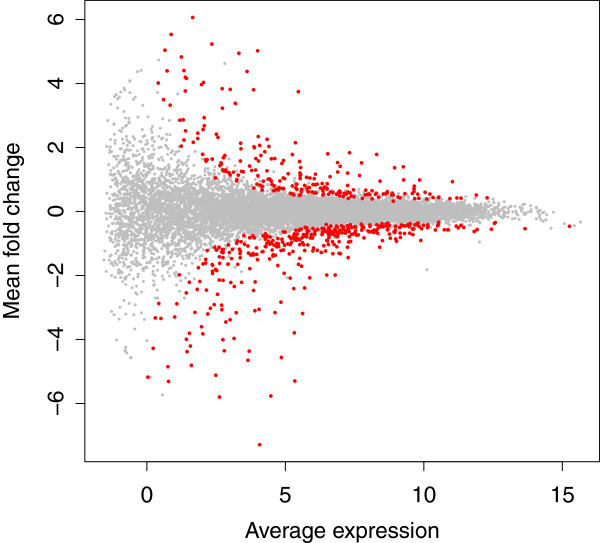
“RNA-seq dataset [37] using the parametric tools DESeq and baySeq and compared these results to those obtained by ALDEx2, which treats the dataset as being compositional rather than count based.”
BackgroundMethodInsights from Characterizing Extinct Human Gut Microbiomes
Tito, R. Y., Knights, D., Metcalf, J., Obregon-Tito, A. J., Cleeland, L., Najar, F., Roe, B., Reinhard, K., Sobolik, K., Belknap, S., et al. (2012) · PLoS ONE · doi:10.1371/journal.pone.0051146 · Cited by 216 · cited 1×
“Such continental-comparative studies can be revealing in terms of understanding how the environment and diet influence health, disease and weight gain, especially since it is known that modern diet and lifestyle can cause a dramatic change to the human gut microbiome [12].”
BackgroundEl-Nezami, H., Kankaanpää, P., Salminen, S., & Ahokas, J. (1998) · Journal of Food Protection · doi:10.4315/0362-028x-61.4.466 · Cited by 208 · cited 1×
“rhamnosus GR-1 and NN-20 created by Kenyans and Canadians is being tested in Embu, Kenya, for its ability to reduce aflatoxin poisoning from ingestion of corn and peanuts, through aflatoxinbinding properties [62-64].”
BackgroundHabitual Intake of Lactic Acid Bacteria and Risk Reduction of Bladder Cancer
Ohashi, Y., Nakai, S., Tsukamoto, T., Masumori, N., Akaza, H., Miyanaga, N., Kitamura, T., Kawabe, K., Kotake, T., Kuroda, M., et al. (2002) · Urologia Internationalis · doi:10.1159/000058450 · Cited by 207 · cited 1×
“Given the reported health benefits of fermented foods [45-47], the view was that consumption of these foods should be encouraged, especially since they are part of the traditional healthy diet.”
BackgroundLei, V., & Jakobsen, M. (2004) · Journal of Applied Microbiology · doi:10.1046/j.1365-2672.2004.02162.x · Cited by 204 · cited 1×
“Fermented foods have a long history of use in Africa, and in recent years efforts have been made to identify the microbial strains and propagate them as probiotics to confer additional health benefits [20-23].”
BackgroundOrdered group reference priors with application to the multinomial problem
BERGER, J. O., & BERNARDO, J. M. (1992) · Biometrika · doi:10.1093/biomet/79.1.25 · Cited by 193 · cited 2×
“An uninformative prior of 1/2 is used to model the frequency of features with zero counts [28,29].”
BackgroundMethodMathara, J. M., Schillinger, U., Guigas, C., Franz, C., Kutima, P. M., Mbugua, S. K., Shin, H.-K., & Holzapfel, W. H. (2008) · International Journal of Food Microbiology · doi:10.1016/j.ijfoodmicro.2008.04.027 · Cited by 189 · cited 1×
“Fermented foods have a long history of use in Africa, and in recent years efforts have been made to identify the microbial strains and propagate them as probiotics to confer additional health benefits [20-23].”
BackgroundKerac, M., Bunn, J., Seal, A., Thindwa, M., Tomkins, A., Sadler, K., Bahwere, P., & Collins, S. (2009) · The Lancet · doi:10.1016/s0140-6736(09)60884-9 · Cited by 181 · cited 1×
“Some studies have shown the benefits of probiotics in the gut and vagina of HIV-infected patients in Africa [24,25], while in one report a combination of probiotic and prebiotic failed to resolve acute severe malnutrition in children from Malawi [26].”
BackgroundSeale, A. C., Mwaniki, M., Newton, C. R., & Berkley, J. A. (2009) · The Lancet Infectious Diseases · doi:10.1016/s1473-3099(09)70172-0 · Cited by 174 · cited 1×
“In sub-Saharan Africa, sepsis is the cause of at least 10% of all maternal deaths and 26% of neonatal deaths [36].”
BackgroundThe pea aphid genome sequence brings theories of insect defense into question
Elsik, C. G. (2010) · Genome Biology · doi:10.1186/gb-2010-11-2-106 · Cited by 173
Distinct Gut Microbiota in Southeastern African and Northern European Infants
Grześkowiak, Ł., Collado, M. C., Mangani, C., Maleta, K., Laitinen, K., Ashorn, P., Isolauri, E., & Salminen, S. (2012) · Journal of Pediatric Gastroenterology and Nutrition · doi:10.1097/mpg.0b013e318249039c · Cited by 163 · cited 1×
“It will be interesting to see if the gut microbiome, shown to have a higher abundance of Bifidobacterium and a different BacteroidesPrevotella ratio at 6 months of age in resource disadvantaged Malawi compared to higher-income Finland, converts to one similar to Finland or the US [13].”
ResultReCount: A multi-experiment resource of analysis-ready RNA-seq gene count datasets
Frazee, A. C., Langmead, B., & Leek, J. T. (2011) · BMC Bioinformatics · doi:10.1186/1471-2105-12-449 · Cited by 160 · cited 1×
“It was accessed from the ReCount dataset [38] in January 2014.”
MethodThe Role of the Microbiome in Rheumatic Diseases
Yeoh, N., Burton, J. P., Suppiah, P., Reid, G., & Stebbings, S. (2013) · Current Rheumatology Reports · doi:10.1007/s11926-012-0314-y · Cited by 155 · cited 1×
“Introduction The rapid expansion of microbiome [1-5] and probiotic [6-9] research over the past 10 years and the many spinoffs providing novel insights into human and animal diseases, as well as products designed to alleviate them, have been primarily driven by sizeable funding from developed countries, especially Can…”
BackgroundIrvine, S. L., Hummelen, R., Hekmat, S., W. N. Looman, C., Habbema, J. D. F., & Reid, G. (2010) · Journal of Clinical Gastroenterology · doi:10.1097/mcg.0b013e3181d8fba8 · Cited by 147 · cited 1×
“Some studies have shown the benefits of probiotics in the gut and vagina of HIV-infected patients in Africa [24,25], while in one report a combination of probiotic and prebiotic failed to resolve acute severe malnutrition in children from Malawi [26].”
BackgroundCoprophagy in animals: a review.
Soave, O. A., & Brand, C. (1991) · PubMed · Cited by 142
A Two-Stage Poisson Model for Testing RNA-Seq Data
Auer, P. L., & Doerge, R. W. (2011) · Statistical Applications in Genetics and Molecular Biology · doi:10.2202/1544-6115.1627 · Cited by 141
Logratio transformation of compositional data
Kučera, M., & Malmgren, B. A. (1998) · Marine Micropaleontology · doi:10.1016/s0377-8398(97)00047-9 · Cited by 130 · cited 2×
“These transformations have been shown to increase resolution and allow more robust data interpretations in fields as diverse as paleontology [15], environmental sciences [14], metabolomics of wine [13], meta-transcriptomics [8] and 16S rRNA gene tag sequencing [9].”
BackgroundBolognani, F., Rumney, C. J., & Rowland, I. R. (1997) · Food and Chemical Toxicology · doi:10.1016/s0278-6915(97)00029-x · Cited by 129 · cited 1×
“rhamnosus GR-1 and NN-20 created by Kenyans and Canadians is being tested in Embu, Kenya, for its ability to reduce aflatoxin poisoning from ingestion of corn and peanuts, through aflatoxinbinding properties [62-64].”
BackgroundAflatoxin B1 and M1 contamination of animal feeds and milk from urban centers in Kenya.
Kang’ethe, E. K., & Lang'a, K. A. (2009) · Europe PMC (PubMed Central) · Cited by 126
Probiotics, prebiotics, and the host microbiome: the science of translation
Petschow, B., Doré, J., Hibberd, P., Dinan, T., Reid, G., Blaser, M., Cani, P. D., Degnan, F. H., Foster, J., Gibson, G., et al. (2013) · Annals of the New York Academy of Sciences · doi:10.1111/nyas.12303 · Cited by 124
Influence of mother's intestinal microbiota on gut colonization in the infant
Grönlund, M.-M., Grześkowiak, Ł., Isolauri, E., & Salminen, S. (2011) · Gut Microbes · doi:10.4161/gmic.2.4.16799 · Cited by 113 · cited 1×
“Only minor differences were observed between the microbiota of subjects in Finland and Germany, emphasizing the African deviation [14].”
BackgroundAfrican Traditional Fermented Foods and Probiotics
Anukam, K. C., & Reid, G. (2009) · Journal of Medicinal Food · doi:10.1089/jmf.2008.0163 · Cited by 109 · cited 1×
“Despite a long history of a large variety of fermented foods across Africa [43,44], these are not necessarily being passed down to the next generation or incorporated in the food-based dietary guidelines.”
BackgroundHummelen, R., Changalucha, J., Butamanya, N. L., Cook, A., Habbema, J. D. F., & Reid, G. (2010) · International Journal of Gynecology & Obstetrics · doi:10.1016/j.ijgo.2010.07.008 · Cited by 105 · cited 1×
“Some studies have shown the benefits of probiotics in the gut and vagina of HIV-infected patients in Africa [24,25], while in one report a combination of probiotic and prebiotic failed to resolve acute severe malnutrition in children from Malawi [26].”
Mangani, C., Maleta, K., Phuka, J., Cheung, Y. B., Thakwalakwa, C., Dewey, K., Manary, M., Puumalainen, T., & Ashorn, P. (2015) · Maternal & Child Nutrition · doi:10.1111/mcn.12068 · Cited by 103 · cited 1×
“Similarly, local foods have been used for food supplements in nutrition intervention studies in Malawi [52,53].”
BackgroundMicrobiota of male genital tract: Impact on the health of man and his partner
Mändar, R. (2012) · Pharmacological Research · doi:10.1016/j.phrs.2012.10.019 · Cited by 100 · cited 1×
“For example, studies which assess the male urinary tract microbiota have been conducted in Europe [27], but in Africa studies have examined the effect of circumcision on the corona sulcus microbiota.”
BackgroundLarsson, S. C., Andersson, S., Johansson, J., & Wolk, A. (2008) · American Journal of Clinical Nutrition · doi:10.1093/ajcn/88.4.1083 · Cited by 97 · cited 1×
“Given the reported health benefits of fermented foods [45-47], the view was that consumption of these foods should be encouraged, especially since they are part of the traditional healthy diet.”
Backgroundvan Helden, P. D., van Helden, L., & Hoal, E. G. (2013) · EMBO Reports · doi:10.1038/embor.2013.61 · Cited by 88
Long‐term Colonization of a Lactobacillus plantarum Synbiotic Preparation in the Neonatal Gut
Panigrahi, P., Parida, S., Pradhan, L., Mohapatra, S. S., Misra, P. R., Johnson, J. A., Chaudhry, R., Taylor, S., Hansen, N. I., & Gewolb, I. H. (2008) · Journal of Pediatric Gastroenterology and Nutrition · doi:10.1097/mpg.0b013e31815a5f2c · Cited by 82
Laitinen, K., Kalliomäki, M., Poussa, T., Lagström, H., & Isolauri, E. (2005) · British Journal of Nutrition · doi:10.1079/bjn20051503 · Cited by 81 · cited 1×
“The GG strain has been used safely in pregnant women and infants and has been shown to prevent diarrhea [40-42], indicating appropriateness for use in clinical settings.”
MethodBioprospecting Potential of the Soil Metagenome: Novel Enzymes and Bioactivities
Lee, M. H., & Lee, S. (2013) · Genomics & Informatics · doi:10.5808/gi.2013.11.3.114 · Cited by 80 · cited 1×
“Introduction The rapid expansion of microbiome [1-5] and probiotic [6-9] research over the past 10 years and the many spinoffs providing novel insights into human and animal diseases, as well as products designed to alleviate them, have been primarily driven by sizeable funding from developed countries, especially Can…”
BackgroundSanghvi, T. G., Jimerson, A., Hajeebhoy, N., Zewale, M., & Nguyen, G. H. (2013) · Food and Nutrition Bulletin · doi:10.1177/15648265130343s204 · Cited by 69
Hummelen, R., Hemsworth, J., Changalucha, J., Butamanya, N. L., Hekmat, S., Habbema, J. D. F., & Reid, G. (2011) · Nutrients · doi:10.3390/nu3100897 · Cited by 66 · cited 1×
“Making probiotic foods available to the poorest will contribute to all but goal 2 (achieve universal primary education) of the Millennium Development Goals [22,57-59].”
BackgroundManzoni, P., Lista, G., Gallo, E., Marangione, P., Priolo, C., Fontana, P., Guardione, R., & Farina, D. (2011) · Early Human Development · doi:10.1016/j.earlhumdev.2011.01.036 · Cited by 63 · cited 1×
“The GG strain has been used safely in pregnant women and infants and has been shown to prevent diarrhea [40-42], indicating appropriateness for use in clinical settings.”
MethodKort, R., & Sybesma, W. (2012) · Trends in biotechnology · doi:10.1016/j.tibtech.2012.09.002 · Cited by 50
Vijayan, P., Vijayaraj, P., Setty, P. H. C., Hariharapura, R. C., Godavarthi, A., Badami, S., Dhanaraj, S. A., & Bhojraj, S. (2004) · Biological and Pharmaceutical Bulletin · doi:10.1248/bpb.27.528 · Cited by 49 · cited 1×
“The addition of micronutrient rich plants was recommended, and Moringa, already used in community yogurt kitchen projects in Tanzania [49] and widely available across Africa, was considered a source of micronutrients, along with amaranth [50] and managu (Solanum pseudocapsicum) [51].”
BackgroundProbiotics for the Developing World
Reid, G., Anand, S., Bingham, M. O., Mbugua, G., Wadstrom, T., Fuller, R., Anukam, K., & Katsivo, M. (2005) · Journal of Clinical Gastroenterology · doi:10.1097/01.mcg.0000165648.32371.38 · Cited by 46 · cited 2×
“Fermented foods have a long history of use in Africa, and in recent years efforts have been made to identify the microbial strains and propagate them as probiotics to confer additional health benefits [20-23].”
BackgroundBacterial Diversity in the Haloalkaline Lake Elmenteita, Kenya
Mwirichia, R., Cousin, S., Muigai, A. W. T., Boga, H. I., & Stackebrandt, E. S. (2010) · Current Microbiology · doi:10.1007/s00284-010-9692-4 · Cited by 43 · cited 1×
“our understanding of adaptation mechanism of organisms in the environment [16] and how these might have been impacted by various niches [17,18].”
BackgroundDifferences between the normal vaginal bacterial community of baboons and that of humans
Rivera, A. J., Frank, J. A., Stumpf, R., Salyers, A. A., Wilson, B. A., Olsen, G. J., & Leigh, S. (2011) · American Journal of Primatology · doi:10.1002/ajp.20851 · Cited by 41 · cited 1×
“our understanding of adaptation mechanism of organisms in the environment [16] and how these might have been impacted by various niches [17,18].”
BackgroundProportions, Percentages, PPM: Do the Molecular Biosciences Treat Compositional Data Right?
Lovell, D., Müller, W., Taylor, J., Zwart, A., & Helliwell, C. (2011) · Compositional Data Analysis · doi:10.1002/9781119976462.ch14 · Cited by 40 · cited 1×
“Compositional data and high-throughput sequencing Despite current advice to treat high-throughput sequencing datasets as count data [1,10], fundamentally, such datasets are compositional [8,9,11].”
BackgroundMpofu, A., Linnemann, A. R., Sybesma, W., Kort, R., Nout, M. J. R., & Smid, E. J. (2014) · Journal of Dairy Science · doi:10.3168/jds.2013-7593 · Cited by 40 · cited 2×
“A dairy product has also been developed on the basis of a traditional dish called mutandabota (made from baobab fruit pulp and sugar), and is widely consumed in Southern Africa [23].”
BackgroundHardcastle, T. J., & Kelly, K. A. (2013) · BMC Bioinformatics · doi:10.1186/1471-2105-14-135 · Cited by 37 · cited 2×
“0 [33] versions were used in R version v3.”
MethodProgress in the field of probiotics: year 2011
Deshpande, G., Rao, S., & Patole, S. (2011) · Current Opinion in Gastroenterology · doi:10.1097/mog.0b013e328341373e · Cited by 36
van Tienen, A., Hullegie, Y., Hummelen, R., Hemsworth, J., Changalucha, J. M., & Reid, G. (2011) · Beneficial Microbes · doi:10.3920/bm2011.0024 · Cited by 34
Kaput, J., van Ommen, B., Kremer, B. H. A., Priami, C., Monteiro, J. P., Morine, M. J., Pepping, F., Diaz, Z. I., Fenech, M. F., He, Y., et al. (2013) · Genes & Nutrition · doi:10.1007/s12263-013-0378-y · Cited by 33 · cited 1×
“Another example is the ENOUGH program (which stands for essential nutrients for optimal underpinning of growth and health) which uses multisystem approaches (physiological using omics technologies, environmental, genetic, social conditions) to reach two billion undernourished people [54].”
Control of catalytic efficiency by a coevolving network of catalytic and noncatalytic residues
McMurrough, T. A., Dickson, R. J., Thibert, S. M. F., Gloor, G. B., & Edgell, D. R. (2014) · Proceedings of the National Academy of Sciences · doi:10.1073/pnas.1322352111 · Cited by 31 · cited 4×
“By way of example, consider the following set of values: x = [10, 35, 50, 500]: where the proportional sum is constrained to be 1.”
BackgroundMethodResultInfluentialSelf-citationBaines, D., Sumarah, M. W., Kuldau, G. A., Juba, J. H., Mazza, A., & Masson, L. (2013) · Toxins · doi:10.3390/toxins5101872 · Cited by 31
Fat From Different Foods Show Diverging Relations With Breast Cancer Risk in Postmenopausal Women
Wirfält, E., Mattisson, I., Gullberg, B., Olsson, H. L., & Berglund, G. L. (2005) · Nutrition and Cancer · doi:10.1207/s15327914nc5302_2 · Cited by 23 · cited 1×
“Given the reported health benefits of fermented foods [45-47], the view was that consumption of these foods should be encouraged, especially since they are part of the traditional healthy diet.”
BackgroundStatistical analysis of wines using a robust compositional biplot
Hron, K., Jelínková, M., Peter Filzmoser, A., Kreuziger, R., Bednář, P., & Barták, P. (2012) · Talanta · doi:10.1016/j.talanta.2011.12.060 · Cited by 21 · cited 2×
“These transformations have been shown to increase resolution and allow more robust data interpretations in fields as diverse as paleontology [15], environmental sciences [14], metabolomics of wine [13], meta-transcriptomics [8] and 16S rRNA gene tag sequencing [9].”
BackgroundA statistical framework for power calculations in ChIP-seq experiments
Zuo, C., & Keleş, S. (2013) · Bioinformatics · doi:10.1093/bioinformatics/btt200 · Cited by 15 · cited 2×
“Finally, ChIP-seq analyses often use Poisson-based models [7].”
BackgroundMethodKunyanga, C. N., Imungi, J. K., OKOTH, M. W., Vadivel, V., & Biesalski, H. K. (2012) · Food and Nutrition Bulletin · doi:10.1177/156482651203300104 · Cited by 12 · cited 1×
“The addition of micronutrient rich plants was recommended, and Moringa, already used in community yogurt kitchen projects in Tanzania [49] and widely available across Africa, was considered a source of micronutrients, along with amaranth [50] and managu (Solanum pseudocapsicum) [51].”
BackgroundProbiotics for Optimal Nutrition: from Efficacy to Guidelines
Howarth, G. S., Butler, R. N., Salminen, S., Gibson, G. R., & Donovan, S. M. (2012) · Advances in Nutrition · doi:10.3945/an.112.002501 · Cited by 7 · cited 1×
“Introduction The rapid expansion of microbiome [1-5] and probiotic [6-9] research over the past 10 years and the many spinoffs providing novel insights into human and animal diseases, as well as products designed to alleviate them, have been primarily driven by sizeable funding from developed countries, especially Can…”
BackgroundBacterial Diversity in the Haloalkaline Lake Elmenteita
Mwirichia, R., Cousin, S., Muigai, A. W. T., Boga, H. I., & Stackebrandt, E. S. (2010) · Cited by 7
(1986) · RePEc: Research Papers in Economics
Cited by
Microbiome Datasets Are Compositional: And This Is Not Optional
Gloor, G. B., Macklaim, J. M., Pawlowsky-Glahn, V., & Egozcue, J. J. (2017) · Frontiers in Microbiology · doi:10.3389/fmicb.2017.02224 · Cited by 3,044
“…extents, without restriction, to any number of taxa, and to any fixed capacity instrument (Aitchison, 1986; Lovell et al., 2011; Friedman and Alm, 2012; Fernandes et al., 2013, 2014; Lovell et al., 2015; Mandal et al., 2015; Gloor et al., 2016a,b; Gloor and Reid, 2016; Tsilimigras and Fodor, 2016).”
BackgroundMethodSelf-citationNormalization and microbial differential abundance strategies depend upon data characteristics
Weiss, S., Xu, Z. Z., Peddada, S., Amir, A., Bittinger, K., Gonzalez, A., Lozupone, C., Zaneveld, J. R., Vázquez-Baeza, Y., Birmingham, A., et al. (2017) · Microbiome · doi:10.1186/s40168-017-0237-y · Cited by 2,051
“This agrees with prior investigation finding RNA-Seq approaches unsuitable for microbiome data [60].”
MethodResultMicrobiome differential abundance methods produce different results across 38 datasets
Nearing, J. T., Douglas, G. M., Hayes, M. G., MacDonald, J., Desai, D. K., Allward, N., Jones, C. M. A., Wright, R. J., Dhanani, A. S., Comeau, A. M., et al. (2022) · Nature Communications · doi:10.1038/s41467-022-28034-z · Cited by 992
PICRUSt2: An improved and customizable approach for metagenome inference
Douglas, G. M., Maffei, V. J., Zaneveld, J., Yurgel, S. N., Brown, J. R., Taylor, C. M., Huttenhower, C., & Langille, M. G. I. (2019) · bioRxiv (Cold Spring Harbor Laboratory) · doi:10.1101/672295 · Cited by 714
The Microbiota of Breast Tissue and Its Association with Breast Cancer
Urbaniak, C., Gloor, G. B., Brackstone, M., Scott, L., Tangney, M., & Reid, G. (2016) · Applied and Environmental Microbiology · doi:10.1128/aem.01235-16 · Cited by 625
Self-citation
Metadata
- Authors
- Fernandes, A. D., Reid, J. N., Macklaim, J. M., McMurrough, T. A., Edgell, D. R., & Gloor, G. B.
- Affiliations
- Western University (CA)
- Corresponding author
- Gloor, Gregory B
- Venue
- Microbiome
- Published
- 2014-05-05
- Volume
- 2
- Issue
- 1
- Pages
- 15-15
- ISSN
- 2049-2618 (ISSN-L)
- PMC
- PMC4030730
- OpenAlex
- W2156975150
- Cited by
- 1,329
- References
- 108
- Citations by year
- 2026: 146 · 2025: 176 · 2024: 207 · 2023: 188 · 2022: 174 · 2021: 156 · 2020: 120 · 2019: 50 · 2018: 43 · 2017: 24 · 2016: 23 · 2015: 14 · 2014: 6
- FWCI
- 9.16
- Type
- journal article
- Language
- en
- Open access
- gold
- doi.org
- Licence
- cc-by
- Locations
- Microbiome (publishedVersion, cc-by)
- Europe PMC (PubMed Central) (publishedVersion, cc-by)
- PubMed Central (publishedVersion, cc-by)
- PubMed (publishedVersion)
- Scholarship@Western (Western University) (submittedVersion)
- Funders
- Canadian Institutes of Health Research
- Natural Sciences and Engineering Research Council of Canada
- Topics
- Life Sciences › Biochemistry, Genetics and Molecular Biology › Molecular Biology › Genomics and Phylogenetic Studies
- Life Sciences › Biochemistry, Genetics and Molecular Biology › Molecular Biology › Gene expression and cancer classification
- Life Sciences › Biochemistry, Genetics and Molecular Biology › Molecular Biology › Single-cell and spatial transcriptomics
- Keywords
- compositional data analysis, ALDEx2, RNA-seq, 16S rRNA gene sequencing, differential abundance, relative abundance, sequencing read counts, Human Microbiome Project, false positive reduction, differential gene expression
About these checks
Registry, retraction, Cites and statistics results are computed, not judged, with one exception: a printed reference that no index lists is read once by a model before it counts as a citation error. Claims are extracted by a model and kept only when their quote appears verbatim in the text; each cited source is then checked, with a model’s help, for whether it says what the claim relies on. Those verdicts can be wrong — read the claim’s quote and the cited source before relying on one.
Statistics and arithmetic are recomputed, not judged.
Confidence bands are shown only for fields calibrated on our annotated test set. None is calibrated yet, so no band is shown.
What counts as a claim ›How we measure confidence ›How we check this ›
Are you an author, or do you see a problem with this page? Request a review
Data sources
Bibliographic data: Semantic Scholar, OpenAlex, Crossref.
Contains information from the Semantic Scholar Academic Graph Datasets, made available under the ODC Attribution License (ODC-BY 1.0).
Semantic Scholar’s data is described in: Kinney, R., et al. (2023). The Semantic Scholar Open Data Platform. arXiv:2301.10140.
