

Comparative transcriptome analysis revealing dormant conidia and germination associated genes in Aspergillus species: an essential role for AtfA in conidial dormancy
Open accessThe DOI matches its Crossref record; 44 of the 44 references it cites were found in a registry or an index.
Abstract
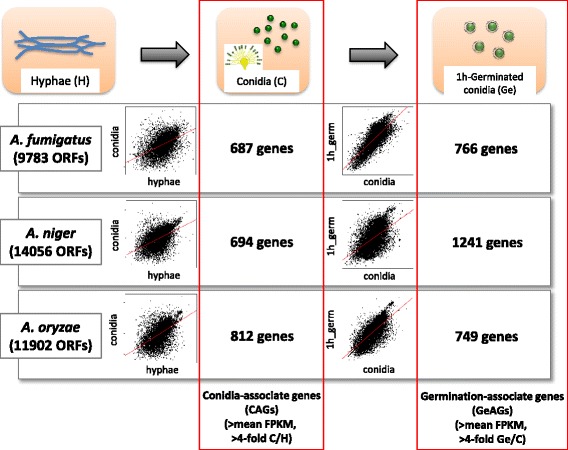
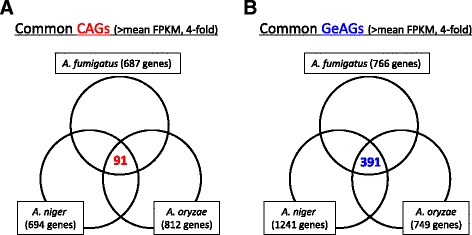
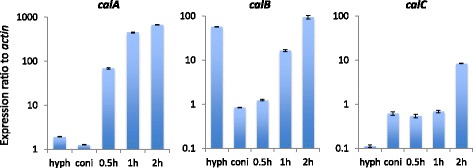
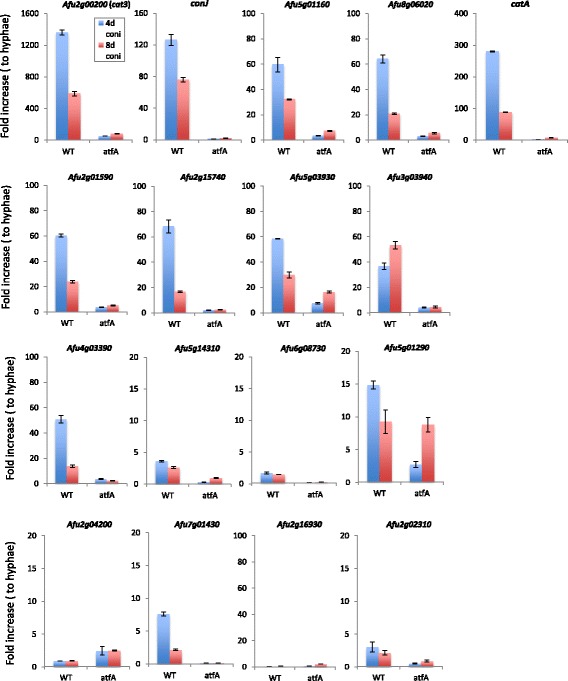
BACKGROUND: Fungal conidia are usually dormant unless the extracellular conditions are right for germination. Despite the importance of dormancy, little is known about the molecular mechanism underlying entry to, maintenance of, and exit from dormancy. To gain comprehensive and inter-species insights, transcriptome analyses were conducted across Aspergillus fumigatus, Aspergillus niger, and Aspergillus oryzae. RESULTS: We found transcripts of 687, 694, and 812 genes were enriched in the resting conidia compared with hyphae in A. fumigatus, A. niger, and A. oryzae, respectively (conidia-associated genes). Similarly, transcripts of 766, 1,241, and 749 genes were increased in the 1 h-cultured conidia compared with the resting conidia (germination-associated genes). Among the three Aspergillus species, we identified orthologous 6,172 genes, 91 and 391 of which are common conidia- and germination-associated genes, respectively. A variety of stress-related genes, including the catalase genes, were found in the common conidia-associated gene set, and ribosome-related genes were significantly enriched among the germination-associated genes. Among the germination-associated genes, we found that calA-family genes encoding a thaumatin-like protein were extraordinary expressed in early germination stage in all Aspergillus species tested here. In A. fumigatus 63 % of the common conidia-associated genes were expressed in a bZIP-type transcriptional regulator AtfA-dependent manner, indicating that AtfA plays a pivotal role in the maintenance of resting conidial physiology. Unexpectedly, the precocious expression of the germination-associated calA and an abnormal metabolic activity were detected in the resting conidia of the atfA mutant, suggesting that AtfA was involved in the retention of conidial dormancy. CONCLUSIONS: A comparison among transcriptomes of hyphae, resting conidia, and 1 h-grown conidia in the three Aspergillus species revealed likely common factors involved in conidial dormancy. AtfA positively regulates conidial stress-related genes and negatively mediates the gene expressions related to germination, suggesting a major role for AtfA in Aspergillus conidial dormancy.
Overview
The claims and statistics of this paper haven’t been checked yet.
Free: it reads the open-access text and checks the first 5 claims that cite a source we can check. Create a free account to check every claim.
Integrity signals
Registry
Cites
Statistics
Figures
Verification
Claims the paper makes
The claims and statistics of this paper haven’t been checked yet.
Free: it reads the open-access text and checks the first 5 claims that cite a source we can check. Create a free account to check every claim.
Claims other papers make about this one
Each is checked against this paper’s own text: does it say what the citing paper says it does?
The source backs part of the claim, not all of it — or backs it for a different population, condition or comparison.
In the citing paper
“These TFs control not only the copper acquisition under copper limitation via activation of all Ctrs but also ROS detoxification genes, including copper-dependent superoxide dismutases and catalases.”
From Aspergillus fumigatus and Aspergillosis in 2019 (2019) · cites this paper as [364]
Experimental — accuracy not yet measuredThe check wasn’t confident either way, so it gives no verdict — never disputed.
In the citing paper
“Three copper-binding TFs (AceA, MacA, and CufA) control copper homeostasis (359, 361–364).”
From Aspergillus fumigatus and Aspergillosis in 2019 (2019) · cites this paper as [364]
Experimental — accuracy not yet measuredThe check wasn’t confident either way, so it gives no verdict — never disputed.
In the citing paper
“Despite the fact that manganese and magnesium are essential for A. fumigatus growth and essential for bacterial pathogenesis (364, 387), it is striking to see that neither manganese nor magnesium homeostasis has been studied in this fungus.”
From Aspergillus fumigatus and Aspergillosis in 2019 (2019) · cites this paper as [364]
Experimental — accuracy not yet measuredIn the citing paper
“it is striking to see that neither manganese nor magnesium homeostasis has been studied in this fungus.”
From Aspergillus fumigatus and Aspergillosis in 2019 (2019) · cites this paper as [364]
Self-check
Percentages, sums and reported differences re-computed from the paper’s own numbers.
The self-check needs the paper’s full text.
Citations
Cites
Controlling the False Discovery Rate: A Practical and Powerful Approach to Multiple Testing
Benjamini, Y., & Hochberg, Y. (1995) · Journal of the Royal Statistical Society Series B: Statistical Methodology · doi:10.1111/j.2517-6161.1995.tb02031.x · Cited by 109,482 · cited 1×
“p-values were corrected by the false discovery rate method [43], and the threshold was set as 0.”
MethodGapped BLAST and PSI-BLAST: a new generation of protein database search programs
Altschul, S. (1997) · Nucleic Acids Research · doi:10.1093/nar/25.17.3389 · Cited by 73,302
Gene Ontology: tool for the unification of biology
Ashburner, M., Ball, C. A., Blake, J. A., Botstein, D., Butler, H., Cherry, J. M., Davis, A. P., Dolinski, K., Dwight, S. S., Eppig, J. T., et al. (2000) · Nature Genetics · doi:10.1038/75556 · Cited by 43,206 · cited 1×
“Genes were functionally categorized using their GO information [41] obtained from AspGD, and overrepresented GO terms were identified using Fisher’s exact test.”
MethodKim, D., Pertea, G., Trapnell, C., Pimentel, H., Kelley, R., & Salzberg, S. L. (2013) · Genome Biology · doi:10.1186/gb-2013-14-4-r36 · Cited by 12,668
Trapnell, C., Roberts, A., Goff, L., Pertea, G., Kim, D., Kelley, D. R., Pimentel, H., Salzberg, S. L., Rinn, J. L., & Pachter, L. (2012) · Nature Protocols · doi:10.1038/nprot.2012.016 · Cited by 12,116
Comparison of Sequencing Utility Programs
Aronesty, E. (2013) · The Open Bioinformatics Journal · doi:10.2174/1875036201307010001 · Cited by 1,150 · cited 1×
“2-484) [37], where sequencing adapters and sequences with low-quality scores (Phred score Q < 20) were removed.”
BackgroundThe molecular mechanisms of conidial germination
Osherov, N. (2001) · FEMS Microbiology Letters · doi:10.1016/s0378-1097(01)00178-1 · Cited by 325 · cited 1×
“The first step toward germination, after sensing available carbon sources and water, is isotropic swelling, which is followed by polarized growth with germ tube formation [23].”
BackgroundRispail, N., Soanes, D. M., Ant, C., Czajkowski, R., Grünler, A., Huguet, R., Perez-Nadales, E., Poli, A., Sartorel, E., Valiante, V., et al. (2009) · Fungal Genetics and Biology · doi:10.1016/j.fgb.2009.01.002 · Cited by 309
A Novel Regulator Couples Sporogenesis and Trehalose Biogenesis in Aspergillus nidulans
Ni, M., & Yu, J.-H. (2007) · PLoS ONE · doi:10.1371/journal.pone.0000970 · Cited by 263
Catalases of Aspergillus fumigatus
Paris, S., Wysong, D., Debeaupuis, J.-P., Shibuya, K., Philippe, B., Diamond, R. D., & Latgé, J.-P. (2003) · Infection and Immunity · doi:10.1128/iai.71.6.3551-3562.2003 · Cited by 241 · cited 6×
“Notably, this putative catalase (here designated as Cat3), as well as CatA, was expressed in an AtfAdependent manner (Fig.”
BackgroundResultInfluential
Cited by
Aspergillus fumigatus and Aspergillosis in 2019
Latgé, J.-P., & Chamilos, G. (2019) · Clinical Microbiology Reviews · doi:10.1128/cmr.00140-18 · Cited by 1,400
Fungal spores: Highly variable and stress-resistant vehicles for distribution and spoilage
Dijksterhuis, J. (2018) · Food Microbiology · doi:10.1016/j.fm.2018.11.006 · Cited by 177
Aspergillus penicillioides differentiation and cell division at 0.585 water activity
Stevenson, A. W., Hamill, P. G., O’Kane, C. J., Kminek, G., Rummel, J. D., Voytek, M. A., Dijksterhuis, J., & Hallsworth, J. E. (2016) · Environmental Microbiology · doi:10.1111/1462-2920.13597 · Cited by 144
Molecular Mechanisms of Conidial Germination in Aspergillus spp
Baltussen, T. J. H., Zoll, J., Verweij, P. E., & Melchers, W. J. G. (2019) · Microbiology and Molecular Biology Reviews · doi:10.1128/mmbr.00049-19 · Cited by 155
“AtfA positively regulates genes related to stress tolerance and negatively regulates genes related to germination (32).”
BackgroundTong, Z., Zheng, X., Tong, Y., Shi, Y., & Sun, J. (2019) · Microbial Cell Factories · doi:10.1186/s12934-019-1064-6 · Cited by 151
Wang, F., Sethiya, P., Hu, X., Guo, S., Chen, Y., Li, A., Tan, K., & Wong, K. H. (2021) · Nature Microbiology · doi:10.1038/s41564-021-00922-y · Cited by 123
Pathogenicity and virulence of Aspergillus fumigatus
Earle, K., Valero, C., Conn, D. P., Vere, G., Cook, P. C., Bromley, M., Bowyer, P., & Gago, S. (2023) · Virulence · doi:10.1080/21505594.2023.2172264 · Cited by 132
“For example, comparative analysis between Aspergillus sp . revealed that several conidial stress-related genes were regulated by AtfA [26].”
BackgroundResultSporulation: how to survive on planet Earth (and beyond)
Huang, M., & Hull, C. M. (2017) · Current Genetics · doi:10.1007/s00294-017-0694-7 · Cited by 126
“niger, increases in the transcript levels of genes involved in biosynthesis of proteins, RNA turnover, and respiratory metabolism occur during germination of conidia (Lamarre et al. 2008; van Leeuwen et al. 2013; Novodvorska et al. 2013, 2016; Hagiwara et al. 2016).”
BackgroundWiemann, P., Perevitsky, A., Lim, F. Y., Shadkchan, Y., Knox, B. P., Landero Figueora, J. A., Choera, T., Niu, M., Steinberger, A. J., Wüthrich, M., et al. (2017) · Cell Reports · doi:10.1016/j.celrep.2017.04.019 · Cited by 104
Spore Germination of Pathogenic Filamentous Fungi
Sephton-Clark, P., & Voelz, K. (2017) · Advances in applied microbiology · doi:10.1016/bs.aambs.2017.10.002 · Cited by 122
Caceres, I., Khoury, R. E., Bailly, S., Oswald, I. P., Puel, O., & Bailly, J. (2017) · Fungal Genetics and Biology · doi:10.1016/j.fgb.2017.08.005 · Cited by 108
“The use of natural products such as spices, plant extracts or essential oils with anti-aflatoxinogenic properties represent a complementary or alternative strategy against mycotoxin contamination (Annis et al., 2000; El Khoury et al., 2017; Holmes et al., 2008; Sakuda et al., 2016).”
BackgroundMorelli, K. A., Kerkaert, J. D., & Cramer, R. A. (2021) · PLoS Pathogens · doi:10.1371/journal.ppat.1009794 · Cited by 106
“These findings agree with previous observations that conidia contain prepackaged mRNA to expedite protein synthesis upon the initiation of swelling [38].”
ResultReactivation of dormant/latent fungal infection
Brunet, K., Alanio, A., Lortholary, O., & Rammaert, B. (2018) · Journal of Infection · doi:10.1016/j.jinf.2018.06.016 · Cited by 82
New insights into copper homeostasis in filamentous fungi
Antsotegi-Uskola, M., Markina‐Iñarrairaegui, A., & Ugalde, U. (2019) · International Microbiology · doi:10.1007/s10123-019-00081-5 · Cited by 72
Tao, N., Chen, Y., Wu, Y., Wang, X., Lü, L., & Zhu, A. (2018) · Food Chemistry · doi:10.1016/j.foodchem.2018.10.142 · Cited by 68
Chitin Biosynthesis in Aspergillus Species
Brauer, V. S., Pessoni, A. M., Freitas, M. S., Neto, M. P. C., Ries, L. N. A., & Almeida, F. B. D. R. (2023) · Journal of Fungi · doi:10.3390/jof9010089 · Cited by 63
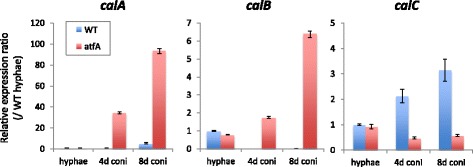
“, calA and calB), suggesting a role for AtfA in mediating conidial dormancy [198].”
BackgroundBlatzer, M., & Latgé, J.-P. (2017) · Current Opinion in Microbiology · doi:10.1016/j.mib.2017.11.015 · Cited by 47
“Moreover, the TFs AftA and Yap1, mediating ROS defence [38], are induced by copper in a AceA-dependent fashion.”
BackgroundThe impact of bZIP Atf1ortholog global regulators in fungi
Leiter, É., Emri, T., Pákozdi, K., Hornok, L., & Pócsi, I. (2021) · Applied Microbiology and Biotechnology · doi:10.1007/s00253-021-11431-7 · Cited by 54
“All these results support the assumption that AtfA orthologs play important functions in conidiogenesis, spore maturation, spore germination, and the maintenance of viability and stress tolerance during spore dormancy in aspergilli (Hagiwara et al. 2016).”
BackgroundResultInfluentialBaltussen, T. J. H., Coolen, J. P. M., Zoll, J., Verweij, P. E., & Melchers, W. J. G. (2018) · Fungal Genetics and Biology · doi:10.1016/j.fgb.2018.04.013 · Cited by 43
Szabó, Z., Pákozdi, K., Murvai, K. P., Pusztahelyi, T., Kecskeméti, Á., Gáspár, A., Logrieco, A. F., Emri, T., Ádám, A. L., Leiter, É., et al. (2020) · Applied Microbiology and Biotechnology · doi:10.1007/s00253-020-10717-6 · Cited by 45
“AtfA is a key regulator of conidial dormancy and stress tolerance in various other Aspergillus spp. as well (Sakamoto et al. 2009; Hagiwara et al. 2014, 2016).”
BackgroundHyphaTracker: An ImageJ toolbox for time-resolved analysis of spore germination in filamentous fungi
Brunk, M. G. K., Sputh, S., Doose, S., van de Linde, S., & Terpitz, U. (2018) · Scientific Reports · doi:10.1038/s41598-017-19103-1 · Cited by 43
Zhao, S., Liao, X.-Z., Wang, J.-X., Ning, Y.-N., Li, C.-X., Liao, L., Liu, Q., Jiang, Q., Gu, L., Fu, L., et al. (2019) · Applied and Environmental Microbiology · doi:10.1128/aem.01226-19 · Cited by 37
“Gene expression levels under different culture conditions (e.g., SSF and SmF) differ to various degrees; for example, the glucoamylase gene and protease genes are highly expressed in Aspergillus oryzae during surface cultivation on wheat-based solid medium while they are poorly expressed in wheat-based liquid medium (…”
BackgroundInfluentialHernandez, C., Cadenillas, L., Maghubi, A. E., Caceres, I., Durrieu, V., Mathieu, C. E., & Bailly, J. (2021) · Toxins · doi:10.3390/toxins13060391 · Cited by 41
“Although atfA is involved in stress tolerance in several Aspergilli, it is also responsible for the expression of catA [43,44], which is consistent with the present results.”
ResultGlobal gene expression reveals stress-responsive genes in Aspergillus fumigatus mycelia
Takahashi, H., Kusuya, Y., Hagiwara, D., Takahashi-Nakaguchi, A., Sakai, K., & Gonoi, T. (2017) · BMC Genomics · doi:10.1186/s12864-017-4316-z · Cited by 32
Self-citationThe Siderophore Ferricrocin Mediates Iron Acquisition in Aspergillus fumigatus
Happacher, I., Aguiar, M. M., Alilou, M., Abt, B., Baltussen, T. J. H., Decristoforo, C., Melchers, W. J. G., & Haas, H. (2023) · Microbiology Spectrum · doi:10.1128/spectrum.00496-23 · Cited by 32
“conidial TL with a sharp increase at the 2-h time point followed by a decline, which is in agreement with its previously reported germination-associated expression (32, 33).”
ResultSephton-Clark, P., Muñoz, J. F., Ballou, E. R., Cuomo, C. A., & Voelz, K. (2018) · mSphere · doi:10.1128/msphere.00403-18 · Cited by 35
Takahashi‐Nakaguchi, A., Sakai, K., Takahashi, H., Hagiwara, D., Toyotome, T., Chibana, H., Watanabe, A., Yaguchi, T., Yamaguchi, M., Kamei, K., et al. (2017) · Cellular Microbiology · doi:10.1111/cmi.12802 · Cited by 32
“…germination of conidia (Asif et al., 2006; Cagas, Jain, Li, & Perlin, 2011; Suh et al., 2012), only limited results, including data fromour studies (Hagiwara et al., 2016;Hagiwara, Suzuki, Kamei, Gonoi, & Kawamoto, 2014), are available for comparative transcriptomic analysis during A. fumigatus…”
BackgroundSelf-citationSilva, L. P., Horta, M. A. C., & Goldman, G. H. (2021) · Frontiers in Fungal Biology · doi:10.3389/ffunb.2021.632048 · Cited by 26
“oryzae showed that AtfA is important for the regulation of conidial stress-related and germination genes, suggesting a major role for AtfA in Aspergillus conidial dormancy (Hagiwara et al., 2016).”
BackgroundHow to invade a susceptible host: cellular aspects of aspergillosis
Krappmann, S. (2016) · Current Opinion in Microbiology · doi:10.1016/j.mib.2016.10.002 · Cited by 27
Aspergillus oryzae spore germination is enhanced by non-thermal atmospheric pressure plasma
Veerana, M., Lim, J.-S., Choi, E. H., & Park, G. (2019) · Scientific Reports · doi:10.1038/s41598-019-47705-4 · Cited by 23
Colabardini, A. C., Wang, F., Dong, Z., Pardeshi, L. A., Rocha, M. C., Costa, J. H., dos Reis, T. F., Brown, A. C., Jaber, Q. Z., Fridman, M., et al. (2021) · Genetics · doi:10.1093/genetics/iyab183 · Cited by 25
Orosz, E., Antal, K., Gazdag, Z., Szabó, Z., Han, K., Yu, J., Pócsi, I., & Emri, T. (2017) · International Journal of Genomics · doi:10.1155/2017/6923849 · Cited by 24
“fumigatus; among them, upregulation of conidial stressrelated genes and downregulation of genes related to germination are notable [20].”
BackgroundStudy on the glutathione metabolism of the filamentous fungus Aspergillus nidulans
Bakti, F., Király, A., Orosz, E., Miskei, M., Emri, T., Leiter, É., & Pócsi, I. (2017) · Acta Microbiologica et Immunologica Hungarica · doi:10.1556/030.64.2017.003 · Cited by 24
AtfA-Independent Adaptation to the Toxic Heavy Metal Cadmium in Aspergillus nidulans
Emri, T., Gila, B. C., Antal, K., Fekete, F., Moon, H., Yu, J., & Pócsi, I. (2021) · Microorganisms · doi:10.3390/microorganisms9071433 · Cited by 19
Pereira-Junior, R. A., Huarte‐Bonnet, C., da Paixão, F. R. S., Roberts, D. W., Luz, C., Pedríni, N., & Fernandes, É. K. K. (2018) · Journal of Applied Microbiology · doi:10.1111/jam.13743 · Cited by 20
Zhong, M., Li, Y., Deng, L., Fang, J., & Yu, X. (2023) · mSystems · doi:10.1128/msystems.01085-23 · Cited by 17
“On the contrary, polarized growth conidia have been transcriptionally improved in growth metabolism and any other fields (34, 35) that we considered as the advantageous research subject to evaluate piezotolerance of fungi.”
BackgroundZeng, Z., Wu, J., Kovalchuk, A., Raffaello, T., Wen, Z., Liu, M., & Asiegbu, F. O. (2019) · Epigenetics · doi:10.1080/15592294.2018.1564426 · Cited by 19
Novel Treatment Approach for Aspergilloses by Targeting Germination
Verburg, K., van Neer, J., Duca, M., & de Cock, H. (2022) · Journal of Fungi · doi:10.3390/jof8080758 · Cited by 22
“AtfA expression leads to the upregulation of genes associated with dormant conidia (such as aspf3, aspf8, cyp4, hsp90, and rpL3), whereas in the absence of AtfA, genes associated with germination were upregulated (such as calA and calB) [97].”
BackgroundInfluentialBiologia futura: combinatorial stress responses in fungi
Emri, T., Forgács, K., & Pócsi, I. (2022) · Biologia Futura · doi:10.1007/s42977-022-00121-8 · Cited by 19
Escobar, N., Valdes, I. D., Keizer, E., Ordoñez, S. R., Ohm, R. A., Wösten, H. A. B., & de Cock, H. (2018) · BMC Genomics · doi:10.1186/s12864-018-4895-3 · Cited by 17
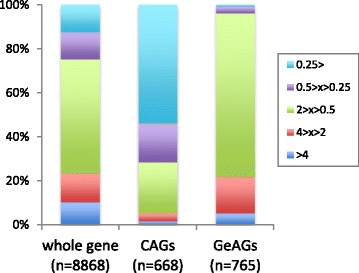
“niger have different distributions of conidia associated genes (CAGs) and germination associated genes (GeAGs) [45].”
BackgroundMethodResultInfluentialPeng, Y., Zhang, H., Xu, M., & Tan, M.-W. (2018) · Scientific Reports · doi:10.1038/s41598-017-18868-9 · Cited by 14
“We've got to get out”—Strategies of human pathogenic fungi to escape from phagocytes
Sonnberger, J., Kasper, L., Lange, T., Brunke, S., & Hube, B. (2023) · Molecular Microbiology · doi:10.1111/mmi.15149 · Cited by 17
“Moreover, A. fumigatus can also maintain its conidial dormancy via the transcription factor AtfA (Hagiwara et al., 2016), which is involved in conidial stress response and germ tube formation (Hagiwara et al., 2014).”
BackgroundAnalysis of putative quadruplex-forming sequences in fungal genomes: novel antifungal targets?
Warner, E. F., Bohálová, N., Brázda, V., Waller, Z. A. E., & Bidula, S. M. (2021) · Microbial Genomics · doi:10.1099/mgen.0.000570 · Cited by 18
“To investigate this, transcriptome datasets of A. fumigatus during germination [47], hypoxia [48], iron limitation and oxidative stress [49], or in biofilms [51] were analysed.”
Emerging Antifungal Drug Resistance in Aspergillus fumigatus and Among Other Species of Aspergillus
Toyotome, T., Hagiwara, D., Takahashi, H., Watanabe, A., & Kamei, K. (2018) · Current Fungal Infection Reports · doi:10.1007/s12281-018-0318-9 · Cited by 20
Self-citationA Special Phenotype of Aconidial Aspergillus niger SH2 and Its Mechanism of Formation via CRISPRi
Yu, L.-Y., Li, L.-X., Yao, L., Zheng, J., Wang, B., & Pan, L. (2022) · Journal of Fungi · doi:10.3390/jof8070679 · Cited by 16
“A previous study defined the genes that were dominantly expressed in conidia or germinating conidia as conidia-associated genes (CAGs) or germination-associated genes (GeAGs), respectively [56].”
BackgroundLu, Y., Sun, J., Gao, Y., Liu, K., Yuan, M., Gao, W., Wang, F., Fu, D., Chen, N., Xiao, S., et al. (2020) · Environmental Microbiology · doi:10.1111/1462-2920.15101 · Cited by 13
Li, Y., Li, Y., Lu, H., Sun, T., Gao, J., Zhang, J., Shen, Q., & Yu, Z. (2023) · mLife · doi:10.1002/mlf2.12089 · Cited by 11
Gupta, S. K., Srivastava, M., Osmanoğlu, Ö., Xu, Z., Brakhage, A. A., & Dandekar, T. (2021) · Microorganisms · doi:10.3390/microorganisms9102014 · Cited by 15
“It positively regulates conidial stress-related genes and negatively regulates the genes for germination, suggesting a role for atfA in conidial dormancy [91].”
BackgroundKocsis, B., Lee, M.-K., Antal, K., Yu, J., Pócsi, I., Leiter, É., & Emri, T. (2023) · Cells · doi:10.3390/cells12030463 · Cited by 12
Deciphering the mechanism of action of 089, a compound impairing the fungal cell cycle
Stefanini, I., Rizzetto, L., Rivero, D., Carbonell, S., Gut, M., Heath, S. C., Gut, I. G., Trabocchi, A., Guarna, A., Ben-Ghazzi, N., et al. (2018) · Scientific Reports · doi:10.1038/s41598-018-24341-y · Cited by 12
Wang, X., Zha, W., Yao, B. W., Yang, L., & Wang, S. (2022) · Toxins · doi:10.3390/toxins14120857 · Cited by 12
“verticillioides and Verticillium dahliae, are involved in conidium production [15,19,23].”
BackgroundReingold, V., Faigenboim, A., Matveev, S., Haviv, S., Belausov, E., Vilcinskas, A., & Ment, D. (2024) · BMC Genomics · doi:10.1186/s12864-024-10824-y · Cited by 10
“When removed from the conidiophore, conidia are ready to break dormancy and initiate development, which includes an increase in protein synthesis [26].”
Takahashi, H., Umemura, M., Shimizu, M., Ninomiya, A., Kusuya, Y., Urayama, S., Watanabe, A., Kamei, K., Yaguchi, T., & Hagiwara, D. (2021) · Frontiers in Fungal Biology · doi:10.3389/ffunb.2021.656751 · Cited by 12
“4% of which were not expressed or were expressed at a very low level in any of the cell types (hyphae, resting conidia, or germinating conidia; Hagiwara et al., 2016).”
BackgroundSelf-citationMinjarez, J. M. Á. C., Garza-López, P. M., Barrios-González, J., & Loera, O. (2019) · Biological Control · doi:10.1016/j.biocontrol.2019.104011 · Cited by 9
HbxB Is a Key Regulator for Stress Response and β-Glucan Biogenesis in Aspergillus nidulans
Son, S.-H., Lee, M.-K., Son, Y.-E., & Park, H.-S. (2021) · Microorganisms · doi:10.3390/microorganisms9010144 · Cited by 10
How to enter the state of dormancy? A suggestion by Trichoderma atroviride conidia
Polozsányi, Z., Kaliňák, M., Babjak, M., Šimkovič, M., & Varečka, Ĺ. (2021) · Fungal Biology · doi:10.1016/j.funbio.2021.07.001 · Cited by 10
The Regulatory Hub of Siderophore Biosynthesis in the Phytopathogenic Fungus Alternaria alternata
Wu, J.-J., Wu, P., Yago, J. I., & Chung, K.-R. (2023) · Journal of Fungi · doi:10.3390/jof9040427 · Cited by 9
“fumigatus [57], Mucor circinelloides [60], Penicillium marneffei [61], F.”
BackgroundInsight into the metabolic changes during germination of Aspergillus niger conidia using nLC-qTOF
Shankar, J. (2022) · Biologia · doi:10.1007/s11756-022-01115-6 · Cited by 5
Baltussen, T. J. H., Coolen, J. P. M., Verweij, P. E., Dijksterhuis, J., & Melchers, W. J. G. (2021) · Journal of Fungi · doi:10.3390/jof7040270 · Cited by 5
Microstructure characterization of different types of chlamydospores in Arthrobotrys flagrans
Wang, B., Wang, F., Wang, Y., Jia, Y., Tian, S., Zhang, X., Xue, Y., Li, Y., & Cai, K. (2023) · Journal of Basic Microbiology · doi:10.1002/jobm.202300308 · Cited by 4
Starke, S., Velleman, L., Dobbert, B., Seibert, L., Witte, J., Jung, S., & Meyer, V. (2025) · Frontiers in Microbiology · doi:10.3389/fmicb.2024.1490293 · Cited by 6
Kim, D., Ebert, M. K., Moonjely, S. S., Wang, Z., Yarden, O., Townsend, J. P., & Trail, F. (2025) · bioRxiv (Cold Spring Harbor Laboratory) · doi:10.1101/2025.02.03.636182 · Cited by 2
Ma, Y., Ji, Y., Yang, J., Li, W., Li, J., Wen, C., Wang, Y., & Feng, W. (2019) · Medical Mycology · doi:10.1093/mmy/myz108 · Cited by 1
Cytrynbaum, E. G., & McClean, M. N. (2025) · Advanced Drug Delivery Reviews · doi:10.1016/j.addr.2025.115740 · Cited by 1
Optimisation du traitement préventif et curatif de la mucormycose pulmonaire
Brunet, K. (2020) · theses.fr (ABES) · doi:10.70675/1367c1e7zd412z4f2ez9be3zb15a2d64bb30 · Cited by 2
Elucidation of variability of secondary metabolism in filamentous fungi by comparative genomics
Hagiwara, D. (2018) · JSM Mycotoxins · doi:10.2520/myco.68-2-2
Self-citation1419 - Low antibiotic concentrations and resistance in microbial communities
Cairns, J. (2018) · doi:10.26226/morressier.5b5199c3b1b87b000ecf00a4 · Cited by 1
Takatsuka, S., Inukai, T., Kawakubo, S., Umeyama, T., Abe, M., Ueno, K., Hoshino, Y., Kinjo, Y., Miyazaki, Y., & Yamagoe, S. (2019) · Medical Mycology Journal · doi:10.3314/mmj.18-00013
Aspergillus- Human Interactions: From the Environment to Clinical Significance
Thammahong, A. (2022) · IntechOpen eBooks · doi:10.5772/intechopen.98509 · Cited by 2
Silva, L. P. (2021) · Digital Library of Theses and Dissertations (Universidade de São Paulo) · doi:10.11606/t.17.2021.tde-10052021-133340
Microstructure characterization of different types of chlamydospores in Duddingtonia flagransPreprint
Wang, B., Wang, F., Li, Y., & Cai, K. (2023) · doi:10.22541/au.168690262.21548157/v1
Hernandez, C. (2021) · theses.fr (ABES) · doi:10.70675/6c771a75z307az4a90z8dd1z874ee62276df · Cited by 1
Chen, Y., Zhao, Y., Cheng, G., Lin, Y., Liang, Q., Zhu, L., Huang, L., Lin, X., Yao, Z., & Zou, C. (2026) · Applied and Environmental Microbiology · doi:10.1128/aem.00697-26
Stanislaw, J. M., & Momany, M. (2026) · bioRxiv (Cold Spring Harbor Laboratory) · doi:10.64898/2026.06.11.730956
Tenennbaum, B., Yakubovich, E., Wang, Y., Meng, G., Moonjely, S. S., Trail, F., Ari, J. B., Wang, Z., Dong, C., Townsend, J. P., et al. (2026) · Frontiers in Fungal Biology · doi:10.3389/ffunb.2026.1930613
Stanislaw, J. M., & Momany, M. (2026) · mBio · doi:10.1128/mbio.01831-26
“…transcriptionally prime conidia with specific dormancy maintenance and/or germination programs Conidia produced at 37°C showed upregulation of transcripts encoding downstream targets of BrlA, including regulators of conidial viability and dormancy WetA, MybA (7), VelB, VosA, and AtfA (26) (Fig.”
InfluentialXia, A., Xu, D., Zhao, C., Huang, Y., Yang, M., Zhao, Y., Liu, H., Wang, X., Wang, Q., Wang, G., et al. (2026) · Nature Microbiology · doi:10.1038/s41564-026-02509-x · Cited by 1
Yamaguchi, H., Fujita, J., & Arioka, M. (2026) · Molecular Biology Reports · doi:10.1007/s11033-026-13002-3
Metadata
- Authors
- Hagiwara, D., Takahashi, H., Kusuya, Y., Kawamoto, S., Kamei, K., & Gonoi, T.
- Affiliations
- Chiba University (JP)
- Corresponding author
- Hagiwara, Daisuke
- Venue
- BMC Genomics
- Published
- 2016-05-17
- Volume
- 17
- Issue
- 1
- Pages
- 358-358
- ISSN
- 1471-2164 (ISSN-L)
- PMC
- PMC4869263
- OpenAlex
- W2397445825
- Semantic Scholar
- 4e3e24e2edba3628782f0885d5d3bd7f09ea73ff
- Cited by
- 80
- References
- 44
- Citations by year
- 2026: 6 · 2025: 3 · 2024: 1 · 2023: 10 · 2022: 5 · 2021: 17 · 2020: 3 · 2019: 11 · 2018: 13 · 2017: 9 · 2016: 2
- FWCI
- 6.06
- Type
- journal article
- Language
- en
- Open access
- gold
- doi.org
- Licence
- cc-by
- Locations
- BMC Genomics (publishedVersion, cc-by)
- PubMed Central (publishedVersion, cc-by)
- PubMed (publishedVersion)
- Funders
- Ministry of Education, Culture, Sports, Science, and Technology (221S0002)
- Noda Institute for Science
- NEKKEN
- National BioResource
- Topics
- Life Sciences › Biochemistry, Genetics and Molecular Biology › Molecular Biology › Fungal and yeast genetics research
- Health Sciences › Medicine › Infectious Diseases › Antifungal resistance and susceptibility
- Life Sciences › Biochemistry, Genetics and Molecular Biology › Genetics › Bacterial Genetics and Biotechnology
- Keywords
- conidial dormancy, conidial germination, AtfA, bZIP transcription factors, Aspergillus fumigatus, Aspergillus niger, Aspergillus oryzae, catalase gene, calas, thaumatin-like protein, orthologs, fungal hyphae
- MeSH terms
- Aspergillus, Fungal Proteins, RNA, Fungal, Spores, Fungal, Transcription Factors, Gene Expression Regulation, Fungal, Computational Biology, Quantitative Trait, Heritable, Gene Expression Profiling, Genetic Association Studies, High-Throughput Nucleotide Sequencing, Transcriptome, Gene Ontology
About these checks
Registry, retraction, Cites and statistics results are computed, not judged, with one exception: a printed reference that no index lists is read once by a model before it counts as a citation error. Claims are extracted by a model and kept only when their quote appears verbatim in the text; each cited source is then checked, with a model’s help, for whether it says what the claim relies on. Those verdicts can be wrong — read the claim’s quote and the cited source before relying on one.
Statistics and arithmetic are recomputed, not judged.
Confidence bands are shown only for fields calibrated on our annotated test set. None is calibrated yet, so no band is shown.
What counts as a claim ›How we measure confidence ›How we check this ›
Are you an author, or do you see a problem with this page? Request a review
Data sources
Bibliographic data: Semantic Scholar, OpenAlex, Crossref.
Contains information from the Semantic Scholar Academic Graph Datasets, made available under the ODC Attribution License (ODC-BY 1.0).
Semantic Scholar’s data is described in: Kinney, R., et al. (2023). The Semantic Scholar Open Data Platform. arXiv:2301.10140.
