

The impact of mental fatigue on brain activity: a comparative study both in resting state and task state using EEG
Open accessThe DOI matches its Crossref record; 40 of the 40 references it cites were found in a registry or an index.
Abstract
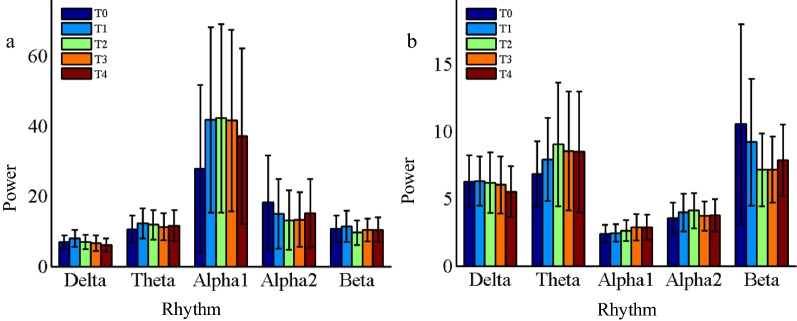
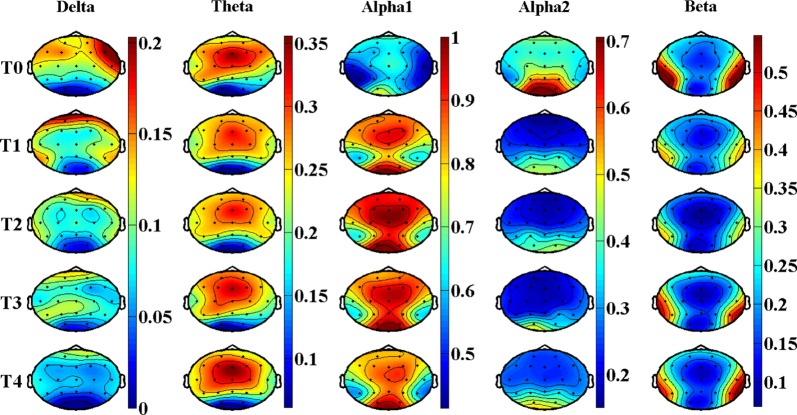
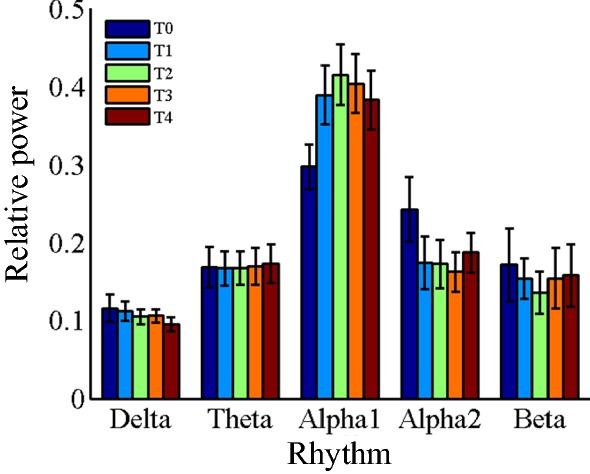
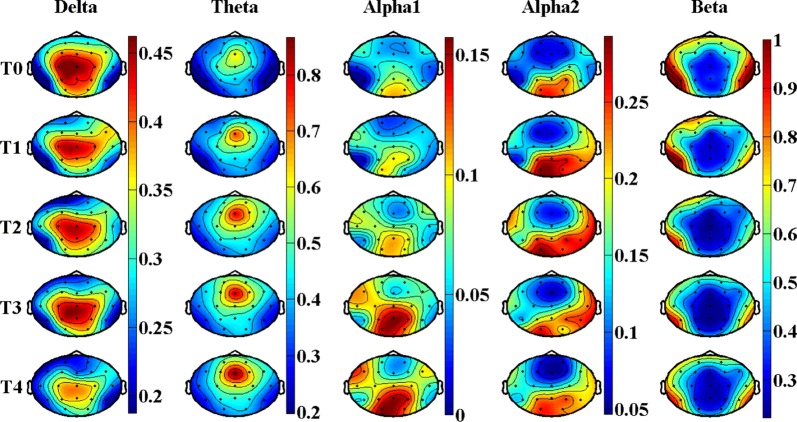
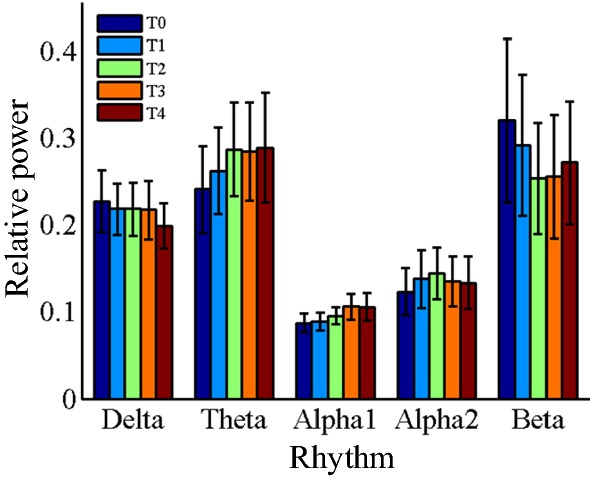
Background: Mental fatigue is usually caused by long-term cognitive activities, mainly manifested as drowsiness, difficulty in concentrating, decreased alertness, disordered thinking, slow reaction, lethargy, reduced work efficiency, error-prone and so on. Mental fatigue has become a widespread sub-health condition, and has a serious impact on the cognitive function of the brain. However, seldom studies investigate the differences of mental fatigue on electrophysiological activity both in resting state and task state at the same time. Here, twenty healthy male participants were recruited to do a consecutive mental arithmetic tasks for mental fatigue induction, and electroencephalogram (EEG) data were collected before and after each tasks. The power and relative power of five EEG rhythms both in resting state and task state were analyzed statistically. Results: The results of brain topographies and statistical analysis indicated that mental arithmetic task can successfully induce mental fatigue in the enrolled subjects. The relative power index was more sensitive than the power index in response to mental fatigue, and the relative power for assessing mental fatigue was better in resting state than in task state. Furthermore, we found that it is of great physiological significance to divide alpha frequency band into alpha1 band and alpha2 band in fatigue related studies, and at the same time improve the statistical differences of sub-bands. Conclusions: Our current results suggested that the brain activity in mental fatigue state has great differences in resting state and task state, and it is imperative to select the appropriate state in EEG data acquisition and divide alpha band into alpha1 and alpha2 bands in mental fatigue related researches.
Overview
The claims and statistics of this paper haven’t been checked yet.
Free: it reads the open-access text and checks the first 5 claims that cite a source we can check. Create a free account to check every claim.
Integrity signals
Registry
Cites
Statistics
Figures

Verification
Claims the paper makes
The claims and statistics of this paper haven’t been checked yet.
Free: it reads the open-access text and checks the first 5 claims that cite a source we can check. Create a free account to check every claim.
Claims other papers make about this one
Each is checked against this paper’s own text: does it say what the citing paper says it does?
The cited source says what the claim attributes to it.
In the citing paper
“Therefore, excessive brain activity and stimulation can cause mental fatigue, akin to physical fatigue, making uncomplicated tasks increasingly difficult or even impossible [77].”
From A serial mediation model of social media addiction and college students' academic engagement: the role of sleep quality and fatigue (2023) · cites this paper as [77]
Self-check
Percentages, sums and reported differences re-computed from the paper’s own numbers.
The self-check needs the paper’s full text.
Citations
Cites
EEG alpha and theta oscillations reflect cognitive and memory performance: a review and analysis
Klimesch, W. (1999) · Brain Research Reviews · doi:10.1016/s0165-0173(98)00056-3 · Cited by 6,889
Subjective and objective sleepiness in the active individual
Åkerstedt, T., & Gillberg, M. (1990) · International Journal of Neuroscience · doi:10.3109/00207459008994241 · Cited by 3,088 · cited 1×
“Generally, theta rhythm is considered to reflect the early state of sleepiness [25], which is related to brain fatigue [26] Rhythm R el at iv e po w er”
Mental fatigue: Costs and benefits
Boksem, M. A. S., & Tops, M. (2008) · Brain Research Reviews · doi:10.1016/j.brainresrev.2008.07.001 · Cited by 1,099
Effects of mental fatigue on attention: An ERP study
Boksem, M. A. S., Meijman, T. F., & Lorist, M. M. (2005) · Cognitive Brain Research · doi:10.1016/j.cogbrainres.2005.04.011 · Cited by 1,088 · cited 1×
“In similar research results, it is also pointed out that alpha1 rhythm power increases with the increase of fatigue level [21, 30, 31], and alpha2 rhythm has the same changes in task state [30].”
A critical review of the psychophysiology of driver fatigue
Lal, S. K. L., & Craig, A. (2001) · Biological Psychology · doi:10.1016/s0301-0511(00)00085-5 · Cited by 1,001
SAUSENG, P., KLIMESCH, W., SCHABUS, M., & DOPPELMAYR, M. (2005) · International Journal of Psychophysiology · doi:10.1016/j.ijpsycho.2005.03.018 · Cited by 814
Using EEG spectral components to assess algorithms for detecting fatigue
Jap, B. T., Lal, S., Fischer, P., & Bekiaris, E. (2009) · Expert Systems with Applications · doi:10.1016/j.eswa.2007.12.043 · Cited by 729
Driver fatigue: Electroencephalography and psychological assessment
Lal, S. K. L., & Craig, A. (2002) · Psychophysiology · doi:10.1017/s0048577201393095 · Cited by 533
Neurofeedback training of the upper alpha frequency band in EEG improves cognitive performance
Zoefel, B., Huster, R. J., & Herrmann, C. S. (2011) · NeuroImage · doi:10.1016/j.neuroimage.2010.08.078 · Cited by 495
Electroencephalographic study of drowsiness in simulated driving with sleep deprivation
Eoh, H. J., Chung, M. K., & Kim, S.-H. (2005) · International Journal of Industrial Ergonomics · doi:10.1016/j.ergon.2004.09.006 · Cited by 482
Research works printed but not linked: 1
- Hartman AL: Atlas of EEG Patterns: Lippincott Williams & Wilkins; 2013.
Cited by
Understanding mental fatigue and its detection: a comparative analysis of assessments and tools
Kunasegaran, K., Ismail, A. M. H., Ramasamy, S., Gnanou, J. V., Caszo, B. A., & Chen, P. L. (2023) · PeerJ · doi:10.7717/peerj.15744 · Cited by 225
“A recent study on the impact of mental fatigue on brain activity showed that when using the entire EEG setup, the EEG relative power index was better at assessing mental fatigue when individuals were in a resting state compared to when they were actively performing a task (Li et al., 2020).”
BackgroundReview of electroencephalography signals approaches for mental stress assessment
Attar, E. T. (2022) · Neurosciences · doi:10.17712/nsj.2022.4.20220025 · Cited by 135
Attention Detection in Virtual Environments Using EEG Signals: A Scoping Review
Souza, R. H. C. E., & Naves, E. L. M. (2021) · Frontiers in Physiology · doi:10.3389/fphys.2021.727840 · Cited by 102
“…α – alpha waves (low alpha 8–11 Hz and high alpha 11.1–13 Hz) has been the main physiological indicator of low anxiety state, especially high alpha (Li et al., 2020c) which indicates also cognitive idleness, being a marker of external stimuli suppression capable of reorienting the individual’s…”
BackgroundInfluentialZhuang, J., Mou, Q., Zheng, T., Gao, F., Zhong, Y., Lu, Q., Gao, Y., & Zhao, M. (2023) · BMC Psychiatry · doi:10.1186/s12888-023-04799-5 · Cited by 104
Effects of the indoor environment on EEG and thermal comfort assessment in males
Pan, L., Zheng, H., & Li, T. (2022) · Building and Environment · doi:10.1016/j.buildenv.2022.109761 · Cited by 79
Persistence of Mental Fatigue on Motor Control
Jacquet, T., Poulin-Charronnat, B., Bard, P., & Lepers, R. (2021) · Frontiers in Psychology · doi:10.3389/fpsyg.2020.588253 · Cited by 86
“The increase in alpha power was also observed when comparing rest periods (i.e., before and after the cognitively demanding task) in the present study but also in previous studies (e.g., Li et al., 2020).”
ResultEEG-based neural networks approaches for fatigue and drowsiness detection: A survey
Othmani, A., Sabri, A. Q. M., Aslan, S., Chaieb, F., Rameh, H., Alfred, R., & Cohen, D. (2023) · Neurocomputing · doi:10.1016/j.neucom.2023.126709 · Cited by 81
Shen, Z., Li, G., Fang, J., Zhong, H., Wang, J., Sun, Y., & Shen, X. (2022) · Sensors · doi:10.3390/s22145420 · Cited by 69
“Beta rhythm is usually associated with the vigilant and excited state of the brain [22,36,37] and mediates higher cognitive functions [38] (for instance, ‘top-down’ modulation of brain processing [39]).”
BackgroundSelf-citationChen, Y., Yang, R., Huang, M., Wang, Z., & Liu, X. (2022) · IEEE Transactions on Neural Systems and Rehabilitation Engineering · doi:10.1109/tnsre.2022.3191869 · Cited by 62
Examining the Landscape of Cognitive Fatigue Detection: A Comprehensive Survey
Karim, E., Pavel, H. R., Nikanfar, S., Hebri, A., Roy, A., Nambiappan, H. R., Jaiswal, A., Wylie, G. R., & Makedon, F. S. (2024) · Technologies · doi:10.3390/technologies12030038 · Cited by 79
“For example, Li et al. [156] found that mental arithmetic tasks induce mental fatigue, with the alpha frequency band’s division into alpha1 and alpha2 being crucial in fatigue studies.”
Mehmood, I., Li, H., Umer, W., Arsalan, A., Anwer, S., Mirza, M. A., Ma, J., & Antwi‐Afari, M. F. (2023) · Developments in the Built Environment · doi:10.1016/j.dibe.2023.100198 · Cited by 66
Riedl, R., Kostoglou, K., Wriessnegger, S. C., & Müller-Putz, G. (2023) · Scientific Reports · doi:10.1038/s41598-023-45374-y · Cited by 61
Mehmood, I., Li, H., Umer, W., Arsalan, A., Shakeel, M. S., & Anwer, S. (2022) · Advanced Engineering Informatics · doi:10.1016/j.aei.2022.101777 · Cited by 54
Effects of Mental Fatigue on Reaction Time in Sportsmen
Migliaccio, G. M., Filippo, G. D., Russo, L., Orgiana, T., Ardigò, L. P., Casal, M. Z., Peyré‐Tartaruga, L. A., & Padulo, J. (2022) · International Journal of Environmental Research and Public Health · doi:10.3390/ijerph192114360 · Cited by 49
“Data suggest that brain activity in a mentally fatigued state is largely different from resting and task states [9].”
BackgroundChakladar, D. D., Roy, P. P., & Iwamura, M. (2021) · IEEE Transactions on Cognitive and Developmental Systems · doi:10.1109/tcds.2021.3116079 · Cited by 41
“In the resting state EEG studies [34], [35], a low-frequency fluctuation of the EEG signal is observed over a specific time interval, which produces small ERP peaks in the resting state.”
BackgroundComparison of QEEG Findings before and after Onset of Post-COVID-19 Brain Fog Symptoms
Kopańska, M., Ochojska, D., Muchacka, R., Dejnowicz-Velitchkov, A., Banaś-Ząbczyk, A., & Szczygielski, J. (2022) · Sensors · doi:10.3390/s22176606 · Cited by 32
“[31] who assessed EEG changes during rest and physiological overload.”
BackgroundSport-based video game causes mental fatigue and impairs visuomotor skill in male basketball players
Faro, H., Fortes, L. D. S., de Lima-Júnior, D. R. A. A., Barbosa, B. T., Ferreira, M. E. C., & Almeida, S. S. (2022) · International Journal of Sport and Exercise Psychology · doi:10.1080/1612197x.2022.2109187 · Cited by 34
“…such as lack of energy, tiredness, decreased alertness, and slow reaction caused by prolonged exposition to high-demanding cognitive tasks and/or prolonged necessity to exert self-control in cognitive, emotional, or behaviuoral activities (Brown et al., 2020; Li et al., 2020; Marcora et al., 2009).”
BackgroundAssessment of visual fatigue in SSVEP-based brain-computer interface: a comprehensive study
Díez, P., Orosco, L. L., Correa, A. G., & Carmona, L. (2024) · Medical & Biological Engineering & Computing · doi:10.1007/s11517-023-03000-z · Cited by 28
“It becomes worse as the levels of fatigue are considered, i.e. how a person defines when one is barely or extremely fatigued, and these levels are different for each person [7].”
Wang, H., Mou, S., Pei, X., Zhang, X., Shen, S., Zhang, J., Shen, X., & Shen, Z. (2025) · Scientific Reports · doi:10.1038/s41598-025-90362-z · Cited by 34
Self-citationResearch on Driving Fatigue Alleviation Using Interesting Auditory Stimulation Based on VMD-MMSE
Wang, F., Lu, B., Kang, X., & Fu, R. (2021) · Entropy · doi:10.3390/e23091209 · Cited by 25
Strijbis, E. M. M., Timar, Y. S. S., Schoonhoven, D. N., Nauta, I. M., Kulik, S. D., de Ruiter, L. R. J., Schoonheim, M. M., Hillebrand, A., & Stam, C. J. (2022) · Frontiers in Neuroscience · doi:10.3389/fnins.2022.782474 · Cited by 28
“State fluctuations in subjects during resting-state recordings are a commonly encountered phenomenon (Lal and Craig, 2002; Marquetand et al., 2019; Li et al., 2020).”
BackgroundApplying Neural Networks with Time-Frequency Features for the Detection of Mental Fatigue
Zorzos, I., Kakkos, I., Miloulis, S.-T., Αναστασίου, Α., Ventouras, E.-C., & Matsopoulos, G. K. (2023) · Applied Sciences · doi:10.3390/app13031512 · Cited by 31
Enhancing Online Learning: A Multimodal Approach for Cognitive Load Assessment
Xue, Y., Wang, K., & Qiu, Y. (2024) · International Journal of Human-Computer Interaction · doi:10.1080/10447318.2024.2327198 · Cited by 31
“Additionally, previous research has suggested that Delta and Alpha frequency bands are linked to a person’s fatigue level (Bon et al., 2012; Gharagozlou et al., 2015; Li et al., 2020), which is consistent with our study.”
Fatigue in children using motor imagery and P300 brain-computer interfaces
Keough, J. R. G., Irvine, B., Kelly, D., Wrightson, J. G., Márquez, D. C., Kinney‐Lang, E., & Kirton, A. (2024) · Journal of NeuroEngineering and Rehabilitation · doi:10.1186/s12984-024-01349-2 · Cited by 31
“For this research, fatigue will be defined as “a sensation of tiredness, often accompanied by alterations in behaviour or performance, which can arise from sustained performance in a cognitively or physically demanding task” [19–21].”
MethodThe effect of job satisfaction regulating workload on miners’ unsafe state
Chen, L., Li, H., Zhao, L., Tian, F., Tian, S., & Shao, J. (2022) · Scientific Reports · doi:10.1038/s41598-022-20673-y · Cited by 35
Li, G., Zhong, H., Wang, J., Yang, Y., Li, H., Wang, S., Sun, Y., & Qi, X. (2023) · Brain Sciences · doi:10.3390/brainsci13030384 · Cited by 23
“Compared to other rhythms, the abnormal performance of the beta rhythm reflects the participant’s inattention and emotional abnormalities [60,61].”
Self-citationGu, Y., Xia, K., Lai, K. W., Jiang, Y., Qian, P., & Gu, X. (2022) · IEEE Transactions on Intelligent Transportation Systems · doi:10.1109/tits.2022.3220597 · Cited by 20
Self-citationThe use of wearable devices in cognitive fatigue: current trends and future intentions
Arachchige, S. N. K. K., Burch, R. F. V., Chander, H., Turner, A. J., & Knight, A. C. (2021) · Theoretical Issues in Ergonomics Science · doi:10.1080/1463922x.2021.1965670 · Cited by 26
“Increased activity of alpha waves in EEG and less functional frontal areas in fMRI indicates the attention deficits occur upon CF (Zadeh et al. 2020; Li et al. 2020).”
BackgroundMethodLum, J. A. G., Byrne, L. K., Barhoun, P., Hyde, C. E., Hill, A. T., Enticott, P. G., & Clark, G. M. (2023) · European Journal of Neuroscience · doi:10.1111/ejn.16059 · Cited by 20
“Additionally, some studies have found resting state relative power is more sensitive to individual differences in cognitive functioning compared with absolute power (Barwick et al., 2012; Li et al., 2020).”
BackgroundHasan, R. A., Yusoff, M. S. B., Tang, T. B., Hafeez, Y., Mustafa, M. C., Dzainudin, M. B., Bacotang, J., Al-Saggaf, U. M., & Ali, S. S. A. (2022) · International Journal of Environmental Research and Public Health · doi:10.3390/ijerph19074413 · Cited by 28
“Computation of relative alpha power [87] for both resting and task conditions.”
BackgroundChmiel, J., & Malinowska, A. (2025) · Journal of Clinical Medicine · doi:10.3390/jcm14155357 · Cited by 19
“Similar biphasic trajectories have been seen in prolonged mental-fatigue protocols: early alpha loss is followed by late-stage “patches” of slow-wave synchrony as the brain begins to disengage [103,104].”
Pareidolia in a Built Environment as a Complex Phenomenological Ambiguous Stimuli
Chen, W., Yu, L., Mo, Y., Wood, L. C., & Goon, C. (2022) · International Journal of Environmental Research and Public Health · doi:10.3390/ijerph19095163 · Cited by 16
“In general, people are in blurred thinking status when they wake up, while high brain activity during the day will leave people exhausted at night, and the brain activity time is negatively correlated with the human spirit [32].”
BackgroundSurgical Stress: The Muscle and Cognitive Demands of Robotic and Laparoscopic Surgery
Shugaba, A., Subar, D. A., Slade, K., Willett, M., Abdelaty, M. H., Campbell, I. T., Heywood, N. A., Vitone, L. J., Sheikh, A., Gill, M., et al. (2023) · Annals of Surgery Open · doi:10.1097/as9.0000000000000284 · Cited by 13
An Exploratory Study of the Effect of Tinnitus on Listening Effort Using EEG and Pupillometry
Sendesen, E., Kılıç, S., Erbil, N., Aydın, Ö., & Türkyılmaz, M. D. (2023) · Otolaryngology · doi:10.1002/ohn.367 · Cited by 13
Al-Zamil, M., Kulikova, N. G., Minenko, I. A., Shurygina, I. P., Петрова, М. М., Мансур, Н., Kuliev, R. R., Blinova, V. V., Khripunova, O. V., & Shnayder, N. A. (2024) · Journal of Clinical Medicine · doi:10.3390/jcm13113026 · Cited by 16
“The anxiolytic effect results from activation of the prefrontal cortex, insula, temporal gyrus, anterior cingulate cortex, temporal pole, dorsolateral prefrontal cortex, and inferior frontal cortex, which are closely associated with cognition, spirit, and emotion in the brain [86].”
BackgroundLuo, X., Zhou, B., Fang, J., Cherif-Riahi, Y., Li, G., & Shen, X. (2024) · Diagnostics · doi:10.3390/diagnostics14111122 · Cited by 17
“Beta rhythm is commonly associated with states of alertness and arousal in the brain [43,50,51] and mediate higher cognitive functions [52,53].”
BackgroundSelf-citationPrediction of esports competition outcomes using EEG data from expert players
Minami, S., Koyama, H., Watanabe, K., Saijo, N., & Kashino, M. (2024) · Computers in Human Behavior · doi:10.1016/j.chb.2024.108351 · Cited by 20
Li, Q., Huang, Q., Jiang, W., Song, Z., & Wu, X. (2026) · IEEE Transactions on Human-Machine Systems · doi:10.1109/thms.2026.3659708 · Cited by 18
Xu, Y., Yang, Z., Li, G., Tian, J., & Jiang, Y. (2021) · Healthcare · doi:10.3390/healthcare9111453 · Cited by 16
“Brain fatigue usually emerges when people maintain sustained concentration during long-term cognitive tasks, which can manifest as restlessness, low mood, inattention, slow thinking, prolonged reaction time, decreased work efficiency, and increased error rate and so on [1].”
BackgroundSelf-citationProost, M., Bock, S. D., Habay, J., Nagels, G., Pauw, K. D., MEEUSEN, R. R., Roelands, B., & Cutsem, J. V. (2024) · Physiology & Behavior · doi:10.1016/j.physbeh.2024.114586 · Cited by 15
Reduction of cognitive fatigue and improved performance at a VR-based driving simulator using tRNS
Benelli, A., Memoli, C., Neri, F., Romanella, S. M., Cinti, A., Giannotta, A., Lomi, F., Scoccia, A., Pandit, S., Zambetta, R. M., et al. (2024) · iScience · doi:10.1016/j.isci.2024.110536 · Cited by 11
Chu, S. Y., Kim, J. W., & Yi, M. Y. (2025) · CHI Conference on Human Factors in Computing Systems · doi:10.1145/3706598.3713181 · Cited by 29
“Specifically, humans often struggle with inconsistent performance when handling large tasks, which can significantly hinder their performance [46].”
Driving fatigue detection based on brain source activity and ARMA model
Nadalizadeh, F., Rajabioun, M., & Feyzi, A. R. (2023) · Medical & Biological Engineering & Computing · doi:10.1007/s11517-023-02983-z · Cited by 14
Omer, K., Vella, F., Ferracuti, F., Freddi, A., Iarlori, S., & Monteriù, A. (2023) · IEEE International Conference on Metrology for eXtended Reality, Artificial Intelligence and Neural Engineering (MetroXRAINE) · doi:10.1109/metroxraine58569.2023.10405785 · Cited by 10
“…computed using Welch’s Method [20] and alpha, beta, and theta band powers was extracted, then averaged over the two channels, to calculate the MFI, defined as the ratio of band powers [6]: as well as the Theta/Alpha ratio: the Beta/Alpha ratio: and, lastly, the Alpha ratio: where α, β and θ in Eqs.”
MethodFatigue in Multiple Sclerosis: A Resting-State EEG Microstate Study
Baldini, S., Sartori, A., Rossi, L., Favero, A., Pasquin, F., Dinoto, A., Bratina, A., Bosco, A., & Manganotti, P. (2024) · Brain Topography · doi:10.1007/s10548-024-01053-3 · Cited by 14
“It is widely accepted that alpha rhythm intensifies as the brain transformed from normal into fatigue (Lal and Craig 2002; Craig et al. 2012) and it is considered to be the most sensitive indicator of brain fatigue (Li et al. 2020; Linnhoff et al. 2023).”
BackgroundYoshikawa, H., Adachi, Y., Baba, A., Takikawa, C., Yamaguchi, Y., Nakai, W., & Sudo, D. (2025) · PLOS mental health. · doi:10.1371/journal.pmen.0000240 · Cited by 13
“…methods for fatigue evaluation include heart rate variability (HRV) [15]; cognitive performance tests, such as evaluation of reaction time, attention span, working memory, and decision-making ability [16]; electroencephalography (EEG) [17, 18]; and functional magnetic resonance imaging (fMRI) [19].”
Functional connectivity in burnout syndrome: a resting-state EEG study
Afek, N., Harmatiuk, D., Gawłowska, M., Ferreira, J. M. A., Golonka, K., Тукаєв, С., Popov, A. O., & Marek, T. (2025) · Frontiers in Human Neuroscience · doi:10.3389/fnhum.2025.1481760 · Cited by 13
Electroencephalographic Biomarkers of Relaxation: A Systematic Review and Meta-analysis
Sugimoto, K., Kurashiki, H., Xu, Y., Takemi, M., & Amano, K. (2026) · Journal of Cognitive Neuroscience · doi:10.1162/jocn.a.2392 · Cited by 10
Rienzo, F. D., Rozand, V., Lenoach, M., & Guillot, A. (2023) · Brain Sciences · doi:10.3390/brainsci13070996 · Cited by 12
Electroencephalographic Biomarkers of Relaxation: A Systematic Review and Meta-analysis
Sugimoto, K., Kurashiki, H., Xu, Y., Takemi, M., & Amano, K. (2024) · doi:10.1101/2024.03.27.586444 · Cited by 10
Reorganization of Brain Functional Network during Task Switching before and after Mental Fatigue
Zhong, H., Wang, J., Li, H., Tian, J., Fang, J., Xu, Y., Jiao, W., & Li, G. (2022) · Sensors · doi:10.3390/s22208036 · Cited by 10
Self-citationThe role of grit, engagement and exhaustion in salesperson productive procrastination
Edmondson, D. R., Matthews, L. M., & Ward, C. (2023) · Journal of Business and Industrial Marketing · doi:10.1108/jbim-01-2023-0030 · Cited by 9
Fatigability-related oscillatory brain activity changes in people with MS
Linnhoff, S., Haghikia, A., & Zaehle, T. (2022) · Multiple Sclerosis and Related Disorders · doi:10.1016/j.msard.2022.104457 · Cited by 8
Sleep Fragmentation Modulates the Neurophysiological Correlates of Cognitive Fatigue
Benkirane, O., Simor, P., Maîresse, O., & Peigneux, P. (2024) · Clocks & Sleep · doi:10.3390/clockssleep6040041 · Cited by 15
“Given the evidence that EEG changes serve as reliable indicators for detecting cognitive fatigue, EEG has emerged as one of the foremost technical methods to investigate neurobiological correlates and detect cognitive fatigue [57,58].”
BackgroundSadeghian, M., Mohammadi, Z., & Mousavi, S. M. (2021) · Cognitive Neurodynamics · doi:10.1007/s11571-021-09737-3 · Cited by 10
“The power of alpha-1 and alpha-2 is one of the EEG indices used to evaluate mental fatigue and is equal to the average alpha power for all cortex electrodes (at the frequency of 8–10 Hz and 10–13 Hz, respectively) (Li et al. 2020).”
BackgroundWang, W., Cui, R., Leng, L., Wang, G., & Peng, G. (2024) · Journal of Alzheimer s Disease Reports · doi:10.3233/adr-230172 · Cited by 11
“In addition, the cognitive impairment and delta band EEG connectivity decreased over time [24, 25].”
BackgroundHiguchi, Y., Odagiri, S., Tateno, T., Suzuki, M., & Takahashi, T. (2024) · Frontiers in Human Neuroscience · doi:10.3389/fnhum.2024.1449820 · Cited by 10
“This notion may be in line with increased β power, which reflects the vigilant and excited state of the brain (Li et al., 2020; Pfurtscheller and Lopes da Silva, 1999; Al-Ezzi et al., 2020), in patients with ARMS-P.”
BackgroundChallenges and perspectives with understanding the concept of mental fatigue
Oliver, L. S., Goodman, S. P. J., Sullivan, J. P., Peake, J. M., & Kelly, V. G. (2025) · International Journal of Sports Medicine · doi:10.1055/a-2514-1195 · Cited by 11
The influence of continuous tunnel driving on high-speed rail drivers’ brain responses
Guo, Z., Pang, H., Li, G., Li, Z., Xu, H., & Green, P. (2025) · Tunnelling and Underground Space Technology · doi:10.1016/j.tust.2025.106720 · Cited by 6
Self-citationNeurocardiac signatures of acute mental stress: a sex-comparative study
Wriessnegger, S. C., Lorenzer, L. D., & Kostoglou, K. (2025) · Frontiers in Neuroscience · doi:10.3389/fnins.2025.1633295 · Cited by 9
“A common approach in many studies is the use of an arithmetic challenge to induce stress (Al-Shargie et al., 2016; Li et al., 2020; Al-Shargie, 2021; Alyan et al., 2021; Hag et al., 2021).”
Wang, Z., Xu, W., Zhang, C., Zhang, C., Liu, Y., Chen, P., Han, G., & Wang, L. (2025) · Behavioural Brain Research · doi:10.1016/j.bbr.2025.115539 · Cited by 8
Self-citationReal-Time Mobile Robot Obstacles Detection and Avoidance Through EEG Signals
Omer, K., Ferracuti, F., Freddi, A., Iarlori, S., Vella, F., & Monteriù, A. (2025) · Brain Sciences · doi:10.3390/brainsci15040359 · Cited by 9
“These averages were used to compute the mental fatigue index ( MFI ), defined as the ratio of band powers [51], providing a quantitative measure of cognitive fatigue associated with the tasks: as well as the Theta/Alpha ratio the Beta/Alpha ratio Beta / Alpha ratio = β α (3) and, lastly, the Alpha…”
Source-Based EEG Neurofeedback for Sustained Motor Imagery of a Single Leg
Zulauf-Czaja, A., Osuagwu, B., & Vučković, A. (2023) · Sensors · doi:10.3390/s23125601 · Cited by 5
“This may be partially explained by the effect of neurofeedback in the 8–15 Hz band being overshadowed by visual components and fatigue, which predominantly take place in this band [33,34].”
BackgroundKim, M. J., Zhang, T., Kim, K. N., Bae, G. W., Yoon, S. M., Yu, Y., Wu, X., & Park, S. (2022) · Biology · doi:10.3390/biology11121739 · Cited by 5
“The CREB protein in the forebrain is involved in neuronal plasticity, memory, and social behavior, and its phosphorylation activates BDNF expression to increase neurogenesis and improve memory function [49].”
BackgroundA Review of Mental Stress and EEG Band Power
(2022) · International Journal of Nanotechnology and Nanomedicine · doi:10.33140/ijnn.07.02.01 · Cited by 8
“Outstanding alpha formation encourages mental creativity, aids in mental coordination, and improves the general sense of meditation and fatigue [62].”
BackgroundYang, X., Liu, K., Liu, L., Du, Y., Yu, H., Yao, Y., Sun, Y., & Li, C. (2025) · Brain Sciences · doi:10.3390/brainsci15060546 · Cited by 6
“Mental fatigue also induces significant alpha modulation: prolonged cognitive tasks lead to cerebral fatigue and reduced vigilance [3,12–14].”
Thinnes, D., Francis, A. L., Sayman, V., Guagnin, D., Laschke, M. W., Menger, M. D., Roller, J., & Strauß, D. J. (2025) · IEEE Transactions on Human-Machine Systems · doi:10.1109/thms.2025.3601222 · Cited by 5
Feng, M., Zhou, C., Yuan, F., & Kaner, J. (2025) · Buildings · doi:10.3390/buildings16010003 · Cited by 6
“When users focus on work, the activation degree of β waves is greater, and as mental fatigue deepens, the relative power of β rhythm decreases [65].”
Ayuso-Moreno, R. M., Rubio‐Morales, A., Durán-Rufaco, A., García-Calvo, T., & González‐Ponce, I. (2025) · Applied Sciences · doi:10.3390/app16010234 · Cited by 10
Ospina, M. C., Baumgartner, N. W., Nagy, C., Noh, K., Wang, C., & Kao, S. (2025) · International Journal of Psychophysiology · doi:10.1016/j.ijpsycho.2025.112600 · Cited by 5
Lee, E., Kang, Y., Kim, H., & Lee, J. (2025) · Biomedical Physics & Engineering Express · doi:10.1088/2057-1976/ae0ad7 · Cited by 4
Energy deficit hyperactivity disorder (EDHD): A neurobiological energy dysregulation model for ADHD
Rahimi, M. D. (2026) · Neuroscience & Biobehavioral Reviews · doi:10.1016/j.neubiorev.2026.106616 · Cited by 4
Shemyakina, N. V., Potapov, Y. G., & Nagornova, Z. V. (2022) · Human Physiology · doi:10.1134/s0362119722700050 · Cited by 4
“The power of the α1 frequency band generally increases in fatigue [47].”
BackgroundDriving Fatigue Detection with Three Prefrontal EEG Channels and Deep Learning Model
Ding, X., Chen, G.-B., Wang, J., Xu, Y., Zhao, J., Xu, W., & Li, G. (2023) · International Conference on Advanced Computational Intelligence (ICACI) · doi:10.1109/icaci58115.2023.10146150 · Cited by 4
“The research shows that EEG can directly reflect the state of nerve action of a person’s brain and be very sensitive to the mental states [5-8].”
BackgroundSelf-citationQuantifying Sleep Quality Through Delta-Beta Coupling Across Sleep and Wakefulness
Shin, G.-H., Kweon, Y.-S., Lee, M., Jung, K., & Lee, S. (2025) · IEEE Transactions on Neural Systems and Rehabilitation Engineering · doi:10.1109/tnsre.2025.3569283 · Cited by 6
“Such patterns suggest that brain activities during RSs reflect cognitive processing capabilities, potentially contributing to efficient memory integration [40].”
Unsupervised Hybrid Deep Feature Encoder for Robust Feature Learning from Resting-State EEG Data
Yue, Y., Deng, J. D., Chakraborti, T., Ridder, D. J. M. K. D., & Manning, P. M. (2024) · Annual International Conference of the IEEE Engineering in Medicine and Biology Society (EMBC) · doi:10.1109/embc53108.2024.10781741 · Cited by 3
“…to active task-related EEG, which is the recording of brain activities while individuals perform specific cognitive or motor tasks, resting-state EEG tends to exhibit a broader range of brain activities, making it more challenging to distinguish and understand the sources of the variance [11].”
Yang, M.-B., Liu, H., Wang, Z., Zhang, K., Xi, M., Zhang, W., & Si, S. (2025) · Biomedical Signal Processing and Control · doi:10.1016/j.bspc.2025.108559 · Cited by 6
Augmented soundscaping improves psychophysiological markers of mental fatigue and recovery
Jabar, S. B., Lee, K. F. A., Chan, E., Ang, J. W. A., Lam, B., Boey, V., Lee, I., Gan, W., & Christopoulos, G. I. (2025) · Building and Environment · doi:10.1016/j.buildenv.2025.113873 · Cited by 5
Tang, S., Han, C., & Li, X. (2025) · Scientific Reports · doi:10.1038/s41598-025-23112-w · Cited by 10
Filho, J. R. D. M. G., Abreu, T. F. D. O., Vieira, Q. R., Bueno, G. R., Freitas, A. D. S., da Silva, J. B., & Bonuzzi, G. M. G. (2025) · Journal of Motor Behavior · doi:10.1080/00222895.2025.2585181 · Cited by 6
“In this sense, using EEG, Hoskens et al. (2022) demonstrated that during cognitive tasks, frontal theta power (Fz) increased following the induction of mental fatigue, indicating greater recruitment of mental resources to sustain executive performance.”
InfluentialYu, J., Tan, Z., Huang, Y., Chen, L., & Li, D. (2026) · Frontiers in Physiology · doi:10.3389/fphys.2026.1746298 · Cited by 4
“…Weiler et al., 2025), manifesting as a decline in energy levels, slower thinking speed, and reduced attention (Boksem and Tops, 2008; Marcora et al., 2009; Li et al., 2020), among other cognitive impairments (Yang et al., 2013; Hopstaken et al., 2015; Van Cutsem et al., 2017; Liu et al., 2025).”
Sarıcaoğlu, M., Yücel, M. A., Budak, M., Omurtag, A., & Hanoğlu, L. (2025) · NeuroImage · doi:10.1016/j.neuroimage.2025.121062 · Cited by 5
“It was reported that alpha power is inversely proportional to mental effort and directly proportional to mental fatigue (Jausovec and Jausovec, 2000; Li et al., 2020).”
Hamilton, K., Smith, K., Winn, K., Oliver, B. J., Newland, P., & Hendricks‐Ferguson, V. L. (2023) · Biological Research For Nursing · doi:10.1177/10998004231194954 · Cited by 4
“For example, several studies have shown that mental fatigue can result in changes in electroencephalography (EEG) signal and event-related potentials (ERP; Li et al., 2020; Linnhoff et al., 2019).”
BackgroundA Study of Mindfulness Effectiveness among Neurotic Students based on EEG
Rashidi, N. A. N. N., Izhar, L. I., Sebastian, P., Omar, Z., Romlie, M. F., Sakidin, H., Samsudin, D., Kasim, A. R. M., & Adytia, D. (2023) · IEEE International Conference on Sensors and Nanotechnology (SENNANO) · doi:10.1109/sennano57767.2023.10352575 · Cited by 3
“The amount of band power (or energy) in the signal was indicated by power spectrum at different frequencies such as delta (0.1 – 4Hz), theta (4 – 8Hz), alpha (8 – 16Hz), beta (16 – 32Hz) and gamma (32 – 64Hz) [14], [15].”
BackgroundMethodInfluentialDriver Fatigue Detection Based on Nested Residual Attention Deep Ensemble Model
Liu, X., Li, B., Jiang, X., Sun, M., Wang, S., & Peng, Y. (2023) · International Conference on Electronic Information Engineering and Computer Science (EIECS) · doi:10.1109/eiecs59936.2023.10435615 · Cited by 3
“Fatigue is a physiological response, so fatigue detection methods based on physiological signals have higher accuracy and reliability [1-3].”
BackgroundMental fatigue recognition study based on 1D convolutional neural network and short-term ECG signals
Chen, R., Wang, R., Fei, J., Huang, L., Bi, X., & Wang, J. (2024) · Technology and Health Care · doi:10.3233/thc-240129 · Cited by 3
Association of Fatigue With Sleep Duration and Bedtime During the Third Trimester
Ma, D., Kang, Y., Wang, D., Chen, H., Shan, L., Song, C., Liu, Y., Wang, F., & Li, H. (2022) · Frontiers in Psychiatry · doi:10.3389/fpsyt.2022.925898 · Cited by 7
Zhang, C., He, Z., Xie, T., & Ma, N. (2025) · International Journal of Psychophysiology · doi:10.1016/j.ijpsycho.2025.112602 · Cited by 3
Levendusky, A., & Crippen, K. J. (2025) · Mindfulness · doi:10.1007/s12671-025-02612-w · Cited by 6
“Second, Li et al. (2020) also found that “the experimental group… showed a significantly higher level of state mindfulness Fig.”
Bai, H., Lu, Y., Cao, X., & Zhuo, S. (2025) · Scientific Reports · doi:10.1038/s41598-025-12024-4 · Cited by 4
“For instance, studies have used electroencephalogram (EEG) technology to investigate the effects of thermal environments on participants’ productivity, cognitive states, and thermal comfort 42–44 .”
Kenville, R., Groß, D., Helbich, M., Ragert, P., & Maudrich, T. (2025) · Scientific Reports · doi:10.1038/s41598-025-23878-z · Cited by 4
“In addition, relative power analysis has demonstrated greater sensitivity to related performance associations in the cognitive domain 36,51,52 .”
Su, A. T., Xavier, G., & Kuan, J. W. (2023) · PLoS ONE · doi:10.1371/journal.pone.0287999 · Cited by 2
Beyond the Technology: Wearables and the Cultural Compass [Diversity, Equity, and Inclusion in I&M]
Owen, M., König, J. L., Head, M. A., Hoskens, M. C. J., Sullivan, K., Miller, J., & Keegan, T. T. (2024) · IEEE Instrumentation & Measurement Magazine · doi:10.1109/mim.2024.10772031 · Cited by 2
“Both real and simulated piloting tasks have proven effective at inducing cognitive fatigue, as evidenced by EEG measurements [2],[3].”
Combining motion performance with EEG for diagnosis of mild cognitive impairment: a new perspective
Wan, X., Xing, S., Zhang, Y., Duan, D., Liu, T., Li, D., Yu, H., & Dong, W. (2024) · Frontiers in Neuroscience · doi:10.3389/fnins.2024.1476730 · Cited by 4
Sendesen, E., & Türkyılmaz, M. D. (2024) · Brain and Behavior · doi:10.1002/brb3.3571 · Cited by 1
“Ithasbeendemonstratedthatas a result of fatigue, the general neural inhibition mechanism in the brain increases, and the size of neural resources allocated for speech stimulus encoding in the brain decreases, increasing EEG alpha band power (Eoh et al., 2005; Li et al., 2020).”
BackgroundHanzal, S., Learmonth, G., Thut, G., & Harvey, M. (2024) · bioRxiv (Cold Spring Harbor Laboratory) · doi:10.1101/2024.10.16.618638 · Cited by 7
EEG markers of successful allocentric spatial working memory maintenance in humans
Meziane, H. B., Jabès, A., Klencklen, G., Lavenex, P. B., & Lavenex, P. (2024) · European Journal of Neuroscience · doi:10.1111/ejn.16446 · Cited by 2
“In contrast, Li et al. (2020) suggested that changes in EEG power in discrete frequency bands may reflect mental fatigue and not necessarily learning.”
Abdollahzade, Z., Hadian, M. R., Talebian, S., Khanmohammadi, R., & Sarfraz, M. (2024) · Journal of Bodywork and Movement Therapies · doi:10.1016/j.jbmt.2024.09.010 · Cited by 2
del Rosario-Gilabert, D., & Vigué‐Guix, I. (2025) · EXPLORE · doi:10.1016/j.explore.2025.103114 · Cited by 3
The impact of hyperventilation on brain alpha activity: An EEG study
Yang, X., Qi, F., Li, C., Liu, K., Yu, H., Han, Y., Chen, Y., Sun, Y., & Li, C. (2025) · Brain Research Bulletin · doi:10.1016/j.brainresbull.2025.111343 · Cited by 2
“Brain activity changes under hypoxia (Coronel-Oliveros et al., 2024), fatigue (Li et al., 2020), and disease suggest brain network reorganization in challenging physiological states, shown by functional connectivity changes in quantity and spatial distribution.”
Metadata
- Authors
- Li, G., Huang, S., Xu, W., Jiao, W., Jiang, Y., Gao, Z., & Zhang, J.
- Affiliations
- Zhejiang Normal University (CN)
- Shandong University (CN)
- Corresponding author
- Huang, Shan
- Zhang, Jianhua
- Venue
- BMC Neuroscience
- Published
- 2020-05-12
- Volume
- 21
- Issue
- 1
- Pages
- 20-20
- ISSN
- 1471-2202 (ISSN-L)
- PMC
- PMC7216620
- OpenAlex
- W3027488724
- Cited by
- 151
- References
- 40
- Citations by year
- 2026: 26 · 2025: 48 · 2024: 24 · 2023: 22 · 2022: 22 · 2021: 9
- FWCI
- 12.82
- Type
- journal article
- Language
- en
- Open access
- gold
- doi.org
- Licence
- cc-by
- creativecommons.org/licenses/by/4.0 (tdm)
- creativecommons.org/licenses/by/4.0 (vor)
- Locations
- BMC Neuroscience (publishedVersion, cc-by)
- PubMed Central (publishedVersion, cc-by)
- PubMed (publishedVersion)
- DOAJ (DOAJ: Directory of Open Access Journals) (submittedVersion, cc-by-sa)
- Funders
- National Natural Science Foundation of China (51575497)
- Natural Science Foundation of Zhejiang Province (LQ19E050011)
- Zhejiang Province Public Welfare Technology Application Research Project (LGF19G010005)
- Topics
- Social Sciences › Psychology › Experimental and Cognitive Psychology › Sleep and Work-Related Fatigue
- Life Sciences › Neuroscience › Cognitive Neuroscience › EEG and Brain-Computer Interfaces
- Life Sciences › Neuroscience › Cognitive Neuroscience › Neural dynamics and brain function
- Keywords
- mental fatigue, EEG, resting state, task state, mental arithmetic, alpha band, relative power, brain activity, fatigue induction, cognitive function
- MeSH terms
- Adult, Brain, Brain Mapping, Electroencephalography, Mental Fatigue, Humans, Male, Rest, Wakefulness, Young Adult
About these checks
Registry, retraction, Cites and statistics results are computed, not judged, with one exception: a printed reference that no index lists is read once by a model before it counts as a citation error. Claims are extracted by a model and kept only when their quote appears verbatim in the text; each cited source is then checked, with a model’s help, for whether it says what the claim relies on. Those verdicts can be wrong — read the claim’s quote and the cited source before relying on one.
Statistics and arithmetic are recomputed, not judged.
Confidence bands are shown only for fields calibrated on our annotated test set. None is calibrated yet, so no band is shown.
What counts as a claim ›How we measure confidence ›How we check this ›
Are you an author, or do you see a problem with this page? Request a review
Data sources
Bibliographic data: Semantic Scholar, OpenAlex, Crossref.
Contains information from the Semantic Scholar Academic Graph Datasets, made available under the ODC Attribution License (ODC-BY 1.0).
Semantic Scholar’s data is described in: Kinney, R., et al. (2023). The Semantic Scholar Open Data Platform. arXiv:2301.10140.
