

Application of cold argon plasma on germination, root length, and decontamination of soybean cultivars
Open accessThe DOI matches its Crossref record; 133 of the 134 references it cites were found in a registry or an index.
Abstract
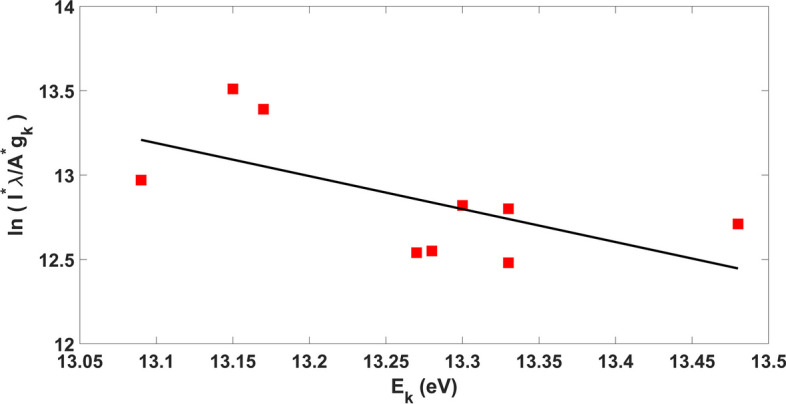
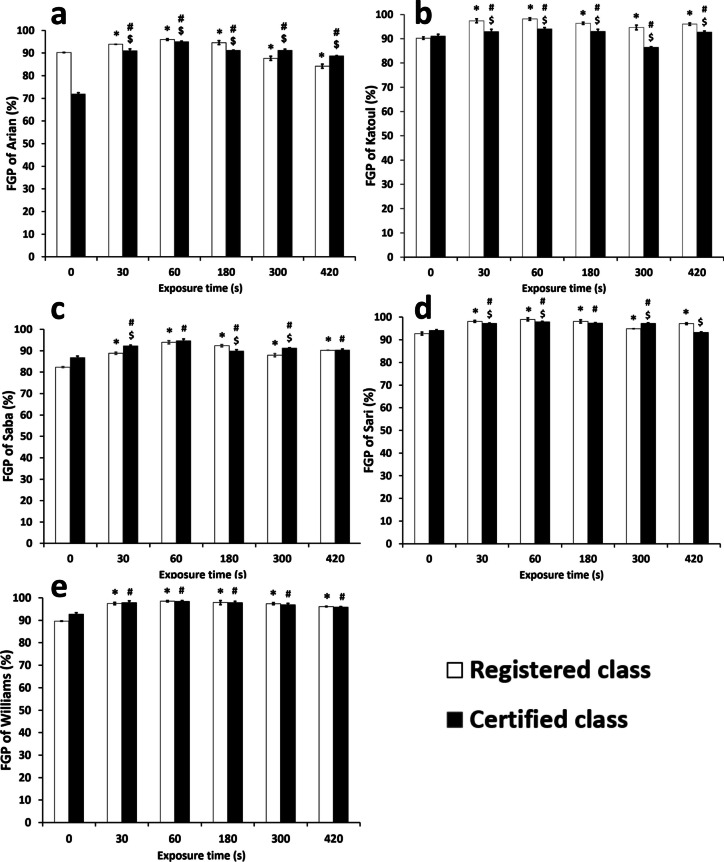
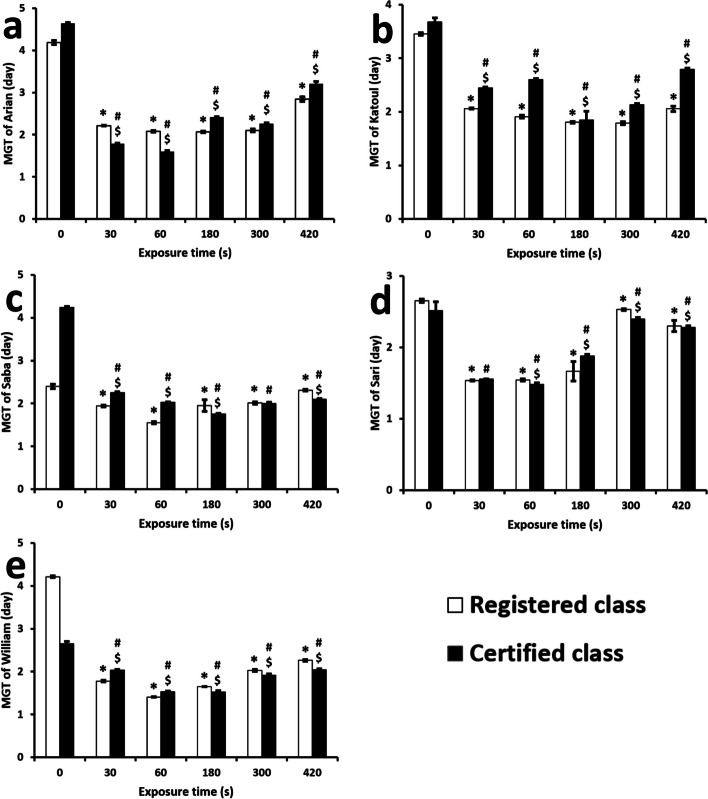
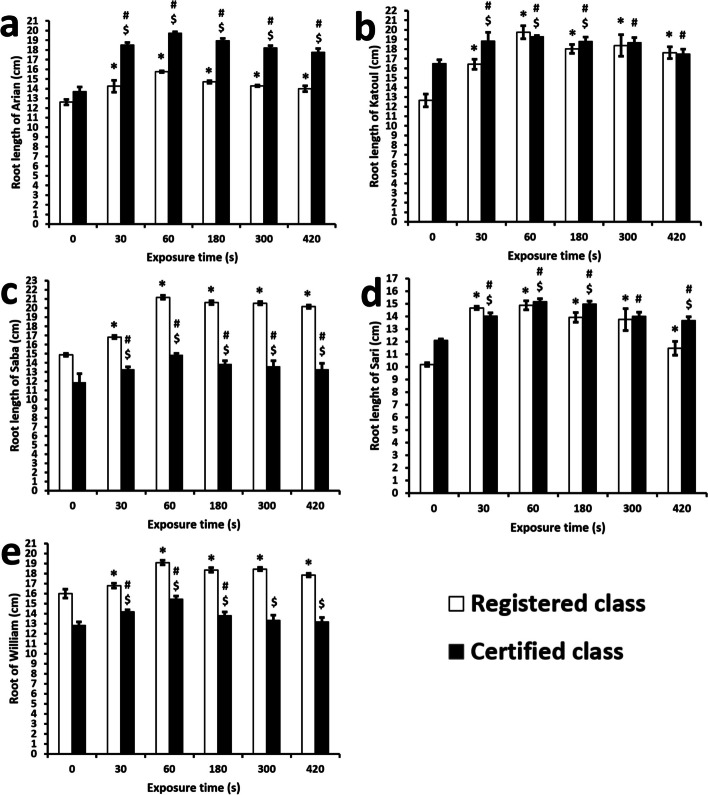
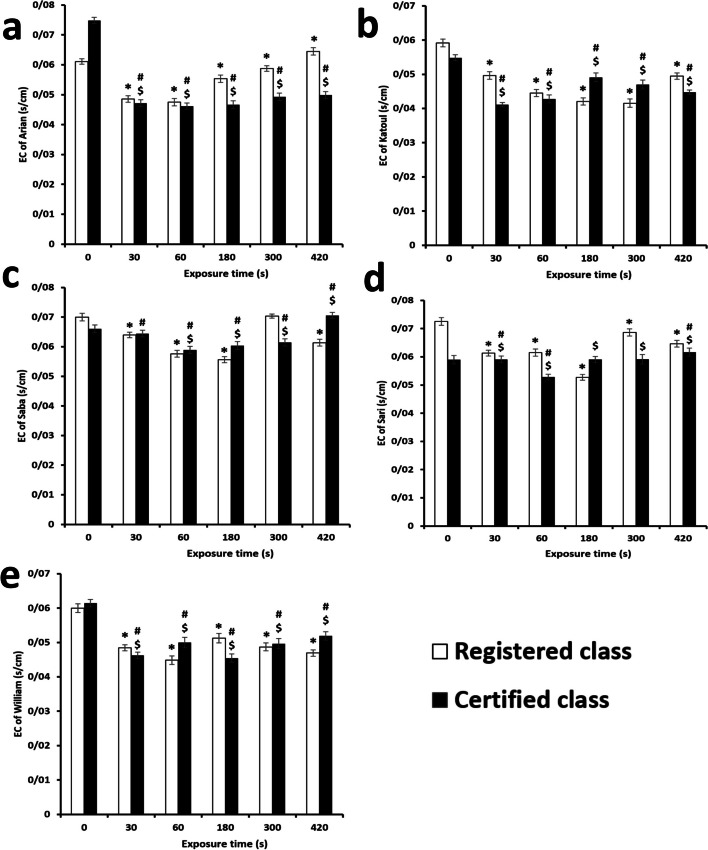
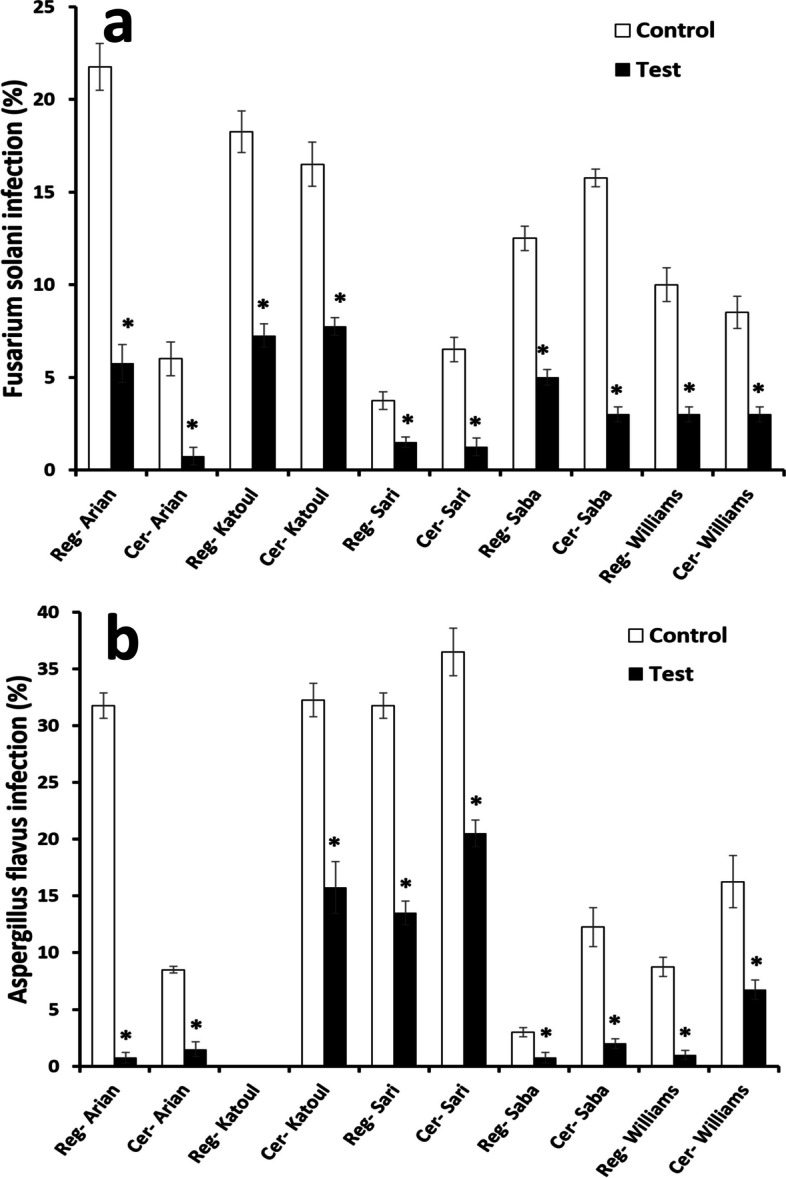
Applying cold discharge plasma can potentially alter plants' germination characteristics by triggering their physiological activities. As a main crop in many countries, soybean was examined in the present study using cultivars such as Arian, Katoul, Saba, Sari, and Williams in a cold argon plasma. This study has been motivated by the importance of plant production worldwide, considering climate change and the increasing needs of human populations for food. This study was performed to inspect the effect of cold plasma treatment on seed germination and the impact of argon plasma on microbial decontamination was investigated on soybeans. Also, the employed cultivars have not been studied until now the radicals generated from argon were detected by optical emission spectrometry (OES), and a collisional radiative model was used to describe electron density. The germination properties, including final germination percentage (FGP), mean germination time (MGT), root length, and electrical conductivity of biomolecules released from the seeds, were investigated after the plasma treatments for 30, 60, 180, 300, and 420 s. The decontamination effect of the plasma on Aspergillus flavus (A.flavus) and Fusarium solani (F.solani) was also examined. The plasma for 60 s induced a maximum FGP change of 23.12 ± 0.34% and a lowest MGT value of 1.40 ± 0.007 days. Moreover, the ultimate root length was 56.12 ± 2.89%, in the seeds treated for 60 s. The plasma exposure, however, failed to yield a significant enhancement in electrical conductivity, even when the discharge duration was extended to 180 s or longer. Therefore, the plasma duration of 180 s was selected for the blotter technique. Both fungi showed successful sterilization; their infectivity inhibition was 67 ± 4 and 65 ± 3.1%, respectively. In general, the cold plasma used for soybeans in the present study preserved their healthy qualities and reduced the degree of fungal contamination.
Overview
The claims and statistics of this paper haven’t been checked yet.
Free: it reads the open-access text and checks the first 5 claims that cite a source we can check. Create a free account to check every claim.
Integrity signals
Registry
Cites
Statistics
Figures
Verification
Claims the paper makes
The claims and statistics of this paper haven’t been checked yet.
Free: it reads the open-access text and checks the first 5 claims that cite a source we can check. Create a free account to check every claim.
Claims other papers make about this one
Each is checked against this paper’s own text: does it say what the citing paper says it does?
The cited source says what the claim attributes to it.
In the citing paper
“It also modifies the seed surface, improving hydrophilicity and nutrient absorption, which promotes overall plant growth83.”
From Atmospheric cold plasma alters plant traits and negatively affects the growth and development of fall armyworm in rice (2025) · cites this paper as [83]
Self-check
Percentages, sums and reported differences re-computed from the paper’s own numbers.
The self-check needs the paper’s full text.
Citations
Cites
Principles of Plasma Discharges and Materials Processing
Lieberman, M. A., & Lichtenberg, A. J. (2005) · doi:10.1002/0471724254 · Cited by 4,748 · cited 1×
“Despite the high temperature of these particles, the temperature of the substrate treated by cold plasma is close to the ambient temperature, ranging from 25 °C–100 °C [2] or as low as 35 °C [3].”
BackgroundFridman, A. (2008) · Cambridge University Press eBooks · doi:10.1017/cbo9780511546075 · Cited by 1,776 · cited 1×
“These factors change seed fate via the breakdown of the dormant stage and, finally, a higher rate of germination [84].”
BackgroundHow and why to measure the germination process?
Ranal, M. A., & Santana, D. G. D. (2006) · Revista Brasileira de Botânica · doi:10.1590/s0100-84042006000100002 · Cited by 967 · cited 1×
“The value of FGP and MGT was calculated according to the formula below [5, 40, 41]: Moreover, variations in FGP could be another helpful factor in distinguishing treatment groups by subtracting their FGPs.”
MethodThirumdas, R., Kothakota, A., Annapure, U., Siliveru, K., Blundell, R., Gatt, R., & Valdramidis, V. P. (2018) · Trends in Food Science & Technology · doi:10.1016/j.tifs.2018.05.007 · Cited by 938 · cited 1×
“Indeed, the radicals subtract H atoms from unsaturated carbon bonds and form malondialdehyde (MDA) due to oxidation reaction [55, 77].”
BackgroundBouslama, M., & Schapaugh, W. T. (1984) · Crop Science · doi:10.2135/cropsci1984.0011183x002400050026x · Cited by 750 · cited 1×
“In this manner, the tolerance of seed strains against different stress, such as drought, heat [108], osmotic [109], chilling [110], a combination of stressful conditions [111] etc., are dependent on their physiological and biochemical aspects.”
BackgroundCold Plasma Decontamination of Foods
Niemira, B. A. (2012) · Annual Review of Food Science and Technology · doi:10.1146/annurev-food-022811-101132 · Cited by 638 · cited 2×
“Noble gases such as argon are expensive [23], with high thermal conductivity, emitting UV light to kill fungi and bacteria [24].”
BackgroundMethodCold Plasma: A novel Non-Thermal Technology for Food Processing
Thirumdas, R., Sarangapani, C., & Annapure, U. S. (2015) · Food Biophysics · doi:10.1007/s11483-014-9382-z · Cited by 621 · cited 1×
“If the penetration depth of UV photons is compared with nonthermal plasma, their powers are 1 and 10 µm, respectively [7].”
BackgroundProgress in understanding wetting transitions on rough surfaces
Bormashenko, E. (2015) · Advances in Colloid and Interface Science · doi:10.1016/j.cis.2014.02.009 · Cited by 509 · cited 1×
“One of the mechanisms of plasma to increase plant growth is related to its changes to seed-wetting properties [15].”
BackgroundSivachandiran, L., & Khacef, A. (2017) · RSC Advances · doi:10.1039/c6ra24762h · Cited by 460 · cited 1×
“Higher seed germination rate, seedling growth, and length are some of the biological functions that suggest a positive role of cold plasma [70].”
BackgroundEffects of cold plasma treatment on seed germination and seedling growth of soybean
Ling, L., Jiafeng, J., Jiangang, L., Minchong, S., Xin, H., Hanliang, S., & Yuanhua, D. (2014) · Scientific Reports · doi:10.1038/srep05859 · Cited by 456 · cited 3×
“The optimized plasma time to achieve this positive effect was 15 s when the power and frequency were 80 W and 13.56 MHz [5].”
MethodInfluential
Research works printed but not linked: 5
- Menashi W Treatment of surfaces. Sl patent No. 3383163 1968 Treatment Washington, DC US Patent and Trademark Office
- Ominakhon G Morphological characteristics and diseases of Soy plants Eurasian Res Bull 2023 20 103 106
- Akatsuka H Optical Emission Spectroscopic (OES) analysis for diagnostics of electron density and temperature in non-equilibrium argon plasma based on collisional-radiative model Adv Physics: X 2019 4 1 1592707
- Shashikanthalu SP Ramireddy L Radhakrishnan M Stimulation of the germination and seedling growth of cuminum cyminum L. seeds by cold plasma J Appl Res Med Aromatic Plants 2020 18 100259
- Nehra V Kumar A Dwivedi H Atmospheric non-thermal plasma sources Int J Eng 2008 2 1 53 68
Cited by
Veerana, M., Mumtaz, S., Rana, J. N., Javed, R., Panngom, K., Ahmed, B., Akter, K., & Choi, E. H. (2024) · Plasma Chemistry and Plasma Processing · doi:10.1007/s11090-024-10510-7 · Cited by 63
“Sayahi et al. reported that argon-based NTAPP exposure effectively contributes to the sterilization of the seeds of the soybean [ 83].”
Sayahi, K., Sari, A. H., Hamidi, A., Nowruzi, B., & Hassani, F. (2024) · BMC Biotechnology · doi:10.1186/s12896-024-00921-x · Cited by 41
“The plasma treatments provide good fungicidal and bactericidal effects, and increased water permeability through surface coat etching and stimulation of germination and seedlings growth [11, 13].”
Self-citationDilip, D., Modupalli, N., Rahman, M. M., & Kariyat, R. (2025) · Scientific Reports · doi:10.1038/s41598-025-87560-0 · Cited by 24
Firouzkoohi, F., Nasibi, F., Keramat, B., Noori, H., & Mousavi, E. A. (2025) · Industrial Crops and Products · doi:10.1016/j.indcrop.2025.120598 · Cited by 13
Guragain, R. P., Guragain, D. P., Baniya, H. B., & Subedi, D. P. (2025) · Results in Engineering · doi:10.1016/j.rineng.2025.106045 · Cited by 14
The Diversity of Seed-Borne Fungi Associated with Soybean Grown in Southern Poland
Olszak-Przybyś, H., & Korbecka-Glinka, G. (2024) · Pathogens · doi:10.3390/pathogens13090769 · Cited by 12
Nasiri, J., Jamali, A., Mazandarani, A., & Chaghakaboodi, Z. (2025) · Results in Engineering · doi:10.1016/j.rineng.2025.104332 · Cited by 12
Orlowski, J., Motyka‐Pomagruk, A., Dzimitrowicz, A., Pohl, P., Terefinko, D., Łojkowska, E., Jamróz, P., & Śledź, W. (2025) · Applied Sciences · doi:10.3390/app15031255 · Cited by 9
Dilip, D., Modupalli, N., Unnikrishnan, S., Rahman, M. M., & Kariyat, R. (2025) · Environmental Technology & Innovation · doi:10.1016/j.eti.2025.104231 · Cited by 7
Wei, Q., Wang, Y., Jiang, L., Qian, J., Sheng, X., Deng, S., Zhang, J., & Wang, J. (2026) · Comprehensive Reviews in Food Science and Food Safety · doi:10.1111/1541-4337.70410 · Cited by 6
Optimizing germination in tomato (Solanum lycopersicum) seeds through non-thermal plasma treatment
Guragain, R. P., Baniya, H. B., Guragain, D. P., & Subedi, D. P. (2024) · Physica Scripta · doi:10.1088/1402-4896/ad8fe1 · Cited by 7
Sun, X., Cao, Y., Wang, Y., Wu, S., Trust Beta, Shi, X., Wang, S., Herrera‐Balandrano, D. D., & Laborda, P. (2025) · Postharvest Biology and Technology · doi:10.1016/j.postharvbio.2025.113957 · Cited by 4
Harnessing Cold Plasma Technology: Advancements and Applications in Sustainable Agriculture
Dilip, D., Modupalli, N., Rahman, M. M., & Kariyat, R. (2026) · Plasma Processes and Polymers · doi:10.1002/ppap.70161 · Cited by 4
“These reactive species act as signaling molecules that can modify the seed coat, improving water uptake and nutrient absorption [41].”
InfluentialMohan, B., Karthik, C., Pushpangathan, C., Pajerowska-Mukhtar, K. M., Thomas, V., & Mukhtar, M. S. (2025) · International Journal of Plant Biology · doi:10.3390/ijpb16030104 · Cited by 4
“In terms of root length, the results indicated that the globe plasma treatment for 1 min (MS D3) resulted in the longest roots, followed by the air plasma in the chamber (MS A3) and the atmospheric jet plasma (MS B3) [32].”
Torabi, S., Taheri, M. A., Semsarha, F., Hamidi, A., Hussain, M., Moghadampour, M., & Mohammadifard, F. (2026) · Plant Signaling & Behavior · doi:10.1080/15592324.2026.2627034 · Cited by 3
“56 Moreover, electromagnetic field exposure has been shown to accelerate germination and increase biomass accumulation in wheat seedlings, 57 and ultrasound treatment has been demonstrated to increase drought tolerance in wheat seedlings.”
Self-citationFariha, S., Hassan, S., Sarker, S., Richi, S. H., Jalal, S., & Islam, M. S. (2025) · International Journal of Food Science & Technology · doi:10.1093/ijfood/vvag076 · Cited by 3
Yao, L., & Gao, J. (2026) · Agronomy · doi:10.3390/agronomy16111067 · Cited by 3
Vatani, M., Hosseinzadeh, S., Sari, A., Ghomi, H., Rahimpour, A., & Fattahi, R. (2024) · Iranian journal of pharmaceutical research · doi:10.5812/ijpr-150385 · Cited by 4
Self-citationBassiri, A., Sari, A. H., & Maghami, P. (2025) · Journal of Biomolecular Structure and Dynamics · doi:10.1080/07391102.2025.2474052 · Cited by 3
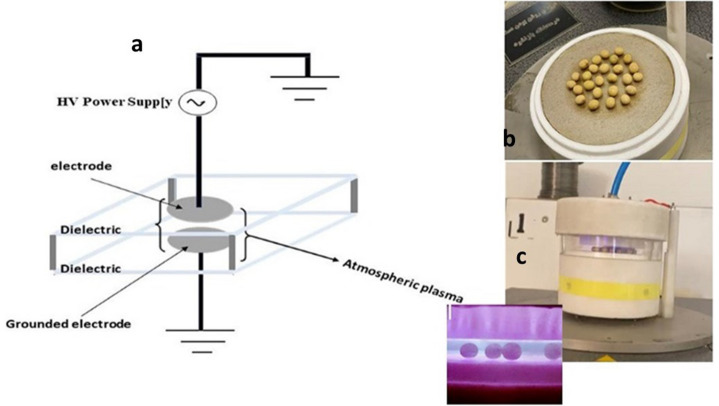
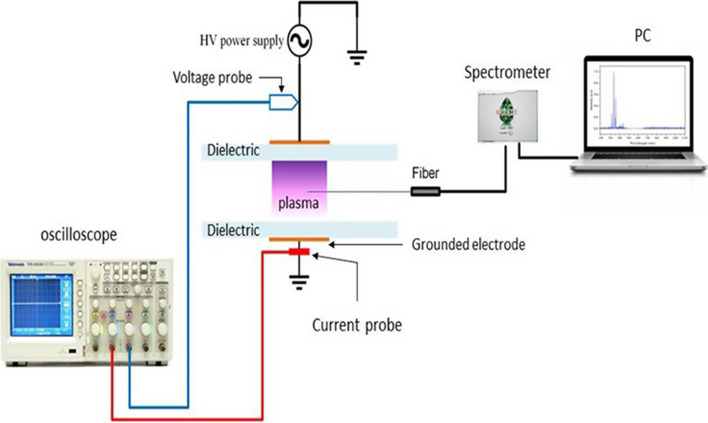
“Sari et al.’s setup has been used in this experiment (Sayahi et al., 2024).”
Self-citationRen, P., Lyu, X., & Jin, B. (2026) · Plasma Processes and Polymers · doi:10.1002/ppap.70169 · Cited by 1
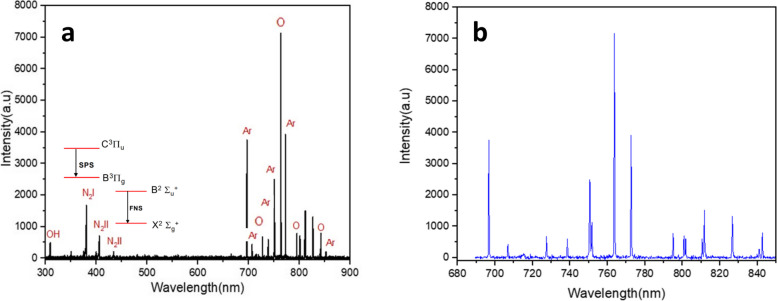
“Thus, the primary radicals in this Ar plasma were Ar·, NO·, N₂·, and OH· [14, 31, 32].”
Khan, M. A., Rahman, M. M., Tasmima, T., & Hossain, M. A. (2025) · SAARC Journal of Agriculture · doi:10.3329/sja.v22i2.73858 · Cited by 1
Plasma Technologies: A Sustainable Frontier for Environmental Conservation
Devi, L., Boruah, A. J., Sarkar, B., & Singh, K. S. (2024) · Mapana Journal of Sciences · doi:10.12723/mjs.69.10
Leandro, G. C., Valencia, G. A., Carciofi, B. A. M., & Laurindo, J. B. (2026) · Critical Reviews in Food Science and Nutrition · doi:10.1080/10408398.2026.2669790
“Electrodes can be manufactured from aluminum (Sayahi et al. 2024), copper (Amini et al. 2024), steel (Zou and Cheng 2024), or stainless steel (Rothwell et al. 2022), while the dielectric barrier can be made of acrylic (Porto et al. 2023), quartz (Amini et al. 2024), borosilicate (Ebrahimi et al.…”
Sunlight to Plasma: Mimicking nature’s light for smarter agriculture and crop production
Attri, P., Ishikawa, K., & Kazunori, K. O. G. A. (2026) · Journal of Advanced Research · doi:10.1016/j.jare.2026.06.015
Firouzkoohi, F., Nasibi, F., & Noori, H. (2026) · BMC Plant Biology · doi:10.1186/s12870-026-09624-1
“Excessive plasma intensity can lead to surface ablation and disruption of essential cellular structures, thereby compromising seed viability and subsequent seedling performance [20].”
Tondafshan, B., Hosseini, S. I., & Heidari, P. (2026) · Food Chemistry · doi:10.1016/j.foodchem.2026.151379
Perea-Brenes, Á. (2026) · Deposito de Investigacion Universidad de Sevilla (University of Seville)
Plasma in Water and Wastewater Treatment
Lokeshwari, B., Harini, S., Ali, A. M., Mayilazhagan, S., & Manigandan, M. (2026) · IGI Global eBooks · doi:10.4018/979-8-2600-4669-2.ch005
Metadata
- Authors
- Sayahi, K., Sari, A. H., Hamidi, A., Nowruzi, B., & Hassani, F.
- Affiliations
- Islamic Azad University, Tehran (IR)
- Agricultural Research & Education Organization (IR)
- Corresponding author
- Sari, Amir Hossein
- Venue
- BMC Plant Biology
- Published
- 2024-01-22
- Volume
- 24
- Issue
- 1
- Pages
- 59-59
- ISSN
- 1471-2229 (ISSN-L)
- PMC
- PMC10801988
- OpenAlex
- W4391075549
- Cited by
- 24
- References
- 134
- Citations by year
- 2026: 8 · 2025: 11 · 2024: 5
- FWCI
- 6.11
- Type
- journal article
- Language
- en
- Open access
- gold
- doi.org
- Licence
- cc-by
- creativecommons.org/licenses/by/4.0 (tdm)
- creativecommons.org/licenses/by/4.0 (vor)
- Locations
- BMC Plant Biology (publishedVersion, cc-by)
- PubMed Central (publishedVersion, cc-by)
- PubMed (publishedVersion)
- DOAJ (DOAJ: Directory of Open Access Journals) (submittedVersion, cc-by-sa)
- Topics
- Physical Sciences › Physics and Astronomy › Atomic and Molecular Physics, and Optics › Atmospheric-Pressure Plasma Applications
- Life Sciences › Agricultural and Biological Sciences › Agronomy and Crop Science › Magnetic and Electromagnetic Effects
- Life Sciences › Agricultural and Biological Sciences › Plant Science › Seed Germination and Physiology
- Keywords
- soybean, seed germination, root length, seed electrical conductivity, microbial decontamination, Aspergillus flavus, Fusarium solani, seed-borne fungi, soybean cultivars, optical emission spectroscopy, collisional-radiative model, electron density
- MeSH terms
- Argon, Decontamination, Humans, Glycine max, Germination, Plasma Gases
About these checks
Registry, retraction, Cites and statistics results are computed, not judged, with one exception: a printed reference that no index lists is read once by a model before it counts as a citation error. Claims are extracted by a model and kept only when their quote appears verbatim in the text; each cited source is then checked, with a model’s help, for whether it says what the claim relies on. Those verdicts can be wrong — read the claim’s quote and the cited source before relying on one.
Statistics and arithmetic are recomputed, not judged.
Confidence bands are shown only for fields calibrated on our annotated test set. None is calibrated yet, so no band is shown.
What counts as a claim ›How we measure confidence ›How we check this ›
Are you an author, or do you see a problem with this page? Request a review
Data sources
Bibliographic data: Semantic Scholar, OpenAlex, Crossref.
Contains information from the Semantic Scholar Academic Graph Datasets, made available under the ODC Attribution License (ODC-BY 1.0).
Semantic Scholar’s data is described in: Kinney, R., et al. (2023). The Semantic Scholar Open Data Platform. arXiv:2301.10140.
