

Liver abscess and bacteremia caused by lactobacillus: role of probiotics? Case report and review of the literature
Open accessThe DOI matches its Crossref record; 43 of the 43 references it cites were found in a registry or an index.
Abstract
BACKGROUND: Lactobacilli are non-spore forming, lactic acid producing, gram-positive rods. They are a part of the normal gastrointestinal and genitourinary microbiota and have rarely been reported to be the cause of infections. Lactobacilli species are considered non-pathogenic organisms and have been used as probiotics to prevent antibiotic associated diarrhea. There are sporadic reported cases of infections related to lactobacilli containing probiotics. CASE PRESENTATION: In this paper we discuss a case of an 82 year old female with liver abscess and bacteremia from lactobacillus after using probiotics containing lactobacilli in the course of her treatment of Clostridium difficile colitis. The Lactobacillus strain identification was not performed and therefore, both commensal microbiota and the probiotic product should be considered as possible sources of the strain. CONCLUSION: Lactobacilli can lead to bacteremia and liver abscesses in some susceptible persons and greater awareness of this potential side effect is warranted with the increasing use of probiotics containing lactobacilli.
Overview
The claims and statistics of this paper haven’t been checked yet.
Free: it reads the open-access text and checks the first 5 claims that cite a source we can check. Create a free account to check every claim.
Integrity signals
Registry
Cites
Statistics
Figures
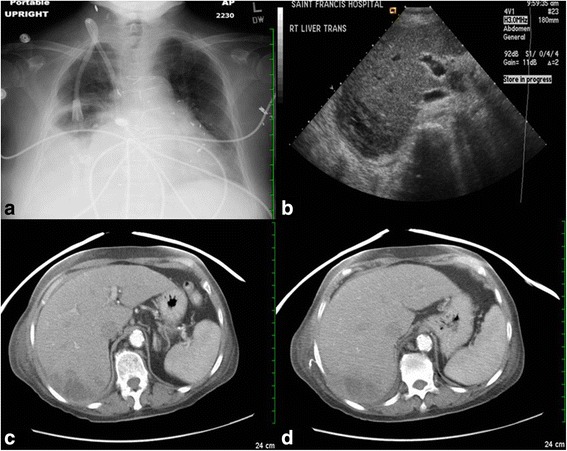
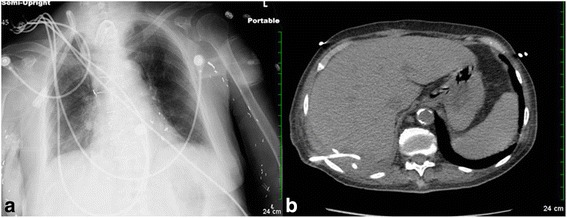
Verification
Claims the paper makes
The claims and statistics of this paper haven’t been checked yet.
Free: it reads the open-access text and checks the first 5 claims that cite a source we can check. Create a free account to check every claim.
Claims other papers make about this one
Each is checked against this paper’s own text: does it say what the citing paper says it does?
The cited source says what the claim attributes to it.
In the citing paper
“Case reports of LB have hypothesized that, in some cases, the source of the lactobacilli was the oral probiotic the patient was taking. However, this correlation was based on medical history alone or microbiologic cultures or assays that were unable to distinguish different Lactobacillus strains, or the strains themselves were not reported; thus, the hypothesis could not be supported [41,42,43].”
From Lactobacillus Bacteremia and Probiotics: A Review (2023) · cites this paper as [43]
Self-check
Percentages, sums and reported differences re-computed from the paper’s own numbers.
The self-check needs the paper’s full text.
Citations
Cites
Dermyshi, E., Wang, Y., Yan, C., Hong, W., Qiu, G., Gong, X., & Zhang, T. (2017) · Neonatology · doi:10.1159/000454668 · Cited by 24,451
Besselink, M. G., van Santvoort, H. C., Buskens, E., Boermeester, M. A., van Goor, H., Timmerman, H. M., Nieuwenhuijs, V. B., Bollen, T. L., van Ramshorst, B., Witteman, B. J., et al. (2008) · The Lancet · doi:10.1016/s0140-6736(08)60207-x · Cited by 1,367
Lactobacillus Sepsis Associated With Probiotic Therapy
Land, M. H., Rouster-Stevens, K., Woods, C. R., Cannon, M. L., Cnota, J., & Shetty, A. K. (2005) · Pediatrics · doi:10.1542/peds.2004-2137 · Cited by 599
Pyogenic Hepatic Abscess: Changing Trends Over 42 Years
Huang, C.-J., Pitt, H. A., Lipsett, P. A., Osterman, F. A., Lillemoe, K. D., Cameron, J. L., & Zuidema, G. D. (1996) · Annals of Surgery · doi:10.1097/00000658-199605000-00016 · Cited by 526 · cited 2×
“The geographic area may also play a role, for example klebsiella pneumoniae is the most common isolated bacteria in Hong Kong [22, 23, 25].”
BackgroundPathogenic relevance of Lactobacillus: A retrospective review of over 200 cases
Cannon, J. P., Lee, T. A., Bolanos, J. T., & Danziger, L. H. (2005) · European Journal of Clinical Microbiology & Infectious Diseases · doi:10.1007/s10096-004-1253-y · Cited by 478 · cited 1×
“In a retrospective study of 200 cases of endocarditis caused by lactobacilli the mortality rate was 23% which was higher in cases of polymicrobial bacteremia and use of inadequate antibiotics [1].”
BackgroundSalminen, M. K., Rautelin, H., Tynkkynen, S., Poussa, T., Saxelin, M., Valtonen, V., & Jarvinen, A. (2004) · Clinical Infectious Diseases · doi:10.1086/380455 · Cited by 426
Salminen, M. K., Tynkkynen, S., Rautelin, H., Saxelin, M., Vaara, M., Ruutu, P., Sarna, S., Valtonen, V., & Järvinen, A. (2002) · Clinical Infectious Diseases · doi:10.1086/342912 · Cited by 419 · cited 2×
“after wide use of lactobacillus rhamnosus GG as a probiotic which was introduced to Finland in 1990 [26].”
BackgroundPopulation-based study of the epidemiology of and the risk factors for pyogenic liver abscess
Kaplan, G. G., Gregson, D. B., & Laupland, K. B. (2004) · Clinical Gastroenterology and Hepatology · doi:10.1016/s1542-3565(04)00459-8 · Cited by 334
Liver Abscess Due to a Lactobacillus rhamnosus Strain Indistinguishable from L. rhamnosus Strain GG
Rautio, M., Jousimies‐Somer, H., Kauma, H., Pietarinen, I., Saxelin, M., Tynkkynen, S., & Koskela, M. (1999) · Clinical Infectious Diseases · doi:10.1086/514766 · Cited by 327 · cited 2×
“scess and use of probiotics containing lactobacilli has not been reported previously [19].”
BackgroundTwo cases of Lactobacillus bacteremia during probiotic treatment of short gut syndrome
Kunz, A. N., Noel, J. M., & Fairchok, M. P. (2004) · Journal of Pediatric Gastroenterology and Nutrition · doi:10.1097/00005176-200404000-00017 · Cited by 319
Cited by
Probiotic supplements might not be universally-effective and safe: A review
Kothari, D., Patel, S., & Kim, S.-K. (2019) · Biomedicine & Pharmacotherapy · doi:10.1016/j.biopha.2018.12.104 · Cited by 445
Shah, A. B., Baiseitova, A., Zahoor, M., Ahmad, I., Ikram, M., Bakhsh, A., Shah, M. A., Ali, I., Idress, M., Ullah, R., et al. (2024) · Gut Microbes · doi:10.1080/19490976.2024.2431643 · Cited by 185
Reappraisal of probiotics’ safety in human
Sotoudegan, F., Daniali, M., Hassani, S., Nikfar, S., & Abdollahi, M. (2019) · Food and Chemical Toxicology · doi:10.1016/j.fct.2019.04.032 · Cited by 154
Are Probiotic Really Safe for Humans?
ZAWISTOWSKA-ROJEK, A., & TYSKI, S. (2018) · Polish Journal of Microbiology · doi:10.21307/pjm-2018-044 · Cited by 153
Lactobacillus Bacteremia and Probiotics: A Review
Kullar, R., Goldstein, E. J. C., Johnson, S., & McFarland, L. V. (2023) · Microorganisms · doi:10.3390/microorganisms11040896 · Cited by 156
Whole genome sequencing for the risk assessment of probiotic lactic acid bacteria
Peng, X., Ed-Dra, A., & Yue, M. (2023) · Critical Reviews in Food Science and Nutrition · doi:10.1080/10408398.2022.2087174 · Cited by 144
“Moreover, bacteremia and liver abscesses due to LAB strains have been reported in a case of an 82-year-old female with a history of diabetes mellitus, in which LAB strains were used to treat C. difficile colitis before being isolated from both the liver abscess and blood (Sherid et al. 2016).”
BackgroundSafety of Probiotics: Functional Fruit Beverages and Nutraceuticals
Žuntar, I., Petric, Z., Bursać Kovačević, D., & Putnik, P. (2020) · Foods · doi:10.3390/foods9070947 · Cited by 137
“Risk factors that are thought to be responsible for the development of probiotic-induced infections included older age, hepatobiliary disease and diabetes mellitus, patients with a history of malignant diseases, and transplantations [49,50,57,58].”
BackgroundWu, S., Bekhit, A. E. A., Wu, Q., Chen, M., Liao, X., Wang, J., & Ding, Y. (2020) · Trends in Food Science & Technology · doi:10.1016/j.tifs.2020.12.019 · Cited by 134
A successful history: probiotics and their potential as antimicrobials
Santacroce, L., Charitos, I. A., & Bottalico, L. (2019) · Expert Review of Anti-infective Therapy · doi:10.1080/14787210.2019.1645597 · Cited by 143
Probiotics: If It Does Not Help It Does Not Do Any Harm. Really?
Lerner, A., Shoenfeld, Y., & Matthias, T. (2019) · Microorganisms · doi:10.3390/microorganisms7040104 · Cited by 117
“Bacteremia [41,74,150] Rhinitis [149] Transfer of virulent factors: Enhanced adhesion and protein aggregation [74,149]”
BackgroundCommercial probiotic products in public health: current status and potential limitations
Liang, D., Wu, F. L., Zhou, D., Tan, B., & Chen, T. (2023) · Critical Reviews in Food Science and Nutrition · doi:10.1080/10408398.2023.2169858 · Cited by 142
“…specific probiotics may induce bacteriaemia or fungemia, sepsis, hemolysis, endocarditis, pneumonia, hepatic abscess and bowel ischemia, which may lead to weakness or death (Besselink et al. 2008; Boyle, Robins-Browne, and Tang 2006; Doern et al. 2014; Sherid et al. 2016) (Figure 1C).”
BackgroundGut Microbiota Composition Before and After Use of Proton Pump Inhibitors
Hojo, M., Asahara, T., Nagahara, A., Takeda, T., Matsumoto, K., Ueyama, H., Matsumoto, K., Asaoka, D., Takahashi, T., Nomoto, K., et al. (2018) · Digestive Diseases and Sciences · doi:10.1007/s10620-018-5122-4 · Cited by 114
“However, there are several case reports demonstrating that lactobacilli caused serious infections such as bacteremia and liver abscesses in susceptible immunocompromised patients [55, 56].”
Kiecka, A., & Szczepanik, M. (2023) · Pharmacological Reports · doi:10.1007/s43440-023-00489-x · Cited by 138
“Lactobacilli are considered to have beneficial effects on human health [41, 42], but there are several reports in which lactic acid bacilli caused severe infections such as bacteremia and liver abscesses in susceptible immunocompromised patients [43, 44].”
BackgroundReyna-Figueroa, J., Barrón‐Calvillo, E. E., García-Parra, C., Galindo-Delgado, P., Contreras-Ochoa, C. O., Lagunas-Martínez, A., Romero, F. H. C., Silva-Estrada, J. A., & Limón-Rojas, A. E. (2019) · Journal of Pediatric Hematology/Oncology · doi:10.1097/mph.0000000000001497 · Cited by 112
Overview of paratransgenesis as a strategy to control pathogen transmission by insect vectors
Ratcliffe, N. A., Pacheco, J. P. F., Dyson, P. J., Castro, H. C., Gonzalez, M. S., Azambuja, P., & Neto, C. B. D. M. (2022) · Parasites & Vectors · doi:10.1186/s13071-021-05132-3 · Cited by 116
“There are even reports of probiotics like Lactobacilli acting as human pathogens [340].”
Members of the Lactobacillus Genus Complex (LGC) as Opportunistic Pathogens: A Review
Rossi, F., Amadoro, C., & Colavita, G. (2019) · Microorganisms · doi:10.3390/microorganisms7050126 · Cited by 97
“Lactobacillus organisms are rarely associated with pathology in immunocompetent people, but in the presence of risk factors and underlying conditions, they can cause infections such as endocarditis, bacteremia, neonatal meningitis, dental caries, and intra-abdominal abscesses including liver abscess, pancreatic necros…”
BackgroundYeh, T.-L., Shih, P.-C., Liu, S.-J., Lin, C.-H., Liu, J.-M., Lei, W.-T., & Lin, C.-Y. (2018) · Drug Design Development and Therapy · doi:10.2147/dddt.s155110 · Cited by 93
Gut Microbiota May Play a Significant Role in the Pathogenesis of Graves' Disease
Jiang, W., Yu, X., Kosik, R. O., Song, Y., Qiao, T., Tong, J., Liu, S., Fan, S., Luo, Q., Chai, L., et al. (2021) · Thyroid · doi:10.1089/thy.2020.0193 · Cited by 105
“, resulting in bacteremia, infective endocarditis) (24).”
The Prospects for the Therapeutic Implications of Genetically Engineered Probiotics
Mazhar, S. F., Afzal, M., Almatroudi, A., Munir, S., Ashfaq, U. A., Rasool, M., Raza, H., Munir, H. M. W., Rajoka, M. S. R., & Khurshid, M. (2020) · Journal of Food Quality · doi:10.1155/2020/9676452 · Cited by 101
“bacteremia, and others in susceptible patients [6].”
The opportunistic nature of gut commensal microbiota
Dey, P., & Chaudhuri, S. R. (2022) · Critical Reviews in Microbiology · doi:10.1080/1040841x.2022.2133987 · Cited by 95
“Lactobacillus bacteraemia has also been associated with liver abscess in patients undergoing probiotic supplementation to treat Clostridium difficile colitis (Sherid et al. 2016).”
BackgroundProbiotics: Should All Patients Take Them?
Katkowska, M., Garbacz, K., & Kusiak, A. (2021) · Microorganisms · doi:10.3390/microorganisms9122620 · Cited by 77
“Lactobacillus sp. Pneumonia 11 month old/F L. rhamnosus GG L. rhamnosus Trisomy 21 and a history of esophageal atresia but who was otherwise thought to be immunocompetent Ampicillin/sulbactam Recovered [53] L. paracasei Endocarditis 77/M L. paracasei L. paracasei Prostate cancer, hiatal hernia, mitral insufficiency du…”
BackgroundInfluentialHydrogen peroxide production by lactobacilli promotes epithelial restitution during colitis
Singh, A. K., Hertzberger, R. Y., & Knaus, U. G. (2018) · Redox Biology · doi:10.1016/j.redox.2018.02.003 · Cited by 88
Paul, A. K., Paul, A., Jahan, R., Jannat, K., Bondhon, T. A., Hasan, A., Nissapatorn, V., Pereira, M. D. L., Wilairatana, P., & Rahmatullah, M. (2021) · Microorganisms · doi:10.3390/microorganisms9051070 · Cited by 82
Yang, S., Qiao, J., Zhang, M., Kwok, L. Y., Matijašić, B. B., Zhang, H., & Zhang, W. (2024) · Journal of Advanced Research · doi:10.1016/j.jare.2024.06.006 · Cited by 84
“For instance, an older adult female patient with diabetes and end-stage renal disease developed a liver abscess and lactobacilli bacteremia after receiving metronidazole and a lactobacilli-containing probiotic for C . difficile enteritis treatment [154].”
Emerging pre-clinical safety assessments for potential probiotic strains: a review
Nataraj, B. H., Behare, P. V., Yadav, H., & Srivastava, A. K. (2023) · Critical Reviews in Food Science and Nutrition · doi:10.1080/10408398.2023.2197066 · Cited by 77
Oxidants in Physiological Processes
Knaus, U. G. (2020) · Handbook of experimental pharmacology · doi:10.1007/164_2020_380 · Cited by 76
Probiotic Lactobacilli Precautions
Castro-González, J. M., Castro, P., Sandoval, H., & Castro-Sandoval, D. (2019) · Frontiers in Microbiology · doi:10.3389/fmicb.2019.00375 · Cited by 59
“The first link between liver abscess and use of probiotics containing lactobacilli was described recently in an old female patient with a history of diabetes mellitus and end-stage renal disease (Sherid et al., 2016).”
BackgroundCuervo-Zanatta, D., Garcia-Mena, J., & Perez-Cruz, C. (2021) · Journal of Alzheimer's Disease · doi:10.3233/jad-201367 · Cited by 56
“Lactobacilli are often considered to be commensal or beneficial participants to the host microbial ecology; however, they have been identified as potential pathogens in elderly and immunocompromised patients [109, 110].”
Dey, P., Chaudhuri, S. R., Efferth, T., & Pal, S. (2021) · Free Radical Biology and Medicine · doi:10.1016/j.freeradbiomed.2021.09.026 · Cited by 60
Postbiotics versus probiotics: Possible new allies for human health
Calvanese, C. M., Villani, F., Ercolini, D., & Filippis, F. D. (2025) · Food Research International · doi:10.1016/j.foodres.2025.116869 · Cited by 68
Probiotics in Gastroenterology: How Pro Is the Evidence in Adults?
Koretz, R. L. (2018) · The American Journal of Gastroenterology · doi:10.1038/s41395-018-0138-0 · Cited by 56
Lactobacillus: the not so friendly bacteria
Pararajasingam, A., & Uwagwu, J. (2017) · BMJ Case Reports · doi:10.1136/bcr-2016-218423 · Cited by 45
Shamekhi, S., Lotfi, H., Abdolalizadeh, J., Bonabi, E., & Zarghami, N. (2020) · Clinical & Translational Oncology · doi:10.1007/s12094-019-02270-0 · Cited by 48
Mikucka, A., Deptuła, A., Bogiel, T., Chmielarczyk, A., Nurczyńska, E., & Gospodarek-Komkowska, E. (2022) · Pathogens · doi:10.3390/pathogens11090977 · Cited by 38
The Microbiome in Childhood Acute Lymphoblastic Leukemia
Oldenburg, M., Rüchel, N., Janssen, S., Borkhardt, A., & Gössling, K. L. (2021) · Cancers · doi:10.3390/cancers13194947 · Cited by 41
“However, complications due to infection caused by probiotics have been reported in adult patients [88,89], due to the presence of live organisms that represent a risk for immunocompromised patients.”
BackgroundMechanistic insights into the protective impact of zinc on sepsis
Souffriau, J., & Libert, C. (2017) · Cytokine & Growth Factor Reviews · doi:10.1016/j.cytogfr.2017.12.002 · Cited by 32
Gut microbiota in surgical and critically ill patients
Ho, K. M., Kalgudi, S., Corbett, J.-M., & Litton, E. (2020) · Anaesthesia and Intensive Care · doi:10.1177/0310057x20903732 · Cited by 33
Crawford, M. S., Nordgren, T. M., & McCole, D. F. (2021) · American Journal of Physiology-Gastrointestinal and Liver Physiology · doi:10.1152/ajpgi.00423.2020 · Cited by 38
“Lactobacillus Swine farm Pulmonary infections, Bacteremia, endocarditis (31, 35, 38) Eubacterium spp.”
BackgroundEghbali, A., Ghaffari, K., Khalilpour, A., Afzal, R. R., Eghbali, A., & Ghasemi, A. (2023) · Pediatric Blood & Cancer · doi:10.1002/pbc.30328 · Cited by 31
Postbiotics as a health-promoting technique: A review article on scientific and commercial interest
Heniedy, A. M., Mahdy, D. M., Elenien, W. I. A., Mourad, S., & El‐Kadi, R. A. (2024) · Process Biochemistry · doi:10.1016/j.procbio.2024.05.010 · Cited by 32
Xu, R., Yu, Y., & Chen, T. (2025) · Current Research in Food Science · doi:10.1016/j.crfs.2025.101044 · Cited by 32
“Furthermore, specific cases, such as Lactobacillus bacteremia and liver abscess following probiotic use in C . difficile colitis (Sherid et al., 2016) and C. butyricum bacteremia in patients with damaged intestinal barriers after major hepatectomy (Shimura et al., 2021), highlight the potential…”
Lactobacillus gasseri liver abscess and bacteremia: a case report
Coria, D. A. R., Canto-Losa, J., Carrillo-Vázquez, D. A., Carbajal-Morelos, L., Estrada-León, R., & Corona‐Rodarte, E. (2021) · BMC Infectious Diseases · doi:10.1186/s12879-021-06181-w · Cited by 33
“Under certain circumstances and with the presence of certain risk factors, they can be the cause of severe infections including bacteremia and infective endocarditis (IE) [2], liver abscesses, peritonitis, pulmonary infections, pyelonephritis, and meningitis, among others [3, 4].”
BackgroundResultInfluentialGilliam, C. H., Brazelton de Cardenas, J., Carias, D., Maron Alfaro, G., Hayden, R. T., & Hakim, H. (2023) · Infection Control & Hospital Epidemiology · doi:10.1017/ice.2021.515 · Cited by 24
Action and immunomodulatory mechanisms, formulations, and safety concerns of probiotics
Ashaolu, T. J., Greff, B., & Varga, L. (2024) · Bioscience of Microbiota Food and Health · doi:10.12938/bmfh.2024-006 · Cited by 29
Chakraborty, S. (2020) · OSF Preprints (OSF Preprints) · doi:10.31219/osf.io/usztn · Cited by 27
Gorini, F., & Tonacci, A. (2024) · Nutrients · doi:10.3390/nu16111762 · Cited by 25
“…supports data that indicate certain strains of Lactobacillus as being potentially harmful in susceptible individuals via mechanisms involving the synthesis of proinflammatory mediators, including ROS, cytokines, and participation in signaling cascades, such as the NF-kB and TLR2 pathways [111–113].”
BackgroundMaternal stress during the third trimester of pregnancy and the neonatal microbiome
Weiss, S. J., & Hamidi, M. (2023) · The Journal of Maternal-Fetal & Neonatal Medicine · doi:10.1080/14767058.2023.2214835 · Cited by 20
“Although taxa such as Lactobacillus and Bifidobacterium have been viewed as beneficial, specific strains of these bacteria have been implicated in serious clinical infections [30], including in infants [31].”
BackgroundZou, Q., Cai, M., Hu, Y., Ge, C., Wang, X., & Duan, R. (2023) · Indian Journal of Medical Microbiology · doi:10.1016/j.ijmmb.2023.100485 · Cited by 18
Reyna-Figueroa, J., Bejarano-Juvera, A. A., García-Parra, C., Barrón‐Calvillo, E. E., Queipo-García, G. E., & Galindo-Delgado, P. (2020) · Journal of Pediatric Hematology/Oncology · doi:10.1097/mph.0000000000001956 · Cited by 17
Song, H., Hu, W., Zhou, X., Tao, J., Zhang, S., Su, X., & Wu, W. (2022) · Frontiers in Nutrition · doi:10.3389/fnut.2021.798827 · Cited by 18
“However, several studies have described the potential risks of probiotics such as systemic infections, deleterious metabolic activities, excessive immune stimulation in susceptible individuals, gene transfer, and gastrointestinal side effects (14, 15).”
BackgroundJarocki, P., Komoń‐Janczara, E., Młodzińska, A., Sadurski, J., Kołodzińska, K., Łaczmański, Ł., Panek, J., & Frąc, M. (2023) · Scientific Reports · doi:10.1038/s41598-023-35823-z · Cited by 16
Reis, A. C. M., Bezerra, D. D. S., Harth-Chú, É. N., Stipp, R. N., Guedes, S. F. F., Neves, B. G., & Rodrigues, L. K. A. (2020) · The Saudi Dental Journal · doi:10.1016/j.sdentj.2020.01.006 · Cited by 17
“…such as abscesses related to L. paracasei and L. rhamnosus have been reported (Salminen et al., 2004, Burns et al., 2007; Chan et al., 2010; Sherid et al., 2016; Pararajasingam and Uwagwu, 2017; Harding-Theobald and Maraj, 2018), albeit rarely, demonstrating Lactobacillus as opportunistic…”
The mechanisms and safety of probiotics against toxigenic clostridium difficile
Liu, D., Zeng, L., Yan, Z., Jia, J., Gao, J. X., & Wei, Y. (2020) · Expert Review of Anti-infective Therapy · doi:10.1080/14787210.2020.1778464 · Cited by 18
Wang, Y., Zhang, Z., Chen, Q., & Chen, T. (2024) · npj Biofilms and Microbiomes · doi:10.1038/s41522-024-00521-9 · Cited by 21
“Concurrent oral and intra-vaginal administration may increase the risk of adverse reactions, such as probiotic infection 151,152 , gastrointestinal discomfort 153,154 ,allergicreactions 155 ,ordysbiosis,whichneedtobecarefully monitored.”
BackgroundSafety of Complementary and Alternative Medicine (CAM) Treatments and Practices
Bellanger, R. A., Seeger, C., & Smith, H. E. (2017) · Side effects of drugs annual · doi:10.1016/bs.seda.2017.06.015 · Cited by 12
Breaking Bad: a case of Lactobacillus bacteremia and liver abscess
Omar, A. M., Ahmadi, N., Ombada, M., Fuscaldo, J., Siddiqui, N., Safo, M., & Nalamalapu, S. R. (2019) · Journal of Community Hospital Internal Medicine Perspectives · doi:10.1080/20009666.2019.1607704 · Cited by 13
“Other case reports (Appendix; Table 2) have identified probiotics as the etiology for the development of Lactobacillus liver abscess [9,17].”
BackgroundGan, L., Wang, Y., Huang, S., Zheng, L., Feng, Q., Liu, H., Liu, P., Zhang, K., Chen, T., & Fang, N. (2024) · Nutrients · doi:10.3390/nu16030342 · Cited by 11
“There are also studies that have reported serious infections due to Lactobacillus , such as bacteremia and liver abscess [63,64], and an increase in Lactobacillus has also been observed in patients with diseases such as type 2 diabetes and Parkinson’s disease [65,66].”
BackgroundNarang, A., Kaur, K., Bedi, N., Rajput, N., Kaur, G., & Kaur, S. (2025) · Probiotics and Antimicrobial Proteins · doi:10.1007/s12602-025-10565-8 · Cited by 14
Mohan, A., Rubin, J., Chauhan, P., Ramirez, J. L., & Giese, G. (2020) · Journal of Community Hospital Internal Medicine Perspectives · doi:10.1080/20009666.2020.1742494 · Cited by 9
Haziri, D., Prechter, F., & Stallmach, A. (2020) · Zeitschrift für Gastroenterologie · doi:10.1055/a-1168-7577 · Cited by 9
“[7] Sherid M, Samo S, Sulaiman S et al.”
BackgroundFernández, L., Orgaz, B., & Rodríguez, J. M. (2024) · Foods · doi:10.3390/foods13244024 · Cited by 10
Probiotics Properties: A Focus on Pregnancy Outcomes
Dahan, K. S. E., Bejjani, J., Nasrallah, A. A., Youssef, L., Mladenovic, A., Dosh, L., Leone, A., & Jurjus, A. R. (2022) · European Journal of Obstetrics & Gynecology and Reproductive Biology · doi:10.1016/j.ejogrb.2022.03.008 · Cited by 9
Huang, W., Jiang, T., He, J., Ruan, J., Wu, B., Tao, R., Xu, P., Wang, Y., Chen, R., Wang, H., et al. (2025) · Probiotics and Antimicrobial Proteins · doi:10.1007/s12602-025-10471-z · Cited by 9
“Lactobacilli can cause bacteremia and liver abscesses in some susceptible populations, and with the increasing use of probiotics containing Lactobacillus , there is a need to learn more about this potential side effect [176].”
Infected pancreatic necrosis and retroperitoneal abscess associated with Lactobacillus paracasei
Miwa, T., Tanaka, H., & Shiojiri, T. (2021) · BMJ Case Reports · doi:10.1136/bcr-2021-243936 · Cited by 8
Antibacterial Effects of Capparis decidua Fruit Mediated Selenium Nanoparticles
Chockalingam, S., Preetha, S., Jeevitha, M., & Pratap, L. (2020) · Journal of Evolution of Medical and Dental Sciences · doi:10.14260/jemds/2020/646 · Cited by 9
Significance of Gut Microbiota on Graves’ Disease
Chen, H., Cao, J., Zhang, F., & Xiong, W. (2024) · International Journal of General Medicine · doi:10.2147/ijgm.s467888 · Cited by 10
Determination and Safety Aspects of Probiotic Cultures
Patra, F., & Duary, R. K. (2022) · Wiley eBooks · doi:10.1002/9781119702160.ch6 · Cited by 7
Lactobacillus bacteremia: A diagnostic clue of rectal cancer
Matsuura, H., Kiura, Y., Ito, T., Fujita, R., Kajitani, S., Kageyama, H., Suganami, Y., & Kishida, M. (2021) · QJM: An International Journal of Medicine · doi:10.1093/qjmed/hcaa311 · Cited by 5
Horill, S., Zhou, X., & Jin, W. (2025) · Journal of Clinical Anesthesia · doi:10.1016/j.jclinane.2025.111801 · Cited by 7
Liu, X., Jiang, W., Lu, G., Qiao, T., Gao, D., Zhang, M., Cai, H., Chai, L., Yi, W., & Lv, Z. (2023) · Polish Journal of Microbiology · doi:10.33073/pjm-2023-042 · Cited by 5
“Despite the probiotic, the study has shown that some strains of Lactobacillus are likely pathogenic (Sherid et al. 2016).”
Bezpieczeństwo stosowania probiotyków przez ludzi
Sionek, B., & Kołożyn‐Krajewska, D. (2019) · Zywnosc-nauka Technologia Jakosc · doi:10.15193/zntj/2019/120/293 · Cited by 5
Azizpour, K., van Kessel, K. P. M., Oudega, R., & Rutten, F. (2017) · Journal of Probiotics & Health · doi:10.4172/2329-8901.1000185 · Cited by 5
Functionality and Safety of Probiotics
Seo, Y., Yoon, Y., & Kim, S. (2019) · Journal of Dairy Science and Biotechnology · doi:10.22424/jmsb.2019.37.2.94 · Cited by 5
Safety of Complementary and Alternative Medicine (CAM) Treatments and Practices
Bellanger, R. A., Seeger, C., & Smith, H. E. (2018) · Side effects of drugs annual · doi:10.1016/bs.seda.2018.06.013 · Cited by 5
Lactobacillus bacteremia: A tell-tale sign for diabetes?
Kriti, L. N. U., Abdelsalam, A., & Bambach, W. (2022) · Journal of Community Hospital Internal Medicine Perspectives · doi:10.55729/2000-9666.1061 · Cited by 4
“Cases have been reported in transplant recipients and in patients with acute leukemia, uncontrolled diabetes mellitus, and chronic renal failure.(2,3) Other predisposing events and behaviors linked with Lactobacillus bacteremia include prolonged use of broad-spectrum antibiotics, dental manipulations and poor dental h…”
BackgroundToro, R. M. D., Incrocci, R., Negris, O., McGrath, S., & Swartzendruber, J. A. (2022) · Allergies · doi:10.3390/allergies3010001 · Cited by 5
“Although Lactobacillus is generally safe, it requires frequent dosing for efficacy, which poses a risk for immunocompromised patients and can lead to bacteremia [10].”
BackgroundHan, J., Han, Y., Xue, H., Lu, Y., Li, S., Zhang, Q., Liu, J., & Shang, D. (2025) · Pathogens · doi:10.3390/pathogens14111173 · Cited by 3
“However, some bacterial genera that are commonly considered probiotics, such as Lactobacillus [37], can also cause hepatic abscesses.”
zia, Z., Khan, A., Ghazanfar, S., & Iqbal, S. (2026) · Biocatalysis and Agricultural Biotechnology · doi:10.1016/j.bcab.2026.104047 · Cited by 3
Karim, M., Ahmed, O. H., Hanan, A. A., Hassan, M. H., & Sabry, A. (2021) · Journal of Applied Pharmaceutical Science · doi:10.7324/japs.2021.110816 · Cited by 5
“This agrees with Sherid et al. (2016) who reported the involvement of Lactobacillus in the development of bacteremia and liver abscesses.”
ResultImpact of Intensive Care Unit Nutrition on the Microbiome and Patient Outcomes
Serbanescu, M. A., Silva, M. D., & Zaky, A. (2023) · Anesthesiology Clinics · doi:10.1016/j.anclin.2022.10.007 · Cited by 5
Probiotic Cultures in Cheese and Yogurt
Vasiljevic, T. (2021) · Elsevier eBooks · doi:10.1016/b978-0-12-818766-1.00163-x · Cited by 4
Critical Overview of Probiotics Efficacy on Health and its Safety
Deka, B., Dash, B., Saud, B., Bhattacharjee, B., & Ikbal, A. M. A. (2021) · Pharmaceutical and Biosciences Journal · doi:10.20510/pbj/9/i2/1275 · Cited by 4
Niu, X., Ma, L., Zhou, Z., Li, Y., Shi, A., Weng, L., & Xing, H. (2025) · Drug and Alcohol Dependence · doi:10.1016/j.drugalcdep.2025.112988 · Cited by 1
Regulatory Frameworks and Safety Considerations for Microbial Applications
Abraham, A., & Ifeanyi, S. S. (2025) · Springer eBooks · doi:10.1007/978-3-031-98700-7_16 · Cited by 2
Postbiotics in Nanostructures: Scientometric, Patentometric, Market and Regulatory
de Jesus, F. D. E. S., Assunção, L. S., Silva, V. D. L., de Souza, C. O., Nunes, I. L., Braga, A. R. C., & Ribeiro, C. D. F. (2026) · Food Reviews International · doi:10.1080/87559129.2026.2668700 · Cited by 2
Kell, M., Lee, Z. C., Hernandez, M., Crader, M. F., & Norwood, J. (2023) · Cureus · doi:10.7759/cureus.36128 · Cited by 3
“Cases of Lactobacilli causing abscesses are documented; however, prior treatment with probiotics is often noted [1,3].”
BackgroundManagement of Pyometra Using a Novel Image-Guided Percutaneous Technique: A Case Report
Al-Sharydah, A. M., Almulhim, A. M., Shikmubarak, I. A. I. A., Alhussaini, A. A., Alehaideb, R. S., & Salman, R. (2023) · Medicina · doi:10.3390/medicina59040689 · Cited by 1
“Furthermore, they are associated with severe clinical i fections, including bacteraemia, infective endocarditis, intra-abdomi l abscess, p stpart m e dometritis, and chorioamnionitis [18].”
BackgroundDesai, S. P., Kurian, C., Das, S., Rebello, S. J., Acharyya, S., & Paari, K. A. (2023) · Journal of Health Science and Medical Research · doi:10.31584/jhsmr.20231015 · Cited by 1
“However, such cases are rare, and only 7 reported incidences have been found previously 112 .”
BackgroundAntony, B. (2024) · SBV Journal of Basic Clinical and Applied Health Science · doi:10.4103/sbvj.sbvj_20_24 · Cited by 1
Probiotics: Past, Present and Future Challenges
AL-Taha, B. M., Wadi, J., & Shehabi, A. A. (2018) · The International Arabic Journal of Antimicrobial Agents · doi:10.3823/816 · Cited by 3
“0 License 9 firmation if the strain was related to the prescribed probiotic or a commensal bacterium [58].”
BackgroundMa, Y., Ma, J.-Y., & Tong, X.-M. (2018) · PubMed · doi:10.7499/j.issn.1008-8830.2018.08.015 · Cited by 1
Freitas, G. D., Toor, A., Bekele, Y., Patel, N., & Kannangara, S. (2019) · Infectious Diseases in Clinical Practice · doi:10.1097/ipc.0000000000000786 · Cited by 1
Tang, W., Comianos, M., & Sarvepalli, S. (2022) · Journal of Medical Cases · doi:10.14740/jmc3851 · Cited by 1
“In the presence of certain risk factors Lactobacilli have been responsible for serious infections such as bacteremia, infective endocarditis, and intraabdominal abscesses [3-5].”
BackgroundChakraborty, S. (2020) · doi:10.31219/osf.io/qn32v · Cited by 1
Raina, S. (2020) · Journal of Global Infectious Diseases · doi:10.4103/jgid.jgid_12_20
Gut Microbiota Characterization in Patients with HCC Post Chronic HCV InfectionPreprint
Montasser, K. A., Osman, H. A., Abozaid, H. S. M., & sabry, A. M. M. (2020) · doi:10.21203/rs.3.rs-29305/v1
Abraham, S. S., Thomas, M., Mathew, R., Jose, R. A., Goswami, T., & Jacob, A. A. (2022) · Journal of The Academy of Clinical Microbiologists · doi:10.4103/jacm.jacm_54_21
Chakraborty, S. (2020) · doi:10.31219/osf.io/7msfw
(2017) · Reactions Weekly · doi:10.1007/s40278-017-25746-9
Brain Abscess Due to Lactobacillus Fermentum in an Uncontrolled Diabetic
Achuthanandan, S., Dhaliwal, A., Lu, T., & Sharma, K. (2022) · Cureus · doi:10.7759/cureus.26360 · Cited by 1
“Uncommonly, Lactobacillus species can be pathogenic, resulting in bacteremia, endocarditis, dental abscesses, meningitis, liver abscess, and other intra-abdominal infections [9-11].”
Background
Metadata
- Authors
- Sherid, M., Samo, S., Sulaiman, S., Husein, H., Sifuentes, H., & Sridhar, S.
- Affiliations
- Augusta University (US)
- Northwestern University (US)
- Froedtert Hospital (US)
- Seton Hall University (US)
- Corresponding author
- Sridhar, Subbaramiah
- Venue
- BMC Gastroenterology
- Published
- 2016-11-18
- Volume
- 16
- Issue
- 1
- Pages
- 138-138
- ISSN
- 1471-230X (ISSN-L)
- PMC
- PMC5116133
- OpenAlex
- W2550050547
- Cited by
- 108
- References
- 43
- Citations by year
- 2026: 5 · 2025: 10 · 2024: 11 · 2023: 14 · 2022: 14 · 2021: 11 · 2020: 19 · 2019: 10 · 2018: 9 · 2017: 5
- FWCI
- 10.08
- Type
- journal article
- Language
- en
- Open access
- gold
- doi.org
- Licence
- cc-by
- Locations
- BMC Gastroenterology (publishedVersion, cc-by)
- PubMed Central (publishedVersion, cc-by)
- PubMed (publishedVersion)
- Topics
- Life Sciences › Agricultural and Biological Sciences › Food Science › Probiotics and Fermented Foods
- Health Sciences › Medicine › Infectious Diseases › Amoebic Infections and Treatments
- Life Sciences › Biochemistry, Genetics and Molecular Biology › Molecular Biology › Gut microbiota and health
- Keywords
- Lactobacillus, probiotics, liver abscess, bacteremia, Clostridium difficile colitis, commensal microbiota, antibiotic-associated diarrhea, elderly patients
- MeSH terms
- Aged, 80 and over, Clostridium Infections, Colitis, Female, Humans, Lactobacillus, Liver Abscess, Clostridioides difficile, Bacteremia, Probiotics
About these checks
Registry, retraction, Cites and statistics results are computed, not judged, with one exception: a printed reference that no index lists is read once by a model before it counts as a citation error. Claims are extracted by a model and kept only when their quote appears verbatim in the text; each cited source is then checked, with a model’s help, for whether it says what the claim relies on. Those verdicts can be wrong — read the claim’s quote and the cited source before relying on one.
Statistics and arithmetic are recomputed, not judged.
Confidence bands are shown only for fields calibrated on our annotated test set. None is calibrated yet, so no band is shown.
What counts as a claim ›How we measure confidence ›How we check this ›
Are you an author, or do you see a problem with this page? Request a review
Data sources
Bibliographic data: Semantic Scholar, OpenAlex, Crossref.
Contains information from the Semantic Scholar Academic Graph Datasets, made available under the ODC Attribution License (ODC-BY 1.0).
Semantic Scholar’s data is described in: Kinney, R., et al. (2023). The Semantic Scholar Open Data Platform. arXiv:2301.10140.
