

Quantitative home-based assessment of Parkinson’s symptoms: The SENSE-PARK feasibility and usability study
Open accessThe DOI matches its Crossref record; 21 of the 21 references it cites were found in a registry or an index; none of the 11 sources its claims cite is checked for support yet.
Abstract
BACKGROUND: Currently, assessment of symptoms associated with Parkinson's disease is mainly performed in the clinic. However, these assessments have limitations because they provide only a snapshot of the condition. METHODS: The feasibility and usability of an objective, continuous and relatively unobtrusive system (SENSE-PARK System), which consists of wearable sensors (three worn during the day and one worn at night), a smartphone-based App, a balance board and computer software, was tested 24/7 over 12 weeks in a study including 22 PD patients. During the first four weeks of the study, patients did not get feedback about their performance, during the last eight weeks they did. The study included seven clinical visits with standardized interviews, and regular phone contact. The primary outcome was the number of drop-outs during the study. As secondary outcomes, the Post-Study System Usability Questionnaire (PSSUQ), score and information obtained from the standardized interviews were used to evaluate the usability of the system. RESULTS: All patients completed the study. The participants rated the usability of the SENSE-PARK System with a mean score of 2.67 (±0.49) on the PSSUQ. The interviews revealed that most participants liked using the system and appreciated that it signaled changes in their health condition. CONCLUSIONS: This 12 week controlled study demonstrates that the acceptance level of PD patients using the SENSE-PARK System as a home-based 24/7 assessment is very good. Particular emphasis should be given to a user-friendly design. Motivation to wear such a system can be increased by providing direct feedback about the individual health condition.
Overview
CoChat Summary
TL;DR
The SENSE-PARK feasibility and usability study found that a home-based 24/7 system of wearable sensors, smartphone app, balance board, and software was acceptable and feasible in 22 Parkinson’s disease patients over 12 weeks, with all participants completing the study. Usability among system users was rated 2.67 ± 0.49 on the PSSUQ (1 best to 7 worst), and most users liked the system and valued feedback on health changes.
Key findings
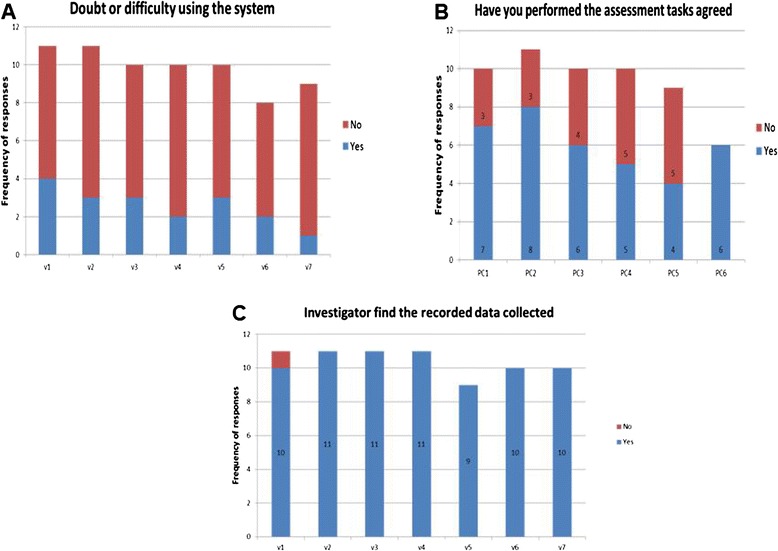
- All 22 idiopathic PD patients completed the study; all users and non-users showed willingness to continue from visit 1 to visit 8. Among users, most completed protocol tasks, and only one participant failed to transfer data when asked.
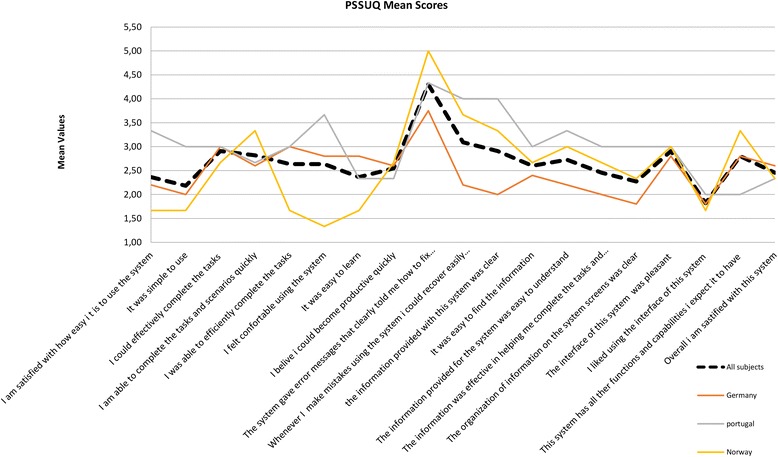
- Usability was assessed only for system users: mean PSSUQ score 2.67 (±0.49) (1 = best, 7 = worst). Norway users scored slightly better on some items, including efficient task completion, comfort with using the system, and ease of learning.
- Interviews indicated most participants liked using the system and appreciated that it signaled changes in their health condition. No adverse events were recorded in non-users; however, the paper later reports four adverse events (three definitely related, one possibly related), and Table 2 lists cases including allergy to plastic bracelet, loss of wrist sensor, minor stroke, and broken sensor.
Methods
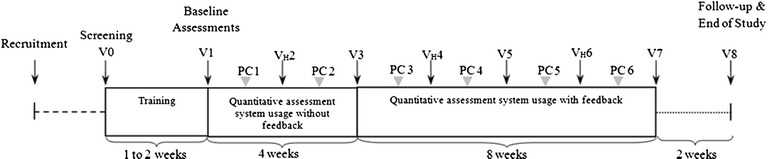
- Multi-centre, open-label, feasibility and usability study at three sites (University of Lisbon, Portugal; University of Tübingen, Germany; University of Tromsö, Norway). 22 idiopathic PD patients (14 male, 8 female) were divided into 11 SENSE-PARK System users and 11 non-users; users used the system for 12 weeks and performed clinical assessments every other week, while non-users only completed clinical assessments.
- The SENSE-PARK System included three daytime wearable sensors and one nighttime sensor, a smartphone app, a Wii Balance Board, and computer software; it collected motor, balance, and cognitive data 24/7. After the first 4 weeks, users received a software version providing feedback. Primary outcome was drop-outs; secondary outcomes included PSSUQ and standardized interviews. Analyses in R 3.0.3 were descriptive for demographics/clinical data, with usability assessed via PSSUQ and feasibility via willingness, completeness, training time, compliance, data transfer, ease of use, and satisfaction.
Limitations
- The paper states this is a pilot “proof of concept”; there is no evidence yet that the test array improves treatment in clinical practice or that cost-benefit is favorable. It calls for further studies in larger patient populations, including whether the system can detect need for treatment changes and whether country-specific issues affect clinical introduction.
- Evident from the text: the sample is small (22 total; usability assessed in only 11 users), the assessment period is short (12 weeks), and the study is not designed to test clinical efficacy. The text also contains inconsistencies: the discussion says patients maintained involvement over 16 weeks while the abstract/methods specify 12 weeks, and adverse event reporting is inconsistent (text says four adverse events, while Table 2 lists six cases and non-users are described as having no adverse events).
Model-written summary. Check it against the paper before relying on it.
Integrity signals
Registry
Cites
Statistics
Figures

Verification
Claims the paper makes
0 Valid · 0 Not valid · 9 Not checked · 25 Own results and interpretations
A result the paper reports from its own data — it cites no other source for it, so there is none to check. The quote shows it is in the paper.
In the paper
“Most participants completed the tasks asked for during the study and according to the protocol.”
§ Quantitative home-based assessment of Parkinson’s symptoms: The SENSE-PARK feasibility and usability study > Results > Feasibility aspects
plain- Asserted: passes — The authors put it forward as true.
- Checkable: passes — It can be checked against evidence.
- Load-bearing: passes — The paper’s conclusions depend on it.
- Based: passes — The paper gives a reason why it holds.
A result the paper reports from its own data — it cites no other source for it, so there is none to check. The quote shows it is in the paper.
In the paper
“Analysis of the PSSUQ scale by country showed that study participants from Norway had a slightly different profile than those from the other countries, scoring less (i.e. better) with regard to system use in items such as ability to efficiently complete tasks, comfort with using the system, and ease of learning.”
§ Quantitative home-based assessment of Parkinson’s symptoms: The SENSE-PARK feasibility and usability study > Results > Usability aspects
plainstates an association- Asserted: passes — The authors put it forward as true.
- Checkable: passes — It can be checked against evidence.
- Load-bearing: unclear — It is unclear whether the paper’s conclusions depend on it.
- Based: passes — The paper gives a reason why it holds.
A result the paper reports from its own data — it cites no other source for it, so there is none to check. The quote shows it is in the paper.
In the paper
“Overall analyses from the PSSUQ scale showed that the system was generally well accepted (Fig. 4).”
§ Quantitative home-based assessment of Parkinson’s symptoms: The SENSE-PARK feasibility and usability study > Results > Usability aspects
plain- Asserted: passes — The authors put it forward as true.
- Checkable: passes — It can be checked against evidence.
- Load-bearing: passes — The paper’s conclusions depend on it.
- Based: passes — The paper gives a reason why it holds.
A result the paper reports from its own data — it cites no other source for it, so there is none to check. The quote shows it is in the paper.
In the paper
“Number of doubts and difficulties decreased along the study (Fig. 3).”
§ Quantitative home-based assessment of Parkinson’s symptoms: The SENSE-PARK feasibility and usability study > Results > Feasibility aspects
plainstates an association- Asserted: passes — The authors put it forward as true.
- Checkable: passes — It can be checked against evidence.
- Load-bearing: passes — The paper’s conclusions depend on it.
- Based: passes — The paper gives a reason why it holds.
A result the paper reports from its own data — it cites no other source for it, so there is none to check. The quote shows it is in the paper.
In the paper
“The participants rated the usability of the SENSE-PARK System with a mean score of 2.67 (±0.49) on the PSSUQ.”
§ Quantitative home-based assessment of Parkinson’s symptoms: The SENSE-PARK feasibility and usability study > Abstract > Results
plain- Asserted: passes — The authors put it forward as true.
- Checkable: passes — It can be checked against evidence.
- Load-bearing: passes — The paper’s conclusions depend on it.
- Based: passes — The paper gives a reason why it holds.
5 more claims
Create a free account to see all 34 claims and to verify the 11 references still open.
- It may state two separate claims as one. 20
- The quote only partly states this claim. 2
- Probably not a substantial claim. 10
Claims other papers make about this one
Each is checked against this paper’s own text: does it say what the citing paper says it does?
In the citing paper
“Studies have shown that while patients can utilize wearable sensors for long-term monitoring (120, 121), some patients eventually find those devices uncomfortable and/or burdensome (120).”
From Could Wearable and Mobile Technology Improve the Management of Essential Tremor? (2018) · cites this paper as [121]
Self-check
Percentages, sums and reported differences re-computed from the paper’s own numbers.
Each contradiction between two passages listed here was confirmed by an independent check.
Rated minor: it would not touch a result — a value no result rests on, a p-value that stays on the same side of the significance level, or a conflict that is clerical, resolved elsewhere in the paper, or outside its own findings.
In the paper
§ Quantitative home-based assessment of Parkinson’s symptoms: The SENSE-PARK feasibility and usability study > Discussion
“every other day participation and weekly visits”
§ Quantitative home-based assessment of Parkinson’s symptoms: The SENSE-PARK feasibility and usability study > Methods > Study design and assessments
“Every other week during the study, participants from both groups returned to a health professional expert in movement disorders or were visited”
Rated minor: it would not touch a result — a value no result rests on, a p-value that stays on the same side of the significance level, or a conflict that is clerical, resolved elsewhere in the paper, or outside its own findings.
In the paper
§ Quantitative home-based assessment of Parkinson’s symptoms: The SENSE-PARK feasibility and usability study > Results
“61 (49–45)”
§ Quantitative home-based assessment of Parkinson’s symptoms: The SENSE-PARK feasibility and usability study > Results
“Total MDS-UPDRS (median, range)”
Rated minor: it would not touch a result — a value no result rests on, a p-value that stays on the same side of the significance level, or a conflict that is clerical, resolved elsewhere in the paper, or outside its own findings.
In the paper
§ Quantitative home-based assessment of Parkinson’s symptoms: The SENSE-PARK feasibility and usability study > Discussion
“Patients maintained their involvement with the program over 16 weeks, and several requested a continuation of the program at study end.”
§ Quantitative home-based assessment of Parkinson’s symptoms: The SENSE-PARK feasibility and usability study > Methods
“Eleven PD patients were invited to use the SENSE-PARK System for 12 weeks and perform clinical assessments every other week.”
Citations
Cites
A New Method for Measuring Daytime Sleepiness: The Epworth Sleepiness Scale
Johns, M. W. (1991) · Sleep · doi:10.1093/sleep/14.6.540 · Cited by 17,364 · cited 3×
“V: Visit; PC: Phone Contact; VH: Home visits Every other week during the study, participants from both groups returned to a health professional expert in movement disorders or were visited to perform the control of concomitant medications, check data download, record the occurrence of any Adverse Event, confirm patien…”
MethodParkinsonism: onset, progression, and mortality
Hoehn, M. M., & Yahr, M. D. (1967) · Neurology · doi:10.1212/wnl.17.5.427 · Cited by 12,107 · cited 5×
“5 (ON) of the Modified Hoehn and Yahr (H&Y) scale [4] and (3) having experience or interest in technical equipment (computer, regular mouse and keyboard).”
BackgroundMethodInfluential(1976) · Medical Entomology and Zoology · Cited by 8,899
EQ-SD: a measure of health status from the EuroQol Group
Rabin, R., & Charro, F. D. (2001) · Annals of Medicine · doi:10.3109/07853890109002087 · Cited by 5,613 · cited 4×
“V: Visit; PC: Phone Contact; VH: Home visits Every other week during the study, participants from both groups returned to a health professional expert in movement disorders or were visited to perform the control of concomitant medications, check data download, record the occurrence of any Adverse Event, confirm patien…”
MethodInfluentialOverdependence on degraded gist memory in Alzheimer's disease.
Gallo, D. A., Shahid, K. R., Olson, M. A., Solomon, T. M., Schacter, D. L., & Budson, A. E. (2006) · Neuropsychology · doi:10.1037/0894-4105.20.6.625 · Cited by 4,732
How we design feasibility studies
Bowen, D. J., Kreuter, M., Spring, B., Cofta-Woerpel, L., Linnan, L., Weiner, D., Bakken, S., Kaplan, C. P., Squiers, L., Fabrizio, C., et al. (2009) · American Journal of Preventive Medicine · doi:10.1016/j.amepre.2009.02.002 · Cited by 4,021 · cited 1×
“recorded data confidently, compliance in terms of the number of completed test sessions and their timeliness with every other day assessments, compliance/adherence to system measures, success of data transfer and decryption, ease of use and program satisfaction [16, 17].”
BackgroundAdams, J. L., Dinesh, K., Xiong, M., Tarolli, C. G., Sharma, S., Sheth, N., Aranyosi, A. J., Zhu, W., Goldenthal, S., Biglan, K. M., et al. (2017) · Digital Biomarkers · doi:10.1159/000479018 · Cited by 3,171
IBM computer usability satisfaction questionnaires: Psychometric evaluation and instructions for use
Lewis, J. R. (1995) · International Journal of Human-Computer Interaction · doi:10.1080/10447319509526110 · Cited by 2,429 · cited 1×
“The items address five important components of user satisfaction with general computer systems usability: ease of use, ease of learning, simplicity, effectiveness, information, and the user interface [15].”
BackgroundGoetz, C. G., Fahn, S., Martinez‐Martin, P., Poewe, W., Sampaio, C., Stebbins, G. T., Stern, M. B., Tilley, B. C., Dodel, R., Dubois, B., et al. (2007) · Movement Disorders · doi:10.1002/mds.21198 · Cited by 1,404 · cited 7×
“Exclusion criteria included (1) illiteracy, (2) ≤24 in the Mini Mental State Examination (MMSE) [5], (3) postural instability item MDS-UPDRS > 2, (4) inability to handle the device for some other reason.”
BackgroundMethodInfluentialChaudhuri, K. R., Martinez‐Martin, P., Brown, R. G., Sethi, K., Stocchi, F., Odin, P., Ondo, W., Abe, K., MacPhee, G., MacMahon, D., et al. (2007) · Movement Disorders · doi:10.1002/mds.21596 · Cited by 1,087 · cited 3×
“V: Visit; PC: Phone Contact; VH: Home visits Every other week during the study, participants from both groups returned to a health professional expert in movement disorders or were visited to perform the control of concomitant medications, check data download, record the occurrence of any Adverse Event, confirm patien…”
Method
Cited by
Technology in Parkinson’s disease: challenges and opportunities
Espay, A. J., Bonato, P., Nahab, F. B., Maetzler, W., Dean, J. M., Klucken, J., Eskofier, B. M., Merola, A., Horak, F., Lang, A. E., et al. (2016) · Movement Disorders · doi:10.1002/mds.26642 · Cited by 654
“Preliminary evidence suggests that patient empowerment and their inclusion as active players in the development of research activities may favorably impact compliance.(47) Research is needed to determine the characteristics of wearable systems for long-term monitoring of motor and nonmotor symptoms that would be accep…”
BackgroundSelf-citationFree‐living monitoring of Parkinson's disease: Lessons from the field
Del Din, S., Godfrey, A., Mazzà, C., Lord, S., & Rochester, L. (2016) · Movement Disorders · doi:10.1002/mds.26718 · Cited by 370
“Compliance is high, although in some cases results were influenced by sociocultural aspects that may have positively biased results.(23) In summary, to date there is no fully validated WTCD system for continuous monitoring of patient clinical features.”
ResultAn update on adaptive deep brain stimulation in Parkinson's disease
Habets, J. G. V., Heijmans, M., Kuijf, M. L., Janssen, M. L. F., Temel, Y., & Kubben, P. L. (2018) · Movement Disorders · doi:10.1002/mds.115 · Cited by 169
Feasibility of large-scale deployment of multiple wearable sensors in Parkinson's disease
Silva de Lima, A. L., Hahn, T., Evers, L. J. W., de Vries, N. M., Cohen, E., Afek, M., Bataille, L., Daeschler, M., Claes, K., Boroojerdi, B., et al. (2017) · PLOS ONE · doi:10.1371/journal.pone.0189161 · Cited by 162
“Compliance, similar to previous studies[31, 32], was calculated as the median percentage of the study period where accelerometer data were collected.”
Moving Parkinson care to the home
Dorsey, E. R., Vlaanderen, F. P., Engelen, L. J., Kieburtz, K., Zhu, W., Biglan, K. M., Faber, M. J., & Bloem, B. R. (2016) · Movement Disorders · doi:10.1002/mds.26744 · Cited by 145
“Issues such as feasibility (can patients manage these new devices?), compliance (can patients handle prolonged use of wearable sensors?), and validity (do the devices capture clinically relevant information that inform care?) remain to be addressed, but the initial experience is positive, provided that patients are fu…”
BackgroundNew methods for the assessment of Parkinson's disease (2005 to 2015): A systematic review
Sánchez‐Ferro, Á., Elshehabi, M., Godinho, C., Salkovic, D., Hobert, M. A., Domingos, J., van Uem, J. M., Ferreira, J. J., & Maetzler, W. (2016) · Movement Disorders · doi:10.1002/mds.26723 · Cited by 145
“These 12 domains were based on clinical (eg, cardinal PD features) and technical reasoning and on previous reviews.(2,9,11,12) Six domains referred to motor aspects (and are discussed separately in the Results section), 5 to nonmotor aspects, and 1 to treatment-related complications (eg, wearing-off and dyskinesias).”
MethodSelf-citationMahadevan, N., Demanuele, C., Zhang, H., Volfson, D., Ho, B., Erb, M. K., & Patel, S. (2020) · npj Digital Medicine · doi:10.1038/s41746-019-0217-7 · Cited by 138
The promise of telemedicine for chronic neurological disorders: the example of Parkinson's disease
Schneider, R. B., & Biglan, K. (2017) · The Lancet Neurology · doi:10.1016/s1474-4422(17)30167-9 · Cited by 142
Continuous Assessment of Levodopa Response in Parkinson's Disease Using Wearable Motion Sensors
Pulliam, C. L., Heldman, D. A., Brokaw, E. B., Mera, T. O., Mari, Z. K., & Burack, M. A. (2017) · IEEE Transactions on Biomedical Engineering · doi:10.1109/tbme.2017.2697764 · Cited by 138
“sors by individuals with PD [7] and high daily use compliance over a 12-week period [8].”
Chandrabhatla, A. S., Pomeraniec, I. J., & Ksendzovsky, A. (2022) · npj Digital Medicine · doi:10.1038/s41746-022-00568-y · Cited by 123
Vellata, C., Belli, S., Balsamo, F., Giordano, A., Colombo, R., & Maggioni, G. (2021) · Frontiers in Neurology · doi:10.3389/fneur.2021.627999 · Cited by 122
The Role of Engagement in Teleneurorehabilitation: A Systematic Review
Matamala-Gomez, M., Maisto, M., Montana, J. I., Mavrodiev, P. A., Baglio, F., Rossetto, F., Mantovani, F., Riva, G., & Realdon, O. (2020) · Frontiers in Neurology · doi:10.3389/fneur.2020.00354 · Cited by 108
“(4) Out of the 18 selected studies, nine studies involved therapists (physiotherapist, psychologist, medical, coach therapist) or medical doctors in the administration of the telerehabilitation program (69, 74–76, 79, 80, 82, 84, 85); four studies involved trained researchers in the administration of the telerehabilit…”
BackgroundInfluentialAlMahadin, G., Lotfi, A., Zysk, E., Siena, F. L., Carthy, M. M., & Breedon, P. (2020) · BMC Neurology · doi:10.1186/s12883-020-01996-7 · Cited by 106
“For example, some studies [23, 46, 53] utilized questionnaires to get feedback only from patients linked to existing developed wearable devices and focusing on user satisfaction, comfort and wearing the device publicly.”
BackgroundMobile phone applications in Parkinson's disease: a systematic review
Rey, M. L.-D., Vela, L., & la Cuerda, R. C.-D. (2018) · Neurología (English Edition) · doi:10.1016/j.nrleng.2018.12.002 · Cited by 102
Telehealth in Neurodegenerative Diseases: Opportunities and Challenges for Patients and Physicians
Marchi, F. D., Contaldi, E., Magistrelli, L., Cantello, R. M., Comi, C., & Mazzini, L. (2021) · Brain Sciences · doi:10.3390/brainsci11020237 · Cited by 85
“[30] used an objective system (SENSE-PARK System), which allowed through wearable sensors the quantitative and continuous monitoring of 22 PD patients.”
MethodTelehealth Management of Parkinson’s Disease Using Wearable Sensors: An Exploratory Study
Heldman, D. A., Harris, D. A., Felong, T., Andrzejewski, K. L., Dorsey, E. R., Giuffrida, J. P., Goldberg, B., & Burack, M. A. (2017) · Digital Biomarkers · doi:10.1159/000475801 · Cited by 68
Aplicaciones móviles en la enfermedad de Parkinson: una revisión sistemática
Rey, M. L.-D., Vela, L., & Cano‐de‐la‐Cuerda, R. (2017) · Neurología · doi:10.1016/j.nrl.2017.03.006 · Cited by 87
“…23,31,33,41,42 , de la agudeza visual 35 , de varios aspectos de la EP combinando la valoración del aspecto físico, cognitivo y de la voz 28,29,32,36,38 , del contexto espacial del paciente 22 y del estado psicológico del paciente 39 Aplicaciones de tratamiento: dentro de las cuales se puede…”
BackgroundAntonini, A., Reichmann, H., Gentile, G., Garon, M., Tedesco, C., Frank, A. K., Falkenburger, B. H., Konitsiotis, S., Tsamis, K. I., Rigas, G., et al. (2023) · Frontiers in Neurology · doi:10.3389/fneur.2023.1080752 · Cited by 80
Abou, L., Peters, J., Wong, E., Akers, R., Dossou, M. S., Sosnoff, J. J., & Rice, L. A. (2021) · Journal of Medical Systems · doi:10.1007/s10916-021-01760-5 · Cited by 80
“In general, the studies reported feasibility, good acceptability, and high satisfaction of the smartphone applications in unsupervised home settings [27, 35, 38, 44, 46, 50].”
BackgroundDeep Phenotyping of Parkinson’s Disease
Dorsey, E. R., Omberg, L., Waddell, E. M., Adams, J., Adams, R., Ali, M. R., Amodeo, K., Arky, A., Augustine, E. F., Dinesh, K., et al. (2020) · Journal of Parkinson s Disease · doi:10.3233/jpd-202006 · Cited by 71
“, tapping on the screen), and lack companion sensors which can paint a more complete picture of the disease [24].”
BackgroundTechnologies Assessing Limb Bradykinesia in Parkinson’s Disease
Hasan, H., Athauda, D. S., Foltynie, T., & Noyce, A. J. (2016) · Journal of Parkinson s Disease · doi:10.3233/jpd-160878 · Cited by 64
“8 explored feasibility regarding user compliance and/or acceptability [17, 24, 25, 27, 30, 51, 54, 85].”
BackgroundMethodResultInfluentialKeogh, A., Argent, R., Anderson, A., Caulfield, B., & Johnston, W. (2021) · Journal of NeuroEngineering and Rehabilitation · doi:10.1186/s12984-021-00931-2 · Cited by 80
“Table 4 (continued) Author Year Condition Device name No. worn Method of attachment Location of attachment Context Duration of use (days) Method of assessment Svagard et al. 2014 CHF ESUMS Wearable Device 1 Strap Chest Remote 14 Mixed methods Tzallas et al. 2014 PD PERFORM system; ALA-6 g 5 Strap Wrist, ankle, waist R…”
BackgroundMethodInfluentialEvaluating more naturalistic outcome measures: A 1-year smartphone study in multiple sclerosis
Bove, R. M., White, C. C., Giovannoni, G., Glanz, B. I., Golubchikov, V. A., Hujol, J., Jennings, C. G. B., Langdon, D. W., Lee, M. H., Legedza, A., et al. (2015) · Neurology Neuroimmunology & Neuroinflammation · doi:10.1212/nxi.0000000000000162 · Cited by 55
“com(7)); (2) large global MS research registries such as the North American Research Committee on MS, in which participants complete mailed questionnaires; and (3) daily gait measures using accelerometer devices.”
BackgroundMethodRemote Assessments of Hand Function in Neurological Disorders: Systematic Review
Gopal, A., Hsu, W., Allen, D. D., & Bove, R. M. (2022) · JMIR Rehabilitation and Assistive Technologies · doi:10.2196/33157 · Cited by 61
“Study quality is summarized in Multimedia Appendix 2 [19-90].”
BackgroundMethodInfluentialEffect of Fear of Falling on Turning Performance in Parkinson’s Disease in the Lab and at Home
Haertner, L., Elshehabi, M., Zaunbrecher, L., Pham, M. H., Maetzler, C., van Uem, J. M. T., Hobert, M. A., Hucker, S., Nussbaum, S., Berg, D., et al. (2018) · Frontiers in Aging Neuroscience · doi:10.3389/fnagi.2018.00078 · Cited by 67
“The feasibility and usability of this procedure have recently been demonstrated in an independent PD cohort (Ferreira et al., 2015; van Uem et al., 2016).”
MethodSelf-citationRovini, E., Maremmani, C., & Cavallo, F. (2019) · Telemedicine Journal and e-Health · doi:10.1089/tmj.2018.0035 · Cited by 55
“Ferreira et al., 50 also proposed to assess the usability of another system, the SENSE-PARK system, that achieved mean score of 2.67 out of 5 on the PSSUQ.”
InfluentialRiggare, S., Scott Duncan, T., Hvitfeldt, H., & Hägglund, M. (2019) · BMC Medical Informatics and Decision Making · doi:10.1186/s12911-019-0896-7 · Cited by 47
“Previous studies have focused on clinical aspects [15] and hypothetical discussions [14].”
Backgroundvan Uem, J. M. T., Isaacs, T., Lewin, A., Bresolin, E., Salkovic, D., Espay, A. J., Matthews, H., & Maetzler, W. (2016) · Journal of Parkinson’s Disease · doi:10.3233/jpd-150740 · Cited by 49
Self-citationTimotijević, L., Hodgkins, C. E., Banks, A. P., Rusconi, P., Egan, B., Peacock, M., Seiss, E., Touray, M., Gage, H., Pellicano, C., et al. (2020) · BMC Medical Informatics and Decision Making · doi:10.1186/s12911-020-1027-1 · Cited by 42
Pham, M. H., Warmerdam, E., Elshehabi, M., Schlenstedt, C., Bergeest, L. M., Heller, M. K., Haertner, L., Ferreira, J. J., Berg, D., Schmidt, G. U., et al. (2018) · Frontiers in Neurology · doi:10.3389/fneur.2018.00652 · Cited by 48
Self-citationGait analysis to monitor fracture healing of the lower leg
Warmerdam, E., Orth, M., Pohlemann, T., & Ganse, B. (2023) · Bioengineering · doi:10.3390/bioengineering10020255 · Cited by 47
“From 6 to 12 months after surgery, cadence and step time increased in proximal tibial and tibial shaft fractures [25,51].”
BackgroundPrecision Medicine in Parkinson’s Disease – Exploring Patient-Initiated Self-Tracking
Riggare, S. S., & Hägglund, M. (2018) · Journal of Parkinson s Disease · doi:10.3233/jpd-181314 · Cited by 50
“This suggests that symptom self-tracking may be useful to PwP.”
MethodInfluentialCohen, S. A., Waks, Z., Elm, J. J., Gordon, M. F., Grachev, I. D., Navon-Perry, L., Fine, S., Grossman, I., Papapetropoulos, S., & Savola, J. (2018) · BMC Medical Informatics and Decision Making · doi:10.1186/s12911-018-0714-7 · Cited by 41
Remote Monitoring of Treatment Response in Parkinson's Disease: The Habit of Typing on a Computer
Matarazzo, M., Arroyo‐Gallego, T., Montero, P., Puertas‐Martín, V., Butterworth, I., Mendoza, C. S., Ledesma‐Carbayo, M. J., Catalán, M. J., Molina, J. A., Bermejo‐Pareja, F., et al. (2019) · Movement Disorders · doi:10.1002/mds.27772 · Cited by 46
“Medicine and neurology are moving toward a new model of care based on objective data collected remotely (ie, ecologically valid) and nonintrusively (ie, not requiring the active cooperation of the patients).(5,6,10,31,32) This approach will allow doctors or drug makers to make informed decisions on PD diagnosis or the…”
BackgroundContinuous leg dyskinesia assessment in Parkinson's disease –clinical validity and ecological effect
Ramsperger, R., Meckler, S., Heger, T., van Uem, J., Hucker, S., Braatz, U., Graessner, H., Berg, D., Manoli, Y., Serrano, J. A., et al. (2016) · Parkinsonism & Related Disorders · doi:10.1016/j.parkreldis.2016.02.007 · Cited by 41
Self-citationNeuroinflammation — using big data to inform clinical practice
Dendrou, C. A., McVean, G., & Fugger, L. H. (2016) · Nature Reviews Neurology · doi:10.1038/nrneurol.2016.171 · Cited by 50
“For PD, studies are underway to assess the feasibility of home-based monitoring through wearable sensors and smartphone-based apps 154 .”
BackgroundGoffredo, M., RIN_TR_Group, Baglio, F., Icco, R. D., Proietti, S., Maggioni, G., Turolla, A., Pournajaf, S., Jonsdottir, J., Zeni, F., et al. (2023) · European Journal of Physical and Rehabilitation Medicine · doi:10.23736/s1973-9087.23.07954-6 · Cited by 42
Emerging Promise of Nanoparticle-Based Treatment for Parkinson’s disease
(2020) · Biointerface Research in Applied Chemistry · doi:10.33263/briac106.71357151 · Cited by 36
Body‐worn sensors—the brave new world of clinical measurement?
Maetzler, W., & Rochester, L. (2015) · Movement Disorders · doi:10.1002/mds.26317 · Cited by 39
“In contrast to the clinic, home-based data can be collected continuously and unobtrusively.(5,6) Large ini-”
ResultSelf-citationvan Munster, M., Stümpel, J., Thieken, F., Pedrosa, D. J., Antonini, A., Côté, D., Fabbri, M., Ferreira, J. J., Růžička, E., Grimes, D., et al. (2021) · Journal of Personalized Medicine · doi:10.3390/jpm11070623 · Cited by 38
“, smart glasses, smart beds or wearables [83,100]), we emphasize future research on up-to-date tech-based home-based care solutions and the future role a PN may hold in this scenario of increasingly techbased medical and social care delivery.”
BackgroundSelf-citationCaballol, N. S., Bayés, À., Prats, A., Martín‐Baranera, M., & Quispe, P. (2023) · PLoS ONE · doi:10.1371/journal.pone.0279910 · Cited by 34
“Wearable technologies provide additional and useful objective data that can enhance an enrichment of the clinical decision-making process, empowering the patient in the treatment decisions [22,23].”
BackgroundHabets, J., Heijmans, M., Herff, C., Simons, C. J. P., Leentjens, A. F. G., Temel, Y., Kuijf, M. L., & Kubben, P. (2020) · JMIR mhealth and uhealth · doi:10.2196/15628 · Cited by 36
“Examples of such new methods are telemonitoring [9] and mobile health (mHealth) apps, often including wearable sensors [10-12].”
BackgroundHssayeni, M. D., Shahed, J. J., Burack, M. A., & Ghoraani, B. (2021) · Scientific Reports · doi:10.1038/s41598-021-86705-1 · Cited by 32
Twelve‐week sensor assessment in Parkinson's disease: Impact on quality of life
van Uem, J. M. T., Maier, K. S., Hucker, S., Scheck, O., Hobert, M. A., Santos, A. T., Fagerbakke, Ø., Larsen, F., Ferreira, J. J., & Maetzler, W. (2016) · Movement Disorders · doi:10.1002/mds.26676 · Cited by 26
Self-citationKuhner, A., Schubert, T., Cenciarini, M., Wiesmeier, I. K., Coenen, V. A., Burgard, W., Weiller, C., & Maurer, C. (2017) · Frontiers in Neurology · doi:10.3389/fneur.2017.00607 · Cited by 30
“Sensors (Basel) (2014) 14(11):21329–57.”
Mobility monitoring using smart technologies for Parkinson’s disease in free-living environment
Son, H., Park, W. S., & Kim, H. (2017) · Collegian Journal of the Royal College of Nursing Australia · doi:10.1016/j.colegn.2017.11.005 · Cited by 25
Could Wearable and Mobile Technology Improve the Management of Essential Tremor?
Daneault, J.-F. (2018) · Frontiers in Neurology · doi:10.3389/fneur.2018.00257 · Cited by 21
“Studies have shown that while patients can utilize wearable sensors for long-term monitoring (120, 121), some patients eventually find those devices uncomfortable and/ or burdensome (120).”
BackgroundGodoi, B. B., Amorim, G. D., Quiroga, D. G., Holanda, V. M., Júlio, T., & Tournier, M. B. (2019) · Revista da Associação Médica Brasileira · doi:10.1590/1806-9282.65.11.1413 · Cited by 23
Kirigami‐Inspired Stretchable Piezoelectret Sensor for Analysis and Assessment of Parkinson's Tremor
Xie, Q., Han, L., Liu, J., Zhang, W., Zhao, L., Liu, Y., Chen, Y., Li, Y., Zhou, Q., Dong, Y., et al. (2024) · Advanced Healthcare Materials · doi:10.1002/adhm.202402010 · Cited by 20
Virbel-Fleischman, C., Rétory, Y., Hardy, S., Huiban, C., Corvol, J., & Grabli, D. (2022) · PLoS ONE · doi:10.1371/journal.pone.0265438 · Cited by 21
“This study is consistent with others that have shown very good acceptance of and readiness to wear quite complex systems [50,51].”
BackgroundResultDomotics, smart homes and Parkinson’s disease
Noyce, A. J. (2021) · UCL Discovery (University College London) · Cited by 18
Upper limb intention tremor assessment: opportunities and challenges in wearable technology
Paredes-Acuña, N., Utpadel-Fischler, D., Ding, K., Thakor, N. V., & Cheng, G. (2024) · Journal of NeuroEngineering and Rehabilitation · doi:10.1186/s12984-023-01302-9 · Cited by 27
Domotics, Smart Homes, and Parkinson’s Disease
Simonet, C., & Noyce, A. J. (2021) · Journal of Parkinson s Disease · doi:10.3233/jpd-202398 · Cited by 35
“Secondly, 344 feedback from participants regarding usability was 345 evaluated using a Post-Study System Usability Ques- 346 tionnaire (PSSUQ) [15].”
MethodGhoraani, B., Galvin, J. E., & Shahed, J. J. (2021) · Parkinsonism & Related Disorders · doi:10.1016/j.parkreldis.2021.01.022 · Cited by 16
Teleneurorehabilitation for Parkinson's Disease: A Panacea for the Times to Come?
Dhamija, R. K., & Garg, D. (2020) · Annals of Indian Academy of Neurology · doi:10.4103/aian.aian_566_20 · Cited by 20
“Technology-based symptom assessment in PD has been demonstrated with use of the SENSE-PARK system.[30] This consists of three sensors worn during the day and one at night integrated with a smartphone App, balance board, and a computer software.”
Bek, J., Webb, J., Gowen, E., Vogt, S., Crawford, T. J., Sullivan, M., & Poliakoff, E. (2016) · Parkinson s Disease · doi:10.1155/2016/7047910 · Cited by 20
Patient Satisfaction of Telemedicine Remote Patient Monitoring: A Systematic Review
Rhoden, P. A., Bonilha, H. S., & Harvey, J. (2022) · Telemedicine Journal and e-Health · doi:10.1089/tmj.2021.0434 · Cited by 19
Son, H., & Kim, H. (2019) · International Journal of Environmental Research and Public Health · doi:10.3390/ijerph16091512 · Cited by 15
Deciphering the Role of Nanoparticle-based Treatment for Parkinson’s Disease
Moni, M. M. R., Begum, M. M., Uddin, M. S., & Ashraf, G. M. (2021) · Current Drug Metabolism · doi:10.2174/1389200222666210202110129 · Cited by 16
Review on enhancing clinical decision support system using machine learning
Masood, A., Naseem, U., Rashid, J., Kim, J., & Razzak, I. (2024) · CAAI Transactions on Intelligence Technology · doi:10.1049/cit2.12286 · Cited by 14
Clinical Review of Smartphone Applications in Parkinson’s Disease
Tripathi, S., Malhotra, A., Qazi, M., Chou, J., Wang, F., Barkan, S., Hellmers, N., Henchcliffe, C., & Sarva, H. (2022) · The Neurologist · doi:10.1097/nrl.0000000000000413 · Cited by 14
Moulaei, K., Moulaei, R., & Bahaadinbeigy, K. (2024) · DIGITAL HEALTH · doi:10.1177/20552076241237384 · Cited by 13
Morgan, C., Tonkin, E. L., Craddock, I. J., & Whone, A. L. (2022) · JMIR Human Factors · doi:10.2196/36370 · Cited by 13
“Compliance with wearable device use over periods of several months can be relatively high [23,27]; however, concerns have been raised through qualitative work that social acceptability [18,19] and issues with usability [20] are barriers to wearable sensor use in PD.”
BackgroundDesigning socially acceptable mHealth technologies for Parkinson's disease self-management
Grosjean, S., Bate, E., & Mestre, T. (2020) · Finnish Journal of eHealth and eWelfare · doi:10.23996/fjhw.95231 · Cited by 11
Optimizing wrist-worn wearable compliance with insights from two Parkinson’s disease cohort studies
Meinders, M. J., Heathers, L., Ho, K. C., Russell, L., Li, C., Bloem, B. R., Marks, W. J., & Kapur, R. (2025) · npj Parkinson s Disease · doi:10.1038/s41531-025-01016-w · Cited by 13
“Auser-friendlydesignisimportant:designissuesarefrequently mentioned as a big barrier for wearing the sensors 24,28,29 .”
Hua, R., & Wang, Y. (2022) · IEEE Sensors Journal · doi:10.1109/jsen.2022.3174048 · Cited by 15
Fereshtehnejad, S., & Lökk, J. (2023) · Healthcare · doi:10.3390/healthcare11243187 · Cited by 9
“Some examples are the DynaPort Hybrid system (worn on the lower back) [37], the Parkinson’s Kinetigraph (a wrist-worn logger) [38], the SENSE-PARK system (for monitoring gait, hypokinesia, dyskinesia, and sleeping) [39], and the GaitRite System (for monitoring gait parameters) [40], to name a few.”
MethodReal-Time Detection of Parkinson’s States Based on Wearable Sensor With Embedded Machine Learning
Su, F., Chen, M., Zhang, M., Wang, X., Wu, L., Liu, C., Wang, J., Chang, S., & Xin, T. (2024) · IEEE Sensors Journal · doi:10.1109/jsen.2024.3472069 · Cited by 10
“…cues to the patient) using wearable, biofeedback systems will help PD patients create an accurate e-Diary efficiently, potentially replacing the MDS-UPDRS [9], [17], [18], [19], [20], and also, rhythmic auditory stimulation can enhance the motor performance of PD patients [21], [22], [23].”
Self-Management Systems for Patients and Clinicians in Parkinson’s Disease Care: A Scoping Review
Boege, S., Milne‐Ives, M., Ananthakrishnan, A., Carroll, C., & Meinert, E. (2024) · Journal of Parkinson s Disease · doi:10.3233/jpd-240137 · Cited by 10
LoBuono, D. L., Shea, K. S., Tovar, A., Leedahl, S. N., Mahler, L. A., Xu, F., & Lofgren, I. E. (2021) · Health Science Reports · doi:10.1002/hsr2.412 · Cited by 11
Das, J., Morris, R., Barry, G., Vitório, R., Oman, P., McDonald, C., Walker, R. W., & Stuart, S. (2022) · PLoS ONE · doi:10.1371/journal.pone.0275738 · Cited by 10
“Usability has been shown to be an important factor to consider when analysing the feasibility of implementation and the usability of novel technologies for PwP [95, 96].”
BackgroundCurrent perspectives on the role of telemedicine in the management of Parkinson’s disease
Eisenberg, J. L., Hou, J. G., & Barbour, P. J. (2018) · Smart Homecare Technology and TeleHealth · doi:10.2147/shtt.s152018 · Cited by 8
Sjælland, N. S., Gramkow, M. H., Hasselbalch, S. G., & Frederiksen, K. S. (2024) · Journal of Alzheimer s Disease · doi:10.3233/jad-240327 · Cited by 7
“Such PROMs have been assessed in studies includ-ingpatientswithPDandADusingquestionnairesand interviews [51, 64], and similar assessments could be applied in future studies including patients with DLB.”
BackgroundUsability of a Mobile Application for Patients with Parkinson’s Disease
Ymeri, G., Maus, B., Wassenburg, M., Olsson, C. M., Svenningsson, P., & Salvi, D. (2024) · Annual International Conference of the IEEE Engineering in Medicine and Biology Society (EMBC) · doi:10.1109/embc53108.2024.10782276 · Cited by 4
“A systematic review [6] of mobile phone applications in PD found that only one study [7] analysed usability aspects.”
Sabatelli, A., Valenti, S., Antoniello, A., Tillo, M. D., Pepa, L., Spalazzi, L., Andrenelli, E., Capecci, M., & Ceravolo, M. G. (2022) · International Conference on Consumer Electronics · doi:10.1109/icce-berlin56473.2022.9937140 · Cited by 5
“More specifically, the benefits of the remote evaluation has been analyzed for advancedstage PD patients [5].”
BackgroundRahmatizadeh, S., Kirakowski, J., Valizadeh-Haghi, S., Taheri, M., & Tavasoli, S. (2024) · Frontiers in Health Informatics · doi:10.30699/fhi.v13i0.569 · Cited by 5
AlMahadin, G., Lotfi, A., Zysk, E., et al. (2020) · Research Square · doi:10.21203/rs.3.rs-24215/v4 · Cited by 2
Maetzler, W., Krüger, R., Müller, T., Oertel, W. H., Urban, P. P., Warnecke, T., & Klucken, J. (2016) · Fortschritte der Neurologie · Psychiatrie · doi:10.1055/s-0042-102786 · Cited by 4
Self-citationKenny, L., Sica, M., Crowe, C., O’Mahony, L., O’Flynn, B., Mueller, D. S., Tedesco, S. A., Barton, J. J., & Timmons, S. (2025) · JMIR Formative Research · doi:10.2196/73423 · Cited by 4
“All participants reported a positive perception of the system, aligning with previous research where participants showed willingness and positivity to wearing complex wearable systems [48], and that any minor inconvenience in wearing the device was outweighed by potential value [41].”
Bastardo, R., Pavão, J., Martins, A. I., Silva, A. G., & Rocha, N. P. (2025) · Future Internet · doi:10.3390/fi17080376 · Cited by 1
Valdovinos, B. Y., Adrissi, J., Barbosa, W. A., Chunga, N., Corcoran, J., Dahodwala, N. A., & Lizárraga, K. J. (2024) · Springer eBooks · doi:10.1007/978-3-031-62727-9_8 · Cited by 1
E-Health and Neurodegeneration
Intas, G., Platis, C. G., & Stergiannis, P. I. (2023) · Springer eBooks · doi:10.1007/978-3-319-75922-7_35 · Cited by 1
Gatsios, D. A., Antonini, A., Gentile, G., et al. (2019) · doi:10.2196/preprints.16414 · Cited by 1
Kenny, L., Sica, M., Crowe, C., et al. (2025) · doi:10.2196/preprints.73423
Practicalities of community-based exercise in Parkinson’s disease
Domingos, J. (2024) · Radboud University Press eBooks · doi:10.54195/9789493296350
Self-citationKhardali, A., Lane, E. L., & Hughes, L. (2023) · doi:10.2196/preprints.49730
Morgan, C., Tonkin, E. L., Craddock, I. J., et al. (2022) · doi:10.2196/preprints.36370
Virbel-Fleischman, C. (2021) · theses.fr (ABES) · doi:10.70675/21583008z772az4c86z822dza5cca46513d5
E-Health and Neurodegeneration
Intas, G., Platis, C. G., & Stergiannis, P. I. (2021) · Springer eBooks · doi:10.1007/978-3-319-75479-6_35-1
Track and treat Parkinson’s disease using wearable sensors and MRI
Heijmans, M. (2021) · Research Publications (Maastricht University) · doi:10.26481/dis.20211210mh · Cited by 1
AlMahadin, G., Lotfi, A., Zysk, E., et al. (2020) · Research Square · doi:10.21203/rs.3.rs-24215/v3
AlMahadin, G., Lotfi, A., Zysk, E., et al. (2020) · Research Square · doi:10.21203/rs.3.rs-24215/v2
Arroyo‐Gallego, T. (2020) · UPM Digital Archive (Technical University of Madrid) · doi:10.20868/upm.thesis.64517
AlMahadin, G., Lotfi, A., Zysk, E., et al. (2020) · Research Square · doi:10.21203/rs.3.rs-24215/v1
TAILORING DIGITAL HEALTH TO IMPROVE THE NUTRITION AND HEALTH OF PEOPLE WITH PARKINSON’S DISEASE
LoBuono, D. L. (2020) · Digital Commons - URI (University of Rhode Island) · doi:10.23860/diss-lobuono-dara-2020
Grosjean, S., Bate, E., & Mestre, T. (2019) · doi:10.2196/preprints.16909
Habets, J., Heijmans, M., Herff, C., et al. (2019) · doi:10.2196/preprints.15628
Detection of Parkinson's disease symptoms based on wearable sensors
Petrushevski, A. (2019) · Repository of the University of Ljubljana (University of Ljubljana)
measures 1-year smartphone study in multiple sclerosis
Bove, R. M., White, C. C., Giovannoni, G., Glanz, B. I., Golubchikov, V. A., Jennings, C. G. B., Langdon, D. W., Lee, M. H., Legedza, A., Paskavitz, J., et al. (2015)
Metadata
- Authors
- Ferreira, J. J., Godinho, C., Santos, A. T., Domingos, J., Abreu, D., Lobo, R., Gonçalves, N., Barra, M., Larsen, F., Fagerbakke, Ø., Akeren, I., Wangen, H., Serrano, J. A., Weber, P., Thoms, A., Meckler, S., Sollinger, S., van Uem, J., Hobert, M. A., Maier, K. S., Matthew, H., Isaacs, T., Duffen, J., Graessner, H., & Maetzler, W.
- Affiliations
- University of Lisbon (PT)
- Instituto de Medicina Molecular João Lobo Antunes (PT)
- University Hospital of North Norway (NO)
- Hasomed (Germany) (DE)
- Hahn-Schickard-Gesellschaft für angewandte Forschung (DE)
- AbilityNet (United Kingdom) (GB)
- German Center for Neurodegenerative Diseases (DE)
- Cure Parkinson's Trust (GB)
- University of Tübingen (DE)
- Corresponding author
- Ferreira, Joaquim J.
- ORCID
- Venue
- BMC Neurology
- Published
- 2015-06-10
- Volume
- 15
- Issue
- 1
- Pages
- 89-89
- ISSN
- 1471-2377 (ISSN-L)
- PMC
- PMC4460963
- OpenAlex
- W1587062236
- Semantic Scholar
- 611de040771b7f786e4981d8d1c589dadb560d20
- Cited by
- 96
- References
- 21
- Citations by year
- 2025: 3 · 2024: 11 · 2023: 8 · 2022: 9 · 2021: 15 · 2020: 13 · 2019: 7 · 2018: 9 · 2017: 7 · 2016: 11 · 2015: 3
- FWCI
- 26.63
- Type
- journal article
- Language
- en
- Open access
- gold
- doi.org
- Locations
- BMC Neurology (publishedVersion, cc-by)
- PubMed Central (publishedVersion, cc-by)
- PubMed (publishedVersion)
- Multimedialen Archiv und Publikationsserver der Christian-Albrechts-Universität zu Kiel (Christian-Albrechts-Universität zu Kiel) (submittedVersion, cc-by)
- Repositório Comum (Repositório Científico de Acesso Aberto de Portugal) (submittedVersion, cc-by)
- Repositório Comum (Repositório Científico de Acesso Aberto de Portugal) (submittedVersion)
- NORA - Norwegian Open Research Archives (submittedVersion, other-oa)
- DZNE Pub (submittedVersion, other-oa)
- Portuguese National Funding Agency for Science, Research and Technology (RCAAP Project by FCT) (submittedVersion, other-oa)
- Funders
- European Commission (288557)
- Topics
- Health Sciences › Health Professions › Physical Therapy, Sports Therapy and Rehabilitation › Balance, Gait, and Falls Prevention
- Physical Sciences › Computer Science › Computer Vision and Pattern Recognition › Context-Aware Activity Recognition Systems
- Health Sciences › Health Professions › General Health Professions › Mobile Health and mHealth Applications
- Keywords
- Parkinson's disease, wearable sensors, mobile application, balance board, usability, feasibility, patient acceptance
- MeSH terms
- Aged, Feasibility Studies, Female, Humans, Male, Middle Aged, Parkinson Disease, Patient Acceptance of Health Care, Patient Compliance, Pilot Projects, Multicenter Studies as Topic, Patient Satisfaction, Monitoring, Ambulatory
About these checks
Registry, retraction, Cites and statistics results are computed, not judged, with one exception: a printed reference that no index lists is read once by a model before it counts as a citation error. Claims are extracted by a model and kept only when their quote appears verbatim in the text; each cited source is then checked, with a model’s help, for whether it says what the claim relies on. Those verdicts can be wrong — read the claim’s quote and the cited source before relying on one.
A language model drew the claims from the paper on 2026-10-04, under version 3 of the claim definition (model deepseek-v4.1-flash, prompt extract-v3).
A second model labelled each claim on 2026-10-04 (model jev-1.13-20260917, definition revision gold-guideline-v0.2).
Statistics and arithmetic are recomputed, not judged.
Confidence bands are shown only for fields calibrated on our annotated test set. None is calibrated yet, so no band is shown.
What counts as a claim ›How we measure confidence ›How we check this ›
Are you an author, or do you see a problem with this page? Request a review
Data sources
Bibliographic data: Semantic Scholar, OpenAlex, Crossref.
Contains information from the Semantic Scholar Academic Graph Datasets, made available under the ODC Attribution License (ODC-BY 1.0).
Semantic Scholar’s data is described in: Kinney, R., et al. (2023). The Semantic Scholar Open Data Platform. arXiv:2301.10140.
