

Magnitude and factors associated with adherence to Iron-folic acid supplementation among pregnant women in Eritrean refugee camps, northern Ethiopia
Open accessThe DOI matches its Crossref record; 19 of the 20 references it cites were found in a registry or an index.
Abstract
BACKGROUND: Globally, anemia is a public health problem affecting the life of more than two billion people. Pregnant women are at high risk of iron deficiency anemia due to increased nutrient requirement during pregnancy. Iron-folic acid supplementation is the main strategy for prevention and control of iron deficiency anemia and its effectiveness depends on adherence to Iron-Folic Acid tablets. In the refugee camps of Ethiopia, despite the efforts made to reduce iron deficiency anemia during pregnancy, information about adherence to iron-folic acid supplementation and its associated factors are lacking. The objective of this study was to assess magnitude and factors associated with adherence to iron-folic acid supplementation, among pregnant women, in Shire refugee camps. METHODS: Institution based cross-sectional study with mixed design (quantitative and qualitative) was carried out among pregnant women in Shire refugee camps from September to November 2015. For quantitative data, a sample of 320 pregnant women was systematically selected and data were collected via interview administered structured questionnaire. Quantitative data were coded and entered into Epi-info version 3.5.1 and exported into a statistical package for social sciences (SPSS) Version 19.0 software for analysis. Bivariable and multivariable logistic regressions were employed to identify the predictors at p-value < 0.2 and 0.05 respectively. For the qualitative part, six focus group discussions and three key informant interviews were conducted on purposely-selected individuals. Open-Code version 3.6.2.0 was used for analysis. Identified themes were arranged into coherent groupings and triangulated with quantitative findings. RESULTS: The adherence rate was found to be 64.7% [95% CI (59.7%, 70.0%)]. Women who were having lower knowledge about anemia [AOR; 0.23 95% CI (0.14, 0.38)] and not receiving information about importance of iron-folic acid supplementation [AOR; 0.43 95% CI (0.25, 0.74)] were negatively associated with adherence to iron and folic acid., Having four or more antenatal care visits [AOR; 2.83 95% CI (1.46, 5.48)] were positively significantly associated with adherence to iron-folic acid supplementation. CONCLUSIONS: Adherence rate of iron-folic acid supplementation during pregnancy in the study area is relatively low. Proper counseling and health promotion about Iron-Folic Acid tablet intake, promoting the benefits of early and frequent ANC visit, health promotion on anemia prevention and health benefits of the importance of iron-folic acid supplements are recommended to increase adherence with iron-folic acid supplementation.
Overview
The claims and statistics of this paper haven’t been checked yet.
Free: it reads the open-access text and checks the first 5 claims that cite a source we can check. Create a free account to check every claim.
Integrity signals
Registry
Cites
Statistics
Figures
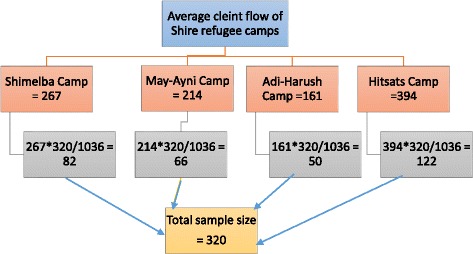
Verification
Claims the paper makes
The claims and statistics of this paper haven’t been checked yet.
Free: it reads the open-access text and checks the first 5 claims that cite a source we can check. Create a free account to check every claim.
Claims other papers make about this one
Each is checked against this paper’s own text: does it say what the citing paper says it does?
The cited source says what the claim attributes to it.
In the citing paper
“This finding is consistent with studies conducted in the Tigray region of Ethiopia [24].”
The cited source says what the claim attributes to it.
In the citing paper
“This adherence rate is lower compared to studies conducted in other regions such as the Somali Region of Ethiopia (54.9%), the Tigray Region of Ethiopia (64.7%), and Sudan (65.4%) [20,24,27].”
The cited source says what the claim attributes to it.
In the citing paper
“However, this figure was lower than studies done in Assela town, Ethiopia (59.8%), Eritrean refugee camps (64.7%) and Mizan Aman town, Ethiopia (70.6%) [18–20].”
From Magnitude and factors associated with adherence to Iron and folic acid supplementation among pregnant women in Aykel town, Northwest Ethiopia (2019) · cites this paper as [19]
Self-check
Percentages, sums and reported differences re-computed from the paper’s own numbers.
The self-check needs the paper’s full text.
Citations
Cites
1 retracted
Sengpiel, V., Bacelis, J., Myhre, R., Myking, S., Pay, A. D., Haugen, M., Brantsæter, A.-L., Meltzer, H. M., Nilsen, R. M., Magnus, P., et al. (2013) · BMC Pregnancy and Childbirth · doi:10.1186/1471-2393-13-160 · Cited by 49
RetractedTong, A., Sainsbury, P., & Craig, J. (2007) · International Journal for Quality in Health Care · doi:10.1093/intqhc/mzm042 · Cited by 42,509
Worldwide prevalence of anaemia, WHO Vitamin and Mineral Nutrition Information System, 1993–2005
McLean, E., Cogswell, M., Egli, I., Wojdyla, D., & de Benoist, B. (2009) · Public Health Nutrition · doi:10.1017/s1368980008002401 · Cited by 2,734 · cited 1×
“In addition, 20% of maternal mortality in Sub-Saharan Africa is directly attributable to anemia [1].”
BackgroundAnemia and iron deficiency: effects on pregnancy outcome
Allen, L. H. (2000) · The American Journal of Clinical Nutrition · doi:10.1093/ajcn/71.5.1280s · Cited by 1,099 · cited 1×
“Many experts believe that one of the main reasons that national iron supplementation programs have failed is women’s “noncompliance” [10, 11].”
BackgroundThe prevalence of anaemia in the world.
Demaeyer, E. M., & Adiels-Tegman, M. (1985) · PubMed · Cited by 808
Mei, Z., Cogswell, M. E., Looker, A. C., Pfeiffer, C. M., Cusick, S. E., Lacher, D. A., & Grummer-Strawn, L. M. (2011) · The American Journal of Clinical Nutrition · doi:10.3945/ajcn.110.007195 · Cited by 245
Compliance with iron-folic acid (IFA) therapy among pregnant women in an urban area of south India
Mithra, P., Unnikrishnan, B., Rekha, T., Nithin, K., Mohan, K., Kulkarni, V, Kulkarni, V, & Agarwal, D. (2014) · African Health Sciences · doi:10.4314/ahs.v13i4.3 · Cited by 181
Maternal Iron–Folic Acid Supplementation Programs: Evidence of Impact and Implementation
Sanghvi, T. G., Harvey, P. W. J., & Wainwright, E. (2010) · Food and Nutrition Bulletin · doi:10.1177/15648265100312s202 · Cited by 168
Gebremedhin, S., Samuel, A., Mamo, G., Moges, T., & Assefa, T. (2014) · BMC Public Health · doi:10.1186/1471-2458-14-607 · Cited by 156 · cited 4×
“This is consistent with studies done in Nigeria and Ethiopia [13, 15, 17, 20].”
BackgroundMethodResultInfluentialTaye, B., Abeje, G., & Mekonen, A. (2015) · Pan African Medical Journal · doi:10.11604/pamj.2015.20.43.4894 · Cited by 155 · cited 1×
“This is consistent with studies done in Nigeria and Ethiopia [13, 15, 17, 20].”
Result
Research works printed but not linked: 5
- Zakia MI, El-Hamid SA, Mikhail H, Maged SK. Assessment of Adherence to Iron and Folic Acid Supplementation and Prevalence of Anemia in Pregnant Women Ismailia governorate. Egypt Med J Cairo Univ. 2011;79(2):115–21.
- Begum S. Factors associated with adherence to iron folic acid supplementations during pregnancy in Uttar Pradesh. Indian J Matern Child Health. 2012;14(2):8.
- Federal Ministry of Health (FMOH) of Ethiopia A a national guideline for control and prevention of micronutrient deficiencies 2004 Addis Ababa FMOH
- World Health Organization (WHO) Iron deficiency anemia assessment, prevention, and control 2010 Geneva WHO press
- World Health Organization (WHO) Weekly iron-folic acid supplementation (WIFS) in women of reproductive age: its role in promoting optimal maternal and child health. Position statement 2009 Geneva WHO press 24809118
Cited by
Ba, D. M., Ssentongo, P., Kjerulff, K. H., Na, M., Liu, G., Gao, X., & Du, P. (2019) · Current Developments in Nutrition · doi:10.1093/cdn/nzz120 · Cited by 161
Sendeku, F. W., Azeze, G. G., & Fenta, S. L. (2020) · BMC Pregnancy and Childbirth · doi:10.1186/s12884-020-2835-0 · Cited by 108
Assefa, H., Abebe, S. M., & Sisay, M. (2019) · BMC Pregnancy and Childbirth · doi:10.1186/s12884-019-2422-4 · Cited by 77
Nasir, B. B., Fentie, A. M., & Adisu, M. K. (2020) · PLoS ONE · doi:10.1371/journal.pone.0232625 · Cited by 103
“Iron and folate deficiency are the major causes of nutritional anemia [4].”
BackgroundGebremichael, T. G., & Welesamuel, T. G. (2020) · PLOS ONE · doi:10.1371/journal.pone.0227090 · Cited by 73
“Respondents that correctly responded half of the knowledge questions on anemia were considered as having satisfactory knowledge on anemia [19,20].”
BackgroundFite, M. B., Roba, K. T., Oljira, L., Tura, A. K., & Yadeta, T. A. (2021) · PLOS ONE · doi:10.1371/journal.pone.0249789 · Cited by 69
“This was stated in seven different studies [25, 26, 31, 37, 38, 40, 45].”
BackgroundMwangi, M. N., Mzembe, G., Moya, E., & Verhoef, H. (2021) · The Lancet Haematology · doi:10.1016/s2352-3026(21)00193-9 · Cited by 80
Molla, T., Guadu, T., Muhammad, E. A., & Hunegnaw, M. T. (2019) · BMC Research Notes · doi:10.1186/s13104-019-4045-2 · Cited by 61
Saragih, I. D., Felipe‐Dimog, E. B., Saragih, I. S., & Lin, C. (2021) · Midwifery · doi:10.1016/j.midw.2021.103185 · Cited by 91
Agegnehu, G., Atenafu, A., Dagne, H., & Dagnew, B. (2019) · International Journal of Reproductive Medicine · doi:10.1155/2019/5863737 · Cited by 54
“7% which is lower than studies conducted in Cambodia [14], Indonesia [13], studies done among pregnant women in Eritrean refugee camps, Northern Ethiopia [19], among pregnant women attending ANC at University of Gondar hospital [18], Governmental Health Centers in Akaki Kality Sub City [22], among pastoralist pregnant…”
ResultInfluentialDarebo, T. D., Spigt, M., Teklewold, B., Badacho, A. S., Mayer, N., & Teklewold, M. (2024) · BMC Public Health · doi:10.1186/s12889-024-17916-0 · Cited by 69
“Although universal human needs transcend cultures, cultural barriers still pose a significant burden among refugees in Ethiopia [29], Kenya, Uganda, Nepal [42], Malaysia [31], Lebanon [30], and Jordan [50].”
BackgroundKamau, M. W., Mirie, W., Kimani, S. T., & Mugoya, I. (2019) · PLoS ONE · doi:10.1371/journal.pone.0224361 · Cited by 60
Solomon, Y., Sema, A., & Menberu, T. (2021) · European Journal of Midwifery · doi:10.18332/ejm/138595 · Cited by 45
Dun-Dery, F., Meissner, P. E., Beiersmann, C., Kuunibe, N., Winkler, V. F., Jahn, A., & Müller, O. (2021) · Parasite Epidemiology and Control · doi:10.1016/j.parepi.2021.e00222 · Cited by 30
Gebremichael, T. G., Haftu, H., & Gereziher, T. A. (2019) · Patient Preference and Adherence · doi:10.2147/ppa.s184168 · Cited by 30
“15 This could be due to health talks and advice about the bene fi t of iron folate supplement, antenatal visit and risks of anemia they know from past pregnancies.”
BackgroundTarekegn, M., Wubshet, M., Atenafu, A., Derso, T., & Woretaw, A. (2019) · Archives of Public Health · doi:10.1186/s13690-019-0356-y · Cited by 24
Bahati, F., Kairu-Wanyoike, S., & Nzioki, J. M. (2021) · Wellcome Open Research · doi:10.12688/wellcomeopenres.16699.2 · Cited by 30
Nimwesiga, C., Murezi, M., & Taremwa, I. M. (2021) · International Journal of Reproductive Medicine · doi:10.1155/2021/6632463 · Cited by 30
Handiso, Y. H., Belachew, T., Abuye, C., Workicho, A., & Baye, K. (2021) · Scientific Reports · doi:10.1038/s41598-021-89115-5 · Cited by 42
Tegodan, E., Tura, G., & Kebede, A. (2021) · Patient Preference and Adherence · doi:10.2147/ppa.s301630 · Cited by 30
Mekonnen, A., Alemnew, W., Abebe, Z., & Demissie, G. D. (2021) · Patient Preference and Adherence · doi:10.2147/ppa.s299294 · Cited by 30
Tadesse, A. W., Aychiluhm, S. B., & Mare, K. U. (2021) · Heliyon · doi:10.1016/j.heliyon.2021.e07521 · Cited by 22
Mamo, T. T., Ashenafi, E., Gube, A. A., & Bekele, T. (2021) · Medicine Access Point of Care · doi:10.1177/23992026211008805 · Cited by 25
Workineh, Y., Kasa, A. S., Ayalew, E., & Temesgen, W. A. (2019) · Advances in Preventive Medicine · doi:10.1155/2019/3602585 · Cited by 18
Ridwan, N., & Shafi, A. (2021) · Pan African Medical Journal · doi:10.11604/pamj.2021.40.196.27958 · Cited by 14
“This finding is consistent with the study done in urban, peri-urban, and rural communities in Southeast Nigeria [20], Northern Ethiopia [21], and a systematic review and metaanalysis done in Ethiopia [22].”
ResultThe Challenges in Eradication of Iron Deficiency Anemia in Developing Countries
(2020) · Systematic Reviews in Pharmacy · doi:10.31838/srp.2020.5.55 · Cited by 20
“After screening their level of serum ferritin, anemic women who visit PHCs four or more times will exhibit higher adherence to consuming iron supplements (103) and better optimization of iron levels for pregnant”
BackgroundGe, S., Ali, S. H., Haldane, V. E., Bekdache, C., Tang, G. H., & Sholzberg, M. (2025) · British Journal of Haematology · doi:10.1111/bjh.19984 · Cited by 21
Determining Prevalence of Anemia and Its Associated Factors in Cameroon: A Multilevel Analysis
Zegeye, B., Ahinkorah, B. O., Ameyaw, E. K., Seidu, A., Keetile, M., & Yaya, S. (2021) · BioMed Research International · doi:10.1155/2021/9912549 · Cited by 14
“Previous studies in Kenya [56], Ethiopia [57, 58], and Eretria [59] showed that women who had two and above ANC visits experienced good adherence with iron-folic acid supplementation and less likely to have anemia than women without ANC visit.”
ResultZegeye, B., Adjei, N. K., Olorunsaiye, C. Z., Ahinkorah, B. O., Ameyaw, E. K., Seidu, A., & Yaya, S. (2021) · BMC Pregnancy and Childbirth · doi:10.1186/s12884-021-04258-7 · Cited by 13
“Women who had four or more visits were more likely to use iron supplements than those who had less than four ANC visits, consistent with prior studies [14, 16, 19, 54].”
ResultAsmamaw, D. B., Debebe Negash, W., Bitew, D. A., & Belachew, T. B. (2022) · Frontiers in Nutrition · doi:10.3389/fnut.2022.1023046 · Cited by 11
“3 (15), Tikur Anbessa Specialized Hospital, Ethiopia 36.”
BackgroundByamugisha, J. K., Adero, N., Kiwanuka, T. S., Nalwadda, C. K., Ntuyo, P., Namagembe, I., Nabunya, E., Nakirijja, E., Mwadime-Ngolo, R., Mukasa, D. C., et al. (2022) · BMC Pregnancy and Childbirth · doi:10.1186/s12884-022-04507-3 · Cited by 16
“However, in another study done among pregnant women in Eritrean refugee camps, low level of knowledge about anemia in pregnancy amongst mothers, fear of side effects, occurrence of side effects forgetfulness, and inadequate IFA in health facilities were among the major dimensions associated with discontinuation among…”
ResultAdherence to Iron and Folic Acid Supplementation Among Pregnant Women From Northern Ghana
Seidu, H., Gaa, P. K., & Mogre, V. (2024) · Nutrition and Metabolic Insights · doi:10.1177/11786388231218664 · Cited by 25
Mohamed, A. I., Mohamed, J., Abdillahi, M. M., Abdeeq, B. A., & Lema, T. B. (2024) · Clinical Epidemiology and Global Health · doi:10.1016/j.cegh.2024.101565 · Cited by 11
Demie, T. G., Gessese, G. T., Woldeamanuel, B. T., Biratu, T. D., & Handebo, S. (2023) · Food Science & Nutrition · doi:10.1002/fsn3.3503 · Cited by 13
Tefera, A. A., Abdurashid, N., & Umer, A. A. (2023) · PLOS Global Public Health · doi:10.1371/journal.pgph.0000825 · Cited by 19
“7%) [57], Dire Dawa, Ethiopia 76% in 2018 and 71.”
BackgroundMethodResultInfluentialUptake of iron supplements and anemia during pregnancy in Nigeria
Idemili-Aronu, N., Igweonu, O. U., & Onyeneho, N. G. (2020) · Journal of Public Health · doi:10.1093/pubmed/fdaa168 · Cited by 12
Sanin, K. I., Shaun, M. M. A., Rita, R. S., Hasan, M. K., Khanam, M., & Haque, M. A. (2023) · Nutrients · doi:10.3390/nu15061512 · Cited by 14
“Independent factors associated with IFA compliance found in former studies were the age of women [5,15–17], education of pregnant mothers [5,15], partners’ academic qualifications [5], household’s economic status [5,17], number of antenatal care visits [5,13,18,19], self-efficiency or working status [16,20], knowledge…”
BackgroundBa, A., Fox, M. J., Keita, A. M., Hurley, K. M., King, S. E., Sow, S. O., Diarra, K., Djitèye, M., Kanté, B. S., Coulibaly, M., et al. (2024) · Maternal and Child Nutrition · doi:10.1111/mcn.13712 · Cited by 12
“…• Exposure to information, and provision of counselling on antenatal supplements during ANC (Alam et al., 2015; Demis et al., 2019; Galloway et al., 2002; Getachew et al., 2018; Mbhenyane & Cherane, 2017; Sambili et al., 2016; Siekmans et al., 2018; Simuyemba et al., 2020; Tinago et al., 2017)…”
InfluentialUrgessa, B., & Abdo, Z. A. (2020) · BLDE University Journal of Health Sciences · doi:10.4103/bjhs.bjhs_48_20 · Cited by 7
“[47] This study supports this reality.”
Mekonen, E. G., & Alemu, S. A. (2021) · Heliyon · doi:10.1016/j.heliyon.2021.e07530 · Cited by 9
Bancha, B., Lajore, B. A., Petros, L., Hassen, H., & Jemal, A. (2022) · PLoS ONE · doi:10.1371/journal.pone.0275086 · Cited by 6
“Ethiopian Demographic and Health Survey 2016 (EDHS,2016) [22] and relevant literature [6, 11, 14, 18, 23] were used to adapt data collection tool.”
MethodZepro, N. B., Medhanyie, A. A., Probst-Hensch, N. M., Chernet, A., Tschopp, R., Abongomera, C., Paris, D. H., & Merten, S. (2024) · BMJ Open · doi:10.1136/bmjopen-2023-080654 · Cited by 9
Duffey, M. M., Patel, T., Koukaz, Y., Sepulveda, T., Barbour, K. D., Fredricks, K., & Weatherhead, J. E. (2022) · Frontiers in Tropical Diseases · doi:10.3389/fitd.2022.1095174 · Cited by 9
Balis, B., Dessie, Y., Debella, A., Alemu, A., Tamiru, D., Negash, B., Bekele, H., Getachew, T., Eyeberu, A., Mesfin, S., et al. (2022) · Frontiers in Public Health · doi:10.3389/fpubh.2022.867888 · Cited by 6
Strengthen iron folate supplementation of pregnant women in Ntchisi District, Malawi
Saidi, T. M., Trust Mlambo, Aburto, N., & Keith, R. M. (2018) · World Nutrition · doi:10.26596/wn.201893254-260 · Cited by 9
“This corresponds with findings by Lacerte et al. (2011) and Getachew et al. (2018).”
ResultAlemu, G. G., Adugna, D. G., Workie, A. M., Agimas, M. C., Baffa, L. D., Abuhay, H. W., Aweke, M. N., Alemu, T. G., & Baykemagn, N. D. (2025) · PLoS ONE · doi:10.1371/journal.pone.0329458 · Cited by 10
“The reason could be that women with positive birth histories or severe iron-folic acid side effects may not fully recognize the importance of continued supplementation in later pregnancies [29].”
Xu, S., Zheng, H., Tang, Z., Gu, Z., Wang, M., Tang, C., Xie, Y., Kong, M., Jing, J., Su, Y., et al. (2022) · Journal of Nutrition · doi:10.1093/jn/nxac065 · Cited by 11
Fite, M. B., Denio, A. D., Muyhe, A., Roro, E. M., Desalegn, M., & Gurmesa, T. T. (2020) · International Journal of Scientific Reports · doi:10.18203/issn.2454-2156.intjscirep20205031 · Cited by 5
“Out of eighteen studies included in meta-analysis; seven of them documented as counselling on IFA supplementation was associated with compliance of IFAS supplementation in pregnancy.(14,16,18,19,22,25,31) Likewise, the result of meta-analysis showed, women who had experiences of counselling on IFA supplementation infe…”
BackgroundResultInfluentialMengistu, G. T., Mengistu, B. K., Gudeta, T. G., Terefe, A. B., Mamo, F., Demissie, M., Sori, S. A., & Jiru, H. D. (2022) · BMC Nutrition · doi:10.1186/s40795-022-00562-3 · Cited by 9
Berarti, A. E., Bore, M. G., & Beyene, B. (2023) · International Journal of Africa Nursing Sciences · doi:10.1016/j.ijans.2023.100526 · Cited by 9
Salifu, Y., Agyeman, Y. N., & Lasong, J. (2024) · Reproductive Health · doi:10.1186/s12978-024-01877-z · Cited by 12
Taye, M., Toma, T. M., Taye, W., Glagn, M., & Yihune, M. (2025) · Reproductive Health · doi:10.1186/s12978-025-01944-z · Cited by 12
Abeje, S., Yosef, Y., & Fikadu, Y. (2023) · SAGE Open Nursing · doi:10.1177/23779608231189964 · Cited by 6
“In the same manner, other studies conducted among pregnant women state that women who have good knowledge of anemia were more likely to have IFA supplementation adherence (Boti et al., 2018; Demisse et al., 2021; Gebremariam et al., 2019; Getachew et al., 2018; Ridwan & Shafi, 2021a).”
ResultAmpratwum, K. A., Nyanor, I., & Alem, J. N. (2023) · International Journal of Nutrition and Food Sciences · doi:10.11648/j.ijnfs.20231203.11 · Cited by 2
“In agreement with this study, other studies also found out knowledge of pregnant women studied as a significant factors influencing compliance in Ethiopia [46, 28, 25], Eritrea [23] and in Kenya [24].”
BackgroundResultInfluentialElemental profile of food aids and mineral provision for pregnant and lactating refugee women
Woldetsadik, D., Hailu, H., Gebrezgabher, S., Njenga, M., Mendum, R., Gordo-Moreno, A. I., Córdova, M. L. F.-D., & Llorent-Martínez, E. J. (2022) · Journal of Food Composition and Analysis · doi:10.1016/j.jfca.2022.104881 · Cited by 2
Psychosocial problems of healthcare for pregnant refugees – a systematic review
Klas, J., Grzywacz, A., Korga, M., Kluz, N., Kulszo, K., & Samardakiewicz, M. (2023) · Psychiatria i Psychologia Kliniczna · doi:10.15557/pipk.2023.0025 · Cited by 2
Govindaraju, S. L. M., Padmasri, Y., Kandipudi, K. L. P., & Vadlamani, S. (2024) · Journal of Family Medicine and Primary Care · doi:10.4103/jfmpc.jfmpc_201_24 · Cited by 1
Zepro, N. B., Schüpbach, C., Paris, D. H., Abongomera, C., Maigetter, K., Medhanyie, A. A., Probst-Hensch, N. M., & Merten, S. (2025) · Reproductive Health · doi:10.1186/s12978-025-02197-6 · Cited by 4
“Ethiopia is one of the main refugee-hosting countries in Africa, with more than 900,000 refugees and asylum seekers in 2023 [24].”
Faktor-Faktor yang Mempengaruhi Kepatuhan Ibu Hamil dalam Mengkonsumsi Tablet Fe: Literature Review
-Anggraini, D. Y., Wulandari, R. C. L., & Arisanti, A. Z. (2022) · OKSITOSIN Jurnal Ilmiah Kebidanan · doi:10.35316/oksitosin.v9i2.1676 · Cited by 1
“…tablet Fe dan dukungan keluarga terdapat hasil “p– value 0,029 artinya adanya hubungan yang bermakna antara keduanya dan terdapat adanya hubungan yang bermakna pula antara konseling dengan tingkat kepatuhan ibu hamil terhadap mengkonsumsi tablet Fe dengan hasil p–value 0,034” (Juwita, 2018).”
BackgroundSilva, L. X. D. S., dos Santos, P. H. F., & Boeckmann, L. M. M. (2022) · Research Society and Development · doi:10.33448/rsd-v11i9.31731 · Cited by 1
Lyoba, W. B. (2020) · doi:10.58694/20.500.12479/1005 · Cited by 2
“From qualitative findings, side effects were also reported as barrier of consuming IFAS properly (Boti et al., 2018; Getachew et al., 2018; Kiwanuka et al., 2017; Nechitilo et al., 2016; Niguse & Murugan, 2018; Nisar et al., 2014; Siabani et al., 2018).”
BackgroundResultThe Enosis Method: An Alternative Mixed Method to Analyse Qualitative Information
Fakis, A. (2020) · University of Derby Online Research Archive. (University of Derby) · doi:10.48773/94q77
Perinatal trends and birth outcomes of Syrian refugee and turkish women
İleri, A., Ata, C., İleri, H., Karaca, S. Y., & Şenkaya, A. R. (2022) · Ege Tıp Dergisi · doi:10.19161/etd.1127397
Bekele, A., Alemayehu, B., & Gemechu, E. (2022) · Research Square · doi:10.21203/rs.3.rs-1702840/v1
Irmawati, I., Usman, A. N., Ahmad, M., & Arsyad, N. A. (2022) · Nurse and Health Jurnal Keperawatan · doi:10.36720/nhjk.v11i1.315 · Cited by 4
“Mekdemariam Getachew, Mebrahtu Abay, Hiwet Zelalem, Tirhas Gebremedhin, Teklit Grum & Alemayehu Bayray (2018) Magnitude and factors associated with adherence to Iron-folic acid supplementation among pregnant women in Eritrean refugee camps, northern Ethiopia (Getachew et al., 2018) Cross-sectional study.”
BackgroundInfluentialMejía‐Rodríguez, F., Quezada-Sanchez, A. D., Méndez‐Gómez‐Humarán, I., García‐Feregrino, R., García‐Guerra, A., Fernández‐Gaxiola, A. C., & Neufeld, L. M. (2022) · Nutrients · doi:10.3390/nu14153003 · Cited by 1
Chaudhary, A., Mittal, M., Venkadalakshmi, V., Siwatch, S., Kumar, M., Sethy, P. C., & Kumari, P. (2023) · Journal of Family Medicine and Primary Care · doi:10.4103/jfmpc.jfmpc_11_22
“Getachew et al.[12] (2018) supports the results and concluded in a study that Proper counseling and health promotion about Iron‐Folic Acid tablet intake, promoting the benefits of early and frequent Antenatal Clinic visit, health promotion on anemia prevention and health benefits of the importance of iron‐folic acid s…”
MethodResultInfluentialFaktor-Faktor yang Berhubungan dengan Perilaku Konsumsi Tablet Tambah Darah Pada Ibu Hamil
Palupi, E. P. E., Ayu, I. M., Heryana, A., & Mustikawati, I. S. (2023) · JURNAL ILMU DAN TEKNOLOGI KESEHATAN TERPADU · doi:10.53579/jitkt.v3i1.89
-, M. J. I., Siddiki, A. Z., -, S. C., Rahman, K. M. U., -, M. A. H., & -, M. B. M. (2023) · International Journal For Multidisciplinary Research · doi:10.36948/ijfmr.2023.v05i05.7574
“The participants' capacity to recognize vitamins and minerals is like the results observed in refugee populations from different geographical areas (Getachew et al., 2018).”
ResultStudi Literatur : Hubungan Asupan Folat Dan Zink Dengan Kejadian Anemia Ibu Hamil
Mudrika, A., Tarigan, N., & Pasaribu, S. F. (2023) · Jurnal Ilmiah Kedokteran dan Kesehatan · doi:10.55606/klinik.v2i3.2158
Hilal, A. (2023) · Indonesian Journal of Intellectual Publication · doi:10.51577/ijipublication.v4i1.478
Washo, A., & Tsegaye, A. (2024) · Research Square · doi:10.21203/rs.3.rs-4462717/v1
Nabila, N., & Andriani, H. (2025) · The Open Public Health Journal · doi:10.2174/0118749445379272250316081326 · Cited by 2
Darebo, T. D., Spigt, M., Teklewold, B., Badacho, A. S., Mayer, N., & Teklewold, M. (2024) · Figshare · doi:10.6084/m9.figshare.26682754
Darebo, T. D., Spigt, M., Teklewold, B., Badacho, A. S., Mayer, N., & Teklewold, M. (2024) · Figshare · doi:10.6084/m9.figshare.25248941
Darebo, T. D., Spigt, M., Teklewold, B., Badacho, A. S., Mayer, N., & Teklewold, M. (2024) · Figshare · doi:10.6084/m9.figshare.26682748
Darebo, T. D., Spigt, M., Teklewold, B., Badacho, A. S., Mayer, N., & Teklewold, M. (2024) · Figshare · doi:10.6084/m9.figshare.25248771
Darebo, T. D., Spigt, M., Teklewold, B., Badacho, A. S., Mayer, N., & Teklewold, M. (2024) · Figshare · doi:10.6084/m9.figshare.26682751
Yousuf, H. J., Omar, A. A., Ahmed, S. A., Omar, A. A., & Farah, A. A. (2026) · Research Square · doi:10.21203/rs.3.rs-9082298/v1
Tesfaye, A., Getu, F., Fekede, M., Mohamud, A., Deyib, A., Mekuria, S., & Walle, M. (2026) · Research Square · doi:10.21203/rs.3.rs-9428118/v1
Liu, E., & Weller, E. A. (2026) · Current Developments in Nutrition · doi:10.1016/j.cdnut.2026.109505
“Continuous efforts are guaranteed to identify barriers that prevent females from adhering to their prenatal nutritional supplements, explore factors that promote adherence [16,29].”
Bempah¹, A. K. (2026) · Research Square · doi:10.21203/rs.3.rs-10118900/v1
Yousuf³, I. M., Osman, A. H., Jama, Y. A., Kahiye, A. M., Siciid, M. B., Shire, X. Y., & Bilal, M. C. (2026) · Open Research Africa · doi:10.12688/openresafrica.16765.1
Horino, M., Al-Khatib, L., Habash, R., Al-Rahahleh, T., Ahmed, S., Kraemer, K., Hurley, K. M., Seita, A., & West, K. P. (2026) · American Journal of Clinical Nutrition · doi:10.1016/j.ajcnut.2026.101587
Metadata
- Authors
- Getachew, M., Abay, M., Zelalem, H., Gebremedhin, T., Grum, T., & Bayray, A.
- Affiliations
- Aksum University (ET)
- Arsi University (ET)
- Mekelle University (ET)
- Corresponding author
- Abay, Mebrahtu
- Venue
- BMC Pregnancy and Childbirth
- Published
- 2018-04-05
- Volume
- 18
- Issue
- 1
- Pages
- 83-83
- ISSN
- 1471-2393 (ISSN-L)
- PMC
- PMC5887183
- OpenAlex
- W2796353337
- Cited by
- 84
- References
- 20
- Citations by year
- 2026: 6 · 2025: 5 · 2024: 12 · 2023: 12 · 2022: 15 · 2021: 16 · 2020: 9 · 2019: 8 · 2018: 1
- FWCI
- 9.38
- Type
- journal article
- Language
- en
- Open access
- gold
- doi.org
- Licence
- cc-by
- creativecommons.org/licenses/by/4.0/ (tdm)
- Locations
- BMC Pregnancy and Childbirth (publishedVersion, cc-by)
- Europe PMC (PubMed Central) (publishedVersion, cc-by)
- PubMed Central (publishedVersion, cc-by)
- PubMed (publishedVersion)
- DOAJ (DOAJ: Directory of Open Access Journals) (submittedVersion, cc-by-sa)
- Topics
- Health Sciences › Medicine › Pediatrics, Perinatology and Child Health › Global Maternal and Child Health
- Health Sciences › Medicine › Pediatrics, Perinatology and Child Health › Public Health and Nutrition
- Health Sciences › Medicine › Hematology › Iron Metabolism and Disorders
- Keywords
- iron and folic acid supplementation, medication adherence, pregnant women, iron deficiency anemia, anemia knowledge, antenatal care visits, Eritrean refugees, health promotion, maternal health
- MeSH terms
- Refugee Camps, Adolescent, Adult, Anemia, Cross-Sectional Studies, Ethiopia, Female, Folic Acid, Humans, Iron, Patient Compliance, Pregnancy, Pregnancy Complications, Hematologic, Prenatal Care, Refugees, Dietary Supplements, Qualitative Research, Pregnant People, Young Adult
About these checks
Registry, retraction, Cites and statistics results are computed, not judged, with one exception: a printed reference that no index lists is read once by a model before it counts as a citation error. Claims are extracted by a model and kept only when their quote appears verbatim in the text; each cited source is then checked, with a model’s help, for whether it says what the claim relies on. Those verdicts can be wrong — read the claim’s quote and the cited source before relying on one.
Statistics and arithmetic are recomputed, not judged.
Confidence bands are shown only for fields calibrated on our annotated test set. None is calibrated yet, so no band is shown.
What counts as a claim ›How we measure confidence ›How we check this ›
Are you an author, or do you see a problem with this page? Request a review
Data sources
Bibliographic data: Semantic Scholar, OpenAlex, Crossref.
Contains information from the Semantic Scholar Academic Graph Datasets, made available under the ODC Attribution License (ODC-BY 1.0).
Semantic Scholar’s data is described in: Kinney, R., et al. (2023). The Semantic Scholar Open Data Platform. arXiv:2301.10140.
