

The incidence of post-traumatic stress disorder among survivors after earthquakes:a systematic review and meta-analysis
Open accessThe DOI matches its Crossref record; 66 of the 66 references it cites were found in a registry or an index.
Abstract
BACKGROUND: Post-traumatic stress disorder (PTSD) is a common psychological disorder caused by unusual threats or catastrophic events. Little is known about the combined incidence of PTSD after earthquakes. This study aimed at evaluating the combined incidence of PTSD among survivors after earthquakes using systematic review and meta-analysis. METHODS: The electronic databases of PubMed, Embase, Web of Science and PsycARTICLES were searched for relevant articles in this study. Loney criteria were used to assess the quality of eligible articles. The combined incidence of PTSD was estimated by using the Freeman-Tukey double arcsine transformation method. Subgroup analyses were conducted using the following variables: the time of PTSD assessment, gender, educational level, marital status, damage to one's house, bereavement, injury of body and witnessing death. RESULTS: Forty-six eligible articles containing 76,101 earthquake survivors met the inclusion criteria, of which 17,706 were diagnosed as having PTSD. Using a random effects model, the combined incidence of PTSD after earthquakes was 23.66 %. Moreover, the combined incidence of PTSD among survivors who were diagnosed at not more than 9 months after earthquake was 28.76 %, while for survivors who were diagnosed at over nine months after earthquake the combined incidence was 19.48 %. A high degree of heterogeneity (I(2) = 99.5 %, p<0.001) was observed in the results, with incidence ranging from 1.20 to 82.64 %. The subgroup analyses showed that the incidence of PTSD after earthquake varied significantly across studies in relation to the time of PTSD assessment, gender, educational level, damage to one's house, bereavement, injury of body and witnessing death. However, stratified analyses could not entirely explain the heterogeneity in the results. CONCLUSIONS: Given the high heterogeneity observed in this study, future studies should aim at exploring more possible risk factors for PTSD after earthquakes, especially genetic factors. In spite of that, the results of this study suggest that nearly 1 in 4 earthquake survivors are diagnosed as having PTSD. Therefore, the local government should plan effective psychological interventions for earthquake survivors.
Overview
The claims and statistics of this paper haven’t been checked yet.
Free: it reads the open-access text and checks the first 5 claims that cite a source we can check. Create a free account to check every claim.
Integrity signals
Registry
Cites
Statistics
Figures
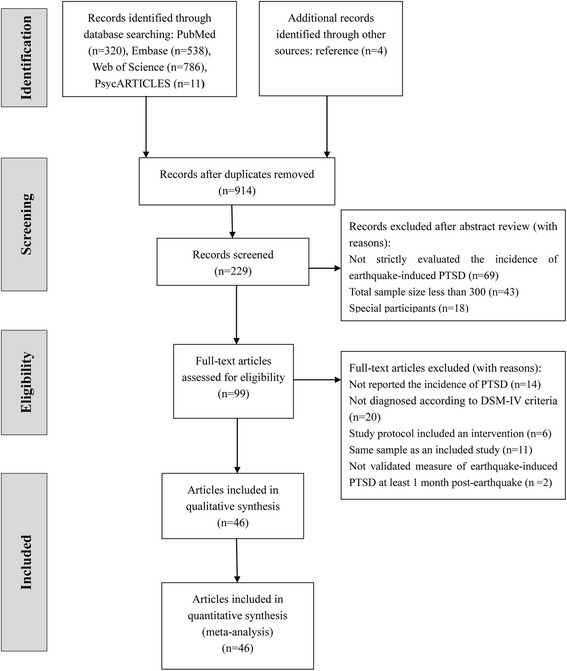
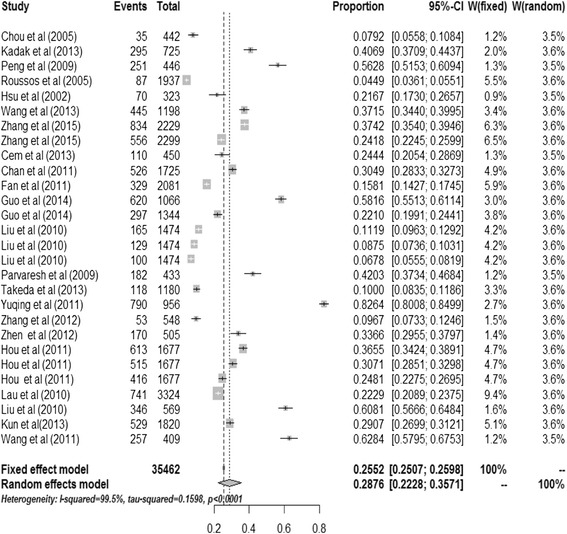
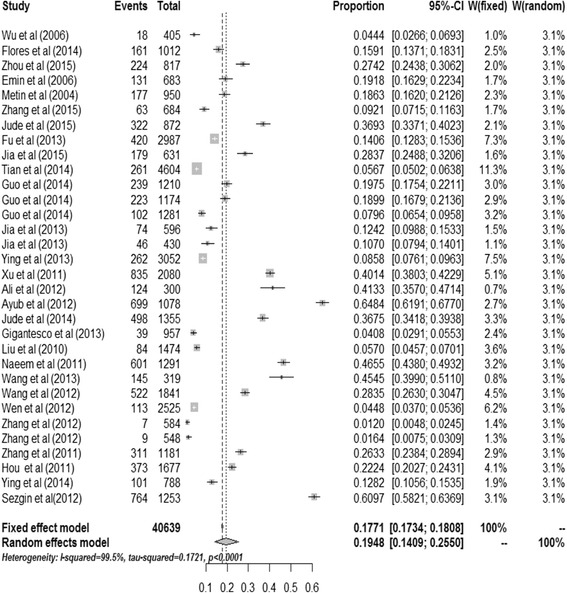
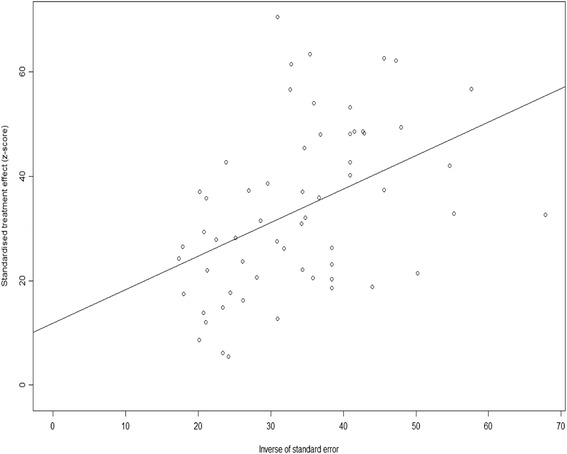
Verification
Claims the paper makes
The claims and statistics of this paper haven’t been checked yet.
Free: it reads the open-access text and checks the first 5 claims that cite a source we can check. Create a free account to check every claim.
Claims other papers make about this one
Each is checked against this paper’s own text: does it say what the citing paper says it does?
The cited source says what the claim attributes to it.
In the citing paper
“meta-analyses of past earthquakes have found somewhat lower average PTSD prevalence (on the order of ~15–25% of survivors)”
From Coping strategies and psychological outcomes following the 2023 Kahramanmaraş earthquakes: a systematic review with meta-analytic synthesis (2026) · cites this paper as [5]
The check wasn’t confident either way, so it gives no verdict — never disputed.
In the citing paper
“Earthquake studies indicate that survivors who feel connected to family, friends, and community tend to report less distress, likely because social support provides opportunities to confide, obtain help, and rebuild a sense of safety (5).”
From Coping strategies and psychological outcomes following the 2023 Kahramanmaraş earthquakes: a systematic review with meta-analytic synthesis (2026) · cites this paper as [5]
Experimental — accuracy not yet measured
Self-check
Percentages, sums and reported differences re-computed from the paper’s own numbers.
The self-check needs the paper’s full text.
Citations
Cites
Tolin, D. F., & Foa, E. B. (2006) · Psychological Bulletin · doi:10.1037/0033-2909.132.6.959 · Cited by 2,197 · cited 1×
“Those findings were consistent with conclusions of many studies in disaster psychology [17, 18].”
ResultPost-traumatic stress disorder following disasters: a systematic review
Neria, Y., Nandi, A., & Galea, S. (2008) · Psychological Medicine · doi:10.1017/s0033291707001353 · Cited by 1,429 · cited 1×
“It has been regarded as the most prevalent type of psychiatric disorder after disasters [4], including earthquake, tsunami, flood, etc.”
BackgroundThe Epidemiology of Post-Traumatic Stress Disorder after Disasters
Galea, S., Nandi, A., & Vlahov, D. (2005) · Epidemiologic Reviews · doi:10.1093/epirev/mxi003 · Cited by 1,287 · cited 1×
“The incidence of PTSD symptoms were higher in the immediate aftermath of the earthquake [14].”
BackgroundCritical appraisal of the health research literature: prevalence or incidence of a health problem.
Loney, P., Chambers, L. W., BENNETT, K. J., Roberts, J. G., & Stratford, P. W. (1998) · PubMed · Cited by 550
Roussos, A., Goenjian, A. K., Steinberg, A. M., Sotiropoulou, C., Kakaki, M., Kabakos, C., Karagianni, S., & Manouras, V. (2005) · American Journal of Psychiatry · doi:10.1176/appi.ajp.162.3.530 · Cited by 389 · cited 1×
“Roussos et al [31] 2005 Cross-sectional Ano Liosia, Greece 5.”
BackgroundFan, F., Zhang, Y., Yang, Y., Mo, L., & Liu, X. (2011) · Journal of Traumatic Stress · doi:10.1002/jts.20599 · Cited by 310 · cited 2×
“Fan et al [41] 2011 Cross-sectional Wenchuan, China 8.”
BackgroundInfluentialBaşoǧlu, M., Kiliç, C., Şalcioǧlu, E., & Livanou, M. (2004) · Journal of Traumatic Stress · doi:10.1023/b:jots.0000022619.31615.e8 · Cited by 283 · cited 1×
“Metin et al [28] 2004 Cross-sectional Marma, Turkey 7.”
BackgroundArmenian, H. K., Morikawa, M., Melkonian, A. K., Hovanesian, A. P., Haroutunian, N., Saigh, P. A., Akiskal, K., & Akiskal, H. S. (2000) · Acta Psychiatrica Scandinavica · doi:10.1034/j.1600-0447.2000.102001058.x · Cited by 234 · cited 1×
“In line with some previous studies [15], the subgroup analyses also indicated that damage to one’s house, bereavement, injury of body and witnessing death would contribute to the different incidences of PTSD, suggesting that those who suffered more property loss or personal injury or had witnessed death or had experie…”
ResultPosttraumatic Stress Disorder Among Adolescent Earthquake Victims in Taiwan
HSU, C.-C., CHONG, M.-Y., YANG, P., & YEN, C.-F. (2002) · Journal of the American Academy of Child & Adolescent Psychiatry · doi:10.1097/00004583-200207000-00022 · Cited by 198 · cited 1×
“Hsu et al [34] 2002 Cross-sectional Chi-Chi,Taiwan 7.”
Dell’Osso, L., Carmassi, C., Massimetti, G., Daneluzzo, E., Tommaso, S. D., & Rossi, A. (2011) · Journal of Affective Disorders · doi:10.1016/j.jad.2010.11.023 · Cited by 188 · cited 1×
“Background Earthquakes are one of the most destructive and frequently occurring natural disasters [1].”
Background
Cited by
Items 101–200 of 308
Mental Health Care Models in Low- and Middle-Income Countries
Nadkarni, A., Hanlon, C., & Patel, V. (2024) · Springer eBooks · doi:10.1007/978-3-030-51366-5_156 · Cited by 18
Kartol, A., Üztemur, S., Chen, C., Lin, C., Gökalp, A., Potenza, M. N., & Pakpour, A. H. (2025) · Current Psychology · doi:10.1007/s12144-025-07563-y · Cited by 13
“Earthquakes have many economic, psychological, and social impacts (Dai et al., 2016).”
Aliche, C. J., Ifeagwazi, C. M., Mefoh, P. C., Eze, J. E., & Chukwuorji, J. C. (2020) · Nordic Psychology · doi:10.1080/19012276.2020.1852953 · Cited by 13
“…of Psychology, University of Nigeria, Nsukka, Nigeria © 2020 The Editors of Nordic Psychology prevalence of PTSD ranging from 18% to 23.6% (Dai et al., 2016), studies conducted in Northcentral Nigeria have reported greater PTSD prevalence among survivors of flood disaster (Ajibade et…”
InfluentialKim, S. Y., Yang, K., Oh, I., Park, S., Cheong, H.-K., & Hwang, J. (2021) · Journal of Korean Medical Science · doi:10.3346/jkms.2021.36.e125 · Cited by 13
Álvarez-Icaza, D., & Medina‐Mora, M. E. (2018) · Salud Pública de México · doi:10.21149/9399 · Cited by 15
The Effects of Social Determinants and Resilience on the Mental Health of Chilean Adolescents
Caqueo‐Urízar, A., Mena‐Chamorro, P., Henríquez, D., Alfonso Urzúa, M., & Irarrázaval, M. (2023) · Children · doi:10.3390/children10071213 · Cited by 15
Taşkın, M., Baş, K., & Uçak, E. F. (2025) · European Journal of Trauma & Dissociation · doi:10.1016/j.ejtd.2025.100504 · Cited by 12
Yılmazer, E. (2025) · Frontiers in Psychology · doi:10.3389/fpsyg.2025.1730083 · Cited by 13
Balikuddembe, J. K., Zeng, X., & Chen, C. (2020) · International Journal of Environmental Research and Public Health · doi:10.3390/ijerph17072297 · Cited by 13
“PTSD is a psychological disorder caused by unusual threats or catastrophic events such as earthquakes [12,14,15,43].”
BackgroundAmone‐P’Olak, K., Omech, B., Kakinda, A. I., & Kibedi, H. K. (2022) · General Psychiatry · doi:10.1136/gpsych-2022-100840 · Cited by 12
“Finally, other mediating and moderating factors not included in this study may be associated with the attributable risks of probable PTSD in this study.”
BackgroundŠagud, M., Janović, M. B., Ćusa, Z. V., Jakšić, N., Krakan, L. B., Begić, D., Grubišin, J., Janović, Š., Jevtović, S., Rajačić, B. K., et al. (2023) · BMC Psychiatry · doi:10.1186/s12888-023-05302-w · Cited by 15
“For example, a meta-analysis of studies conducted after earthquakes of magnitude on Richter scale ranging from 4.3 to 9.0, reported the incidence of PTSD in 23% survivors [10].”
InfluentialKarataş, Z., & Tüccar, E. (2024) · Spiritual Psychology and Counseling · doi:10.37898/spiritualpc.1393636 · Cited by 11
Sulak, S. A., & Köklü, N. (2025) · Scientific Reports · doi:10.1038/s41598-025-17555-4 · Cited by 12
Düken, M. E. (2023) · Journal of the American Psychiatric Nurses Association · doi:10.1177/10783903231211506 · Cited by 12
“…indicated that posttraumatic stress disorder occurred in 23.66%, major depressive disorder occurred in 7.5% to 44.8%, and anxiety symptoms occurred in approximately 20% of children after an earth-quake (Cénat et al., 2020; Dai et al., 2016; Fan et al., 2011; Pan et al., 2015; B. Tang et al., 2014).”
InfluentialEarthquakes, attributions, and psychopathology: a study in a rural community
Massazza, A., Joffé, H., & Brewin, C. R. (2019) · European Journal of Psychotraumatology · doi:10.1080/20008198.2019.1661813 · Cited by 11
“The first meta-analysis on posttraumatic stress disorder (PTSD) following earthquakes reported a prevalence of 29% for clinical PTSD levels up to 9 months following earthquakes in a sample of 76,101 survivors (Dai et al., 2016).”
BackgroundMiura, I., Nagao, M., Nakano, H., Okazaki, K., Hayashi, F., Harigane, M., Itagaki, S., Yabe, H., Maeda, M., Ohira, T., et al. (2022) · Journal of Epidemiology · doi:10.2188/jea.je20210226 · Cited by 12
“28 Taken together, our results of the association between external radiation doses and psychological distress in women suggest that stressful situations and / or anxiety about the risk of radiation may increase psychological distress in women in the ≥ 2 mSv group.”
Moral Injury, Moral Identity, and “Dirty Hands” in War Fighting and Police Work
Miller, S. (2022) · The Journal of Medicine and Philosophy A Forum for Bioethics and Philosophy of Medicine · doi:10.1093/jmp/jhac028 · Cited by 11
Haqi, M. H., Has, E. M. M., & Bahiyah, K. (2019) · Psychiatry Nursing Journal (Jurnal Keperawatan Jiwa) · doi:10.20473/pnj.v1i1.13013 · Cited by 11
“Menurut Kun (2009) menyatakan bahwa tingkat ekonomi yang rendah pada korban bencana menjadi faktor yang berkontribusi pada kondisi psikologis korban bencana (Dai et al., 2016).”
BackgroundHennein, R., Lowe, S. R., Feingold, J. H., Feder, A., Peccoralo, L. A., Ripp, J. A., Mazure, C. M., & Pietrzak, R. H. (2023) · Journal of Psychiatric Research · doi:10.1016/j.jpsychires.2023.04.009 · Cited by 10
The impact of earthquake anxiety on quality of life: the case of Türkiye
Çapar, H., & Yelboğa, N. (2025) · Discover Public Health · doi:10.1186/s12982-025-00390-3 · Cited by 12
“In studies conducted on this subject, it has been reported that those who were more exposed to the effects of the earthquake had lower quality of life even three years after the earthquake [31].”
Nobakht, H. N., Ojagh, F. S., & Dale, K. Y. (2021) · Journal of Trauma & Dissociation · doi:10.1080/15299732.2020.1869640 · Cited by 14
“…as such an event, usually affecting large numbers of people and resulting in a wide range of PTSD symptoms among survivors (Basoglu et al., 2004; Dai et al., 2016; Dell’Osso CONTACT Habib Niyaraq Nobakht habib_nobakht@yahoo.com International Centre for Research in Human Development (Room 17),…”
BackgroundPTSD among road traffic accident survivors in africa: A systematic review and meta-analysis
Mekonnen, N., Duko, B., Kercho, M. W., & Bedaso, A. (2022) · Heliyon · doi:10.1016/j.heliyon.2022.e11539 · Cited by 11
“33) among RTA [36] and earthquake survivors [37], respectively.”
BackgroundÖztürk, H. İ., & Dönmezler, S. (2024) · Chronobiology International · doi:10.1080/07420528.2023.2294052 · Cited by 10
“Studies show a global PTSD prevalence rate of 23.66% among earthquake survivors, despite the variance from 1.2% to 82.6% in different studies (Dai et al. 2016).”
BackgroundInfluentialKip, A., Brouër, P., & Morina, N. (2024) · Current Research in Ecological and Social Psychology · doi:10.1016/j.cresp.2024.100197 · Cited by 11
Öz, E., Küçükkelepçe, O., Kurt, O., & Kapıcı, Y. (2024) · BMC Psychiatry · doi:10.1186/s12888-024-05803-2 · Cited by 10
“This finding is consistent with Nouri et al.’s observations of decreased breast milk production after earthquakes [22].”
ResultDüken, M. E., Küçükoğlu, S., & Kılıçaslan, F. (2024) · Journal of the American Psychiatric Nurses Association · doi:10.1177/10783903241257631 · Cited by 11
“Studies in the literature show that variables such as witnessing destruction, serious injury to the family, body injury, and damage to the house are factors that affect posttraumatic stress symptoms (Dai et al., 2016; Du et al., 2019; Silwal et al., 2022).”
Koçer, A. T., Akpek, A., Vural, A., Aslan, A., Erkoç, A., Özen, A. M., Şahin, A., Oktay, A., Şenol, A. A., Batıoğlu-Karaaltın, A., et al. (2024) · International Journal of Disaster Risk Reduction · doi:10.1016/j.ijdrr.2024.104925 · Cited by 13
Sherman, A. C., Park, C. L., Salsman, J. M., Williams, M. L., Amick, B. C., Hudson, T. J., Messias, E., & Simonton-Atchley, S. (2021) · Journal of Affective Disorders · doi:10.1016/j.jad.2021.06.045 · Cited by 11
Tanrikulu, A. B. (2024) · Dusunen Adam: The Journal of Psychiatry and Neurological Sciences · doi:10.14744/dajpns.2024.00245 · Cited by 10
Cengiz, D. U., İnceoğlu, F., Karababa, E., Polat, A. P., Yılmaz, T., Kuntman, B. D., Men, A. F., & Hızal, E. (2024) · Auris Nasus Larynx · doi:10.1016/j.anl.2024.02.004 · Cited by 10
Kıyak, S., & Batı, S. (2024) · Brain and Behavior · doi:10.1002/brb3.70034 · Cited by 10
“Previous studies reported that 23.6% − 40.1% of post-earthquake survivors had PTSD (Dai et al., 2016; Wu, Xu, & Sui, 2016).”
BackgroundResultInfluentialKamış, G. Z., Kurhan, F., Dinç, D., TEKİN, İ., IŞIK, M., ALHAN, C., & Ökmen, A. C. (2023) · Turkish Journal of Psychiatry · doi:10.5080/u27191 · Cited by 13
Uyar, B., SALMAN, B. C., AYDAR, S., BATIHAN, G., SAVĞA, K., Balikci, B., BARAN, H., Inan, E., ARSLAN, A., Güneş, M., et al. (2023) · Turkish Journal of Clinics and Laboratory · doi:10.18663/tjcl.1384085 · Cited by 9
Yıldırım, F. (2024) · Mehmet Akif Ersoy Üniversitesi Eğitim Fakültesi Dergisi · doi:10.21764/maeuefd.1405004 · Cited by 10
Sehlikoğlu, Ş., Bekircan, E., & Gündüz, A. (2024) · International Journal of Social Psychiatry · doi:10.1177/00207640241294203 · Cited by 9
“A meta-analysis of the prevalence of PTSD in earthquake survivors reported that the prevalence of post-earthquake PTSD differed significantly between studies according to damage to the person’s home, fear of death, injury and witnessing death (Dai et al., 2016).”
InfluentialÇiftçi, N., Yıldız, M., & Uçar, M. (2024) · OMEGA - Journal of Death and Dying · doi:10.1177/00302228241256267 · Cited by 10
“In a meta-analysis study, it was observed that the combined incidence of PTSD after an earthquake was 23.66% (Dai et al., 2016).”
InfluentialThe Effect of Post-Traumatic Stress Disorder on Women After The Earthquake in Central Sulawesi
Amanda, A. R., Hidajah, A. C., & Wahyuni, C. U. (2021) · Jurnal Berkala Epidemiologi · doi:10.20473/jbe.v9i32021.303-309 · Cited by 8
“It is a psychological disorder caused by uncommon occurrences such as threats or catastrophic events (Dai et al., 2016).”
BackgroundŞenyüz, S., Ergün, D., & Çakıcı, E. (2020) · Anatolian Journal of Psychiatry · doi:10.5455/apd.135624 · Cited by 7
Çağış, Z. G., & Akçe, İ. (2025) · Current Psychology · doi:10.1007/s12144-025-07556-x · Cited by 7
“A meta-analysis has revealed that the prevalence of PTSD symptoms in survivors after the earthquake was 23.66% (Dai et al., 2016 ).”
InfluentialAksoy, Y., Gümüştakım, R. Ş., Kuş, C., Aksoy, B., & Doğaner, A. (2025) · Current Psychology · doi:10.1007/s12144-025-08017-1 · Cited by 7
“Our study is compatible with the literature (Dai et al., 2016; Gulmez, 2022; Liang et al., 2019 ).”
Uzak, B., & Yanardağ, M. Z. (2024) · Tıbbi Sosyal Hizmet Dergisi · doi:10.46218/tshd.1364244 · Cited by 9
Huang, H., Chao, T.-Y., Huang, Y., Chen, B.-K., & Shih, H. (2024) · Journal of Affective Disorders · doi:10.1016/j.jad.2024.09.099 · Cited by 8
Examining Predictors of Post-Traumatic Changes Among Mothers in Turkey Following Earthquakes
Yıldız, G. K., & Türk, R. (2024) · Disaster Medicine and Public Health Preparedness · doi:10.1017/dmp.2024.275 · Cited by 7
Ann, J.-E., & Bae, S. (2022) · Disaster Medicine and Public Health Preparedness · doi:10.1017/dmp.2022.170 · Cited by 7
Çetin, S. B., & Fedai, Ü. A. (2024) · Psychiatry · doi:10.1080/00332747.2024.2321090 · Cited by 8
TRAUMA, ADDICTION, AND THE PATH TO RECOVERY AFTER THE KAHRAMANMARAŞ EARTHQUAKES
Çınaroğlu, M. (2024) · Nişantaşı üniversitesi sosyal bilimler dergisi/Nişantaşı Üniversitesi sosyal bilimler dergisi · doi:10.52122/nisantasisbd.1434830 · Cited by 7
Özmen, S., Gül, M. K., Sertkaya, B., & Demirci, E. (2024) · Çocuk ve Gençlik Ruh Sağlığı Dergisi / Turkish Journal of Child and Adolescent Mental Health · doi:10.4274/tjcamh.galenos.2024.58561 · Cited by 7
Mental Health, Social Support, and Active Coping in Nepali Earthquake Survivors
Luce, C., Powell, T. L., & Kim, Y. (2021) · American Behavioral Scientist · doi:10.1177/00027642211013406 · Cited by 9
“Research has found a connection between the occurrence of natural disasters and the manifestation of mental health symptoms such as anxiety, depression, and posttraumatic stress (Dai et al., 2016; Farooqui et al., 2017; Neria et al., 2008; Obradovich et al., 2018; Tang et al., 2014).”
BackgroundYun, S.-M., & Choi, Y. (2022) · The Journal of Continuing Education in Nursing · doi:10.3928/00220124-20220210-08 · Cited by 7
Cansel, N., Sandıklı, H., Melez, Ş. N. İ., Sandıklı, M., Balıkçı Çiçek, İ., & Kayhan Tetik, B. (2025) · Disaster Medicine and Public Health Preparedness · doi:10.1017/dmp.2025.10106 · Cited by 6
Karalı, M. N. B., & Özkan, Y. (2025) · International Journal of Social Psychiatry · doi:10.1177/00207640251347485 · Cited by 6
“Individuals who experience the devastating consequences of an earthquake are often prone to developing post-traumatic stress disorder (PTSD) (Dai et al., 2016; Ehring et al., 2011; Hosseinnejad et al., 2022; Qu et al., 2012), with many continuing to exhibit elevated PTSD symptoms even years after…”
InfluentialÇınaroğlu, M. (2025) · Frontiers in Psychology · doi:10.3389/fpsyg.2025.1696103 · Cited by 7
“Randomized trials and meta-analyses in diverse disaster settings have indicated that structured psychological treatments can significantly reduce PTSD, depression, and anxiety symptoms compared to no treatment or usual care (Dai et al., 2016; Jahangiri et al., 2020).”
Woods, C. F., Beaglehole, B., FRAMPTON, C. M. A., McIntosh, V. V. W., & Bell, C. (2025) · BJPsych Open · doi:10.1192/bjo.2025.784 · Cited by 8
Bakay, H., Işık, B., Gıca, Ş., & Ak, M. (2025) · Psychiatric Quarterly · doi:10.1007/s11126-025-10178-y · Cited by 6
“Numerous studies conducted in the aftermath of earthquakes have identified a wide range of risk factors associated with the development of probable PTSD (pPTSD), including female gender, younger age, loss of loved ones, property damage, and low levels of social support [1, 8, 15 –17 ].”
InfluentialCénat, J. M., & Dérivois, D. (2023) · International Journal of Public Health · doi:10.3389/ijph.2023.1605986 · Cited by 6
Negi, S., Singh, R., & Singh, A. K. (2024) · Advances in healthcare information systems and administration book series · doi:10.4018/979-8-3693-4183-4.ch005 · Cited by 6
Subacute Phase After an Earthquake: An Even More Important Period
Gao, P., & Yun-dou, W. (2019) · Disaster Medicine and Public Health Preparedness · doi:10.1017/dmp.2019.7 · Cited by 6
Toper, F., Yanardağ, R., Koca, M., & Baydar, V. (2025) · Behavioral Sciences · doi:10.3390/bs15091178 · Cited by 5
“In a meta-analysis study conducted by Dai et al. (2016) examining 46 studies on earthquakes, the incidence of PTSD after an earthquake was found to be 23.66%.”
InfluentialÜnver, H., & Fiş, N. P. (2025) · Archives of Psychiatric Nursing · doi:10.1016/j.apnu.2025.01.001 · Cited by 5
Feng, Y., Su, M., Si, Y. J., Guo, Q., Lin, J., Cao, T., Zhang, X., Fan, M., & Fang, D. Z. (2017) · American Journal of Medical Genetics Part B Neuropsychiatric Genetics · doi:10.1002/ajmg.b.32615 · Cited by 7
“These great variations across previous studies may be partly explained by the differences in diagnostic tools, sampling frames, study designs, and the time of PTSD assessments, gender, and other factors (Dai et al., 2016; Hong & Efferth, 2016).”
BackgroundInfluentialMaeno, Y., Fuchikami, M., Fujimaki, K., Liberzon, I., & Morinobu, S. (2024) · Journal of Psychiatric Research · doi:10.1016/j.jpsychires.2024.03.031 · Cited by 5
Blešić, I., Ivkov, M., Gajić, T., Petrović, M. D., Radovanovic, M. M., Valjarević, A., Milićević, S. M., Vukin, M., Raljić, J. P., Puhar, D., et al. (2024) · Open Geosciences · doi:10.1515/geo-2022-0670 · Cited by 6
Post-Traumatic Stress Disorder in Earthquake Victims in the Disaster of the Century
Gül, E., & Aktürk, Ü. (2025) · Journal of Social Service Research · doi:10.1080/01488376.2025.2492665 · Cited by 5
“…for PTSD have been found in studies: female gender (Boztas et al., 2019; Cénat & Derivois, 2014; Hosseinnejad et al., 2022), education level (Dai et al., 2016; Lai et al., 2004), low income level (Boztas et al., 2019; Cofini et al., 2015), death of a relative or witnessing the death of…”
InfluentialÇapar, A., & Çuhadar, D. (2025) · Current Psychology · doi:10.1007/s12144-025-07986-7 · Cited by 8
“…conducted after severe earthquakes, it was deter - mined that approximately one-quarter of the individuals had post-traumatic stress disorder, approximately one-third had major depression, and approximately one-fifth had seri - ous anxiety symptoms (Cénat et al., 2020; Dai et al., 2016).”
Gonzalez, R. N., Regmi, P., Aryal, N., & Akudjedu, T. N. (2021) · Journal of Manmohan Memorial Institute of Health Sciences · doi:10.3126/jmmihs.v7i1.43155 · Cited by 6
“A possible interpretation for this finding would be the relatively lower reported odds of using positive coping strategies among women, their strong perception of threat, and their strong ability to recall more often; therefore, they interpret disasters more negatively 41, 45 .”
Sancaktar, S. İ., & Sahin, G. E. (2025) · Disaster Medicine and Public Health Preparedness · doi:10.1017/dmp.2025.118 · Cited by 5
Dagher, D., Malaeb, D. N., Dabbous, M., Sakr, F., Khatib, S. E., Hallit, R. R., Fekih‐Romdhane, F., Obeïd, S., & Hallit, S. R. (2024) · International Journal of Environmental Health Research · doi:10.1080/09603123.2024.2373997 · Cited by 4
Investigation of Psychosocial, Clinical Outcomes of Individuals with Limb Loss After Earthquakes
Sehlikoğlu, Ş., & Çiçek, N. (2024) · Journal of Loss and Trauma · doi:10.1080/15325024.2024.2402384 · Cited by 6
“For instance, it has been reported the prevalence of PTSD vary between 1.2-82.6% among earthquake survivors (Dai et al., 2016).”
InfluentialTayhan, F., & Korkmaz, A. B. (2025) · International Journal of Environmental Health Research · doi:10.1080/09603123.2025.2453974 · Cited by 4
“Throughout human history, earthquakes have resulted in numerous injuries and fatalities, and have left survivors with various mental health issues, including panic and post-traumatic stress disorder (Dai et al. 2016).”
InfluentialDeniz, S., İnceoğlu, F., & Koca, M. (2025) · Nigerian Journal of Clinical Practice · doi:10.4103/njcp.njcp_538_24 · Cited by 4
Çimen, F., Seçer, İ., Alberici, A., & Meiser‐Stedman, R. (2025) · Clinical Child Psychology and Psychiatry · doi:10.1177/13591045251396299 · Cited by 5
“…characteristics such as the severity of the earthquake, the way of exposure to the earthquake, the time elapsed since the event, the social support received after the earthquake, and the psychological resilience of the individual (Dai et al., 2016; Sirotich & Camisasca, 2024; ¨Ozgün ¨Oztürk, 2024).”
Kar, N., & Sharma, A. (2020) · Indian Journal of Psychological Medicine · doi:10.1177/0253717620926848 · Cited by 4
Agaba, B., Naiga, H. N., Wanyana, M. W., Zalwango, J. F., Simbwa, B. N., Akunzirwe, R., Zavuga, R., Kawungezi, P. C., Zalwango, M. G., Migamba, S. M., et al. (2024) · Discover Psychology · doi:10.1007/s44202-024-00203-9 · Cited by 4
Yılmaz, Y., & Bahadır, E. (2025) · Cumhuriyet Tıp Dergisi/Cumhuriyet Üniversitesi Tıp Fakültesi dergisi · doi:10.7197/cmj.1646980 · Cited by 6
Bianchi, M. L., Mena, C., Ormazábal, Y., & Serrano, C. (2019) · Geospatial health · doi:10.4081/gh.2019.789 · Cited by 4
“Shortly after an earthquake, it is expected that 29% of people show PTSD (Leiva-Bianchi, 2011; Dai et al., 2016), a percentage that decreases only slowly and can persist for many years (Smid et al.”
BackgroundPeker, A., & Cengiz, S. (2025) · Acta Psychologica · doi:10.1016/j.actpsy.2025.105159 · Cited by 3
Yaralı, S., Cengiz, M., & Kılıç, D. (2025) · Psychology Health & Medicine · doi:10.1080/13548506.2025.2552963 · Cited by 3
“Almost 1 in 4 earth-quake survivors is diagnosed with post-traumatic stress disorder (PTSD), which under-lines the need for effective psychological interventions (Dai et al., 2016).”
Duraku, Z. H., Uka, F., Cërmjani, D., Ramadani, F., & Bajgora, S. (2021) · Current Psychology · doi:10.1007/s12144-021-02024-8 · Cited by 3
Tezuka, K., Kubota, Y., Ohira, T., Nakano, H., Maeda, M., Yabe, H., Yasumura, S., Harigane, M., Shimizu, Y., Okada, T., et al. (2021) · International Journal of Environmental Research and Public Health · doi:10.3390/ijerph181910283 · Cited by 3
Çınar, H., & Noraslı, M. (2024) · Mimarlık Bilimleri ve Uygulamaları Dergisi (MBUD) · doi:10.30785/mbud.1393493 · Cited by 3
Sel sonrasında görülen post-travmatik stres bozukluğu: Kesitsel bir çalışma
Beyhun, N. E., Yavuzyılmaz, A., Saglam, D. A., Hamzaoğlu, K., Demirtaş, Y., Dilaver, İ., Acar, G., Parlak, B., Şahin, K., Çan, G., et al. (2019) · Türkiye Halk Sağlığı Dergisi · doi:10.20518/tjph.416592 · Cited by 3
Gautam, L., Mishra, D. K., Pant, G. P., Khadka, R., Chataut, P. D., Shrestha, T., & Thapa, S. (2021) · International Journal of Community Medicine and Public Health · doi:10.18203/2394-6040.ijcmph20214550 · Cited by 4
Prolonged Unmet Mental Health Needs of the 2017 Pohang Earthquake Survivors
Joe, S., Lee, J. S., Klaus, F., Ng, H. X., Eyler, L. T., & Lee, Y. (2023) · Psychiatry Investigation · doi:10.30773/pi.2022.0332 · Cited by 3
KOÇ, N. (2023) · Journal of Educational Technology and Online Learning · doi:10.31681/jetol.1326200 · Cited by 4
Louis, N., Ragheb, M., Ibrahim, O., Salim, A. A., Dean, Y. E., Kishk, R. M., Elsaid, N. M. A. B., Salem, A., Shah, J., Aiash, H., et al. (2023) · Medicine · doi:10.1097/md.0000000000035210 · Cited by 3
Exposure to earthquakes and development of ischemic heart disease
Han, C. (2024) · BMC Public Health · doi:10.1186/s12889-024-17835-0 · Cited by 3
Landoni, M., Tella, S. D., Ciuffo, G., & Ionio, C. (2024) · Genes · doi:10.3390/genes15101270 · Cited by 4
“Furthermore, research has shown that the lifetime incidence of PTSD can vary from 1.9% [1] to 8.8% [2], tripling in communities affected by conflict [3] and rising to almost 23% [4] in earthquake survivors.”
BackgroundInfluentialKuşlu, S., & Çelikkanat, Ş. (2024) · Disaster Medicine and Public Health Preparedness · doi:10.1017/dmp.2024.163 · Cited by 3
“22,23 As a result of this study, it was determined that the post-earthquake trauma level of the students was above the moderate level and the post-earthquake trauma level of the women who lost their relatives in the earthquake was significantly higher than those who did not.”
Kansaki, H., Konno, R., Fujii, K., & Nishimura, A. (2020) · JBI Evidence Synthesis · doi:10.11124/jbisrir-d-19-00271 · Cited by 3
Keskin, A., & Sanberk, İ. (2025) · Çukurova Üniversitesi Sosyal Bilimler Enstitüsü Dergisi · doi:10.35379/cusosbil.1502155 · Cited by 2
Yıldırım, E., & Güdücü, N. (2024) · Disaster Medicine and Public Health Preparedness · doi:10.1017/dmp.2024.330 · Cited by 5
“The results of this study showed that approximately 1/4 of earthquake victims were diagnosed with PTSD. 6 In a recent meta-analysis, the prevalence of the disorder was found to range from 4.1%-67.07%.”
InfluentialThe Psychological Toll on Healthcare Workers Following Türkiye's Earthquake Disasters
Gürü, M., & Onur, Ö. Ş. (2025) · Online Türk Sağlık Bilimleri Dergisi · doi:10.26453/otjhs.1589646 · Cited by 2
Mental Health Following Earthquake in South-east Asia: A Systematic Review and Meta-analysis
Majumder, J., Saha, I., Bagepally, B. S., Munikrishnappa, D., Kalita, M., Ray, S., Saha, A., & Chakrabarti, A. (2025) · Journal of Mental Health and Human Behaviour · doi:10.4103/jmhhb.jmhhb_318_24 · Cited by 2
OBUZ, A. T., Bayyar, A. B., & Afyonoğlu, M. F. (2025) · Journal of Child and Family Studies · doi:10.1007/s10826-025-03150-8 · Cited by 3
“For those with pre-existing psychological conditions, the earthquake exacerbated their problems, further deepened by the development of post-traumatic stress disorder (PTSD) among many individuals who experienced the disaster (Dai et al., 2016; Frans et al., 2005).”
Khasanah, U., Dewi, Y. L. R., Suwarto, S., & Padmaningrum, D. (2025) · Journal of Education and Health Promotion · doi:10.4103/jehp.jehp_1895_24 · Cited by 2
Ecological Forecasting for Readiness, Resilience, and Response
Colton, M. C., Fanara, T., Babin, S. M., Lewis, A. S. L., Dietze, M. C., Brown, C., Cotnoir, M., Caldas, A., & Boyd, K. (2026) · Bulletin of the American Meteorological Society · doi:10.1175/bams-d-24-0271.1 · Cited by 3
Pedretti, B., & Lavazza, A. (2026) · Environmental Challenges · doi:10.1016/j.envc.2026.101506 · Cited by 2
Deprem Felaketinin Kardiyovasküler Hastalık Riskine Etkisi ve Önlemeye Yönelik Girişimler
Uğurlu, Y. K., & Türen, S. (2024) · Akdeniz Hemşirelik Dergisi · doi:10.59398/ahd.1373129 · Cited by 2
Mental health and support 1 year after the earthquakes in Türkiye
Kurt, G., Erşahin, M., Aker, A. T., Uygun, E., & Acartürk, C. (2024) · The Lancet Psychiatry · doi:10.1016/s2215-0366(24)00059-2 · Cited by 2
Yang, Y., Li, Z., & Wen, J. (2024) · Journal of Affective Disorders · doi:10.1016/j.jad.2024.06.070 · Cited by 2
Metadata
- Authors
- Dai, W., Chen, L., Lai, Z., Li, Y., Wang, J., & Liu, A.
- Affiliations
- Central South University (CN)
- Corresponding author
- Liu, Aizhong
- Venue
- BMC Psychiatry
- Published
- 2016-06-07
- Volume
- 16
- Issue
- 1
- Pages
- 188-188
- ISSN
- 1471-244X (ISSN-L)
- PMC
- PMC4895994
- OpenAlex
- W2415716286
- Cited by
- 281
- References
- 66
- Citations by year
- 2026: 40 · 2025: 56 · 2024: 54 · 2023: 28 · 2022: 13 · 2021: 24 · 2020: 15 · 2019: 23 · 2018: 16 · 2017: 10 · 2016: 2
- FWCI
- 2.52
- Type
- journal article
- Language
- en
- Open access
- gold
- doi.org
- Licence
- cc-by
- Locations
- BMC Psychiatry (publishedVersion, cc-by)
- Europe PMC (PubMed Central) (publishedVersion, cc-by)
- PubMed Central (publishedVersion, cc-by)
- PubMed (publishedVersion)
- D-Scholarship@Pitt (University of Pittsburgh) (acceptedVersion)
- Funders
- the Specialized Research Fund for the Doctoral Program of Higher Education (20130162110054)
- the Fundamental Research Funds for the postgraduates of Central South University (2015zzts282)
- Topics
- Social Sciences › Psychology › Clinical Psychology › Posttraumatic Stress Disorder Research
- Social Sciences › Psychology › Clinical Psychology › Migration, Health and Trauma
- Social Sciences › Geography, Planning and Development › Earthquake and Disaster Impact Studies
- Keywords
- post-traumatic stress disorder, earthquakes, earthquake survivors, PTSD incidence, disaster mental health, bereavement, witnessing death, risk factors, psychological intervention
- MeSH terms
- Bereavement, Disasters, Female, Grief, Humans, Male, Risk Factors, Stress Disorders, Post-Traumatic, Incidence, Survivors, Earthquakes
About these checks
Registry, retraction, Cites and statistics results are computed, not judged, with one exception: a printed reference that no index lists is read once by a model before it counts as a citation error. Claims are extracted by a model and kept only when their quote appears verbatim in the text; each cited source is then checked, with a model’s help, for whether it says what the claim relies on. Those verdicts can be wrong — read the claim’s quote and the cited source before relying on one.
Statistics and arithmetic are recomputed, not judged.
Confidence bands are shown only for fields calibrated on our annotated test set. None is calibrated yet, so no band is shown.
What counts as a claim ›How we measure confidence ›How we check this ›
Are you an author, or do you see a problem with this page? Request a review
Data sources
Bibliographic data: Semantic Scholar, OpenAlex, Crossref.
Contains information from the Semantic Scholar Academic Graph Datasets, made available under the ODC Attribution License (ODC-BY 1.0).
Semantic Scholar’s data is described in: Kinney, R., et al. (2023). The Semantic Scholar Open Data Platform. arXiv:2301.10140.
