

The incidence of post-traumatic stress disorder among survivors after earthquakes:a systematic review and meta-analysis
Open accessThe DOI matches its Crossref record; 66 of the 66 references it cites were found in a registry or an index.
Abstract
BACKGROUND: Post-traumatic stress disorder (PTSD) is a common psychological disorder caused by unusual threats or catastrophic events. Little is known about the combined incidence of PTSD after earthquakes. This study aimed at evaluating the combined incidence of PTSD among survivors after earthquakes using systematic review and meta-analysis. METHODS: The electronic databases of PubMed, Embase, Web of Science and PsycARTICLES were searched for relevant articles in this study. Loney criteria were used to assess the quality of eligible articles. The combined incidence of PTSD was estimated by using the Freeman-Tukey double arcsine transformation method. Subgroup analyses were conducted using the following variables: the time of PTSD assessment, gender, educational level, marital status, damage to one's house, bereavement, injury of body and witnessing death. RESULTS: Forty-six eligible articles containing 76,101 earthquake survivors met the inclusion criteria, of which 17,706 were diagnosed as having PTSD. Using a random effects model, the combined incidence of PTSD after earthquakes was 23.66 %. Moreover, the combined incidence of PTSD among survivors who were diagnosed at not more than 9 months after earthquake was 28.76 %, while for survivors who were diagnosed at over nine months after earthquake the combined incidence was 19.48 %. A high degree of heterogeneity (I(2) = 99.5 %, p<0.001) was observed in the results, with incidence ranging from 1.20 to 82.64 %. The subgroup analyses showed that the incidence of PTSD after earthquake varied significantly across studies in relation to the time of PTSD assessment, gender, educational level, damage to one's house, bereavement, injury of body and witnessing death. However, stratified analyses could not entirely explain the heterogeneity in the results. CONCLUSIONS: Given the high heterogeneity observed in this study, future studies should aim at exploring more possible risk factors for PTSD after earthquakes, especially genetic factors. In spite of that, the results of this study suggest that nearly 1 in 4 earthquake survivors are diagnosed as having PTSD. Therefore, the local government should plan effective psychological interventions for earthquake survivors.
Overview
The claims and statistics of this paper haven’t been checked yet.
Free: it reads the open-access text and checks the first 5 claims that cite a source we can check. Create a free account to check every claim.
Integrity signals
Registry
Cites
Statistics
Figures
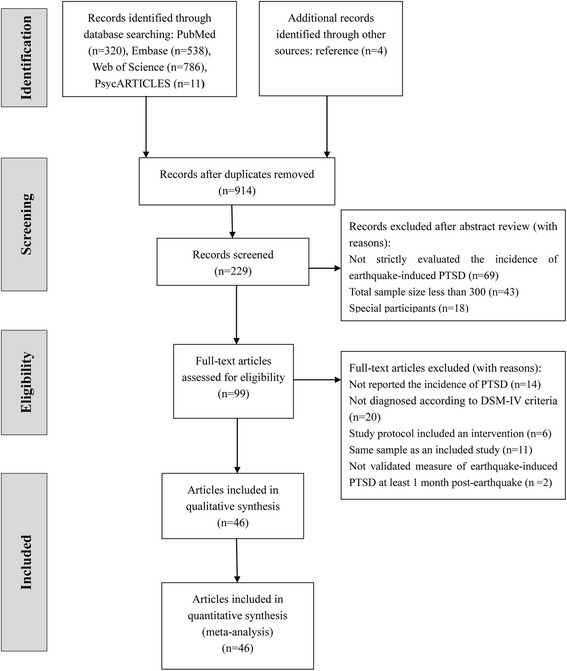
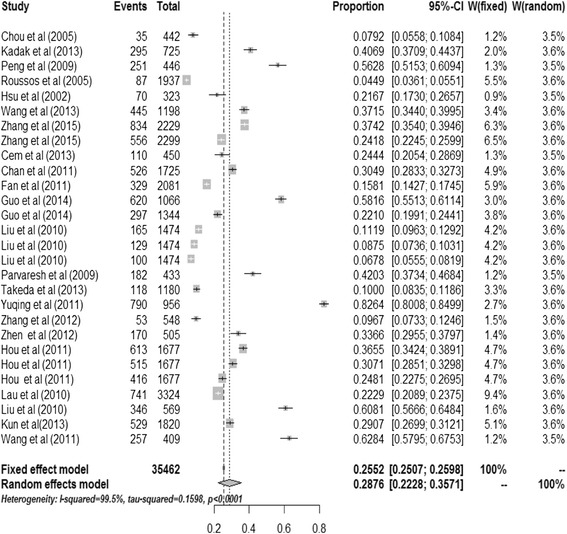
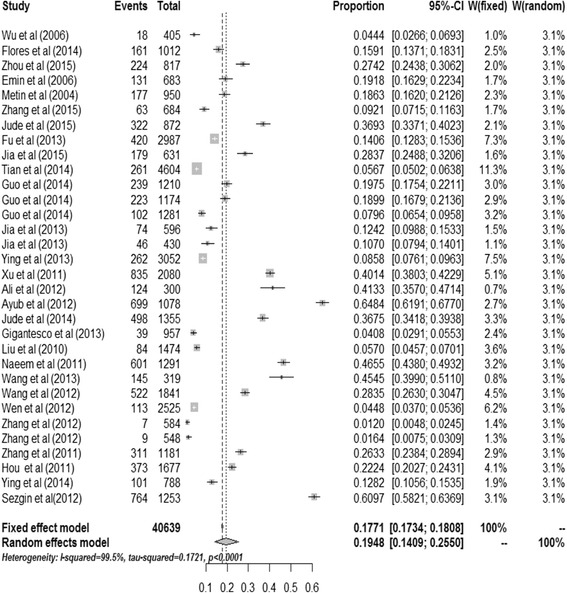
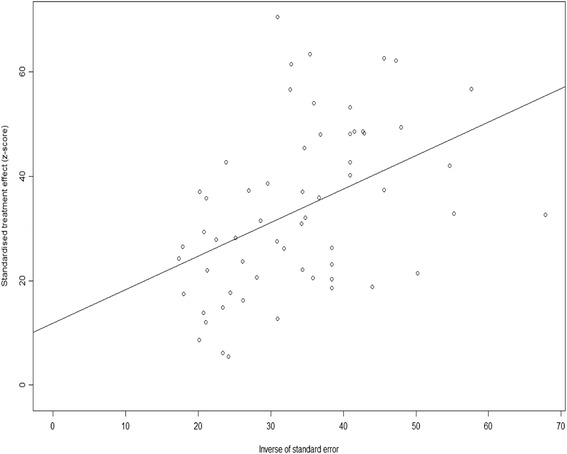
Verification
Claims the paper makes
The claims and statistics of this paper haven’t been checked yet.
Free: it reads the open-access text and checks the first 5 claims that cite a source we can check. Create a free account to check every claim.
Claims other papers make about this one
Each is checked against this paper’s own text: does it say what the citing paper says it does?
The cited source says what the claim attributes to it.
In the citing paper
“meta-analyses of past earthquakes have found somewhat lower average PTSD prevalence (on the order of ~15–25% of survivors)”
From Coping strategies and psychological outcomes following the 2023 Kahramanmaraş earthquakes: a systematic review with meta-analytic synthesis (2026) · cites this paper as [5]
The check wasn’t confident either way, so it gives no verdict — never disputed.
In the citing paper
“Earthquake studies indicate that survivors who feel connected to family, friends, and community tend to report less distress, likely because social support provides opportunities to confide, obtain help, and rebuild a sense of safety (5).”
From Coping strategies and psychological outcomes following the 2023 Kahramanmaraş earthquakes: a systematic review with meta-analytic synthesis (2026) · cites this paper as [5]
Experimental — accuracy not yet measured
Self-check
Percentages, sums and reported differences re-computed from the paper’s own numbers.
The self-check needs the paper’s full text.
Citations
Cites
Tolin, D. F., & Foa, E. B. (2006) · Psychological Bulletin · doi:10.1037/0033-2909.132.6.959 · Cited by 2,197 · cited 1×
“Those findings were consistent with conclusions of many studies in disaster psychology [17, 18].”
ResultPost-traumatic stress disorder following disasters: a systematic review
Neria, Y., Nandi, A., & Galea, S. (2008) · Psychological Medicine · doi:10.1017/s0033291707001353 · Cited by 1,429 · cited 1×
“It has been regarded as the most prevalent type of psychiatric disorder after disasters [4], including earthquake, tsunami, flood, etc.”
BackgroundThe Epidemiology of Post-Traumatic Stress Disorder after Disasters
Galea, S., Nandi, A., & Vlahov, D. (2005) · Epidemiologic Reviews · doi:10.1093/epirev/mxi003 · Cited by 1,287 · cited 1×
“The incidence of PTSD symptoms were higher in the immediate aftermath of the earthquake [14].”
BackgroundCritical appraisal of the health research literature: prevalence or incidence of a health problem.
Loney, P., Chambers, L. W., BENNETT, K. J., Roberts, J. G., & Stratford, P. W. (1998) · PubMed · Cited by 550
Roussos, A., Goenjian, A. K., Steinberg, A. M., Sotiropoulou, C., Kakaki, M., Kabakos, C., Karagianni, S., & Manouras, V. (2005) · American Journal of Psychiatry · doi:10.1176/appi.ajp.162.3.530 · Cited by 389 · cited 1×
“Roussos et al [31] 2005 Cross-sectional Ano Liosia, Greece 5.”
BackgroundFan, F., Zhang, Y., Yang, Y., Mo, L., & Liu, X. (2011) · Journal of Traumatic Stress · doi:10.1002/jts.20599 · Cited by 310 · cited 2×
“Fan et al [41] 2011 Cross-sectional Wenchuan, China 8.”
BackgroundInfluentialBaşoǧlu, M., Kiliç, C., Şalcioǧlu, E., & Livanou, M. (2004) · Journal of Traumatic Stress · doi:10.1023/b:jots.0000022619.31615.e8 · Cited by 283 · cited 1×
“Metin et al [28] 2004 Cross-sectional Marma, Turkey 7.”
BackgroundArmenian, H. K., Morikawa, M., Melkonian, A. K., Hovanesian, A. P., Haroutunian, N., Saigh, P. A., Akiskal, K., & Akiskal, H. S. (2000) · Acta Psychiatrica Scandinavica · doi:10.1034/j.1600-0447.2000.102001058.x · Cited by 234 · cited 1×
“In line with some previous studies [15], the subgroup analyses also indicated that damage to one’s house, bereavement, injury of body and witnessing death would contribute to the different incidences of PTSD, suggesting that those who suffered more property loss or personal injury or had witnessed death or had experie…”
ResultPosttraumatic Stress Disorder Among Adolescent Earthquake Victims in Taiwan
HSU, C.-C., CHONG, M.-Y., YANG, P., & YEN, C.-F. (2002) · Journal of the American Academy of Child & Adolescent Psychiatry · doi:10.1097/00004583-200207000-00022 · Cited by 198 · cited 1×
“Hsu et al [34] 2002 Cross-sectional Chi-Chi,Taiwan 7.”
Dell’Osso, L., Carmassi, C., Massimetti, G., Daneluzzo, E., Tommaso, S. D., & Rossi, A. (2011) · Journal of Affective Disorders · doi:10.1016/j.jad.2010.11.023 · Cited by 188 · cited 1×
“Background Earthquakes are one of the most destructive and frequently occurring natural disasters [1].”
Background
Cited by
Lund, C., Brooke-Sumner, C., Baingana, F., Baron, E. C., Breuer, E., Chandra, P., Haushofer, J., Herrman, H., Jordans, M., Kieling, C., et al. (2018) · The Lancet Psychiatry · doi:10.1016/s2215-0366(18)30060-9 · Cited by 1,147
The prevalence of moderate-to-high posttraumatic growth: A systematic review and meta-analysis
Wu, X., Kaminga, A. C., Dai, W., Deng, J., Wang, Z., Pan, X., & Liu, A. (2019) · Journal of Affective Disorders · doi:10.1016/j.jad.2018.09.023 · Cited by 314
Self-citationTortella-Feliu, M., Fullana, M. A., Pérez-Vigil, A., Torres, X., Chamorro, J., Littarelli, S. A., Solanes, A., Ramella-Cravaro, V., Vilar, A., González-Parra, J. A., et al. (2019) · Neuroscience & Biobehavioral Reviews · doi:10.1016/j.neubiorev.2019.09.013 · Cited by 253
Dai, W., Ye, L., Liu, A., Wen, S. W., Deng, J., Wu, X., & Lai, Z. (2017) · Medicine · doi:10.1097/md.0000000000008179 · Cited by 268
Self-citationCénat, J. M., McIntee, S.-E., & Blais-Rochette, C. (2020) · Journal of Affective Disorders · doi:10.1016/j.jad.2020.04.046 · Cited by 207
Posttraumatic stress disorder: a serious post-earthquake complication
Farooqui, M., Quadri, S. A., Suriya, S. S., Khan, M. A., Ovais, M., Sohail, Z., Shoaib, S., Tohid, H., & Hassan, M. (2017) · Trends in Psychiatry and Psychotherapy · doi:10.1590/2237-6089-2016-0029 · Cited by 164
Liang, L., Gao, T., Ren, H., Cao, R., Qin, Z., Hu, Y., Li, C., & Mei, S. (2020) · Journal of Health Psychology · doi:10.1177/1359105320937057 · Cited by 137
“In addition, a systematic review demonstrated that the PTSD rate declined after disaster (Dai et al., 2016), but studies also pointed out that adolescents affected by traumatic events were prone to invasive thoughts such as sleep disorders, nightmares, and separation anxiety (Yule, 2001).”
BackgroundLiang, Y., Cheng, J., Ruzek, J. I., & Liu, Z. (2019) · Journal of Affective Disorders · doi:10.1016/j.jad.2018.09.047 · Cited by 107
Brown, M. R. G., Agyapong, V., Greenshaw, A. J., Cribben, I., Brett-MacLean, P., Drolet, J., McDonald-Harker, C., Omeje, J., Mankowsi, M., Noble, S., et al. (2019) · BMC Psychiatry · doi:10.1186/s12888-018-2007-1 · Cited by 99
Hall, B. J., Xiong, Y. X., Yip, P. S. Y., Lao, C. K., Shi, W., Sou, E. K. L., Chang, K., Wang, L., & Lam, A. I. F. (2019) · European Journal of Psychotraumatology · doi:10.1080/20008198.2018.1558709 · Cited by 102
“…exposures, media exposure, and sociodemographic factors found previously to be associated with PTSD (Chan & Rhodes, 2014; Cieslak et al., 2009 Dai et al., 2016; Furr, Comer, Edmunds, & Kendall, 2010; Shigemura et al., 2014; Silvestre, Anacréon, Théodore, Silvestre, & Garcia-Dubus, 2014;…”
BackgroundPrevalence of Post-traumatic Stress Disorder After Flood: A Systematic Review and Meta-Analysis
Golitaleb, M., Mazaheri, E., Bonyadi, M., & Sahebi, A. (2022) · Frontiers in Psychiatry · doi:10.3389/fpsyt.2022.890671 · Cited by 118
Tahernejad, S., Ghaffari, S., Ariza-Montes, A., Wesemann, U., Farahmandnia, H., & Sahebi, A. (2023) · Heliyon · doi:10.1016/j.heliyon.2023.e12794 · Cited by 89
“As a matter of fact, PTSD, which is caused by calamitous events, is considered one of the very common psychiatric disorders after disasters such as earthquakes [9].”
BackgroundCuijpers, P. J., Miguel, C., Čihařová, M., Kumar, M., Brander, L., Kumar, P., & Karyotaki, E. (2023) · Psychological Medicine · doi:10.1017/s0033291722003890 · Cited by 101
“However, the published meta-analyses all have a specific focus, for example on one mental health problem, such as posttraumatic stress disorder (PTSD) (e.g. Chan & Rhodes, 2014; Dai et al., 2016; Rezayat et al., 2020), suicide (e.g. Jahangiri, Yousefi, Mozafari, & Sahebi, 2020), or autism spectrum disorders (ASDs) in…”
InfluentialCheng, P., Xu, L.-Z., Zheng, W.-H., Ng, R. M. K., Zhang, L., Li, L.-J., & Li, W.-H. (2020) · Journal of Affective Disorders · doi:10.1016/j.jad.2020.08.038 · Cited by 92
“Since initial development in 1990, the Posttraumatic Stress Disorder Checklist (PCL) has been widely used in self-assessment of PTSD symptoms (C Armour et al., 2016; Blevins et al., 2015; J. Elhai et al., 2005).”
Guo, J., He, H., Qu, Z., Wang, X., & Liu, C. (2016) · Journal of Affective Disorders · doi:10.1016/j.jad.2016.12.009 · Cited by 92
Chan, E. Y. Y., Man, A. Y. T., & Lam, H. C. Y. (2019) · British Medical Bulletin · doi:10.1093/bmb/ldz002 · Cited by 100
Maiorano, T., Vagni, M., Giostra, V., & Pajardi, D. (2020) · Sustainability · doi:10.3390/su12219004 · Cited by 74
Predicting posttraumatic stress disorder following a natural disaster
Rosellini, A. J., Dussaillant, F., Zubizarreta, J. R., Kessler, R. C., & Rose, S. (2018) · Journal of Psychiatric Research · doi:10.1016/j.jpsychires.2017.09.010 · Cited by 76
“A recent meta-analysis of 46 studies of earthquake survivors found an overall post-earthquake PTSD incidence of 23.7% (Dai et al., 2016). ted Disorders, Department of 648 Beacon Street, 6th Floor, ni).”
BackgroundInfluentialPosttraumatic stress disorder (PTSD) prevalence: an umbrella review
Schincariol, A., Orrù, G., Otgaar, H., Sartori, G., & Scarpazza, C. (2024) · Psychological Medicine · doi:10.1017/s0033291724002319 · Cited by 95
“This variability can also be observed when comparing meta-analyses concerning the same traumatic event (e.g. Dai et al., 2016; Sepahvand, Mokhtari Hashtjini, Salesi, Sahraei, & Pirzad Jahromi, 2019 reported a PTSD prevalence after earthquakes of 23.66% and 58%, respectively) and increases further…”
InfluentialBrown, M. R. G., Agyapong, V. I. O., Greenshaw, A. J., Cribben, I., Brett-MacLean, P., Drolet, J., McDonald-Harker, C. B., Omeje, J., Mankowsi, M., Noble, S., et al. (2019) · Frontiers in Psychiatry · doi:10.3389/fpsyt.2019.00623 · Cited by 87
“Earthquakes have also been linked with increased incidence of PTSD (16).”
BackgroundPrevalence of acute stress disorder among road traffic accident survivors: a meta-analysis
Dai, W., Liu, A., Kaminga, A. C., Deng, J., Lai, Z., Yang, J., & Wen, S. W. (2018) · BMC Psychiatry · doi:10.1186/s12888-018-1769-9 · Cited by 83
“Sensitivity analysis was performed not only by serially removing each study, but also excluding low-quality studies to show their corresponding effects on the stability and strength of the pooled results [23, 30].”
MethodSelf-citationDai, W., Kaminga, A. C., Tan, H., Wang, J., Lai, Z., Wu, X., & Liu, A. (2017) · PLOS ONE · doi:10.1371/journal.pone.0171557 · Cited by 68
Self-citationLin, W., Gong, L., Xia, M., & Dai, W. (2018) · Medicine · doi:10.1097/md.0000000000009693 · Cited by 77
“Sensitivity was assessed by the effect of low-quality articles on the stability of the pooled prevalence.([21,22]) Publication bias was evaluated using the Egger linear test and a funnel plot for asymmetry was presented.”
BackgroundMethodResultSelf-citationHosseinnejad, M., Yazdi‐Feyzabadi, V., Hajebi, A., Bahramnejad, A., Baneshi, M. R., Sarabi, R. E., Okhovati, M., Zahedi, R., Saberi, H., & Zolala, F. (2021) · Disaster Medicine and Public Health Preparedness · doi:10.1017/dmp.2020.411 · Cited by 66
Pandey, R. A., Chalise, P., Khadka, S., Chaulagain, B., Maharjan, B., Pandey, J., Nepal, J., & Pandey, C. (2023) · BMC Psychiatry · doi:10.1186/s12888-023-04836-3 · Cited by 63
“Another study by Dai W et al in 2016 found that strong social support can not only protect individuals from mental disorders but also facilitate psychological recovery from disaster [38].”
BackgroundQiu, D., Li, Y., Li, L., He, J., Ouyang, F., & Xiao, S. (2021) · European Psychiatry · doi:10.1192/j.eurpsy.2021.24 · Cited by 60
“Future research should, therefore, explore more potential risk factors for PTSD among people influenced by COVID-19 outbreak, especially genetic background as well as social support, previous traumatic events or concomitant psychiatric disorder [109,120].”
InfluentialSelf-citationWang, S., Shi, X., Chen, X., Zhu, Y., Chen, H., & Fan, F. (2021) · Frontiers in Psychiatry · doi:10.3389/fpsyt.2021.577328 · Cited by 50
“The five items were: (1) “How many hours of actual sleep did you get at night?” (1= 9 h or above, 2 = 7–9 h, 3 = 5–7 h, 4 = below 5 h); (2) “How often have you had difficulty asleep within a week?” (1=never, 2=less than once a week, 3=1–2 times a week, 4=more than 3 times a week); (3) “How often have you had trouble s…”
BackgroundMethodChen, F., Ke, J., Qi, R., Xu, Q., Zhong, Y., Liu, T., Li, J., Zhang, L., & Lu, G. (2018) · Frontiers in Psychiatry · doi:10.3389/fpsyt.2018.00516 · Cited by 57
“Normally, these symptoms lessen or disappear within a few weeks, but some trauma-exposed individuals may experience a slow recovery and develop posttraumatic stress disorder (PTSD) (1, 2).”
Stroebe, K. E., Kanis, B., Richardson, J., Oldersma, F. L., Broer, J., Greven, F. E., & Postmes, T. (2021) · BMJ Open · doi:10.1136/bmjopen-2020-040710 · Cited by 58
“…While there has been some increase in studies considering longitudinal health effects of seismicity, lack of longitudinal design and an unexposed control group have been highlighted as a concern in studies on natural disasters (Beaglehole et al., 2018; Dai et al., 2016; Goldmann & Galea, 2014).”
BackgroundRipoll-Gallardo, A., Pacelli, B., Alesina, M., Serrone, D., Iacutone, G., Faggiano, F., Corte, F. D., & Allara, E. (2018) · International Journal of Epidemiology · doi:10.1093/ije/dyy130 · Cited by 46
Forresi, B., Soncini, F., Bottosso, E., Di Pietro, E., Scarpini, G., Scaini, S., Aggazzotti, G., Caffo, E., & Righi, E. (2020) · European Child & Adolescent Psychiatry · doi:10.1007/s00787-019-01370-0 · Cited by 49
Lifetime prevalence of suicidal ideation among men who have sex with men: a meta-analysis
Luo, Z., Feng, T., Fu, H., & Yang, T. (2017) · BMC Psychiatry · doi:10.1186/s12888-017-1575-9 · Cited by 51
“on the stability of the pooled prevalence [28, 29].”
BackgroundNobakht, H. N., Ojagh, F. S., & Dale, K. Y. (2018) · Psychiatry Research · doi:10.1016/j.psychres.2018.12.057 · Cited by 55
Cénat, J. M., Dalexis, R. D., Darius, W. P., Kogan, C. S., & Guerrier, M. (2022) · The Canadian Journal of Psychiatry · doi:10.1177/07067437221128462 · Cited by 53
“The prevalence varies according to the type of traumatic events experienced, ranging from 15% to 75% for technological disasters(5) and between 20% and 30% for victims of natural disasters.(3,6) In Canada, the lifetime prevalence of PTSD is 9.”
BackgroundMartínez-Levy, G. A., Bermúdez-Gómez, J., Merlín-García, I., Flores-Torres, R. P., Nani, A., Cruz-Fuentes, C. S., Briones-Velasco, M., León, S. O., & Mendoza-Velásquez, J. J. (2021) · Psychiatry Research · doi:10.1016/j.psychres.2021.114197 · Cited by 48
Dai, W., Kaminga, A. C., Tan, H., Wang, J., Lai, Z., Wu, X. Y., Yuan, X., Deng, J., & Liu, A. (2017) · Medicine · doi:10.1097/md.0000000000007994 · Cited by 57
Self-citationFong, K. N. K., Law, Y. M., Luo, L., Zhao, Z., Chen, H., Ganesan, B., Lai, A. Y., Lee, B. H. C., Leung, A. N. T., Liu, K., et al. (2022) · International Journal of Disaster Risk Reduction · doi:10.1016/j.ijdrr.2022.103225 · Cited by 45
Kartol, A., Üztemur, S., & Yaşar, P. (2023) · BMC Public Health · doi:10.1186/s12889-023-17460-3 · Cited by 47
Dai, W., Liu, A., Kaminga, A. C., Deng, J., Lai, Z., & Wen, S. W. (2018) · The Canadian Journal of Psychiatry · doi:10.1177/0706743718792194 · Cited by 50
Self-citationÇınaroğlu, M., Yılmazer, E., Ahlatcıoğlu, E. N., Ülker, S. V., & Sayar, G. H. (2025) · Frontiers in Public Health · doi:10.3389/fpubh.2025.1664212 · Cited by 50
Eray, Ş., Uçar, H. N., & Murat, D. (2017) · International Journal of Disaster Risk Reduction · doi:10.1016/j.ijdrr.2017.05.026 · Cited by 42
Earthquake Exposure and Post-traumatic Stress Among Nepalese Mothers After the 2015 Earthquakes
Kvestad, I., Ranjitkar, S., Ulak, M., Chandyo, R. K., Shrestha, M., Shrestha, L., Strand, T. A., & Hysing, M. (2019) · Frontiers in Psychology · doi:10.3389/fpsyg.2019.00734 · Cited by 43
Kahramanmaraş Merkezli Depremler Sonrası İçin Akademik Öneriler
Öztürk, M., & Kırca, M. (2023) · Özgür Yayınları eBooks · doi:10.58830/ozgur.pub99 · Cited by 53
Alisha, K. C., Gan, C. C. R., & Dwirahmadi, F. (2019) · International Journal of Environmental Research and Public Health · doi:10.3390/ijerph16162964 · Cited by 44
Chen, Y., Yang, X., Guo, C.-T., Liao, Y., Guo, L., Chen, W., Chen, I., Krewski, D. R., Wen, S. W., & Xie, R. (2019) · Journal of Women s Health · doi:10.1089/jwh.2019.7750 · Cited by 43
“29,30 Potential publication biases were assessed graphically using funnel plots and statistically ( p < 0.1) using Egger’s tests.”
InfluentialBrown, M. R. G., Pazderka, H., Agyapong, V. I. O., Greenshaw, A. J., Cribben, I., Brett-MacLean, P., Drolet, J., McDonald-Harker, C. B., Omeje, J., Lee, B. A., et al. (2021) · Frontiers in Psychiatry · doi:10.3389/fpsyt.2021.676256 · Cited by 47
Li, L., Reinhardt, J. D., Dyke, C. V., Wang, H., Liu, M., Yamamoto, A., Chen, Q., & Hu, X. (2020) · BMC Psychiatry · doi:10.1186/s12888-020-2474-z · Cited by 38
“Since the prevalence of PTSD tends to decline with increasing time after earthquakes [3, 4], we focused our comparison on other studies that assessed PTSD prevalence 6 months after earthquakes.”
BackgroundPlanetary Health and Mental Health Nexus: Benefit of Environmental Management
Kumar, P., Brander, L., Kumar, M., & Cuijpers, P. J. (2023) · Annals of Global Health · doi:10.5334/aogh.4079 · Cited by 39
Miura, I., Nagai, M., Maeda, M., Harigane, M., Fujii, S., Oe, M., Yabe, H., Suzuki, Y., Takahashi, H., Ohira, T., et al. (2017) · International Journal of Environmental Research and Public Health · doi:10.3390/ijerph14091067 · Cited by 38
“We analyzed males and females separately because gender may have effects on mental health status after disaster [11,36,37].”
BackgroundMethodDisrupted grey matter network morphology in pediatric posttraumatic stress disorder
Niu, R., Lei, D., Chen, F., Chen, Y., Suo, X., Li, L., Lui, S., Huang, X., Sweeney, J. A., & Gong, Q. (2018) · NeuroImage Clinical · doi:10.1016/j.nicl.2018.03.030 · Cited by 35
Wang, Z., Wu, X. Y., Dai, W., Kaminga, A. C., Xiao-li, W., Pan, X., Liu, Z., Wen, S. W., Hu, S., & Liu, A. (2019) · Disaster Medicine and Public Health Preparedness · doi:10.1017/dmp.2019.26 · Cited by 42
Self-citationSepahvand, H., Hashtjini, M. M., Salesi, M., Sahraei, H., & Jahromi, G. P. (2019) · Iranian Journal of Psychiatry and Behavioral Sciences · doi:10.5812/ijpbs.66124 · Cited by 36
Post-Traumatic Stress Disorder After Natural Disasters: A Review
Sönmez, D., & Hocaoğlu, Ç. (2023) · Düzce Tıp Fakültesi Dergisi · doi:10.18678/dtfd.1277673 · Cited by 36
Trauma Levels After the 2023 Kahramanmaraş Earthquakes in Türkiye
Akçay, S., Gürbüz, E. B., & Koca, E. (2024) · Journal of Social Service Research · doi:10.1080/01488376.2024.2339967 · Cited by 30
“Studies have shown that the following are risk factors for post-traumatic stress disorder: sex (Adhikari Baral & K C, 2019; Başo ǧ lu et al., 2004; Dai et al., 2016), age (Adhikari Baral & K C, 2019; İlhan et al., 2023; Jia et al., 2010), death or injury of a family member or witnessing a death…”
InfluentialPTSD risk factors in earthquake survivors and their families: a systematic review
Sirotich, A. C., & Camisasca, E. (2024) · European Journal of Psychotraumatology · doi:10.1080/20008066.2024.2365477 · Cited by 32
“These include sleep difficulties, distress, depression, suicidal ideations, anxiety, post-traumatic stress disorder (PTSD), and increased alcohol consumption (see reviews of Cénat et al., 2020; Dai et al., 2016; Kušević et al., 2021).”
BackgroundMoiraghi, C., Poli, P., & Piscitelli, A. (2019) · Medical Acupuncture · doi:10.1089/acu.2018.1329 · Cited by 32
“27%) among 76,101 earthquake survivors between 1999 and 2013 all over the world.(12) In addition, anxiety and depression are common in earthquake survivors.”
BackgroundEvaluation of a Group-Based Resilience Intervention for Typhoon Haiyan Survivors
Hechanova, M. R. M., Waelde, L. C., & Ramos, P. A. P. (2016) · Journal of Pacific Rim Psychology · doi:10.1017/prp.2016.9 · Cited by 38
Valladares-Garrido, M. J., Zapata-Castro, L. E., Peralta, C. I., García-Vicente, A., Astudillo-Rueda, D., León‐Figueroa, D. A., & Díaz-Vélez, C. (2022) · International Journal of Environmental Research and Public Health · doi:10.3390/ijerph191711035 · Cited by 34
“PTSD is currently considered to be the most prevalent type of psychiatric disorder after disasters caused by catastrophic events or unusual threats [12].”
BackgroundInfluentialChen, X., Xu, J., Li, B., Li, N., Guo, W., Ran, M., Zhang, J., Yang, Y., & Hu, J. (2017) · Scientific Reports · doi:10.1038/s41598-017-17440-9 · Cited by 34
Cénat, J. M., Smith, K., Morse, C., & Dérivois, D. (2019) · Psychological Medicine · doi:10.1017/s0033291719002757 · Cited by 27
Alpay, E. H., Redican, E., Hyland, P., Karatzias, T., & Shevlin, M. E. (2024) · Journal of Loss and Trauma · doi:10.1080/15325024.2024.2314306 · Cited by 28
“A meta-analytic study reported prevalence rates ranging from 1.20% to 82.64% for PTSD among earth-quake survivors, with the combined incidence of PTSD within nine months of an earthquake being 28.76% and after nine months being 19.48% (Dai et al., 2016).”
InfluentialMei, S., Liang, L., Ren, H., Hu, Y., Qin, Z., Cao, R., Li, C., Fei, J., Yuan, T., Meng, C., et al. (2021) · Frontiers in Public Health · doi:10.3389/fpubh.2021.666460 · Cited by 27
“In terms of the timeframe, relevant studies illustrated that PTSD displayed a downward trend over time after traumatic events (46).”
BackgroundReduced local segregation of single‐subject gray matter networks in adult PTSD
Niu, R., Lei, D., Chen, F., Chen, Y., Suo, X., Li, L., Lui, S., Huang, X., Sweeney, J. A., & Gong, Q. (2018) · Human Brain Mapping · doi:10.1002/hbm.24330 · Cited by 28
“Its life- time prevalence is 6.8% of the adult population (Kessler et al., 2005), and it occurs in 24% of individuals after severe stressors such as occur in military veterans and earthquake survivors (Dai et al., 2016).”
BackgroundInfluentialLife satisfaction during temporary housing after an earthquake: comparing three cases in Italy.
Di Bucci, D., Del Missier, F., Dolce, M., Galvagni, A., Giordano, F., Patacca, A., Pezzi, E., Scurci, G., & Savadori, L. (2023) · International Journal of Disaster Risk Reduction · doi:10.1016/j.ijdrr.2023.103697 · Cited by 25
Preparing children to cope with earthquakes: Building emotional competence
Raccanello, D., Vicentini, G., Rocca, E., Hall, R., & Burro, R. (2023) · British Journal of Psychology · doi:10.1111/bjop.12661 · Cited by 28
Lee, S. H., Kim, E., Noh, J., & Chae, J. (2018) · Journal of Korean Medical Science · doi:10.3346/jkms.2018.33.e90 · Cited by 25
Leveraging Technology in Post-Disaster Settings: the Role of Digital Health/Telemental Health
Augusterfer, E. F., Mollica, R. F., & Lavelle, J. (2018) · Current Psychiatry Reports · doi:10.1007/s11920-018-0953-4 · Cited by 25
Xie, Y., Wu, J., & Shen, G. (2019) · Child Psychiatry & Human Development · doi:10.1007/s10578-019-00913-5 · Cited by 25
Qiu, D., Li, Y., Li, L., He, J., Ouyang, F., & Xiao, S. (2021) · Frontiers in Psychology · doi:10.3389/fpsyg.2021.668784 · Cited by 26
Self-citationYılmaz, E., & Erdem, M. (2025) · BMC Psychiatry · doi:10.1186/s12888-025-06919-9 · Cited by 23
“A meta-analysis conducted by Dai et al. found that studies conducted within the first nine months following an earthquake report a higher incidence of PTSD compared to those conducted afterward [26].”
Macgowan, M. J., Naseh, M., & Rafieifar, M. (2022) · Research on Social Work Practice · doi:10.1177/10497315221082223 · Cited by 25
Bahar, A., & Çuhadar, D. (2023) · Disaster Medicine and Public Health Preparedness · doi:10.1017/dmp.2023.208 · Cited by 24
Levkovich, I., & Labes, M. (2024) · Healthcare · doi:10.3390/healthcare12111098 · Cited by 24
“Studies indicate that as many as 20% to 50% of evacuees may develop PTSD following exposure to trauma [7,13,19].”
BackgroundInfluentialCotinine: A Therapy for Memory Extinction in Post-traumatic Stress Disorder
Mendoza, C., Barreto, G. E., Iarkov, A., Tarasov, V. V., Aliev, G., & Echeverría, V. (2018) · Molecular Neurobiology · doi:10.1007/s12035-018-0869-3 · Cited by 23
Paudel, P., Sah, A., & Khanal, A. (2025) · PLoS ONE · doi:10.1371/journal.pone.0310233 · Cited by 22
Prolonged grief disorder among bereaved survivors after the 2011 Van Earthquake in Turkey
Ergün, D., & Şenyüz, S. (2021) · Death Studies · doi:10.1080/07481187.2021.1884624 · Cited by 25
“Survivors become vulnerable to a variety of mental health problems after exposure to the catastrophic nature of the earthquake and can suffer from post-traumatic stress disorder ([PTSD] Dai et al., 2016).”
BackgroundKip, A., Valencia, S., Glunz, E., Lowe, S. R., Tam, K., & Morina, N. (2024) · Epidemiology and Psychiatric Sciences · doi:10.1017/s2045796024000672 · Cited by 23
“…thesubstantialnumberofstudiesconductedtherewouldhavehad inordinateinfluenceonthereview’sfindingsandconclusions(e.g., studiesonthe2008Wenchuanearthquakecomprisedover50%of studiesinapreviousmeta-analysisonprevalenceofpost-traumatic stressdisorder(PTSD)afterearthquakes;Dai et al. , 2016).”
Aslan, B., & Önal, Ö. (2024) · Eastern Mediterranean Health Journal · doi:10.26719/2024.30.9.622 · Cited by 27
“Risk factors for PTSD include loss of life and property, injury, female gender, low socioeconomic status, being trapped, and fear ( 2,3 ).”
BackgroundOlk, K., Osmani, V., & Klug, S. J. (2025) · Journal of Affective Disorders · doi:10.1016/j.jad.2025.119750 · Cited by 22
Çıtak, Ş., & Dadandı, İ. (2024) · BMC Public Health · doi:10.1186/s12889-024-19736-8 · Cited by 25
“Previous studies have shown that negative events such as being trapped under rubble, losing loved ones, house damage, and witnessing physical injury or death pose a serious risk for the development of PTSD following an earthquake [17, 57–59].”
BackgroundPino, O., Pelosi, A., Artoni, V., & Mari, M. (2021) · Psychiatric Quarterly · doi:10.1007/s11126-021-09908-9 · Cited by 21
“Our study confirmed that deaths, damage to health, loss of home and exposure to deaths are risk factors [5, 13].”
BackgroundMethodResultInfluentialJin, Y., Zeng, P., An, J., & Xu, J. (2019) · Public Health · doi:10.1016/j.puhe.2019.04.005 · Cited by 19
Düken, M. E., Kaplan, V., & Almazan, J. U. (2024) · Journal of Child and Adolescent Psychiatric Nursing · doi:10.1111/jcap.12449 · Cited by 19
Aurizki, G. E., Efendi, F., & Indarwati, R. (2019) · Working with Older People · doi:10.1108/wwop-08-2019-0020 · Cited by 20
Dakhil, Z. A., Farhan, H. A., Faraz, F., Skuk, M. R., Al-Jorani, M. S., Rehman, M. E. U., & Öz, T. K. (2023) · Current Problems in Cardiology · doi:10.1016/j.cpcardiol.2023.101800 · Cited by 19
Navarro‐Mateu, F., Escámez, T., Quesada, M. P., Alcaráz, M. J., Vilagut, G., Salmerón, D., Huerta, J. M., Chirlaque, M. D., Navarro, C., Kessler, R. C., et al. (2019) · Psychiatry Research · doi:10.1016/j.psychres.2019.112640 · Cited by 18
“Environmental factors clearly contribute to its development and there is a general consensus on the importance of genetics in its etiology (C.R. Brewin et al., 2000; Dai et al., 2016; Duncan et al., 2018).”
BackgroundCalderón‐Garcidueñas, L., Rajkumar, R. P., Stommel, E. W., Kulesza, R. J., Mansour, Y., Villanueva, A. R., Flores-Vázquez, J. O., Brito-Aguilar, R., Ramírez-Sánchez, S., García-Alonso, G., et al. (2021) · International Journal of Environmental Research and Public Health · doi:10.3390/ijerph18136689 · Cited by 17
“5 to 2-fold increase in the risk of post-traumatic stress disorder [21,22] as well as of specific sleep disorders [23], particularly REM sleep behavior disorder, which is the focus of the current study [24].”
BackgroundBastami, F., Mohammadi, R., Piri, Z. A., Valipour, E., Ahmadi, P., Almasian, M., & Motlagh, S. N. (2023) · Journal of Affective Disorders Reports · doi:10.1016/j.jadr.2023.100704 · Cited by 17
Divsalar, P., & Dehesh, T. (2020) · Neuropsychiatric Disease and Treatment · doi:10.2147/ndt.s252730 · Cited by 17
Reinhardt, J. D., Zhang, X.-Y., Dyke, C. V., Ehrmann, C., Li, L., Zhao, Z., Zhou, M., & Li, H. (2020) · Disability and Rehabilitation · doi:10.1080/09638288.2020.1714756 · Cited by 17
“Earthquake survivors are often psychologically traumatized and at risk for developing anxiety disorders, depression and PTSD [10,11].”
BackgroundÇifçi, S., & Kılınç, Z. (2024) · International Journal of Environmental Research and Public Health · doi:10.3390/ijerph21111533 · Cited by 19
“In a study by Dai et al. (2016), sleep disorders were found to have increased due to the damaged sense of safety after trauma.”
InfluentialYang, W., Cui, K., Sim, T., Zhang, J., Yang, Y., & Ma, X. (2020) · Health and Quality of Life Outcomes · doi:10.1186/s12955-020-01470-5 · Cited by 18
Mental Health Care Models in Low-and Middle-Income Countries
Nadkarni, A., Hanlon, C., & Patel, V. (2023) · Springer eBooks · doi:10.1007/978-3-030-42825-9_156-1 · Cited by 17
Psychological Experiences and Risk Factors in Earthquakes
Çıtak, Ş. (2023) · Journal of Family Counseling and Education · doi:10.32568/jfce.1345554 · Cited by 16
Parental Internalizing Psychopathology and PTSD in Offspring after the 2012 Earthquake in Italy
Forresi, B., Caputi, M., Scaini, S., Caffo, E., Aggazzotti, G., & Righi, E. (2021) · Children · doi:10.3390/children8100930 · Cited by 18
Xiao, Y., Liu, D., Liu, K., Wu, C., Zhang, H., Niu, Y., & Jiang, X. (2019) · Biological Research For Nursing · doi:10.1177/1099800419838325 · Cited by 15
Psychological impact of the earthquake 2023 in Turkey
Kizilhan, J. I., Neumann, J., Aslan, S., Aladag, E., Dogan, A., Mese, A., Bekisoglu, A., & Wenzel, T. (2024) · Discover Public Health · doi:10.1186/s12982-024-00198-7 · Cited by 15
“Comparing it to a meta-analysis on post-traumatic stress disorder among survivors after earthquakes [4] the prevalence is not only higher than the total mean but also higher than the mean of studies up until 9 months after the events.”
InfluentialAltamore, F., Grappasonni, I., Laxhman, N., Scuri, S., Petrelli, F., Grifantini, G., Accaramboni, P., & Priebe, S. (2020) · PLoS ONE · doi:10.1371/journal.pone.0233172 · Cited by 15
Effects of peritraumatic reactions on post-traumatic stress among Kahramanmaras earthquake survivors
Alpay, E. H., & Aydın, A. (2024) · Nordic Journal of Psychiatry · doi:10.1080/08039488.2023.2291548 · Cited by 14
“Post-traumatic stress disorder (PTSD) and depression are two common mental health disorders that frequently occur in individuals following exposure to one or more traumatic events [7,8].”
BackgroundExamination of Individual and Collective Trauma After the Kahramanmaraş Earthquake
Kılıç, A. K., Bademli, K., & Kayakuş, M. (2025) · Clinical Social Work Journal · doi:10.1007/s10615-025-00993-y · Cited by 13
“Post Traumatic Stress Disorder (PTSD) is considered the most common negative psychological reaction following a traumatic event (Dai et al., 2016; Dell'Osso et al., 2013; Galea et al., 2005).”
Influential
Metadata
- Authors
- Dai, W., Chen, L., Lai, Z., Li, Y., Wang, J., & Liu, A.
- Affiliations
- Central South University (CN)
- Corresponding author
- Liu, Aizhong
- Venue
- BMC Psychiatry
- Published
- 2016-06-07
- Volume
- 16
- Issue
- 1
- Pages
- 188-188
- ISSN
- 1471-244X (ISSN-L)
- PMC
- PMC4895994
- OpenAlex
- W2415716286
- Cited by
- 281
- References
- 66
- Citations by year
- 2026: 40 · 2025: 56 · 2024: 54 · 2023: 28 · 2022: 13 · 2021: 24 · 2020: 15 · 2019: 23 · 2018: 16 · 2017: 10 · 2016: 2
- FWCI
- 2.52
- Type
- journal article
- Language
- en
- Open access
- gold
- doi.org
- Licence
- cc-by
- Locations
- BMC Psychiatry (publishedVersion, cc-by)
- Europe PMC (PubMed Central) (publishedVersion, cc-by)
- PubMed Central (publishedVersion, cc-by)
- PubMed (publishedVersion)
- D-Scholarship@Pitt (University of Pittsburgh) (acceptedVersion)
- Funders
- the Specialized Research Fund for the Doctoral Program of Higher Education (20130162110054)
- the Fundamental Research Funds for the postgraduates of Central South University (2015zzts282)
- Topics
- Social Sciences › Psychology › Clinical Psychology › Posttraumatic Stress Disorder Research
- Social Sciences › Psychology › Clinical Psychology › Migration, Health and Trauma
- Social Sciences › Geography, Planning and Development › Earthquake and Disaster Impact Studies
- Keywords
- post-traumatic stress disorder, earthquakes, earthquake survivors, PTSD incidence, disaster mental health, bereavement, witnessing death, risk factors, psychological intervention
- MeSH terms
- Bereavement, Disasters, Female, Grief, Humans, Male, Risk Factors, Stress Disorders, Post-Traumatic, Incidence, Survivors, Earthquakes
About these checks
Registry, retraction, Cites and statistics results are computed, not judged, with one exception: a printed reference that no index lists is read once by a model before it counts as a citation error. Claims are extracted by a model and kept only when their quote appears verbatim in the text; each cited source is then checked, with a model’s help, for whether it says what the claim relies on. Those verdicts can be wrong — read the claim’s quote and the cited source before relying on one.
Statistics and arithmetic are recomputed, not judged.
Confidence bands are shown only for fields calibrated on our annotated test set. None is calibrated yet, so no band is shown.
What counts as a claim ›How we measure confidence ›How we check this ›
Are you an author, or do you see a problem with this page? Request a review
Data sources
Bibliographic data: Semantic Scholar, OpenAlex, Crossref.
Contains information from the Semantic Scholar Academic Graph Datasets, made available under the ODC Attribution License (ODC-BY 1.0).
Semantic Scholar’s data is described in: Kinney, R., et al. (2023). The Semantic Scholar Open Data Platform. arXiv:2301.10140.
