

Using a mobile health application to reduce alcohol consumption: a mixed-methods evaluation of the drinkaware track & calculate units application
Open accessThe DOI matches its Crossref record; 43 of the 43 references it cites were found in a registry or an index.
Abstract
BACKGROUND: Smartphone applications ("apps") offer promise as tools to help people monitor and reduce their alcohol consumption. To date, few evaluations of alcohol reduction apps exist, with even fewer considering apps already available to the public. The aim of this study was to evaluate an existing publically available app, designed by Drinkaware, a UK-based alcohol awareness charity. METHODS: We adopted a mixed-methods design, analysing routinely collected app usage data to explore user characteristics and patterns of usage. Following this, in-depth interviews were conducted with a sub-sample of app users to examine perceptions of acceptability, usability and perceived effectiveness, as well as to provide recommendations on how to improve the app. RESULTS: One hundred nineteen thousand seven hundred thirteen people downloaded and entered data into the app over a 13-month period. High attrition was observed after 1 week. Users who engaged with the app tended to be "high risk" drinkers and to report being motivated "to reduce drinking" at the point of first download. In those who consistently engaged with the app over time, self-reported alcohol consumption levels reduced, with most change occurring in the first week of usage. Our qualitative findings indicate satisfaction with the usability of the app, but mixed feedback was given regarding individual features. Users expressed conflicting views concerning the type of feedback and notifications that the app currently provides. A common preference was expressed for more personalised content. CONCLUSIONS: The Drinkaware app is a useful tool to support behaviour change in individuals who are already motivated and committed to reducing their alcohol consumption. The Drinkaware app would benefit from greater personalisation and tailoring to promote longer term use. This evaluation provides insight into the usability and acceptability of various app features and contains a number of recommendations for improving user satisfaction and the potential effectiveness of apps designed to encourage reductions in alcohol consumption.
Overview
The claims and statistics of this paper haven’t been checked yet.
Free: it reads the open-access text and checks the first 5 claims that cite a source we can check. Create a free account to check every claim.
Integrity signals
Registry
Cites
Statistics
Figures
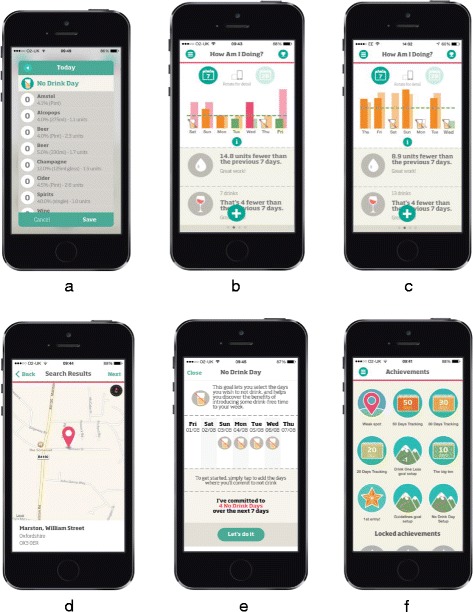
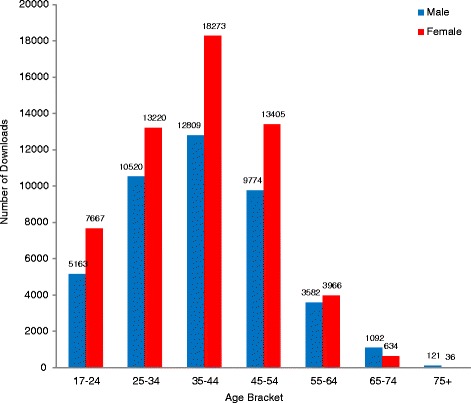
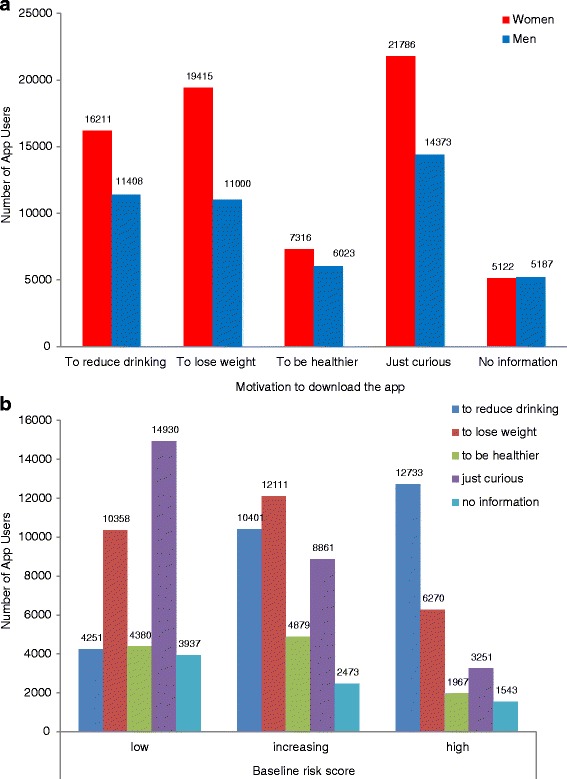
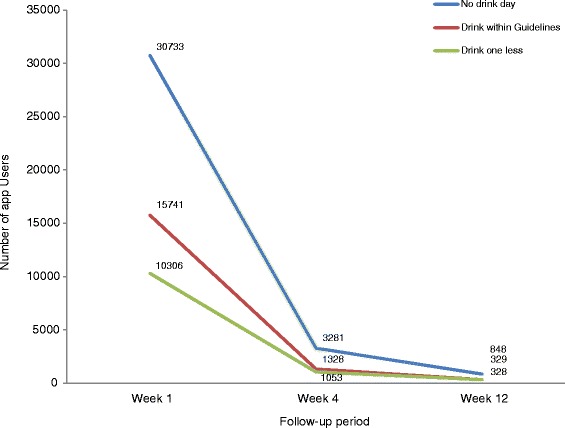
Verification
Claims the paper makes
The claims and statistics of this paper haven’t been checked yet.
Free: it reads the open-access text and checks the first 5 claims that cite a source we can check. Create a free account to check every claim.
Claims other papers make about this one
Each is checked against this paper’s own text: does it say what the citing paper says it does?
The cited source doesn’t support the claim as written.
In the citing paper
“Being younger than 44 years was associated with a higher level of uptake and engagement [38,41,42,44,49,53,55,63,64] than older adults.”
From Influences on the Uptake of and Engagement With Health and Well-Being Smartphone Apps: Systematic Review (2020) · cites this paper as [38]
Checked by a reasoning model — may be wrong.
Experimental — accuracy not yet measuredThe source backs part of the claim, not all of it — or backs it for a different population, condition or comparison.
In the citing paper
“In 2 studies, participants reported that a lack of visual representation of progress led to disengagement with the alcohol reduction app (Q12) [38,46], and 1 study on smoking cessation reported negative emotions associated with progress viewing during a few bad days, suggesting discouragement (Q13) [67].”
From Influences on the Uptake of and Engagement With Health and Well-Being Smartphone Apps: Systematic Review (2020) · cites this paper as [38]
Experimental — accuracy not yet measuredThe source backs part of the claim, not all of it — or backs it for a different population, condition or comparison.
In the citing paper
“Under capability, the main factors identified were app literacy skills (B), app awareness (U), available user guidance (B), health information (E), statistical information on progress (E), well-designed reminders (E), features to reduce cognitive load (E), and self-monitoring features (E).”
From Influences on the Uptake of and Engagement With Health and Well-Being Smartphone Apps: Systematic Review (2020) · cites this paper as [38]
Experimental — accuracy not yet measuredThe source backs part of the claim, not all of it — or backs it for a different population, condition or comparison.
In the citing paper
“Therefore, the timing of when the reminders were sent as well as the language used appeared to be important conditions. If these conditions were not met, users were more likely to turn the notifications off [37,38,69] or ignore them (Q16) [56,66,67].”
From Influences on the Uptake of and Engagement With Health and Well-Being Smartphone Apps: Systematic Review (2020) · cites this paper as [38]
Experimental — accuracy not yet measuredThe source backs part of the claim, not all of it — or backs it for a different population, condition or comparison.
In the citing paper
“In the case of behaviors that are associated with stigma (eg, alcohol consumption), reminders would threaten the users’ social identity when they are received at an inappropriate time or wrong place (Q15) [38,46,54].”
From Influences on the Uptake of and Engagement With Health and Well-Being Smartphone Apps: Systematic Review (2020) · cites this paper as [38]
Experimental — accuracy not yet measured
13 more claims about this paper
Create a free account to see every claim other papers make about this one.
Self-check
Percentages, sums and reported differences re-computed from the paper’s own numbers.
The self-check needs the paper’s full text.
Citations
Cites
Gale, N. K., Heath, G., Cameron, E., Rashid, S., & Redwood, S. (2013) · BMC Medical Research Methodology · doi:10.1186/1471-2288-13-117 · Cited by 10,865 · cited 1×
“Framework analysis was used to analyse interview transcripts [21].”
MethodMichie, S., Richardson, M., Johnston, M., Abraham, C., Francis, J., Hardeman, W., Eccles, M. P., Cane, J., & Wood, C. E. (2013) · Annals of Behavioral Medicine · doi:10.1007/s12160-013-9486-6 · Cited by 7,629 · cited 1×
“…replicable components of an intervention that have potential to bring about behaviour change) effective in reducing alcohol consumption are known [9], and interventions based on theoretical underpinnings are generally shown to elicit greater effect sizes than those that are not [10], a recent…”
BackgroundUsing Mixed-Methods Sequential Explanatory Design: From Theory to Practice
Ivankova, N. V., Creswell, J. W., & Stick, S. L. (2006) · Field Methods · doi:10.1177/1525822x05282260 · Cited by 3,167 · cited 1×
“The Drinkaware Trust is an independent UK-based charity which “ aims to reduce alcohol-related harm by helping people make better choices about their drinking ” [20].”
Background(2014) · Cited by 2,276
Does tailoring matter? Meta-analytic review of tailored print health behavior change interventions
Noar, S. M., Benac, C. N., & Harris, M. S. (2007) · Psychological Bulletin · doi:10.1037/0033-2909.133.4.673 · Cited by 2,136 · cited 1×
“Tailoring feedback based on individual characteristics in this way, including based on original motivations, is supported in the wider literature [32].”
BackgroundEffectiveness of brief alcohol interventions in primary care populations
Kaner, E. F., Beyer, F. R., Muirhead, C., Campbell, F., Pienaar, E. D., Bertholet, N., Daeppen, J. B., Saunders, J. B., & Burnand, B. (2018) · Cochrane Database of Systematic Reviews · doi:10.1002/14651858.cd004148.pub4 · Cited by 1,665
Reducing and meta-analysing estimates from distributed lag non-linear models
Gasparrini, A., & Armstrong, B. (2013) · BMC Medical Research Methodology · doi:10.1186/1471-2288-13-1 · Cited by 1,081
Effectiveness of brief alcohol interventions in primary care populations
Kaner, E. F. S., Dickinson, H. O., Beyer, F. R., Campbell, F., Schlesinger, C., Heather, N., Saunders, J. B., Burnand, B., & Pienaar, E. D. (2007) · Cochrane Database of Systematic Reviews · doi:10.1002/14651858.cd004148.pub3 · Cited by 746 · cited 1×
“This represents a missed opportunity given evidence that screening and brief interventions to reduce alcohol related harms (akin to the on-boarding process into the Drinkaware app) prove effective in reducing alcohol consumption in other contexts [33].”
BackgroundEfficacy of text messaging-based interventions for health promotion: A meta-analysis
Head, K. J., Noar, S. M., Iannarino, N. T., & Grant Harrington, N. (2013) · Social Science & Medicine · doi:10.1016/j.socscimed.2013.08.003 · Cited by 654 · cited 1×
“This finding fits with a growing body of literature to show that tailoring content to individual needs, and the ability to “ learn ” from data previously entered, are particularly sought-after features, and may even enhance effectiveness [12, 28].”
ResultPayne, H. E., Lister, C., West, J. H., & Bernhardt, J. M. (2015) · JMIR mHealth and uHealth · doi:10.2196/mhealth.3335 · Cited by 524 · cited 2×
“Moreover, our qualitative inter-views, like others in this area [7], found that discretion in terms of data entry and feedback was particularly important to users.”
Background
Cited by
Szinay, D., Jones, A., Chadborn, T., Brown, J., & Naughton, F. (2020) · Journal of Medical Internet Research · doi:10.2196/17572 · Cited by 289
Using Health and Well-Being Apps for Behavior Change: A Systematic Search and Rating of Apps
McKay, F. H., Wright, A., Shill, J., Stephens, H., & Uccellini, M. (2019) · JMIR mHealth and uHealth · doi:10.2196/11926 · Cited by 182
“Using smartphone apps for healthy behavior change is an emerging area of investigation, and as a result, much of the current research is focused on the evaluation of single apps [14] and apps that have been purposely designed for a research project [6], or a small number of top-rated apps [15,16], rather than focusing…”
BackgroundPerski, O., Hébert, E. T., Naughton, F., Hekler, E. B., Brown, J., & Businelle, M. S. (2022) · Addiction · doi:10.1111/add.15687 · Cited by 150
McKay, F. H., Slykerman, S., & Dunn, M. (2019) · JMIR mHealth and uHealth · doi:10.2196/11130 · Cited by 118
Kruse, C. S., Lee, K., Watson, J. B., Lobo, L. G., Stoppelmoor, A. G., & Oyibo, S. E. (2020) · Journal of Medical Internet Research · doi:10.2196/13252 · Cited by 114
Carreiro, S., Newcomb, M., Leach, R., Ostrowski, S., Boudreaux, E. D., & Amante, D. (2020) · Drug and Alcohol Dependence · doi:10.1016/j.drugalcdep.2020.108201 · Cited by 107
Smartphone apps for managing alcohol consumption: a literature review
Colbert, S., Thornton, L., & Richmond, R. (2020) · Addiction Science & Clinical Practice · doi:10.1186/s13722-020-00190-x · Cited by 94
Bertz, J. W., Epstein, D. H., & Preston, K. L. (2017) · Addictive Behaviors · doi:10.1016/j.addbeh.2017.11.027 · Cited by 80
“2016), and interventions could be given near places participants identify as drug use or craving locations (Attwood et al. 2017; Gustafson et al. 2011, 2014; Naughton et al. 2016; see also Schick et al. 2018).”
BackgroundMcQuoid, J., Thrul, J., & Ling, P. M. (2018) · Social Science & Medicine · doi:10.1016/j.socscimed.2018.02.014 · Cited by 69
“Additionally, some EMA studies have used qualitative methods, such as interviews, before or after EMA data collection to inform EMA study design or assess participant acceptability of data collection protocol (e.g., Attwood et al. 2017, Naughton et al. 2016, Brookie et al. 2017).”
MethodLemon, C. A., Huckvale, K., Carswell, K., & Torous, J. B. (2020) · International Journal of Technology Assessment in Health Care · doi:10.1017/s0266462319003507 · Cited by 62
“However, some studies in our review, such as Attwood et al. (29) suggest that situated UX data can provide insight into behavioral aspects of illness, which through subgroup analysis can help improve understandings of target populations, as well as the kinds of interventions most likely to provide benefit.”
BackgroundResultInfluentialKazemi, D. M., Li, S., Levine, M. J., Auten, B., & Granson, M. (2021) · Journal of Addictions Nursing · doi:10.1097/jan.0000000000000416 · Cited by 51
“All these studies took place in developed countries: one in Japan (Hamamara et al., 2018), four in the United Kingdom (Attwood et al., 2017; Crane et al., 2018; Davies et al., 2017; Journal of Addictions Nursing Copyright © 2021 International Nurses Society on Addictions Leightley et al., 2018), one in Switzerland and…”
BackgroundMethodInfluentialGeofencing in location-based behavioral research: Methodology, challenges, and implementation
Shevchenko, Y., & Reips, U. (2023) · Behavior Research Methods · doi:10.3758/s13428-023-02213-2 · Cited by 67
“This also offsets the burden of handling sensitive private data for a researcher, such as anonymization of location data (Attwood et al., 2017).”
BackgroundMethodHsu, T. C., Whelan, P., Gandrup, J., Armitage, C. J., Cordingley, L., & McBeth, J. (2024) · British Journal of Health Psychology · doi:10.1111/bjhp.12766 · Cited by 67
“…change techniques were identified in seven studies across dietary behaviour (Forman, Goldstein, Crochiere, et al., 2019; Forman, Goldstein, Zhang, et al., 2019; Valle et al., 2020 Naughton et al., 2016), alcohol use (Attwood et al., 2017), and physical activity and sleep (Wang et al., 2023).”
Leightley, D., Puddephatt, J., Jones, N., Mahmoodi, T., Chui, Z., Field, M., Drummond, C., Rona, R. J., Fear, N. T., & Goodwin, L. (2018) · JMIR mhealth and uhealth · doi:10.2196/10074 · Cited by 49
“InDEx has features which do not feature in other currently available alcohol apps [16,17,22].”
InfluentialHawker, C. O., Merkouris, S., Youssef, G. J., & Dowling, N. A. (2021) · Journal of Medical Internet Research · doi:10.2196/25786 · Cited by 53
mHealth for the Detection and Intervention in Adolescent and Young Adult Substance Use Disorder
Carreiro, S., Chai, P. R., Carey, J., Lai, J. T., Smelson, D. A., & Boyer, E. W. (2018) · Current Addiction Reports · doi:10.1007/s40429-018-0192-0 · Cited by 44
“Attwood et al. (2017) describe a mixed method study of a commercially available app (Drinkaware) used to track alcohol use and support alcohol reduction efforts [54•].”
Milward, J., Deluca, P., Drummond, C., & Kimergård, A. (2018) · JMIR mHealth and uHealth · doi:10.2196/11692 · Cited by 38
“User engagement rates with app-based electronic and screening interventions (eSBI) are consistently reported as lower than expected in app-based eSBI trials [1,2].”
When and Why Adults Abandon Lifestyle Behavior and Mental Health Mobile Apps: Scoping Review
Kidman, P. G., Curtis, R., Watson, A., & Maher, C. A. (2024) · Journal of Medical Internet Research · doi:10.2196/56897 · Cited by 63
“For example, Attwood et al [29] and Owen et al [42] found that half of the users stopped using the app within the initial days.”
InfluentialPuddephatt, J., Leightley, D., Palmer, L., Jones, N., Mahmoodi, T., Drummond, C., Rona, R. J., Fear, N. T., Field, M., & Goodwin, L. (2019) · JMIR mhealth and uhealth · doi:10.2196/12267 · Cited by 39
Malte, C. A., Dulin, P. L., Baer, J. S., Fortney, J. C., Danner, A. N., Lott, A. M. K., & Hawkins, E. J. (2021) · JMIR mhealth and uhealth · doi:10.2196/25927 · Cited by 31
Gullapalli, B. T., Natarajan, A., Angarita, G. A., Malison, R. T., Ganesan, D., & Rahman, T. (2019) · Proceedings of the ACM on Interactive Mobile Wearable and Ubiquitous Technologies · doi:10.1145/3328917 · Cited by 37
“Although manual logging in a diary or smartphone apps has been traditionally used to keep track of the consumption or administration of substances of use or abuse [7, 36, 43], several recent efforts have explored the use of mobile sensing technologies.”
BackgroundMethodResultInfluentialBradway, M., Pfuhl, G., Joakimsen, R. M., Ribu, L., Grøttland, A., & Årsand, E. (2018) · PLoS ONE · doi:10.1371/journal.pone.0203202 · Cited by 34
Blonigen, D. M., Harris-Olenak, B., Kuhn, E. R., Timko, C., Humphreys, K. N., Smith, J. S., & Dulin, P. L. (2020) · Psychology of Addictive Behaviors · doi:10.1037/adb0000598 · Cited by 28
Oldham, M., Beard, E., Loebenberg, G., Dinu, L. M., Angus, C., Burton, R., Field, M., Greaves, F., Hickman, M., Kaner, E., et al. (2024) · EClinicalMedicine · doi:10.1016/j.eclinm.2024.102534 · Cited by 32
“10 In an observational study among the general population, engaged users of the Drinkaware app appeared to reduce their alcohol consumption over time, 11 but this study did not have a comparator group so reductions in alcohol use cannot be attributed to the app.”
BackgroundWalters, S. T., Mun, E., Tan, Z., Luningham, J. M., Hébert, E. T., Oliver, J. A., & Businelle, M. S. (2022) · Alcoholism Clinical and Experimental Research · doi:10.1111/acer.14908 · Cited by 33
Merkouris, S., Hawker, C. O., Rodda, S. N., Youssef, G. J., & Dowling, N. A. (2020) · International Gambling Studies · doi:10.1080/14459795.2020.1749293 · Cited by 28
Cognitive and Affective Mediators of Alcohol-Facilitated Intimate-Partner Aggression
Eckhardt, C. I., Parrott, D. J., Swartout, K. M., Leone, R. M., Purvis, D. M., Massa, A. A., & Sprunger, J. G. (2021) · Clinical Psychological Science · doi:10.1177/2167702620966293 · Cited by 27
Williamson, C., White, K. M., Rona, R. J., Simms, A., Fear, N. T., Goodwin, L., Murphy, D., & Leightley, D. (2022) · Substance Abuse · doi:10.1080/08897077.2022.2074595 · Cited by 29
Real-time demonstration of a mHealth app designed to reduce college students hazardous drinking.
Kazemi, D. M., Borsari, B. E., Levine, M. J., Shehab, M., Nelson, M., Dooley, B., Stinson, B., Fang, F., & Li, S. (2018) · Psychological Services · doi:10.1037/ser0000310 · Cited by 27
“These apps have features, such as goal setting and feedback, which allow users to tailor the app to meet their individual needs (At-twood, Parke, Larsen, & Morton, 2017; Perski, Blandford, Ubhi, West, & Michie, 2017).”
BackgroundRoncero, C., Vicente-Hernández, B., Casado‐Espada, N. M., Aguilar, L., Gamonal-Limcaoco, S., Garzón, M. Á., Martínez-González, F., Llanes-Álvarez, C., Martínez, R., Franco, M., et al. (2020) · Frontiers in Psychiatry · doi:10.3389/fpsyt.2020.575755 · Cited by 26
Podéus, H., Simonsson, C., Nasr, P., Ekstedt, M., Kechagias, S., Lundberg, P., Lövfors, W., & Cedersund, G. (2024) · npj Digital Medicine · doi:10.1038/s41746-024-01089-6 · Cited by 24
“AvarietyofeHealthandsmartphone applications have shown tentative promise as tools for reducing alcohol consumption 11,80 – 82 .”
Drinks & Crowds: Characterizing Alcohol Consumption through Crowdsensing and Social Media
Phan, T., Muralidhar, S., & Gática-Pérez, D. (2019) · Proceedings of the ACM on Interactive Mobile Wearable and Ubiquitous Technologies · doi:10.1145/3328930 · Cited by 24
“Regarding using smartphones for daily logging of drinking behavior, [10] used a mobile health application to allow users self-report types of alcohol beverages, amount of consumed alcohol, and drinking time.”
MethodAlcohol Use Disorder among Patients Suffered from Road Collisions in a Vietnamese Delta Province
Vu, H. M., Tran, T. T., Vu, G. T., Nguyen, C. T., Nguyen, C. M., Vu, L. G., Tran, T. H., Tran, B. X., Latkin, C. A., Ho, C. S. H., et al. (2019) · International Journal of Environmental Research and Public Health · doi:10.3390/ijerph16132423 · Cited by 22
“With the proliferation of the internet and smart devices in Vietnam [41], smartphone and Internet-based interventions such as applications, which have been proven to be useful in reducing the alcohol consumption [42], can have a significant impact on improving the current situation.”
BackgroundPrevalence of at-risk drinking recognition: A systematic review and meta-analysis
Smith, J. J., Spanakis, P., Gribble, R., Stevelink, S. A. M., Rona, R. J., Fear, N. T., & Goodwin, L. (2022) · Drug and Alcohol Dependence · doi:10.1016/j.drugalcdep.2022.109449 · Cited by 24
Dowling, N. A., Rodda, S. N., & Merkouris, S. (2023) · Journal of Gambling Studies · doi:10.1007/s10899-023-10250-x · Cited by 24
“Although mHealth interventions increase accessibility, they are characterised by high dropout levels and ‘non-usage attrition’ (unsustained engagement) (Attwood et al., 2017; Milward et al., 2018; Yardley et al., 2016).”
BackgroundTechnological Innovations in Addiction Treatment
Budney, A. J., Borodovsky, J. T., Marsch, L. A., & Lord, S. (2018) · Elsevier eBooks · doi:10.1016/b978-0-323-54856-4.00005-5 · Cited by 25
Baumann, M., Weinberger, N., Maia, M., & Schmid, K. (2023) · Digital Health · doi:10.1177/20552076231163996 · Cited by 17
Östh, J., Danielsson, A., Lundin, A., Wennberg, P., Andréasson, S., & Jirwe, M. (2023) · Substance Use & Misuse · doi:10.1080/10826084.2023.2269578 · Cited by 14
“…perceived as acceptable and meaningful for monitoring and providing feedback on alcohol consumption (Puddephatt et al., 2019), and have the possibility to increase awareness and reduce consumption among hazardous or harmful drinkers (Attwood et al., 2017; Bolt et al., 2022; Giroux et al., 2014).”
BackgroundResultGarnett, C. V., Perski, O., Beard, E., Michie, S., West, R., & Brown, J. (2021) · BMC Public Health · doi:10.1186/s12889-020-10011-0 · Cited by 12
Williamson, C., Rona, R. J., Simms, A., Fear, N. T., Goodwin, L., Murphy, D., & Leightley, D. (2022) · Telemedicine Journal and e-Health · doi:10.1089/tmj.2021.0587 · Cited by 17
InDEx: Open Source iOS and Android Software for Self-Reporting and Monitoring of Alcohol Consumption
Leightley, D., Puddephatt, J., Goodwin, L., Rona, R. J., & Fear, N. T. (2018) · Journal of Open Research Software · doi:10.5334/jors.207 · Cited by 14
Paquette, C. E., Rubalcava, D. T., Chen, Y., Anand, D., & Daughters, S. B. (2021) · JMIR Formative Research · doi:10.2196/25749 · Cited by 14
Kong, M., Lee, M., Kang, H., & Hong, T. (2021) · Renewable and Sustainable Energy Reviews · doi:10.1016/j.rser.2021.111475 · Cited by 13
Benefits of temporary alcohol restriction: a feasibility randomized trial
Field, M., Puddephatt, J., Goodwin, L., Owens, L., Reaves, D. L., & Holmes, J. (2020) · Pilot and Feasibility Studies · doi:10.1186/s40814-020-0554-y · Cited by 15
Dark patterns, dark nudges, sludge and misinformation: alcohol industry apps and digital tools
Roy-Highley, E., Körner, K., Mulrenan, C., & Petticrew, M. P. (2024) · Health Promotion International · doi:10.1093/heapro/daae037 · Cited by 13
Barber, B. V., Kephart, G. C., Martin‐Misener, R., Vallis, M., Matthews, S. A., Atkins, L., Cassidy, C. E., Curran, J., & Rainham, D. G. C. (2023) · Translational Behavioral Medicine · doi:10.1093/tbm/ibad065 · Cited by 13
““Drinkaware” [97] mHealth intervention targeting alcohol-related harm by encouraging users to reduce risky alcohol consumption behaviors.”
Sallis, A., Attwood, S., Harper, H., LARSEN, J. A., Berry, D., Vlaev, I., Sanders, M., & Chadborn, T. (2019) · Psychology and Health · doi:10.1080/08870446.2019.1579911 · Cited by 11
“…of the impact of alcohol on their health (Gunstone, Piggot, Butler, Appleton, & Larsen, 2018) and are more likely than those with lower scores to actively want to reduce drinking for health reasons rather than to support an appearance-related goal such as losing weight (Attwood et al., 2017).”
BackgroundSelf-citationDigital Public Health Surveillance Tools for Alcohol Use and HIV Risk Behaviors
Garett, R., & Young, S. D. (2021) · AIDS and Behavior · doi:10.1007/s10461-021-03221-z · Cited by 10
Östh, J., Lundin, A., Wennberg, P., Andréasson, S., & Danielsson, A. (2025) · Addiction · doi:10.1111/add.16769 · Cited by 12
Schulte, M. H. J., Boumparis, N., Kleiboer, A. M., Wind, T. R., Olff, M., Huizink, A. C., & Riper, H. M. (2022) · Frontiers in Digital Health · doi:10.3389/fdgth.2022.1016714 · Cited by 8
“Only motivation to change alcohol use behavior and experienced engagement appeared to moderate the treatment effect on the quantity or frequency of alcohol consumption, respectively, which is in line with a previous study that only found an effect of a mobile application on alcohol consumption in participants engaged…”
ResultKong, M., Kim, H., & Hong, T. (2023) · Environmental Pollution · doi:10.1016/j.envpol.2023.121428 · Cited by 9
A randomized trial testing digital medicine support models for mild-to-moderate alcohol use disorder
Quanbeck, A., Chih, M., Park, L., Li, X., Xie, Q., Pulvermacher, A., Voelker, S., Lundwall, R., Eby, K., Barrett, B. P., et al. (2024) · npj Digital Medicine · doi:10.1038/s41746-024-01241-2 · Cited by 7
“The literature suggests that systematic 6,13,14 , and this type of functionality was supported by all three groups, including the self-monitoring group.”
Accuracy of alcohol and breast cancer risk information on Drinkaware’s website
LARSEN, J. A., Wallace, P., Sim, F., Chick, J., Jarvis, S., Lidington, I., Neidle, S., Ogden, G. R., & Owens, L. (2018) · Drug and Alcohol Review · doi:10.1111/dar.12676 · Cited by 6
“…is acknowledged by UK government agencies to be a major provider of evidence-based public information on alcohol in the UK, with more than 9 million individual website visitors each year [2] and in excess of 400,000 people have downloaded the Drinkaware ‘ Track and Calcu-late Units ’ app [3].”
BackgroundSelf-citationCheney, M. K., Alexander, A. C., Garey, L., Gallagher, M. W., Hébert, E. T., Vujanovic, A. A., Kezbers, K. M., Matoska, C. T., Zvolensky, M. J., & Businelle, M. S. (2025) · JMIR Formative Research · doi:10.2196/53566 · Cited by 8
“This was also suggested by participants in other mHealth substance use studies [38,41,54,55,63].”
Williamson, C., Dryden, D., Palmer, L., Rona, R. J., Simms, A., Fear, N. T., Goodwin, L., Murphy, D., & Leightley, D. (2022) · Military Behavioral Health · doi:10.1080/21635781.2022.2151532 · Cited by 7
Potthoff, S., Brendryen, H., Bosnic, H., Njå, A. L. M., Finch, T. L., & Lid, T. G. (2024) · Frontiers in Health Services · doi:10.3389/frhs.2024.1343568 · Cited by 4
An alternative goal-setting technique for addictive behaviour interventions: The Chronos Approach
Staiger, P. K., & Liknaitzky, P. (2021) · Clinical Psychologist · doi:10.1080/13284207.2021.1923129 · Cited by 4
Crowdsourcing smartphone data for biomedical research: Ethical and legal questions
Lang, M., McKibbin, K., Shabani, M., Borry, P., Gautrais, V., Verbeke, K., & Zawati, M. H. (2023) · Digital Health · doi:10.1177/20552076231204428 · Cited by 6
“A single application, Drinkaware, was used in the context of this study to collect self-reported data from over 100,000 individuals over a 13-month period.(13) Another model would be one in which data collected by multiple apps feeds into one dataset.”
MethodYamashiki, N., Kawabata, K., Murata, M., Ikeda, S., Fujimaki, T., Suwa, K., Seki, T., Aramaki, E., & Naganuma, M. (2023) · JMIR Formative Research · doi:10.2196/44762 · Cited by 6
“Drinkaware [22] proposes the following educational factors: assessment and feedback, high-risk places for drinking, choosing and using supportive people for change, cravings and their management, problem-solving skills, communication, refusal to drink skills, and fun nondrinking activities.”
BackgroundSwanston, E., Pulman, A., Doğan, H., Murphy, J. L., & Bitters, F. (2021) · JMIR Formative Research · doi:10.2196/28075 · Cited by 8
Wiemker, V., Neufeld, M., Bunova, A., Danquah, I., Ferreira‐Borges, C., Konigorski, S., Rastogi, A., & Probst, C. (2022) · Journal of Medical Internet Research · doi:10.2196/28927 · Cited by 7
“These apps often contain a screening part quantifying the user’s consumption, which might be text based [34] or based on interactive animations [35].”
Use of Mobile Applications in Smoking, Alcohol and Substance Use Disorders
Bilkay, H. İ., Gürhan, N., & Şirin, B. (2023) · Psikiyatride Guncel Yaklasimlar - Current Approaches in Psychiatry · doi:10.18863/pgy.1181096 · Cited by 5
An alternative goal‐setting technique for addictive behaviour interventions: The Chronos Approach
Staiger, P. K., & Liknaitzky, P. (2020) · Clinical Psychologist · doi:10.1111/cp.12226 · Cited by 3
Couple-Focused Smartphone Intervention to Reduce Problem Drinking: Pilot Randomized Control Trial
Gustafson, D. H., Gustafson, D. H., Mares, M., Johnston, D. C., Vjorn, O., Curtin, J. J., Epstein, E. E., & Bailey, G. L. (2024) · JMIR Formative Research · doi:10.2196/58622 · Cited by 6
“In addition, they offer continuous rather than intermittent access to support due to their portability, and because they do not require in-person interaction, they may feel less stigmatizing or stressful than 12-step meetings or clinic sessions [11,12].”
BackgroundExploring Fit in a Mobile Health Intervention for Alcohol Use Disorder: Qualitative Study
Jacobson, N. A., Park, L., Pulvermacher, A., Voelker, S., Herzog, M., & Quanbeck, A. (2025) · JMIR mhealth and uhealth · doi:10.2196/65218 · Cited by 2
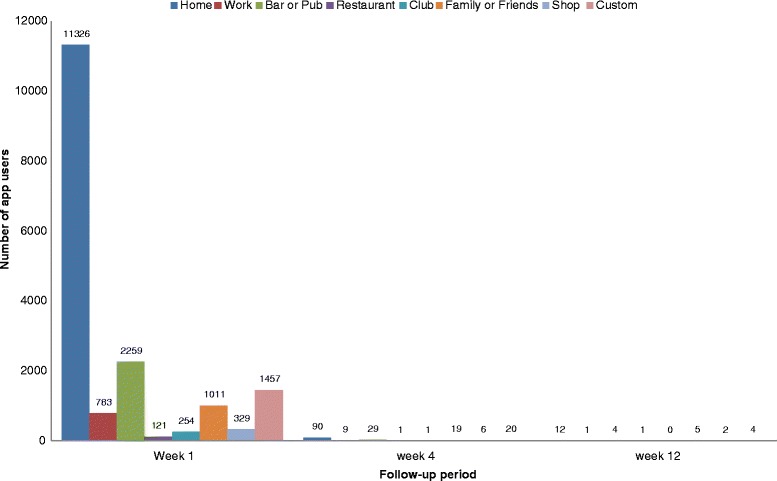
“…on other digital health apps for alcohol reduction has also shown very high attrition rates; Attwood et al’s examination of the Drinkaware app for alcohol use reduction observed high attrition, with only 42.6% of users using the app after the first week and only 5% retained after 12 weeks [35].”
InfluentialHawkins, E. J., Lott, A. M. K., Danner, A. N., Malte, C. A., Dulin, P. L., Fortney, J. C., Sayre, G. G., & Baer, J. S. (2022) · Psychological Services · doi:10.1037/ser0000716 · Cited by 2
Zhao, Y., Arora, J., Tao, Y., Miller, D., Adams, A. T., & Choudhury, T. (2024) · JMIR Formative Research · doi:10.2196/54438 · Cited by 3
“These interventions include digital psychotherapy [9-14], mindfulness practices [15,16], SMS text messages [8,17-20], and chatbots [18,21].”
File, D., Bőthe, B., Kapitány‐Fövény, M., & Demetrovics, Z. (2020) · International Journal of Methods in Psychiatric Research · doi:10.1002/mpr.1848 · Cited by 2
“To date, relatively few studies were conducted to explore user preferences in relation to alcohol consumption reduction applications (Attwood, Parke, Larsen, & Morton, 2017).”
BackgroundMethodInfluentialDrinking with Friends: Measuring the Two-week Ecology of Drinking Behaviors
Clapp, J. D., Madden, D. R., & Pakdaman, S. (2022) · American Journal of Health Behavior · doi:10.5993/ajhb.46.2.1 · Cited by 2
Li, V. Q. T., Yarime, M., Antonopoulou, V., POTTS, H. W. W., & Washbourne, C.-L. (2025) · Data & Policy · doi:10.1017/dap.2025.10032 · Cited by 1
“…individuals make behavioural changes to improve their health and well-being in a variety of health areas, such as physical activity and fitness (Rabbi et al., 2015; Laranjo et al., 2021), alcohol consumption (Attwood et al., 2017), or diabetes management (Quinn et al., 2011; Årsand et al., 2012).”
Designing a Digital Mental Health App for Opioid Use Disorder Using the UX Design Thinking Framework
Coziahr, K., Stanley, L., Perez, A., Lundberg, C., & Litwin, A. H. (2022) · Lecture notes in computer science · doi:10.1007/978-3-031-05900-1_7 · Cited by 1
Karsimus, T., Mäki-Kuutti, A.-M., Ekqvist, E., & Kuusisto, K. (2023) · Finnish Journal of eHealth and eWelfare · doi:10.23996/fjhw.125714 · Cited by 3
“2023 FinJeHeW 2023;15(3) 261 previous studies [37-42] users of digital applications in substance abuse appreciate individuality and personal interactivity.”
BackgroundFletcher, K., & Robert-Hendren, D. (2024) · JMIR Formative Research · doi:10.2196/57403 · Cited by 4
Liu, L., Wang, A., Chen, Y., Guo, D., & Tan, H. (2022) · Lecture notes in computer science · doi:10.1007/978-3-031-06053-3_27 · Cited by 1
Blonigen, D. M., Hawkins, E. J., Kuhn, E. R., Timko, C., Dulin, P. L., Boothroyd, D. B., & Possemato, K. (2023) · BMJ Open · doi:10.1136/bmjopen-2023-072892 · Cited by 2
Power Industrial Electronics and Informatics for Humans [Students and Young Professionals News]
Jasiński, M., Abu‐Rub, H., Wytrychiewicz‐Pankowska, K., Pankowski, D., Refaat, S. S., Li, H., Alkul, O., Bayhan, S., & Malhotra, S. (2020) · IEEE Industrial Electronics Magazine · doi:10.1109/mie.2020.2985194
Anforderungen an digitale Plattformen für Innenstädte
Niemann, M., Betzing, J. H., Hoffmeister, B., Augustin, S., Becker, J., Heiden, P. Z., Bartelheimer, C., Berendes, C. I., & Beverungen, D. (2012) · Springer eBooks · doi:10.1007/978-3-662-65814-7_6
Ruhlmann, R. E., Fairbairn, C. E., & Flanagan, J. C. (2023) · The Psychology of learning and motivation/The psychology of learning and motivation · doi:10.1016/bs.plm.2023.06.001 · Cited by 1
Exploring Fit in an mHealth Effectiveness-Implementation Trial: A Qualitative Study (Preprint)Preprint
Jacobson, N. A., Park, L., Pulvermacher, A., Voelker, S., Herzog, M., & Quanbeck, A. (2024) · doi:10.2196/preprints.65218
Qiu, S.-C., Wang, Z., Song, N., Zhao, T., Lian, Y.-H., Yu, J., Li, M., & Liu, C. (2024) · PubMed Central · doi:10.7499/j.issn.1008-8830.2405079
Schmeckenbecher, J., Kapusta, N. D., Emilian, C. A., Brähler, E., Blüml, V., Fuchshuber, J., & Ernst, M. (2025) · Archives of Suicide Research · doi:10.1080/13811118.2025.2464061 · Cited by 1
“Furthermore, low-level and scalable interventions, such as mobile apps designed to assist individuals who are motivated to reduce their alcohol consumption (Attwood et al., 2017), should be translated into German and made accessible to the public.”
Digital Psychiatry for the Treatment of Comorbid Disorders
Orsolini, L., Fiorani, M., Longo, G., & Volpe, U. (2025) · Springer eBooks · doi:10.1007/978-3-031-81802-8_20
RECONHECIMENTO DE EXPRESSÕES FACIAIS DE MENONITAS COM SINTOMAS DE ANSIEDADE
Mallmann, M. B., Leal, A. C., & Barbosa, E. G. (2025) · doi:10.29327/5552288.2024-3
Garnett, C. V., Perski, O., Beard, E., Michie, S., West, R., & Brown, J. (2021) · Figshare · doi:10.6084/m9.figshare.13535566
Garnett, C. V., Perski, O., Beard, E., Michie, S., West, R., & Brown, J. (2021) · Figshare · doi:10.6084/m9.figshare.13535557
Garnett, C. V., Perski, O., Beard, E., Michie, S., West, R., & Brown, J. (2021) · Figshare · doi:10.6084/m9.figshare.13535563
Garnett, C. V., Perski, O., Beard, E., Michie, S., West, R., & Brown, J. (2021) · Figshare · doi:10.6084/m9.figshare.13535560
Garnett, C. V., Perski, O., Beard, E., Michie, S., West, R., & Brown, J. (2021) · Figshare · doi:10.6084/m9.figshare.13535569
Garnett, C. V., Perski, O., Beard, E., Michie, S., West, R., & Brown, J. (2021) · Figshare · doi:10.6084/m9.figshare.13535554
Leightley, D., Williamson, C., Marshall, I. J., Ćurčin, V., Rona, R. J., Murphy, D., Fear, N. T., & Goodwin, L. (2026) · PLOS Digital Health · doi:10.1371/journal.pdig.0001322
“In the UK, digital alcohol reduction has focused on the use of self-monitoring apps at a population level (e.g., Drink Less [12], Drinkaware [13]), where users are encouraged to regularly record and monitor their alcohol consumption using visualizations, dashboards and trackers [14].”
Fetrati, H., Chan, G., & Orji, R. (2026) · International Journal of Human-Computer Studies · doi:10.1016/j.ijhcs.2026.103944
Metadata
- Authors
- Attwood, S., Parke, H., Larsen, J., & Morton, K. L.
- Affiliations
- Nuffield Health (GB)
- St Mary's University Twickenham London (GB)
- Corresponding author
- Attwood, Sophie
- Venue
- BMC Public Health
- Published
- 2017-05-17
- Volume
- 17
- Issue
- 1
- Pages
- 394-394
- ISSN
- 1471-2458 (ISSN-L)
- PMC
- PMC5434584
- OpenAlex
- W2611821565
- Cited by
- 94
- References
- 42
- Citations by year
- 2026: 2 · 2025: 7 · 2024: 13 · 2023: 12 · 2022: 12 · 2021: 18 · 2020: 11 · 2019: 7 · 2018: 10 · 2017: 1
- FWCI
- 12.86
- Type
- journal article
- Language
- en
- Open access
- gold
- doi.org
- Licence
- cc-by
- Locations
- BMC Public Health (publishedVersion, cc-by)
- Europe PMC (PubMed Central) (publishedVersion, cc-by)
- PubMed Central (publishedVersion, cc-by)
- PubMed (publishedVersion)
- St Mary's University Repository (St Mary's University Twickenham London) (acceptedVersion)
- DOAJ (DOAJ: Directory of Open Access Journals) (submittedVersion)
- Funders
- Drinkaware, UK (N/A)
- Topics
- Health Sciences › Health Professions › General Health Professions › Mobile Health and mHealth Applications
- Health Sciences › Medicine › Epidemiology › Substance Abuse Treatment and Outcomes
- Social Sciences › Psychology › Applied Psychology › Digital Mental Health Interventions
- Keywords
- mobile health apps, alcohol consumption reduction, alcohol awareness, app usability, acceptability, user engagement, high-risk drinkers, behavior change, personalized feedback, notifications
- MeSH terms
- Smartphone, Adolescent, Adult, Age Factors, Aged, Aged, 80 and over, Alcohol Drinking, Alcoholism, Female, United Kingdom, Humans, Male, Middle Aged, Telemedicine, Young Adult, Mobile Applications
About these checks
Registry, retraction, Cites and statistics results are computed, not judged, with one exception: a printed reference that no index lists is read once by a model before it counts as a citation error. Claims are extracted by a model and kept only when their quote appears verbatim in the text; each cited source is then checked, with a model’s help, for whether it says what the claim relies on. Those verdicts can be wrong — read the claim’s quote and the cited source before relying on one.
Statistics and arithmetic are recomputed, not judged.
Confidence bands are shown only for fields calibrated on our annotated test set. None is calibrated yet, so no band is shown.
What counts as a claim ›How we measure confidence ›How we check this ›
Are you an author, or do you see a problem with this page? Request a review
Data sources
Bibliographic data: Semantic Scholar, OpenAlex, Crossref.
Contains information from the Semantic Scholar Academic Graph Datasets, made available under the ODC Attribution License (ODC-BY 1.0).
Semantic Scholar’s data is described in: Kinney, R., et al. (2023). The Semantic Scholar Open Data Platform. arXiv:2301.10140.
