

Advance care planning in dementia: recommendations for healthcare professionals.
Open accessThe DOI matches its Crossref record; 103 of the 103 references it cites were found in a registry or an index.
Abstract
BACKGROUND: Advance care planning (ACP) is a continuous, dynamic process of reflection and dialogue between an individual, those close to them and their healthcare professionals, concerning the individual's preferences and values concerning future treatment and care, including end-of-life care. Despite universal recognition of the importance of ACP for people with dementia, who gradually lose their ability to make informed decisions themselves, ACP still only happens infrequently, and evidence-based recommendations on when and how to perform this complex process are lacking. We aimed to develop evidence-based clinical recommendations to guide professionals across settings in the practical application of ACP in dementia care. METHODS: Following the Belgian Centre for Evidence-Based Medicine's procedures, we 1) performed an extensive literature search to identify international guidelines, articles reporting heterogeneous study designs and grey literature, 2) developed recommendations based on the available evidence and expert opinion of the author group, and 3) performed a validation process using written feedback from experts, a survey for end users (healthcare professionals across settings), and two peer-review groups (with geriatricians and general practitioners). RESULTS: Based on 67 publications and validation from ten experts, 51 end users and two peer-review groups (24 participants) we developed 32 recommendations covering eight domains: initiation of ACP, evaluation of mental capacity, holding ACP conversations, the role and importance of those close to the person with dementia, ACP with people who find it difficult or impossible to communicate verbally, documentation of wishes and preferences, including information transfer, end-of-life decision-making, and preconditions for optimal implementation of ACP. Almost all recommendations received a grading representing low to very low-quality evidence. CONCLUSION: No high-quality guidelines are available for ACP in dementia care. By combining evidence with expert and user opinions, we have defined a unique set of recommendations for ACP in people living with dementia. These recommendations form a valuable tool for educating healthcare professionals on how to perform ACP across settings.
Overview
The claims and statistics of this paper haven’t been checked yet.
Free: it reads the open-access text and checks the first 5 claims that cite a source we can check. Create a free account to check every claim.
Integrity signals
Registry
Cites
Statistics
Figures
Verification
Claims the paper makes
The claims and statistics of this paper haven’t been checked yet.
Free: it reads the open-access text and checks the first 5 claims that cite a source we can check. Create a free account to check every claim.
Claims other papers make about this one
Each is checked against this paper’s own text: does it say what the citing paper says it does?
The cited source says what the claim attributes to it.
In the citing paper
“The process of delivering the intervention was informed by the recommendations developed by Piers et al. for ACP in PLwD [25].”
From Acceptability of the voice your values, an advance care planning intervention in persons living with mild dementia using videoconferencing technology (2022) · cites this paper as [25]
Self-check
Percentages, sums and reported differences re-computed from the paper’s own numbers.
The self-check needs the paper’s full text.
Citations
Cites
Grading quality of evidence and strength of recommendations
(2004) · BMJ · doi:10.1136/bmj.328.7454.1490 · Cited by 8,477
Detering, K. M., Hancock, A. D., Reade, M. C., & Silvester, W. (2010) · BMJ · doi:10.1136/bmj.c1345 · Cited by 2,332 · cited 1×
“Pay attention to the needs of those close to the person during the ACP process [9, 25, 63, 65, 86].”
BackgroundShea, B. J., Hamel, C., Wells, G. A., Bouter, L. M., Kristjansson, E., Grimshaw, J., Henry, D. A., & Boers, M. (2009) · Journal of Clinical Epidemiology · doi:10.1016/j.jclinepi.2008.10.009 · Cited by 1,755 · cited 1×
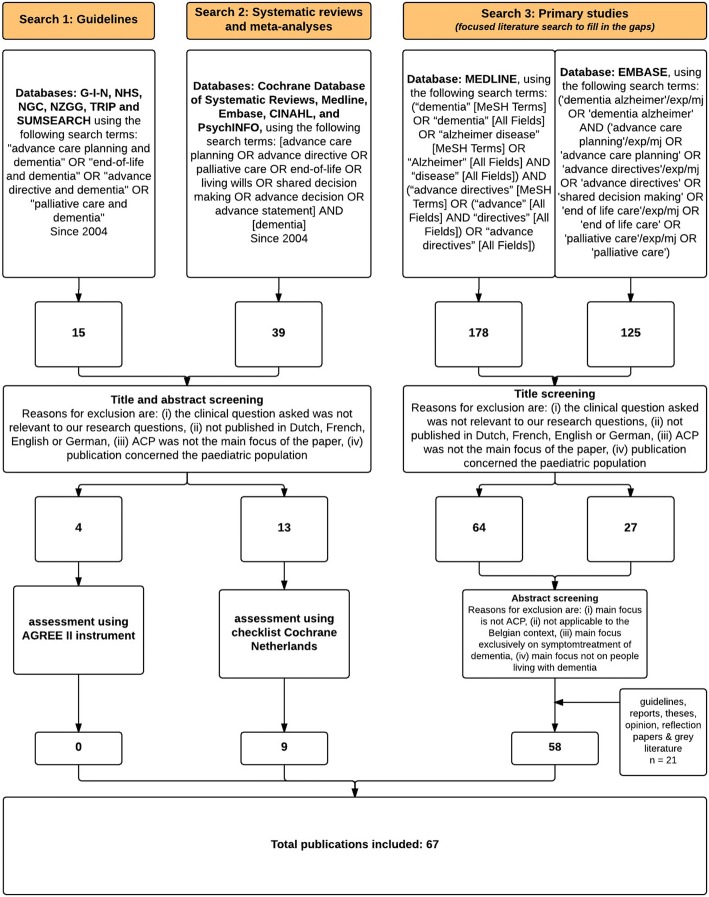
“The quality of the guidelines and systematic reviews and/or meta-analyses was independently checked by pairs of authors against the Appraisal of Guidelines Research and Evaluation (AGREE II) instrument [28] for guidelines and a checklist to assess the methodological quality of systematic reviews [29], as recommended b…”
MethodThe Clinical Course of Advanced Dementia.
Mitchell, S. L., Teno, J. M., Kiely, D. K., Shaffer, M. L., Jones, R. N., Prigerson, H. G., Volicer, L., Givens, J. L., & Hamel, M. B. (2009) · New England Journal of Medicine · doi:10.1056/nejmoa0902234 · Cited by 1,618 · cited 1×
“Because of the gradual loss of mental capacity in people living with dementia - more than in other diseases - they are often dependent on other people [81].”
BackgroundCommunication About Serious Illness Care Goals: A Review and Synthesis of Best Practices
Bernacki, R. E., & Block, S. D. (2014) · JAMA Internal Medicine · doi:10.1001/jamainternmed.2014.5271 · Cited by 1,422
van der Steen, J. T., Radbruch, L., Hertogh, C. M., de Boer, M. E., Hughes, J. C., Larkin, P., Francke, A. L., Jünger, S., Gove, D., Firth, P., et al. (2014) · Palliative Medicine · doi:10.1177/0269216313493685 · Cited by 997
The National Collaborating Centre for Mental Health
Kendall, T., & Pilling, S. (2004) · UCL Discovery (University College London) · Cited by 840
Efficacy of advance care planning: a systematic review and meta-analysis.
Houben, C. H. M., Spruit, M. A., Groenen, M. T. J., Wouters, E. F. M., & Janssen, D. J. A. (2014) · Journal of the American Medical Directors Association · doi:10.1016/j.jamda.2014.01.008 · Cited by 765 · cited 2×
“Nonetheless, evidence shows that ACP may be more effective in meeting a patient’s preferences when it entails more than just written documents and a conversation [39, 101].”
BackgroundPerson‐Centered Care: A Definition and Essential Elements
The American Geriatrics Society Expert Panel on Person‐Centered Care (2016) · Journal of the American Geriatrics Society · doi:10.1111/jgs.13866 · Cited by 723
The MacCAT-T: a clinical tool to assess patients' capacities to make treatment decisions
(1997) · Psychiatric Services · doi:10.1176/ps.48.11.1415 · Cited by 704 · cited 2×
“Available tools for making general clinical judgments of mental capacity are the MacArthur Competence Assessment Tool [54], the Vignette method [55] or the flow chart guide from Church et al.”
Method
Research works printed but not linked: 4
- 5. Van Mechelen W. Vroegtijdige Zorgplanning. Richtlijn, Versie: 1.0. In: Federatie Palliatieve Zorg Vlaanderen vzw; 2014.
- 31. The ADAPTE Collaboration. The ADAPTE process: Resource Toolkit for Guideline Adaptation. Version 2.0. [Internet]. 2009. Available from: http:// www.g-i-n.net
- Silvester W, Fullam RS, Parslow RA, Lewis VJ, Sjanta R, Jackson L, et al. Quality of advance care planning policy and practice in residential aged care facilities in Australia. BMJ Support Palliat Care. 2012;bmjspcare:2012.
- 102. Rockville (MD): Agency for Healthcare Research and Quality (US); 2008 [cited 22 Aug 2016]. Available from: http://www.ncbi.nlm.nih.gov/books/NBK2659/
Cited by
Wendrich-van Dael, A., Bunn, F., Lynch, J., Pivodic, L., Van den Block, L., & Goodman, C. (2020) · International Journal of Nursing Studies · doi:10.1016/j.ijnurstu.2020.103576 · Cited by 192
Advance Care Planning in Serious Illness: A Narrative Review
Rosa, W. E., Izumi, S., Sullivan, D. R., Lakin, J. R., Rosenberg, A. R., Creutzfeldt, C. J., Lafond, D., Tjia, J., Cotter, V. T., Wallace, C. L., et al. (2022) · Journal of Pain and Symptom Management · doi:10.1016/j.jpainsymman.2022.08.012 · Cited by 158
Advance care planning in dementia: recommendations for healthcare professionals
Harrison Dening, K., Sampson, E. L., & De Vries, K. (2019) · Palliative Care: Research and Treatment · doi:10.1177/1178224219826579 · Cited by 114
Evenblij, K., ten Koppel, M., Smets, T., Widdershoven, G. A. M., Onwuteaka-Philipsen, B. D., & Pasman, H. R. W. (2019) · BMC Palliative Care · doi:10.1186/s12904-018-0388-z · Cited by 72
Huang, H., Lu, W.-R., Liu, C., & Chang, H. (2020) · PLoS ONE · doi:10.1371/journal.pone.0240684 · Cited by 66
Barrado‐Martín, Y., Hatter, L., Moore, K. J., Sampson, E. L., Rait, G., Manthorpe, J., Smith, C. H., Nair, P., & Davies, N. (2020) · Journal of Advanced Nursing · doi:10.1111/jan.14654 · Cited by 56
Shafir, A., Ritchie, C. S., Garrett, S. B., Bernstein Sideman, A., Naasan, G., Merrilees, J., Widera, E., Flint, L., & Harrison, K. L. (2022) · Journal of Alzheimer’s Disease · doi:10.3233/jad-215203 · Cited by 45
Colenda, C. C., & Blazer, D. G. (2021) · American Journal of Geriatric Psychiatry · doi:10.1016/j.jagp.2021.11.014 · Cited by 47
Goossens, B., Sevenants, A., Declercq, A., & Audenhove, C. V. (2020) · BMC Geriatrics · doi:10.1186/s12877-020-01797-0 · Cited by 51
Engaging persons with dementia in advance care planning: Challenges and opportunities
Sussman, T., Pimienta, R., & Hayward, A. (2020) · Dementia · doi:10.1177/1471301220973059 · Cited by 49
“Descriptions of more expansive conversations about values, preferences, and concerns for future care have been scant (Murray et al., 2005; Rait et al., 2010).”
BackgroundSævareid, T. J. L., Thoresen, L., Gjerberg, E., Lillemoen, L., & Pedersen, R. (2019) · Patient Education and Counseling · doi:10.1016/j.pec.2019.06.001 · Cited by 39
Rickstal, R. V., Vleminck, A. D., Engelborghs, S., Versijpt, J. J., & den Block, L. V. (2022) · Palliative Medicine · doi:10.1177/02692163221090385 · Cited by 49
Rickstal, R. V., Vleminck, A. D., Aldridge, M. D., Morrison, S. R., Koopmans, R. T. C. M., van der Steen, J. T., Engelborghs, S., & den Block, L. V. (2019) · Palliative Medicine · doi:10.1177/0269216319864777 · Cited by 43
Publicly Available, Interactive Web-Based Tools to Support Advance Care Planning: Systematic Review
Dupont, C., Smets, T., Monnet, F., Pivodic, L., Vleminck, A. D., Audenhove, C. V., & den Block, L. V. (2022) · Journal of Medical Internet Research · doi:10.2196/33320 · Cited by 44
What do relatives value most in end-of-life care for people with dementia?
Bolt, S., van der Steen, J. T., Schols, J. M. G. A., Zwakhalen, S. M. G., & Meijers, J. M. M. (2019) · International Journal of Palliative Nursing · doi:10.12968/ijpn.2019.25.9.432 · Cited by 65
Gilissen, J., Pivodic, L., Dael, A. W.-V., Gastmans, C., Stichele, R. V., Humbeeck, L. V., Deliëns, L., & den Block, L. V. (2019) · PLoS ONE · doi:10.1371/journal.pone.0223586 · Cited by 43
Self-citationAdvancing research on advance care planning in dementia
den Block, L. V. (2019) · Palliative Medicine · doi:10.1177/0269216319826411 · Cited by 35
Sævareid, T. J. L., Førde, R., Thoresen, L., Lillemoen, L., & Pedersen, R. (2019) · Clinical Interventions in Aging · doi:10.2147/cia.s203298 · Cited by 36
Advance Care Planning for People with Dementia: The Role of General Practitioners
Bally, K., Krones, T., & Jox, R. J. (2019) · Gerontology · doi:10.1159/000500809 · Cited by 37
Thompson, G. N., Hack, T. F., Rodger, K., John, P. S., Chochinov, H. M., & McClement, S. (2020) · Dementia · doi:10.1177/1471301220927617 · Cited by 41
“While significant strides in recent years have been made in understanding best practices in advance care planning (Dixon et al., 2018; Piers et al., 2018), further research needs to help identify strategies that will enable this practice to move upstream and engage people living with dementia…”
BackgroundExploring stakeholder roles in medication management for people living with dementia
Cross, A. J., Etherton-Beer, C. D., Clifford, R. M., Potter, K., & Page, A. T. (2021) · Research in Social and Administrative Pharmacy · doi:10.1016/j.sapharm.2020.06.006 · Cited by 31
Ali, N. B., Anthony, P. V., Lim, W. S., Chong, M. S., Poon, E. W. H., Drury, V., & Chan, M. Y. (2021) · International Journal of Environmental Research and Public Health · doi:10.3390/ijerph18137150 · Cited by 35
Yeung, C. Y., Ho, K. H. M., & Chan, H. Y. L. (2023) · BMC Geriatrics · doi:10.1186/s12877-023-03815-3 · Cited by 36
Yang, Z. Y., Wang, H., & Wang, A. (2022) · BMC Palliative Care · doi:10.1186/s12904-022-01064-6 · Cited by 32
“ACP circumvented the limitations of advance directives (ADs) as a written document and more flexibly emphasized the process of multi-party communication rather than signing the specific legal document [3].”
BackgroundNakanishi, M., Pereira, S. M., den Block, L. V., Parker, D., Dening, K. H., Giulio, P. D., der Schmitten, J. I., Larkin, P. J., Mimica, N., Sudore, R. L., et al. (2024) · The Lancet Healthy Longevity · doi:10.1016/s2666-7568(24)00043-6 · Cited by 39
“12 However, they might feel unsure about the best timing to initiate ACP, how to plan for an uncertain future, and how to manage changing decisional capacities and preferences.”
Gilissen, J., Pivodic, L., Dael, A. W.-V., Gastmans, C., Stichele, R. V., Engels, Y., Vernooij-Dassen, M. J. F. J., Deliëns, L., & den Block, L. V. (2020) · BMC Palliative Care · doi:10.1186/s12904-019-0505-7 · Cited by 30
“Guideline about ACP in dementia for professionals working with people living with dementia [22] Gilissen et al.”
BackgroundSelf-citationDiscordance between dementia caregivers’ goal of care and preference for life-extending treatments
Malhotra, C., Hazirah, M., Østbye, T., Pollak, K. I., Balasundaram, B., Malhotra, R., Tong, K.-M., Hum, A. Y. M., Allen, J. C., Seow, D. C. C., et al. (2021) · Age and Ageing · doi:10.1093/ageing/afab049 · Cited by 28
Reliability and Validity of the Polish Version of the Alzheimer’s Disease Knowledge Scale
Leszko, M., & Carpenter, B. D. (2021) · Dementia and Geriatric Cognitive Disorders · doi:10.1159/000514872 · Cited by 29
Brunetta, J., Fahner, J. C., Legemaat, M., van den Bergh, E., Krommenhoek, K. B., Prinsze, K., Kars, M. C., & Michiels, E. M. C. (2022) · Children · doi:10.3390/children9060830 · Cited by 36
“The same fluctuating cognitive phenomena have been observed in dementia patients [97,98] in which cognitive capacities for ACP participation were assessed [97,99].”
BackgroundPalliative and end-of-life care for the older adult with cancer
Huynh, L., & Moore, J. (2021) · Current Opinion in Supportive and Palliative Care · doi:10.1097/spc.0000000000000541 · Cited by 27
“The American Geriatrics Society endorses a number of possible interventions and recommendations to encourage early iterative ACP for the older adult with cognitive impairment including anticipatory guidance, use of structured card games, and a recommendation for formal healthcare provider training in ACP and goals of…”
BackgroundInfluentialUS clinicians' perspectives on advance care planning for persons with dementia: A qualitative study
Tjia, J., D’Arcangelo, N., Carlston, D., Bronzi, O., GAZARIAN, P. K., Reich, A. J., Porteny, T., Gonzales, K. M., Perez, S. M., Weissman, J. S., et al. (2022) · Journal of the American Geriatrics Society · doi:10.1111/jgs.18197 · Cited by 30
“Further, how to optimize ACP with PWDs is insufficiently characterized and existing recommendations for conducting ACP in persons with early-stage dementia are sparse and based on small studies with limited evidence.(3,7,8,16,19) As clinicians play a key role in the diagnosis, management, and support of PWD and their…”
BackgroundFamily Caregiver Perspectives on Suffering of Persons With Severe Dementia: A Qualitative Study
Malhotra, C., Hazirah, M., Tan, L. L., Malhotra, R., Yap, P. L. K., Balasundaram, B., Tong, K.-M., & Pollak, K. I. (2020) · Journal of Pain and Symptom Management · doi:10.1016/j.jpainsymman.2020.11.021 · Cited by 26
Gotanda, H., Walling, A. M., Reuben, D. B., Lauzon, M., & Tsugawa, Y. (2022) · Journal of the American Geriatrics Society · doi:10.1111/jgs.17680 · Cited by 34
Thoresen, L., Pedersen, R., Lillemoen, L., Gjerberg, E., & Førde, R. (2019) · BMC Geriatrics · doi:10.1186/s12877-019-1378-6 · Cited by 23
“Today, person-centered care [11], also involving decision-making for people with dementia [10] is acknowledged and recommended [12, 13].”
BackgroundCharacteristics of Advance Care Planning Interventions Across Dementia Stages: A Systematic Review
Kim, H., Cho, J., Park, W. S., & Kim, S. S. (2021) · Journal of Nursing Scholarship · doi:10.1111/jnu.12624 · Cited by 28
Advance care planning in nursing homes: new conversation and documentation tools
Dael, A. W.-V., Gilissen, J., Humbeeck, L. V., Deliëns, L., Stichele, R. V., Gastmans, C., Pivodic, L., & den Block, L. V. (2021) · BMJ Supportive & Palliative Care · doi:10.1136/bmjspcare-2021-003008 · Cited by 28
Self-citationAzizi, B., Tilburgs, B., van Hout, H. P. J., van der Heide, I., Verheij, R. A., Achterberg, W. P., van der Steen, J. T., & Joling, K. J. (2022) · Frontiers in Public Health · doi:10.3389/fpubh.2022.653174 · Cited by 25
End-of-life care for older people: the way forward
Noortgate, N. J. V. D., & den Block, L. V. (2022) · Age and Ageing · doi:10.1093/ageing/afac078 · Cited by 22
Nimmons, D., Manthorpe, J., West, E., Rait, G., Sampson, E. L., Iliffe, S., & Davies, N. (2023) · BMC Palliative Care · doi:10.1186/s12904-023-01165-w · Cited by 22
“Previous reviews of the literature have recommended that professionals hold several ACP discussions with people living with dementia over a longer period and involve family and significant others as early as possible, including when it is more difficult for the person living with dementia to communicate [11].”
BackgroundOptimizing Advance Care Planning in Dementia: Recommendations From a 33-Country Delphi Study
van der Steen, J. T., den Block, L. V., Nakanishi, M., Dening, K. H., Parker, D., Larkin, P. J., Giulio, P. D., der Schmitten, J. I., Sudore, R. L., Mimica, N., et al. (2025) · Journal of Pain and Symptom Management · doi:10.1016/j.jpainsymman.2025.02.471 · Cited by 23
Sævareid, T. J. L., Pedersen, R., & Thoresen, L. (2020) · Journal of Advanced Nursing · doi:10.1111/jan.14661 · Cited by 26
Developing neuropalliative care for sporadic Creutzfeldt-Jakob Disease
Harrison, K., Garrett, S., Gilissen, J., Terranova, M. J., Sideman, A. B., Ritchie, C., & Geschwind, M. (2022) · Prion · doi:10.1080/19336896.2022.2043077 · Cited by 20
“Key principles including whether to disclose at initial or dedicated follow-up appointment, allowing patient/ caregiver to choose who to be present, having enough time to disclose diagnosis and answer questions, and providing written materials Prognostic information, caregiver training, and anticipatory guidance Reque…”
BackgroundSelf-citationDupont, C., Smets, T., Monnet, F., Eneslätt, M., Tishelman, C., & den Block, L. V. (2022) · BMC Public Health · doi:10.1186/s12889-022-14523-9 · Cited by 21
Vellani, S., Puts, M., Iaboni, A., & McGilton, K. S. (2022) · PLoS ONE · doi:10.1371/journal.pone.0266826 · Cited by 20
Primary Palliative Care in Dementia
Weisbrod, N. (2022) · Neurotherapeutics · doi:10.1007/s13311-021-01171-x · Cited by 33
“Several important times in the course of the illness to trigger discussion of ACP are as follows: (1) around the time of diagnosis, (2) with any major change in health, (3) with change of place of residence [17, 18].”
BackgroundAbe, A., Kobayashi, M., Kohno, T., Takeuchi, M., Hashiguchi, S., Mimura, M., & Fujisawa, D. (2021) · BMC Palliative Care · doi:10.1186/s12904-020-00698-8 · Cited by 18
Goals of Care Conversations and Subsequent Advance Care Planning Outcomes for People with Dementia
Ma, H., Kiekhofer, R. E., Hooper, S., Dulaney, S., Possin, K. L., & Chiong, W. (2021) · Journal of Alzheimer s Disease · doi:10.3233/jad-210720 · Cited by 22
“Therefore, advance care planning early in the disease course is increasingly viewed as a critical palliative care intervention for people with dementia[12,13].”
Schuurmans, J., Crol, C., Rikkert, M. G. M. O., & Engels, Y. (2020) · BJGP Open · doi:10.3399/bjgpopen20x101123 · Cited by 21
Evaluation of a Training Toolkit to Improve Clinicians' Skills for Dementia Advance Care Planning
Kistler, C. E., Beeber, A., Winzelberg, G. S., Gabriel, S. L., Wretman, C. J., & Hanson, L. C. (2021) · Journal of Palliative Medicine · doi:10.1089/jpm.2020.0638 · Cited by 17
“12 They struggle with the challenges of ACP for people with ADRD, citing knowledge deficits, time constraints, documentation issues, and changing preferences.”
Life-Sustaining Treatments Among Medicare Beneficiaries with and without Dementia at the End of Life
Zhu, Y., Olchanski, N., Cohen, J. T., Freund, K. M., Faul, J. D., Fillit, H. M., Neumann, P. J., & Lin, P.-J. (2023) · Journal of Alzheimer’s Disease · doi:10.3233/jad-230692 · Cited by 16
“The definition of advance care planning is rapidly shifting away from “static” documentation and toward a continuous and dynamic communication process for persons living with dementia [65].”
Vellani, S., Puts, M. T. E., Iaboni, A., & McGilton, K. S. (2022) · Palliative & Supportive Care · doi:10.1017/s1478951522000475 · Cited by 18
“…eight domains for healthcare professionals to implement ACP for PLwD, of which five were relevant to this study: (i) timing to initiate ACP, (ii) capacity evaluation, (iii) carrying out ACP discussions, (iv) role of those close to the PLwD, and (v) documentation of wishes (Piers et al., 2018).”
Impact of home healthcare on end-of-life outcomes for people with dementia: a systematic review
Chen, P., Smits, L., Miranda, R., Liao, J., Petersen, I., den Block, L. V., & Sampson, E. L. (2022) · BMC Geriatrics · doi:10.1186/s12877-022-02768-3 · Cited by 18
Advance care planning in neurologic illness
Macchi, Z. A., & Lum, H. D. (2022) · Handbook of clinical neurology · doi:10.1016/b978-0-323-85029-2.00004-x · Cited by 15
Adapting the Serious Illness Conversation Guide for Dementia Care
Berry, C. E., Montgomery, S., Santulli, R. B., & Cullinan, A. M. (2023) · American Journal of Hospice and Palliative Medicine® · doi:10.1177/10499091231200214 · Cited by 14
“2 It is imperative that clinicians feel con fi dent initiating and guiding ACP conversations; 4 however, few studies have focused on providers as recipients of ACP interventions or developed standardized materials for triadic communication between patients, caregivers, and clinicians.”
BackgroundSussman, T., Kaasalainen, S., Bimman, R., Punia, H., Edsell, N., & Sussman, J. (2020) · BMC Palliative Care · doi:10.1186/s12904-020-00689-9 · Cited by 19
Bryant, J., Sellars, M., Sinclair, C., Detering, K. M., Buck, K., Waller, A. E., White, B. P., & Nolte, L. (2021) · BMJ Supportive & Palliative Care · doi:10.1136/bmjspcare-2020-002767 · Cited by 17
Sussman, T., Lawrence, J., & Pimienta, R. (2022) · Dementia · doi:10.1177/14713012221127358 · Cited by 14
“It is unlikely that these persons with dementia will benefit from reliance on self-directed advance care planning workbooks without support of some kind (Piers et al., 2018; Wendrich-van Dael et al., 2020).”
BackgroundSong, D., Yu, T., Zhi, S., Chang, C., Sun, J., Gao, S., Gu, Y., & Sun, J. (2024) · International Journal of Nursing Studies · doi:10.1016/j.ijnurstu.2024.104762 · Cited by 15
Wood, S., Bally, K., Cabane, C., Fassbind, P., Jox, R. J., Leyhe, T., Monsch, A. U., & Trachsel, M. (2020) · BMC Geriatrics · doi:10.1186/s12877-020-01932-x · Cited by 19
“As such, it can be argued that DMC will not only need to be evaluated on a caseby-case basis, but repetitively in the course of a progressive dementia [2].”
BackgroundHow Do We Talk With People Living With Dementia About Future Care: A Scoping Review
Visser, M., Smaling, H. J. A., Parker, D., & van der Steen, J. T. (2022) · Frontiers in Psychology · doi:10.3389/fpsyg.2022.849100 · Cited by 18
A Practice Improvement Project to Increase Advance Care Planning in a Dementia Specialty Practice
Cotter, V. T., Hasan, M., Ahn, J., Budhathoki, C. B., & Oh, E. S. (2019) · American Journal of Hospice and Palliative Medicine® · doi:10.1177/1049909119841544 · Cited by 13
Vellani, S., Green, E., Kulasegaram, P., Sussman, T., Wickson-Griffiths, A., & Kaasalainen, S. (2022) · BMC Palliative Care · doi:10.1186/s12904-022-01014-2 · Cited by 18
Spacey, A., & Porter, S. (2022) · Palliative Medicine · doi:10.1177/02692163221137103 · Cited by 18
Rickstal, R. V., Vleminck, A. D., Morrison, S. R., Koopmans, R. T. C. M., van der Steen, J. T., Engelborghs, S., Neugroschl, J. A., Aldridge, M. D., Sano, M. C., & den Block, L. V. (2020) · Journal of the American Medical Directors Association · doi:10.1016/j.jamda.2020.01.007 · Cited by 15
Beck, A. P., Jacobsohn, G. C., Hollander, M. M., Gilmore‐Bykovskyi, A. L., Werner, N. E., & Shah, M. N. (2020) · Dementia · doi:10.1177/1471301220905233 · Cited by 13
“Newer models of dementia care promote a proactive approach that largely involves providing caregiver support, education, resources, and advanced care planning (Callahan et al., 2014; Carter et al., 2018; Dening, Jones, & Sampson, 2011; Piers et al., 2018).”
Backgroundvan Lummel, E. V. T. J., Meijer, Y., Tjan, D. H. T., & van Delden, J. J. M. (2023) · BMC Palliative Care · doi:10.1186/s12904-023-01139-y · Cited by 16
“” [27] The aforementioned lack of time is evidently related to the availability of financial resources, including financial ones.”
BackgroundPhenwan, T., Sixsmith, J., McSwiggan, L. C., & Buchanan, D. (2025) · BMC Palliative Care · doi:10.1186/s12904-024-01632-y · Cited by 21
“The advantages of creating an ACP for PwD include improved quality of life [8], a decrease in non-beneficial medical care towards the end-of-life [9] and consistent care goals for the individuals that would support their personal values and care priorities [10] as well as the reduced likelihood of…”
Mikaelsson, Å., Eriksson, L. E., Stenfors, T., & Goliath, I. (2025) · BMC Geriatrics · doi:10.1186/s12877-025-05916-7 · Cited by 16
“This is particularly the case when RCH residents experience cognitive limitations [13, 14].”
Components of a community model of dementia palliative care
Fox, S., O’Connor, N., Drennan, J., Guérin, S., Kernohan, G. W., Murphy, A., & Timmons, S. (2020) · Journal of Integrated Care · doi:10.1108/jica-02-2020-0013 · Cited by 12
Feasibility and acceptability of a web-based advance care plan for dementia
Behrens, L. L., Morgan, B. E., Summerhayes, E., Talwar, S., Burshnic, V., Ersek, M. T., & Hodgson, N. A. (2022) · Geriatric Nursing · doi:10.1016/j.gerinurse.2022.02.022 · Cited by 12
Dementia Care at the End of Life: A Clinically Focused Review
Volle, D. C. (2022) · American Journal of Geriatric Psychiatry · doi:10.1016/j.jagp.2022.11.006 · Cited by 12
McCarthy, E. P., Lopez, R. P., Hendricksen, M., Mazor, K. M., Roach, A., Rogers, A. H., Epps, F. R., Johnson, K. S., Akunor, H., & Mitchell, S. L. (2023) · Journal of the American Geriatrics Society · doi:10.1111/jgs.18303 · Cited by 13
“They also expressed preferences for CPR more often, believing resuscitation could be successful, even though rates of successful resuscitation in this population are dismal.(43) Some proxies confused DNR and CPR, thinking they meant the same thing.”
BackgroundMonnet, F., Dupont, C., Smets, T., Vleminck, A. D., Audenhove, C. V., den Block, L. V., & Pivodic, L. (2023) · JMIR Research Protocols · doi:10.2196/46935 · Cited by 13
“Furthermore, the more the disease advances and cognition declines (in a nonlinear gradual way), the more family plays a crucial role in ACP in this population [16].”
BackgroundMelin‐Johansson, C., Sveen, J., Lövgren, M., & Udo, C. (2021) · Palliative & Supportive Care · doi:10.1017/s1478951521000973 · Cited by 18
“…studies have shown that persons with dementia are a neglected group when it comes to palliative care, including EOL discussions (Ngo and Holroyd-Leduc, 2015; Erel et al., 2017; Piers et al., 2018); there is increased recognition of their need and eligibility for such care (Erel et al., 2017).”
I CONGRESSO NACIONAL DE CUIDADOS PALIATIVOS
da Silva, R. R. C. P., Sousa, T. D. O., Silva, R. T., Silva, I. C., de Moura, J. P., & do Nascimento, C. E. M. (2021) · Jornal de Ciências da Saúde do Hospital Universitário da Universidade Federal do Piauí · doi:10.26694/jcshuufpi.v3isupl.3.898 · Cited by 11
Brucki, S. M. D., Aprahamian, I., Borelli, W. V., Calil, V., Ferretti‐Rebustini, R. E. D. L., Smid, J., Barbosa, B. J. A. P., Schilling, L. P., Balthazar, M. L. F., Frota, N. A. F., et al. (2022) · Dementia & Neuropsychologia · doi:10.1590/1980-5764-dn-2022-s107pt · Cited by 35
Dupont, C., Smets, T., Monnet, F., Pivodic, L., Vleminck, A. D., Audenhove, C. V., & den Block, L. V. (2023) · BMC Medical Informatics and Decision Making · doi:10.1186/s12911-023-02359-1 · Cited by 13
“This finding aligns with the known barriers for the initiation of ACP in dementia [37].”
Bryant, J., Sellars, M., Waller, A. E., Detering, K. M., Sinclair, C., Ruseckaite, R., White, B. P., & Nolte, L. (2021) · BMJ Supportive & Palliative Care · doi:10.1136/bmjspcare-2020-002550 · Cited by 11
Dy, S. M., Scerpella, D. L., Cotter, V. T., Colburn, J. L., Roth, D. L., McGuire, M., Giovannetti, E. R., Walker, K. A., Hussain, N., Sloan, D. H., et al. (2022) · Contemporary Clinical Trials · doi:10.1016/j.cct.2022.106818 · Cited by 14
Saylor, M. A., Hanna, V., Zhang, P., Thai, G. H., Green, C. M., Cagle, J. G., & Wolff, J. L. (2024) · Alzheimer s & Dementia · doi:10.1002/alz.14331 · Cited by 11
Carlsson, C. M. (2022) · CONTINUUM Lifelong Learning in Neurology · doi:10.1212/con.0000000000001132 · Cited by 14
Cardiovascular Risk Management in Persons with Dementia
Nijskens, C. M., Henstra, M. J., Rhodius‐Meester, H. F. M., Yaşar, S., van Poelgeest, E. P., Peters, M. J. L., & Muller, M. (2023) · Journal of Alzheimer s Disease · doi:10.3233/jad-230019 · Cited by 12
“Advance care planning (ACP) is a continuous process of reflection and dialogue between the patient, those close to him and the treating physician, concerning the patient’s preferences and values when it comes to future treatment and care [54].”
BackgroundTetrault, A., Nyback, M.-H., Fagerström, L., & Vaartio‐Rajalin, H. (2023) · BMC Geriatrics · doi:10.1186/s12877-023-04033-7 · Cited by 14
“Critical moments can include the termination of mitigating medication, the need for home care services, or contemplating moving to a nursing home [17, 21].”
BackgroundKonno, R., Inoue, K., Matsushita, Y., Hashimoto, K., Wiechula, R., To, T. H. M., & Schultz, T. (2024) · Research on Aging · doi:10.1177/01640275241227909 · Cited by 11
“The current approach to advance care planning emphasizes continuous stakeholder engagement and communication about treat-ment and care decisions (Piers et al., 2018).”
BackgroundGiger, M., Voneschen, N., Brunkert, T., & Zúñiga, F. (2019) · Geriatric Nursing · doi:10.1016/j.gerinurse.2019.08.005 · Cited by 11
Enabling Advance Care Planning in Dementia Care: A Primary Care Approach
Lee, L. S., Hillier, L. M., Lu, S. K., & Ward, D. (2020) · Journal of Palliative Care · doi:10.1177/0825859720973937 · Cited by 12
Haapasalmi, S., Piili, R. P., Metsänoja, R., Kellokumpu-Lehtinen, P.-L. I., & Lehto, J. T. (2021) · BMC Palliative Care · doi:10.1186/s12904-021-00811-5 · Cited by 12
“Older people should also be encouraged to express their wishes in written format before they become seriously ill [4, 32, 69, 70].”
BackgroundShelton, W. N., Tenenbaum, E. M., Costello, K., & Hoffman, D. P. (2018) · American Journal of Alzheimer s Disease & Other Dementias® · doi:10.1177/1533317518817614 · Cited by 10
Anderson, B. K., Mihilli, S., Kumaresh, M., Kumaresh, A., Mirza, R. M., & Klinger, C. A. (2022) · Canadian Journal on Aging / La Revue canadienne du vieillissement · doi:10.1017/s0714980821000283 · Cited by 9
“Furthermore, a Belgian literature review sought to develop evidence-based clinical recommendations for the practical application of ACP in dementia care by professionals in varied settings (Piers et al., 2018).”
BackgroundClozapine for the treatment of aggressiveness and agitation in advanced dementia
Michael, A. E., Michael, N., Erfurth, A., & Kujovic, M. (2023) · Psychogeriatrics · doi:10.1111/psyg.13017 · Cited by 10
“47”
Bravo, G., den Block, L. V., Downie, J., Arcand, M., & Trottier, L. (2021) · BMC Medical Ethics · doi:10.1186/s12910-021-00689-1 · Cited by 11
“Initiated in the earlier stages of dementia, these ACP conversations would aim at helping the patient make fully-informed decisions regarding future care, preparing surrogate decision-makers for their role (which could include deciding whether antibiotics should be initiated or withheld) and increasing the likelihood…”
BackgroundNakanishi, M., Nakashima, T., Miyamoto, Y., Yamasaki, S., & Nishida, A. (2022) · BMC Palliative Care · doi:10.1186/s12904-022-01008-0 · Cited by 14
Baxter, K., Gridley, K., & Birks, Y. F. (2023) · Ageing and Society · doi:10.1017/s0144686x23000594 · Cited by 9
Spatuzzi, R., Vespa, A., Fabbietti, P., Ricciuti, M., Rosati, G., Guariniello, L., Verrastro, M. A. F., Attademo, L., & Giulietti, M. V. (2022) · Journal of Social Work in End-of-Life & Palliative Care · doi:10.1080/15524256.2022.2042459 · Cited by 15
“As AD progresses to later stages, the patient’s behaviors change (Piers et al., 2018).”
BackgroundChen, L., Yin, G., Lin, S., & Li, Y. (2022) · BMC Psychiatry · doi:10.1186/s12888-022-04106-8 · Cited by 11
Bartley, M. M., Manggaard, J. M., Fischer, K. M., Holland, D. E., & Takahashi, P. Y. (2022) · Journal of Palliative Care · doi:10.1177/08258597221125607 · Cited by 12
“A consensus group in 2018 proposed criteria for these conversations, including starting ACP discussions early and integrating these discussions into daily care.(40) Evidence suggests that barriers to ACP exist at all levels (patient and family, practitioner, health care system); some barriers are time constraints, tra…”
BackgroundShepherd‐Banigan, M. E., Ford, C. B., DePasquale, N., Smith, V. A., Bélanger, E., Lippmann, S., O'Brien, E. C., & Houtven, C. H. V. (2021) · Journal of Palliative Care · doi:10.1177/08258597211063047 · Cited by 9
“Although these discussions are presumed to be a steppingstone to completion of ADs,41 we believe ours is the first study to show that they are directly and positively associated with the completion of ADs for PwCIs.”
BackgroundInfluentialRiedl, L., Bertok, M., Hartmann, J., Fischer, J., Roßmeier, C., Dinkel, A., Ortner, M., & Diehl‐Schmid, J. (2020) · BMC Palliative Care · doi:10.1186/s12904-020-0533-3 · Cited by 10
“Since people with advanced dementia are no longer able to make complex decisions [6], the close relatives, as proxies, usually have to decide on treatments and interventions or - if indicated - their termination.”
BackgroundMukhopadhyay, S., & Banerjee, D. (2021) · Asian Journal of Psychiatry · doi:10.1016/j.ajp.2021.102802 · Cited by 10
Ménard, A., Adekoya, A., Birchall, E. L., Seetharaman, K., Kervin, L. M., Khan, K. B., & Baumbusch, J. (2025) · BMC Medical Ethics · doi:10.1186/s12910-025-01197-2 · Cited by 8
“Despite the recognized importance of future planning, particularly for individuals who may experience diminishing decision-making capacity, it remains uncommon both formally and informally [33].”
Metadata
- Authors
- Piers, R., Albers, G., Gilissen, J., De Lepeleire, J., Steyaert, J., Van Mechelen, W., Steeman, E., Dillen, L., Vanden Berghe, P., & Van den Block, L.
- Affiliations
- Vrije Universiteit Brussel (BE)
- University of Antwerp (BE)
- KU Leuven (BE)
- Ghent University Hospital (BE)
- Corresponding author
- Gilissen, Joni
- Venue
- BMC Palliative Care
- Published
- 2018-06-21
- Volume
- 17
- Issue
- 1
- Pages
- 88-88
- ISSN
- 1472-684X (ISSN-L)
- PMC
- PMC6014017
- OpenAlex
- W2809287084
- Cited by
- 254
- References
- 103
- Citations by year
- 2026: 13 · 2025: 30 · 2024: 43 · 2023: 35 · 2022: 62 · 2021: 24 · 2020: 28 · 2019: 17 · 2018: 2
- FWCI
- 3.22
- Type
- journal article
- Language
- en
- Open access
- gold
- doi.org
- Licence
- cc-by
- creativecommons.org/licenses/by/4.0/ (tdm)
- Locations
- BMC Palliative Care (publishedVersion, cc-by)
- Europe PMC (PubMed Central) (publishedVersion, other-oa)
- PubMed Central (publishedVersion, cc-by)
- PubMed (publishedVersion)
- Ghent University Academic Bibliography (Ghent University) (submittedVersion, cc-by)
- Lirias (KU Leuven) (submittedVersion, other-oa)
- DOAJ (DOAJ: Directory of Open Access Journals) (submittedVersion, cc-by-sa)
- VUBIR (Vrije Universiteit Brussel) (submittedVersion)
- Funders
- Koning Boudewijnstichting
- Topics
- Health Sciences › Medicine › Public Health, Environmental and Occupational Health › Palliative Care and End-of-Life Issues
- Health Sciences › Medicine › Public Health, Environmental and Occupational Health › Ethics and bioethics in healthcare
- Health Sciences › Medicine › Psychiatry and Mental health › Dementia and Cognitive Impairment Research
- Keywords
- advance care planning, dementia, clinical guidelines, end-of-life care, decision-making capacity, family involvement, end-of-life decisions, health professions education
- MeSH terms
- Decision Making, Dementia, Health Planning Guidelines, Humans, Palliative Care, Surveys and Questionnaires, Advance Care Planning, Evidence-Based Practice
About these checks
Registry, retraction, Cites and statistics results are computed, not judged, with one exception: a printed reference that no index lists is read once by a model before it counts as a citation error. Claims are extracted by a model and kept only when their quote appears verbatim in the text; each cited source is then checked, with a model’s help, for whether it says what the claim relies on. Those verdicts can be wrong — read the claim’s quote and the cited source before relying on one.
Statistics and arithmetic are recomputed, not judged.
Confidence bands are shown only for fields calibrated on our annotated test set. None is calibrated yet, so no band is shown.
What counts as a claim ›How we measure confidence ›How we check this ›
Are you an author, or do you see a problem with this page? Request a review
Data sources
Bibliographic data: Semantic Scholar, OpenAlex, Crossref.
Contains information from the Semantic Scholar Academic Graph Datasets, made available under the ODC Attribution License (ODC-BY 1.0).
Semantic Scholar’s data is described in: Kinney, R., et al. (2023). The Semantic Scholar Open Data Platform. arXiv:2301.10140.
