

Using ChatGPT for medical education: the technical perspective
Open accessThe DOI matches its Crossref record; 77 of the 77 references it cites were found in a registry or an index.
Abstract
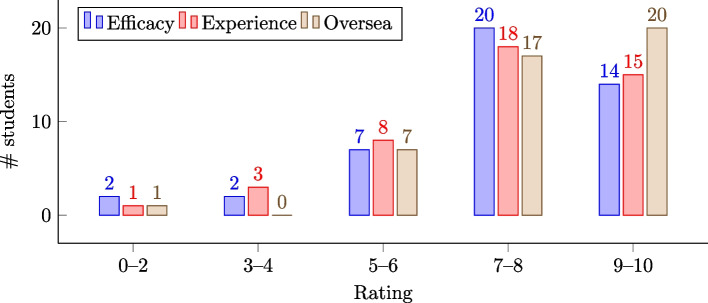
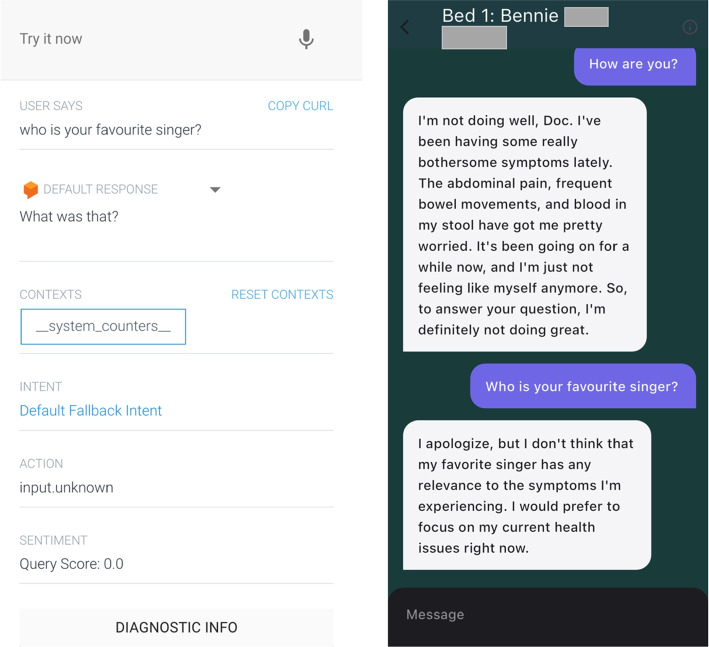
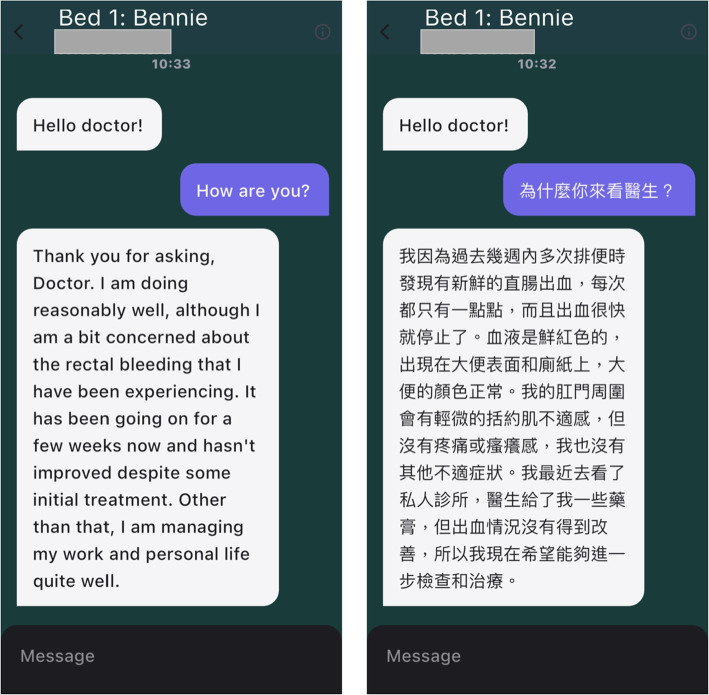
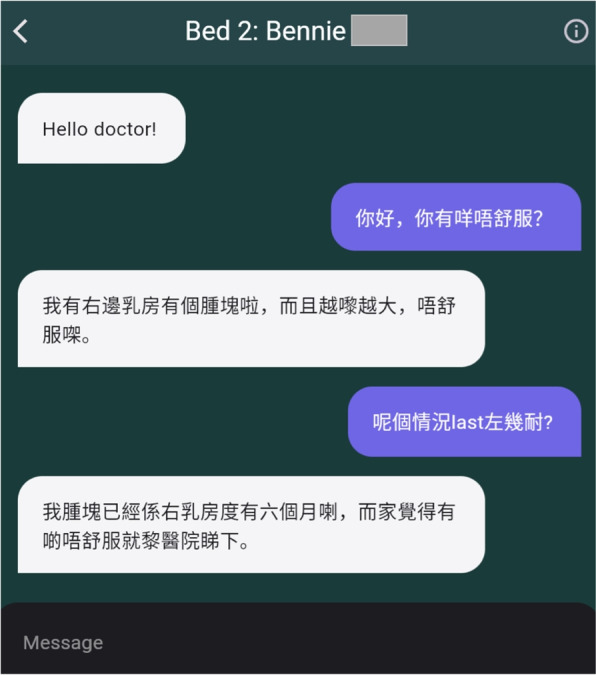
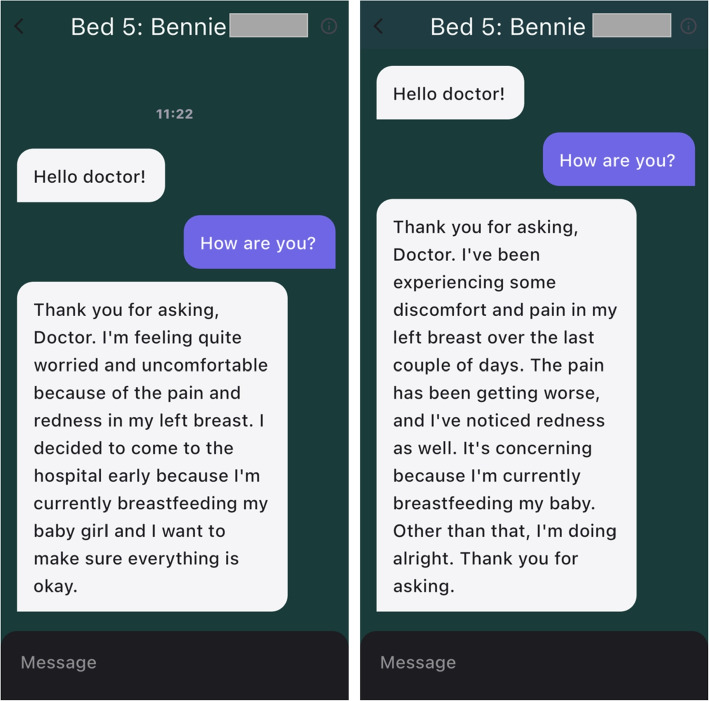
BACKGROUND: The chatbot application Bennie and the Chats was introduced due to the outbreak of COVID-19, which is aimed to provide substitution for teaching conventional clinical history-taking skills. It was implemented with DialogFlow with preset responses, which consists of a large constraint on responding to different conversations. The rapid advancement of artificial intelligence, such as the recent introduction of ChatGPT, offers innovative conversational experiences with computer-generated responses. It provides an idea to develop the second generation of Bennie and the Chats. As the epidemic slows, it can become an assisting tool for students as additional exercise. In this work, we present the second generation of Bennie and the Chats with ChatGPT, which provides room for flexible and expandable improvement. METHODS: The objective of this research is to examine the influence of the newly proposed chatbot on learning efficacy and experiences in bedside teaching, and its potential contributions to international teaching collaboration. This study employs a mixed-method design that incorporates both quantitative and qualitative approaches. From the quantitative approach, we launched the world's first cross-territory virtual bedside teaching with our proposed application and conducted a survey between the University of Hong Kong (HKU) and the National University of Singapore (NUS). Descriptive statistics and Spearman's Correlation were applied for data analysis. From the qualitative approach, a comparative analysis was conducted between the two versions of the chatbot. And, we discuss the interrelationship between the quantitative and qualitative results. RESULTS: For the quantitative result, we collected a questionnaire from 45 students about the evaluation of virtual bedside teaching between territories. Over 75% of the students agreed that teaching can enhance learning effectiveness and experience. Moreover, by exchanging patients cases, 82.2% of students agreed that it helps to gain more experiences with diseases that may not be prevalent in their own locality. For the qualitative result, the new chatbot provides better usability and flexibility. CONCLUSION: Virtual bedside teaching with chatbots has revolutionized conventional bedside teaching by its advantages and allowing international collaborations. We believe that the training of history taking skills by chatbot will be a feasible supplementary teaching tool to conventional bedside teaching.
Overview
The claims and statistics of this paper haven’t been checked yet.
Free: it reads the open-access text and checks the first 5 claims that cite a source we can check. Create a free account to check every claim.
Integrity signals
Registry
Cites
Statistics
Figures

Verification
Claims the paper makes
The claims and statistics of this paper haven’t been checked yet.
Free: it reads the open-access text and checks the first 5 claims that cite a source we can check. Create a free account to check every claim.
Claims other papers make about this one
Each is checked against this paper’s own text: does it say what the citing paper says it does?
The cited source says what the claim attributes to it.
In the citing paper
“Early educational research suggests that AI-generated virtual patients may improve learners’ engagement [8, 9], provide unlimited practice opportunities [10–12], and support consistent exposure to rare or sensitive clinical presentations.”
From Utilizing generative artificial intelligence to create simulated patient for history taking in gynecology (2026) · cites this paper as [11]
Self-check
Percentages, sums and reported differences re-computed from the paper’s own numbers.
The self-check needs the paper’s full text.
Citations
Cites
BERT: Pre-training of Deep Bidirectional Transformers for Language Understanding
Devlin, J., Chang, M.-W., Lee, K., & Toutanova, K. (2018) · arXiv · doi:10.48550/arxiv.1810.04805 · Cited by 73,173 · cited 1×
“Generative pre-training transformer (GPT) [22] and Bidirectional Encoder Representations from Transformers (BERT) [23] are two main categories of LLM.”
Language Models are Few-Shot Learners
Brown, T. B., Mann, B., Ryder, N., Subbiah, M., Kaplan, J., Dhariwal, P., Neelakantan, A., Shyam, P., Sastry, G., Askell, A., et al. (2020) · arXiv · doi:10.48550/arxiv.2005.14165 · Cited by 23,372
Online Learning: A Panacea in the Time of COVID-19 Crisis
Dhawan, S. (2020) · Journal of Educational Technology Systems · doi:10.1177/0047239520934018 · Cited by 5,083 · cited 1×
“Although the pandemic has posed challenges for in-person classroom instruction, it has also presented unique prospects for online education [16].”
Revolutionizing healthcare: the role of artificial intelligence in clinical practice
Alowais, S. A., Alghamdi, S. S., Alsuhebany, N., Alqahtani, T., Alshaya, A. I., Almohareb, S. N., Aldairem, A., Alrashed, M., Bin Saleh, K., Badreldin, H. A., et al. (2023) · BMC Medical Education · doi:10.1186/s12909-023-04698-z · Cited by 3,146 · cited 1×
“Research by [56] emphasizes the role of AI in clinical practice, where it can be utilized for disease diagnosis, the formulation of personalized treatment plans, and support in clinical decision-making processes.”
Ray, P. P. (2023) · Internet of Things and Cyber-Physical Systems · doi:10.1016/j.iotcps.2023.04.003 · Cited by 2,463 · cited 2×
“Second, we consider the contextual understanding and the risk of misinterpretation [66, 67].”
Zhai, C., Wibowo, S., & Li, L. D. (2024) · Smart Learning Environments · doi:10.1186/s40561-024-00316-7 · Cited by 1,567 · cited 1×
“Moreover, the users should avoid excessive dependence on AI tools [65].”
Examining Science Education in ChatGPT: An Exploratory Study of Generative Artificial Intelligence
Cooper, G. (2023) · Journal of Science Education and Technology · doi:10.1007/s10956-023-10039-y · Cited by 1,263 · cited 1×
“The implications of using ChatGPT in science education and journalism and media education are discussed in [78, 79], respectively.”
Pavlik, J. V. (2023) · Journalism & Mass Communication Educator · doi:10.1177/10776958221149577 · Cited by 972 · cited 1×
“The implications of using ChatGPT in science education and journalism and media education are discussed in [78, 79], respectively.”
Alsoufi, A., Alsuyihili, A., Msherghi, A., Elhadi, A., Atiyah, H., Ashini, A., Ashwieb, A., Ghula, M., Ben Hasan, H., Abudabuos, S., et al. (2020) · PLOS ONE · doi:10.1371/journal.pone.0242905 · Cited by 747 · cited 1×
“However, the COVID-19 pandemic has prompted the exploration of alternative approaches to facilitate clinical history clerk-ing for medical students when in-person clinical instruction is prohibited [39, 40].”
Impact of ChatGPT on learners in a L2 writing practicum: an exploratory investigation
Yan, D. (2023) · Education and Information Technologies · doi:10.1007/s10639-023-11742-4 · Cited by 713 · cited 2×
“For instance, users have explored its utilization in language learning for tasks such as language translation and writing feedback [24], as well as in programming education for tasks like code interpretation and debugging [25].”
The role of ChatGPT in higher education: Benefits, challenges, and future research directions
(2023) · Journal of Applied Learning & Teaching · doi:10.37074/jalt.2023.6.1.29 · Cited by 561 · cited 3×
“On the other hand, there was a significant change in traditional classroom learning due to the outbreak of COVID-19 [7–13].”
Tang, Y. M., Chen, P. C., Law, K. M. Y., Wu, C. H., Lau, Y.-Y., Guan, J., He, D., & Ho, G. T. S. (2021) · Computers & Education · doi:10.1016/j.compedu.2021.104211 · Cited by 538
Training a Helpful and Harmless Assistant with Reinforcement Learning from Human Feedback
Bai, Y., Jones, A., Ndousse, K., Askell, A., Chen, A., DasSarma, N., Drain, D., Fort, S., Ganguli, D., Henighan, T., et al. (2022) · arXiv · doi:10.48550/arxiv.2204.05862 · Cited by 442 · cited 1×
“In contrast to prior language models such as GPT-1 [22], GPT-2 [73], GPT-3 [74], and GPT-4 [72] which may generate misleading or harmful content, ChatGPT employs the reinforcement learning from human feedback (RLHF) [75–77] approach.”
Fine-Tuning Language Models from Human Preferences
Ziegler, D. M., Stiennon, N., Wu, J., Brown, T. B., Radford, A., Amodei, D., Christiano, P., & Irving, G. (2019) · arXiv · doi:10.48550/arxiv.1909.08593 · Cited by 413
Standards for privacy of individually identifiable health information. Final rule.
(2002) · PubMed · Cited by 400
Comparing the Effectiveness of Classroom and Online Learning: Teaching Research Methods
Ni, A. Y. (2013) · Journal of Public Affairs Education · doi:10.1080/15236803.2013.12001730 · Cited by 397
Pre-Trained Language Models and Their Applications
Wang, H., Li, J., Wu, H., Hovy, E., & Sun, Y. (2023) · Engineering · doi:10.1016/j.eng.2022.04.024 · Cited by 385 · cited 1×
“Pre-trained language models (PLMs) [70, 71] have emerged as a fundamental component within the realm of Natural Language Processing (NLP), facilitating the transfer of knowledge from extensive unsupervised tasks to specific supervised tasks.”
Human Mobility and the Global Spread of Infectious Diseases: A Focus on Air Travel
Findlater, A., & Bogoch, I. I. (2018) · Trends in Parasitology · doi:10.1016/j.pt.2018.07.004 · Cited by 369 · cited 1×
“Moreover, the increasing mobility of people through tourism and migration has contributed to the globalization of diseases [18].”
Yin, J., Goh, T.-T., Yang, B., & Xiaobin, Y. (2021) · Journal of Educational Computing Research · doi:10.1177/0735633120952067 · Cited by 349 · cited 1×
“For offline learning scenarios, AI chatbots have been implemented to assist students across diverse subjects such as English [41], Chinese [42], engineering [43], clinical chemistry laboratory [44], and computer science [45, 46].”
Ethics of artificial intelligence in education: Student privacy and data protection
Huang, L. (2023) · Science Insights Education Frontiers · doi:10.15354/sief.23.re202 · Cited by 305 · cited 2×
“Further research such as [69] concentrates on providing recommendations to address concerns related to student data security.”
Educational AI Chatbots for Content and Language Integrated Learning
Mageira, K., Pittou, D., Papasalouros, A., Kotis, K., Zangogianni, P., & Daradoumis, A. (2022) · Applied Sciences · doi:10.3390/app12073239 · Cited by 289 · cited 1×
“For offline learning scenarios, AI chatbots have been implemented to assist students across diverse subjects such as English [41], Chinese [42], engineering [43], clinical chemistry laboratory [44], and computer science [45, 46].”
Mhlanga, D. (2024) · Discover Education · doi:10.1007/s44217-024-00115-9 · Cited by 272 · cited 1×
“To curb the spread of the disease, many countries have implemented stringent lockdown measures, and educational institutions worldwide have transitioned to online teaching and learning methods by using telecommunication software such as Zoom, Microsoft Teams, and Google Classroom [14, 15].”
A ChatBot for Learning Chinese: Learning Achievement and Technology Acceptance
Chen, H.-L., Vicki Widarso, G., & Sutrisno, H. (2020) · Journal of Educational Computing Research · doi:10.1177/0735633120929622 · Cited by 220 · cited 1×
“For offline learning scenarios, AI chatbots have been implemented to assist students across diverse subjects such as English [41], Chinese [42], engineering [43], clinical chemistry laboratory [44], and computer science [45, 46].”
The impact of educational chatbot on student learning experience
Ait Baha, T., El Hajji, M., Es-Saady, Y., & Fadili, H. (2024) · Education and Information Technologies · doi:10.1007/s10639-023-12166-w · Cited by 206 · cited 1×
“For offline learning scenarios, AI chatbots have been implemented to assist students across diverse subjects such as English [41], Chinese [42], engineering [43], clinical chemistry laboratory [44], and computer science [45, 46].”
Pre-Trained Language Models for Text Generation: A Survey
Li, J., Tang, T., Zhao, W. X., Nie, J.-Y., & Wen, J.-R. (2024) · ACM Computing Surveys · doi:10.1145/3649449 · Cited by 195 · cited 1×
“Pre-trained language models (PLMs) [70, 71] have emerged as a fundamental component within the realm of Natural Language Processing (NLP), facilitating the transfer of knowledge from extensive unsupervised tasks to specific supervised tasks.”
Abou Hashish, E. A., & Alnajjar, H. (2024) · BMC Medical Education · doi:10.1186/s12909-024-05482-3 · Cited by 185
Laupichler, M. C., Aster, A., Meyerheim, M., Raupach, T., & Mergen, M. (2024) · BMC Medical Education · doi:10.1186/s12909-024-05400-7 · Cited by 170 · cited 1×
“In addition, ongoing research and discussions such as [61–69] surrounding ethical issues in education are crucial for ensuring the positive development of AI or Chat-GPT applications in medical training.”
Face‐to‐face versus online tutoring support in distance education
Price, L., Richardson, J. T. E., & Jelfs, A. (2007) · Studies in Higher Education · doi:10.1080/03075070601004366 · Cited by 168
Yeung, M. W. L., & Yau, A. H. Y. (2022) · Education and Information Technologies · doi:10.1007/s10639-021-10656-3 · Cited by 156
Tsang, J. T. Y., So, M. K. P., Chong, A. C. Y., Lam, B. S. Y., & Chu, A. M. Y. (2021) · Education Sciences · doi:10.3390/educsci11080446 · Cited by 156
Amiri, H., Peiravi, S., rezazadeh shojaee, S. S., Rouhparvarzamin, M., Nateghi, M. N., Etemadi, M. H., ShojaeiBaghini, M., Musaie, F., Anvari, M. H., & Asadi Anar, M. (2024) · BMC Medical Education · doi:10.1186/s12909-024-05406-1 · Cited by 149
Zong, H., Li, J., Wu, E., Wu, R., Lu, J., & Shen, B. (2024) · BMC Medical Education · doi:10.1186/s12909-024-05125-7 · Cited by 114 · cited 1×
“Studies such as [57, 58] have investigated the performance of ChatGPT in medical examinations, assessing its potential as a study tool in public health education.”
Sridharan, K., & Sequeira, R. P. (2024) · BMC Medical Education · doi:10.1186/s12909-024-05365-7 · Cited by 114 · cited 1×
“Notably, one area of interest is how AI can assist students in enhancing learning efficiency, such as through the analysis of course evaluation comments [2], its application in assessments [53], and its influence on curricula in both undergraduate and postgraduate studies [13, 49, 52, 54, 55].”
Is ChatGPT the Ultimate Programming Assistant -- How far is it?
Tian, H., Lu, W., Li, T. O., Tang, X., Cheung, S.-C., Klein, J., & Bissyandé, T. F. (2023) · arXiv · doi:10.48550/arxiv.2304.11938 · Cited by 114 · cited 1×
“For instance, users have explored its utilization in language learning for tasks such as language translation and writing feedback [24], as well as in programming education for tasks like code interpretation and debugging [25].”
Busch, F., Hoffmann, L., Truhn, D., Ortiz-Prado, E., Makowski, M. R., Bressem, K. K., Adams, L. C., COMFORT Consortium, Abdala, N., Navarro, Á. A., et al. (2024) · BMC Medical Education · doi:10.1186/s12909-024-06035-4 · Cited by 108 · cited 2×
“The advancement of artificial intelligence (AI) techniques has sparked significant discussions among the topic of medical education [1, 49–52].”
Lee, U., Han, A., Lee, J., Lee, E., Kim, J., Kim, H., & Lim, C. (2024) · Education and Information Technologies · doi:10.1007/s10639-023-12150-4 · Cited by 107 · cited 1×
“The use of image-generative AI for STEAM education was recently studied in [100].”
Patient perspectives on informed consent for medical AI: A web-based experiment
Park, H. J. (2024) · DIGITAL HEALTH · doi:10.1177/20552076241247938 · Cited by 95 · cited 1×
“First, the patients should be informed for the consent [68].”
Alam, A. (2023) · Lecture notes on data engineering and communications technologies · doi:10.1007/978-981-99-1767-9_64 · Cited by 85
Improving teacher questioning in science using ICAP theory
Morris, J. A., & Michelene, T. H. (2020) · The Journal of Educational Research · doi:10.1080/00220671.2019.1709401 · Cited by 80
Co, M., Chung, P. H.-Y., & Chu, K.-M. (2021) · Surgery Today · doi:10.1007/s00595-021-02229-1 · Cited by 80 · cited 1×
“Medical students were prohibited from accessing hospital facilities during the outbreak, leading to the substitu-tion of in-person lectures with pre-recorded videos and live demonstrations in place of practical clinical skills training [37, 38].”
Self-citationChi, M. (2001) · Cognitive Science · doi:10.1016/s0364-0213(01)00044-1 · Cited by 74 · cited 2×
“The utilization of online and on-demand human tutoring establishes an interactive and authentic learning environment that can effectively engage students and elevate their educational journey [33].”
Reliability of ChatGPT in automated essay scoring for dental undergraduate examinations
Quah, B., Zheng, L., Sng, T. J. H., Yong, C. W., & Islam, I. (2024) · BMC Medical Education · doi:10.1186/s12909-024-05881-6 · Cited by 70 · cited 2×
“…research has focused on specific applications within distinct areas, such as training in motivational interviewing [59], automated essay scoring [54], generating illness scripts for educational purposes [60], and offering educational consultancy [26], all of which have yielded positive outcomes.”
Distant surgical teaching during COVID‐19 ‐ A pilot study on final year medical students
Co, M., & Chu, K. (2020) · Surgical Practice · doi:10.1111/1744-1633.12436 · Cited by 69 · cited 1×
“Medical students were prohibited from accessing hospital facilities during the outbreak, leading to the substitu-tion of in-person lectures with pre-recorded videos and live demonstrations in place of practical clinical skills training [37, 38].”
Self-citationJebreen, K., Radwan, E., Kammoun-Rebai, W., Alattar, E., Radwan, A., Safi, W., Radwan, W., & Alajez, M. (2024) · BMC Medical Education · doi:10.1186/s12909-024-05465-4 · Cited by 63
McCoy, L. G., Ng, F. Y. C., Sauer, C. M., Legaspi, K. E. Y., Jain, B., Gallifant, J., McClurkin, M., Hammond, A., Goode, D., Gichoya, J. W., et al. (2024) · BMC Medical Education · doi:10.1186/s12909-024-06048-z · Cited by 63 · cited 2×
“The advancement of artificial intelligence (AI) techniques has sparked significant discussions among the topic of medical education [1, 49–52].”
Automatic Classification of Semantic Content of Classroom Dialogue
Song, Y., Lei, S., Hao, T., Lan, Z., & Ding, Y. (2020) · Journal of Educational Computing Research · doi:10.1177/0735633120968554 · Cited by 60 · cited 1×
“Additionally, Convolutional Neural Network (CNN)-based models have been suggested as a means to automatically discern the semantic content of student dialogue in subjects such as mathematics, science, and physics [48].”
Exploring the use of ChatGPT to analyze student course evaluation comments
A. Fuller, K., Morbitzer, K. A., Zeeman, J. M., M. Persky, A., C. Savage, A., & McLaughlin, J. E. (2024) · BMC Medical Education · doi:10.1186/s12909-024-05316-2 · Cited by 55 · cited 2×
“In the field of medical education, AI has gained significant attention for its potential to enhance clinical reasoning skills among healthcare professionals in research such as [1, 2].”
McLennan, S., Meyer, A., Schreyer, K., & Buyx, A. (2022) · PLOS Digital Health · doi:10.1371/journal.pdig.0000114 · Cited by 50
Learning clinical reasoning in the workplace: a student perspective
Ruczynski, L. I. A., van de Pol, M. H. J., Schouwenberg, B. J., Laan, R., & Fluit, C. R. M. G. (2022) · BMC Medical Education · doi:10.1186/s12909-021-03083-y · Cited by 49 · cited 2×
“While these approaches provide valuable theoretical knowledge, they often lack the dynamic and interactive elements necessary for effective learning and skill development [5, 6].”
ChatGPT encounters multiple opportunities and challenges in neurosurgery
Kuang, Y.-R., Zou, M.-X., Niu, H.-Q., Zheng, B.-Y., Zhang, T.-L., & Zheng, B.-W. (2023) · International Journal of Surgery · doi:10.1097/js9.0000000000000571 · Cited by 49 · cited 2×
“Second, we consider the contextual understanding and the risk of misinterpretation [66, 67].”
Chappell, S., Arnold, P., Nunnery, J., & Grant, M. (2015) · Online Learning · doi:10.24059/olj.v19i5.694 · Cited by 48 · cited 1×
“The majority of previous research on traditional teaching methods and dialog-based instruction [33–36] has predominantly centered around in-person interactions, frequently adhering to rigidly defined study protocols.”
The challenges imposed by artificial intelligence: are we ready in medical education?
Azer, S. A., & Guerrero, A. P. S. (2023) · BMC Medical Education · doi:10.1186/s12909-023-04660-z · Cited by 48 · cited 2×
“The advancement of artificial intelligence (AI) techniques has sparked significant discussions among the topic of medical education [1, 49–52].”
Safety Implications of Variability in Autonomous Driving Assist Alerting
Cummings, M. L., & Bauchwitz, B. (2021) · IEEE Transactions on Intelligent Transportation Systems · doi:10.1109/tits.2021.3109555 · Cited by 44 · cited 1×
“Furthermore, the integration of AI and ChatGPT into daily public use has expanded significantly, such as Amazon recommendations [91] and Tesla autonomous driving [92].”
Cheng, M. W. T., & YIM, I. H. Y. (2024) · Discover Education · doi:10.1007/s44217-023-00081-8 · Cited by 44 · cited 1×
“For instance, universities in Hong Kong permitted students to utilize ChatGPT throughout 2023 [90].”
Clinical reasoning in real-world practice: a primer for medical trainees and practitioners
Ng, I. K., Goh, W. G. W., Teo, D. B. S., Chong, K. M., Tan, L. F., & Teoh, C. M. (2024) · Postgraduate Medical Journal · doi:10.1093/postmj/qgae079 · Cited by 43
Alam, M., Al‐Mamun, M., Pramanik, M. N. H., Jahan, I., Khan, M. R., Dishi, T. T., Akter, S. H., Jothi, Y. M., Shanta, T. A., Mitra, S., et al. (2022) · Heliyon · doi:10.1016/j.heliyon.2022.e11927 · Cited by 42
Law, V., Yee, H. H. L., Ng, T. K. C., & Fong, B. Y. F. (2022) · Technology Knowledge and Learning · doi:10.1007/s10758-022-09603-z · Cited by 40
Internationalisation of the curriculum in health programs
Davey, A. K. (2023) · BMC Medical Education · doi:10.1186/s12909-023-04271-8 · Cited by 39 · cited 1×
“However, with the changing landscape of global health, it becomes essential to prepare future doctors to diagnose and manage diseases that transcend geographical boundaries [19–21].”
Grounding judgement in context: A conceptual learning model of clinical reasoning
Koufidis, C., Manninen, K., Nieminen, J. T., Wohlin, M., & Silén, C. (2020) · Medical Education · doi:10.1111/medu.14222 · Cited by 37 · cited 1×
“While these approaches provide valuable theoretical knowledge, they often lack the dynamic and interactive elements necessary for effective learning and skill development [5, 6].”
Co, M., John Yuen, T. H., & Cheung, H. H. (2022) · Heliyon · doi:10.1016/j.heliyon.2022.e09751 · Cited by 31 · cited 10×
“Under this unexpected teaching scenario, Co et al. [17] proposed the first medical history-taking training chatbot Bennie and the Chats , but it cannot handle responses from students flexibly.”
InfluentialSelf-citationThe impact of COVID-19 on medical education: Experiences from one medical university in Taiwan
Liu, C., & Lin, H. Y. (2021) · Journal of the Formosan Medical Association · doi:10.1016/j.jfma.2021.02.016 · Cited by 30 · cited 1×
“However, the COVID-19 pandemic has prompted the exploration of alternative approaches to facilitate clinical history clerk-ing for medical students when in-person clinical instruction is prohibited [39, 40].”
Impact of COVID-19 on Medical Education: A Narrative Review of Reports from Selected Countries
Restini, C. B. A., Faner, M., Miglio, M. C., Bazzi, L., & Singhal, N. (2023) · Journal of Medical Education and Curricular Development · doi:10.1177/23821205231218122 · Cited by 29 · cited 2×
“On the other hand, there was a significant change in traditional classroom learning due to the outbreak of COVID-19 [7–13].”
Davies, N., Wilson, R., Winder, M. S., Tunster, S. J., McVicar, K., Thakrar, S., Williams, J., & Reid, A. (2024) · BMC Medical Education · doi:10.1186/s12909-024-05042-9 · Cited by 29 · cited 1×
“Studies such as [57, 58] have investigated the performance of ChatGPT in medical examinations, assessing its potential as a study tool in public health education.”
Development of the clinical reasoning competency scale for nurses
Bae, J., Lee, J., Choi, M., Jang, Y., Park, C. G., & Lee, Y. J. (2023) · BMC Nursing · doi:10.1186/s12912-023-01244-6 · Cited by 28 · cited 1×
“Clinical reasoning, which involves the ability to analyze patient data, make accurate diagnoses, and develop appropriate treatment plans, is a critical competency for healthcare practitioners [3–5].”
Student Engagement in Mobile Learning via Text Message
Kizilcec, R. F., & Chen, M. (2020) · ACM Conference on Learning @ Scale (L@S) · doi:10.1145/3386527.3405921 · Cited by 27 · cited 1×
“Several studies have examined the efficacy of online education using learning management systems and massive open online courses (MOOCs) [28–31].”
Yuan, C.-C., Li, C.-H., & Peng, C.-C. (2023) · Interactive Learning Environments · doi:10.1080/10494820.2021.1937230 · Cited by 26 · cited 1×
“For offline learning scenarios, AI chatbots have been implemented to assist students across diverse subjects such as English [41], Chinese [42], engineering [43], clinical chemistry laboratory [44], and computer science [45, 46].”
Jafri, L., Farooqui, A. J., Grant, J., Omer, U., Gale, R., Ahmed, S., Khan, A. H., Siddiqui, I., Ghani, F., & Majid, H. (2024) · BMC Medical Education · doi:10.1186/s12909-024-05078-x · Cited by 21 · cited 1×
“For offline learning scenarios, AI chatbots have been implemented to assist students across diverse subjects such as English [41], Chinese [42], engineering [43], clinical chemistry laboratory [44], and computer science [45, 46].”
Providing insights into health data science education through artificial intelligence
Rohani, N., Gal, K., Gallagher, M., & Manataki, A. (2024) · BMC Medical Education · doi:10.1186/s12909-024-05555-3 · Cited by 19 · cited 2×
“…research has focused on specific applications within distinct areas, such as training in motivational interviewing [59], automated essay scoring [54], generating illness scripts for educational purposes [60], and offering educational consultancy [26], all of which have yielded positive outcomes.”
Motivational interviewing skills practice enhanced with artificial intelligence: ReadMI
Hershberger, P. J., Pei, Y., Bricker, D. A., Crawford, T. N., Shivakumar, A., Castle, A., Conway, K., Medaramitta, R., Rechtin, M., & Wilson, J. F. (2024) · BMC Medical Education · doi:10.1186/s12909-024-05217-4 · Cited by 18 · cited 1×
“Furthermore, research has focused on specific applications within distinct areas, such as training in motivational interviewing [59], automated essay scoring [54], generating illness scripts for educational purposes [60], and offering educational consultancy [26], all of which have yielded positive…”
Fitzek, S., & Choi, K.-E. A. (2024) · BMC Medical Education · doi:10.1186/s12909-024-05826-z · Cited by 18
Expert assessment of ChatGPT’s ability to generate illness scripts: an evaluative study
Yanagita, Y., Yokokawa, D., Fukuzawa, F., Uchida, S., Uehara, T., & Ikusaka, M. (2024) · BMC Medical Education · doi:10.1186/s12909-024-05534-8 · Cited by 17 · cited 1×
“…research has focused on specific applications within distinct areas, such as training in motivational interviewing [59], automated essay scoring [54], generating illness scripts for educational purposes [60], and offering educational consultancy [26], all of which have yielded positive outcomes.”
Angkurawaranon, S., Inmutto, N., Bannangkoon, K., Wonghan, S., Kham-ai, T., Khumma, P., Daengpisut, K., Thabarsa, P., & Angkurawaranon, C. (2024) · BMC Medical Education · doi:10.1186/s12909-024-06150-2 · Cited by 17 · cited 1×
“Notably, one area of interest is how AI can assist students in enhancing learning efficiency, such as through the analysis of course evaluation comments [2], its application in assessments [53], and its influence on curricula in both undergraduate and postgraduate studies [13, 49, 52, 54, 55].”
Predicting Dialogue Breakdown in Conversational Pedagogical Agents with Multimodal LSTMs
Min, W., Park, K., Wiggins, J. B., Mott, B., Wiebe, E., Boyer, K. E., & Lester, J. C. (2019) · Lecture notes in computer science · doi:10.1007/978-3-030-23207-8_37 · Cited by 12 · cited 1×
“Long Short-Term Memory (LSTM) models have been employed to identify instances of communication breakdown between students and chatbots within classroom settings [47].”
Medical education and population health—A framework in the design of a new undergraduate program
Armstrong, R. W., Mantel, M., Walraven, G., Atwoli, L., & Ngugi, A. K. (2022) · Frontiers in Public Health · doi:10.3389/fpubh.2022.1068092 · Cited by 11
Global Health in the medical curriculum
Gouveia, N., & Ayres, J. R. D. C. M. (2021) · Clinics · doi:10.6061/clinics/2021/e3073 · Cited by 7 · cited 1×
“However, with the changing landscape of global health, it becomes essential to prepare future doctors to diagnose and manage diseases that transcend geographical boundaries [19–21].”
Transition to Online Teaching Under COVID-19: The Case Study of UAE University
Shomotova, A., & Karabchuk, T. (2023) · Gulf Studies · doi:10.1007/978-981-19-7796-1_9 · Cited by 5
OpenAI, Achiam, J., Adler, S., Agarwal, S., Ahmad, L., Akkaya, I., Aleman, F. L., Almeida, D., Altenschmidt, J., Altman, S., et al. (2023) · arXiv · doi:10.48550/arxiv.2303.08774 · cited 2×
“Having been trained on a diverse assortment of internet text, GPT models have undergone several iterations, with each subsequent version, from GPT-1 [22] to GPT-4 [72], enhancing the model’s capabilities in text generation through an increased number of parameters.”
Research works printed but not linked: 6
- Swan K. Learning effectiveness: What the research tells us. Elem Qual Online Educ Pract Direction. 2003;4:13–47.
- Nguyen T. The effectiveness of online learning: Beyond no significant difference and future horizons. MERLOT J Online Learn Teach. 2015;11(2):309–19.
- Loh CYR, Teo TC. Understanding Asian students learning styles, cultural influence and learning strategies. J Educ Soc Policy. 2017;7(1):194–210.
- Radford A, Wu J, Child R, Luan D, Amodei D, Sutskever I, et al. Language models are unsupervised multitask learners. OpenAI Blog. 2019;1(8):9.
- Christiano PF, Leike J, Brown T, Martic M, Legg S, Amodei D. Deep reinforcement learning from human preferences. Adv Neural Inf Process Syst. 2017;30:4302–10.
- GDPR. General data protection regulation. Regulation (EU). 2016;679:1–88.
Cited by
Li, D., & Lutfi, S. L. (2025) · JMIR Medical Informatics · doi:10.2196/79039 · Cited by 45
A review of ChatGPT in medical education: exploring advantages and limitations
Cheng, Y., & Zhu, L. (2025) · International Journal of Surgery · doi:10.1097/js9.0000000000002505 · Cited by 29
Mukadam, A., Suresh, S., & Jacobs, C. (2025) · Cureus · doi:10.7759/cureus.84381 · Cited by 23
Basil, M., Ahmed, W., Hajeomar, R., Strawbridge, J., Lynch, M. R., & Mukhalalati, B. (2026) · BMC Medical Education · doi:10.1186/s12909-025-08527-3 · Cited by 20
“To address these issues, a study integrated multiple personalities (talkative, rude, polite, and ill-tempered) and supported the GenAI with a profanity filter to ensure language appropriateness [52].”
Sessa, F., Chisari, M. G., Esposito, M., Guardo, E., Mauro, L. D., Salerno, M., & Pomara, C. (2025) · Forensic Sciences · doi:10.3390/forensicsci5030030 · Cited by 14
“Therefore, the focus should remain on forensic-specific challenges, such as the admissibility of AI-generated findings in court and the need for interpretability [30–34].”
Metadata
- Authors
- Chan, K. Y., Yuen, T. H., & Co, M.
- Affiliations
- University of Hong Kong (HK)
- Monash University (AU)
- Queen Mary Hospital (CN)
- Corresponding author
- Chan, Kwan Yin
- Venue
- BMC Medical Education
- Published
- 2025-02-07
- Volume
- 25
- Issue
- 1
- Pages
- 201-201
- ISSN
- 1472-6920 (ISSN-L)
- PMC
- PMC11806775
- OpenAlex
- W4407240412
- Cited by
- 34
- References
- 74
- Citations by year
- 2026: 20 · 2025: 14
- FWCI
- 8.11
- Type
- journal article
- Language
- en
- Open access
- gold
- doi.org
- Licence
- cc-by-nc-nd
- creativecommons.org/licenses/by-nc-nd/4.0 (tdm)
- creativecommons.org/licenses/by-nc-nd/4.0 (vor)
- Locations
- BMC Medical Education (publishedVersion, cc-by-nc-nd)
- PubMed Central (publishedVersion, cc-by-nc-nd)
- PubMed (publishedVersion)
- Monash University Research Portal (Monash University) (submittedVersion, cc-by-nc-nd)
- DOAJ (DOAJ: Directory of Open Access Journals) (submittedVersion)
- The HKU Scholars Hub (University of Hong Kong) (submittedVersion, cc-by-nc-nd)
- Funders
- Research Grant Council of Hong Kong (106220117)
- Topics
- Health Sciences › Medicine › Health Informatics › Artificial Intelligence in Healthcare and Education
- Social Sciences › Education › Innovations in Medical Education
- Social Sciences › Education › Artificial Intelligence in Education
- Keywords
- ChatGPT, chatbots, medical education, Dialogflow, student perceptions, medical students
- MeSH terms
- COVID-19, SARS-CoV-2, Generative Artificial Intelligence, Artificial Intelligence, Computer-Assisted Instruction, Education, Medical, Hong Kong, Humans, Singapore
About these checks
Registry, retraction, Cites and statistics results are computed, not judged, with one exception: a printed reference that no index lists is read once by a model before it counts as a citation error. Claims are extracted by a model and kept only when their quote appears verbatim in the text; each cited source is then checked, with a model’s help, for whether it says what the claim relies on. Those verdicts can be wrong — read the claim’s quote and the cited source before relying on one.
Statistics and arithmetic are recomputed, not judged.
Confidence bands are shown only for fields calibrated on our annotated test set. None is calibrated yet, so no band is shown.
What counts as a claim ›How we measure confidence ›How we check this ›
Are you an author, or do you see a problem with this page? Request a review
Data sources
Bibliographic data: Semantic Scholar, OpenAlex, Crossref.
Contains information from the Semantic Scholar Academic Graph Datasets, made available under the ODC Attribution License (ODC-BY 1.0).
Semantic Scholar’s data is described in: Kinney, R., et al. (2023). The Semantic Scholar Open Data Platform. arXiv:2301.10140.
