

Continuum of Care Services for Maternal and Child Health using mobile technology – a health system strengthening strategy in low and middle income countries
Open accessThe DOI matches its Crossref record; 18 of the 20 references it cites were found in a registry or an index, and 1 are not checked yet; none of the 4 sources its claims cite is checked for support yet.
Abstract
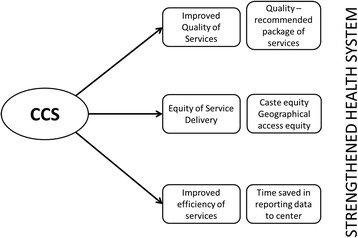
BACKGROUND: Mobile phone technology is utilized for better delivery of health services worldwide. In low-and-middle income countries mobile phones are now ubiquitous. Thus leveraging mHealth applications in health sector is becoming popular rapidly in these countries. To assess the effectiveness of the Continuum of Care Services (CCS) mHealth platform in terms of strengthening the delivery of maternal and child health (MCH) services in a district in Bihar, a resource-poor state in India. METHODS: The CommCare mHealth platform was customized to CCS as one of the innovations under a project funded by the Bill and Melinda Gates Foundation to improve the maternal and newborn health services in Bihar. The intervention was rolled out in one project district in Bihar, during July 2012. More than 550 frontline workers out of a total of 3000 including Accredited Social Health Activists, Anganwadi Workers, Auxilliary Nurse Midwives and Lady Health Supervisors were trained to use the mHealth platform. The service delivery components namely early registration of pregnant women, three antenatal visits, tetanus toxoid immunization of the mother, iron and folic acid tablet supply, institutional delivery, postnatal home visits and early initiation of breastfeeding were used as indicators for good quality services. The resultant coverage of these services in the implementation area was compared with rest of Bihar and previous year statistics of the same area. The time lag between delivery of a service and its record capture in the maternal and child tracking system (MCTS) database was computed in a random sample of 16,000 beneficiaries. The coverage of services among marginalized and non-marginalized castes was compared to indicate equity of service delivery. Health system strengthening was viewed from the angle of coverage, quality, equity and efficiency of services. RESULTS: The implementation blocks had higher coverage of all the eight indicator services compared to rest of Bihar and the previous year. There was equity of services across castes for all the indicators. Timely capture of data was also ensured compared to paper-based reporting. CONCLUSION: By virtue of its impact on quality, efficiency and equity of service delivery, health care manpower efficiency and governance, the mHealth inclusion at service provision level can be one of the potential strategy to strengthen the health system.
Checked 2026-10-05 · 1 reference not checked yet
Overview
CoChat Summary
TL;DR
The Continuum of Care Services (CCS) mHealth platform, customized on CommCare and rolled out in Saharsa District, Bihar, was associated with higher coverage of most maternal and child health indicators, equitable caste-wise service delivery, and faster data capture than paper-based reporting. The authors conclude that mHealth at the service-provision level can strengthen health systems in low- and middle-income countries.
Key findings
- Between July 2012 and March 2015, 512 frontline workers and 58 supervisors were trained; 19,880 pregnancies and 19,888 children were registered, with 309,733 home visits made.
- Coverage in the implementation area was higher than rest of Bihar for pregnancy registration (83.03% vs 50%), complete 3 antenatal visits (55.94% vs 48%), institutional delivery (83.93% vs 66.5%), early breastfeeding within 1 h (97.72% vs 73%), and at least one postnatal home visit (28.41% vs 10%); at least one TT vaccine was 79.38% in the implementation area vs 80% in rest of Bihar.
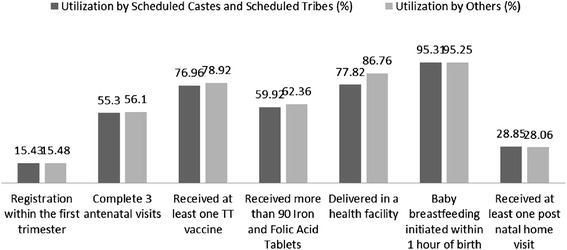
- Services were reported as equitable across scheduled castes/tribes and other castes for all aspects, except institutional deliveries were higher among other castes than scheduled castes/tribes.
- Paper-based MCTS data capture had an average lag of 72 days between service delivery and data capture, a longest lag of 1113 days, and only 0.04% entered on the same day; the mHealth platform enabled instant data capture.
Methods
- The CommCare mHealth platform was customized as CCS for case management by frontline workers, including ASHAs, AWWs, ANMs, and Lady Health Supervisors, in one project district in Bihar from July 2012; data collection for analysis stopped in March 2015.
- Eight service-delivery indicators were used to define good-quality care: early pregnancy registration, three antenatal visits, tetanus toxoid immunization, iron and folic acid tablet supply, institutional delivery, postnatal home visits, and early initiation of breastfeeding.
- Coverage in the implementation area was compared with rest of Bihar and previous-year statistics for the same area; time lag between service delivery and MCTS record capture was computed in a random sample of 16,000 beneficiaries, and caste-wise coverage was compared for equity.
Limitations
- The paper states this was a quasi-experimental evaluation; comparing mHealth district data with rest of Bihar and historical previous-year data could lead to confounding, and raw MCTS data were inaccessible so fixed or random effects modeling could not be performed.
- The paper states it does not report actual reasons why some outcomes did not improve substantially, such as iron and folic acid uptake, and calls for future cluster randomized trials with a good contemporary comparison group.
- Evident from the text: Table 3 shows at least one TT vaccine coverage was 79.38% in the implementation area versus 80% in rest of Bihar, despite the abstract stating the implementation blocks had higher coverage of all eight indicator services; postnatal home visit coverage also remained low at 28.41%.
Model-written summary. Check it against the paper before relying on it.
Integrity signals
Registry
Cites
Statistics
Figures
Verification
Claims the paper makes
0 Valid · 0 Not valid · 4 Not checked · 25 Own results and interpretations
A result the paper reports from its own data — it cites no other source for it, so there is none to check. The quote shows it is in the paper.
In the paper
“Proportion of data entered into MCTS on the same day of service delivery | 0.04 %”
§ Continuum of Care Services for Maternal and Child Health using mobile technology – a health system strengthening strategy in low and middle income countries > Results > Efficiency of services
plain- Asserted: passes — The authors put it forward as true.
- Checkable: passes — It can be checked against evidence.
- Load-bearing: passes — The paper’s conclusions depend on it.
- Based: passes — The paper gives a reason why it holds.
A result the paper reports from its own data — it cites no other source for it, so there is none to check. The quote shows it is in the paper.
In the paper
“A total of 3,09,733 home visits were provided for these women and children.”
§ Continuum of Care Services for Maternal and Child Health using mobile technology – a health system strengthening strategy in low and middle income countries > Results
plainn = 19,888- Asserted: passes — The authors put it forward as true.
- Checkable: passes — It can be checked against evidence.
- Load-bearing: unclear — It is unclear whether the paper’s conclusions depend on it.
- Based: passes — The paper gives a reason why it holds.
A result the paper states — it cites no source for it, so there is none to check. The quote shows it is in the paper.
In the paper
“However the increase in Iron and Folic Acid uptake was not very high given the person interaction and inputs from the FLWs.”
§ Continuum of Care Services for Maternal and Child Health using mobile technology – a health system strengthening strategy in low and middle income countries > Discussion
plain- Asserted: passes — The authors put it forward as true.
- Checkable: passes — It can be checked against evidence.
- Load-bearing: unclear — It is unclear whether the paper’s conclusions depend on it.
- Based: passes — The paper gives a reason why it holds.
A result the paper states — it cites no source for it, so there is none to check. The quote shows it is in the paper.
In the paper
“Timely capture of data was also ensured compared to paper-based reporting.”
§ Continuum of Care Services for Maternal and Child Health using mobile technology – a health system strengthening strategy in low and middle income countries > Abstract > Results
plain- Asserted: passes — The authors put it forward as true.
- Checkable: passes — It can be checked against evidence.
- Load-bearing: unclear — It is unclear whether the paper’s conclusions depend on it.
- Based: passes — The paper gives a reason why it holds.
A result the paper reports from its own data — it cites no other source for it, so there is none to check. The quote shows it is in the paper.
In the paper
“The average time lag of 72 days which is approximately two and half months”
§ Continuum of Care Services for Maternal and Child Health using mobile technology – a health system strengthening strategy in low and middle income countries > Results > Efficiency of services
plain- Asserted: passes — The authors put it forward as true.
- Checkable: passes — It can be checked against evidence.
- Load-bearing: passes — The paper’s conclusions depend on it.
- Based: passes — The paper gives a reason why it holds.
16 more claims
Create a free account to see all 29 claims and to verify the 4 references still open.
- Probably not a substantial claim. 1
- It may state two separate claims as one. 7
Claims other papers make about this one
Each is checked against this paper’s own text: does it say what the citing paper says it does?
The source backs part of the claim, not all of it — or backs it for a different population, condition or comparison.
In the citing paper
“Smartphone with the use of apps was the third most commonly mHealth used with a frequency of 3 of 26 interventions (12%) [34,36,55].”
From Barriers to the Use of Mobile Health in Improving Health Outcomes in Developing Countries: Systematic Review (2019) · cites this paper as [34]
Experimental — accuracy not yet measuredThe cited source says what the claim attributes to it.
In the citing paper
“Among the articles analyzed, maternal health was the most prevalent health outcome with a frequency of 9 out of the 30 articles (30%) [27-35].”
From Barriers to the Use of Mobile Health in Improving Health Outcomes in Developing Countries: Systematic Review (2019) · cites this paper as [34]
In the citing paper
“At the time of writing, only one published study reports on the impact of mHealth initiatives on skilled birth attendance [29]; and only one (a quasi-experimental study in India) has assessed whether point-of-care support systems for frontline health workers can improve facility delivery [30].”
From Impact of smartphone-assisted prenatal home visits on women’s use of facility delivery: Results from a cluster-randomized trial in rural Tanzania (2018) · cites this paper as [30]
In the citing paper
“These authors found no significant impact on facility delivery because it was already very high at baseline, but reported significant impacts on modern contraceptive use, antenatal care uptake, consumption of iron-folate tablets during pregnancy, and several birth preparedness practices that facilitate facility delivery.”
From Impact of smartphone-assisted prenatal home visits on women’s use of facility delivery: Results from a cluster-randomized trial in rural Tanzania (2018) · cites this paper as [30]
In the citing paper
“Only one other trial, an evaluation of CARE’s Ananya Program in Bihar, India, measured the impact of mobile phone-based tools for frontline workers on maternal and reproductive health outcomes [30].”
From Impact of smartphone-assisted prenatal home visits on women’s use of facility delivery: Results from a cluster-randomized trial in rural Tanzania (2018) · cites this paper as [30]
Self-check
Percentages, sums and reported differences re-computed from the paper’s own numbers.
Each contradiction between two passages listed here was confirmed by an independent check.
Rated major: it would touch a result — a value a result rests on, reported and recomputed p-values on opposite sides of the significance level, two passages that conflict with no sign which is right, or a cited work retracted before this paper was published.
In the paper
§ Continuum of Care Services for Maternal and Child Health using mobile technology – a health system strengthening strategy in low and middle income countries > Abstract > Results
“The implementation blocks had higher coverage of all the eight indicator services compared to rest of Bihar and the previous year.”
§ Continuum of Care Services for Maternal and Child Health using mobile technology – a health system strengthening strategy in low and middle income countries > Results > Quality of continuum of care services
“| 4 | Received at least one TT vaccine | 79.38 (58.90–80.26) | 74.12 | 80 |”
Rated minor: it would not touch a result — a value no result rests on, a p-value that stays on the same side of the significance level, or a conflict that is clerical, resolved elsewhere in the paper, or outside its own findings.
In the paper
§ Continuum of Care Services for Maternal and Child Health using mobile technology – a health system strengthening strategy in low and middle income countries > Methods > Continuum of care services (Maternal and Child) using mHealth
“The intervention was rolled out in the Saharsa District of Bihar in eastern part of India in the June 2012 and is ongoing.”
§ Continuum of Care Services for Maternal and Child Health using mobile technology – a health system strengthening strategy in low and middle income countries > Abstract > Methods
“The intervention was rolled out in one project district in Bihar, during July 2012.”
Citations
Cites
The challenge of complexity in health care
Plsek, P. E., & Greenhalgh, T. (2001) · BMJ · doi:10.1136/bmj.323.7313.625 · Cited by 2,578
Free, C., Phillips, G., Watson, L., Galli, L., Felix, L., Edwards, P., Patel, V., & Haines, A. (2013) · PLoS Medicine · doi:10.1371/journal.pmed.1001363 · Cited by 1,187 · cited 1×
“However when the mobile camera photos were used for diagnosis a reduction in correct diagnosis was observed [6].”
MethodKällander, K., Tibenderana, J. K., Akpogheneta, O. J., Strachan, D. L., Hill, Z., ten Asbroek, A. H. A., Conteh, L., Kirkwood, B. R., & Meek, S. R. (2013) · Journal of Medical Internet Research · doi:10.2196/jmir.2130 · Cited by 653 · cited 1×
“These included data collection intervention, SMS based reminders for patients, job aids for health workers and decision support mechanisms [7, 8].”
BackgroundComplex interventions or complex systems? Implications for health economic evaluation
Shiell, A., Hawe, P., & Gold, L. (2008) · BMJ · doi:10.1136/bmj.39569.510521.ad · Cited by 629
Sondaal, S. F. V., Browne, J. L., Amoakoh-Coleman, M., Borgstein, A., Miltenburg, A. S., Verwijs, M., & Klipstein-Grobusch, K. (2016) · PLOS ONE · doi:10.1371/journal.pone.0154664 · Cited by 441 · cited 1×
“Several studies have shown the effectiveness of mHealth technologies in advancing maternal and child health care in low and middle income countries [14–16].”
BackgroundZurovac, D., Sudoi, R. K., Akhwale, W. S., Ndiritu, M., Hamer, D. H., Rowe, A. K., & Snow, R. W. (2011) · The Lancet · doi:10.1016/s0140-6736(11)60783-6 · Cited by 403 · cited 1×
“A cluster randomized controlled trial of SMS based text messaging about appropriate treatment for malaria in Kenya revealed a significant 23 % improvement in appropriate treatment in the intervention arm [9].”
Beratarrechea, A., Lee, A. G., Willner, J. M., Jahangir, E., Ciapponi, A., & Rubinstein, A. (2014) · Telemedicine and e-Health · doi:10.1089/tmj.2012.0328 · Cited by 403 · cited 4×
“A recent scoping review showed that mobile technology contributed to reduction in delays in accessing maternal health in LMIC [4].”
BackgroundInfluentialTamrat, T., & Kachnowski, S. (2012) · Maternal and Child Health Journal · doi:10.1007/s10995-011-0836-3 · Cited by 312 · cited 1×
“These good health outcomes could be tangible improvements in health indicators, responsiveness, financial risk protection and improved efficiency [14].”
BackgroundChang, L. W., Kagaayi, J., Arem, H., Nakigozi, G., Ssempijja, V., Serwadda, D., Quinn, T. C., Gray, R. H., Bollinger, R. C., & Reynolds, S. J. (2011) · AIDS and Behavior · doi:10.1007/s10461-011-9995-x · Cited by 184 · cited 1×
“A mixed methods evaluation of mHealth intervention in rural Uganda for AIDS control revealed that there was no quantitative difference between the intervention and control groups, however qualitatively reported perceived improvements in patients care, logistics and support [10].”
MethodMobile applications for the health sector
Miller, R. J., Qiang, C. Z., Yamamichi, M., & Hausman, V. (2012) · Cited by 182
Research works printed but not linked: 3
- World Health Organization mHealth: New horizons for health through mobile technologies. Based on the findings of the second global survey on eHealth 2011 Geneva WHO
- World Health Organization Everybody’s business: strengthening health systems to improve health outcomes: WHO’s framework for action 2007 Geneva WHO
- Richmond B The “thinking” in systems thinking: seven essential skills 2000 Waltham Pagasus Communication
Cited by
Kruse, C., Betancourt, J., Ortiz, S., Valdes Luna, S. M., Bamrah, I. K., & Segovia, N. (2019) · Journal of Medical Internet Research · doi:10.2196/13263 · Cited by 299
“Among the articles analyzed, maternal health was the most prevalent health outcome with a frequency of 9 out of the 30 articles (30%) [27-35].”
BackgroundAhmed, S., Chase, L. E., Wagnild, J., Akhter, N., Sturridge, S., Clarke, A., Chowdhary, P., Mukami, D., Kasim, A., & Hampshire, K. (2022) · International Journal for Equity in Health · doi:10.1186/s12939-021-01615-y · Cited by 184
“Of these, five showed coverage, acceptability, or utilisation of CHW services on par with that of non-marginalized groups [31, 32, 140, 147, 152], with two studies showing marginalized caste groups were more likely to access CHW services [21, 28].”
BackgroundDavidson, L., & Boland, M. R. (2021) · Briefings in Bioinformatics · doi:10.1093/bib/bbaa369 · Cited by 148
“A 2019 systematic review determined mHealth applications with promising potential for use by healthcare workers during antenatal care [25]: Babyscripts [32], OpenSRP [29], PANDA [28], PotM [37], mHealth Guatemala [30], Expect With Me [35], mPAMANECH [31] and COMMCARE [38].”
BackgroundLattof, S. R., Moran, A. C., Kidula, N., Moller, A., Jayathilaka, C. A., Diaz, T., & Tunçalp, Ö. (2020) · BMJ Global Health · doi:10.1136/bmjgh-2020-002605 · Cited by 109
Kabongo, E. M., Mukumbang, F. C., Delobelle, P., & Nicol, E. (2021) · BMC Pregnancy and Childbirth · doi:10.1186/s12884-021-03684-x · Cited by 105
Bassi, A., John, O., Praveen, D., Maulik, P. K., Panda, R., & Jha, V. (2018) · JMIR mHealth and uHealth · doi:10.2196/11440 · Cited by 87
“[16-25,30,31,34-57], and 20 articles reported user acceptability of the initiative [28,32,33,58-74].”
BackgroundGoudet, S. M., Murira, Z., Torlesse, H., Hatchard, J., & Busch‐Hallen, J. (2018) · Maternal and Child Nutrition · doi:10.1111/mcn.12699 · Cited by 95
“A study conducted in Vadadara, India (Ghanekar et al., 2002), had no baseline or comparison groups, and so it was not possible to determine the effect of the programme interventions on IFA supplement consumption with certainty.”
BackgroundResultInfluentialOliver-Williams, C., Brown, E., Devereux, S., Fairhead, C., & Holeman, I. (2017) · JMIR mHealth and uHealth · doi:10.2196/mhealth.7792 · Cited by 86
“Balakrishnan et al [22] found no improvement in coverage for tetanus when health workers used a mobile phone tool that created electronic vaccination records and registered when vaccination was due and administered.”
BackgroundHui, C. Y., Abdulla, A., Ahmed, Z., Goel, H., Habib, G. M., Toh, T., Khandakr, P., Mahmood, H., Nautiyal, A., Nurmansyah, M., et al. (2022) · Journal of Global Health · doi:10.7189/jogh.12.04094 · Cited by 92
Haddad, S. M., Souza, R. T., & Cecatti, J. G. (2019) · International Journal of Medical Informatics · doi:10.1016/j.ijmedinf.2019.04.008 · Cited by 90
Carmichael, S. L., Mehta, K. M., Srikantiah, S., Mahapatra, T., Chaudhuri, I., Balakrishnan, R., Chaturvedi, S., Raheel, H., Borkum, E., Trehan, S., et al. (2019) · Journal of Global Health · doi:10.7189/jogh.09.020424 · Cited by 82
Self-citationLattof, S. R., Tunçalp, Ö., Moran, A. C., Bucagu, M., Chou, D., Diaz, T., & Gülmezoglu, A. M. (2019) · BMJ Open · doi:10.1136/bmjopen-2018-024130 · Cited by 81
“Additionally, improved measures would assist researchers and programme implementers in assessing the content and quality of ANC,(31) tracking effective implementation of policies addressing social determinants of maternal health,(32) revealing ANC implementation bottlenecks,(33) assessing equity of ANC programme cover…”
BackgroundMildon, A., & Sellen, D. (2019) · Journal of Global Health · doi:10.7189/jogh.09.020425 · Cited by 79
Abejirinde, I. O., Ilozumba, O., Marchal, B., Zweekhorst, M. B. M., & Dieleman, M. A. (2018) · International Journal of Care Coordination · doi:10.1177/2053434518779491 · Cited by 73
“Availability of mHealth content in local languages can facilitate mHealth adoption.(47,51,55,65,68) Where interventions offer sufficient training on technology use and the software includes local language support, workers with lower level of training and lower ICT skills can still find mHealth content understandable a…”
Iribarren, S. J., Brown, W., Giguere, R., Stone, P., Schnall, R., Staggers, N., & Carballo-Diéguez, A. (2017) · International Journal of Medical Informatics · doi:10.1016/j.ijmedinf.2017.01.017 · Cited by 62
Coleman, J., Black, V., Thorson, A. E., & Eriksen, J. (2020) · Reproductive Health · doi:10.1186/s12978-020-01017-3 · Cited by 62
“Conversely, an SMS appointment reminder intervention in Nigeria showed that intervention patients that received their reminder message cut non-attendance to PNC visits in half (21.3% vs 42.8%; p < 0.01) [50].”
BackgroundInfluentialAdvances and Challenges in Low-Resource-Environment Software Systems: A Survey
Agbeyangi, A. O., & Suleman, H. (2024) · Informatics · doi:10.3390/informatics11040090 · Cited by 85
Iweama, C. N., Agbaje, O. S., Umoke, P. C. I., Igbokwe, C. C., Ozoemena, E. L., Omaka-Amari, N. L., & Idache, B. M. (2021) · SAGE Open Medicine · doi:10.1177/2050312121989497 · Cited by 54
Susanti, A. I., Ali, M., Hernawan, A. H., Rinawan, F. R., Purnama, W. G., Puspitasari, I. W., & Stellata, A. G. (2022) · International Journal of Environmental Research and Public Health · doi:10.3390/ijerph192113893 · Cited by 62
“According to previous research, there have been several applications that midwives have used to provide mother–child health (MCH), such as e-cohort [36], Tele-CTG [37], iPosyandu [38], Continuum of Care Services (CCS) [39], and Traditional Birth Attendants (TBAs) mHealth for traditional attendance [40].”
MethodHackett, K., Lafleur, C., Nyella, P., Ginsburg, O., Lou, W., & Sellen, D. (2018) · PLOS ONE · doi:10.1371/journal.pone.0199400 · Cited by 50
Benedict, R. K., Craig, H. C., Torlesse, H., & Stoltzfus, R. J. (2018) · Maternal and Child Nutrition · doi:10.1111/mcn.12697 · Cited by 52
“One KMC intervention in India encouraged mothers of very low birth weight infants to initiate KMC immediately after delivery; the intervention reported positive EIBF findings, yet there was no impact on EBF at 6 months (Gavhane et al., 2016).”
BackgroundInfluentialMishra, M., Parida, D., Murmu, J., Singh, D., Rehman, T., Kshatri, J. S., & Pati, S. (2023) · Healthcare · doi:10.3390/healthcare11192635 · Cited by 54
“However, this decision was made to ensure consistency in the intervention, study design, participants, and outcome measures.”
BackgroundNigussie, Z. Y., Zemicheal, N., Tiruneh, G. T., Bayou, Y. T., Teklu, G. A., Sebsibe, E., Eifler, K., Hodsdon, S. E., Emaway, D., Rosenblum, L., et al. (2021) · Global Health Science and Practice · doi:10.9745/ghsp-d-20-00685 · Cited by 44
Khan, T., Malik, S., Rafeekh, L., Halder, S., Desai, S., & Bhattacharya, S. D. (2024) · Human Vaccines & Immunotherapeutics · doi:10.1080/21645515.2024.2411823 · Cited by 44
“118 ,120 In one of the Indian study, mHealth was used for pregnancy registration, real-time guidance, timely alert and tracking, while in another, it was used as a continuum of care for pregnancy, ANC, post-natal care and child health.”
Mbunge, E., & Sibiya, M. N. (2024) · Global Health Journal · doi:10.1016/j.glohj.2024.08.002 · Cited by 47
Choudhury, A., Asan, O., & Choudhury, M. (2021) · Journal of the American Medical Informatics Association · doi:10.1093/jamia/ocab172 · Cited by 45
Bibliometric Analysis and Methodological Review of Mobile Health Services and Applications in India
Pai, R. R., & Alathur, S. (2021) · International Journal of Medical Informatics · doi:10.1016/j.ijmedinf.2020.104330 · Cited by 35
Venkataramanan, R., Subramanian, S. V., Alajlani, M., & Arvanitis, T. N. (2022) · Digital Health · doi:10.1177/20552076221143236 · Cited by 43
“27 However, the interventions work well when women have a mobile phone for their own use.”
Endehabtu, B. F., Weldeab, A. N., Were, M. C., Lester, R. T., Worku, A., & Tilahun, B. C. (2018) · JMIR Pediatrics and Parenting · doi:10.2196/pediatrics.9618 · Cited by 35
“Several scientific papers have shown that short message service (SMS) text messaging-based mobile health (mHealth) intervention could potentially improve maternal and child health [13-18].”
BackgroundNegero, M. G., Sibbritt, D., & Dawson, A. (2021) · Human Resources for Health · doi:10.1186/s12960-021-00601-3 · Cited by 21
“The social networks that CHWs had were a valuable asset enabling the building of rapport and relationships with pregnant women to facilitate referral to nearby health facilities and the provision of home-based life-saving ANC and PNC services [43, 48, 54, 55, 57, 59].”
BackgroundPredictors of the utilisation of continuum of maternal health care services in India
Gandhi, S., Gandhi, S., Dash, U., & Babu, M. S. (2022) · BMC Health Services Research · doi:10.1186/s12913-022-07876-9 · Cited by 32
Mobile health solutions in developing countries: a stakeholder perspective
Eze, E., Gleasure, R., & Heavin, C. (2018) · Health Systems · doi:10.1080/20476965.2018.1457134 · Cited by 36
“In some cases, this involves improving HCWs’ ability to access and respond to data (Balakrishnan et al., 2016; Gupta et al., 2017; Madon et al., 2014; Stanton et al., 2015; Thondoo et al., 2015).”
BackgroundSharma, P., Rao, S. R., Kumar, P. K., Nair, A. R., Agrawal, D., Zadey, S., Surendran, G., Joseph, R. G., Dayma, G., Rafeekh, L., et al. (2024) · PLOS Digital Health · doi:10.1371/journal.pdig.0000398 · Cited by 34
Scott, K., Ummer, O., Chamberlain, S., Sharma, M. D., Gharai, D., Mishra, B., Choudhury, N., Mohan, D., & LeFevre, A. E. (2022) · BMJ Open · doi:10.1136/bmjopen-2021-051193 · Cited by 28
Gimbel, S., Kawakyu, N., Dau, H., & Unger, J. A. (2018) · Current HIV/AIDS Reports · doi:10.1007/s11904-018-0416-x · Cited by 26
Contribuições dos aplicativos móveis para a prática do aleitamento materno: revisão integrativa
Diniz, C. M. M., Leal, L. P., Guedes, T. G., Linhares, F. M. P., & Pontes, C. M. (2019) · Acta Paulista de Enfermagem · doi:10.1590/1982-0194201900079 · Cited by 42
Kanyesigye, H., Kabakyenga, J. K., Mulogo, E. M., Fajardo, Y., Atwine, D., MacDonald, N. E., Bortolussi, R. A., Migisha, R., & Ngonzi, J. N. J. (2022) · BMC Pregnancy and Childbirth · doi:10.1186/s12884-022-05007-0 · Cited by 27
“antenatal registration and delivery in hospital by approximately 20% [21].”
BackgroundNagraj, S., Kennedy, S. H., Norton, R., Jha, V., Praveen, D., Hinton, L., & Hirst, J. E. (2020) · Frontiers in Cardiovascular Medicine · doi:10.3389/fcvm.2020.00040 · Cited by 21
“The Role of Mobile Technologies Mobile health (mHealth) technologies have the potential to increase equity, quality and efficiency of service delivery in LMICs (28).”
BackgroundBekyieriya, E., Isang, S., & Baguune, B. (2023) · Public Health in Practice · doi:10.1016/j.puhip.2023.100407 · Cited by 22
“Existing evidence shows that mHealth applications may be useful to improving maternal, neonatal and child health, including increased antenatal care attendance, facility usage and skilled attendance at birth, postnatal care attendance, and immunization rates [15 – 17].”
Asi, Y., & Williams, C. (2020) · Journal of Social Issues · doi:10.1111/josi.12394 · Cited by 23
Atukunda, E. C., Siedner, M. J., Obua, C., Musiimenta, A., Ware, N. C., Mugisha, S., Najjuma, J. N., Mugyenyi, G. R., & Matthews, L. T. (2023) · JMIR Formative Research · doi:10.2196/36619 · Cited by 24
Technologies for strengthening immunization coverage in India: a systematic review
Dudeja, S., Khan, T., Varughese, D. T., Abraham, S. G., Ninan, M. M., Prasad, C. L., Sarkar, R., & Kang, G. (2023) · The Lancet Regional Health - Southeast Asia · doi:10.1016/j.lansea.2023.100251 · Cited by 28
Exploration of Telemidwifery: An Initiation of Application Menu in Indonesia
Stellata, A. G., Rinawan, F. R., Winarno, G. N. A., Susanti, A. I., & Purnama, W. G. (2022) · International Journal of Environmental Research and Public Health · doi:10.3390/ijerph191710713 · Cited by 20
Turkmani, S., Smith, R., Tan, A., Kamkong, C. B., Anderson, R., Sakulku, S., Jat, T. R., Biswas, A., & Homer, C. (2023) · PLOS Global Public Health · doi:10.1371/journal.pgph.0000786 · Cited by 17
Areemit, R., Lumbiganon, P., Suphakunpinyo, C., Jetsrisuparb, A., Sutra, S., & Sripanidkulchai, K. (2020) · JMIR mhealth and uhealth · doi:10.2196/15116 · Cited by 20
“Studies have used mobile apps to connect and send data between health care providers and patients or use it for means of notifications, with positive outcomes [26-34].”
BackgroundSingh, K., & Walters, M. R. (2024) · PLOS Digital Health · doi:10.1371/journal.pdig.0000403 · Cited by 18
Wulandari, H., & Pangastuti, R. (2020) · Al-Athfaal Jurnal Ilmiah Pendidikan Anak Usia Dini · doi:10.24042/ajipaud.v3i1.6912 · Cited by 14
“…Continuum Of Care Service (CCS) untuk kesehatan ibu dan anak: strategi penguatan sistem kesehatan di negara berpenghasilan rendah dan menengah (Balakrishnan et al., 2016), paradigma baru teknologi seluler kesehatan mental salah satu alternatif yang menguntungkan untuk mencapai pendekatan yang…”
BackgroundSaha, S., & Zahiruddin, Q. S. (2022) · Frontiers in Public Health · doi:10.3389/fpubh.2022.856561 · Cited by 17
Zhang, P., Chen, H., Shang, J., Ge, J., Zhang, H., Ming-jun, X., Bian, C., Zhao, Y. W., Chen, M., & Hirst, J. E. (2021) · JMIR Formative Research · doi:10.2196/29644 · Cited by 15
“Although most research in this area has focused on feasibility and acceptability studies, [9-14] mHealth could be a valuable tool for strengthening health systems [15,16].”
BackgroundAtukunda, E. C., Mugyenyi, G. R., Haberer, J. E., Siedner, M. J., Musiimenta, A., Najjuma, J. N., Obua, C., & Matthews, L. T. (2025) · JMIR Research Protocols · doi:10.2196/67049 · Cited by 17
“Both our pilot data and other similar studies estimate that 70% of the women in Uganda deliver with a skilled attendant [15,48,49].”
eHealth and Prevention of Mother-to-Child Transmission of HIV
John-Stewart, G. C. (2018) · Current HIV/AIDS Reports · doi:10.1007/s11904-018-0408-x · Cited by 15
Regan, A. K., Uwimana, H., Rowe, S. L., Olsanska, E. J., Agnew, B. F., Castillo, E., Fiddian-Green, A., & Giles, M. (2025) · npj Vaccines · doi:10.1038/s41541-025-01120-1 · Cited by 12
Integrated Maternal Care Strategies in Low- and Middle-Income Countries: A Systematic Review
van der Werf, L., Evers, S., Prieto‐Pinto, L., Samacá-Samacá, D., & Paulus, A. T. G. (2022) · International Journal of Integrated Care · doi:10.5334/ijic.6254 · Cited by 14
“Two of them had good methodological quality [45, 51], and one was of moderate quality [44].”
Connecting mothers to care: Effectiveness and scale-up of an mHealth program in Timor-Leste
Thompson, S., Mercer, M. A., Hofstee, M., Stover, B. D., Vasconcelos, P., & Meyanathan, S. (2019) · Journal of Global Health · doi:10.7189/jogh.09.020428 · Cited by 13
Balogun, M. R., Boateng, G. O., Adams, Y. J., Ransome-Kuti, B., Sekoni, A. O., & Adams, E. A. (2020) · Journal of Global Health Reports · doi:10.29392/001c.13507 · Cited by 19
“This included (1) the use of phone as a good way to promote maternal and child health, (2) the need to provide special training to use phones for care services, (3) the effectiveness of using the phone to monitor mother and child before and after delivery, (4) the accessibility of text messages through mobile phones,…”
BackgroundThepha, T., Carr, G., Marais, D., Kuasri, J., Klangphaow, K., & Tangpukdee, J. (2024) · Digital Health · doi:10.1177/20552076241309520 · Cited by 16
Ma, T., Chang, K., Alyusuf, A., Bajracharya, E., Washio, Y., Kelly, P. J., Bellad, R., Mahantashetti, N. S., Charantimath, U., Short, V. L., et al. (2022) · JMIR Formative Research · doi:10.2196/32795 · Cited by 11
Digital solutions to follow up on discharged new parents—A systematic literature review
Pajalić, Z., Rauckienė, A., Savosnick, G., Bartels, I., Calleja‐Agius, J., Saplacan, D., Jónsdóttir, S. S., & Asadi‐Azarbaijani, B. (2023) · PLOS Digital Health · doi:10.1371/journal.pdig.0000317 · Cited by 12
“In addition, mHealth interventions have been shown to be effective in improving maternal and neonatal service utilisation [41,54].”
BackgroundKaramagi, H. C., Charif, A. B., Kidane, S. N., Yohanes, T., Kariuki, D., Titus, M., Batungwanayo, C., Seydi, A. B.-W., Berhane, A., Nzinga, J., et al. (2022) · PLOS Global Public Health · doi:10.1371/journal.pgph.0001076 · Cited by 12
“Also, health technologies were used to improve healthcare service delivery and overarching goal of universal health coverage [35,63,64].”
MethodAdebayo, E., Wang, D., Olaniyan, H. O., Olumide, A. O., Ogunniyi, A. O., & Fawzi, W. W. (2023) · BMJ Open · doi:10.1136/bmjopen-2022-069362 · Cited by 10
Lozada-Tequeanes, A. L., Théodore, F. L., Kim-Herrera, E., García-Guerra, A., Quezada-Sánchez, A. D., Alvarado-Casas, R., & Bonvecchio, A. (2024) · JMIR mHealth and uHealth · doi:10.2196/55509 · Cited by 8
“These calculations accounted for a design effect ranging between 1.5 and 1.9 [15] and factored in a 20% dropout rate [16].”
BackgroundInfluentialCherie, N., Wordofa, M. A., & Debelew, G. T. (2025) · International Health · doi:10.1093/inthealth/ihae080 · Cited by 8
“21 , 22 Extending the reach of the healthcare system, mHealth is intended to support health-care behaviour.”
Mustapha, A. Y., Kolawole, T. O., Mbata, A. O., Tomoh, B. O., Forkuo, A. Y., & Kelvin-Agwu, M. C. (2024) · Journal of Frontiers in Multidisciplinary Research · doi:10.54660/.ijfmr.2024.5.1.70-86 · Cited by 26
Zelka, M. A., Worku, A., & Debelew, G. T. (2022) · Heliyon · doi:10.1016/j.heliyon.2022.e12020 · Cited by 8
Shah, S., Shinde, A., Anand, A., Modi, D. K., Desai, G., Bhatt, H., Gopalan, R., Dholakia, N. B., Vaghela, P. C., Desai, S., et al. (2018) · Acta Paediatrica · doi:10.1111/apa.14322 · Cited by 8
“the CommCare mHealth platform reduced inequities in the continuum of MNCH care services (22).”
MethodAdaptive Health Systems: Innovations in Crisis Management During Armed Conflicts
Sameri, M. J., Alizadeh, M., Baghlani, F., & Mahdavi, S. (2025) · Disaster Medicine and Public Health Preparedness · doi:10.1017/dmp.2025.100 · Cited by 7
“21 While the literature on adaptive health systems is primarily focused on regions such as the Middle East and Eastern Europe, other regions of the world, including sub-Saharan Africa and Central Asia, face their own challenges.”
Aplikasi e-Health Berbasis Teknologi Smartphone dalam Monitoring Klien di Komunitas: Studi Literatur
Rohayati, R. (2020) · Jurnal Penelitian Kesehatan "SUARA FORIKES" (Journal of Health Research "Forikes Voice") · doi:10.33846/sf11202 · Cited by 16
Zulaeka, P., Manyullei, S., Ibrahim, E., Mallongi, A., Saleh, L. M., Riskiyani, S., & Kasim, S. (2024) · Universal Journal of Public Health · doi:10.13189/ujph.2024.120311 · Cited by 7
Octovia, L. I., Manikam, N. R. M., Witjaksono, F., Sutanto, K., Koesoema, A. P., Soegijoko, S., & Irawan, Y. S. (2017) · International Conference on Instrumentation, Communications, Information Technology, and Biomedical Engineering · doi:10.1109/icici-bme.2017.8537775 · Cited by 7
Nkwo, M. S., Orji, R., Ajah, I. A., Igwe, J., Ogbaga, I. N., & Chigozie-Okwum, C. C. (2021) · African Human Computer Interaction Conference (AfriCHI) · doi:10.1145/3448696.3448707 · Cited by 7
“For instance, the Continuum of Care services (CCS) mHealth app was designed to assist frontline health workers in India to automate data collection, integration and management, ensuring continuum of care and monitor specific maternal health services such as Tetanus Toxide Injections, Early Initiation Breastfeeding, an…”
BackgroundEmerging role of NGOs in social innovations: A paradigm shift
Deshmukh, M., Philbrick, W. C., & Mechael, P. (2024) · Elsevier eBooks · doi:10.1016/b978-0-443-18529-8.00045-7 · Cited by 6
Mobile Health Application in Implementation of Maternity Nursing Care: Literature Review
Nasution, L. A., & Hariyati, R. T. S. (2018) · Majalah Keperawatan Unpad/Journal of Nursing Care · doi:10.24198/jnc.v1i1.15762 · Cited by 9
“The development of mobile health in the field of maternity nursing includes antenatal, intranatal and postnatal (Bang et al., 2010; Datta et al., 2014).”
Use of monitoring data to improve implementation of a home fortification program in Bihar, India
Mehta, R. V., Martorell, R., Chaudhuri, I., Girard, A. W., Ramakrishnan, U., Verma, P., Kekre, P., Srikantiah, S., & Young, M. F. (2018) · Maternal and Child Nutrition · doi:10.1111/mcn.12753 · Cited by 7
Self-citationDandona, R., Majumder, M., & Kumar, G. A. (2024) · BMJ Open · doi:10.1136/bmjopen-2024-083922 · Cited by 5
Gandhi, S., Ramesh, S., Dash, U., & Babu, S. M. (2020) · Journal of Public Health · doi:10.1007/s10389-019-01148-3 · Cited by 5
Zelka, M. A., Worku, A., & Debelew, G. T. (2022) · BMJ Open · doi:10.1136/bmjopen-2022-061293 · Cited by 5
Asahngwa, C. T., Fantaye, A. W., Buh, A. W., Obegu, P., Fournier, K., Kasonde, M., Jacobs, C. N., Clementina, P., Gobina, R. M., Kibu, O. D., et al. (2024) · PLoS ONE · doi:10.1371/journal.pone.0295437 · Cited by 4
Cherie, N., Wordofa, M. A., & Debelew, G. T. (2024) · PLoS ONE · doi:10.1371/journal.pone.0310124 · Cited by 6
The Application Design of Nifasku Based On Android for Postpartum Care and Newborn
Nurdianti, D., Kurniawati, A., & Windiyani, W. (2020) · Journal of Physics Conference Series · doi:10.1088/1742-6596/1477/6/062015 · Cited by 4
“Introduction The post-partum period is the period immediately after childbirth that can pose great health risks for mothers and newborns [1].”
BackgroundSaha, S., Pandya, A., Raval, D. A., & Saxena, D. B. (2022) · Indian Journal of Community Medicine · doi:10.4103/ijcm.ijcm_192_22 · Cited by 4
Clouse, K., Noholoza, S., Ngcobo, N., Madwayi, S., Mrubata, M., Camlin, C. S., Myer, L., & Phillips, T. K. (2022) · BMJ Open · doi:10.1136/bmjopen-2022-064946 · Cited by 4
Pruteanu, M.-V., Moroșanu, A., Zegan, G., Mihăilă, C. B., & Cărăușu, E. M. (2025) · Health Research Policy and Systems · doi:10.1186/s12961-025-01376-y · Cited by 4
“These mobile health (mHealth) solutions have proven valuable in providing reliable access to information and facilitating timely interventions in primary healthcare settings, ultimately leading to better service outcomes and greater patient satisfaction [35–37].”
Damar, M., Kop, O., Şaylan, Ö. F., & Erenay, F. S. (2024) · Journal of Information Systems and Management Research · doi:10.59940/jismar.1521397 · Cited by 3
Breastfeeding flashcards (BFC): An innovative tool for breastfeeding education using ADDIE model
Rosyidah, H., Rahayu, I. P., Aisyaroh, N., & Mathurin, J. (2025) · Journal of Health Technology Assessment in Midwifery · doi:10.31101/jhtam.4137 · Cited by 2
“This is consistent with findings from a study on working mothers at Universitas Negeri Padang, which showed low knowledge about breastfeeding benefits, techniques, and breastmilk management (Balakrishnan et al., 2016; Lee et al., 2019).”
Research progress in postpartum visit competency.
Wang, G., Li, X., Xie, Y., & Gong, W. (2024) · PubMed Central · doi:10.11817/j.issn.1672-7347.2024.240414 · Cited by 2
“影响产后访视服务的因素包括访视人员的友好 程度、技术技能、给婴儿的保健指导和提供个性化 保健服务的能力 [19] 。调查研究 [20-21] 发现,产妇、保健 服务提供者等利益相关方对产后访视中新生儿保健 环节的评价受工作人员相关技能培训不足的影响。 除了访视人员自身能力影响服务质量,在一些卫生 资源有限的地区,工作人员短缺、交通不便和乡镇 分布分散等问题也会影响产后访视服务的交付 [20] 。因 此,未来可尝试加强访视人员的能力建设,建立保 健工作者之间的协作机制 [22] ,或使用移动平台 [23] ,以 减轻访视工作的难度,提升服务质量。”
Leeuw, K. D. (2019) · Open University of Cape Town (University of Cape Town) · Cited by 4
Thakur, A., Reshmi, B., Mithra, P., Sekaran, V. C., & Kumar, S. (2025) · Preprints.org · doi:10.20944/preprints202507.1082.v1 · Cited by 1
Pilot testing models of task shifting for the care of severe mental illness in South Africa
Sibeko, N. G. (2018) · Open University of Cape Town (University of Cape Town)
Colubri, A., Hartley, M., Siakor, M., Wolfman, V., Sesay, T., Felix, A., Levine, A. C., & Sabeti, P. C. (2018) · SSRN Electronic Journal · doi:10.2139/ssrn.3250927
Eze, E. (2018) · Cork Open Research Archive (University College Cork, Ireland)
Longe, O. B., Onawola, H. J., Okolo, O., Adegbenro, D. R., Wada, F., Chiemeke, S. C., & Durosinmi, A. E. (2020) · Advances in Multidisciplinary & Scientific Research Journal Publication · doi:10.22624/aims/bhi/v6n2p2
Uso da mobile health pelo agente comunitário de saúde na assistência neonatal
Roveri, P. F., de Oliveira, R. F., Queiroz, R. O., Matsuda, L. M., Jaques, A. E., & Higarashi, I. H. (2020) · Saúde Coletiva (Barueri) · doi:10.36489/saudecoletiva.2019v9i49p1660-1667
Wiweko, B., Riyanti, A., Olivia, S., Priangga, M., Silvana, V., Zakirah, S. C., Pertiwi, I. P., Putro, A. L. R., Wibawa, Y. S., Harzif, A. K., et al. (2020) · Research Square · doi:10.21203/rs.2.24558/v1
“Data transfer accuracy was also significantly improved by using mobile-based compared to paper-based system (11).”
MethodZelka, M. A. (2022) · Research Square · doi:10.21203/rs.3.rs-1231501/v1
Mobile phone-based postnatal follow up and maternal health outcomes for low risk mothers
Ghani, R. M. A., & Khalaf, A. (2022) · British Journal of Midwifery · doi:10.12968/bjom.2022.30.11.636
Uso de aplicativo móvel voltado para educação em saúde da criança: revisão sistemática
OLIVEIRA, K. T., Alves, M. M., da Silva, V. H. C., Lossio, J. P. P., Sousa, I. D. C., de Freitas, V. G., Pinto, A. G. A., Alves, S. M., Júnior, J. R. C. P., & Viana, M. C. A. (2022) · Research Society and Development · doi:10.33448/rsd-v11i16.37717 · Cited by 3
Pengaruh Penggunaan Teknologi Kesehatan Terhadap Layanan Kesehatan Di Sekolah
Hutahaean, S., Anggraini, N. V., Wadu, R. M. B., Apriliana, V., & Istikomah, L. R. (2022) · Jurnal Keperawatan Muhammadiyah · doi:10.30651/jkm.v7i4.15635
Delmaifanis, D., Siregar, K. N., & Nur, R. J. B. (2023) · Women Midwives and Midwifery · doi:10.36749/wmm.3.2.79-89.2023
Metadata
- Authors
- Balakrishnan, R., Gopichandran, V., Chaturvedi, S., Chatterjee, R., Mahapatra, T., & Chaudhuri, I.
- Affiliations
- Care India (IN)
- University of California, Los Angeles (US)
- Corresponding author
- Gopichandran, Vijayaprasad
- ORCID
- Venue
- BMC Medical Informatics and Decision Making
- Published
- 2016-07-07
- Volume
- 16
- Issue
- 1
- Pages
- 84-84
- ISSN
- 1472-6947 (ISSN-L)
- PMC
- PMC4937606
- OpenAlex
- W2471152413
- Cited by
- 116
- References
- 20
- Citations by year
- 2026: 8 · 2025: 5 · 2024: 15 · 2023: 12 · 2022: 26 · 2021: 11 · 2020: 15 · 2019: 7 · 2018: 14 · 2017: 3
- FWCI
- 14.90
- Type
- journal article
- Language
- en
- Open access
- gold
- doi.org
- Licence
- cc-by
- creativecommons.org/licenses/by/4.0/ (tdm)
- creativecommons.org/licenses/by/4.0/ (vor)
- Locations
- BMC Medical Informatics and Decision Making (publishedVersion, cc-by)
- Europe PMC (PubMed Central) (publishedVersion, cc-by)
- PubMed Central (publishedVersion, cc-by)
- PubMed (publishedVersion)
- Funders
- Bill and Melinda Gates Foundation (OPP1016872CARE)
- Topics
- Health Sciences › Health Professions › General Health Professions › Mobile Health and mHealth Applications
- Health Sciences › Medicine › Pediatrics, Perinatology and Child Health › Global Maternal and Child Health
- Physical Sciences › Computer Science › Information Systems › ICT in Developing Communities
- Keywords
- continuum of care, maternal and child health, mobile health, health system strengthening, service quality, health care equity, caste disparities, frontline health workers, maternal and newborn health, Bihar, data capture
- MeSH terms
- Adult, Child, Child Health Services, Child, Preschool, Continuity of Patient Care, Delivery of Health Care, Developing Countries, Female, Humans, Infant, Infant, Newborn, Maternal Health Services, Pregnancy, Quality of Health Care, Telemedicine
About these checks
Registry, retraction, Cites and statistics results are computed, not judged, with one exception: a printed reference that no index lists is read once by a model before it counts as a citation error. Claims are extracted by a model and kept only when their quote appears verbatim in the text; each cited source is then checked, with a model’s help, for whether it says what the claim relies on. Those verdicts can be wrong — read the claim’s quote and the cited source before relying on one.
A language model drew the claims from the paper on 2026-10-05, under version 3 of the claim definition (model deepseek-v4.1-flash, prompt extract-v3).
A second model labelled each claim on 2026-10-05 (model jev-1.13-20260917, definition revision gold-guideline-v0.2).
Statistics and arithmetic are recomputed, not judged.
Confidence bands are shown only for fields calibrated on our annotated test set. None is calibrated yet, so no band is shown.
What counts as a claim ›How we measure confidence ›How we check this ›
Are you an author, or do you see a problem with this page? Request a review
Data sources
Bibliographic data: Semantic Scholar, OpenAlex, Crossref.
Contains information from the Semantic Scholar Academic Graph Datasets, made available under the ODC Attribution License (ODC-BY 1.0).
Semantic Scholar’s data is described in: Kinney, R., et al. (2023). The Semantic Scholar Open Data Platform. arXiv:2301.10140.
